Archive | Bread RSS feed for this section

Multigrain Sandwich Bread

11 Jun

Since September, I’ve been baking bread for my son’s school.  I make two loaves of bread for his class, and the bread gets used throughout the week for work projects (in a Montessori school, activities that involve bread are the basis for learning, which should make obvious the variety of reasons I am a fan of a Montessori education), snacks, and the occasional almond butter sandwich that a kid will receive for lunch when his or her intended lunch ended up on the floor or, occasionally, in another child’s mouth.  It happens.
Before the start of the school year, I spent a lot of time working on a suitable bread recipe for my son’s school.  It was preferable to everyone involved that the bread be whole grain or whole wheat, and, because of the dietary restrictions of some students, the bread had to be vegan.  It also, most importantly, had to be something that a child would want to eat.  Knowing full well about children and their preference for foods that do not contain too many surprises or unexpected textures, the bread had to be on the soft side, with no big chunks of seeds or nuts that might possibly repel an unsuspecting child.  And, of course, it had to be delicious, because who am I to foist healthfulness upon a child without the added promise of tastiness?
This week I made the last two loaves of bread that I will ever bring to his school.  School ends this week and my son will leave kindergarten and enter a new school in the fall, a grade school, where children eat en masse in a cafeteria, sit at assigned desks, and intermingle with other students who are twice their age.  It’s all a bit overwhelming, I would think.  I don’t say this to my son, of course.  Instead, there is a lot of talk of how great the garden is at the new school, how big the playground is, how nice the teachers are.  I want my son to transition as seamlessly as possible when he enters his new school, and it would be preferable that I instill him with a sense of confidence about his new surroundings, rather than a sense of doom concerning the fact that, dude, did you see that fifth grader?  He looked like he was one growth spurt away from needing a shave.
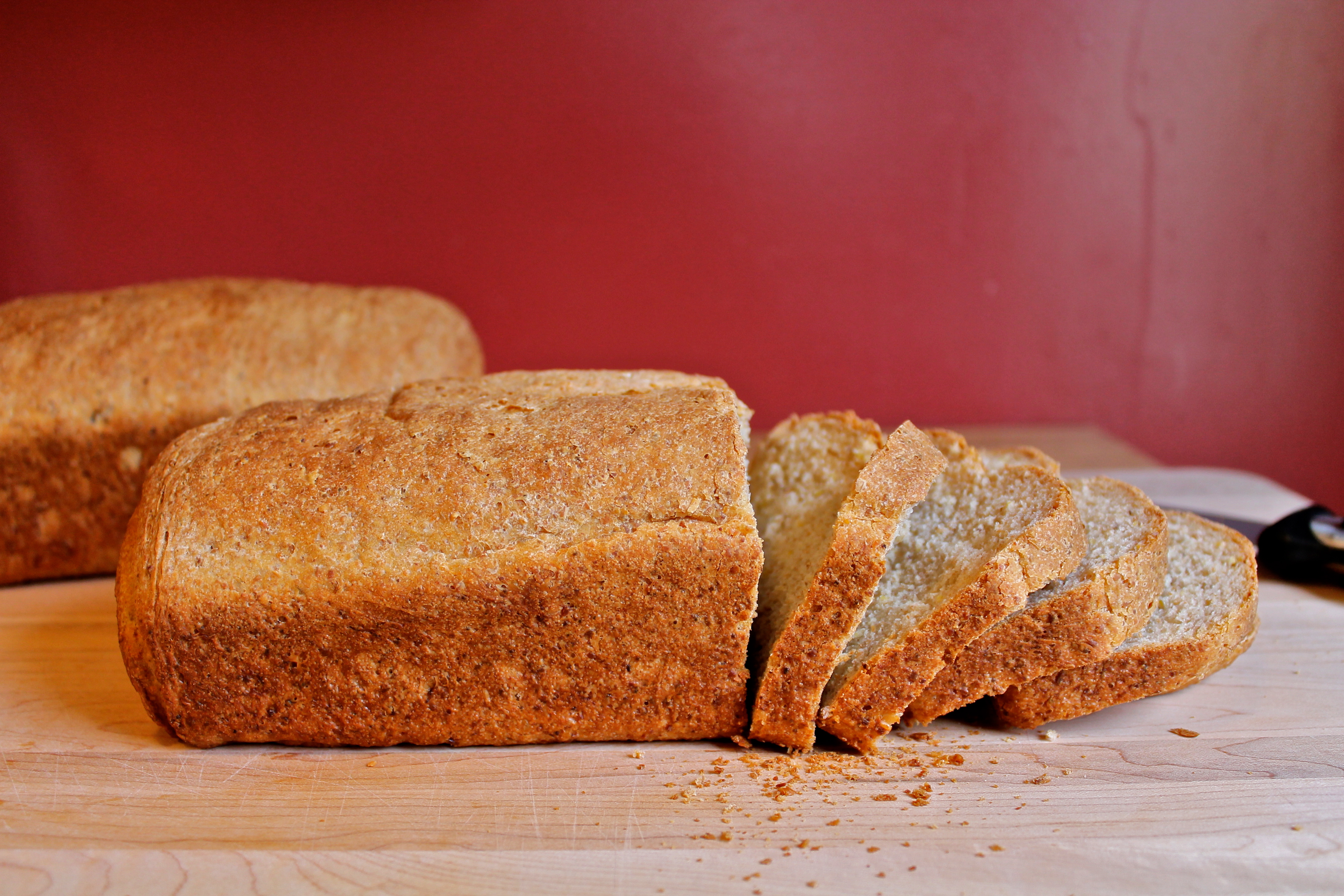
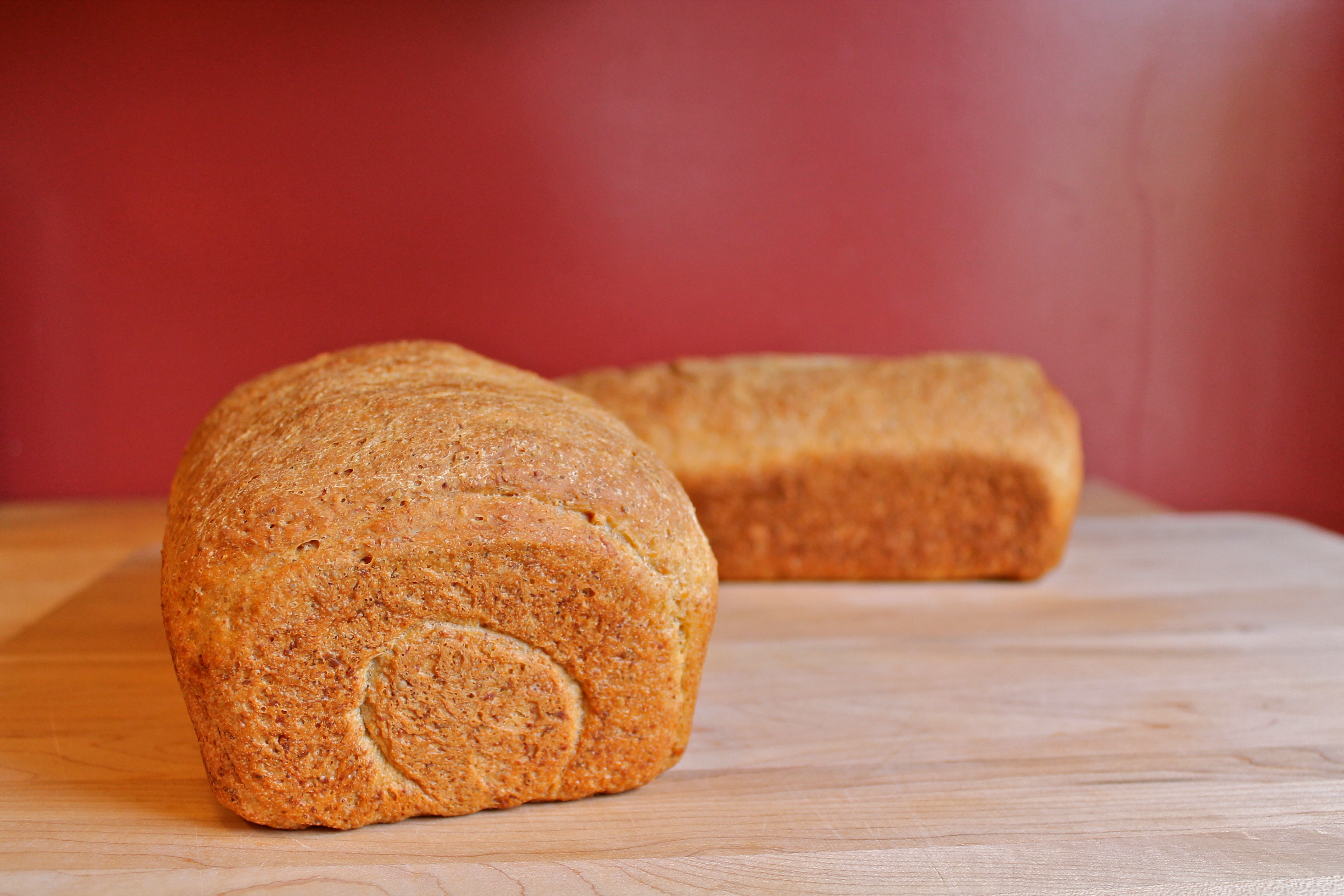
I’ll be making this bread for just us now.  The recipe makes two loaves, which is enough to last a family of three quite some time.  The funny thing is, even though I’ve made this bread so many times that I now have the recipe memorized, there has never been a time when both loaves turned out the same.  No amount of practice or repetition could ever remedy the fact that, no matter what I did, one loaf was always larger than the other.  Or sometimes one loaf rose faster than the other, resulting in some craggy tears along the top.  One time the loaves almost scorched on the sides, even though I baked them at the same temperature I always do, in the same pans I always do, in the same oven I always do.  It’s a mystery, really.  One entire school year, and I still manage to be a little bit surprised by this bread every time I make it.  I imagine I’ll continue to be surprised by it as the years go on, much like I’ll continue to be surprised by my son and the fact that, no matter how many times he tells me that he wants to be a whale-watching bunny farmer when he grows up, he is getting older, wiser, and ever more interesting every single day, right before my eyes.
Last Year: Pizza with Chicken Sausage, Fennel, and Spinach

Multigrain Sandwich Bread Recipe

Adapted from America’s Test Kitchen

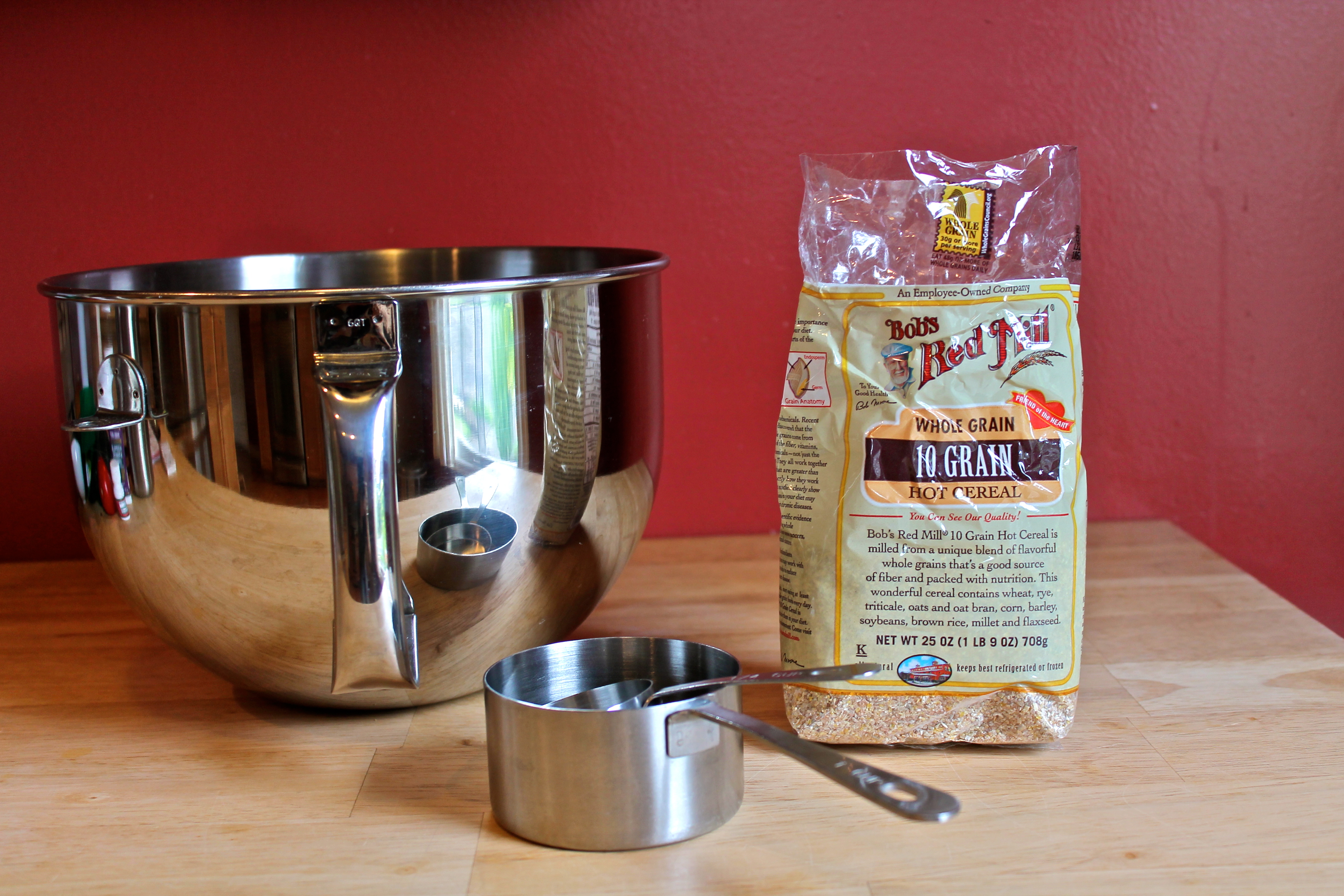
1 ¼ cups Bob’s Red Mill 10 grain cereal mixture

2 ½ cups boiling water

2 tablespoons vegetable oil

2 tablespoons olive oil

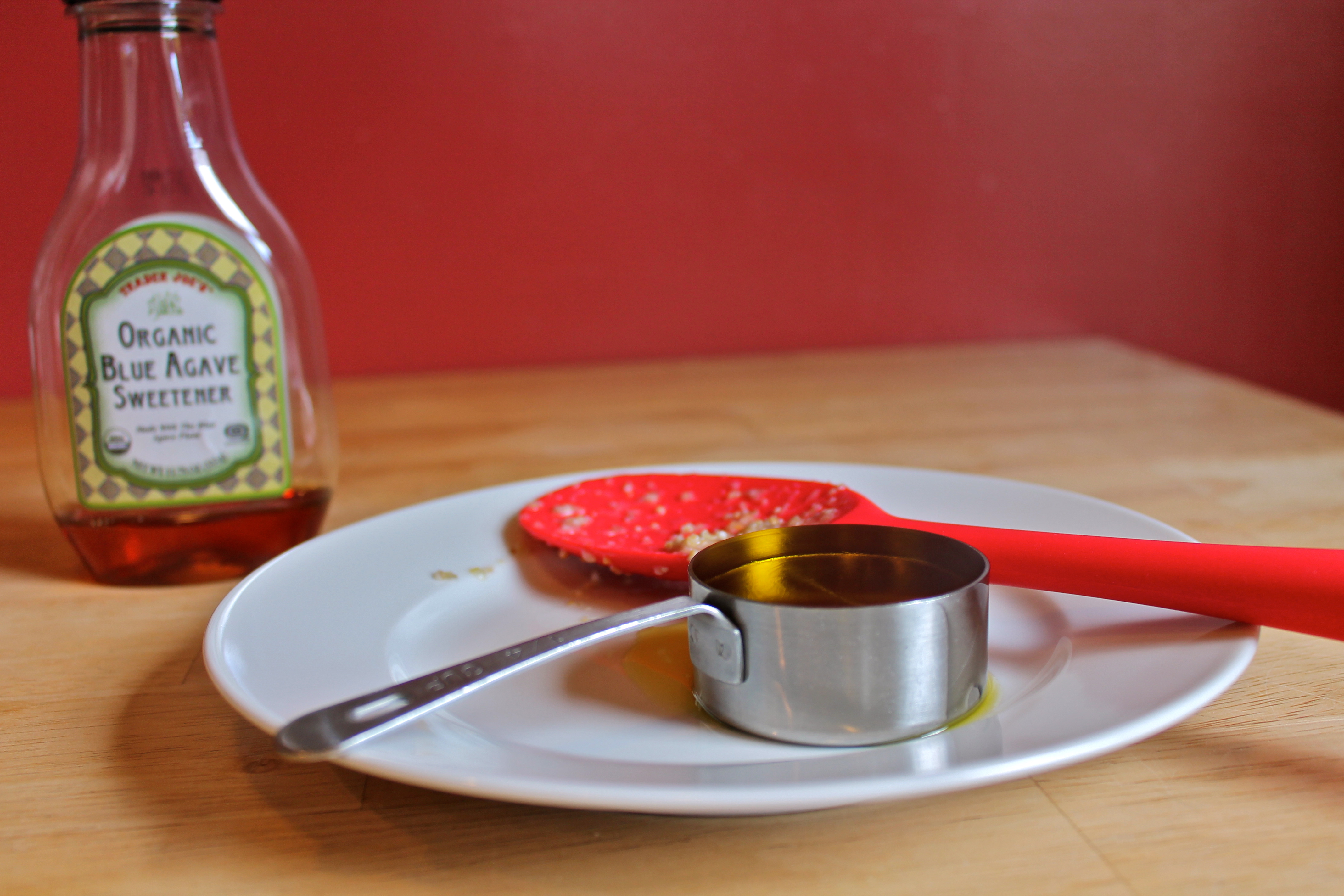
¼ cup agave nectar (if you don’t need the bread to be vegan, you can use honey instead)

2 ½ teaspoons instant rapid-rise yeast

3 cups (15 ounces) unbleached all purpose flour

1 ½ cups (7.5 ounces) whole wheat flour

1 teaspoon fine grain sea salt

In a large bowl, or in the bowl of a stand mixer, combine cereal mixture and boiling water.  Stir thoroughly, then allow to sit, stirring occasionally, until the cereal has absorbed the water and cooled to a temperature of around 110 degrees Fahrenheit (this should take anywhere from 40 minutes to an hour).

In a medium bowl, whisk together all purpose flour and whole wheat flour.

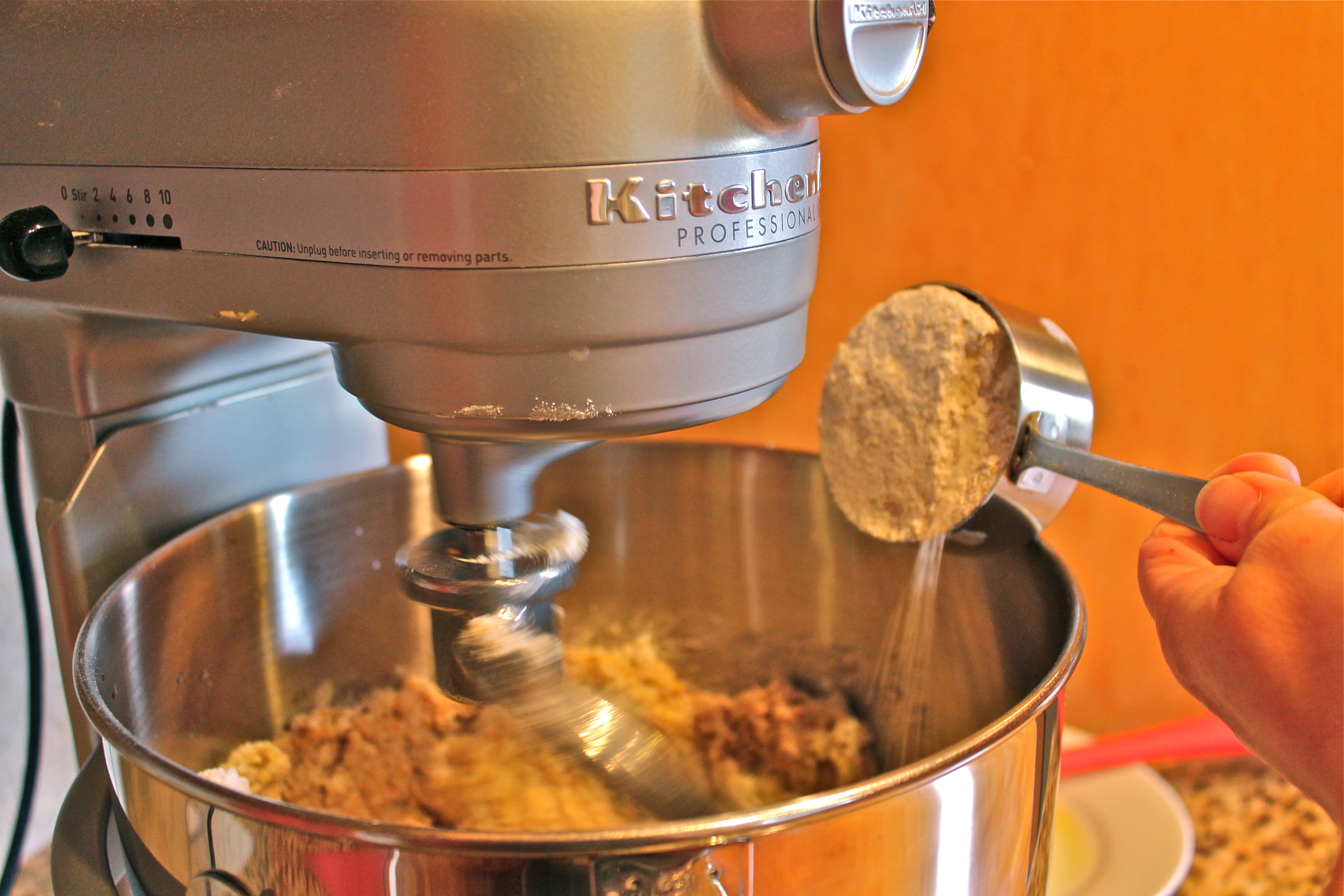
When cereal mixture has cooled, stir in vegetable oil, olive oil, agave nectar, and yeast.  Stir until ingredients are fully incorporated.  If using a stand mixture, attach the dough hook to the mixer.  Slowly, about ½ cup at a time, add the flour mixture to the cereal mixture, mixing all the while.  If using a stand mixer, use only the first speed for this.  If using your hands, stir with a sturdy wooden spoon.  When the flour mixture has been added in its entirety, turn the stand mixer to the second speed and knead the dough for about 1 minute.  If using your hands, stir the mixture with a sturdy wooden spoon until all ingredients are completely combined, about 1 to 2 minutes.  Cover the bowl with plastic wrap and allow dough to rest for 20 minutes.

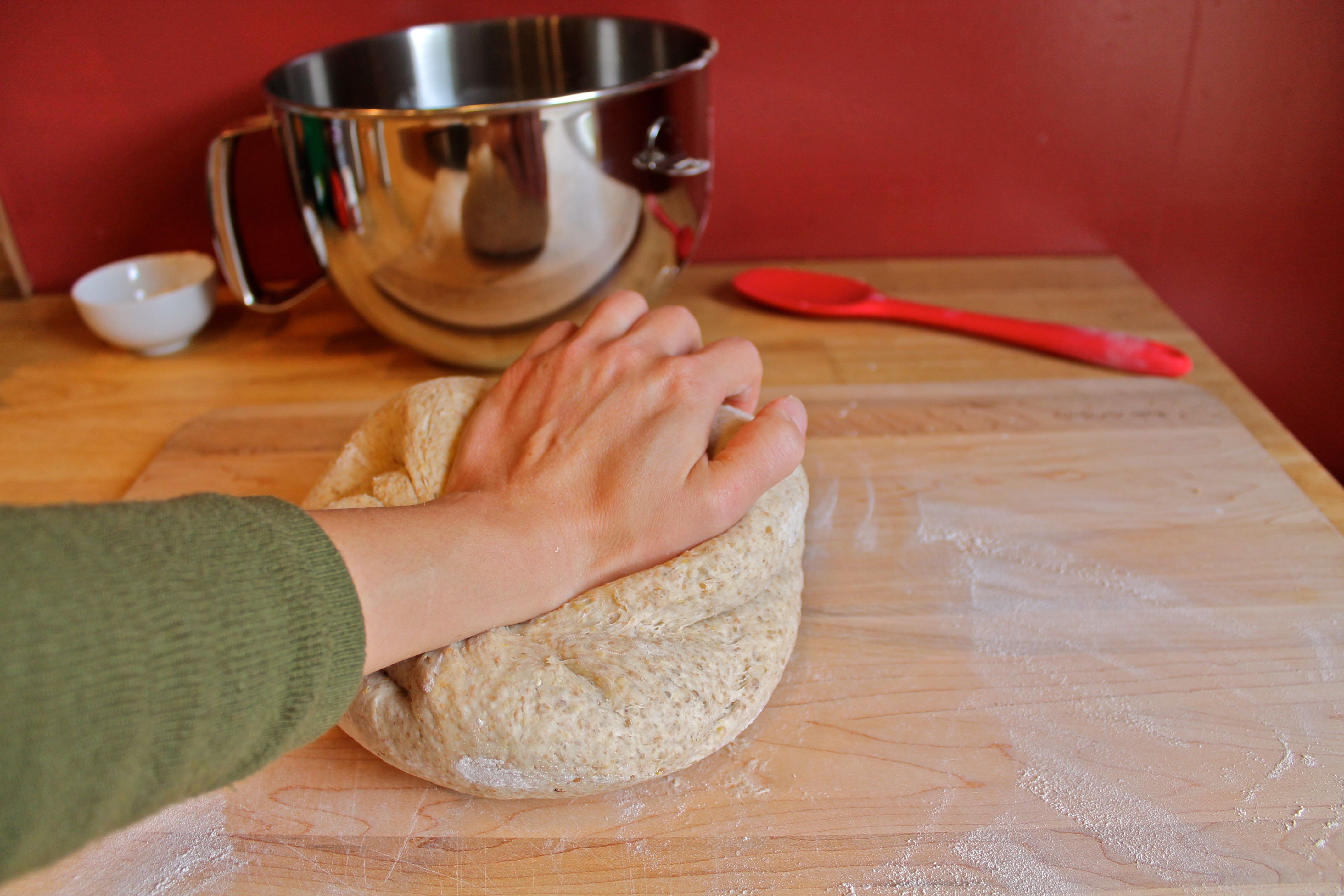
After 20 minutes, add the sea salt to the dough and knead the dough until it is smooth and shiny (5 to 6 minutes on level 2 for a stand mixer, and 7 to 8 minutes if kneading by hand).  The dough will be a bit sticky, but that is normal.

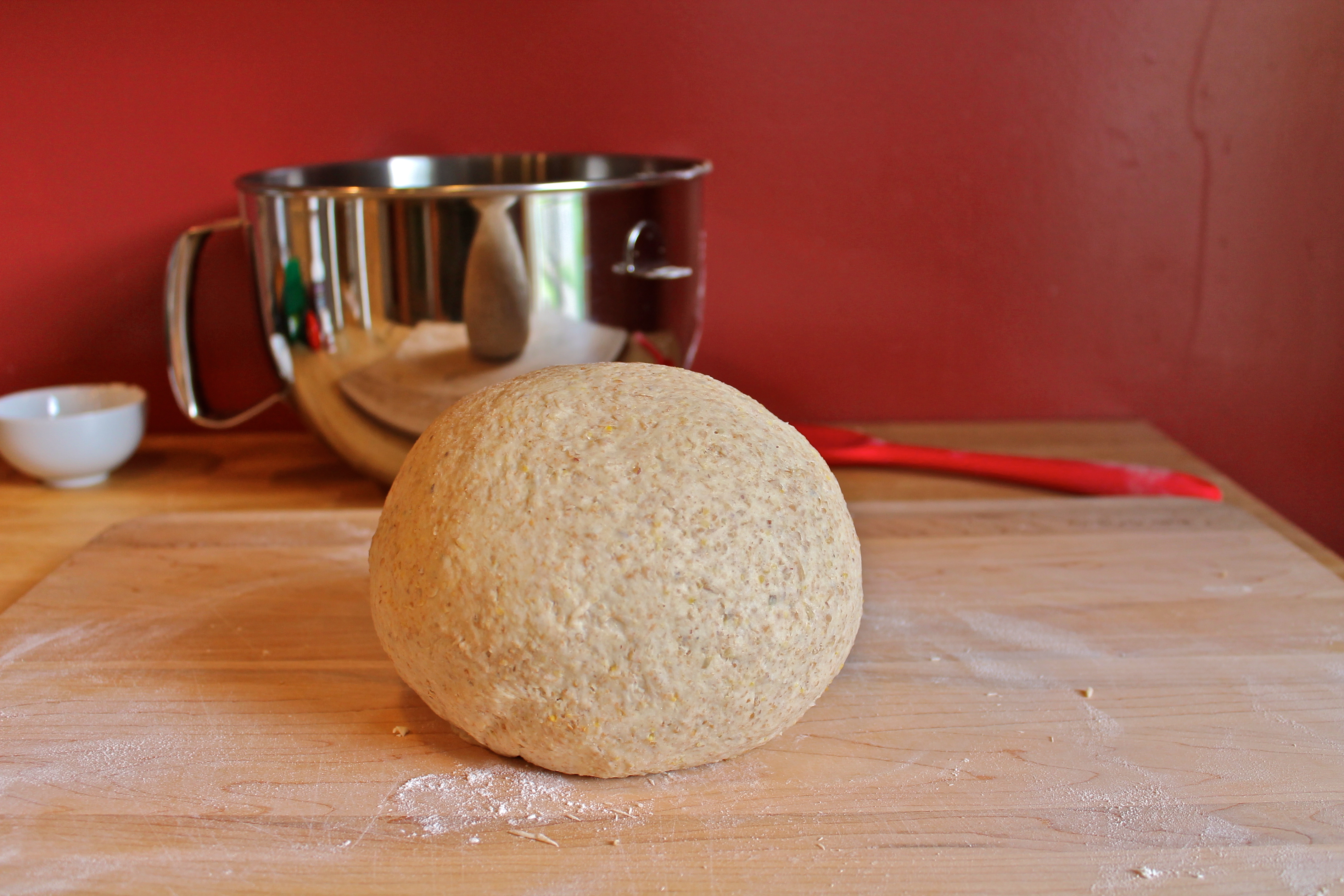
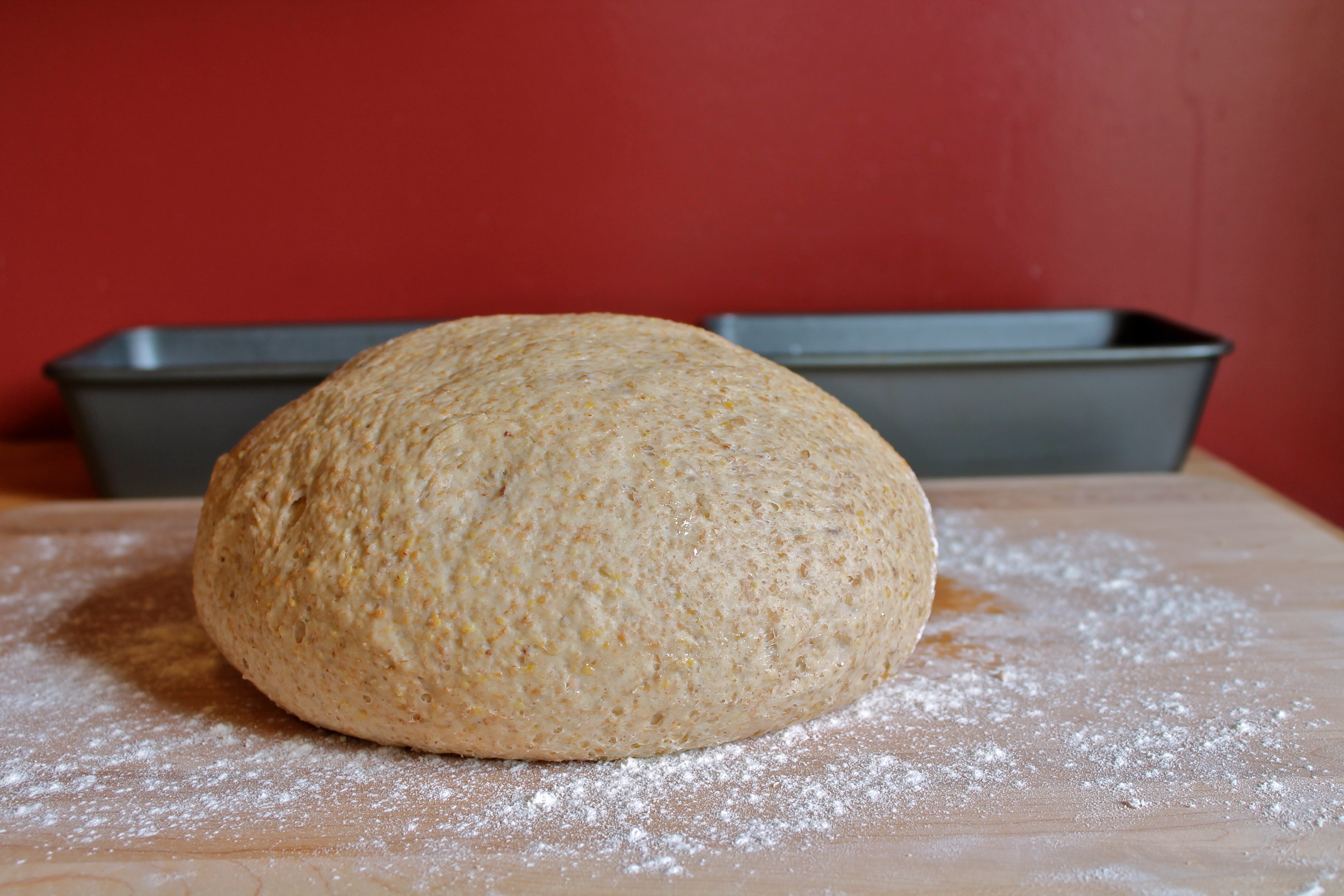
On a well-floured surface, shape the dough into a tight ball.  Lightly oil a large bowl, then place the dough in the bowl, turning the dough to completely coat it in oil.  Cover tightly with plastic wrap or a tight-fitting lid, then allow dough to rise until doubled in size.  This can take anywhere from 40 minutes to a little over an hour, depending on the temperature of your kitchen.

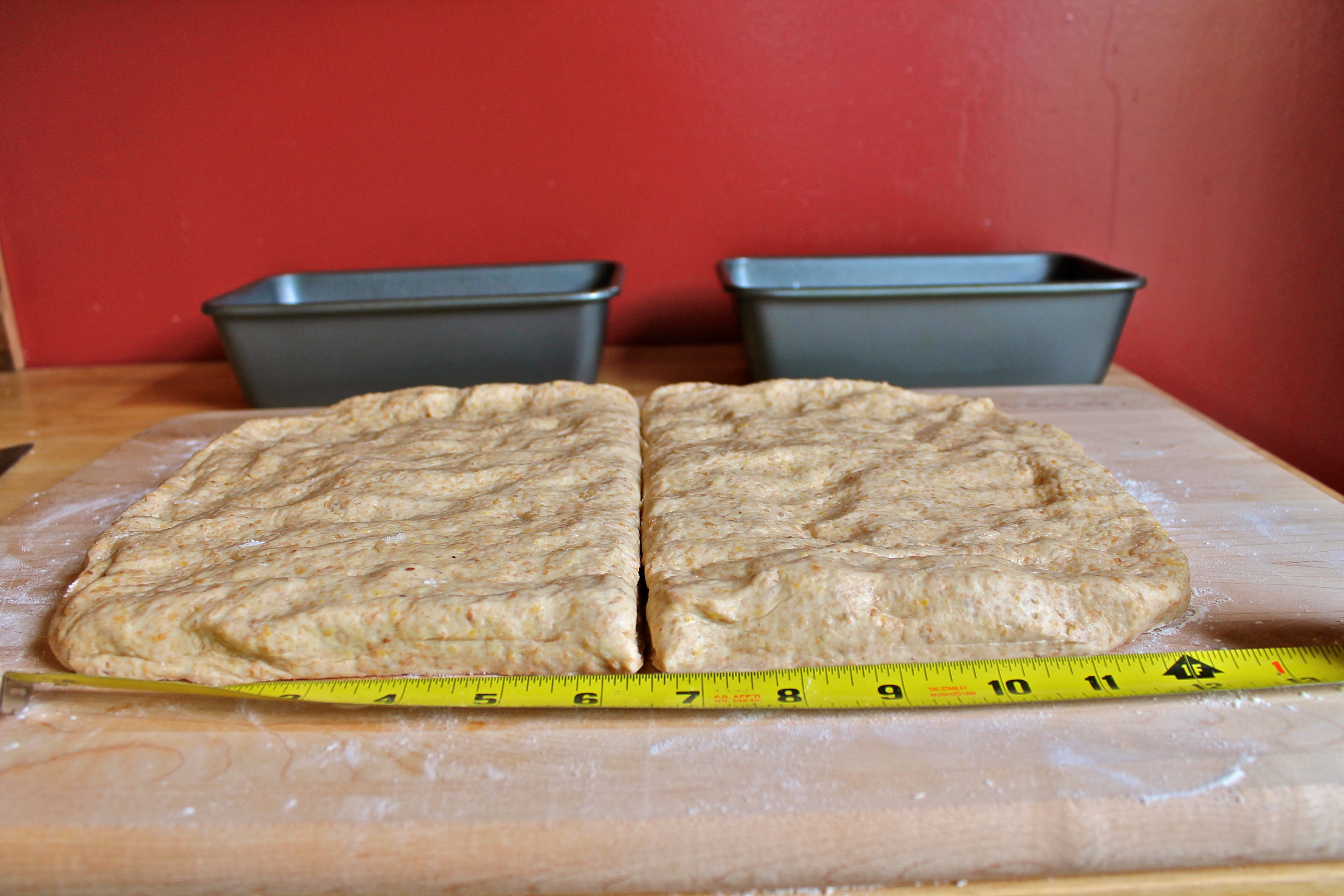
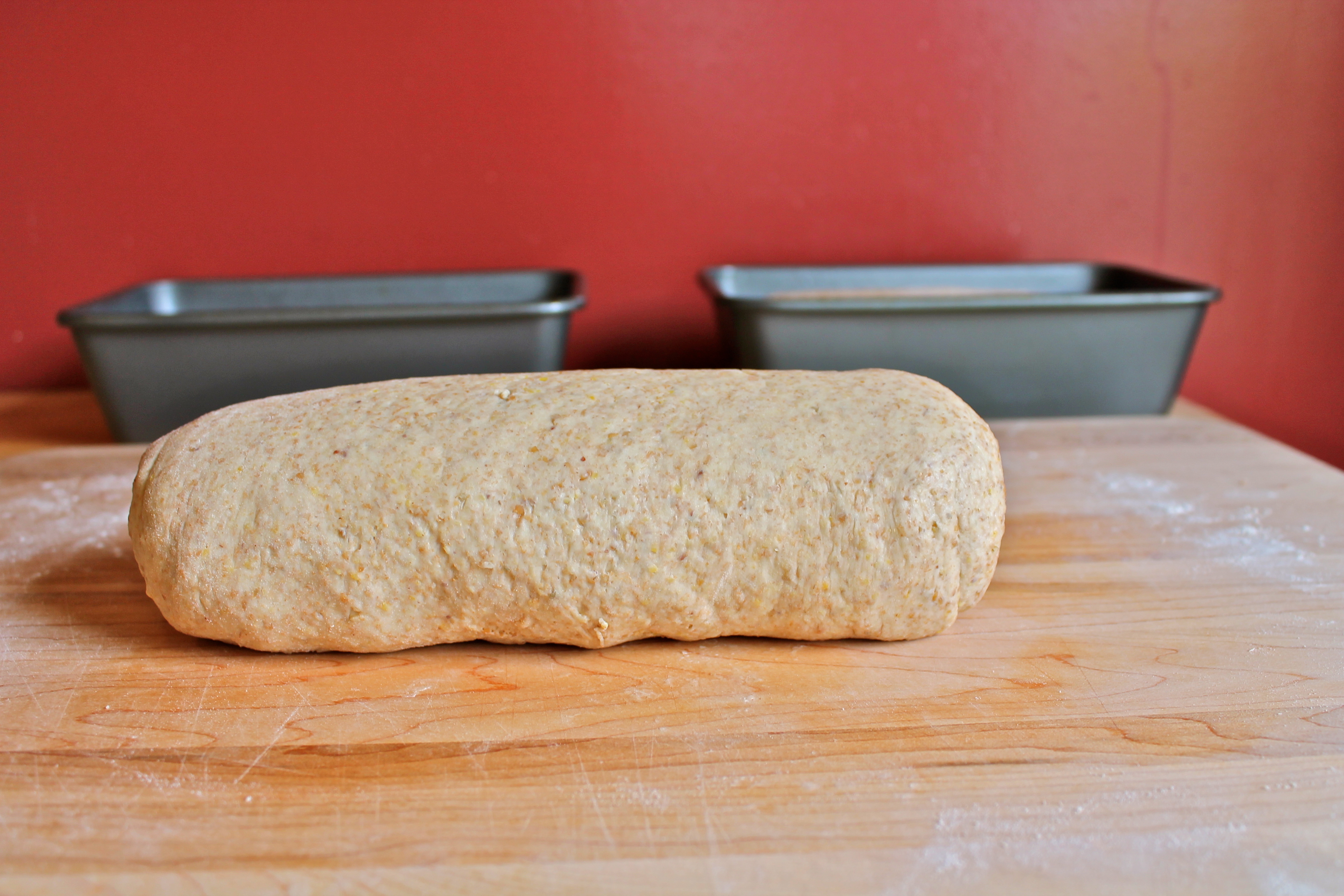
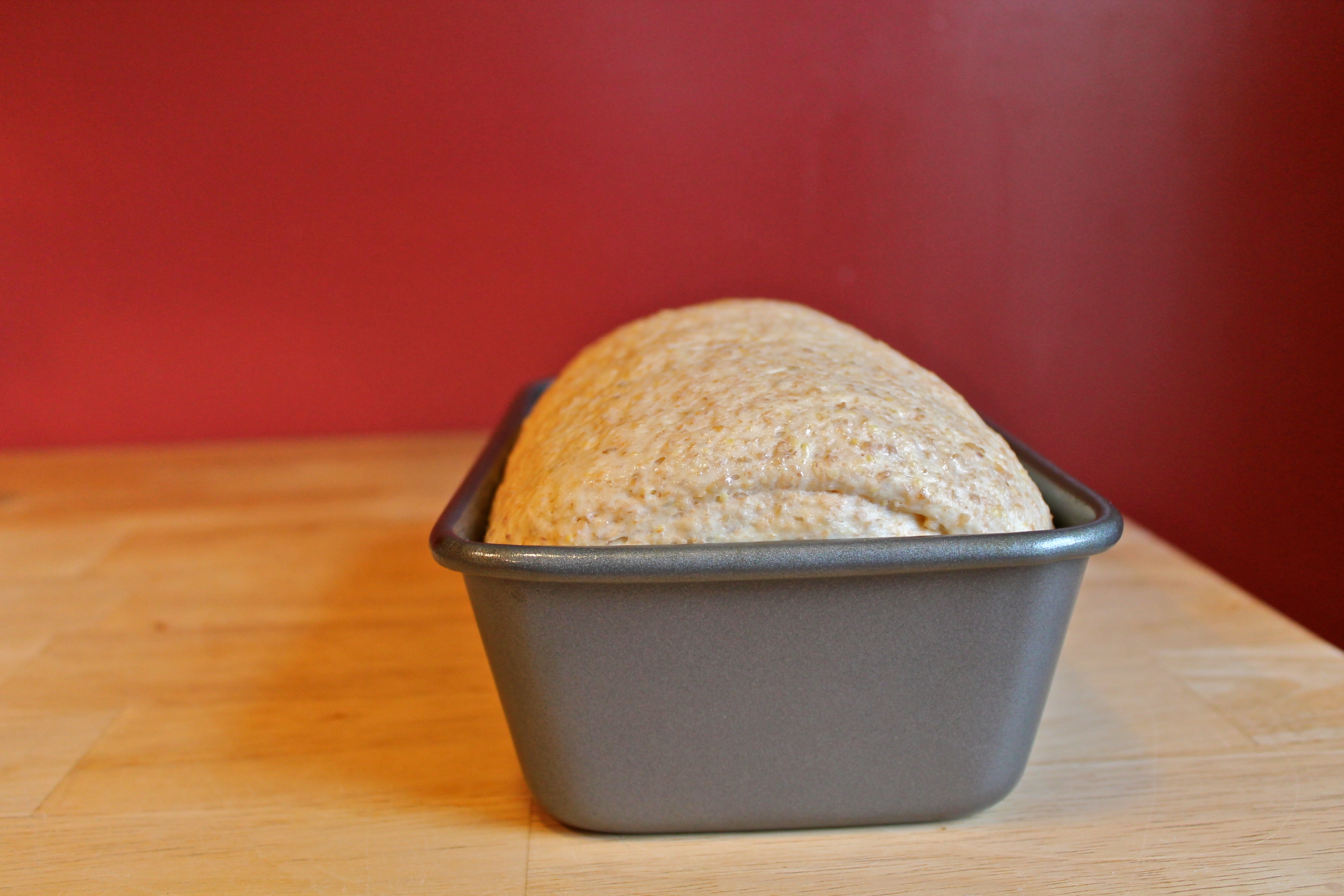
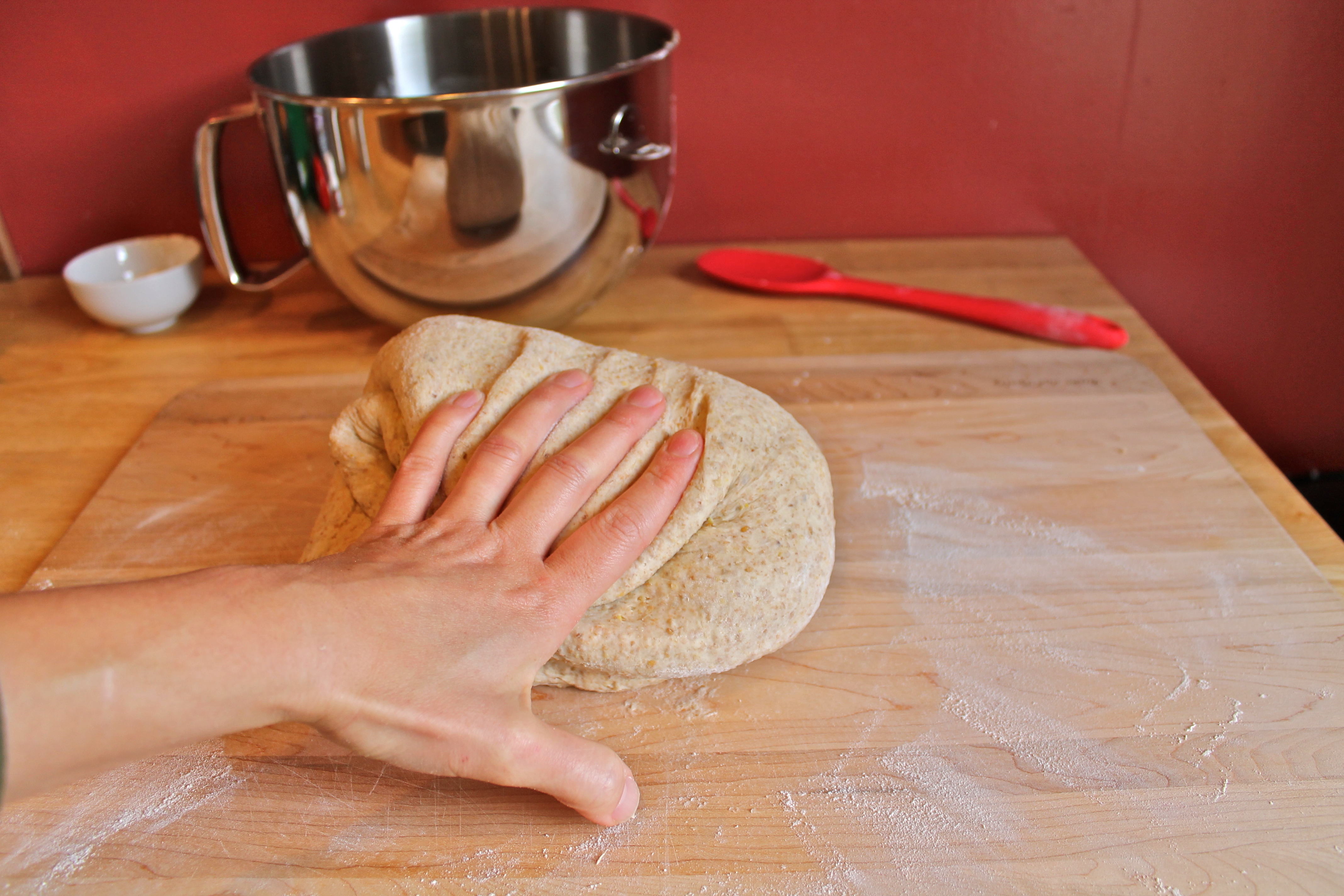
When the dough has doubled in size, turn it out onto a well-floured surface.  Using your hands, pat the dough into a 9” by 13” rectangle, with the long side facing you.  Cut the dough in half to make two 9” by 6 ½” pieces.  Starting at one 6 ½” end, roll one piece of dough into a tight log, pinching the seam closed at the end.  Place the dough in a lightly-oiled 9” by 5” loaf pan.  Repeat with other piece of dough.  Lightly brush or spray the tops of the loaves with oil, then cover with plastic wrap and allow to rise in a warm place until doubled in size.  This can take anywhere from 1 hour to 1 hour and 45 minutes, depending on how warm your kitchen is.

About 20 minutes before it appears as though your loaves might be done rising, preheat the oven to 375 degrees Fahrenheit.  When loaves are done rising, remove plastic wrap and bake loaves in the center of the oven for 35 to 40 minutes, rotating loaves after about 20 minutes.  The loaves are done when the tops are a deep golden brown and the bread has an internal temperature of about 200 degrees Fahrenheit.

Turn loaves out onto a wire rack to cool completely.

Makes 2 loaves.

Stuffed Picnic Sandwich with Olive Tapenade

28 May

The sun was out.  For a solid two weeks, the sun was out.  We ate meals outdoors, we made ice cream, we rode our bikes, and sometimes, if we played our cards right, we did all three of those things in one day.  It was a glorious time.  Spring, as I have mentioned one or two or a million times before, is usually a rather difficult time here in the Pacific Northwest.  The rain is persistent, the temperature rarely creeps above a somewhat insulting 60 degrees, and the fact that one nearly always spends Memorial Day weekend wearing rain boots starts to seem sort of grueling.

But a week and a half ago?  Oh, let’s talk about that.  Temperatures crept near the 90s, the sun was shining each and every day, and we spent as much time outdoors as humanly possible.  Perhaps best of all, we made the season’s inaugural bike ride downtown to have a picnic dinner on the waterfront.  My love of picnics remains unrivalled, so this event was a spectacularly big deal for me.  I spent most of the morning thinking about what I would pack for our picnic, and by the time I picked up my son from school, the answer was clear.  What do you take on a very important picnic?  Why, you take the World’s Best Picnic Sandwich, of course.

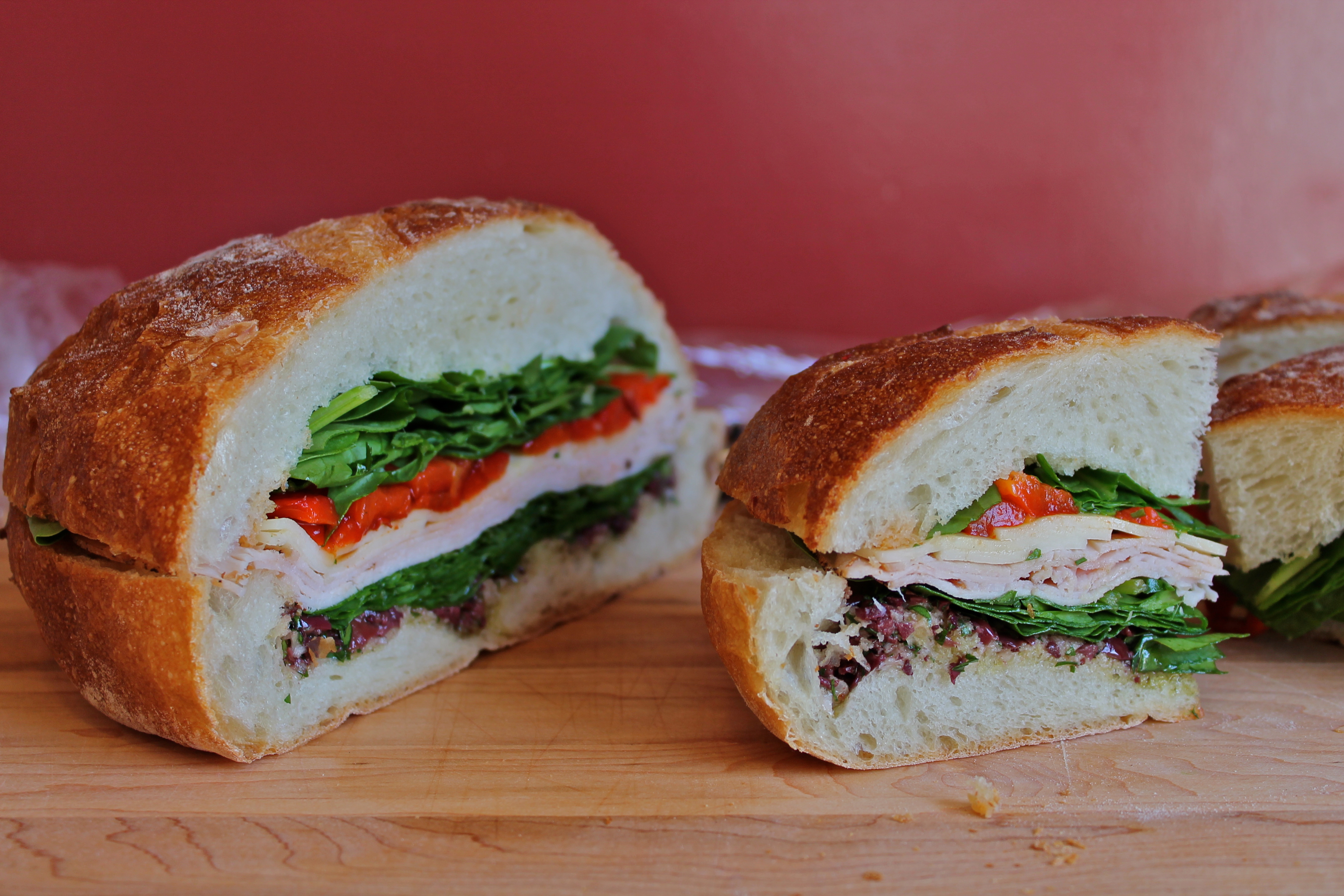
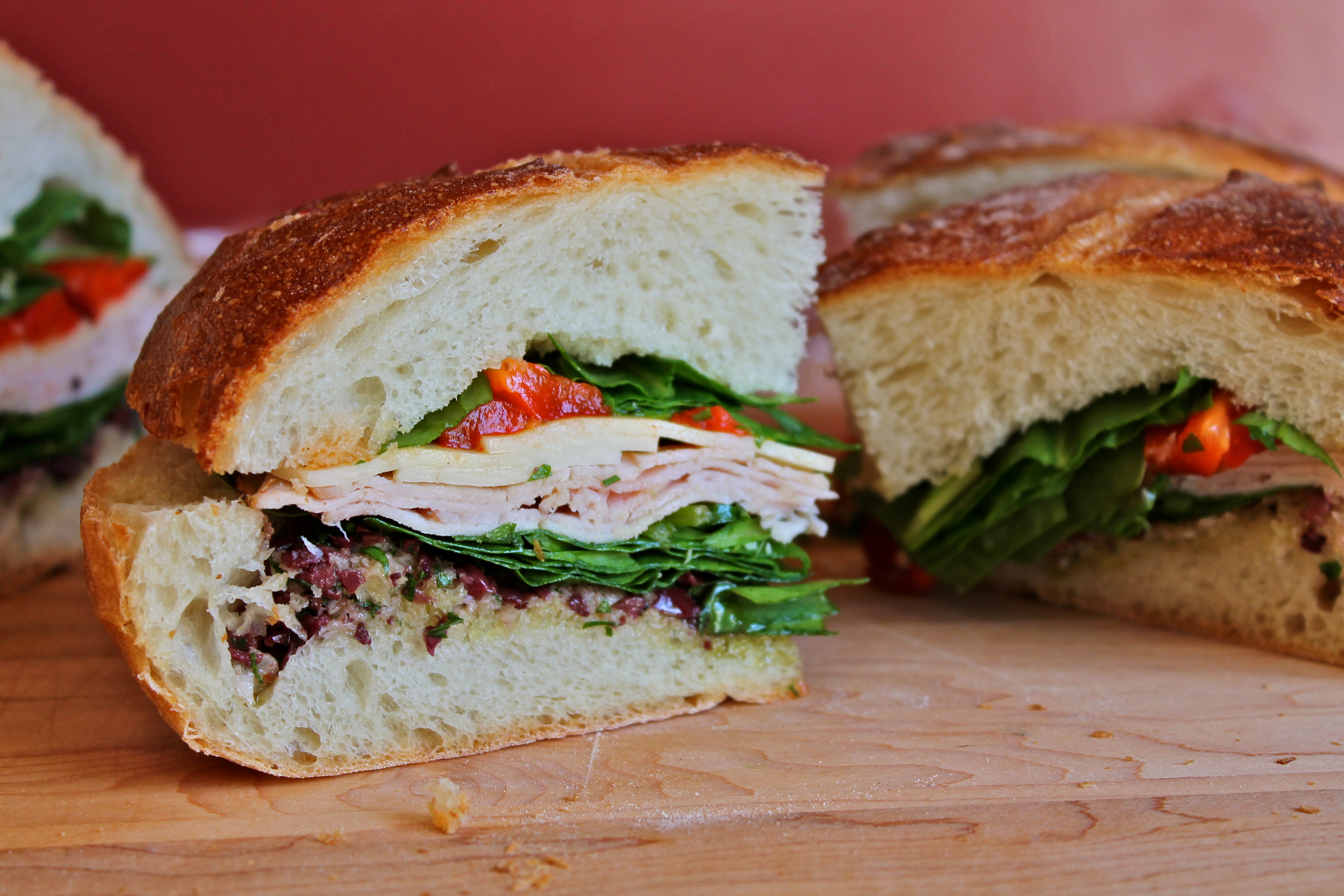
Why the World’s Best?  Let’s start with the construction, an ingenious method of hollowing out a good portion of a hearty round loaf of artisan bread in order to create a cozy little nest for the sandwich’s fillings.  The fillings in question can be altered to satisfy the tastes of the people eating the sandwich, but I nearly always go for the solid combination of provolone cheese, peppered turkey, roasted peppers, lots of leafy greens, and, though I forgot them this time around, big, juicy slices of tomato.  However, let me back up just one moment and mention what might be the crowning achievement of this sandwich: the olive tapenade.  Wonderfully flavorful, the tapenade is the secret weapon of this sandwich, harmonizing tastes and textures and adding that little bit of something extra that makes this sandwich a real standout.

All in all, this is a sandwich of note, and its presence at our first waterfront picnic of the season could not have been more appreciated.  All we need now is some more warm weather so we can have more picnics (because right now it is 52 degrees and raining and…let’s not talk about it).

Last Year: Orecchiette with Grated Garlic and Tomato

Stuffed Picnic Sandwich with Olive Tapenade Recipe

This sandwich has a lot in common with a traditional muffalleta sandwich, though the tapenade in this sandwich is decidedly less loud than the standard olive salad found in a muffaletta.  This sandwich also lacks the selection of meats found in a muffaletta, though you can certainly swap out a variety of meats depending on your tastes and desires.  One step that I find is crucial in making this sandwich really sing is the rest time.  Wrapping your sandwich, either in slices or as one whole loaf, and allowing it to rest in the refrigerator for a bit really makes the flavors meld together and create a nearly perfect finished product that is worthy of the Sandwich Hall of Fame (is that not a real thing?  I think that should be a real thing).

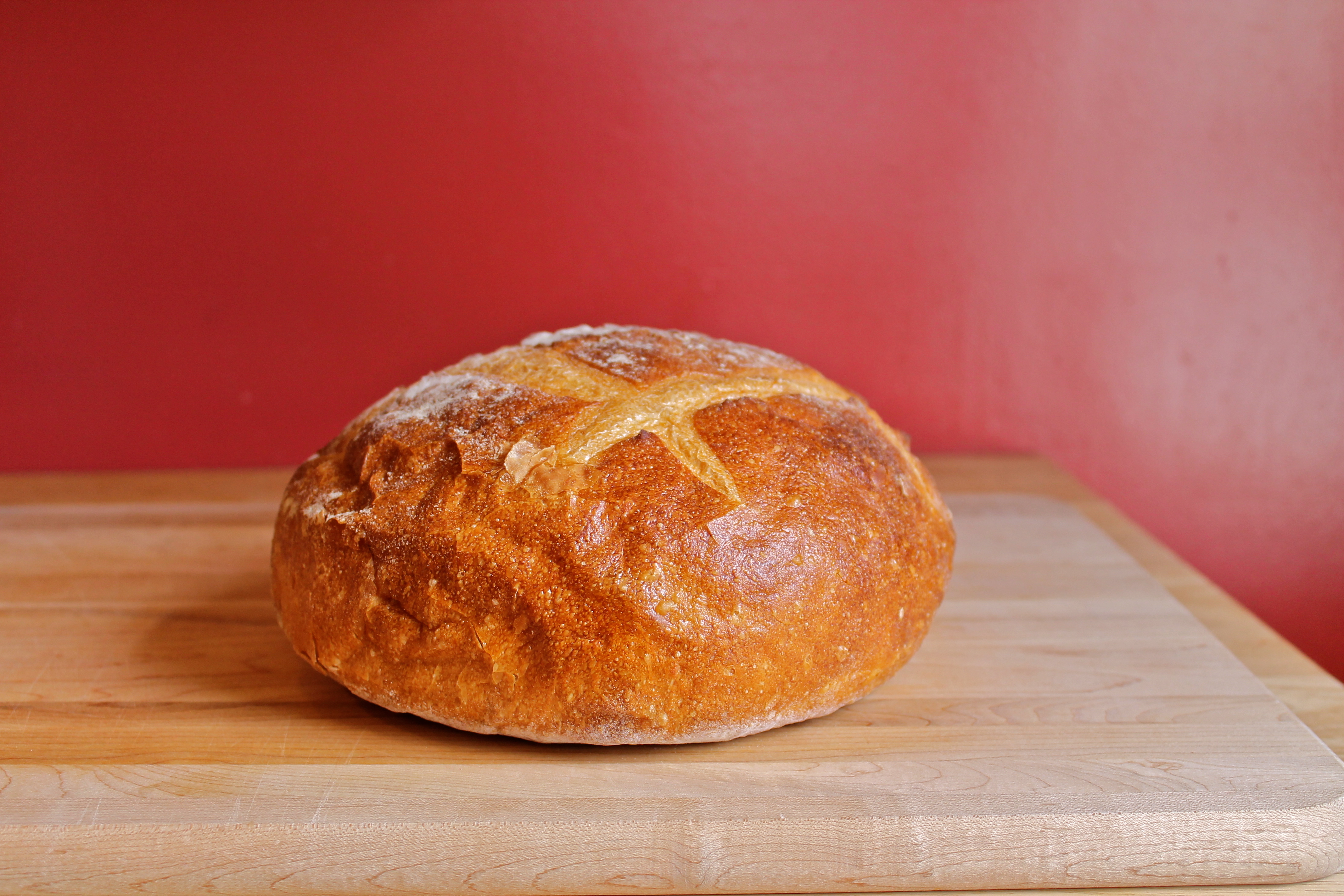
1 loaf French boule or another round artisan-style loaf of bread

6 ounces thinly-sliced pepper turkey (or another meat or combination of meats of your choice)

3 ounces provolone cheese (or another good sandwich cheese)

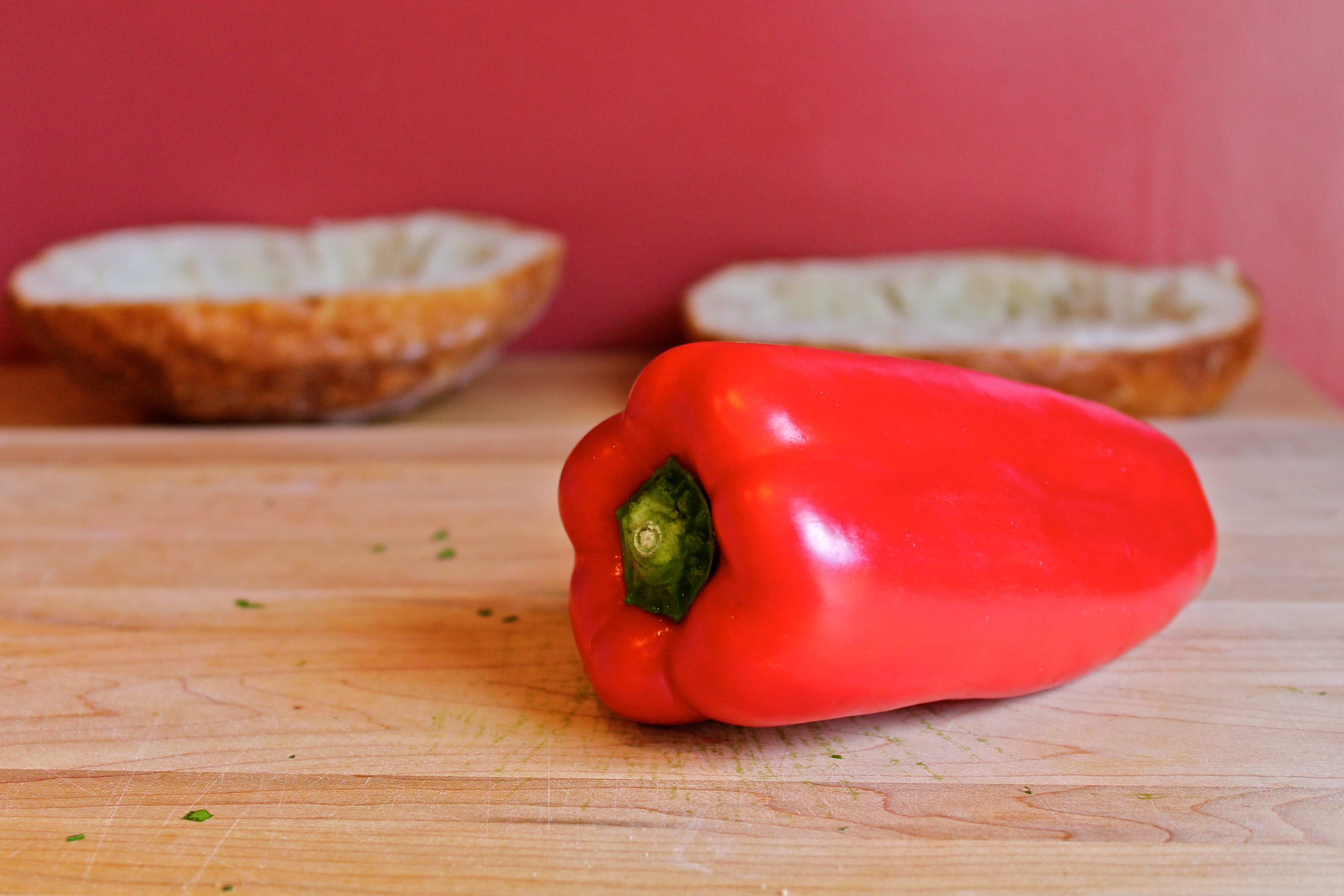
1 roasted pepper, sliced into strips, top and seeds removed (instructions on how to roast a pepper can be found here)

1 large handful of raw spinach eaves

1 large handful of arugula leaves

Olive Tapenade

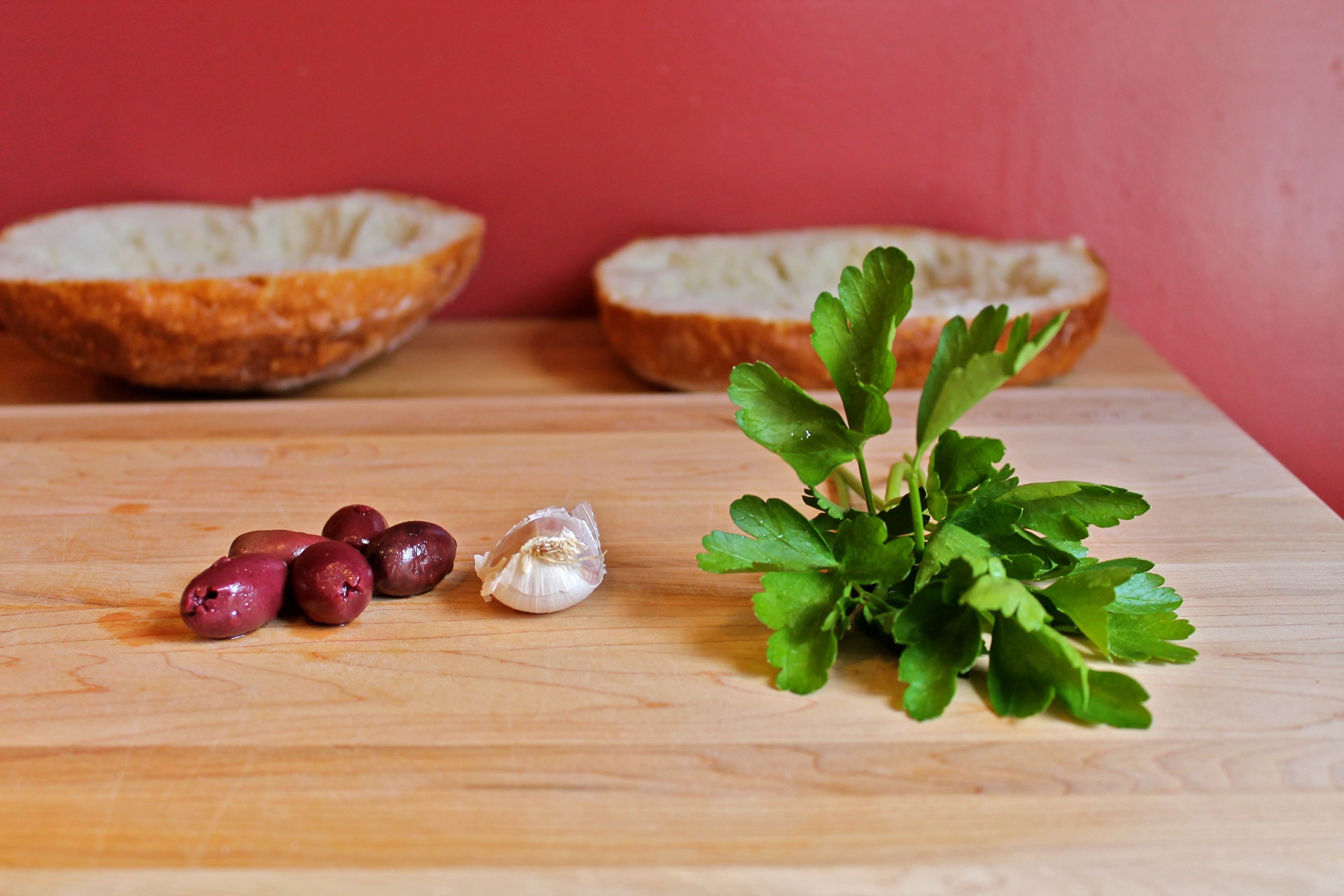
1/3 cup chopped kalamata olives

1 large clove garlic, smashed and finely minced

1 tablespoon minced Italian parsley leaves

3 tablespoons extra virgin olive oil

freshly ground black pepper

optional: a nice glug of balsamic vinegar

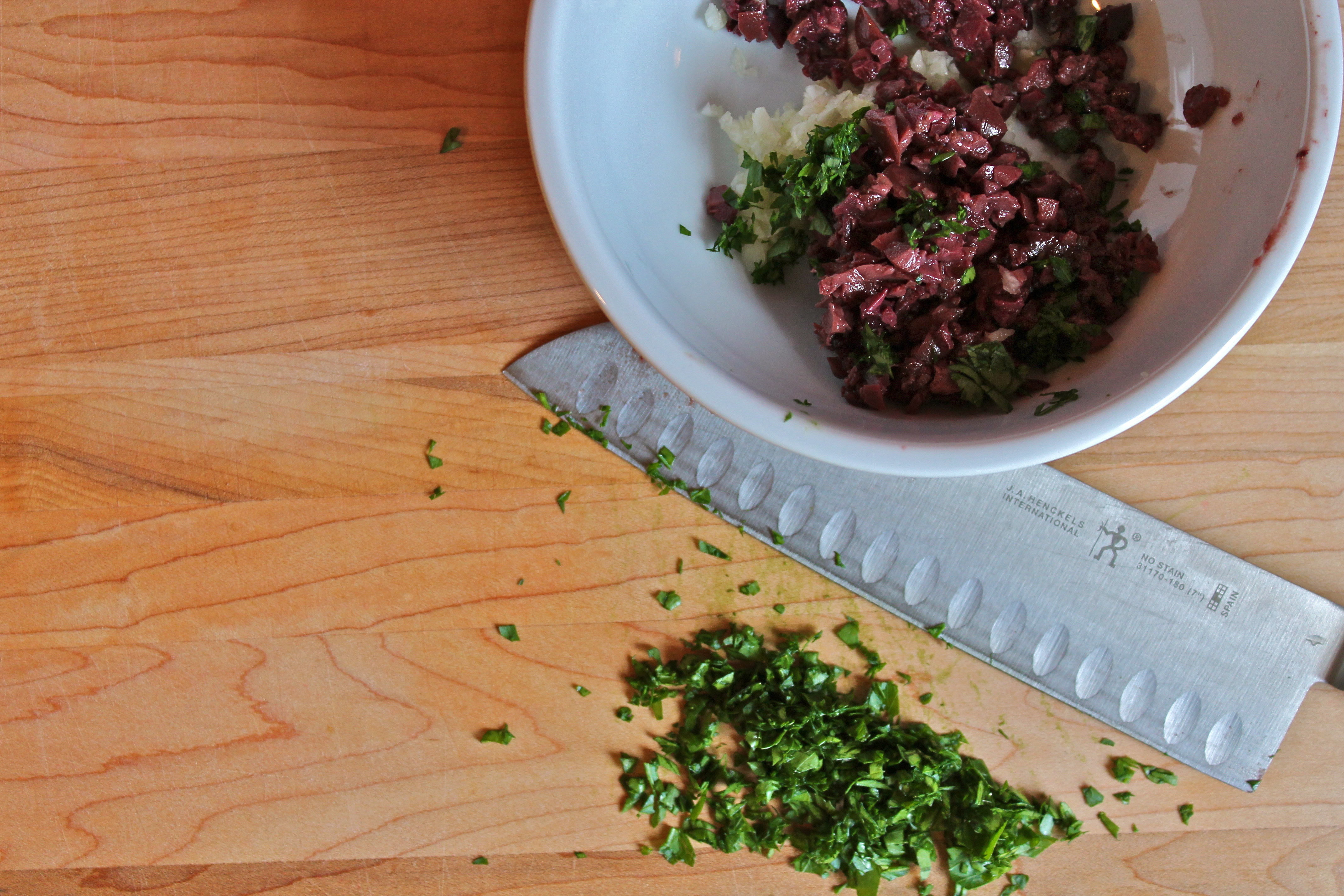
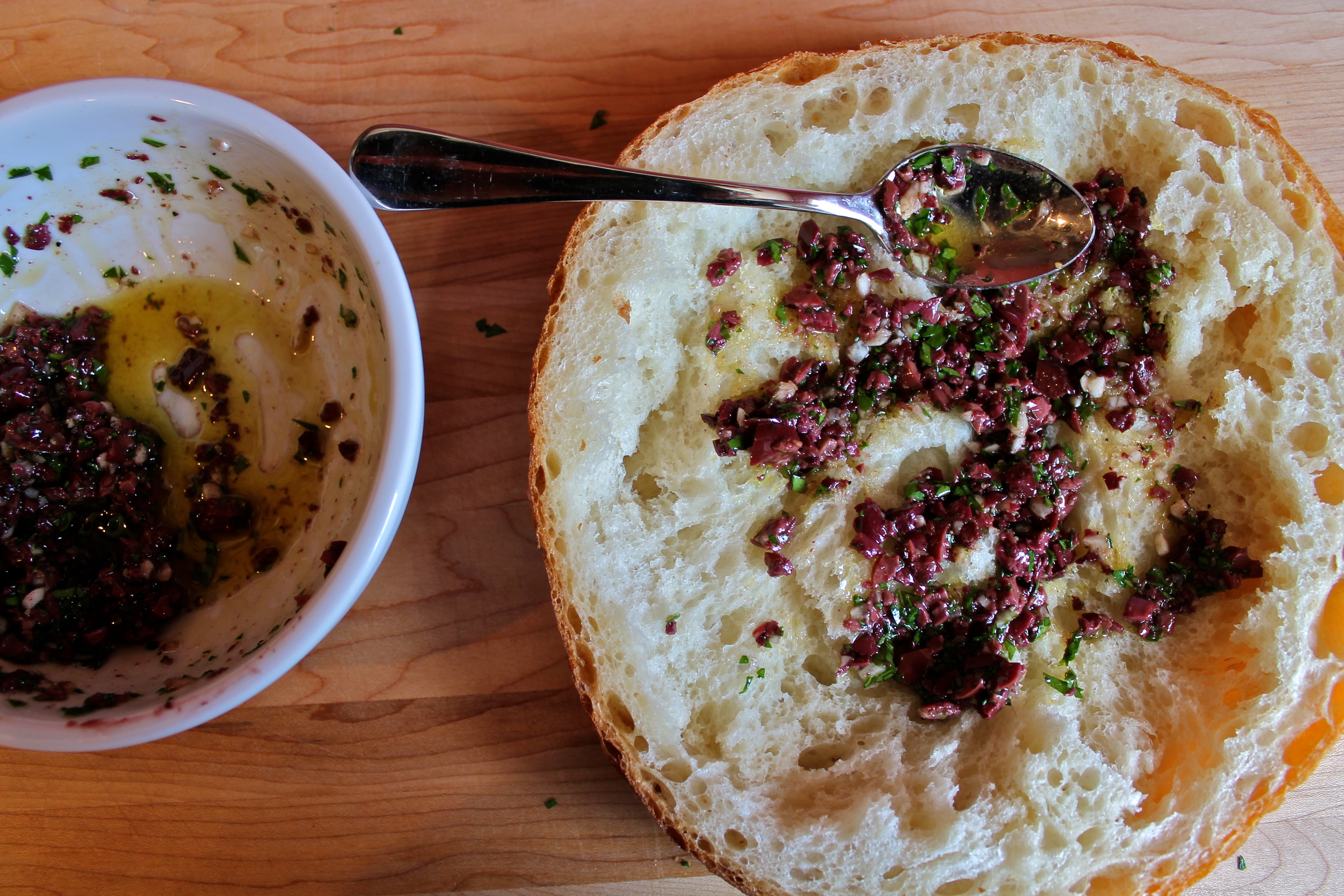
In a small bowl, combine all ingredients and mix together thoroughly.  Add pepper to taste, and add balsamic vinegar if you think the tapenade needs a bit of an acidic kick (some people think the balsamic fights with the taste of the rest of the sandwich, so adding it is entirely optional).

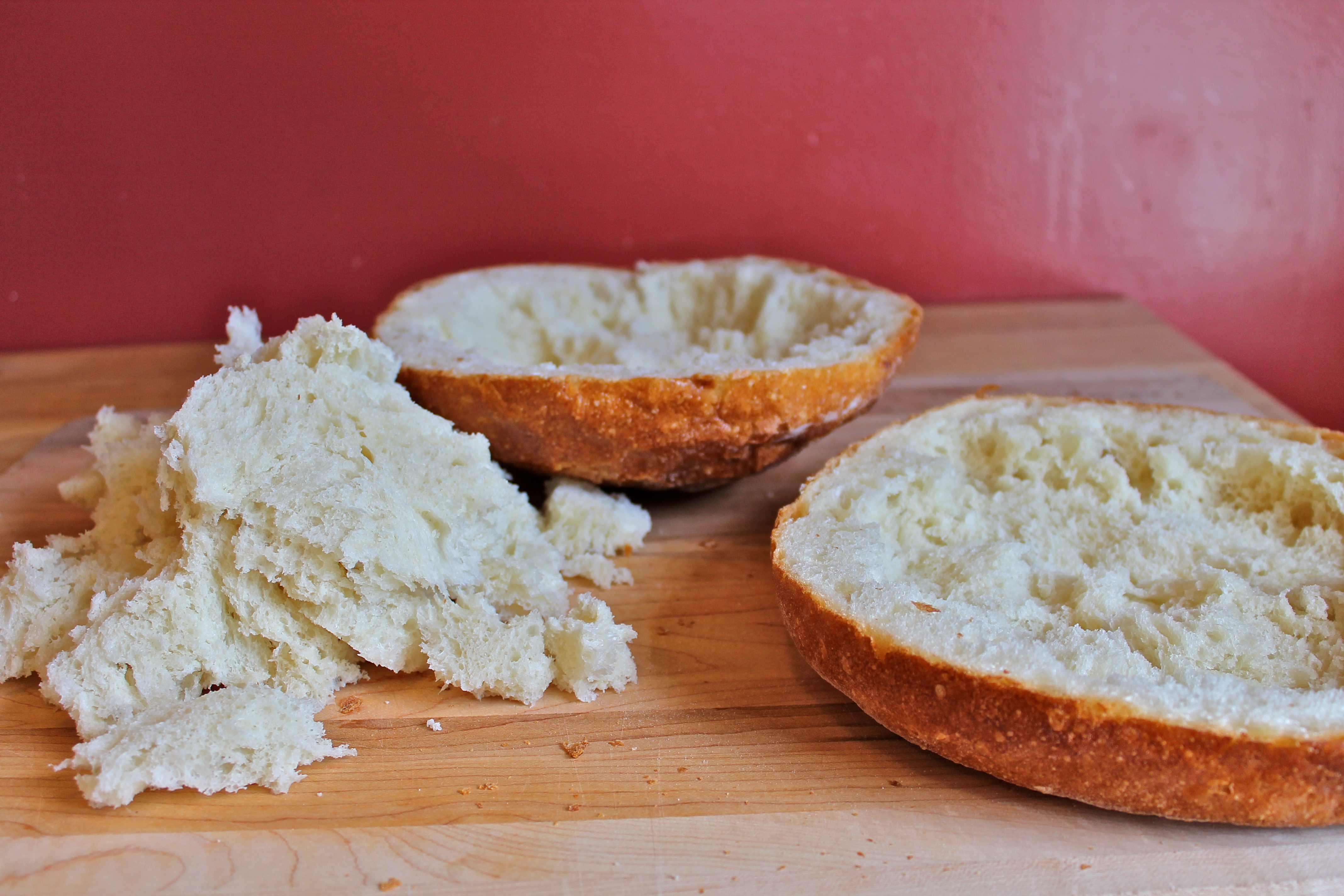
To construct sandwich, cut the loaf of bread in half lengthwise.  Tear out half an inch to one inch of the soft middle of the bread, leaving the bottom of the loaf shallower an the top (leaving a deeper space in the top of the loaf allows you to pile your sandwich ingredients higher with less threat of the sandwich collapsing).  You can reserve the torn-out bread in a plastic bag and freeze it for another use (bread brumbs, romesco sauce, etc.).

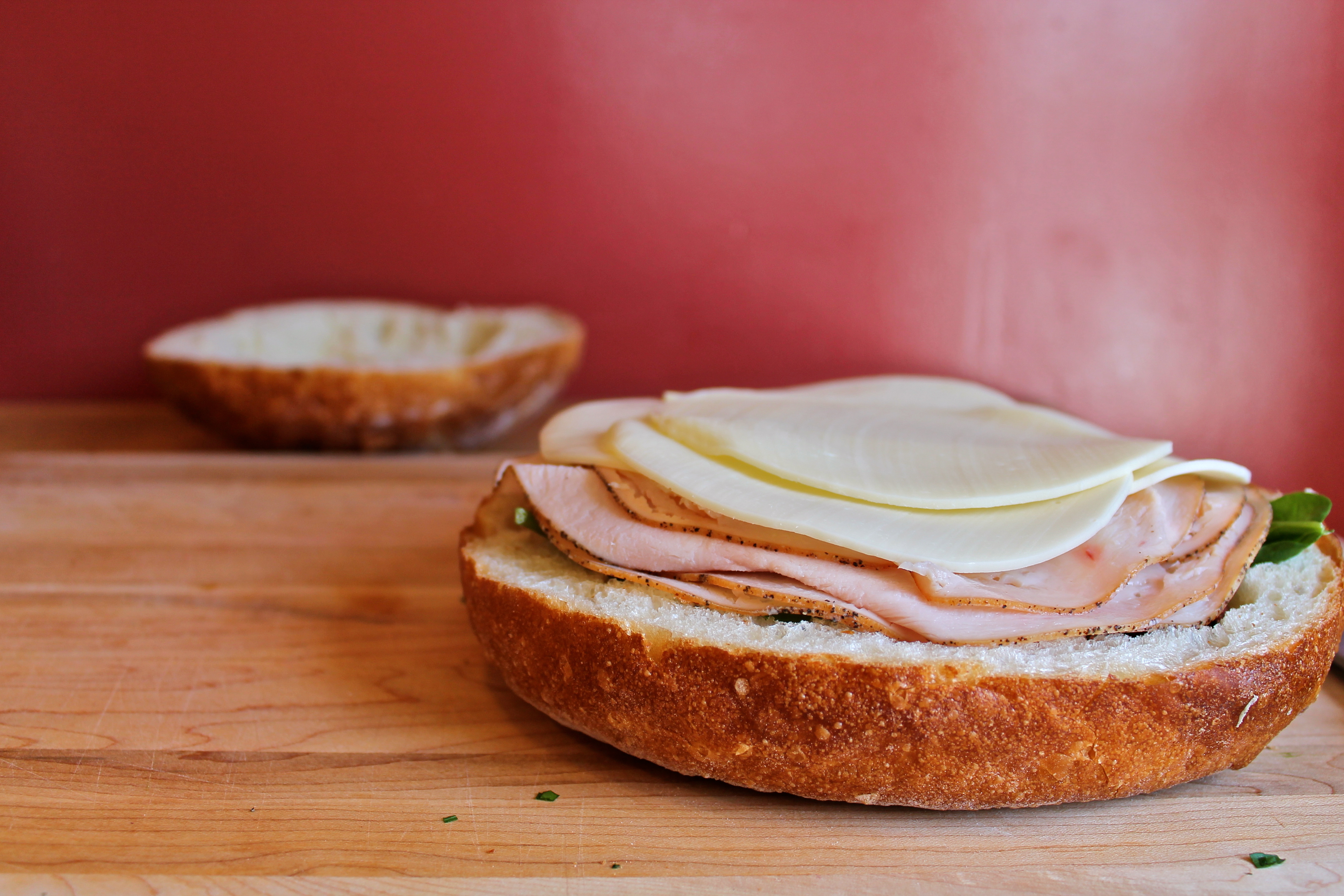
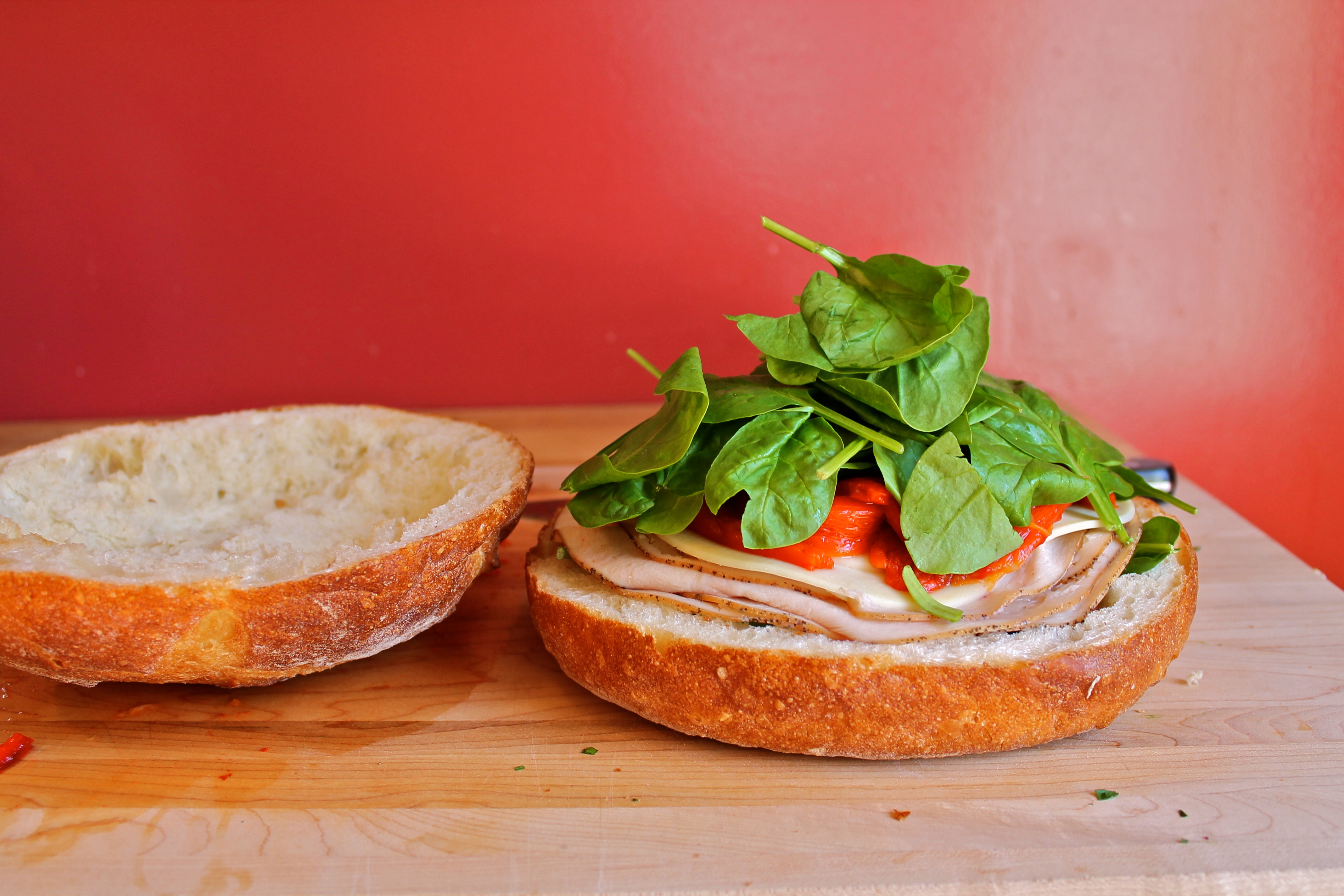
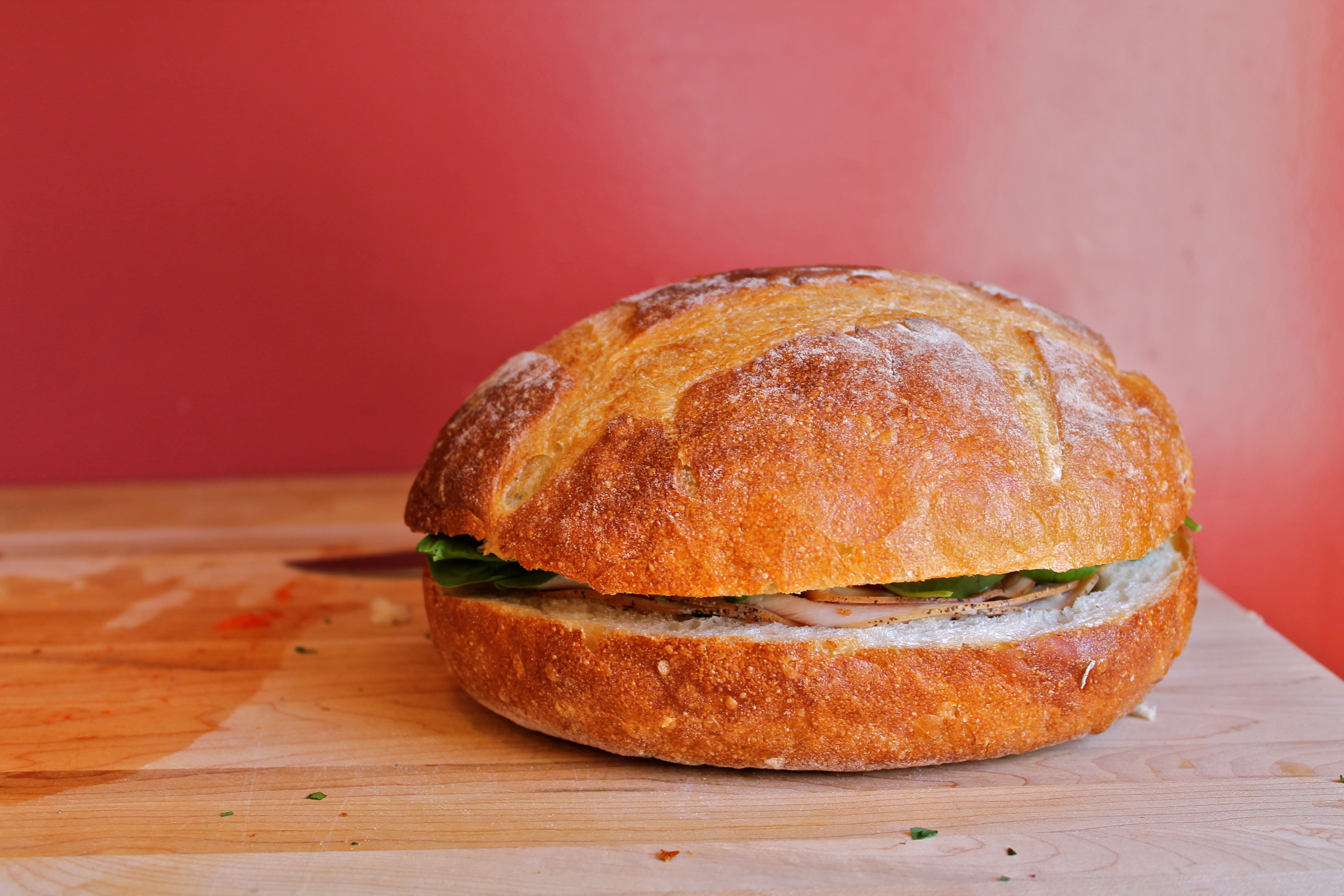
Spread the insides of both the top and bottom bread halves with the olive tapenade.  On the bottom half, add a handful of greens, then layer on the turkey, the cheese, and the roasted pepper slices.  Add another handful of greens, then place the top half of the loaf (the lid) over everything.  Slice the loaf into 6 or 8 individual sandwiches, depending on how large you want your servings to be.  Wrap each sandwich tightly in plastic wrap, and allow to rest in the refrigerator for at least 1 hour (though letting everything rest longer, even overnight, produces a smoother-tasting, more flavorful sandwich).

Makes 6 or 8 individual sandwiches.  Or 4 individual sandwiches.  Or, heck, even 2 (in which case, I salute you).

Garlic Naan

21 May

When anyone, anywhere, talks to me about Indian food, it is almost guaranteed that within the first two minutes of the conversation I will be asked whether or not I know how to make naan.  This, of course, is understandable.  Is there any Indian food more cherished than warm, soft, pillowy naan?  Sure, people may love spicy sauces, savory grilled meats, and crisply seasoned vegetables, but what is the one thing that every single person—regardless of their age or fondness for Indian food—reaches for when faced with a huge spread of Indian food?  Yeah.  They reach for the naan.  It is, in essence, soft and chewy buttered white bread, which, no matter who you are, you are almost guaranteed to love.

The interesting thing about me and my history of making Indian food is that for years I did not make naan.  Call it lack of investigation or intuitiveness in regard to technique, but I always thought that making naan meant having to build your own tandoor and, come on, even I know where to draw the line when it comes to cooking fanaticism.  Luckily, my interest in making naan eventually got the best of me and I started looking up ways to make naan at home without the aid of a clay oven that is required to heat up to a balmy 1000 degrees Fahrenheit.  Because having that sort of thing at home?  Yeah, that’s insane.

After years of trial and error, I believe I have come up with two fairly foolproof methods of making naan at home.  The dough, for those yeast-phobes out there, is the simplest part of the process.  You just mix, knead, then wait.  The cooking can happen one of two ways.  You can either cook each naan on top of a pizza stone that has been left to heat in your kitchen’s oven for about 30 minutes or so, or you can grill the flatbreads on an outdoor grill that has been heated as hot as it can possibly get without causing itself to melt.  I favor the grill method, but either one will work beautifully.

Last Year: Meyer Lemon Whiskey Sour

Looking for something to go with this naan? Peruse the Savory Salty Sweet Indian food archives to find a selection of delicious Indian recipe.

Garlic Naan Recipe

When I make naan with children, it is great fun to have each kid roll out his or her own naan, then watch me place it on the grill, close the lid, and eventually pull out a fresh, bubbly piece of perfectly cooked flatbread.  Though I have yet to convince every kid in my neighborhood (or even in my own house), that Indian food is delicious, it takes absolutely no effort at all to get kids to enjoy naan.

1 cup warm water

2 ¼ teaspoons active dry yeast

1 tablespoon sugar

1 large egg

¼ cup plain yogurt

4 cups bread flour

1 teaspoon sea salt

1 tablespoon finely minced garlic

4 tablespoons melted unsalted butter

optional: toasted cumin seeds, coarsely chopped cilantro

In a large bowl, or in the bowl of a standing mixer, combine the warm water, yeast, and sugar.  Stir to combine, then allow yeast to bloom and foam (this should take no more than 5 minutes).  In a small bowl, combine the egg and yogurt and beat together.  Set aside.

When the yeast has foamed up a bit, slowly stir in the yogurt and egg mixture.  Slowly add the flour, ½ a cup at a time, until the mixture starts to come together.  Add the salt.

On a well floured surface, or in a standing mixer fitted with the dough hook, knead dough for 5 to 7 minutes, until it forms a smooth, elastic ball.  Shape dough into a tight ball, and allow to rise in a covered, well-oiled bowl for 2 to 2 ½ hours, until the dough has doubled in size and is quite soft and pillowy.

Gently punch down dough, then knead in the minced garlic.  Divide the dough into 8 pieces.  Form each piece into a tight round ball, then place on a well-floured baking sheet.  Cover dough balls with a lightly floured or oiled dish towel or sheet of plastic wrap, and allow dough to rise for 30 minutes.

While the dough is rising a second time, preheat your oven or grill as high as it will go (500 degrees is a good temperature for which to shoot).  If using an oven, place a pizza stone in the oven to preheat.

When the dough balls have doubled in size and the oven or grill is extremely hot, roll out one ball of dough at a time into a rough oval.  Right before you place the rolled dough onto the pizza stone or in the grill, use both hands to stretch the dough lengthwise just a tad.  Place the dough on the baking stone or in the hot grill, close the oven or grill, and allow the dough to cook for 3 to 4 minutes, until it is bubbly on top and golden brown beneath.  Quickly and carefully flip the dough over, brush the top with melted butter, and cook for an additional 1 to 2 minutes, until speckled with golden brown all over.

Place cooked naan on a large platter,  then cover with a large piece of foil or a dishtowel.  Continue cooking all the naan in this manner, covering each one after it has cooked.  If you wish, you can sprinkle each naan with a pinch of toasted cumin seeds and chopped cilantro.

Makes 8 very large and pillowy naan.