Archive | Cake RSS feed for this section

Pear Cake

14 Oct

As much as I will miss the fruits of summer, the juicy berries, melons, and stone fruits that are so willing to be made into pies, galettes, and anything else the heart desires, it cannot be denied that fall fruits definitely offer their own merits.  Apples straight from a garden tree are as crisp and fresh as they come, and when baked in a quiche or pie (or cake or turnover or Danish or strudel or…where was I going with this?), there is no better way to usher the newness of autumn into your home.
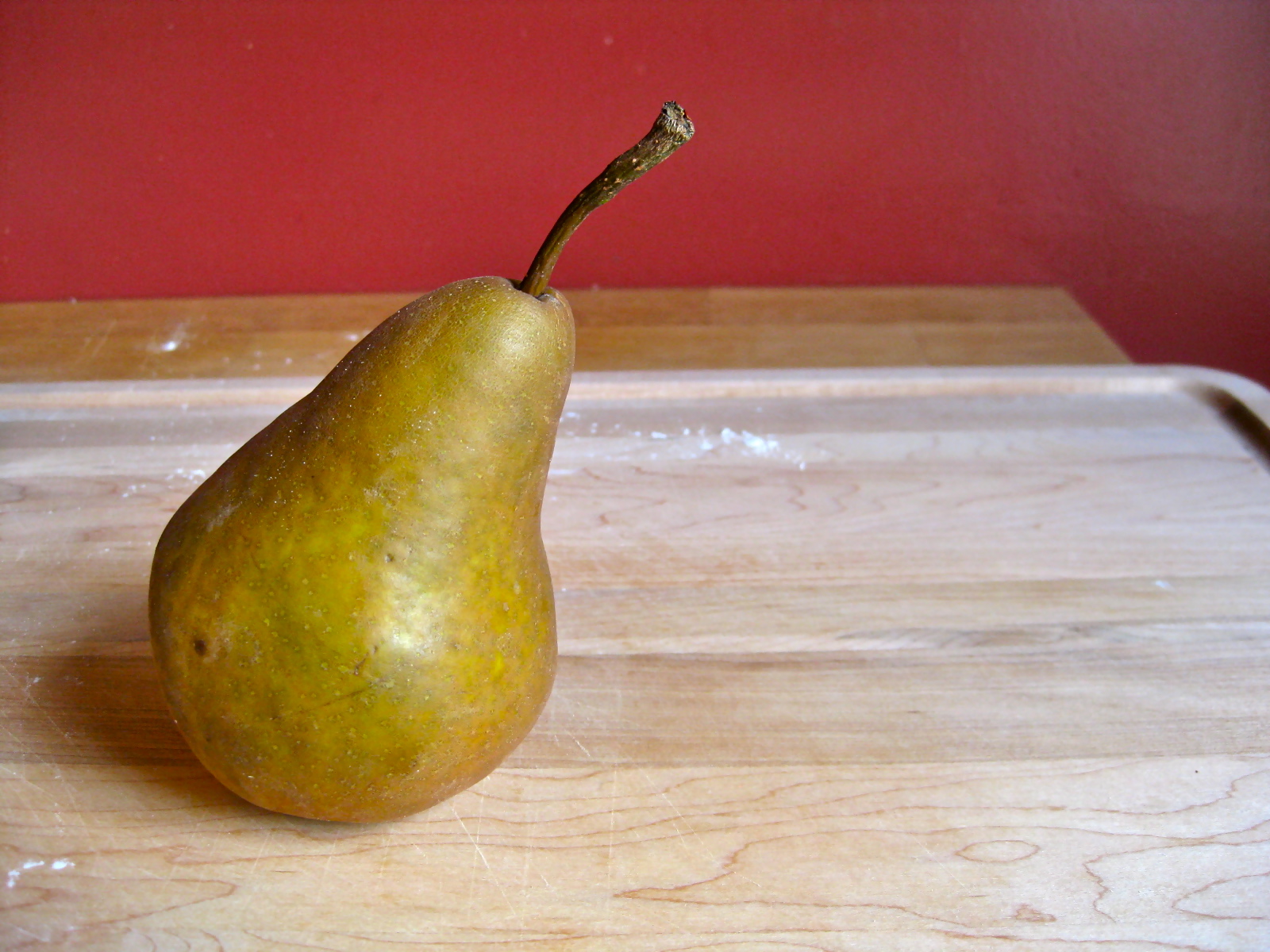
Unless, that is, you make this pear cake.  As much as I adore apples, I love pears even more.  Whereas the crispness of an autumn apple seems so bright and friendly, a ripe pear, with its delicate softness and perfume-like juice, is understated, almost modest.  I’ve been wanting to make a pear cake for ages, not just in the interest of, well, eating cake, but also because there seem to be dozens of recipes around that involve baking with apples, but not enough that encourage people to bake with pears.

Because ripe pears are so much softer than apples, I knew that no matter what I chose to do with the pears before folding them into a cake, they would most likely melt away when baked.  Using this to my advantage, I took the added juiciness of the pears as a hint to explore another lesser-seen tactic in the world of cakes: I decided to make this cake vegan.

I am not a vegan (this should be obvious to anyone who has spent any time at all on this site), but I have spent a great deal of time in the company of vegan housemates, co-workers, and now, fellow kindergarten families.  It has always seemed like a crying shame that there are so few recipes for vegan baked goods that don’t involve simple pantry ingredients.  Whereas a vegan is wary of dairy and eggs, I am equally as wary of “natural” margarine and fake sour cream, so I figured I’d reach across the aisle here and create a vegan recipe that called for simple, basic ingredients.

It was not so surprising to discover that it was not at all difficult, and I think you’ll soon see that the result is not lacking in any way.  To be completely honest, the fact that this cake is vegan is the least of its accomplishments.  The cake flour gives the cake an incredibly delicate crumb, and the brown sugar bakes into a deep toffee flavor that hits all the right notes when combined with the shredded pears.  This is a tender, moist cake that is perfect for showcasing the joys of autumn fruit, and regardless of whether you prefer Rice Dream to ice cream, it’s a solid addition to any recipe collection.
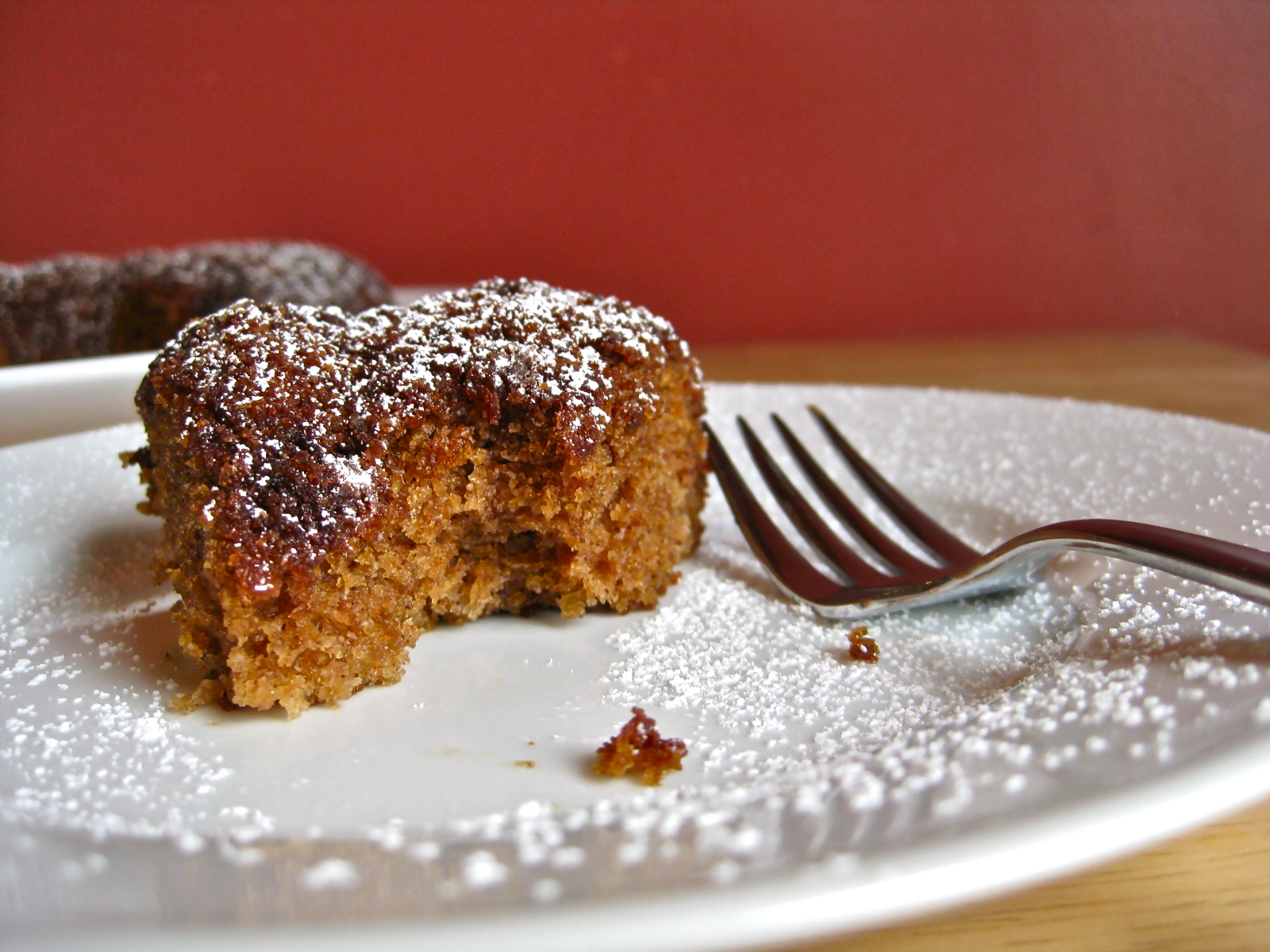
Pear Cake

I auditioned two versions of this recipe, and the results were exactly the same.  I am not sure why I am even mentioning that I tried out two different versions of this cake, except perhaps to stress the point that I really did want to make this cake as simple and delicious as possible, and, even when fiddling around with the ingredients and baking times, I found it impossible to make this cake taste bad.  If you don’t have cake flour on hand and don’t feel like going out and buying some, I recommend you use unbleached all-purpose flour that has been sifted two times, rather than once, before being measured.

1 ¾ cups sifted cake flour

½ teaspoon salt

2 teaspoons baking soda

1 teaspoon cinnamon

pinch of nutmeg

½ cup vegetable oil

1 cup lightly packed light brown sugar

1 cup lightly packed shredded pear, juice included (I got this much shredded pear from 2 medium-sized pears)

2 teaspoons cider vinegar

Preheat oven to 350 degrees Fahrenheit.  Grease and flour a 9 or 10-inch bundt pan.

In a medium bowl, sift together flour, salt, baking soda, cinnamon, and nutmeg.  In a large bowl, mix together oil and brown sugar until smooth.  Fold in shredded pears.  Add the dry ingredients to the wet, and mix until just combined.  Add the vinegar, and mix quickly to incorporate.  The batter will foam a bit when the vinegar reacts with the baking soda.

Pour the batter into the prepared bundt pan.  Bake in the center of the oven for 30 to 35 minutes, until the top of the cake appears no longer liquid, and is spongy-firm to the touch.  Do not insert a cake to test for doneness until at least 30 minutes of cooking time have elapsed.  The cake is rather delicate, and poking it prematurely will cause it to deflate.  When you do insert a cake tester for doneness (after 30 minutes), the cake tester should emerge with just a few moist crumbs attached.

Cool cake in pan for 10 minutes, then invert onto a cooling rack to cool completely.  The cake will be extremely delicate when still warm, so handle with care.  Serve warm or at room temperature.

Pecan-Bourbon Bundt Cake

1 Sep

There are cakes for children, and there are cakes for adults.  Cakes for children more often than not involve some sort of chocolate, and are frequently adorned with sprinkles or, well, more chocolate.  They are simple affairs, lacking in surprise, as per the preferences of children when it comes to their food, but nearly always enjoyable.

Cakes for adults are not simple.  They can share similarities with cakes for children, mind you, oftentimes also involving chocolate, but they might also involve things that children tend to greet with wrinkled noses and tightly shut mouths.  Things like coconut, glazes, nuts, soaking syrups, creams, custards, fruits, or booze.  Whereas cakes for children are generally seen as favorable by adults, cakes for adults are most often shunned by children.

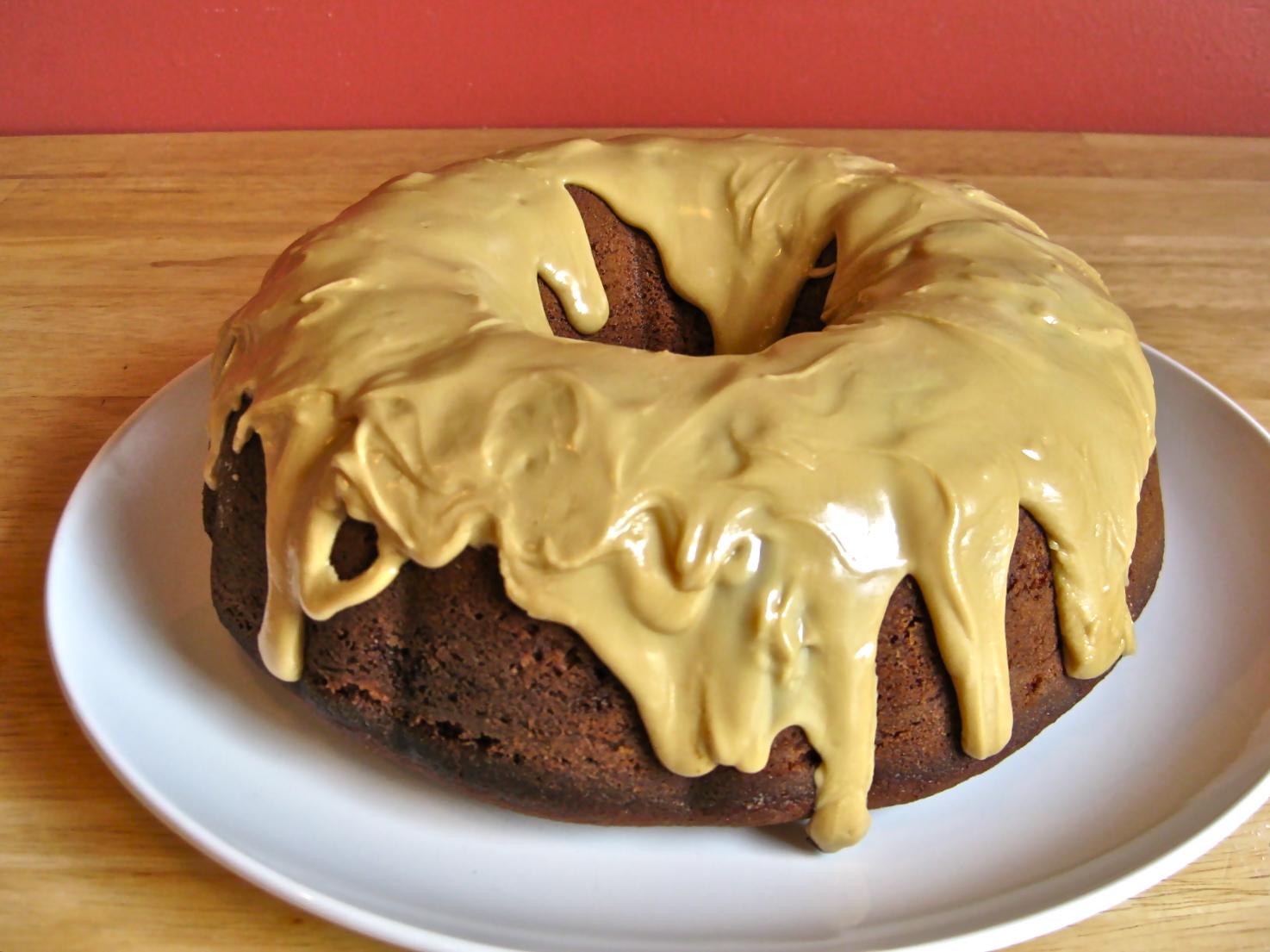
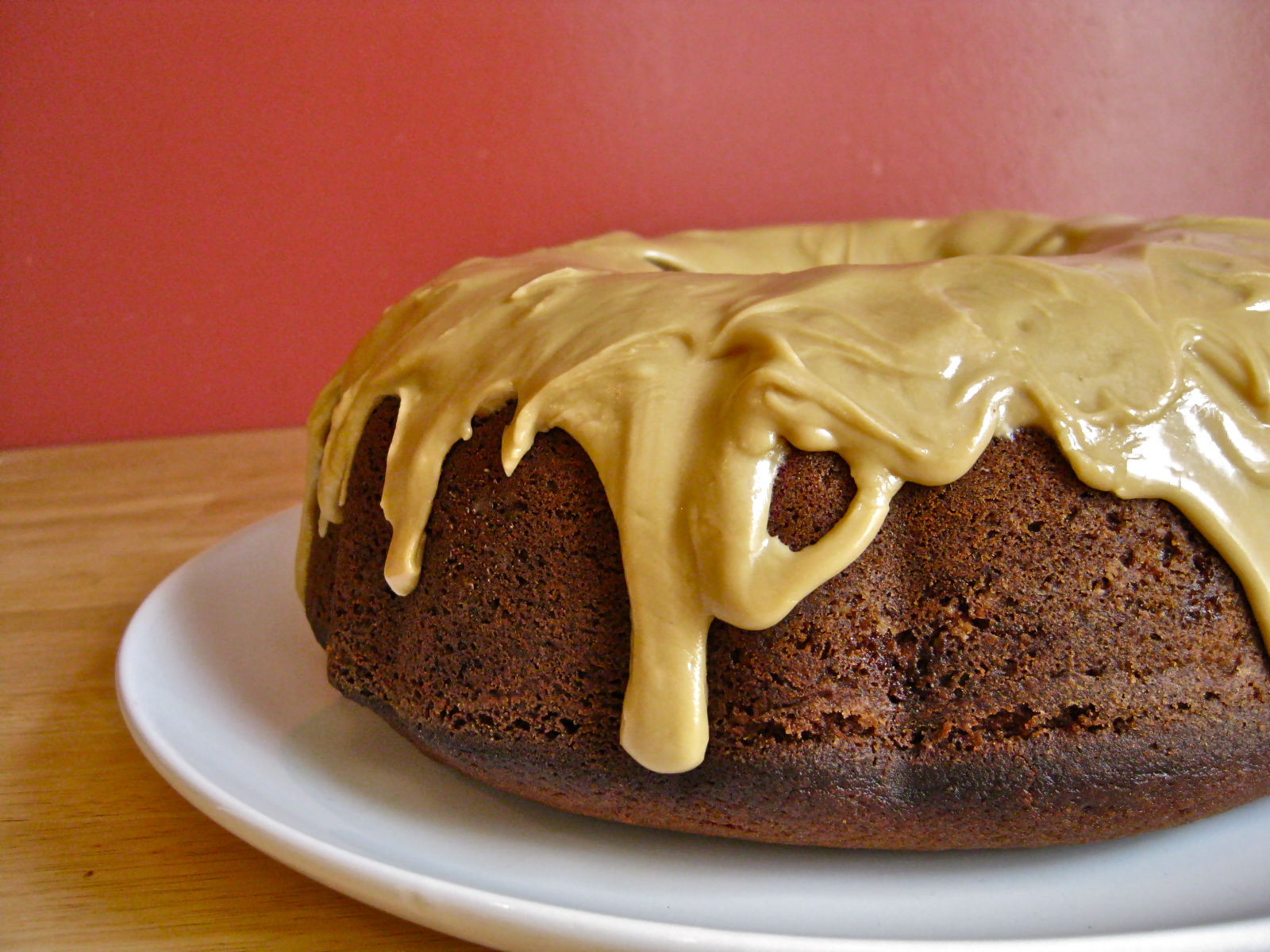
This is a cake for adults.  Made to celebrate a friend’s birthday, the cake was decided upon as a primarily adult-centric treat, being as though it features not only bourbon and chopped nuts, but also a hefty does of bittersweet and child-repellant molasses.  Rich and moist, this is a cake that is best eaten in small, thin slices, it being not only incredibly buttery and indulgent, but also highly satisfying.  You can, of course, eat more than one slice—you can eat as many slices as you please, this being a cake for adults, and adults, as we all know, are perfectly capable of knowing their own limitations, am I right?—but I would be lying if I told you that I, unofficial president of the Cake Appreciators Coalition, was able to take in more than one slice of this decadent wonder.

It’s like a self-policing dessert, really.  Its sheer level of deliciousness and fulfillment, heightened by the sweet and crunchy layer of nuts nestled within each slice, and taken nearly over the top by the thick and intense bourbon and molasses glaze on top, is exactly what makes you unable—though not unwilling—to tackle more than once slice at a time.

But not more than once slice total, mind you.  For if you miraculously have any of this cake leftover from its initial presentation, a day’s digestion will certainly facilitate your ability to greet it once more with great welcome.

Pecan-Bourbon Bundt Cake

An absolutely perfect recipe from The America’s Test Kitchen Family Baking Book

In reality, this cake was actually enjoyed by several children who did not have to be at all coerced into eating it.  However, since the thick glaze on this cake contains bourbon (as does the cake itself, but since the cake is baked, the alcohol content in the bourbon is evaporated), I recommend removing the glaze from each slice of cake before it gets served to a child.  While it is true that the small amount of bourbon included in the glaze most likely won’t have any ill effects on a child, I like to err on the side of caution.

Nut Filling

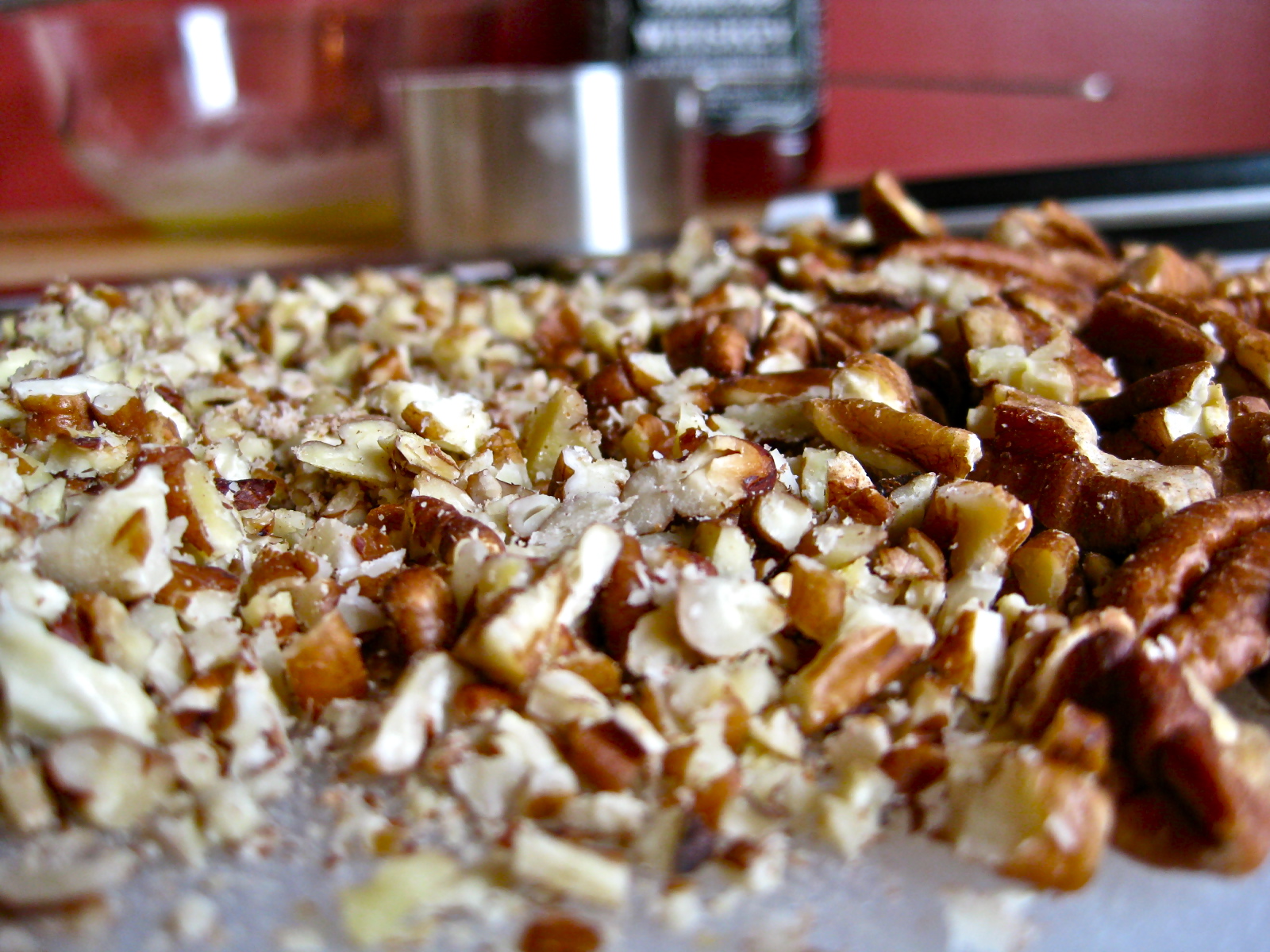
1 cup (4 ounces) pecans, toasted and chopped fine

½ cup packed (3 ½ ounces) light brown sugar

2 tablespoons unsalted butter, melted and cooled

Cake

3 cups (15 ounces) all-purpose flour

1 teaspoon salt

1 teaspoon baking powder

½ teaspoon baking soda

½ cup buttermilk, room temperature

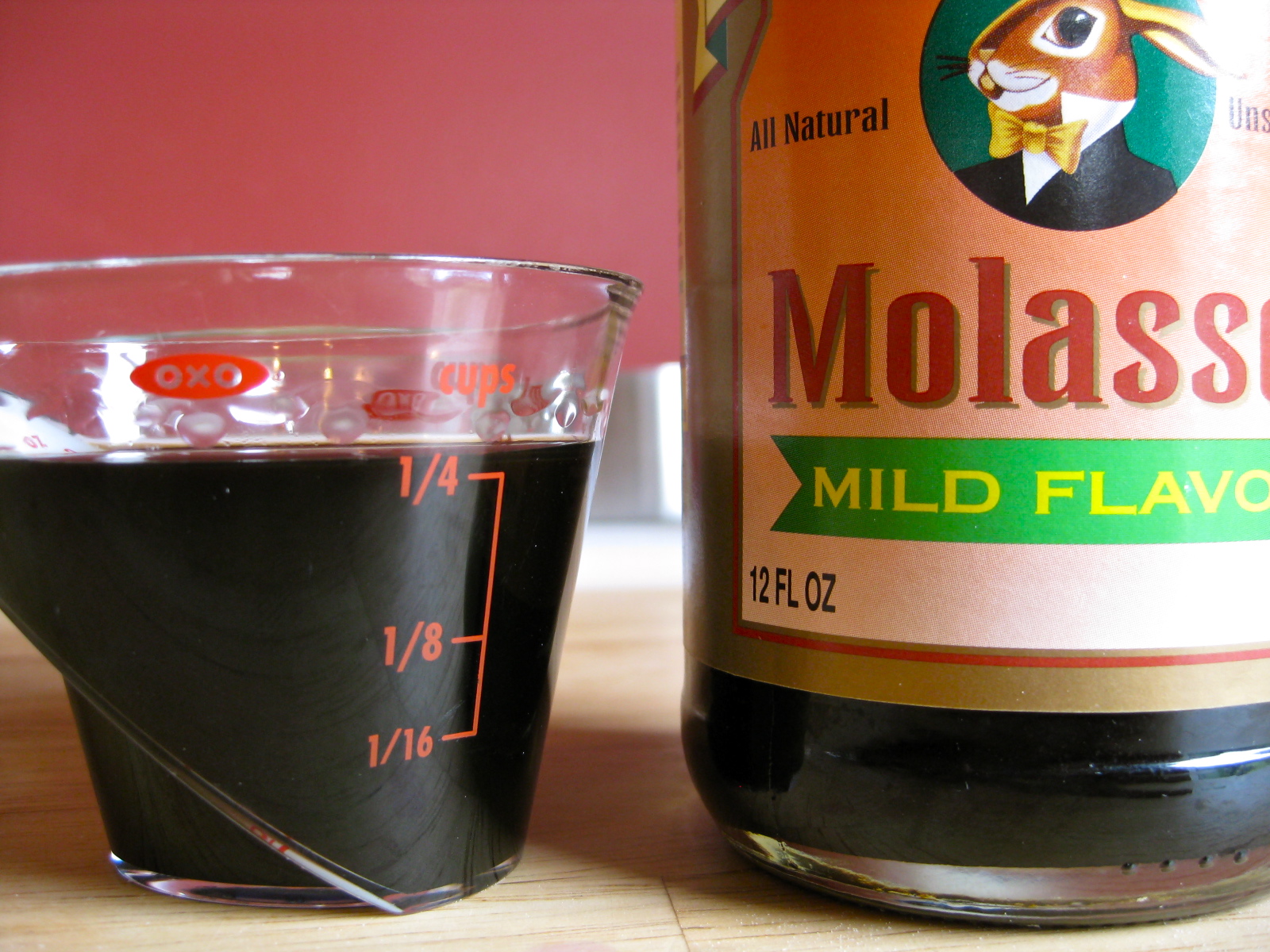
¼ cup light molasses

¼ cup bourbon (I used whiskey this time, and it was perfectly delicious)

1 tablespoon vanilla extract

2 ¼ sticks unsalted butter, cut into chunks and softened

1 ¾ cups (12 ¼ ounces) granulated sugar

3 large eggs, room temperature

1 large egg yolk, room temperature

Bourbon Glaze

1 ¾ cups (7 ounces) confectioners’ sugar

2 tablespoons bourbon

1 tablespoon light molasses

1 tablespoon water

pinch salt

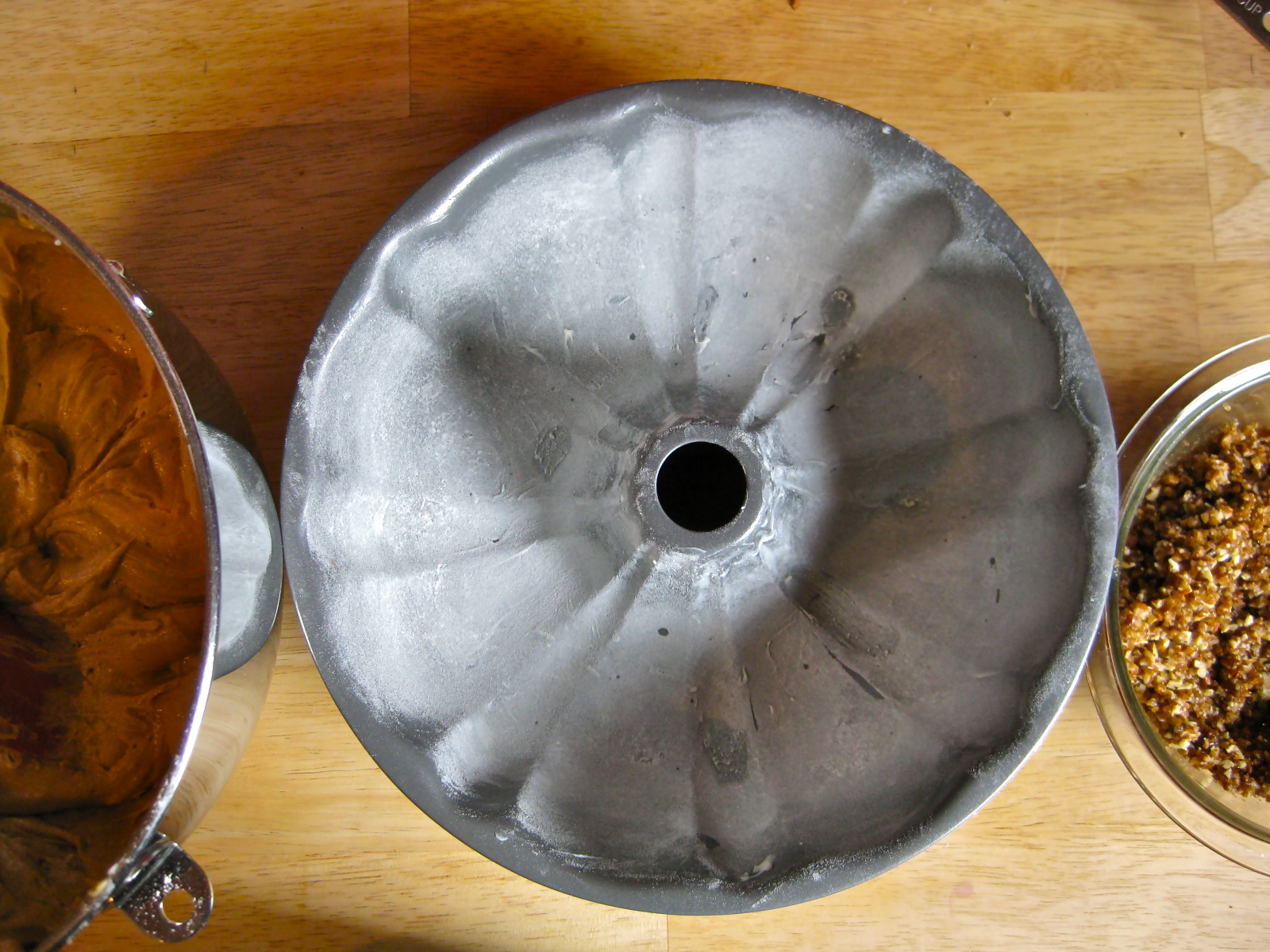
Adjust an oven rack to the lower-middle position and heat the oven to 350 degrees Fahrenheit.  Thoroughly butter and flour a 12-cup bundt pan.

In a small bowl, toss together all of the ingredients for the nut filling, then set aside.

In a medium bowl, whisk together the flour, salt, baking powder, baking soda.  In a small bowl, whisk together the buttermilk, molasses, bourbon, and vanilla.

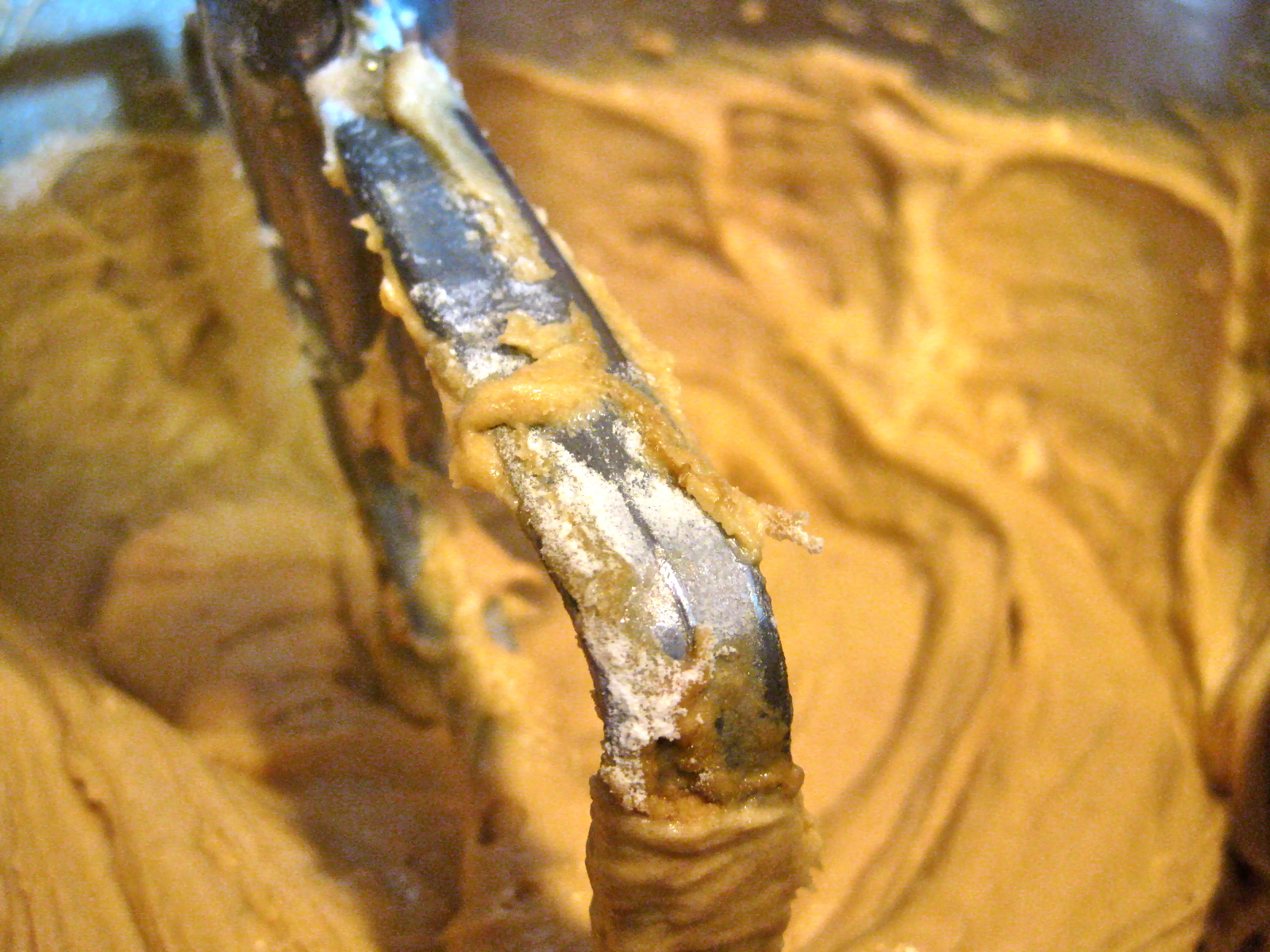
In a large bowl, beat together the butter and granulated sugar on medium speed until light and fluffy, about 3-6 minutes.  One at a time, beat in the eggs and the egg yolk.  Beat until combined, about 1 minute.

Reduce the mixer speed to low, and beat in one-third of the flour mixture, followed by half of the buttermilk mixture.  Repeat with remaining half of the flour mixture, followed by the remainder of the buttermilk mixture.  Scrape down the sides of the bowl as needed, then add the last of the flour mixture and beat until just incorporated.

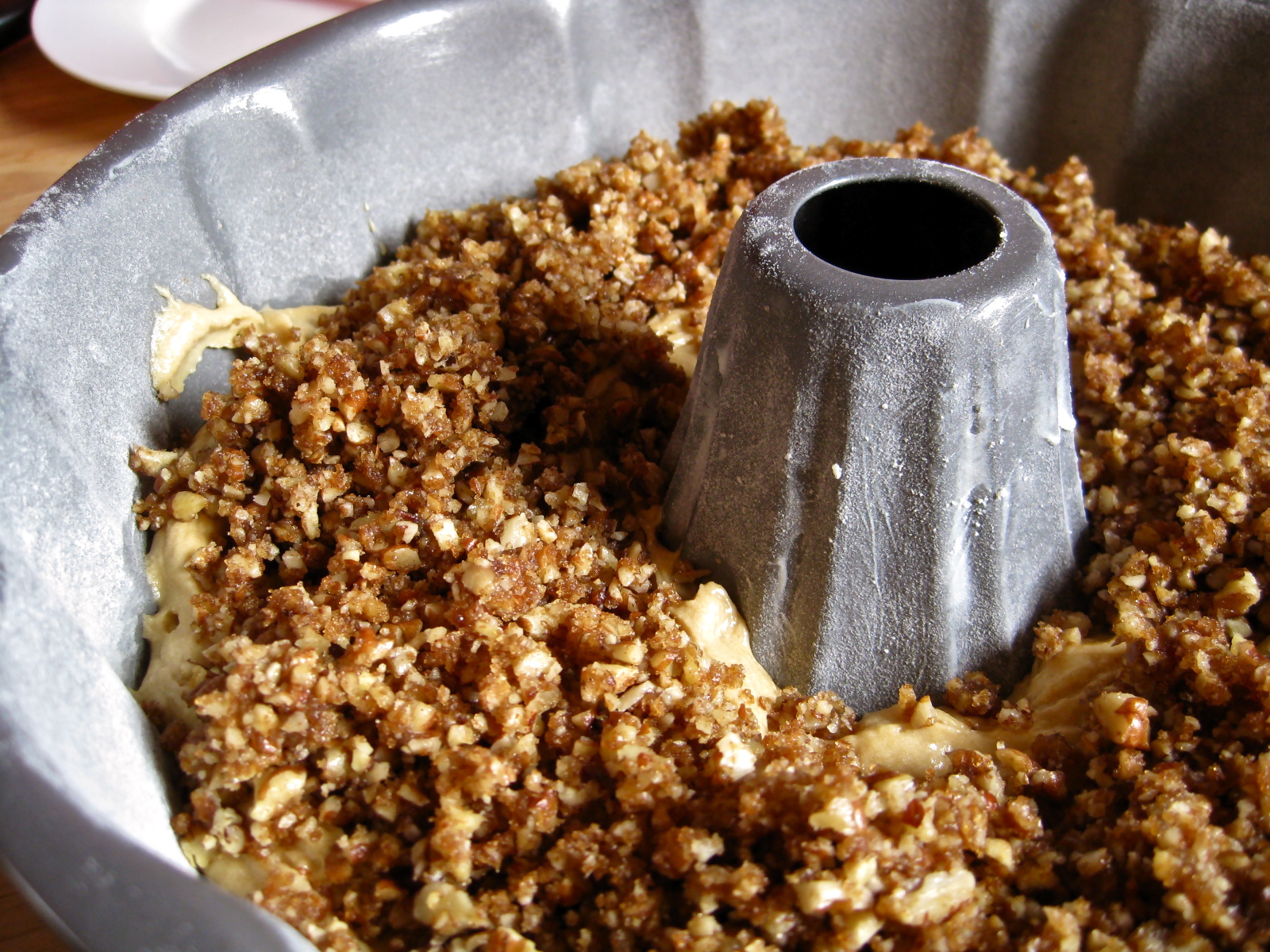
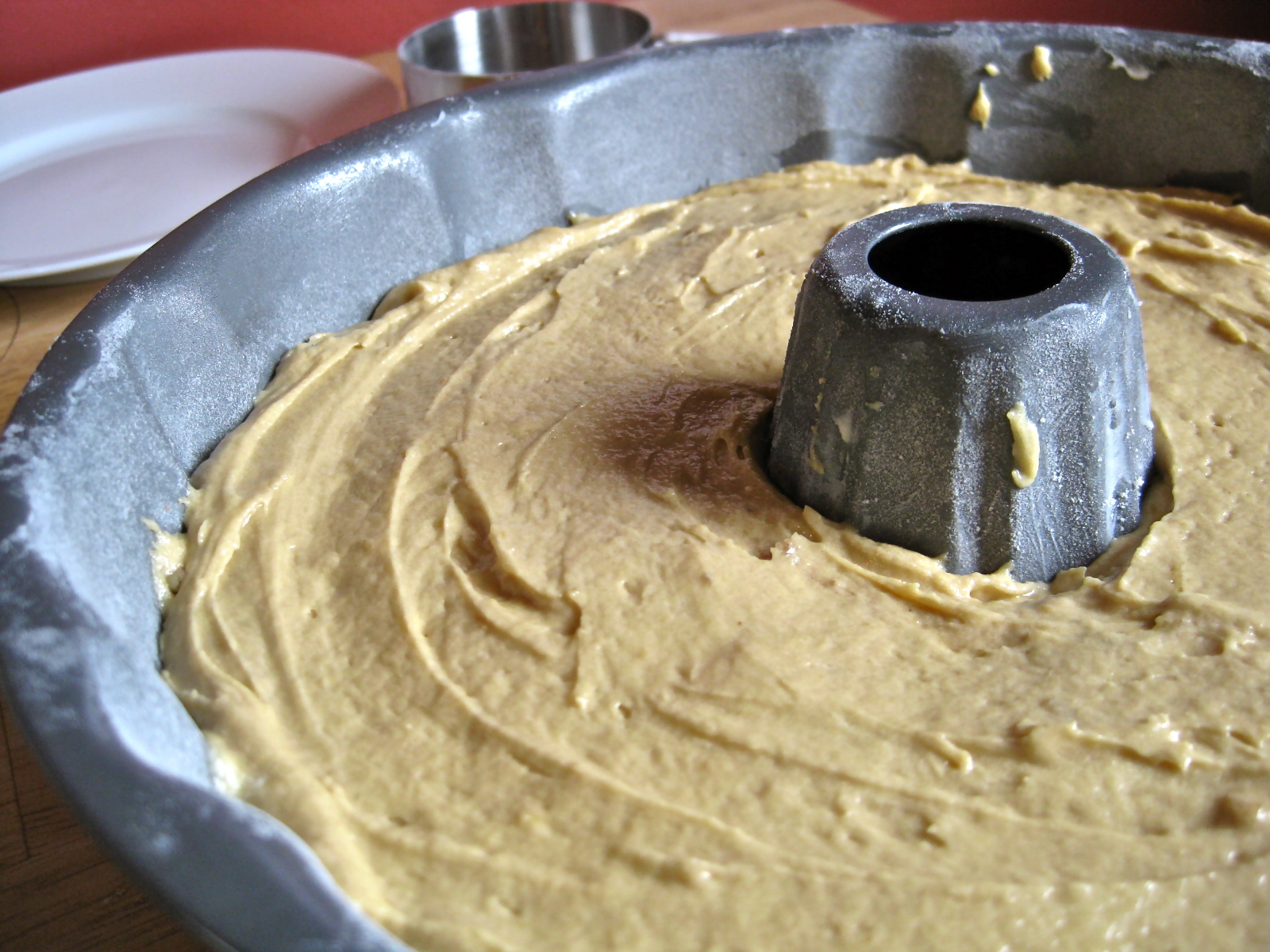
Scrape half of the batter into the prepared bundt pan, smooth the top, then sprinkle evenly with the pecan filling.  Scrap the remaining batter over the pecans and smooth the top.  Gently tap the bundt pan on the counter to settle the batter.

Bake cake on the lower-middle rack of the oven for 50-60 minutes, rotating the pan halfway through cooking.  The cake will be done when a wooden skewer inserted in the center comes out with only a few moist crumbs attached.

Allow the cake to cool in the pan for 10 minutes, then flip it out onto a wire rack.  Let the cake cool completely, at least 2 hours, until applying the glaze.

Once the cake has almost completely cooled, make the glaze by whisking all of the glaze ingredients together until smooth.  Allow the glaze to sit until thickened, about 25 minutes.  Drizzle the glaze over the top and sides of the cake, then allow the glaze to set before serving, at least 25 minutes.

Lemon Cream and Strawberry Trifle

30 Jun

Summer fruit in this area of the country is a long time coming.  Sure, we’ve had rhubarb for a few weeks now, but can rhubarb, in all its puckery a tart glory, really be counted as a summer fruit?  If you toss rhubarb with a lot of sugar, it can do some mighty fine things, but, straight from the ground, eating it is going to cause you some serious malcontent.  With those parameters in mind, I am sorry to say that I just don’t think rhubarb is going to make the cut.  So what do we do here in Portland when we want to eat our first local summer fruit?  We wait for the strawberries.

It’s been a cold, wet, and (let’s be honest) semi-miserable spring and summer, but our fortitude seems to have paid off.  Fresh strawberries began to show up at the farmers market just a few short weeks ago and, just last week, strawberries made their arrival in our home garden.  Despite the slow start our garden suffered in its beginning stages, a very short burst of warm weather seems to have coaxed some of our fruit into vibrant life, rewarding us with, upon our first harvest, 3 pounds of strawberries.  Not a typo.  3 pounds.

And then, four days later, we harvested another 3 pounds.  Two days after that came another 2 pounds.  We are swimming in sweet, juicy berries, and I could not be happier.

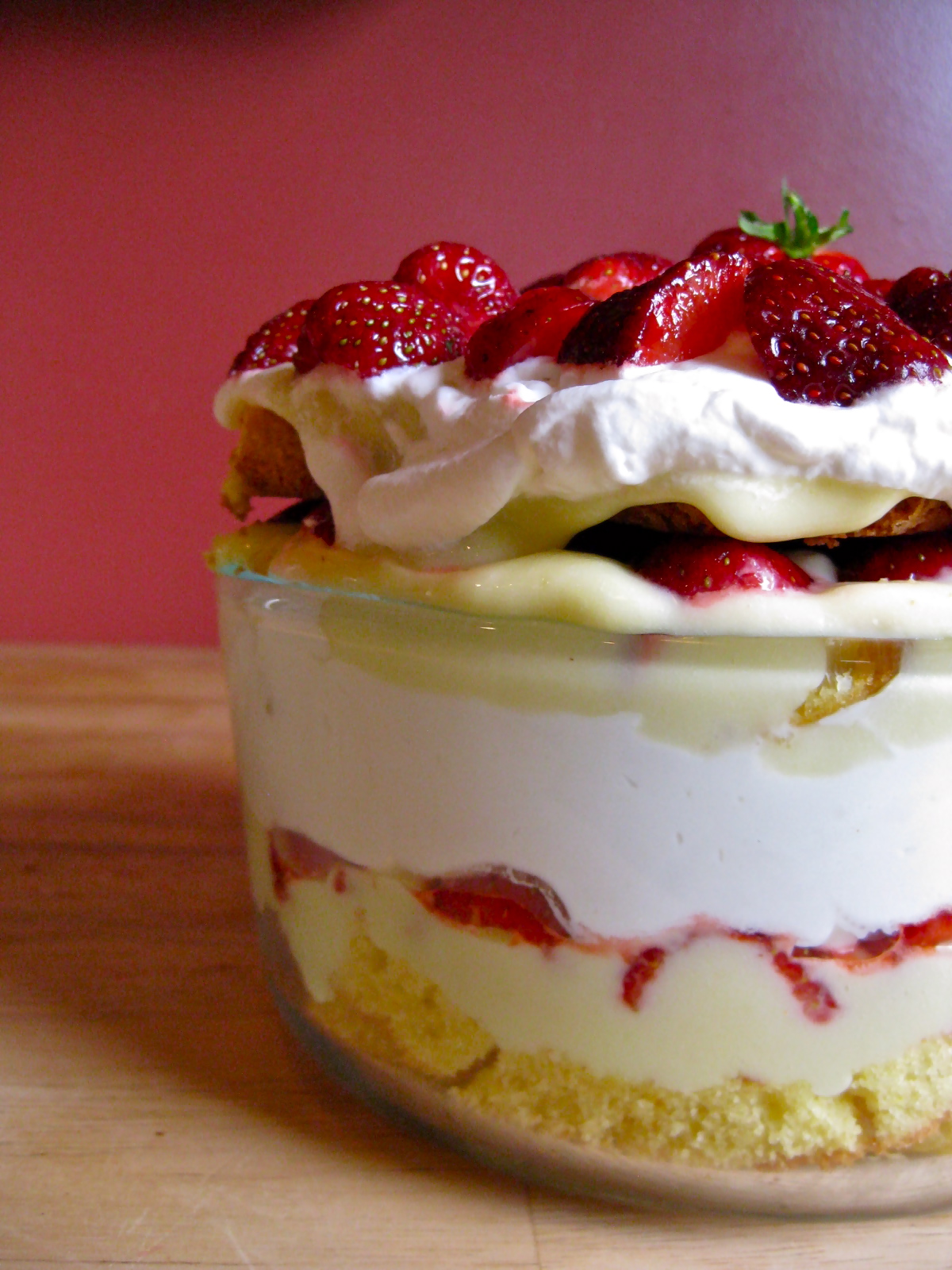
There have been strawberries in our granola, strawberries in our yogurt, strawberries straight from the plant, strawberries on leftover biscuits, and, in what I now realize I subconsciously created as a bit of a strawberry coming out celebration after we harvested our first basket of berries, this astonishingly good strawberry and lemon cream trifle, which, besides tasting somewhat like a heavenly dream, also happens to look quite like one.

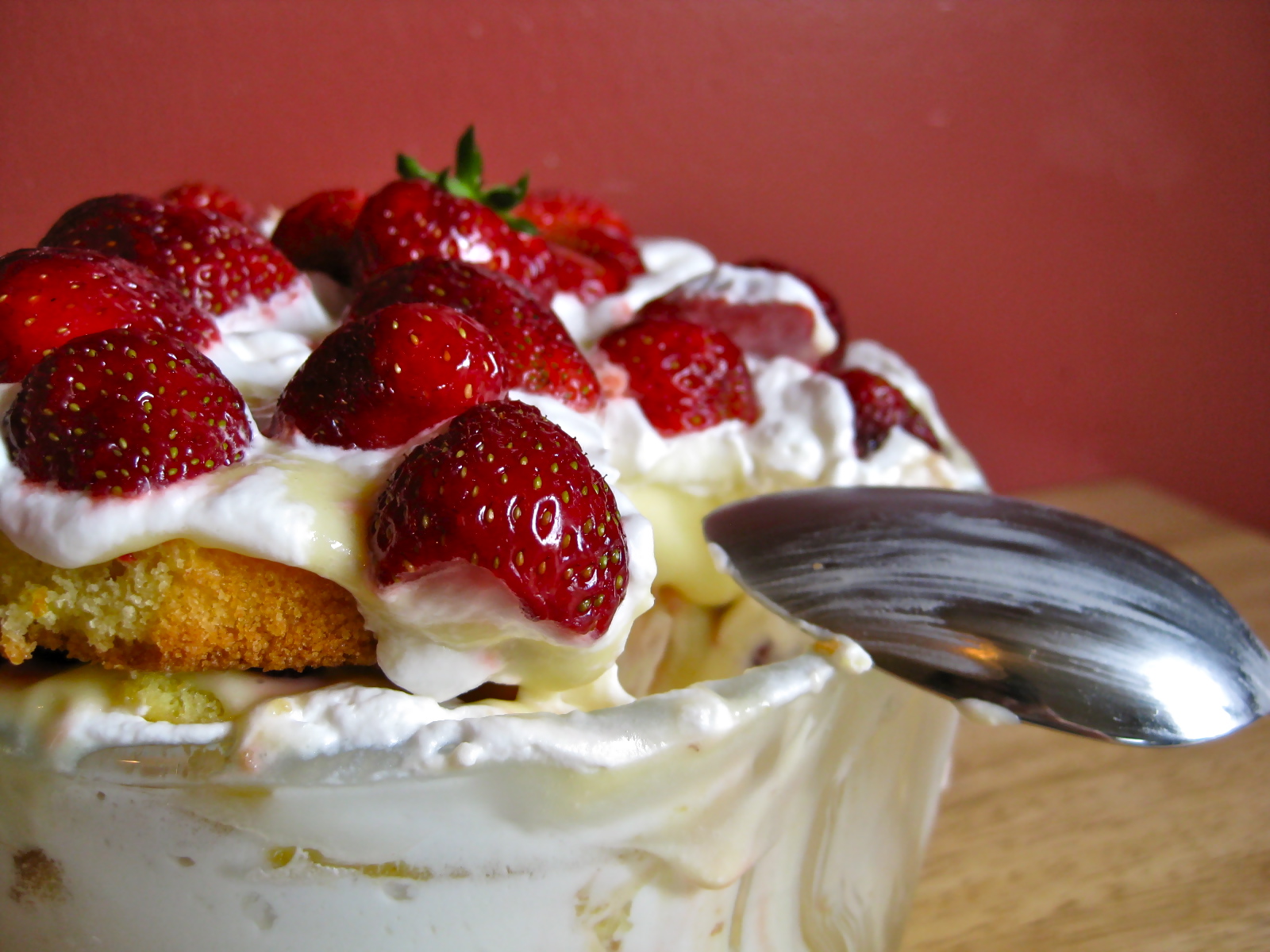
Until it comes time to serve it, that is.  Upon being released from its pristine confines, this wonderful dessert morphs into a sloppy, goopy mess that, were one determining dessert worthiness purely by looks alone, certainly would not be in the running to win any beauty pageants.

But, if we are to continue with this pageant metaphor, let us all remember that true beauty is not represented by what one sees on the outside, but rather what one possess on the inside, which in this case happens to be fresh garden strawberries, lush lemon cream, and soft peaks of whipped cream, all nestled in between layers of a delectable semolina cake that, unlike the cake layers in many a trifle I have eaten, will not succumb to a soggy and spongy fate when inundated with a veritable flood of delicious creams.  Combine those virtues, and you’ve got what I consider to be a dessert that qualifies as a true and deserving winner.

Strawberry and Lemon Cream Trifle

Orange Semolina Cake

If you want to go all lemon with this trifle, you can certainly swap out freshly squeezed lemon juice for the orange juice, though I find that the subtle orange flavor of this cake is a welcome addition to the overall composition of the trifle. (I previously wrote about this cake recipe here.)

2/3 cup all-purpose flour

½ teaspoon baking powder

2 cups fine semolina

¾ cup sugar

2 tablespoons grated orange zest

4 eggs, separated

¼ cup olive oil

¼ cup vegetable oil

½ cup orange juice

Preheat oven to 350 degrees F.

Grease and flour an 8” x 8” square cake pan.  Place flour, baking powder, and semolina in a bowl and mix to combine.  Combine sugar and orange zest in the bowl of a food processor or in a blender, and pulse to combine thoroughly.  Place egg yolks, orange-sugar mixture, and oils in a bowl and beat until well combined.  Fold egg yolk mixture into flour mixture with orange juice.

Place egg whites in a bowl and beat until soft peaks form.  Fold egg whites into flour and egg yolk mixture and pour into prepared pan.  Bake in preheated oven for 25-30 minutes, or until cake is lightly browned on top and a wooden skewer inserted into center of cake comes out clean.  Cool cake in pan for ten minutes, then release onto a wire rack to cool completely.

Lemon Cream

Adapted from Tartine

½ cup plus 2 tablespoons (5 ounces) of freshly squeezed lemon juice

3 whole large eggs

1 large egg yolk

¾ cup (6 ounces) sugar

pinch of salt

½ cup (4 ounces or 1 stick) cool unsalted butter, cut into 1 tablespoon pieces

Bring about 2 inches of water to a simmer in a saucepan set over medium heat.  In a non-reactive bowl that is able to rest securely in the rim of the saucepan without touching the water, combine lemon juice, whole eggs, egg yolk, sugar, and salt.  Whisk the ingredients together.  Do not allow the egg yolks and sugar sit together without being stirred constantly, as the sugar will react with the eggs and turn them granular.  Place the bowl over the saucepan of simmering water and continue to whisk for around 10-12 minutes, until the mixture thickens considerably and reaches a temperature of 180 degrees F.  Remove the bowl from above the water and allow the mixture to cool to 140 degrees F.  Stir from time to time to help the mixture cool and release its heat.

When the cream has reached 140 degrees, pour it into a blender, or leave it in the bowl if you will be using an immersion blender to mix the lemon cream.  Add the butter to the lemon cream, 1 tablespoon at a time, blending the mixture continuously until each piece of butter is completely incorporated before you add the next one.  The cream will be pale yellow and quite thick.

The lemon cream can be used immediately, or it can be made ahead and kept in the refrigerator, tightly sealed, for up to 5 days.  Makes about 2 cups of lemon cream.

Whipped Cream

1 cup (8 ounces) heavy whipping cream

½ teaspoon sugar

¼ teaspoon pure vanilla extract

Combine whipping cream, sugar, and vanilla in a medium bowl.  Using an electric mixer, whip on low speed until sugar and vanilla have dissolved.  Increase mixer speed to high, and whip until cream forms soft peaks.

Assemble the Trifle

You will need 1 pound of strawberries, each berry hulled and sliced in half from top to bottom.

When cake has cooled, cut it in half so you have two pieces that measure 8” x 4.”  You will only need half of the cake, so tightly wrap the unused half and store it for later use or enjoyment.  Then cut the remaining 8” x 4” piece in half horizontally, separating the top from the bottom.

Line the bottom of a trifle dish, or a similarly-sized glass bowl with a flat bottom (I used a 1.75 quart Pyrex storage dish, and found that I could have benefited from a dish that was taller and allowed for a bit more security of the top layers) with 1/3 of the cake layers, cutting the cake into strips and pieces as needed to fill in as much of the bottom space as possible.  Spoon 1/3 of the lemon cream mixture on top of the cake layer.  Spoon 1/3 of the strawberries on top of the lemon cream.  Spoon 1/3 of the whipped cream on top of the strawberries.  Repeat layering process one more time.  When you get to the third layer, deviate slightly from the layering order by first making a cake layer, followed by a lemon cream layer, then a whipped cream layer, then a strawberry layer.  Laying the strawberries on top of the cake, rather than under a layer of whipped cream, simply looks prettier.

Chill the trifle well before serving.  Trifle can be made ahead and left to wait in the refrigerator, fully assembled, for up to 1 day.

This trifle should serve at least 10 people very generously.  I’d tell you how long leftovers can last in the refrigerator, but ours was completely demolished within 2 days, leaving me to only guess as to how long it could last past that.  I’d say no longer than 3 or 4 days, but I’ll bet yours will be gone long before that as well.