Archive | Cake RSS feed for this section

Spice Cake with Salted Brown Butter Frosting

10 Sep

A few months ago, I made a bunch of cakes for a friend’s Kickstarter campaign. To me, this was a task on par with that of an artist being commissioned to paint a fine portrait. I took it very, very seriously. I bought bakery boxes in which to present the cakes. I made house calls to each and every cake recipient, making sure to describe, in fine detail, the nuances of not only the cakes, but also their frostings and/or garnishes. I shaved chocolate to decorate the cakes, I made special cardboard cake stands on which to sit each cake in its box, and then I hand-stamped my name, along with the name of this very website, onto each cake box. Like I said, I took my task very, very seriously. Behold:
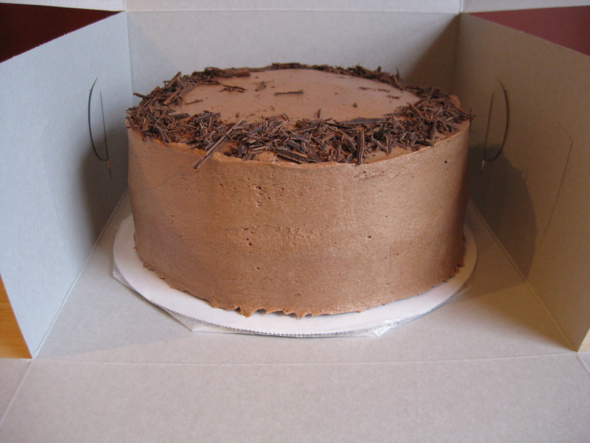
Remind me to tell you about this cake at another time.

Though I have encountered many people who simply cannot believe that I would go to such great cake-making lengths and not get paid a penny to do so, the fact remains that, incomprehensible as it may seem, I really enjoy making cakes. I also enjoy making salads, Indian food, bread, and…well, food. Just in general, I enjoy making food.
A couple of years ago, I agreed to make an enormous spread of food for my son’s school open house, and when, on the afternoon of the open house, it began to snow (which, just to be clear, rarely happens here), I was struck with both parts panic and delight when I realized that, my lord, what happens if the open house gets canceled and I get stuck with all this food. And then I realized that, hey, if the open house gets canceled, we get stuck with all this food. The samosas, the smoked salmon bruschetta, the caramelized onion flatbread, the lemon bergamot bars, the spicy brownies—all of it would have been ours and ours alone. Most of the time, when I prepare food in this manner, I never get to actually eat it. I just drop it off, then come back later on to retrieve the empty platters. For the first time ever, I was faced with the possibility of actually being able to eat the food I had spent the past two days making. It was equal parts exciting and confusing.
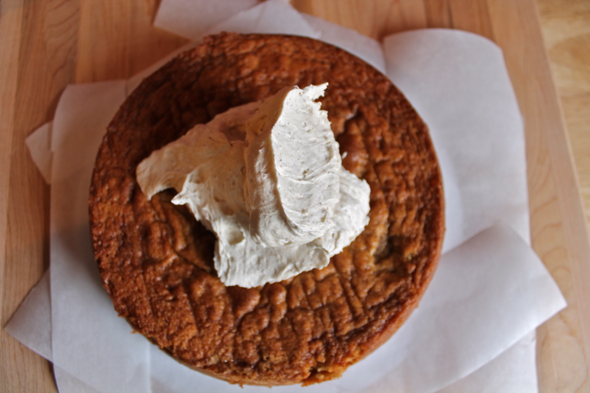
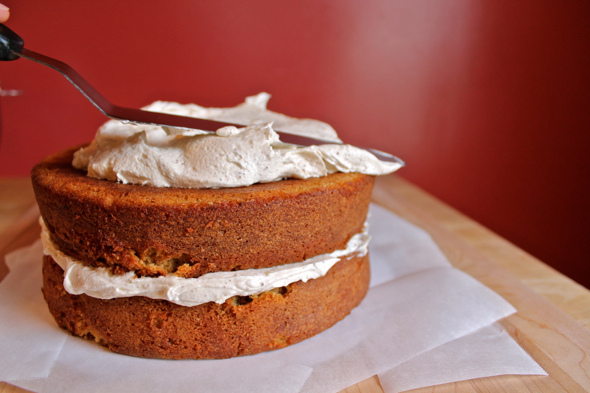
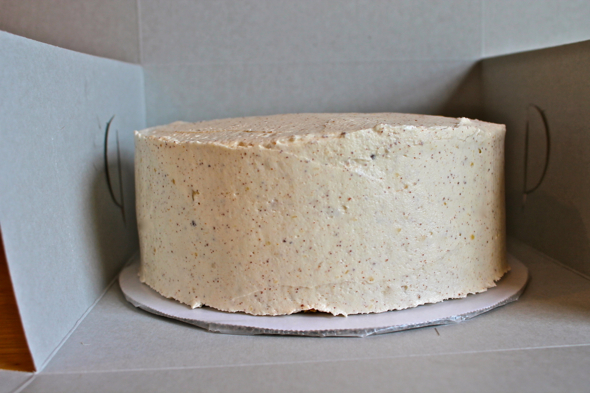
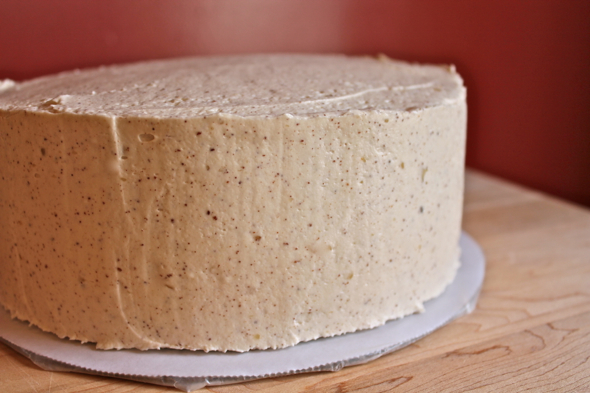
This is basically what happens when I make cakes for people, as well. I lovingly prepare the cake, frost it with the gentlest of care, then nestle it into a special box, never to be seen again. I suppose that is why, when I was scrolling through some old photos from the beginning of the year, I almost could not remember making this spice cake. The spice cake recipe from America’s Test Kitchen, packed with spices that get bloomed in brown butter, then perked up with a shot of fresh ginger, is an old favorite of mine. The frosting, dreamed up when I was looking for a way to really punch up the cake, is a new favorite.
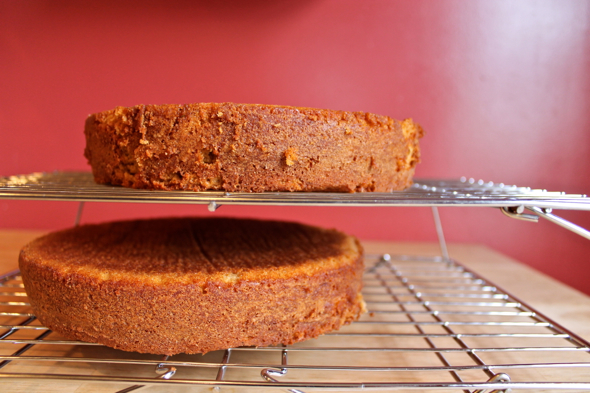
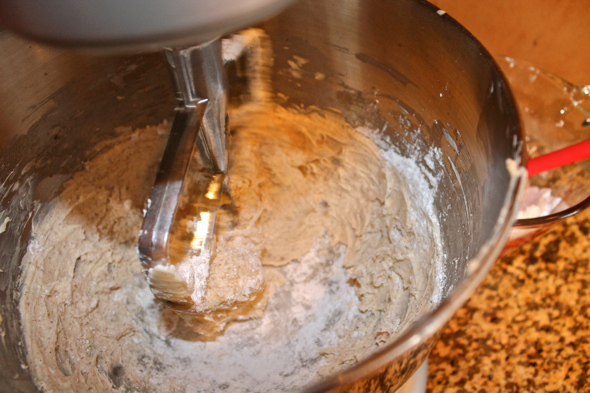
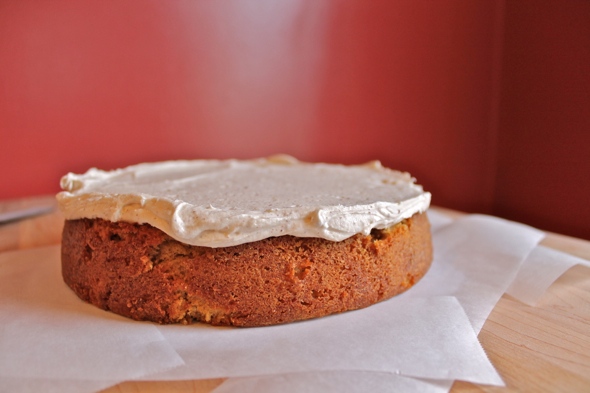
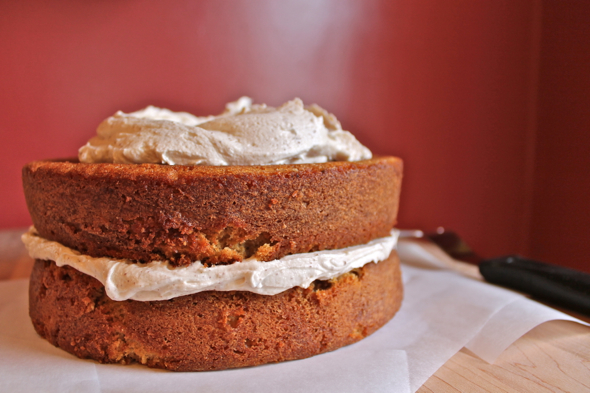
The brown butter in this frosting is the perfect compliment to the brown butter in the cake, and the hit of sea salt contained within supplies the most wonderful undertone to the warm sweetness of the cake. How do I know this, having just admitted that I never had the chance to taste this cake, as it was meant for someone other than me? Well, I may have never tasted this particular cake you see in the picture, but you’d better believe that, as soon as I was able, I took the time to make another one of these cakes. And the second time, it never had a chance to leave the house.
Last Year: Green Beans with Cherry Tomatoes Caramelized Lemon-Balsamic Onions

Spice Cake with Salted Brown Butter Frosting Recipe

Spice Cake

Adapted from The America’s Test Kitchen Family Baking Book

1 tablespoon ground cinnamon

¾ teaspoon ground cardamom

½ teaspoon ground allspice

¼ teaspoon ground nutmeg

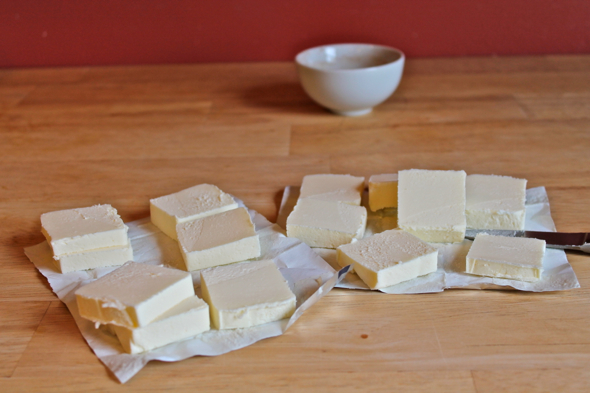
16 tablespoons (2 sticks) unsalted butter, cut into 16 pieces and softened

2 ¼ cups unbleached all-purpose flour

½ teaspoon baking powder

½ teaspoon baking soda

½ teaspoon salt

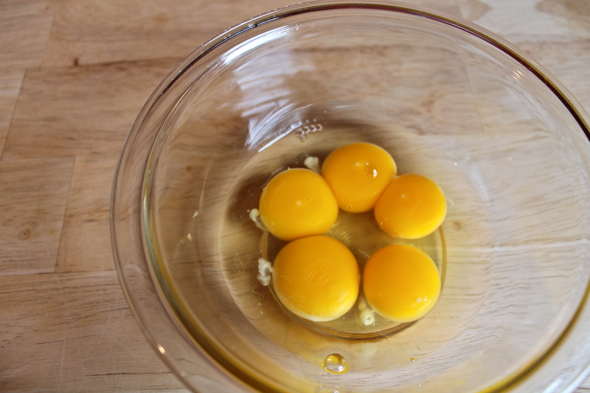
2 large eggs, room temperature

3 large egg yolks, room temperature

1 teaspoon pure vanilla extract

1 ¼  cups granulated sugar

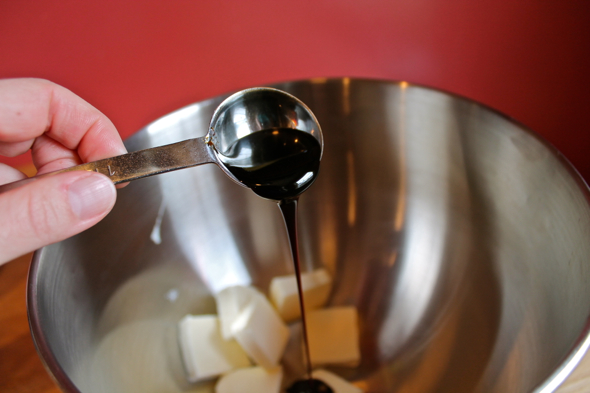
2 tablespoons light or mild molasses

1 tablespoon grated fresh ginger

1 cup buttermilk, room temperature

Adjust an oven rack to the middle position. Preheat oven to 350 degrees Fahrenheit. Grease and flour 2 9-inch round cake pans, then line the bottoms with rounds of parchment paper.

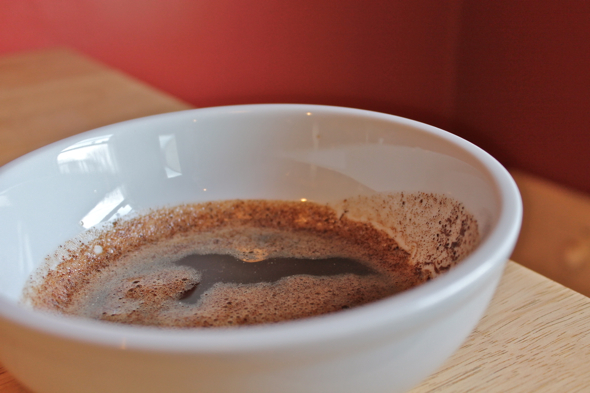
In a small bowl, combine cinnamon, cardamom, allspice, and nutmeg. In a small skillet, melt 4 tablespoons of the butter over medium heat and continue to cook, swirling the pan constantly, until the butter turns light brown (this should take anywhere from 3 to 6 minutes). Stir in the spice mixture and quickly cook until fragrant, about 15 seconds. Remove from heat and pour the mixture into a bowl to cool slightly.

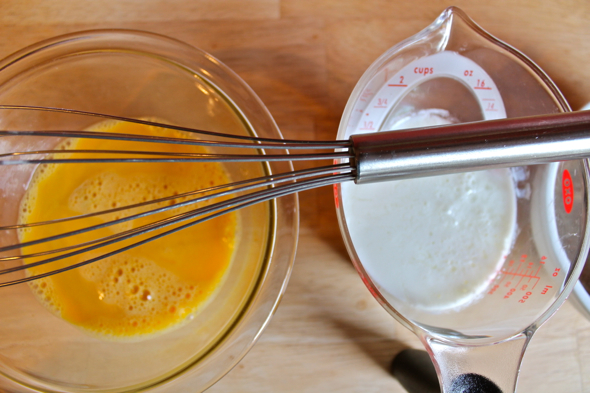
In a medium bowl, whisk together the flour, baking powder, baking soda, and salt. In a small bowl, whisk together the eggs, egg yolks, and vanilla.

In a large bowl, or in the bowl of a stand mixer, beat the remaining 12 tablespoons of butter with the sugar and molasses. Beat on medium-high speed until the mixture is light and fluffy, about 3 to 6 minutes. Scrape down the sides of the bowl, then beat in the ginger, the cooled butter-spice mixture, and half of the egg mixture until combined, about 30 seconds. Beat in the remaining egg mixture until combined, about 30 more seconds.

Reduce the mixer speed to low, scrape down the sides of the bowl, and beat in one-third of the flour mixture, followed by half of the buttermilk. Repeat with half of the remaining flour mixture and the remaining buttermilk. Beat in the remaining flour mixture until just combined.

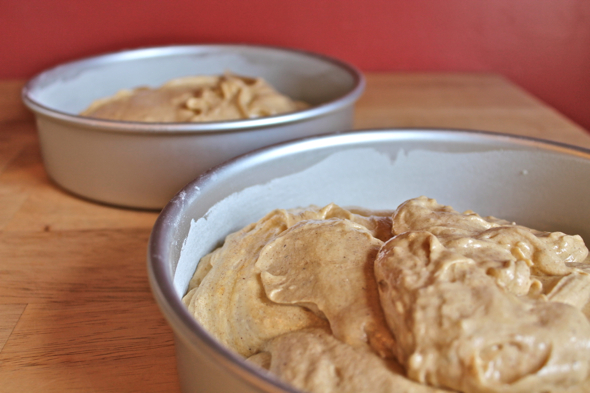
Give the batter a final stir with a rubber spatula to make sure it is thoroughly combined and there are no unmixed bits at the bottom of the bowl. Scrape the batter into the prepared pans, smooth the tops, and gently tap the pans on the counter to settle the batter. Bake the cakes until a toothpick inserted in the center comes out clean with a few moist crumbs attached, about 20 to 25 minutes, rotating pans halfway through baking.

Allow the cakes to cool in their pans for 10 to 15 minutes, then run a small knife around the edges of the cakes and flip them out onto a wire rack to finish cooling completely. Peel off the parchment paper and allow cakes to cool for at least 2 hours.

Salted Brown Butter Frosting

3 sticks unsalted butter, cut into chunks and softened

2 tablespoons milk or cream

2 teaspoons pure vanilla extract

heaping ¼ teaspoon sea salt

3 cups confectioners’ sugar

In a large skillet set over medium heat, melt 2 sticks of the butter, then cook, swirling constantly, until the butter turns light brown and just begins to release a nutty aroma. Remove from the heat, then transfer to a medium bowl. Place the bowl in the refrigerator, and cool the browned butter for 30 to 45 minutes, stirring every 10 minutes, until the browned butter reaches the consistency of softened, room temperature butter.

Remove cooled browned butter to a large bowl, or the bowl of a standing mixer. Add the remaining stick of butter, milk or cream, vanilla, and salt. Beat together at medium-high speed until smooth, about 1 to 2 minutes.

Reduce mixer speed to medium-low, then slowly add the confectioners’ sugar and beat until smooth and incorporated, about 5 minutes. Increase mixer speed to medium-high and beat until the frosting is light and fluffy, which can take anywhere from 5 to 10 minutes, depending on the power of your mixer.

Makes about 4 cups of frosting, enough to frost a 2-layer cake or one large sheet cake.

Peach and Ginger Brown Sugar Shortcakes

30 Jul

You have to eat this. No, really. This might be the best dessert I’ve had all summer, and, as you may have noticed, I tend to eat a lot of desserts.

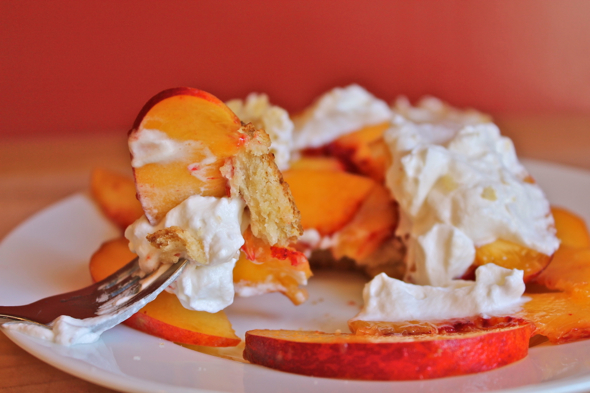
I can’t really say what the secret to this dessert is, because it seems to me that this shortcake’s power lies in the collective virtue of several influences. The brown sugar in the shortcake plays wonderfully off of the unexpected notes of the ginger in each bite. The crisp edges of each shortcake, with their buttery flavor and texture, are made more notable by the exquisitely ripe peaches, all of which are touched with just a dollop of unsweetened whipped cream. Because the only thing that gets sweetened in this dessert is the shortcake pastry itself, the sweet ripeness of the peaches, along with the smooth mellowness of the cream, are really allowed to stand out. It’s ginger and brown sugar. It’s peaches and cream. It’s just so good.

It’s like a symphony, really. A decadent, summery symphony that beckons you to come closer, have a taste, then another taste…and then, perhaps, maybe, a few more tastes. So many that you just might, along with some assistance from an eager, peach-loving child, end up tasting an entire shortcake before dinner, which then means that, after dinner, when everyone else is having a bit of shortcake, you might be lucky enough to encounter even more shortcake. Not that anyone has to know about the first one. If you promise not to tell, I promise to give you some shortcake.

Last Year: Sour Cherry Pie

Peach and Ginger Brown Sugar Shortcakes Recipe

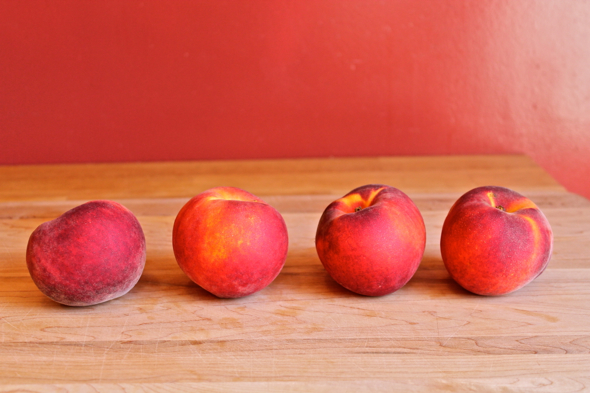
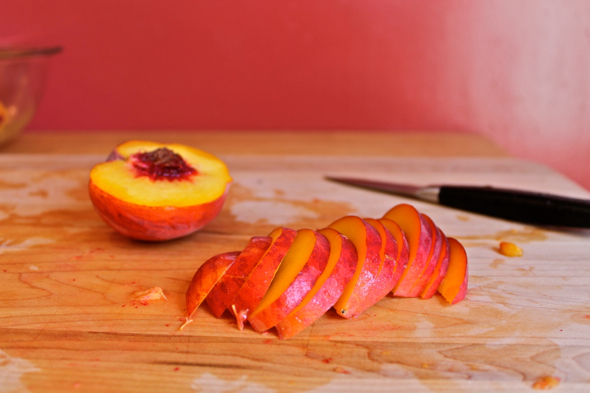
I was curious to see if peeled peaches would fare better in this dessert over peaches that still had their skins, so I peeled half of the peaches (which, if your peaches are extremely ripe, as they should be, will be a very simple and painless task—the skins should effectively just slip right off once the peaches are sliced) and left the rest of the peaches with their skins. The result? Both the peeled and non-peeled peaches tasted great, and I actually liked the look of a combination of the two. That said, if you don’t want to peel your peaches, you certainly don’t have to. The dessert will still taste wonderful.

2 ½ cups unbleached all-purpose flour

¼ cup dark brown sugar

1 tablespoon baking powder

½ teaspoon sea salt

8 tablespoons (1 stick) cold unsalted butter, cut into small squares

2/3 cup cold buttermilk

¼ cup finely chopped crystallized ginger

6 or 7 very large, extremely ripe peaches

1 cup whipping cream

1 or 2 drops pure vanilla extract

Preheat oven to 425 degrees Fahrenheit. Line a baking sheet with parchment paper and set aside.

In a large bowl, combine flour, brown sugar, baking powder, and salt, then whisk together. Add the butter and, using a pastry cutter or two knives, cut the butter into the flour mixture until the end result resembles coarse crumbs with a few pea-sized chunks of butter here and there. Stir in the buttermilk, then the ginger, and incorporate everything as much as possible.

Turn the dough out onto a lightly floured counter. Gently knead the dough a couple of times to bring together any stray shaggy bits or dry patches, then pat the dough into a 9-inch by 6-inch rectangle. Using a sharp knife, cut the dough into 8 squares. Place each square on the prepared baking sheet, gently rounding the corners of each shortcake as you space them apart.

Bake the shortcakes in the center of the oven for 12-14 minutes, until the bottoms are well browned and the edges of each shortcake have turned a dark golden brown. Remove shortcakes to a wire rack to cool completely.

While the shortcakes are baking, pit the peaches and slice them into medium-thin slices. Toss all of the peach slices together in a bowl, then refrigerate until you are ready to assemble your shortcakes. Right before you want to serve your shortcakes, whip the cream with the drops of vanilla.

To assemble the shortcakes, slice the top 1/3 off of a shortcake. Layer a large amount of peach slices over the bottom 2/3 of the shortcake. Top the peaches with a dollop of whipped cream, then gently place the top 1/3 of the shortcake over the cream.

Makes 8 peach shortcakes.

Sour Cherry Upside Down Cake

28 Jun

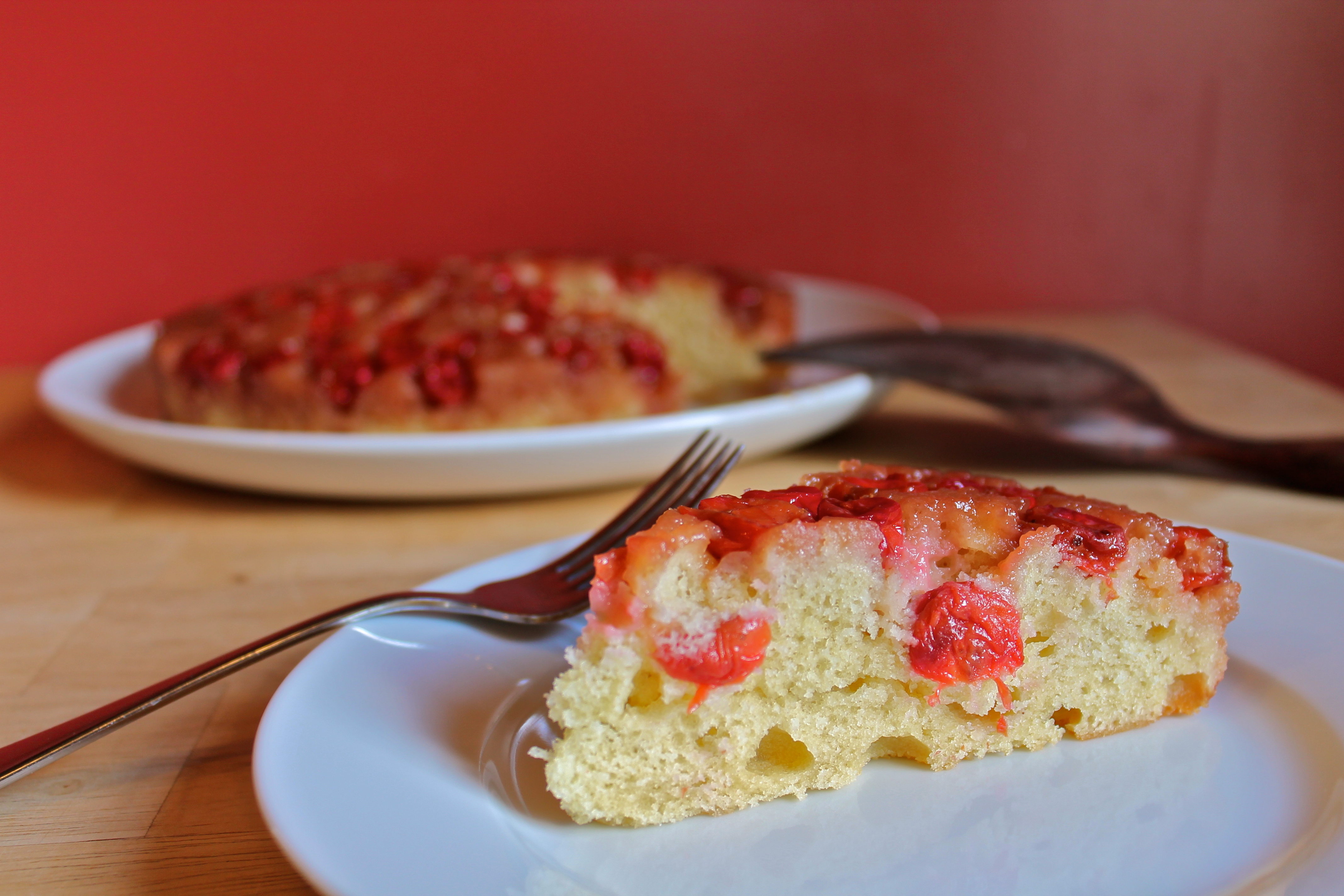
We’re right on the cusp of greeting the arrival of sour cherries here in Portland.  This event is a monumental one in my book, because with the sour cherries comes a short but treasured period of sour cherry pies, sour cherry galettes, and, if the weather is cooperating, sour cherry and Meyer lemon whiskey sours.  The season for sour cherries is a cruelly short one, but I try to make the most of it.  In fact, I am going to let you in on a little secret.  Sometimes?  If I can summon the willpower?  I take to hoarding my ration of sour cherries.

It’s not as obsessive a plan as it may seem.  I, of course, share whatever I make when the initial sour cherry season comes around, but sometimes, if I am lucky, all my pie-making and galette-fashioning leaves me with not quite enough cherries to fill a new pastry, but certainly enough sour cherries to stick in the freezer and save for as long as I can.  Believe it or not, in between last sour cherry season and this year’s upcoming one, I was able to hold onto a good amount of cherries.  I’ve been making them into syrups, using them to fill the occasional tiny pastry, and last week, when I reached the end of my stash, I worked them into a new riff on that summertime favorite, pineapple upside down cake.  Only in this case I left out the pineapple all together and instead baked a cake atop a bed of sour cherries nestled in a bed of brown sugar and butter.

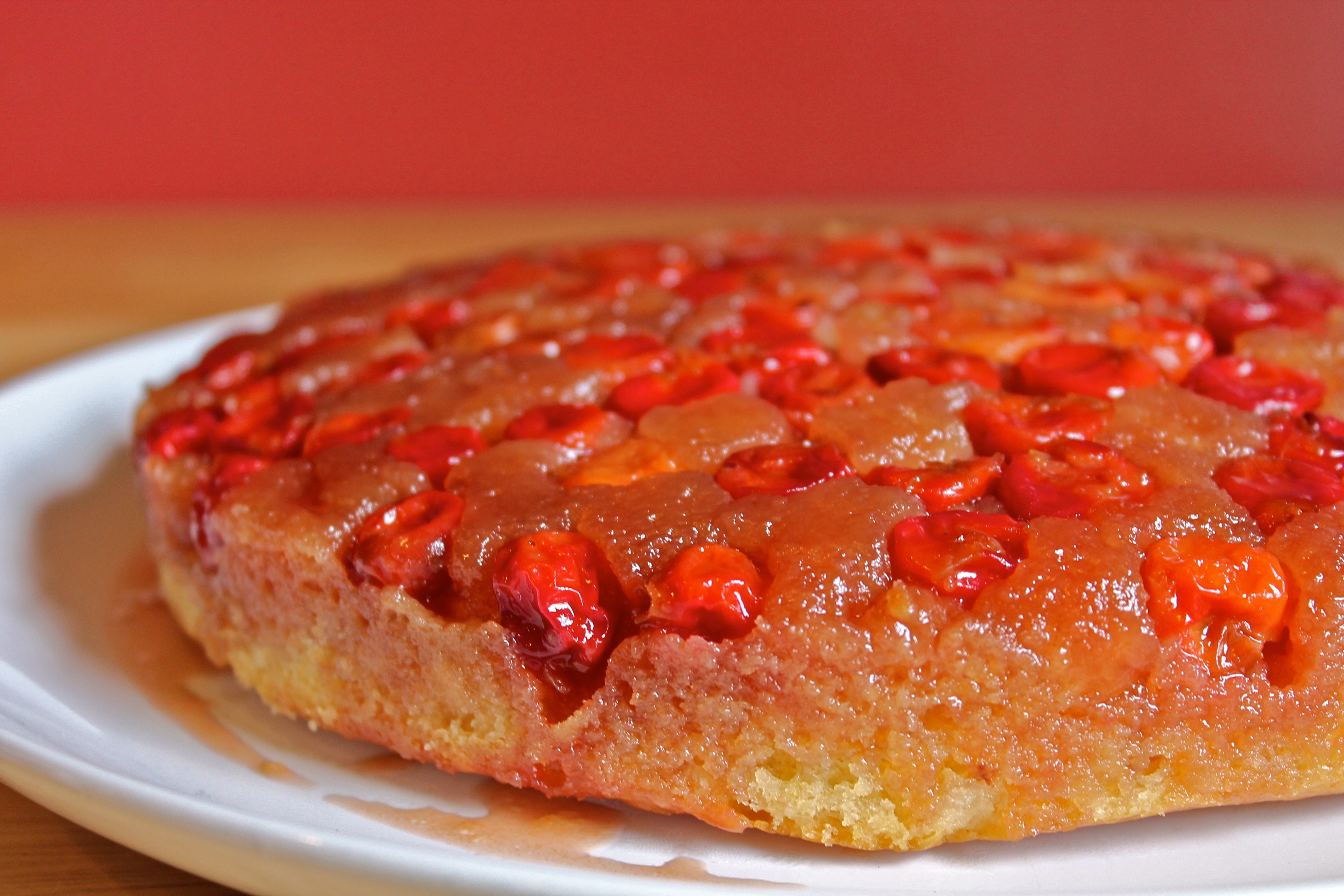
The result was fantastic, as I hoped it would be.  I used the last of the cherries, after all, so if the dessert was a flop, I would have been utterly crushed.  But it was not a flop.  It was a delight.  The sour cherries were the perfect foil for the rich brown sugar topping, and the cake underneath was sturdy enough to hold court against the cherry topping, but light enough to keep the dessert from feeling like a mid-day gut bomb.  Oh, don’t get me wrong—this is a sweet dessert indeed, but it’s a far cry from being a double-decker frosted offering (of which, of course, I am also quite fond).  It’s a perfect summer cake, and a worthy use of any sour cherries you might have on hand.  With a bit of luck, in a few short weeks I might just have some more cherries on my hands.

Last Year: Lemon Cream and Strawberry Trifle

Also last year, I put my ration of sour cherries to good use in a classic sour cherry pie.

Sour Cherry Upside Down Cake Recipe

Inspired by a pineapple upside down cake recipe in The America’s Test Kitchen Family Baking Book

1 pound pitted sour cherries

1/8 teaspoon almond extract

12 tablespoons (1 ½ sticks) unsalted butter, room temperature, cut into tablespoon pieces

½ cup light brown sugar

1 ½ cups unbleached all-purpose flour

1 ½ teaspoons baking powder

½ teaspoon salt

½ cup granulated sugar

2 large eggs, room temperature

1 large egg white, room temperature

½ teaspoon pure vanilla extract

1/3 cup milk, room temperature

Preheat oven to 350 degrees Fahrenheit.  Adjust an oven rack to the lower-middle position.

Place pitted cherries in a colander and toss lightly to allow excess juices to drain slightly.  Drizzle with almond extract, toss lightly to combine, and set side.

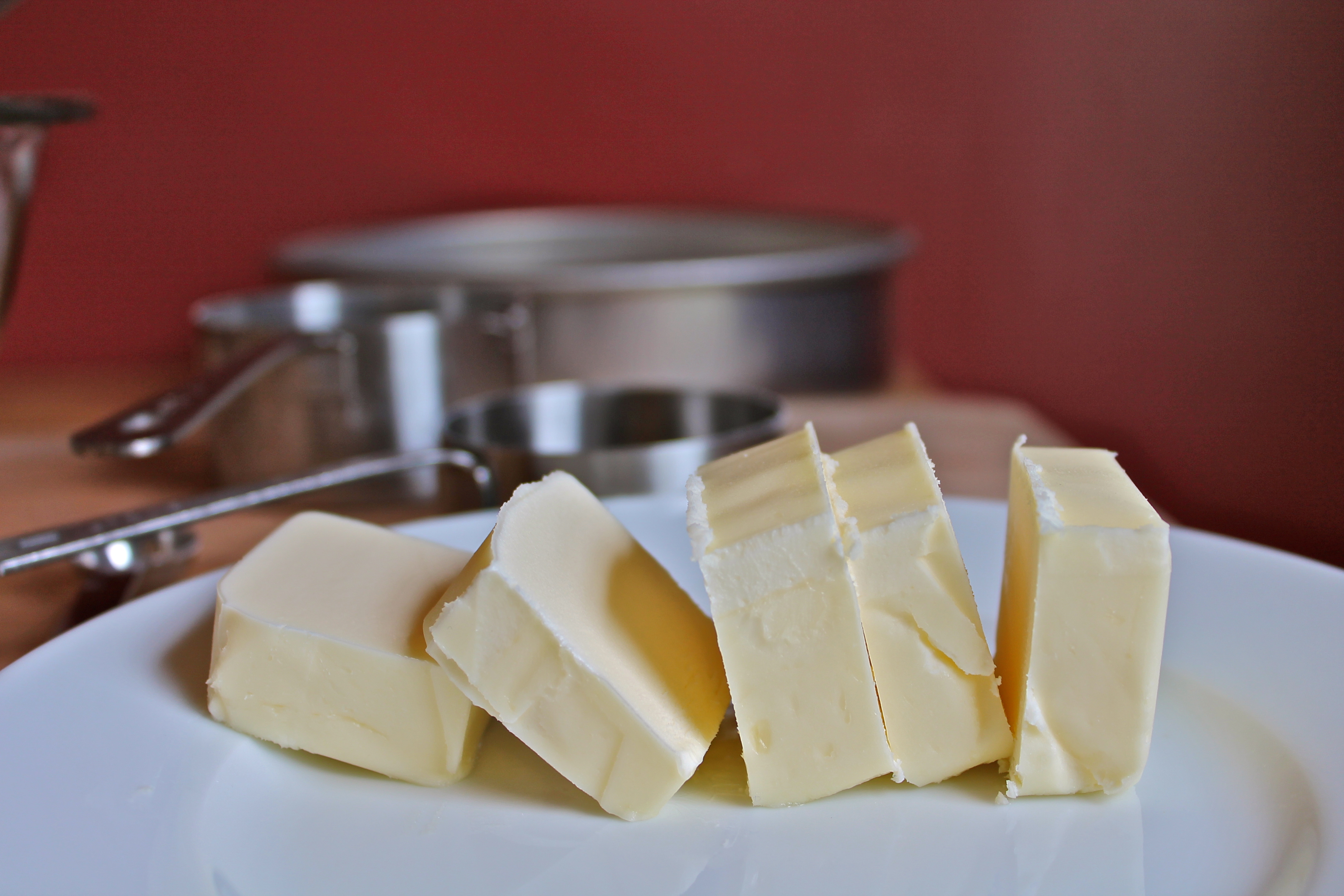
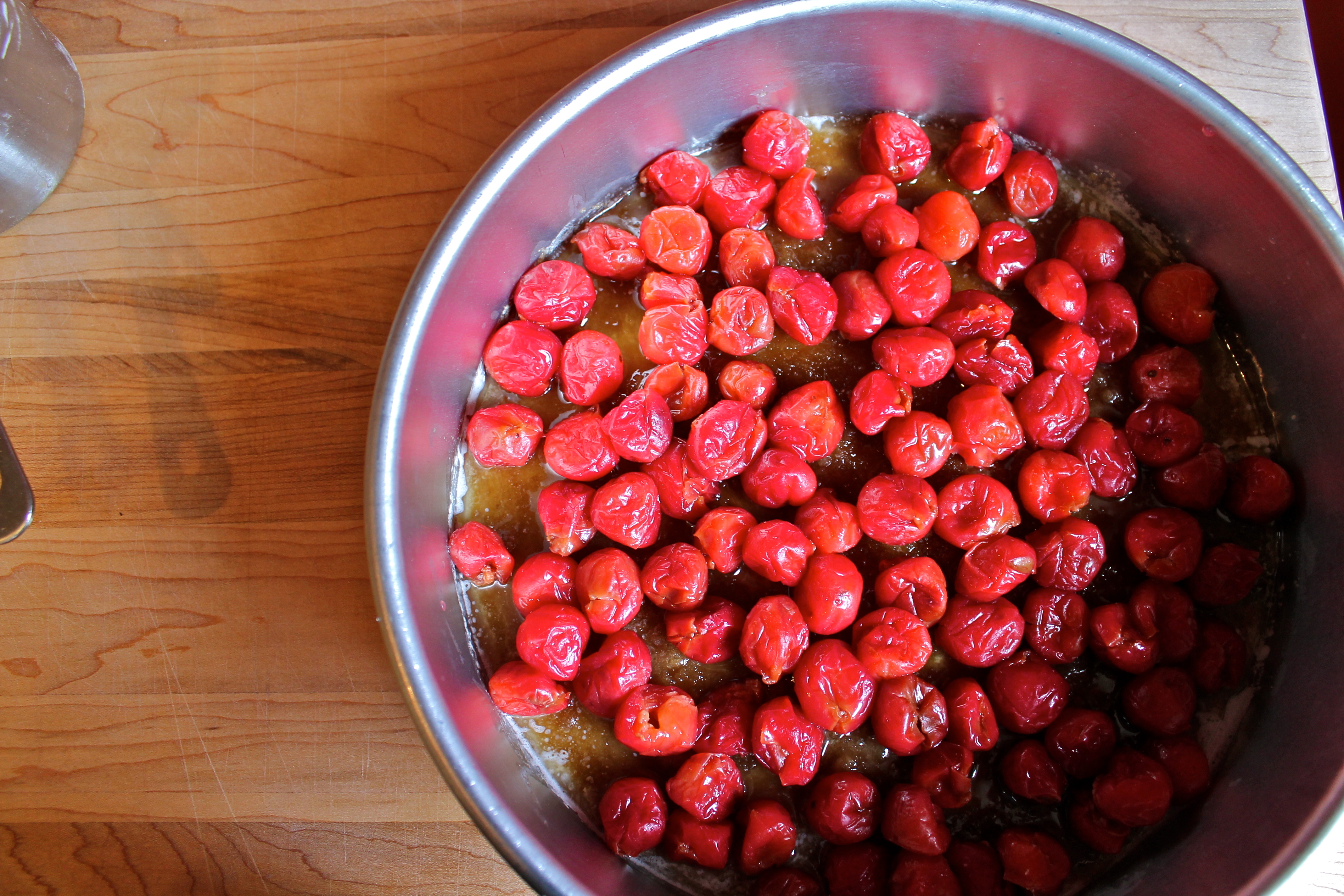
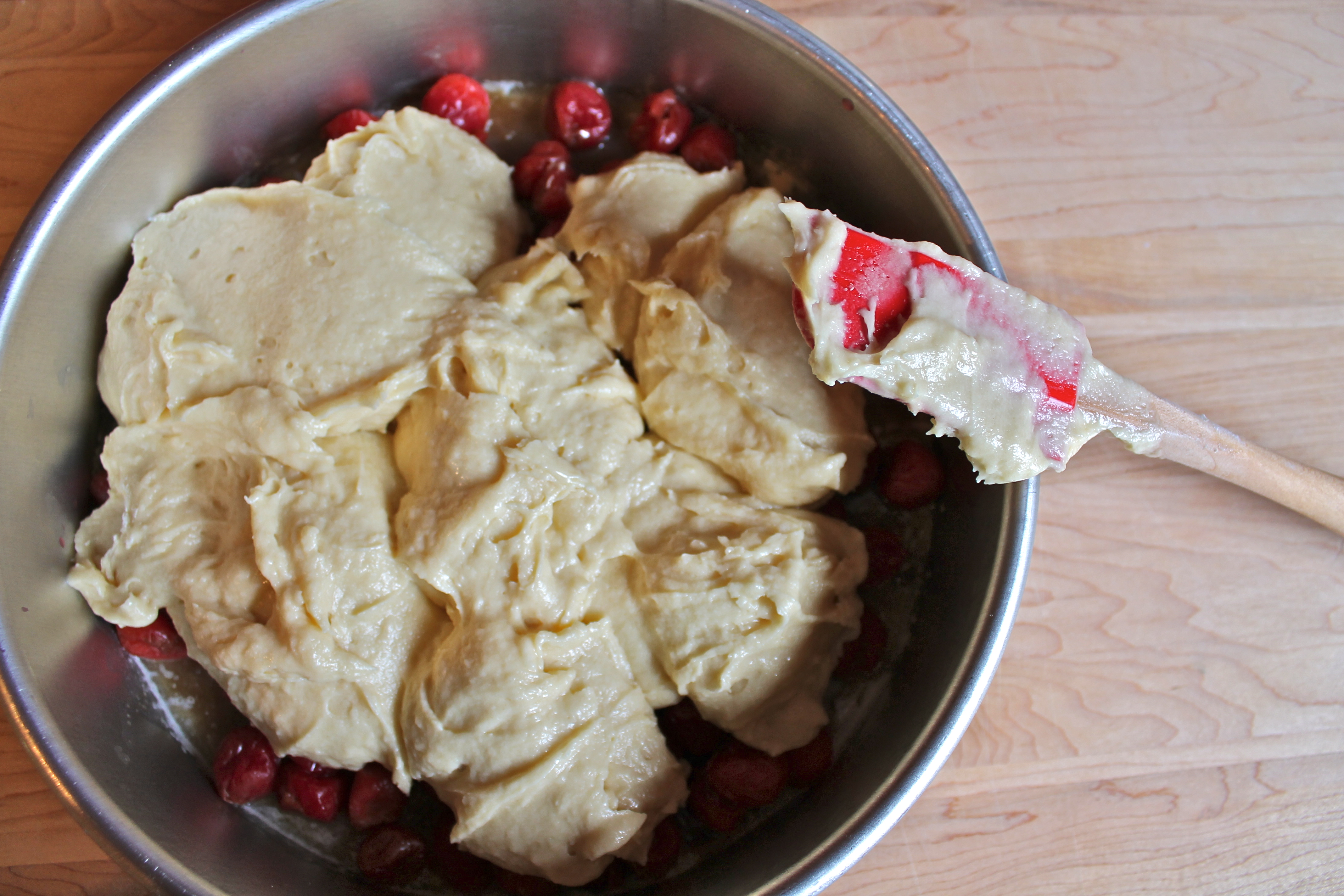
In a 9-inch round cake pan, place 4 tablespoons of butter.  Place pan in the oven until the butter has melted, but not browned (this should take about 2 to 3 minutes).  Sprinkle the brown sugar into the pan, then gently pat the mixture until it evenly covers the bottom of the pan.  Place the cherries in a single layer over the brown sugar mixture, evenly covering the bottom of the pan.

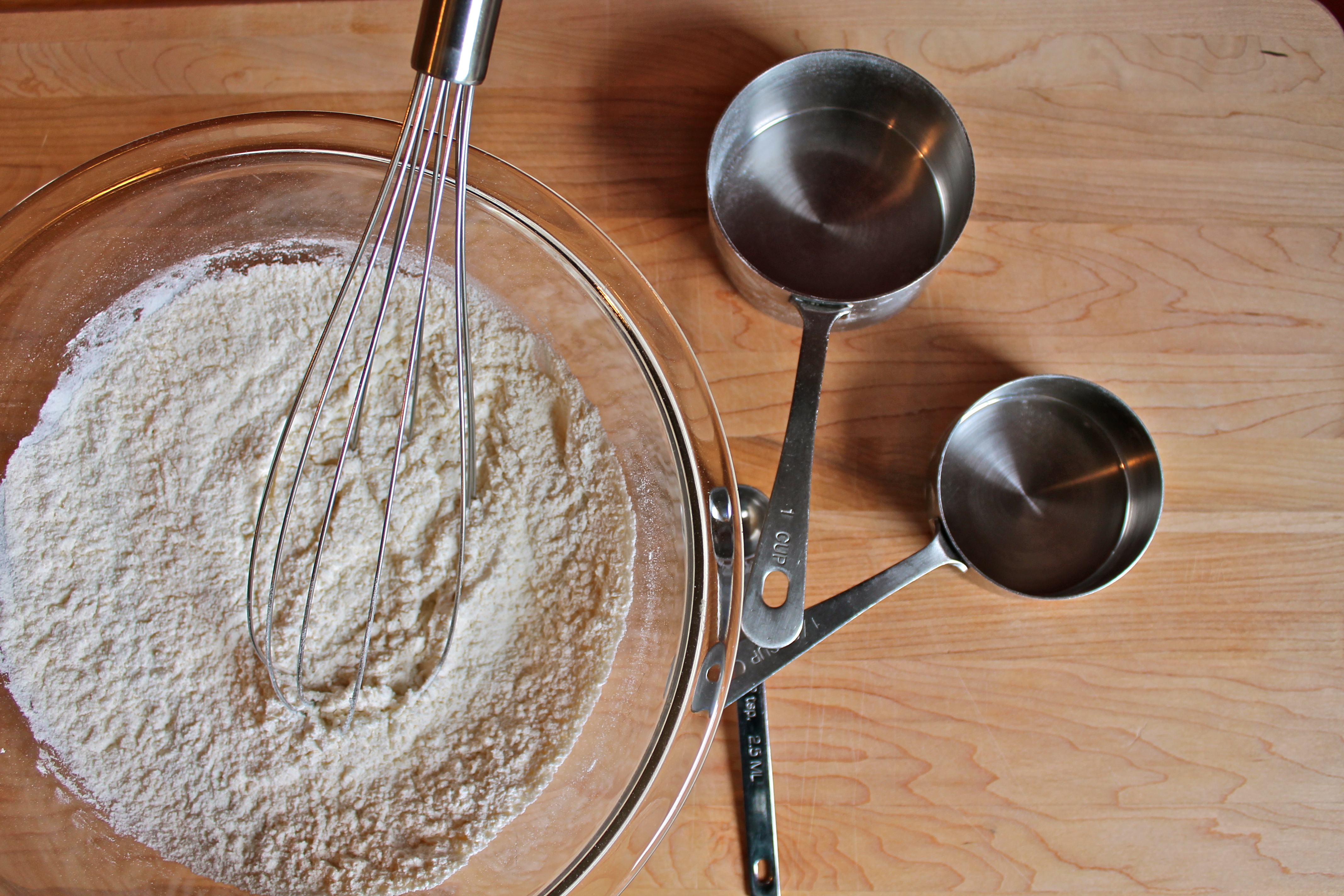
In a medium bowl, whisk together the flour, baking powder, and salt.  In a large bowl, or in the bowl of a stand mixer, beat together on medium speed the remaining 8 tablespoons of butter, along with the granulated sugar, until the mixture is light and fluffy, about 3 to 5 minutes.  Add the eggs, one at a time, beating after each addition until the egg is fully incorporated.  Beat in the vanilla.

Beating on low speed, add 1/3 of the flour mixture, followed by half of the milk.  Add half of the remaining flour mixture, followed by the rest of the milk.  Add the last of the flour mixture, and beat until just combined.  The batter should be very thick.

Spoon the batter over the cherries, then gently smooth the top.  Gently tap the pan on top of the counter to settle the batter amongst the cherries.  Bake the cake in the center of the oven until a cake tester emerges with just a few moist crumbs attached, about 45 to 50 minutes, rotating pan after about 20 minutes.

Allow the cake to cool in the pan for about 10 minutes.  Place a serving platter on top of the pan, then flip both cake pan and plate over, inverting the cake onto the platter.  Allow the pan to rest upside down on top of the platter for 1 minute, releasing both the cake and the cherry topping without assistance.  Gently remove the pan, then allow the cake to cool for 2 hours before eating.

Serves 8 to 10 people.