
When I was in India many years ago, I accompanied one of my cousins to the market so she could buy a chicken for that evening’s dinner. She instructed me to wait for her in the car while she ran into the market, so I did. Two minutes later, my cousin emerged from the market holding a plastic bag. She set the bag on the floor in front of the seat next to her, and we started home.
Now, as an admission of my total ignorance, when my cousin told me that she was buying a chicken at the store, I very much imagined her buying what I knew as a market chicken: a headless, featherless, organless chicken that came in a shrink wrapped bag. Keeping that in mind (and the fact that I was still a very dedicated vegetarian), you can imagine my alarm when the bag on the floor of the car began to softly and almost indiscernibly cluck. No, I thought. Clearly I am imagining that. I watched the bag for a moment, wondering if the subtle crinkling of the bag’s sides was a product of the car’s bumping along a dirt road. Um, is that chicken… I started to ask, when, as though sensing my mild horror (can chickens smell fear?) the bag started to freak out. By the time we got home, the chicken bag was expanding from all directions. My cousin grabbed the bag, holding it out to her side like, well, like a plastic bag with a frenzied chicken contained within, and hurried along to the backyard.
I didn’t see my cousin or the chicken again until about an hour later, when both emerged from the kitchen. My cousin was holding a platter of fresh (no, really, I mean fresh) kebabs, which, moments after she set on the table, people began to rave about. The perfect seasoning, the fresh spices, the juicy meat—I was the only person at the table not enraptured by the kebabs, because I was the only person at the table not eating the kebabs. Vegetarianism aside, I could not help thinking of how quickly and matter-of-factly that chicken made its way to the table, and how impressed I was by the whole affair. Forget buying a trussed and refrigerated organic chicken from Whole Foods, my cousin had just bought a chicken.

More than a decade later, now a beginning meat eater, I found myself telling that story to a friend. After justifiably laughing at my discomfort, she then said, “I’ll bet those kebabs tasted fantastic.” Weirdly, no one had ever brought that up before. It seemed almost unbelievable that she was the first person to mention the actual kebab in the story. Since it didn’t seem right to leave that part of the story unsolved, I felt it was my duty to dig up a recipe for chicken kebabs and see what all the fuss was about.
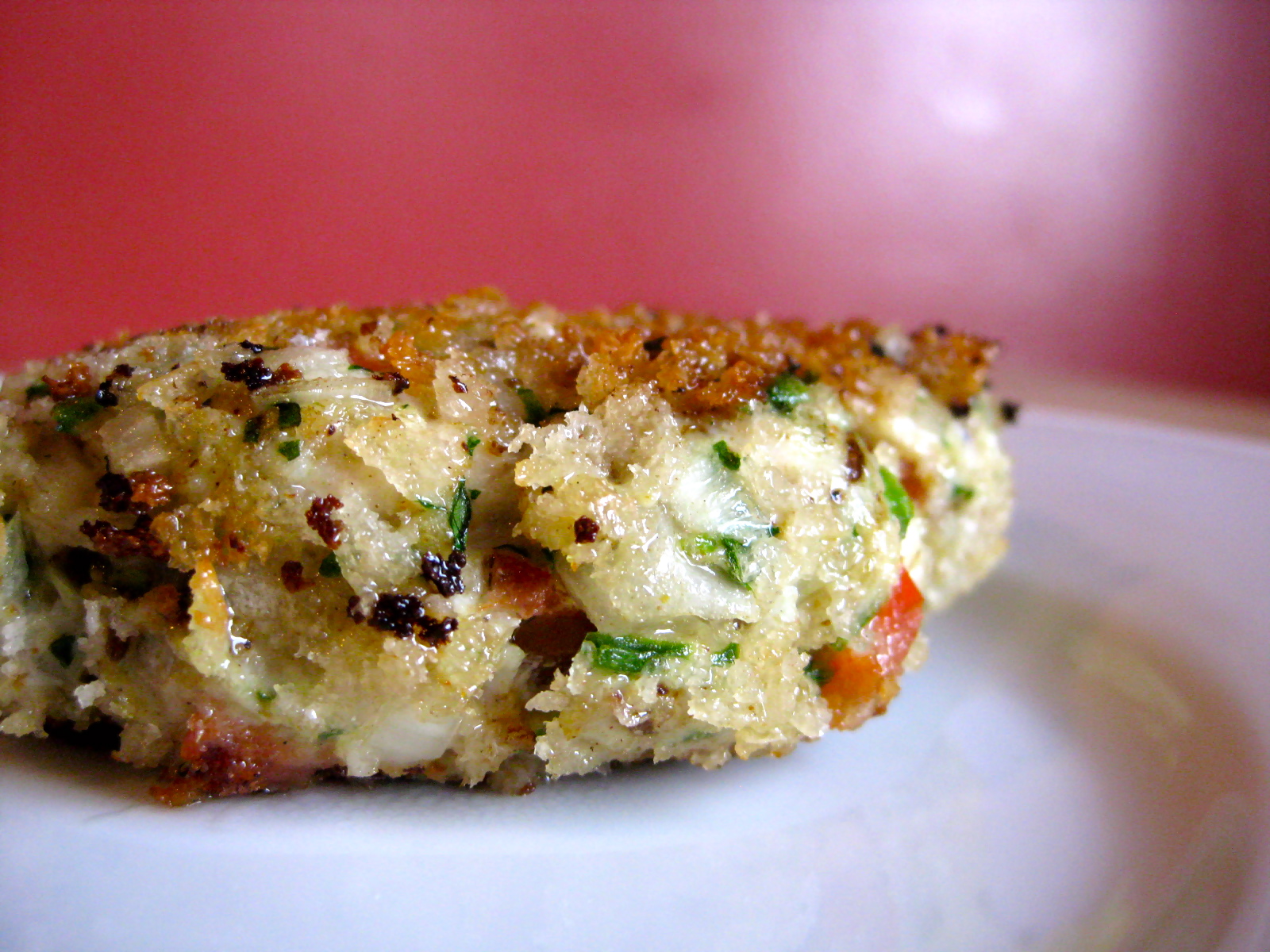
Though the chicken I used was nowhere near as fresh as the chicken in my cousin’s kebabs, I now understand the revelry that surrounded them. The chicken is moist while the outer breading is pleasingly crunchy, and the earthy spices combine with fresh green chilies to make a fantastic blend of lightly spicy and savory elements in each bite. I may be many years late to this wonderful dish, but I feel that makes me uniquely qualified to insist that you not wait as long as I did to discover it. Eat it now.


Indian Chicken Kebabs
Adapted from Madhur Jaffrey Indian Cooking
Jaffrey’s original recipe called for slightly different ingredients and yielded a smaller number of larger kebabs. I prefer a daintier portion of meat, so I made each kebab smaller, but I think these kebabs would be even better if they were sized into two or three bite portions. I served the kebabs with basmati rice and a bit of cucumber and yogurt sauce, but you could also tuck one into a bit of naan to make yourself a lovely light meal.
Makes 8 kebabs
1 lb finely ground chicken (I bought ground chicken and then pulsed it in the food processor to make it even finer)
12 tablespoons panko breadcrumbs, or another very fine, dry breadcrumb
3/4 teaspoon salt
3/4 teaspoon garam masala
1/2 teaspoon cumin seeds
1/2 teaspoon coriander seeds
1/2 cup finely chopped cilantro
2 tablespoons finely chopped fresh mint
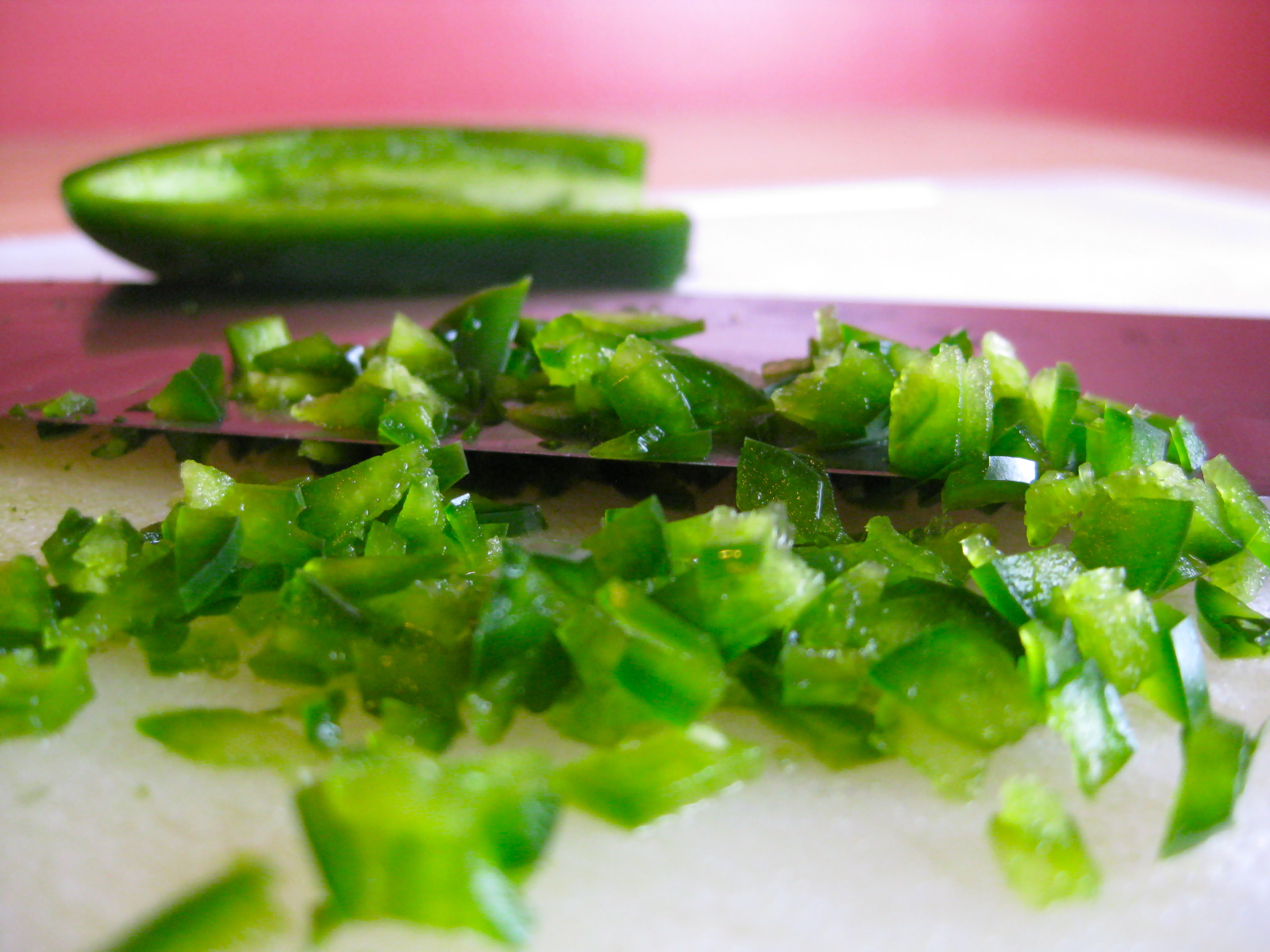
1 or 2 fresh, hot green chilies, finely chopped
1/2 medium onion, peeled and finely chopped
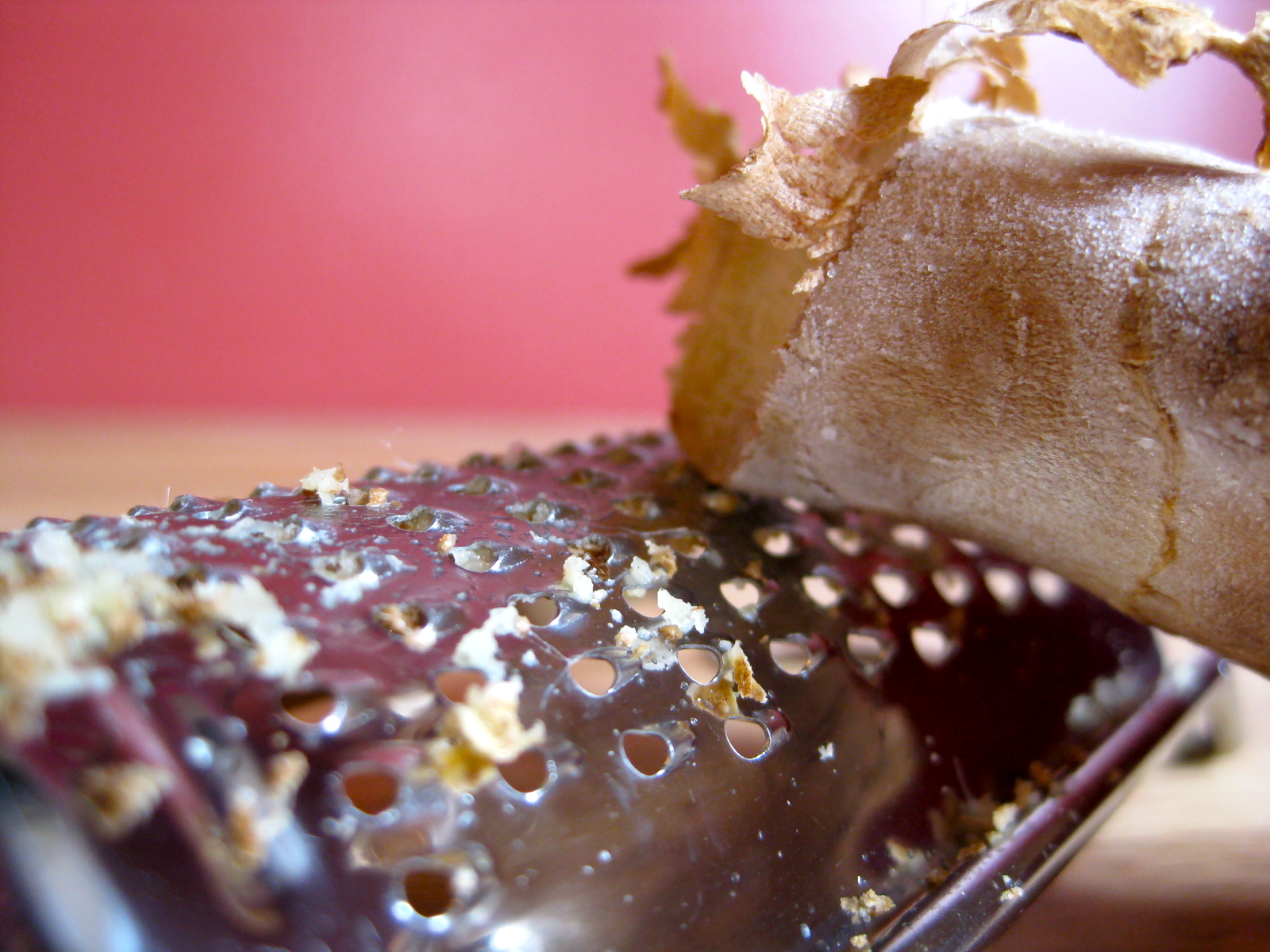
2 teaspoons peeled, finely grated fresh ginger
1/2 medium fresh tomato, finely chopped
1/4 teaspoon cayenne pepper
vegetable oil to line the bottom of a frying pan
lemon wedges
Preheat oven to 300 degrees F.
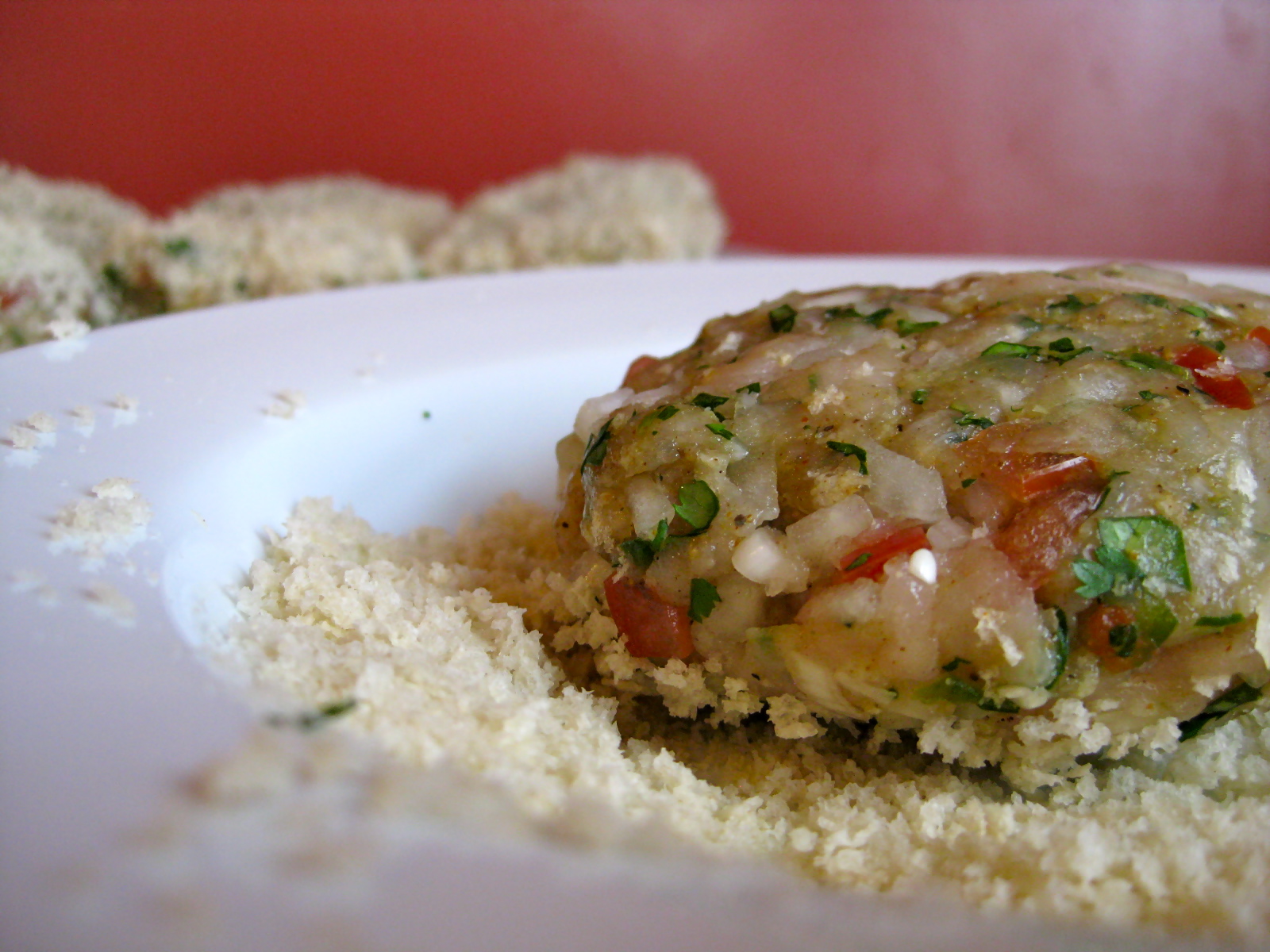
Combine the chicken, 4 tablespoons of the breadcrumbs, salt, garam masala, cumin seeds, coriander seeds, cilantro, mint, green chilies, onion, ginger, tomato, and cayenne in a bowl. Mix well and form 8 patties. Put the remaining 8 tablespoons breadcrumbs on a plate and dip each patty in them. There should be a thin layer of breadcrumbs on all sides. Cover and refrigerate the patties in a single layer until needed.
Put enough oil in a large frying pan to cover the bottom lightly and set over medium-high heat. When hot, put in the patties–only as many as the pan will hold in a single layer. Cook for 3 minutes on each side. Turn heat to medium and cook for another 2-3 minutes on each side. Place cooked patties on a large baking sheet and place in preheated oven for 5 minutes to keep warm and continue cooking all the way through. If you make several very small patties instead of 8 medium ones, it will not be necessary to continue cooking the patties in the oven.
Before eating, top the patties with a generous squeeze of lemon juice.




 Savory Salty Sweet