Archive | Grilling RSS feed for this section

Grilled Peaches and Sausages with Almond Herb Bulgur

21 Jul

There is a fierce debate amongst people concerning whether or not sweet and savory foods belong together.  I imagine this debate is much like the fracas surrounding the polarizing opinions people have about cilantro (It tastes like soap!  No, it’s delightful!), and, to be completely honest, I totally understand why.

Up until a few years ago, I, too, was not a fan of mixing my sweet foods with my savory or salty foods.  Oh, sure, I was amenable to a nibbling of sweet and salty roasted nuts, but, really, who isn’t?  My aversion to sweet foods that mingled with savory foods was more an issue of one component of the meal taking precedent over every other flavor aspect.  Salted caramels were always too salty, and sprinkling brown sugar or maple syrup on winter squash always seemed like a bit much to me.  If you tried to talk to me about pairing fried chicken with waffles and maple syrup, you could be sure that I would shut you down immediately.  No.  Don’t even talk about it
Then, right around the end of 2005, newly pregnant and completely and wholly averse to all foods everywhere, something happened to my taste buds.  At first I was repelled by food, unable to glimpse any food at all without feeling like my stomach was going to violently force itself out of my body.  Then, after 100 solid days of nausea, I emerged from my unintentional fast as a timid and cautious eater.  Cut to around six months in, my taste buds all out of whack and not craving certain foods so much as certain sensations, and suddenly I could be found standing in the middle of the kitchen, spicy grilled chicken breast in once hand, bowl of vanilla yogurt in the other, dipping meat into what was essentially tart vanilla pudding and imploring people to try this new concoction of mine because, oh, man, it was so mind blowingly good, you just couldn’t believe it.  Sad to admit, I ended up enjoying that particular combination of foods on more than one occasion.

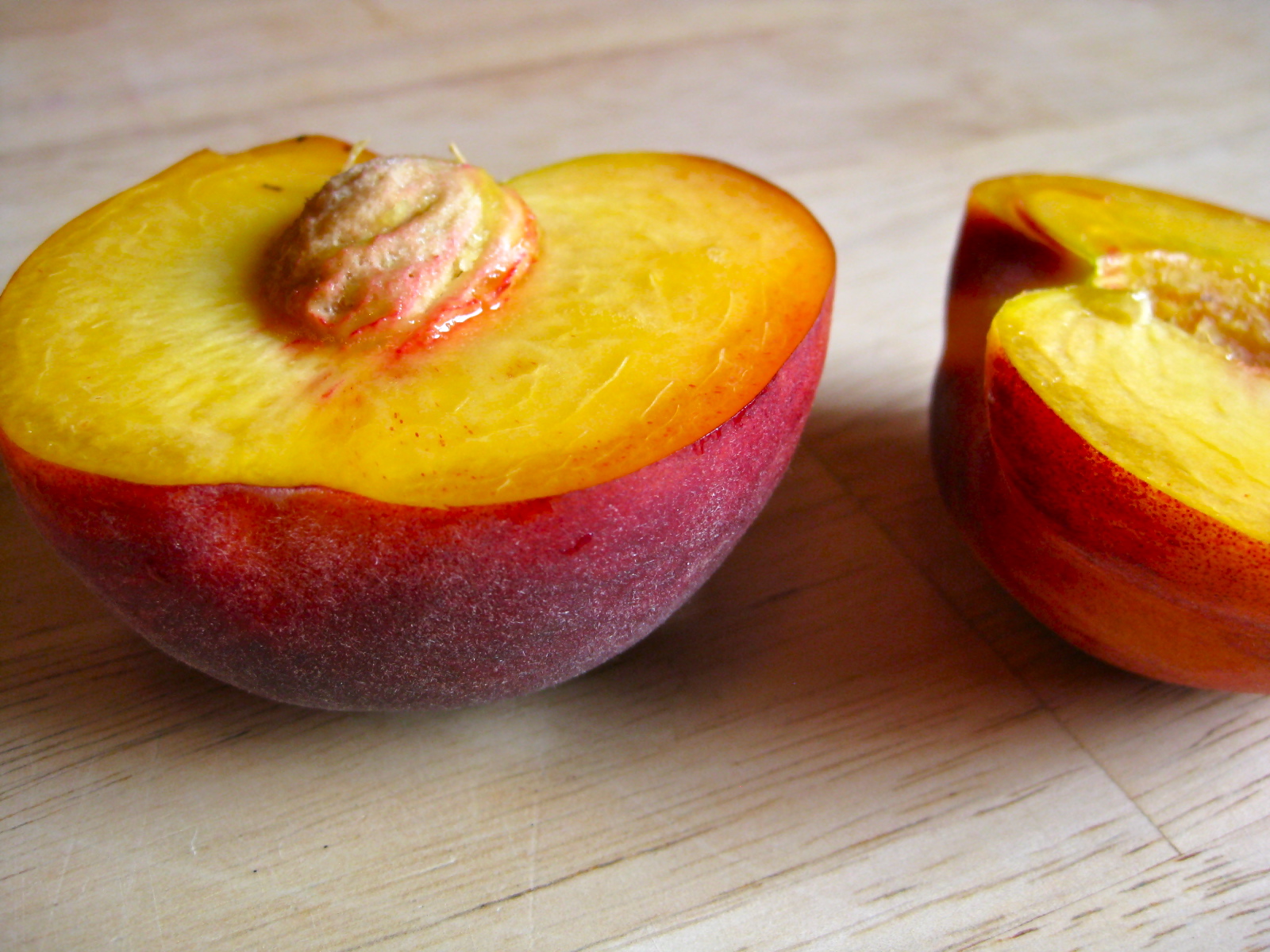
Five-plus years later, I’ve now developed quite an affinity for the savory and the sweet combined together, though in much subtler form.  Though I still don’t see the point of sweetening up a nice, innocent winter squash, I definitely see nothing wrong with letting the sweet mellowness of fruit sit alongside a piece of grilled meat.  Peaches, in particular, with their affinity for being grilled, are a perfect companion for savory grilled sausages, and, when sharing a plate with a light and herby side dish, it’s tough to imagine a more perfect combination of savory, salty, and sweet.  Well, unless you choose to eat this, of course.  Or this.

Grilled Peaches and Sausages with Almond Herb Bulgur

2 peaches, cut in half and the pits removed

4 link sausages (I used chicken fontina sausage, which was fantastic)

1 cup fine bulgur

2 ½ cups boiling water

½ cup gently packed fresh herbs of your choice (I used parsley, mint, and basil), finely chopped

¼ cup whole almonds, coarsely chopped

½ tablespoon butter

salt and pepper to taste

In a medium bowl, combine bulgur with boiling water.  Stir to combine, then cover tightly and allow to stand for 30 minutes.

Heat an outdoor grill or a grill pan on top of the stove to medium high heat.  Brush the surface of the grill with vegetable oil.  Place peaches on the grill, cut side down.  Place sausages on the grill.  After 3 minutes of grilling, gently turn over one peach to see if grill marks have formed.  If grill marks are visible, turn over the remaining peaches, and continue to grill for another 3-4 minutes, until peaches appear juicy  and soft.  Remove peaches from grill, and continue to grill sausages, turning occasionally, until they are cooked through.  After being cooked, both peaches and sausages should be removed to a plate and covered.

When bulgur has soaked for 30 minutes, fluff with a fork and taste for doneness.  Bulgur should be soft and fluffy in consistency.  Drain bulgur in a fine mesh sieve to remove any remaining water, then return to the bowl in which is soaked.  In a small pan, heat butter over medium low heat.  When butter has melted, add chopped almonds and gently fry in butter, stirring occasionally, until almonds have started to brown, about 3 to 5 minutes.  Add almonds to bulgur.  Add chopped herbs to bulgur.  Add salt and pepper to taste, and toss to combine.

To serve, slice each sausage on the diagonal into oval coins.  Slice each peach half into fifths.  Serve peaches and sausages on top of bulgur, pouring over any juices that collected on the bottom of the plate on which the peaches and sausages were resting.

Serves 4.

Indian Spiced Smoked Spareribs

7 Jul

A few days ago, I picked up a book about slow barbecuing.  The book had been sitting on a dining room bookshelf for quite some time, having been brought home by my husband, a man with a deep interest in all varieties of meat preparation and consumption.  After glancing at the cover of the book for several weeks, I finally became curious as to what this book might offer in the way of secret insider barbecuing information, and sat down with the book with the intention of studying it.

Side note: Many years ago, I was convinced that every single book I started, I also had to finish.  No matter if I was enjoying the book or not, I felt, for reasons I am still unable to explain, compelled to slog through even the most boring and intolerable of books.  This went on for ages, until a coworker of mine happened to one day recommend to me a novel that involved cross-country travel on a bicycle, something in which I was, and still happen to be, interested.  So I started the book.  To get to the gist of what happened, I am going to edit out the slow and torturous ordeal of reading this book, and just tell you that, after all those years of practice of finishing books I did not enjoy, this particular book was so awful, so condescending in tone, and so ridiculous in character, that I, for the first time, was driven to not finish a book.  In fact, I not only didn’t finish that book, but I believe I may have, at one point, released an unpleasant and hearty groan as I chucked the book across the room and away from the earnest and somewhat tedious insistence of my prying eyes to keep chipping away at the book.

Aside from the part about rocketing the book away from my body, my reaction to that novel was pretty much a precursor to the reaction I had to reading the barbecuing book.

Why?  Why must people insist on making cooking into something that is inaccessible?  Why must cookbook writers look down upon their readers, and insist that their way, the intense, unbending way, is the only way?  Shouldn’t cooking be something that invites readers to share in a recipe?  Shouldn’t cooking be inspiring instead of belittling?  If you tell people, Mr. Barbecue Author, that the only way to make “real” barbecue is to buy a special smoker, only use lump charcoal, and never never use a gas grill while trying to make delicious barbecue, do you really think you are going to ignite a fire under people to go out and attempt your recipes?  And do you really think that I am going to read that, bend to your will, and forgo the 8 years of service that my gas grill has duly provided, just so I can tell people that I made barbecue the “right” way?

As you may have surmised, no, I did not follow the barking orders of Mr. Barbecue and his insufferable tome.  Instead, when hit by the urge to make smoked ribs for a small Independence Day celebration, I consulted with three different books about barbecuing that offered guidance and helpful tips, developed my own recipe based on flavors I thought would be interesting, then utilized a number of different barbecuing ideas that I thought would be a good fit.  And guess what?

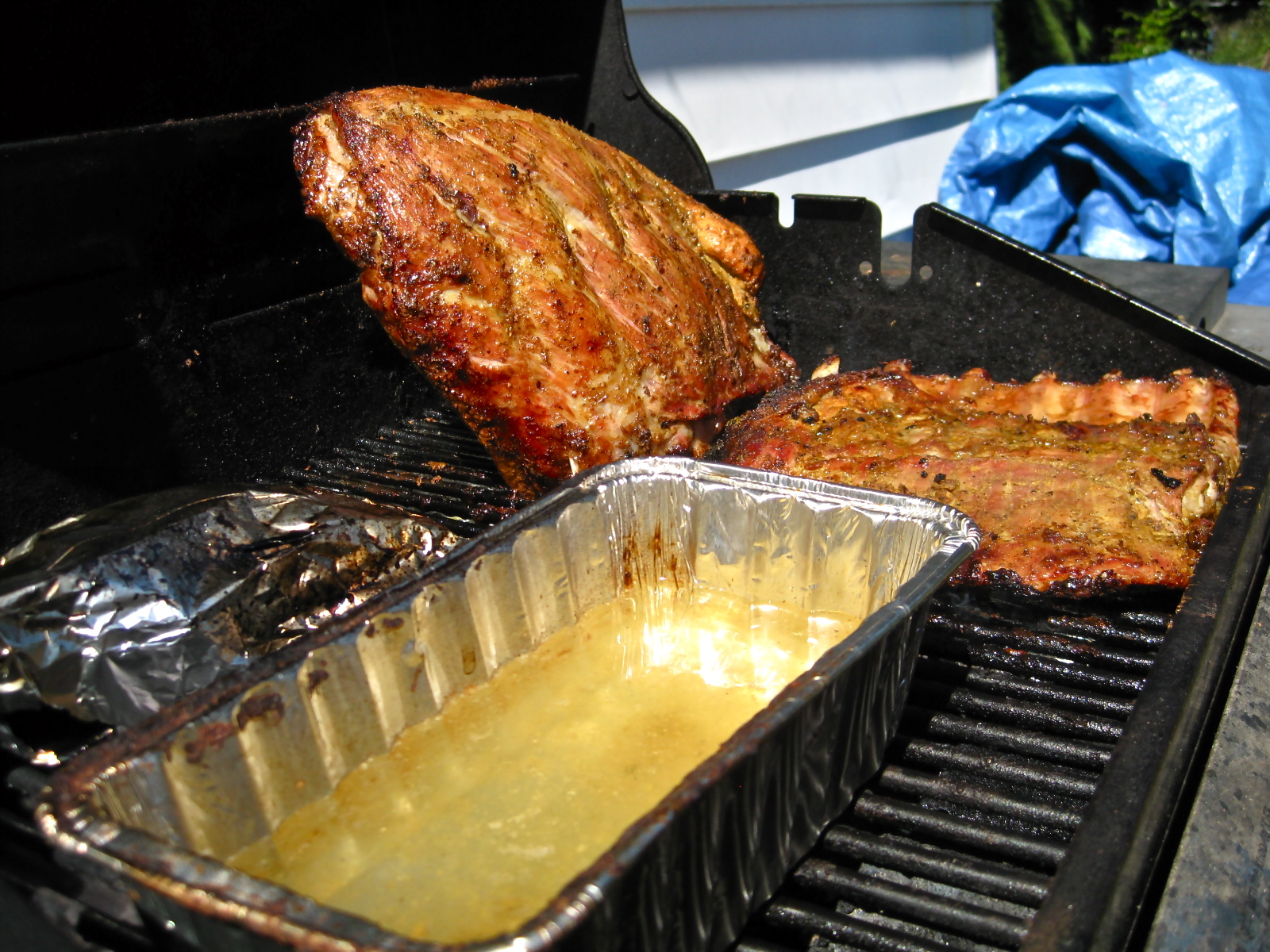
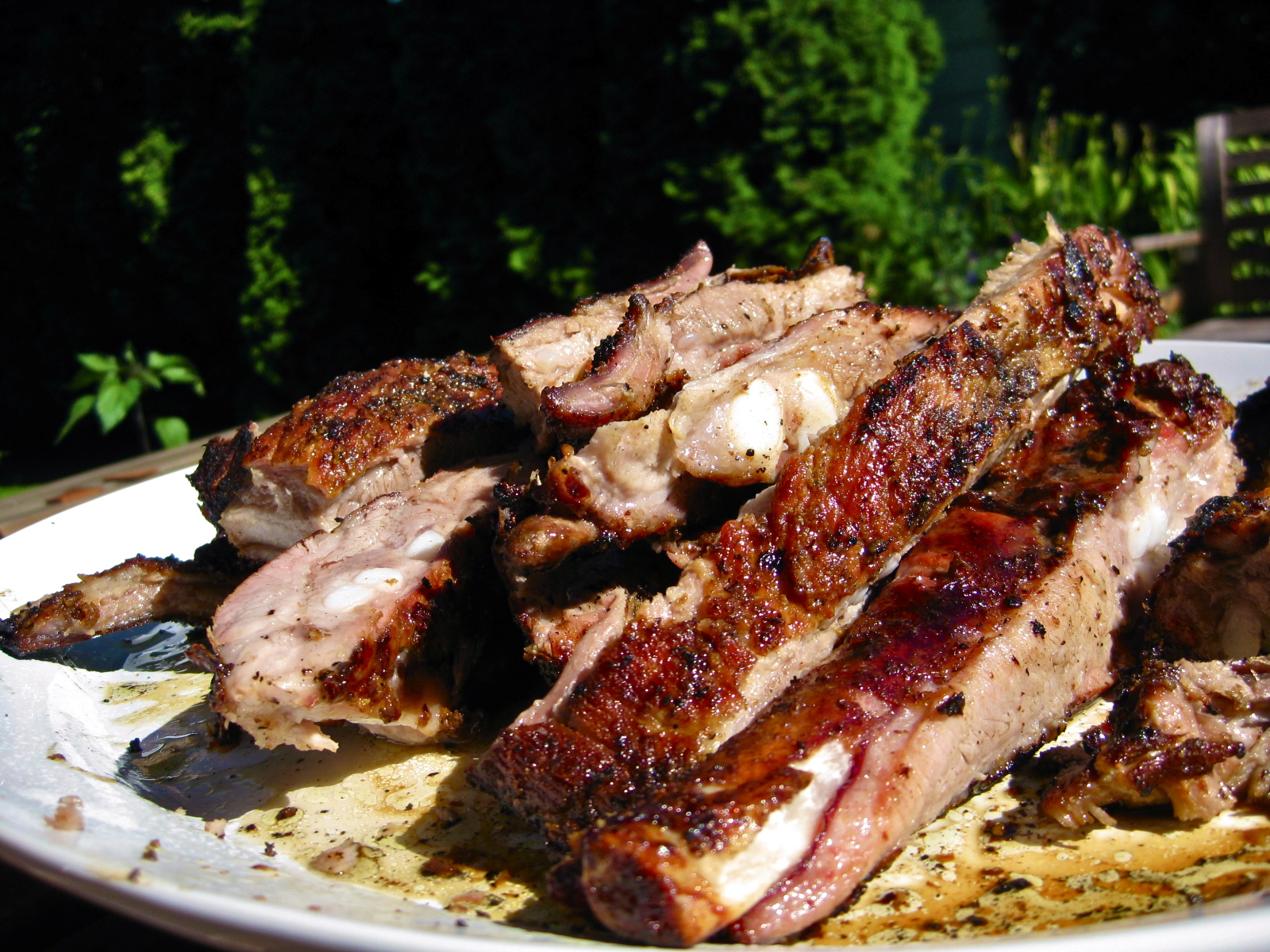
The ribs, after four hours of smoking on a gas grill, with wood chips left to smolder in both a small smoking box and a makeshift smoking pouch made of aluminum foil, and helmed by a person with absolutely zero previous experience dealing with ribs or rub, came out beautifully caramelized and tender.  The flavor of the rub, while subtle, provided an unexpected undertone to the smoky taste of the ribs, and, even though I broke every single rule that was dutifully laid out for me by the world’s most detestable barbecuing guide, my gas grill-smoked ribs still triumphantly emerged lightly tinged with a telltale pink smoke ring on the outside edges.

And so can yours!  Gas grill, charcoal grill, or even no grill (as featured in this New York Times Magazine tutorial about smoking ribs in your home oven), you can totally tackle your own smoked ribs, no matter what equipment you do or don’t have.  See?  See how encouraging I am being?  Are you listening Mr. Barbecue Tyrant?  (And, no, I won’t link to the book, because though I won’t tell you that in order to barbecue you will need special equipment, I will definitely tell you that in order to barbecue you most certainly do not need that book.)

Indian Spiced Smoked Spareribs

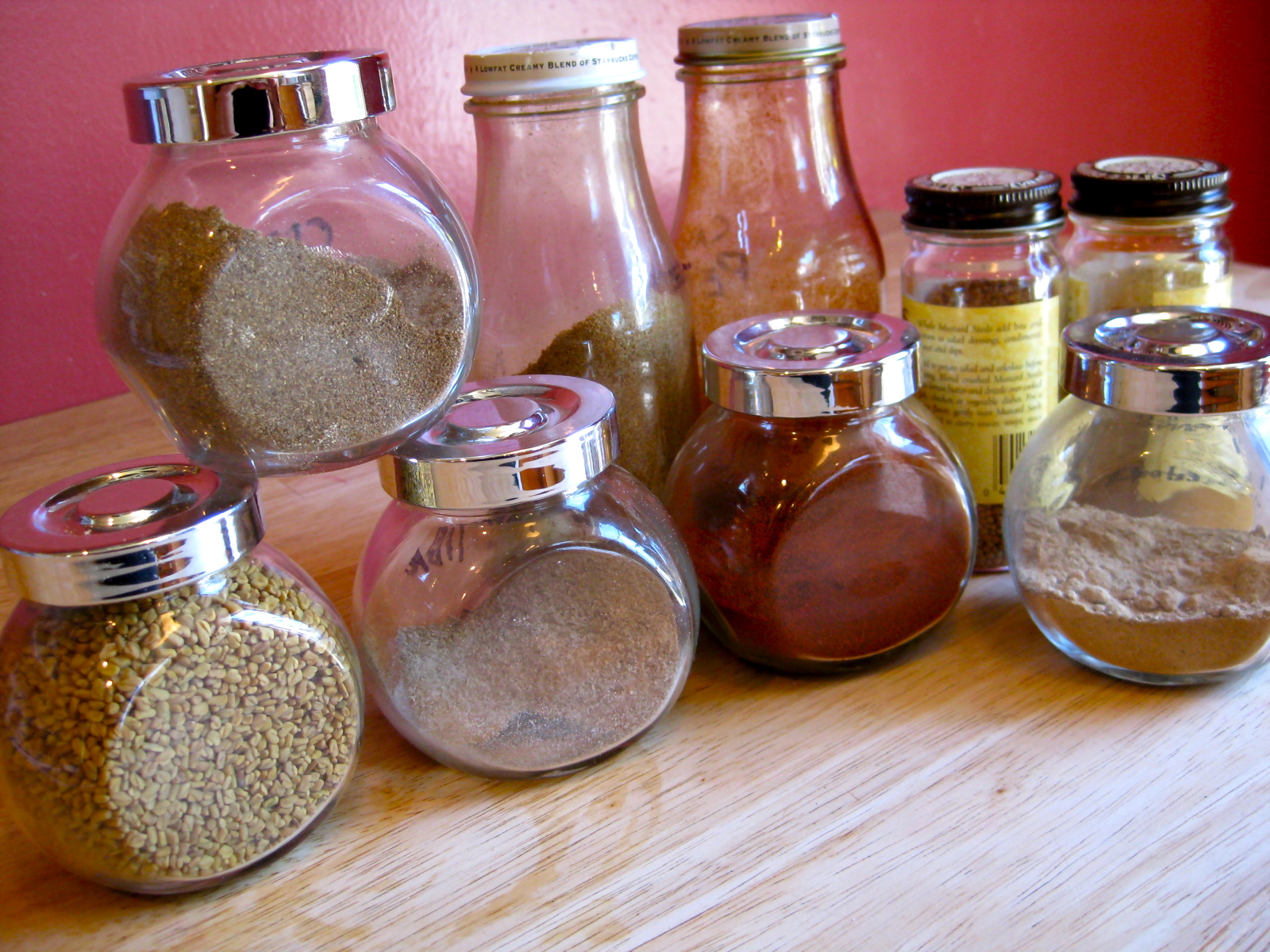
1 teaspoon mustard seeds

1/8 teaspoon fenugreek seeds

1 tablespoon ground cumin

1 tablespoon ground ginger

1 tablespoon ground coriander

2 teaspoons kosher salt

1 teaspoon black pepper

1 teaspoon onion powder

1 teaspoon garlic powder

½ teaspoon ground turmeric

¼ teaspoon cayenne pepper

¼ teaspoon ground cinnamon

5 pounds spareribs, cut into slabs that will comfortably fit into your grill (I cut this particular rib rack into two large slabs)

¼ cup yellow mustard

2 to 3 cups wood chips, soaked in water for 1 hour, then drained

1/3 cup apple cider (optional)

Combine mustard seeds and fenugreek seeds in a spice grinder or mortal and pestle and grind until a fine powder has been formed.

In a small bowl, combine ground mustard seeds and ground fenugreek seeds with other spices.  Mix to combine.

Rinse ribs, then pat dry.  Place ribs in a large, flat dish, or on a baking sheet that will fit into your refrigerator.  Brush both sides of your ribs with a light layer of yellow mustard (this will help your spice rub adhere to the ribs, and will also aid in the formation of a nice crust on the meat).  Sprinkle spice mixture over both sides of rubs, very gently patting into the meat (try not to pat too hard, however, or the rub will just stick onto your hands and pull off of the meat).  Place spiced ribs in the refrigerator to rest for at least 4 hours, preferably overnight.

At least 30 minutes before you are ready to cook your ribs, remove them from the refrigerator and allow them to come to room temperature.  Set up your grill for indirect grilling.  If you have a two burner gas grill, this will mean setting one burner on medium low heat and leaving the other burner off.  If you have a three burner gas grill, it will mean setting two burners on medium low heat and leaving the third burner off.  If you have a charcoal grill, you will be raking your hot coals into two piles on opposite sides of the grill, leaving an empty space in between.  After preparing whichever grill you have, place a drip pan in the portion of the grill that is not lit or covered with hot coals. Note: you can read more about direct vs. indirect grilling here.

Toss the pre-soaked wood chips onto hot coals (if using a charcoal grill), or, if using a gas grill, place wood chips in a smoker box made specifically for gas grills (such as this one), or wrap your wood chips in a tight pouch of aluminum foil with holes punched in the top (as demonstrated here), then place the box or pouch of wood chips under the grill grate, directly on top of a burner.  I ended up using both a smoker box placed under a grill grate and a foil pouch smoker placed on top of the grill grate.

Place a small pan of water, filled ¾ full, on the heated side of the grill.

Pour apple cider into a small spray bottle.

Place the ribs, meaty side up, on the hot grate, over the drip pan that has been placed away from the heat.  If your ribs do not fit flat on the grill, as ours did not, place one slab flat, and the other on its end, propped up on the wall of the grill, if necessary.  Lightly spray ribs with apple cider.  Close lid of grill and allow ribs to smoke for at least 3 to 4 hours on medium low heat (if you have a grill thermometer, the temperature will read somewhere between 200 degrees Fahrenheit and 250 degrees Fahrenheit, though do not rely entirely on your grill’s thermometer, since many things can influence an incorrect temperature reading—our grill was sitting in a sunny place and the temperature read between 350 and 400 degrees the whole time, which was obviously incorrect).  Every 30 minutes, open the grill, turn your ribs over, spritz them with apple cider, then close the lid of the grill.  If the water in the pan has reduced a great deal, replenish the water about ¾ of the way full.

You will know your meat is done with the meat has started to shrink back about ¼ of an inch from the ends of the rib bones, and a fork is able to easily penetrate the meat.  We smoked a heavy five pounds of meat and, with repeated spritzings of apple cider, the ribs took just shy of 4 hours to cook.

How to Make Smoked Salmon at Home

16 Jun

Meat and I, we have a complicated relationship.  The enjoyment I derive from testing out new meat-centric recipes and learning about various techniques and processes in regard to cooking meat tends to oftentimes far outweigh any desire I might have to actually eat what I am making.  Last winter I had a great time braising short ribs for four hours in a red wine and balsamic reduction, but when it came to actually eating the short ribs, I have to admit that I was decidedly lacking in enthusiasm.  Slow roasting a salt-crusted pork tenderloin on the grill is a fascinating operation, so long as I will not be made to actually eat the pork when I am done fussing with it.  Meats get stuffed, marinated, and rolled, and then I foist them on my husband.  Not that he minds.  More realistically, I do not foist them upon him so much as I generously heap them upon his willing plate.

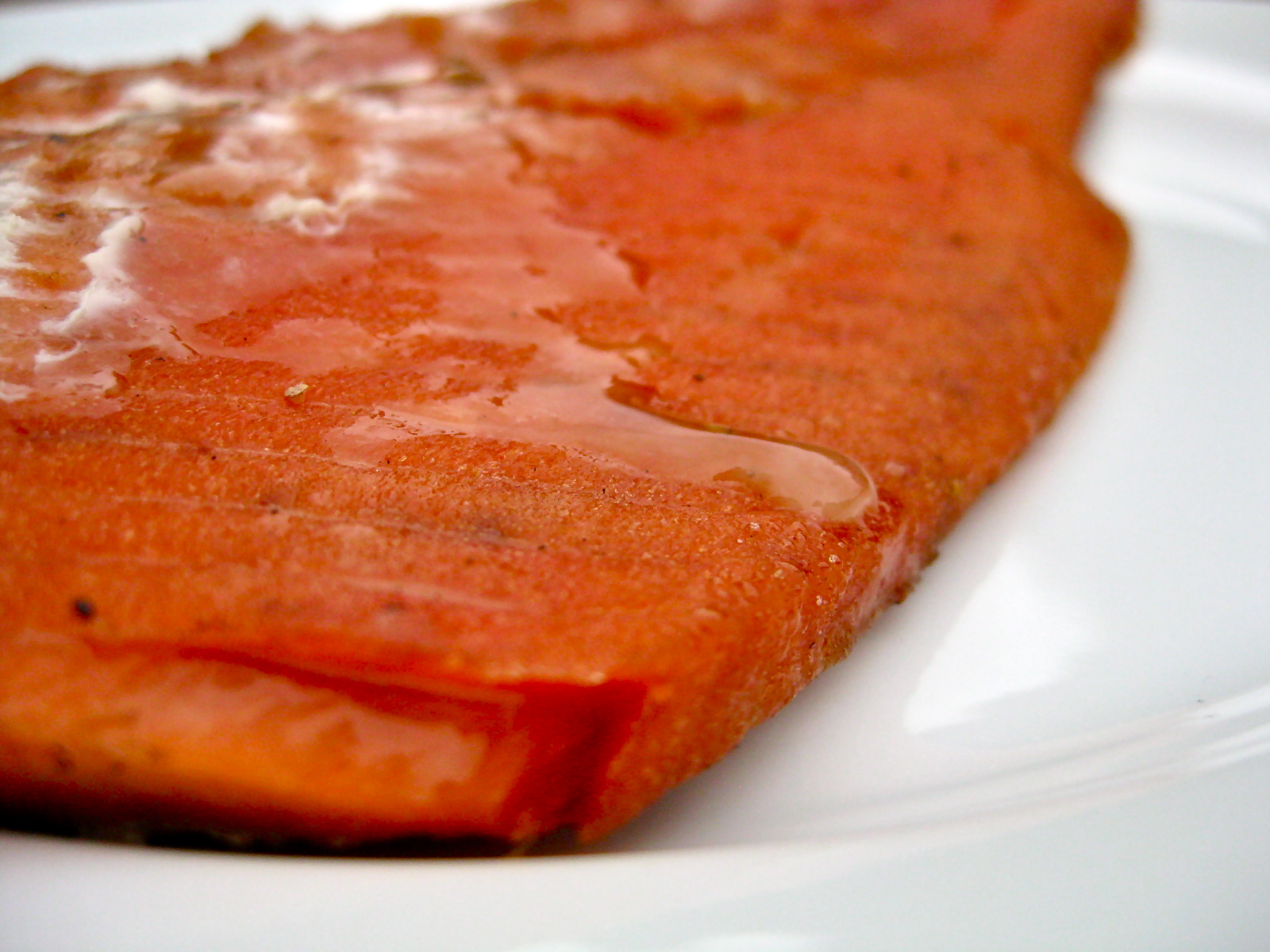
This trend, however, might have just come to an end.  Please, everyone, let me introduce you all to my new best friend: whiskey soaked applewood smoked salmon.

First of all, allow me to admit that, up until last year, I was not aware of the fact that making smoked salmon at home was even a possibility.  I thought that smoking meats involved special canisters or barrels, or perhaps some sort of high-tech equipment that only very dedicated meat-eating people knew how to find.  Not surprisingly, I was dead wrong.  To smoke salmon at home, you need little more than an outdoor grill, some wood chips, salt, and sugar.  That’s it.

If you want to get a little fancier, you can briefly marinate your salmon in a bit of whiskey or bourbon, like we did here, or perhaps a bit of rum, if you’d prefer your salmon to be a bit sweeter.  No matter which you choose, after 4 hours of curing the salmon to draw out the liquid, it takes only 20 short minutes to smoke this salmon to a delicious and robust finish.

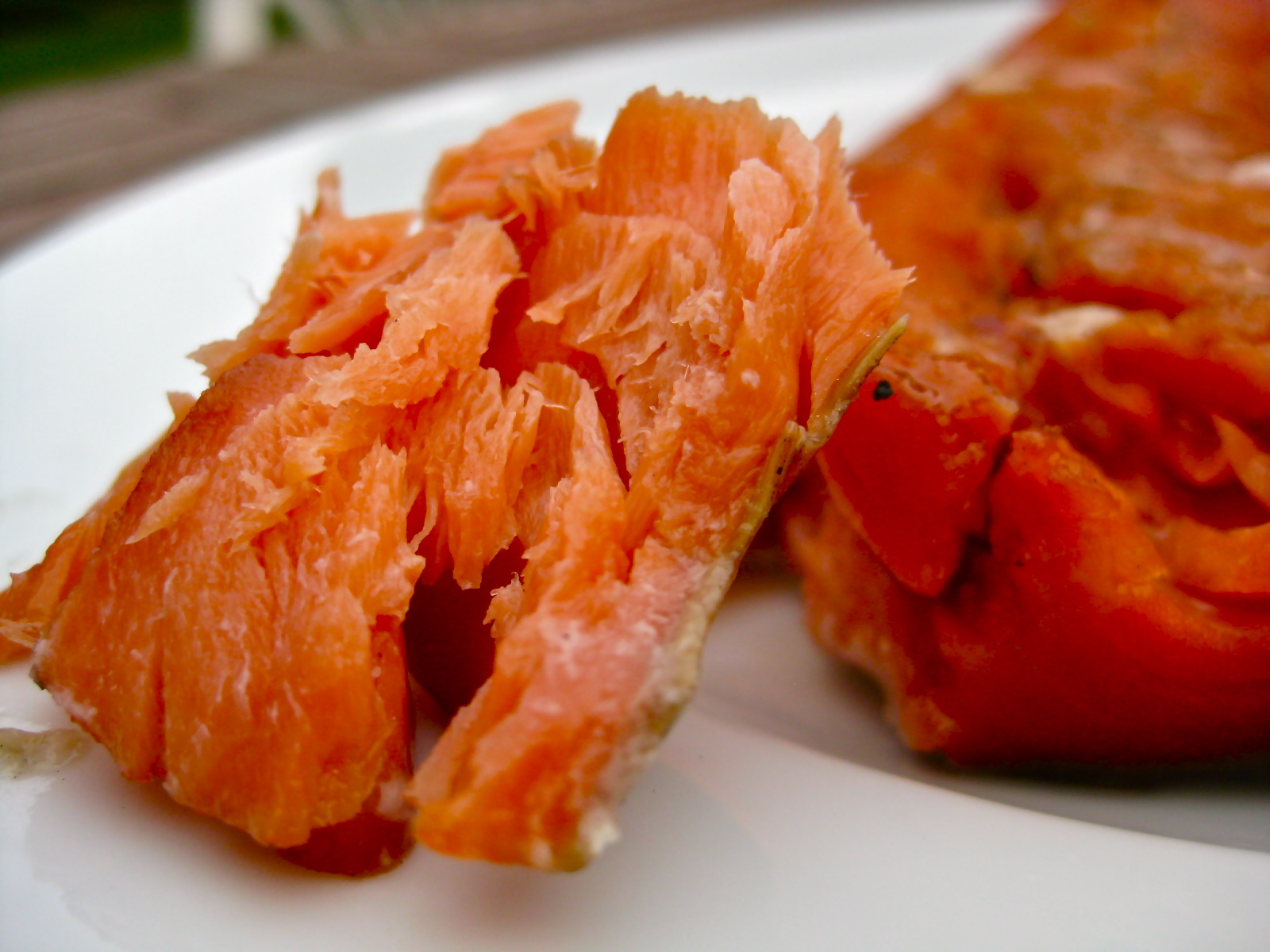
You can eat this smoked salmon on a salad, you can pile it on top of a bagel, or you can flake it into some pasta.  There is no wrong way to eat this, and the only known way to stop enjoying it is to eat it until it is gone.  You might want to immediately make more, but that’s all right.  If nothing else, you can just use my excuse, and tell people that you are making up for meats long ago left unenjoyed.

Whiskey Soaked Applewood Smoked Salmon

Adapted only slightly from Steven Raichlen’s How to Grill

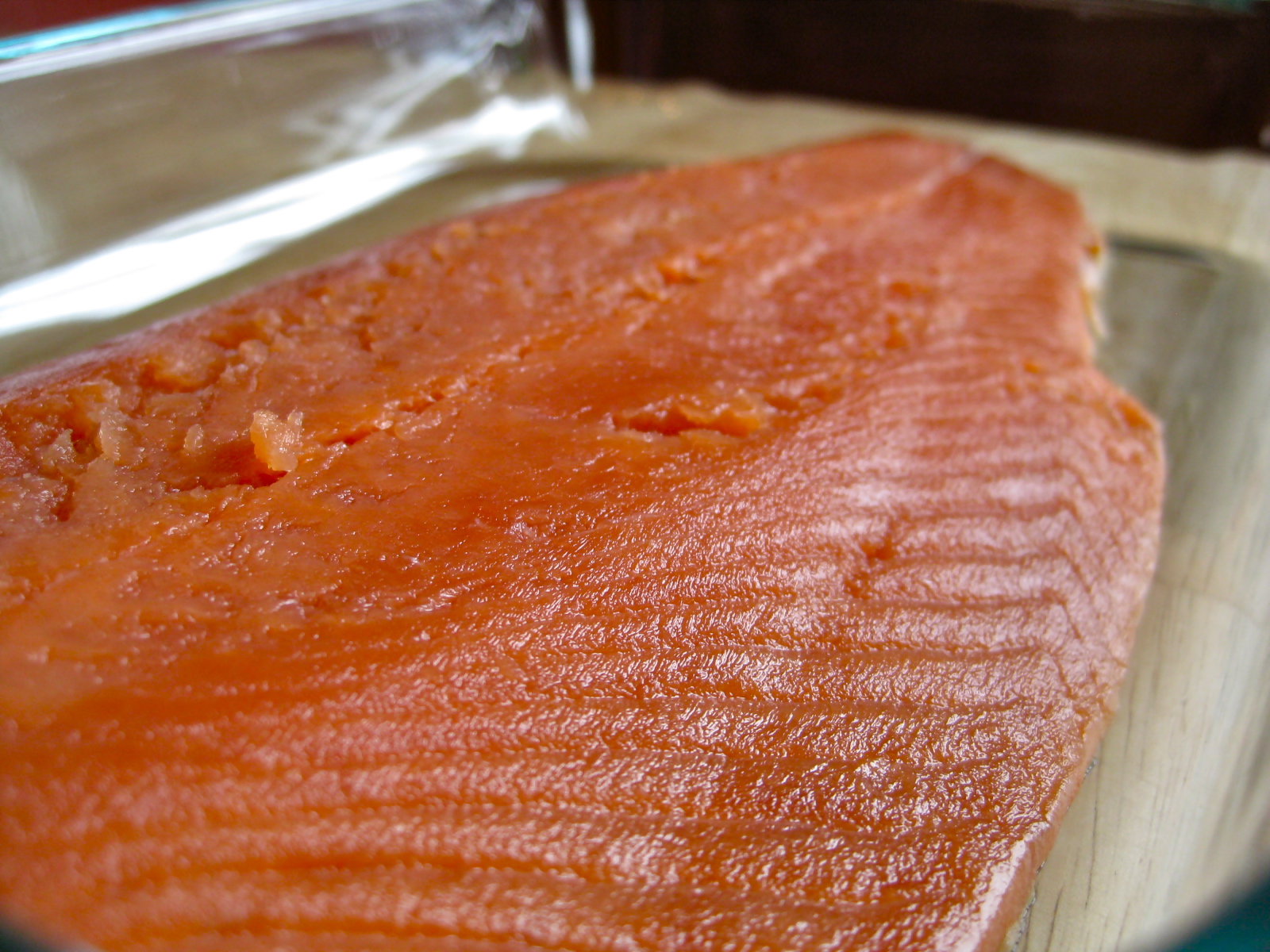
1 salmon fillet, about 1 pound

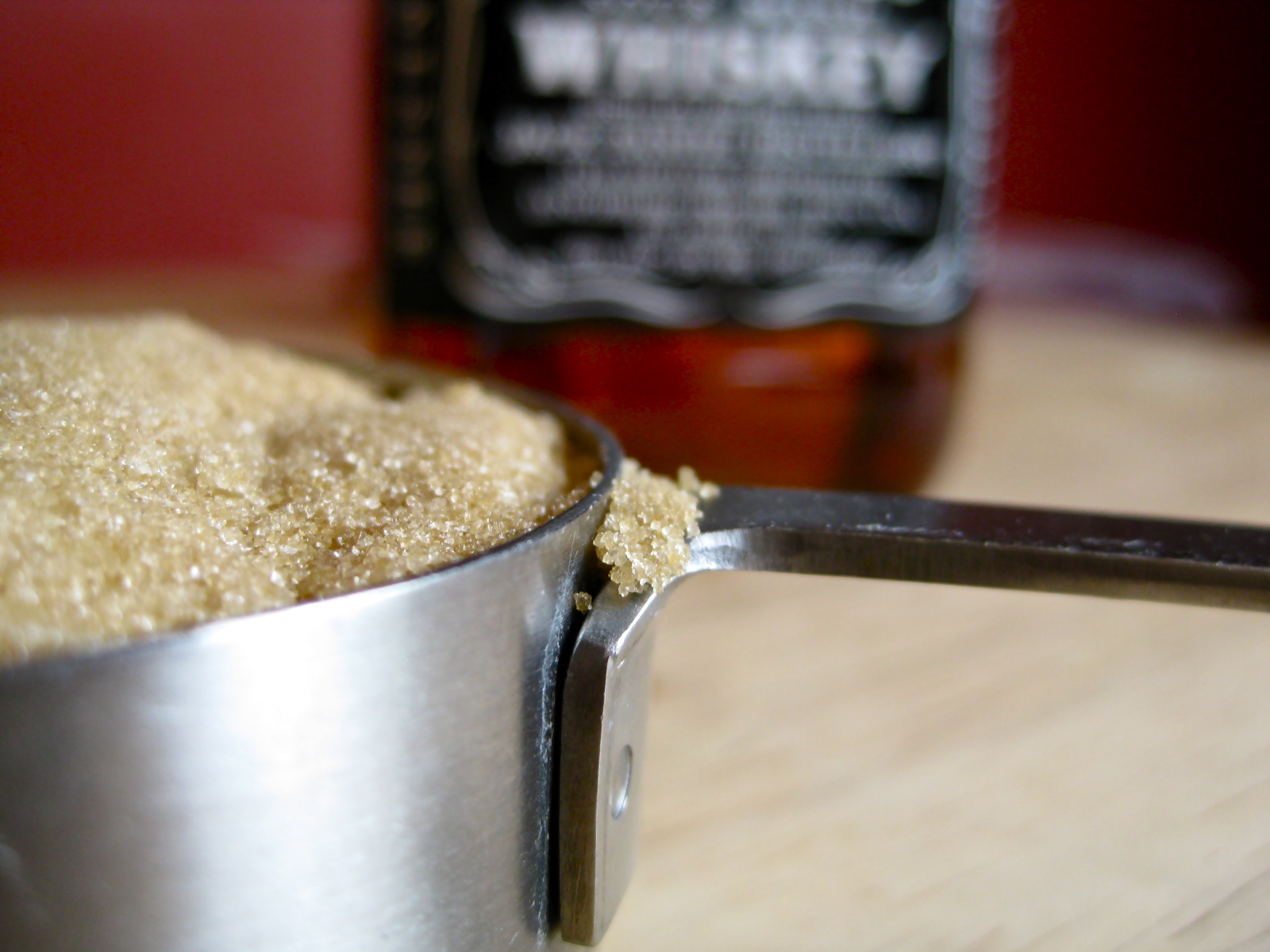
½ cup whiskey, bourbon, or rum

½ cup firmly packed brown sugar

¼ cup coarse salt*

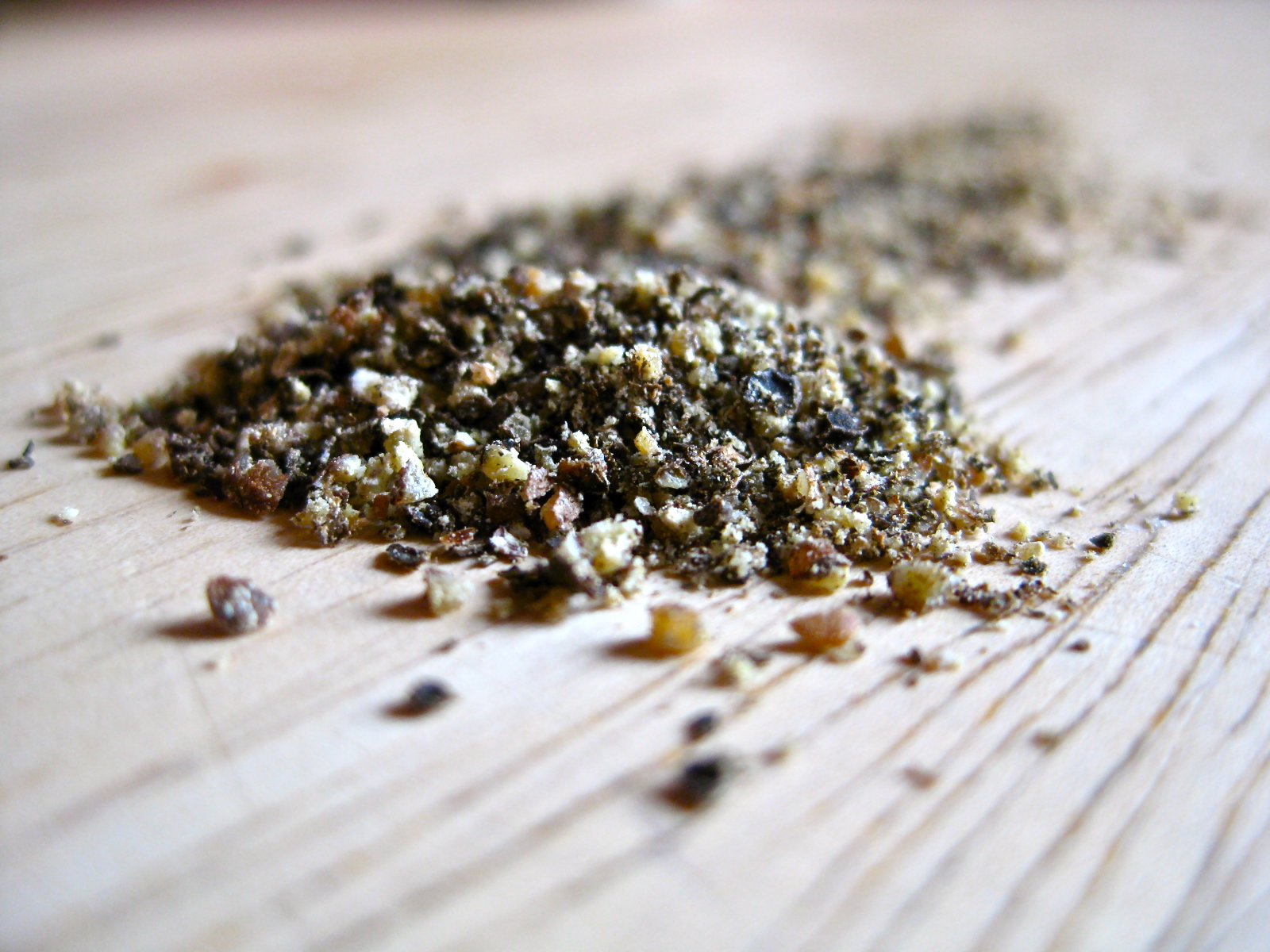
2 teaspoons freshly ground black pepper

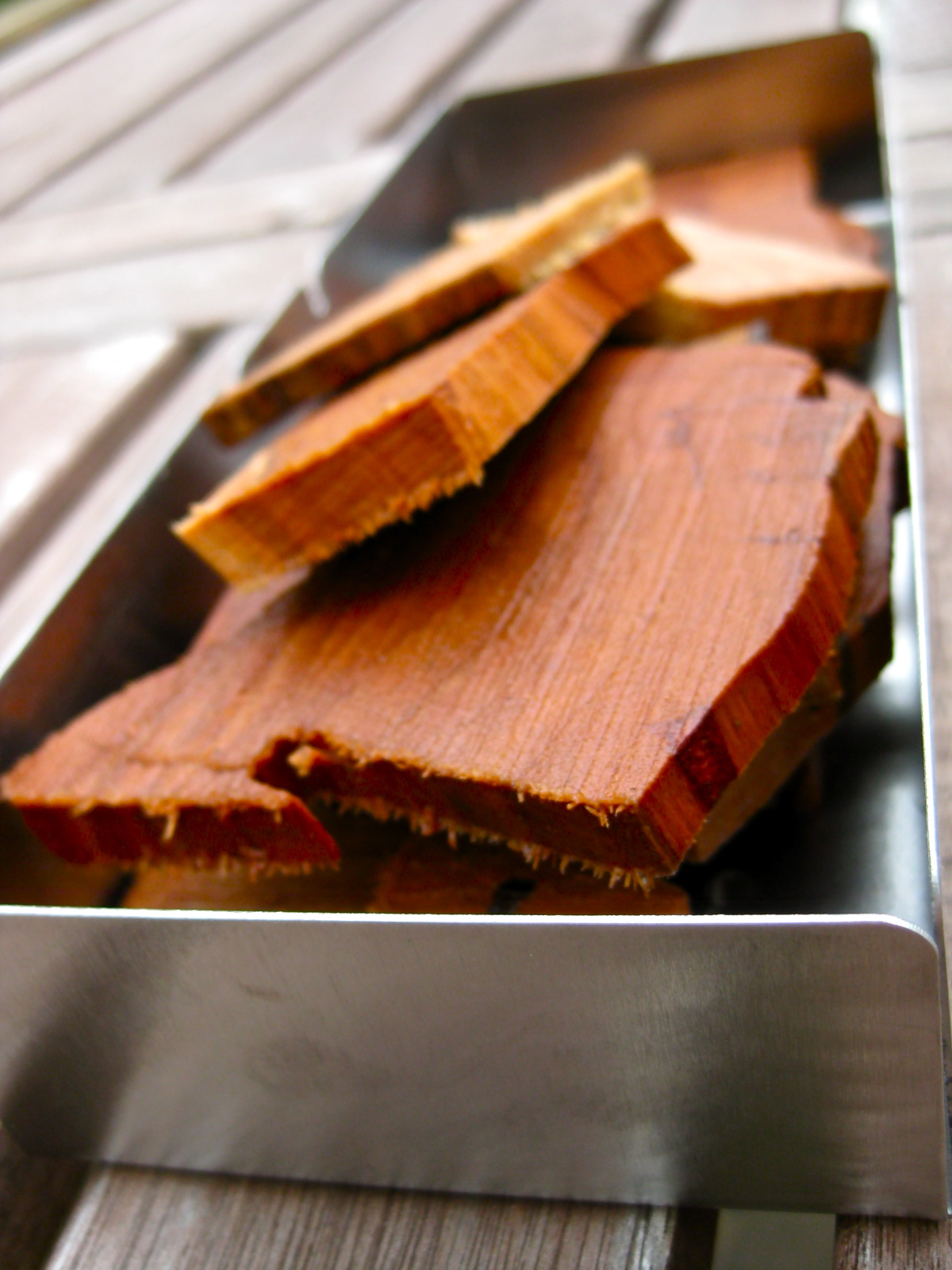
2 cups wood chips, soaked in cold water for 1 hour, then drained (Raichlen recommends using alder wood chips, but we used apple wood because we had easy access to it, courtesy of a recently-felled apple tree and, man, don’t we sound all self sufficient and rustic right now?)

Skin the salmon fillet and remove any bones.  Rinse the salmon under cold running water, then blot dry.  Place the salmon in a baking dish just large enough to hold it, and pour the whiskey, bourbon, or rum over it.  Allow to marinate for 15 minutes, then drain the salmon and blot dry once more.  Wipe out the baking dish.

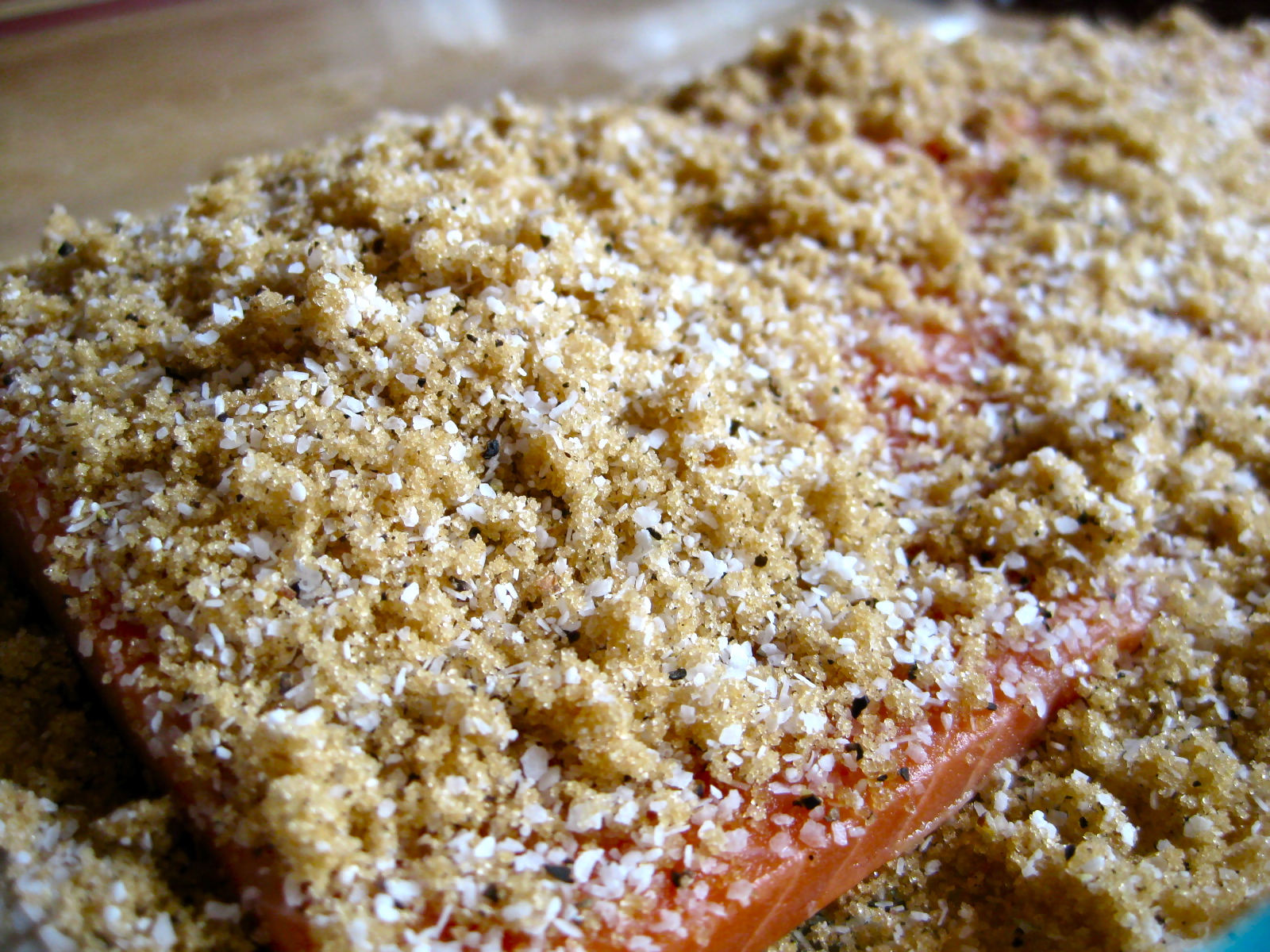
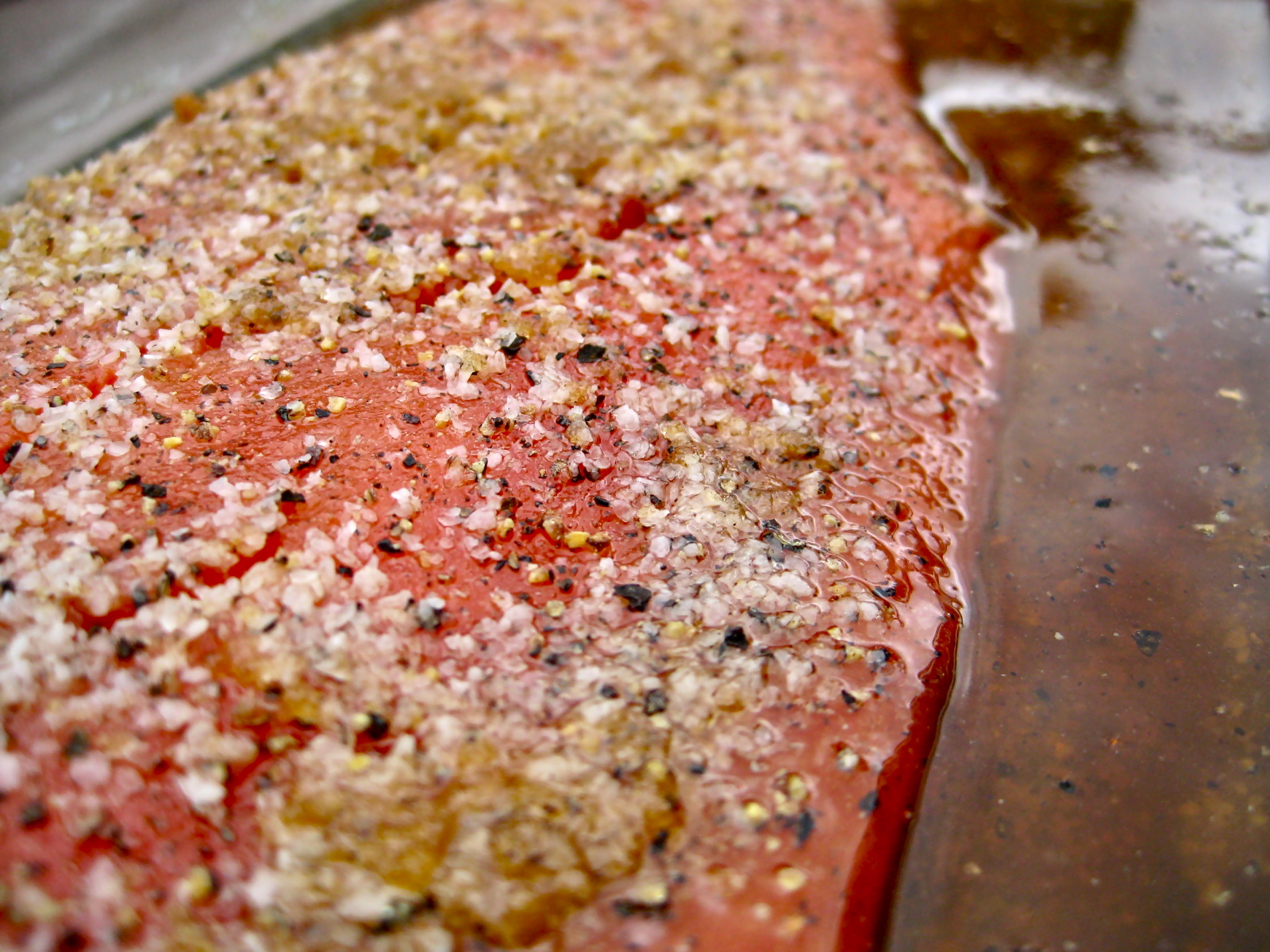
Combine the brown sugar, salt, and pepper in a mixing bowl and mix well with your fingers.  Spread 1/3 of the mixture over the bottom of the baking dish.  Lay the salmon on top of the mixture, skinned-side down.  Cover salmon with remaining 2/3 of brown sugar mixture, patting it onto the fish with your fingertips.  Cover the salmon with plastic wrap and allow to cure in the refrigerator for 4 hours.  The salt in the cure will draw out the moisture in the salmon.

Set up your grill for indirect grilling.  If you have a two burner gas grill, this will mean setting one burner on medium high heat and leaving the other burner off.  If you have a three burner gas grill, it will mean setting the two outermost burners on medium high heat and leaving the middle burner off.  If you have a charcoal grill, you will be raking your hot coals into two piles on opposite sides of the grill, leaving an empty space in between.  After preparing whichever grill you have, place a drip pan in the portion of the grill that is not lit or covered with hot coals.

Thoroughly rinse the brown sugar mixture off of the salmon with cold running water, then blot dry once more.  Discard liquid that has been extracted from the salmon.

Toss the pre-soaked wood chips onto hot coals (if using a charcoal grill), or, if using a gas grill, place wood chips in a smoker box made specifically for gas grills (such as this one), or wrap your wood chips in a tight pouch of aluminum foil with holes punched in the top (as demonstrated here), then place the box or pouch of wood chips under the grill grate, directly on top of a burner.

Brush and oil grill grate.  Place the salmon in the center of the hot grate, over the drip pan that has been placed away from the heat.  Completely close the lid of the grill.  Smoke the fish until cooked through, about 20 minutes.  To test for doneness, press the top of the salmon with your finger and test for firmness.  The salmon should feel firm and break into clean flakes.

Cool the salmon, then wrap it in aluminum foil and refrigerate until cold.  Serve warm or at room temperature.  Tightly wrapped, the smoked salmon will keep in the refrigerator for 3-5 days.

*A note about coarse salt:  Coarse salt, which is often found in the form of kosher salt, comes in varying degrees of saltiness.  The two most widely found brands of kosher salt, Morton and Diamond, are no exception.  Morton kosher salt is known for being exceedingly salty, while Diamond kosher salt is decidedly less salty.  If using Diamond kosher salt, I recommend you go ahead and use the full amount of salt called for.  If you are using Morton kosher salt, reduce the amount of salt by one heaping tablespoon, then proceed with the recipe as usual.