Archive | Indian RSS feed for this section

Garlic Naan

21 May

When anyone, anywhere, talks to me about Indian food, it is almost guaranteed that within the first two minutes of the conversation I will be asked whether or not I know how to make naan.  This, of course, is understandable.  Is there any Indian food more cherished than warm, soft, pillowy naan?  Sure, people may love spicy sauces, savory grilled meats, and crisply seasoned vegetables, but what is the one thing that every single person—regardless of their age or fondness for Indian food—reaches for when faced with a huge spread of Indian food?  Yeah.  They reach for the naan.  It is, in essence, soft and chewy buttered white bread, which, no matter who you are, you are almost guaranteed to love.

The interesting thing about me and my history of making Indian food is that for years I did not make naan.  Call it lack of investigation or intuitiveness in regard to technique, but I always thought that making naan meant having to build your own tandoor and, come on, even I know where to draw the line when it comes to cooking fanaticism.  Luckily, my interest in making naan eventually got the best of me and I started looking up ways to make naan at home without the aid of a clay oven that is required to heat up to a balmy 1000 degrees Fahrenheit.  Because having that sort of thing at home?  Yeah, that’s insane.

After years of trial and error, I believe I have come up with two fairly foolproof methods of making naan at home.  The dough, for those yeast-phobes out there, is the simplest part of the process.  You just mix, knead, then wait.  The cooking can happen one of two ways.  You can either cook each naan on top of a pizza stone that has been left to heat in your kitchen’s oven for about 30 minutes or so, or you can grill the flatbreads on an outdoor grill that has been heated as hot as it can possibly get without causing itself to melt.  I favor the grill method, but either one will work beautifully.

Last Year: Meyer Lemon Whiskey Sour

Looking for something to go with this naan? Peruse the Savory Salty Sweet Indian food archives to find a selection of delicious Indian recipe.

Garlic Naan Recipe

When I make naan with children, it is great fun to have each kid roll out his or her own naan, then watch me place it on the grill, close the lid, and eventually pull out a fresh, bubbly piece of perfectly cooked flatbread.  Though I have yet to convince every kid in my neighborhood (or even in my own house), that Indian food is delicious, it takes absolutely no effort at all to get kids to enjoy naan.

1 cup warm water

2 ¼ teaspoons active dry yeast

1 tablespoon sugar

1 large egg

¼ cup plain yogurt

4 cups bread flour

1 teaspoon sea salt

1 tablespoon finely minced garlic

4 tablespoons melted unsalted butter

optional: toasted cumin seeds, coarsely chopped cilantro

In a large bowl, or in the bowl of a standing mixer, combine the warm water, yeast, and sugar.  Stir to combine, then allow yeast to bloom and foam (this should take no more than 5 minutes).  In a small bowl, combine the egg and yogurt and beat together.  Set aside.

When the yeast has foamed up a bit, slowly stir in the yogurt and egg mixture.  Slowly add the flour, ½ a cup at a time, until the mixture starts to come together.  Add the salt.

On a well floured surface, or in a standing mixer fitted with the dough hook, knead dough for 5 to 7 minutes, until it forms a smooth, elastic ball.  Shape dough into a tight ball, and allow to rise in a covered, well-oiled bowl for 2 to 2 ½ hours, until the dough has doubled in size and is quite soft and pillowy.

Gently punch down dough, then knead in the minced garlic.  Divide the dough into 8 pieces.  Form each piece into a tight round ball, then place on a well-floured baking sheet.  Cover dough balls with a lightly floured or oiled dish towel or sheet of plastic wrap, and allow dough to rise for 30 minutes.

While the dough is rising a second time, preheat your oven or grill as high as it will go (500 degrees is a good temperature for which to shoot).  If using an oven, place a pizza stone in the oven to preheat.

When the dough balls have doubled in size and the oven or grill is extremely hot, roll out one ball of dough at a time into a rough oval.  Right before you place the rolled dough onto the pizza stone or in the grill, use both hands to stretch the dough lengthwise just a tad.  Place the dough on the baking stone or in the hot grill, close the oven or grill, and allow the dough to cook for 3 to 4 minutes, until it is bubbly on top and golden brown beneath.  Quickly and carefully flip the dough over, brush the top with melted butter, and cook for an additional 1 to 2 minutes, until speckled with golden brown all over.

Place cooked naan on a large platter,  then cover with a large piece of foil or a dishtowel.  Continue cooking all the naan in this manner, covering each one after it has cooked.  If you wish, you can sprinkle each naan with a pinch of toasted cumin seeds and chopped cilantro.

Makes 8 very large and pillowy naan.

Spicy Ginger Garlic Potatoes and My Favorite Raita

17 May

If it not entirely obvious by now, I tend to go on extended cooking benders that involve certain types of foods.  Sometimes the focus of my cooking will be a particular item, while other times I’ll becomes enamored with cooking food from a particular country or region.  Last week, perhaps inspired by the arrival of unseasonably hot weather, I could not stop making Indian food.

The best, and yet simultaneously worst, thing about making Indian food is the rather insistent habit I have of never, ever just making one Indian dish at a time.  If there is a main dish, there will be a side dish, and when there is a side dish, there will be an added starch, and when there is an added starch, there will be spicy pickles and cooling raitas and on and on and on.  On more than one occasion, I have taken to inviting people over at the last minute to help us devour the feast of food I just spent an afternoon preparing, because when I took a step back and really looked at the Thanksgiving-like spread of food I had just laid out, I actually got a little embarrassed.  When it comes to Indian food, I do not mess around.

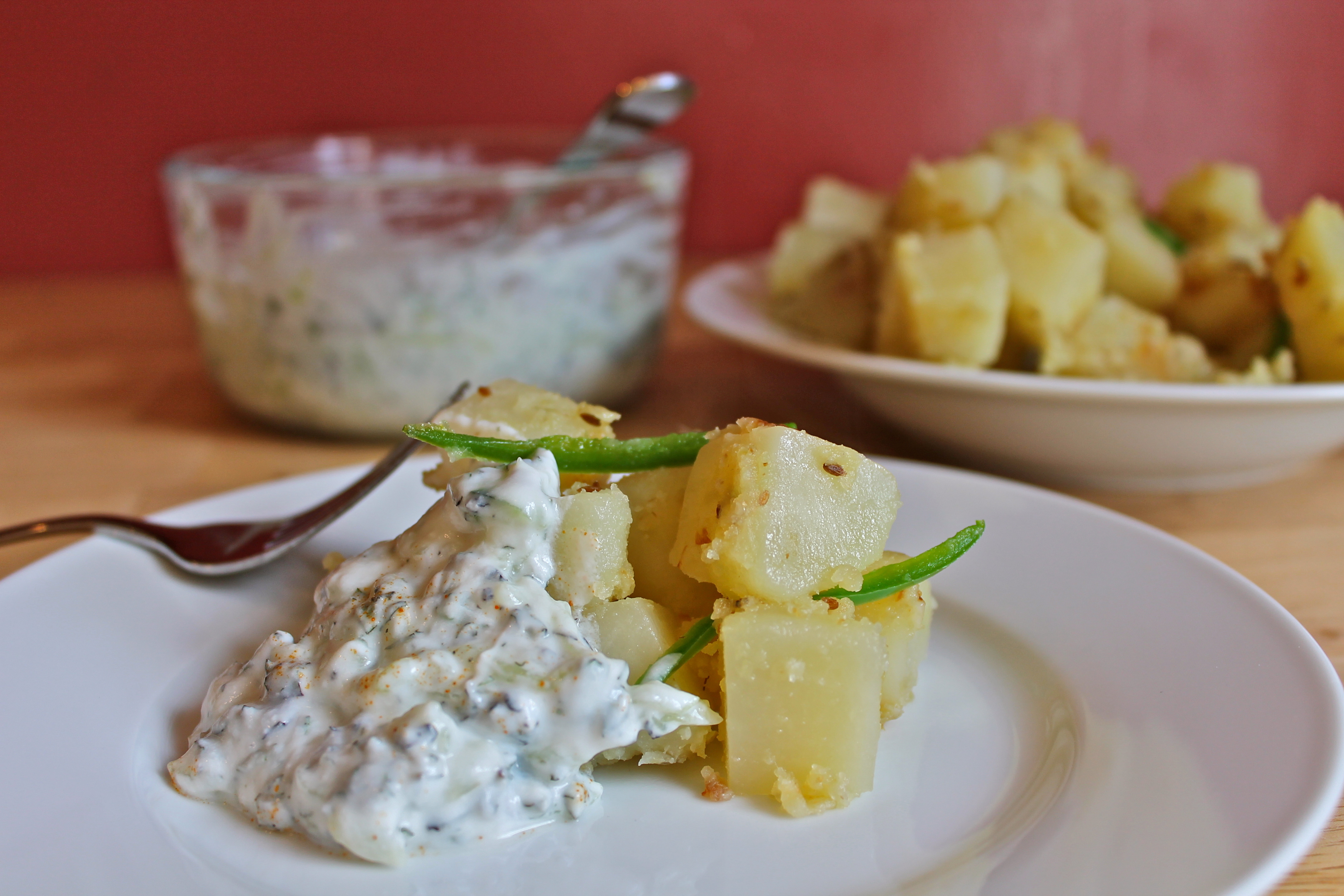
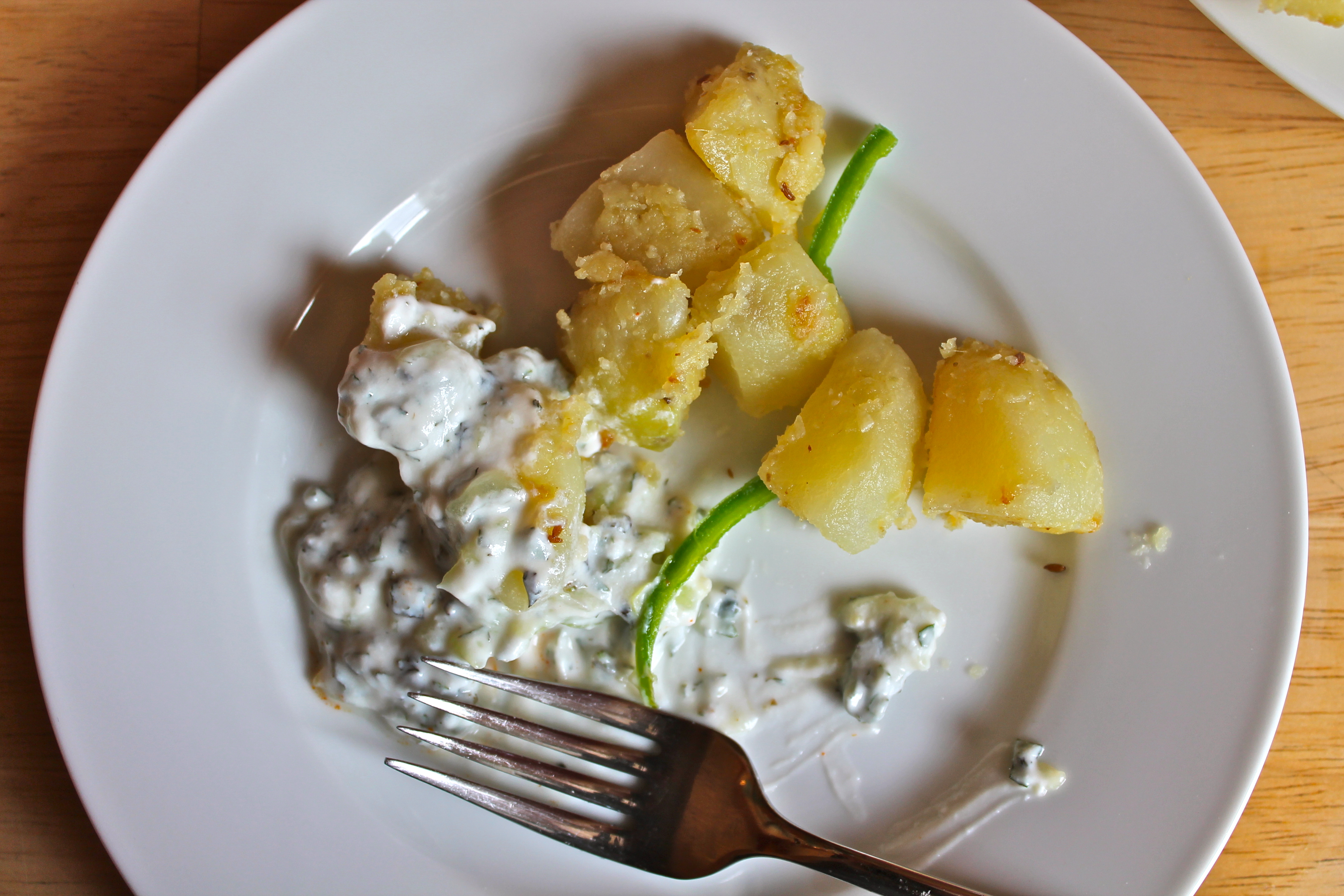
So, though it might be a bit late to declare this week to be Indian Food Week on Savory Salty Sweet, I have a stockpile of lovely Indian recipes to share, and I will likely be spending the next few posts talking about just that.  I’ll start with this great staple of any Indian meal I make: gingery, garlicky potatoes topped off with a fresh, cooling raita.  If you’re looking for a simple place to start your journey into cooking Indian food, you can’t find anything easier than this.  This dry sauté of wonderfully seasoned potatoes comes together in a flash, and you can throw the raita together in the time it takes the potatoes to finish.  It’s the perfect gateway into Indian cooking, which is good if you are looking for a simple place to start, but perhaps not so good if you one day find yourself so smitten with cooking Indian food, you’re forced to throw an impromptu dinner party every time you break out a jar of cumin seeds.  You’ve been warned.

Last Year: Blueberry Biscuits

Spicy Ginger Garlic Potatoes and My Favorite Raita Recipe

Spicy Ginger Garlic Potatoes

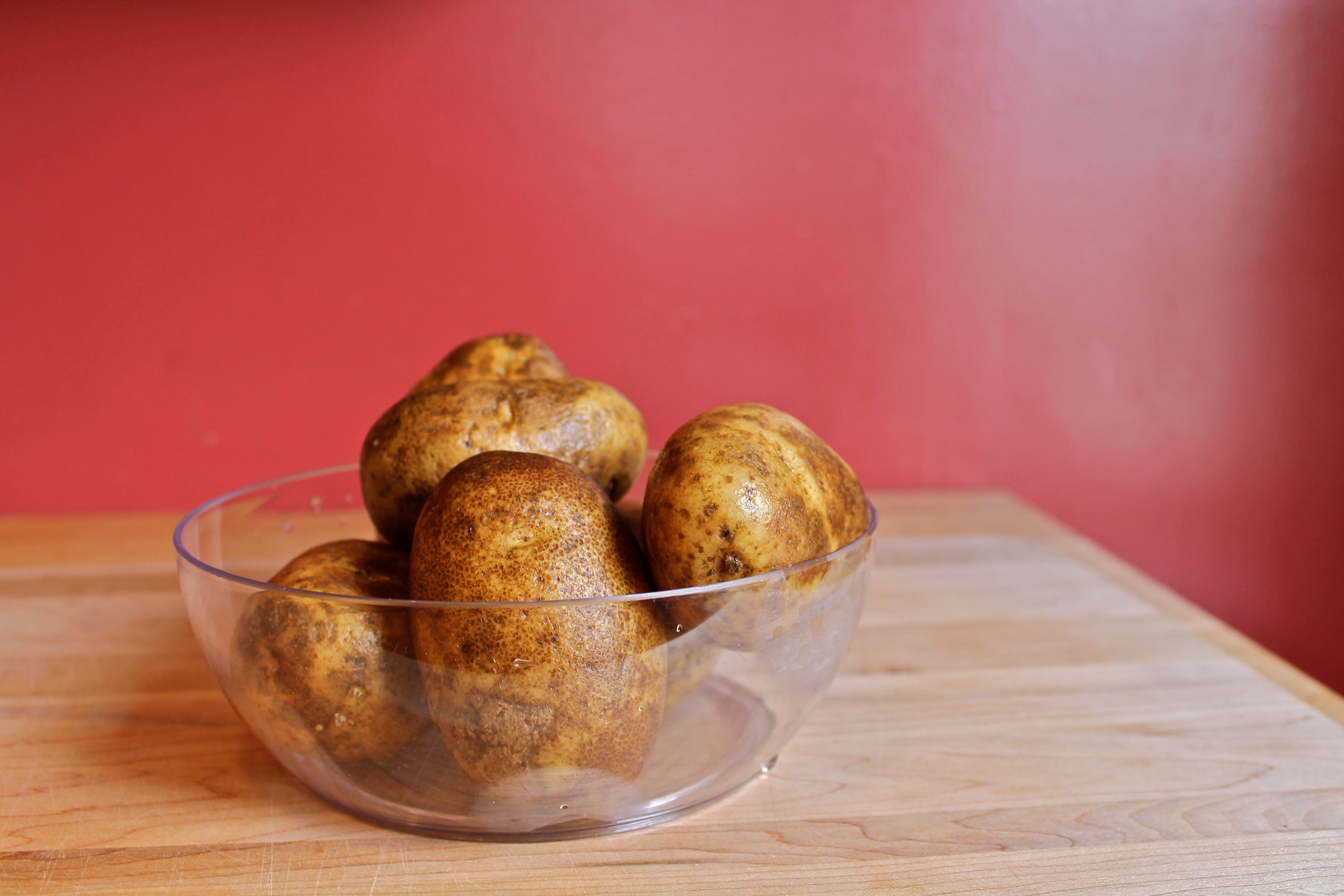
1 pound small or medium potatoes, whole and unpeeled

1 tablespoon unsalted butter

¼ teaspoon whole cumin seeds

2 tablespoons finely grated fresh ginger

2 tablespoons finely grated or minced-and-smashed garlic

1 jalapeno pepper

salt to taste

In a small pan, cover the whole potatoes with water and bring to a boil over high heat.  When the water begins to boil, lower the heat and simmer the potatoes until they are tender enough to be easily pierced with a fork (this should take about 10 to 15 minutes).  Drain the potatoes and allow to cool enough to be handled.

When the potatoes have cooled enough to touch, peel the skins form the potatoes and then dice the potatoes into 1-inch chunks.

In a large skillet, melt the butter over low heat.  When the butter has melted and is just stating to foam a bit, add the cumin seeds.  Stir the cumin seeds, allowing them to sizzle and pop for about 20 seconds.  Add the grated ginger and garlic, and stir over low heat for 1 minute, until the ginger and garlic are very aromatic, but not browned.  If you see your ginger and garlic beginning to brown, remove the pan from the heat and keep stirring the ginger and garlic until their sizzling subsides a bit and the browning has stopped.

Turn the heat under the pan to high.  Add the diced potatoes to the pan, and stir to coat with the ginger and garlic mixture.  Allow the potatoes to develop a nice brown crust on one side, then stir, turn the heat to low, cover the pan, and leave to cook for another 3 minutes or so.

Slice the jalapeno pepper into thin strips, discarding the seeds and white ribs.  Add the jalapeno strips to the potatoes, stir to combine, then remove from heat.  The jalepenos should still retain some crispness (you don’t want them to turn totally limp).  Add salt to taste.

Cucumber Mint Raita

1 cup peeled, seeded, shredded cucumber (about 1 large cucumber)

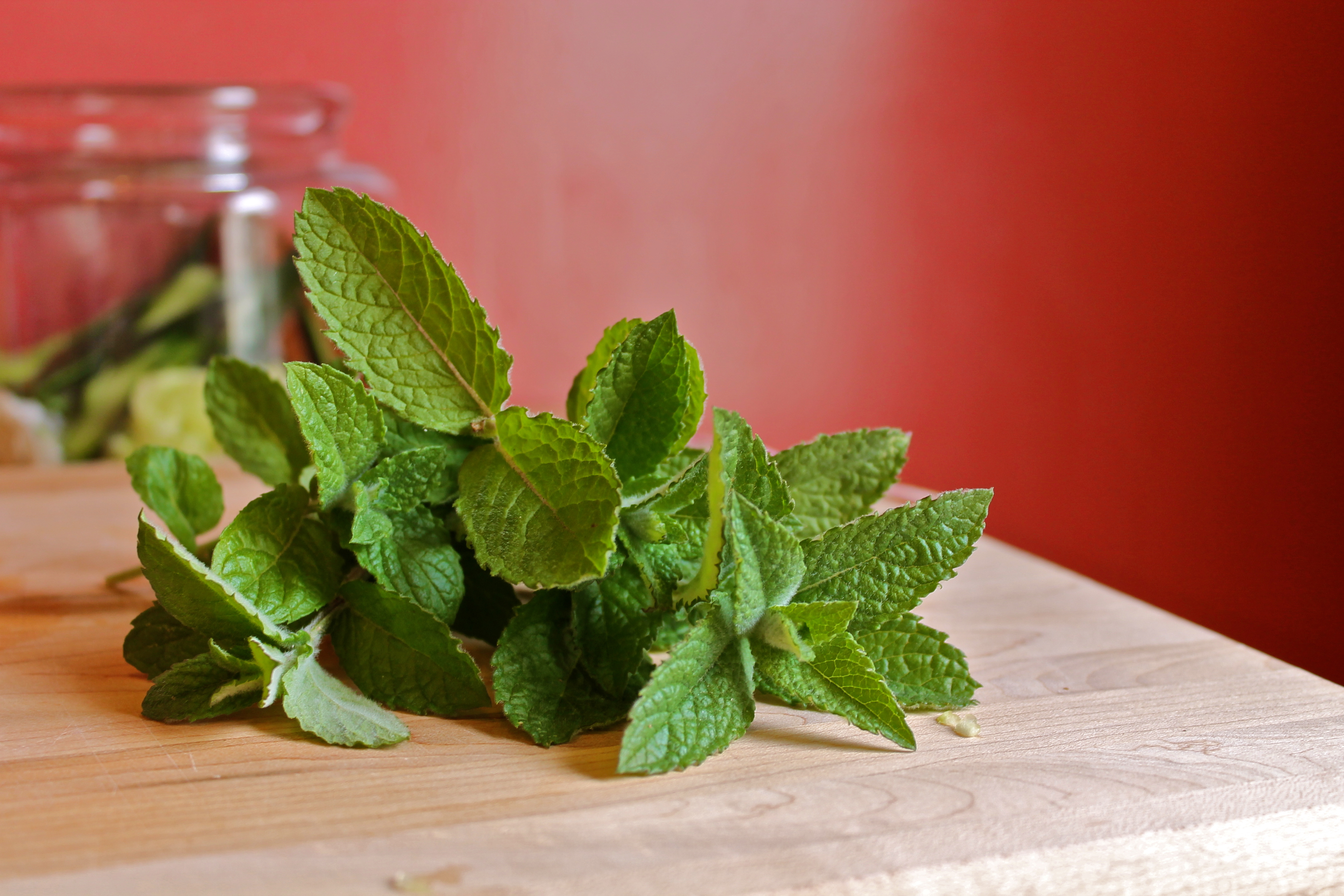
1/3 cup finely minced fresh mint leaves

1 cup plain yogurt

pinch of salt

pinch of cayenne pepper

Using your hands, squeeze the shredded cucumber until you have removed as much moisture as possible.  Place squeezed cucumber in a medium bowl.  Add minced mint, yogurt, and salt.  Stir to combine.  Sprinkle a pinch of cayenne pepper over the top of the raita.

Vegetable Pakoras

19 Apr

Do you partake in spring cleaning?  Does the sight of sunshine, albeit weak and passing, compel you to bust out dusting cloths and cleaning supplies?  Or perhaps you lean in a different direction when it comes to satisfying the urge to clean things out and start anew.  That direction, in this case, being the refrigerator.

It’s no secret that I like to hoard leftover bits of this and that in the refrigerator, but it should be pointed out that I definitely have my limits when it comes to how long something sits in my fridge.  The Kitchn recently ran a good article about a helpful way to manage your refrigerator leftovers  by utilizing the 2:4 rule, dictating that food left out at room temperature for 2 hours is still good to pack up and save, and food left in the refrigerator for 4 days is still good to eat.  Some might find these rules of thumb a little strict (I have been known to leave leftovers in the refrigerator for much, much longer than that and suffer no ill effects after subsequently eating them), and instead err on the side of this train of thought examined a couple of years ago on NPR, which proposes that refrigerated food, regardless of when you might be told it will expire, lasts much, much longer than most people think it will.

Still, it is not difficult to tell when most foods are nearing the end of their lives.  Just seeing the weak and slumping appearance of a container filled with abandoned chicken is enough to give me the chills.  And if you’ve ever been unfortunate enough to pour a lump of expired milk into your hotly anticipated first cup of morning coffee, well, I feel your pain.

Over the years I have become quite adept at last minute ideas for utilizing foods that seem to be hobbling about on their last legs (though it bears mentioning that if you do actually happen to see your old and haggard refrigerator contents literally move on their own, it would, of course, be in everyone’s best interest that you just dispose of said items immediately).  While it’s rare for me to meet a frittata or quiche I don’t like, I have to admit that my all time favorite way to rid my crisper drawer of errant vegetables is by whipping up a batch of pakoras.

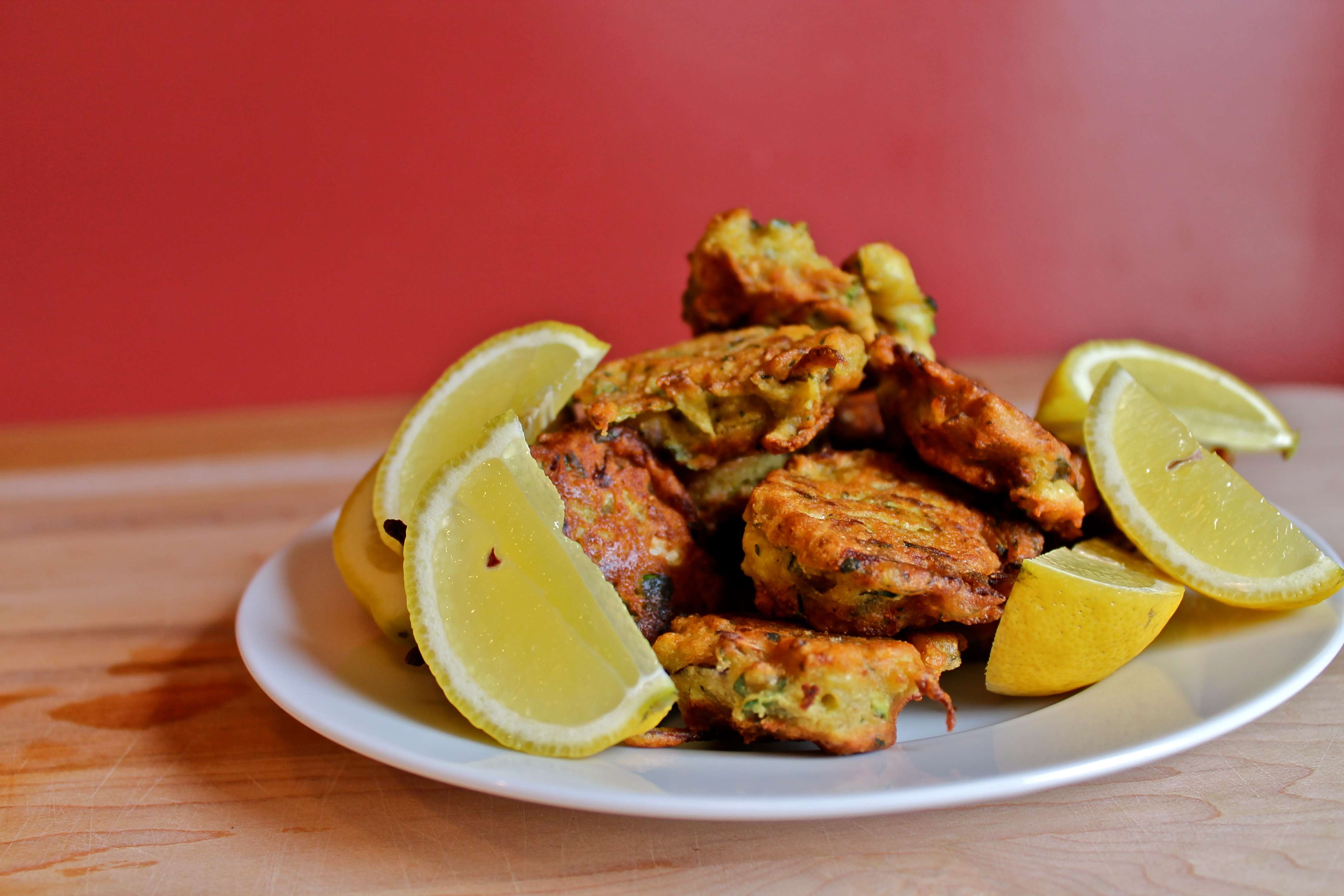
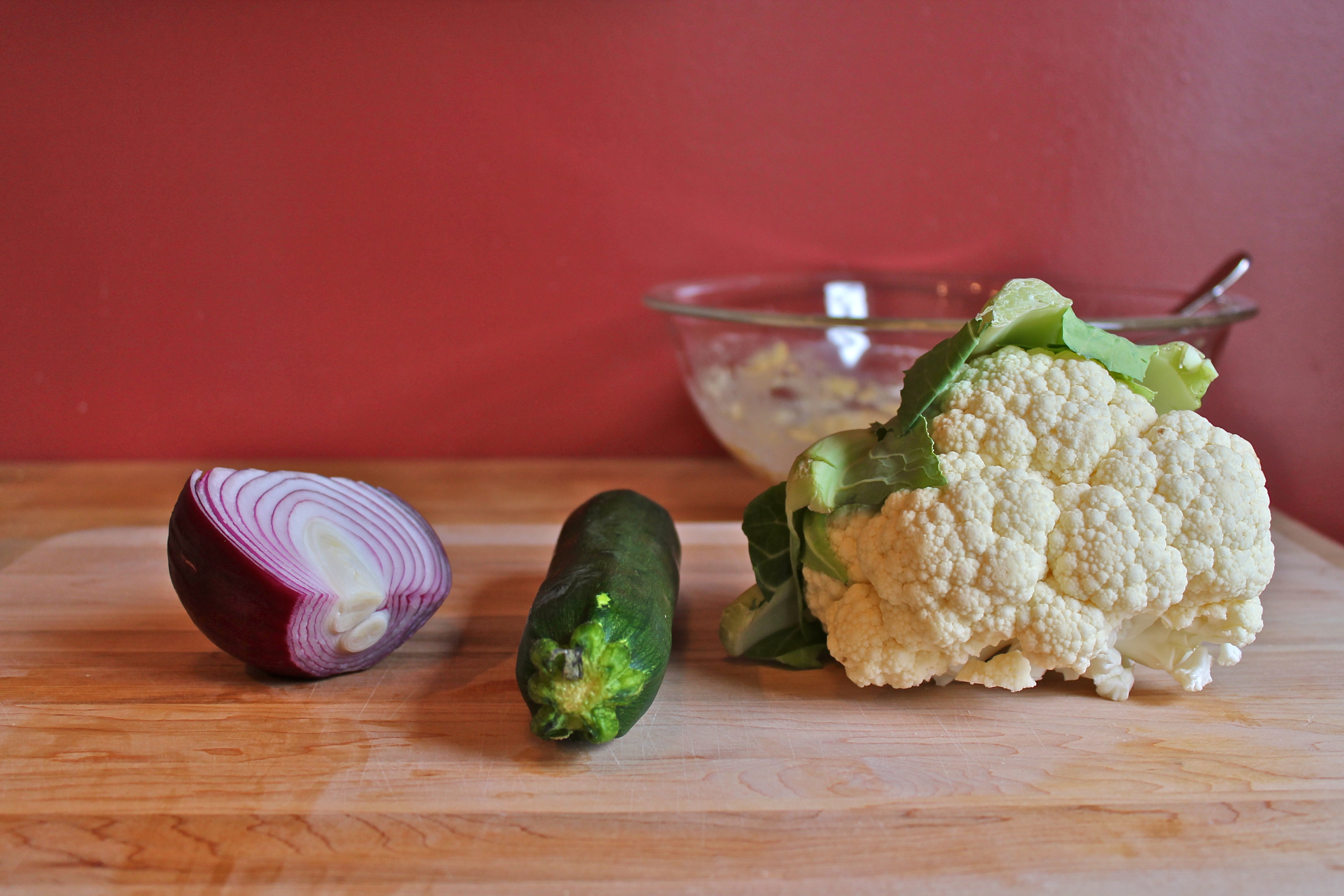
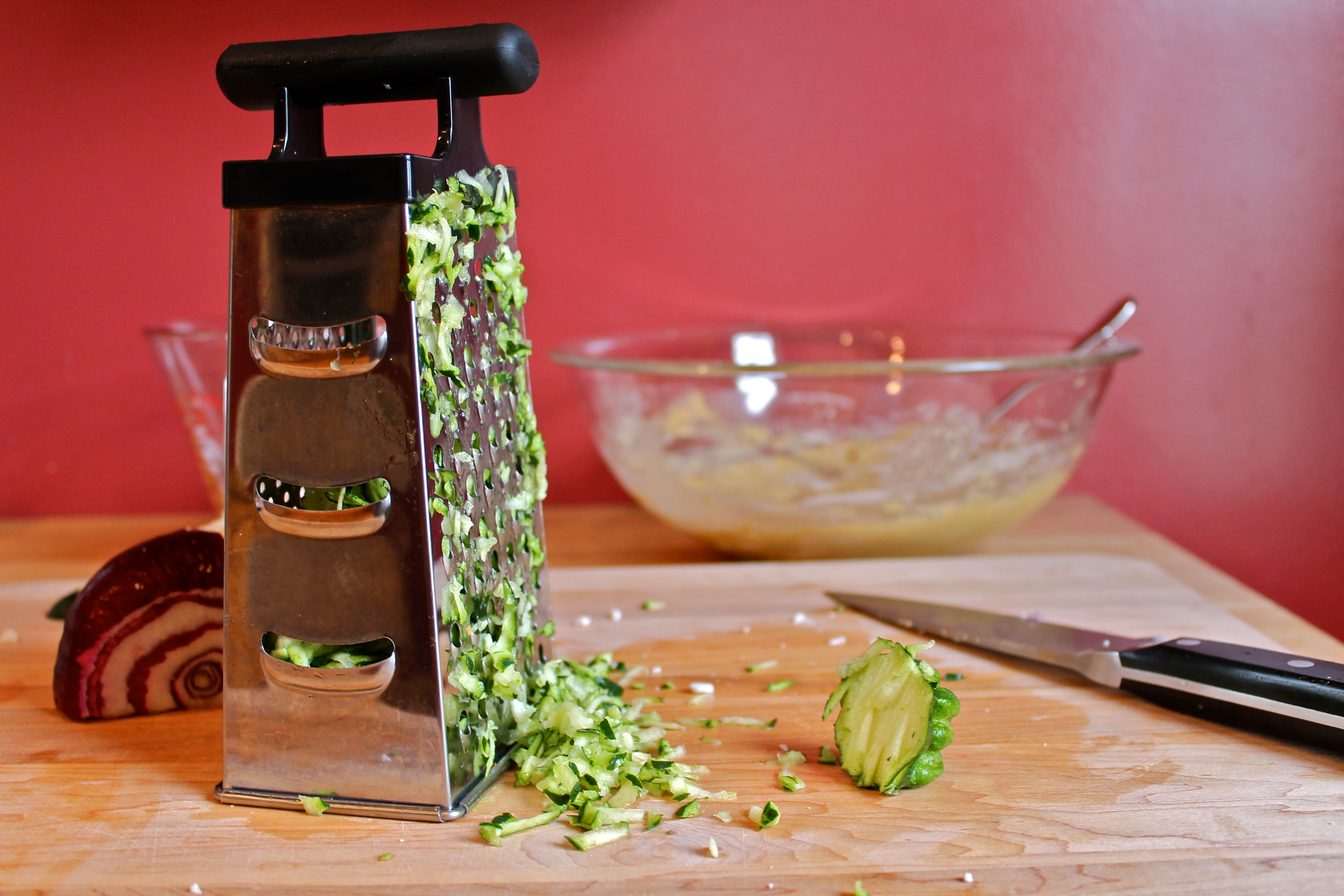
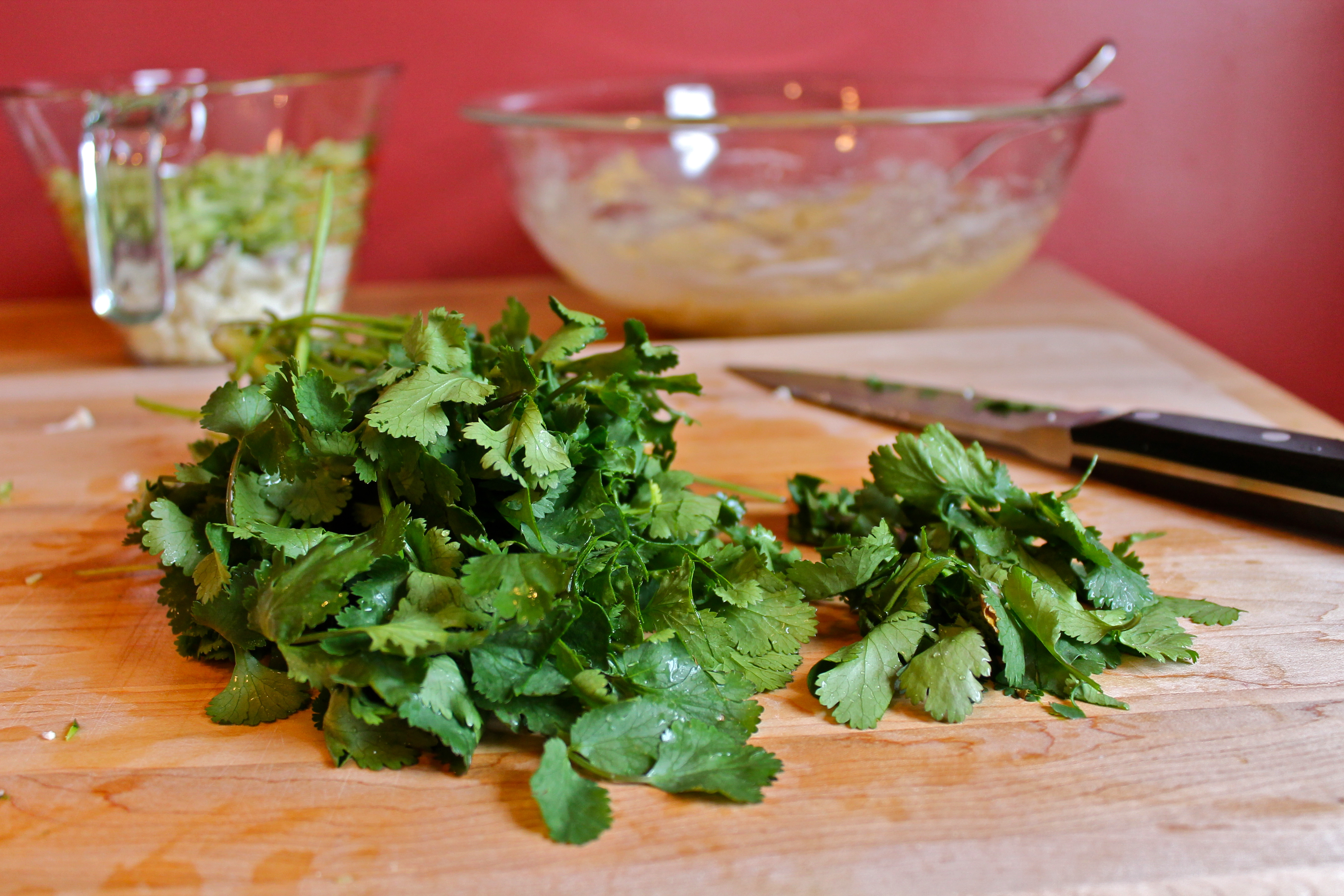
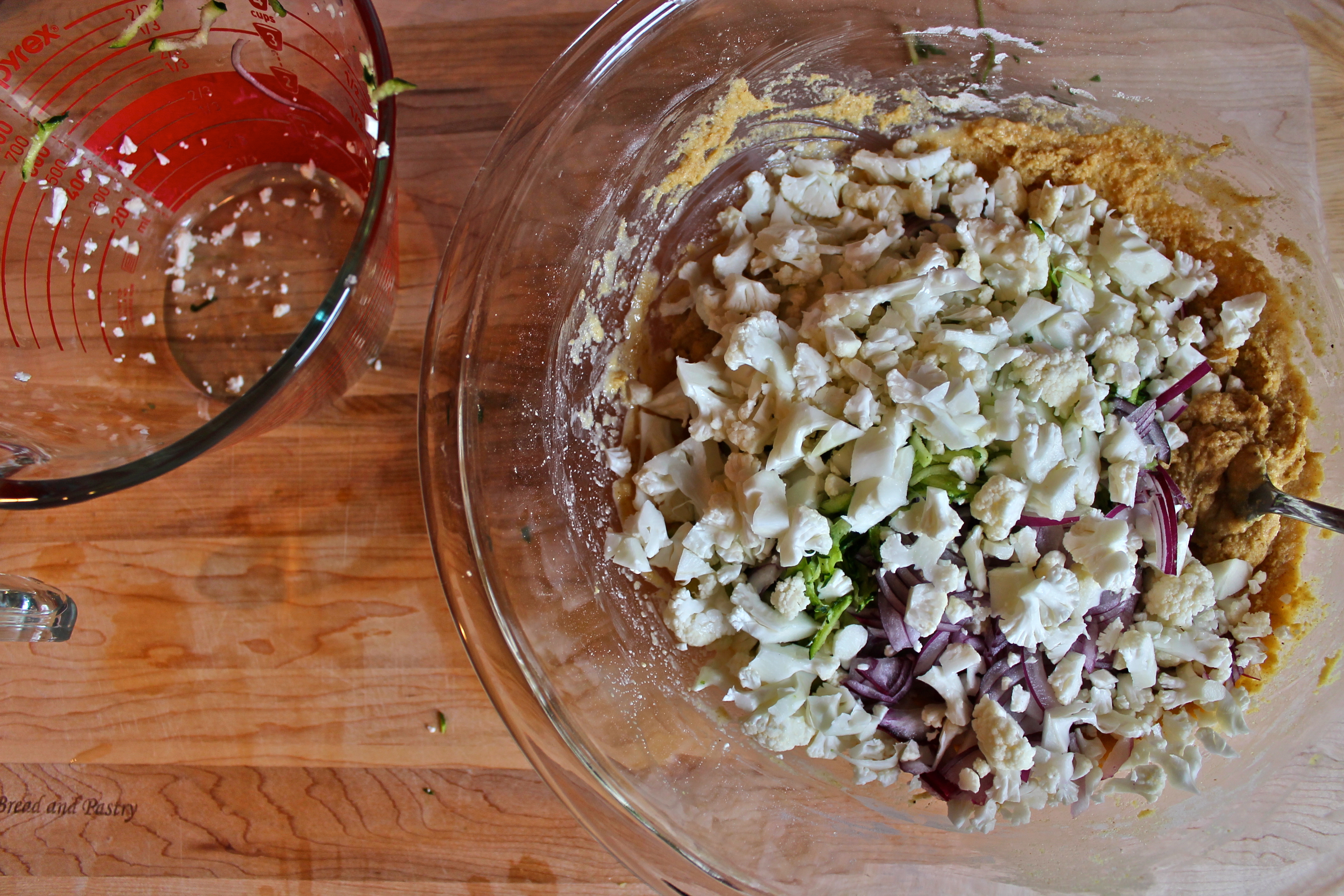
Cauliflower, zucchini, potatoes, spinach, peas, root vegetables, leeks, onions—you can make pakoras out of nearly everything and they will taste absolutely wonderful.  The mélange of spices that perk up the savory besan batter have the ability to meld with pretty much anything you throw at them, and then everything comes together into one heavenly bite, you’ll be hard pressed to recall that, just a few moments ago, the very vegetables that made up your pakora were sitting untouched in your fridge and looking borderline scary. My latest batch included shredded zucchini, finely chopped cauliflower, and thin slices of red onion.  I threw in a handful of leftover cilantro for good measure, and everything came together beautifully.  Later on I discovered a lonely little jalapeno pepper hiding at the bottom of the crisper, and I cursed myself for not finding it earlier.  Thinly sliced into crisp ribs and folded in amongst the milder vegetables, it would have made my pakoras just that much more punchy and exciting.  Not that I had any trouble finishing off these pakoras without them.  Needless to say, there were absolutely no leftovers of my leftovers.

Check the archives for more Indian dishes.

Also, time machine! I’ve been doing this for a year now. Check this post from exactly one year ago today: Cinnamon Raisin Swirl Bread.

Vegetable Pakoras Recipe

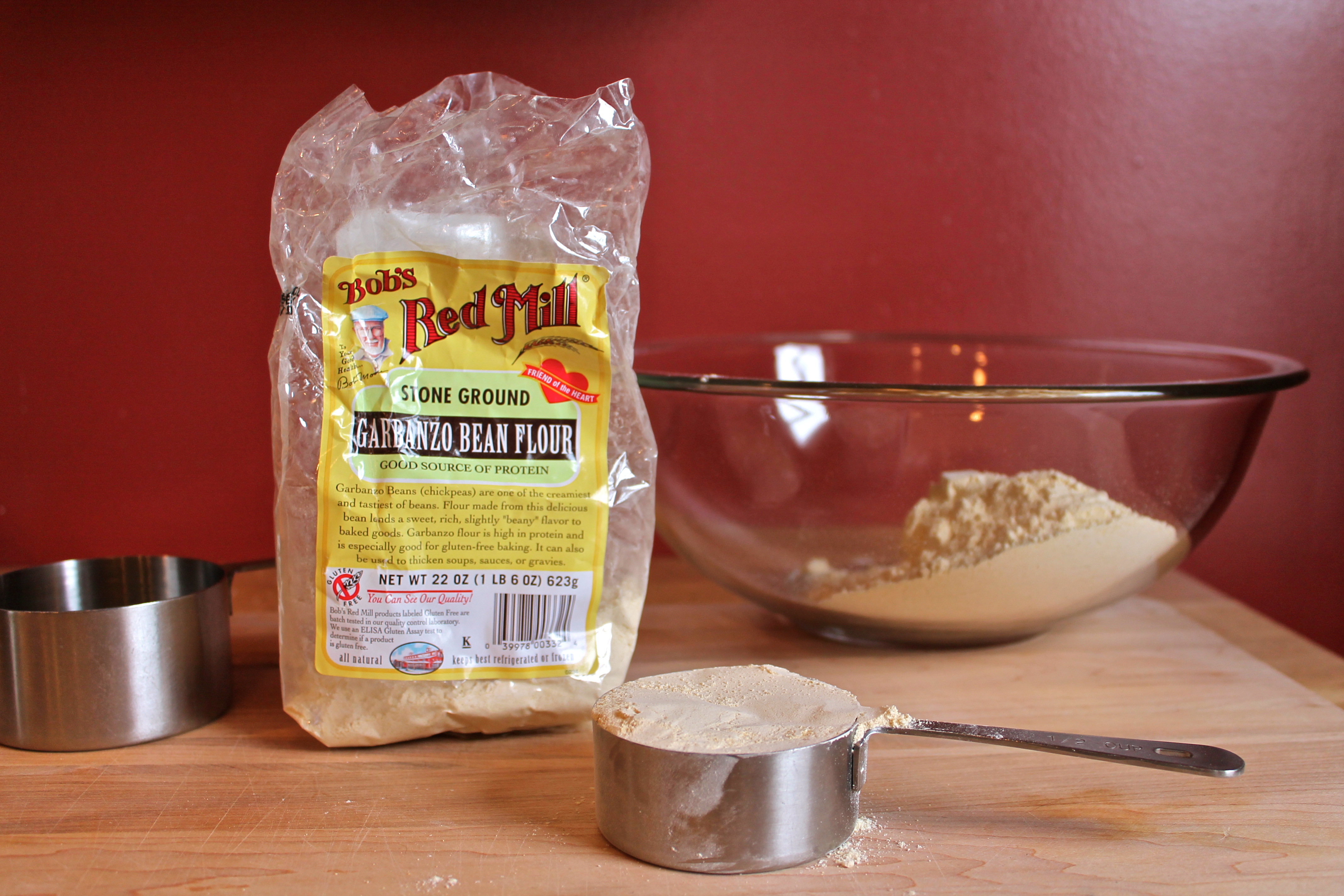
1 ½ cups besan (chickpea flour)

1 teaspoon ground coriander

¼ teaspoon turmeric

¼ teaspoon ground cumin

¼ to ½ teaspoon cayenne pepper, depending on how spicy you like things

½ teaspoon garam masala

½ teaspoon salt

1 teaspoon freshly grated ginger

1 teaspoon vegetable oil

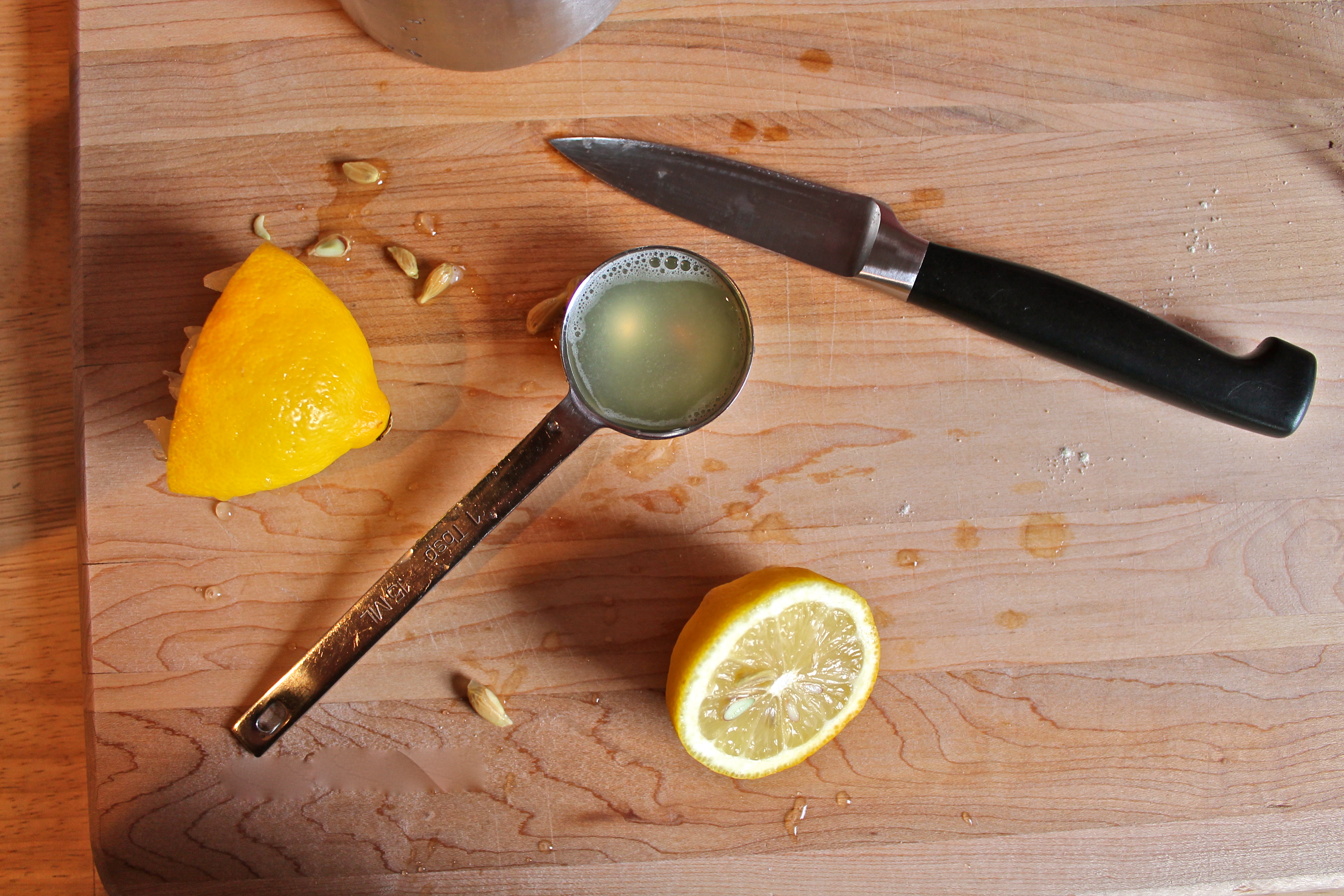
1 tablespoon lemon juice

2/3 cup cold water

2 tablespoons chopped fresh cilantro

4 cups finely chopped or grated vegetables (cauliflower, potatoes, zucchini, spinach, onions, etc.)

lemon slices, for serving

optional: pinch of baking powder

In a large bowl, whisk together chickpea flour, spices, salt, and ginger.  If you like puffier pakoras, now would be the time to add in the optional pinch of baking powder. Using a fork, slowly mix in the vegetable oil, lemon juice, and cold water.  Mix until the batter is thick, but not stiff (if the batter is unreasonably stiff at this point, mix in another 2 tablespoons of water to loosen it up).  Set batter aside while you prep the vegetables.

Fold the chopped vegetables into the batter, coating all the vegetables as best as you can without overworking the batter or bruising the vegetables.

In a large skillet, heat ¼ to ½ cup of vegetable oil (how much will depend on the size of your skillet, a larger skillet will need more oil, and vice versa) over medium heat until it just begins to shimmer and a pinch of the batter dropped into the oil sizzles immediately.

Carefully place 1 heaping tablespoon of batter at a time into the hot oil.  The pakoras should sizzle nicely, but not violently (if the oil is too hot, the pakoras will cook too fast on the outside and remain raw in the middle).  Cook four or five pakoras at a time, taking care not to crowd the pan.  Cook for roughly 3 minutes on each side, until the outsides are dark golden brown and the middles are cooked.  Drain pakoras on a layer of paper towels set upon a wire cooling rack (this will keep the pakoras from getting soggy).

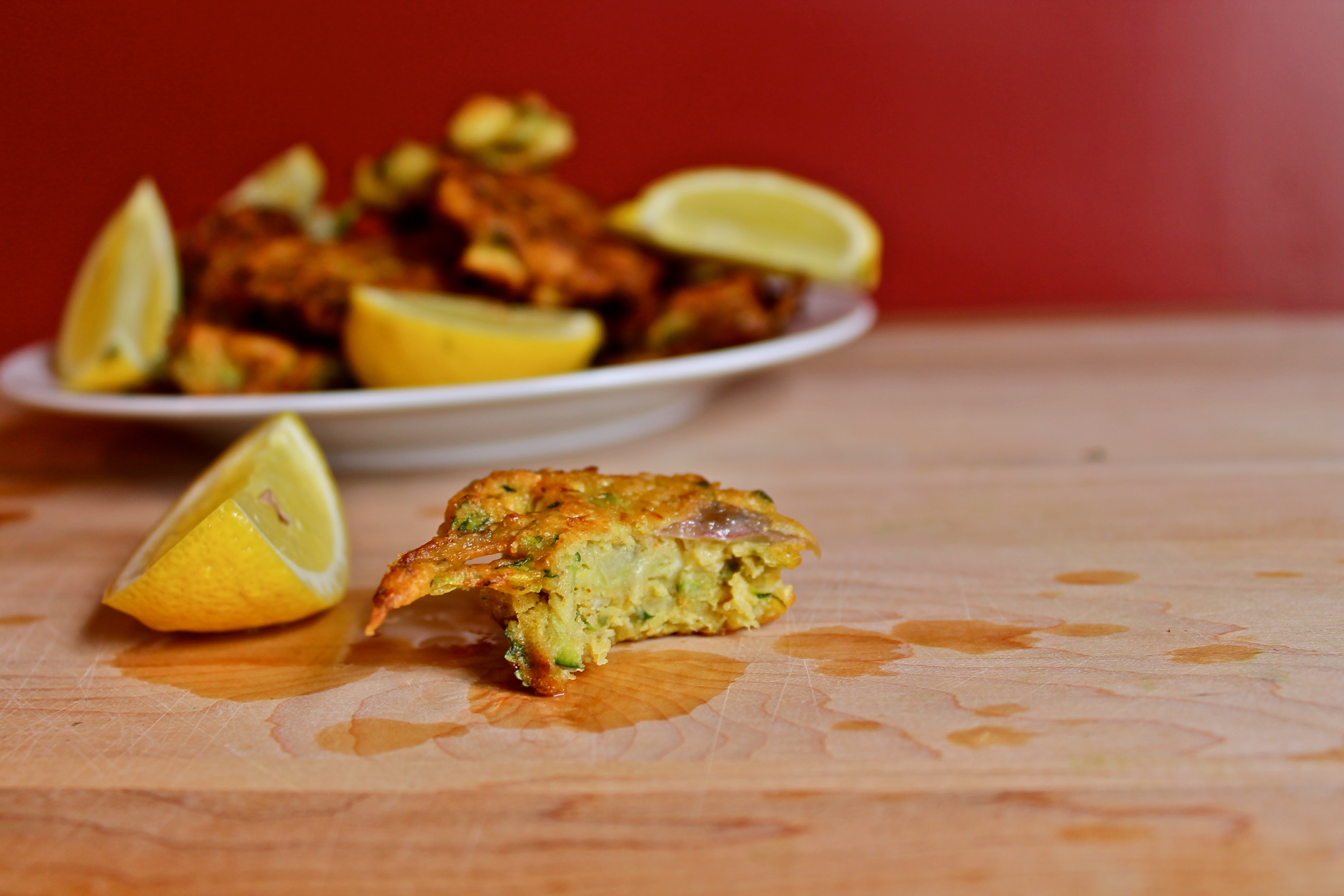
Serve warm, with fresh lemon slices for squeezing over the pakoras.

Makes about 3 dozen pakoras, depending on how heaping your tablespoons are.