Archive | Meat RSS feed for this section

Ponzu-Marinated Flank Steak

23 Jan

There is a restaurant down the street from me that just might end up unseating the other restaurant down the street from me as the World’s Most Dangerous Restaurant to Have Down the Street from You (which is not to be confused with our other nemesis, The World’s Most Dangerous Food Cart to Have Down the Street from You).  My will power, it is weak.  When faced with the sweet memory of duck breast and lemongrass salad, I grow loose in the knees and wallet, and all I want to do is run down the street and place my order immediately.  I hear the name of a certain restaurant, and I am like a seal that has been trained to bark on command.  Spicy!  Thai!  Street!  Food!  Now!  Completely puzzling, however, is the added desire to eat a particular meat dish from the other, newer dangerous place, a meat dish that, in any other place, I am sure I would loathe.

Picture this: super thin slices of steak (I know!  I am talking about steak! Who am I?) are marinated in a savory, bright, citrusy mix of kelp and lime juice.  Then the meat gets skewered and stuck directly into a roaring fire, searing in every possible place and becoming incredibly, impossibly juicy.  The skewer, still sizzling, is brought directly to your table, where you try with all your might to maintain a sense of dignity and manners while you ravenously devour the meltingly delicious meat.  No one is more surprised than me that I enjoyed this dish as much as I did.  For a split second, I was transformed into a dedicated carnivore, a person who actually devoured meat.  It was utterly bizarre.

A few weeks ago, the holidays in full swing, I was overcome with the idea I had to try and recreate the dish at home, a task made difficult by the fact that a) I didn’t really know what exactly made up the marinade enveloping the meat in question, and b) it is winter, and therefore my access to an open fire over which to cook things is fairly well nonexistent.  The first problem was easily remedied, as a small amount of hunting around led me almost immediately to an old specials menu from the Dangerous Restaurant, and a bit more poking around led me to this great New York Times recipe for ponzu marinade, which happened to be the mystery flavor.  Ponzu, as it turns out, is sort of like a Japanese vinaigrette, and can be used in everything from salads to marinades.  One of the main flavor profiles in ponzu is kombu (dried kelp), which provides a hefty dose of natural glutamates to give the ponzu a fat (but not fatty), umami taste that rounds out your taste buds.  It also helps break down the fibers in meat, tenderizing as it simultaneously flavors.
The other problem, I am afraid, could not really be solved, as winter in the PNW means cold and wet, and cold and wet are no friends of the grill.  In a pinch, I fired up our stovetop grill pan as hot as it could possibly get, and hoped that it would do the trick.
To be quite honest, it was pretty close.  The only thing missing was the melting, seared texture that can only be achieved by sticking a piece of meat into a wall of fire, but the flavor was dead on.  Bright, but also slightly mysterious, there is a lot going on in each bite.  I am waiting for summer to arrive so I can cook this dish again as I really want to (massive pile of fire, I await you), but, in the meantime, this version is certainly no slouch.

Ponzu Marinated Flank Steak

Sauce from Mark Bittman in The New York Times

2/3 cup fresh lemon juice, more to taste

1/3 cup fresh lime juice, more to taste

1/4 cup rice vinegar

1 cup good-quality soy sauce

1/4 cup mirin

1 3-inch piece kombu (dried kelp)

1/2 cup (about 1/4 ounce) dried bonito flakes (or, in a pinch, 1 tablespoon Vietnamese fish sauce)

Pinch cayenne

1 pound flank steak

In a bowl, combine all ingredients except flank steak. Let sit for at least 2 hours or overnight. Strain.

Slice the flank steak against the grain into thin strips.  Add the strips of steak to the bowl of ponzu, and marinate in the refrigerator, covered, for at least 1 hour.  When ready to cook, drain the meat and set aside.

Heat an outdoor grill as high as it will go, or heat a stovetop grill pan on high.  When the grill is incredibly hot, add the strips of steak, cooking as many as you can without crowding the meat.  The meat will cook very fast, only needing a minute or so on each side.  If your grill is not as hot as can possibly be, it might take two minutes per side.  What you are looking for are crisp edges and a remaining quality of juiciness.  It might take a bit of trial and error (depending on how thick your slices are and how hot your grill is), so start by cooking two or three pieces at a time and seeing how long they take.  The meat is thin, so the cooking time should not be more than a couple of minutes per side.

Chicken Biryani

12 Jan

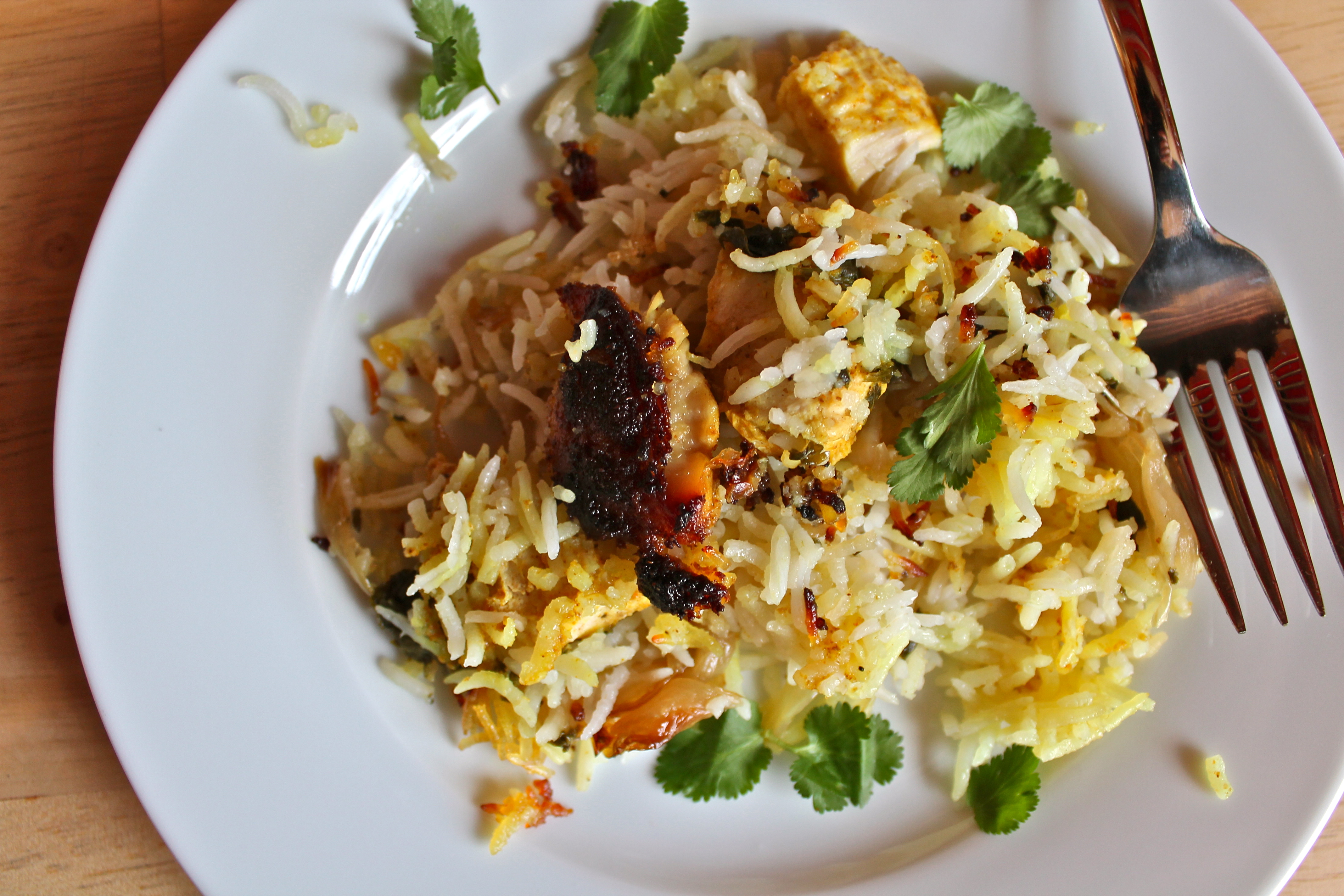
This is my new favorite chicken dish.  In fact, it is my new favorite dish, period.  I am not being hyperbolic in the least.  In fact, when I took a bite of this dish, the very first words that ran through my head were, “Holy —-, this is the best chicken I have ever eaten.”  (Edited for posterity.)

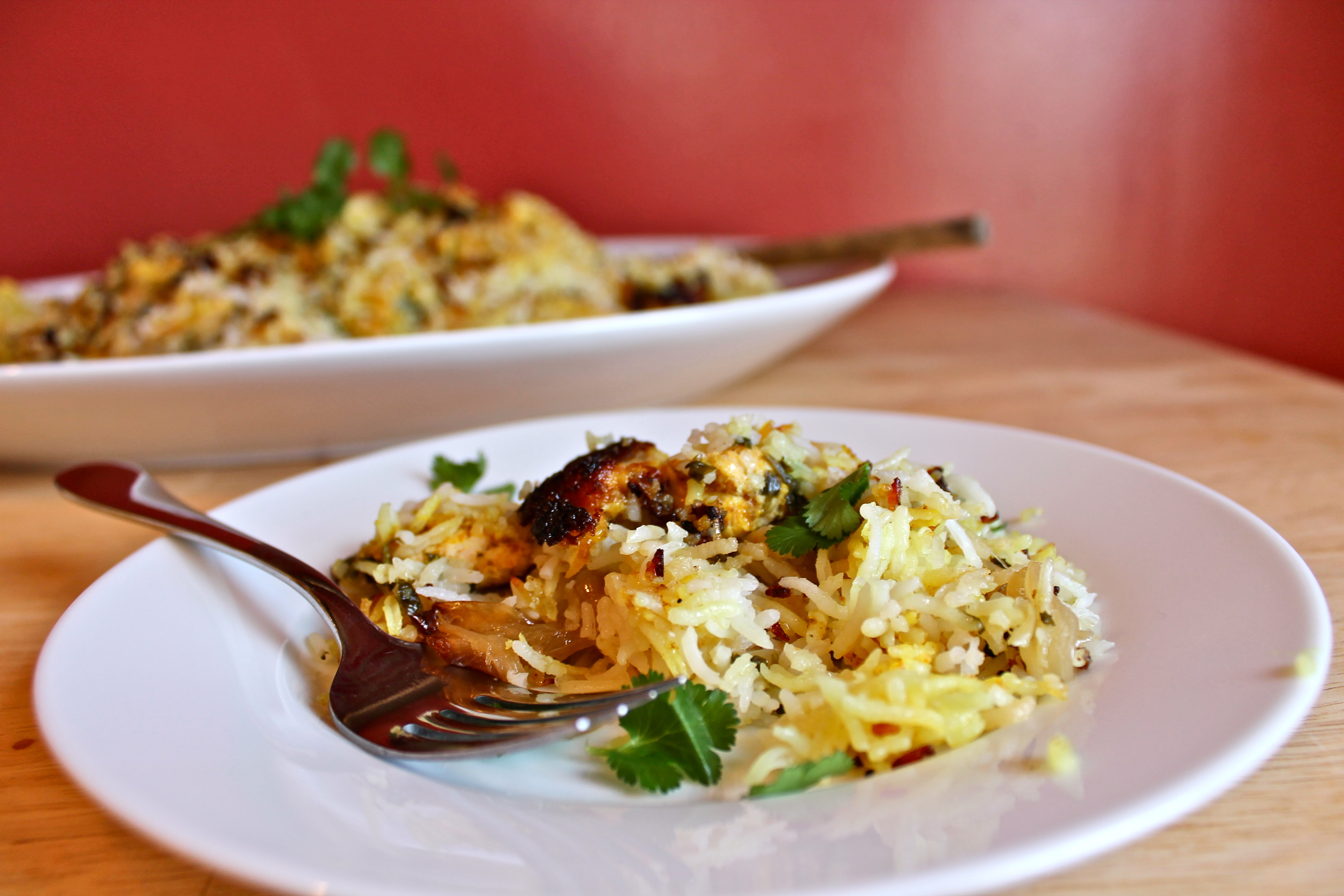
Which is odd, really, because to be quite honest, the chicken is not what makes this dish.  Sure, the chicken is cooked nicely, nestled amongst a cushion of basmati rice, softened onions, and fresh cilantro, but it’s the flavors of the marinade enveloping the chicken that really permeate this dish and make it shine.  The spices, seemingly simple, are subtle, but with a great build.  The first bite is pretty astonishing, but as you eat, each bite seems to take on a different characteristic.  Some bites are packed with the sweet and mellow taste of slow cooked onion, while other bites are flecked with cinnamon and coriander.  Occasionally I happened upon a strangely spicy bite, an unexpected, yet pleasant, surprise in a dish that is relatively mild on the spiciness scale.

And that’s one of the things that makes this recipe so mysteriously satisfying.  There is no abundance of spicy sauce.  There is no interplay between sour and spicy to test the agility of your taste buds.  It doesn’t taste predominantly of chicken, but it doesn’t taste mainly of rice, either.  Everything just sort of works together, tasting comforting and warm, well rounded, but also delicate.  Does it seem odd that I am speaking of a chicken dish as though it were a fine glass of wine?

I hate to make so many grand statements at once, but I really do think that this recipe is darn near close to perfect.  Even the casual side notes from the recipe’s authors are indispensible.  Taking their cue, I paid special attention to the layer of crisped rice and chicken that had formed on the bottom of the pot during the long baking time.  Though the recipe recommended that this layer of deeply browned bits be scraped from the pot and laid on top of the turned-out rice, I instead took the instinctive step of placing the browned bits directly into my mouth, a decision I highly recommend to anyone else who chooses to cook this.

All that said, I am not going to lie to you.  This is not a quick dish.  You are going to have to set aside some time to turn this baby out, but when you do, you will most certainly not regret it.  Make it a weekend affair, when you’ve got your afternoon ahead of you and you can take some time to prep the ingredients without being rushed.  Though the effort may seem to be a time challenge, I promise you that the result is nothing short of a reward.

Chicken Biryani

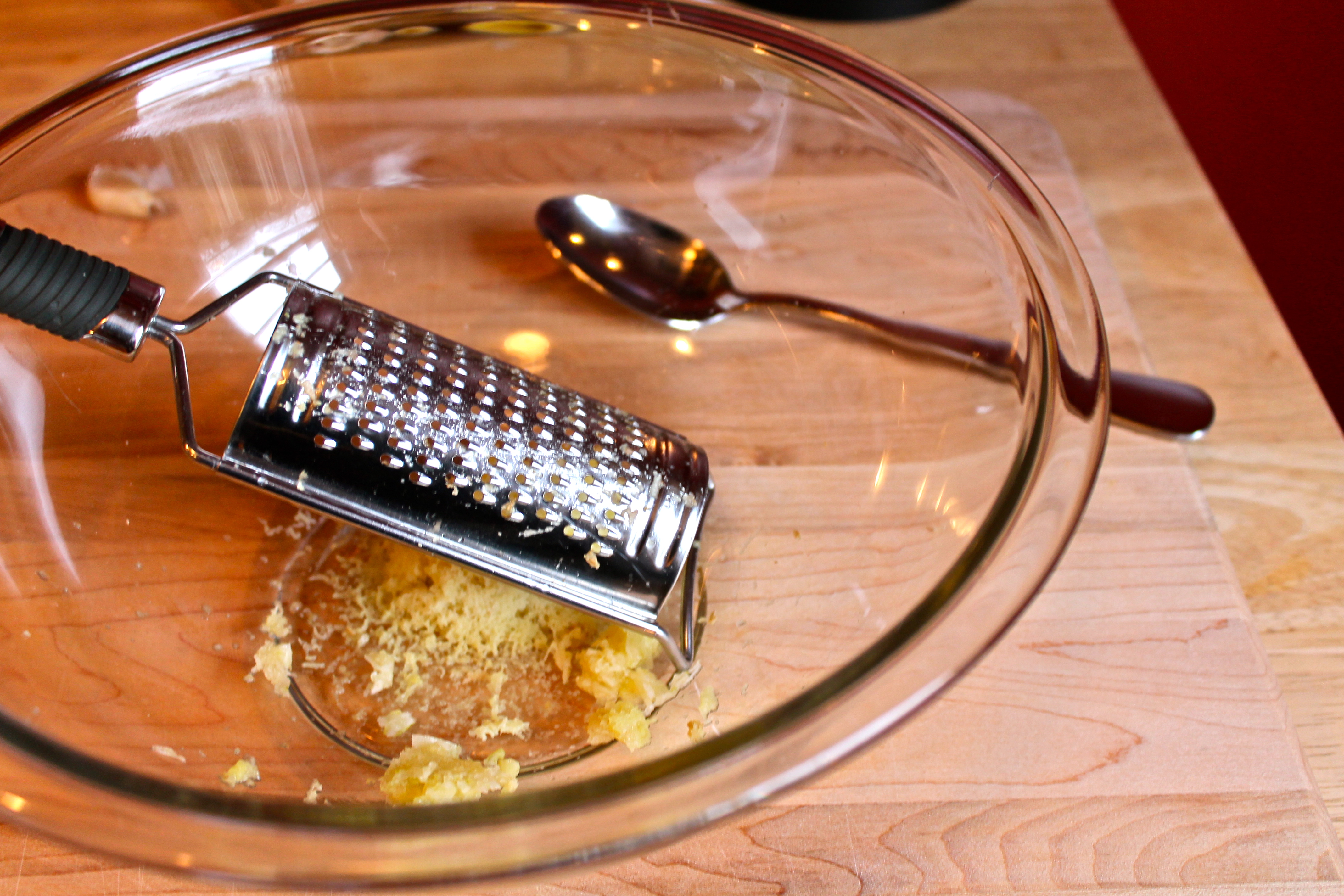
Nearly perfect as is, there are a couple of things about this recipe that I have altered only slightly.  One is the preparation of the garlic and ginger.  I find that grating both items into a bowl and then mashing them with a spoon is a far simpler and more reliable method of turning them into a paste, rather than trying to wrestle with them in a mortar and pestle.  I also decreased the amount of oil called for, as I had enough oil left over in the end that I thought it prudent to simply use less next time around.

From Mangoes and Curry Leaves, by Jeffrey Alford and Naomi Duguid

1 pound boneless chicken breasts or thighs, or a mixture

3 large cloves of garlic, grated finely (you want to end up with about 2 teaspoons total)

1 teaspoon finely grated fresh ginger

1 ½ teaspoons ground coriander

½ teaspoon cayenne

¼ teaspoon turmeric

¼ teaspoon garam masala

½ cup plain yogurt (full or reduced-fat are both fine)

2 teaspoons salt

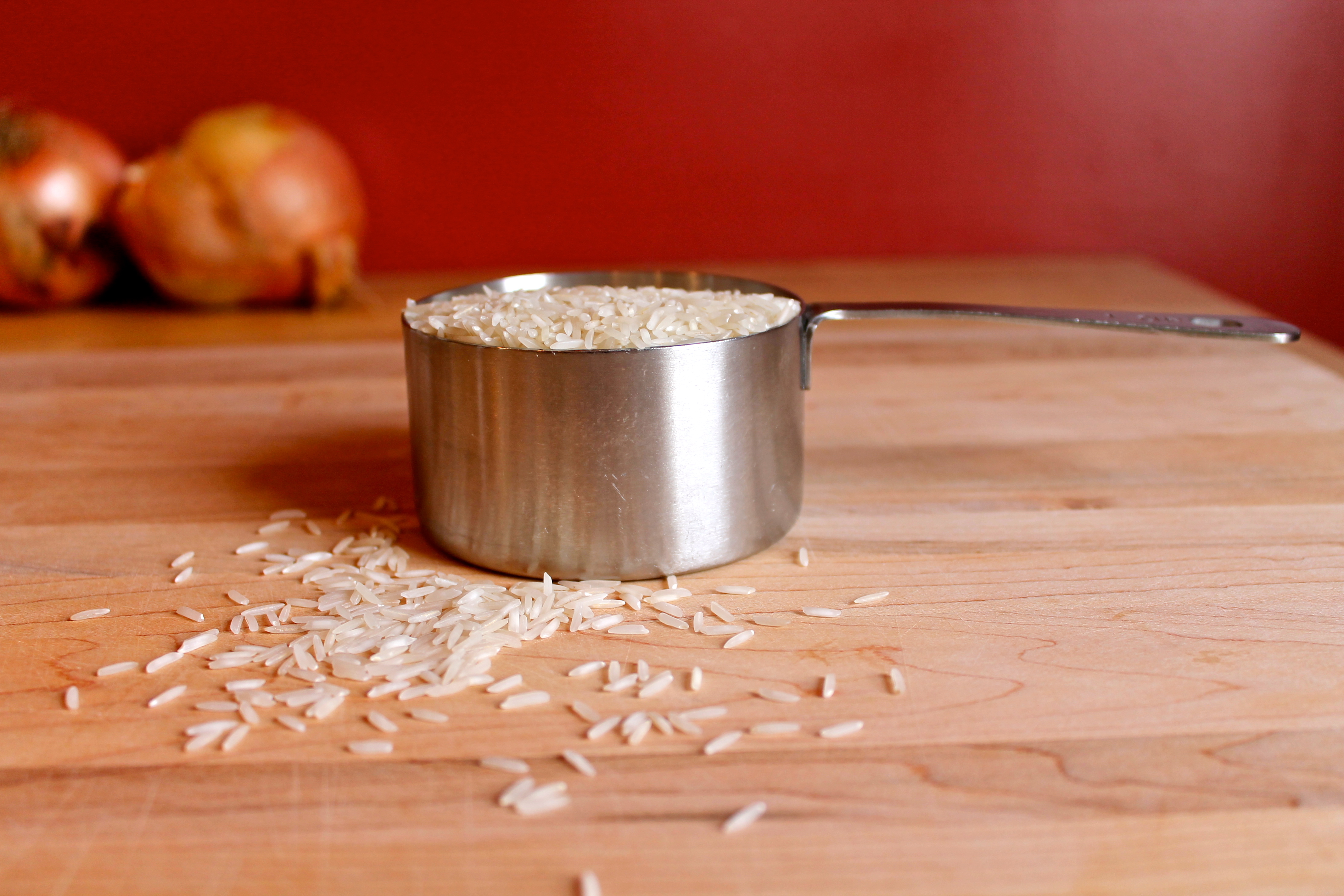
2 cups basmati rice

3 medium-large onions (about 1 pound)

½ cup vegetable oil

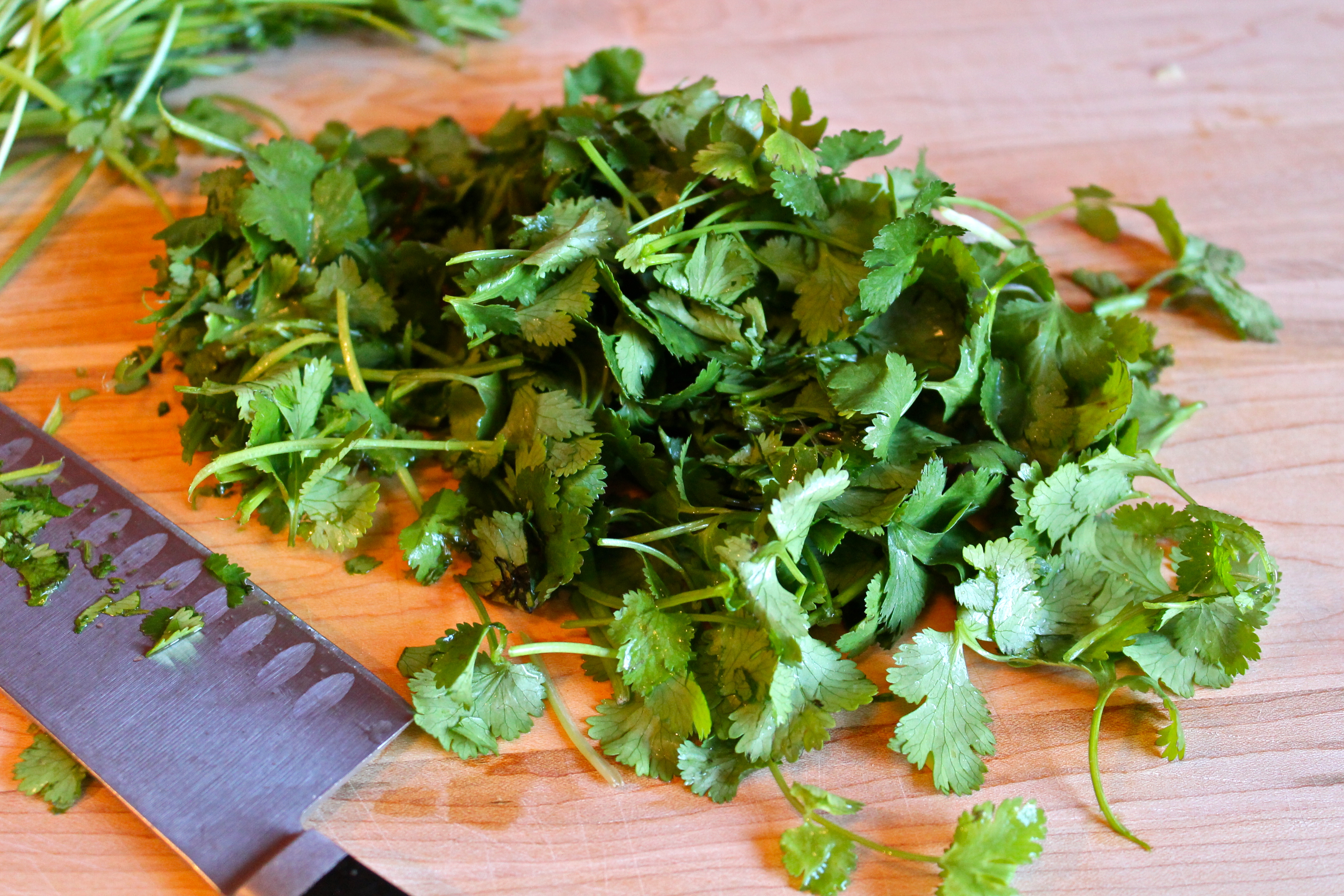
1 cup minced cilantro leaves

2 tablespoons of water

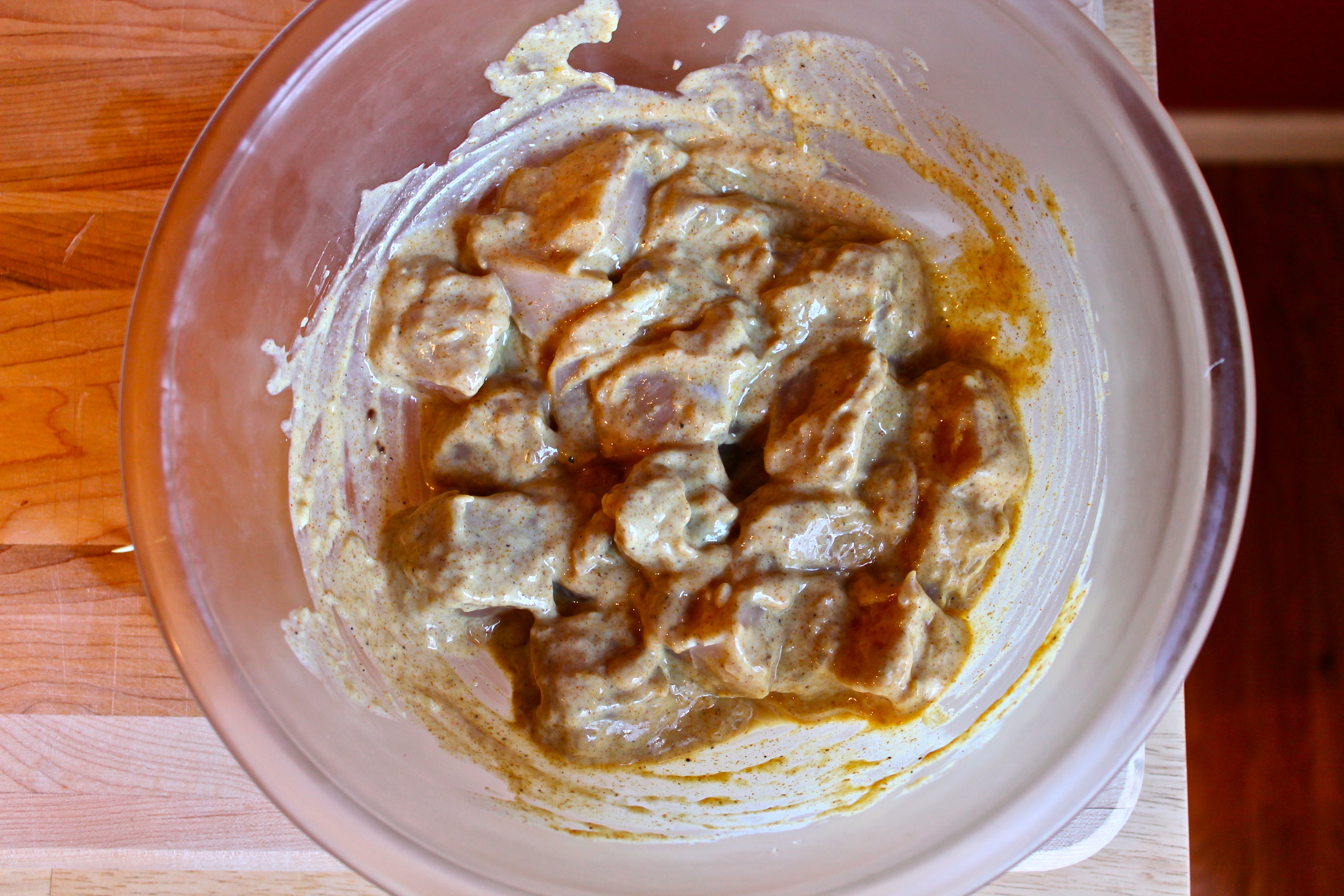
Rinse the chicken, then chop into 1-inch cubes.  In a large bowl, combine the grated garlic and ginger, then mash together using the back of a spoon.  Add the chicken cubes to the bowl with the garlic and ginger.  Add the coriander, cayenne, turmeric, garam masala, yogurt, and 1 teaspoon of the salt.  Stir to mix until everything is combined, then cover with plastic wrap and allow to marinate in the refrigerator for 2 to 4 hours.

While the chicken is marinating, rinse the rice in several changes of cold water.  Place in a bowl, cover with water, and allow to soak for about half an hour.

About 1 ½ hours before you want to serve the dish, place a rack in the center of the oven and preheat to 375 degrees Fahrenheit.

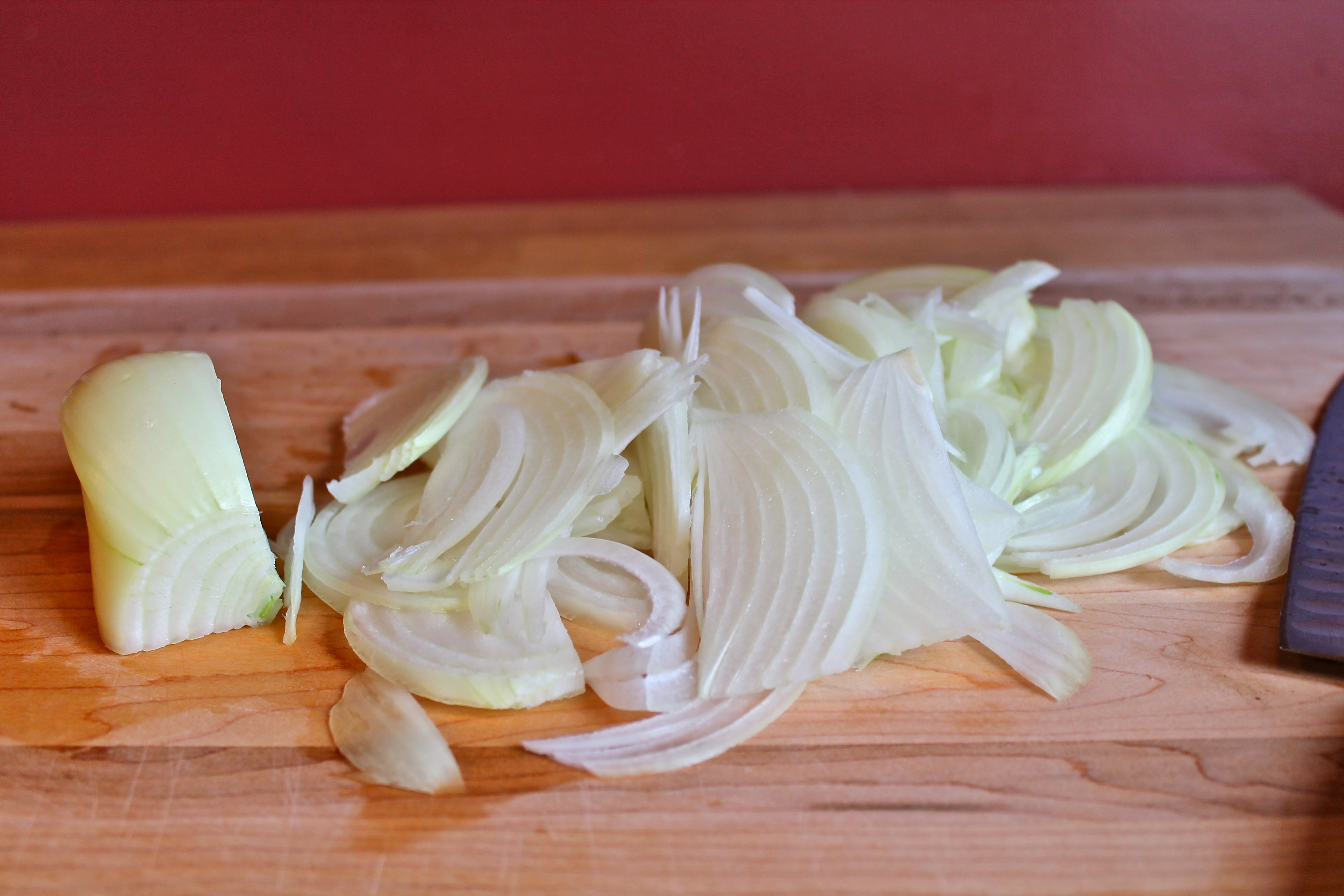
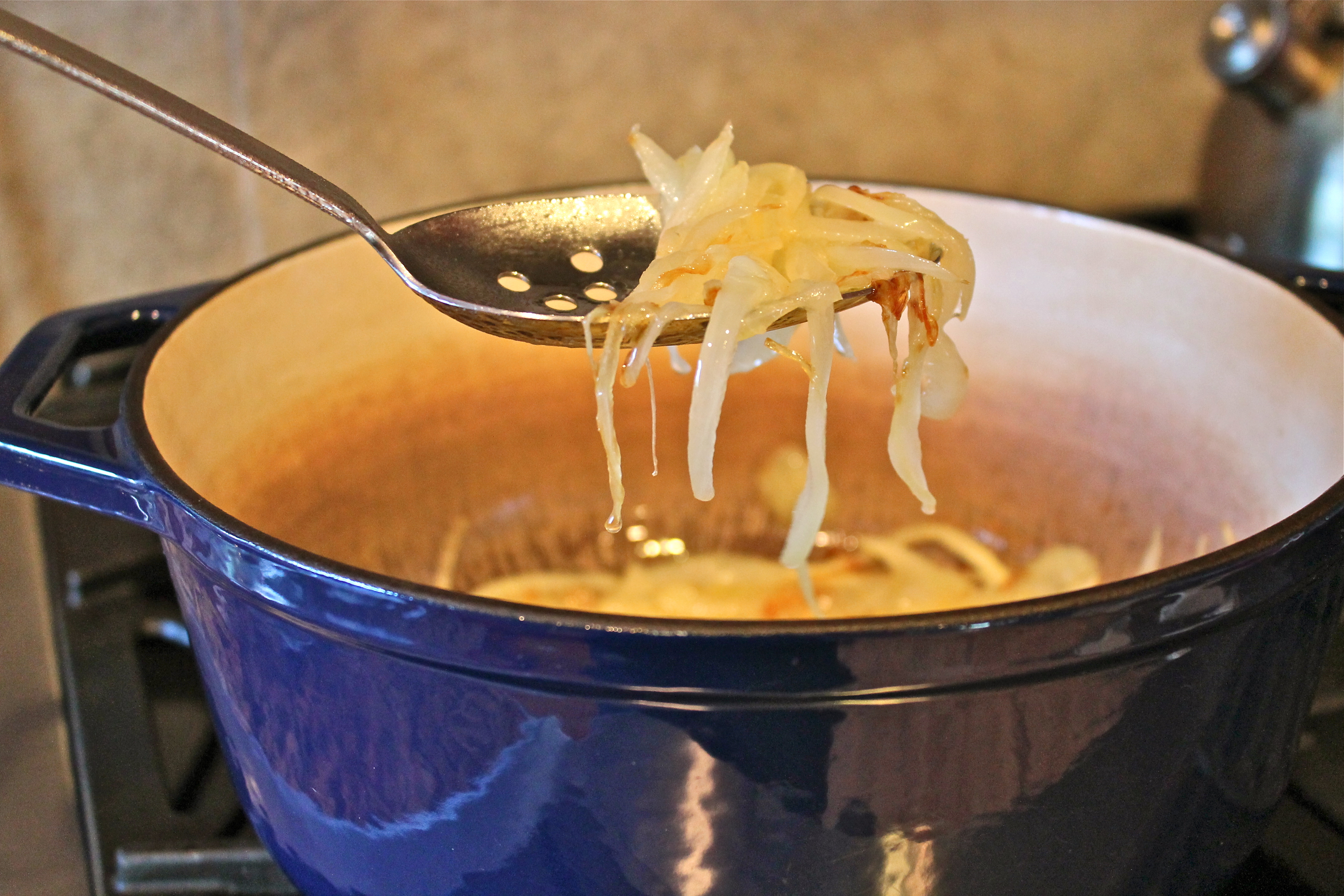
Slice the onions as fine as possible.  You will want about 3 cups of sliced onions.  Place a large heavy ovenproof pot with a tight-fitting lid over medium-high heat.  Add the oil and, when it is hot, add the onions.  Lower the heat to medium.  Cook until the onions are very soft, wilted, and just touched with golden brown (I love the way that is phrased), 12 to 15 minutes.  Lift the onions out of the hot oil and set aside.  There should be a little over ¼ cup of oil left in the pot.  Remove 2 tablespoons of oil from the pot and set aside for later.

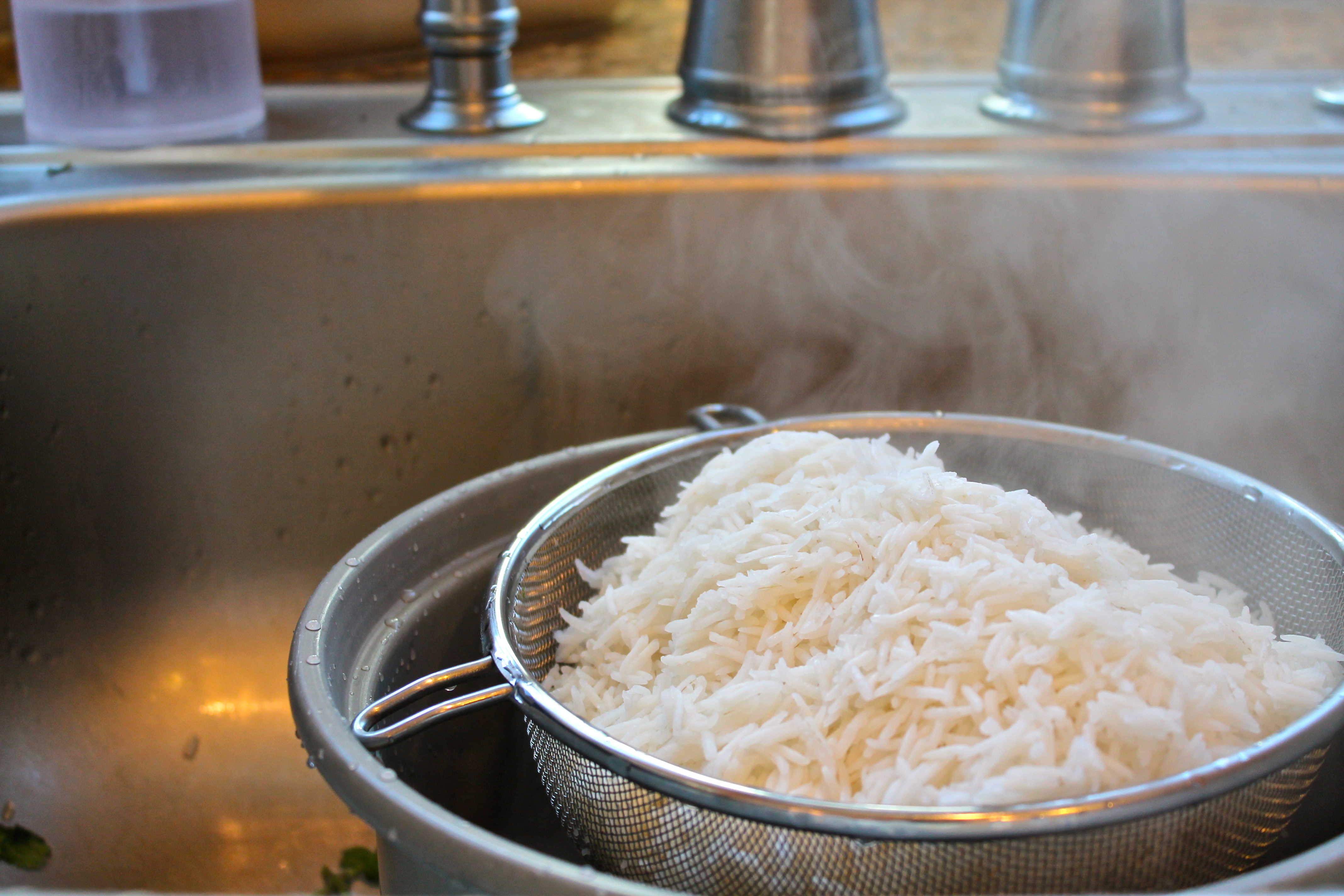
When the onions are cooking, precook the soaked rice.  Place about 8 cups of water in a large pot and bring to a boil.  Add the remaining 1 teaspoon of salt, and allow the water to come back up to a boil.  Sprinkle in the rice.  Allow rice to boil for 4 to 6 minutes, or until the rice is no longer brittle but still firm to the bite.  Drain in a colander and set aside.

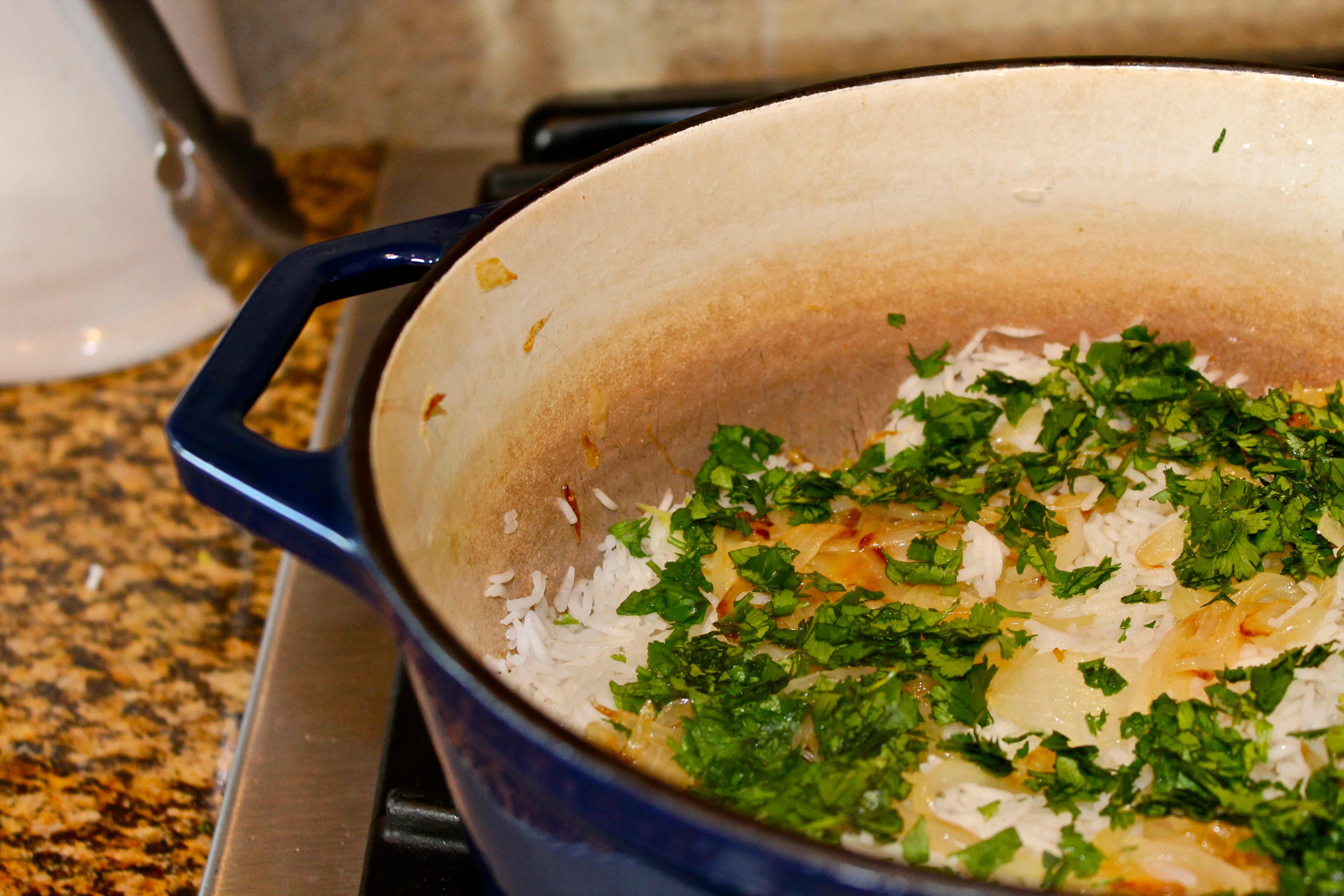
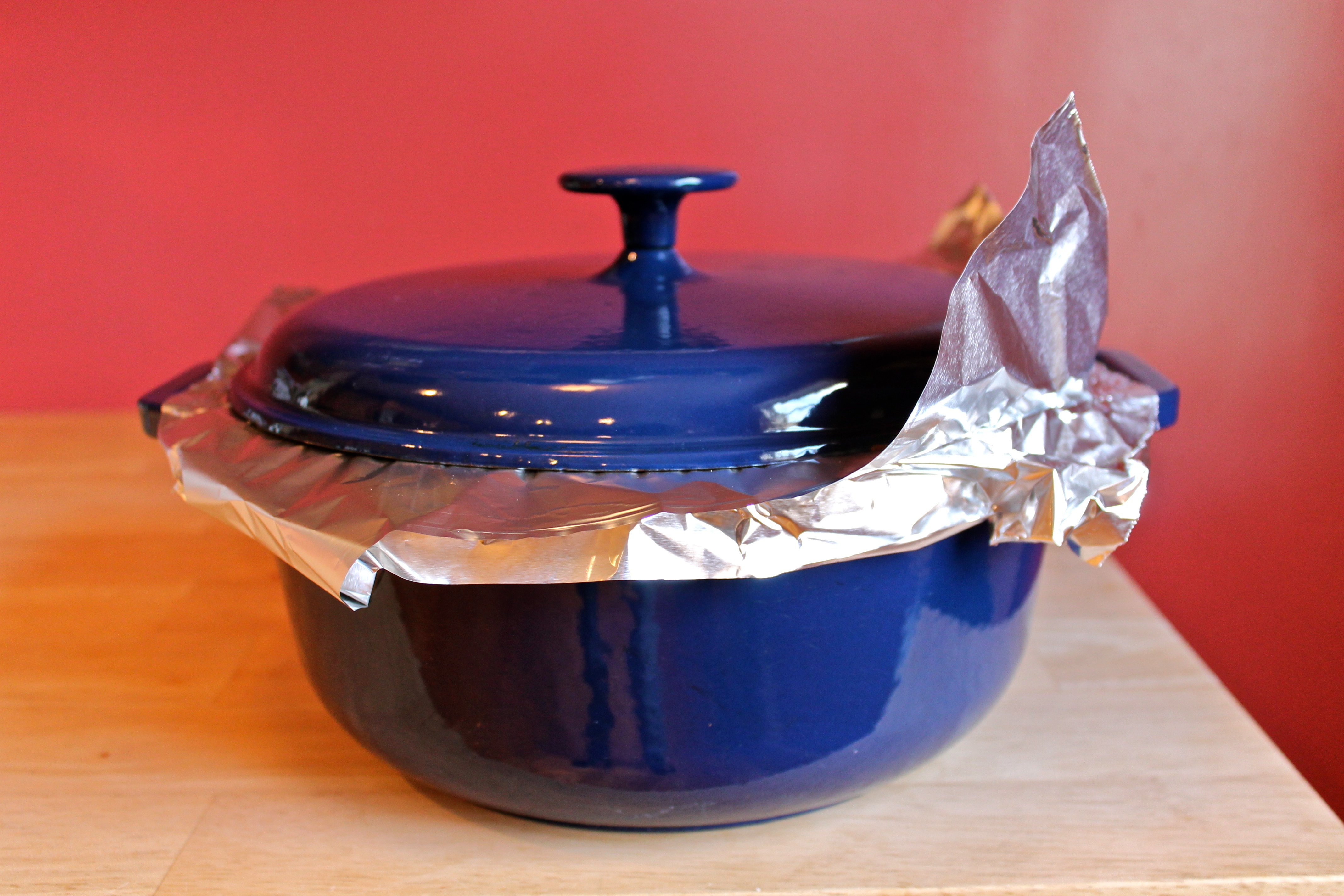
Place the heavy pot containing the oil over medium-high heat.  Distribute half of the chicken pieces over the bottom of the pot, then sprinkle on half the precooked rice.  Scatter half the cooked onions over the top, then sprinkle on half of the cilantro leaves.  Repeat with the remaining chicken, rice, onion, and cilantro.  Sprinkle on about 2 tablespoons of water, and drizzle on the reserved 2 tablespoons of oil.  Lay a sheet of aluminum foil over the top of the pot to cover it completely, then top with the lid.

Transfer the pot to the oven and bake for 1 hour.

Carefully remove the lid and the aluminum foil (the pot will emit a great deal of steam, so stand back and be careful to steer clear of the hot cloud).  Remove the biryani to a platter.  Scrape out the crusty layer of chicken and rice from the bottom of the pot, and lay it on top of the biryani.  Serve hot or warm.

Serves 6

Panko-Crusted Sole, a Dinner in 20 Minutes

17 Oct

Even though I work from home, there are still days when I find it inexplicably difficult to get dinner on the table at a reasonable hour.  Of course, you must realize that, having a child who wakes up at negative zero o’clock in the morning, we also have a child who must go to bed quite early in the evening, which means that our reasonable dinner time tends to occur at an hour when the only other people even considering a meal happen to be 80 years-old or, well, babies.

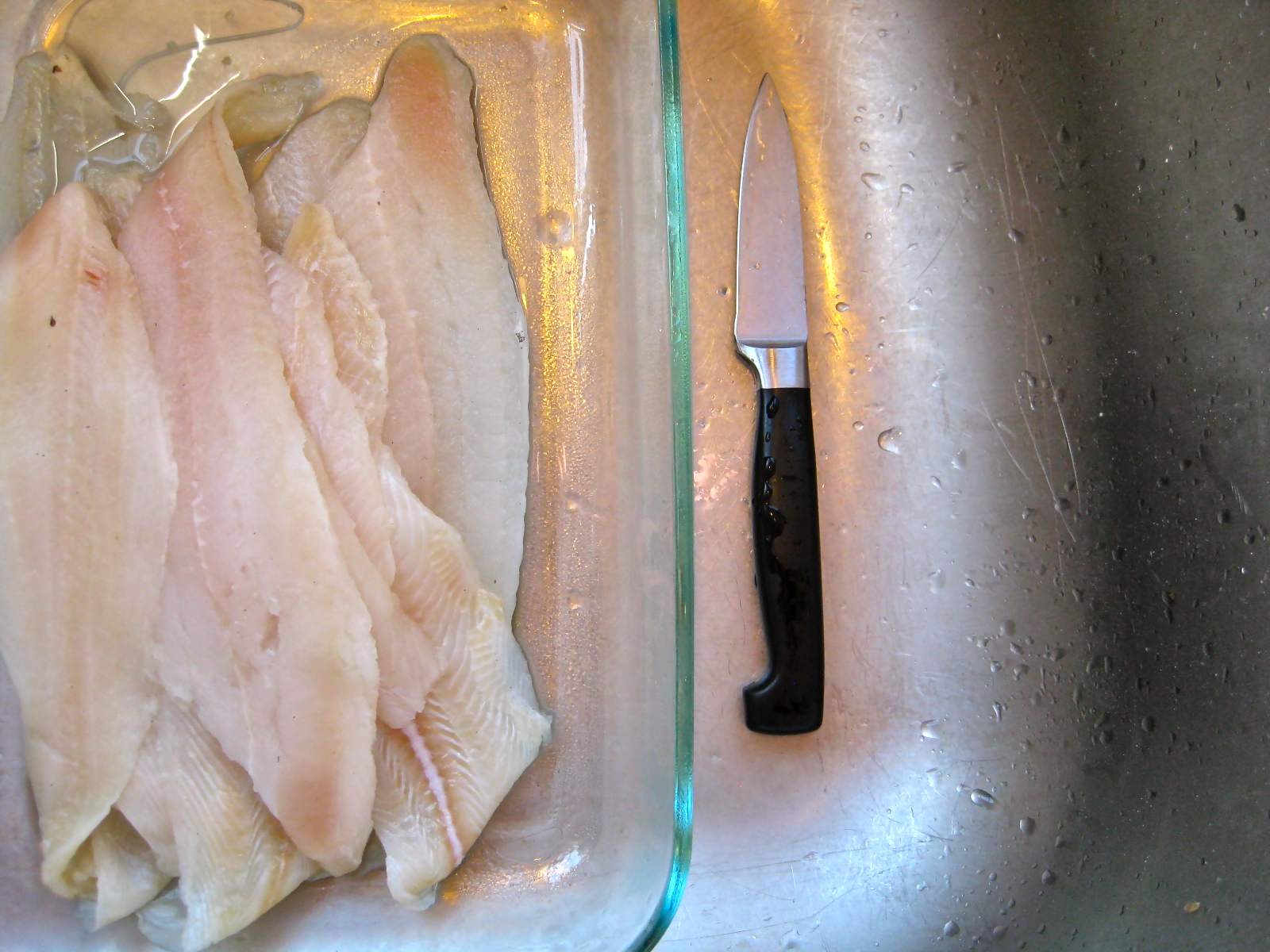
We are not, as you might have guessed, frozen pizza sort of people (and if you are a frozen pizza sort of person, please know that I hold no judgment against you), so when I need to get a meal on the table fast, I tend to look towards foods that are, on a basic level, fast cookers.  Sole, delicate as it is, falls wonderfully into this category.

You may think that because this meal appears to use a great deal of dishes that means it is complicated or fussy.  Not the case.  The majority of the dishes used are plain old dinner plates, which can be rinsed off and dried in seconds flat, or, even easier, simply thrown in the dishwasher.  There is no real measuring involved, and no special tools.  The fish cooks in one pan, and it cooks for quite literally just a minute on each side until it is done.  Cooking frozen fish sticks in an oven takes longer to prepare than this meal, and I guarantee you these sole fillets are about a thousand time better than any frozen fish stick you’ll ever meet.

Most convenient of all, however, is the fact that both kids and adults love this meal.  A crispy fillet of panko-crusted sole, slices of avocado, and carrot sticks is a well-appreciated meal for the 5-and-under set.  For a more adult-centric presentation, I place the sole fillets on a pile of greens, slice up some tomatoes and avocados, then drizzle on a simple vinaigrette (one part balsamic vinegar to two parts olive oil, whisked with a fork until thick and then seasoned with salt and pepper).  We’re sitting at the table in twenty minutes, tops.  The food, fresh and crunchy, disappears even faster.

Panko-Crusted Sole

1 pound thin sole fillets

roughly 1 ½ cups unbleached all-purpose flour

2 large eggs

about 2 cups panko bread crumbs

salt and pepper

olive oil

Set three large dinner plates in a row.  Put the flour on the first plate, and season the flour with a generous amount of salt and pepper.  On the second plate, beat the eggs, and put half of the panko on the third plate.

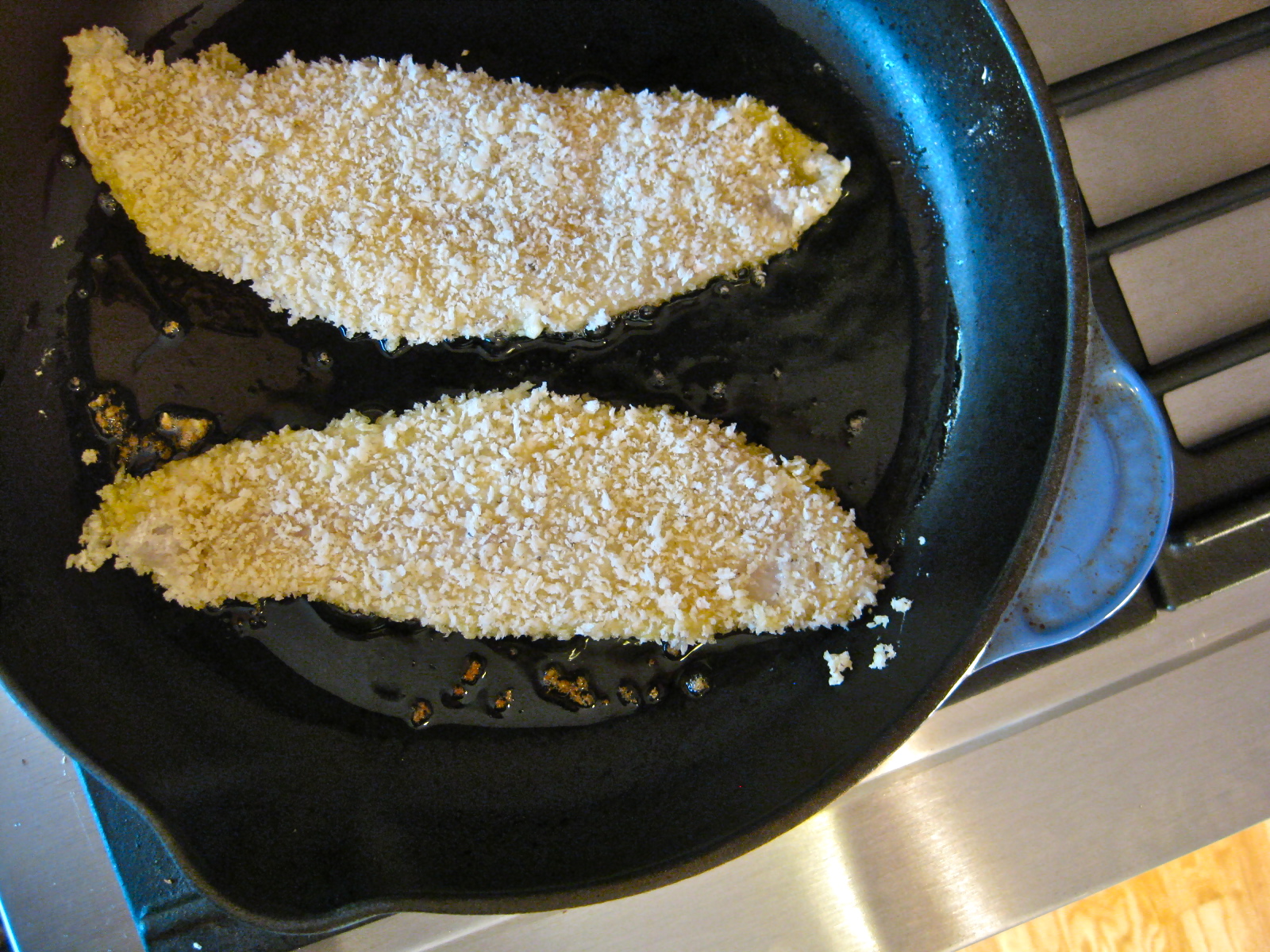
Heat a large skillet over medium heat (I use a cast iron skillet, but nonstick would also work).  Coat the pan with 1 tablespoon of olive oil (slightly more if you are using a very big pan) and heat until it is almost shimmering.  Take a sole fillet, lightly dip it on both sides in the plate of flour, shake off any excess flour, then wet both sides of the fillet in the beaten egg.  Dip both sides of the fillet in the panko, then place the coated filet in the hot pan.  The oil should be hot enough that your sole sizzles when it hits the pan, but you should not see any plumes of smoke.  Repeat with another fillet.  Depending on the size of your pan, you should be able to cook in batches of 2 or 3 fillets at once.  Cook each fillet for 1 minute on each side.  Sole is very delicate and thin, so it needs to cook for hardly any time at all until it is done.  Heat up one tablespoon more oil in between each batch.

If your cooking pan is littered with a lot of panko crumbs, wipe it out with a paper towel in between cooking each batch of fish, before you add more olive oil.  When you have used up most of the panko on the third plate, add the remainder of the panko to the plate and proceed (adding all the panko at once can sometimes cause it to clump after repeated fillet dippings).

When each sole fillet is done cooking, place it on a wire rack until you are ready to serve.

Serve sole with sliced vegetables, or on top of a salad, with lemon wedges for squeezing.