Archive | Potatoes RSS feed for this section

Niçoise Cobb Salad

2 Aug

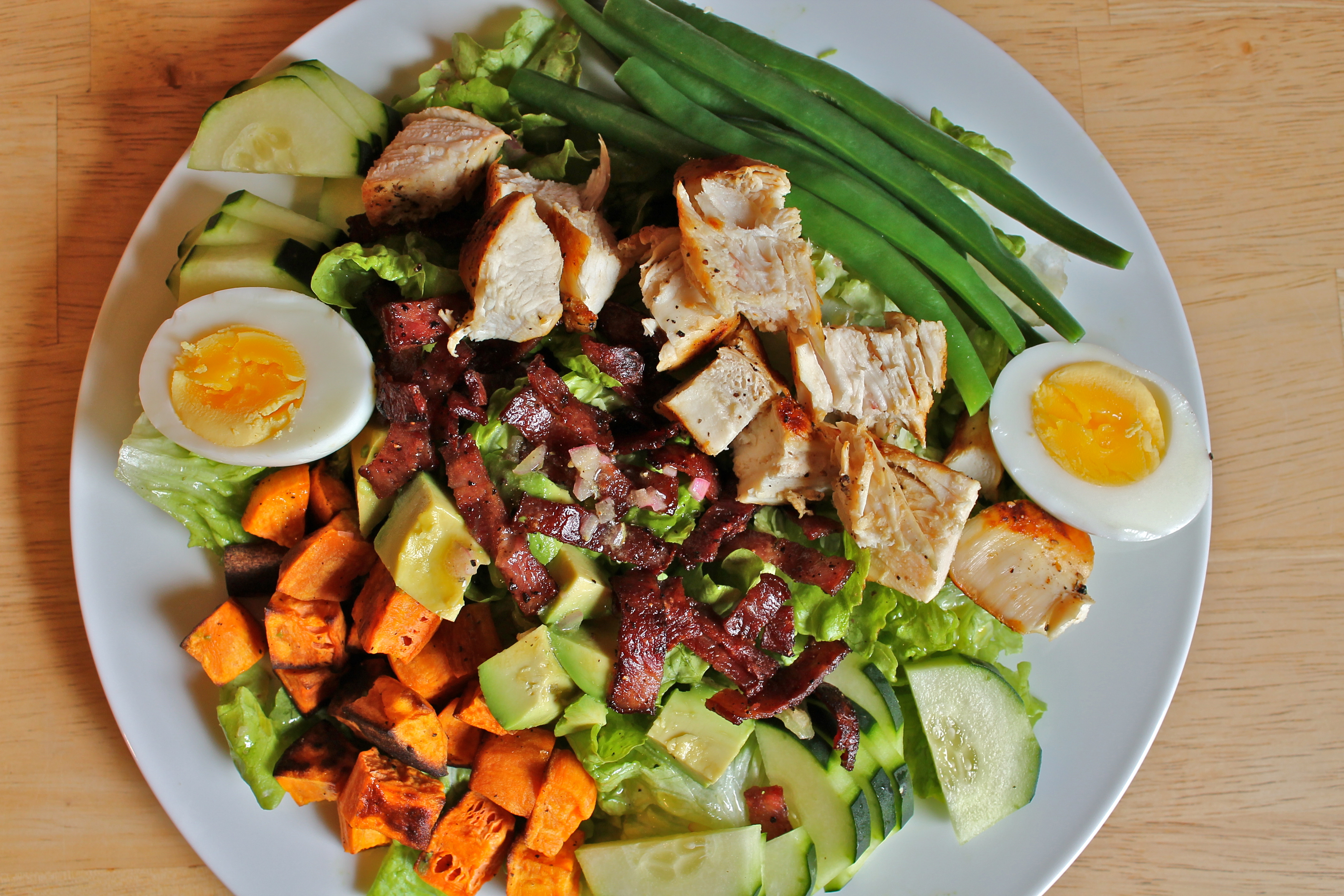
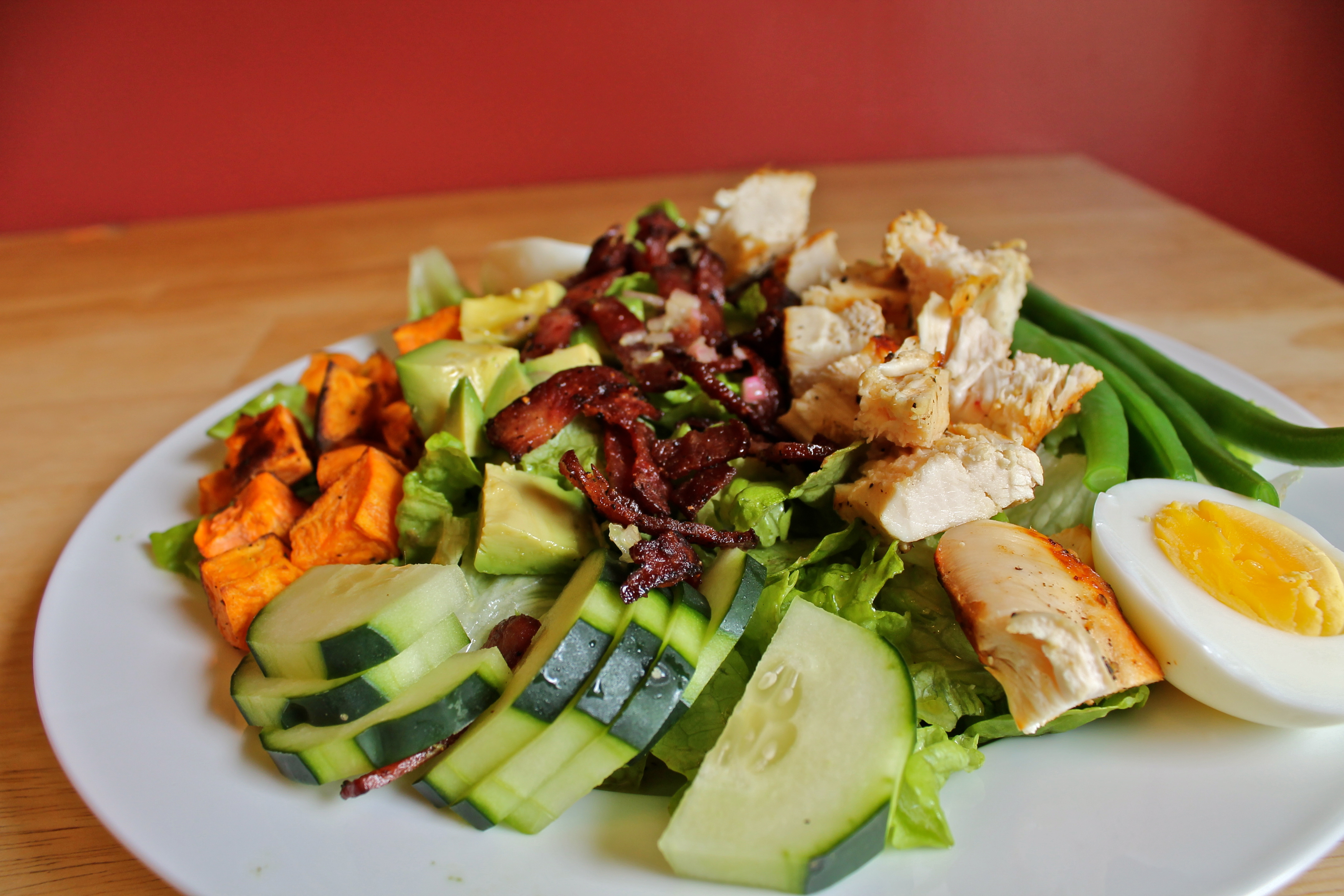
This is the type of salad that defies definition. It is also my favorite type of salad, boasting a variety of elements, tastes, and textures. Containing elements of both a Cobb salad and a Niçoise salad, it is the type of salad that, undoudtedly, some people will declare an unholy mess and then simply disregard. Those people are making a big mistake.
I’ve long been tempted by many elements in a classic Cobb salad, but there are a few things about it that temper my enthusiasm. One is the presence of blue cheese, a cheese that I enjoy in small amounts, but when paired with eggs, bacon, and avocado, seems to provide a bit of overkill. And now that I have mentioned it, I am no fan of bacon (I know, I know—this makes me wholly unqualified to talk about food, right? But there you have it). As for a Niçoise salad, I’m nearly always a fan, what with its high presence of crisp, textural vegetables and subtly tangy dressing, but my affection always seems to falter when the salad happens to be served with canned tuna, one of the few food items I can unrepentantly admit to absolutely detesting.
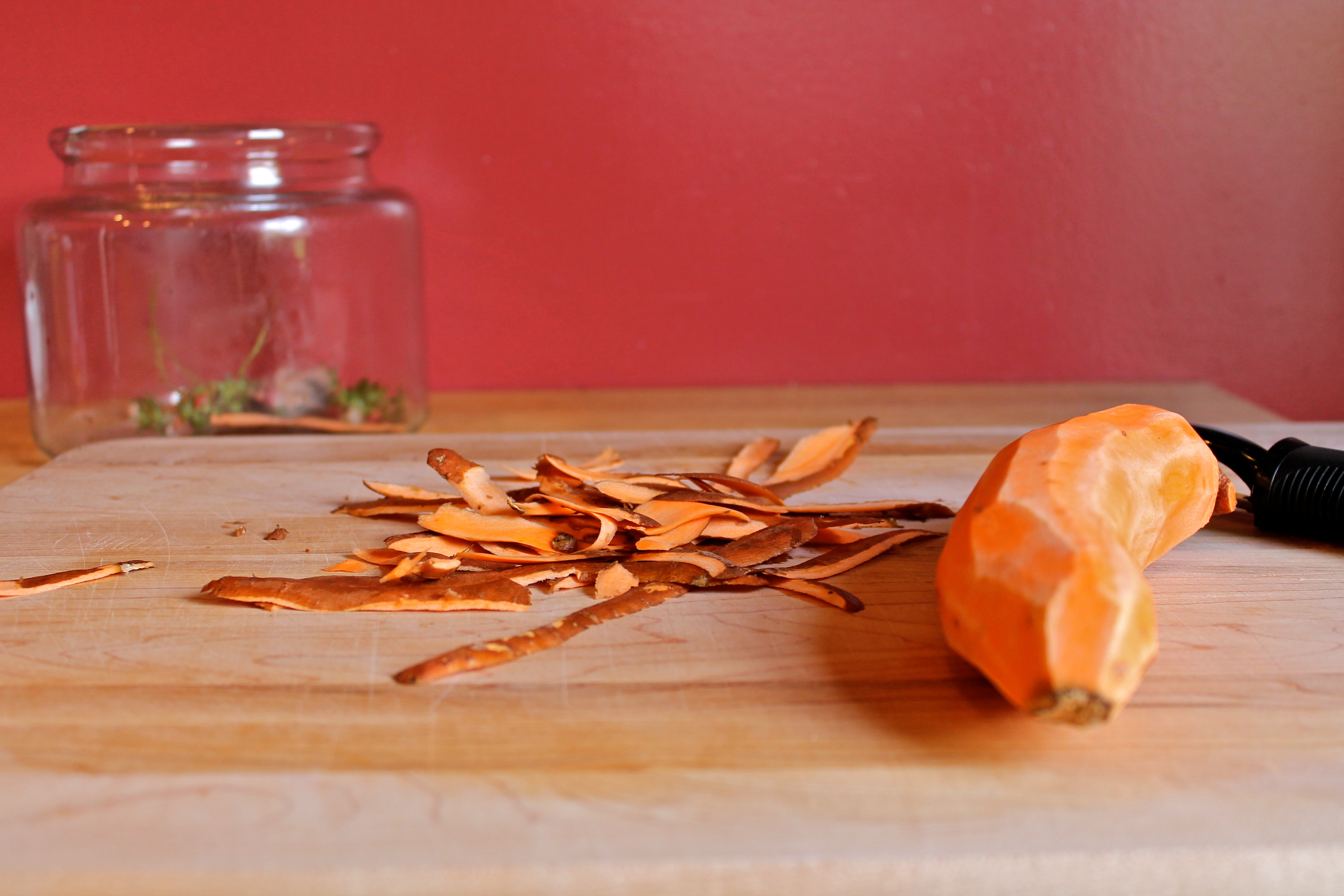
The only logical thing for me to do, of course, was merge the two salads together, along with a few unsanctioned ingredients that I thought seemed like a good fit. I’ve been on a big sweet potato kick lately (the dark, thick-skinned type that is often referred to as a yam), so when I was mentally constructing my hybrid salad, I knew I wanted to include a bit of sweet potato in lieu of the standard red potato often found in a Niçoise salad (except when it’s not, as some salad purists insist that a Niçoise salad must only contain raw vegetables). I also included cucumbers, because it’s tough to forgo their crisp coolness when constructing any type of salad, and since I was already bringing shame to the name of both salads, why not just keep going?
Culinary liberties in full effect, this salad came together wonderfully. The lemony shallot dressing provides a lovely balance to the creamy egg and avocado, and the piles of fresh vegetables just make everything seem so crisp and friendly. The best aspect of the salad, I think, just might be that, with its ratio of vegetables to protein, it makes a suitable, satisfying meal for both cold nights and warm afternoons. Totally inauthentic as it may be, it’s still awfully fantastic.
Niçoise Cobb Salad Recipe

Strictly speaking—though there is nothing really strict about this salad to begin with, it being a total deconstruction of two different salads—both a Niçoise salad and a Cobb salad include fresh tomatoes, but I didn’t have any lying around. Feel free to add some. You can also add some really nice, salty olives to the salad, as found in a classic Niçoise salad.

Dressing

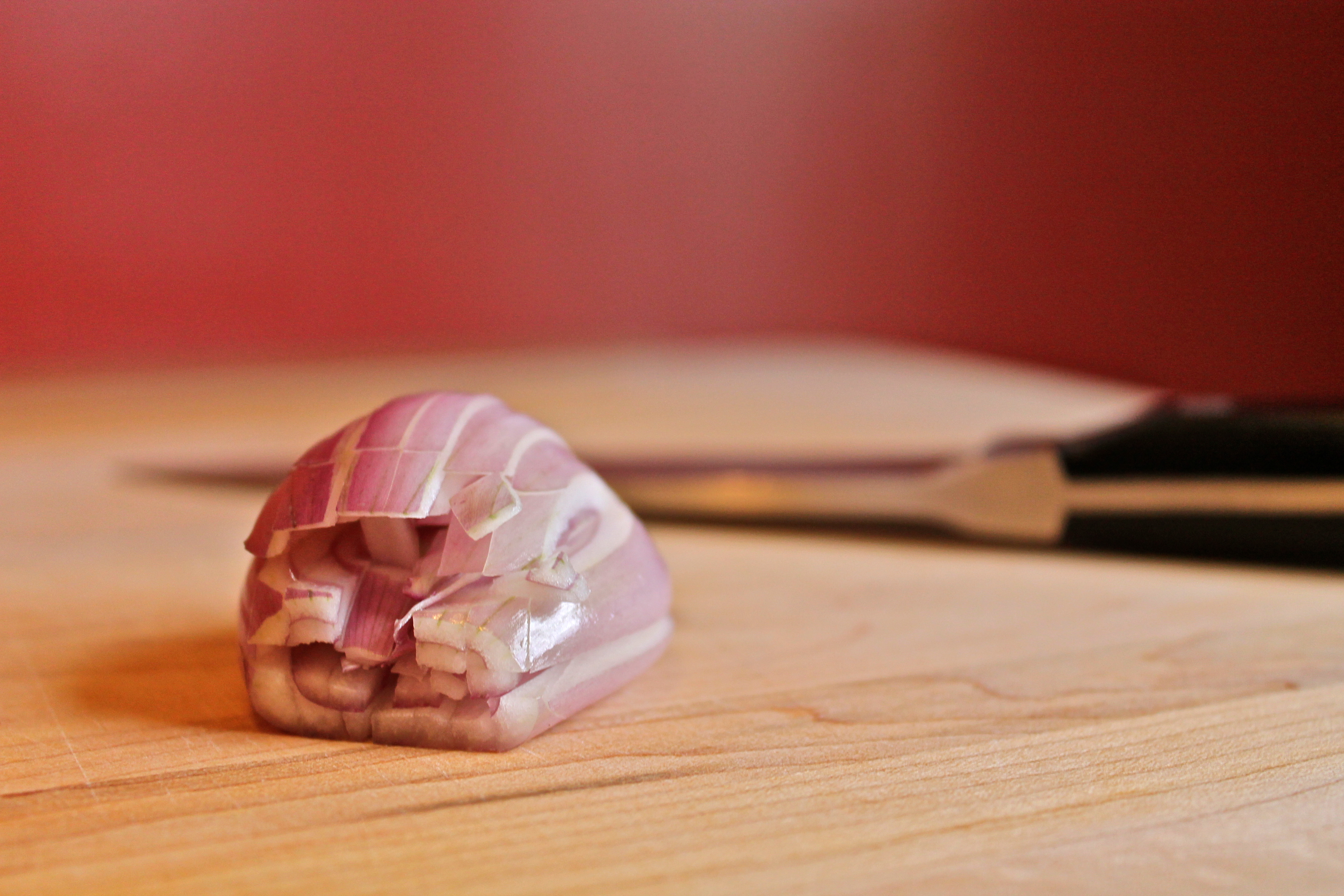
1 tablespoon finely minced shallot

1 tablespoon fresh lemon juice

1 tablespoon red wine vinegar

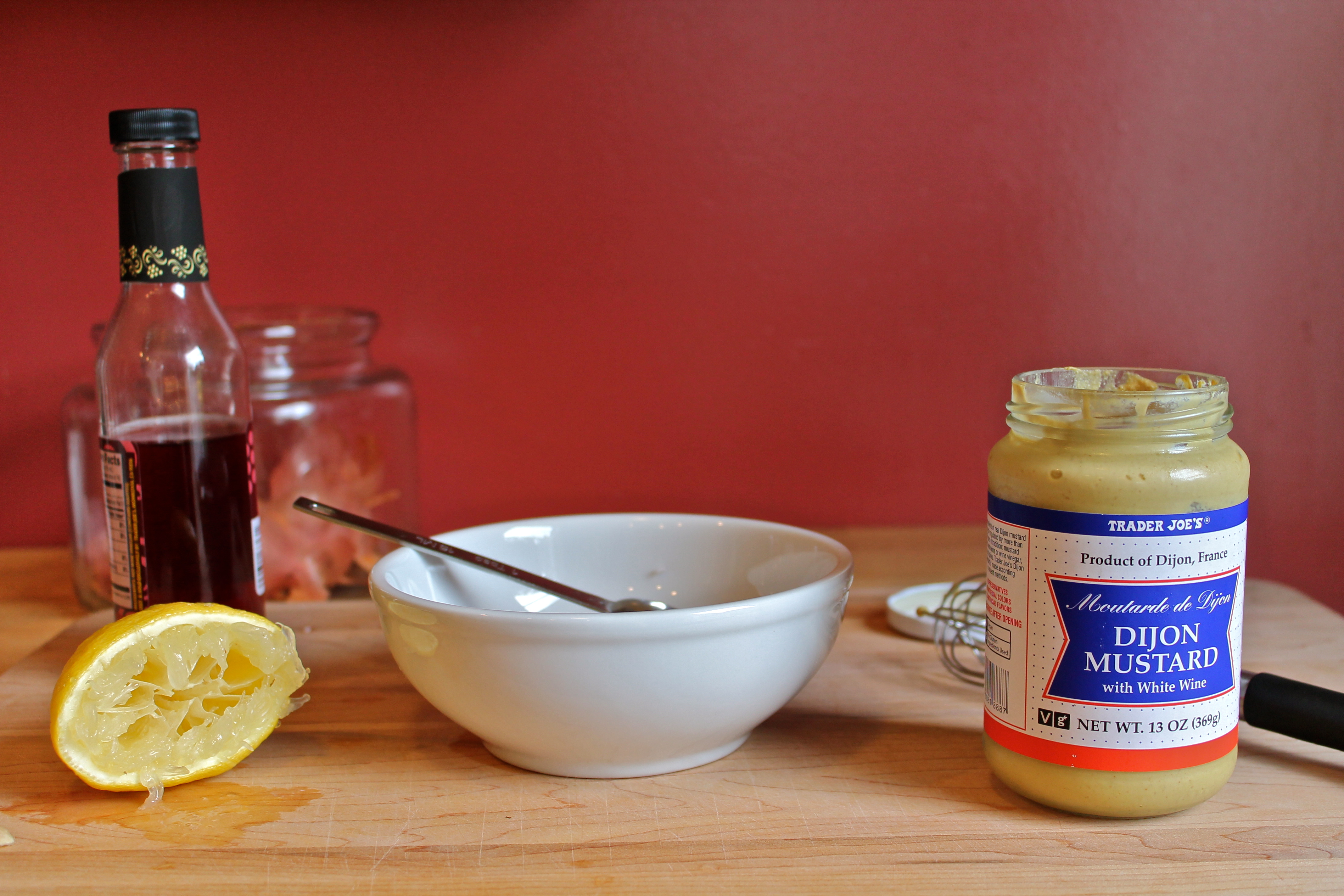
½ teaspoon Dijon mustard

½ teaspoon fresh chopped tarragon, or a pinch of dried tarragon

¼ cup extra virgin olive oil

salt and pepper to taste

Salad

1 medium sweet potato, peeled and cut into 1-inch cubes

1 tablespoon olive oil

salt and pepper

1 boneless, skinless chicken breast

2 large eggs

4 ounces turkey bacon or regular bacon

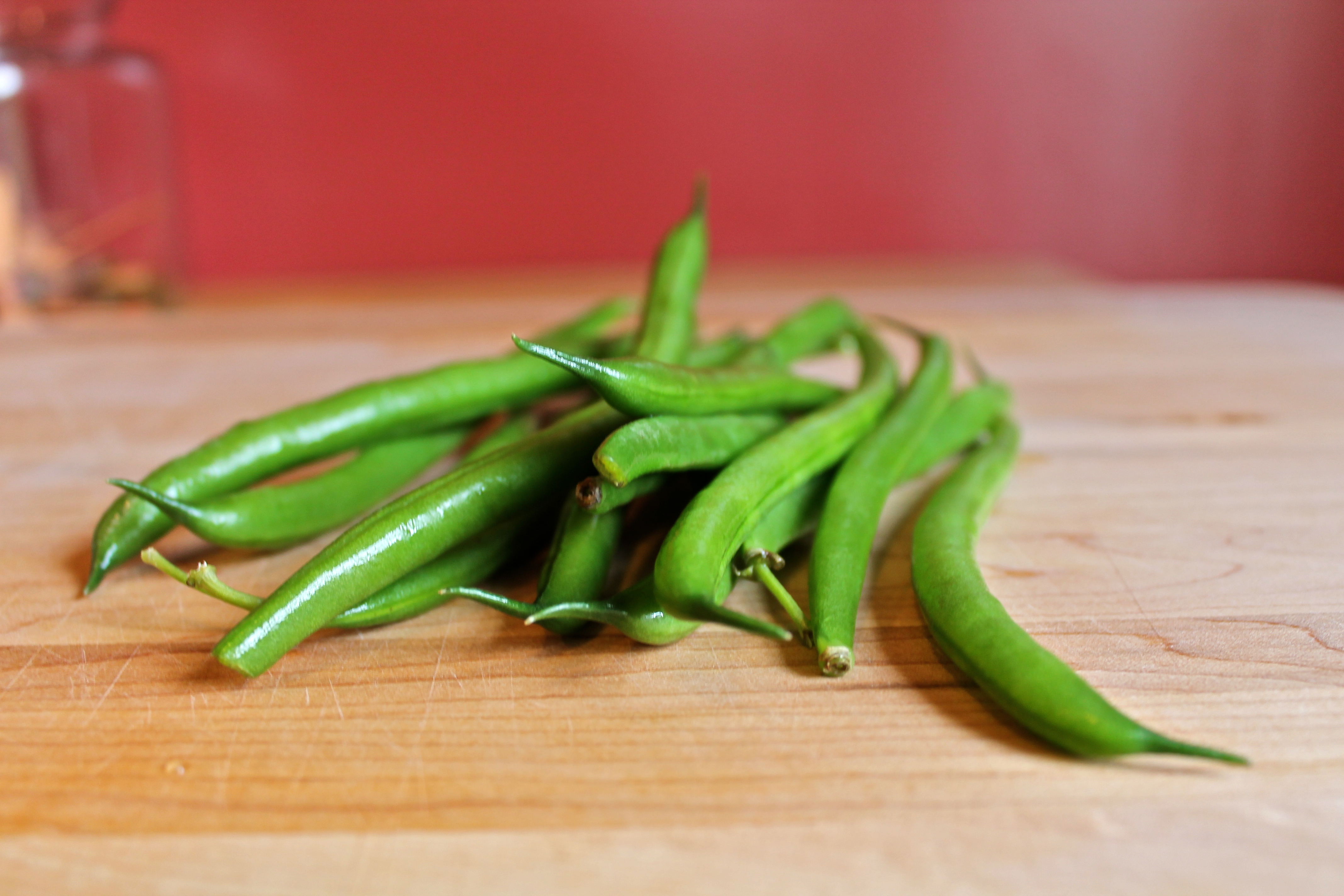
handful of fresh green beans, ends trimmed

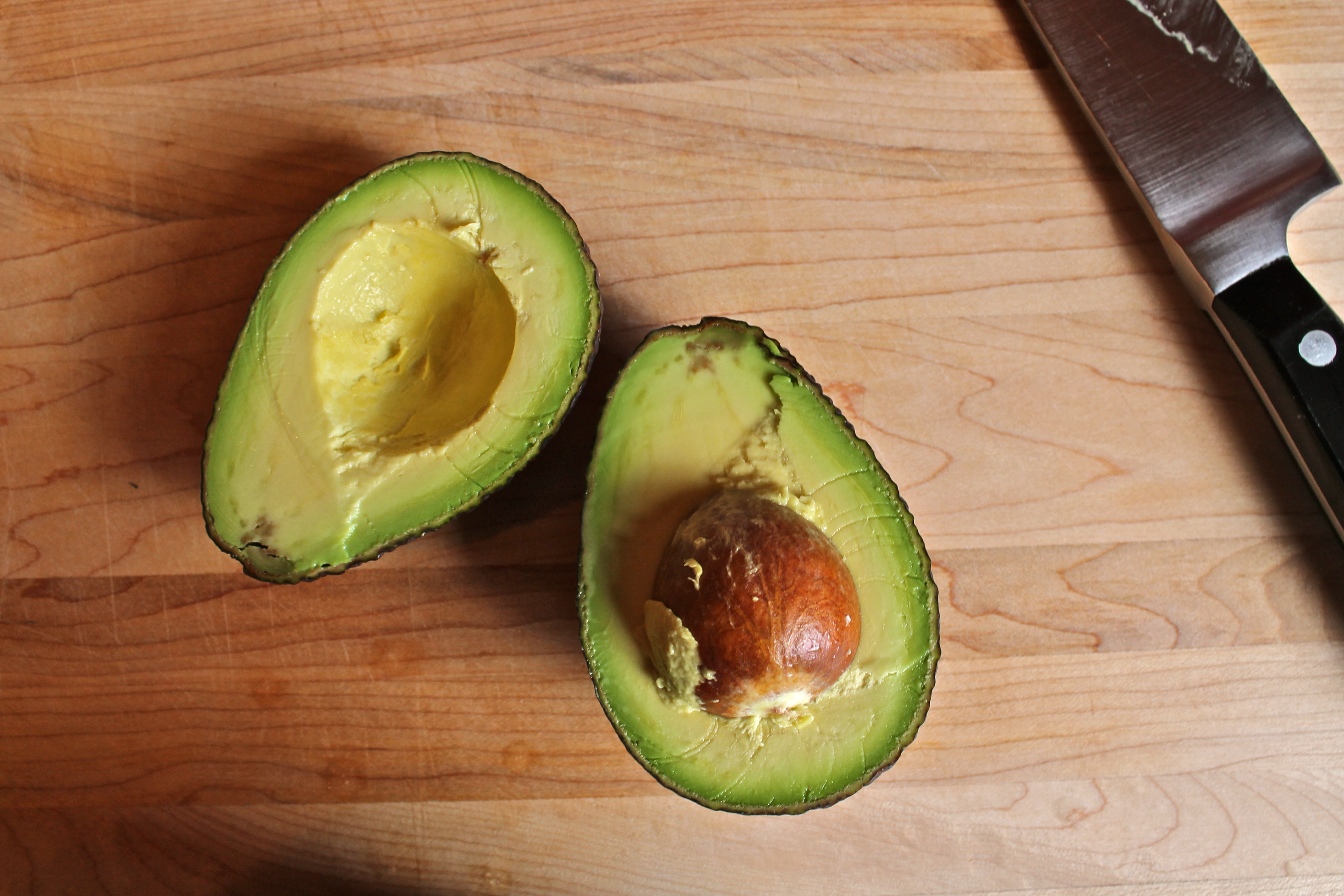
½ an avocado, peeled and sliced into cubes

½ a small cucumber, sliced into coins, then half moons

1 small head of Bibb lettuce leaves, or a similar type of tender lettuce (I used some Tom Thumb lettuce from our garden), rinsed and drained

Preheat oven to 400 degrees Fahrenheit.

On a heavy baking sheet, combine diced sweet potatoes, 1 tablespoon of olive oil, and salt and pepper to taste. Toss with your hands to evenly coat the potatoes with oil, then place in oven and roast for 20 minutes, until the potatoes are soft on the inside and caramelized underneath. Remove from oven and set aside to cool.

While the potatoes are roasting, season the chicken breast on both sides with salt and pepper, then grill over medium-high heat (an indoor grill pan is just fine for this) until cooked through, about 5-7 minutes per side. Remove from heat and set aside to cool a bit, then dice into cubes.

In a medium saucepan, place eggs in just enough water to cover them. Place pan over high heat until the water comes to a steady boil. Immediately remove pan from heat, cover, and allow eggs to cook in hot water for 10 minutes. After 10 minutes, remove eggs from pan and place in ice water to cool. When cool, peel then slice each egg in half lengthwise.

While eggs are cooking, cook turkey bacon or regular bacon until crisp, then remove them to a paper towel-lined plate to drain and cool a bit. When cool, crumble into medium-small pieces.

Drain the water from the saucepan in which you cooked the eggs, then refill with about 2 inches of water. Bring water to a boil over high heat, then add green beans and boil rapidly for 2 minutes, until the beans are crisp-tender. Drain immediately and rinse under very cold water.

To make the dressing, combine all ingredients in a medium bowl and whisk together until thoroughly emulsified and quite thick.

To assemble plates of salad, divide half of the lettuce leaves amongst two plates. Divide and arrange half of the sweet potatoes, chicken, eggs, turkey bacon, green beans, avocado, and cucumber on top of the lettuce leaves on each plate. You can arrange everything in neat rows, as in a Cobb salad, or you can place things in individual piles around the lettuce, as in a Niçoise salad. You can also just dump everything on top and call it good. Drizzle salads with dressing.

Makes 2 large salads. You can also divide the recipe amongst 4 plates for lighter servings of salad.

Vegetable Biryani, or What to Make When Your Kid Decides to Become a Vegetarian

4 Jun

Remember when I said that I was done with my frenzy of Indian food posts?  That Indian Food Week-Plus had drawn to a close?  Well, it turns out that I wasn’t being entirely truthful.  My duplicitousness was not purposeful, I promise.  I was all set to close the door on this cooking run of mine until my friend Mike, one of the most dedicated dads I know, who also happens to be one of the most dedicated carnivores I know, happened to mention that his daughter had decided to become a vegetarian.

Upon hearing that this young lady was weighing a switch to vegetarianism, the vegetarian-centric cooking node in my mind went into overdrive.  I was a vegetarian for most of my life, and many of those years were spent in the company of people who weren’t familiar with, and didn’t care to be familiar with, a balanced vegetarian diet.  As a result, I became what one might call a little bit slack in my own eating habits, and spent the better part of five or six years constructing my meals around a basic principle of cheese + carbs = not hungry anymore.  Obviously, it was not the healthiest thing I could have done, but since I never became lethargic from hunger or developed scurvy, I assumed, at the time, that whatever I was doing was fine.

Maybe it was, for a time, but, in the long term, that’s just no way to live.  Food, no matter if it contains meat or not, should be an experience that provides you with something more than just nourishment.  Food can be an adventure, a chance to learn, an opportunity for discovery, and when you’ve decided to make a huge change in the structure of your diet, there is no better time to start seeking out new frontiers in food and cooking.  And when you’re going vegetarian, there is no better place to focus than India.  I’ve written about this before, but one of the most notable things about Indian vegetarian cuisine is the fact that when food is made to focus on things other than meat, there is never a sense of something being missing.  There is no effort to make up for a lack of meat, and thus your experience eating a truly fine vegetarian meal is one of satisfaction and comfort rather than of substitution.

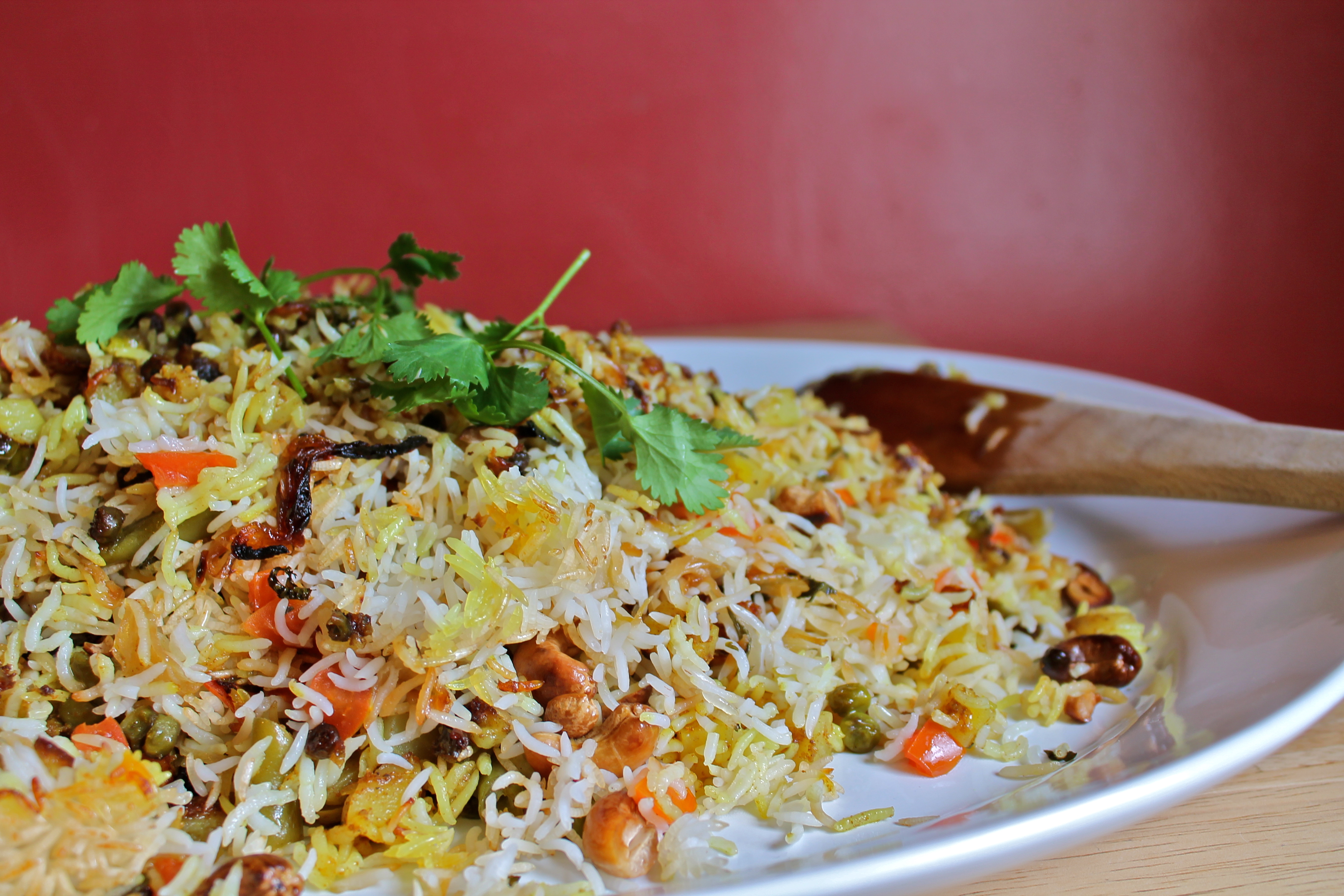
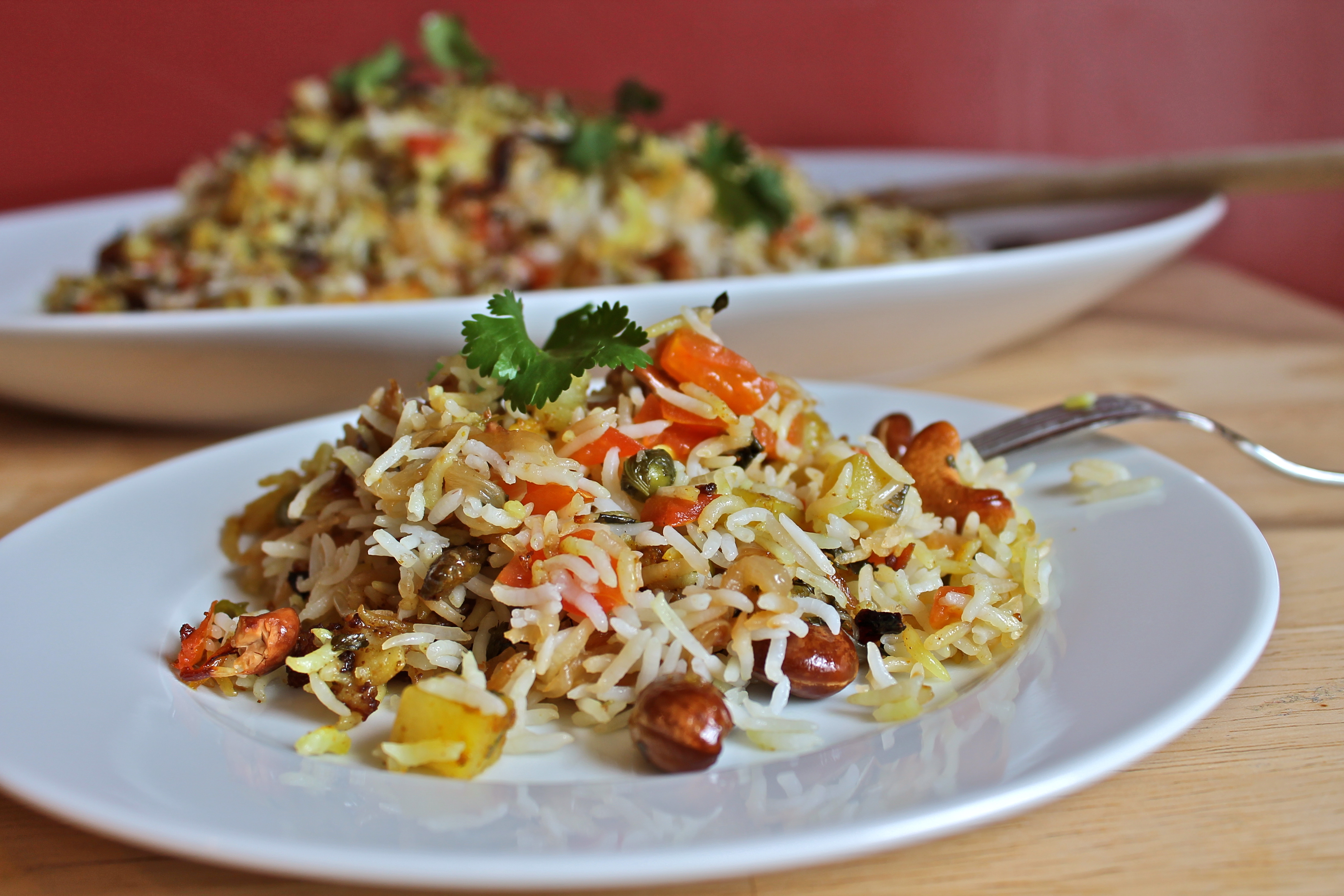
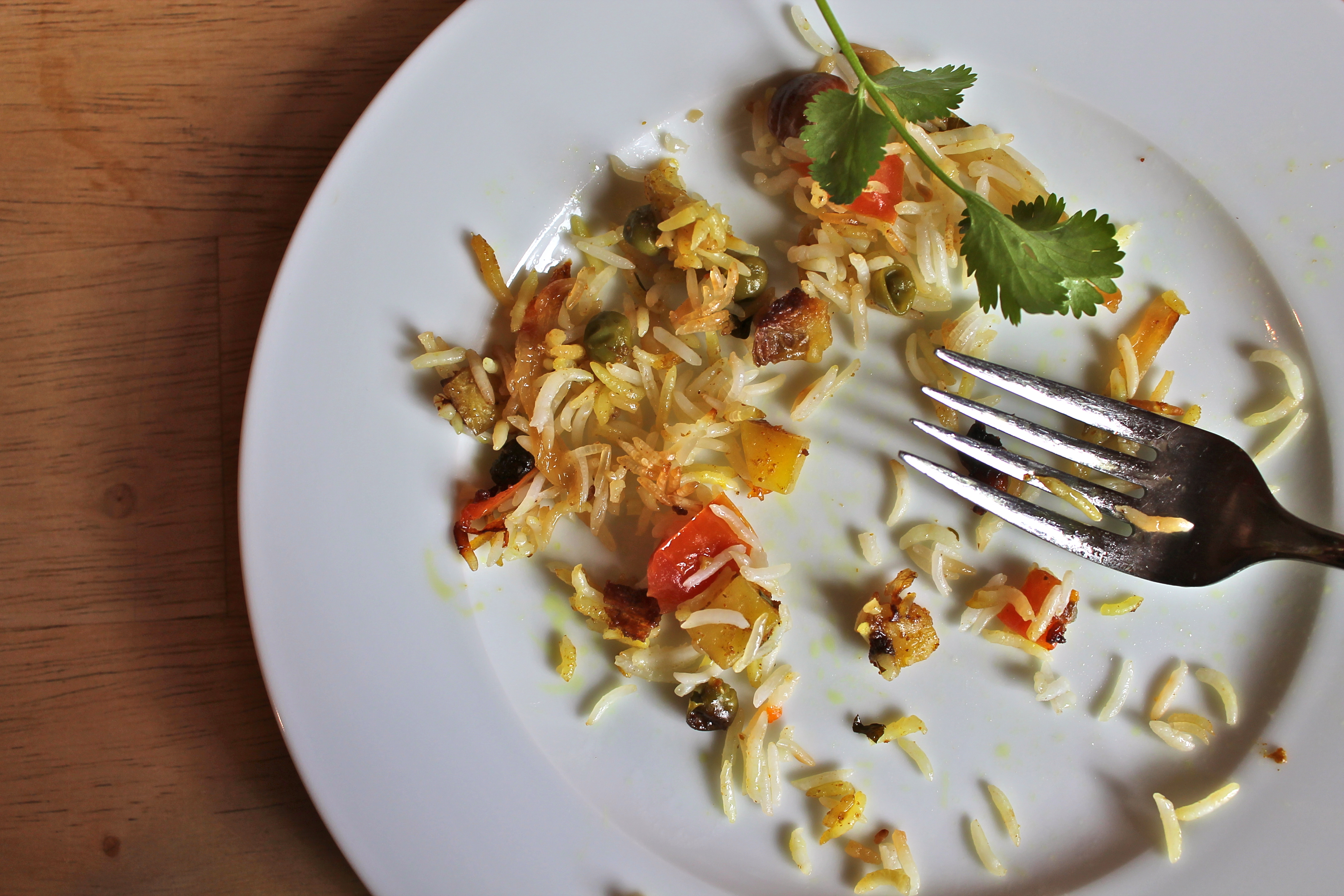
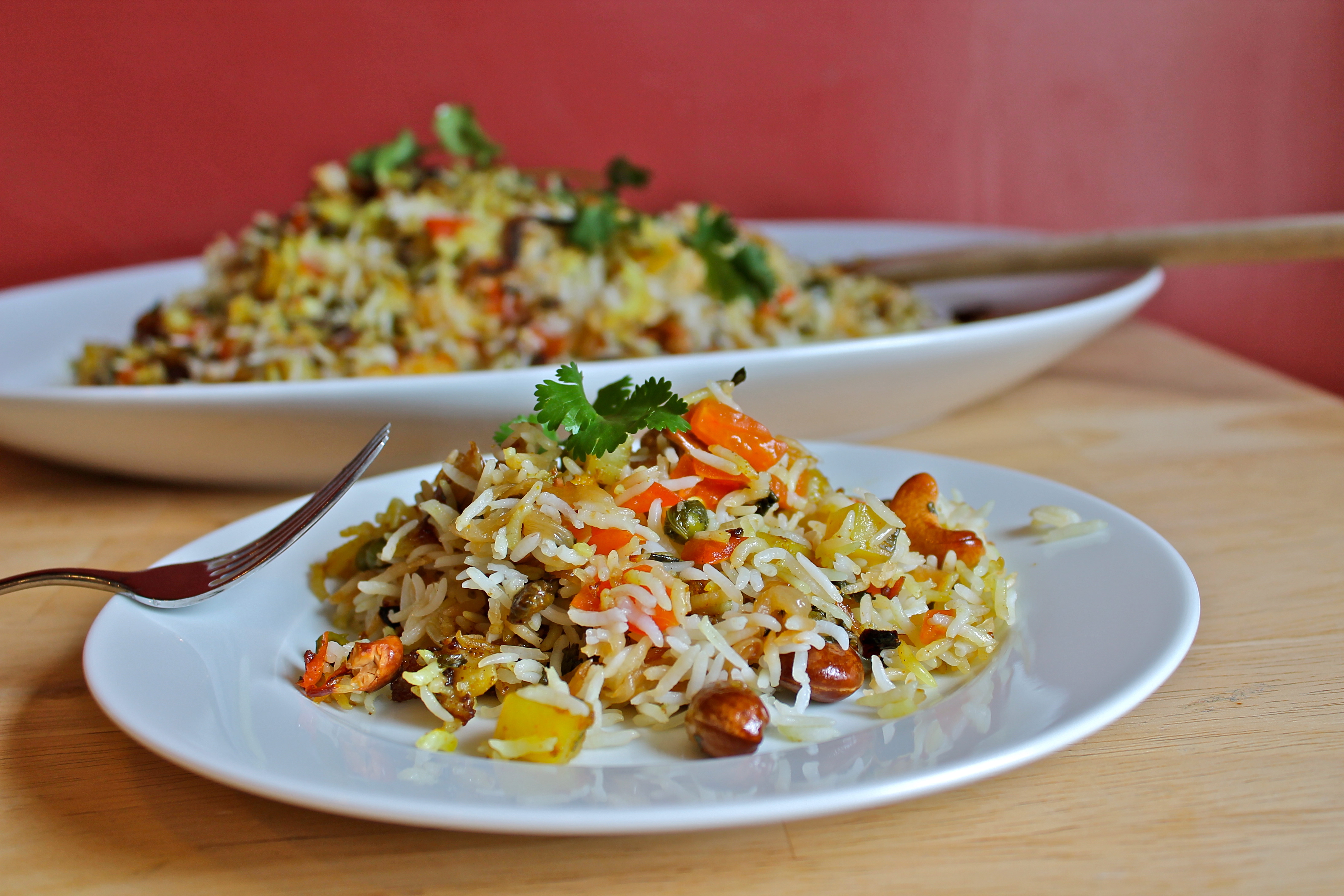
Thus, it is rather ironic that when I wanted to develop a great Indian dish for Mike’s daughter to try out, it ended up being based on a favorite chicken dish.  However, personal contradictions aside, this really is a phenomenal meal for anyone looking to develop a nice repertoire of vegetarian meals.  The perfect blend of spices adapts well to any vegetables you choose to include, and if you throw in a cup of cooked chickpeas to accompany the toasted cashews, you’ve got a one pot rice dish that also happens to be a source of complete protein.  Not that you have to utilize the old battering ram of healthfulness in order to get people to eat this.  I made this biryani last night, and, at the evening’s end, three people (two adults, one kindergartener) had eaten nearly every last grain.  With its mix of savory Indian flavors and perfectly roasted vegetables, I think your greatest challenge with this dish is making sure there is enough to go around.

Last Year: Six Threes Ice Cream

Dozens more vegetarian recipes can be found right here in the archives.

Vegetable Biryani Recipe

Heavily adapted from a non-vegetarian recipe in Mangoes and Curry Leaves

3 large cloves of garlic, grated finely (you want to end up with about 2 teaspoons total)

1 teaspoon finely grated fresh ginger

1 large Yukon gold potato, or 1 medium russet potato, diced into ¼-inch cubes

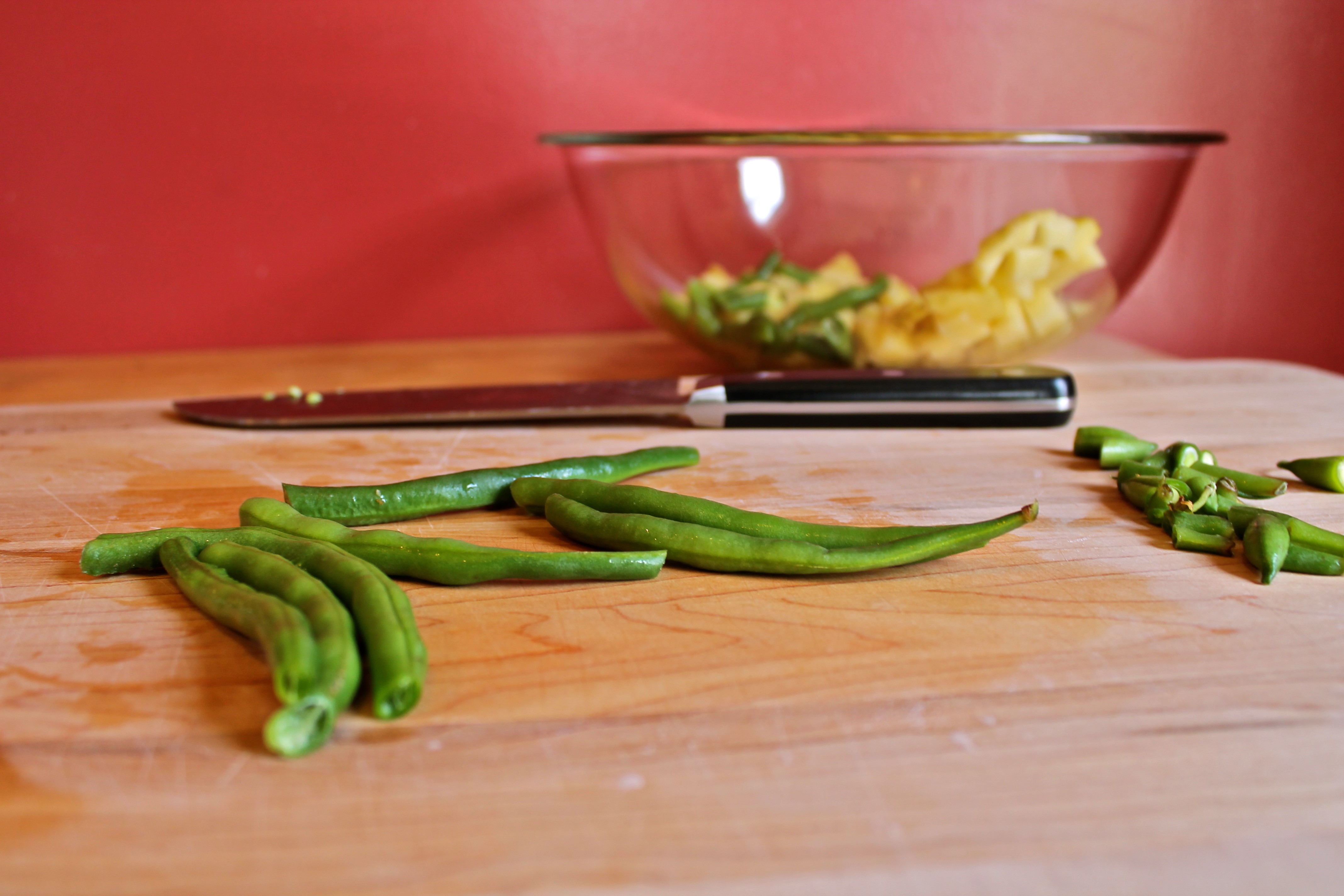
about 12 fresh green beans, chopped into 1-inch pieces (you should end up with ½ cup pieces)

½ cup frozen peas

1 ½ teaspoons ground coriander

½ teaspoon cayenne

¼ teaspoon turmeric

¼ teaspoon garam masala

2 teaspoons salt

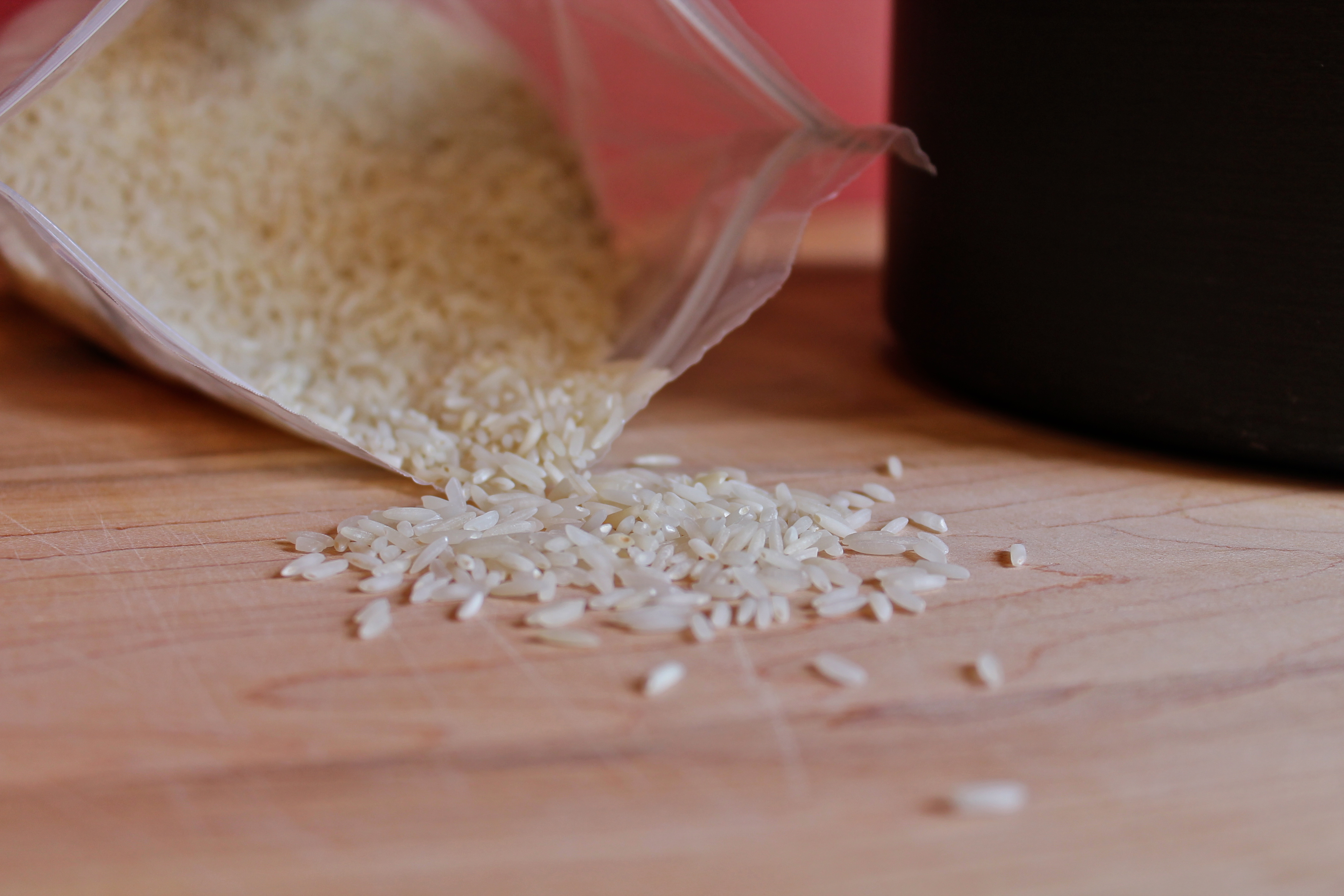
2 cups basmati rice

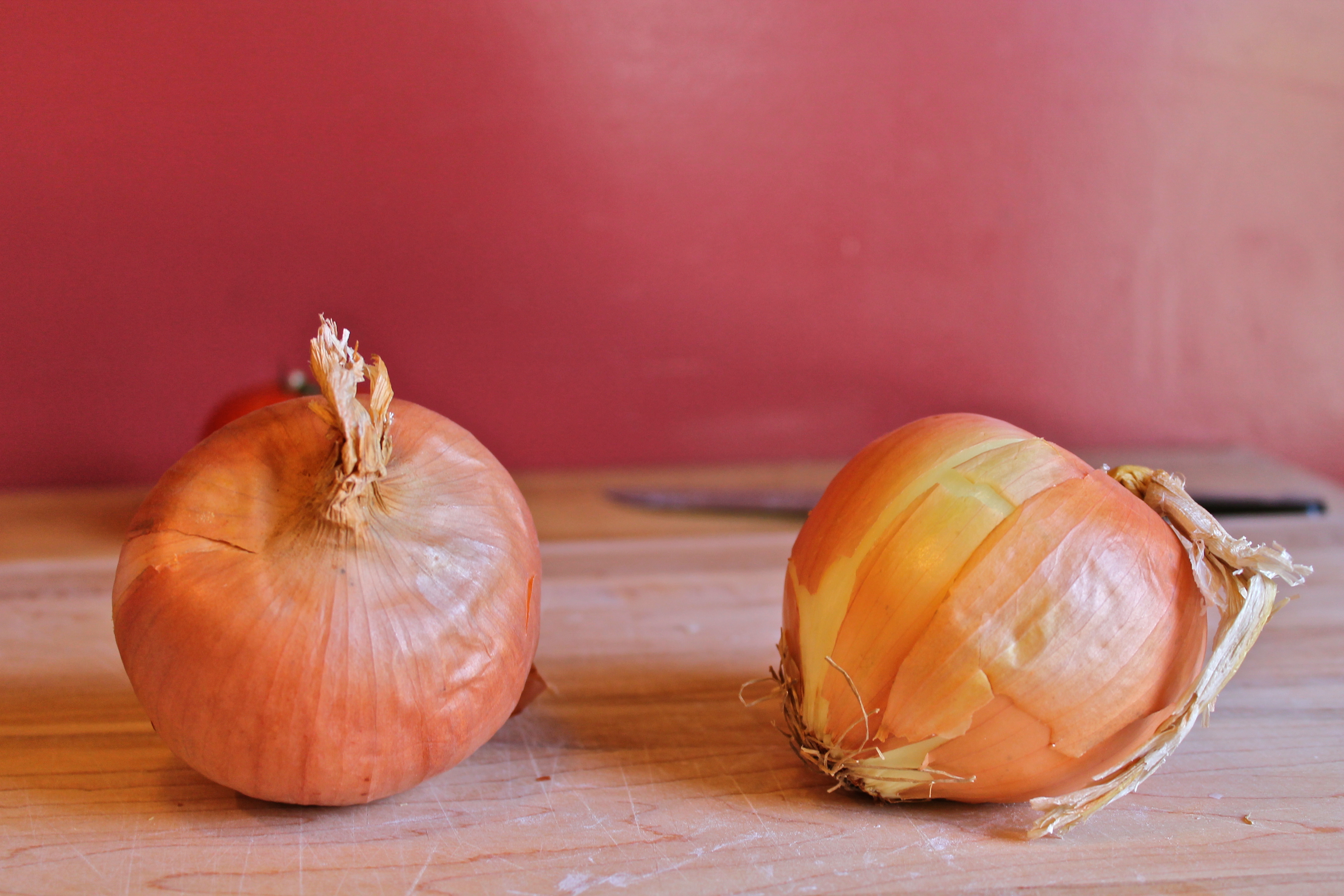
3 medium-large onions (about 1 pound)

½ cup vegetable oil

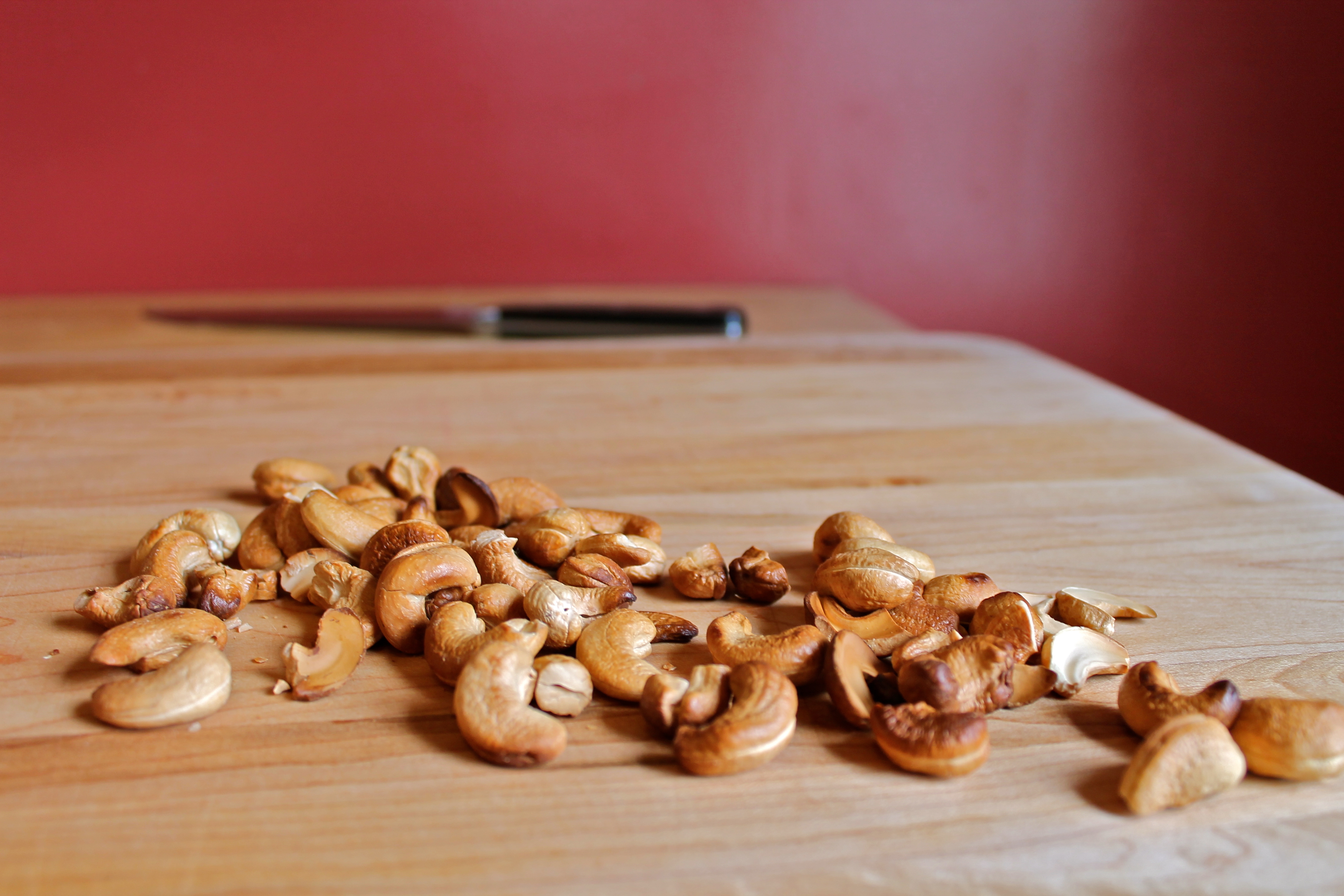
½ cup lightly toasted, unsalted cashews

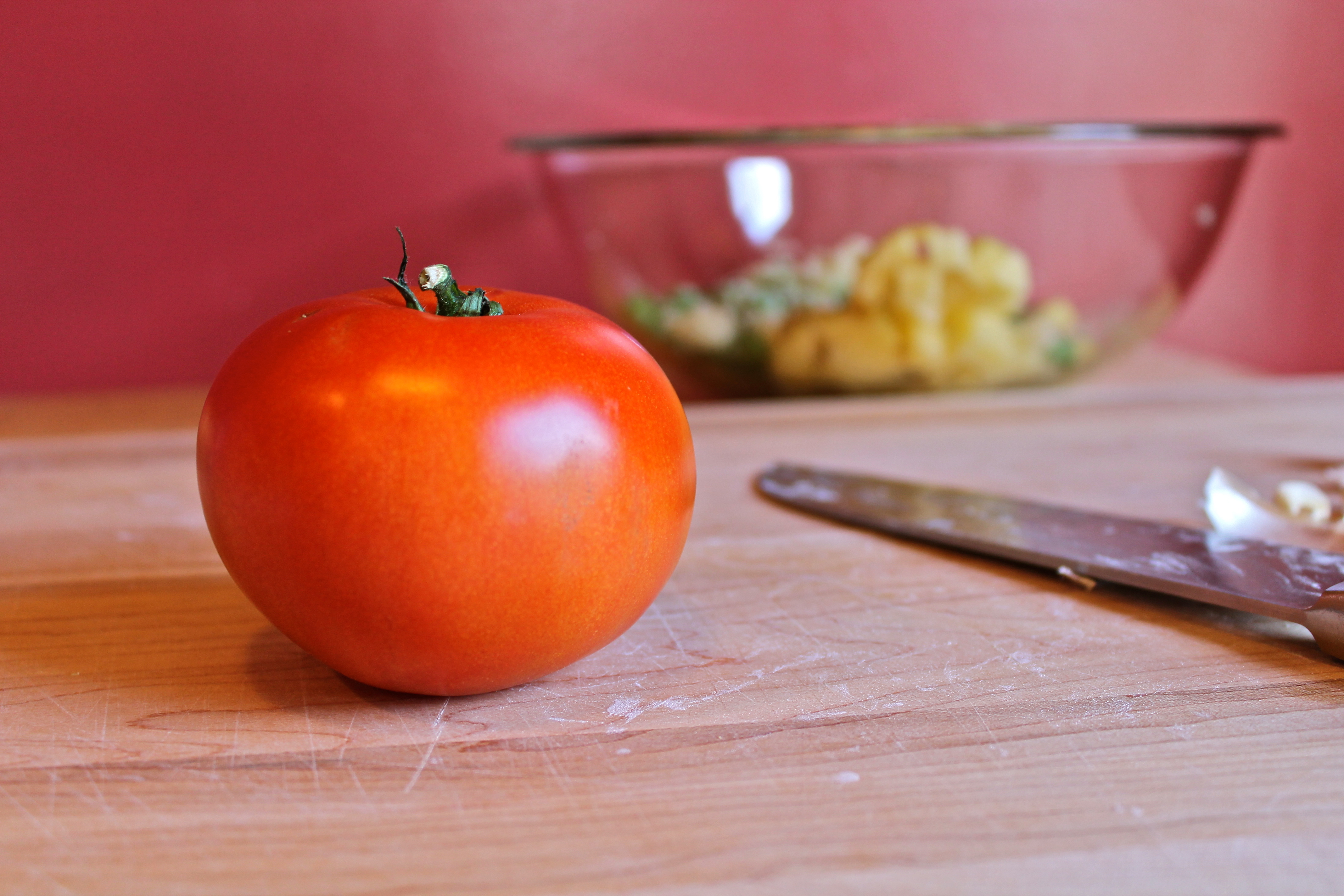
1 large tomato, diced into ½-inch pieces

1 cup minced cilantro leaves

2 tablespoons of water

About 1 hour before you want to serve the dish, place a rack in the center of the oven and preheat to 375 degrees Fahrenheit.

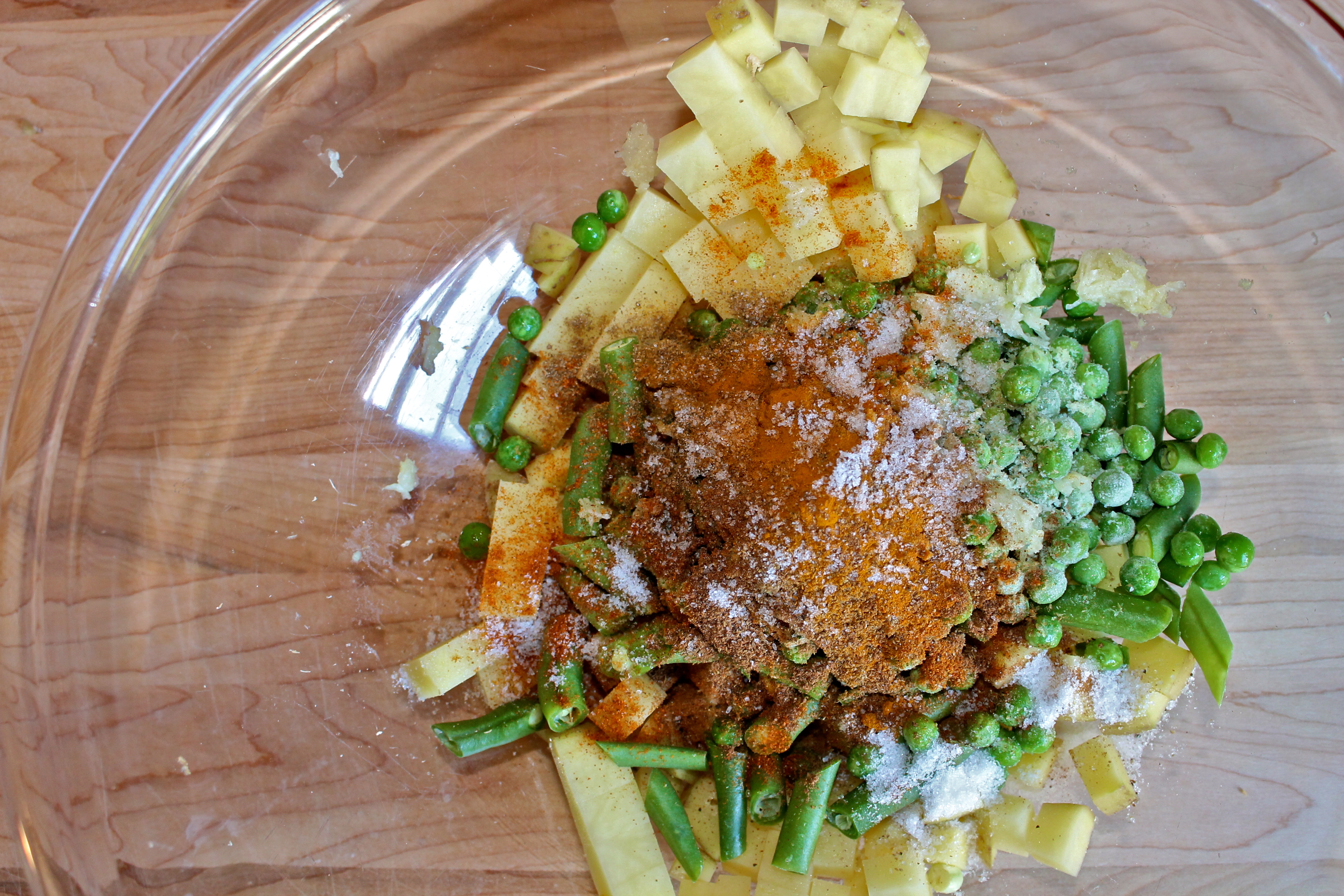
In a large bowl, combine the grated garlic and ginger, then mash together using the back of a spoon.  Add the diced potatoes, sliced green beans, and peas to the bowl with the garlic and ginger.  Add the coriander, cayenne, turmeric, garam masala, and 1 teaspoon of the salt.  Stir to mix until everything is combined, then cover with plastic wrap and allow vegetables to marinate while you prepare the other ingredients.

While the vegetables are marinating, rinse the rice in several changes of cold water.  Place in a bowl, cover with water, and allow to soak for about half an hour.

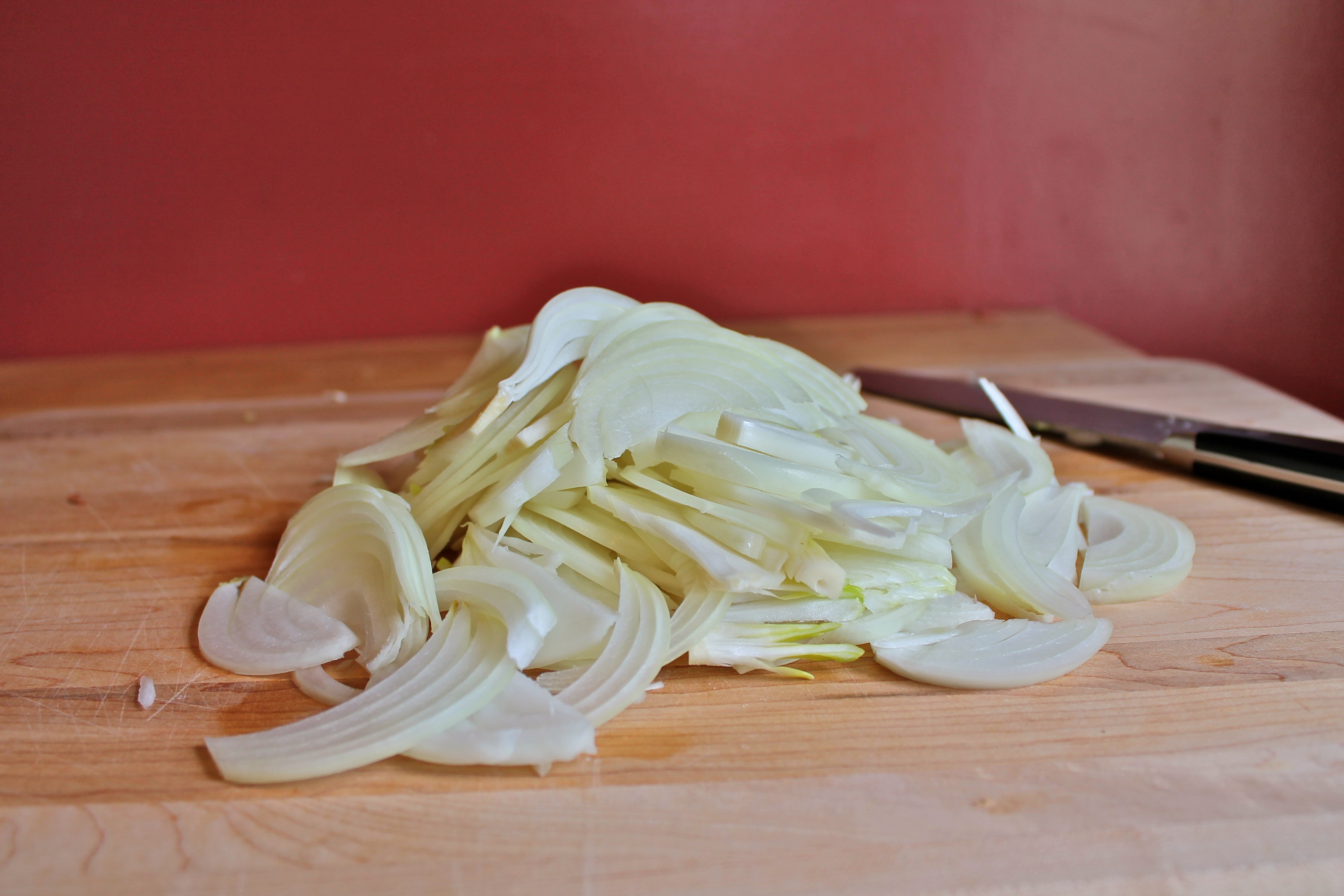
Slice the onions as fine as possible.  You will want about 3 cups of sliced onions.  Place a large heavy ovenproof pot with a tight-fitting lid over medium-high heat.  Add the oil and, when it is hot, add the onions.  Lower the heat to medium.  Cook until the onions are very soft, wilted, and just touched with golden brown, 12 to 15 minutes.  Lift the onions out of the hot oil and set aside.  There should be a little over ¼ cup of oil left in the pot.  Remove 2 tablespoons of oil from the pot and set aside for later.

When the onions are cooking, precook the soaked rice.  Place about 8 cups of water in a large pot and bring to a boil.  Add the remaining 1 teaspoon of salt, and allow the water to come back up to a boil.  Sprinkle in the rice.  Allow rice to boil for 4 to 6 minutes, or until the rice is no longer brittle but still firm to the bite.  Drain in a colander and set aside.

Place the heavy pot containing the oil over medium-high heat.  Distribute half of the marinated vegetables over the bottom of the pot, then sprinkle on half the precooked rice.  Scatter half the cooked onions over the top, then sprinkle on half of the diced tomato, half of the cashews, and half of the cilantro leaves.  Repeat with the remaining marinated vegetables, rice, onion, tomato, cashews, and cilantro.  Sprinkle on about 2 tablespoons of water, and drizzle on the reserved 2 tablespoons of oil.  Lay a sheet of aluminum foil over the top of the pot to cover it completely, then top with the lid.

Transfer the pot to the oven and bake for 1 hour.

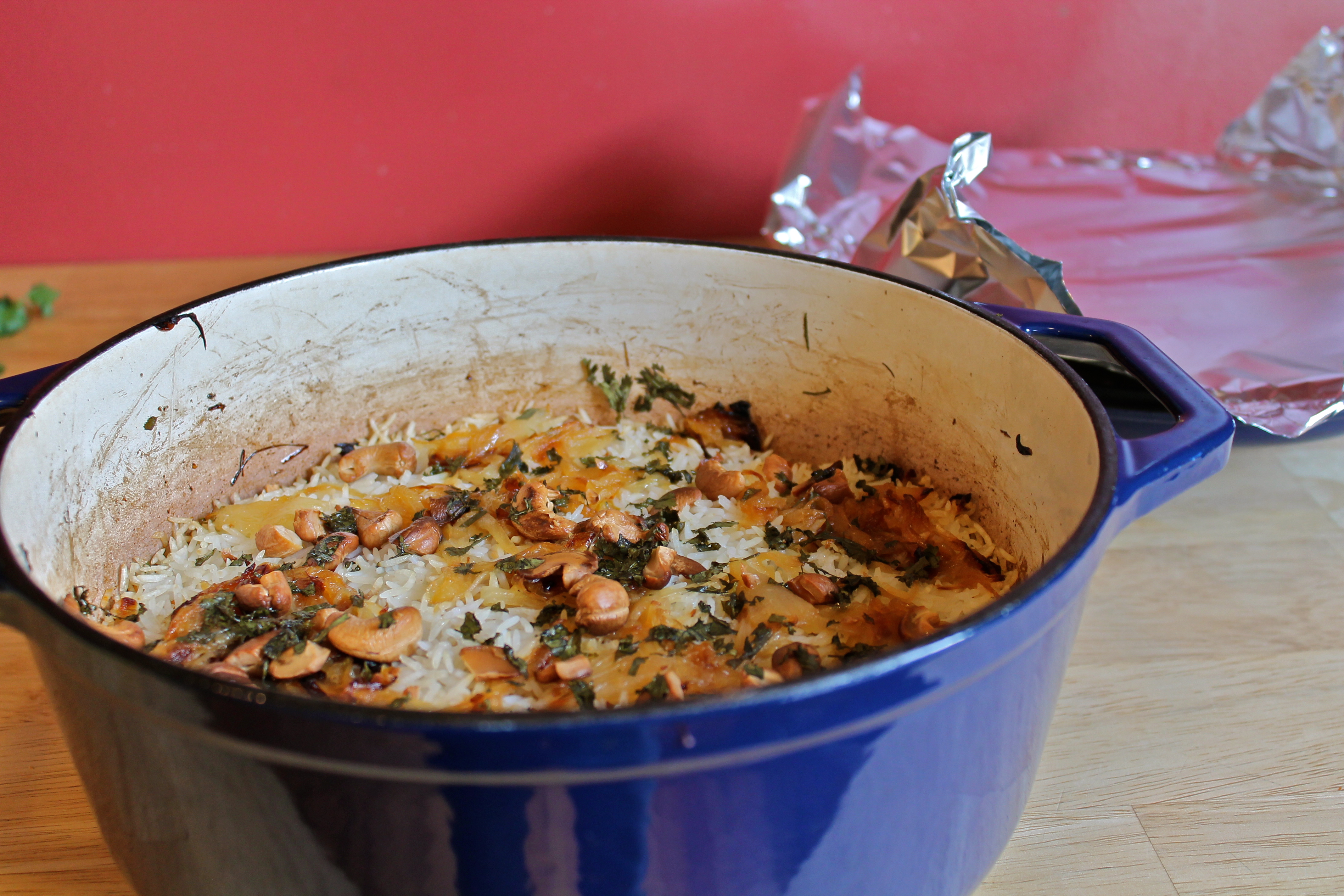
Carefully remove the lid and the aluminum foil (the pot will emit a great deal of steam, so stand back and be careful to steer clear of the hot cloud).  Remove the biryani to a platter.  Scrape out the crusty layer of vegetables and rice from the bottom of the pot, and lay it on top of the biryani.  Serve hot or warm.

Spicy Ginger Garlic Potatoes and My Favorite Raita

17 May

If it not entirely obvious by now, I tend to go on extended cooking benders that involve certain types of foods.  Sometimes the focus of my cooking will be a particular item, while other times I’ll becomes enamored with cooking food from a particular country or region.  Last week, perhaps inspired by the arrival of unseasonably hot weather, I could not stop making Indian food.

The best, and yet simultaneously worst, thing about making Indian food is the rather insistent habit I have of never, ever just making one Indian dish at a time.  If there is a main dish, there will be a side dish, and when there is a side dish, there will be an added starch, and when there is an added starch, there will be spicy pickles and cooling raitas and on and on and on.  On more than one occasion, I have taken to inviting people over at the last minute to help us devour the feast of food I just spent an afternoon preparing, because when I took a step back and really looked at the Thanksgiving-like spread of food I had just laid out, I actually got a little embarrassed.  When it comes to Indian food, I do not mess around.

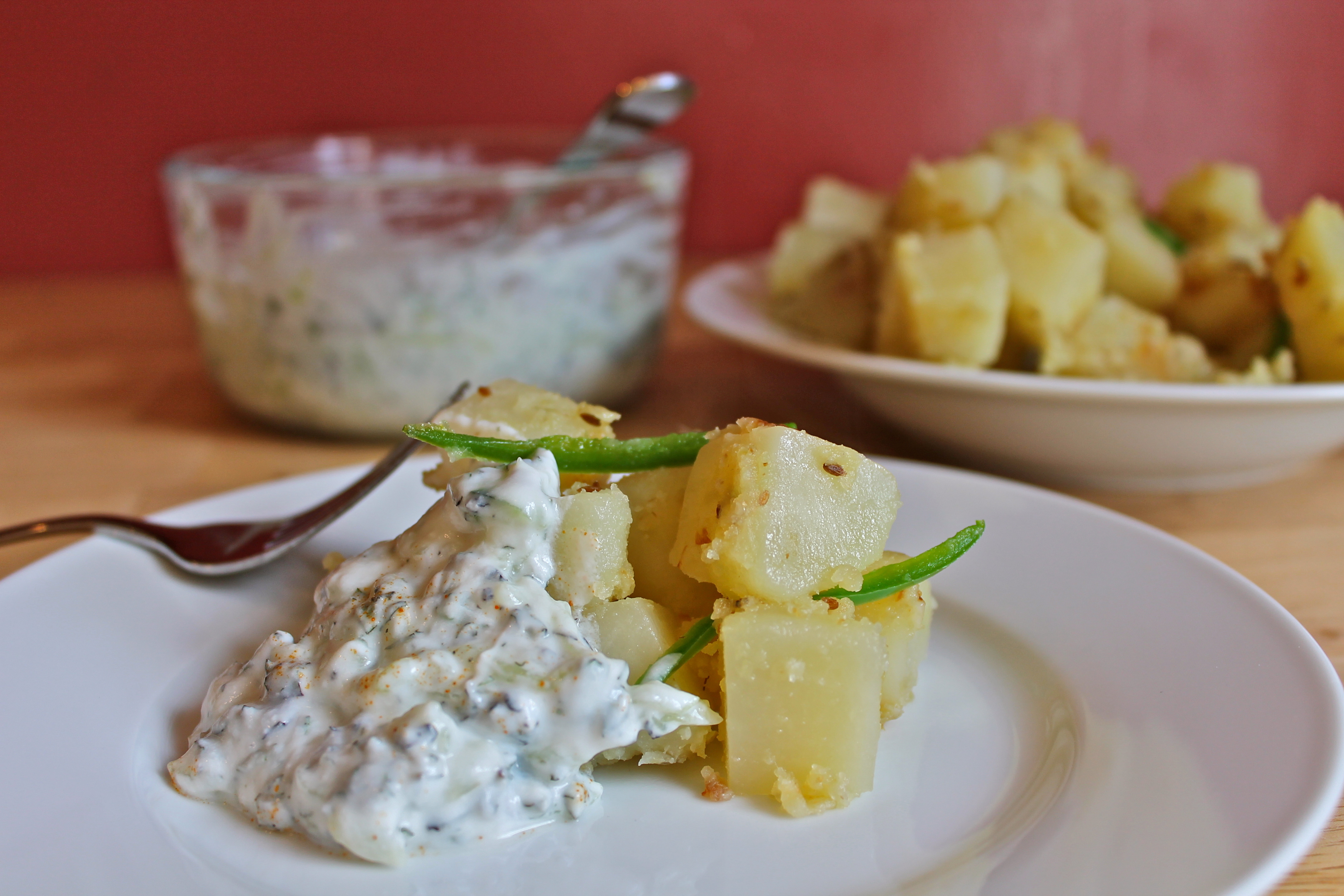
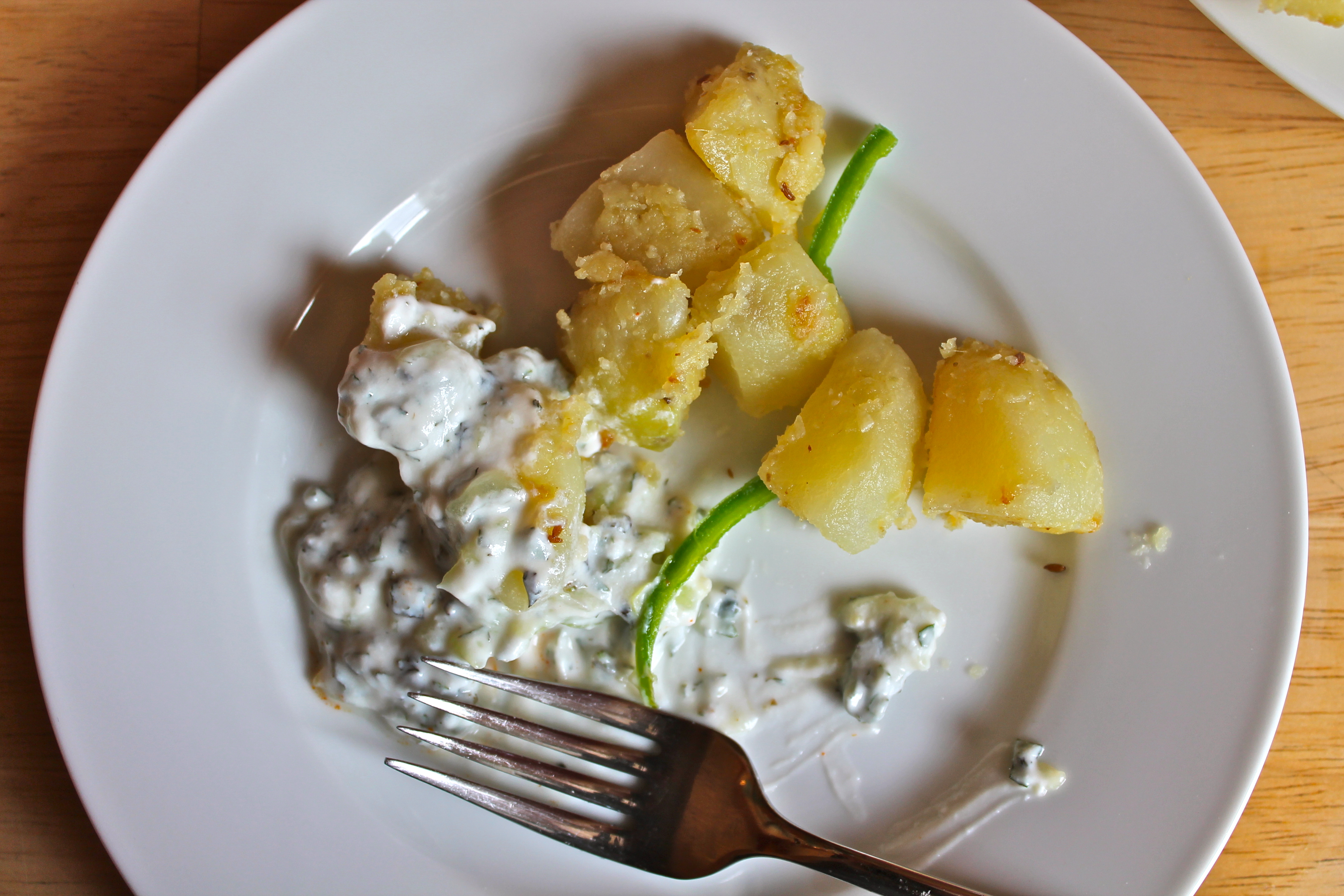
So, though it might be a bit late to declare this week to be Indian Food Week on Savory Salty Sweet, I have a stockpile of lovely Indian recipes to share, and I will likely be spending the next few posts talking about just that.  I’ll start with this great staple of any Indian meal I make: gingery, garlicky potatoes topped off with a fresh, cooling raita.  If you’re looking for a simple place to start your journey into cooking Indian food, you can’t find anything easier than this.  This dry sauté of wonderfully seasoned potatoes comes together in a flash, and you can throw the raita together in the time it takes the potatoes to finish.  It’s the perfect gateway into Indian cooking, which is good if you are looking for a simple place to start, but perhaps not so good if you one day find yourself so smitten with cooking Indian food, you’re forced to throw an impromptu dinner party every time you break out a jar of cumin seeds.  You’ve been warned.

Last Year: Blueberry Biscuits

Spicy Ginger Garlic Potatoes and My Favorite Raita Recipe

Spicy Ginger Garlic Potatoes

1 pound small or medium potatoes, whole and unpeeled

1 tablespoon unsalted butter

¼ teaspoon whole cumin seeds

2 tablespoons finely grated fresh ginger

2 tablespoons finely grated or minced-and-smashed garlic

1 jalapeno pepper

salt to taste

In a small pan, cover the whole potatoes with water and bring to a boil over high heat.  When the water begins to boil, lower the heat and simmer the potatoes until they are tender enough to be easily pierced with a fork (this should take about 10 to 15 minutes).  Drain the potatoes and allow to cool enough to be handled.

When the potatoes have cooled enough to touch, peel the skins form the potatoes and then dice the potatoes into 1-inch chunks.

In a large skillet, melt the butter over low heat.  When the butter has melted and is just stating to foam a bit, add the cumin seeds.  Stir the cumin seeds, allowing them to sizzle and pop for about 20 seconds.  Add the grated ginger and garlic, and stir over low heat for 1 minute, until the ginger and garlic are very aromatic, but not browned.  If you see your ginger and garlic beginning to brown, remove the pan from the heat and keep stirring the ginger and garlic until their sizzling subsides a bit and the browning has stopped.

Turn the heat under the pan to high.  Add the diced potatoes to the pan, and stir to coat with the ginger and garlic mixture.  Allow the potatoes to develop a nice brown crust on one side, then stir, turn the heat to low, cover the pan, and leave to cook for another 3 minutes or so.

Slice the jalapeno pepper into thin strips, discarding the seeds and white ribs.  Add the jalapeno strips to the potatoes, stir to combine, then remove from heat.  The jalepenos should still retain some crispness (you don’t want them to turn totally limp).  Add salt to taste.

Cucumber Mint Raita

1 cup peeled, seeded, shredded cucumber (about 1 large cucumber)

1/3 cup finely minced fresh mint leaves

1 cup plain yogurt

pinch of salt

pinch of cayenne pepper

Using your hands, squeeze the shredded cucumber until you have removed as much moisture as possible.  Place squeezed cucumber in a medium bowl.  Add minced mint, yogurt, and salt.  Stir to combine.  Sprinkle a pinch of cayenne pepper over the top of the raita.