Archive | Spreads RSS feed for this section

Hazelnut Orange Pesto

5 Jan

For fifteen years now, I have been subscribing to the New Yorker.  During that span of time, there have been maybe three instances—four, tops—in which I have not greeted the arrival of yet another issue of the magazine by plopping the new week’s issue upon a vast pile of previous weeks’ issues.  A very good friend of mine, who, at the time, was also a longtime subscriber to the New Yorker, and also, incidentally, unable to keep up with the barrage of unstoppable arrivals flooding his mailbox, once began to refer to every new issue of the New Yorker as “the dead rat,” due to its unassailable, somewhat onerous presence in his mailbox.  Plang!  The flap of the mailbox just slammed shut.  What’s new?  Oh, yes.  The dead rat has arrived.  Add it to the pile.

Other people I know who subscribe to the New Yorker are perfectly fine with the sight of piles of unread magazines littered about their home.  Perhaps it speaks of a more developed sense of ease on their part when it comes to matters of reading materials that those people can accumulate back issues of the New Yorker and never blink an eye.  I get more than three weeks behind and I start to develop cold sweats.  Maybe because of that fellow I read about who was something like a year and a half behind on the New York Times, a newspaper he read every single day, though not in its entirety every single day, which meant that when it took him a couple of days to make his way through a copy of the Times, he’d be a couple of days behind, well, the Times, when he finished.  Take too long to read the paper over a long enough period of time and, look, there you are, reading an issue of the New York Times from 2007 as you ride the subway to work in 2009.  Sometimes it feels like a slippery slope between getting a couple of weeks behind on the New Yorker and becoming that man and his archive of New York Times reading matter, perpetually living in the past just so he can leisurely work his way towards the future.  (Also, it bears mentioning that the story about the man and the New York Times?  Yeah, I read about it in the New Yorker.)

The main culprit in my chronic struggle to maintain a current reading schedule with the New Yorker is the fact that I insist on reading every single thing in the magazine, cover to cover.  I read the listings for what bands are playing at what clubs, what new building by what new architect is currently being built to house what new condo complex, and what new restaurants are opening.  You may think I am insane to take on such a seemingly worthless endeavor, but let me tell you something.  Had I not insisted on reading a review of a new restaurant that opened up in the West Village, I would have never read about that restaurant’s offering of a small, delicious plate of crusty bread topped with hazelnut orange pesto.  Not helping my reading situation at all, as soon as I read about the combination, I put down my magazine to make it.

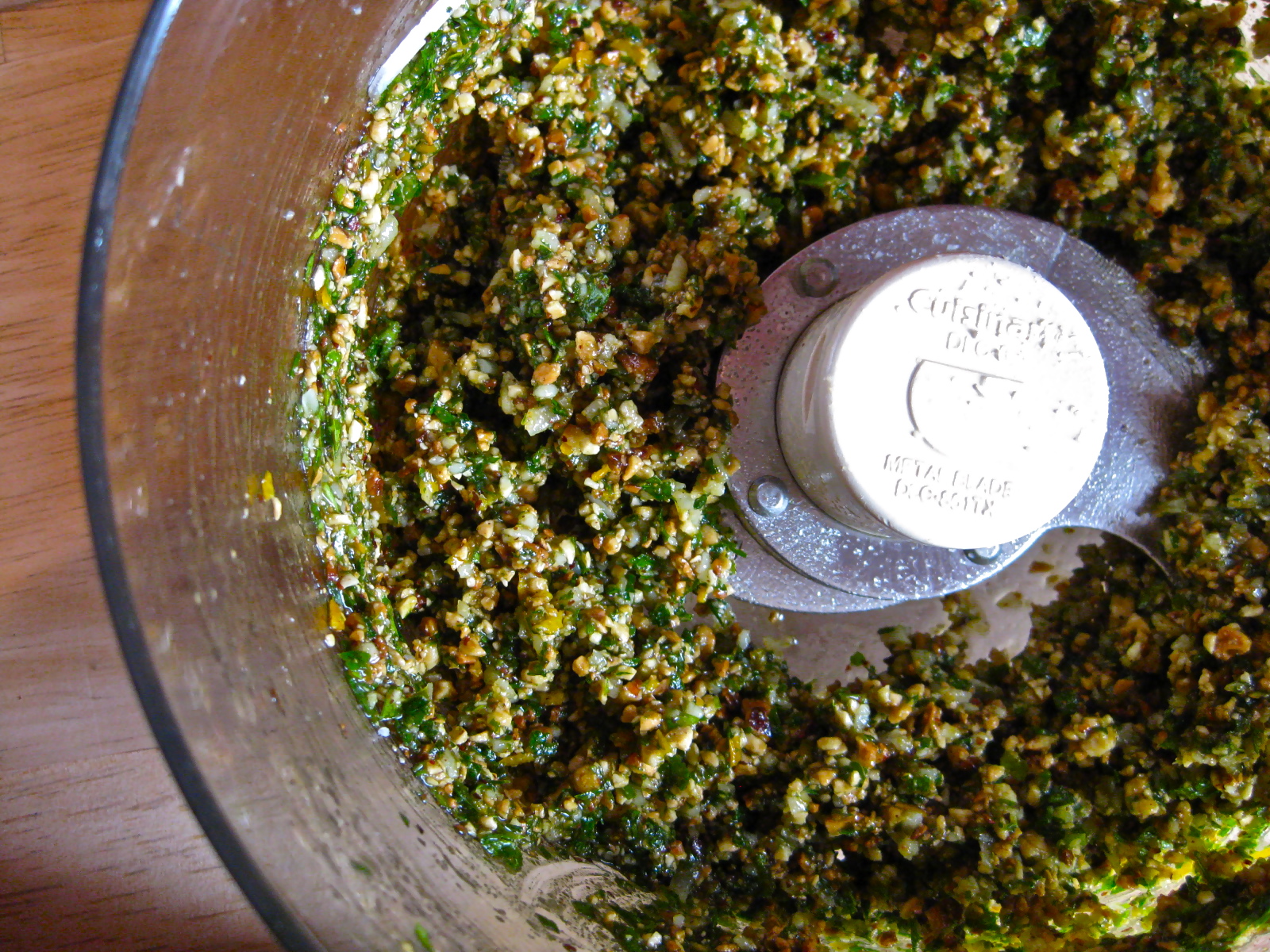
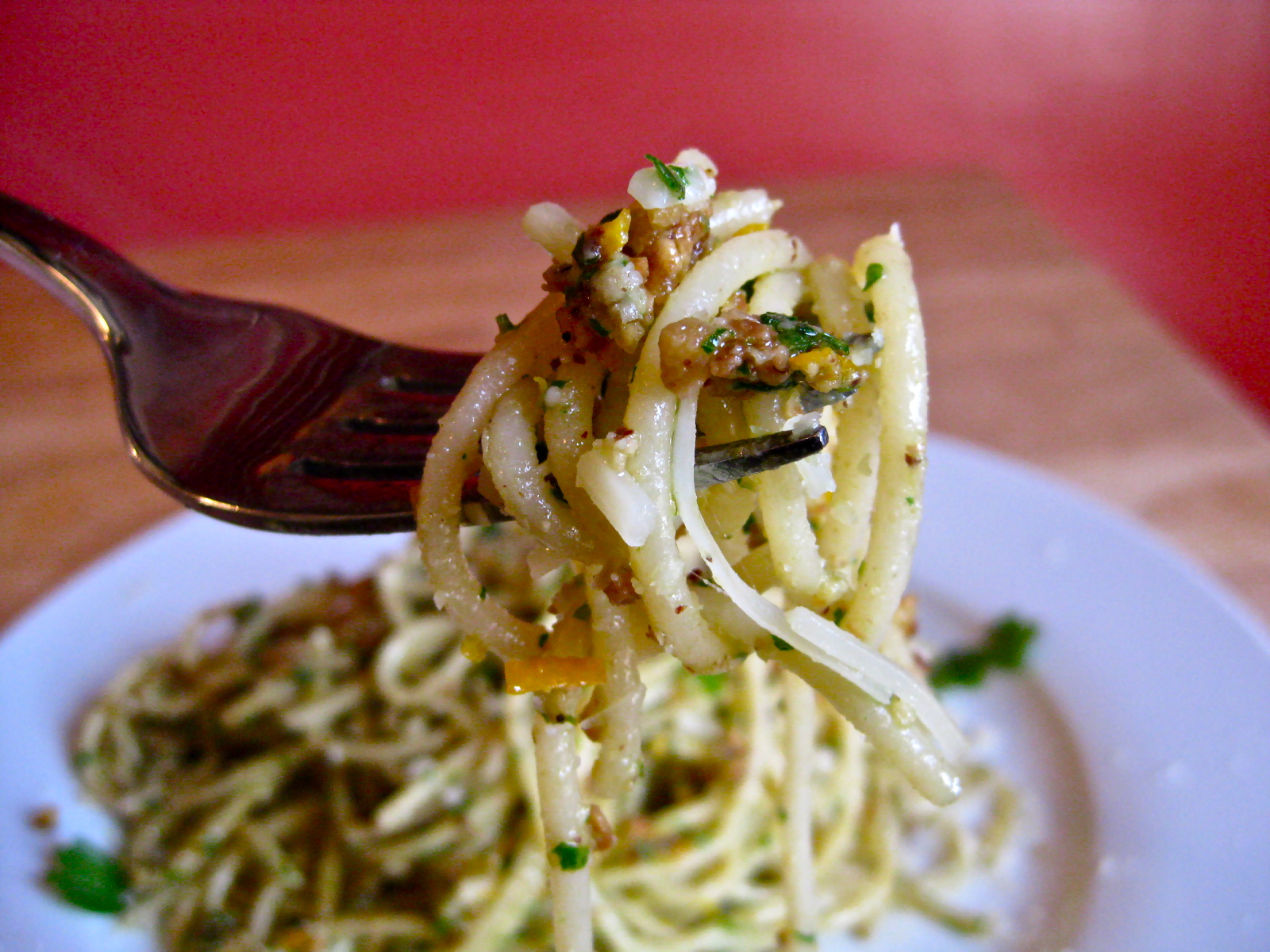
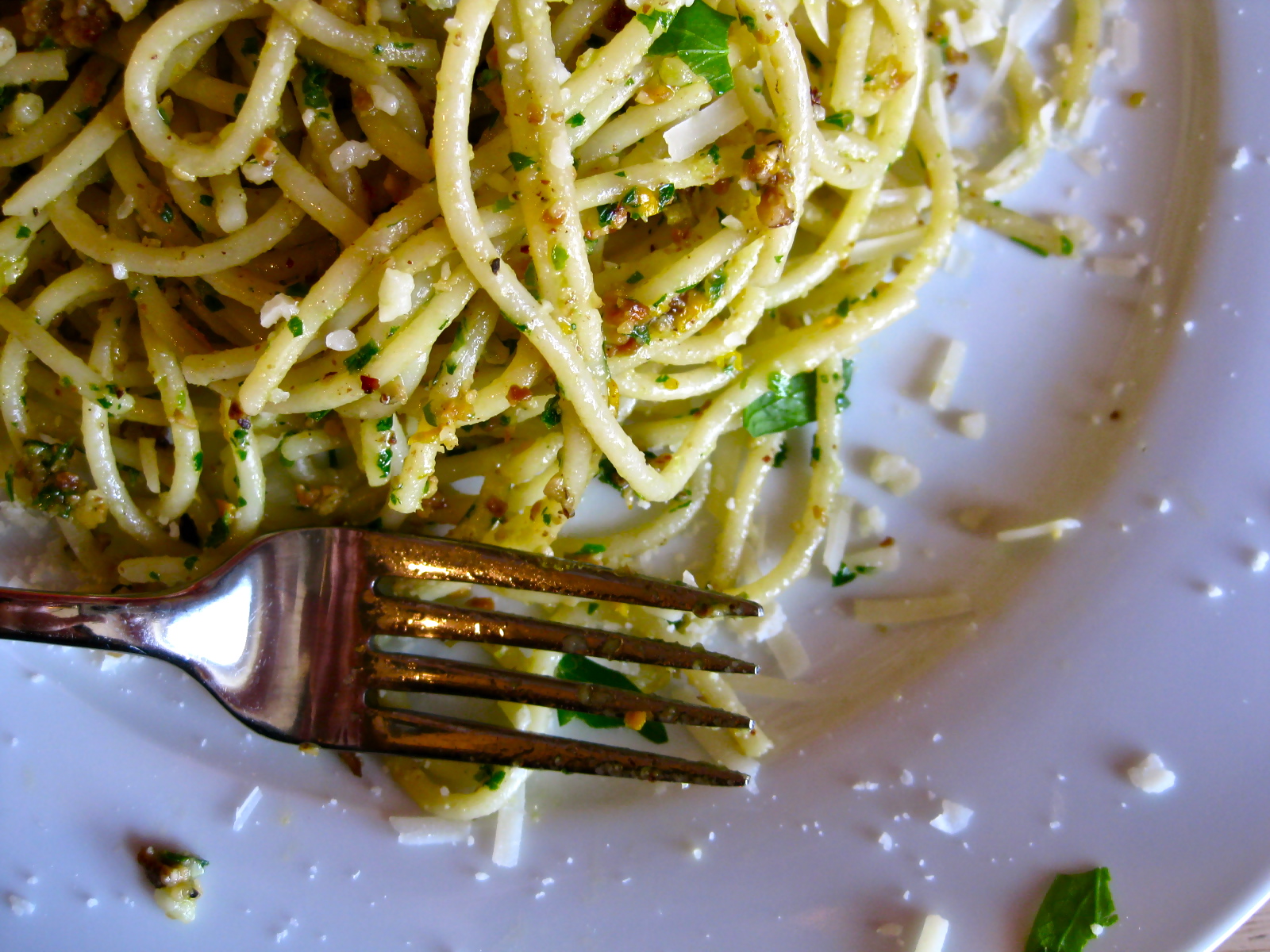
Not surprisingly, the pairing of the two elements is absolutely fantastic.  The robust flavor of the toasted hazelnuts gets a nice brightness from the orange zest, and when whirled together with a generous glug of olive oil and a large handful of Italian parsley, the pesto comes together as a well-rounded, satisfying sauce for pasta, topping for crostini, or even a nice embellishment to a pile of sautéed greens rested upon a bed of thick, belly-warming polenta.  I savored each bite of this warm, filling meal, and I am not the least bit ashamed to admit that while eating it, I cracked open an old back issue of the Atlantic.  From September 2010.  Don’t worry.  I’ve let that subscription lapse.

Hazelnut Orange Pesto

If you are going to make this pesto as a sauce for pasta, reserve about ½ a cup of the pasta’s cooking water to add into the pesto when you toss it with the pasta.  This will help the pesto loosen up a bit and maintain more of a sauce-like consistency.

1 cup hazelnuts

1 cup loosely packed Italian parsley leaves

1 large clove of peeled garlic

2 tablespoons grated orange zest

¼ cup grated Parmesan cheese

¼-1/3 cup olive oil

salt and pepper

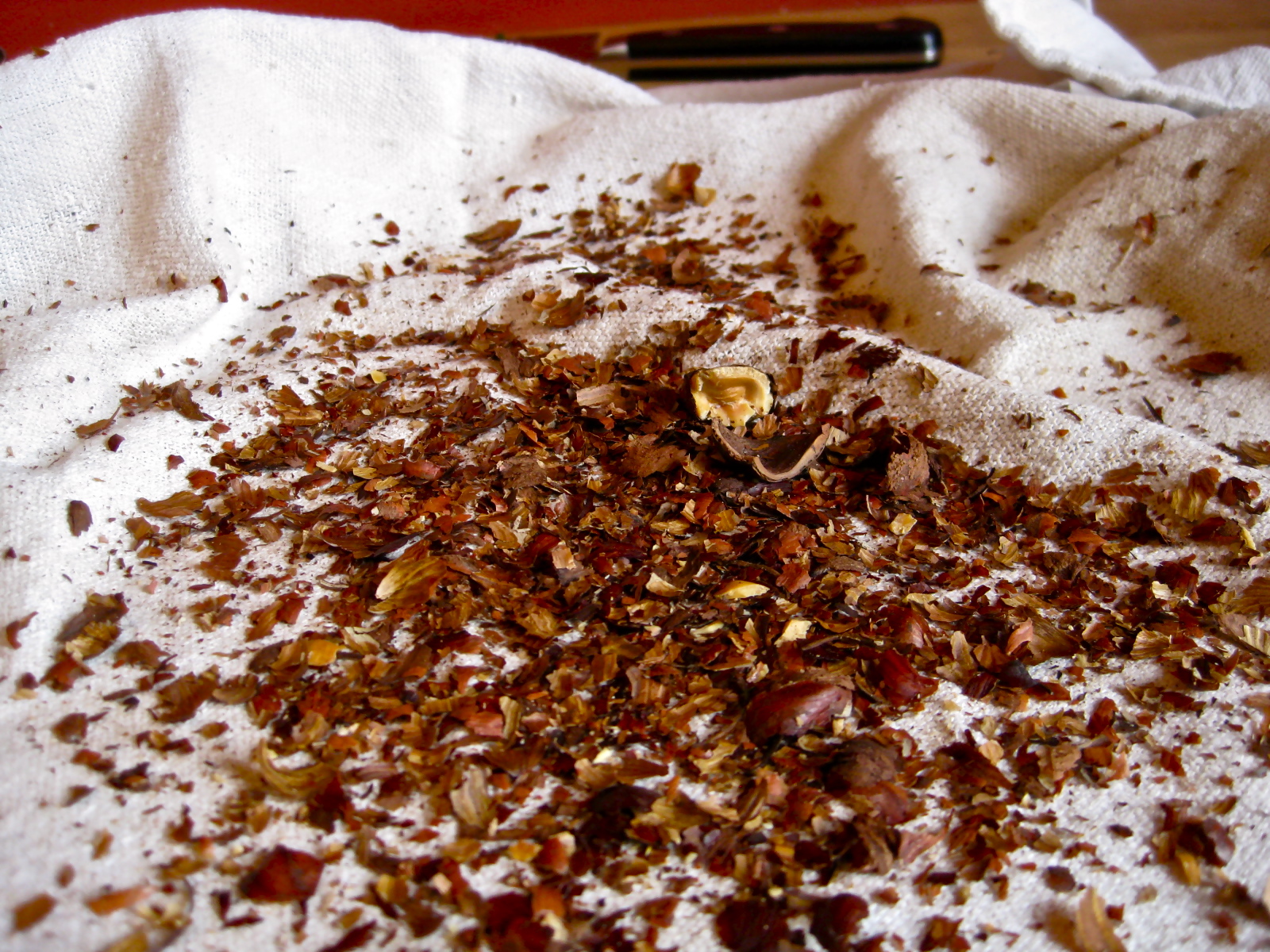
Preheat oven to 350 degrees Fahrenheit.  Place hazelnuts on a baking sheet, and toast for 15 minutes, until the nuts are golden brown and the skins are beginning to peel free.  Remove the toasted nuts to a clean dishtowel.  Fold the dishtowel over the hazelnuts, and vigorously rub the towel around to slough the skins off of the nuts.  If you don’t remove all of the skins, don’t worry.  You just want to remove enough of the skins to ensure that your nuts won’t taste too bitter.

In the bowl of a food processor, combine the nuts, parsley, garlic, orange zest, Parmesan cheese, and ¼ cup of olive oil.  Pulse the mixture for about 20 seconds, until the ingredients are chopped and the nuts still have a good amount of texture (if you process the mixture too long, the hazelnuts run the risk of turning into a paste).  If the mixture looks a bit too sturdy, add in the remaining olive oil, one tablespoon at a time, pulsing briefly after each addition until the pesto reaches your desired consistency.  Add salt and pepper to taste.

Use as a topping for crostini, a sauce for pasta, a dressing for greens, etc.  I’ll bet this would taste great dolloped on top of a nice firm piece of white fish.

Ya Hala’s Hummus

2 May

Up until last week, I had never made hummus.  This may not seem strange to you, but to me, a person who has been known to make a loaf of bread from scratch for the sole purpose of turning that bread into croutons as an accompaniment for salad (I didn’t say it was a smart thing to do, I am just pointing out that I did it), it seemed downright puzzling.

But I have a reason for my avoidance.  It’s not that I thought making hummus would be too difficult or time consuming, and it’s not as though I thought that prepackaged hummus tasted good enough to permanently sit in for an attempt at making a home made batch.  Embarrassingly, my hesitating was the result of something far less rational, and it went a little something like this:

If I am going to make hummus, it is going to have to taste as good as the hummus at Ya Hala.

That might not sound very reasonable at first mention, but hear me out.  I know the basic components of hummus (chickpeas, tahini, lemon juice, garlic), and I know that I could have just retrieved those ingredients, thrown them in the food processor, and come up with an end result that was tasty and entirely edible, but that’s the basic end result that I get when I buy a pint of hummus from Trader Joe’s, and making something that tastes like it came from Trader Joe’s is not high on my list of worthy accomplishments.  If I was going to make hummus, it had to be thick, but not impassably so.  It had to be creamy, but not runny.  It had to be garlicky enough to have a kick, but not so garlicky that my tongue felt scorched after one bite.  In short, it had to be the delicious and dreamy hummus that, heretofore, I had only had the pleasure of eating at one of my favorite local Middle Eastern restaurants.

Then, as if by magic, my prayers to the hummus gods were answered.  Flipping through an errant pile of papers on a dining room bookshelf, I found a newspaper profile of the family that runs a trifecta of fantastic Lebanese restaurants in Portland: Hoda’s, Nicholas, and the aforementioned Ya Hala.  The article told of the family’s sojourn from Lebanon, their unlikely journey to becoming restaurateurs, and, what’s this?  The article includes family recipes?  For flatbread, kebabs and (this is when the clouds parted and an unearthly beam of light shined down from the heavens upon the newspaper before me) hummus?

This story would have a much tidier ending if I told you that I immediately dropped everything I was doing and headed straight to the kitchen to whip up a batch of this mythical hummus, but that’s not quite how things turned out.  First of all, it was to my extreme consternation that I discovered the date on the newspaper read 2009, meaning that I had held onto this recipe for two full years without remembering so (note that I didn’t say I did not know I had the recipe, because what I almost instantly realized when I saw the recipe was that, oh, yeah, I remember reading this article and then saving it to try the recipes later and then, yes, completely and totally forgetting all about it).  Secondly, it took at least another week before I could attempt the hummus, as often happens when life interferes with one’s greatest recipe intentions.  But, oh, when I finally made the hummus, in all its creamy, tangy, and thick glory, it was, without a doubt completely worth the wait.  If only the end of my wait hadn’t spent the last two years sitting a mere couple of feet from where I sit at the dining room table every single day of the week.

Ya Hala’s Hummus

From Mirna Attar, via the Oregonian

According to the article, and as evidenced by my repeated tastings, baking soda is the key to silky smooth hummus.  Baking soda helps soften the beans so they cook quickly and break down easily when blended.  According to the recipe, this hummus can be prepared up to 2 days ahead and stored in an airtight container in the refrigerator until ready to use (but we ate this hummus for a whole week and it was just divine).  Additionally, I find that the hummus tastes best when allowed to rest for a few hours in the fridge before eating.  Resting seems to allow the flavors to combine more smoothly and intensely.  Straight from the food processor the flavor was good, but after spending a few hours in the refrigerator the flavor of the hummus became infinitely more silky and fantastic.

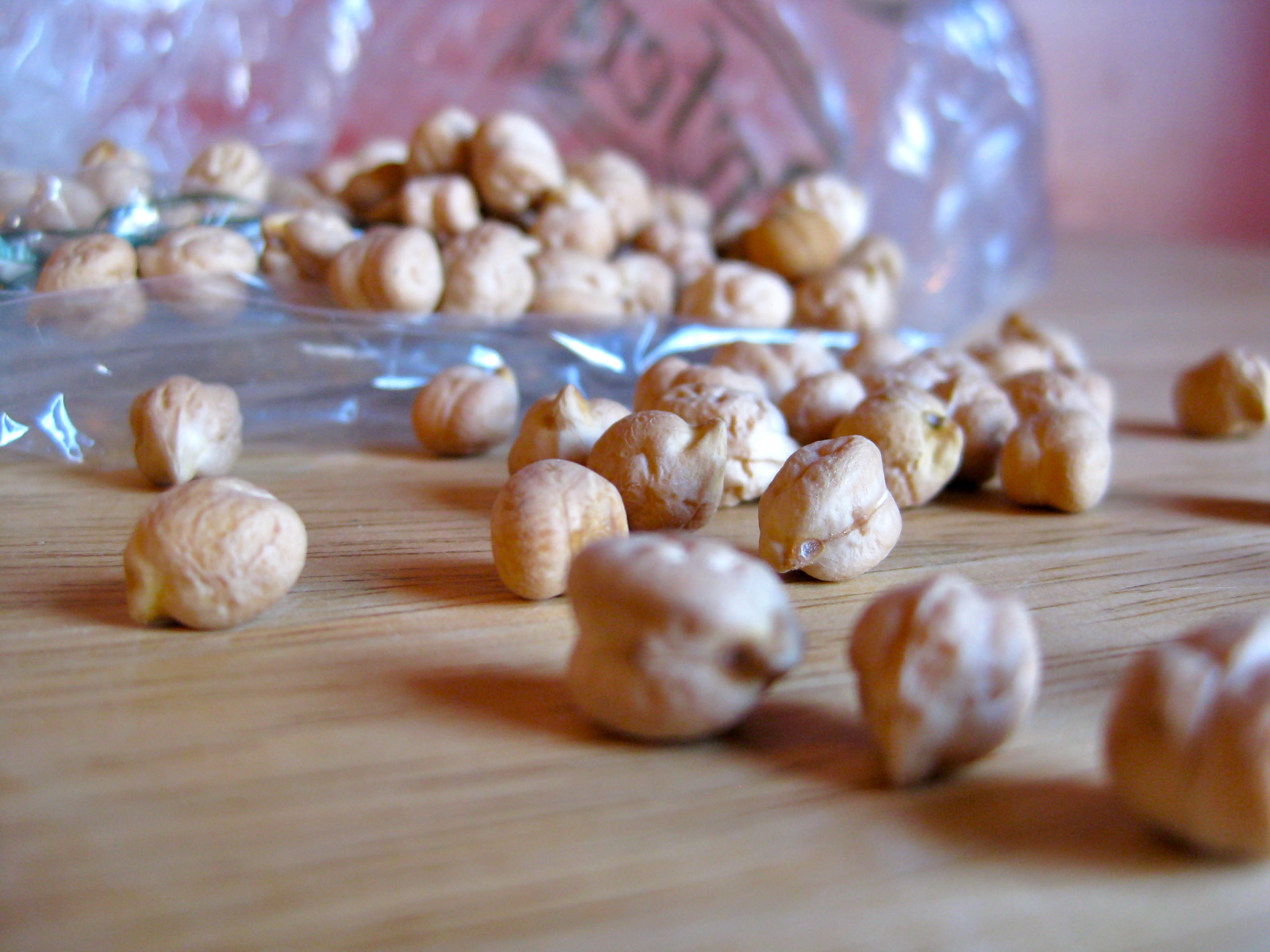
1 cup dry garbanzo beans

7 cups water (for cooking beans)

1 teaspoon baking soda

1 1/2 teaspoons salt

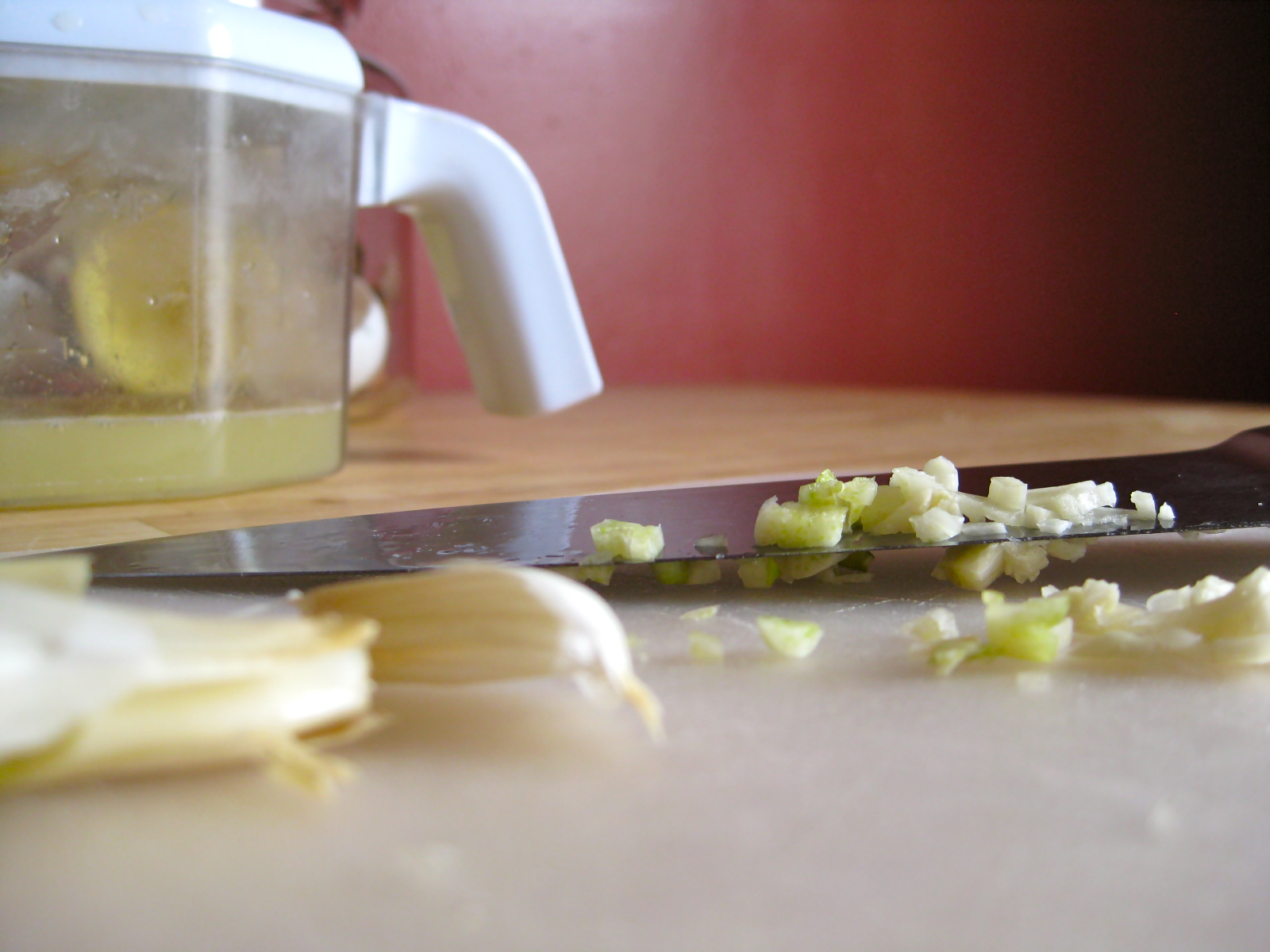
1/2 heaping teaspoon minced garlic

1/4 cup tahini

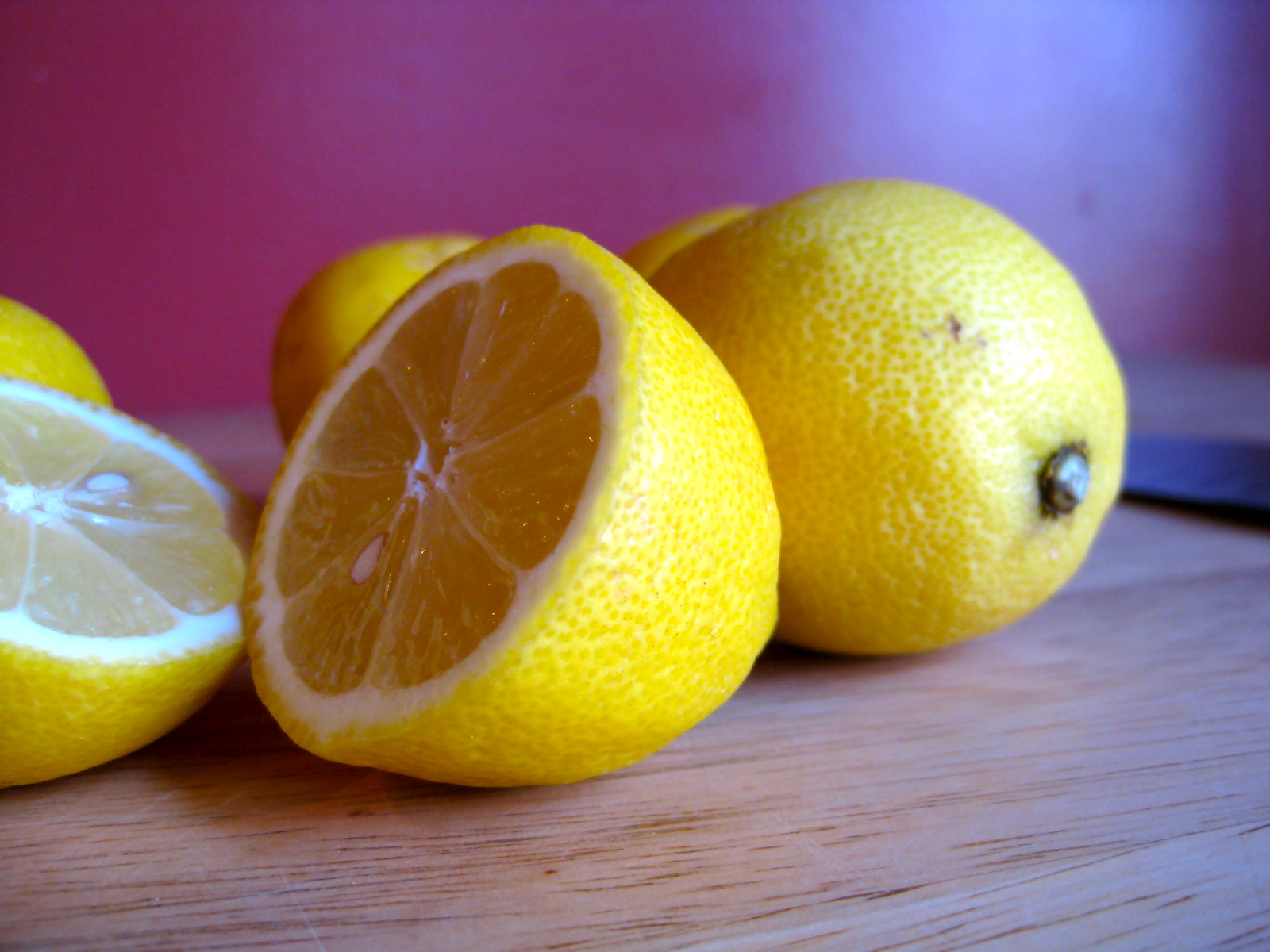
1/2 cup freshly squeezed lemon juice

Rinse the garbanzo beans, drain and cover with water to cover by 3 inches.  Soak beans for 4 to 6 hours. Drain in a colander and rinse thoroughly.  In a large pot combine soaked beans, the 7 cups water, and the baking soda.  Bring to a boil, reduce heat, and simmer until the beans are falling apart, about 1 hour.  Stir any foam that comes to the surface back into the beans while they cook.  Pour beans and any remaining cooking liquid into a large bowl and cool to room temperature in the refrigerator.

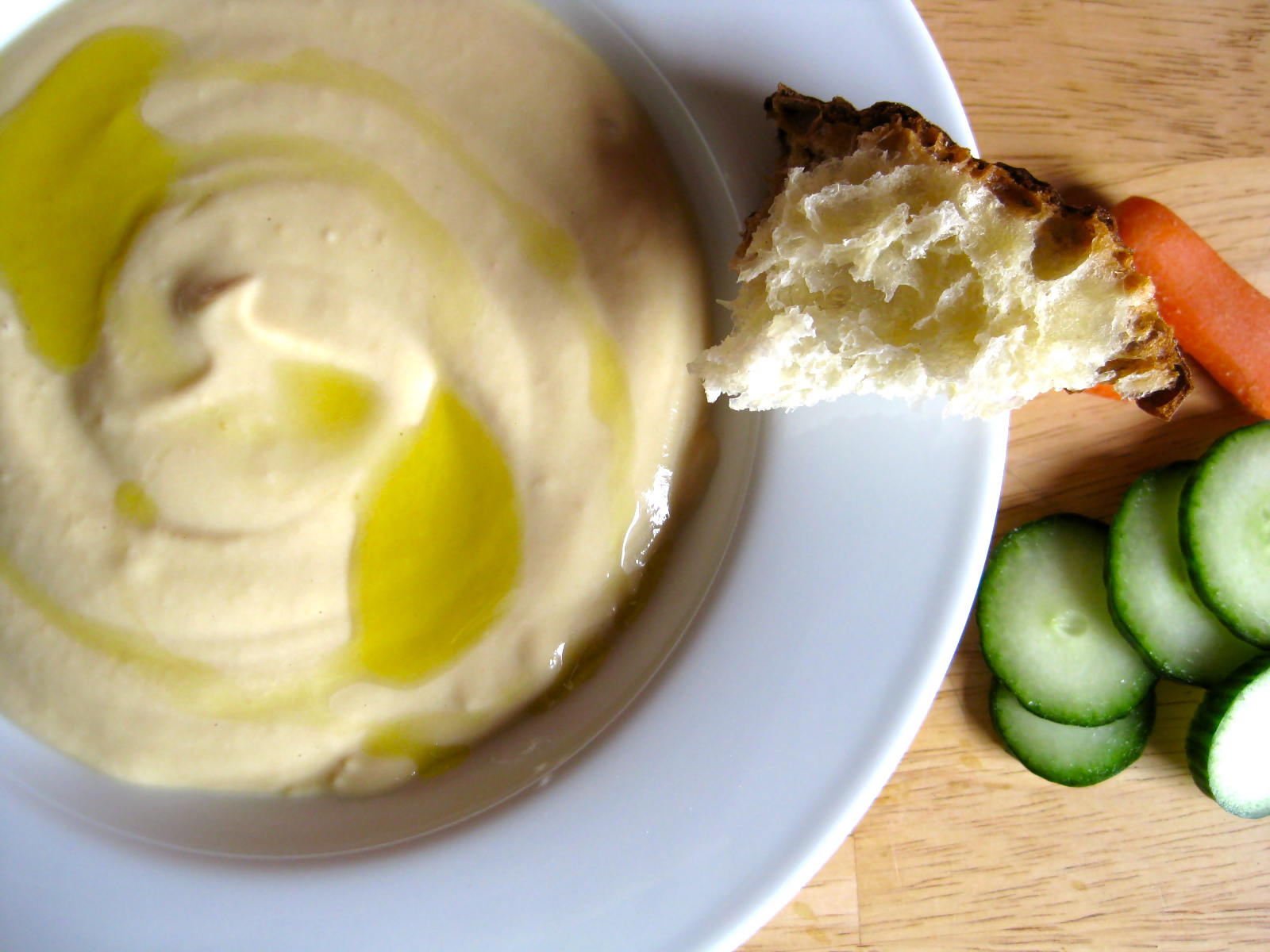
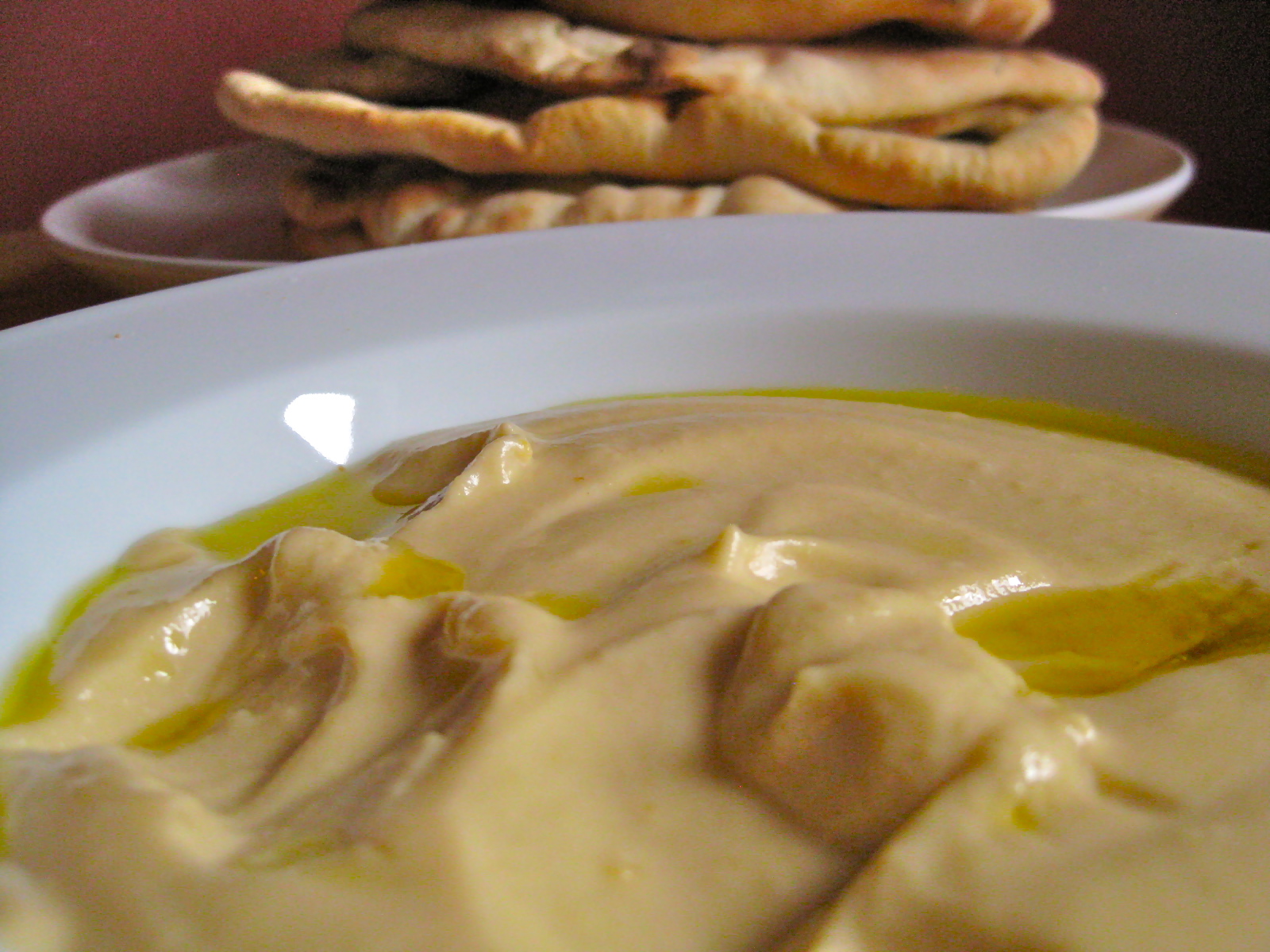
Transfer beans and liquid to a food processor.  Add the salt, garlic, tahini, and lemon juice and process until smooth.  If the mixture is too thick (it should be the consistency of very thick cream), add water 1 tablespoon at a time until the hummus is smooth.  Transfer to a medium serving bowl and allow to rest in the refrigerator for at least 1 hour.  If desired, drizzle with olive oil before serving.

Makes roughly 2 1/2 cups hummus.

A Trio of Flavored Butters

14 Apr

What I am about to say may get me kicked out of every food-appreciation club in America, but here goes: I am not an enormous fan of butter.

Now, it’s really as cut and dry as that.  I do, of course, enjoy the way butter adds an unmistakable flavor to a recipe, and, obviously, you can’t bake (and enthusiastically devour) as many things as I do without a fine appreciation of butter, but the habit of positively slathering a biscuit, pancake, or slice of bread with enough butter to create the look of a frosted cake is not really my idea of maximum deliciousness.  While not in any way anti-butter, I so have fairly set standards for where my enjoyment of butter starts and stops.  A light slip of butter atop a slice of warm bread?  Yes.  A biscuit soaked through with a prodigious slick of dripping butterfat?  No.

I am sure this proves some sort of fault with my tasting capabilities, and it no doubt points to some sort of loss of my ability to enjoy the most basic things about simple food and plain ingredients, but I am fine with that.  Why?  Because that possible weakness in my taste preferences leads me to do the type thing that I did yesterday afternoon, which was spend a very pleasant half an hour coming up with creative ways to flavor butter.  Just like that, my loss has become your gain.

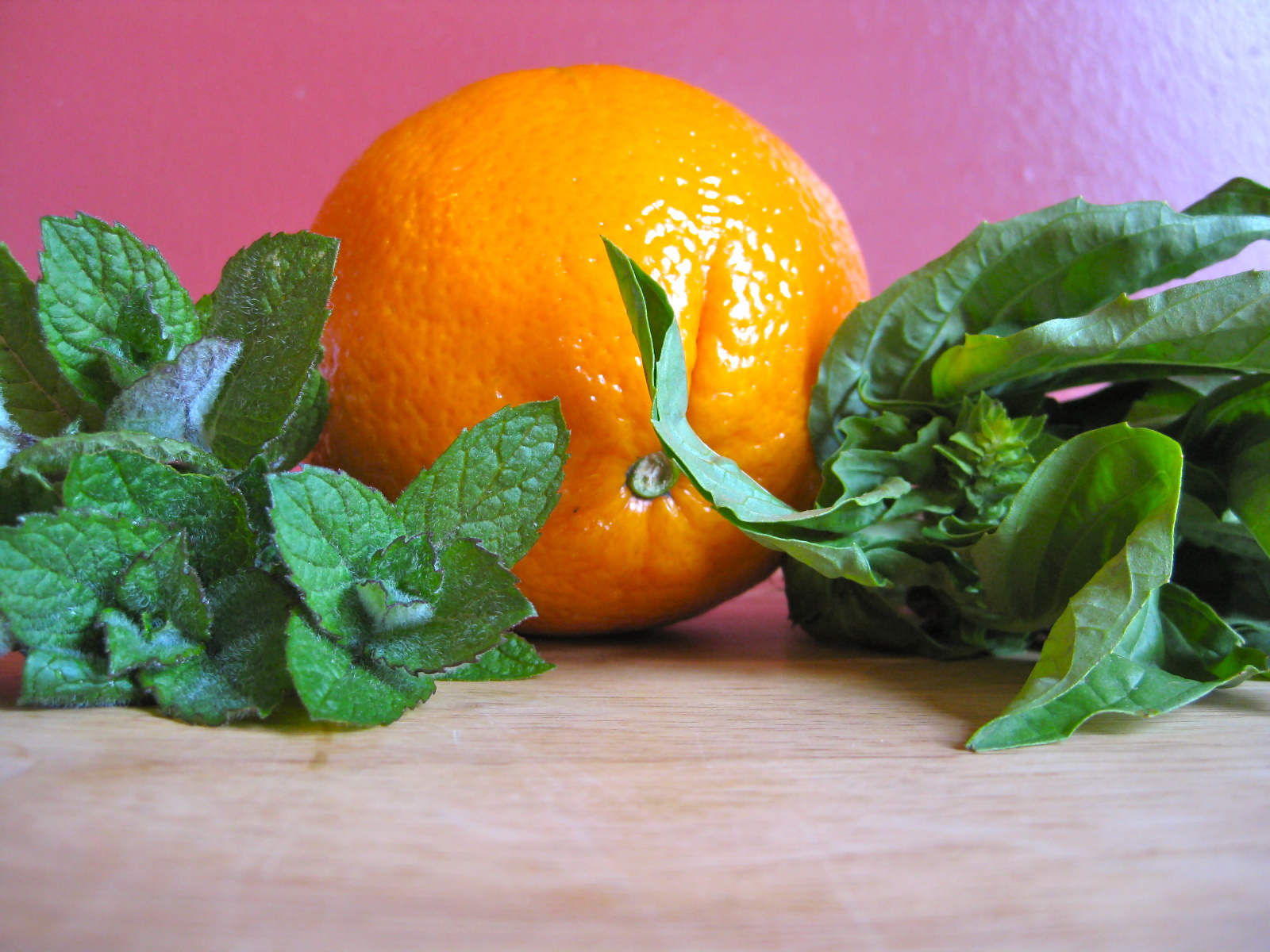
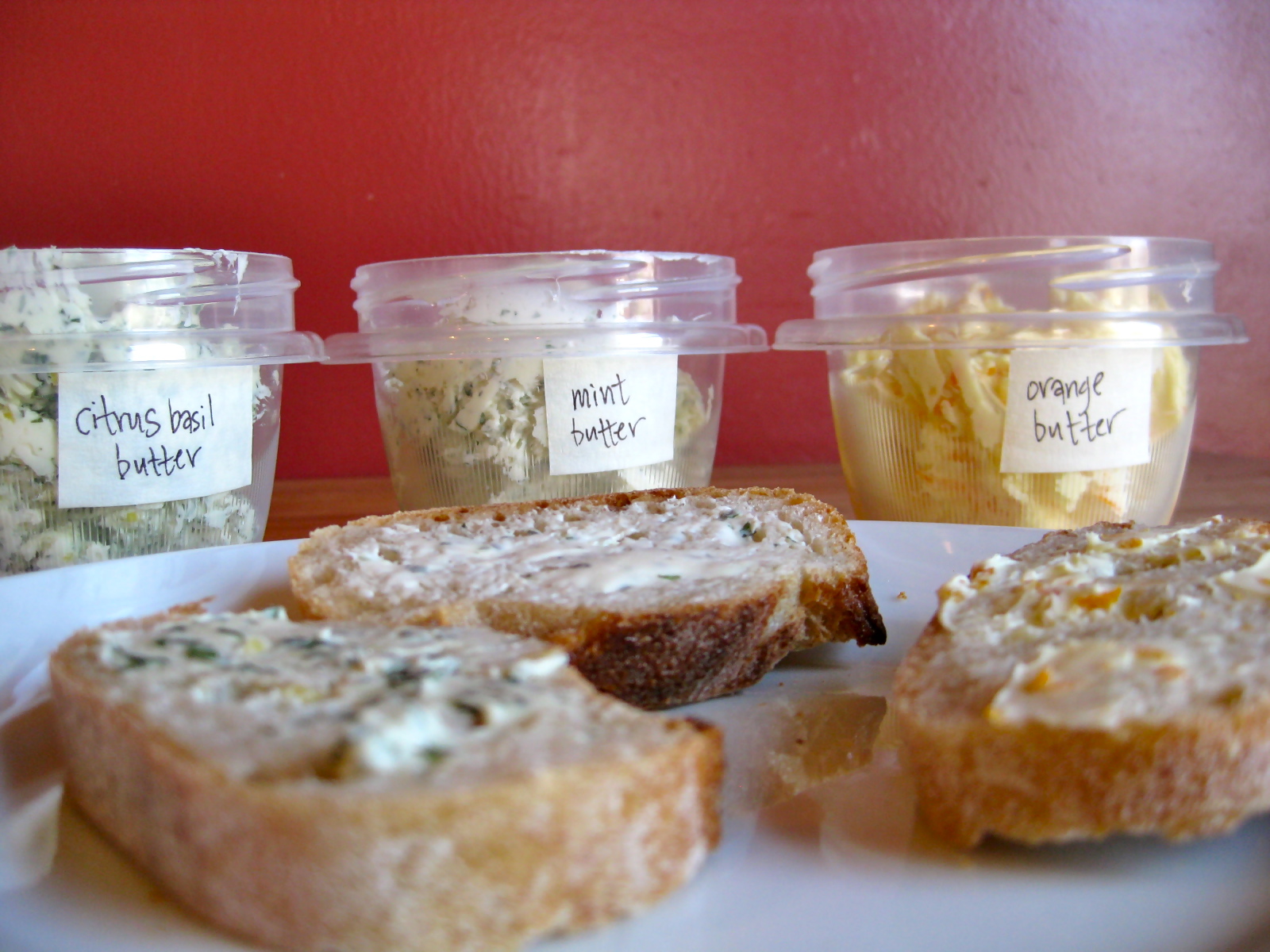
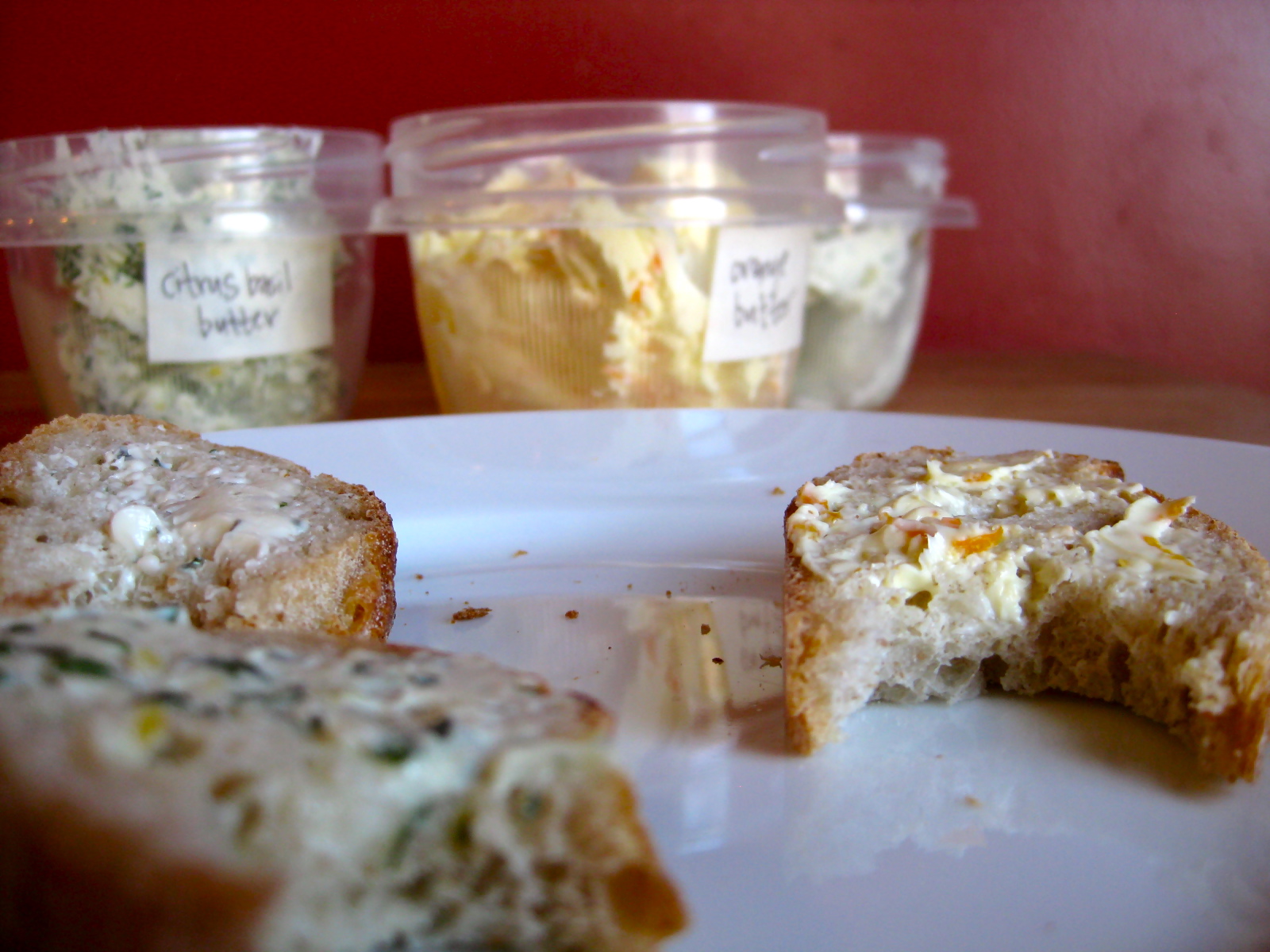
The idea here is to use each butter sparingly.  The subtle briskness of the mint, the fresh shot of citrus, the layered combination of the lemon and basil—these are all meant to coax your butter into something a bit more satisfying to the palette than what ordinary butter provides.  If you are not sure that anything in the world can ever top the simple pleasure of plain old butter, I certainly don’t disparage that opinion.  What I do suggest, however, is that you take a few minutes to at least make and try these wonderful flavored butters, as it might just change your opinion about what butter can do.


It certainly altered my opinion of the joys of butter, a turn of events that has, not surprisingly, managed to almost work against me.  Whereas I used to eschew butter on my bread 90% of the time (with the exception of fresh, hot bread newly released from the oven), I now find myself looking for reasons to spread these lovely flavored butters on everything I can.  If, previously, my loss was transformed into another’s gain, it seems as though my weakness has now become, well, my weakness.

It would be a crime to relegate these butters as being toppings for just baked goods.  I have visions of any of these butters making for an absolutely dreamy combination when lightly dolloped on poached fish, steamed new potatoes, or roasted asparagus.  I plan to get right on those experiments, and I encourage you all to get in on it as well and let me know how it turns out.

Orange Butter

1/2 cup (1 stick) unsalted, softened, room temperature butter

2 heaping tablespoons finely grated or chopped orange zest

2 teaspoons freshly squeezed orange juice

pinch sea salt

Combine all ingredients in a small bowl.  Thoroughly combine by beating vigorously with a wooden spoon or sturdy spatula.  If you want your butter to have a lighter consistency, whip butter combination with an electric mixer until fluffy.

Mint Butter

1/2 cup (1 stick) unsalted, softened, room temperature butter

3 heaping tablespoons finely chopped fresh mint

small squeeze of lemon juice

pinch of sea salt

Combine all ingredients in a small bowl.  Thoroughly combine by beating vigorously with a wooden spoon or sturdy spatula.  If you want your butter to have a lighter consistency, whip butter combination with an electric mixer until fluffy.

Citrus Basil Butter

1/2 cup (1 stick) unsalted, softened, room temperature butter

1/4 cup finely chopped fresh basil

1/4 teaspoon finely grated or chopped lemon zest

small squeeze of lemon juice

pinch of sea salt

Combine all ingredients in a small bowl.  Thoroughly combine by beating vigorously with a wooden spoon or sturdy spatula.  If you want your butter to have a lighter consistency, whip butter combination with an electric mixer until fluffy.