Archive | Vegan RSS feed for this section

Perfect Oven Fries with Truffle Salt

13 Sep

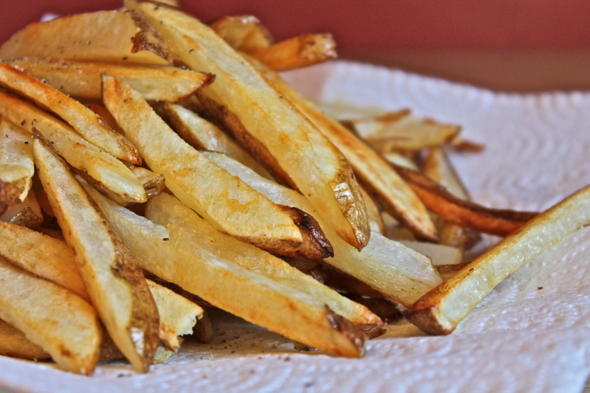
There is a burger place two blocks from our house that makes the most incredible french fries imaginable. Perfectly crisp, these fries are quickly tossed with just a hint of truffle oil when they emerge, piping hot, from a deep fryer, and if there was ever a time that I thought I sounded like a complete loon when discussing a food idea I enjoyed, now would be it: I am raving about fried food that is spritzed with oil. Whatever has happened to me?
As some of you may recall, I am a french fry devotee, by which I mean that when I am looking for a rare treat or a counterbalance to a bad day, my thoughts turn to french fries. (Note: When I say that I am looking for a “rare” treat, I do not mean that I rarely partake in treats, but rather that, when partaking in this particular treat, it is a rare occurrence. French fries and I only come into contact about six times a year, so we’re not nearly as cozy as one might suspect. Cake and I, on the other hand…) One might think that, being a french fry fanatic, I will eat any french fry, without discrimination, and declare it to be wonderful. Not so. Too often, I have eaten french fries that are intensely greasy, sadly soggy, or obviously just fried sticks of previously-frozen potatoes that are lacking in any sort of notable flavor or positive qualities. I don’t love all french fries. I only love really, really good french fries.
This is why, at the risk of sounding ridiculous, it is such a joy for me to announce that, at long last, I think I have perfected the art of making french fries at home. Not just that, I have perfected a recipe for making super crisp and flavorful baked french fries, which is like the Holy Grail of homemade french fry making. No vat of scorching hot oil, my friends. No lingering scent of old grease. Just three ingredients (four, if you count an optional sprinkling of black pepper), a couple of baking sheets, and a hot oven are all that lie between you and the most delicious oven fries—perhaps even the most delicious french fries, period—you’ve ever made. The secret, if one can even call it that, lies in soaking your potato slices in a bowl of warm water before you toss them with oil and salt and then roast them in the oven. That’s it. I know. I know. A few tablespoon of oil, a bit of truffle salt, and you’re in. I’ll stop talking now so we can get right to it.
Last Year: The best wine opener I’ve ever owned

Perfect Oven Fries with Truffle Salt Recipe

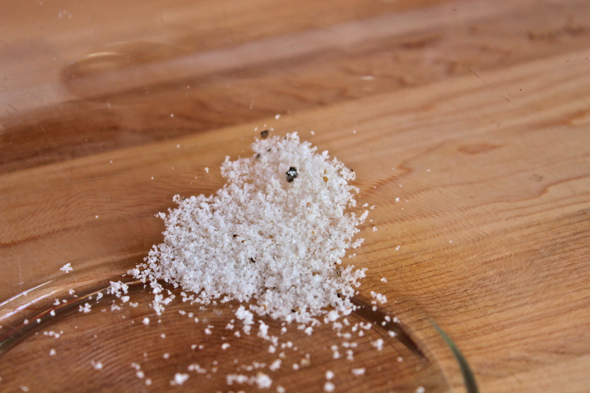
It just so happens that two different people have given me truffle salt this year, so I happen to have an abundance of it lying around. If you’re wondering how to find some for yourself, I found a few listings on Amazon that were not too expensive. I also found some listings that were outlandishly expensive, so please do keep in mind that a little bit of this stuff goes a long way, so you certainly don’t need to buy more than an ounce or so of it in order to have a good supply.

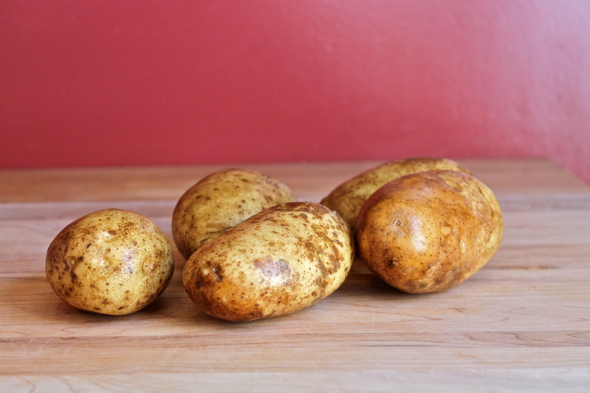
About 2 pounds medium-sized russet potatoes

4 tablespoons vegetable oil

1 teaspoon truffle salt, divided

optional: freshly ground black pepper

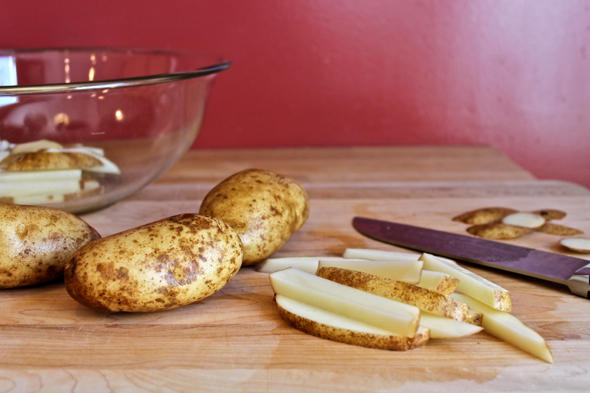
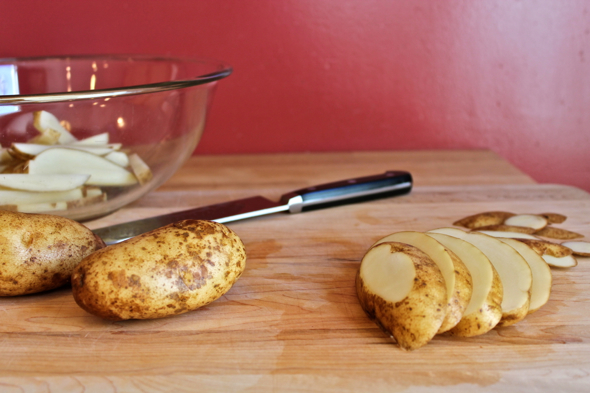
Slice the short ends off of the potatoes, then slice off just a bit of the long sides, creating a somewhat flat surface on either side. Cut the potatoes lengthwise into ¼-inch slices, then cut those long slices into ¼-inch strips.

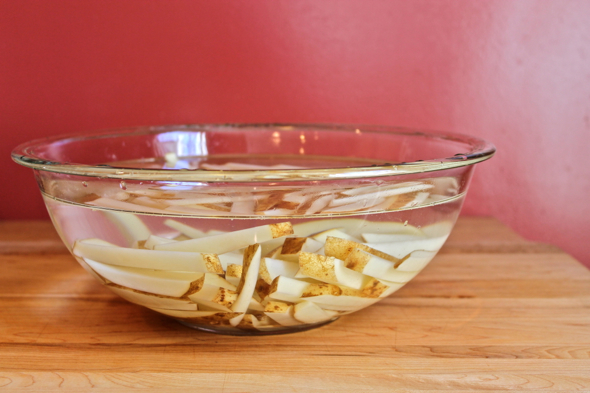
Place the potato strips in a large bowl of lukewarm water, then gently swish the potatoes around until the water becomes quite cloudy. Drain the water from the bowl, refill with lukewarm water once more, then swish the potatoes around again until the water is again cloudy. Drain the water from the bowl, then fill a third time with lukewarm water, and allow the potatoes to sit in the water for at least 30 minutes, or up to 1 hour.

While the potatoes are soaking, preheat your oven to 475 degrees Fahrenheit. Place an oven rack in the lowest position, and another oven rack in the second-lowest position.

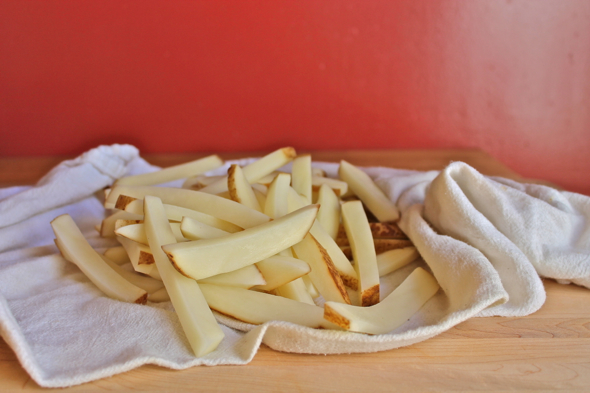
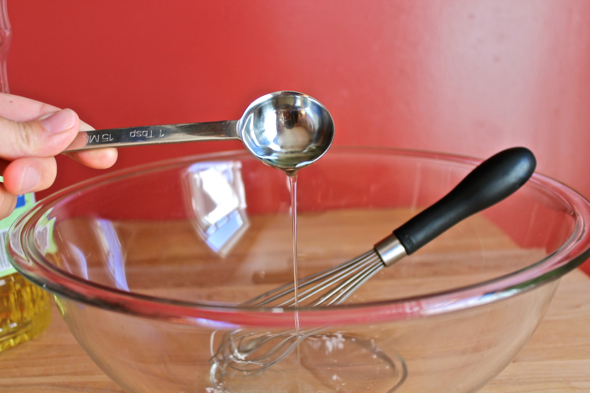
After the potatoes have soaked, thoroughly drain them in a colander. Wipe dry the large bowl in which the potatoes were soaking. In the bowl, combine the vegetable oil with ½ teaspoon of the truffle salt. Whisk the salt into the oil until it has dissolved as much as possible (you will still be able to see many grains of salt after whisking for a minute or so, but that is all right—you just want to thoroughly infuse the oil with the seasoning). Leave the oil and salt together while you finish drying the potatoes by thoroughly blotting them in a large dishtowel.

Place the dry potatoes in the bowl with the oil and salt. Using your hands, toss everything together until all of the potatoes are thoroughly coated in the oil and salt. Divide the potatoes amongst two large, heavy duty baking sheets, making sure the potatoes are arranged in a single layer. Tightly cover the baking sheets with foil, then place one batch of potatoes on the lowest oven rack, and the other batch on the second-lowest rack. Bake the potatoes for 15 minutes, exchanging the positions of the two baking sheets halfway through.

Remove the foil from the baking sheets, then return sheets to the oven, one sheet on the lowest rack, the next sheet on the second-lowest rack. Bake for 10 minutes. Remove baking sheets from oven, carefully flip over the potatoes, again arranging them in a single layer, and return to the oven to finish baking, reversing their positions for the final baking (so the sheet that was just one the lowest level is now on the second-lowest level, and vice versa). Bake for an additional 15 minutes, until the potatoes are a deep golden brown and crisp all over.

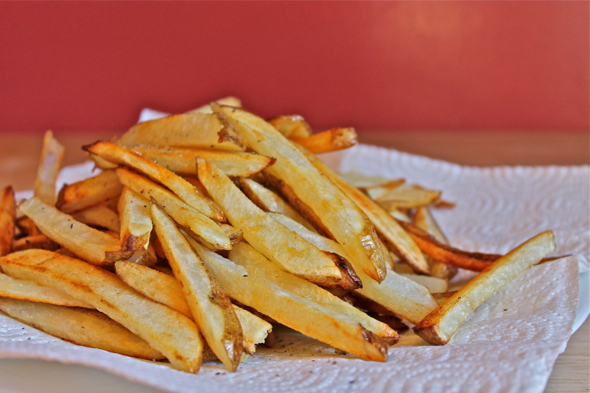
Remove potatoes to a plate lined with a layer of paper towels. Sprinkle potatoes with the remaining ½ teaspoon of truffle salt, and, if you desire, a light sprinkling of freshly ground black pepper. Serve piping hot.

White Bean and Tomato Bruschetta

9 Aug

My best friend recently had a baby, her second, and lately I have been spending a pleasingly large amount of time over at her house. While she readjusts to life with an infant, I stand beside her and offer whatever assistance I can, mainly in the form of handing her things when she runs out of arms to complete the task herself. This dance of ours is not unlike that of a surgeon and the nurse assisting her in surgery. Diaper? Diaper. Extra wipes? Extra wipes. Coffee? Oh, yes. Coffee!

Aside from the coffee (consumed in only moderate amounts, for those of you who might be prone to concern), we have also been taking part in some delightful light lunches. Sitting in the kitchen while her son sleeps, my best friend and I swipe crackers in to hummus, top slices of bread with egg salad, and wrap big leaves of crisp lettuce around chicken salad with chutney. The conversation and company is always wonderful, but the lunches always seem to cement the reason why we are best friends. Nowhere else will you find two other people whose most favorite meal structure happens to be a composition of bits of things piled on top of other bits of things.

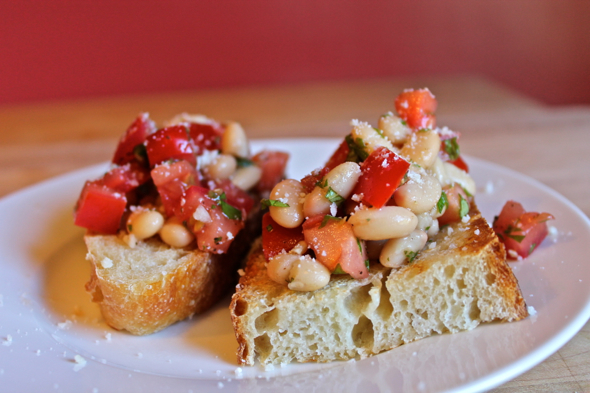
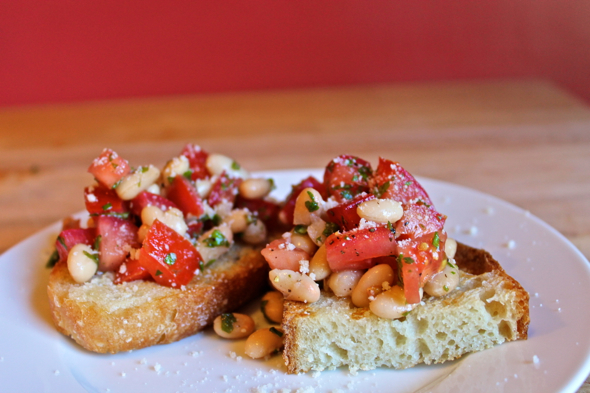
It was with my best friend in mind that I made this fresh, summery bruschetta. Grilled bread, brushed with olive oil, then topped with a garlicky combination of white beans, fresh tomatoes, and a handful of herbs, makes for a highly enjoyable meal, whether you are interested in throwing together a simple dinner for two or a light appetizer for a crowd. Serve this with sturdy crackers for dipping and it transforms into an even more casual affair. Mix it up with some orzo and you’ve got a great summer salad on your hands (and in your mouth). Or you can do what I did: take it over to a friend’s house, place it in the refrigerator, then sit around chatting and enjoying each other’s company until  hunger strikes or a certain newborn baby allows for a bit of respite by taking a long afternoon nap (whichever comes first).

Last Year: Tiny Party Sandwiches

White Bean and Tomato Bruschetta Recipe

1 clove of garlic, finely minced

1 tablespoon extra virgin olive oil

1 tablespoon red wine vinegar

1 ½ cups chopped tomato, seeds removed

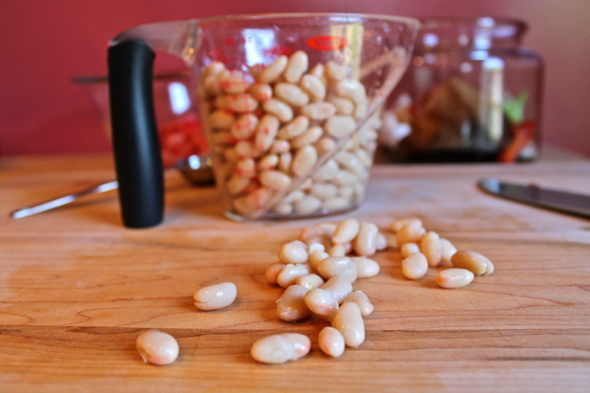
1 ½ cups cooked white beans (canned, rinsed beans are fine)

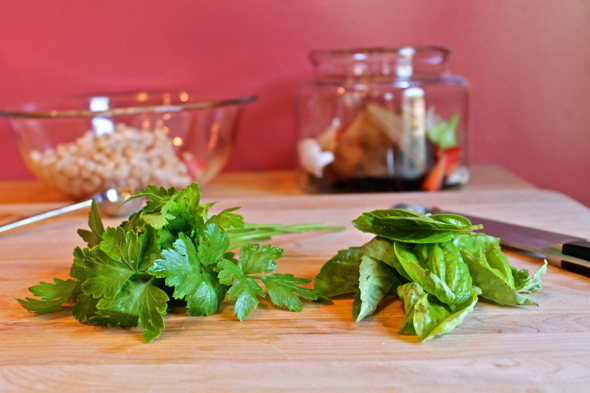
2 tablespoons chopped fresh basil

2 tablespoons chopped fresh Italian parsley

salt and pepper to taste

optional: a sprinkling of finely grated Pecorino Romano or Parmesan cheese

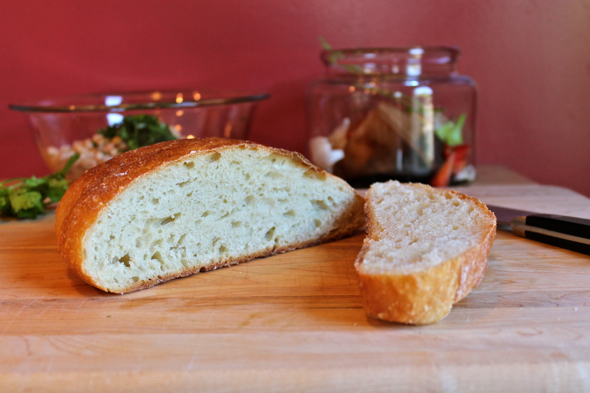
1 loaf of crusty bread, cut into slices, brushed with olive oil, and grilled until crisp

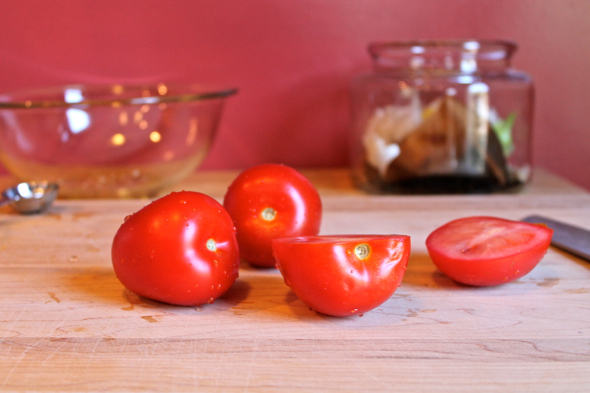
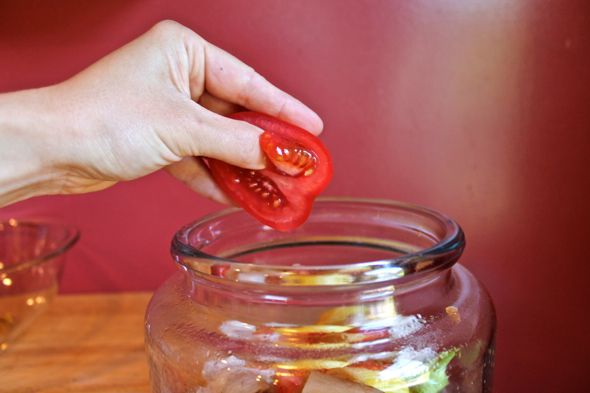
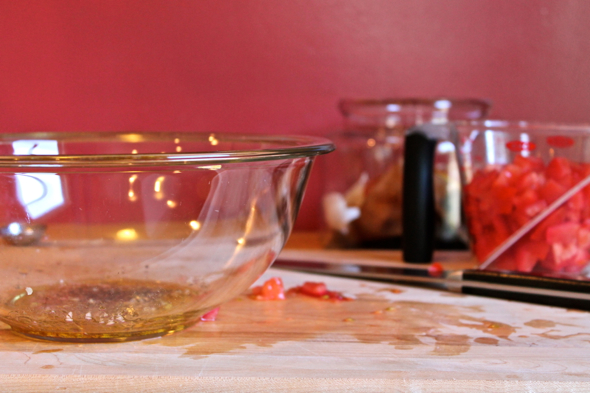
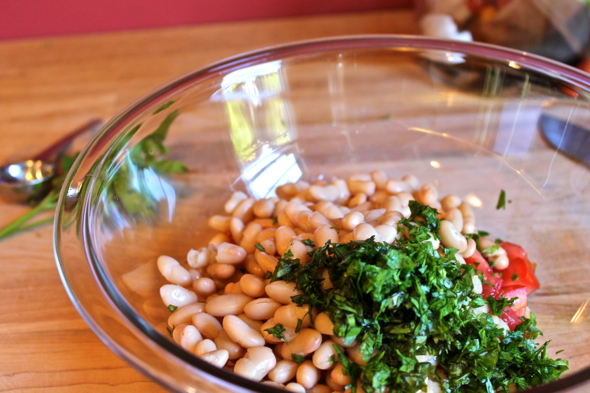
In a large bowl, combine minced garlic with olive oil and red wine vinegar. Stir to combine, then set aside while you seed and chop the tomatoes. Add tomatoes to garlic and olive mixture, along with the white beans, chopped herbs, salt and pepper. Stir to combine, then taste for seasoning.

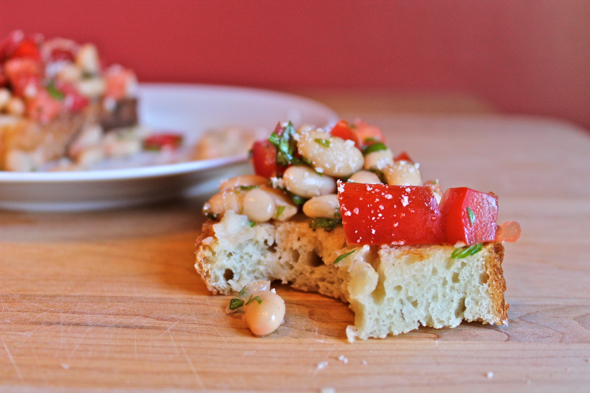
To serve, pile on top of slices of grilled bread, then, if using, sprinkle with a bit of grated cheese.

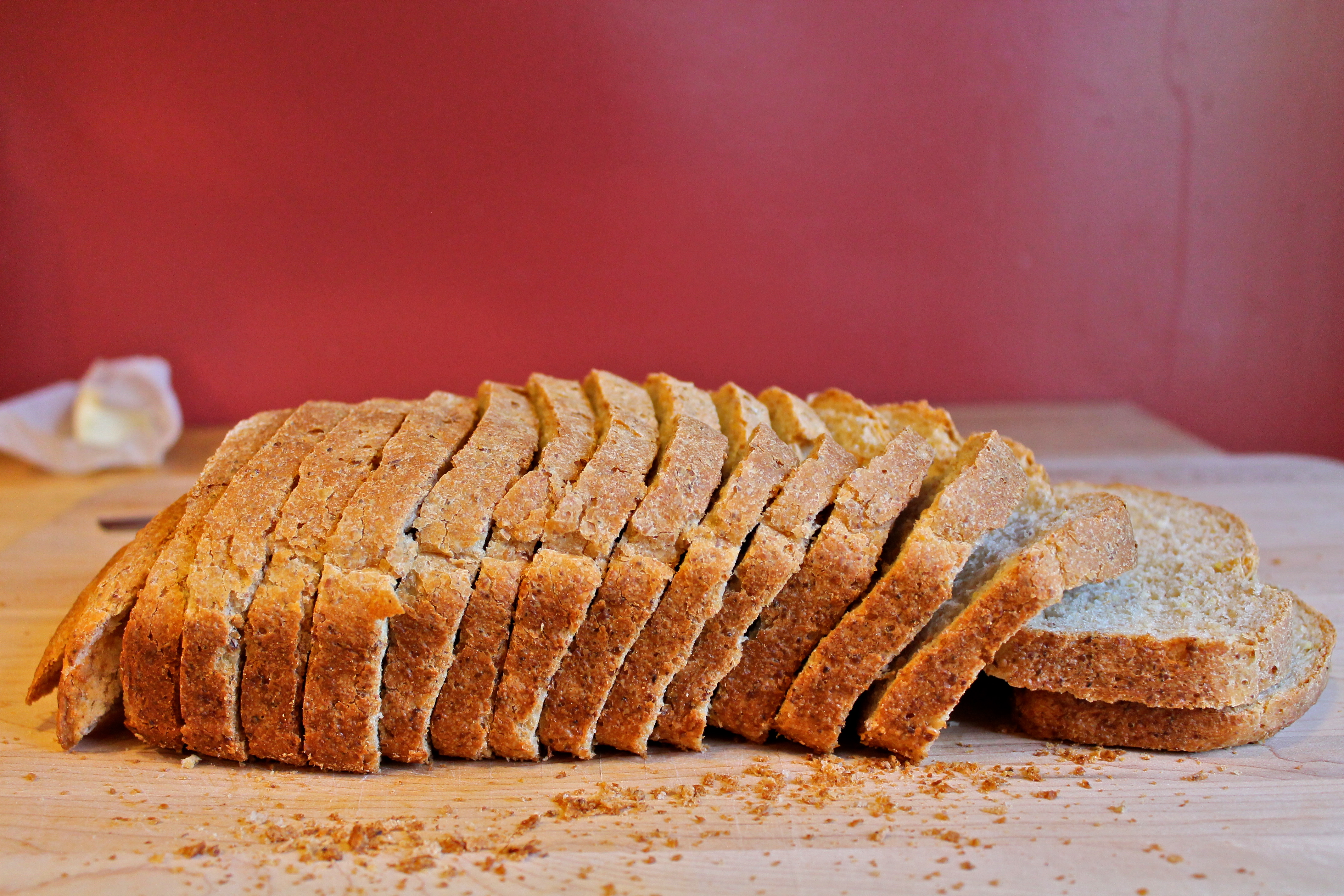
Multigrain Sandwich Bread

11 Jun

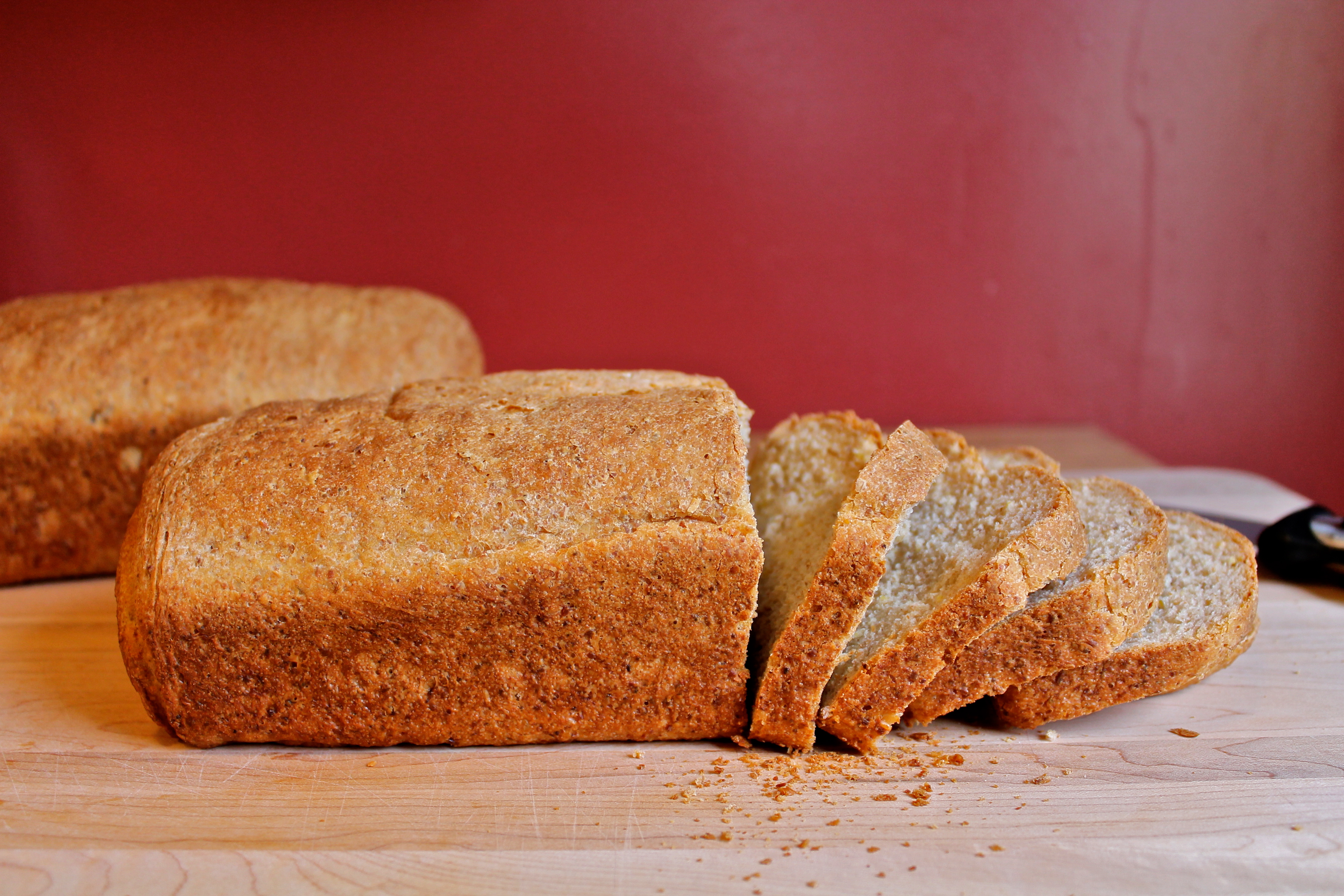
Since September, I’ve been baking bread for my son’s school.  I make two loaves of bread for his class, and the bread gets used throughout the week for work projects (in a Montessori school, activities that involve bread are the basis for learning, which should make obvious the variety of reasons I am a fan of a Montessori education), snacks, and the occasional almond butter sandwich that a kid will receive for lunch when his or her intended lunch ended up on the floor or, occasionally, in another child’s mouth.  It happens.

Before the start of the school year, I spent a lot of time working on a suitable bread recipe for my son’s school.  It was preferable to everyone involved that the bread be whole grain or whole wheat, and, because of the dietary restrictions of some students, the bread had to be vegan.  It also, most importantly, had to be something that a child would want to eat.  Knowing full well about children and their preference for foods that do not contain too many surprises or unexpected textures, the bread had to be on the soft side, with no big chunks of seeds or nuts that might possibly repel an unsuspecting child.  And, of course, it had to be delicious, because who am I to foist healthfulness upon a child without the added promise of tastiness?

This week I made the last two loaves of bread that I will ever bring to his school.  School ends this week and my son will leave kindergarten and enter a new school in the fall, a grade school, where children eat en masse in a cafeteria, sit at assigned desks, and intermingle with other students who are twice their age.  It’s all a bit overwhelming, I would think.  I don’t say this to my son, of course.  Instead, there is a lot of talk of how great the garden is at the new school, how big the playground is, how nice the teachers are.  I want my son to transition as seamlessly as possible when he enters his new school, and it would be preferable that I instill him with a sense of confidence about his new surroundings, rather than a sense of doom concerning the fact that, dude, did you see that fifth grader?  He looked like he was one growth spurt away from needing a shave.

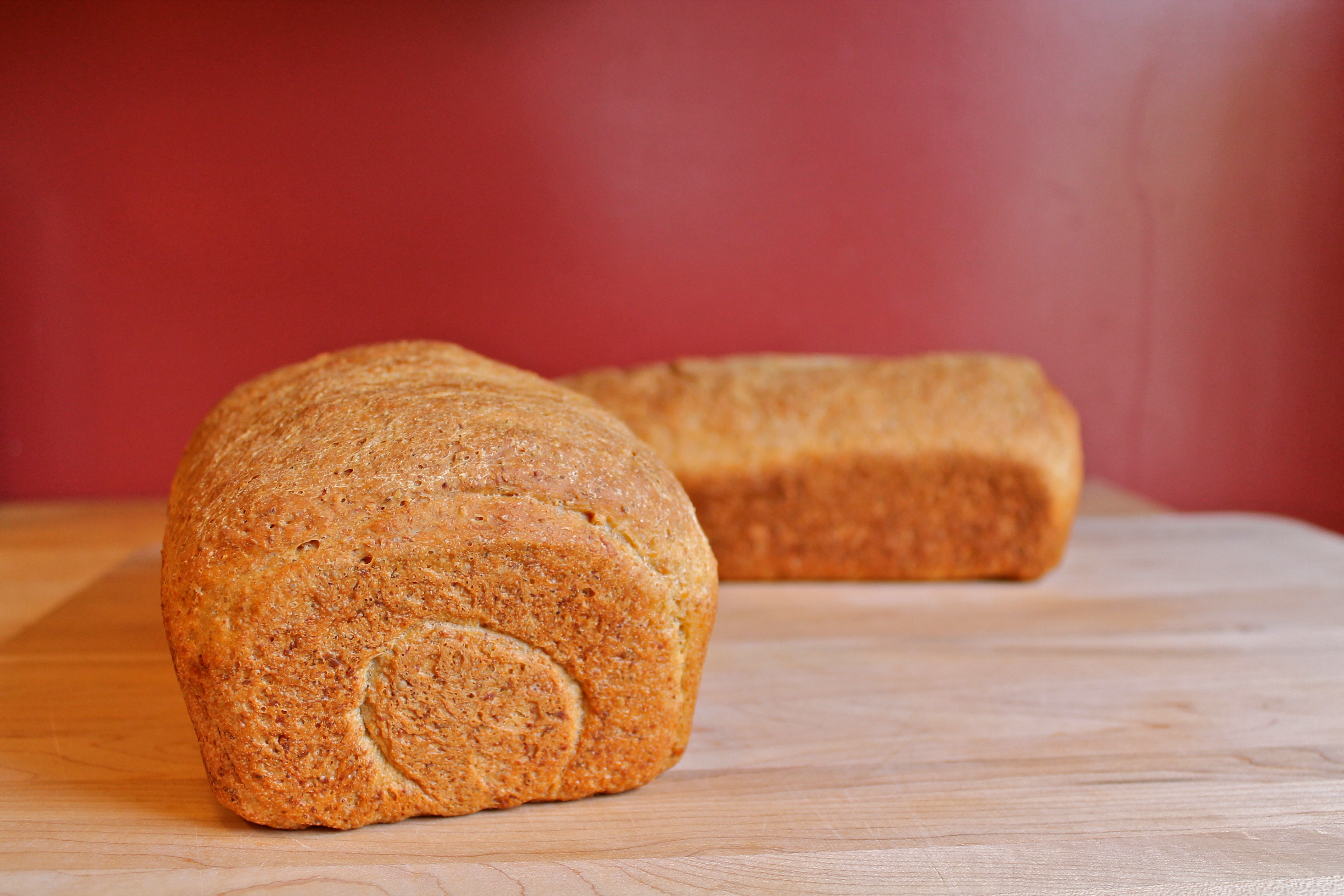
I’ll be making this bread for just us now.  The recipe makes two loaves, which is enough to last a family of three quite some time.  The funny thing is, even though I’ve made this bread so many times that I now have the recipe memorized, there has never been a time when both loaves turned out the same.  No amount of practice or repetition could ever remedy the fact that, no matter what I did, one loaf was always larger than the other.  Or sometimes one loaf rose faster than the other, resulting in some craggy tears along the top.  One time the loaves almost scorched on the sides, even though I baked them at the same temperature I always do, in the same pans I always do, in the same oven I always do.  It’s a mystery, really.  One entire school year, and I still manage to be a little bit surprised by this bread every time I make it.  I imagine I’ll continue to be surprised by it as the years go on, much like I’ll continue to be surprised by my son and the fact that, no matter how many times he tells me that he wants to be a whale-watching bunny farmer when he grows up, he is getting older, wiser, and ever more interesting every single day, right before my eyes.

Last Year: Pizza with Chicken Sausage, Fennel, and Spinach

Multigrain Sandwich Bread Recipe

Adapted from America’s Test Kitchen

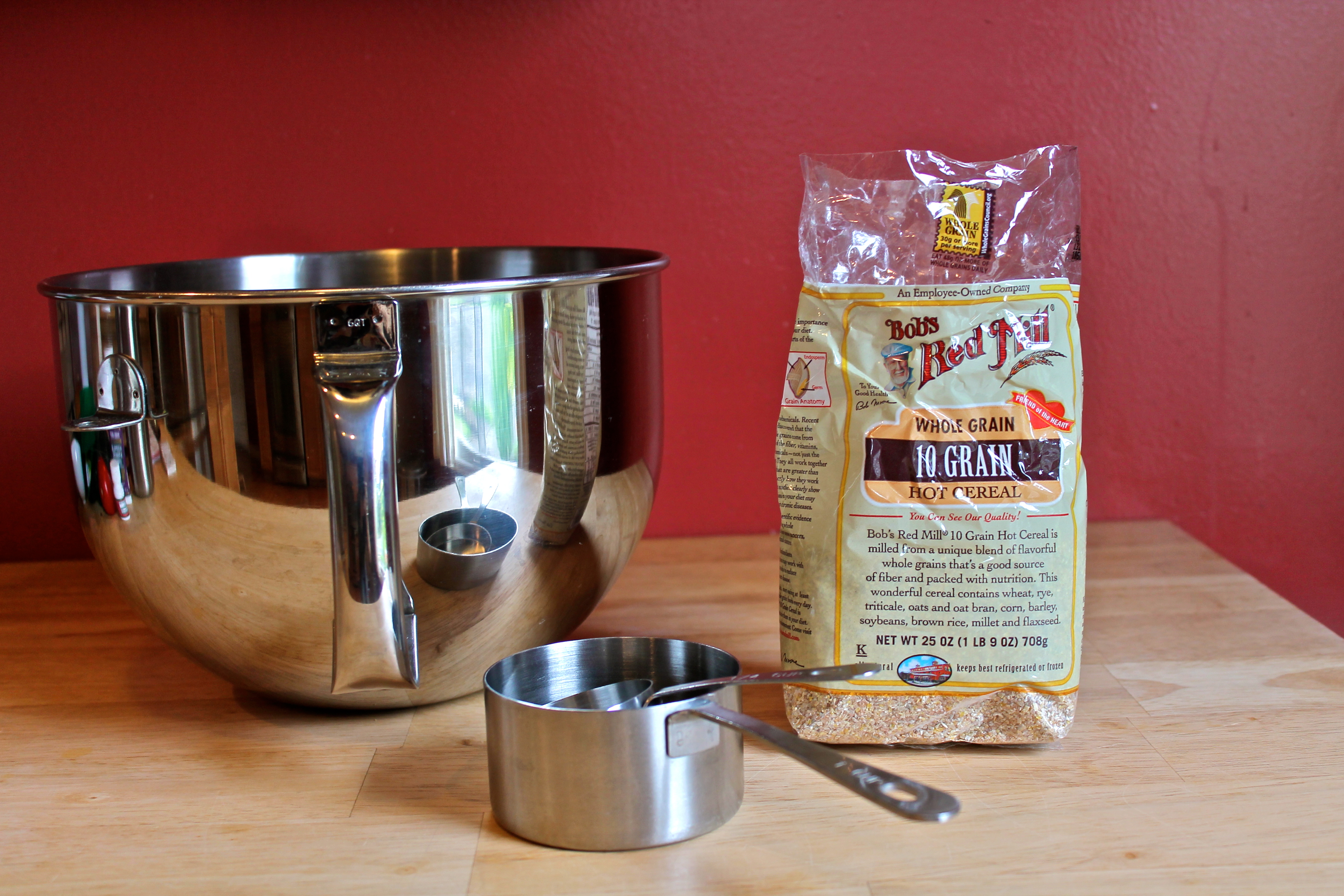
1 ¼ cups Bob’s Red Mill 10 grain cereal mixture

2 ½ cups boiling water

2 tablespoons vegetable oil

2 tablespoons olive oil

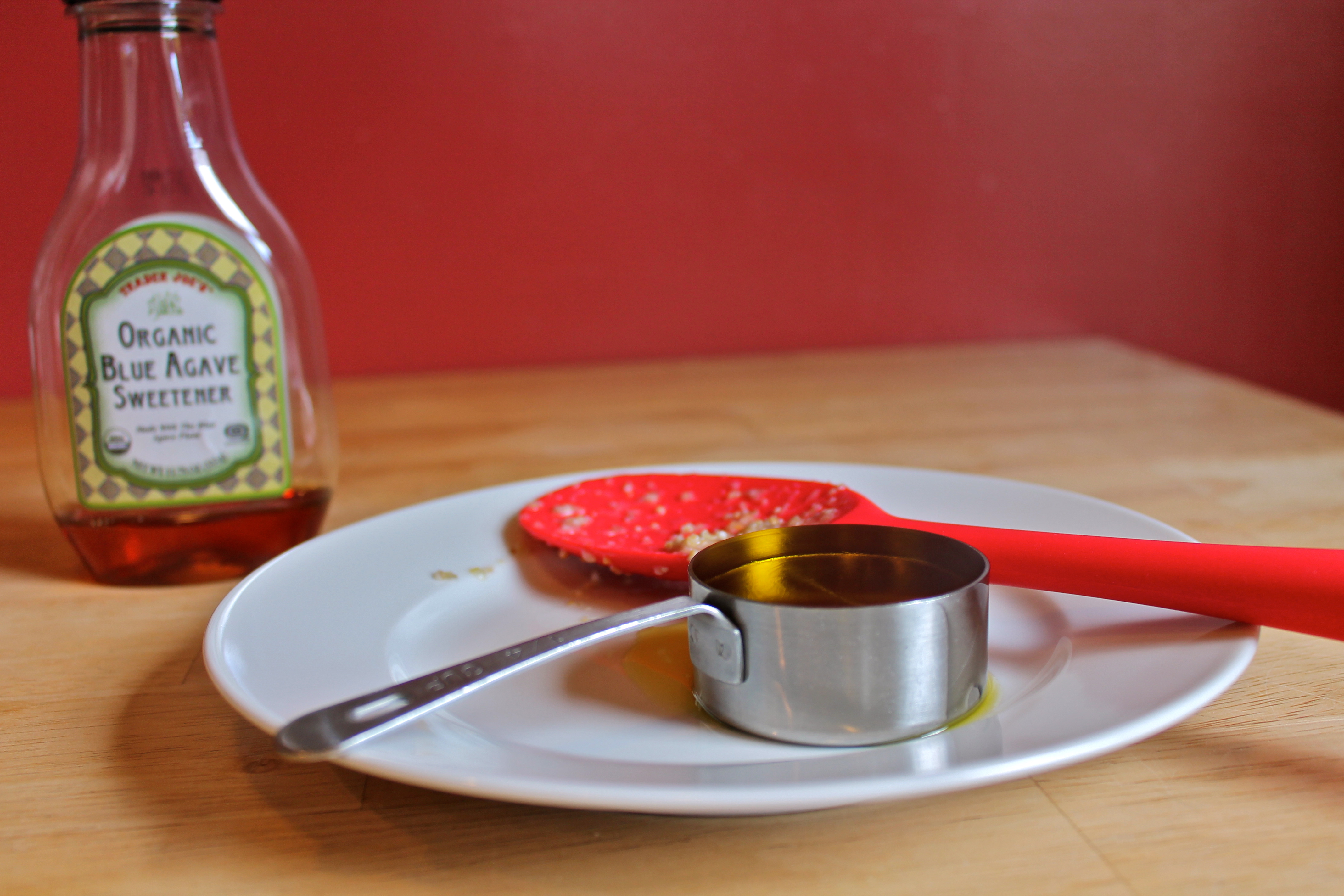
¼ cup agave nectar (if you don’t need the bread to be vegan, you can use honey instead)

2 ½ teaspoons instant rapid-rise yeast

3 cups (15 ounces) unbleached all purpose flour

1 ½ cups (7.5 ounces) whole wheat flour

1 teaspoon fine grain sea salt

In a large bowl, or in the bowl of a stand mixer, combine cereal mixture and boiling water.  Stir thoroughly, then allow to sit, stirring occasionally, until the cereal has absorbed the water and cooled to a temperature of around 110 degrees Fahrenheit (this should take anywhere from 40 minutes to an hour).

In a medium bowl, whisk together all purpose flour and whole wheat flour.

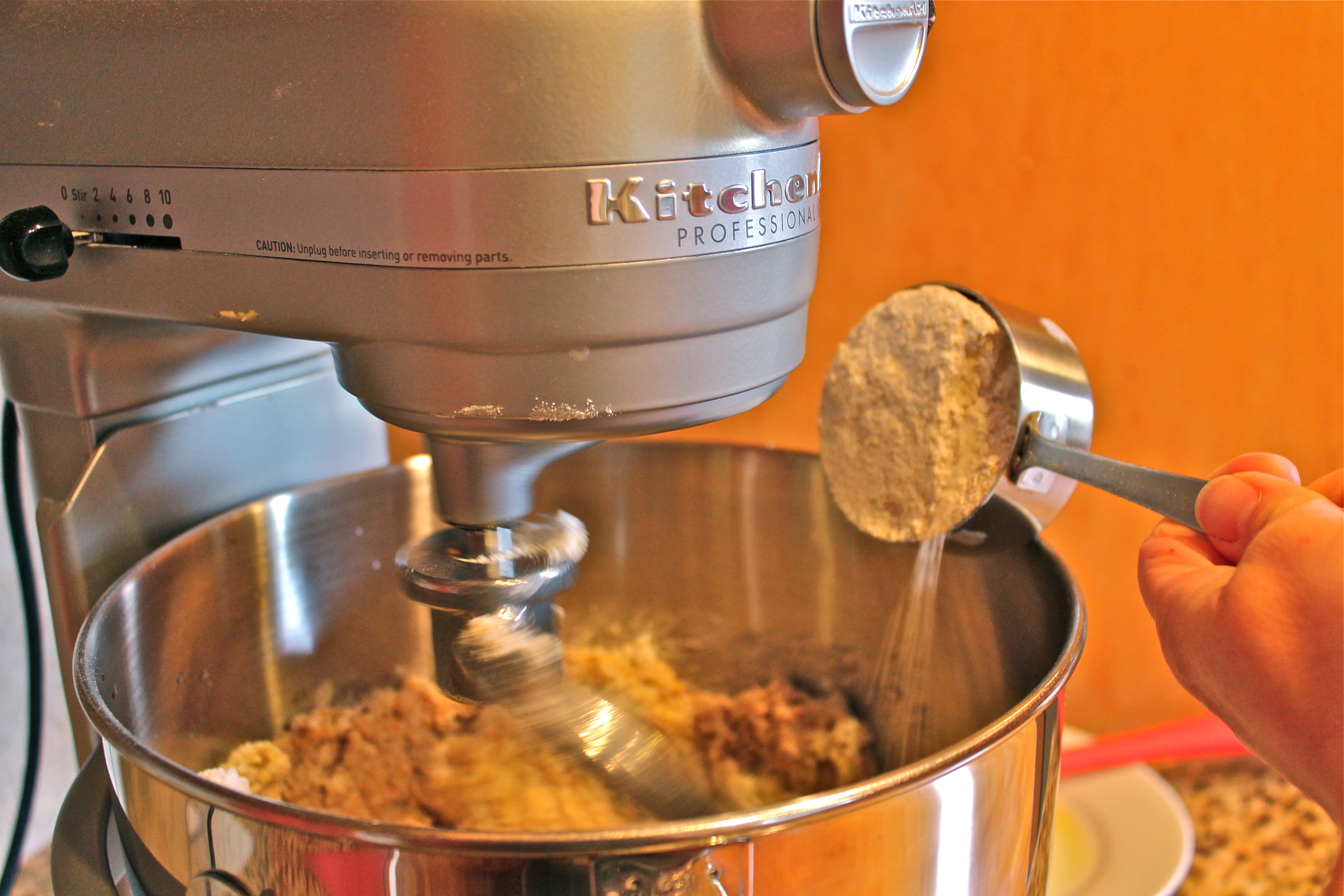
When cereal mixture has cooled, stir in vegetable oil, olive oil, agave nectar, and yeast.  Stir until ingredients are fully incorporated.  If using a stand mixture, attach the dough hook to the mixer.  Slowly, about ½ cup at a time, add the flour mixture to the cereal mixture, mixing all the while.  If using a stand mixer, use only the first speed for this.  If using your hands, stir with a sturdy wooden spoon.  When the flour mixture has been added in its entirety, turn the stand mixer to the second speed and knead the dough for about 1 minute.  If using your hands, stir the mixture with a sturdy wooden spoon until all ingredients are completely combined, about 1 to 2 minutes.  Cover the bowl with plastic wrap and allow dough to rest for 20 minutes.

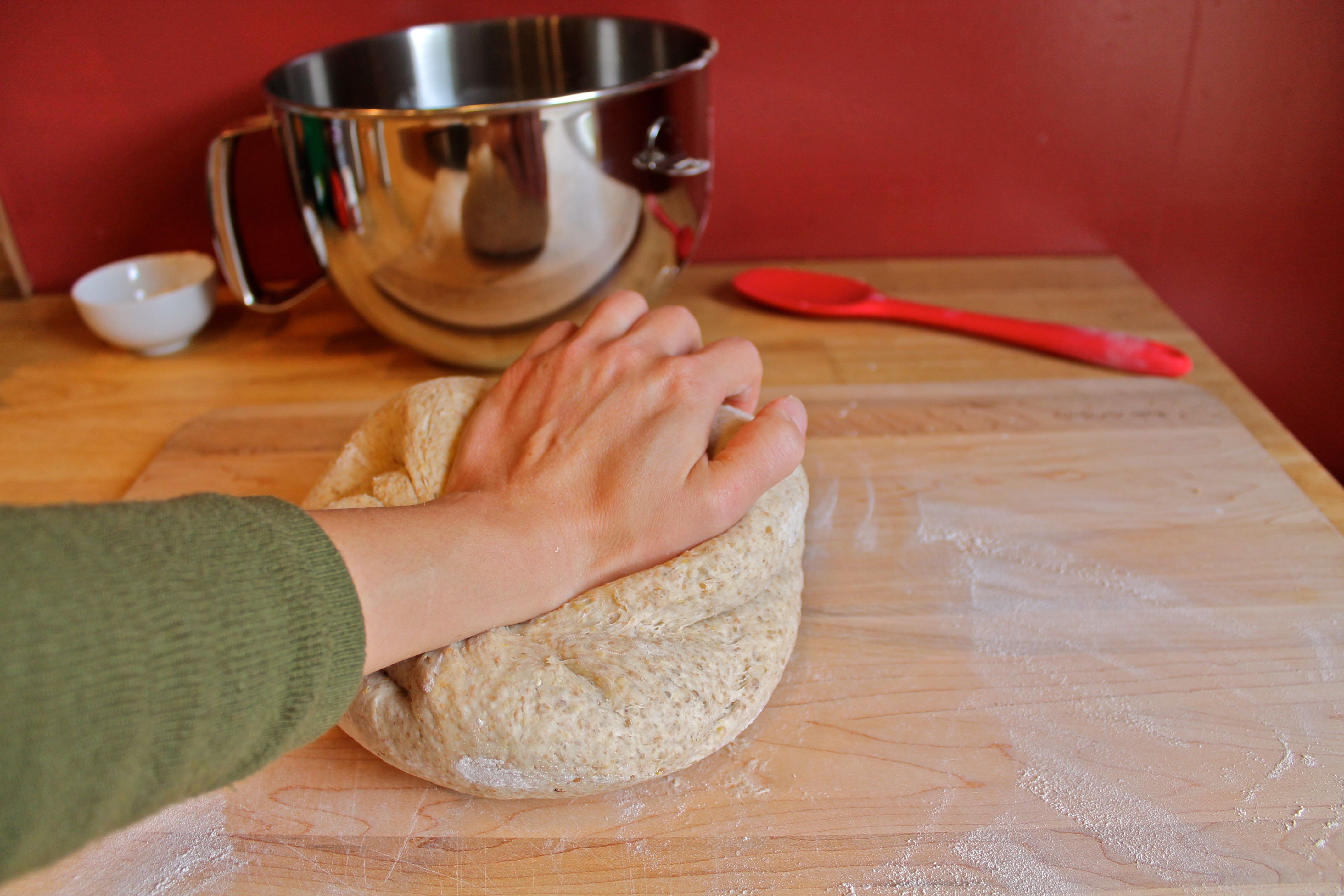
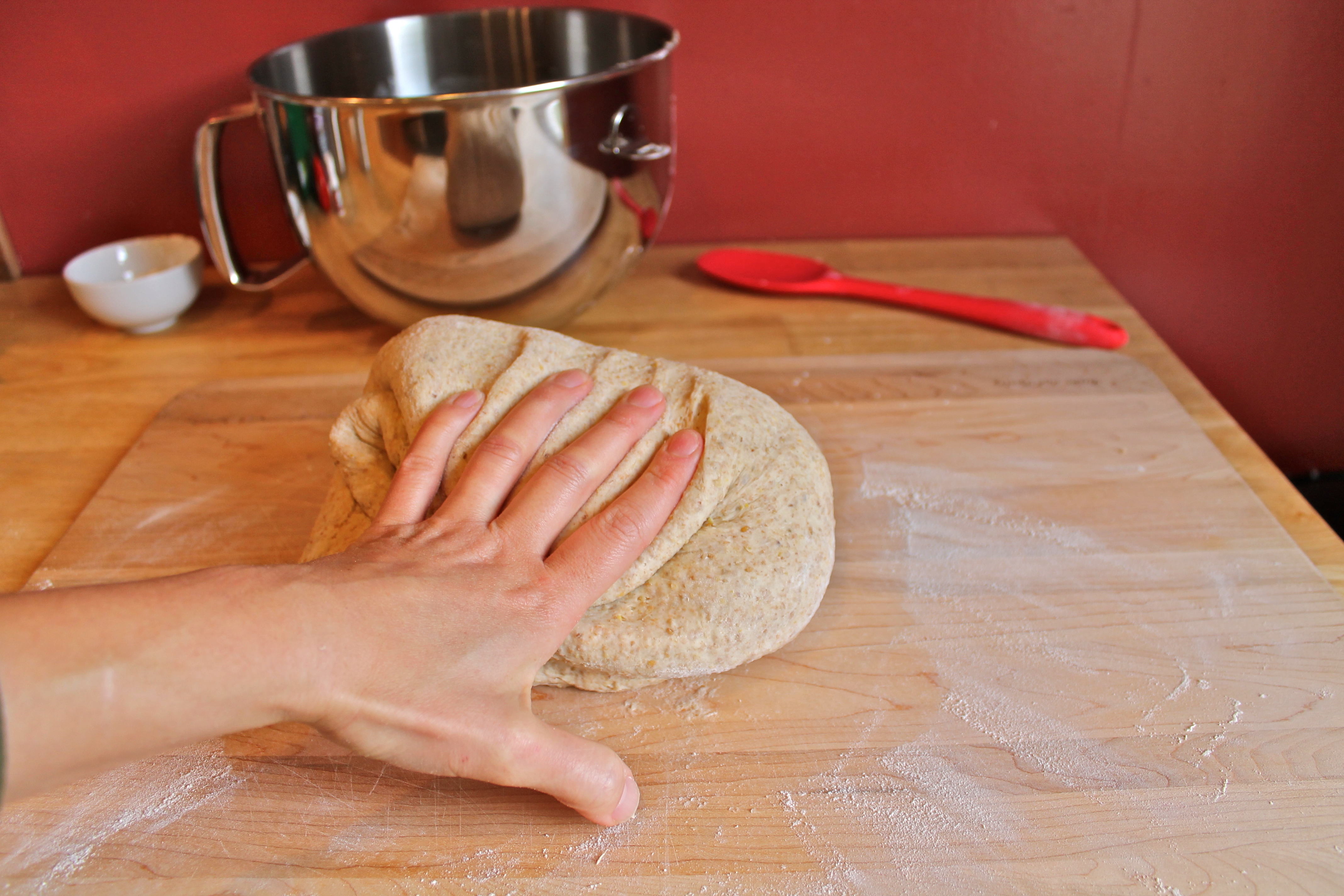
After 20 minutes, add the sea salt to the dough and knead the dough until it is smooth and shiny (5 to 6 minutes on level 2 for a stand mixer, and 7 to 8 minutes if kneading by hand).  The dough will be a bit sticky, but that is normal.

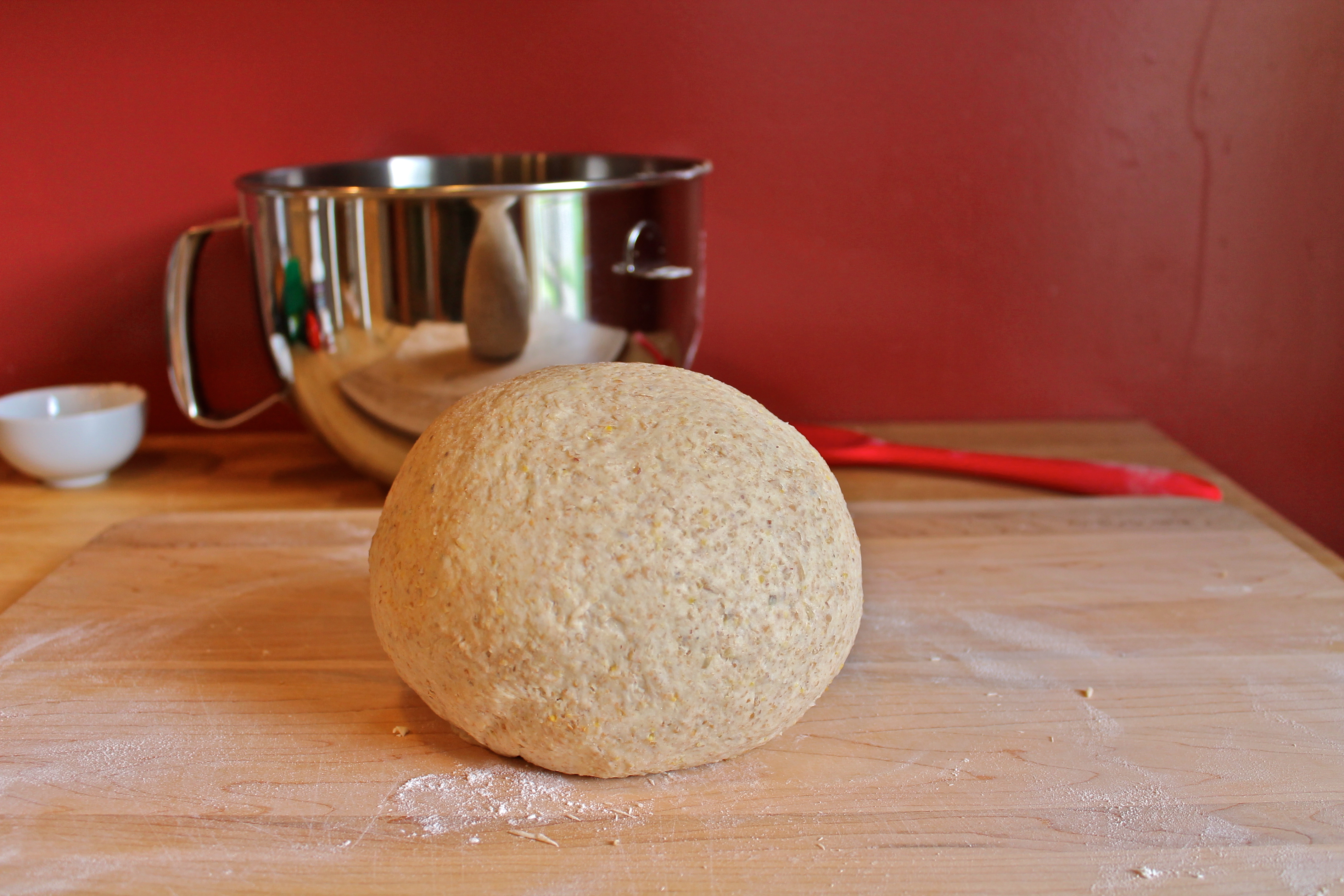
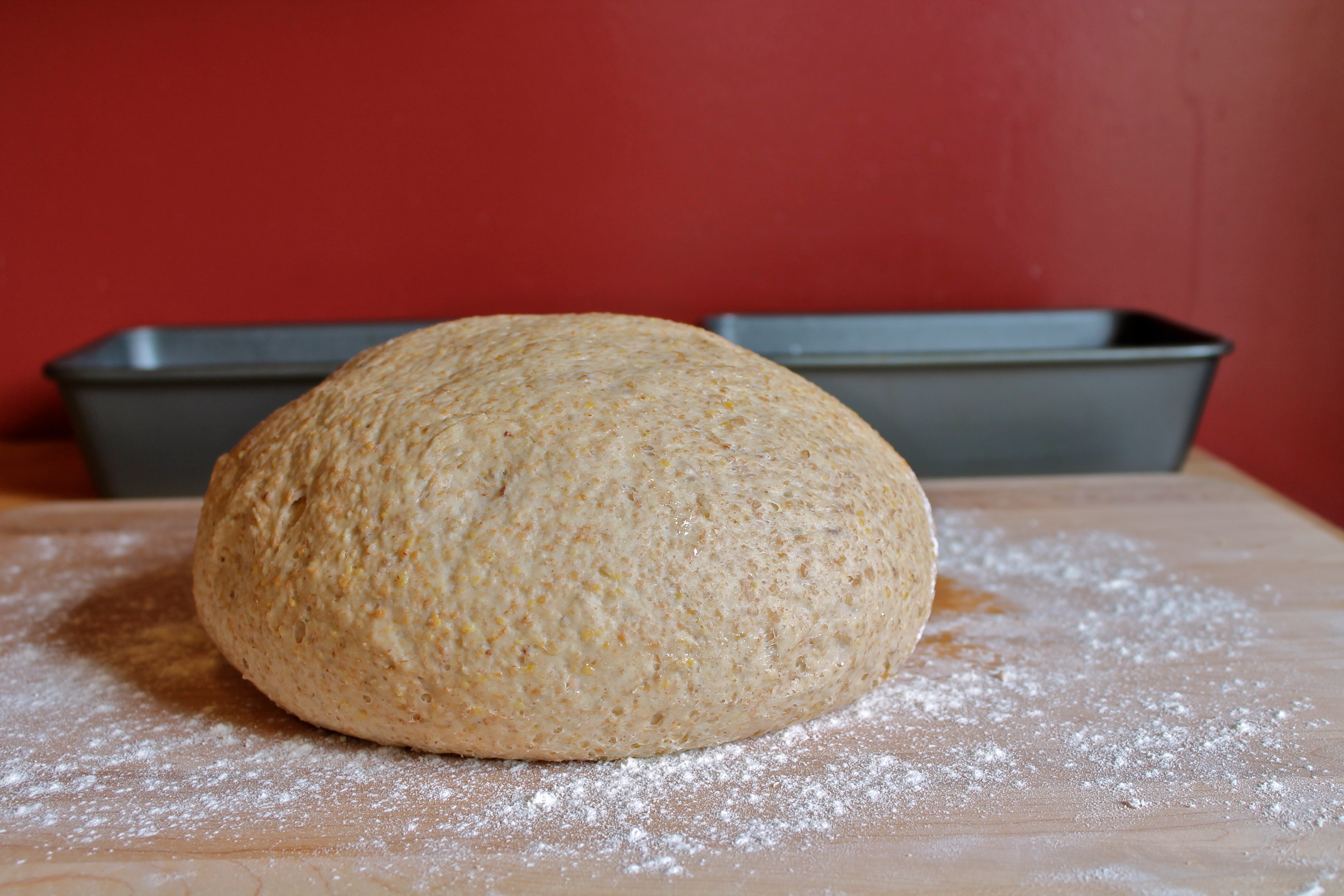
On a well-floured surface, shape the dough into a tight ball.  Lightly oil a large bowl, then place the dough in the bowl, turning the dough to completely coat it in oil.  Cover tightly with plastic wrap or a tight-fitting lid, then allow dough to rise until doubled in size.  This can take anywhere from 40 minutes to a little over an hour, depending on the temperature of your kitchen.

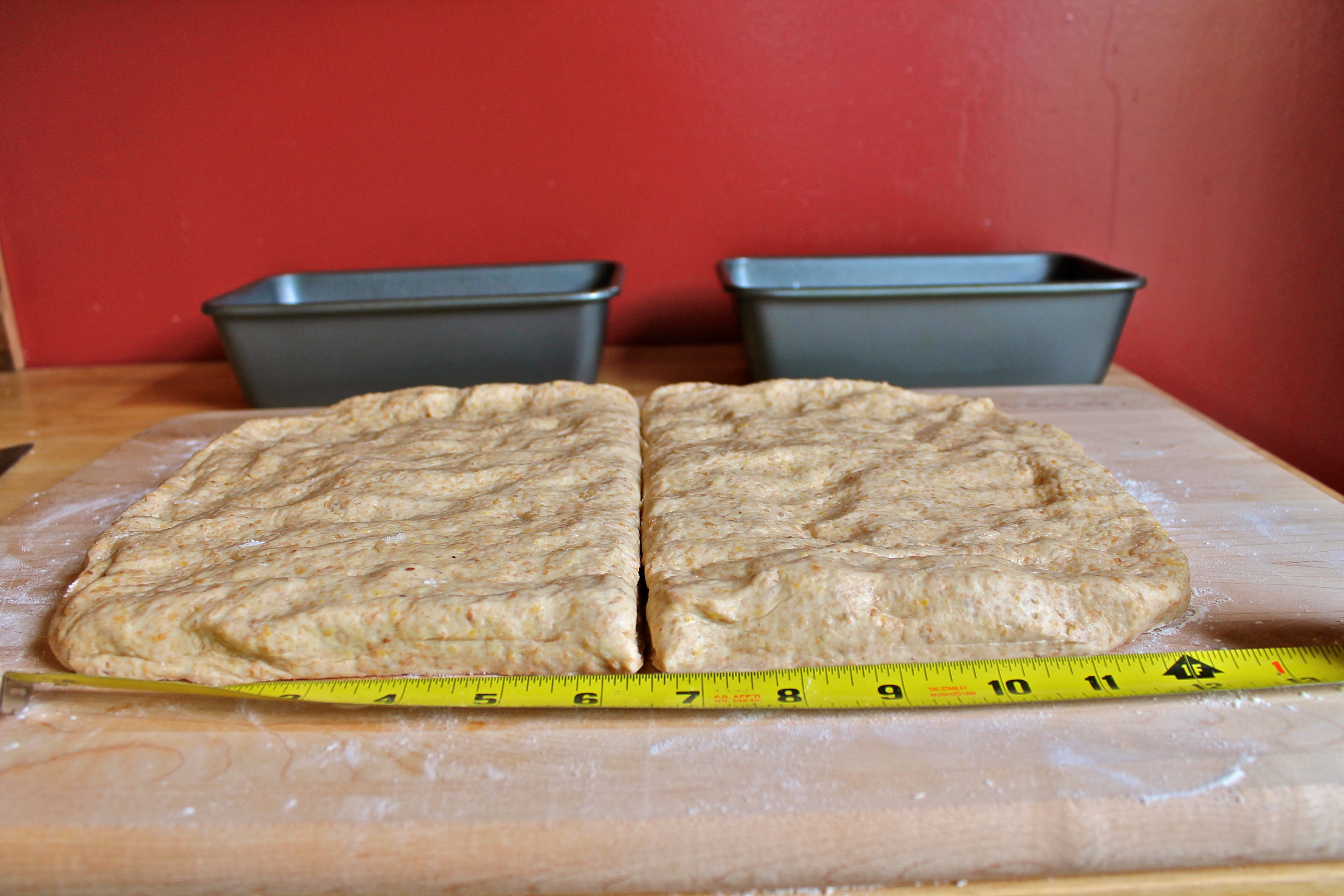
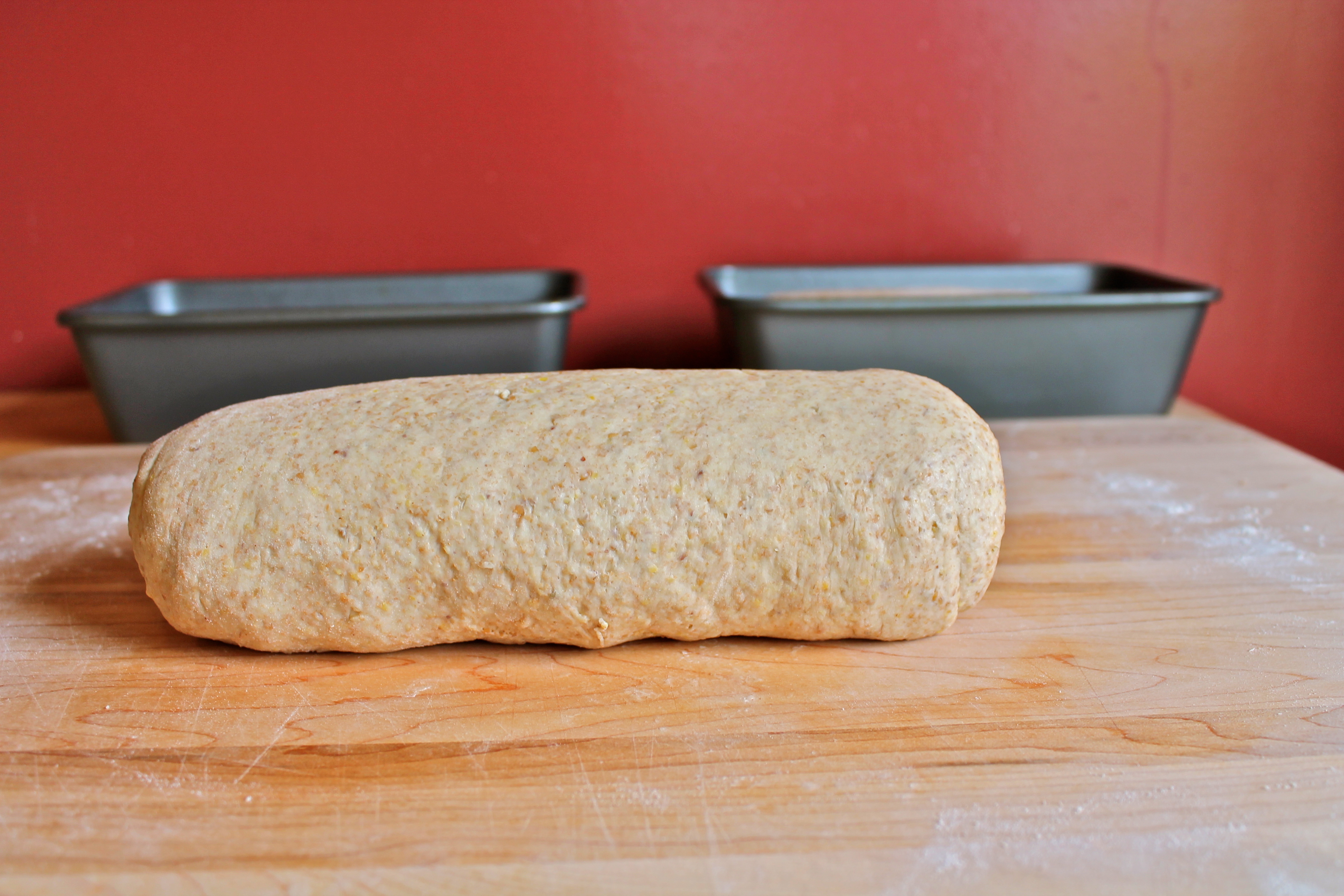
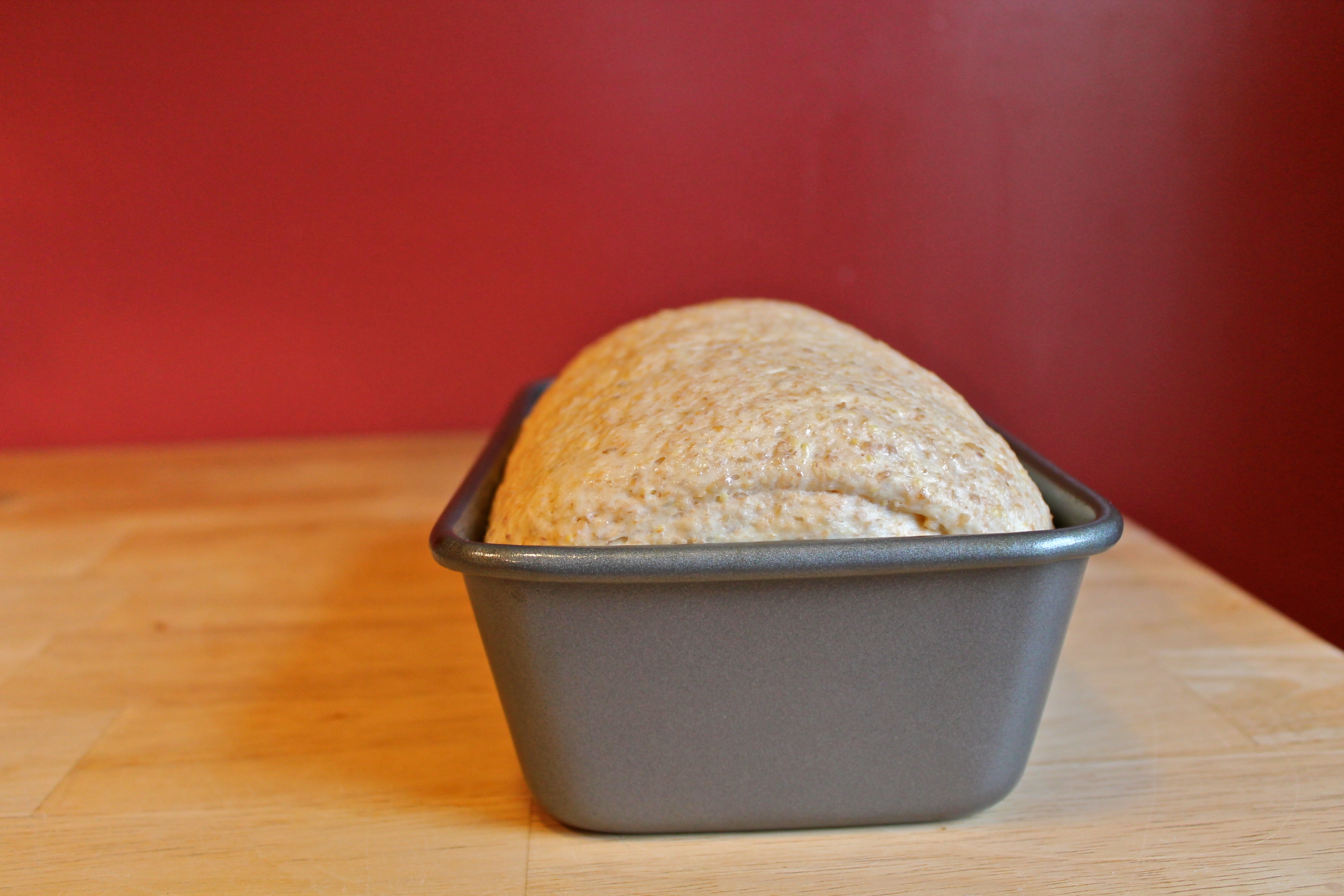
When the dough has doubled in size, turn it out onto a well-floured surface.  Using your hands, pat the dough into a 9” by 13” rectangle, with the long side facing you.  Cut the dough in half to make two 9” by 6 ½” pieces.  Starting at one 6 ½” end, roll one piece of dough into a tight log, pinching the seam closed at the end.  Place the dough in a lightly-oiled 9” by 5” loaf pan.  Repeat with other piece of dough.  Lightly brush or spray the tops of the loaves with oil, then cover with plastic wrap and allow to rise in a warm place until doubled in size.  This can take anywhere from 1 hour to 1 hour and 45 minutes, depending on how warm your kitchen is.

About 20 minutes before it appears as though your loaves might be done rising, preheat the oven to 375 degrees Fahrenheit.  When loaves are done rising, remove plastic wrap and bake loaves in the center of the oven for 35 to 40 minutes, rotating loaves after about 20 minutes.  The loaves are done when the tops are a deep golden brown and the bread has an internal temperature of about 200 degrees Fahrenheit.

Turn loaves out onto a wire rack to cool completely.

Makes 2 loaves.