Archive | Vegan RSS feed for this section

Vegetable Biryani, or What to Make When Your Kid Decides to Become a Vegetarian

4 Jun

Remember when I said that I was done with my frenzy of Indian food posts?  That Indian Food Week-Plus had drawn to a close?  Well, it turns out that I wasn’t being entirely truthful.  My duplicitousness was not purposeful, I promise.  I was all set to close the door on this cooking run of mine until my friend Mike, one of the most dedicated dads I know, who also happens to be one of the most dedicated carnivores I know, happened to mention that his daughter had decided to become a vegetarian.
Upon hearing that this young lady was weighing a switch to vegetarianism, the vegetarian-centric cooking node in my mind went into overdrive.  I was a vegetarian for most of my life, and many of those years were spent in the company of people who weren’t familiar with, and didn’t care to be familiar with, a balanced vegetarian diet.  As a result, I became what one might call a little bit slack in my own eating habits, and spent the better part of five or six years constructing my meals around a basic principle of cheese + carbs = not hungry anymore.  Obviously, it was not the healthiest thing I could have done, but since I never became lethargic from hunger or developed scurvy, I assumed, at the time, that whatever I was doing was fine.
Maybe it was, for a time, but, in the long term, that’s just no way to live.  Food, no matter if it contains meat or not, should be an experience that provides you with something more than just nourishment.  Food can be an adventure, a chance to learn, an opportunity for discovery, and when you’ve decided to make a huge change in the structure of your diet, there is no better time to start seeking out new frontiers in food and cooking.  And when you’re going vegetarian, there is no better place to focus than India.  I’ve written about this before, but one of the most notable things about Indian vegetarian cuisine is the fact that when food is made to focus on things other than meat, there is never a sense of something being missing.  There is no effort to make up for a lack of meat, and thus your experience eating a truly fine vegetarian meal is one of satisfaction and comfort rather than of substitution.
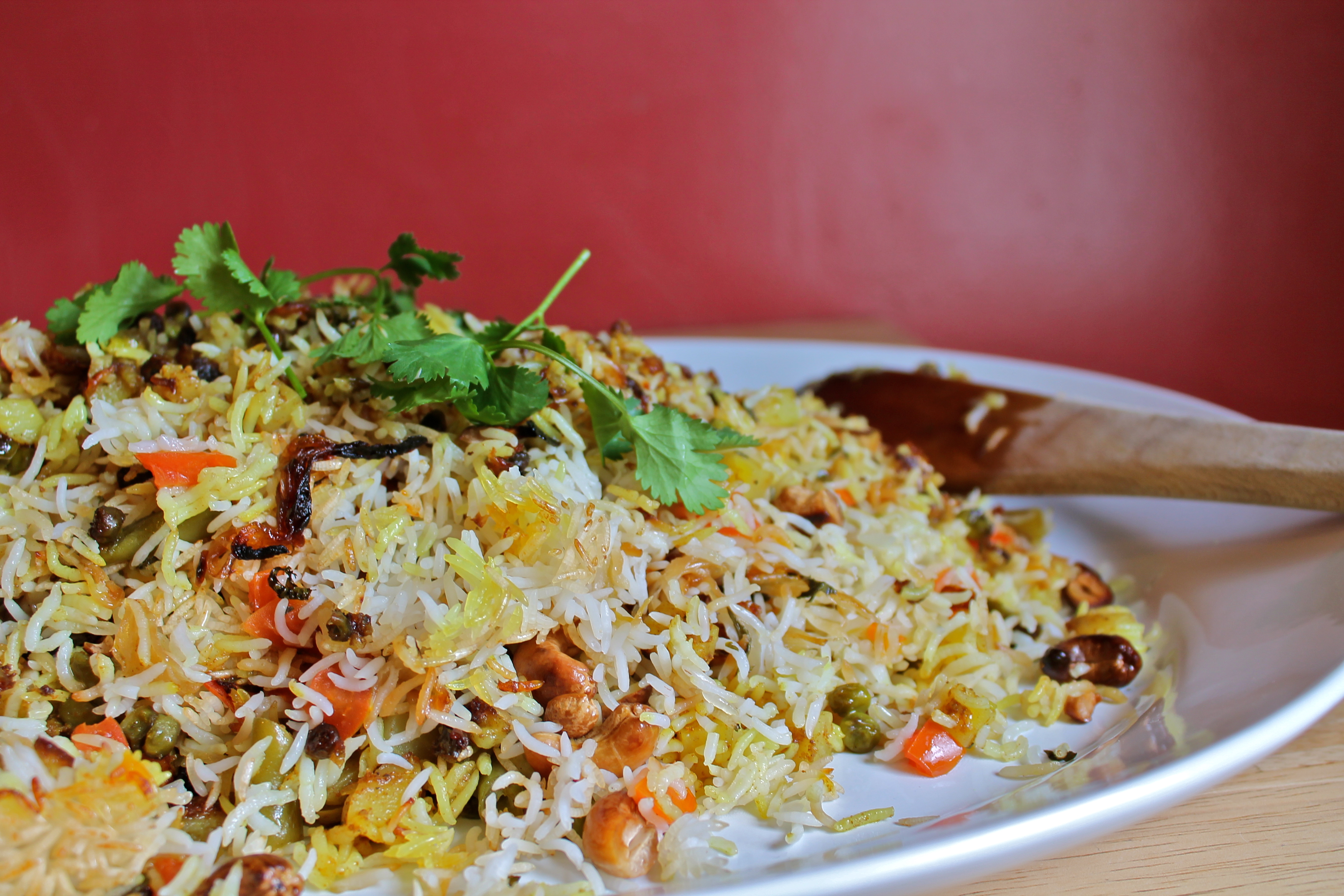
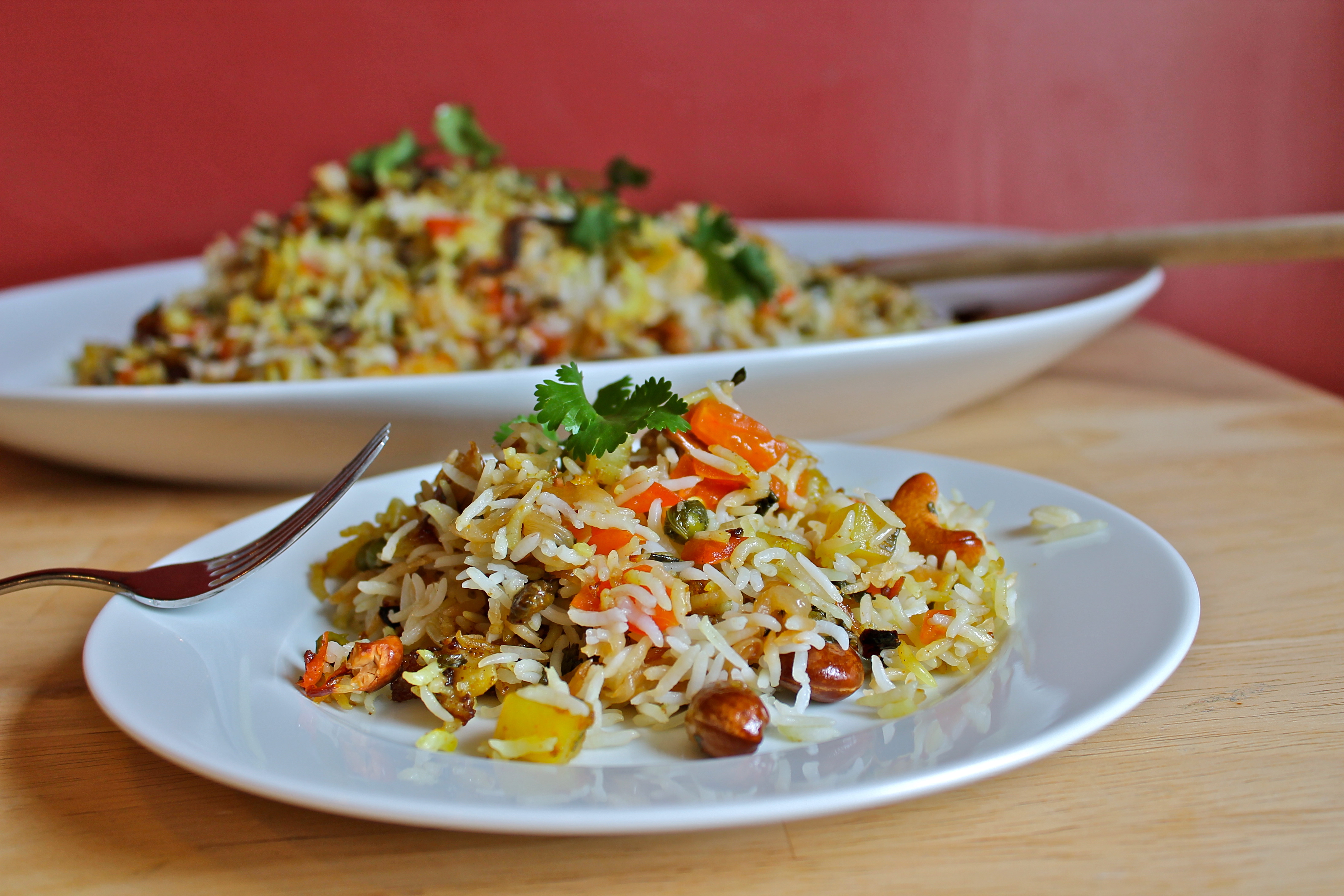
Thus, it is rather ironic that when I wanted to develop a great Indian dish for Mike’s daughter to try out, it ended up being based on a favorite chicken dish.  However, personal contradictions aside, this really is a phenomenal meal for anyone looking to develop a nice repertoire of vegetarian meals.  The perfect blend of spices adapts well to any vegetables you choose to include, and if you throw in a cup of cooked chickpeas to accompany the toasted cashews, you’ve got a one pot rice dish that also happens to be a source of complete protein.  Not that you have to utilize the old battering ram of healthfulness in order to get people to eat this.  I made this biryani last night, and, at the evening’s end, three people (two adults, one kindergartener) had eaten nearly every last grain.  With its mix of savory Indian flavors and perfectly roasted vegetables, I think your greatest challenge with this dish is making sure there is enough to go around.
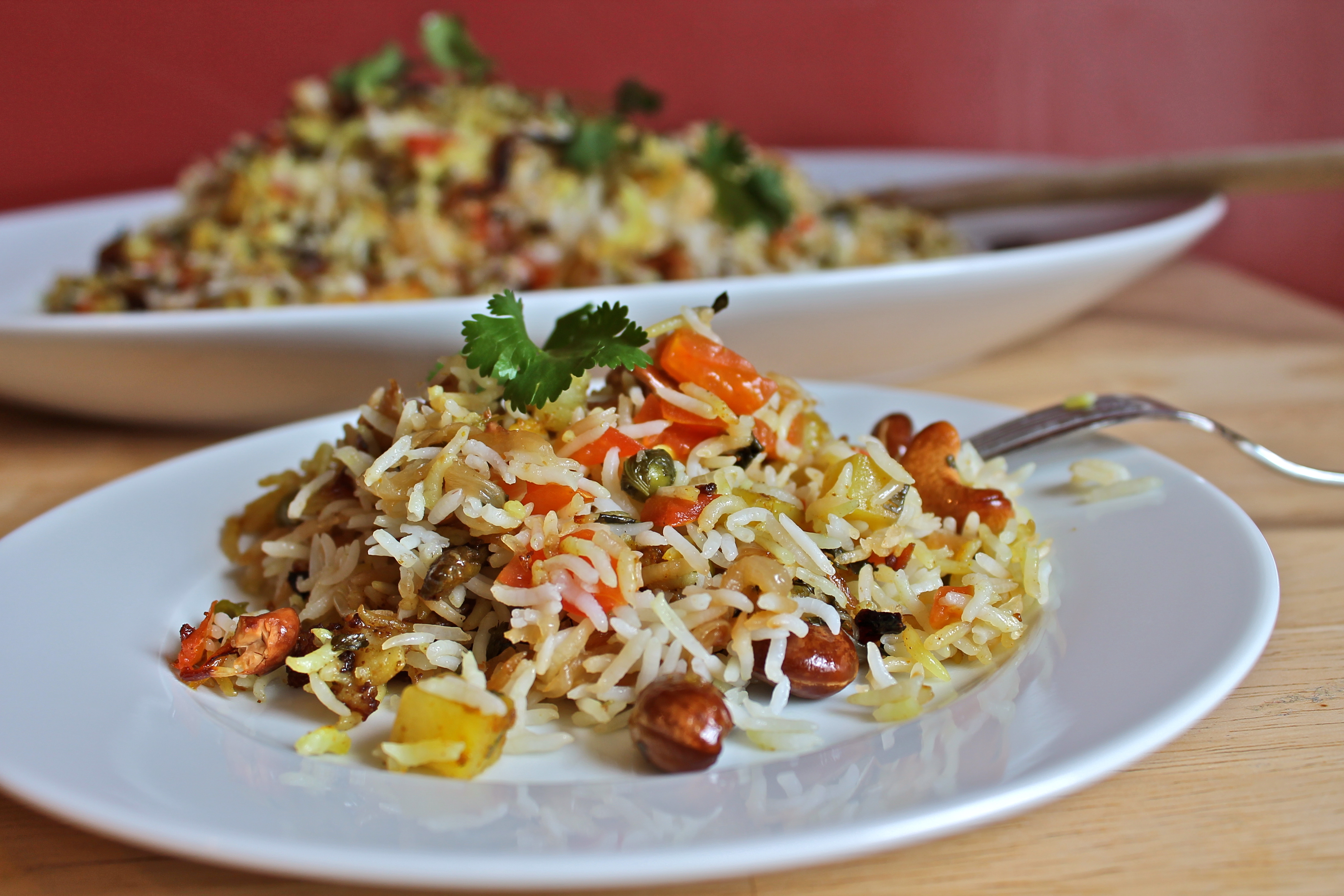
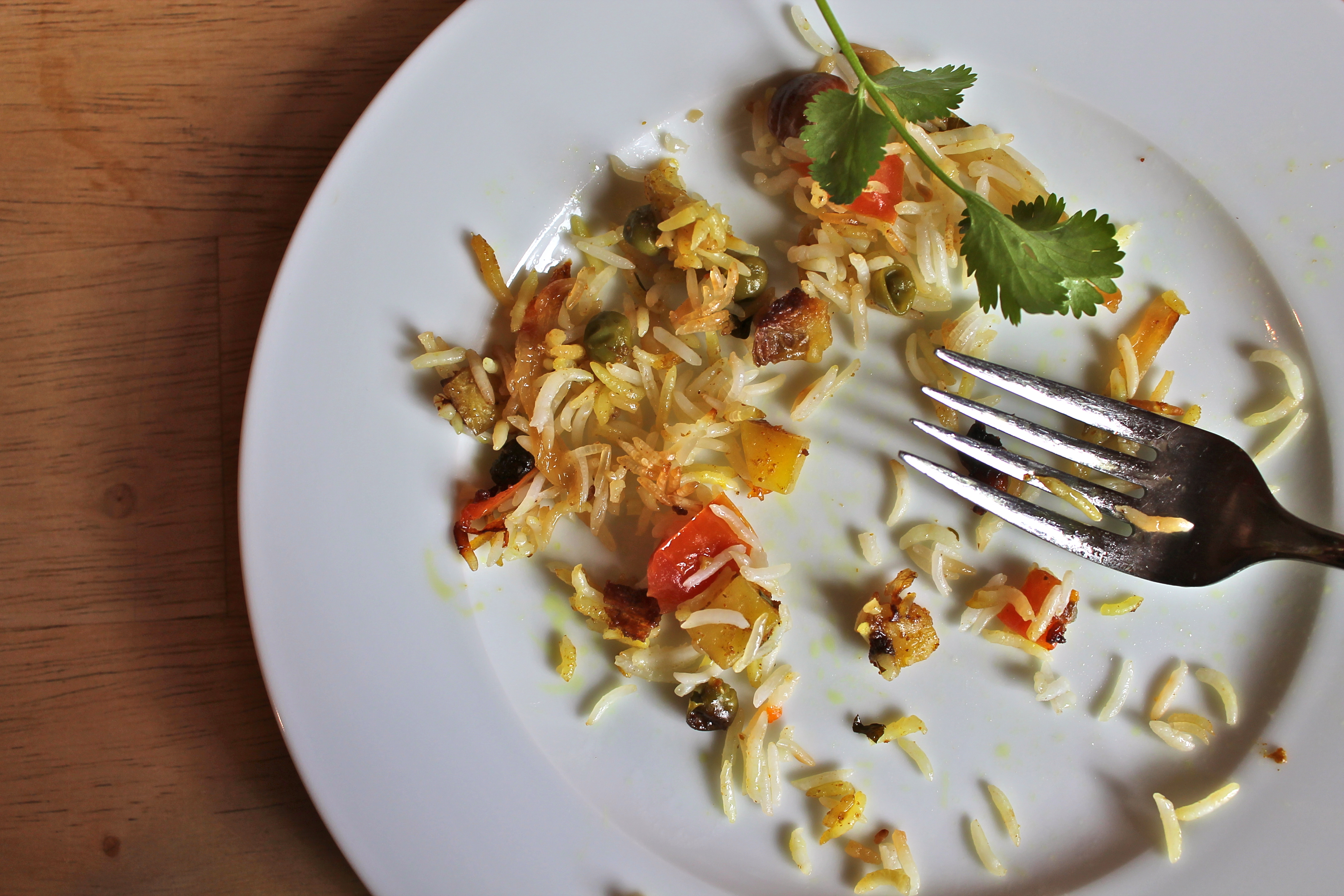
Last Year: Six Threes Ice Cream

Dozens more vegetarian recipes can be found right here in the archives.

Vegetable Biryani Recipe

Heavily adapted from a non-vegetarian recipe in Mangoes and Curry Leaves

3 large cloves of garlic, grated finely (you want to end up with about 2 teaspoons total)

1 teaspoon finely grated fresh ginger

1 large Yukon gold potato, or 1 medium russet potato, diced into ¼-inch cubes

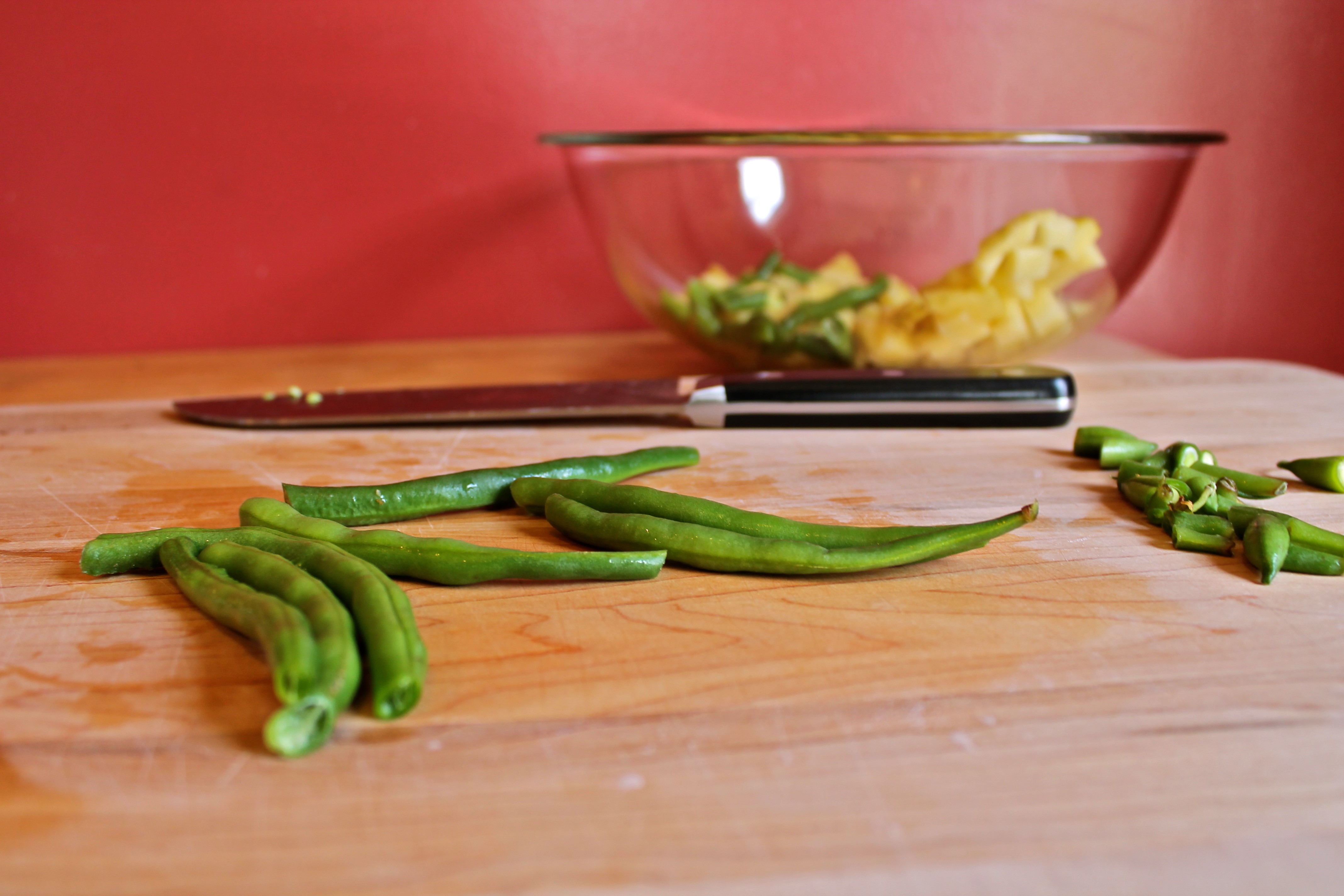
about 12 fresh green beans, chopped into 1-inch pieces (you should end up with ½ cup pieces)

½ cup frozen peas

1 ½ teaspoons ground coriander

½ teaspoon cayenne

¼ teaspoon turmeric

¼ teaspoon garam masala

2 teaspoons salt

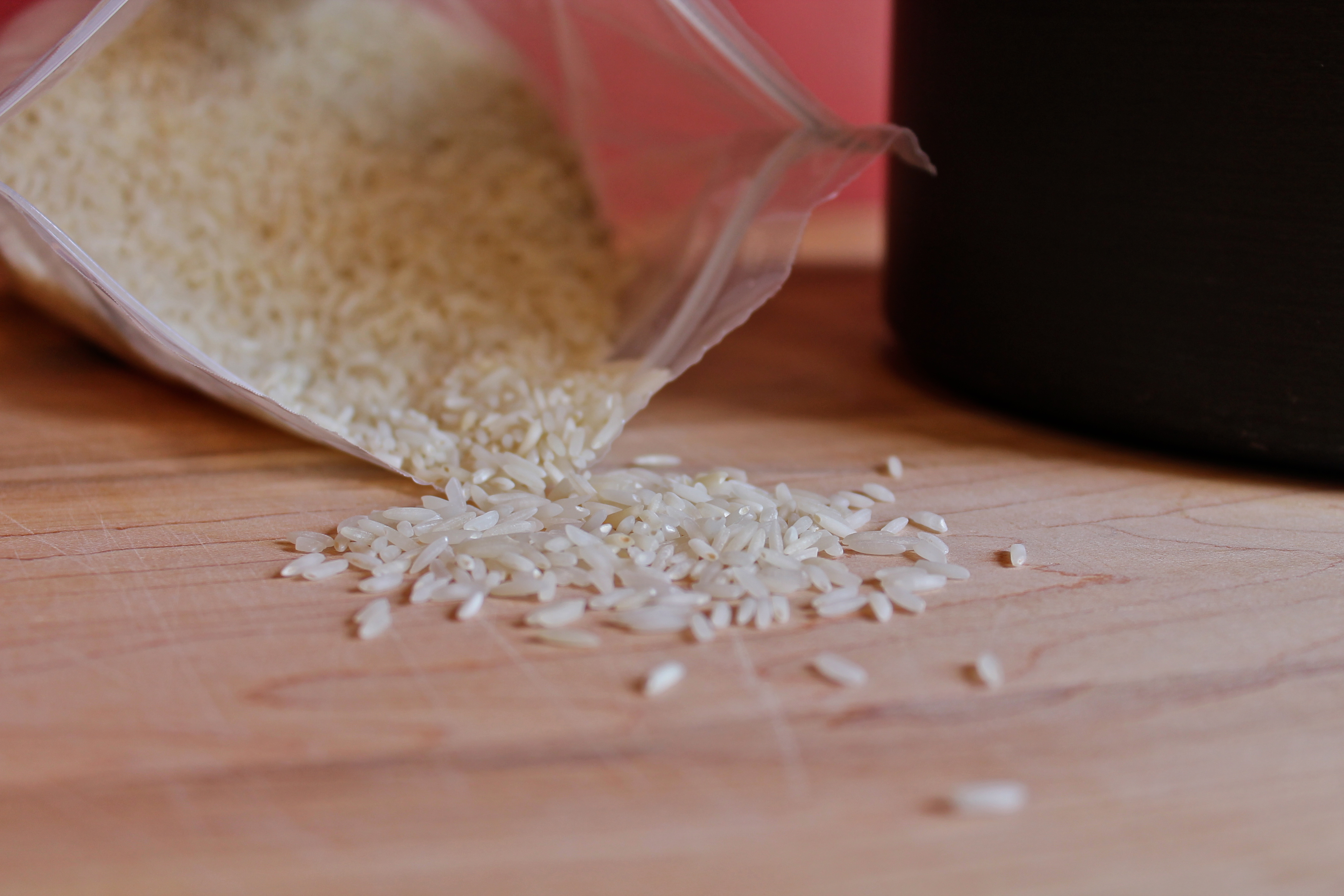
2 cups basmati rice

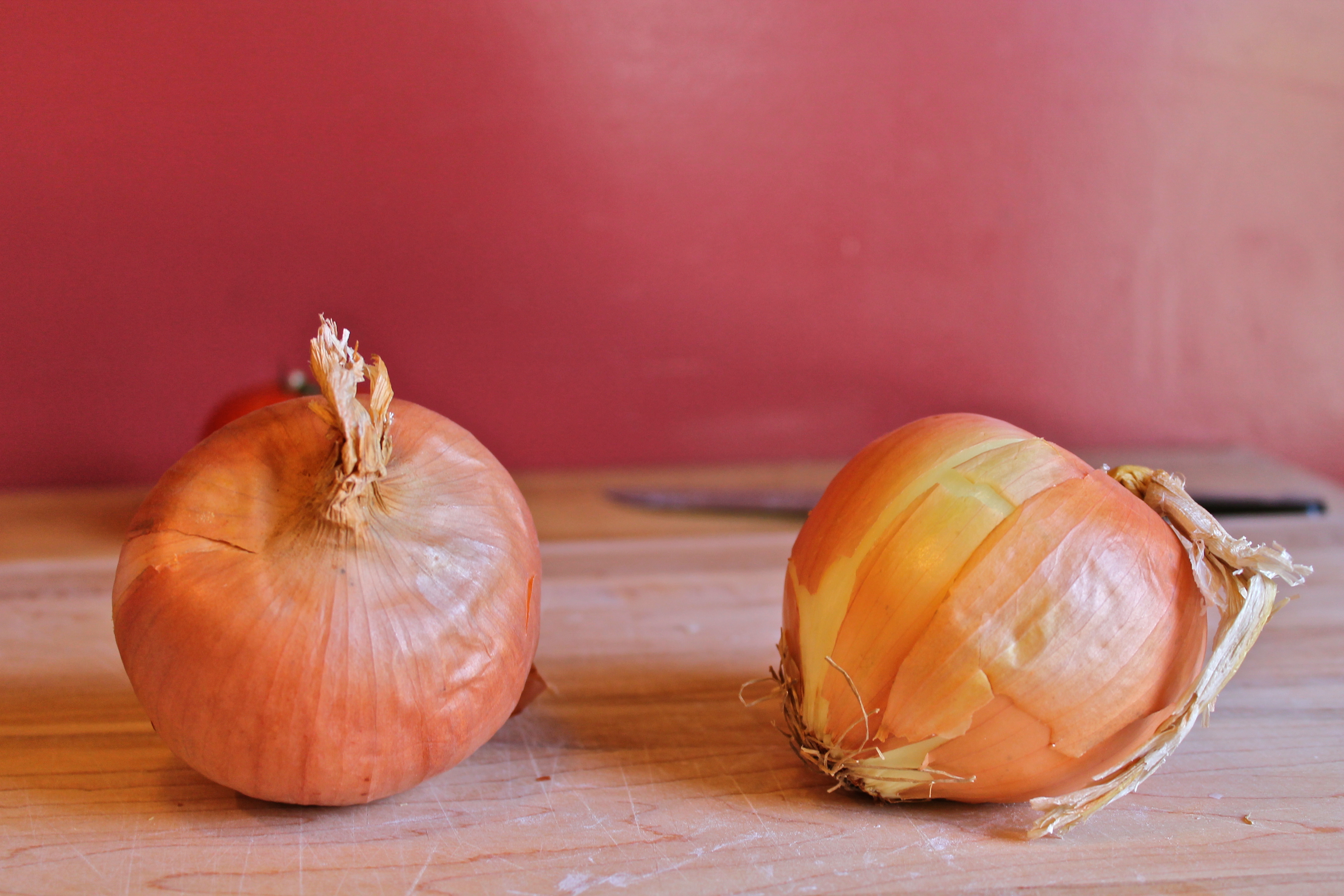
3 medium-large onions (about 1 pound)

½ cup vegetable oil

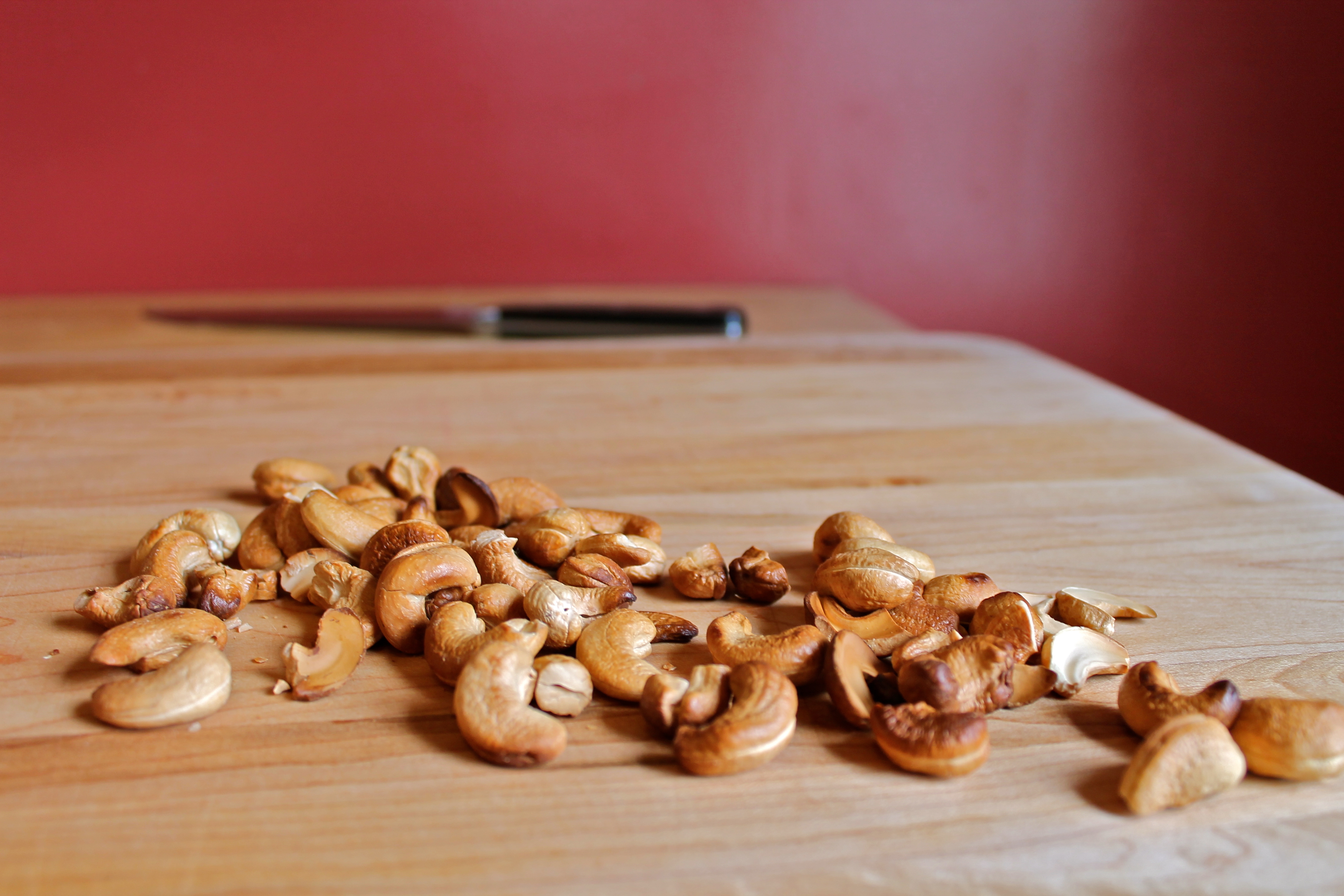
½ cup lightly toasted, unsalted cashews

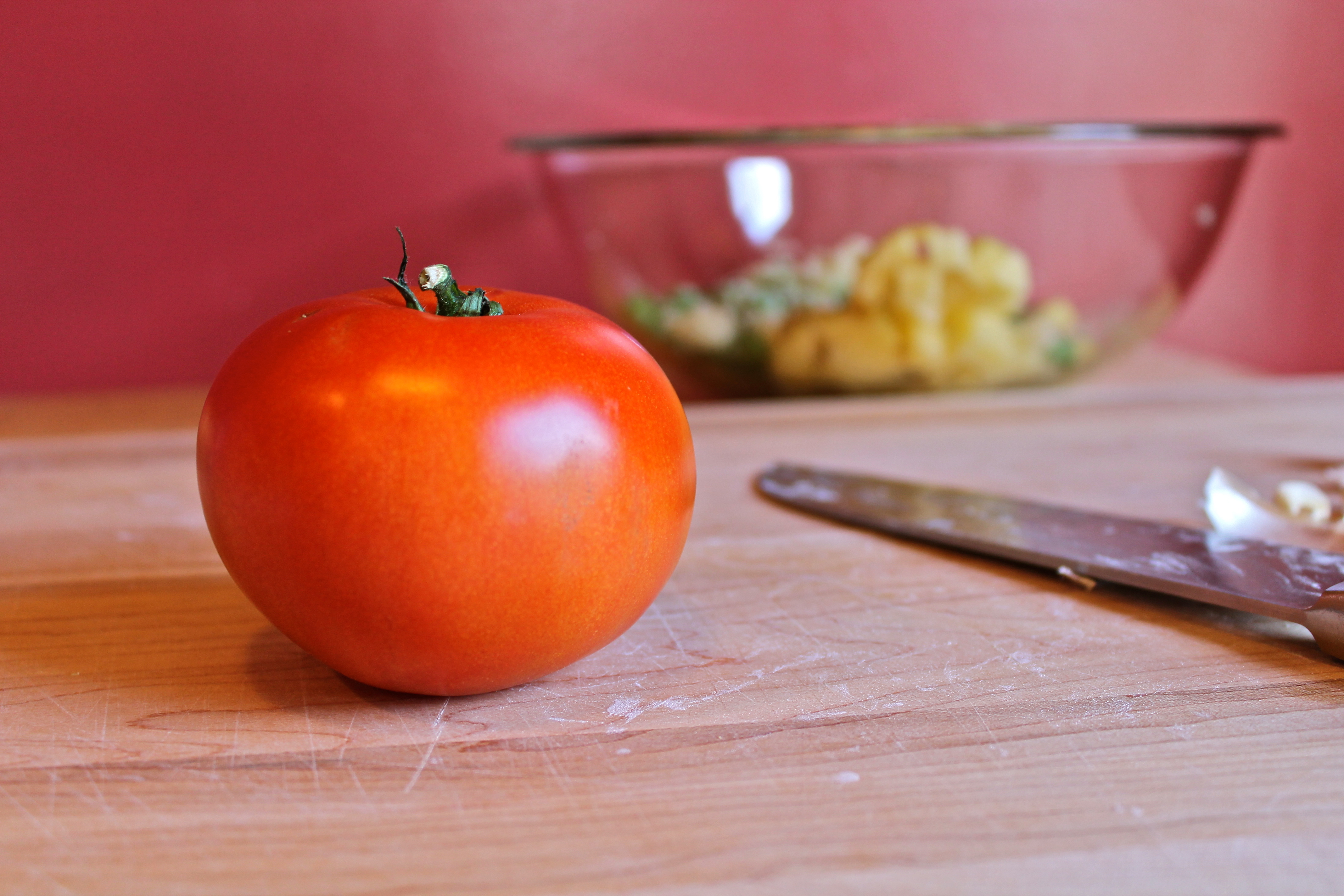
1 large tomato, diced into ½-inch pieces

1 cup minced cilantro leaves

2 tablespoons of water

About 1 hour before you want to serve the dish, place a rack in the center of the oven and preheat to 375 degrees Fahrenheit.

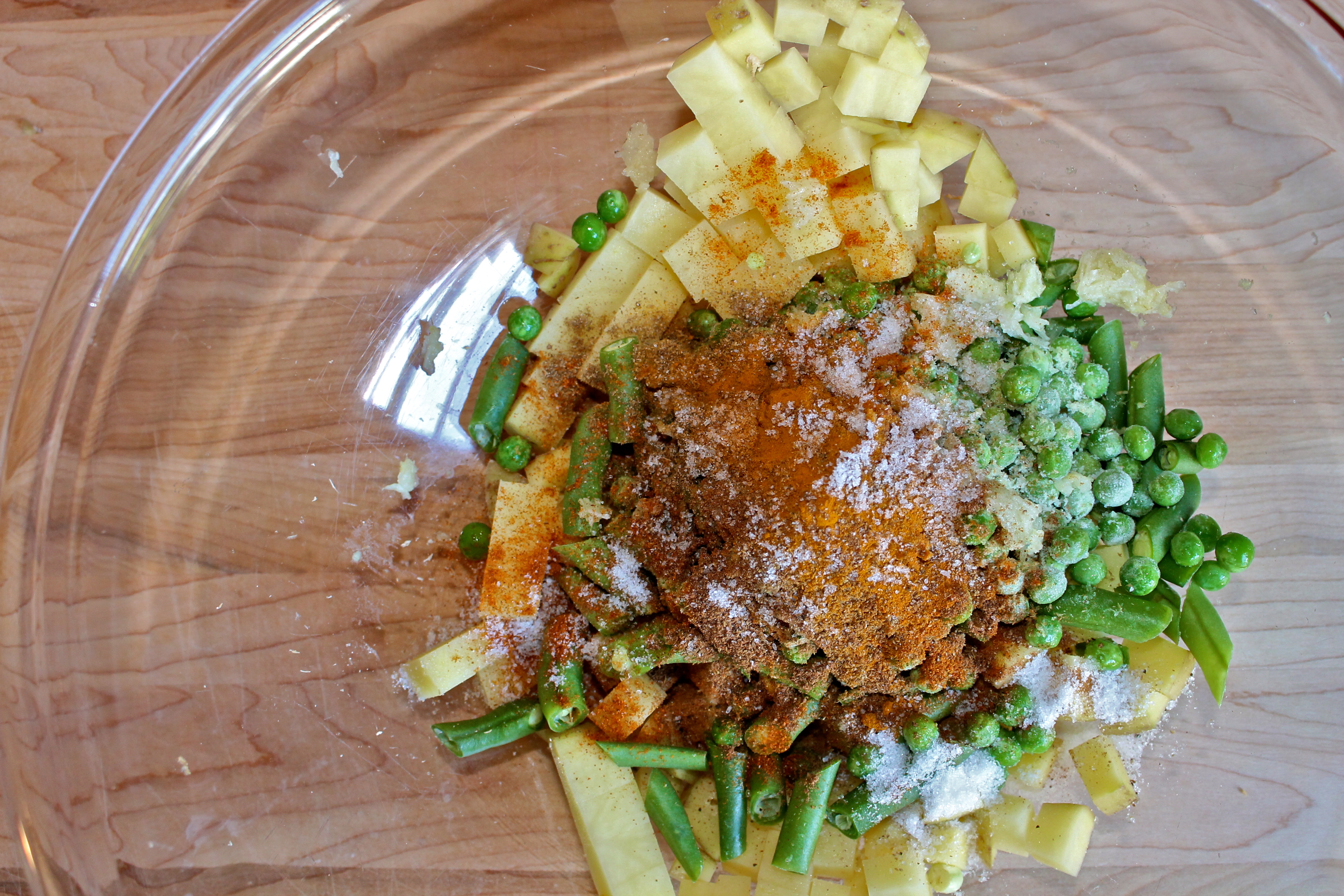
In a large bowl, combine the grated garlic and ginger, then mash together using the back of a spoon.  Add the diced potatoes, sliced green beans, and peas to the bowl with the garlic and ginger.  Add the coriander, cayenne, turmeric, garam masala, and 1 teaspoon of the salt.  Stir to mix until everything is combined, then cover with plastic wrap and allow vegetables to marinate while you prepare the other ingredients.

While the vegetables are marinating, rinse the rice in several changes of cold water.  Place in a bowl, cover with water, and allow to soak for about half an hour.

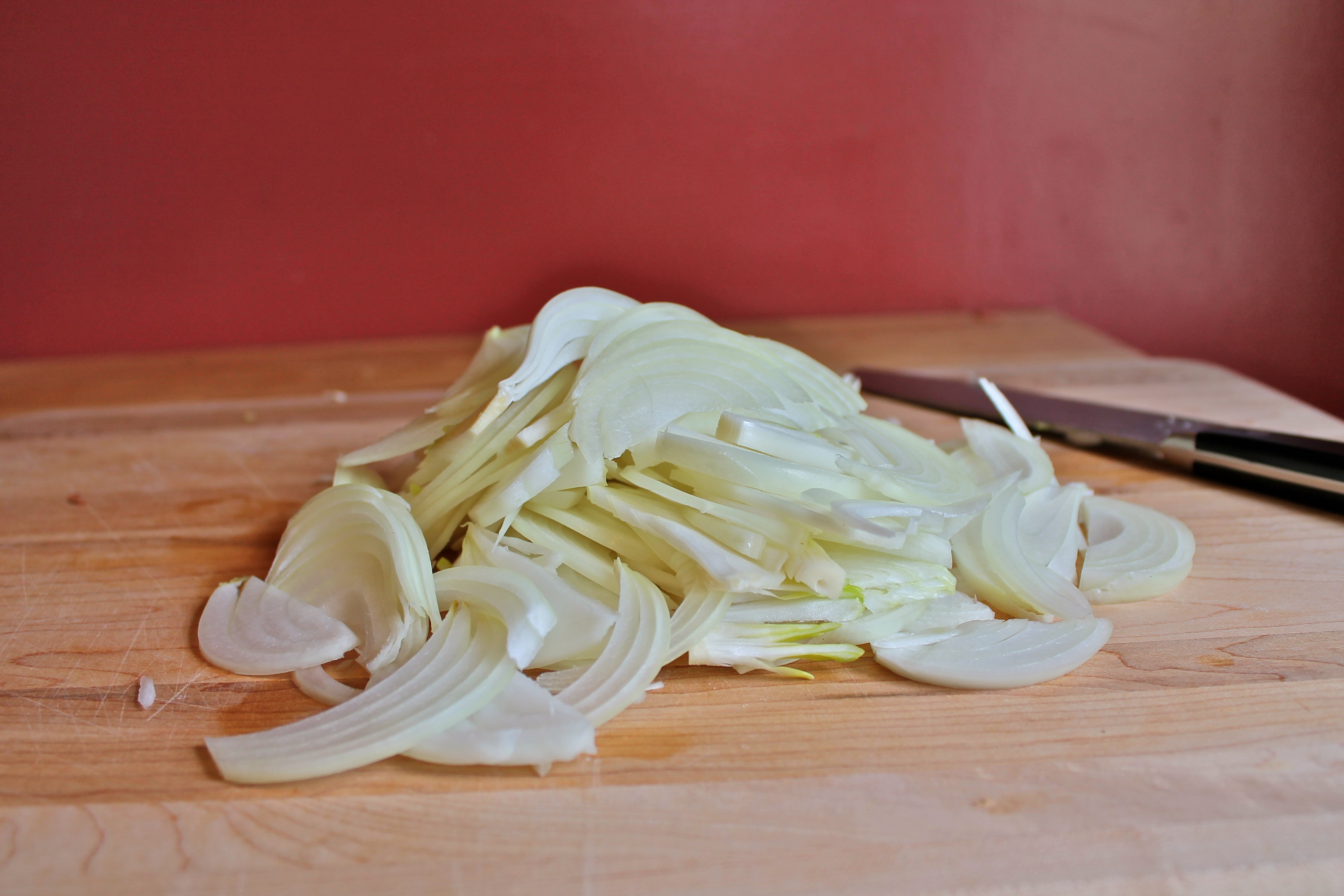
Slice the onions as fine as possible.  You will want about 3 cups of sliced onions.  Place a large heavy ovenproof pot with a tight-fitting lid over medium-high heat.  Add the oil and, when it is hot, add the onions.  Lower the heat to medium.  Cook until the onions are very soft, wilted, and just touched with golden brown, 12 to 15 minutes.  Lift the onions out of the hot oil and set aside.  There should be a little over ¼ cup of oil left in the pot.  Remove 2 tablespoons of oil from the pot and set aside for later.

When the onions are cooking, precook the soaked rice.  Place about 8 cups of water in a large pot and bring to a boil.  Add the remaining 1 teaspoon of salt, and allow the water to come back up to a boil.  Sprinkle in the rice.  Allow rice to boil for 4 to 6 minutes, or until the rice is no longer brittle but still firm to the bite.  Drain in a colander and set aside.

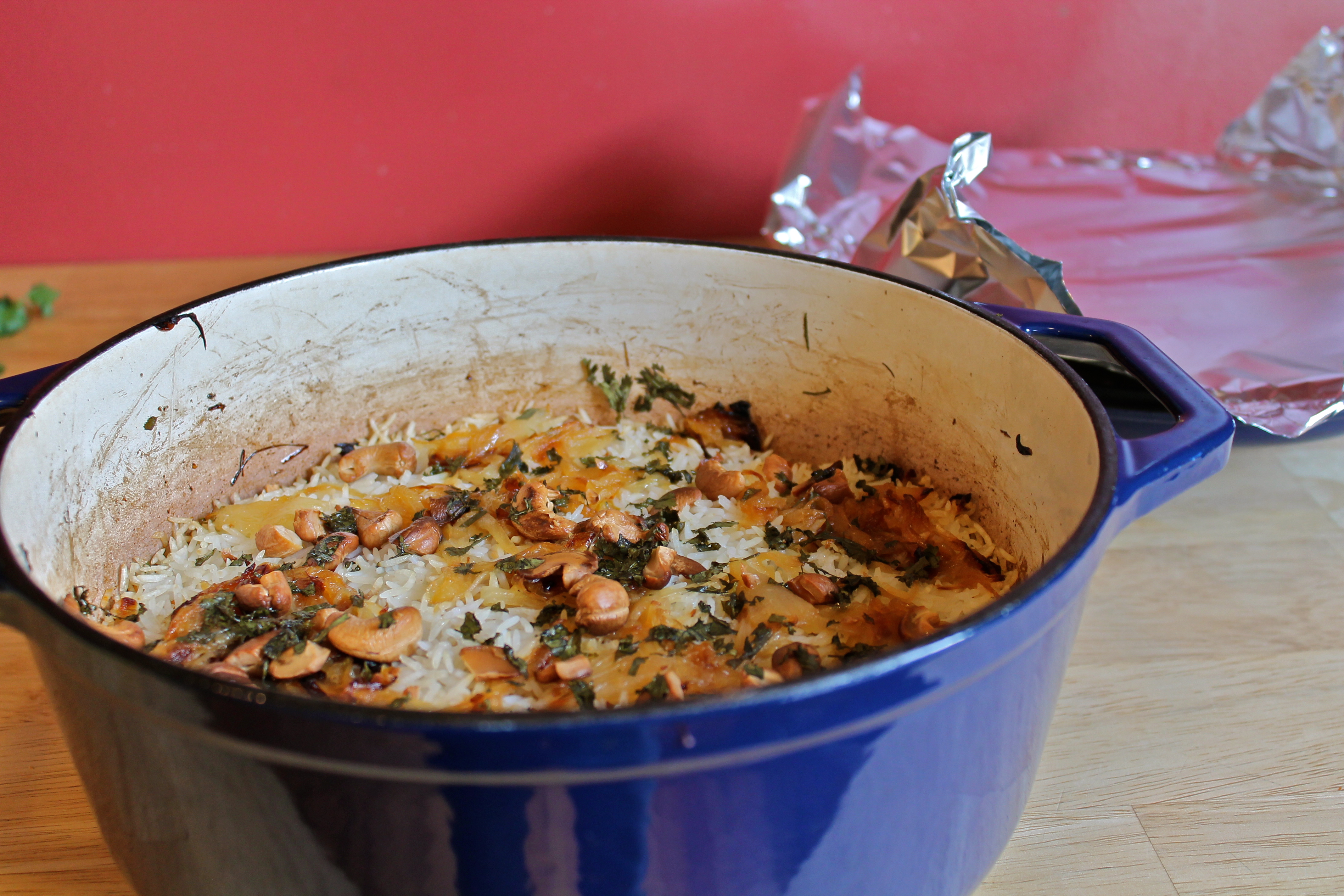
Place the heavy pot containing the oil over medium-high heat.  Distribute half of the marinated vegetables over the bottom of the pot, then sprinkle on half the precooked rice.  Scatter half the cooked onions over the top, then sprinkle on half of the diced tomato, half of the cashews, and half of the cilantro leaves.  Repeat with the remaining marinated vegetables, rice, onion, tomato, cashews, and cilantro.  Sprinkle on about 2 tablespoons of water, and drizzle on the reserved 2 tablespoons of oil.  Lay a sheet of aluminum foil over the top of the pot to cover it completely, then top with the lid.

Transfer the pot to the oven and bake for 1 hour.

Carefully remove the lid and the aluminum foil (the pot will emit a great deal of steam, so stand back and be careful to steer clear of the hot cloud).  Remove the biryani to a platter.  Scrape out the crusty layer of vegetables and rice from the bottom of the pot, and lay it on top of the biryani.  Serve hot or warm.

Crisp Baked Vegetable Wontons

30 Apr

Tiny foods are the best.  Tiny sandwiches, tiny muffins, tiny cookies, tinier than average samosas, tiny, two-ingredient crackers—really, I could go on and on about my love of tiny foods.  The fondness knows no bounds.

But what to make of the fact that making tiny foods can oftentimes seem like a never-ending, cumbersome task?  There’s no way around it.  When you choose to make 36 tiny sandwiches instead of 8 normal-sized sandwiches, you’re going to have to put in some extra time.  But I am all right with that.

Maybe it’s because I am soothed by being in the kitchen, but the task of filling or folding or forming dozens of tiny little foodstuffs has never bothered me.  Truth be told, it can sometimes bother my back and neck (because no matter how much I mentally enjoy the repetitive motion of forming little cookies, standing upright with my head pointed down at a work surface is not the most forgiving posture), but that’s small price to pay for feeling so mentally sound at the end of a long marathon of cooking or baking.

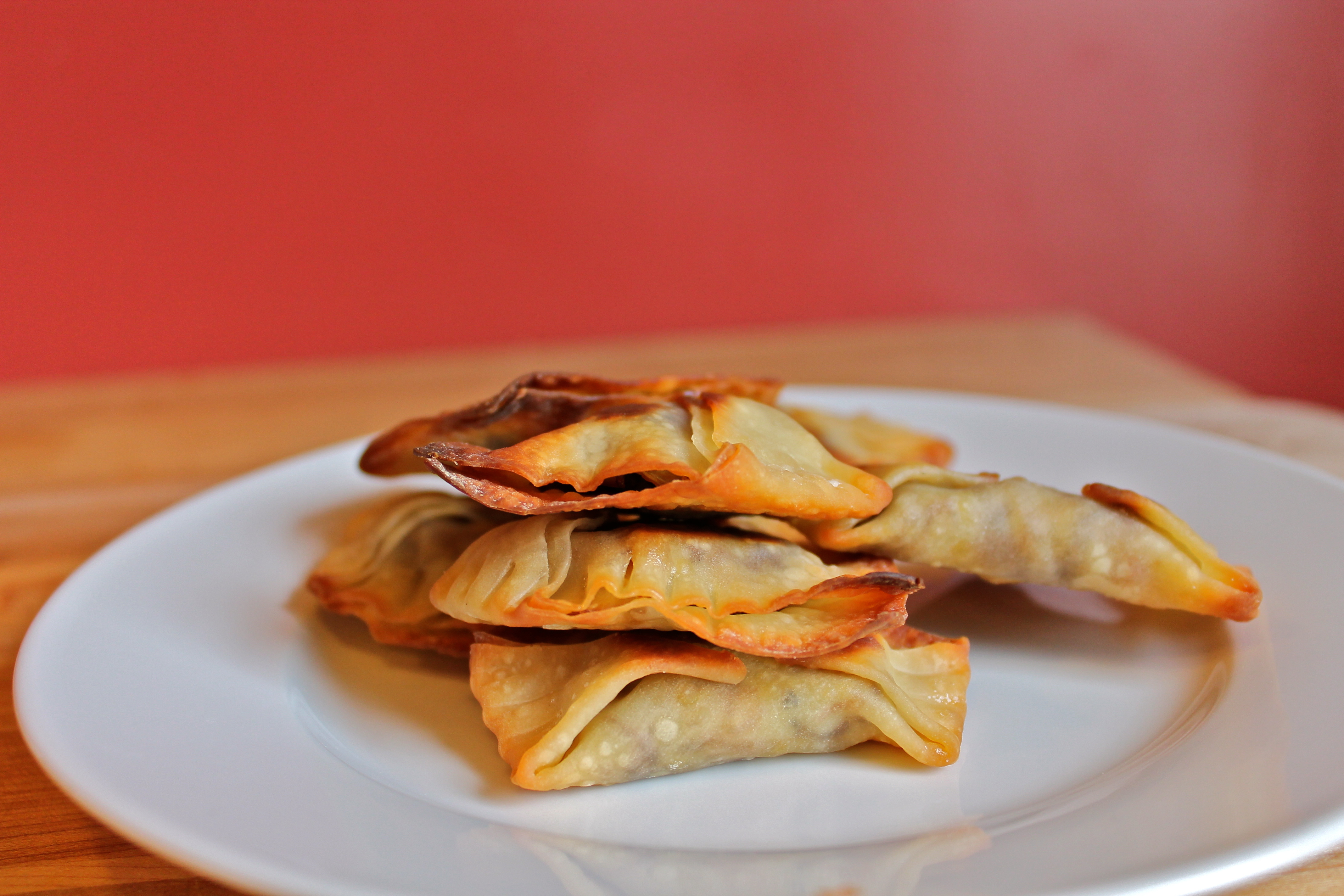
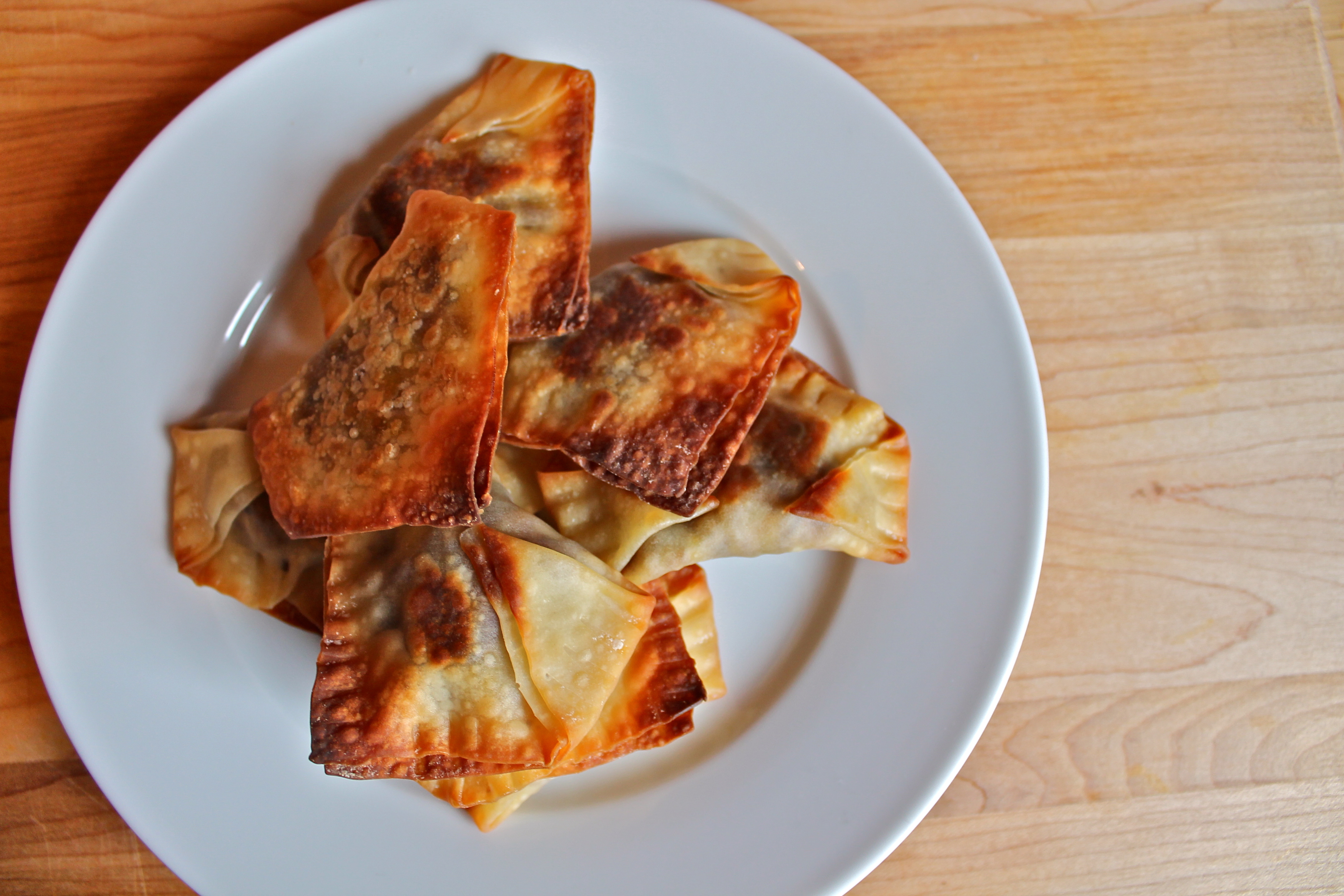
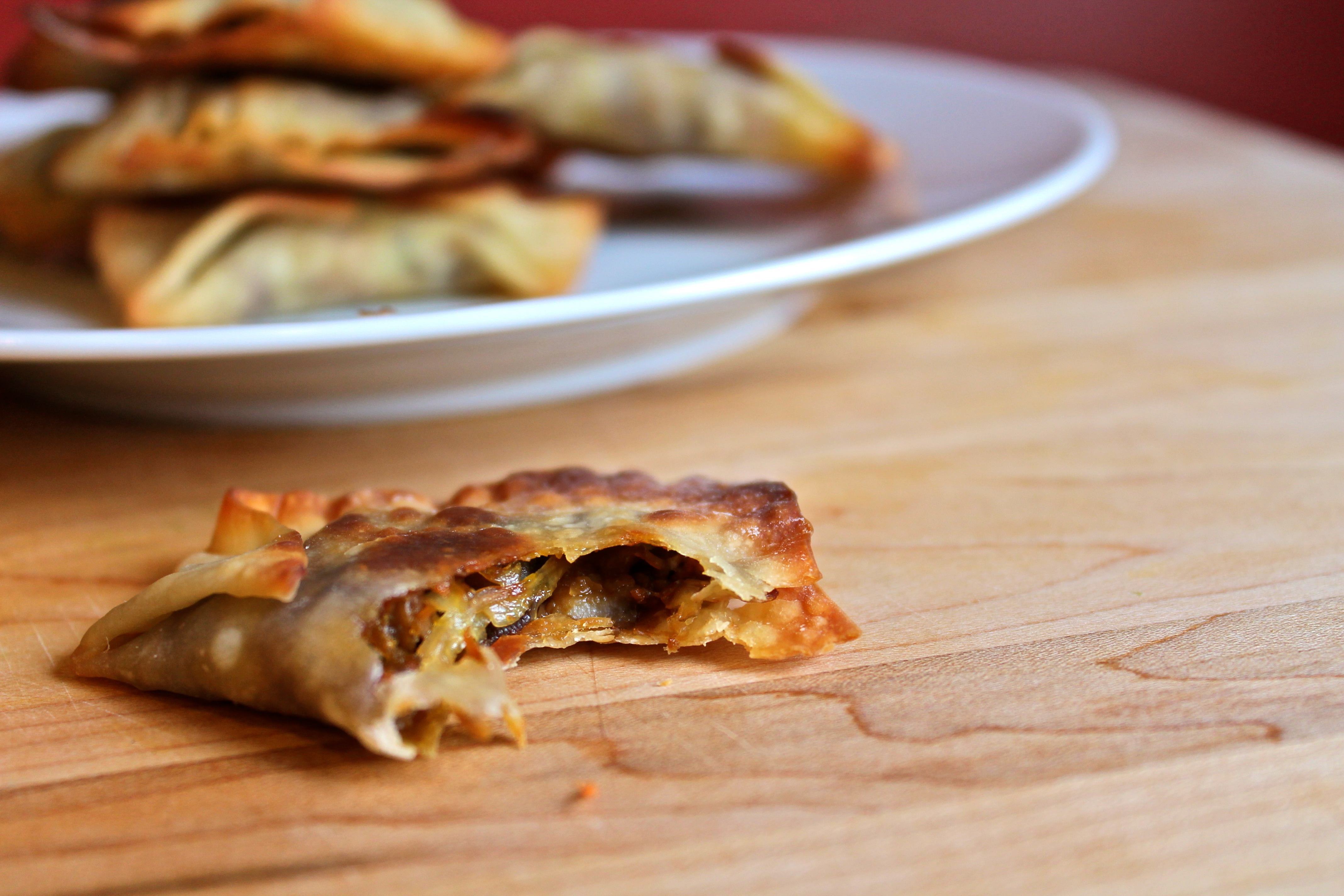
Most importantly, however, is the fact that waiting for you at the end of your cooking trials is something delicious to eat.  When I made these delightful little wontons, filled with carrots, mushrooms, and cabbage, and perfectly seasoned with ginger and mirin, I took that thought to heart.  No, really.  To test the recipe, I made a half batch of crispy, crunchy wontons, and then, when they emerged from the oven, I proceeded to then eat them all.  Every single last one of them.  At first I felt sort of sheepish about what I had done, but I soon got over it.  They were delicious, I took the time to make them, so why shouldn’t I get to enjoy them?  Up until now, however, my husband and son were unaware of what they missed when I made these, because I never told them that I made them.  It was a stealth recipe test.  “Was” being the operative word here, because now, having admitted to the world (and my husband) what I did, I must make amends and whip up another batch of wontons for everyone.  And I do not mind one bit.

Baked Vegetable Wontons Recipe

Adapted from The Healthy Kitchen, by Andrew Weil and Rosie Daley

2 tablespoons toasted sesame oil

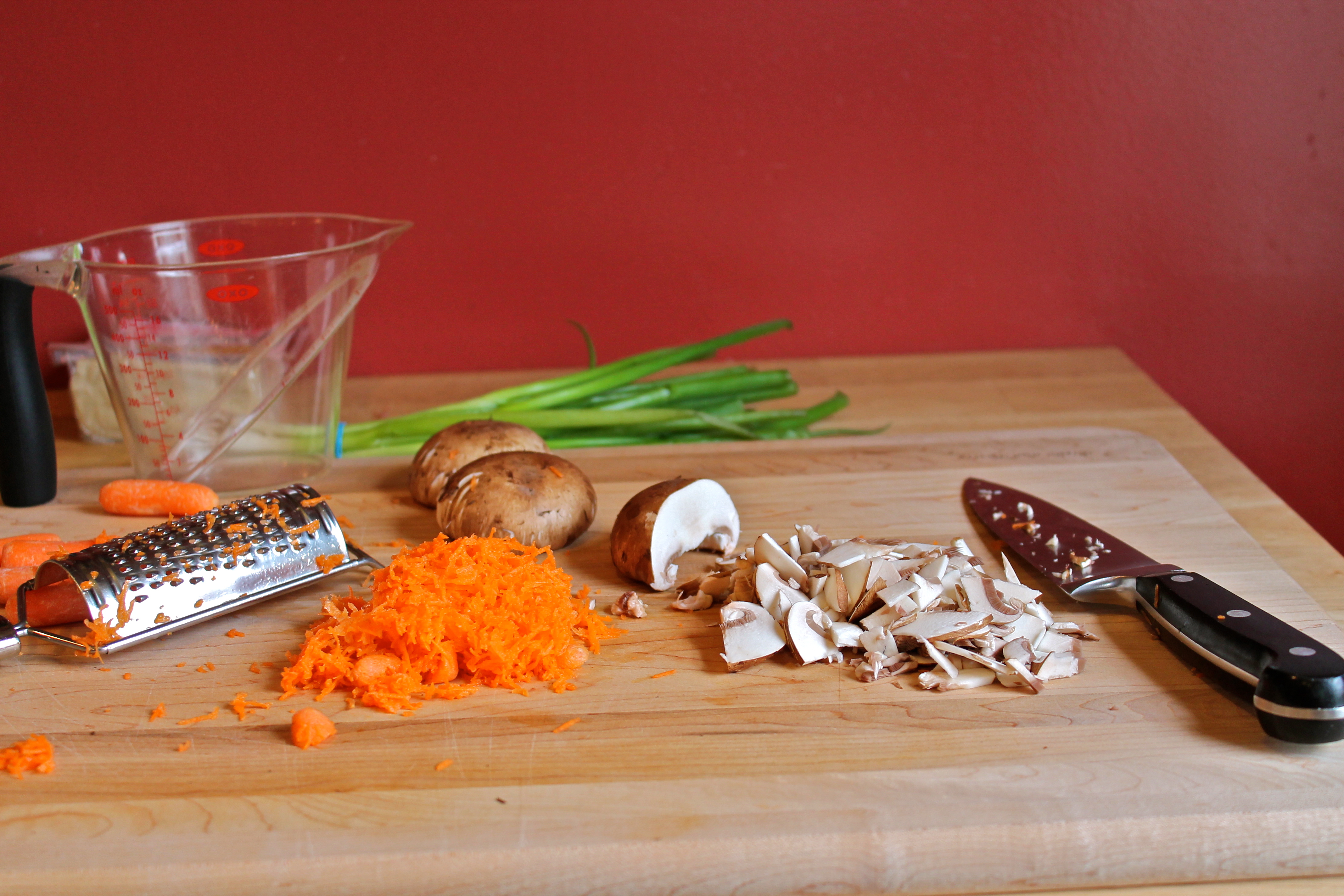
1 cup finely shredded carrot

1 cup finely chopped mushrooms (the original recipe called for shiitake or oyster mushrooms, but I used much more reasonably-priced cremini mushrooms and they were great)

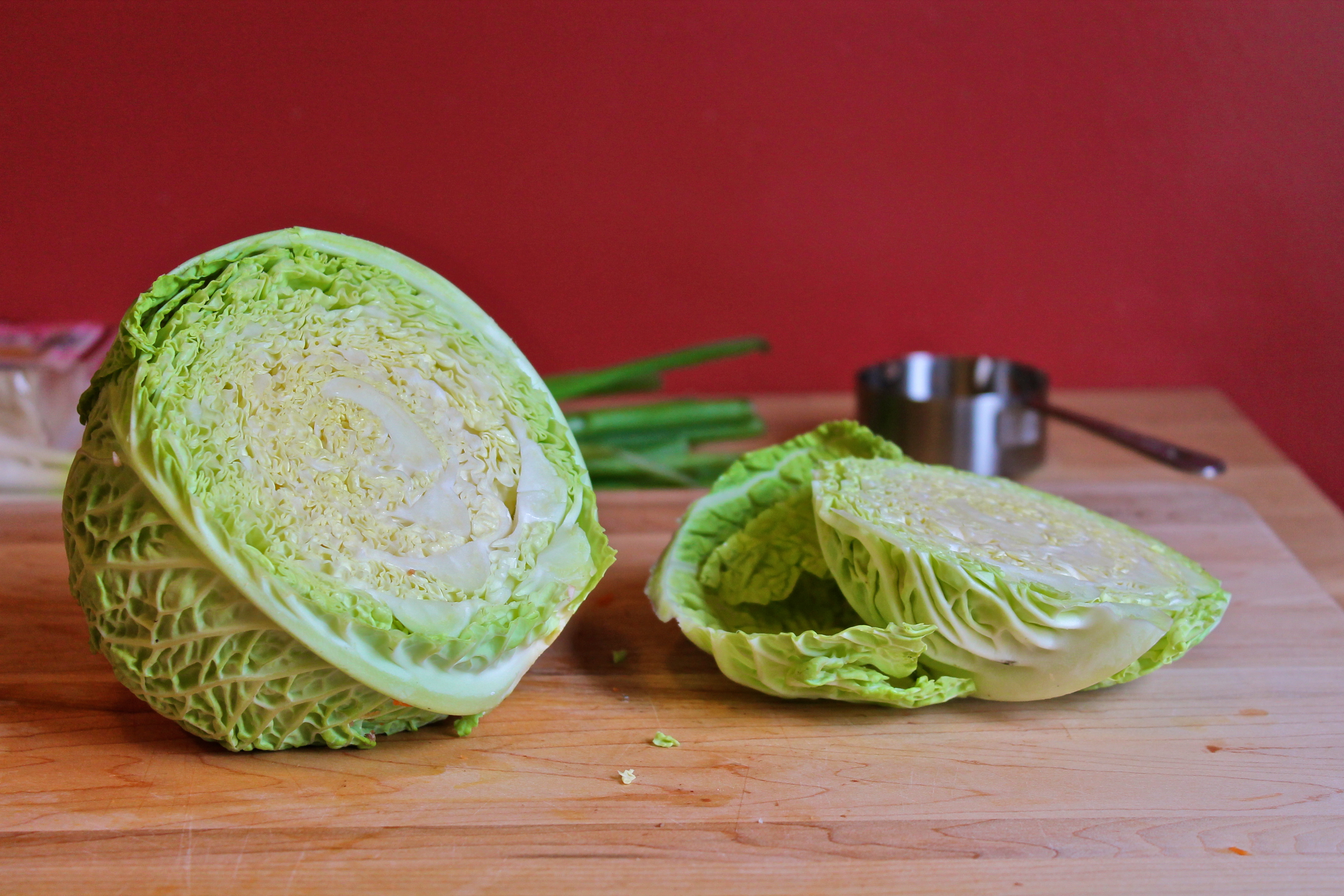
2 cups finely shredded Napa or savoy cabbage

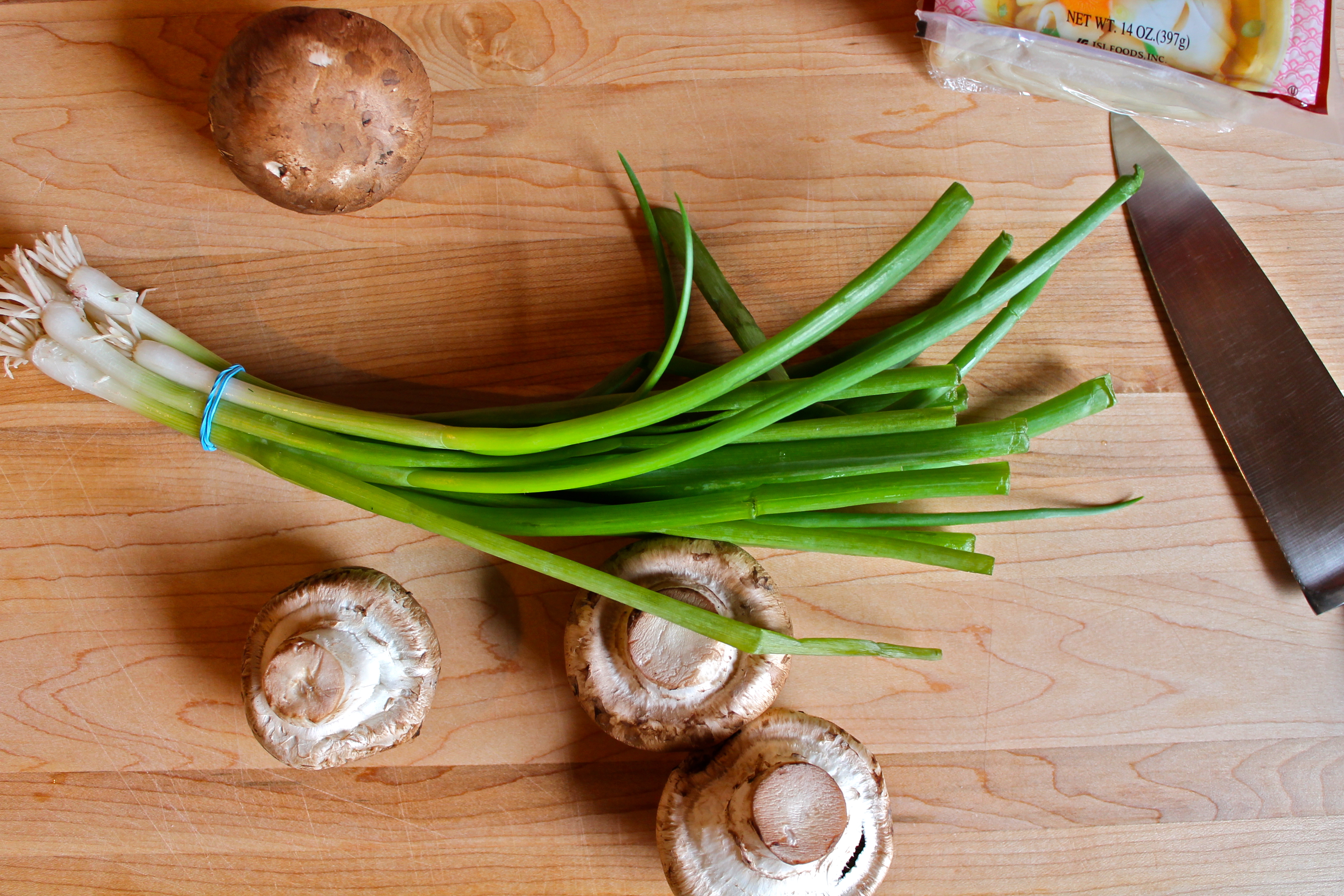
½ cup chopped scallions

2 teaspoons grated fresh ginger

2 tablespoons mirin

2 tablespoons soy sauce

24-30 small, square wonton wrappers

¼ cup toasted sesame oil, for brushing the wontons

Preheat oven to 375 degrees Fahrenheit.

In a large skillet, heat the 2 tablespoons of toasted sesame oil over medium heat.  Add the carrots, mushrooms, and cabbage and sauté until limp, about 5 minutes.  Add the scallions and ginger and cook for another 1 minute.  Stir in the mirin and soy sauce, and remove from heat.

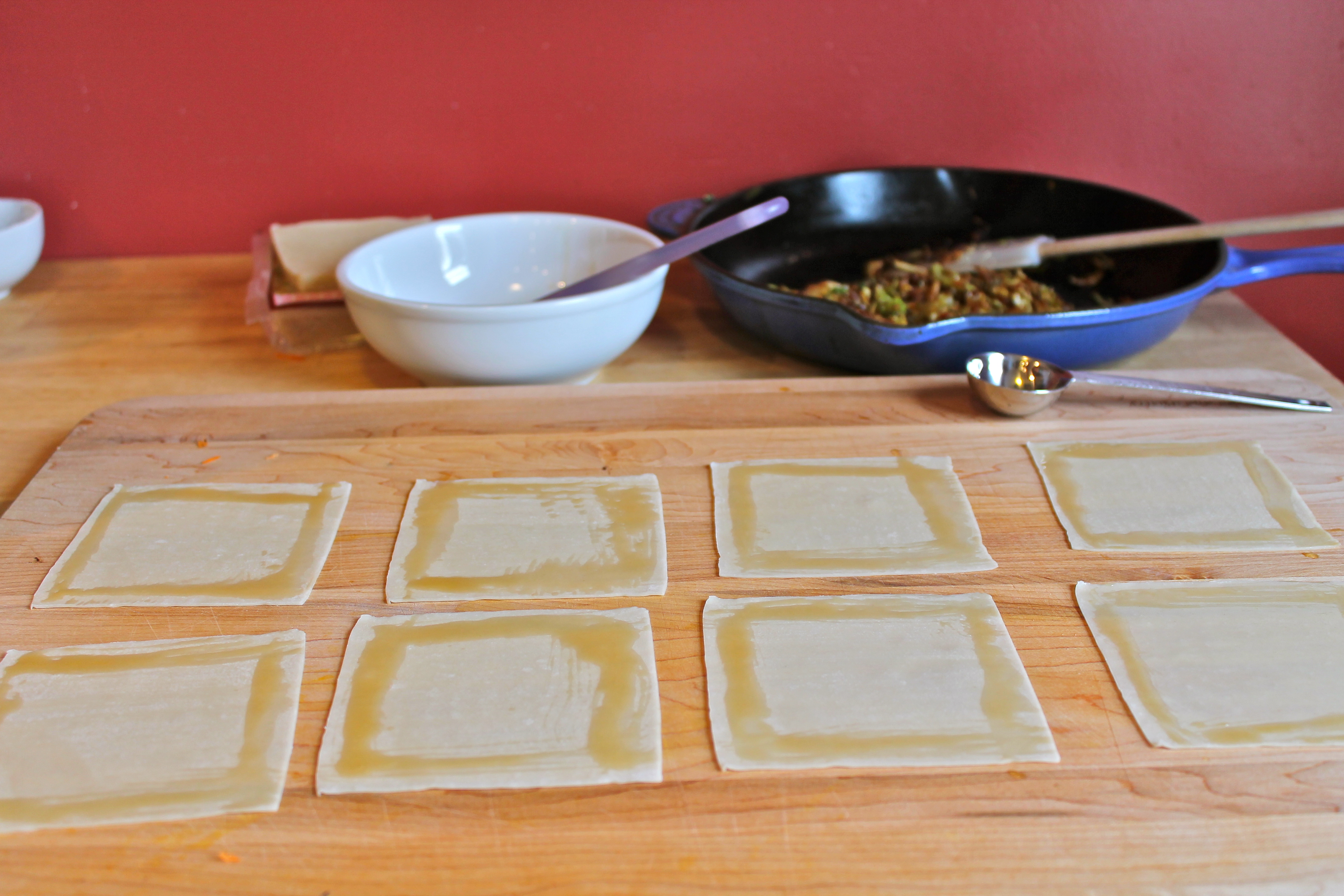
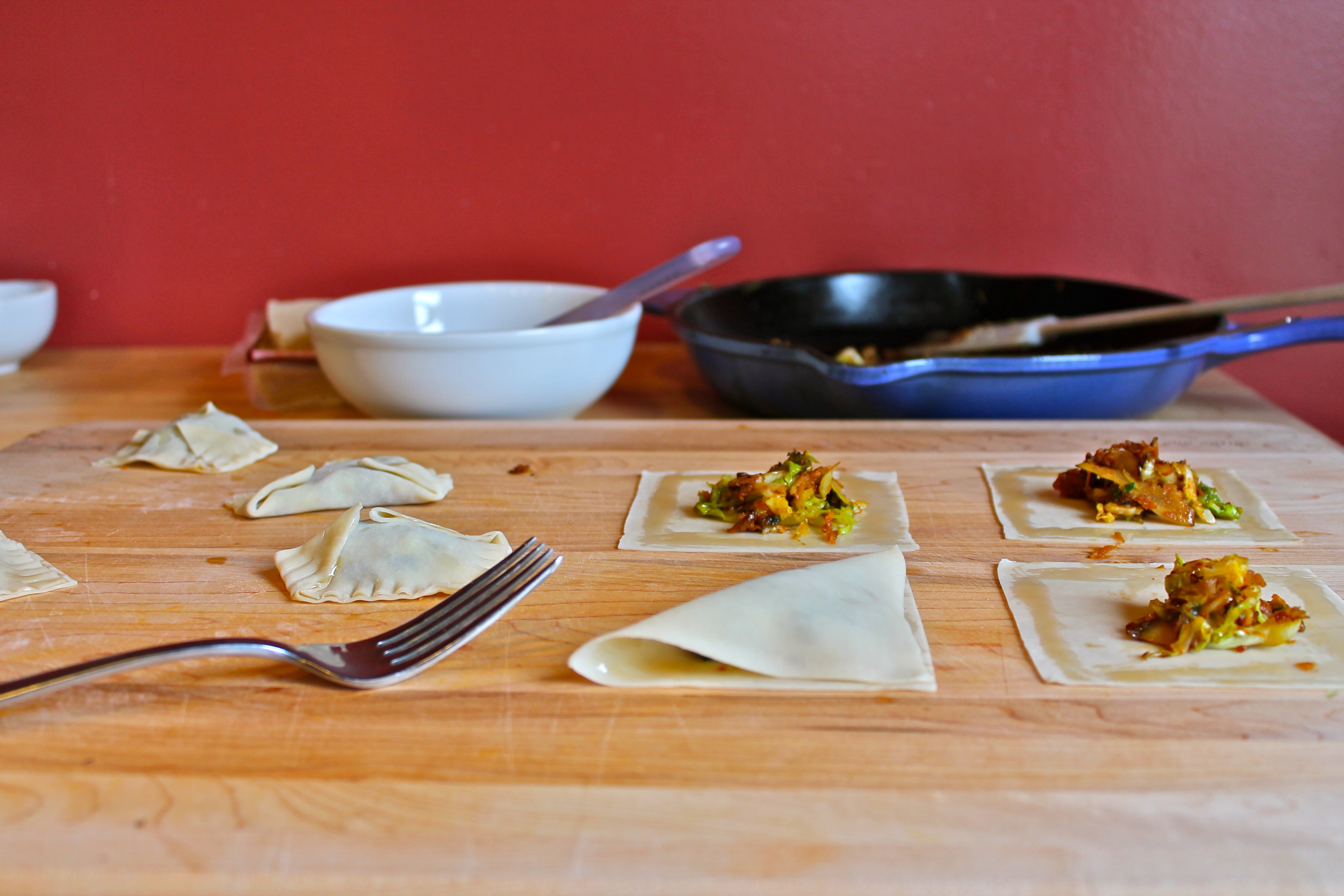
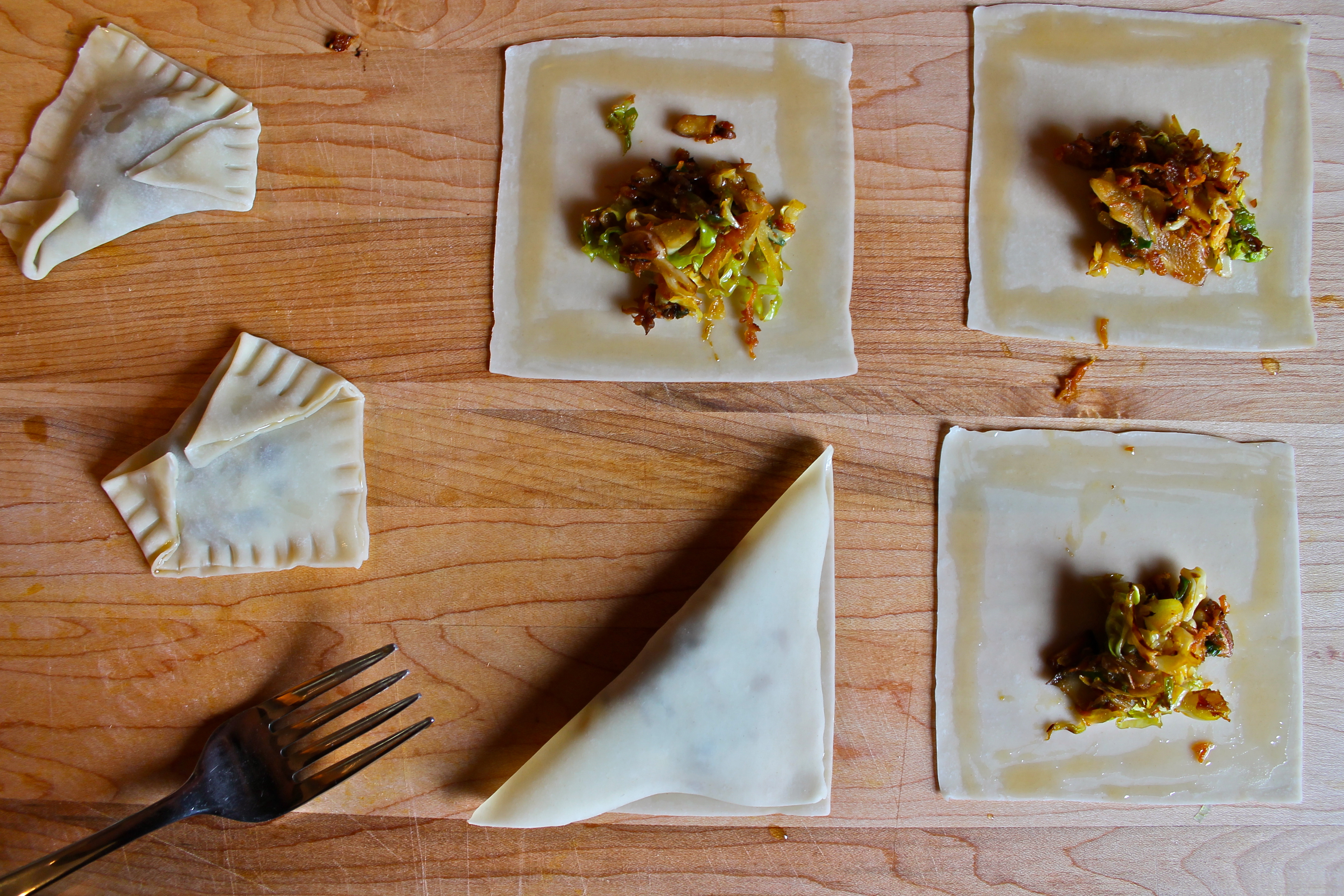
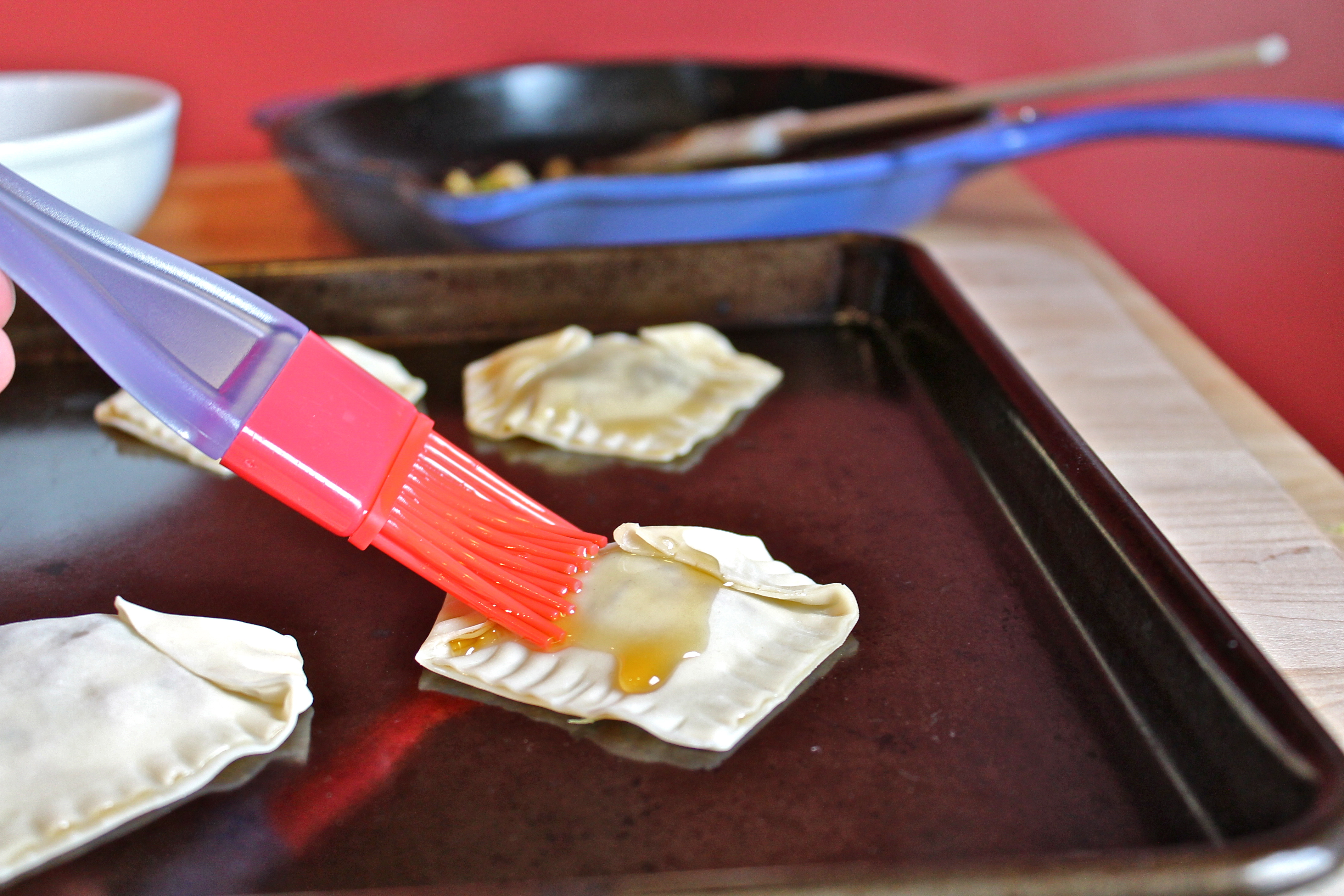
Lay out 12 wonton sheets at a time.  With a pastry brush, lightly brush toasted sesame oil all along the edges of the wonton sheets.  Drop about 1 tablespoon of the vegetable mixture just a touch off the center of the diagonal middle of each wonton sheet, then fold the sheet diagonally so the opposite corners touch.  Using the tines of a fork, press down the 2 open sides (these would be the non-folded sides) of the triangle.  Fold in the two pointed edges that jut out from the folded sides of the triangle, and press them in place with the fork.  Brush the tops of each completed wonton with a bit more sesame oil.

Very lightly spray or brush a baking sheet with vegetable oil.  Arrange the completed wontons, about 12 at a time, on the baking sheet.  Bake wontons for 6 minutes, then turn them over and return to the oven to bake for an additional 6 minutes, or until the wontons are dark golden brown and very crisp.

Vegetable Pakoras

19 Apr

Do you partake in spring cleaning?  Does the sight of sunshine, albeit weak and passing, compel you to bust out dusting cloths and cleaning supplies?  Or perhaps you lean in a different direction when it comes to satisfying the urge to clean things out and start anew.  That direction, in this case, being the refrigerator.

It’s no secret that I like to hoard leftover bits of this and that in the refrigerator, but it should be pointed out that I definitely have my limits when it comes to how long something sits in my fridge.  The Kitchn recently ran a good article about a helpful way to manage your refrigerator leftovers  by utilizing the 2:4 rule, dictating that food left out at room temperature for 2 hours is still good to pack up and save, and food left in the refrigerator for 4 days is still good to eat.  Some might find these rules of thumb a little strict (I have been known to leave leftovers in the refrigerator for much, much longer than that and suffer no ill effects after subsequently eating them), and instead err on the side of this train of thought examined a couple of years ago on NPR, which proposes that refrigerated food, regardless of when you might be told it will expire, lasts much, much longer than most people think it will.

Still, it is not difficult to tell when most foods are nearing the end of their lives.  Just seeing the weak and slumping appearance of a container filled with abandoned chicken is enough to give me the chills.  And if you’ve ever been unfortunate enough to pour a lump of expired milk into your hotly anticipated first cup of morning coffee, well, I feel your pain.

Over the years I have become quite adept at last minute ideas for utilizing foods that seem to be hobbling about on their last legs (though it bears mentioning that if you do actually happen to see your old and haggard refrigerator contents literally move on their own, it would, of course, be in everyone’s best interest that you just dispose of said items immediately).  While it’s rare for me to meet a frittata or quiche I don’t like, I have to admit that my all time favorite way to rid my crisper drawer of errant vegetables is by whipping up a batch of pakoras.

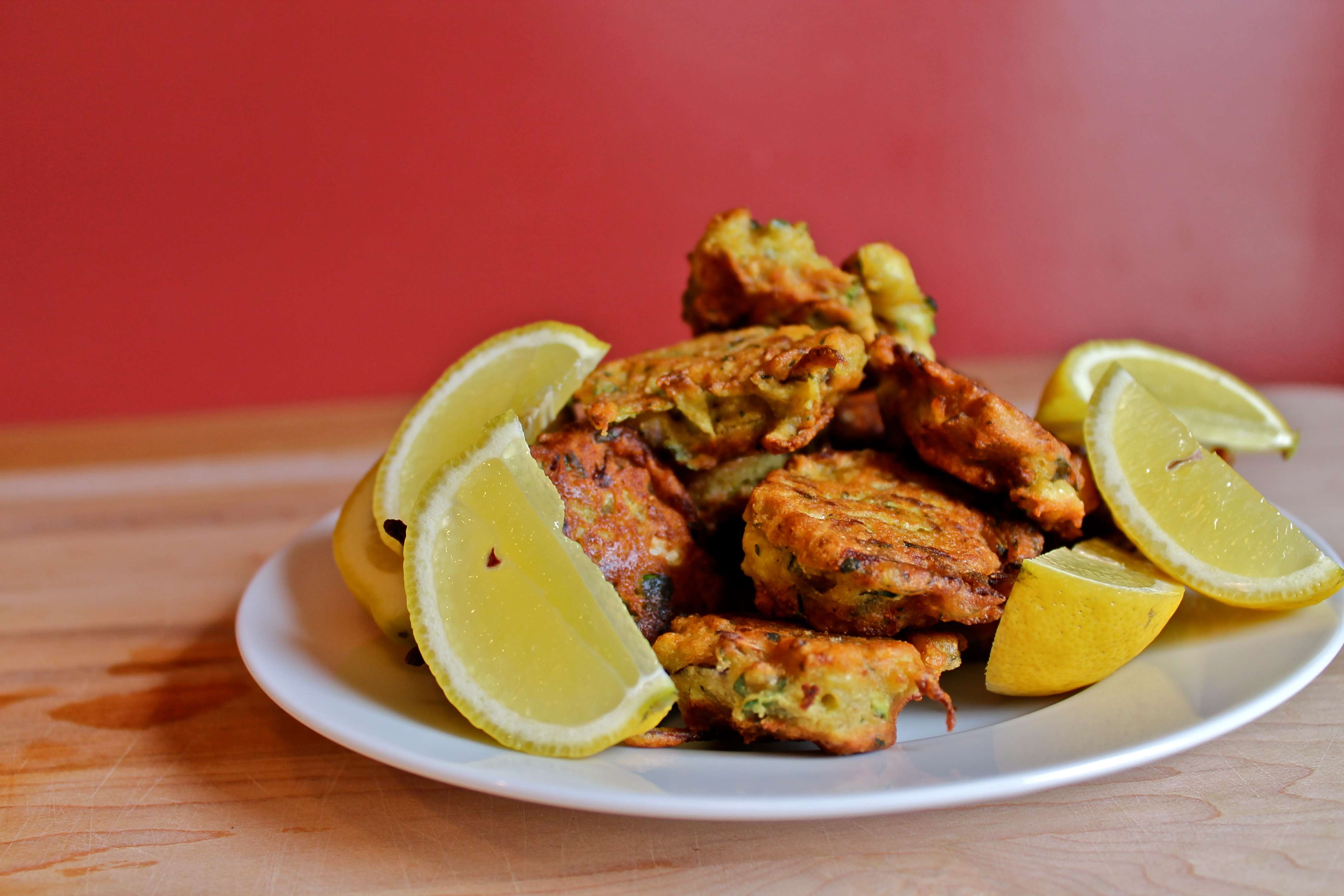
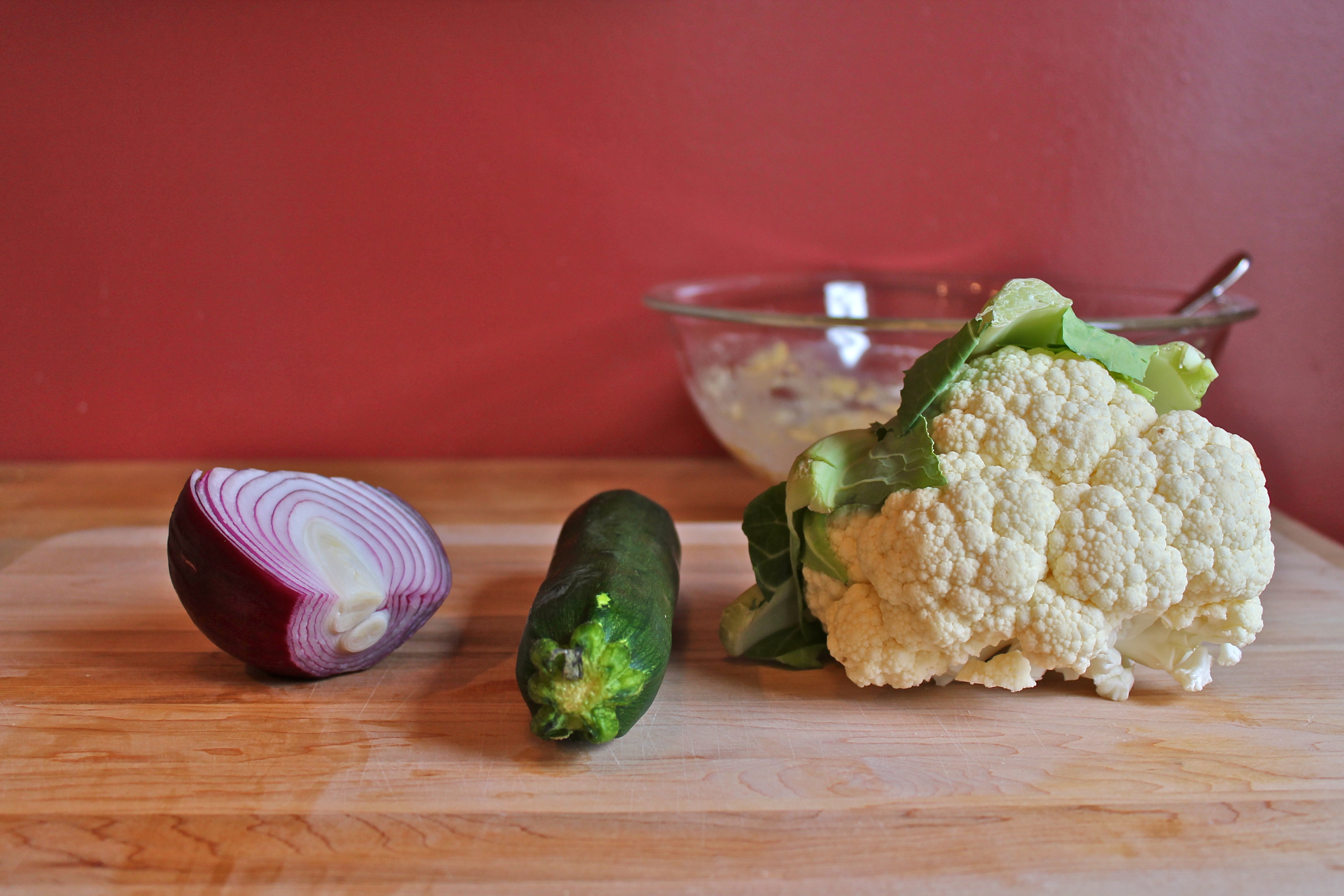
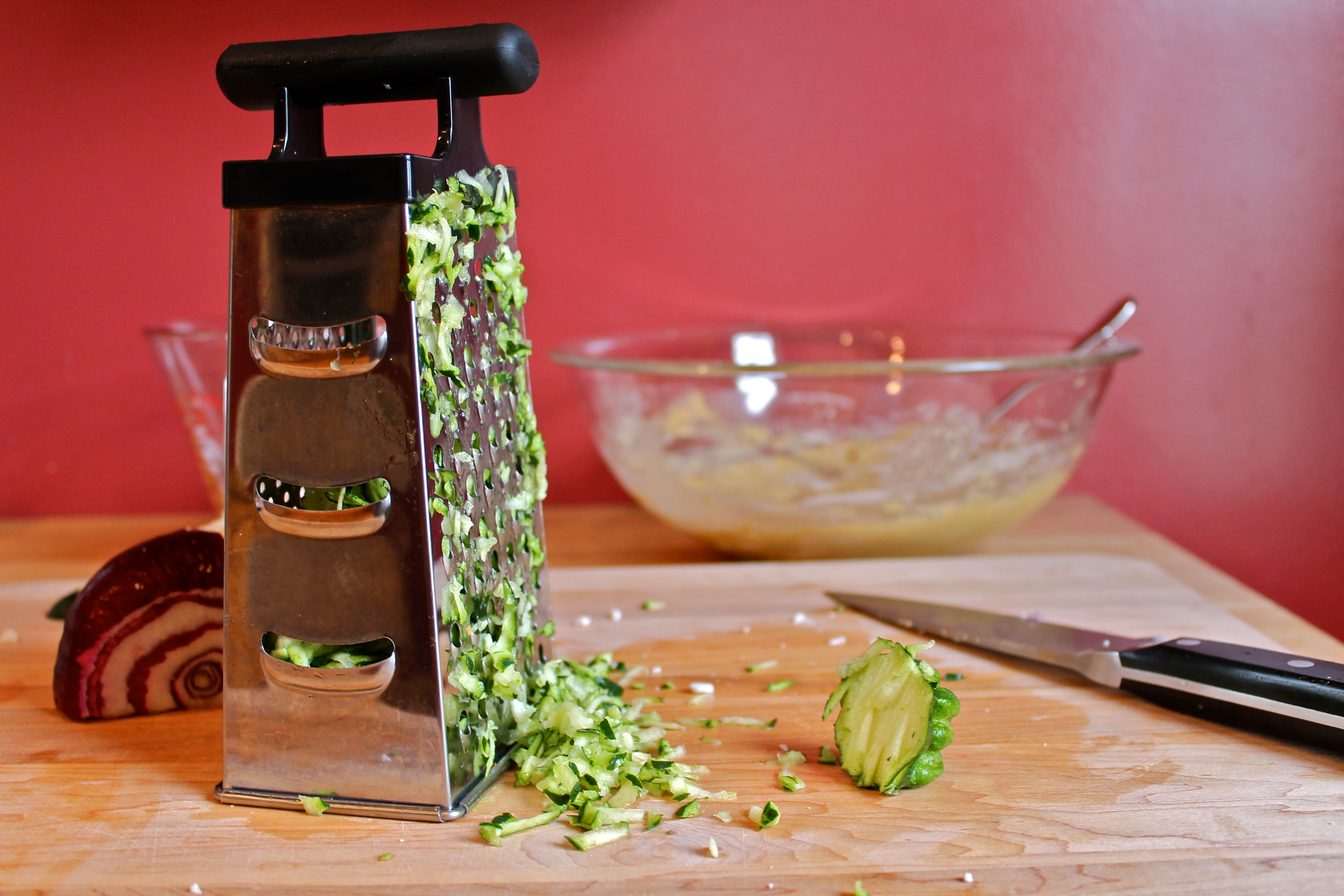
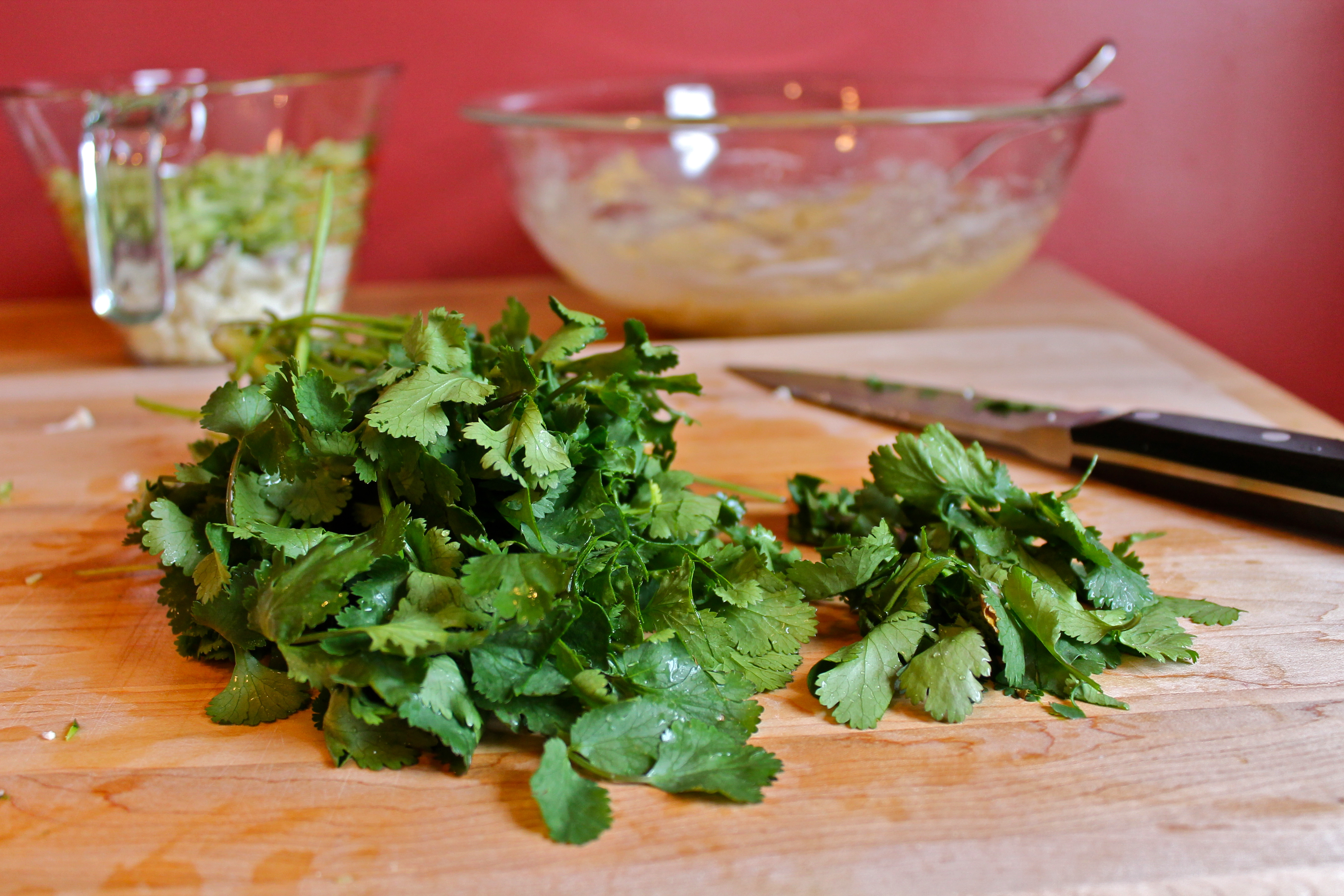
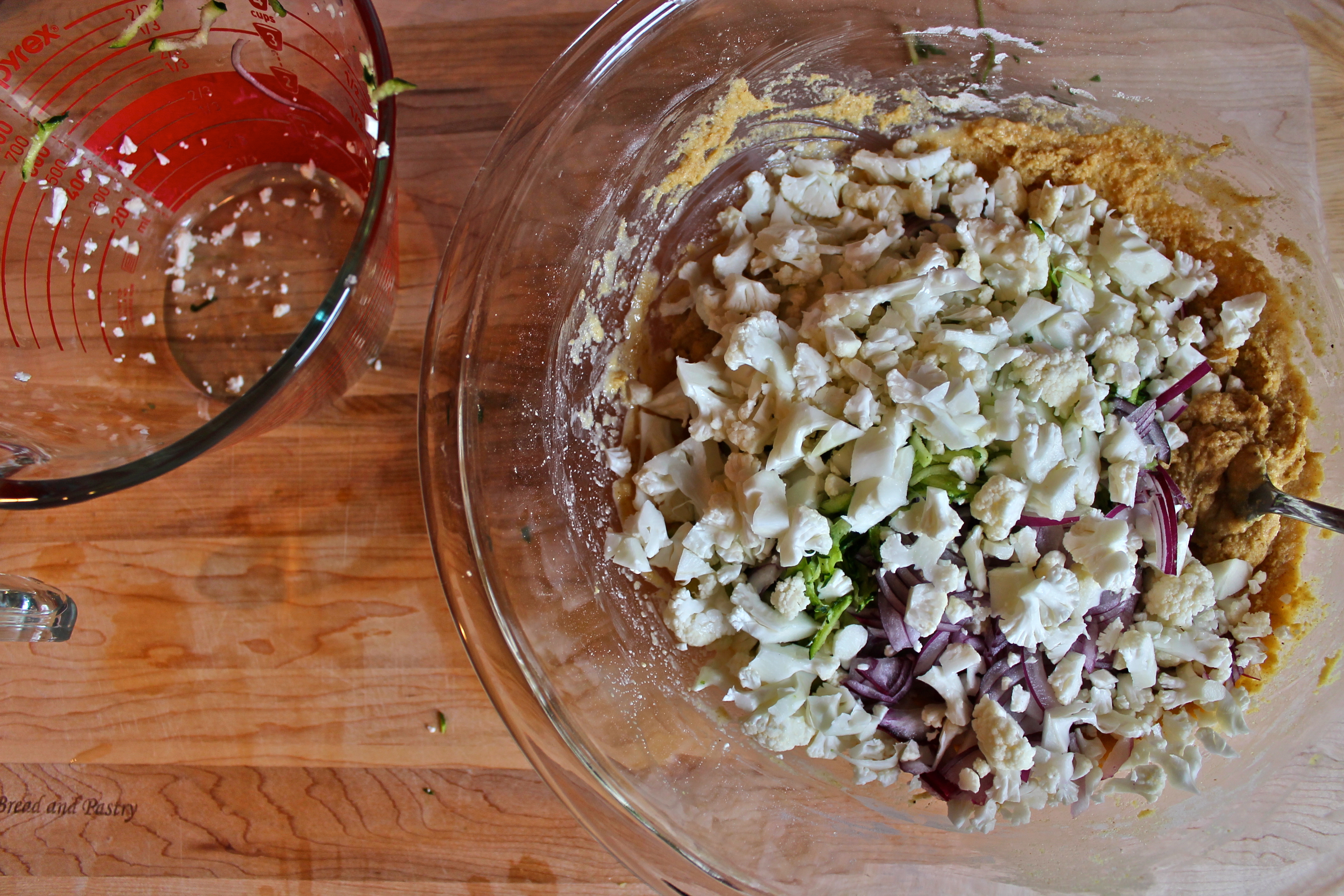
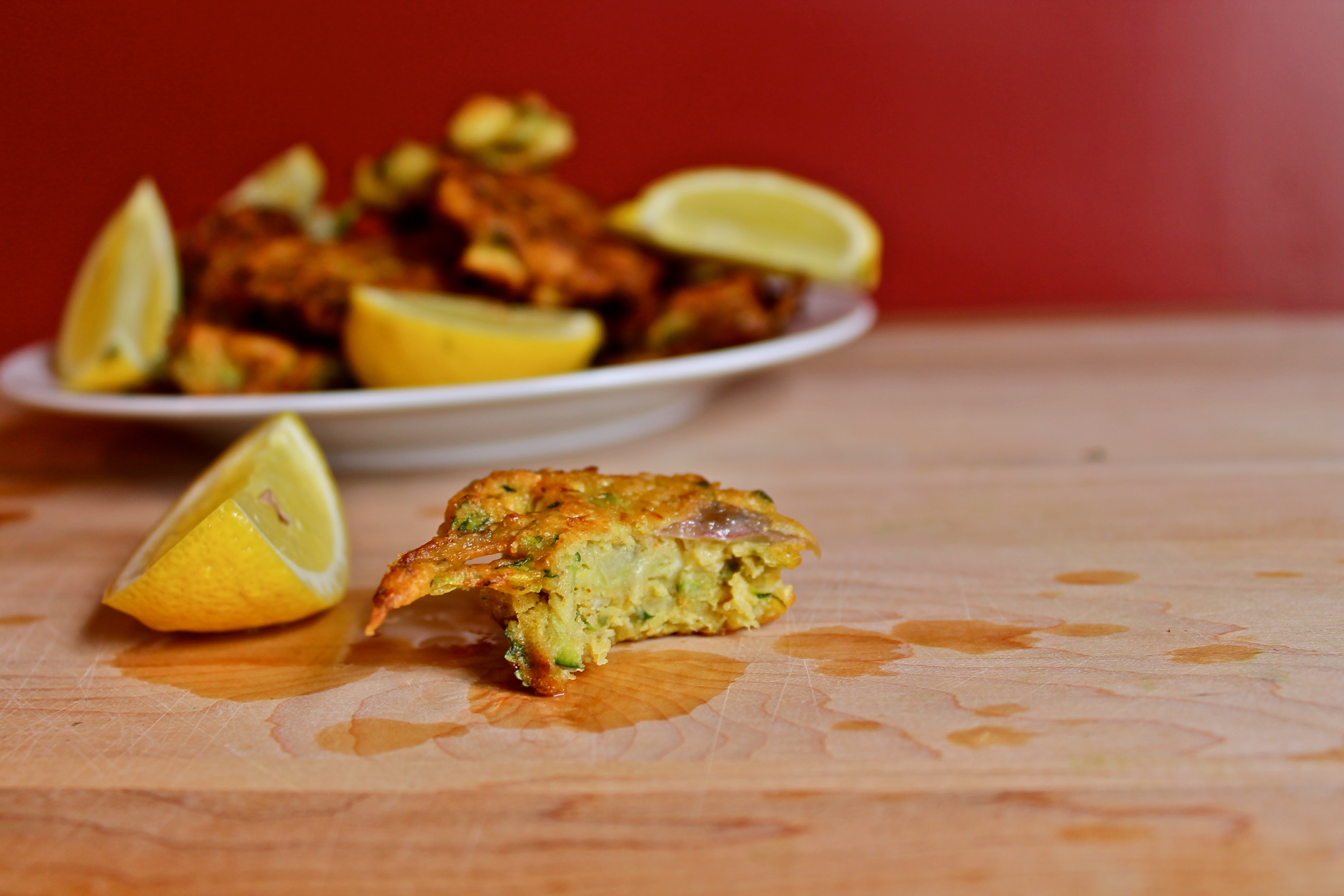
Cauliflower, zucchini, potatoes, spinach, peas, root vegetables, leeks, onions—you can make pakoras out of nearly everything and they will taste absolutely wonderful.  The mélange of spices that perk up the savory besan batter have the ability to meld with pretty much anything you throw at them, and then everything comes together into one heavenly bite, you’ll be hard pressed to recall that, just a few moments ago, the very vegetables that made up your pakora were sitting untouched in your fridge and looking borderline scary. My latest batch included shredded zucchini, finely chopped cauliflower, and thin slices of red onion.  I threw in a handful of leftover cilantro for good measure, and everything came together beautifully.  Later on I discovered a lonely little jalapeno pepper hiding at the bottom of the crisper, and I cursed myself for not finding it earlier.  Thinly sliced into crisp ribs and folded in amongst the milder vegetables, it would have made my pakoras just that much more punchy and exciting.  Not that I had any trouble finishing off these pakoras without them.  Needless to say, there were absolutely no leftovers of my leftovers.

Check the archives for more Indian dishes.

Also, time machine! I’ve been doing this for a year now. Check this post from exactly one year ago today: Cinnamon Raisin Swirl Bread.

Vegetable Pakoras Recipe

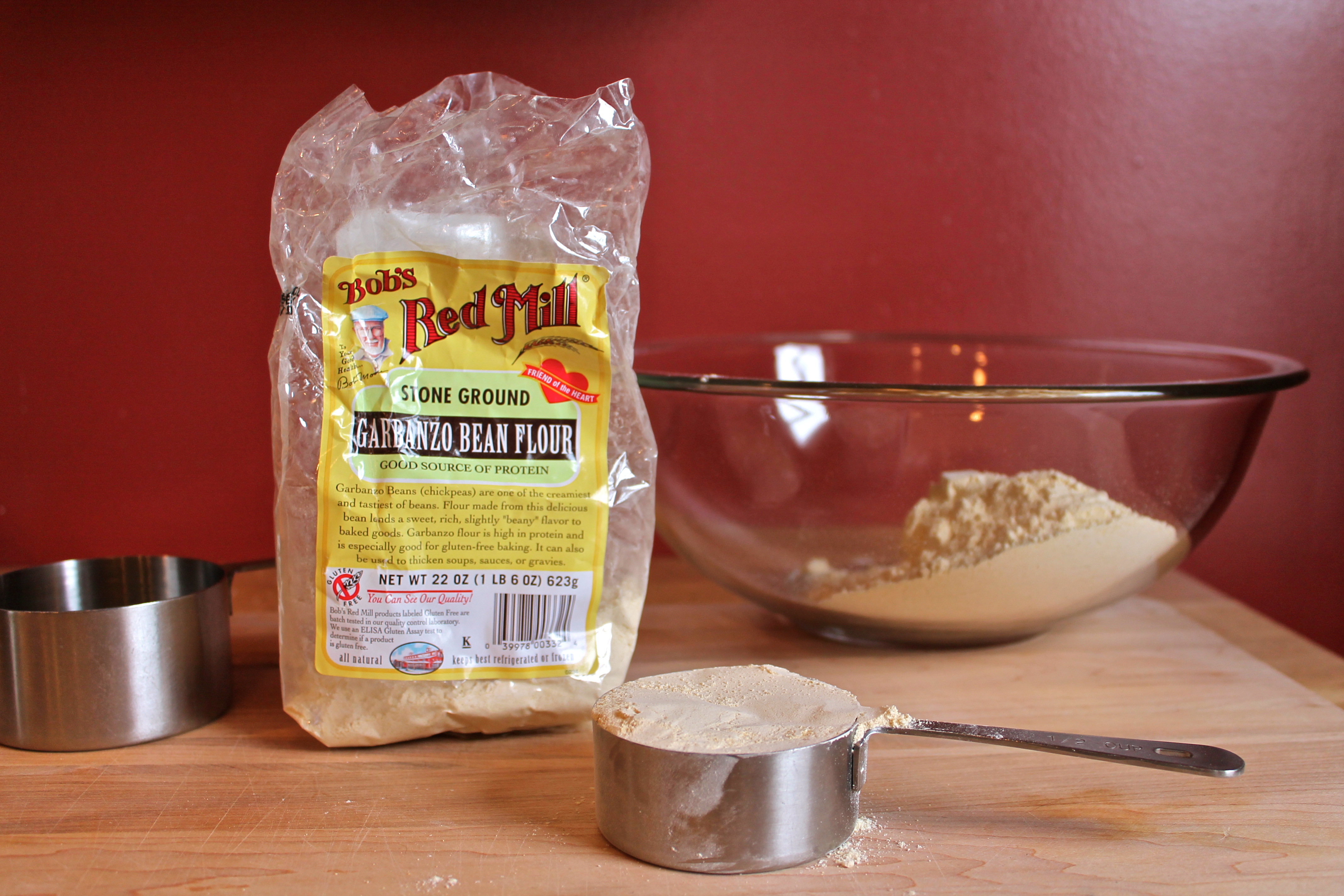
1 ½ cups besan (chickpea flour)

1 teaspoon ground coriander

¼ teaspoon turmeric

¼ teaspoon ground cumin

¼ to ½ teaspoon cayenne pepper, depending on how spicy you like things

½ teaspoon garam masala

½ teaspoon salt

1 teaspoon freshly grated ginger

1 teaspoon vegetable oil

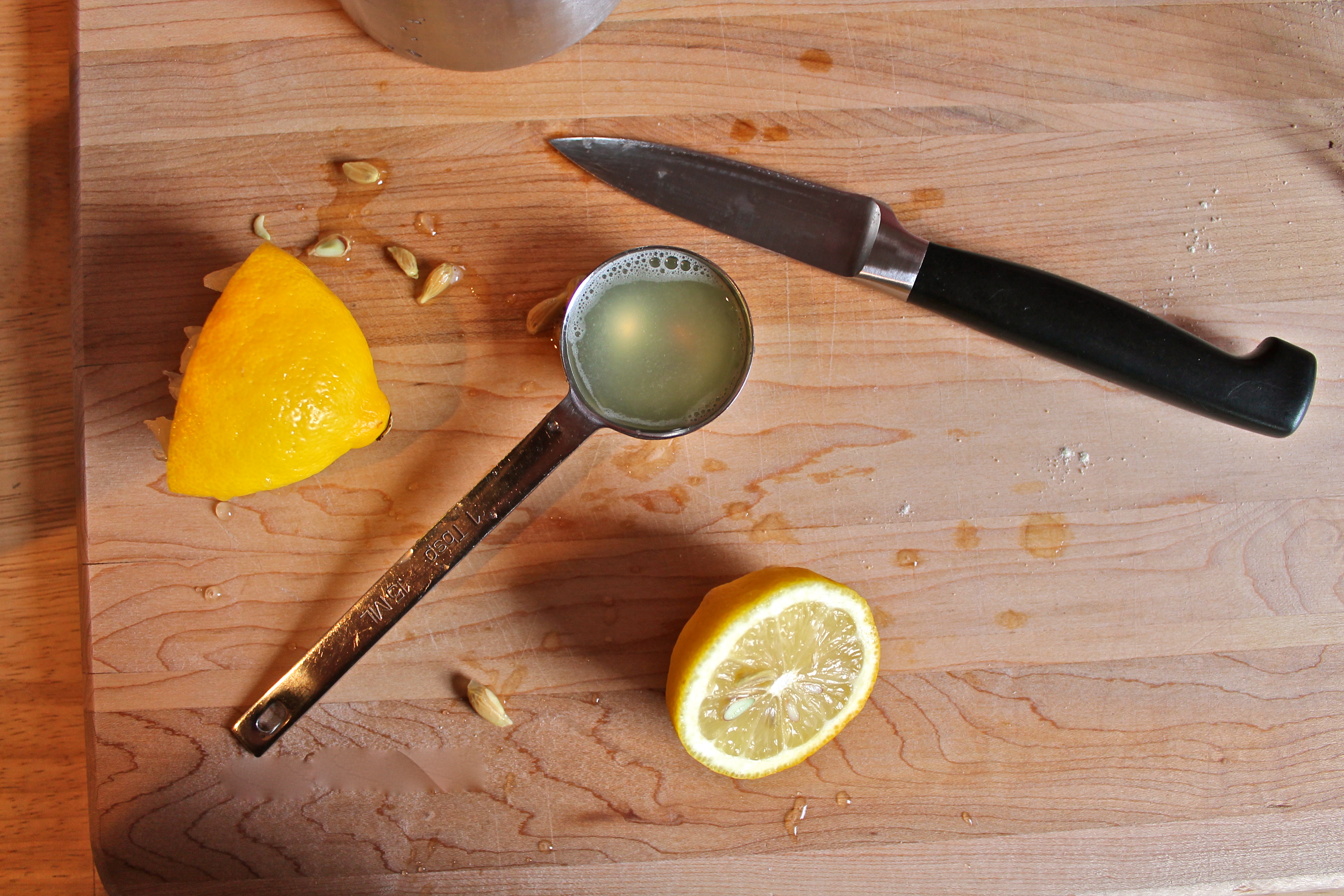
1 tablespoon lemon juice

2/3 cup cold water

2 tablespoons chopped fresh cilantro

4 cups finely chopped or grated vegetables (cauliflower, potatoes, zucchini, spinach, onions, etc.)

lemon slices, for serving

optional: pinch of baking powder

In a large bowl, whisk together chickpea flour, spices, salt, and ginger.  If you like puffier pakoras, now would be the time to add in the optional pinch of baking powder. Using a fork, slowly mix in the vegetable oil, lemon juice, and cold water.  Mix until the batter is thick, but not stiff (if the batter is unreasonably stiff at this point, mix in another 2 tablespoons of water to loosen it up).  Set batter aside while you prep the vegetables.

Fold the chopped vegetables into the batter, coating all the vegetables as best as you can without overworking the batter or bruising the vegetables.

In a large skillet, heat ¼ to ½ cup of vegetable oil (how much will depend on the size of your skillet, a larger skillet will need more oil, and vice versa) over medium heat until it just begins to shimmer and a pinch of the batter dropped into the oil sizzles immediately.

Carefully place 1 heaping tablespoon of batter at a time into the hot oil.  The pakoras should sizzle nicely, but not violently (if the oil is too hot, the pakoras will cook too fast on the outside and remain raw in the middle).  Cook four or five pakoras at a time, taking care not to crowd the pan.  Cook for roughly 3 minutes on each side, until the outsides are dark golden brown and the middles are cooked.  Drain pakoras on a layer of paper towels set upon a wire cooling rack (this will keep the pakoras from getting soggy).

Serve warm, with fresh lemon slices for squeezing over the pakoras.

Makes about 3 dozen pakoras, depending on how heaping your tablespoons are.