Archive | Vegan RSS feed for this section

Cider-Braised Greens

9 Apr

If it were up to me (and it is somewhat puzzling that it is not, considering the fact that I do all the cooking around here), every dinner I served would include these greens.  Lightly garlicky, slightly bitter, and mildly sweet with just a flash of spice, these are the greens that I turn to when I want to whip up something to accompany a basic meal of protein + carbohydrates.  Unfortunately, since many of my house’s food choices are not left entirely up to me, I don’t get to eat these greens all that often.  I could try and be polite about this, but there’s just no skirting the issue.  My kid, he hates leafy greens.

Many years ago, I was sitting in a Thai restaurant with my husband, pre-child years.  We were watching a family of four, two parents, two children, eat their dinner, and I was pleased to see that both kids in the family were happily tucking in pile after pile of sautéed greens, spicy green beans, and grilled tofu.  I watched and admired the family for quite some time, soaking in the spicy, vegetable-laden inspiration of their dining choices.  So, I thought, kids will eat greens and spicy food.  As it turns out, I was only half correct.  Those kids will eat greens and spicy food.
For a long time, I thought that the secret to getting kids to like a certain food was just offering that food to a kid many times (the rumored magic number of offerings before a kid will accept a rejected food is 20—that is, your kid has to taste and reject the food on 20 separate occasions before he or she will finally accept it, which is, to put it simply, disheartening and somewhat ridiculous) until the kid just breaks down and finally decides to eat whatever you are shoving at him.  I now know that the secret to getting your kid to eat food he claims he doesn’t like is…wait, there is no secret.  At least, I haven’t discovered it.  It seems as though the choices many kids make concerning the foods they will and will not eat are completely random.  My son will demolish an entire avocado that has been bathed in fresh lime juice and cracked black pepper, but his friend down the street suffers from a distaste of avocados that is so intense, he has taken to telling people that he is actually allergic to avocados and can’t even be around them.  My son loves salmon, but won’t go near prawns.  He will graze through our garden in the summer, stuffing handfuls of basil, parsley, and mint into his mouth, but if you try and offer him a lettuce leaf, he will back away as though you are waving an angry cobra at his face.
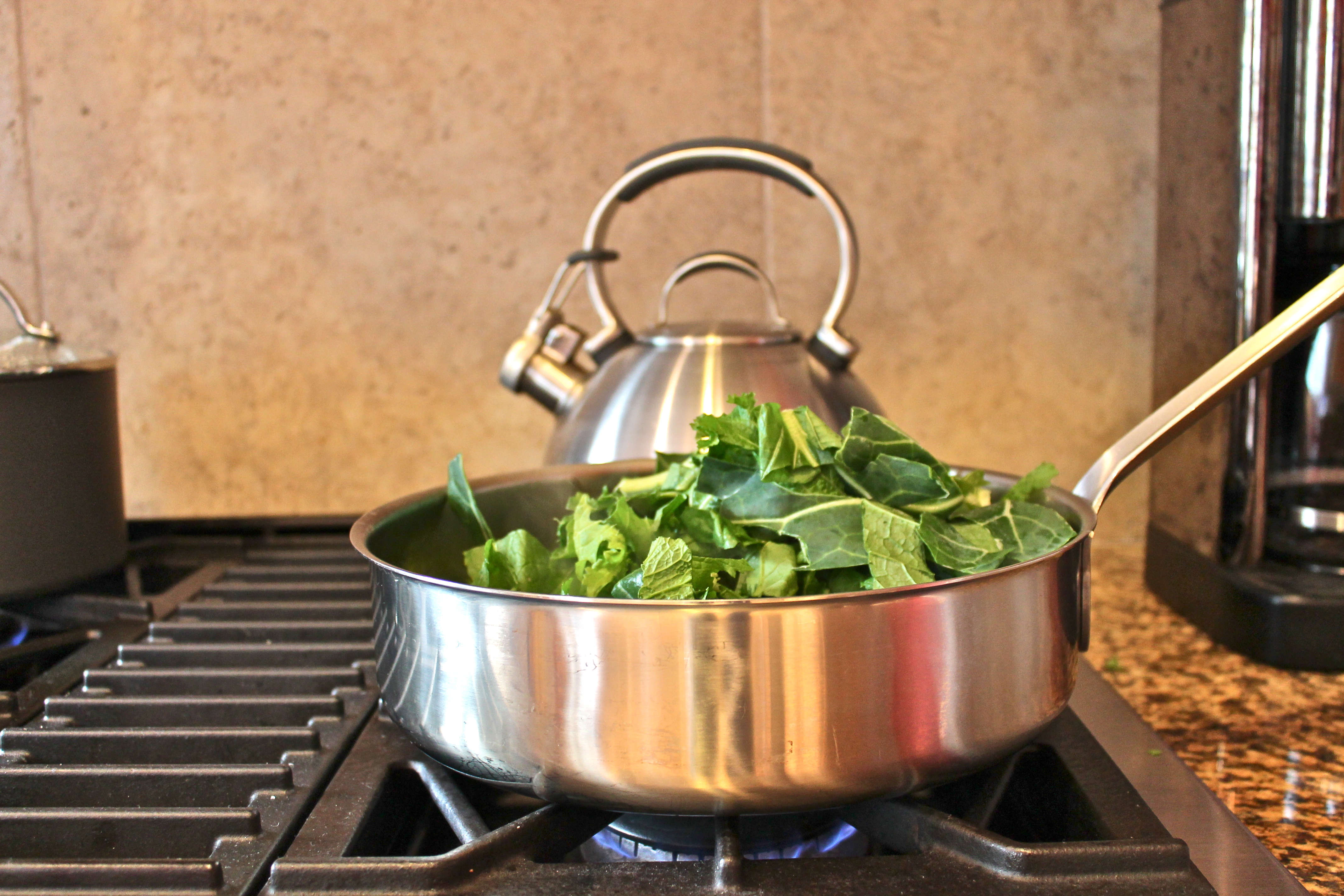
Maybe it’s not really a problem.  Maybe, because he is five, he is just being contrary.  Maybe one day, when he has outgrown his fear of leafy greens and is interested in exploring the world of cooked greens, he will appreciate a recipe like this.  There is not much I can do to in the meantime, save for offering him a tiny bite of my greens each time I make them, waiting in earnest for that magical 21st offering when he will fold under my persistence and finally give in.  If I am really persistent, I could have this nailed by the time he is six.  Maybe seven.  Okay, fine.  Twenty-seven.

With quinoa and grilled salmon

Cider-Braised Greens Recipe

2 tablespoons extra-virgin olive oil

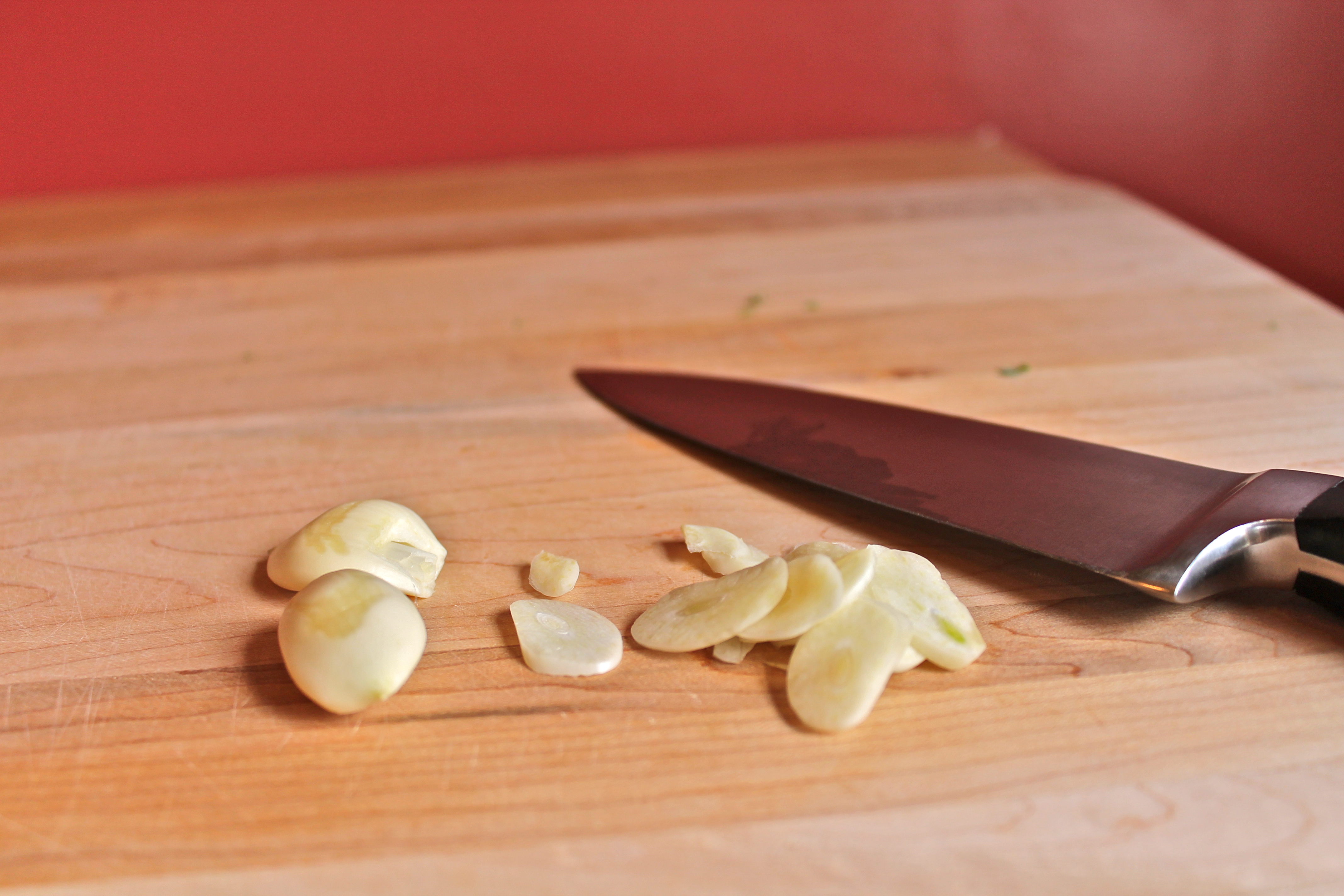
3 large garlic cloves, cut into thin slices

large pinch of red pepper flakes

8 ounces of greens, rinsed and coarsely chopped (I used turnip greens, kale, and chard, but you can also use beet greens, collard greens, mustard greens, spinach, or whatever other cooking greens you have on hand)

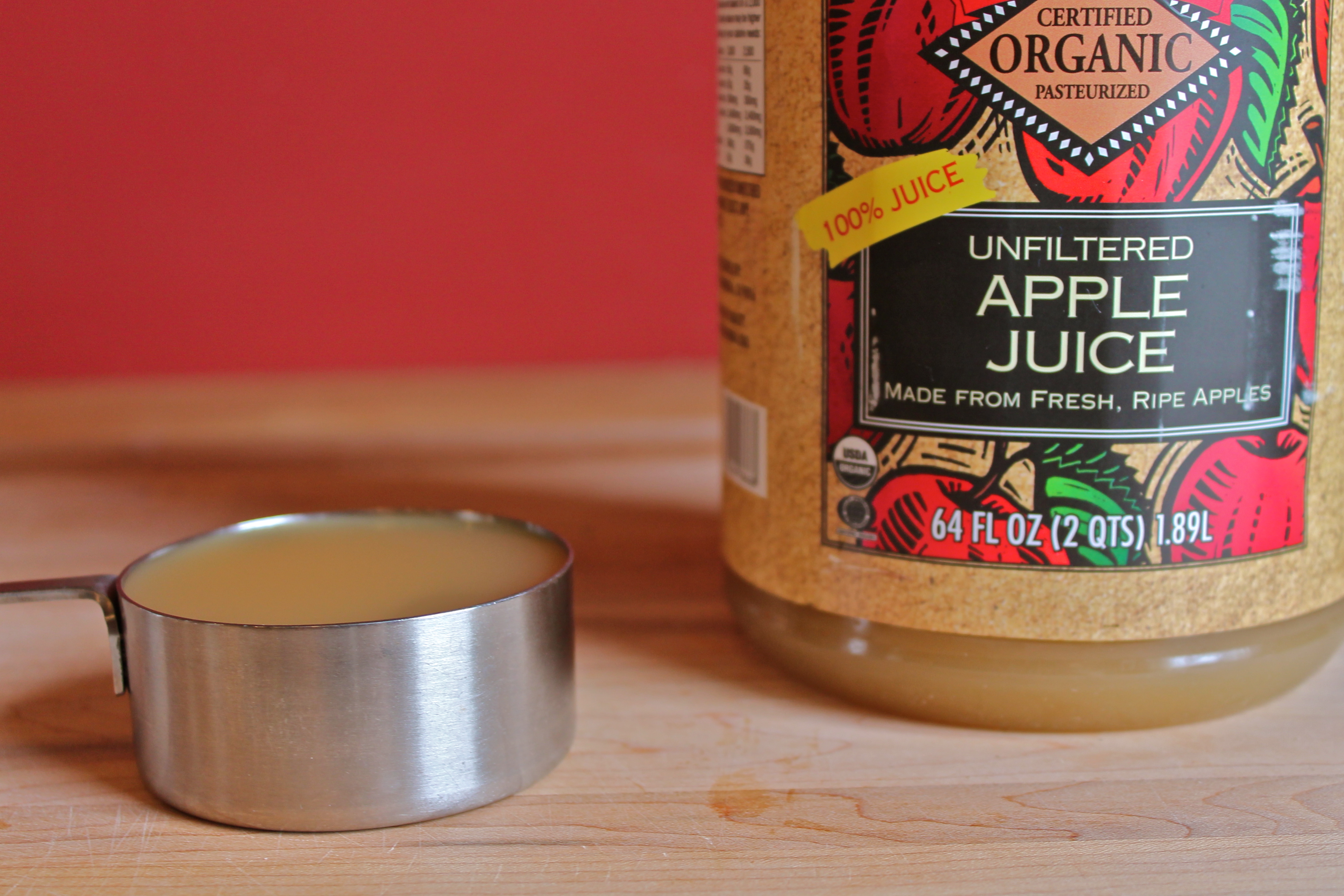
½ cup unfiltered apple cider

salt and pepper to taste

In a large skillet, heat olive oil over medium-high heat.  Add sliced garlic and pinch of red pepper flakes, and sauté, stirring frequently, for 10 to 15 seconds, until the garlic starts to release its aroma.  Add the greens all at once, stirring to coat the greens in the garlicky oil.  Sauté, stirring frequently, until the greens have wilted, about 3 to 4 minutes.  Pour the cider over the greens, stir to combine, place a lid tightly over the pan, and lower heat to medium-low.  Braise the greens for five minutes, until the cider has mostly reduced and the greens are tender.  Remove lid, stir in salt and pepper, and sauté for an additional minute until only a trace of the cider remains.

Serves 2.

Quinoa, Arugula, and Roasted Beet Salad with Ginger Sesame Dressing

1 Mar

One of the least exciting aspects of my eating habits is my propensity to want to eat salad for every meal.  Not with every meal, for every meal.  I find this desire of mine to be no less normal than the desires of those who insist on eating meat with every meal, only, when I admit to people that, in my mind, salad is no less important than meat, I tend to be the recipient of a lot of quizzical looks.

Sometimes I wonder if this response is based on a very demure idea of what constitutes a salad.  To be honest, I am not entirely sure myself what magically transforms a mixture of several ingredients into something that one could call a salad.  To me, a salad is a bunch of fresh vegetables—some cooked, some not—a bit of protein, a lot of texture, and some sort of dressing or citrus drizzled over the top.  Or, rather, those are the qualities I look for in a salad of my own (not to totally exclude those salads that might boast a creamy dressing, a ton of protein, and perhaps even no vegetables—see how confusing this can get?).

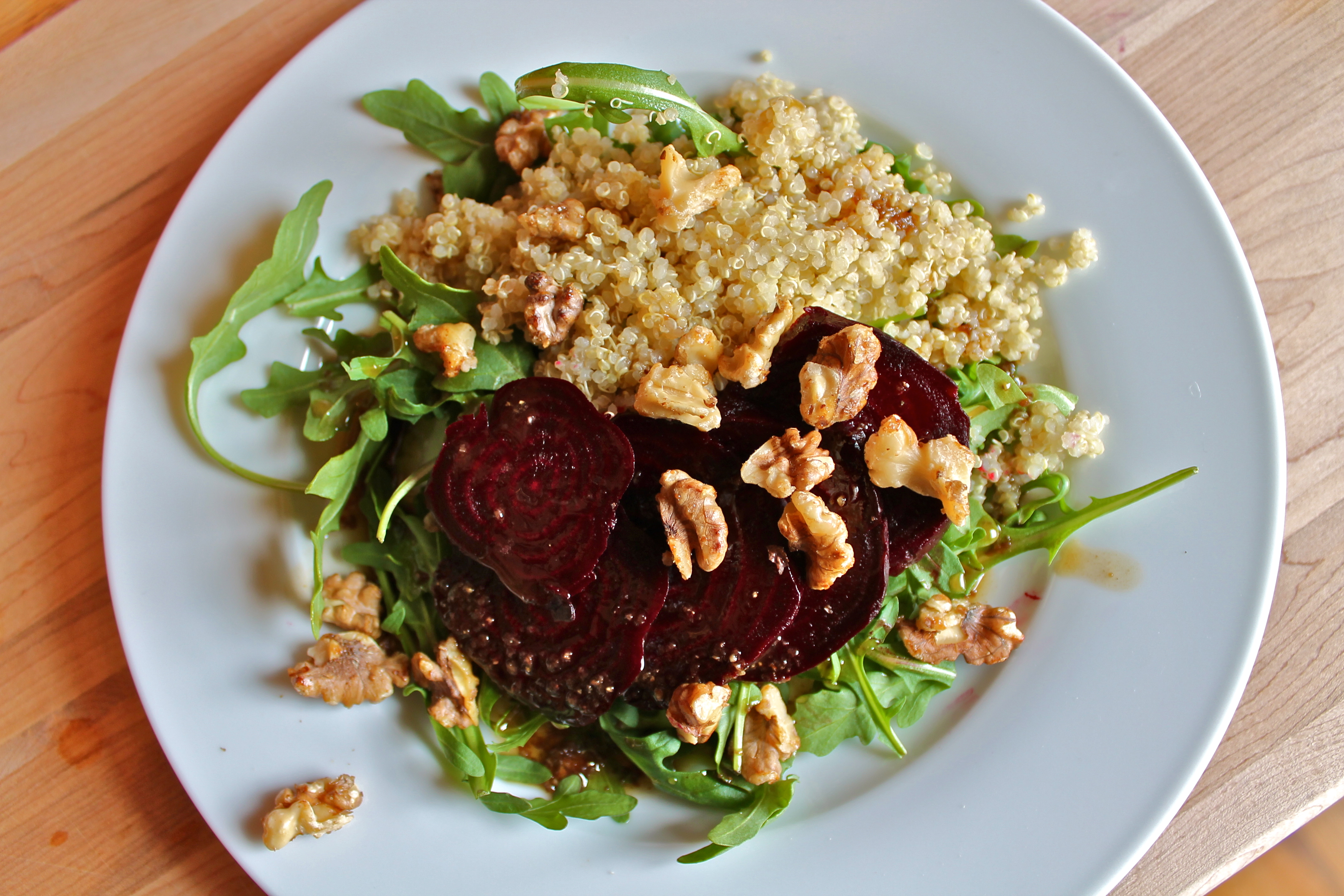
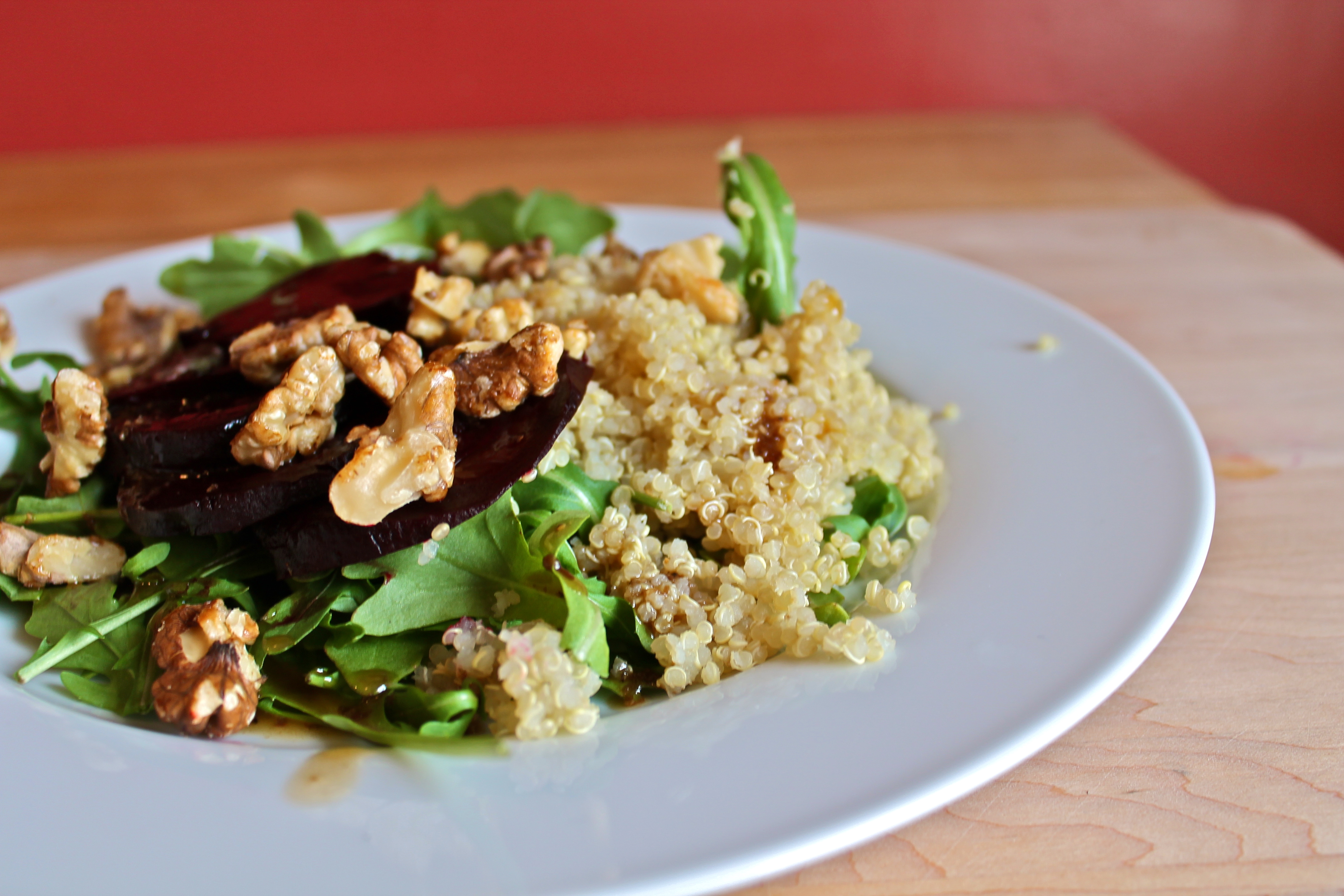
If I were to choose a salad to eat every day, perhaps even at every meal, it would be this one.  Nutty quinoa piled on top of crunchy, spicy arugula, earthy roasted beets, a handful of toasted nuts with just a hint of sweetness, and a kicky, citrusy dressing, all together on one plate.  This is my favorite whole-meal salad.  Unfortunately, it is also the salad that contains every single ingredient that my son finds absolutely repellant (save for the sweetened walnuts), so it is a salad that I tend to consume only when I know that I will be eating alone, and thus in charge of pleasing only myself.  It is my hope that my son will one day discover the joys of beets and quinoa (or, shall I say, rediscover, since that kid ate both of those things when he was a baby, but won’t go within five feet of them now, of course—not that I am trying to make him feel guilty or bad or…where was I going with this?), but if he does not, maybe that’s not entirely awful since, of course, less salad for him logically means more salad for me.

Quinoa, Arugula, and Roasted Beet Salad with Ginger Sesame Dressing

These ingredients, as listed, will make two large, whole-meal salads.  If you wish, you can also make four smaller side salads with this amount of ingredients.

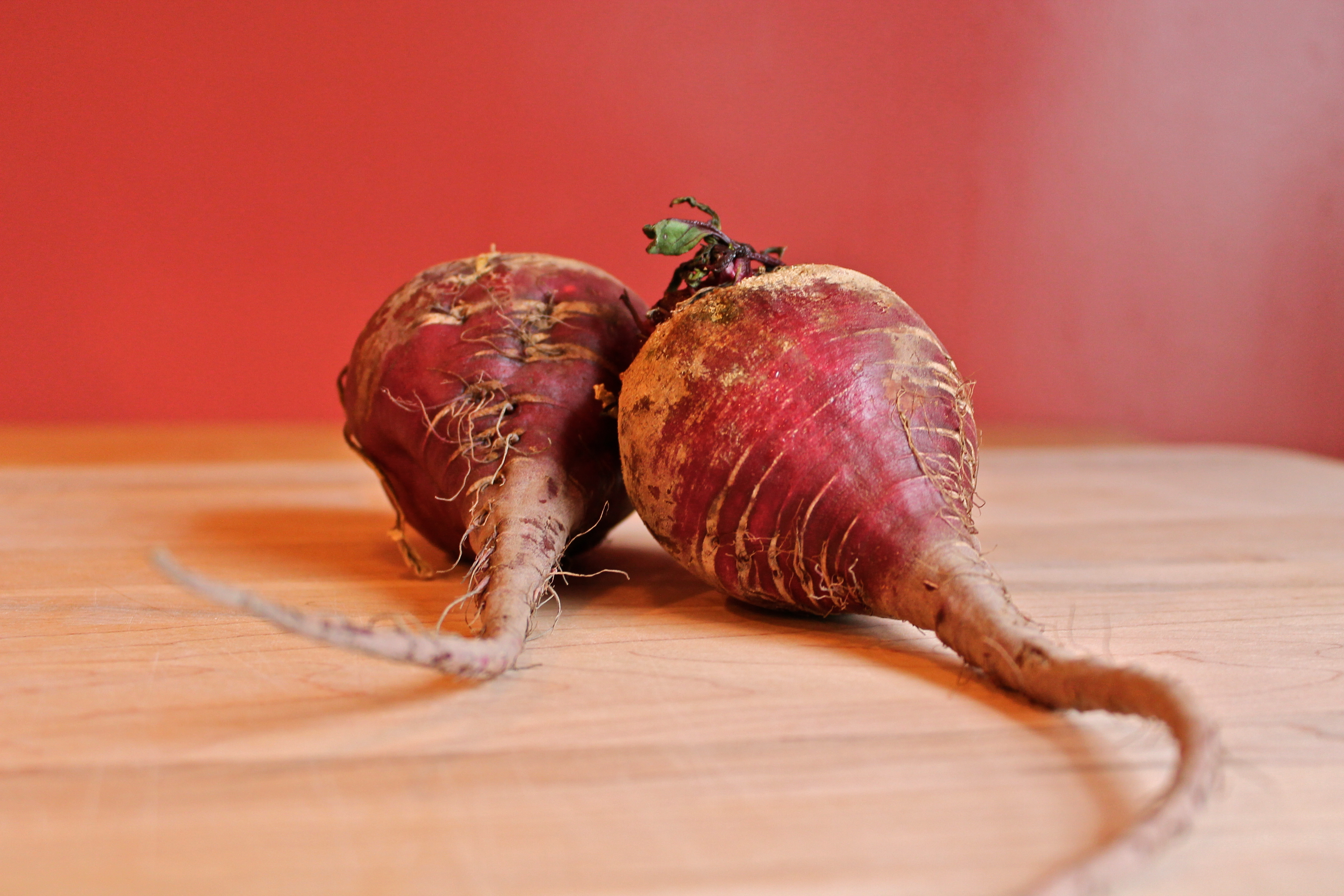
2 beets, trimmed, with leafy tops removed and reserved for another use

1/3 cup walnuts

½ teaspoon granulated sugar

2 cups cooked quinoa (tip: quinoa is most delicious when cooked in a 50/50 mixture of vegetable stock and water), warm or at room temperature

2 or 3 large handfuls of arugula

Dressing:

¼ teaspoon finely grated or mashed garlic

1 teaspoon finely grated fresh ginger

1 teaspoon lemon juice

½ teaspoon toasted sesame oil

1 tablespoon balsamic vinegar

3 tablespoons extra-virgin olive oil

salt and pepper to taste

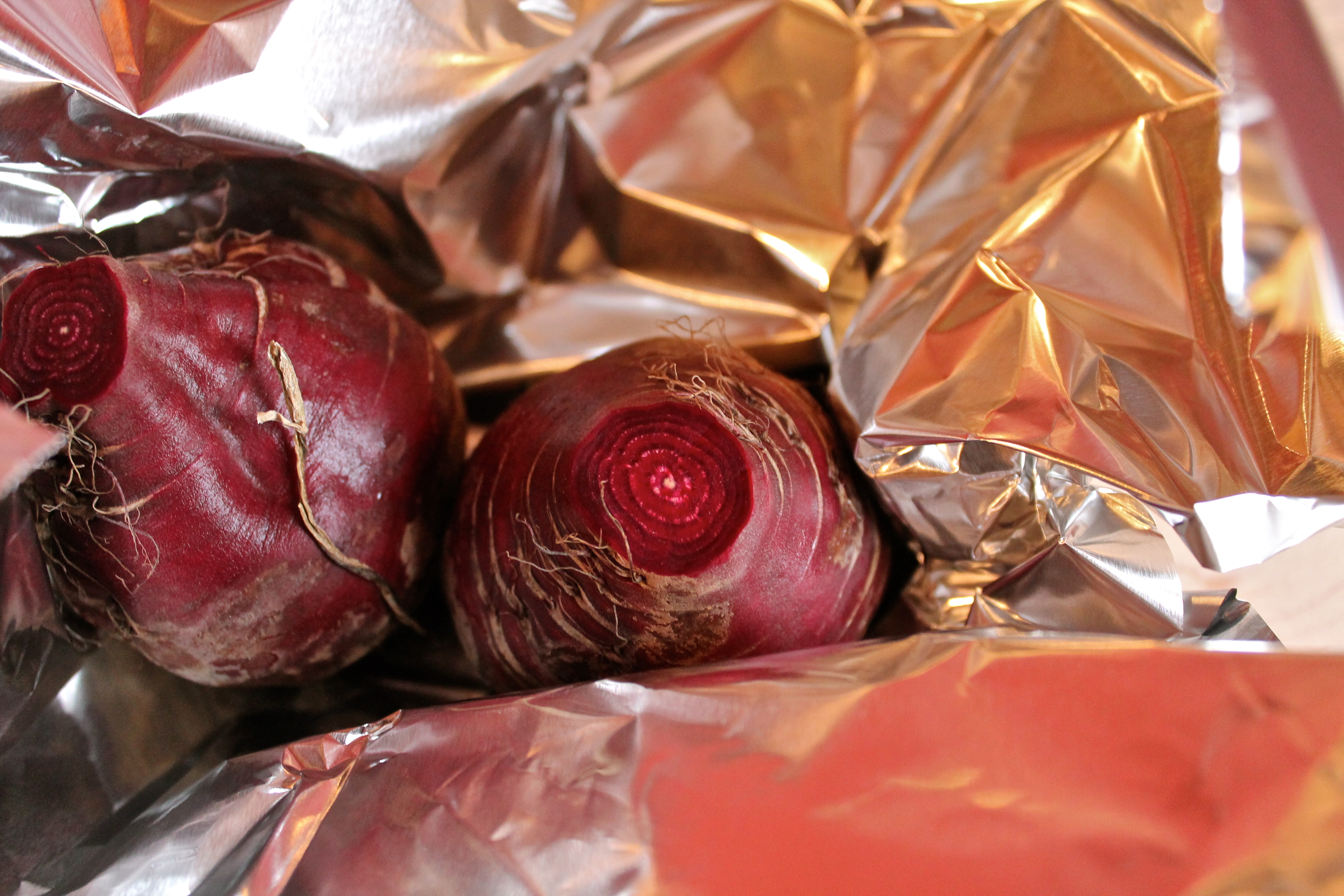
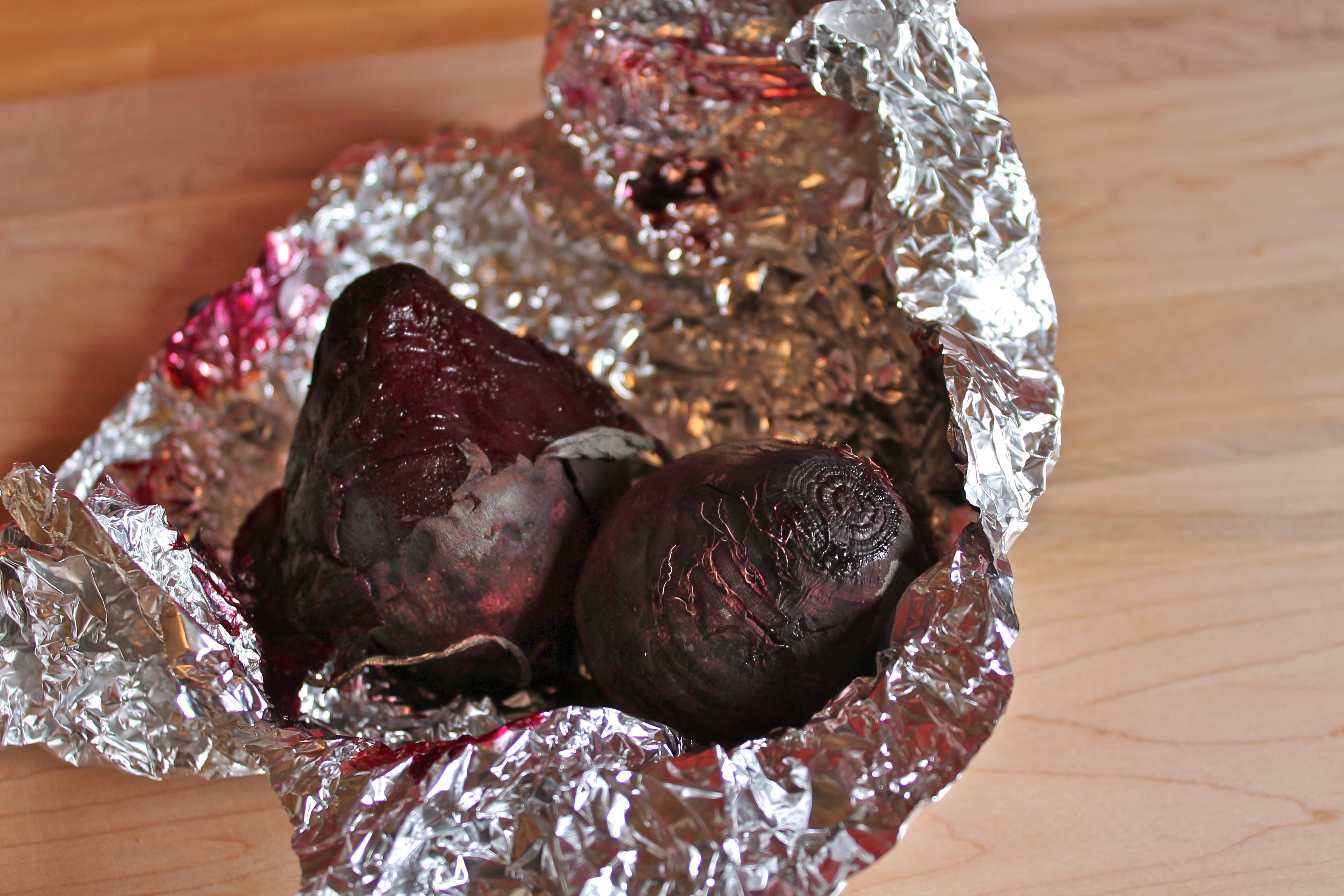
Preheat oven to 375 degrees Fahrenheit.  Wrap beets tightly in foil.  Roast beets for 40 minutes, until cooked completely through.  Remove from oven and carefully unwrap to allow steam to escape, then leave beets—still in foil—to cool.  When beets have cooled enough to touch (about 15 minutes) rub the beets in their foil wrapper to remove skins.  Voila—you have just avoided staining your hands with the diabolically stubborn juice of your beets.

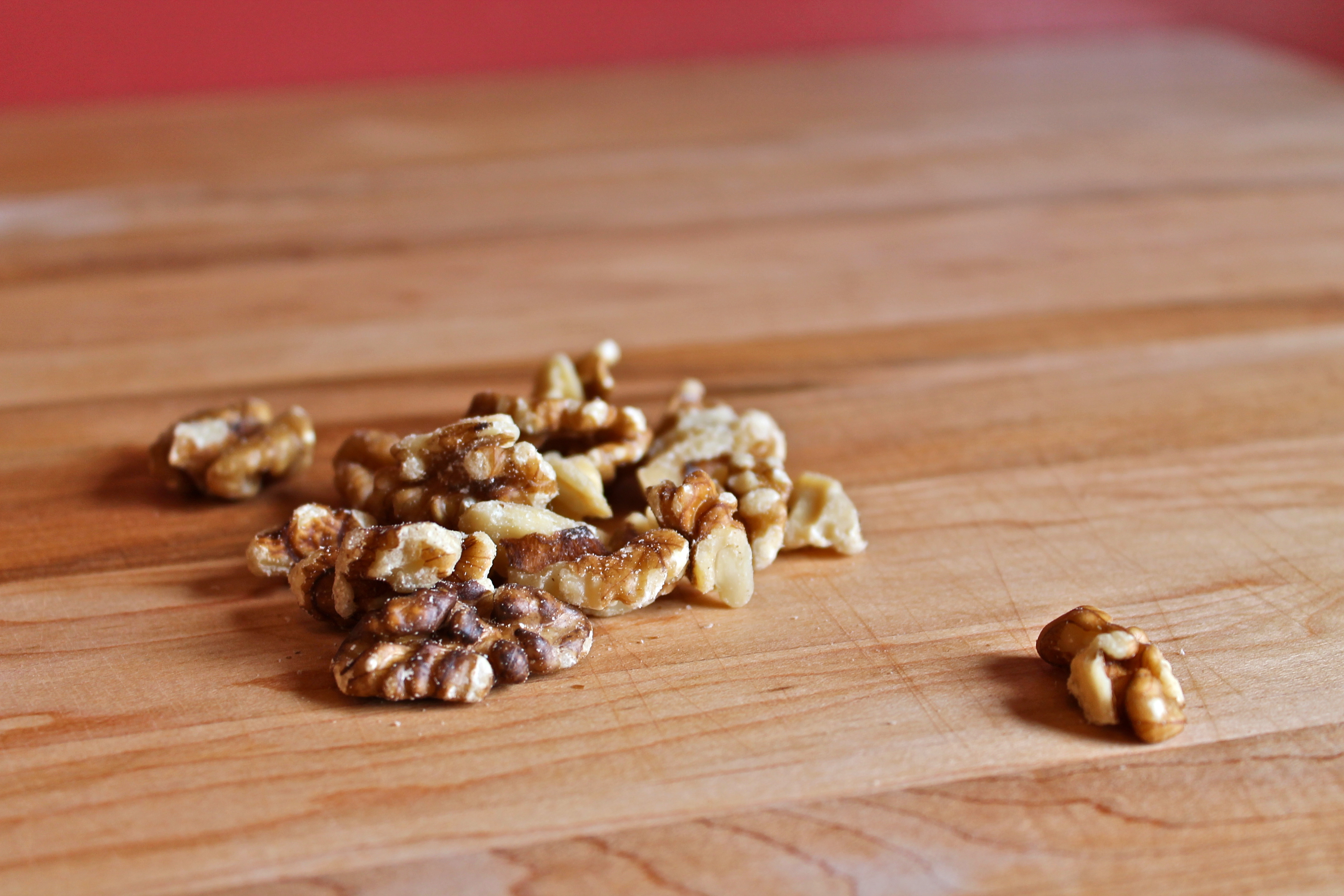
While the beets are roasting, place the walnuts in a pan set over medium heat.  Toast the walnuts for 2 or 3 minutes, until they just begin to emit a nutty aroma.  Sprinkle the sugar around the walnuts, allowing as much of the sugar as possible to sit on the bottom of the pan.  Watch the sugar carefully as it begins to melt, then just begins to turn amber.  Stir the nuts and sugar together, then immediately remove from heat and pour onto a plate to cool.

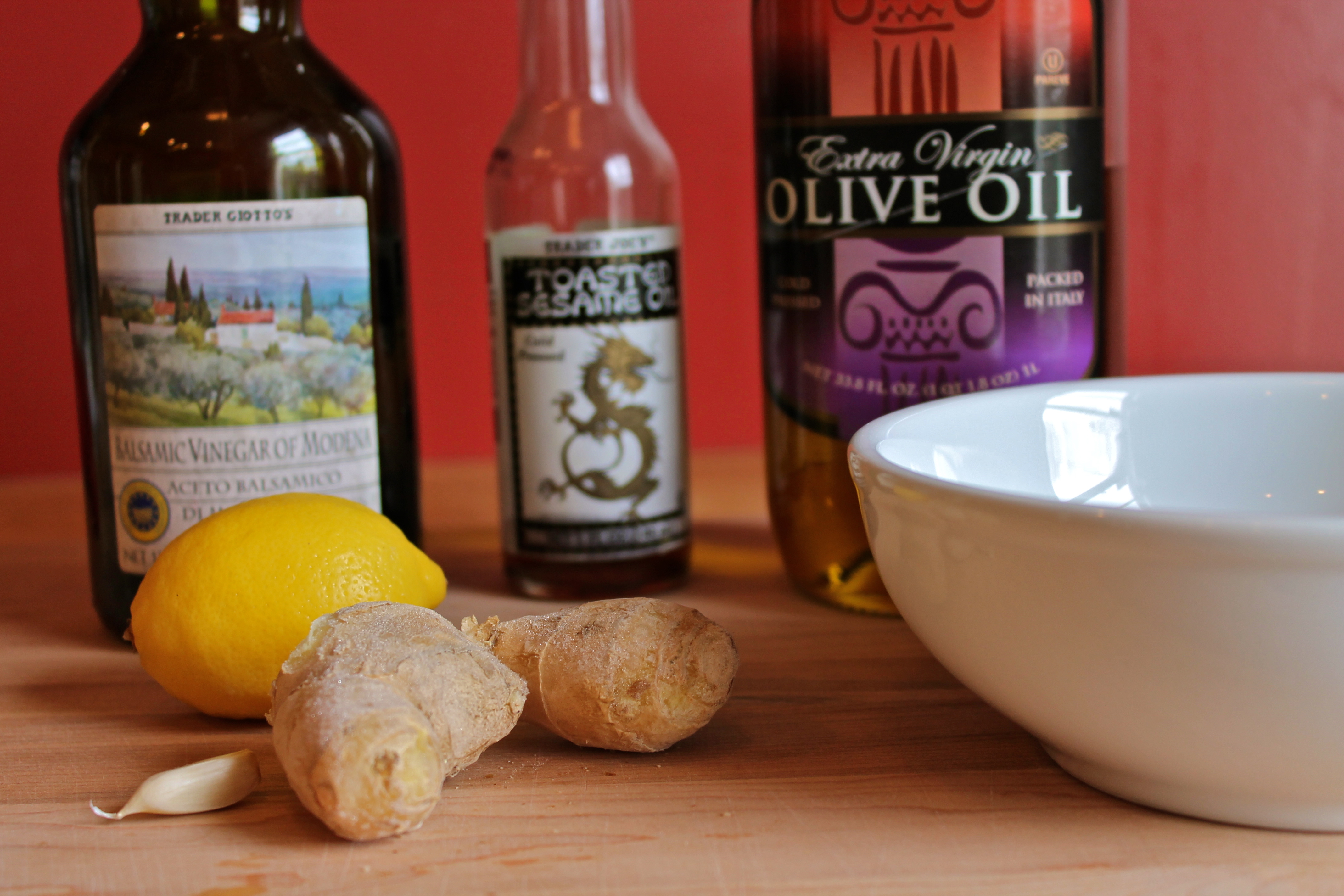
To make dressing, combine all ingredients in a small bowl and whisk together until thick and emulsified.  Taste for seasoning, and adjust salt and pepper to taste.

Place a large handful of arugula on a plate.  Place 1 cup of cooked quinoa on one side of the arugula.  Slice the beets into rounds and place beet slices on the other side of the arugula.  If desired, generously pepper the beets (this is what I always do, because I like the beets extra peppery).  Drizzle the dressing over the arugula, quinoa, and beets.  Top with toasted walnuts.  If desired, sprinkle with a bit of sea salt.

Dal with Coconut Milk

16 Feb

When I was in India, I ate lentils everyday.  Actually, that’s not true.  At first I ate lentils everyday, but towards the end of my trip I started to revolt against the lentils.  I don’t know if it was the fact that eating dal at every meal—breakfast, lunch, and dinner—was starting to make me crazy, or the fact that by that point I hadn’t had a decent cup of coffee in a month and, pleasant attributes of tea aside, when you are a coffee fan who is deprived of coffee for weeks at a time, life starts to fray around the edges a little.

Now, back in America for many years, I can’t seem to get enough of dal.  We don’t eat Indian food in our house as much as I would like to (see: five year-old child who can’t handle spicy food), but when we do, I like to make the meal a real occasion by not just making a standard main dish and side dish, but also making naan or parathas, a few condiments, some pickles, and, most of the time, a different dal, depending on my mood.  Madhur Jaffrey has several fantastic dal variations that involve yellow split peas, sautéed cabbage, and sometimes just a few chiles and a bit of garlic oil, and for years I faithfully made any one of those dals whenever I was in the mood for some pulses to accompany my Indian meals.

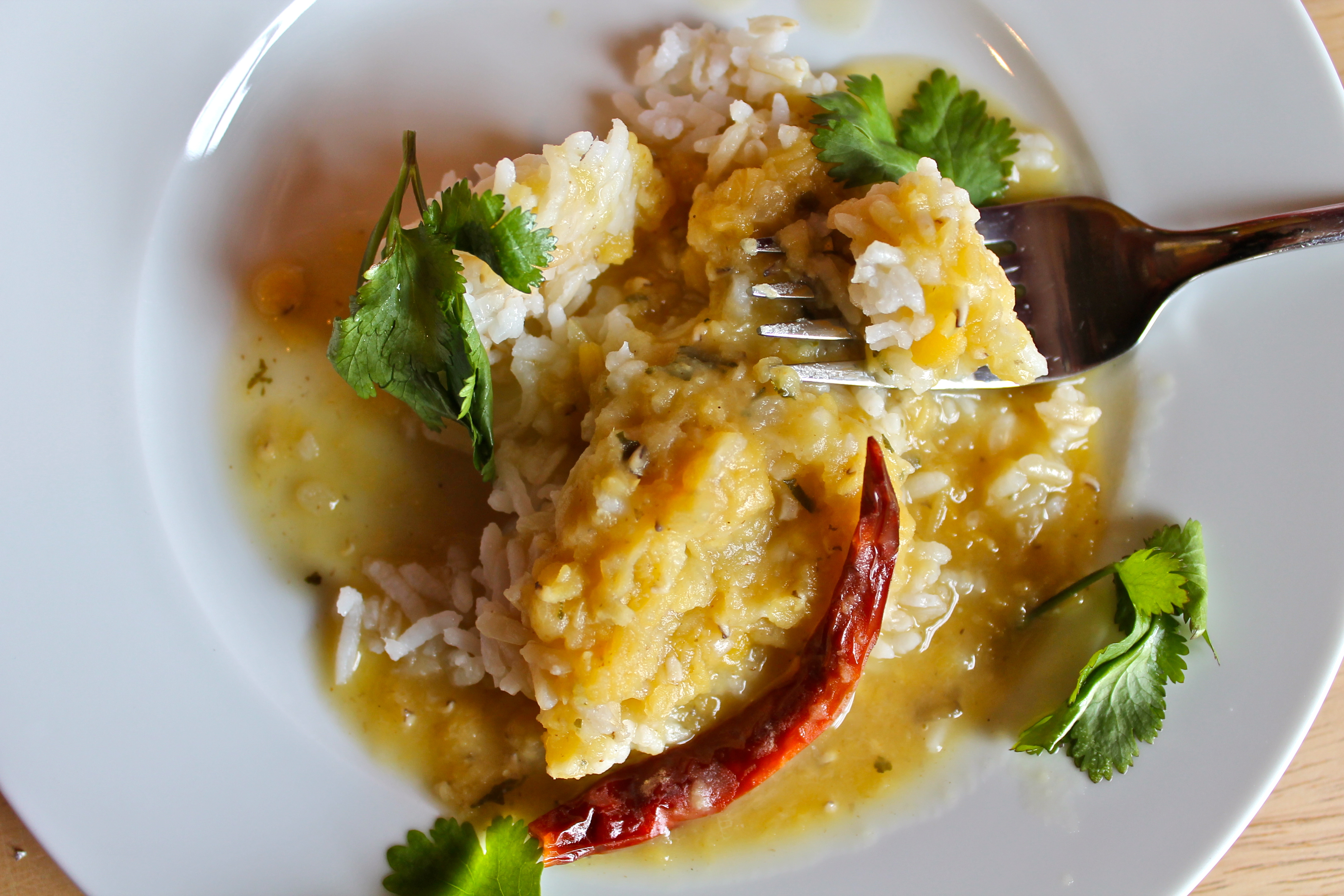
Changing up the game, however, comes this coconut milk dal from Naomi Duguid and Jeffrey Alford.  As simple as can be, it is, once again, a perfect dish from two people who really seem to have a rock solid grasp of flavors and spices, and how one can highlight the best of both by using ingredients that nudge one another towards a grand conclusion.  The coconut milk is an unexpected treat here, and not something I usually see in dal.  Duguid credits this dish as being more prominent in Southern India—it is actually something she remembers eating quite a bit in a Tamil restaurant—which makes sense, considering the common appearance of coconut and coconut milk in the dishes of Southern India, but not so much in the cuisine found in Northern India (where my family is from).   No matter its origin, this dal is a fantastic addition to any Indian meal, large or small, elaborate or simple.  I’ve taken to eating it with this new favorite cauliflower dish, and I think it would be a wonderful pairing with this delightful chicken biryani.  Really, you could just eat it over plain old basmati rice and it would be a staggeringly good meal.  I suggest you get right on it.

Dal with Coconut Milk

From Mangoes and Curry Leaves, by Naomi Duguid and Jeffrey Alford

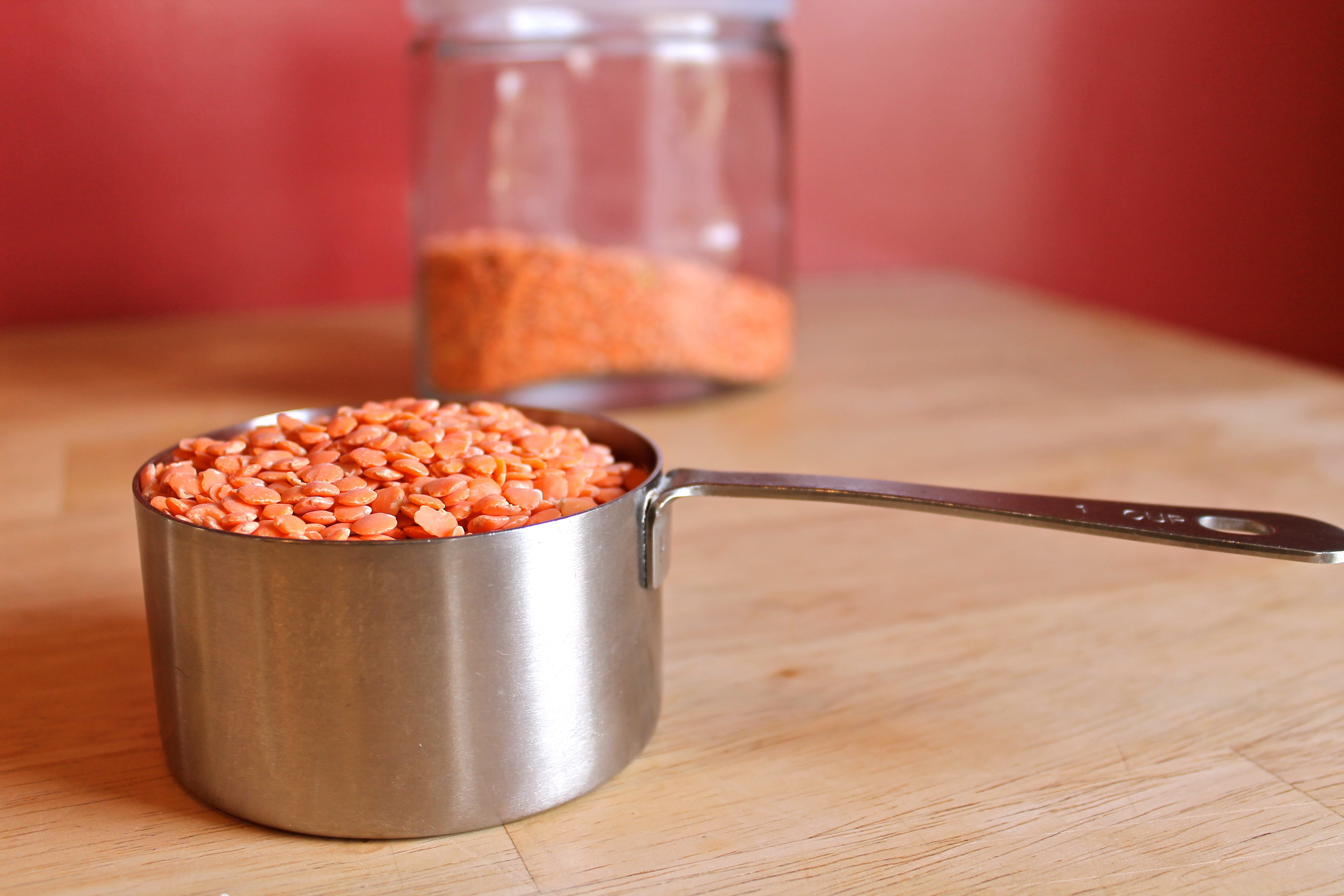
1 cup masoor dal (red lentils)

5 cups water

1 tablespoon vegetable oil

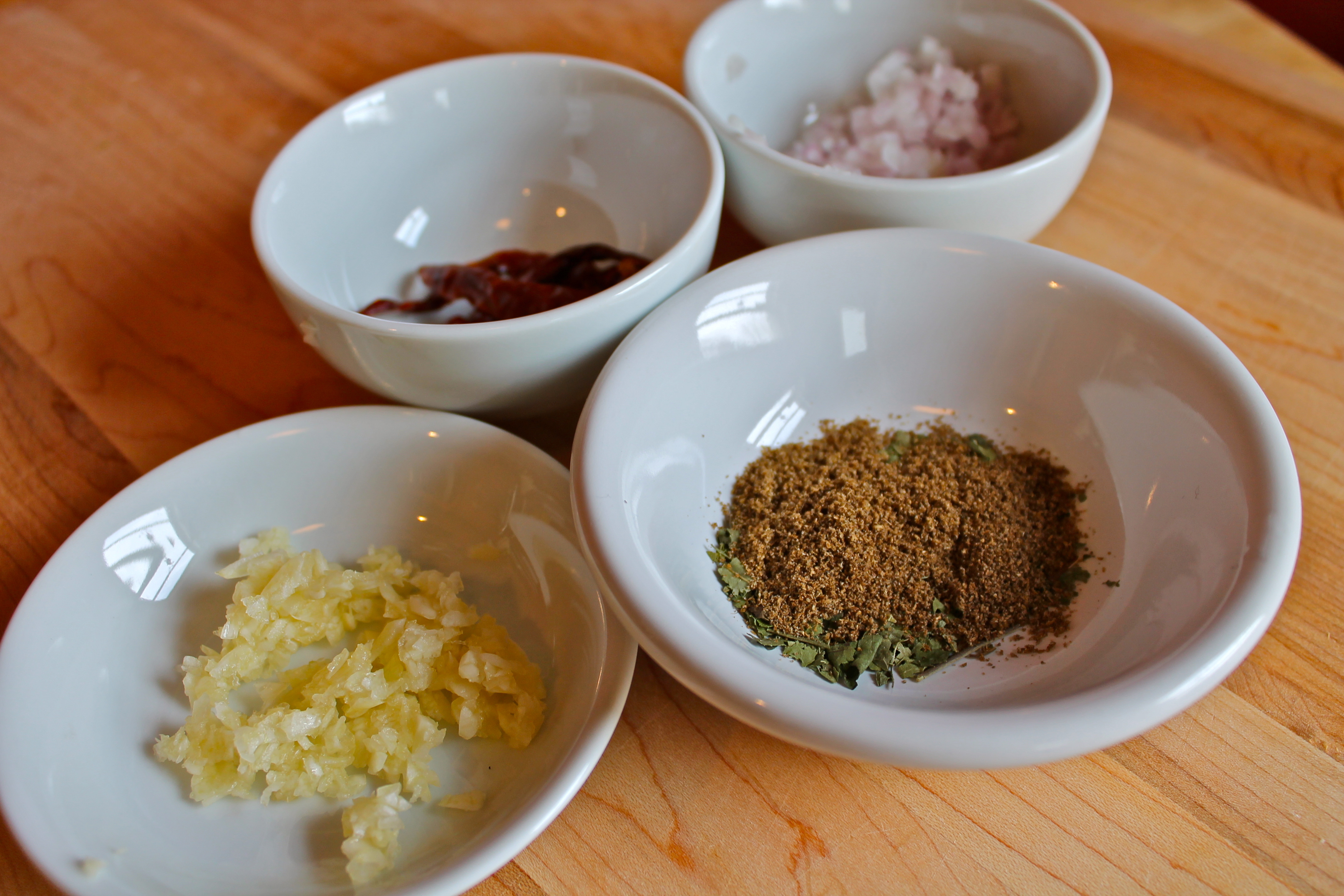
1 tablespoon of minced garlic, mashed to a paste

2 tablespoons minced shallots

6 or 8 fresh or frozen curry leaves (my Asian market was all out of whole curry leaves, so I used 1 heaping teaspoon of crushed dried curry leaves instead)

2 or 3 dried red chiles

1 teaspoon ground coriander

1 teaspoon salt

1 cup canned or fresh coconut milk

Put the dal in a medium pot with the water.  Bring to a boil, reduce the heat to a low simmer, then cook for 20 minutes.  Keep warm over low heat.

Heat a wok or a heavy skillet over medium-high heat, then add the oil.  Toss in the garlic and shallots and stir fry for 2 minutes.  Add the curry leaves, chiles, and ground coriander.  Mix well and cook for another 2 minutes.  Stir in the salt and coconut milk, then lower the heat and simmer for 5 minutes.

Add the coconut milk mixture to the hot dal and simmer for a few minutes to blend the flavors.  The longer you cook the mixture, the thicker it will get.  Serve hot.