Spice Cake with Salted Brown Butter Frosting

10 Sep

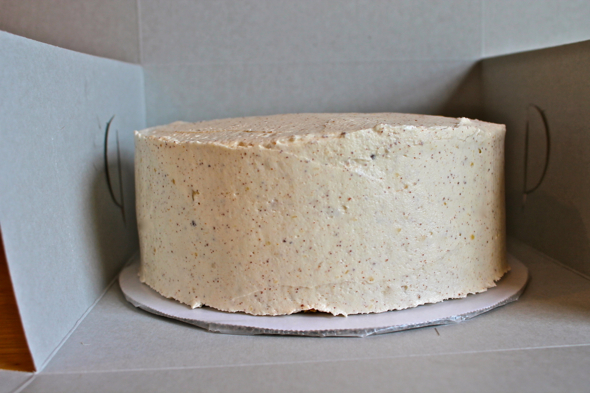
A few months ago, I made a bunch of cakes for a friend’s Kickstarter campaign. To me, this was a task on par with that of an artist being commissioned to paint a fine portrait. I took it very, very seriously. I bought bakery boxes in which to present the cakes. I made house calls to each and every cake recipient, making sure to describe, in fine detail, the nuances of not only the cakes, but also their frostings and/or garnishes. I shaved chocolate to decorate the cakes, I made special cardboard cake stands on which to sit each cake in its box, and then I hand-stamped my name, along with the name of this very website, onto each cake box. Like I said, I took my task very, very seriously. Behold:
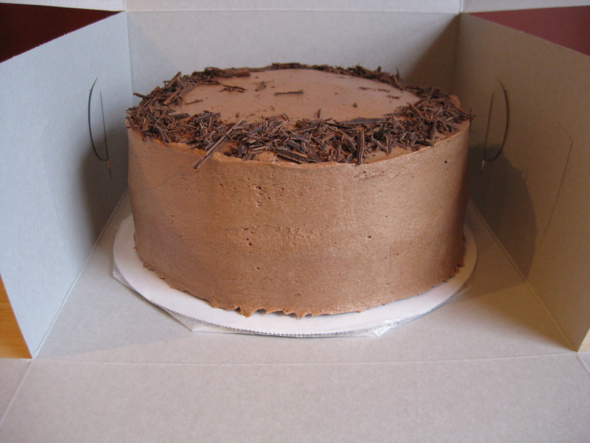
Remind me to tell you about this cake at another time.

Though I have encountered many people who simply cannot believe that I would go to such great cake-making lengths and not get paid a penny to do so, the fact remains that, incomprehensible as it may seem, I really enjoy making cakes. I also enjoy making salads, Indian food, bread, and…well, food. Just in general, I enjoy making food.
A couple of years ago, I agreed to make an enormous spread of food for my son’s school open house, and when, on the afternoon of the open house, it began to snow (which, just to be clear, rarely happens here), I was struck with both parts panic and delight when I realized that, my lord, what happens if the open house gets canceled and I get stuck with all this food. And then I realized that, hey, if the open house gets canceled, we get stuck with all this food. The samosas, the smoked salmon bruschetta, the caramelized onion flatbread, the lemon bergamot bars, the spicy brownies—all of it would have been ours and ours alone. Most of the time, when I prepare food in this manner, I never get to actually eat it. I just drop it off, then come back later on to retrieve the empty platters. For the first time ever, I was faced with the possibility of actually being able to eat the food I had spent the past two days making. It was equal parts exciting and confusing.
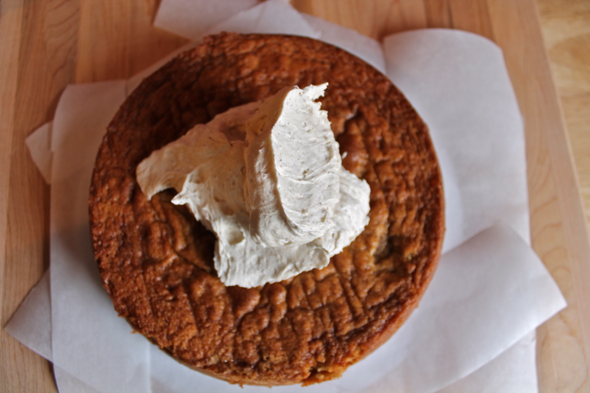
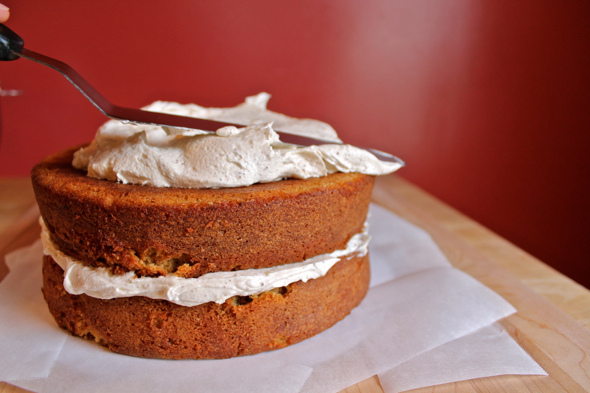
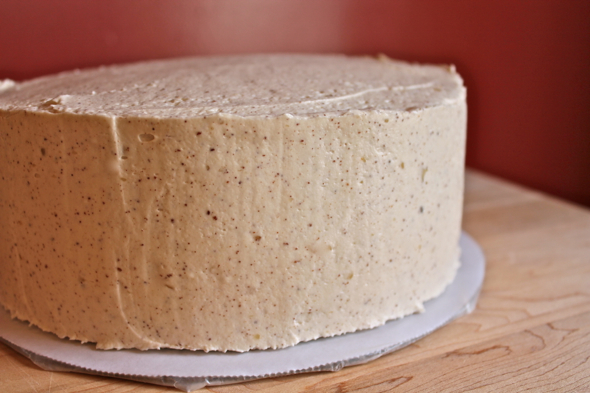
This is basically what happens when I make cakes for people, as well. I lovingly prepare the cake, frost it with the gentlest of care, then nestle it into a special box, never to be seen again. I suppose that is why, when I was scrolling through some old photos from the beginning of the year, I almost could not remember making this spice cake. The spice cake recipe from America’s Test Kitchen, packed with spices that get bloomed in brown butter, then perked up with a shot of fresh ginger, is an old favorite of mine. The frosting, dreamed up when I was looking for a way to really punch up the cake, is a new favorite.
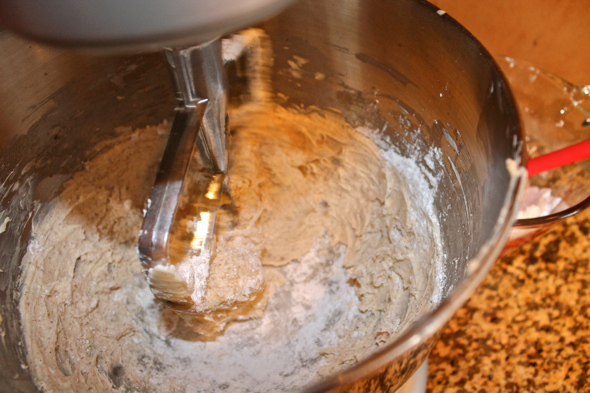
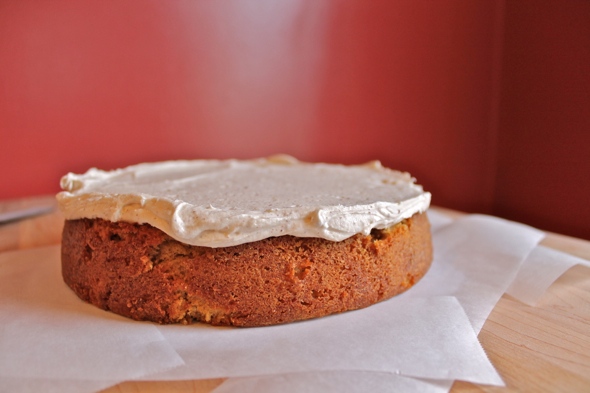
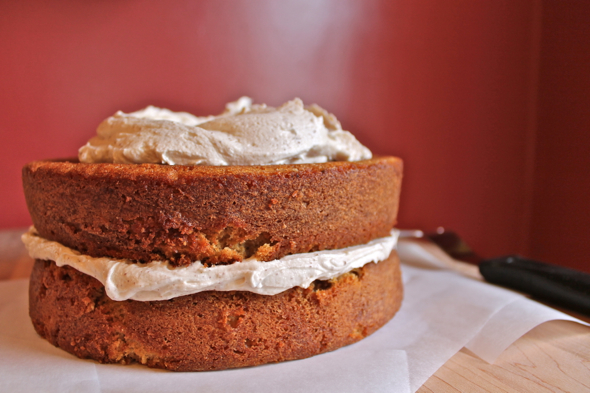
The brown butter in this frosting is the perfect compliment to the brown butter in the cake, and the hit of sea salt contained within supplies the most wonderful undertone to the warm sweetness of the cake. How do I know this, having just admitted that I never had the chance to taste this cake, as it was meant for someone other than me? Well, I may have never tasted this particular cake you see in the picture, but you’d better believe that, as soon as I was able, I took the time to make another one of these cakes. And the second time, it never had a chance to leave the house.
Last Year: Green Beans with Cherry Tomatoes Caramelized Lemon-Balsamic Onions

Spice Cake with Salted Brown Butter Frosting Recipe

Spice Cake

Adapted from The America’s Test Kitchen Family Baking Book

1 tablespoon ground cinnamon

¾ teaspoon ground cardamom

½ teaspoon ground allspice

¼ teaspoon ground nutmeg

16 tablespoons (2 sticks) unsalted butter, cut into 16 pieces and softened

2 ¼ cups unbleached all-purpose flour

½ teaspoon baking powder

½ teaspoon baking soda

½ teaspoon salt

2 large eggs, room temperature

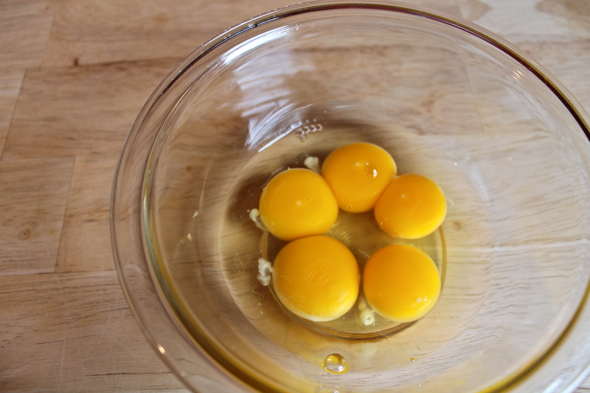
3 large egg yolks, room temperature

1 teaspoon pure vanilla extract

1 ¼  cups granulated sugar

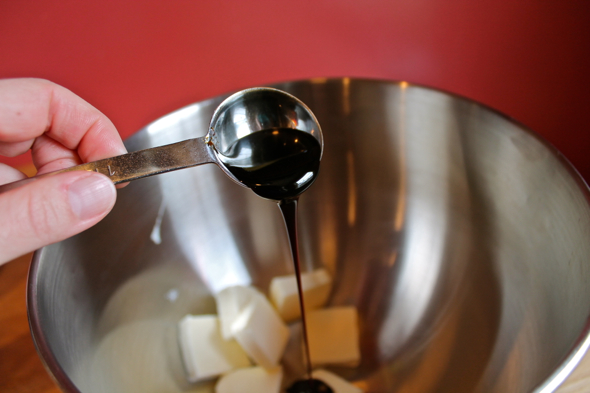
2 tablespoons light or mild molasses

1 tablespoon grated fresh ginger

1 cup buttermilk, room temperature

Adjust an oven rack to the middle position. Preheat oven to 350 degrees Fahrenheit. Grease and flour 2 9-inch round cake pans, then line the bottoms with rounds of parchment paper.

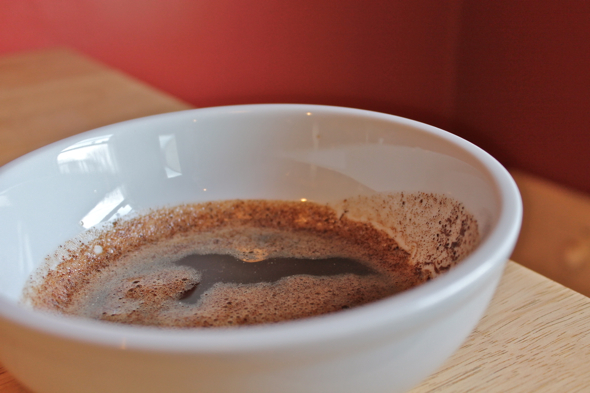
In a small bowl, combine cinnamon, cardamom, allspice, and nutmeg. In a small skillet, melt 4 tablespoons of the butter over medium heat and continue to cook, swirling the pan constantly, until the butter turns light brown (this should take anywhere from 3 to 6 minutes). Stir in the spice mixture and quickly cook until fragrant, about 15 seconds. Remove from heat and pour the mixture into a bowl to cool slightly.

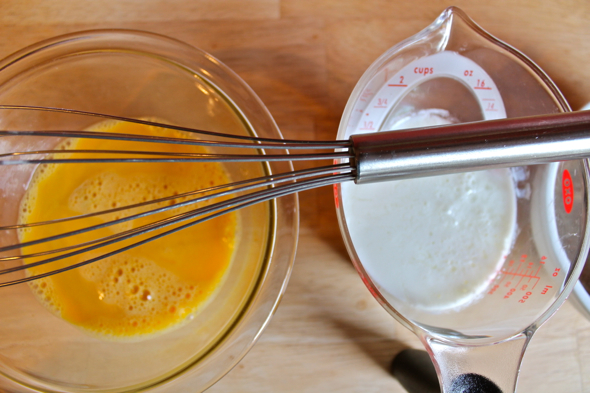
In a medium bowl, whisk together the flour, baking powder, baking soda, and salt. In a small bowl, whisk together the eggs, egg yolks, and vanilla.

In a large bowl, or in the bowl of a stand mixer, beat the remaining 12 tablespoons of butter with the sugar and molasses. Beat on medium-high speed until the mixture is light and fluffy, about 3 to 6 minutes. Scrape down the sides of the bowl, then beat in the ginger, the cooled butter-spice mixture, and half of the egg mixture until combined, about 30 seconds. Beat in the remaining egg mixture until combined, about 30 more seconds.

Reduce the mixer speed to low, scrape down the sides of the bowl, and beat in one-third of the flour mixture, followed by half of the buttermilk. Repeat with half of the remaining flour mixture and the remaining buttermilk. Beat in the remaining flour mixture until just combined.

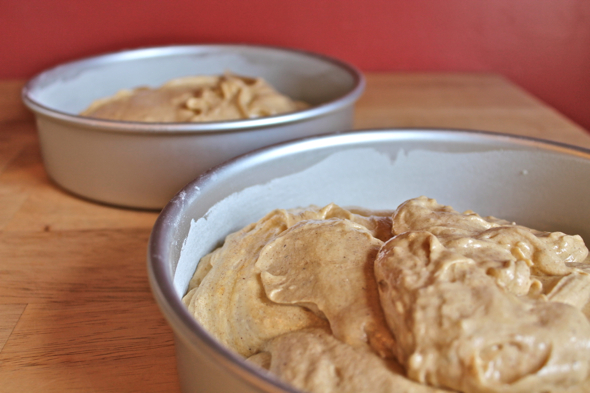
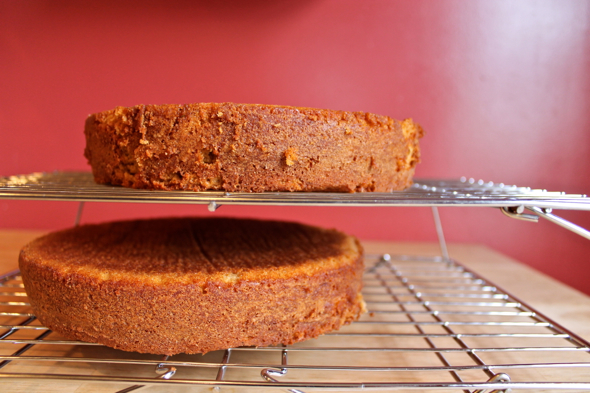
Give the batter a final stir with a rubber spatula to make sure it is thoroughly combined and there are no unmixed bits at the bottom of the bowl. Scrape the batter into the prepared pans, smooth the tops, and gently tap the pans on the counter to settle the batter. Bake the cakes until a toothpick inserted in the center comes out clean with a few moist crumbs attached, about 20 to 25 minutes, rotating pans halfway through baking.

Allow the cakes to cool in their pans for 10 to 15 minutes, then run a small knife around the edges of the cakes and flip them out onto a wire rack to finish cooling completely. Peel off the parchment paper and allow cakes to cool for at least 2 hours.

Salted Brown Butter Frosting

3 sticks unsalted butter, cut into chunks and softened

2 tablespoons milk or cream

2 teaspoons pure vanilla extract

heaping ¼ teaspoon sea salt

3 cups confectioners’ sugar

In a large skillet set over medium heat, melt 2 sticks of the butter, then cook, swirling constantly, until the butter turns light brown and just begins to release a nutty aroma. Remove from the heat, then transfer to a medium bowl. Place the bowl in the refrigerator, and cool the browned butter for 30 to 45 minutes, stirring every 10 minutes, until the browned butter reaches the consistency of softened, room temperature butter.

Remove cooled browned butter to a large bowl, or the bowl of a standing mixer. Add the remaining stick of butter, milk or cream, vanilla, and salt. Beat together at medium-high speed until smooth, about 1 to 2 minutes.

Reduce mixer speed to medium-low, then slowly add the confectioners’ sugar and beat until smooth and incorporated, about 5 minutes. Increase mixer speed to medium-high and beat until the frosting is light and fluffy, which can take anywhere from 5 to 10 minutes, depending on the power of your mixer.

Makes about 4 cups of frosting, enough to frost a 2-layer cake or one large sheet cake.

Tzatziki Biscuits with Caramelized Shallot Butter

6 Sep

September is an odd time for cooking. Summer is still clinging on for dear life, and in Portland we often get more warm days in September than we do in June. On the other hand, the warmth we feel in the air is always undercut with a cool, crisp feeling, a sign that no matter how many days we get to experience the glory of 90 degrees in September, autumn is, in fact, on its way. September really may be Portland’s prettiest month, offering sunshine, late summer flowers, warm days, and crisp nights. As I mentioned before, however, with weather like this, what’s a person to cook?

You see, part of me wants to stretch out summer as long as possible, grilling things, eating outside, and comprising meals of light, flavorful bites, as is befitting of summer. Another part of me, craving the comforts of autumn food, wants to turn on the oven, roast things, bake things, and take advantage of the season’s newest crops of apples and pears. For as much as I love summer food, I might actually like autumn food more, what with its ability to straddle the line between fresh and light (tomatoes, berries, grilled corn), and soothing comfort (apples, roasted anything).

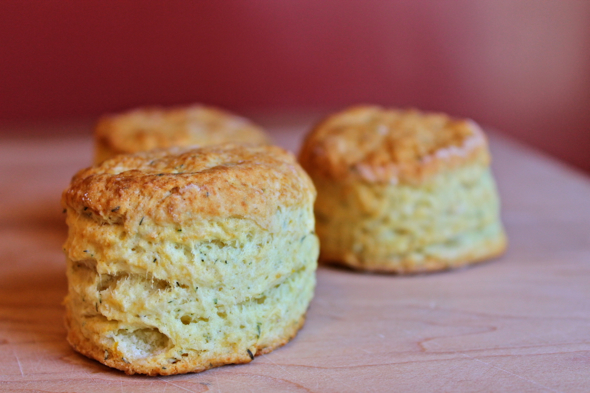
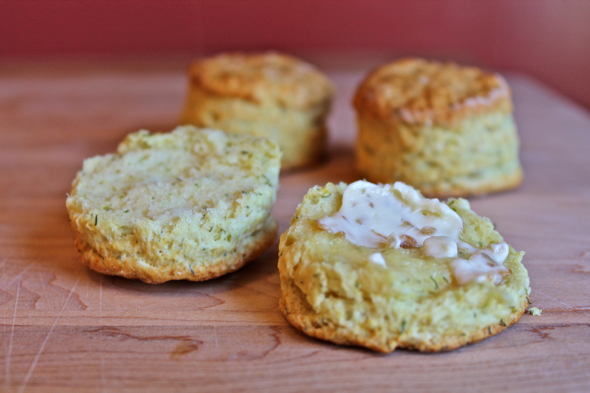
To bridge the gap between the two seasons, I often find myself coming up with meals that can celebrate the best of both summer and autumn. These lovely, light biscuits manage to do just that. With a nod to cool and refreshing tzatziki, the biscuits are punched up with dill, olive oil, creamy yogurt, and a nice dose of lemon zest. Paired with an utterly autumn-inspired caramelized shallot butter, you’ve got a great combination of flavors. To bring this pairing home even more, slip a thick slice of cucumber into a biscuit and crunch down into the companionable world of summer freshness melting into crisp autumn.

Tzatziki Biscuits with Caramelized Shallot Butter Recipe

Tzatziki Biscuits

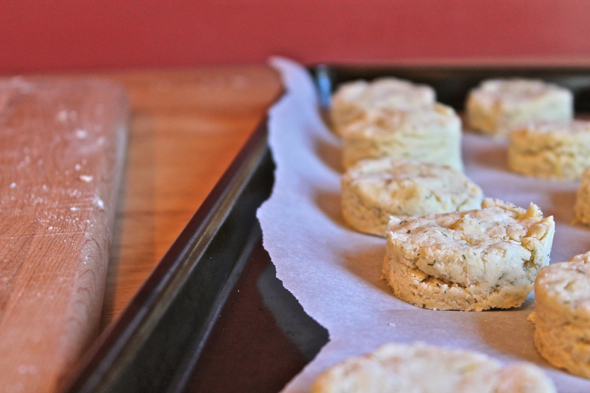
Preheat oven to 450 degrees Fahrenheit. Line a baking sheet with parchment paper and set aside.

2 ¼ cups unbleached all-purpose flour

1 tablespoon baking powder

1 teaspoon baking soda

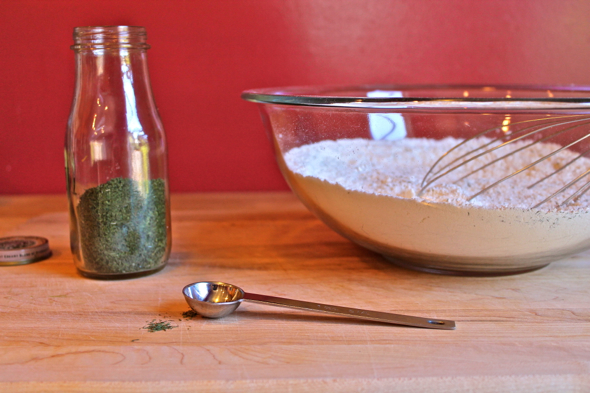
1 teaspoon dried dill

½ teaspoon sea salt

½ cup plain yogurt

½ cup milk

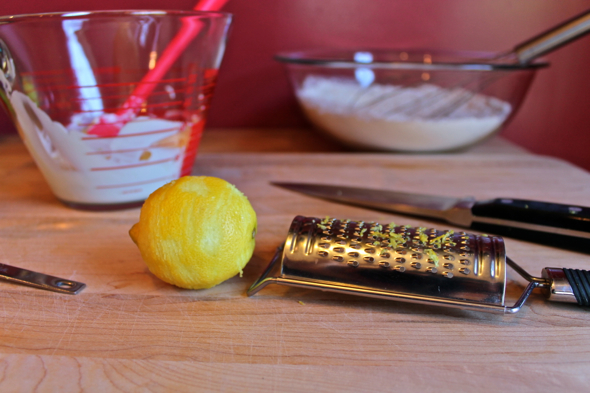
1 teaspoon finely grated lemon zest

1 large clove of garlic, peeled and mashed or grated into a fine paste

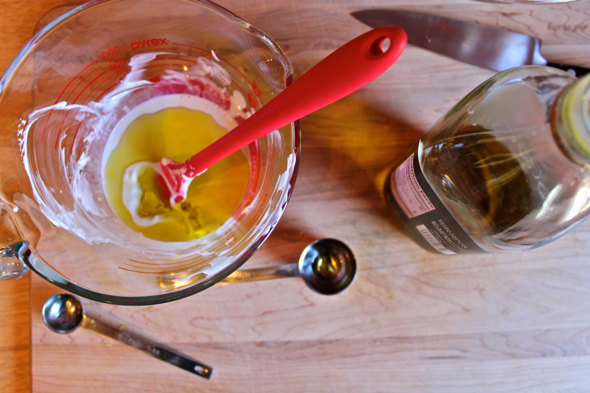
2 tablespoons olive oil

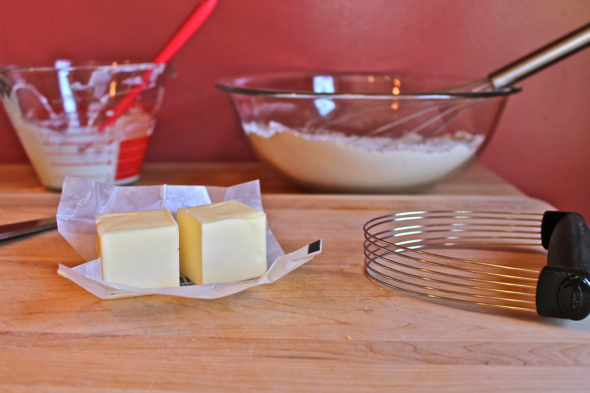
4 tablespoons unsalted butter, cut into 1-inch chunks

In a large bowl, whisk together 2 cups plus 2 tablespoons of the flour, baking powder, baking soda, dill, and sea salt.

In a small bowl, whisk together the yogurt, milk, lemon zest, garlic, and olive oil.

Add the cold butter to the flour mixture and, using a pastry cutter, cut the butter into the flour until the mixture resembles coarse crumbs with a few pea-sized chunks of butter strewn throughout. Pour the yogurt mixture into the flour and butter, and use the pastry cutter to mix the liquid ingredients into the dry. Mix just until the ingredients come together and form a somewhat shaggy mass. If the mixture is unbearably sticky, add in the remaining flour, 1 tablespoon at a time, mixing with the pastry cutter until everything comes together in a workable mass.

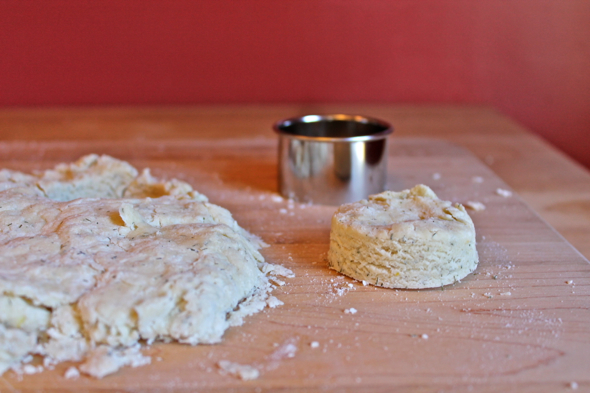
Turn the dough out onto a floured surface. Gently flatten out the dough a bit, then fold it over on itself and pat down to adhere the dough together. Gently flatten out the dough again, fold it over again, then gently flatten and fold once more. Pat the dough into a rough 10-inch oval then, using a 1-inch biscuit cutter, cut out rounds of dough, placing each one on the prepared baking sheet. Cut the rounds as close together as possible, ensuring that you are using as much of the dough as possible during this first cutting. Piece and pat together any remaining scraps, then cut out the remaining biscuits. The less you handle the dough, the lighter your biscuits will be, so be judicious with your cutting.

Bake the biscuits in the center of the oven for 12-14 minutes, until the bottoms are dark brown and the tops are a deep golden color. Remove from baking sheet to cool slightly before eating. Eat while still warm.

Makes about 20 biscuits.

Caramelized Shallot Butter

1 teaspoon olive oil

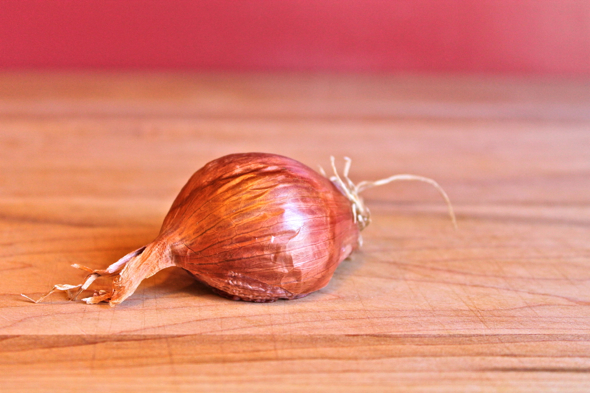
1 large shallot, sliced into medium-thin rings

pinch of sea salt

4 tablespoons unsalted, room temperature butter

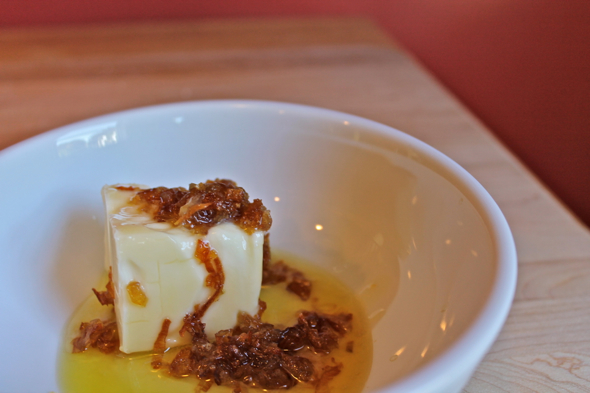
In a small pan, heat the olive oil over medium heat. Add the sliced shallots and allow to sizzle gently for a couple of minutes, then add the sea salt and reduce heat to low. Cook over low heat, stirring occasionally, until shallots are deeply browned and very limp, about 15 to 20 minutes. Remove from heat and allow to cool for 10 minutes or so, until it reaches room temperature.

In a small bowl, pour the shallots and any remaining olive oil over the butter. Mash the shallots into the butter, then, using a fork, whip the butter up a bit until it has lightened just a tad.

Pane Coi Santi, Bread of Saints

4 Sep

Sometimes it still confounds me that for many years I was hesitant to attempt making any yeast-based breads that extended beyond a basic pizza crust. I contribute this lack of confidence to a spotty history of using my purchased yeast in a timely manner (thus rendering it dead and unusable). To boot, there is also my rather sad history of trying to make whole wheat bread 15 years ago in what can only be called The World’s Coldest Apartment, where the lack of heat (we’re talking steam from my breath being visible inside the house here, folks) inhibited my bread dough from rising. To add insult to my bread-baking confidence’s injury, I still ate the squat, leaden loaves that I ended up baking. If I was too poor to pay for heat, you’d better believe I was also too poor to throw out food, unpalatable as it may have been.

Now, having worked with yeast-based breads for many years, I find the process of making bread to be a soothing respite from my generally busy day-to-day schedule. Proofing bread involves a lot of waiting, so when making bread I am not only involved in the process of physically making the bread, but also waiting around while the bread slowly proofs, coming to leisurely life before my eyes. Some people might find this maddening, but I rather enjoy it. Truth be told, however, I usually use my bread proofing time to conquer all manner of mundane tasks like cleaning the kitchen or, you know, working. Because I am no fun at all.

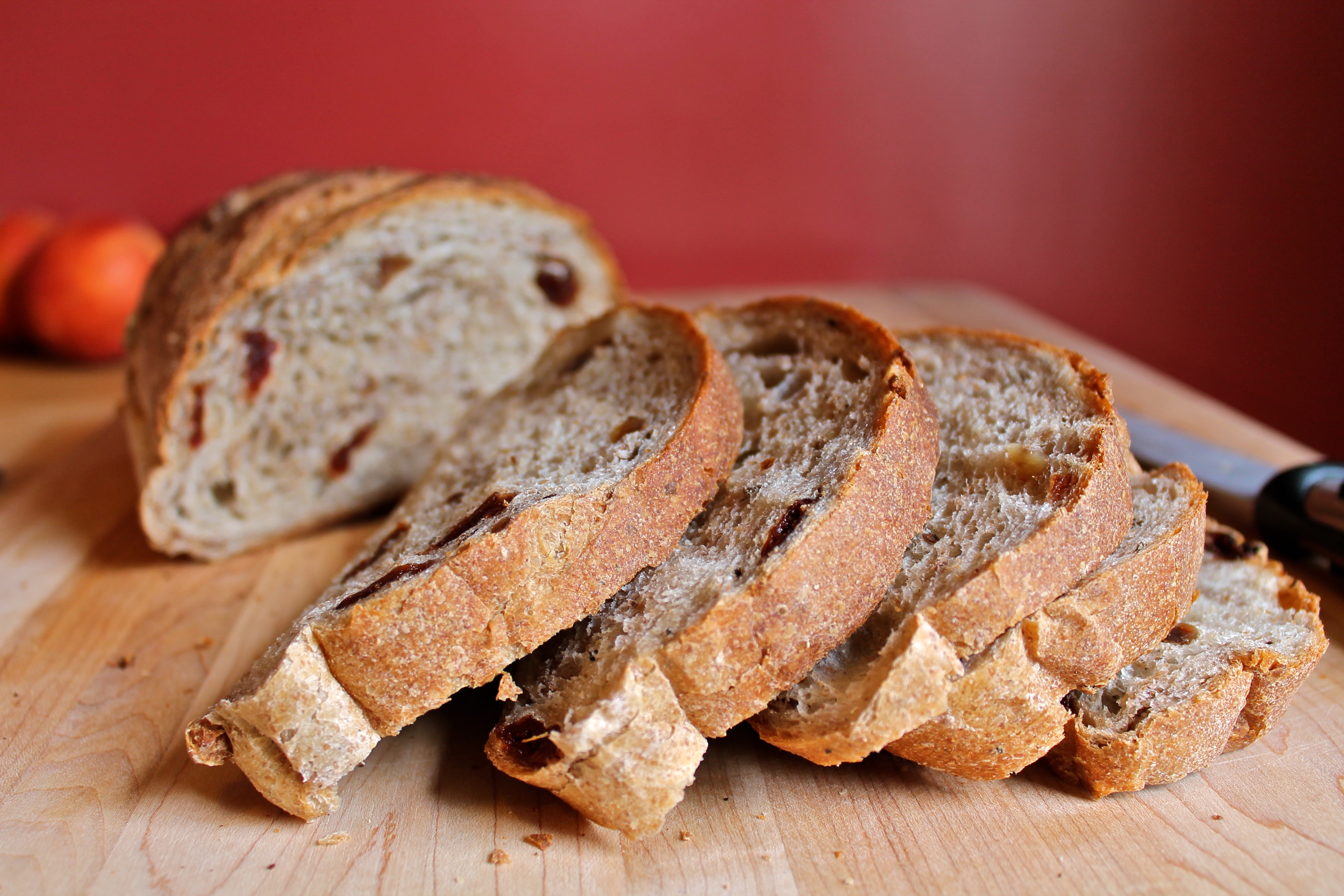
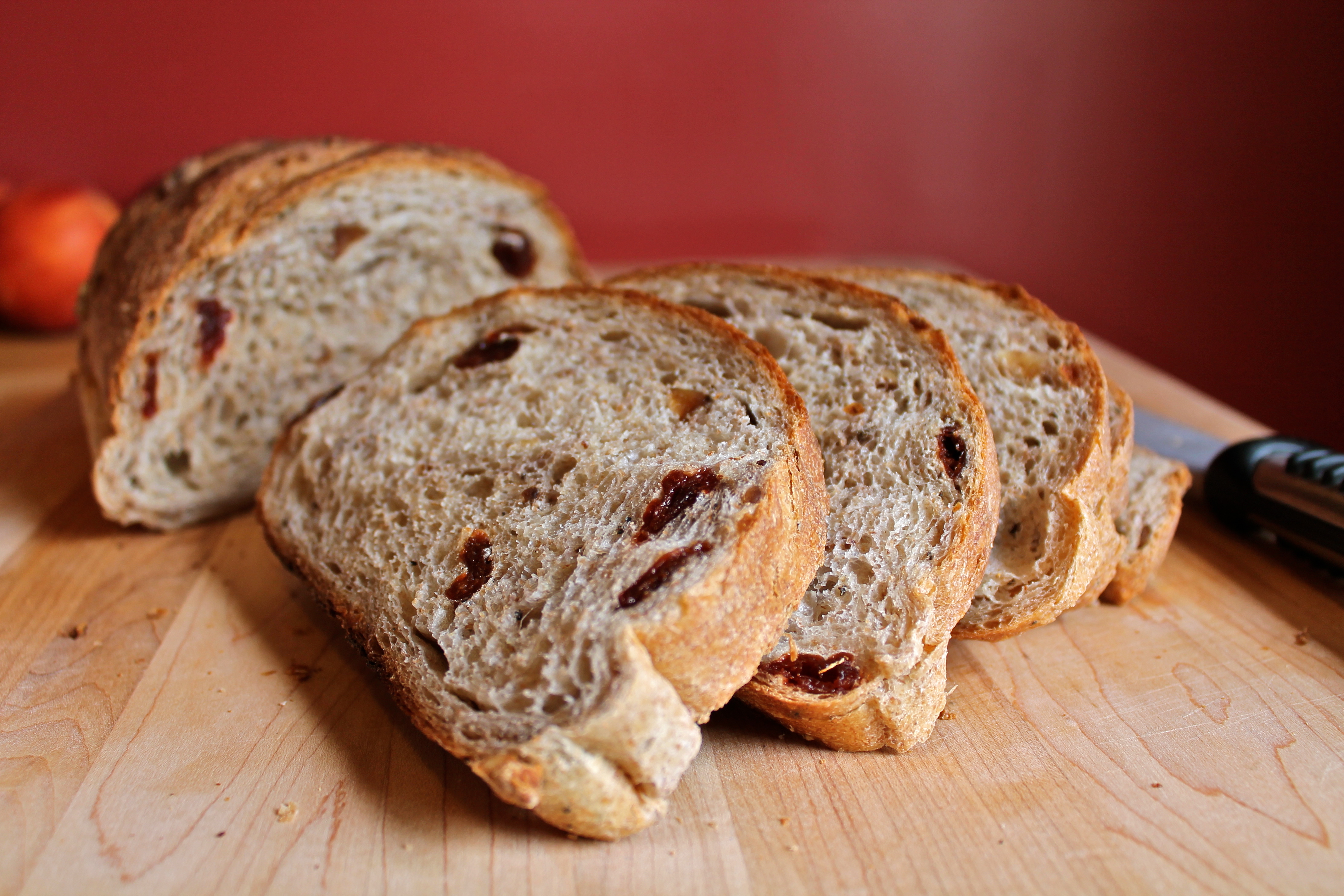
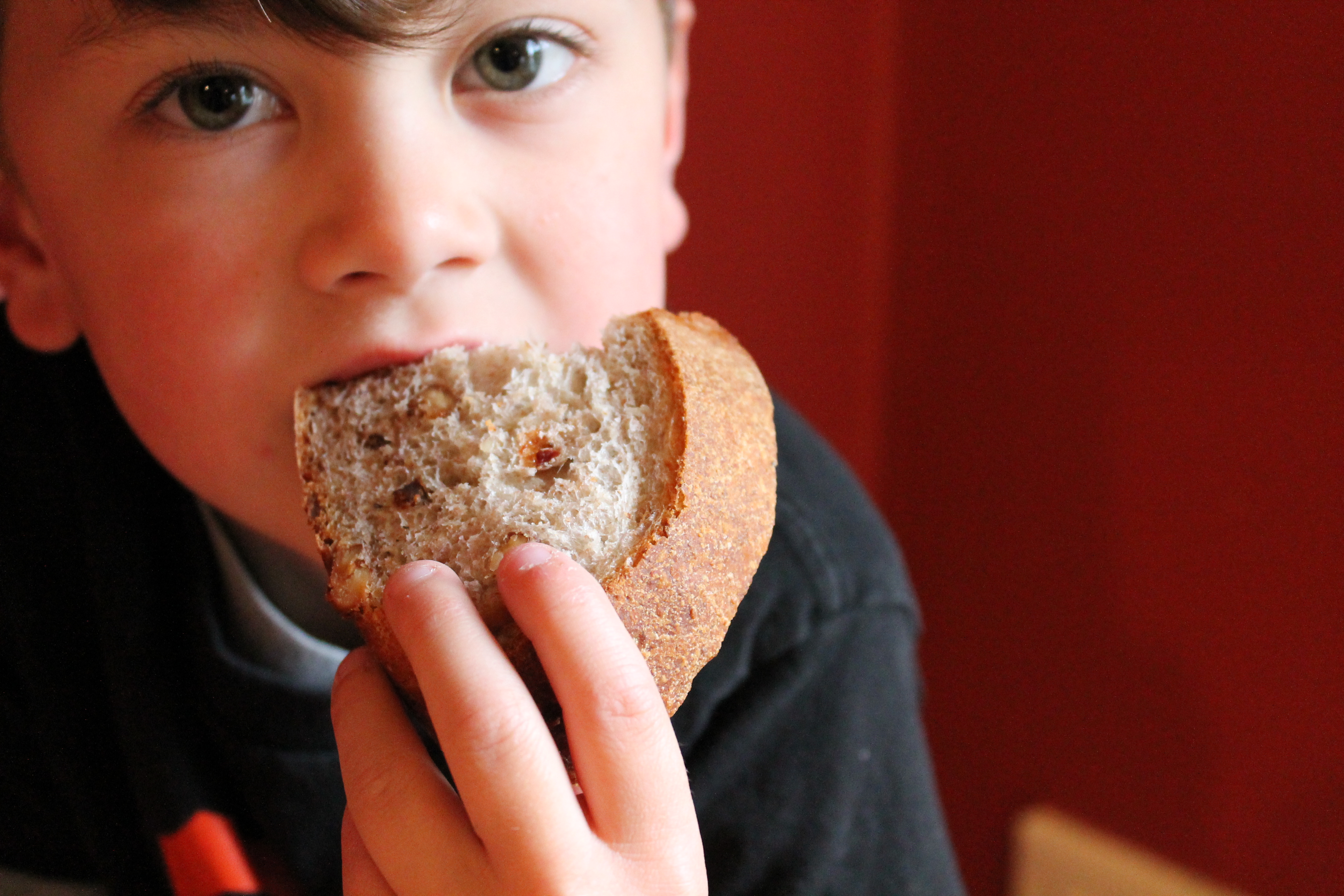
This is one of my favorite breads. I generally buy a loaf of it from Pearl Bakery, a wonderful little bakery downtown that turns out a fantastic selection of breads and pastries. The Pearl Bakery’s pane coi santi, a traditional Tuscan bread that is dotted with dried fruit, toasted nuts, and a varying selection of seasonings, is a slightly different animal than the version I make. Theirs is made with a levain, a natural sourdough starter with a mild and pleasantly sour tang that gives the bread a good, hearty body. My version has a softer crumb, with a lightly chewy crust and a body that is decidedly less dense. Both versions are tasty, but, not having the gumption to start my own levain (perhaps this will be my next step in bread baking), I instead start my bread with a sponge of rye and wheat flours left to sit overnight and develop a slightly tangy and complex flavor. I also use dried sour cherries in my version in lieu of the Pearl’s golden raisins, and I think the swap is a good one. The sour/sweet note of cherries adds a nice touch to the heat of the black pepper that lingers in the bread, nicely bridging the two flavors together.

Even if you are not a bread baker by nature, I think you should take a stab at this bread. In reality, the preparation is not at all difficult, and, if nothing else, you’ll be giving yourself a bit of time to sit around and wait on your bread, perhaps while reading a book, catching up on email, or, if you’re as insufferably over-focused as some people around here, cleaning or working. Really, though? I think you should go with reading.

Last Year: Seared Tuna Steaks with Salsa Verde

Pane Coi Santi Recipe

Part of the base of this recipe hails from the basic country bread recipe in The America’s Test Kitchen Family Baking Book, but the tweaks and additions added to it that transform it into pane coi santi are mine.

Sponge

1 cup warm water

1 cup whole wheat flour

½ cup medium rye flour

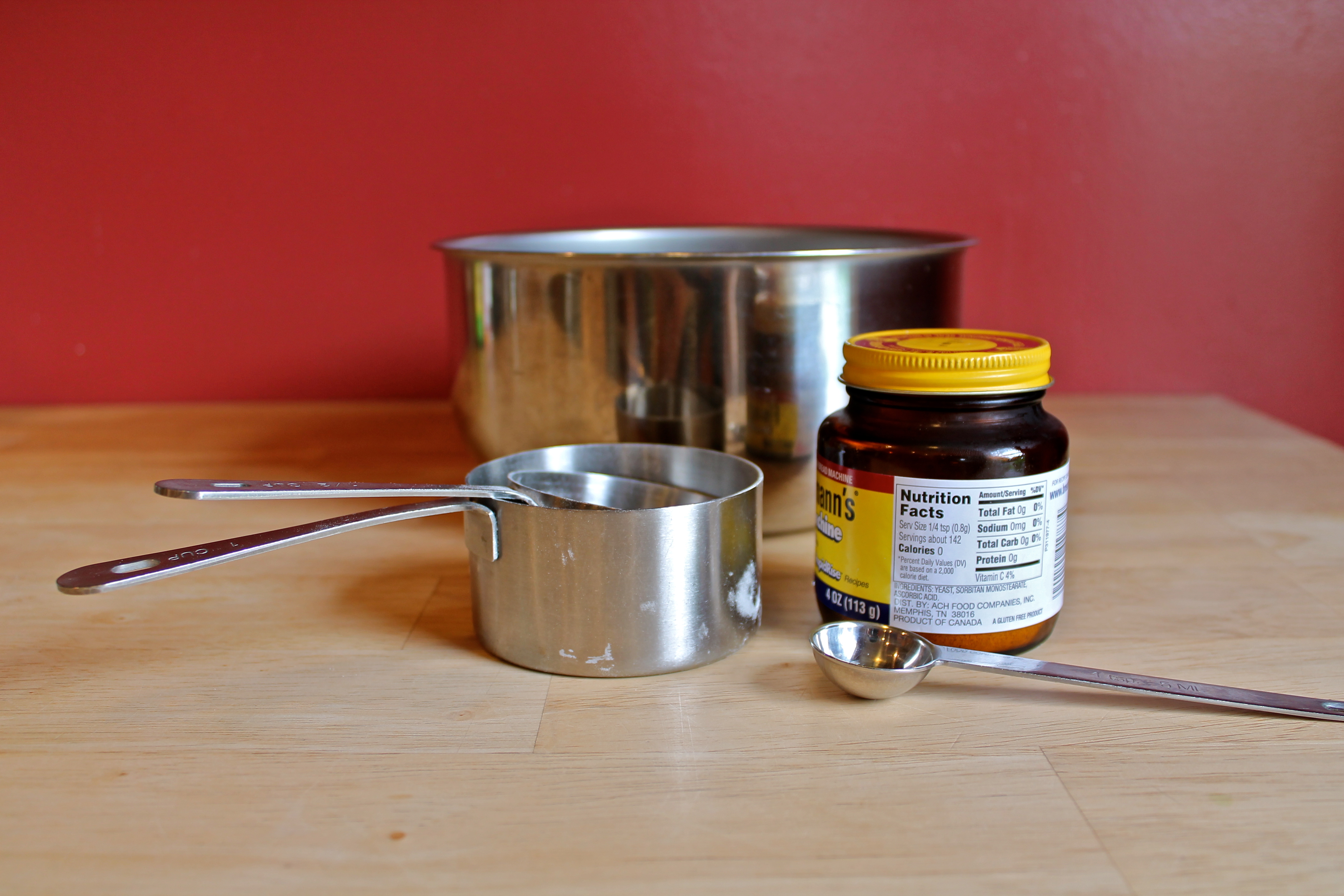
½ teaspoon instant or rapid-rise yeast

Bread Dough

3 ½ to 3 ¾ cups bread flour

2 tablespoons honey

1 teaspoon instant or rapid-rise yeast

1 1/3 cups warm water

1 teaspoon sea salt

2 teaspoons freshly ground black pepper

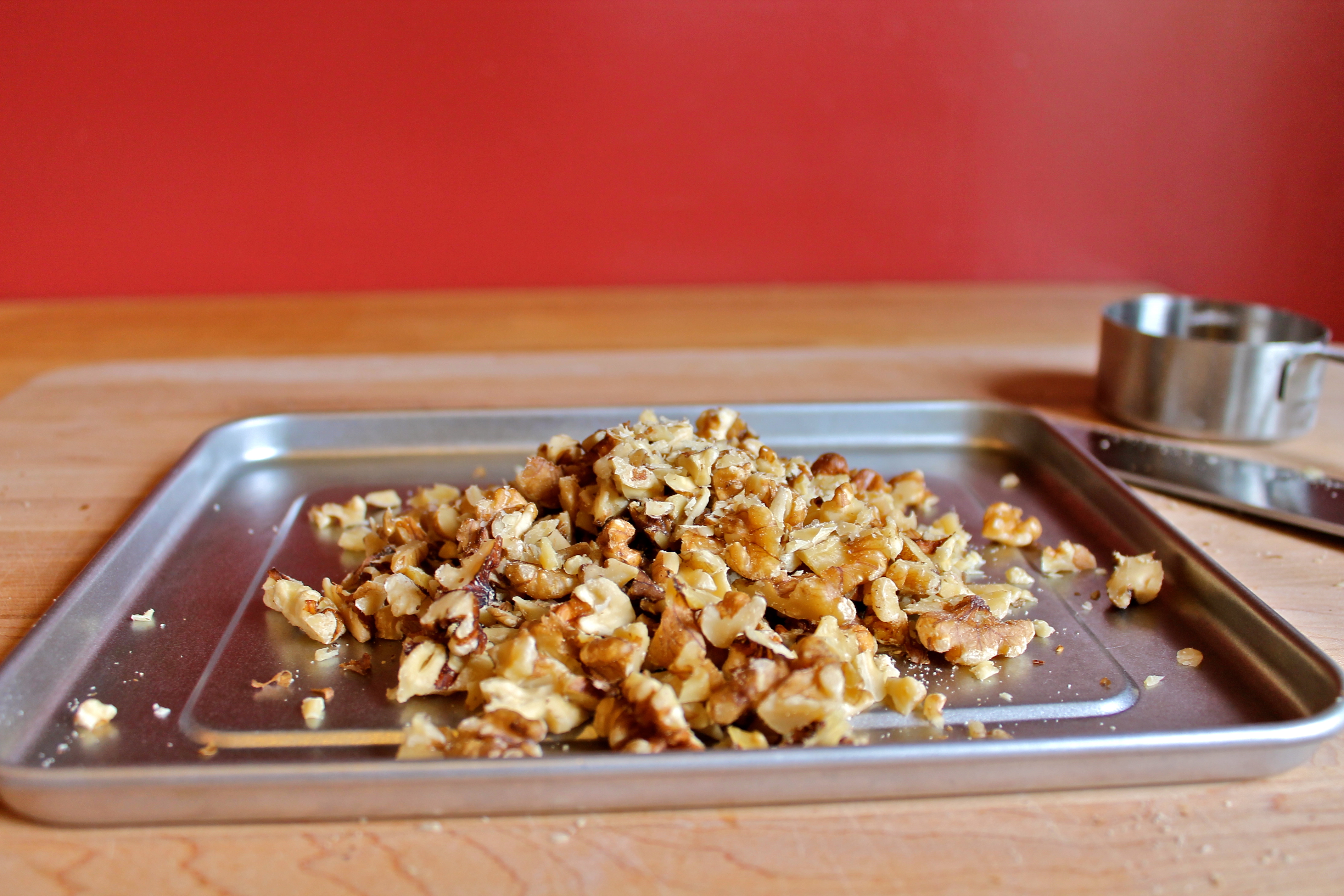
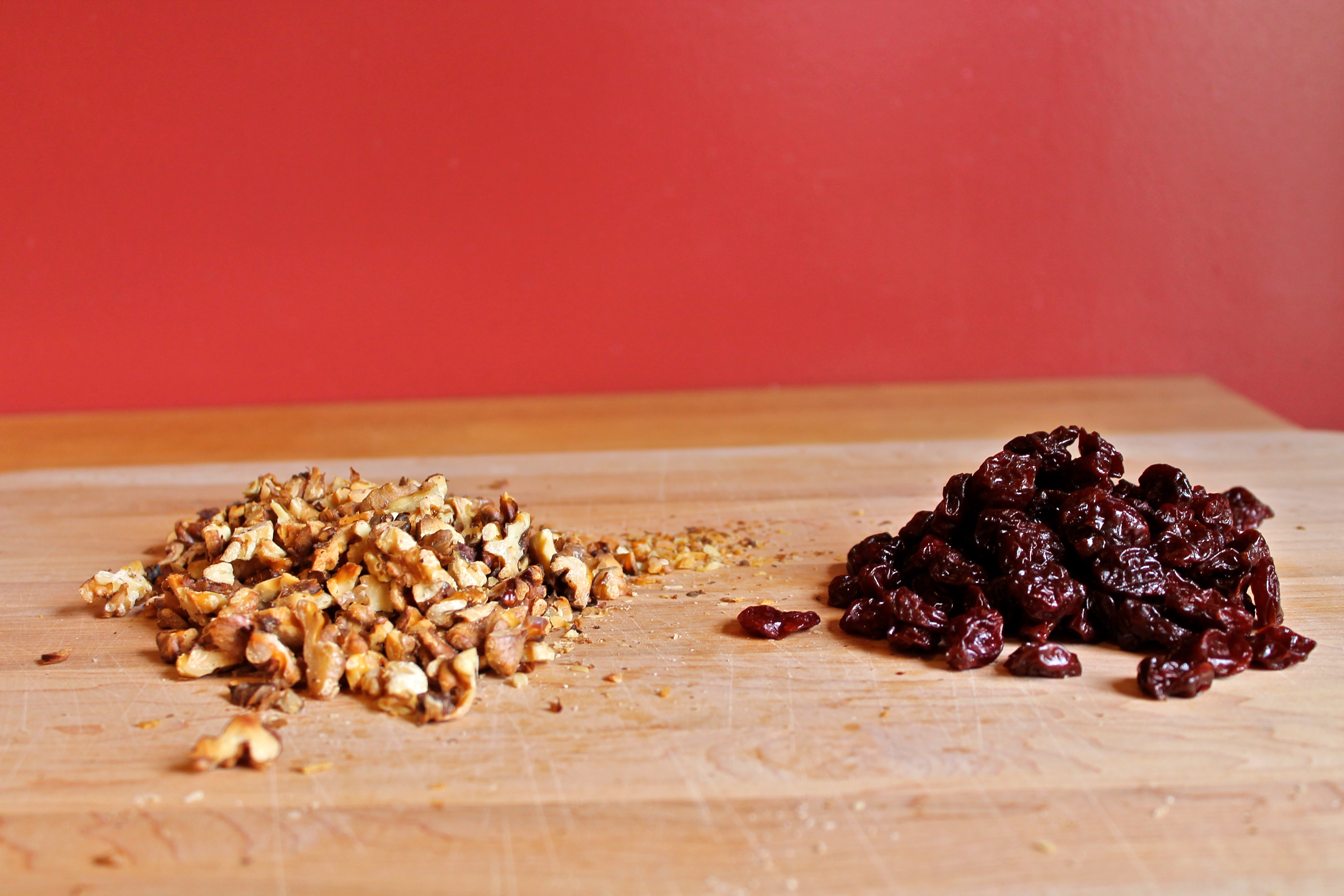
1 cup coarsely chopped, lightly toasted walnuts

1 cup dried sour cherries

To make the sponge:

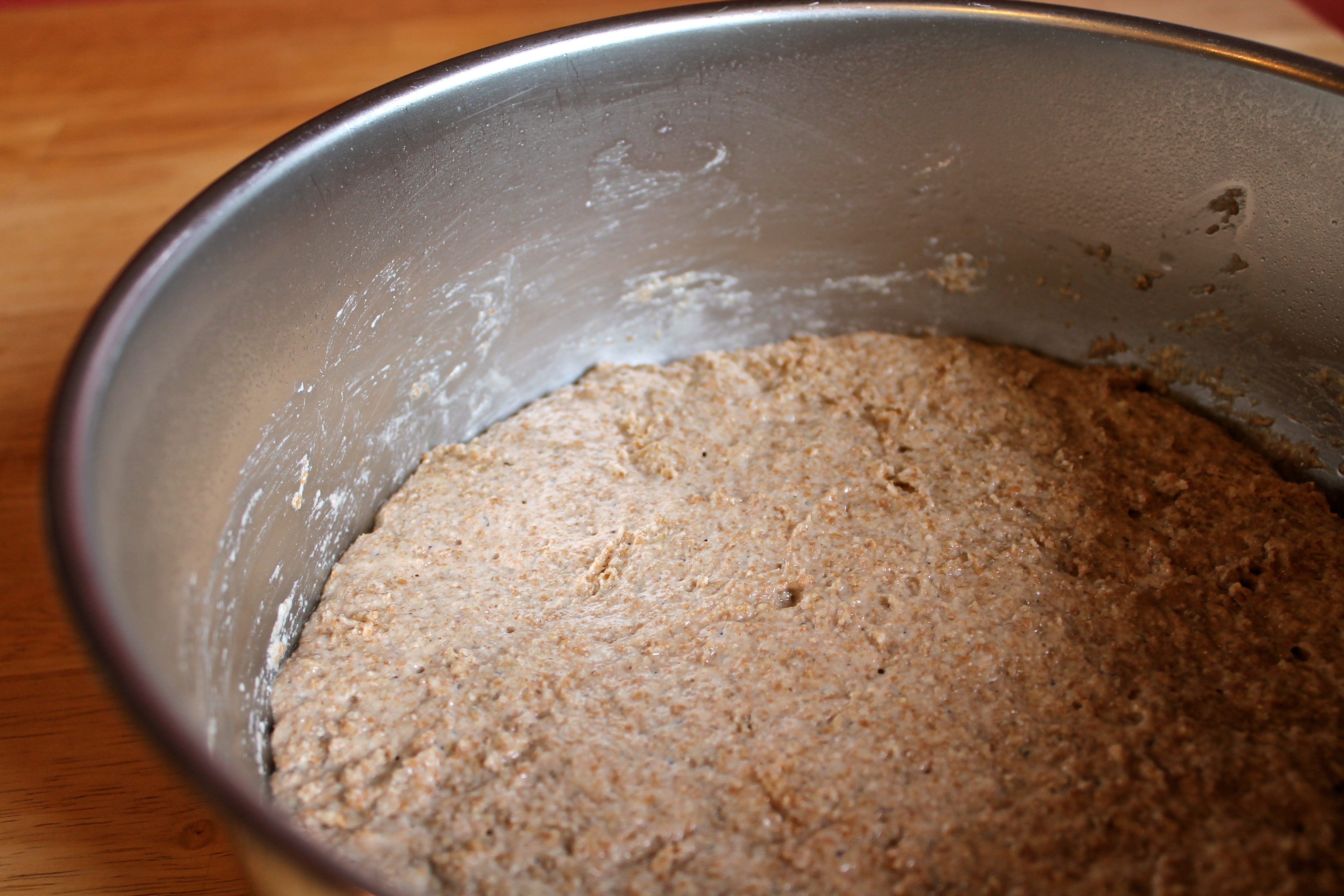
Combine all of the ingredients in a medium bowl, then stir until completely incorporated. The mixture will be sticky and somewhat shaggy. Cover with plastic wrap and let sit at room temperature for 6 to 24 hours, until the sponge has risen and fallen. I find it best to mix the sponge in the evening, then allow it to sit overnight.

To make the bread:

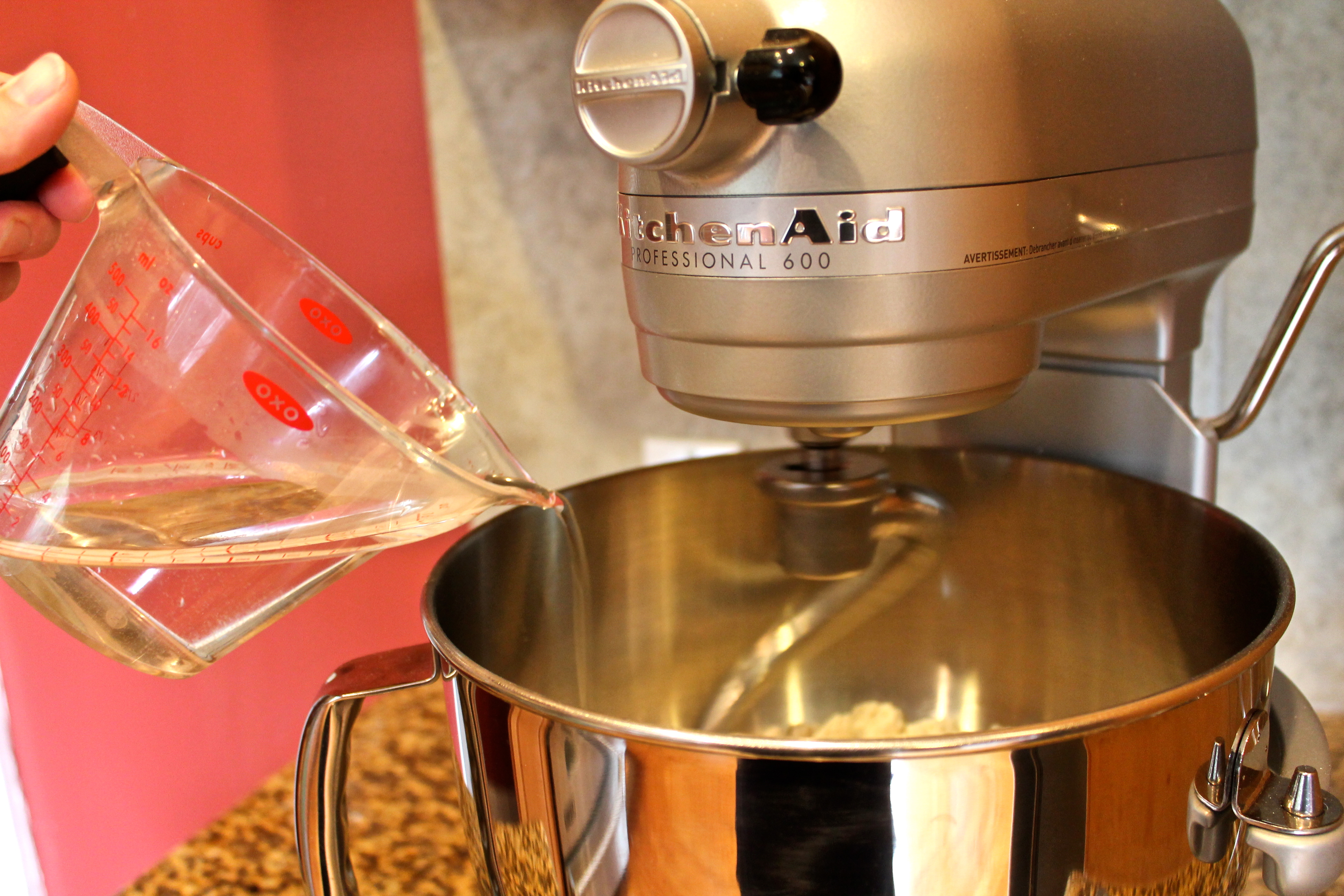
In a large bowl, or in the bowl of a stand mixer fitted with the dough hook, combine 3 ½ cups of bread flour, honey, and yeast. With the mixer on low speed, or, if mixing by hand, while stirring with a sturdy wooden spoon, add the water and mix until the dough comes together, 1 to 2 minutes. When the dough comes together, stop mixing, then cover with plastic wrap and allow to rest for 20 minutes

After 20 minutes, remove the plastic wrap and add the sponge, sea salt and black pepper. Knead the dough on medium-low speed if using a stand mixer, or knead the dough by hand while it is still in the bowl. If you are kneading the dough by hand, you will need to add in a bit more flour, 1 tablespoon at a time, until the dough ceases to become a sticky mess. Mind you, the dough will be very sticky no matter what you do, so a reasonable amount of stickiness is to be expected. The same advice applies to mixing the dough in a stand mixer: if the dough is unrelentingly sticky, add in more flour, 1 tablespoon at a time, until the dough clears the sides of the bowl. Knead until the dough is smooth and elastic, anywhere from 8 to 10 minutes. Add the walnuts and dried cherries during the last minute of kneading.

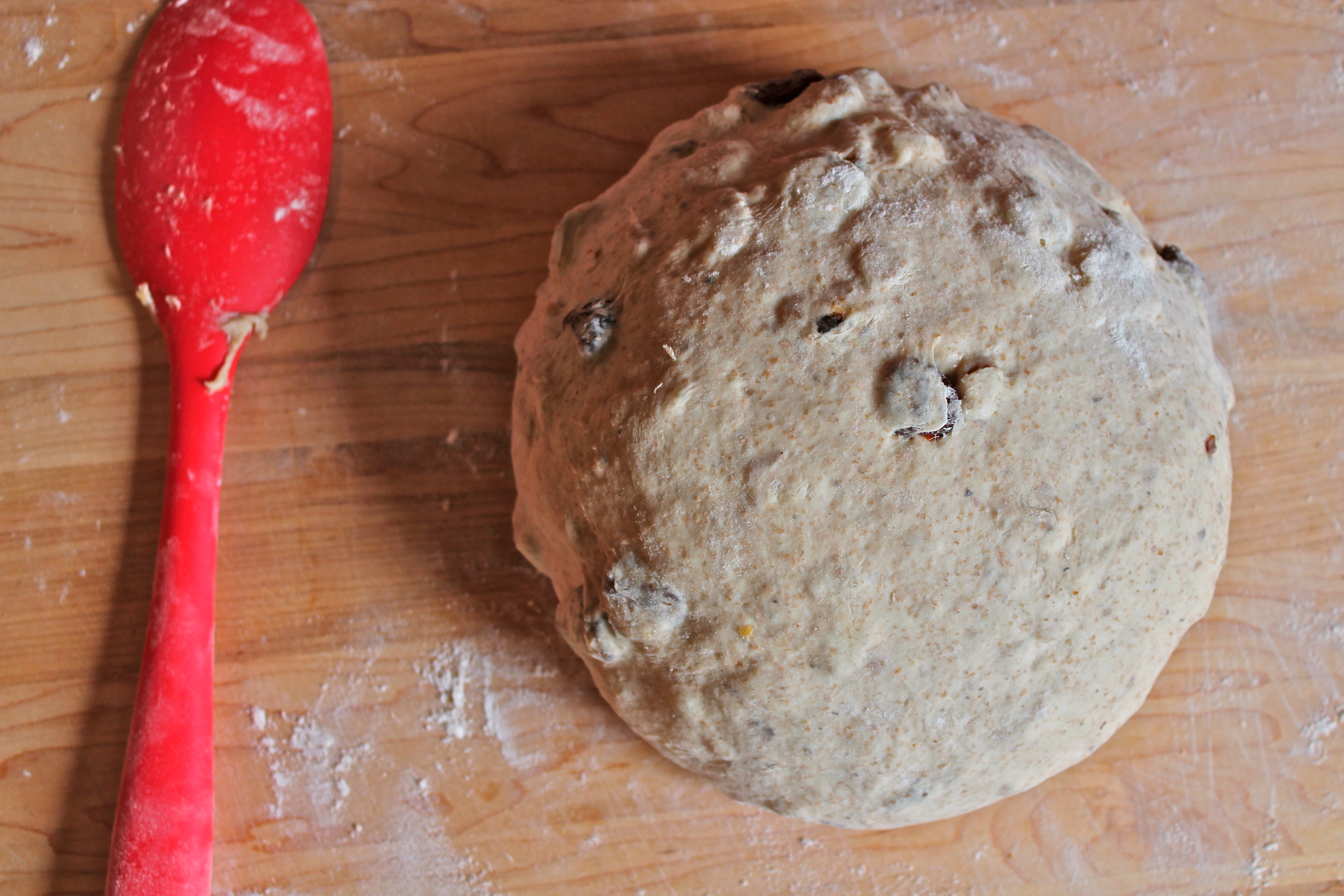
Turn the dough out onto a lightly floured surface and knead by hand to form a smooth, tight ball. Place the dough in a large, lightly oiled bowl. Cover with plastic wrap and allow the dough to rise in a warm place until doubled in size, 1 to 1 ½ hours.

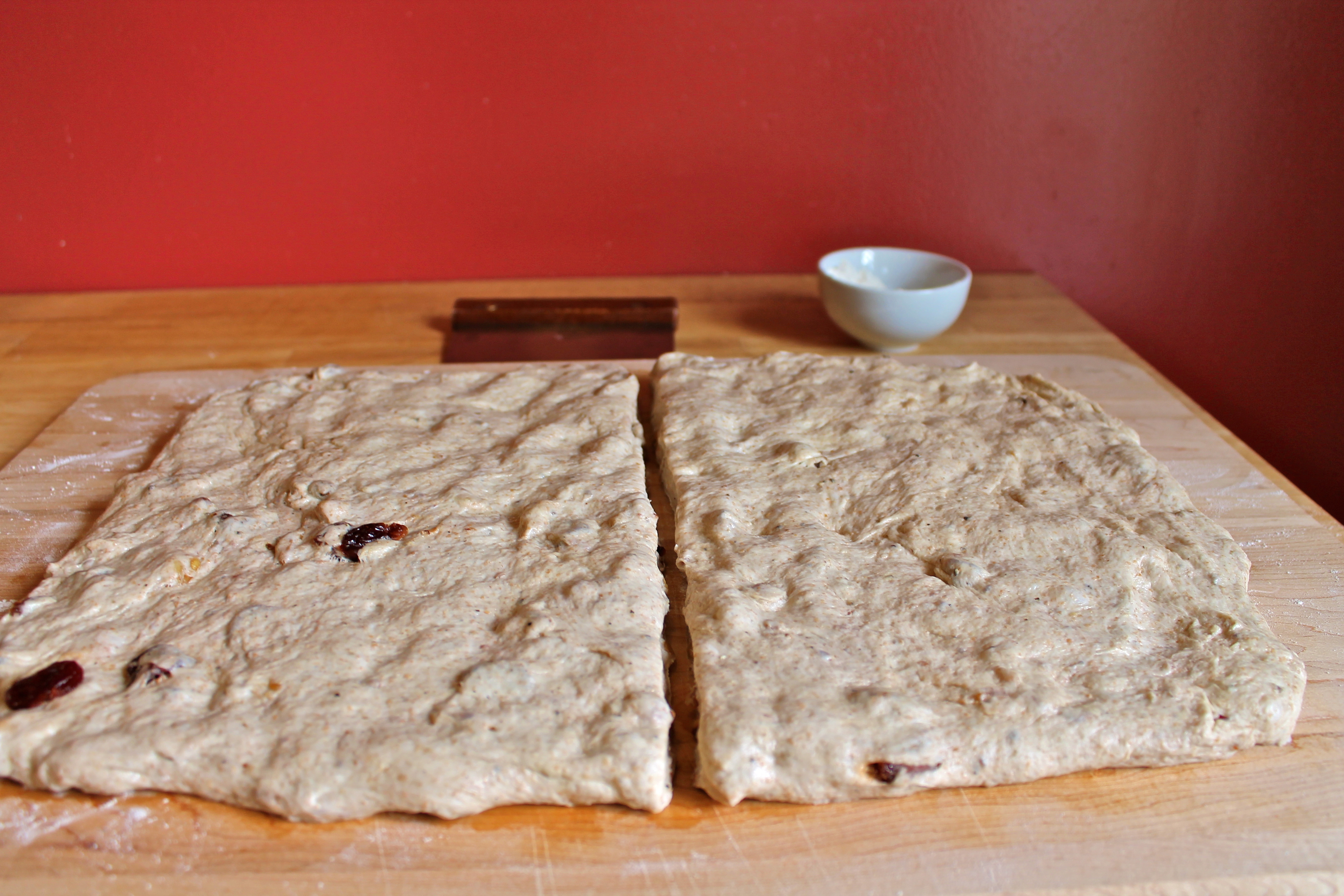
Turn the dough out onto a well-floured surface. Using your fingers, gently deflate the dough. Gently stretching and pulling, shape the dough into a 12-inch by 16-inch rectangle, with the long side facing you. Using a sharp knife or a bench scraper, divide the dough into two 12-inch by 8-inch rectangles. Roll each rectangle into a tight log by folding the top two corners towards the middle of the rectangle, then tightly rolling the dough, tucking as you roll, into a loaf. Pinch the end seam closed.

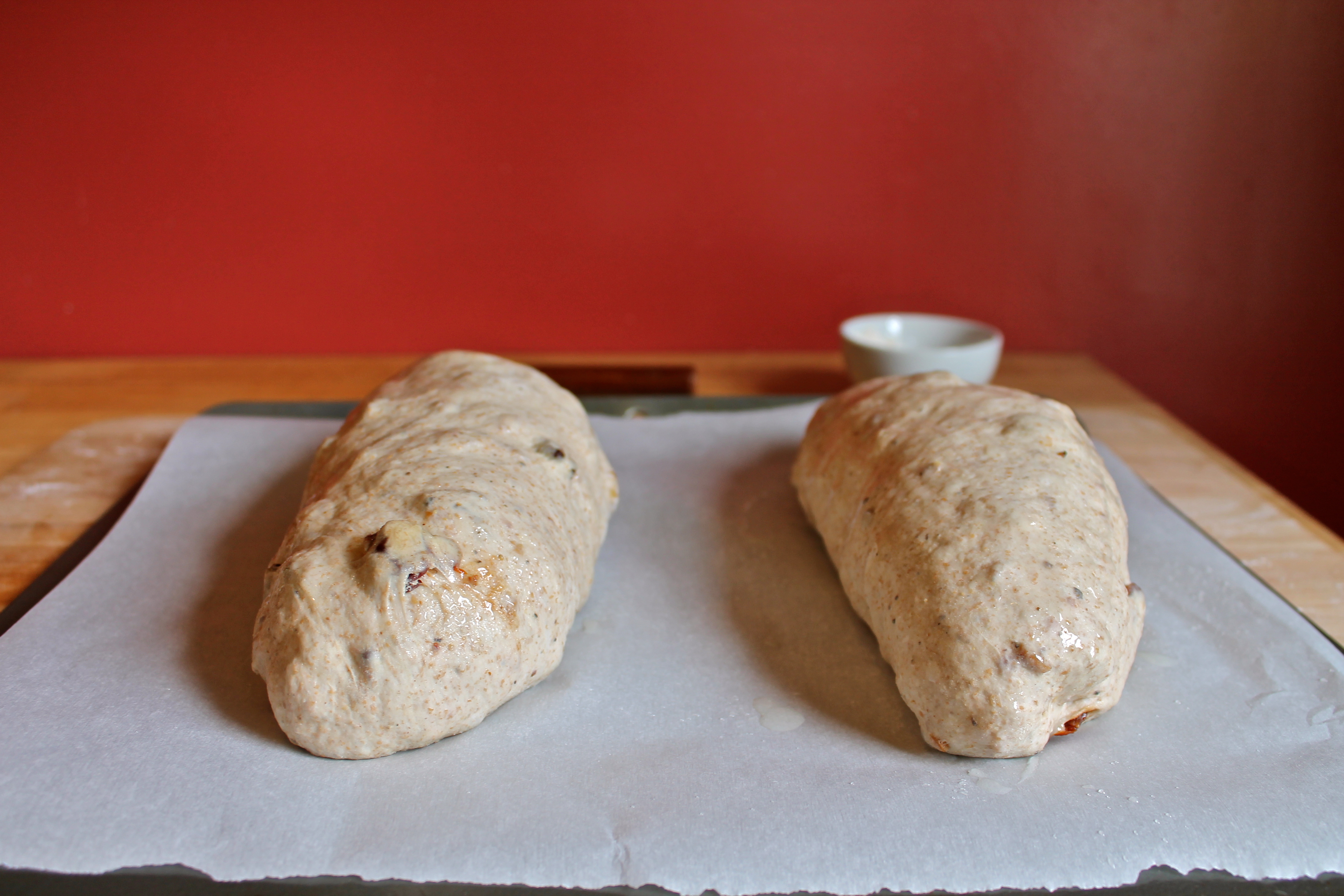
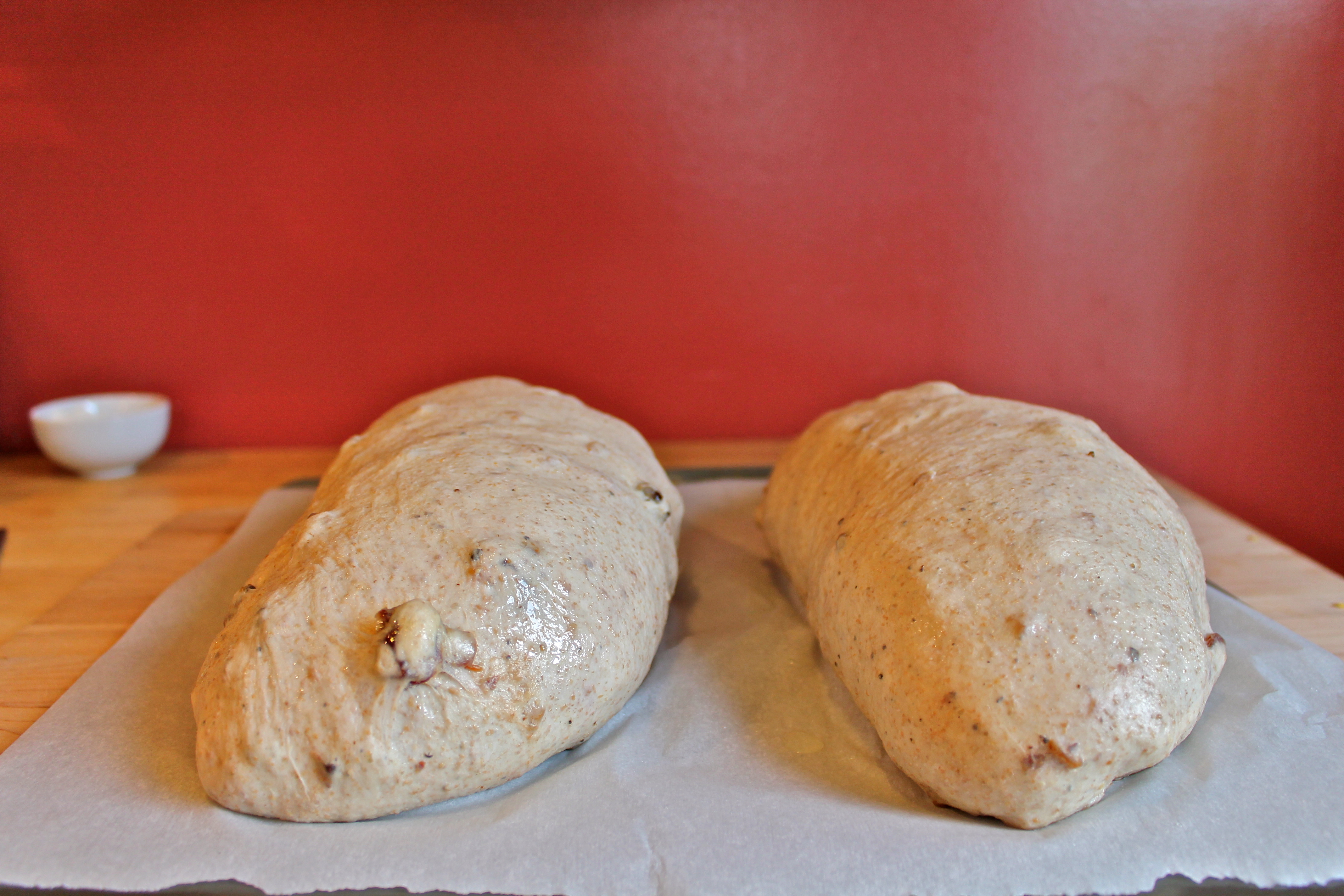
Line a large overturned or rimless baking sheet with a sheet of parchment paper. Place the two loaves on the parchment paper, spray or brush lightly with oil, then cover with plastic wrap and allow to rise until doubled in size, about 1 to 1 ½ hours.

Half and hour before the dough is done rising, adjust an oven rack to the lower middle position and preheat the oven to 500 degrees Fahrenheit. Place a heavy baking sheet or  baking stone on the lower middle oven rack and allow to heat up for 20 to 30 minutes.

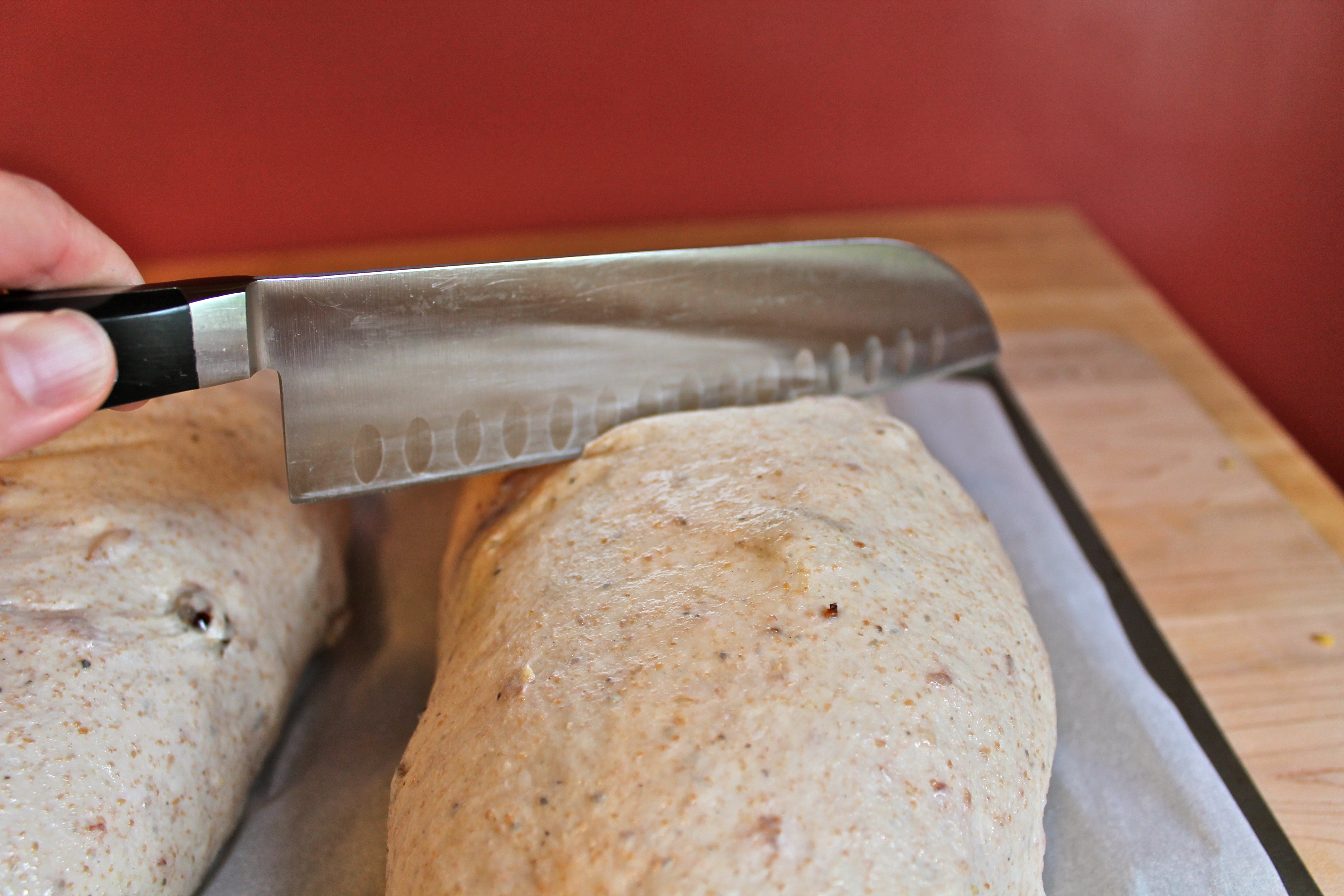
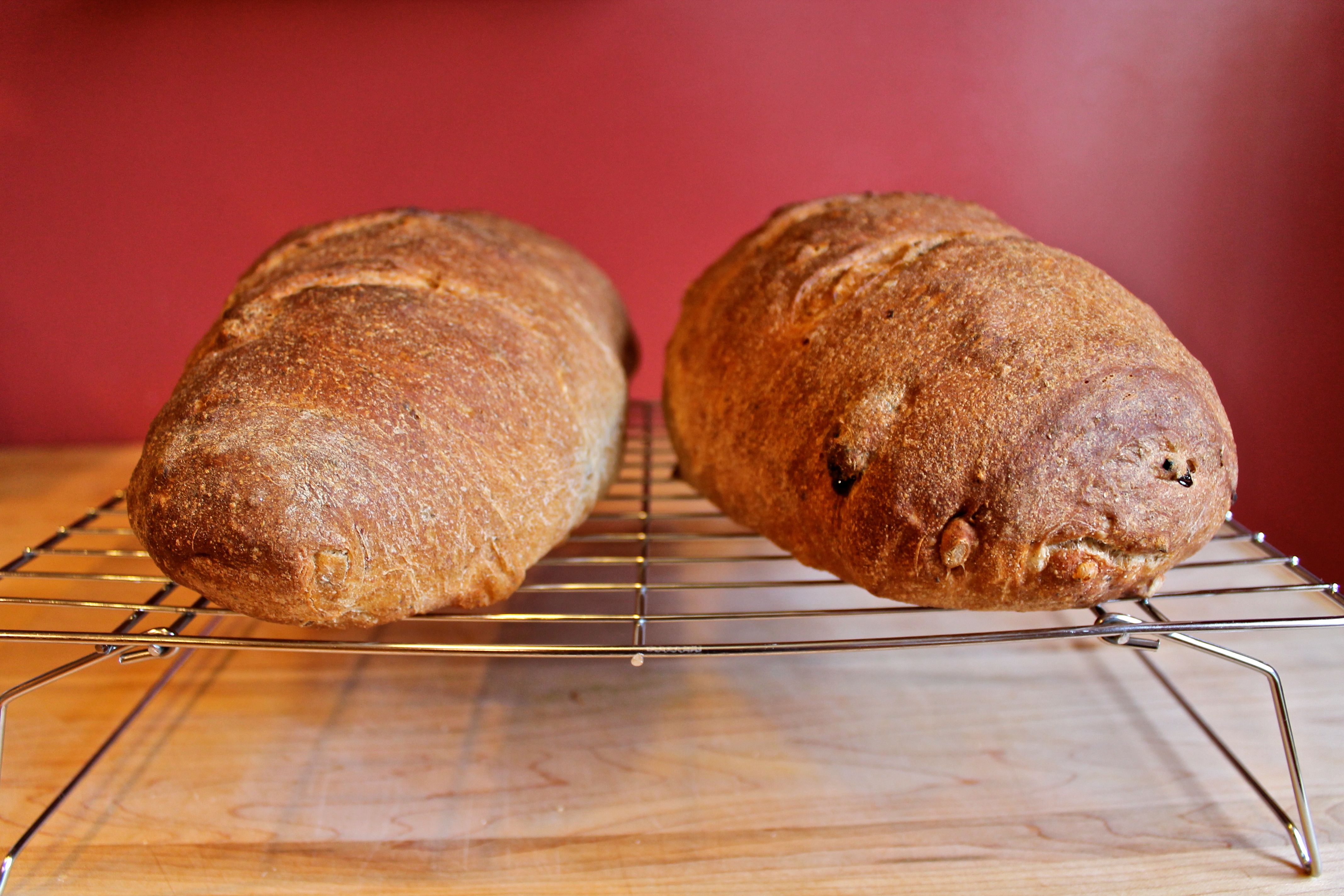
When the dough is done rising, remove the plastic wrap and, using a very sharp knife, slash the tops of each loaf with three diagonal cuts. Lightly spray the tops of the loaves with water. Carefully slide the loaves, still on the parchment paper, onto the heated baking sheet or baking stone in the oven. Immediately reduce the oven temperature to 425 degrees. Bake the loaves, rotating halfway through baking, until they are dark golden brown and an instant read thermometer inserted into the center of a loaf registers 210 degrees, about 35 to 40 minutes.

Remove loaves to a wire rack to cool for at least 1 hour.

Makes two large loaves.