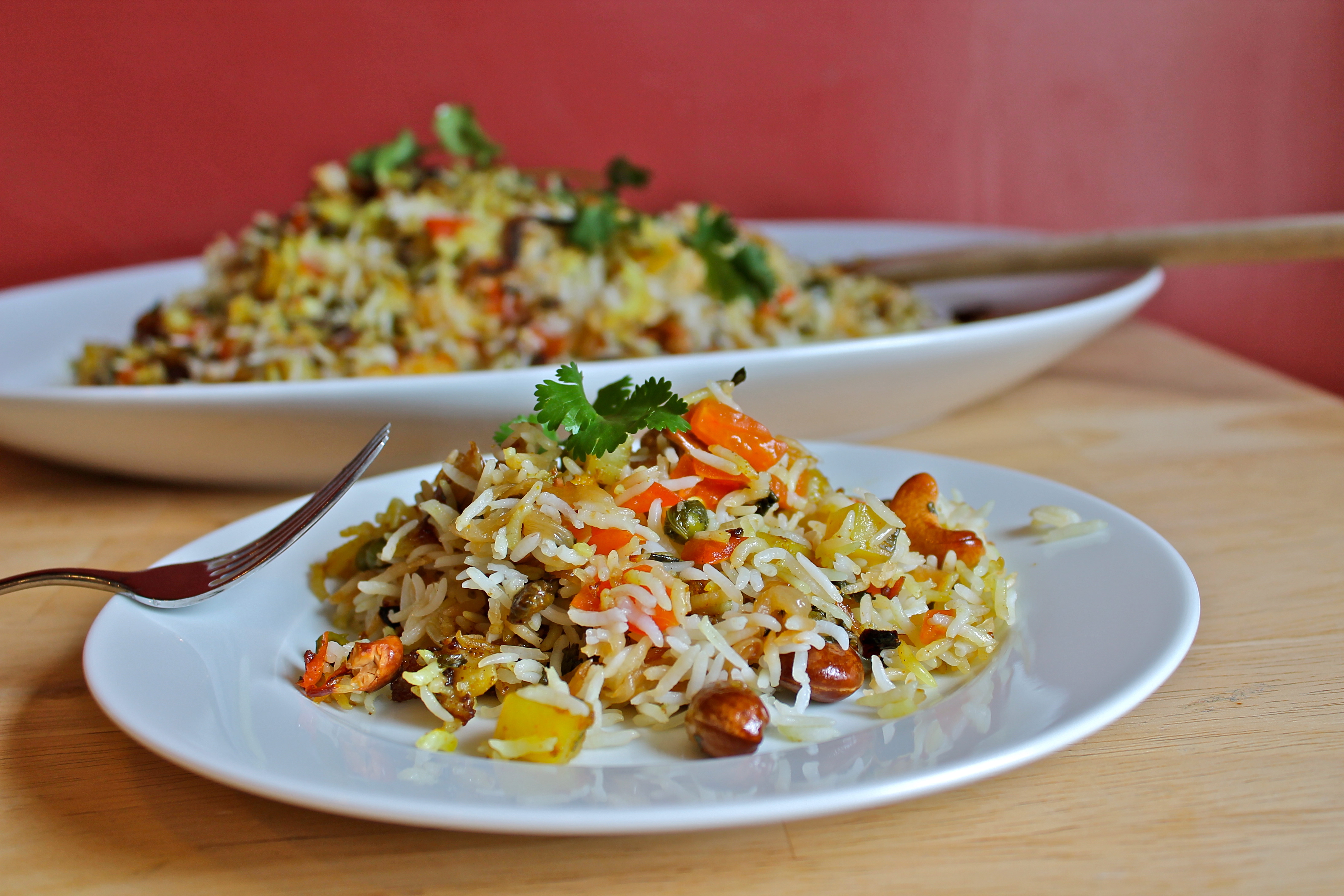
Vegetable Biryani, or What to Make When Your Kid Decides to Become a Vegetarian

4 Jun

Remember when I said that I was done with my frenzy of Indian food posts?  That Indian Food Week-Plus had drawn to a close?  Well, it turns out that I wasn’t being entirely truthful.  My duplicitousness was not purposeful, I promise.  I was all set to close the door on this cooking run of mine until my friend Mike, one of the most dedicated dads I know, who also happens to be one of the most dedicated carnivores I know, happened to mention that his daughter had decided to become a vegetarian.
Upon hearing that this young lady was weighing a switch to vegetarianism, the vegetarian-centric cooking node in my mind went into overdrive.  I was a vegetarian for most of my life, and many of those years were spent in the company of people who weren’t familiar with, and didn’t care to be familiar with, a balanced vegetarian diet.  As a result, I became what one might call a little bit slack in my own eating habits, and spent the better part of five or six years constructing my meals around a basic principle of cheese + carbs = not hungry anymore.  Obviously, it was not the healthiest thing I could have done, but since I never became lethargic from hunger or developed scurvy, I assumed, at the time, that whatever I was doing was fine.
Maybe it was, for a time, but, in the long term, that’s just no way to live.  Food, no matter if it contains meat or not, should be an experience that provides you with something more than just nourishment.  Food can be an adventure, a chance to learn, an opportunity for discovery, and when you’ve decided to make a huge change in the structure of your diet, there is no better time to start seeking out new frontiers in food and cooking.  And when you’re going vegetarian, there is no better place to focus than India.  I’ve written about this before, but one of the most notable things about Indian vegetarian cuisine is the fact that when food is made to focus on things other than meat, there is never a sense of something being missing.  There is no effort to make up for a lack of meat, and thus your experience eating a truly fine vegetarian meal is one of satisfaction and comfort rather than of substitution.
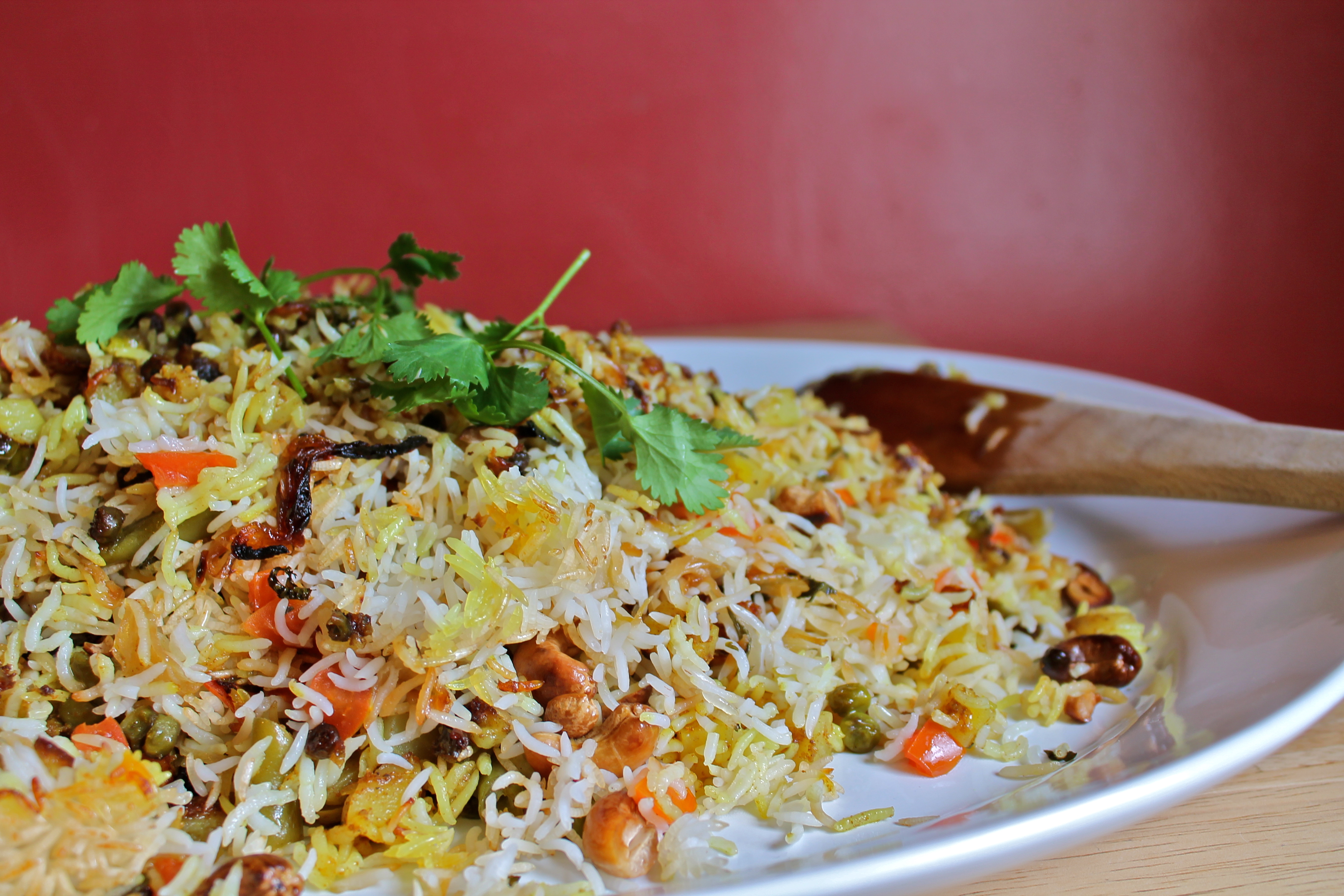
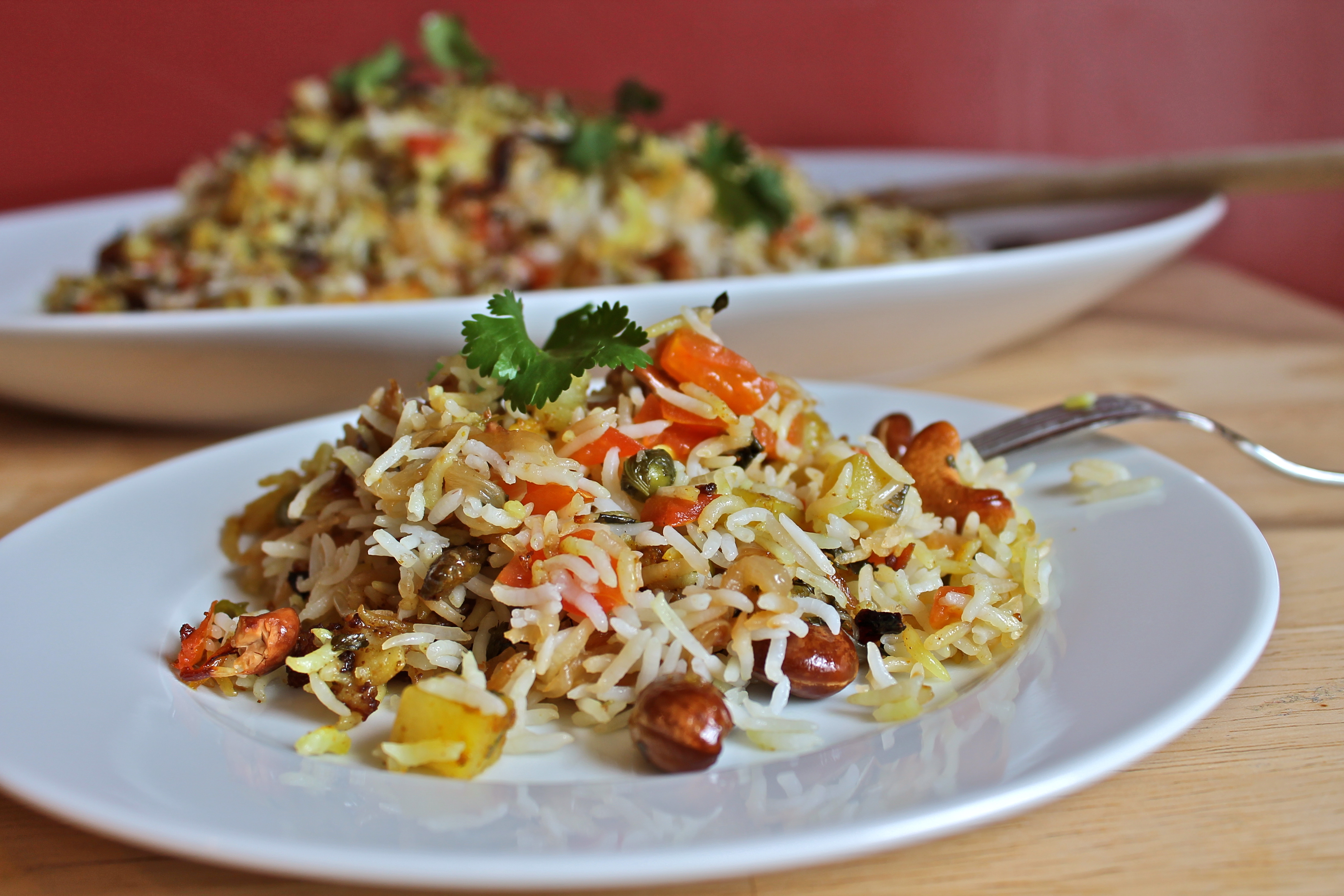
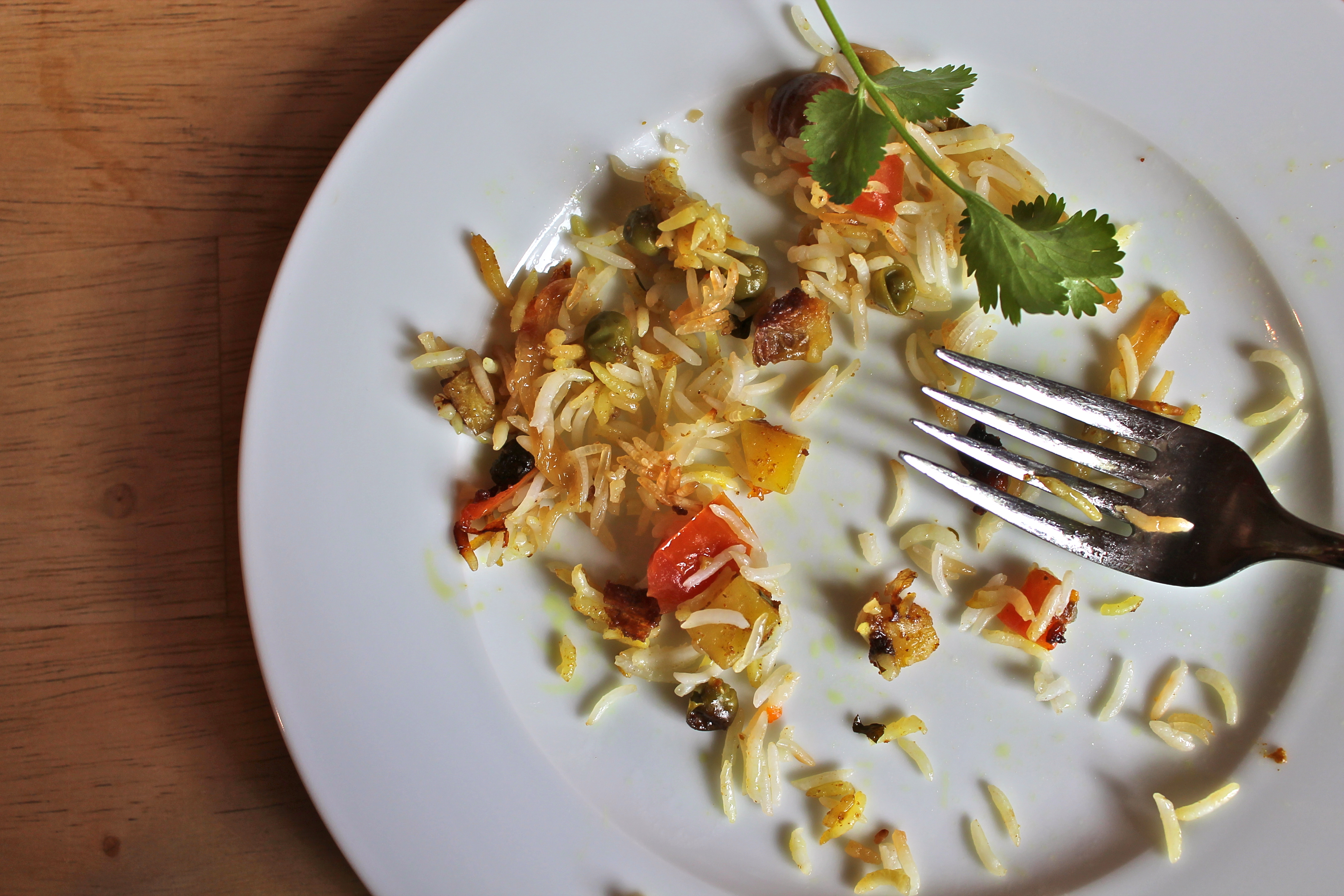
Thus, it is rather ironic that when I wanted to develop a great Indian dish for Mike’s daughter to try out, it ended up being based on a favorite chicken dish.  However, personal contradictions aside, this really is a phenomenal meal for anyone looking to develop a nice repertoire of vegetarian meals.  The perfect blend of spices adapts well to any vegetables you choose to include, and if you throw in a cup of cooked chickpeas to accompany the toasted cashews, you’ve got a one pot rice dish that also happens to be a source of complete protein.  Not that you have to utilize the old battering ram of healthfulness in order to get people to eat this.  I made this biryani last night, and, at the evening’s end, three people (two adults, one kindergartener) had eaten nearly every last grain.  With its mix of savory Indian flavors and perfectly roasted vegetables, I think your greatest challenge with this dish is making sure there is enough to go around.
Last Year: Six Threes Ice Cream

Dozens more vegetarian recipes can be found right here in the archives.

Vegetable Biryani Recipe

Heavily adapted from a non-vegetarian recipe in Mangoes and Curry Leaves

3 large cloves of garlic, grated finely (you want to end up with about 2 teaspoons total)

1 teaspoon finely grated fresh ginger

1 large Yukon gold potato, or 1 medium russet potato, diced into ¼-inch cubes

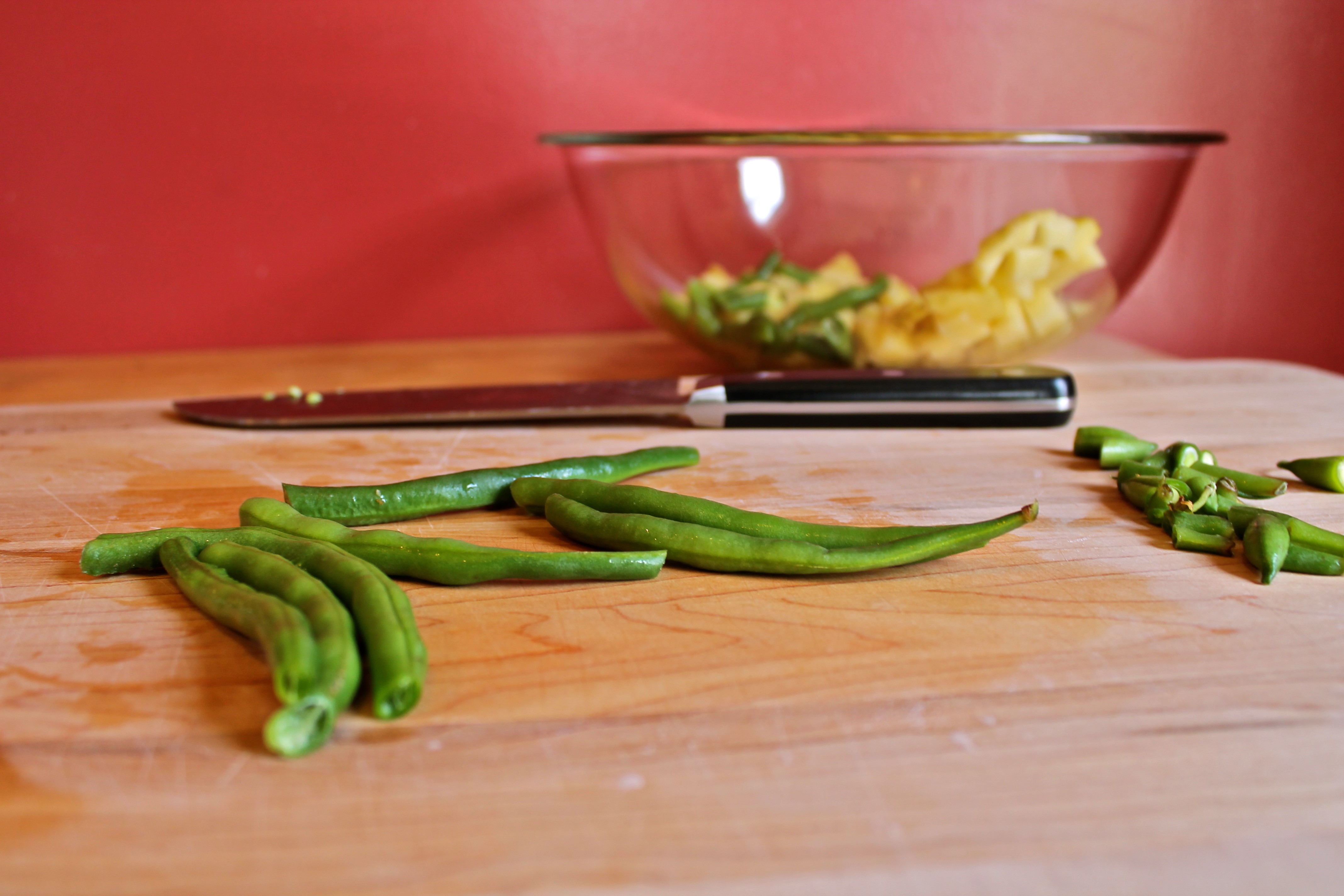
about 12 fresh green beans, chopped into 1-inch pieces (you should end up with ½ cup pieces)

½ cup frozen peas

1 ½ teaspoons ground coriander

½ teaspoon cayenne

¼ teaspoon turmeric

¼ teaspoon garam masala

2 teaspoons salt

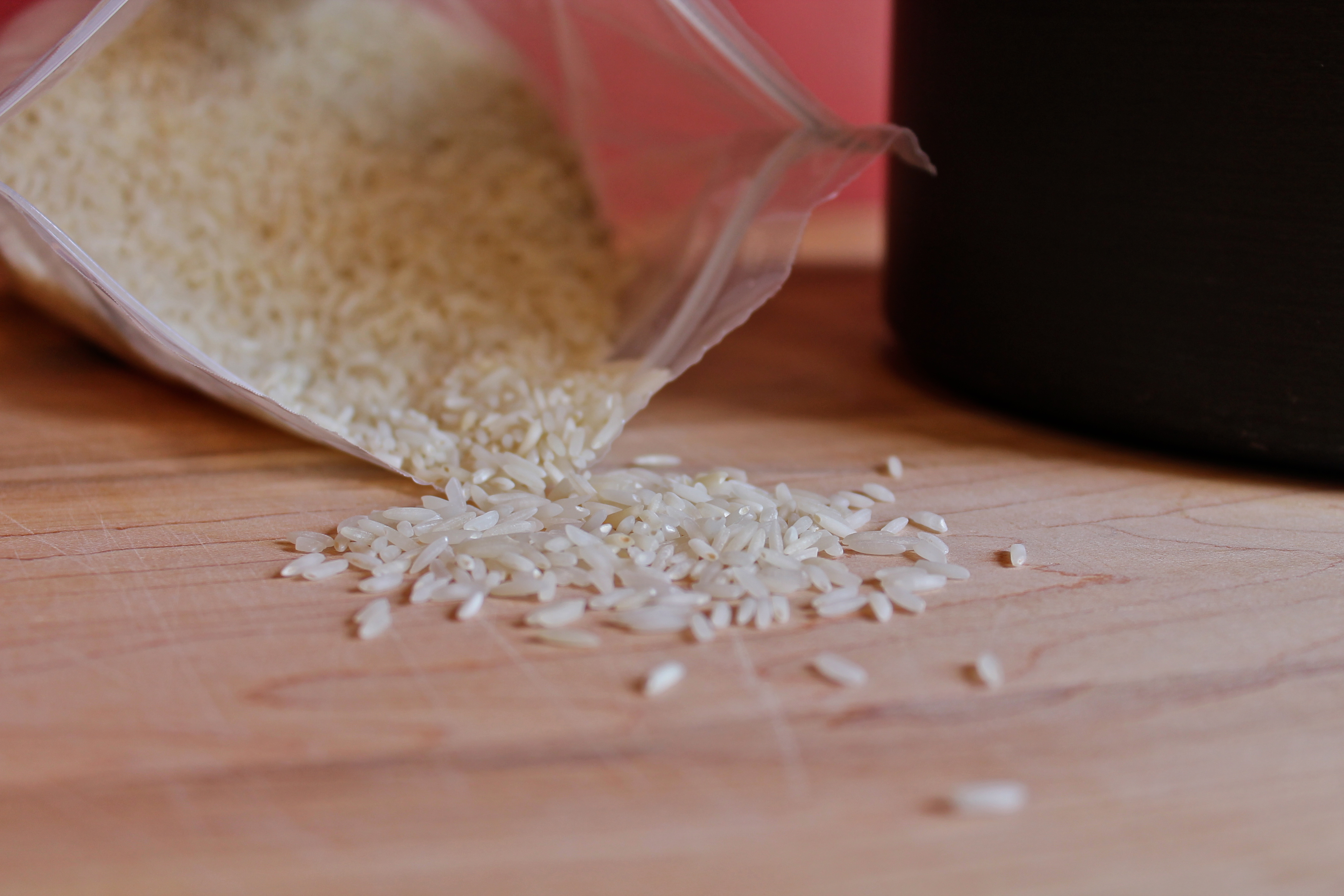
2 cups basmati rice

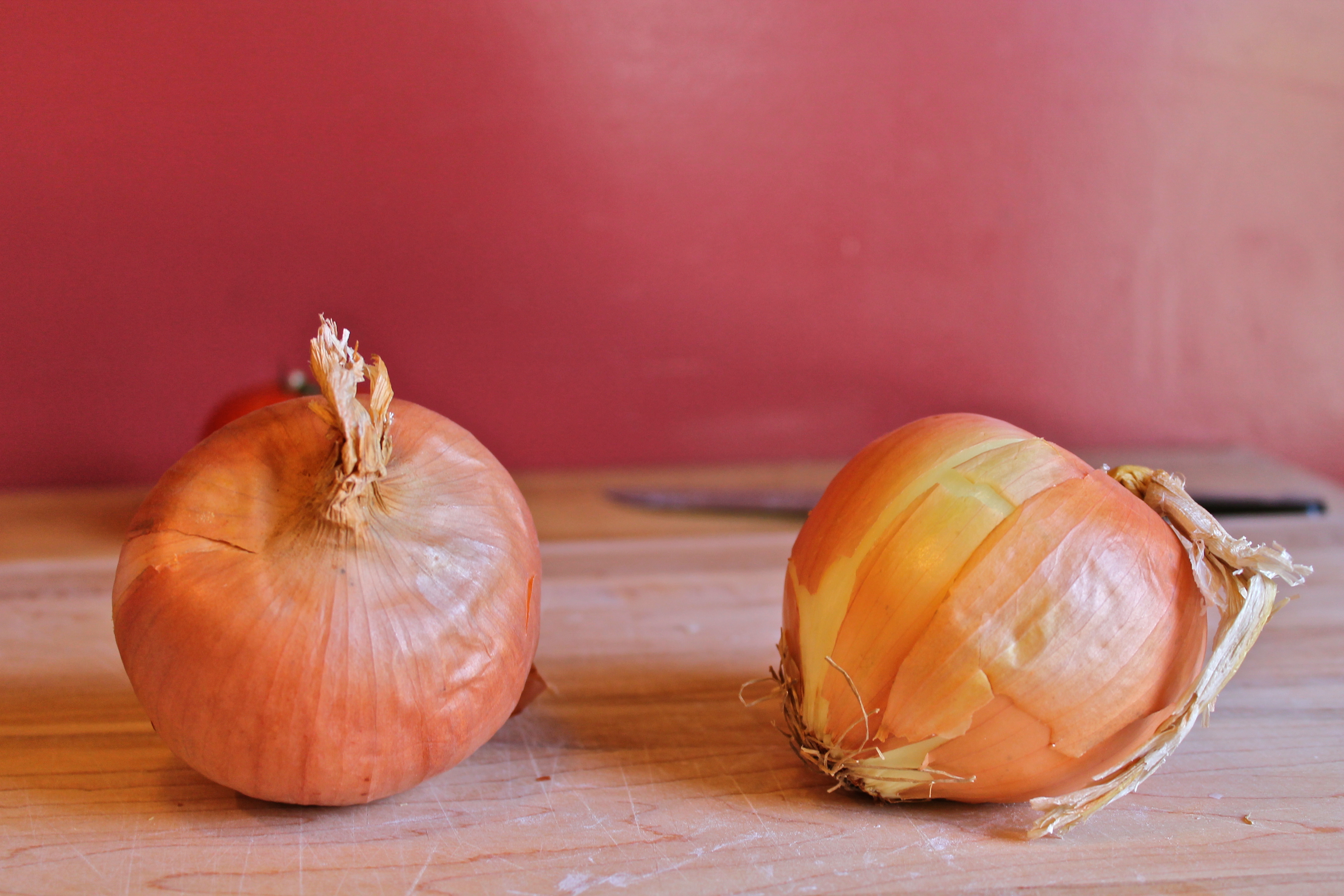
3 medium-large onions (about 1 pound)

½ cup vegetable oil

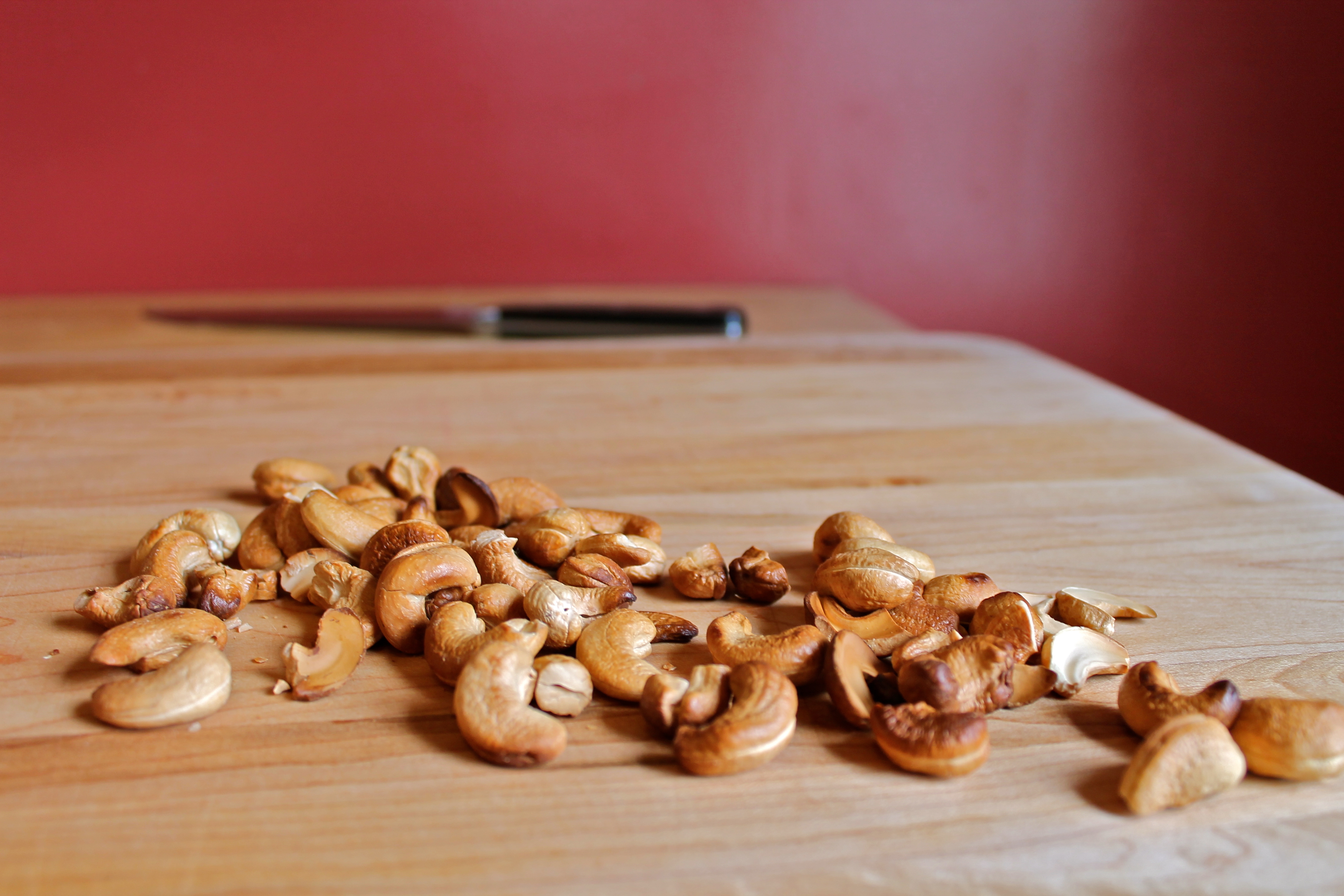
½ cup lightly toasted, unsalted cashews

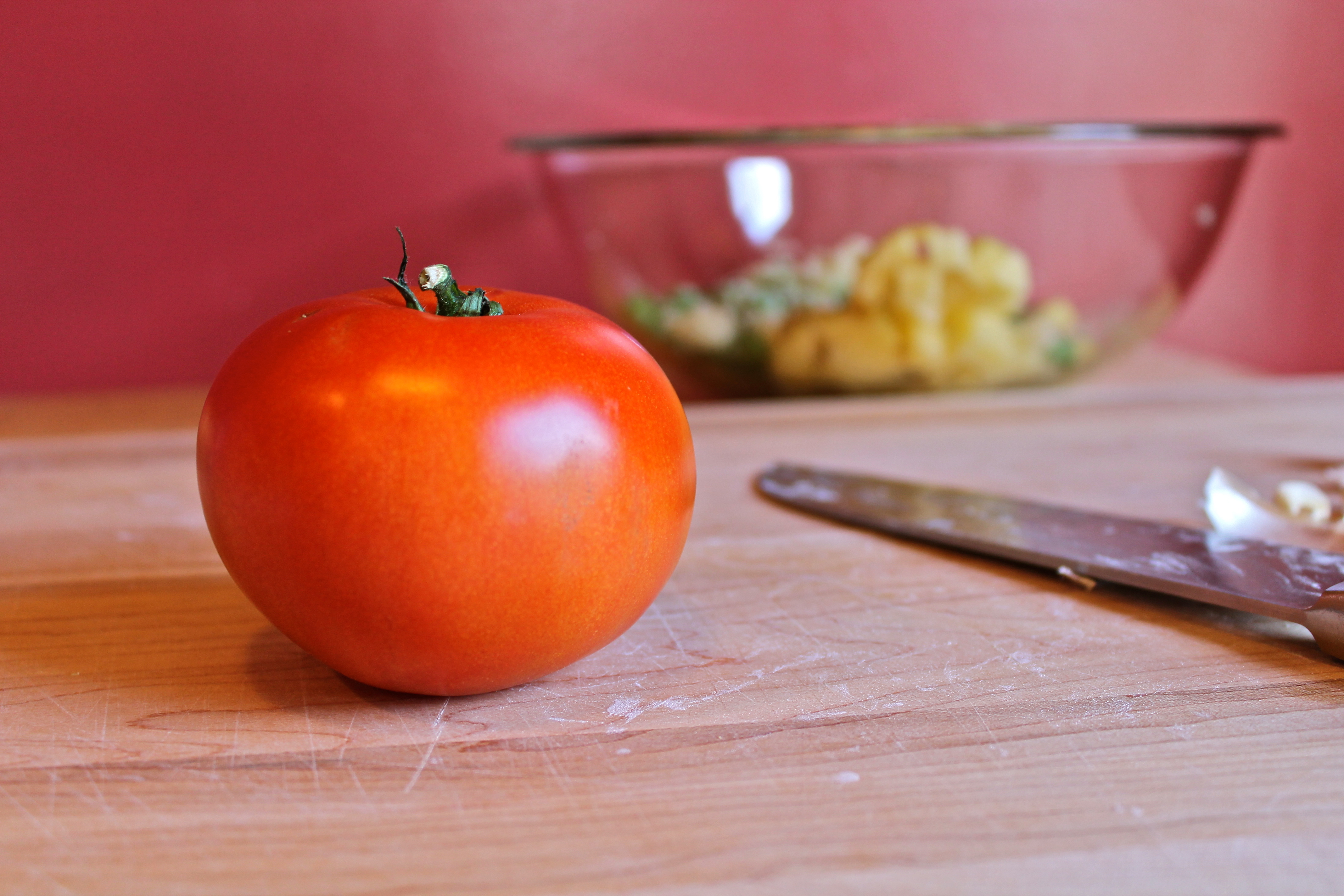
1 large tomato, diced into ½-inch pieces

1 cup minced cilantro leaves

2 tablespoons of water

About 1 hour before you want to serve the dish, place a rack in the center of the oven and preheat to 375 degrees Fahrenheit.

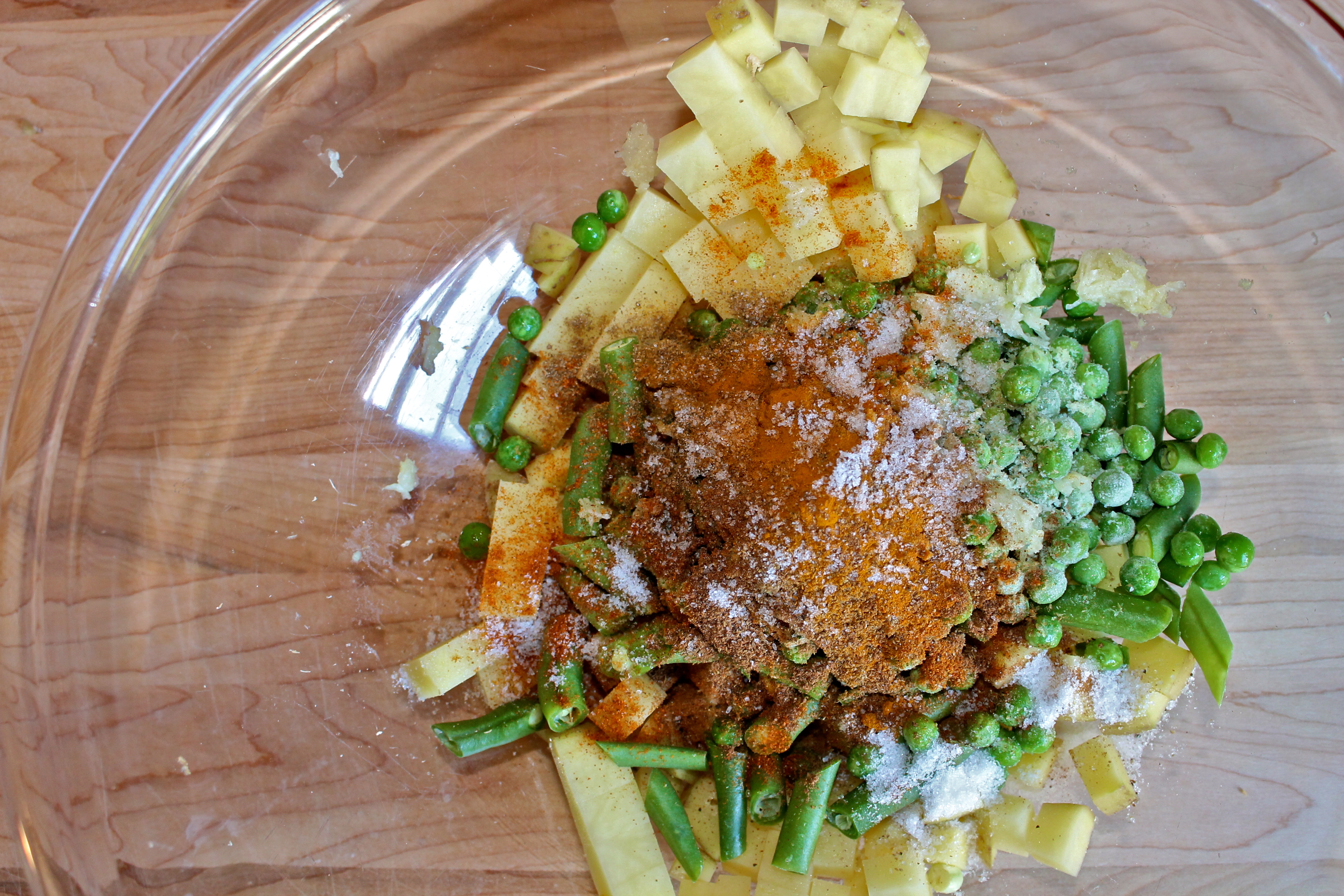
In a large bowl, combine the grated garlic and ginger, then mash together using the back of a spoon.  Add the diced potatoes, sliced green beans, and peas to the bowl with the garlic and ginger.  Add the coriander, cayenne, turmeric, garam masala, and 1 teaspoon of the salt.  Stir to mix until everything is combined, then cover with plastic wrap and allow vegetables to marinate while you prepare the other ingredients.

While the vegetables are marinating, rinse the rice in several changes of cold water.  Place in a bowl, cover with water, and allow to soak for about half an hour.

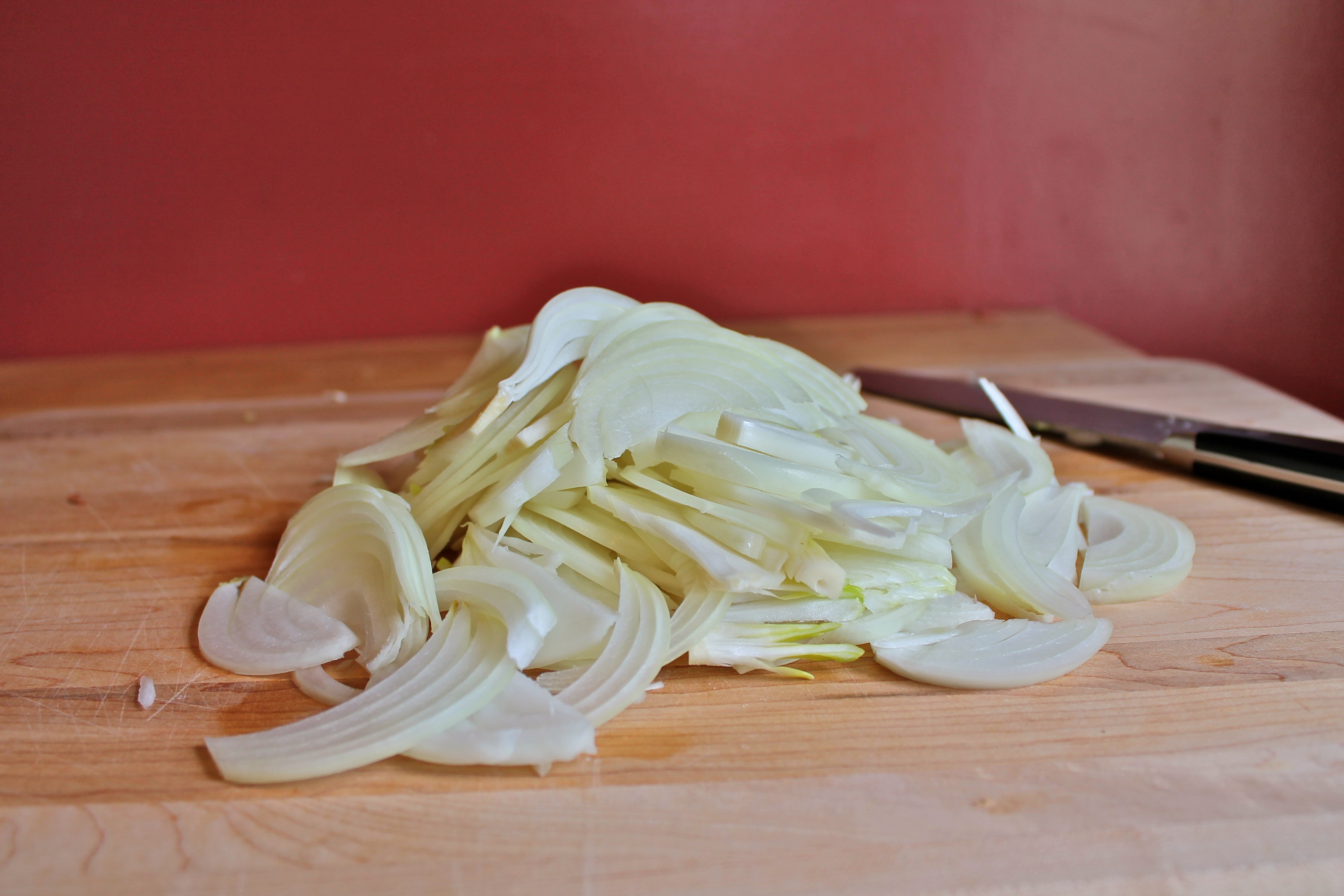
Slice the onions as fine as possible.  You will want about 3 cups of sliced onions.  Place a large heavy ovenproof pot with a tight-fitting lid over medium-high heat.  Add the oil and, when it is hot, add the onions.  Lower the heat to medium.  Cook until the onions are very soft, wilted, and just touched with golden brown, 12 to 15 minutes.  Lift the onions out of the hot oil and set aside.  There should be a little over ¼ cup of oil left in the pot.  Remove 2 tablespoons of oil from the pot and set aside for later.

When the onions are cooking, precook the soaked rice.  Place about 8 cups of water in a large pot and bring to a boil.  Add the remaining 1 teaspoon of salt, and allow the water to come back up to a boil.  Sprinkle in the rice.  Allow rice to boil for 4 to 6 minutes, or until the rice is no longer brittle but still firm to the bite.  Drain in a colander and set aside.

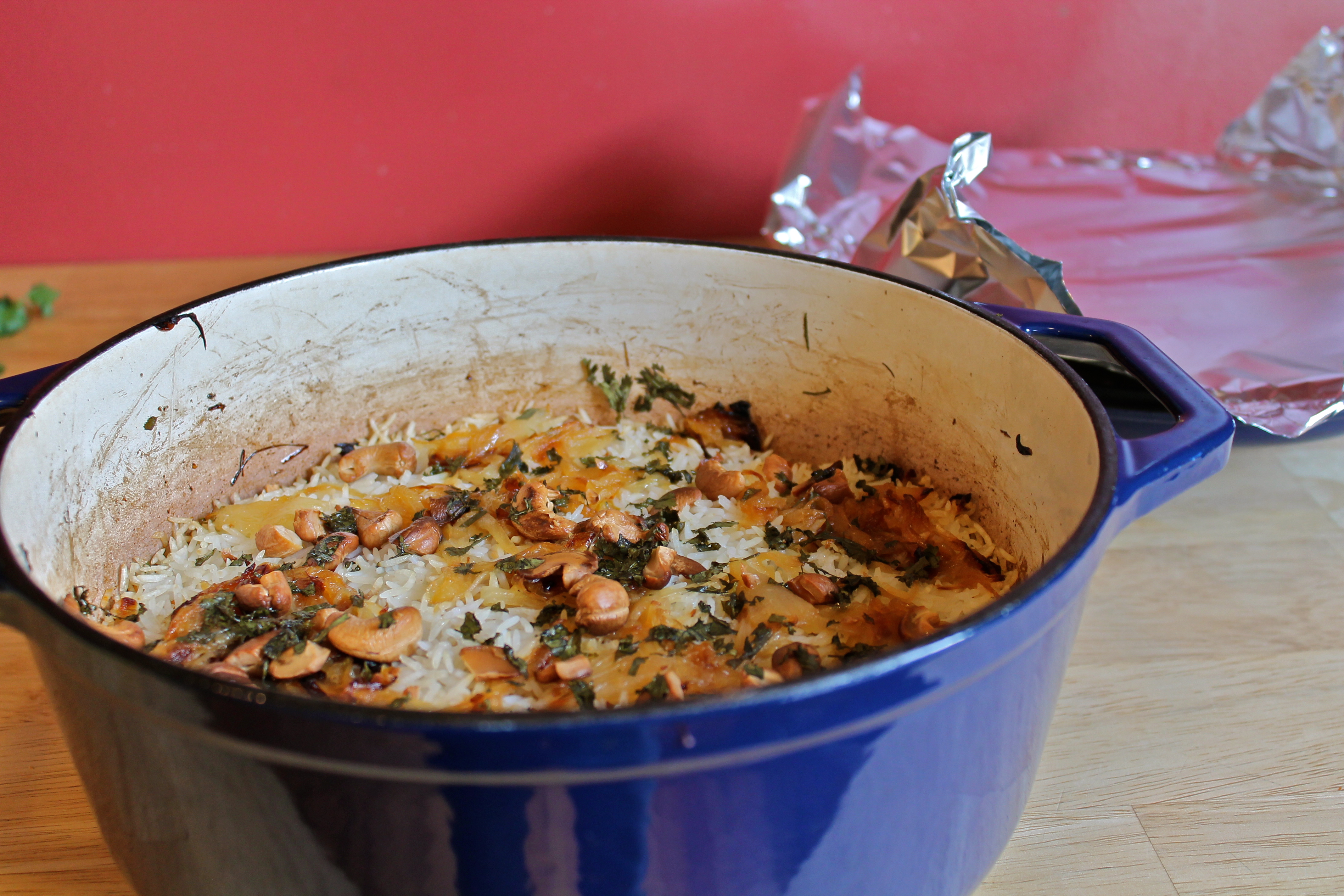
Place the heavy pot containing the oil over medium-high heat.  Distribute half of the marinated vegetables over the bottom of the pot, then sprinkle on half the precooked rice.  Scatter half the cooked onions over the top, then sprinkle on half of the diced tomato, half of the cashews, and half of the cilantro leaves.  Repeat with the remaining marinated vegetables, rice, onion, tomato, cashews, and cilantro.  Sprinkle on about 2 tablespoons of water, and drizzle on the reserved 2 tablespoons of oil.  Lay a sheet of aluminum foil over the top of the pot to cover it completely, then top with the lid.

Transfer the pot to the oven and bake for 1 hour.

Carefully remove the lid and the aluminum foil (the pot will emit a great deal of steam, so stand back and be careful to steer clear of the hot cloud).  Remove the biryani to a platter.  Scrape out the crusty layer of vegetables and rice from the bottom of the pot, and lay it on top of the biryani.  Serve hot or warm.

Strawberry Lemon Cream Puffs

31 May

Though the arrival of our garden strawberries is still a few weeks away, it has proven difficult to resist the siren song of the plump, scarlet berries populating the market right now.  Even our local farmers markets have been showcasing some early strawberries, a feat that seems almost miraculous, what with the rather unstable weather we’ve been experiencing lately.  Or, more accurately, that we experience every year, though it has become very clear that, due to what I can only deem an effort of pure survival, I have apparently trained myself to forget every year.  This is the only logical explanation for why I still live in a place where 70 degrees is considered a warm and balmy June day.  But, let’s talk about something else

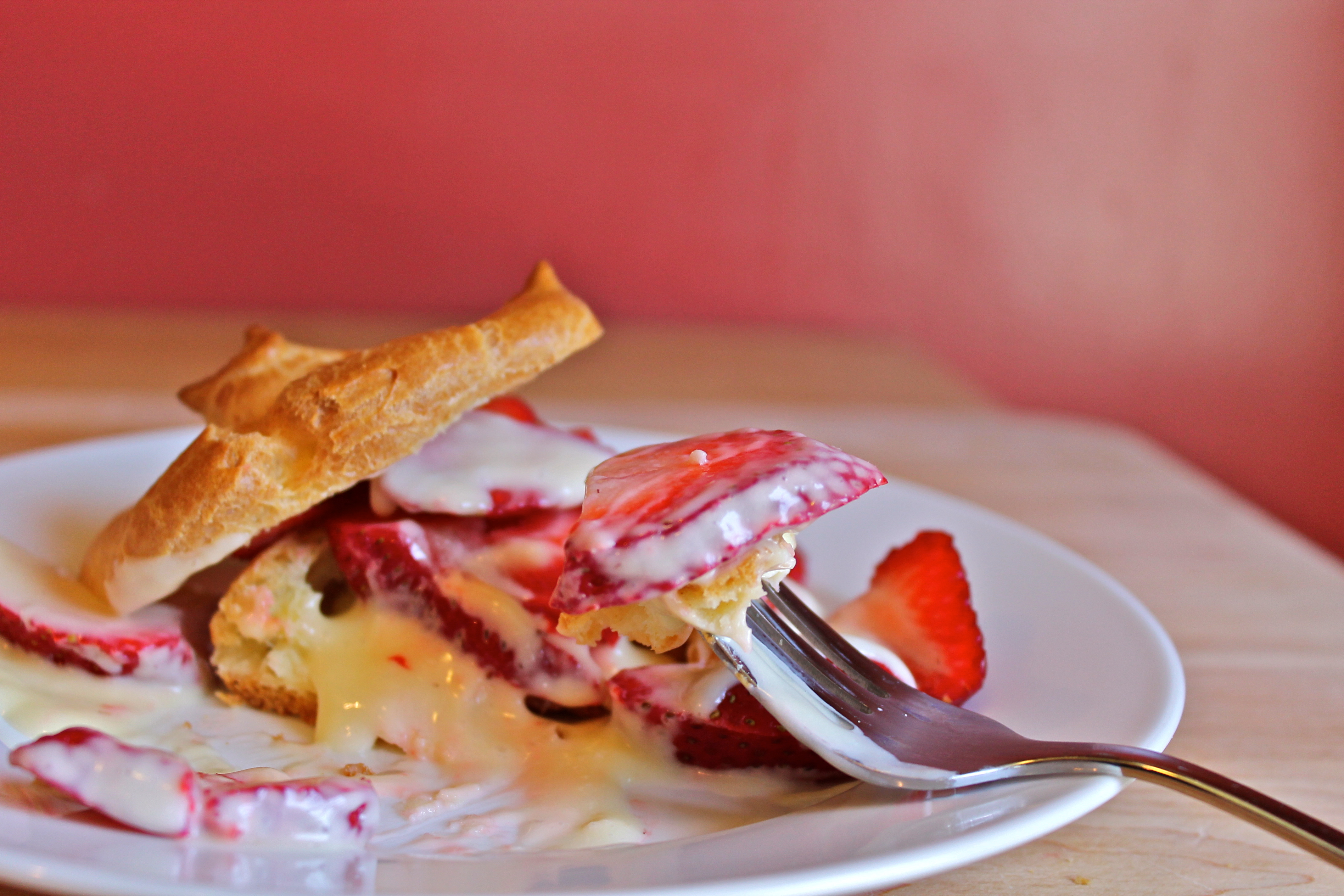
Specifically, let’s talk about strawberries, and how they seem to simply sing when matched with lemon.  This is not the first time I have decided to nestle some strawberries inside a cloud of lemon cream, and it is clear that there is good reason for my path back to this companionable flavor pairing.  The brightness of lemon brings out all the best notes of a sweet, dark berry, and the mellow smoothness of this particular lemon cream seems to make everything it touches transform into a soft, delicate dream.  Though the lemon cream is certainly not lacking in richness, it manages to maintain a lightness that belies its hefty butter content.

It was that exact lightness that led me to this riff on strawberry shortcake that was a bit less dense than the usual (and perfectly delightful) offering of a buttery biscuit topped with slices of berries.  When pastry is the topic at hand, you can’t get any lighter than a classic pâte à choux, and as soon as I envisioned a plate of airy cream puffs drizzled with tart lemon cream and piled high with ripe strawberries, there was no going back.  Unless, of course, you count going back for seconds, which I most certainly did.

Strawberry Lemon Cream Puffs Recipe

Cream Puffs

Pâte à choux

Adapted from Joy of Cooking

½ cup water

½ cup milk

8 tablespoons (1 stick) unsalted butter, cut into small pieces

¼ teaspoon fine grain sea salt

1 cup unbleached all-purpose flour

4 large eggs

Preheat oven to 400 degrees Fahrenheit.  Position a rack in the lower third of the oven.  Line a large baking sheet with a piece of parchment paper.

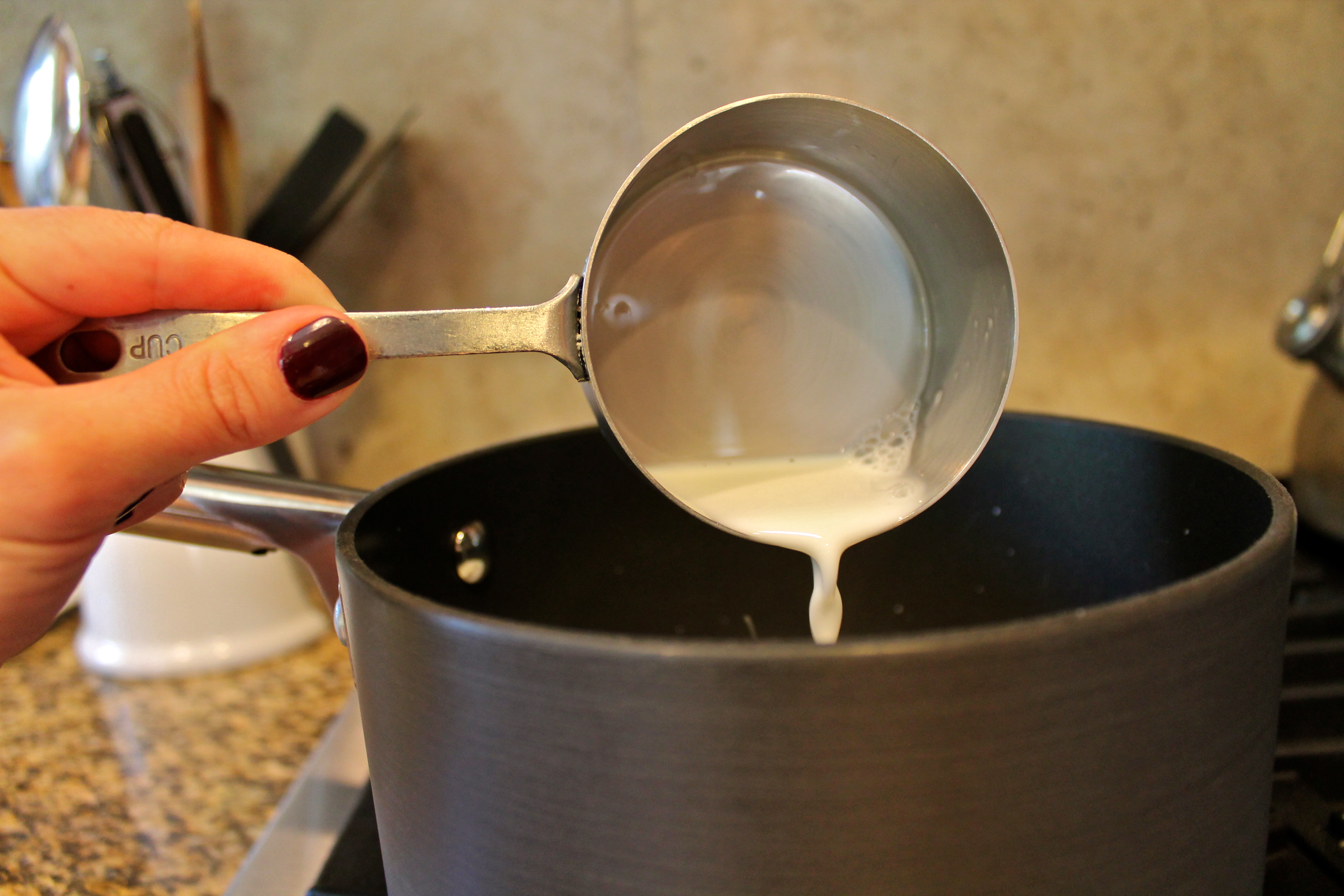
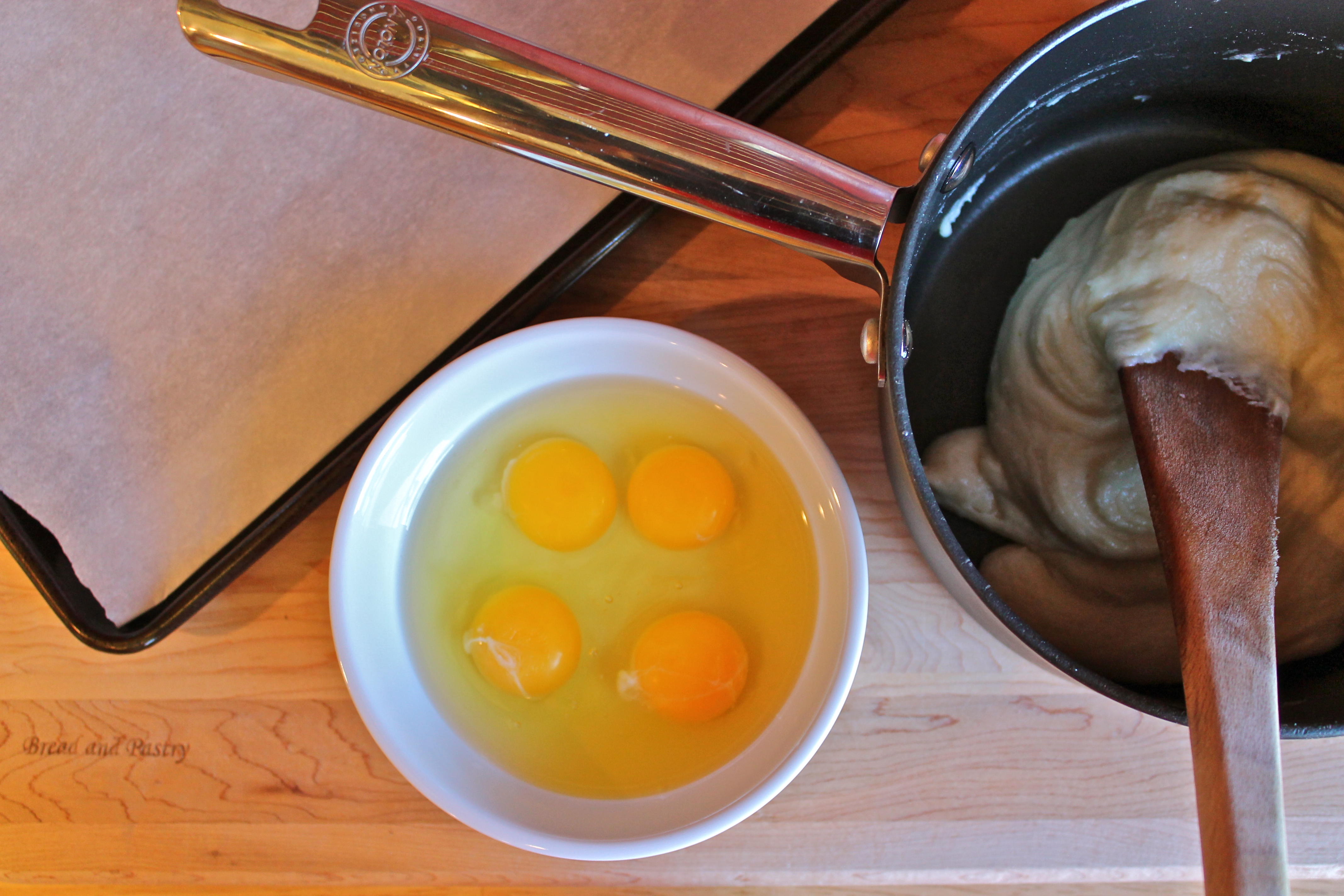
In a medium saucepan, combine water, milk, butter, and salt.  Bring to a full boil over medium heat.  Immediately add flour all at once and stir vigorously with a sturdy wooden spoon until the mixture pulls away from the sides of the pan.  Reduce heat to low and continue to stir the mixture over the heat for about 1 minute.  As the moisture in the mixture evaporates, a little bit of butter may begin to seep out, which is just fine.

Transfer the mixture to a bowl and allow to cool for 5 minutes.  When the mixture has cooled a bit, beat in the eggs, one at a time, using a wooden spoon.  Beat the dough vigorously in between each egg, making sure each egg is incorporated before adding another.  The dough should end up looking quite smooth and shiny.

To form cream puffs, fill a pastry bag fitted with a plain, ½-inch tip with choux paste (alternately, you could fill a large Ziploc bag with choux paste, then clip off a corner of the bag with a petite, ½-inch cut).  On the prepared baking sheet, pipe the choux paste into tight swirls about 2 ½ to 3 inches in diameter.  I fit about 11 swirls on one large baking sheet, and had to bake two batches of cream puffs, with 5 swirls in the second batch.

Bake the puffs for 15 minutes, then reduce the oven temperature to 350 degrees Fahrenheit and bake for an additional 20 to 25 minutes, until the puffs are golden brown and firm to the touch.  Turn off the oven, turn each puff upside down, poke a small hole in the bottom of each puff (this will allow steam to escape and keep your puffs from becoming soggy), and allow the puffs to dry in the oven for 10 minutes.  Remove the puffs from the oven, and allow to finish cooling on a wire rack.

Preheat oven to 400 degrees Fahrenheit, then repeat instructions to bake a second batch of cream puffs.

Makes 16 cream puffs.

Lemon Cream

Adapted from Tartine

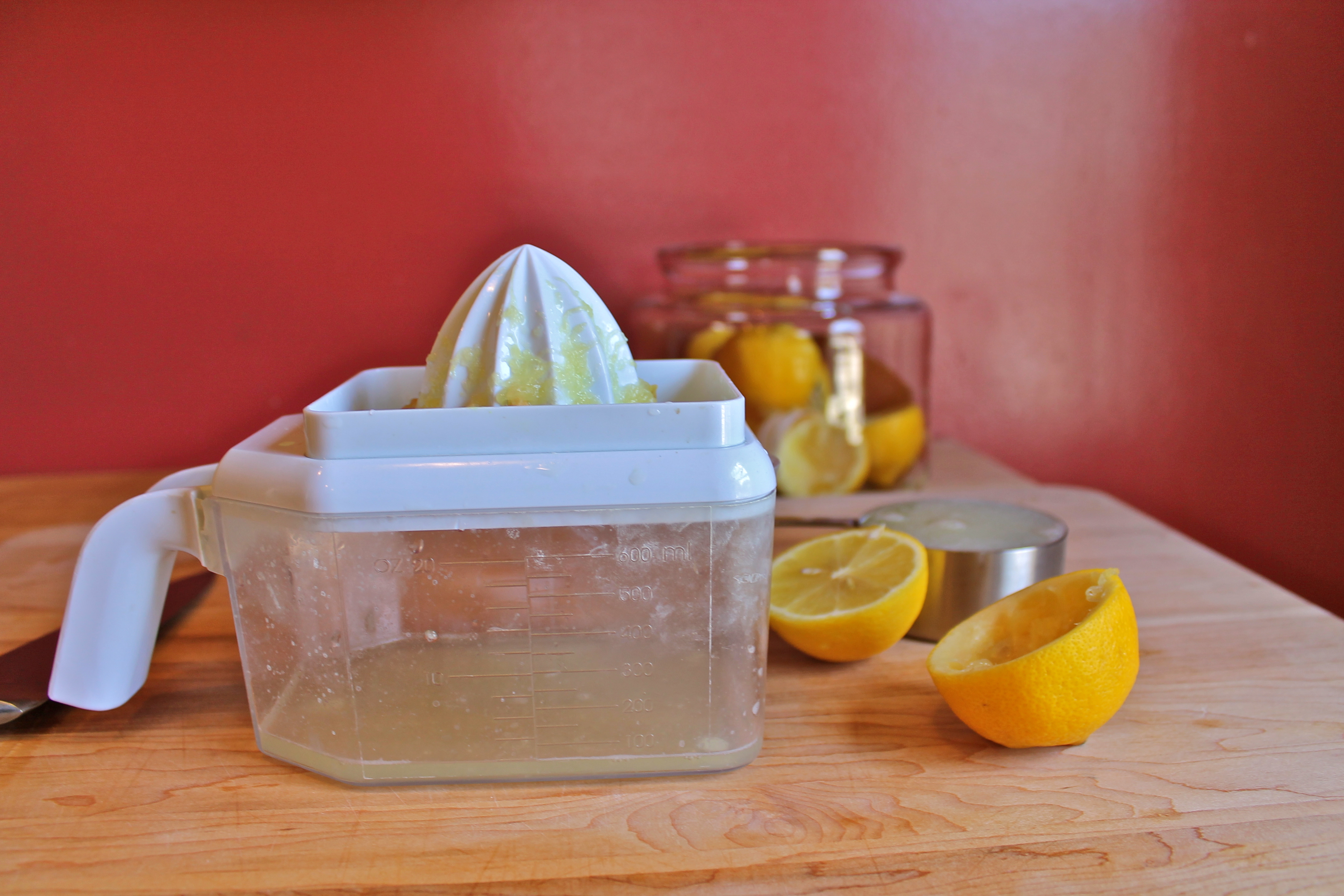
½ cup plus 2 tablespoons (5 ounces) of freshly squeezed lemon juice

3 whole large eggs

1 large egg yolk

¾ cup (6 ounces) sugar

pinch of salt

½ cup (4 ounces or 1 stick) cool unsalted butter, cut into 1 tablespoon pieces

Bring about 2 inches of water to a simmer in a saucepan set over medium heat.  In a non-reactive bowl that is able to rest securely in the rim of the saucepan without touching the water, combine lemon juice, whole eggs, egg yolk, sugar, and salt.  Whisk the ingredients together.  Do not allow the egg yolks and sugar sit together without being stirred constantly, as the sugar will react with the eggs and turn them granular.  Place the bowl over the saucepan of simmering water and continue to whisk for around 10-12 minutes, until the mixture thickens considerably and reaches a temperature of 180 degrees Fahrenheit.  Remove the bowl from above the water and allow the mixture to cool to 140 degrees Fahrenheit.  Stir from time to time to help the mixture cool and release its heat.

When the cream has reached 140 degrees, pour it into a blender, or leave it in the bowl if you will be using an immersion blender to mix the lemon cream.  Add the butter to the lemon cream, 1 tablespoon at a time, blending the mixture continuously until each piece of butter is completely incorporated before you add the next one.  The cream will be pale yellow and quite thick.

The lemon cream can be used immediately, or it can be made ahead and kept in the refrigerator, tightly sealed, for up to 5 days.  Makes about 2 cups of lemon cream.

3 pounds of strawberries, hulled and sliced

1 pint whipping cream

½ teaspoon sugar

½ teaspoon pure vanilla extract

Combine the whipping cream, sugar, and vanilla, and whip together until it forms soft peaks.

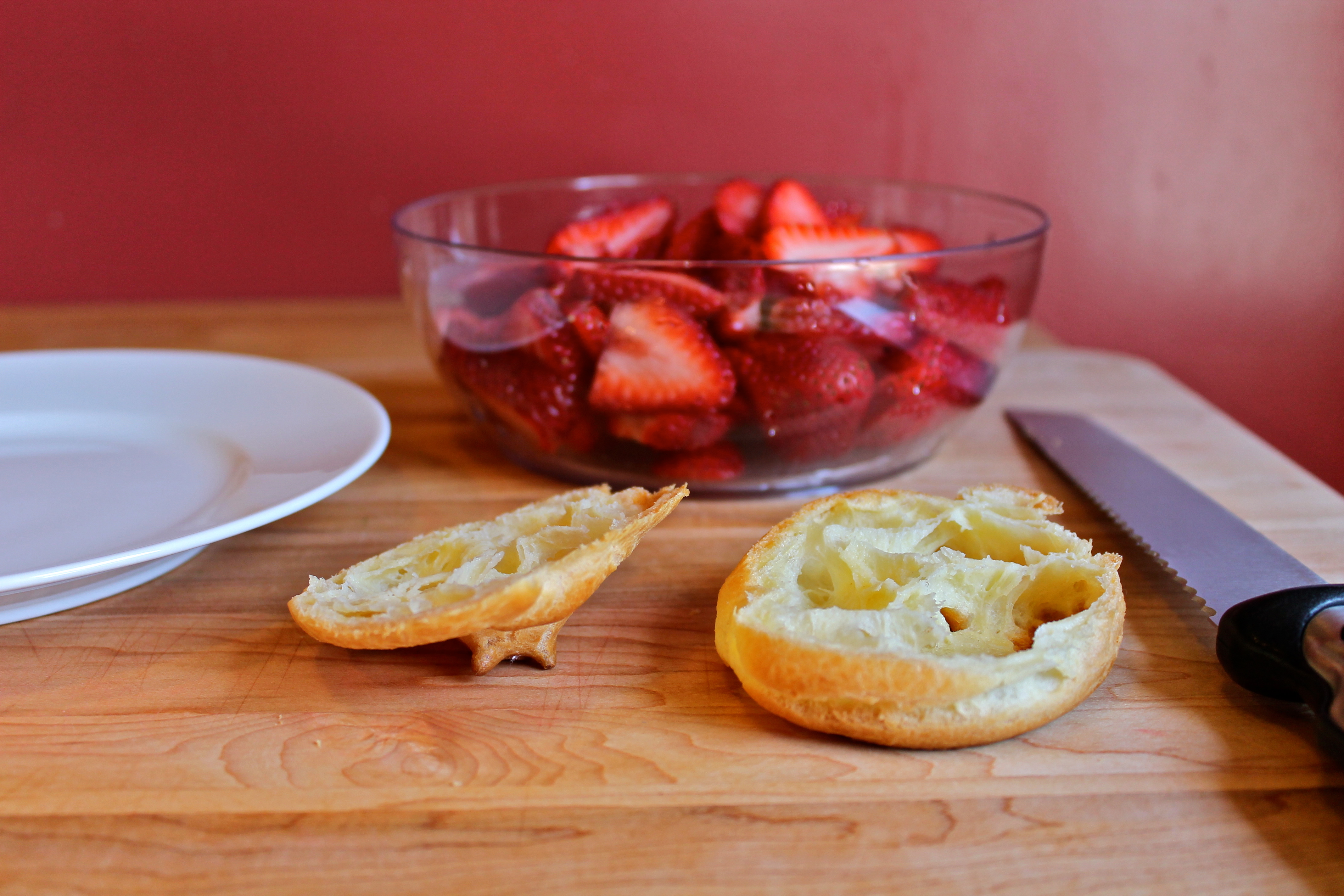
To assemble strawberry lemon cream puffs, slice off the top of a cream puff.  On the bottom of a puff, drizzle on a bit of lemon cream.  Pile strawberries on top of the cream, drizzle on a bit more cream, then top with a dollop of whipped cream.  Place the top of the cream puff on the pile, and serve.

Makes 16 cream puffs.

Stuffed Picnic Sandwich with Olive Tapenade

28 May

The sun was out.  For a solid two weeks, the sun was out.  We ate meals outdoors, we made ice cream, we rode our bikes, and sometimes, if we played our cards right, we did all three of those things in one day.  It was a glorious time.  Spring, as I have mentioned one or two or a million times before, is usually a rather difficult time here in the Pacific Northwest.  The rain is persistent, the temperature rarely creeps above a somewhat insulting 60 degrees, and the fact that one nearly always spends Memorial Day weekend wearing rain boots starts to seem sort of grueling.

But a week and a half ago?  Oh, let’s talk about that.  Temperatures crept near the 90s, the sun was shining each and every day, and we spent as much time outdoors as humanly possible.  Perhaps best of all, we made the season’s inaugural bike ride downtown to have a picnic dinner on the waterfront.  My love of picnics remains unrivalled, so this event was a spectacularly big deal for me.  I spent most of the morning thinking about what I would pack for our picnic, and by the time I picked up my son from school, the answer was clear.  What do you take on a very important picnic?  Why, you take the World’s Best Picnic Sandwich, of course.

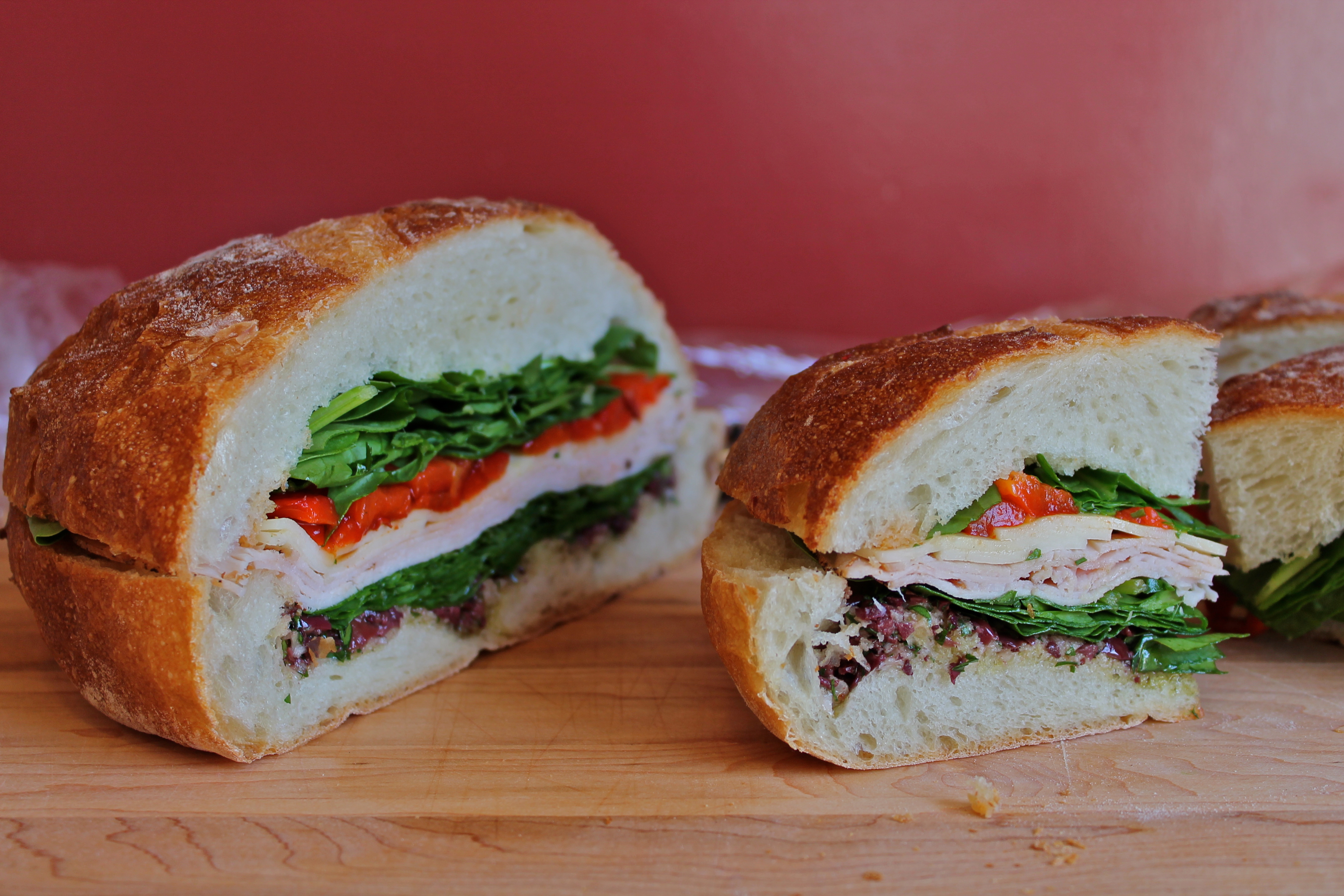
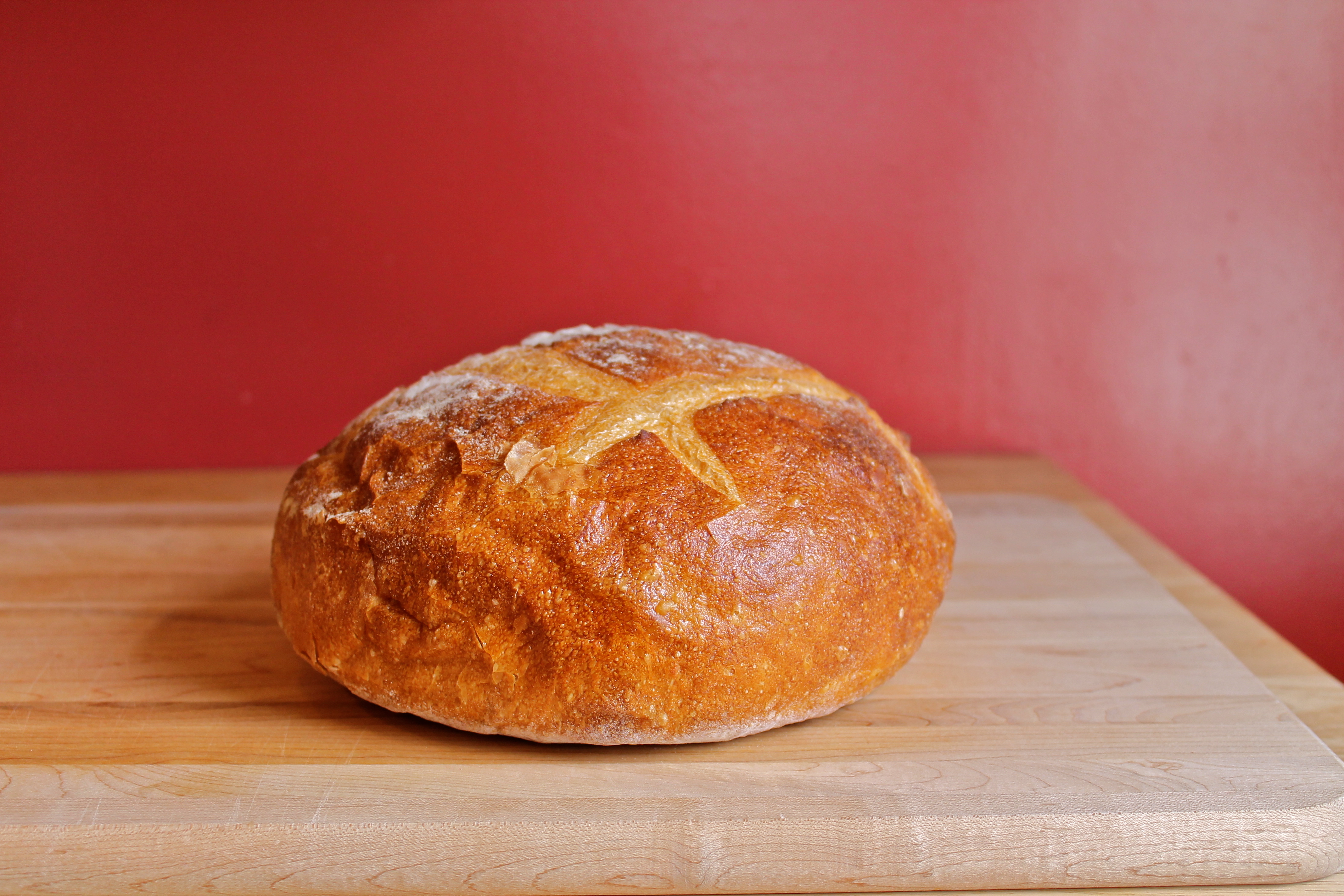
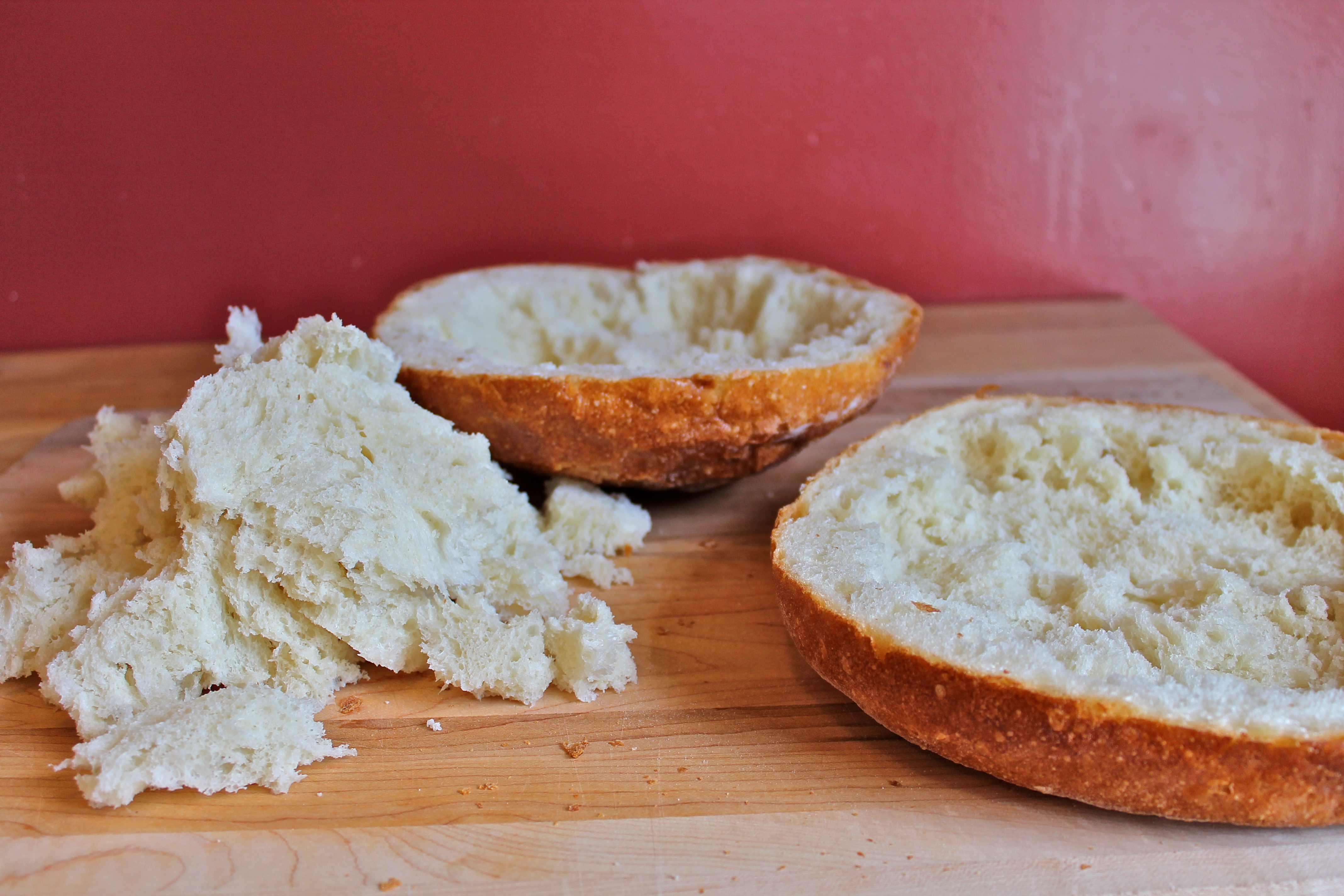
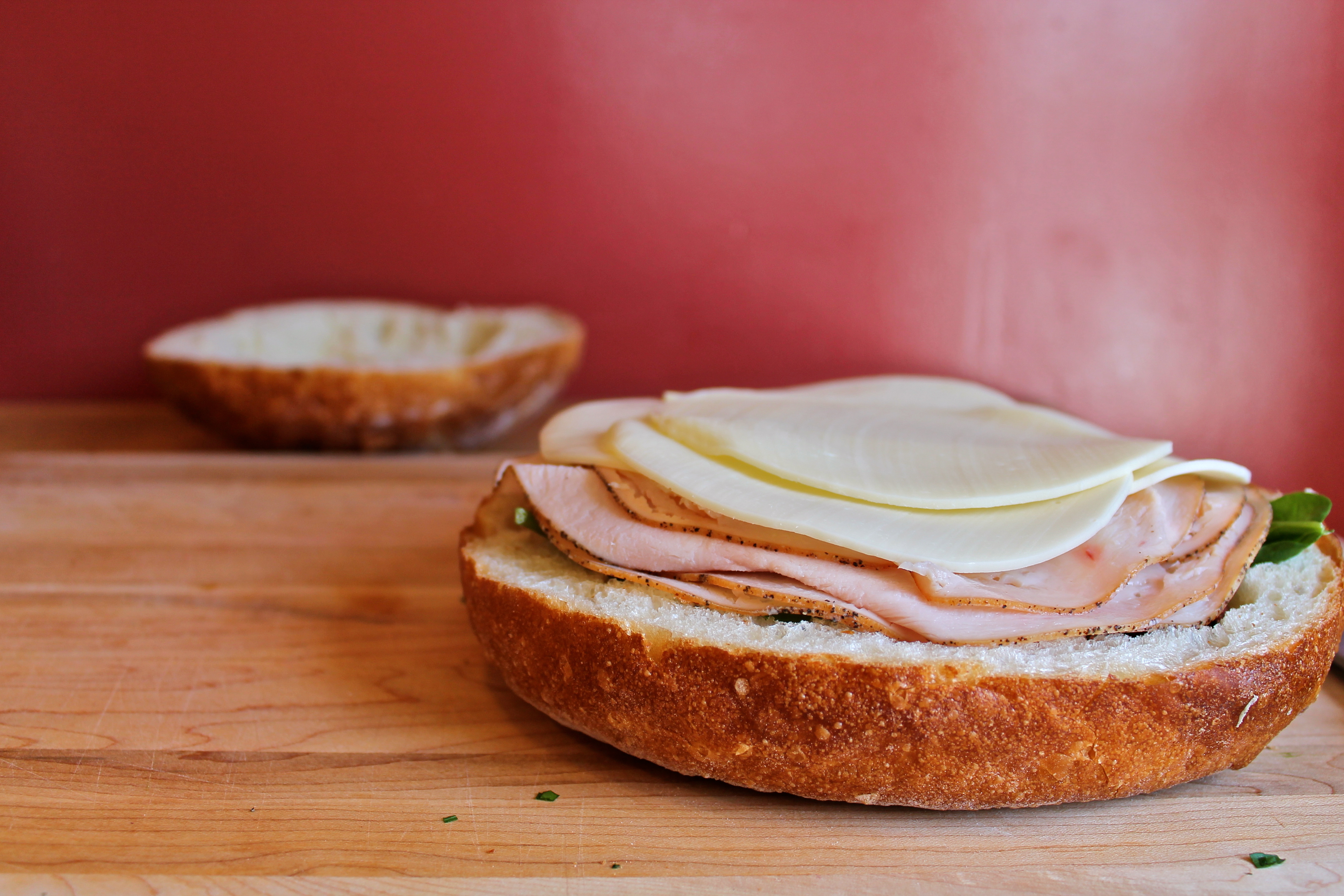
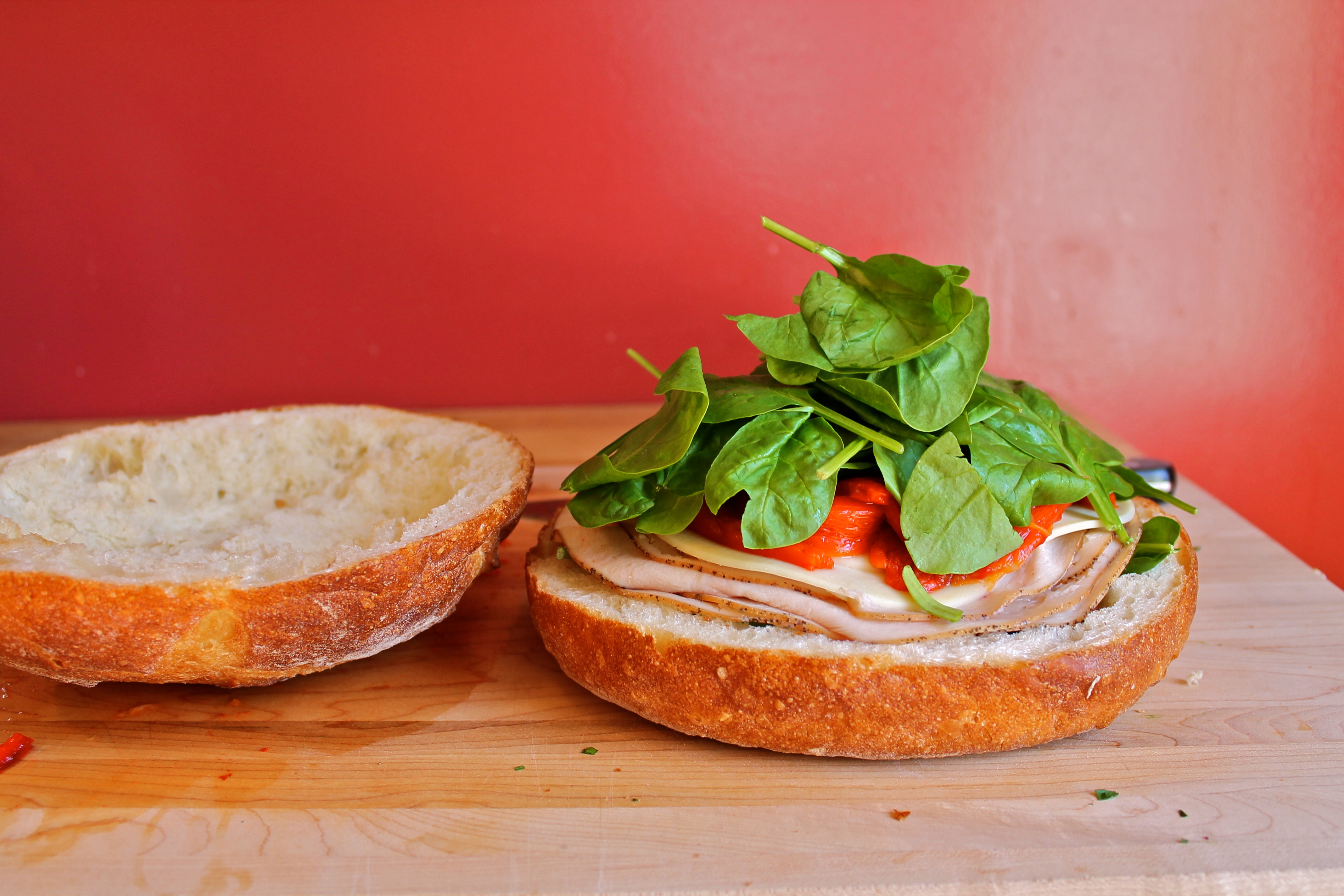
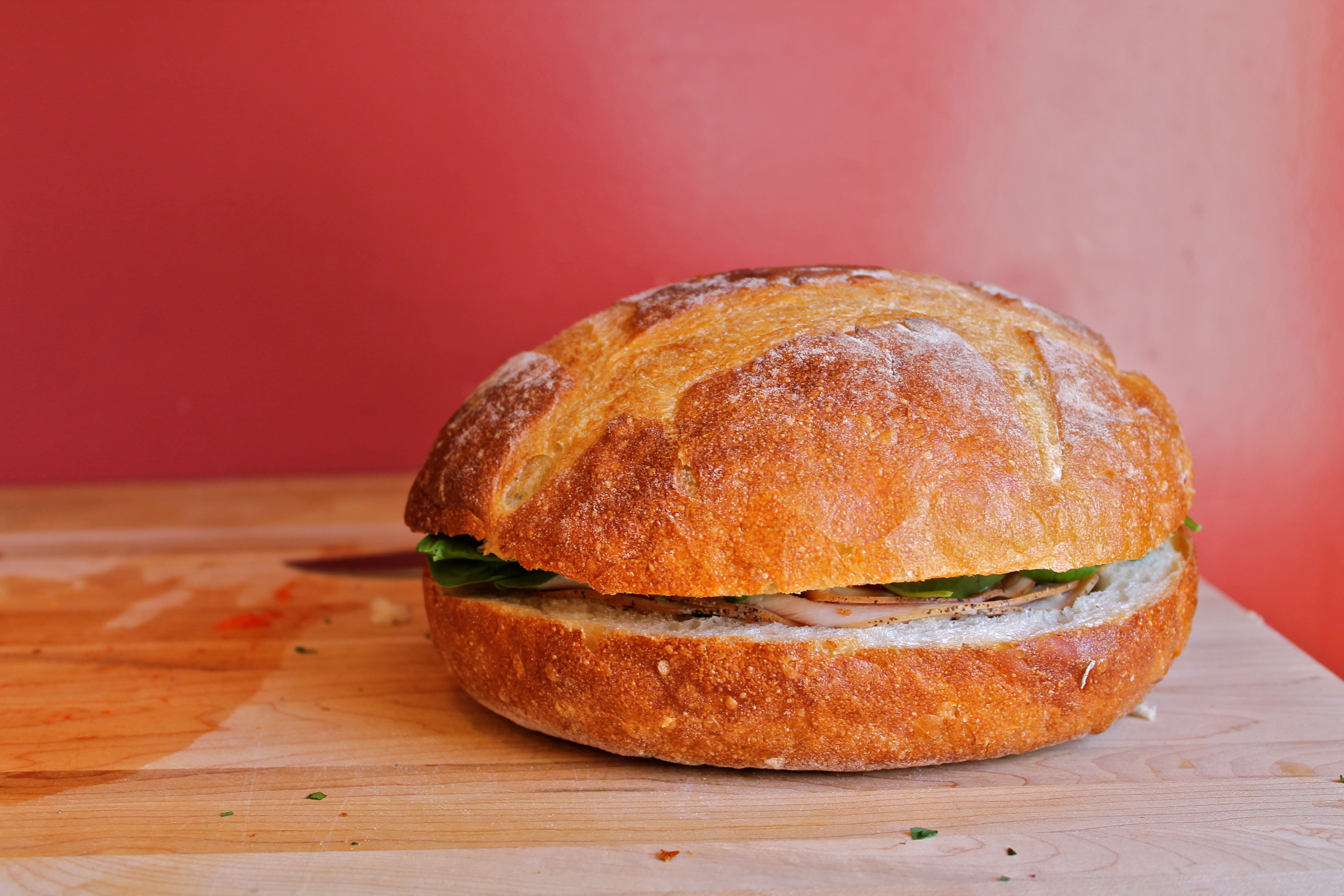
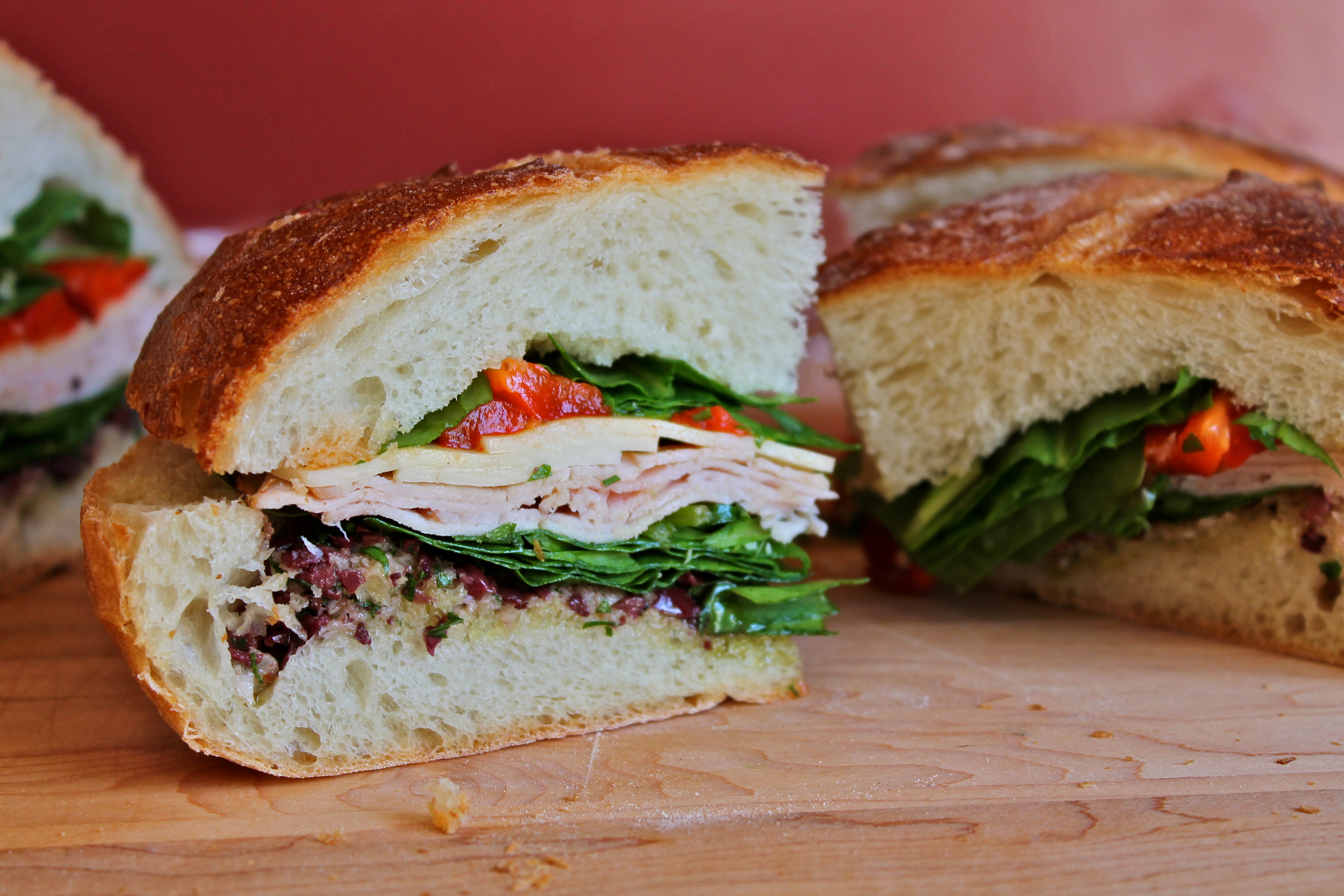
Why the World’s Best?  Let’s start with the construction, an ingenious method of hollowing out a good portion of a hearty round loaf of artisan bread in order to create a cozy little nest for the sandwich’s fillings.  The fillings in question can be altered to satisfy the tastes of the people eating the sandwich, but I nearly always go for the solid combination of provolone cheese, peppered turkey, roasted peppers, lots of leafy greens, and, though I forgot them this time around, big, juicy slices of tomato.  However, let me back up just one moment and mention what might be the crowning achievement of this sandwich: the olive tapenade.  Wonderfully flavorful, the tapenade is the secret weapon of this sandwich, harmonizing tastes and textures and adding that little bit of something extra that makes this sandwich a real standout.

All in all, this is a sandwich of note, and its presence at our first waterfront picnic of the season could not have been more appreciated.  All we need now is some more warm weather so we can have more picnics (because right now it is 52 degrees and raining and…let’s not talk about it).

Last Year: Orecchiette with Grated Garlic and Tomato

Stuffed Picnic Sandwich with Olive Tapenade Recipe

This sandwich has a lot in common with a traditional muffalleta sandwich, though the tapenade in this sandwich is decidedly less loud than the standard olive salad found in a muffaletta.  This sandwich also lacks the selection of meats found in a muffaletta, though you can certainly swap out a variety of meats depending on your tastes and desires.  One step that I find is crucial in making this sandwich really sing is the rest time.  Wrapping your sandwich, either in slices or as one whole loaf, and allowing it to rest in the refrigerator for a bit really makes the flavors meld together and create a nearly perfect finished product that is worthy of the Sandwich Hall of Fame (is that not a real thing?  I think that should be a real thing).

1 loaf French boule or another round artisan-style loaf of bread

6 ounces thinly-sliced pepper turkey (or another meat or combination of meats of your choice)

3 ounces provolone cheese (or another good sandwich cheese)

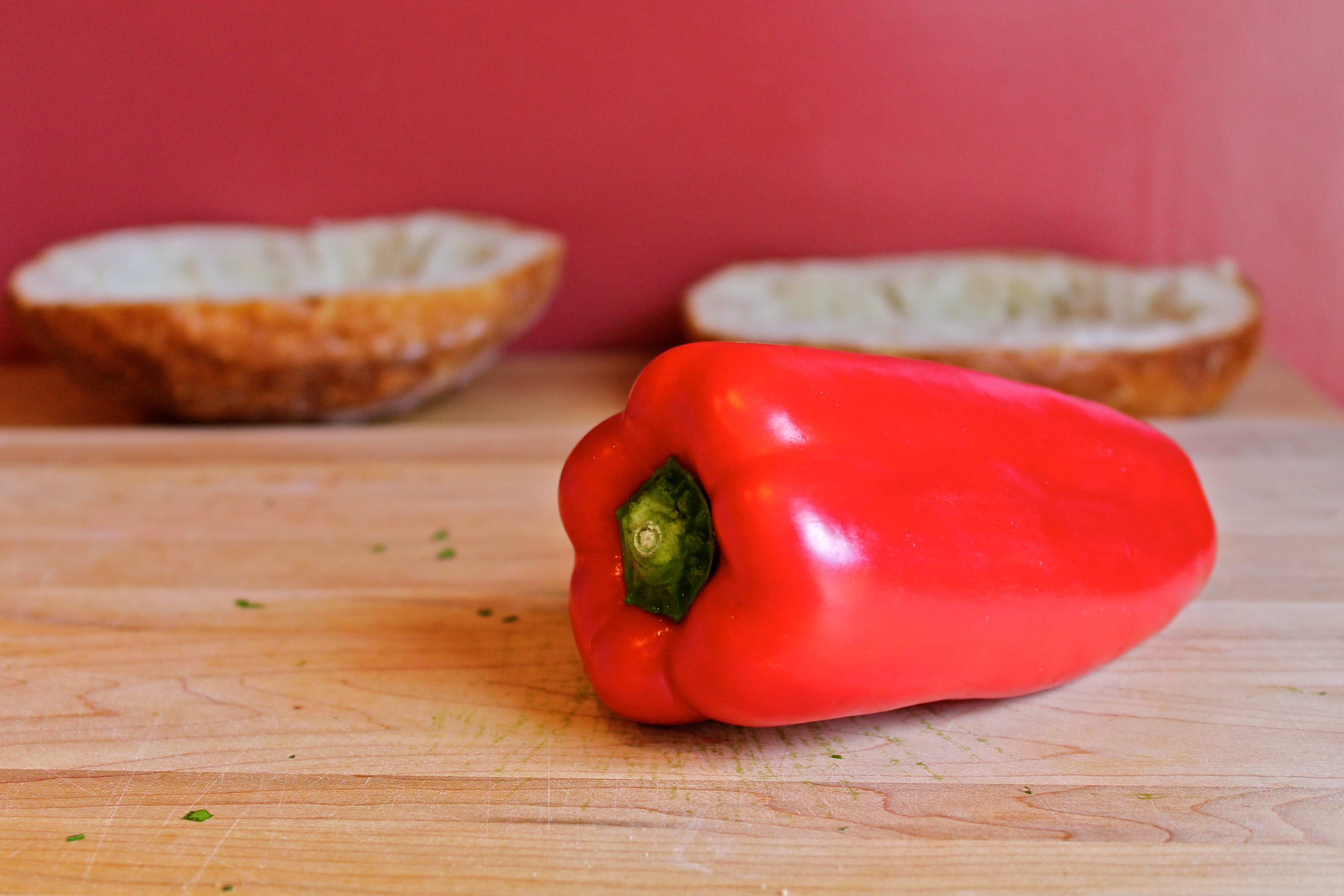
1 roasted pepper, sliced into strips, top and seeds removed (instructions on how to roast a pepper can be found here)

1 large handful of raw spinach eaves

1 large handful of arugula leaves

Olive Tapenade

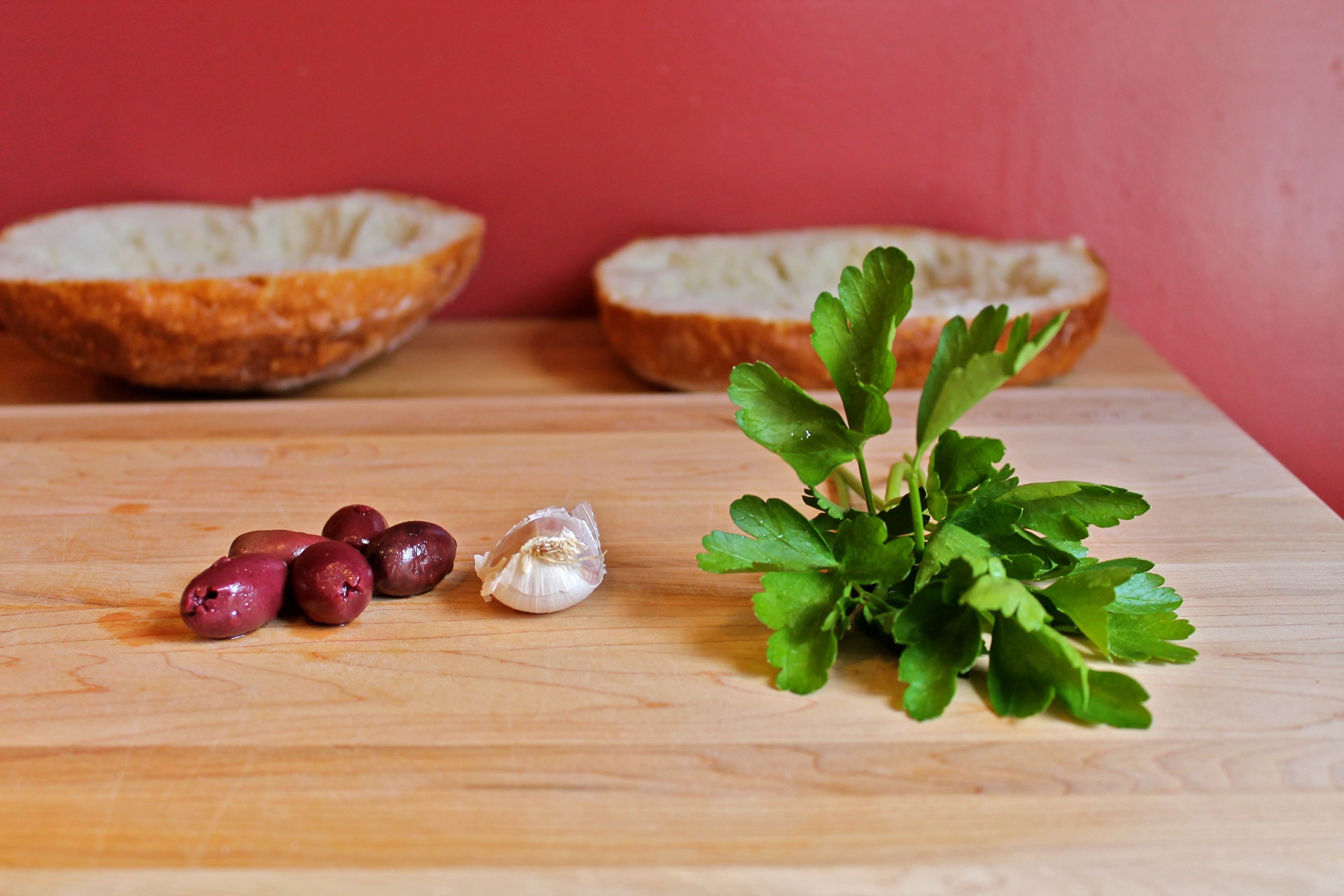
1/3 cup chopped kalamata olives

1 large clove garlic, smashed and finely minced

1 tablespoon minced Italian parsley leaves

3 tablespoons extra virgin olive oil

freshly ground black pepper

optional: a nice glug of balsamic vinegar

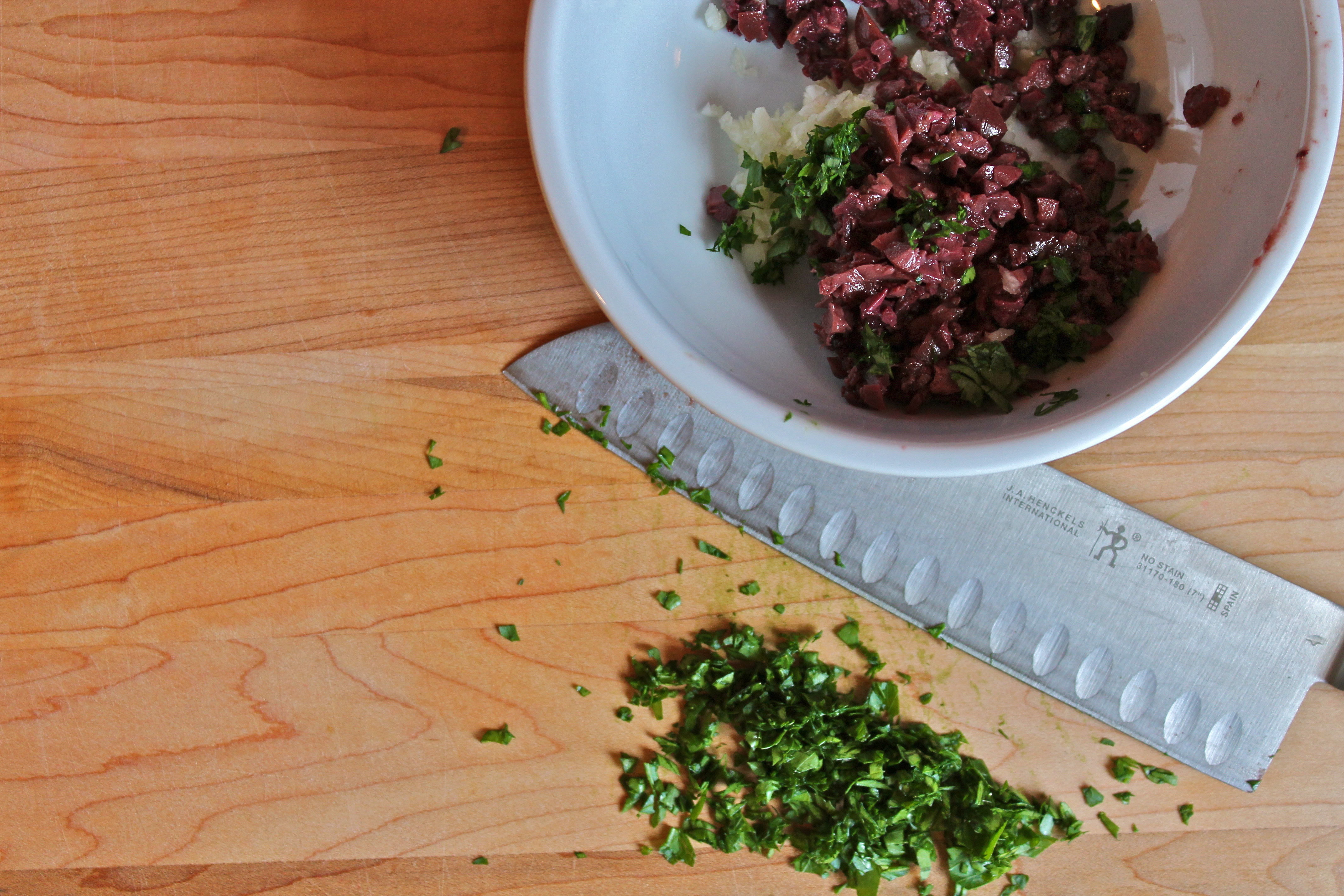
In a small bowl, combine all ingredients and mix together thoroughly.  Add pepper to taste, and add balsamic vinegar if you think the tapenade needs a bit of an acidic kick (some people think the balsamic fights with the taste of the rest of the sandwich, so adding it is entirely optional).

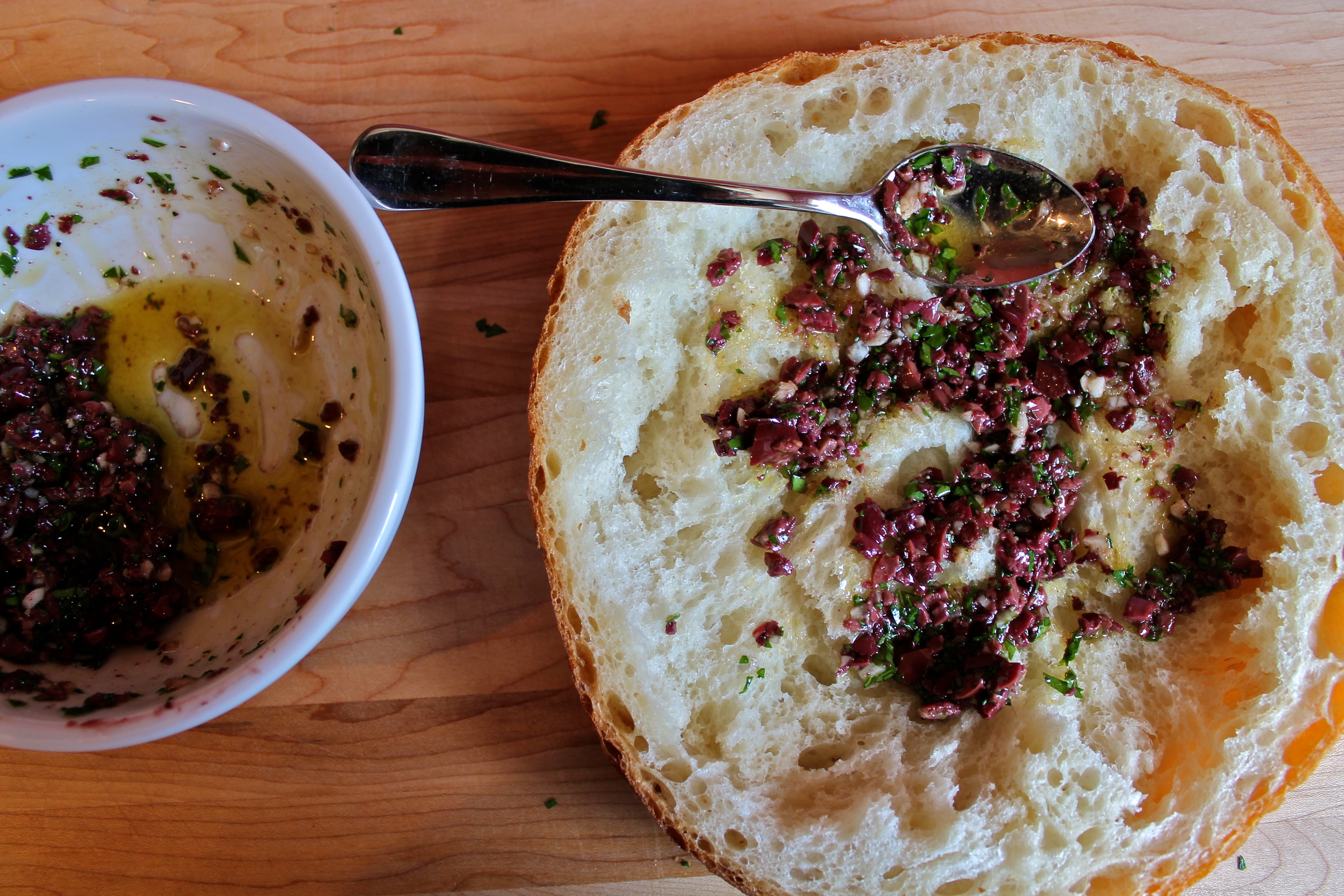
To construct sandwich, cut the loaf of bread in half lengthwise.  Tear out half an inch to one inch of the soft middle of the bread, leaving the bottom of the loaf shallower an the top (leaving a deeper space in the top of the loaf allows you to pile your sandwich ingredients higher with less threat of the sandwich collapsing).  You can reserve the torn-out bread in a plastic bag and freeze it for another use (bread brumbs, romesco sauce, etc.).

Spread the insides of both the top and bottom bread halves with the olive tapenade.  On the bottom half, add a handful of greens, then layer on the turkey, the cheese, and the roasted pepper slices.  Add another handful of greens, then place the top half of the loaf (the lid) over everything.  Slice the loaf into 6 or 8 individual sandwiches, depending on how large you want your servings to be.  Wrap each sandwich tightly in plastic wrap, and allow to rest in the refrigerator for at least 1 hour (though letting everything rest longer, even overnight, produces a smoother-tasting, more flavorful sandwich).

Makes 6 or 8 individual sandwiches.  Or 4 individual sandwiches.  Or, heck, even 2 (in which case, I salute you).