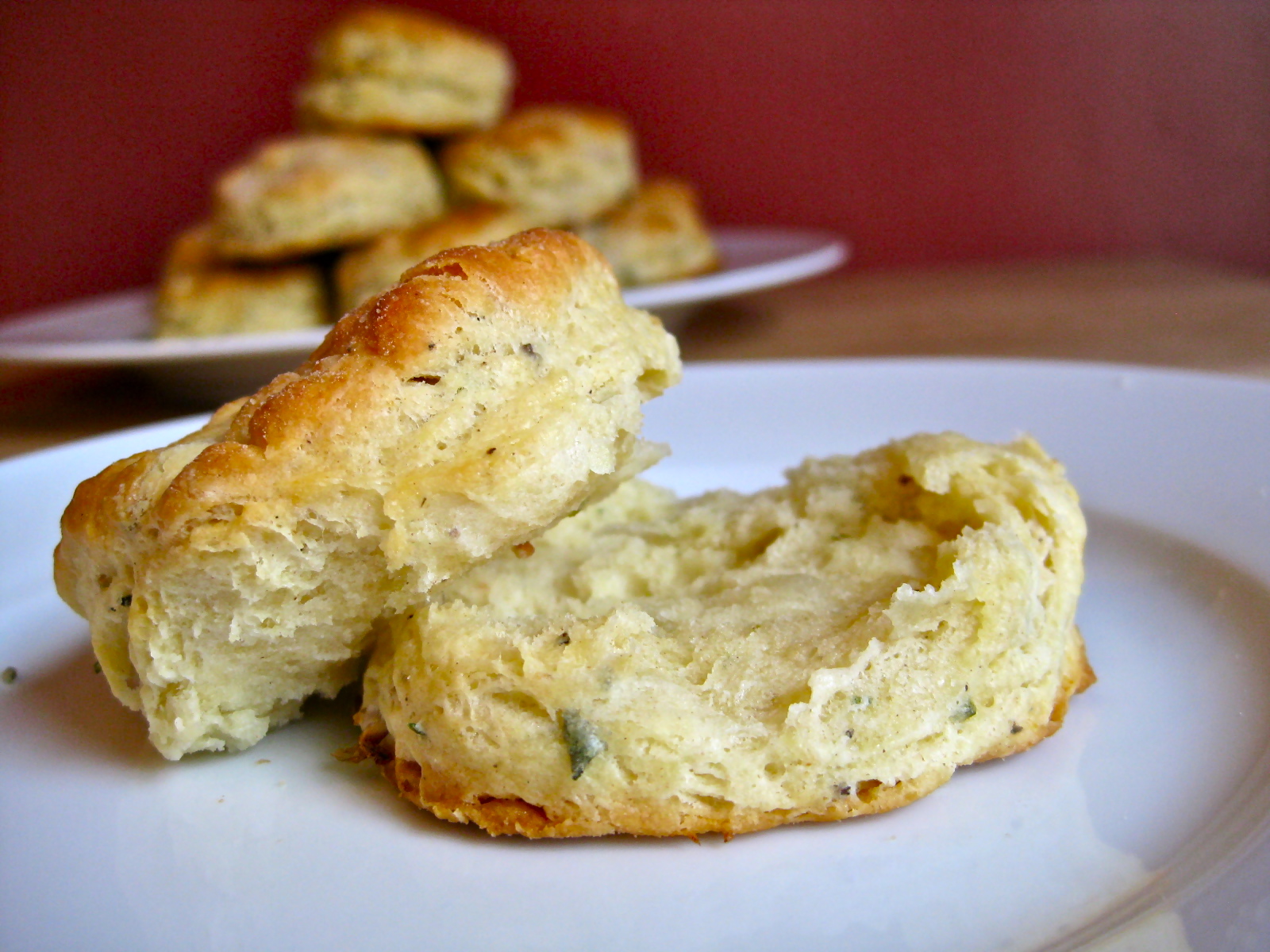
Shallot and Herb Biscuits

16 Jan

When the weather is cold, I admit to being guilty of using the kitchen stove as an additional heat source.  No, not in the super dangerous way of leaving the oven door open while I blast 400 degrees of power into the room and slowly poison myself with carbon monoxide (even typing that made me feel nervous), but in the super delicious way of throwing together a simple biscuit or muffin recipe so that I may not only boost the heat in the kitchen, but also perfume the entire house with the alluring scent of freshly baked treats.
Biscuits are some of my most favorite throw-together baked goods.  They are super fast, I always have the basic ingredients on hand, and there are few things I can think of that are more comforting than fresh, hot biscuits taken and eaten straight from the oven.  Why someone would eat biscuits from a tube, I’ll never know.  A fresh biscuit require minimal work, and when it comes to flavor?  Don’t even get me started.  You can’t even compare the two.
These biscuits are made with what I consider to be my standard biscuit recipe, amended over the years from a Beth Hensperger recipe that I have tweaked and customized over the years into something that I now consider to be almost like a base recipe, a launching pad for whatever flavor combination you might be interested in trying out in a biscuit.
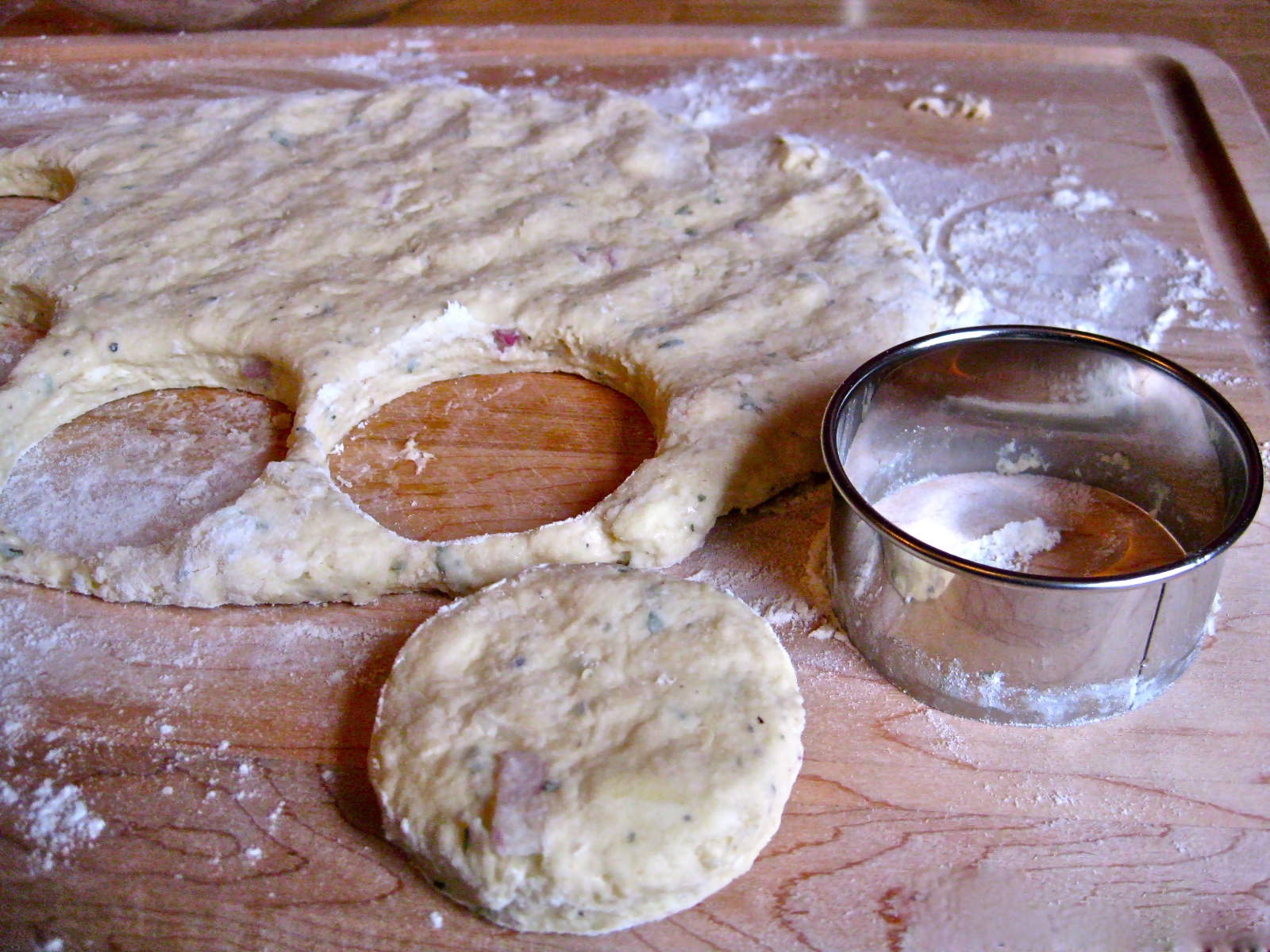
Previously, I have used this base recipe to make blueberry biscuits, a perfect snack or breakfast treat, but the last time I made biscuits, I was in the mood for something a bit more savory.  I threw in what were quite literally some leftover items sitting on a kitchen counter (half a large shallot, some stray herbs), and in just a few minutes I was pulling a pan of delicious biscuits out of the oven.  My kitchen was cozy and warm, the biscuits flaky and satisfying.  Who needs to turn up the thermostat when you’ve got fresh biscuits?
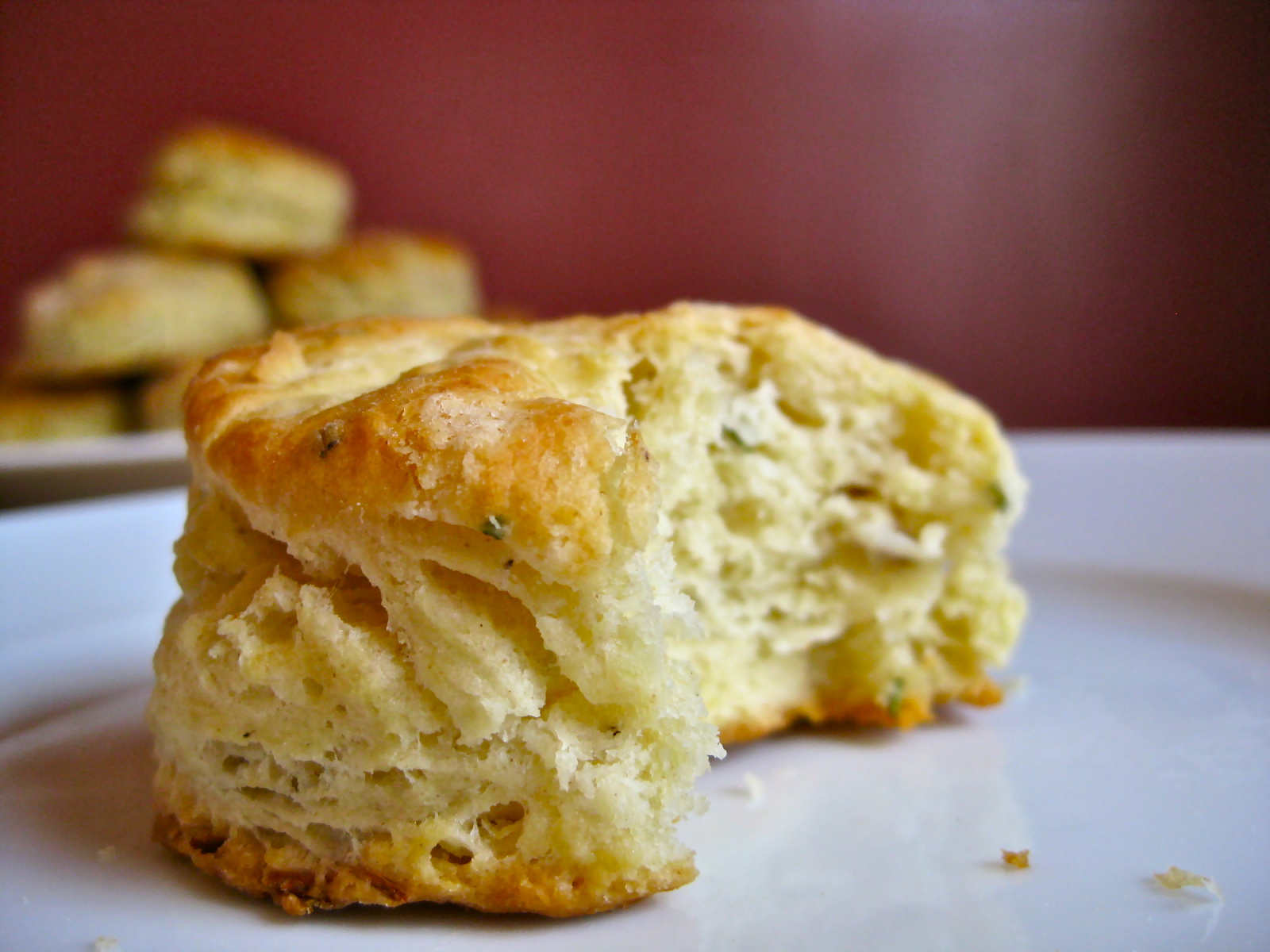
Shallot and Herb Biscuits

Adapted from The Bread Bible, by Beth Hensperger

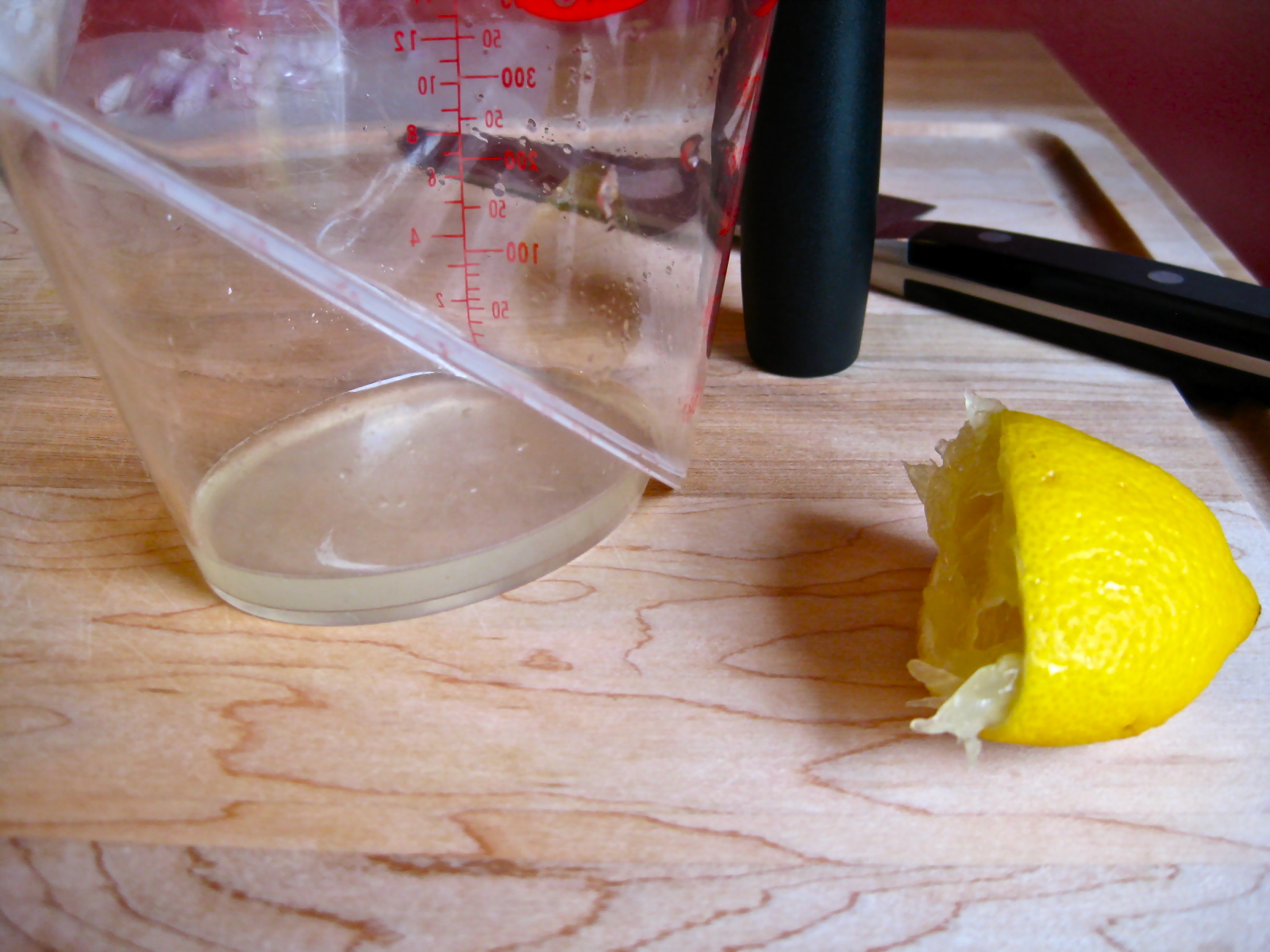
Because I rarely have buttermilk on hand, I have taken to almost exclusively using sour milk in any recipe that calls for buttermilk.  To make sour milk, just add 1 heaping tablespoon of vinegar (cider vinegar or white vinegar) or lemon juice to a measuring cup, then top off with milk until you reach 1 cup.  If you need two cups of sour milk, use twice as much vinegar or lemon juice, if you need less sour milk, adjust the other way.  Allow the sour milk to stand for about 10 minutes before adding to a recipe.  This substitution works like a dream in baked goods, but  I would never use soured milk in a recipe that called for buttermilk as a main component (buttermilk ice cream, buttermilk dressing, etc.).

2 cups unbleached all-purpose flour

2 teaspoons baking powder

¼ teaspoon baking soda

¼ teaspoon salt

6 tablespoons (3/4 stick) cold unsalted butter, cut into pieces

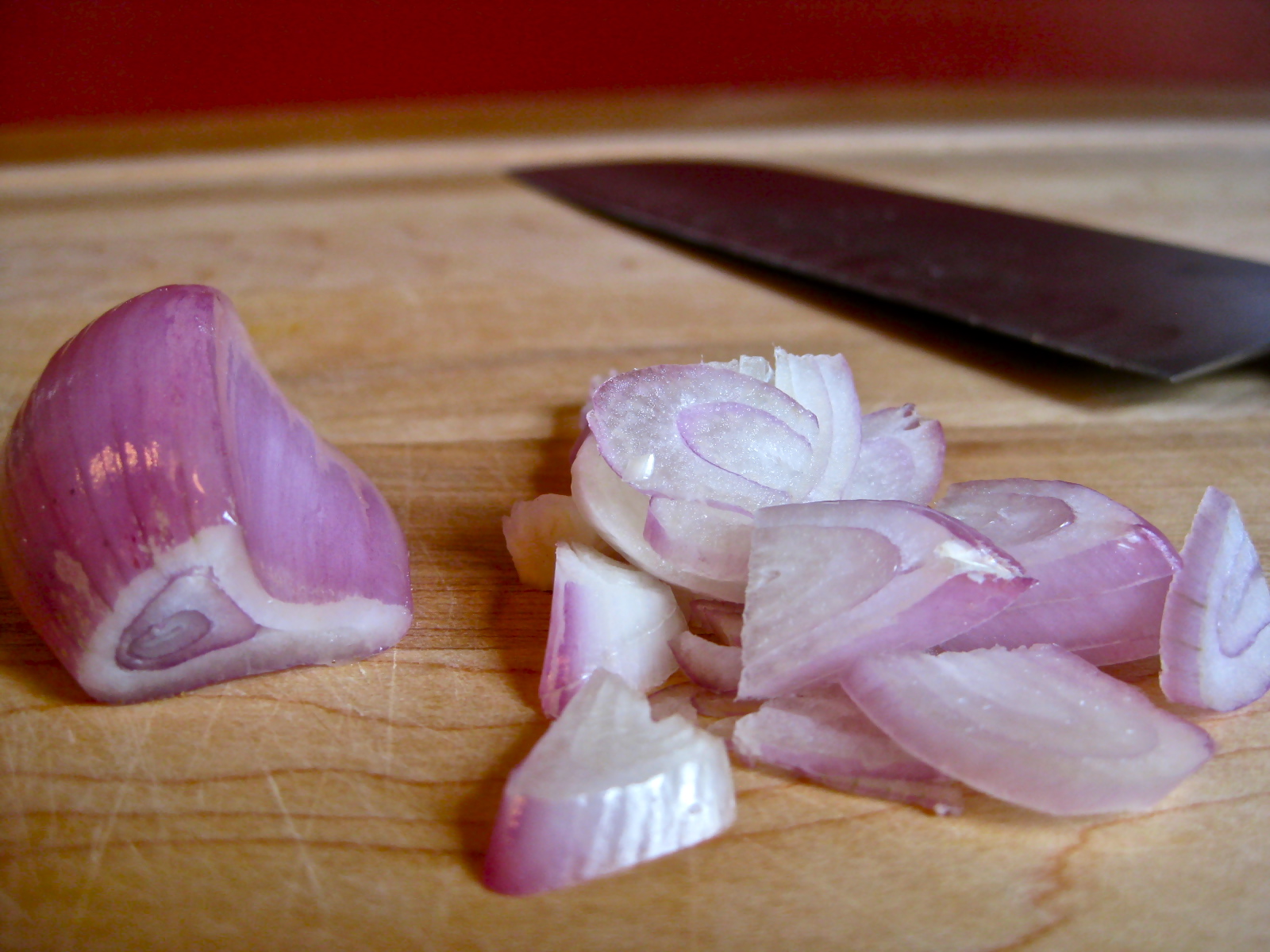
3 tablespoons finely diced shallots

1 tablespoon finely chopped fresh herbs (I used thyme and rosemary), or 1 ½ teaspoons dried herbs (thyme, rosemary, savory, or dill would all work well here)

½ teaspoon black pepper

1 large egg

¾ cup cold buttermilk or sour milk

Preheat oven to 425 degrees Fahrenheit.  Line a baking sheet with parchment paper and set aside.

Add the egg to the buttermilk or sour milk, and beat just to combine.  Set aside.

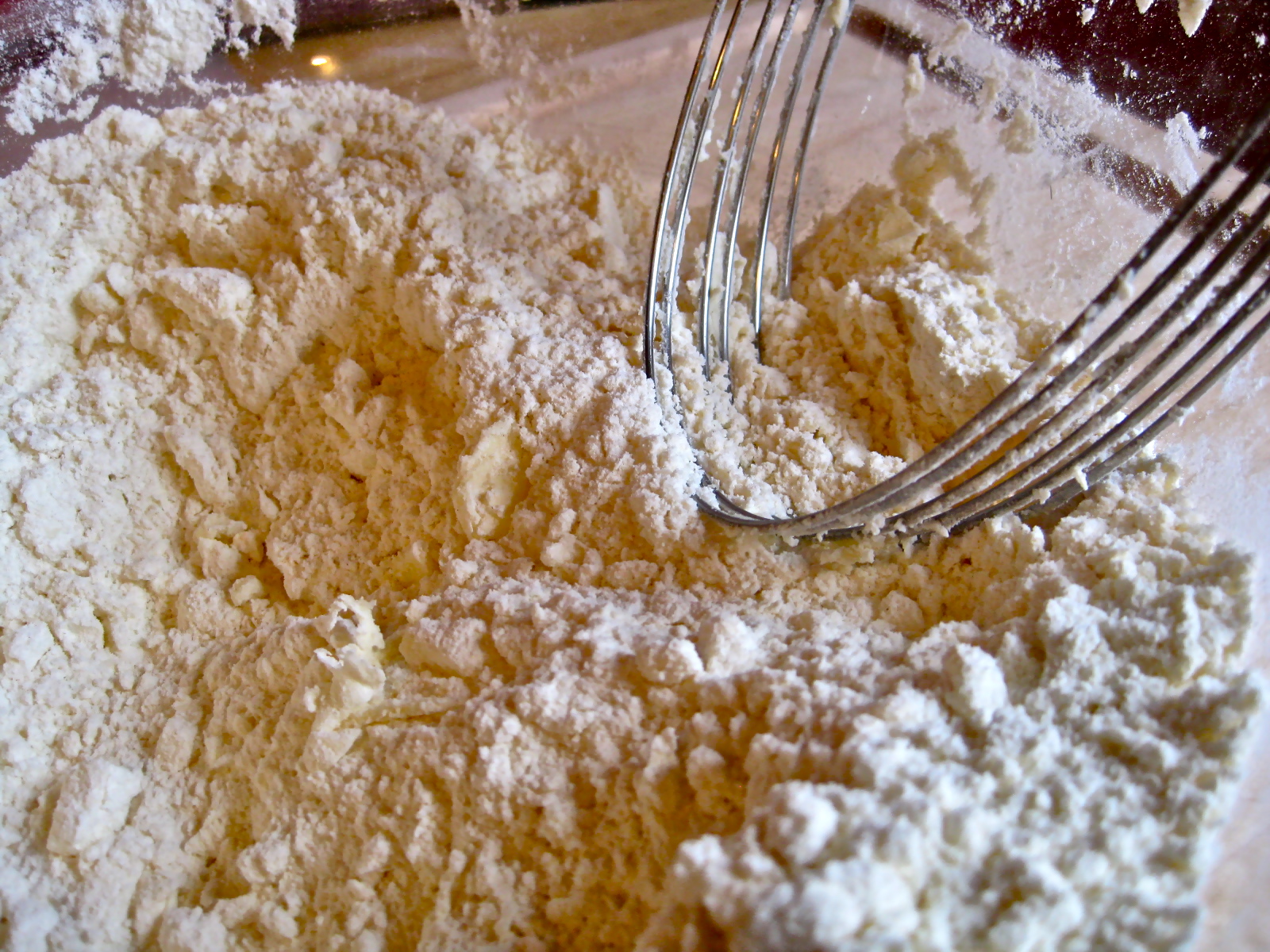
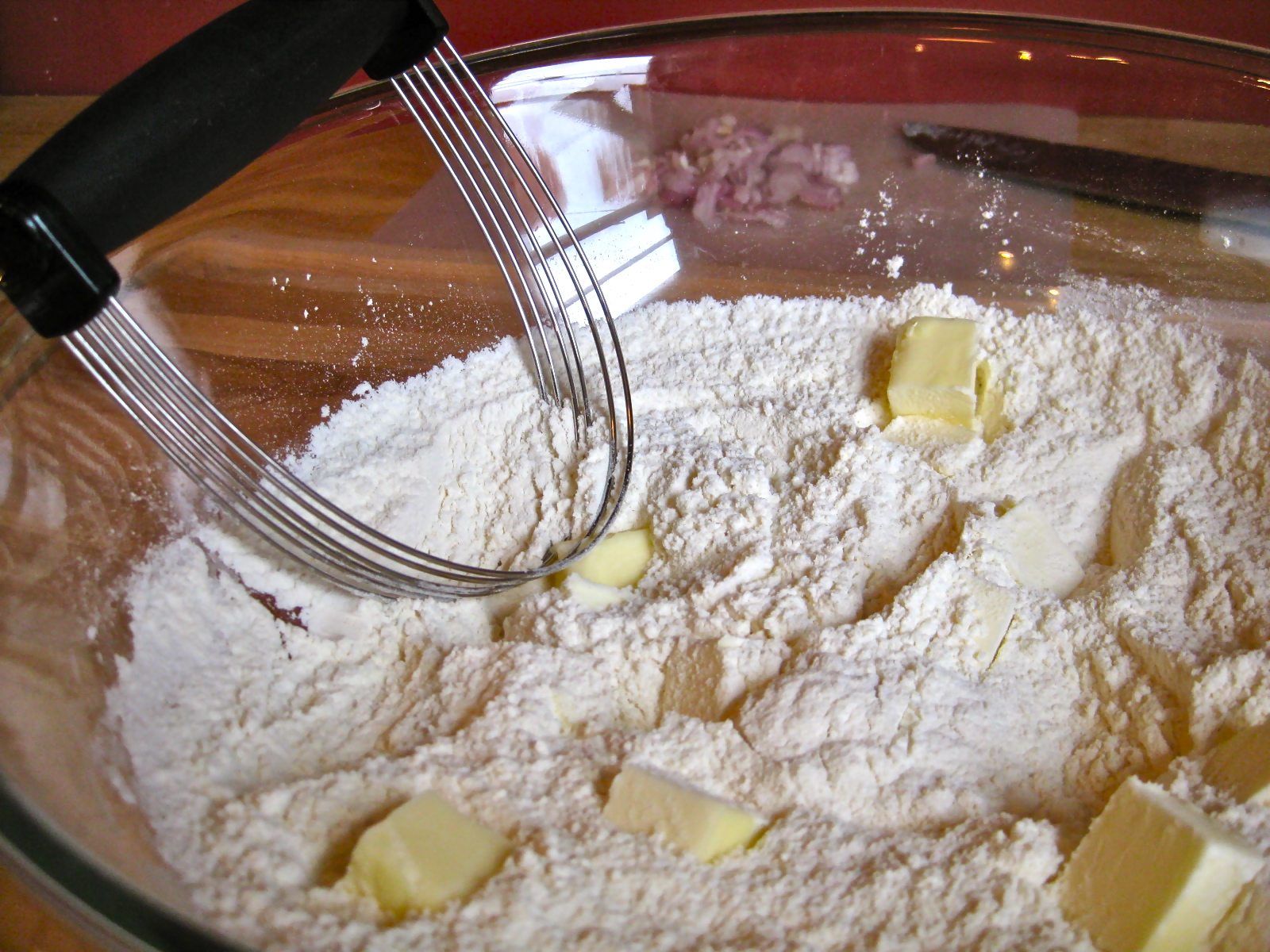
In a large bowl, whisk together the flour, baking powder, baking soda, and salt.  Add the butter to the dry ingredients.  Using a pastry blender or two knives, cut the butter into the flour mixture until the mixture resembles coarse crumbs with no large chunks remaining.  If the mixture appears too soft, refrigerate for 15 minutes to allow it to re-chill.  Whisk the shallots, herbs, and pepper into the flour and butter mixture.

Add the egg and buttermilk mixture to the flour and butter mixture, stirring just to moisten the ingredients.  The dough should appear shaggy, but not sticky.

Turn the dough out on to a well-floured surface.  Knead gently about 6 times, or until the dough just holds together.  Roll or pat the dough into a rectangle about ¾-inch thick.  Do not overwork the dough or add too much additional flour at this point, or the biscuits will become quite tough.  Cut the dough into rounds using a floured 2 ½-inch biscuit cutter (or the rim of a drinking glass that is approximately the same size).  Try to push straight down when cutting, making sure not to twist the cutter, and cut the rounds as closely together as possible to minimize scraps.  Gently roll together any scraps and cut into additional rounds.

Place the biscuits ½ inch apart on the prepared baking sheet.  Bake in the center of the oven for 15-18 minutes, or until the biscuits are golden brown.  Serve hot or warm.

Chicken Biryani

12 Jan

This is my new favorite chicken dish.  In fact, it is my new favorite dish, period.  I am not being hyperbolic in the least.  In fact, when I took a bite of this dish, the very first words that ran through my head were, “Holy —-, this is the best chicken I have ever eaten.”  (Edited for posterity.)

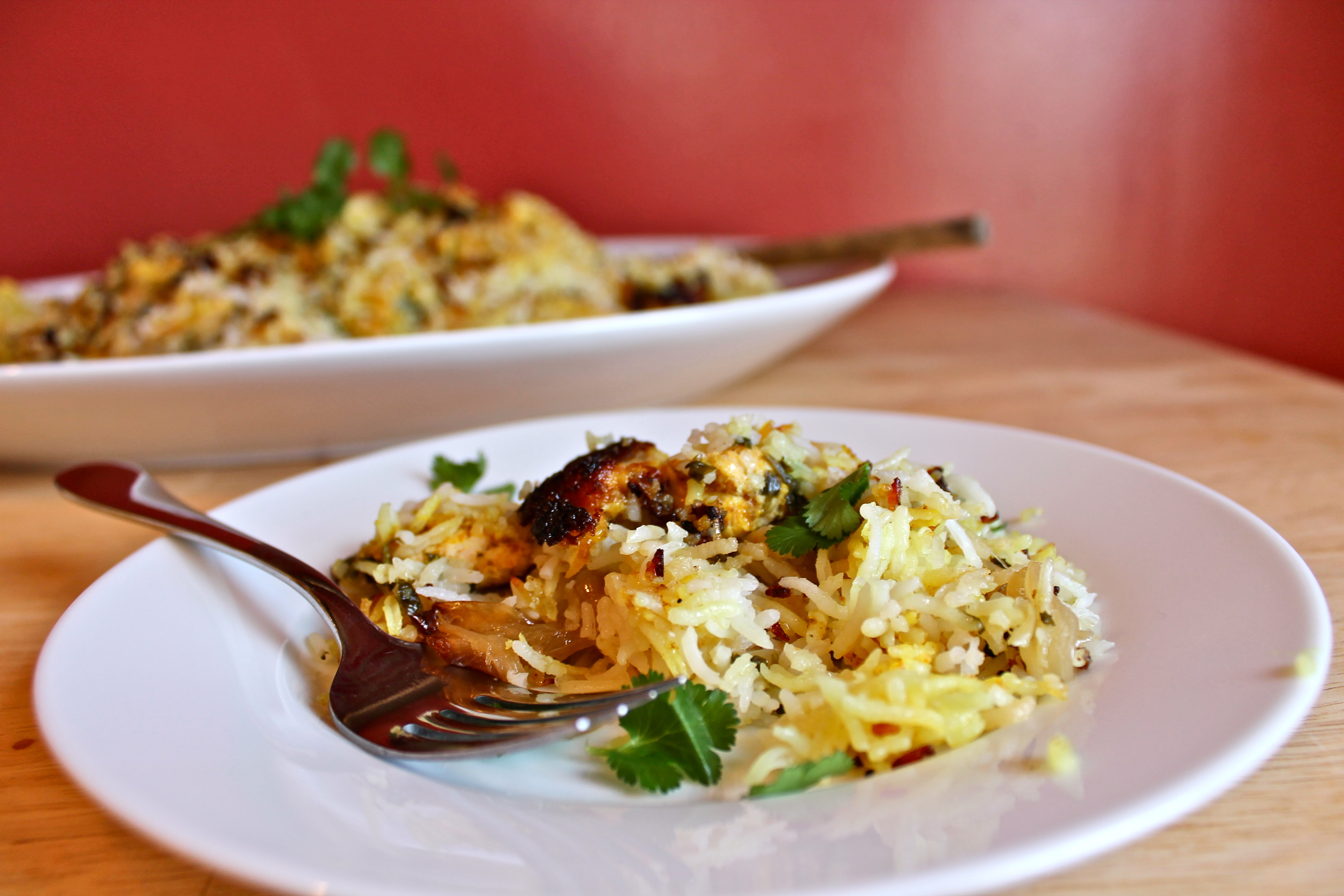
Which is odd, really, because to be quite honest, the chicken is not what makes this dish.  Sure, the chicken is cooked nicely, nestled amongst a cushion of basmati rice, softened onions, and fresh cilantro, but it’s the flavors of the marinade enveloping the chicken that really permeate this dish and make it shine.  The spices, seemingly simple, are subtle, but with a great build.  The first bite is pretty astonishing, but as you eat, each bite seems to take on a different characteristic.  Some bites are packed with the sweet and mellow taste of slow cooked onion, while other bites are flecked with cinnamon and coriander.  Occasionally I happened upon a strangely spicy bite, an unexpected, yet pleasant, surprise in a dish that is relatively mild on the spiciness scale.

And that’s one of the things that makes this recipe so mysteriously satisfying.  There is no abundance of spicy sauce.  There is no interplay between sour and spicy to test the agility of your taste buds.  It doesn’t taste predominantly of chicken, but it doesn’t taste mainly of rice, either.  Everything just sort of works together, tasting comforting and warm, well rounded, but also delicate.  Does it seem odd that I am speaking of a chicken dish as though it were a fine glass of wine?

I hate to make so many grand statements at once, but I really do think that this recipe is darn near close to perfect.  Even the casual side notes from the recipe’s authors are indispensible.  Taking their cue, I paid special attention to the layer of crisped rice and chicken that had formed on the bottom of the pot during the long baking time.  Though the recipe recommended that this layer of deeply browned bits be scraped from the pot and laid on top of the turned-out rice, I instead took the instinctive step of placing the browned bits directly into my mouth, a decision I highly recommend to anyone else who chooses to cook this.

All that said, I am not going to lie to you.  This is not a quick dish.  You are going to have to set aside some time to turn this baby out, but when you do, you will most certainly not regret it.  Make it a weekend affair, when you’ve got your afternoon ahead of you and you can take some time to prep the ingredients without being rushed.  Though the effort may seem to be a time challenge, I promise you that the result is nothing short of a reward.

Chicken Biryani

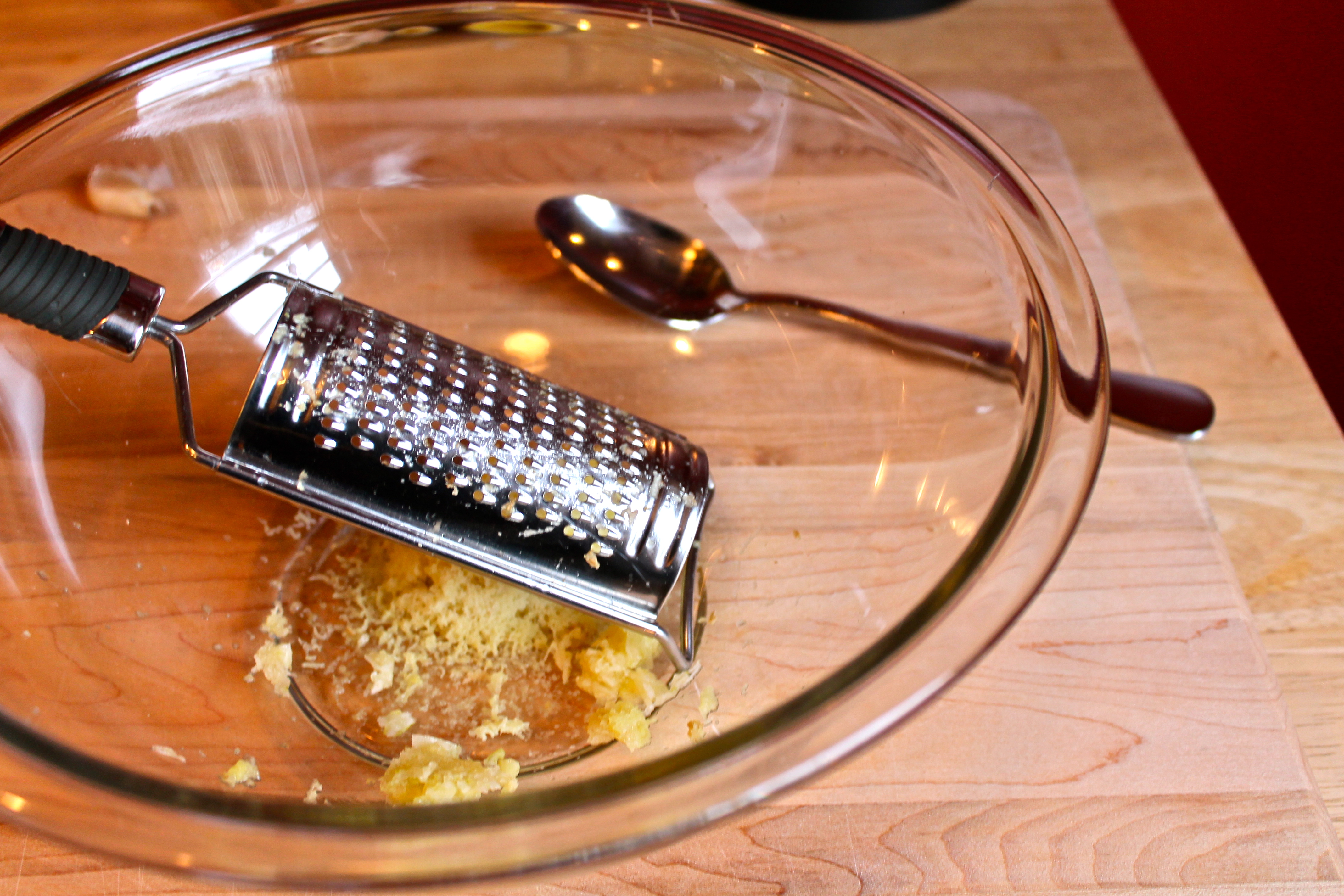
Nearly perfect as is, there are a couple of things about this recipe that I have altered only slightly.  One is the preparation of the garlic and ginger.  I find that grating both items into a bowl and then mashing them with a spoon is a far simpler and more reliable method of turning them into a paste, rather than trying to wrestle with them in a mortar and pestle.  I also decreased the amount of oil called for, as I had enough oil left over in the end that I thought it prudent to simply use less next time around.

From Mangoes and Curry Leaves, by Jeffrey Alford and Naomi Duguid

1 pound boneless chicken breasts or thighs, or a mixture

3 large cloves of garlic, grated finely (you want to end up with about 2 teaspoons total)

1 teaspoon finely grated fresh ginger

1 ½ teaspoons ground coriander

½ teaspoon cayenne

¼ teaspoon turmeric

¼ teaspoon garam masala

½ cup plain yogurt (full or reduced-fat are both fine)

2 teaspoons salt

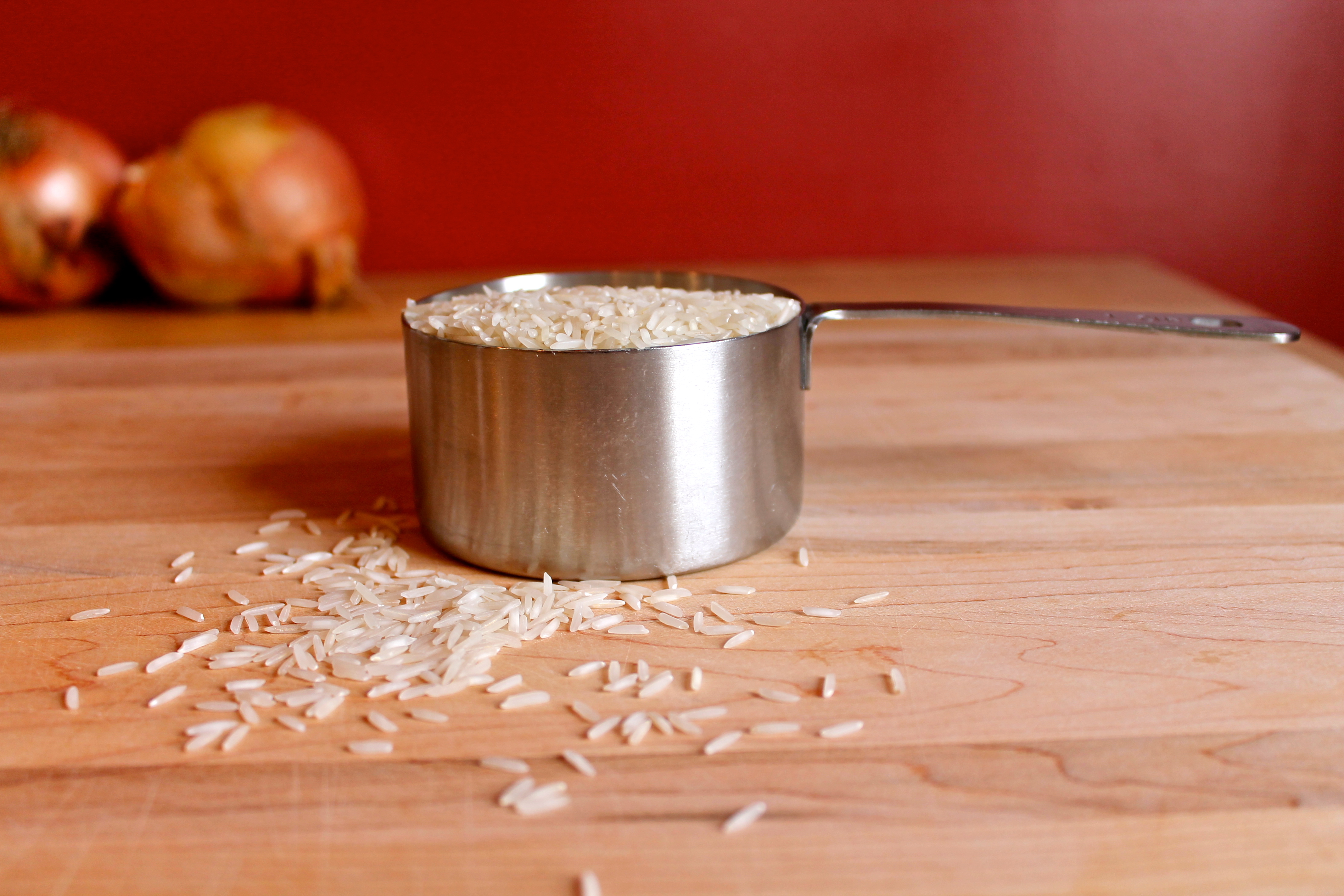
2 cups basmati rice

3 medium-large onions (about 1 pound)

½ cup vegetable oil

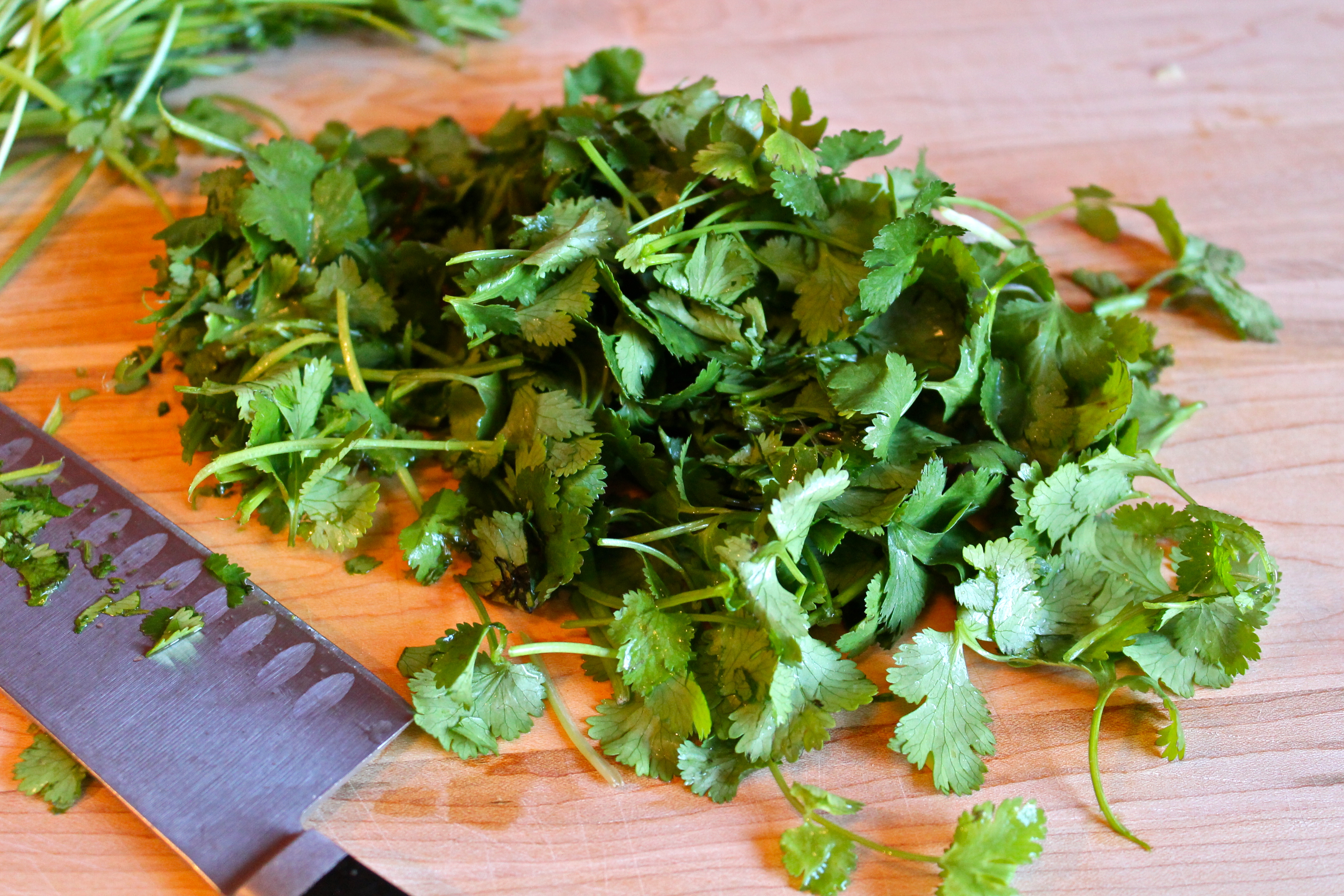
1 cup minced cilantro leaves

2 tablespoons of water

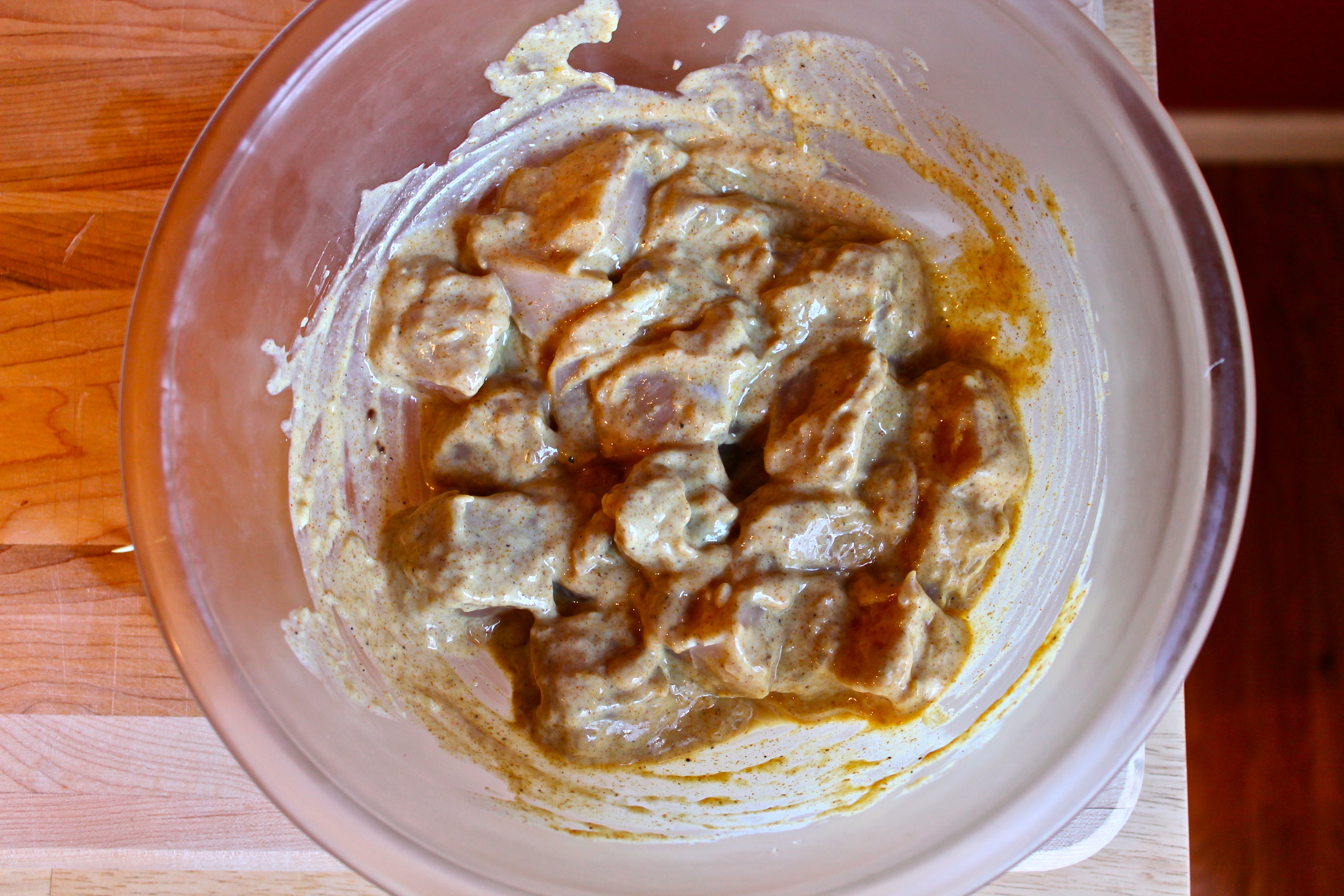
Rinse the chicken, then chop into 1-inch cubes.  In a large bowl, combine the grated garlic and ginger, then mash together using the back of a spoon.  Add the chicken cubes to the bowl with the garlic and ginger.  Add the coriander, cayenne, turmeric, garam masala, yogurt, and 1 teaspoon of the salt.  Stir to mix until everything is combined, then cover with plastic wrap and allow to marinate in the refrigerator for 2 to 4 hours.

While the chicken is marinating, rinse the rice in several changes of cold water.  Place in a bowl, cover with water, and allow to soak for about half an hour.

About 1 ½ hours before you want to serve the dish, place a rack in the center of the oven and preheat to 375 degrees Fahrenheit.

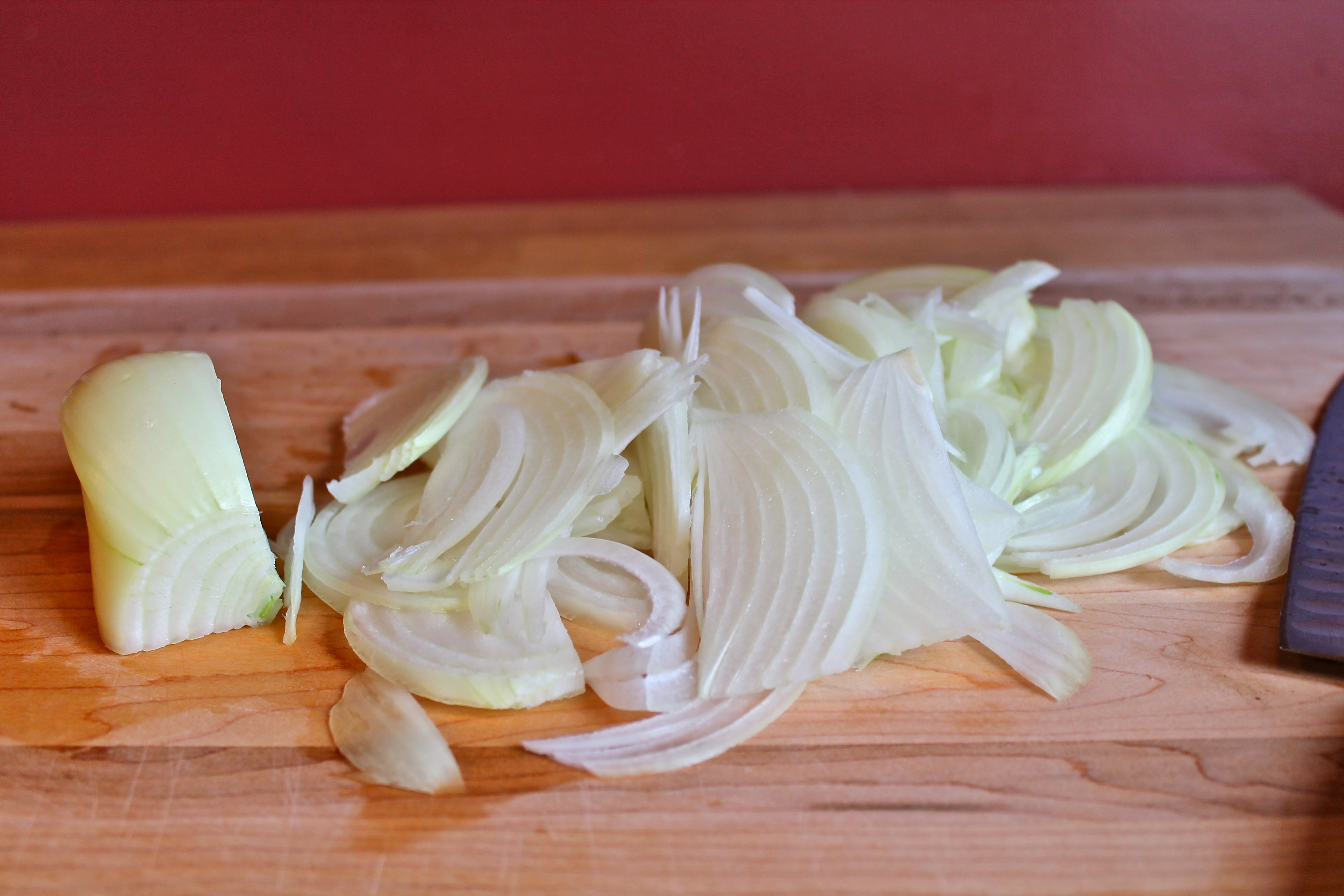
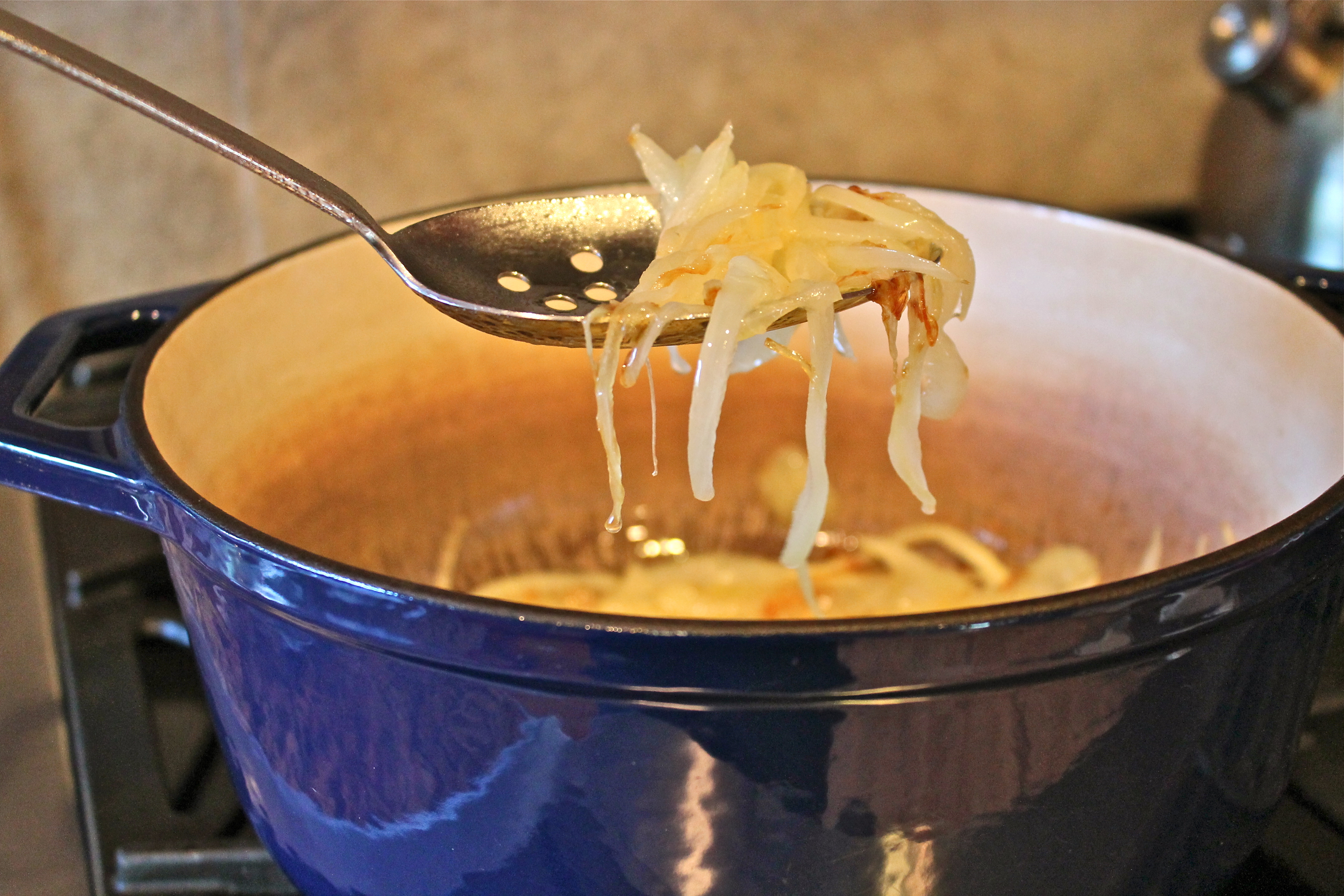
Slice the onions as fine as possible.  You will want about 3 cups of sliced onions.  Place a large heavy ovenproof pot with a tight-fitting lid over medium-high heat.  Add the oil and, when it is hot, add the onions.  Lower the heat to medium.  Cook until the onions are very soft, wilted, and just touched with golden brown (I love the way that is phrased), 12 to 15 minutes.  Lift the onions out of the hot oil and set aside.  There should be a little over ¼ cup of oil left in the pot.  Remove 2 tablespoons of oil from the pot and set aside for later.

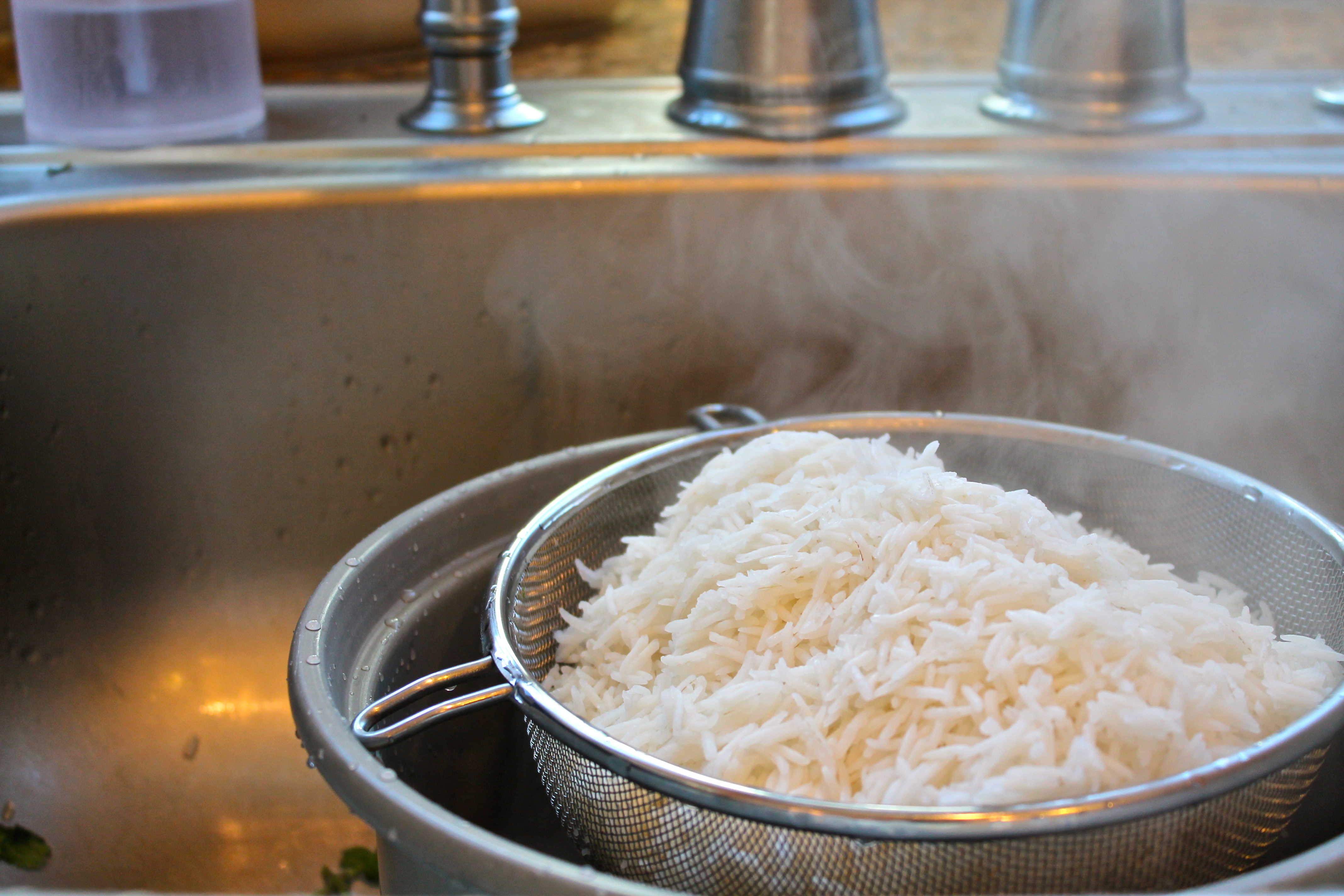
When the onions are cooking, precook the soaked rice.  Place about 8 cups of water in a large pot and bring to a boil.  Add the remaining 1 teaspoon of salt, and allow the water to come back up to a boil.  Sprinkle in the rice.  Allow rice to boil for 4 to 6 minutes, or until the rice is no longer brittle but still firm to the bite.  Drain in a colander and set aside.

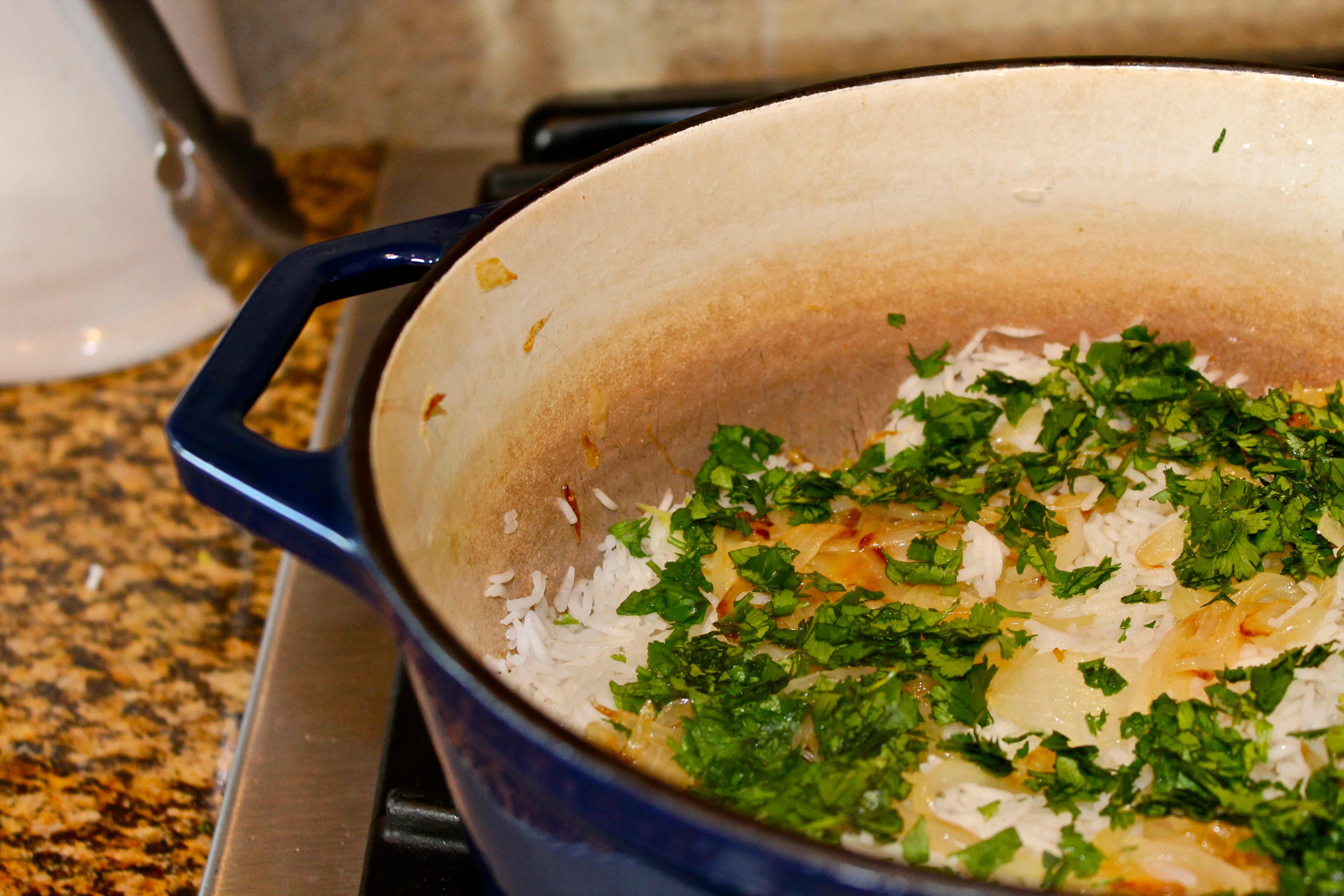
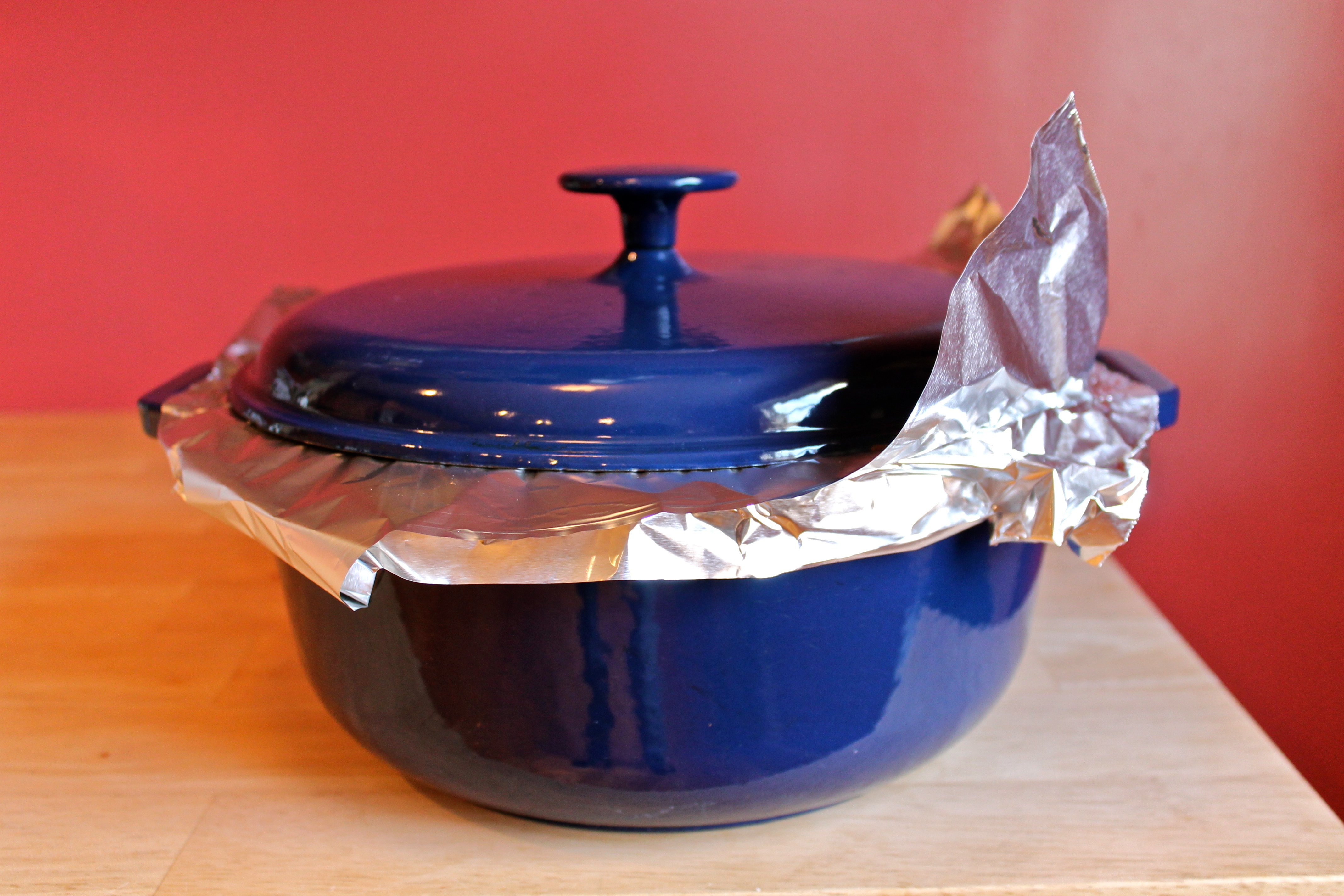
Place the heavy pot containing the oil over medium-high heat.  Distribute half of the chicken pieces over the bottom of the pot, then sprinkle on half the precooked rice.  Scatter half the cooked onions over the top, then sprinkle on half of the cilantro leaves.  Repeat with the remaining chicken, rice, onion, and cilantro.  Sprinkle on about 2 tablespoons of water, and drizzle on the reserved 2 tablespoons of oil.  Lay a sheet of aluminum foil over the top of the pot to cover it completely, then top with the lid.

Transfer the pot to the oven and bake for 1 hour.

Carefully remove the lid and the aluminum foil (the pot will emit a great deal of steam, so stand back and be careful to steer clear of the hot cloud).  Remove the biryani to a platter.  Scrape out the crusty layer of chicken and rice from the bottom of the pot, and lay it on top of the biryani.  Serve hot or warm.

Serves 6

Cod and Leek Chowder

9 Jan

Last year, my son took up an interest in soup.  It was a sudden conversion, as previously, the mere mention of soup would instill a look of panic in my son’s eyes as he shook his head and whispered, “I don’t like it.”  Mention to him that he had not yet eaten soup before, ever, in his entire life, and the battle would come to a standstill.  In fact, my son would just leave the room at that point, leaving whoever was trying to foist soup upon him (most likely me) alone and slightly bewildered.

But then, for reasons that remain a mystery, my son requested that we make chicken soup.  Repeated queries followed, designed to make sure that what he thought was soup was, in fact, actually soup (he was four at the time, so one never knows), and then one day, armed with a chicken and a copy of Joy of Cooking, my husband and son made some chicken soup.  And then the doors opened, soup flowing every which way.  My son became obsessed with chicken soup.  When you asked him what he wanted for dinner, he would yell enthusiastically, “CHICKEN SOUP!”  When he got excited about something, he would inexplicably jump up and down and say, “Chicken soup!”  If he made his stuffed animals talk to one another, the conversion would go something like this, “Uh, do you like chicken soup?”  “Chicken soup!”  “Yay!  Chicken soup!”

So, yeah.  It got a little weird.  I don’t know if it was because of the Great Chicken Soup Situation of 2011, but after a few months of hearing about chicken soup all day every day, I sort of started to loathe soup.  Much like the well thought out entries on Lake Superior State University’s List of Words Banished from the Queen’s English for Misuse, Overuse, and General Uselessness the word soup had entered a place far out of my favor.

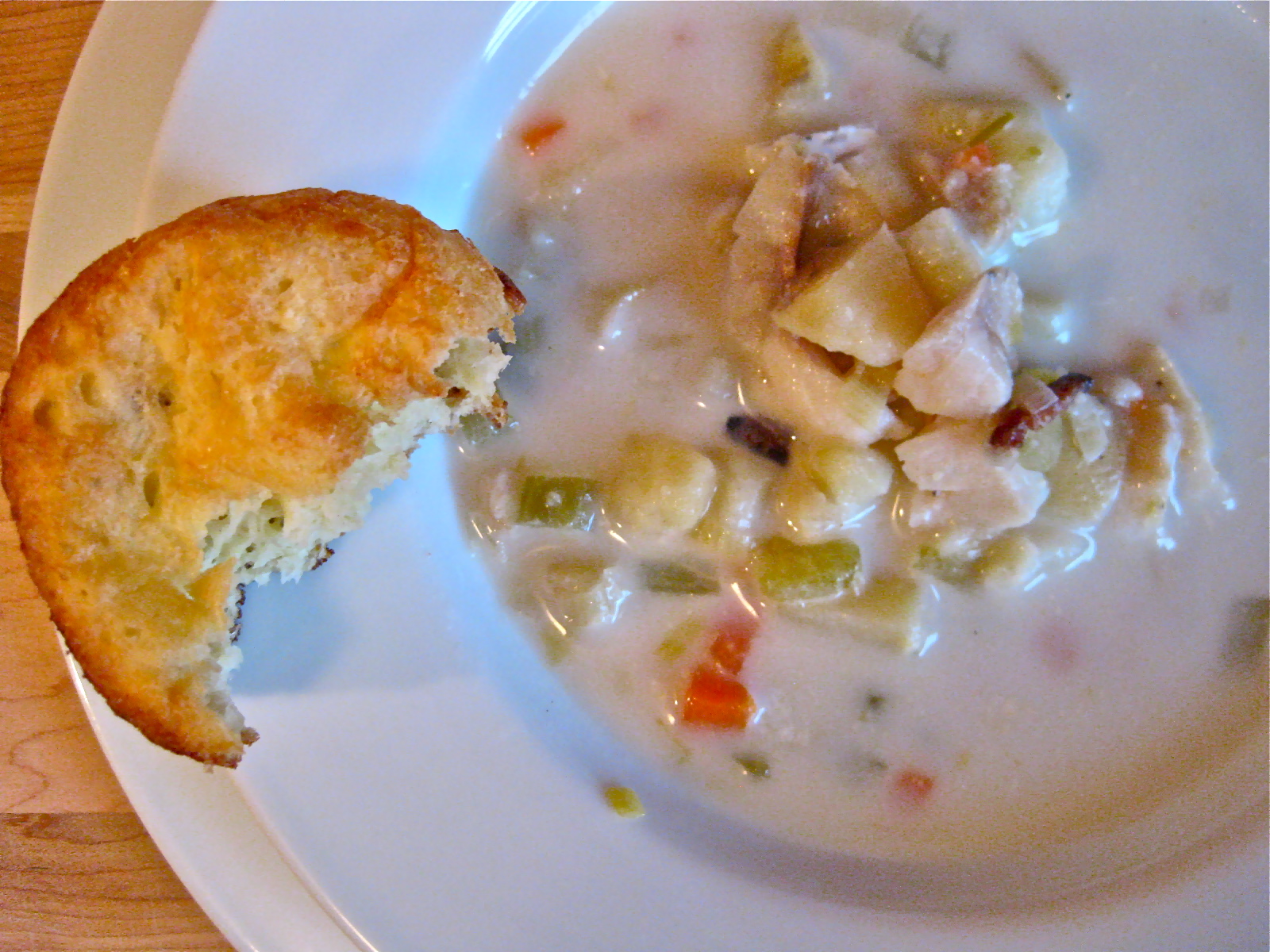
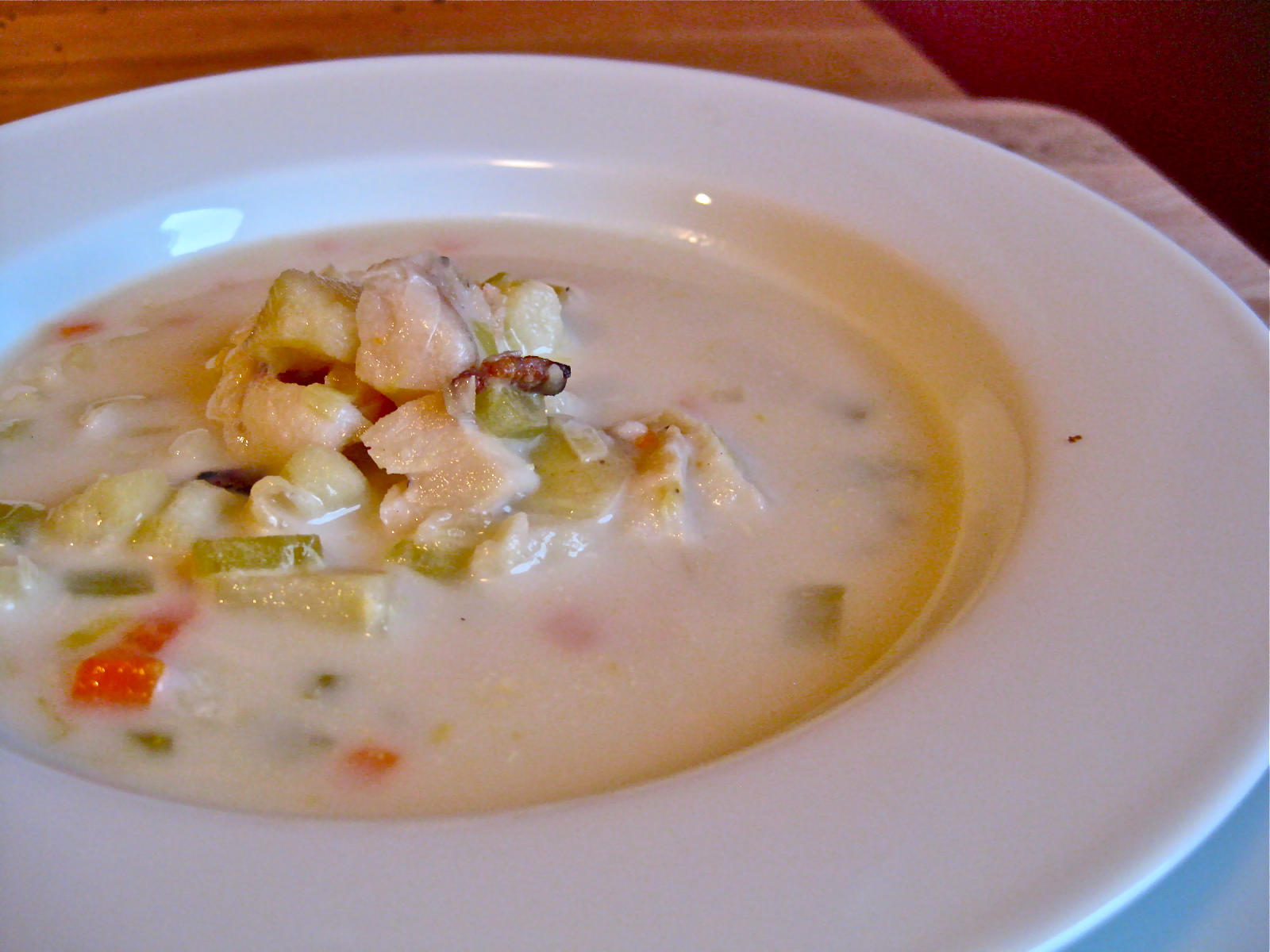
Leave it to the cold of winter, however, to give a person a change of heart.  Deeply entrenched in the soggy, dark months of the season, it soon became clear that soup was once again going to have to make an appearance on our table.  Steaming hot, slowly simmered, and studded with chunks of flaky fish and soft potatoes, this chowder was a welcome return to the world of soup.  It no doubt helped that I made this soup with cod, my son’s favorite fish, but after my son’s first few bites, he looked at me and said, mouth full of potato, “Mama, this is delicious.”  This is, I suppose, the difference between age four and age five.  Where four gives you a loud and manic parade that pops up without warning at every hour of the day, five gives you a mellow nod of recognition, like Farmer Hoggett praising Babe with perfectly toned affirmation.

Cod and Leek Chowder

I am not a big believer in adding copious amounts of cream and butter to all chowders.  Most of the time, I think the heaviness of the cream masks the taste of everything else in the soup, muddling what should be an otherwise nice experience.  This chowder, while plenty hearty, errs on the side of light when it comes to excessive fat.  Don’t stone me, but I don’t even use real bacon when I make it—I use turkey bacon, and it tastes wonderful, smoky, and delicious.

1 piece of bacon, finely chopped (pork or turkey are both fine)

3 tablespoons unsalted butter

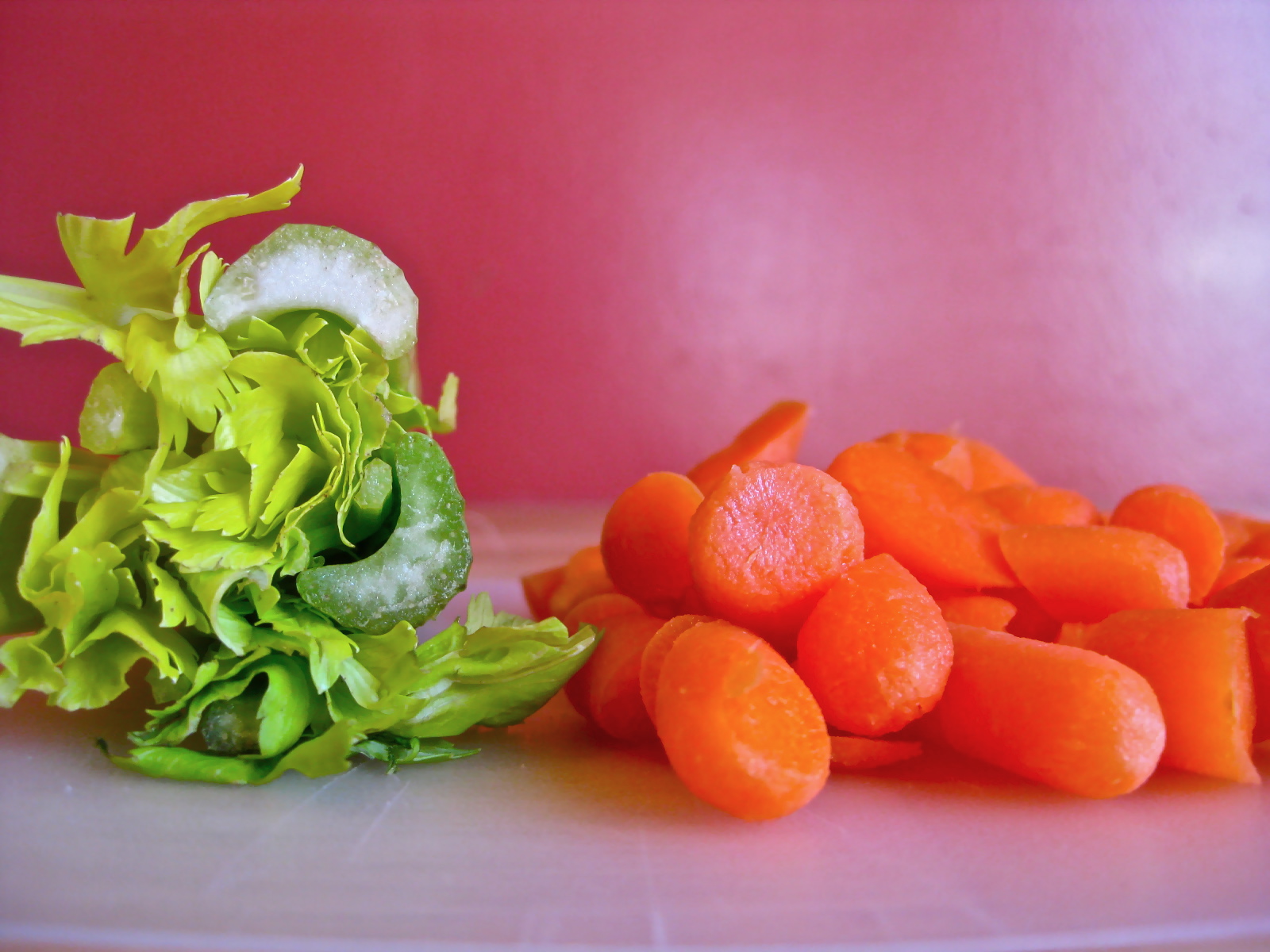
2 large carrots, peeled and coarsely chopped

2 large celery sticks, peeled of any tough strings and coarsely chopped

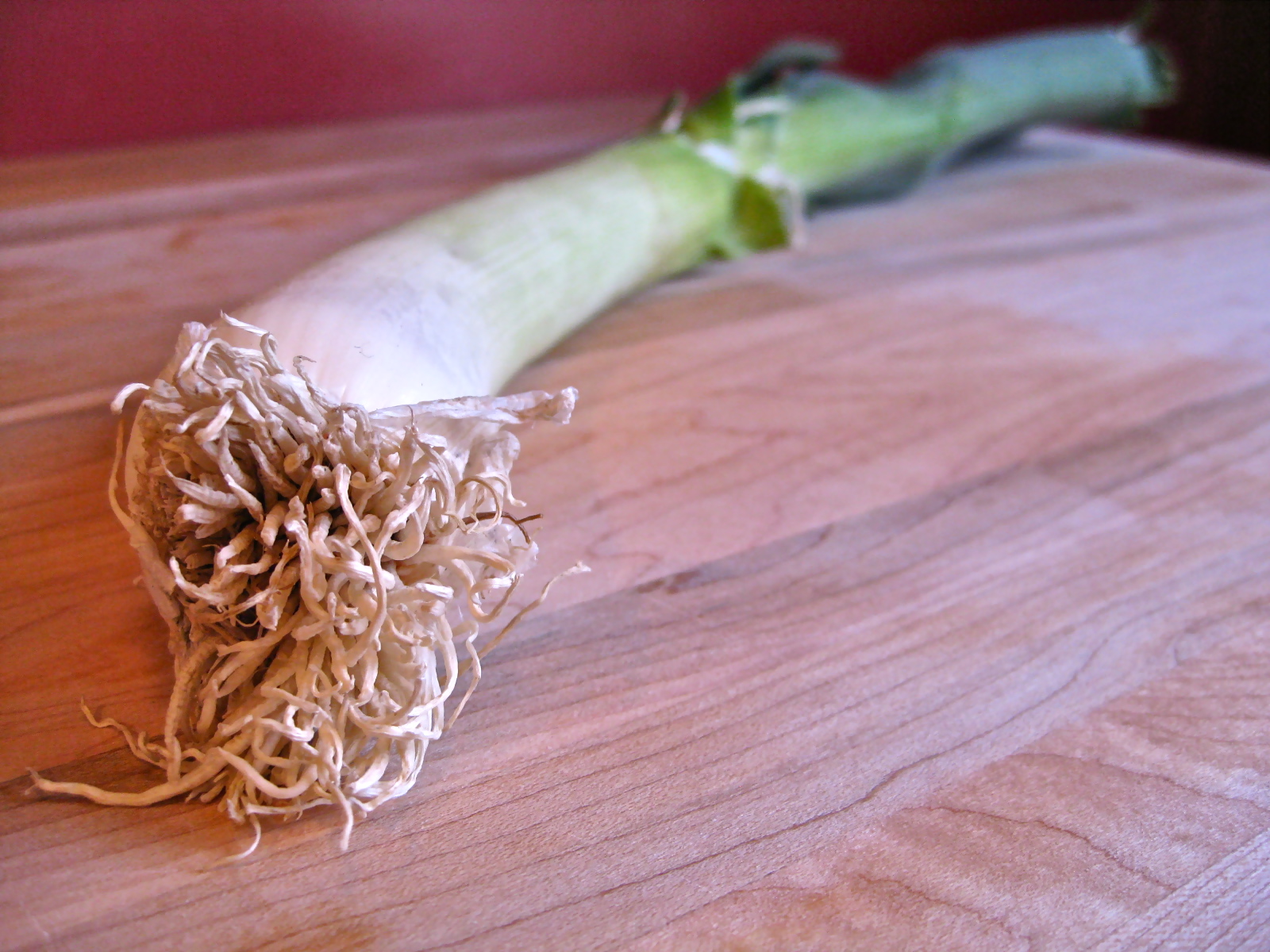
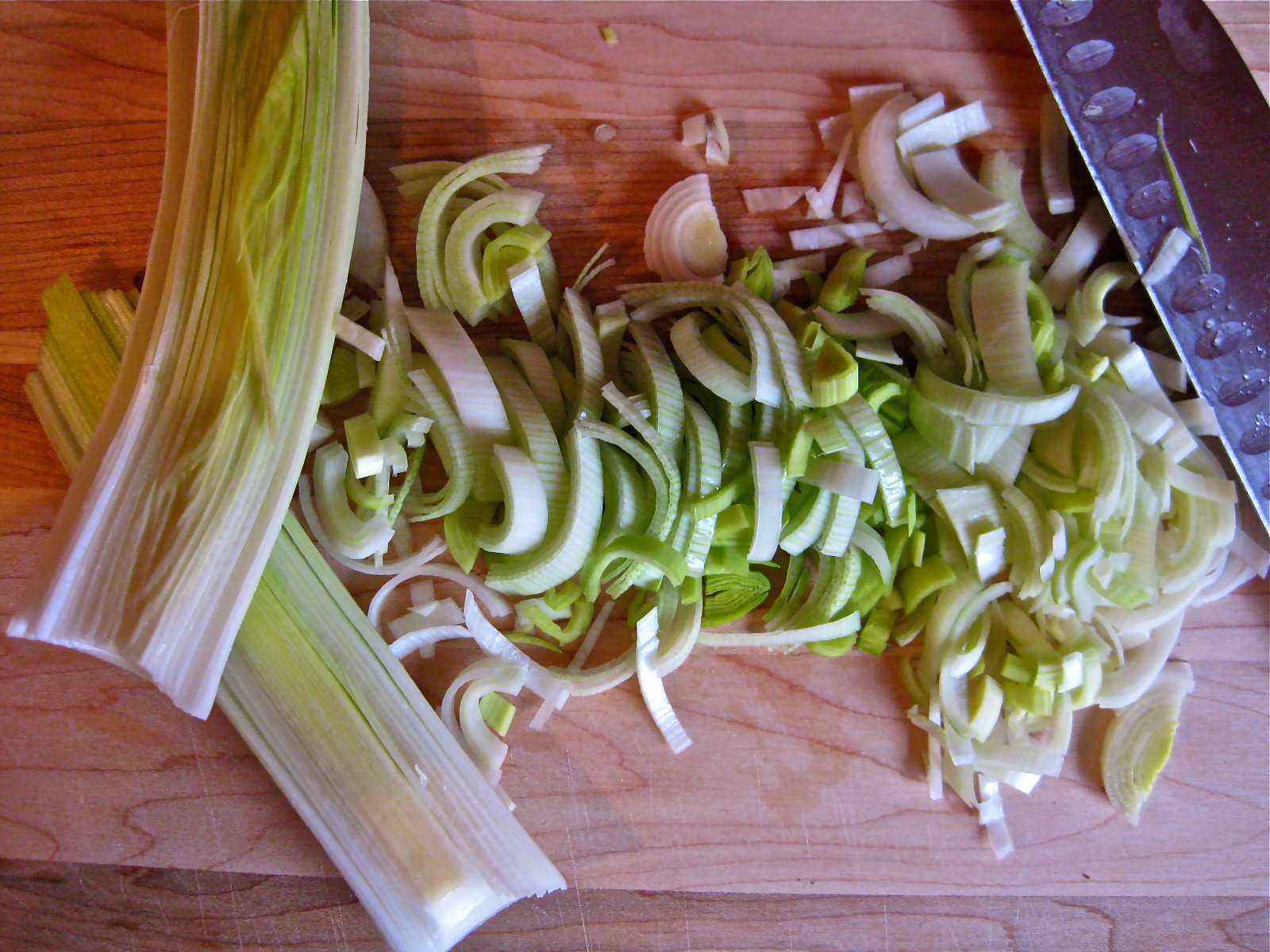
1 large leek, green part removed and white part chopped in a ¼-inch dice

1 pound Yukon gold potatoes, scrubbed and chopped into ½-inch cubes

2 quarts water

1 bay leaf

salt and pepper

2 cups milk

¼ cup heavy cream

1 pound cod fillets, chopped into 1-inch chunks

In a large stock pot or soup pot, sauté the chopped bacon over medium low heat until it is crisp.  Remove from pot and reserve to the side.  Add the butter to the pot, and allow to melt.  Add carrots, celery, leek, and potato to melted butter, and stir to evenly coat all the vegetables.  Add the crisped bacon back into the pot and stir to combine.  Cover the pot, reduce heat to low, and simmer vegetables for 20 minutes, stirring frequently.

After 20 minutes, add water, bay leaf, and salt and pepper to taste.  Increase heat to medium high, bringing the mixture to a boil.  Stir the ingredients, reduce heat to low, then cover and simmer for 1 hour, stirring frequently.

After 1 hour, add milk and cream and stir to combine.  Add the fish and stir to combine. Over very low heat, making sure the mixture does not come to a boil, cook for an additional 10 minutes, until the fish has been gently cooked through.  Taste for seasoning, and add more salt and pepper as needed.