Green Beans with Cherry Tomatoes and Caramelized Lemon-Balsamic Onions

8 Sep

Every year it seems as though Portland teases us through most of the summer with its cold, misty mornings, overcast days, and utter lack of regard for those of us who try time and time again to coax our vegetable gardens into producing even the smallest amount of fresh rewards.  And then, come the end of August, everything seems to explode with abundance.  All at once, tomatoes are ripening, cucumbers are growing fat, and long-awaited peppers of all types are finally starting to showcase a veritable rainbow of colors.
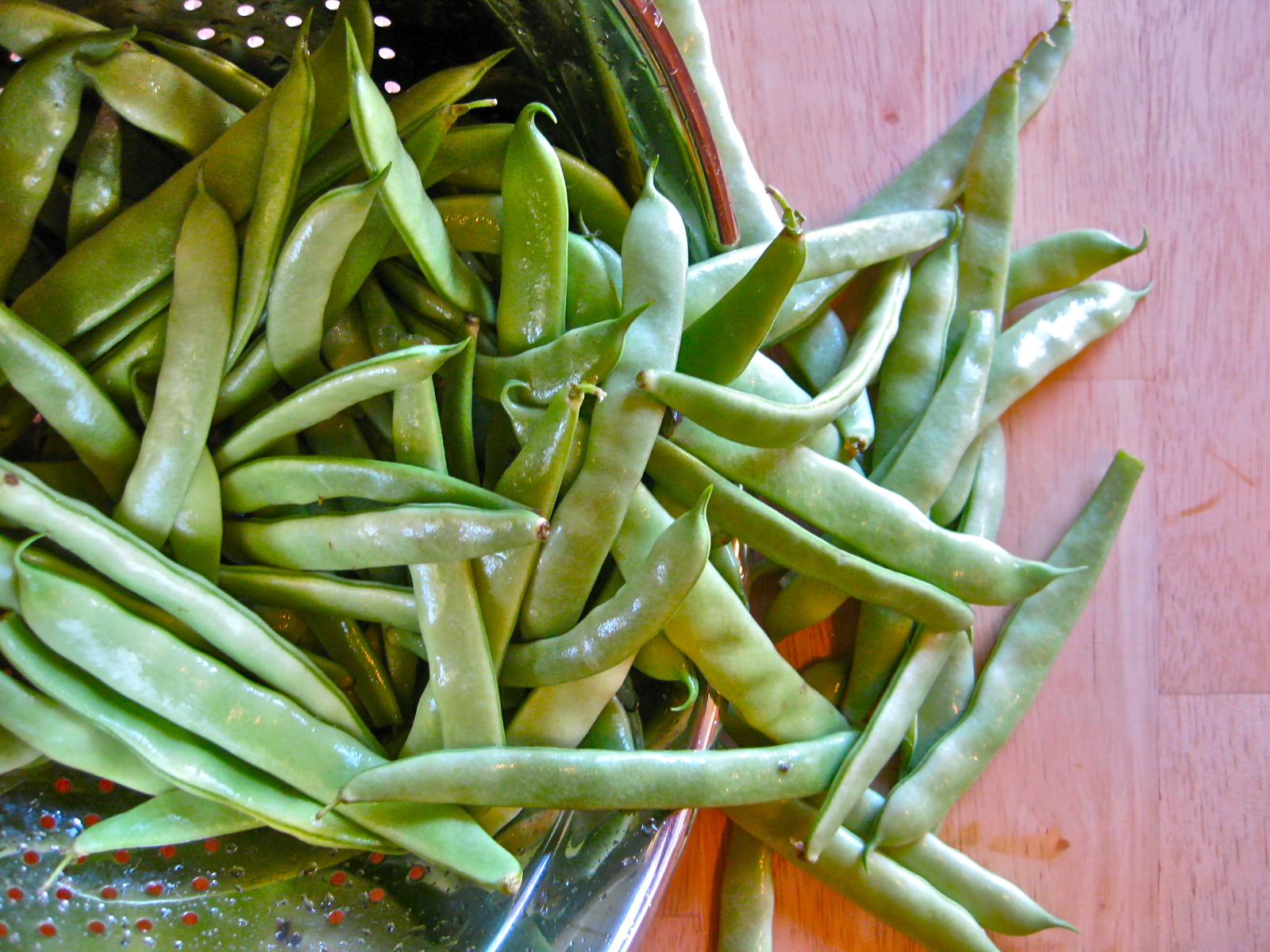
Somewhat  miraculously, the one vegetable that seems undaunted by the chill of Portland summers is green beans.  When your garden’s tomatoes are rock hard and still hiding from the cold behind their pale skins, green beans of all sorts will be waiting for you, their crispness like a friendly welcome to the growing season.  I’ve been known to snap beans right off of the vine and immediately start munching, but, when feeling a bit more refined, it’s never a chore to find ways to dress the beans up a bit.

Unfortunately, having now introduced myself to fancied up green beans with a layer of lemony-bright caramelized onions, topped with a blanket of sweet-tart cherry tomatoes, I now feel as though there will never be another way for me to eat fresh garden beans.  While I will never disparage the simple steamed green bean, it’s been a long time since I have found myself so enamored with a green bean dish that I want to make it—and eat it in its entirely—every single day.  This combination of richly caramelized onions and crisp beans has become my most beloved summer side dish, the dish I want to bring to potlucks, make for a family dinner, or just eat straight from the platter while standing in the kitchen.  It’s summery and satisfying, and it makes me think that next year, when the sun is still hibernating and the garden sitting in waiting, I might have to set aside a large plot of yard space for beans to help me make it through the chilly beginnings of another Pacific Northwest summer.

Green Beans with Cherry Tomatoes and Caramelized Lemon-Balsamic Onions

1 ½ pounds green beans, both ends trimmed and any tough strings removed

1 pound onions (I used 1 very large sweet onion)

2 tablespoons olive oil

1 tablespoon balsamic vinegar

1 generous tablespoon lemon zest

8 ounces cherry or grape tomatoes

salt and pepper

Bring a large pot of salted water to boil.  Boil beans until bright green and crisp-tender, anywhere from 3-5 minutes, depending on the size of your beans (larger beans will need to cook longer, and smaller, skinnier beans will need less time).  Drain the beans and immediately plunge into an ice water bath (this will stop the beans from cooking any further, and also help them retain their bright green color).  When the beans have cooled, drain and set aside.

Cut onions in half from end to end, then slice into thin ribs.  In a large pan, heat olive oil over medium-low heat.  Add the onions to the pan, throw on a pinch of salt, and slowly cook onions, stirring occasionally, until they turn golden, about 20 minutes.  Turn heat down to low, add balsamic vinegar, stir to combine, and cook an additional 5 minutes.  Remove from heat and add lemon zest.  Add salt and pepper to taste, and stir to combine.

Slice each cherry or grape tomato in half.  Arrange cooked beans on a large platter, and top with caramelized onions.  Sprinkle tomato halves over the onions and beans.

Seared Tuna Steaks with Salsa Verde

5 Sep

Sometimes it takes me a while to come around to certain foods.  For years I could not understand the logic behind combining sweet and savory foods, and then one day I ate a salad packed with huge chunks of watermelon tossed with deliciously salty squares of feta cheese and, oh, my lord, life had never been better.

Meats, however, are still a tough sell for me.  I’ve mentioned this before, but I just can’t get behind most meats, and, if I do decide to go near them, I am frequently struck with the terrible notion to instruct whoever is serving me said meat to just burn it, char it—do whatever is needed to make it seem less meaty and tendon-filled.  But then I’ll virtually inhale a plate of sushi and not flinch, which, I know, does not make any sense at all.

But to me, it sort of does.  Whereas rare meat seems, to me, utterly and unmistakably meaty, fish is so much less fishy when eaten either rare or simply raw.  Thus, I have arrived at the logic that, hey, if you just barely cook your fish at all, it’s somehow less meaty and weird.  At least, that’s where I arrive when I approach the cooking of a piece of fish, and, I admit, it’s an end point I’ve reached only after years of eating dry, hardened fish that I either purposely cooked until inedible or instructed others to do for me.  Over a decade ago, in a terrible fit of fear and squeamishness, I actually begged a friend of mine—who is a professional chef, I might add—to please, please char the daylights out of a tuna steak for me, as I was not feeling up to the task of tackling a meat that was left pink and soft.  To her credit, she complied with my request, and, boy, did I ruin that meal for myself.

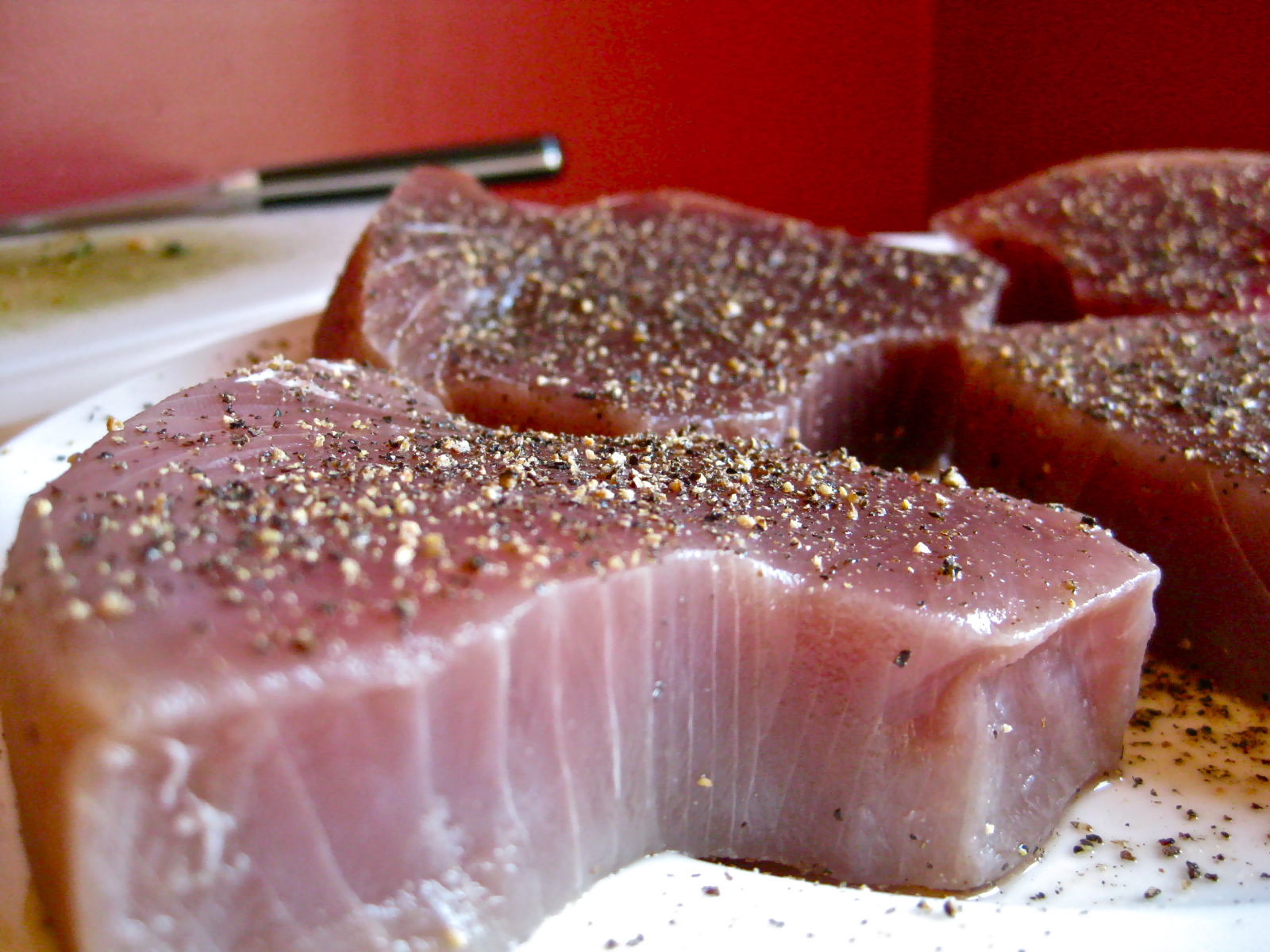
But years have passed, lessons have been learned, and now, aware of the myriad of ways I have managed to ruin countless meals for both myself and others, I have come around to the very wise notion that, when it comes to cooking fish, less is more.  Tuna steaks, in particular, can go from transcendent to terrible in just a matter of a minute or two, but when done right, the outside perfectly seared and the inside lustrous and bright, it’s tough to understand why anyone would ever want to subject their meal—and themselves—to a fate made deliberately less delicious.  Having become fully aware of this, I have now vowed to conquer a medium-rare steak. (Confession: I am not actually going to do that.)

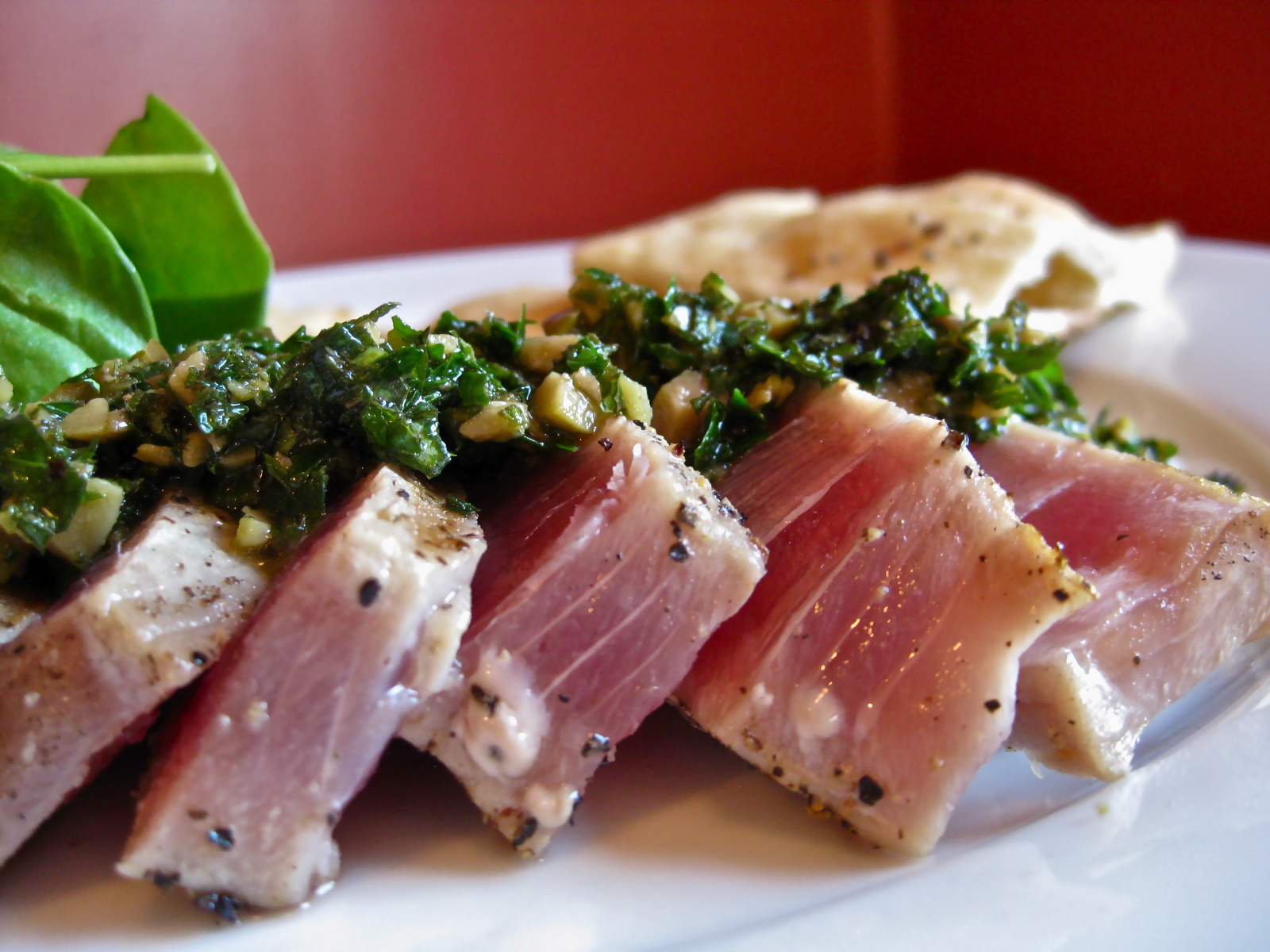
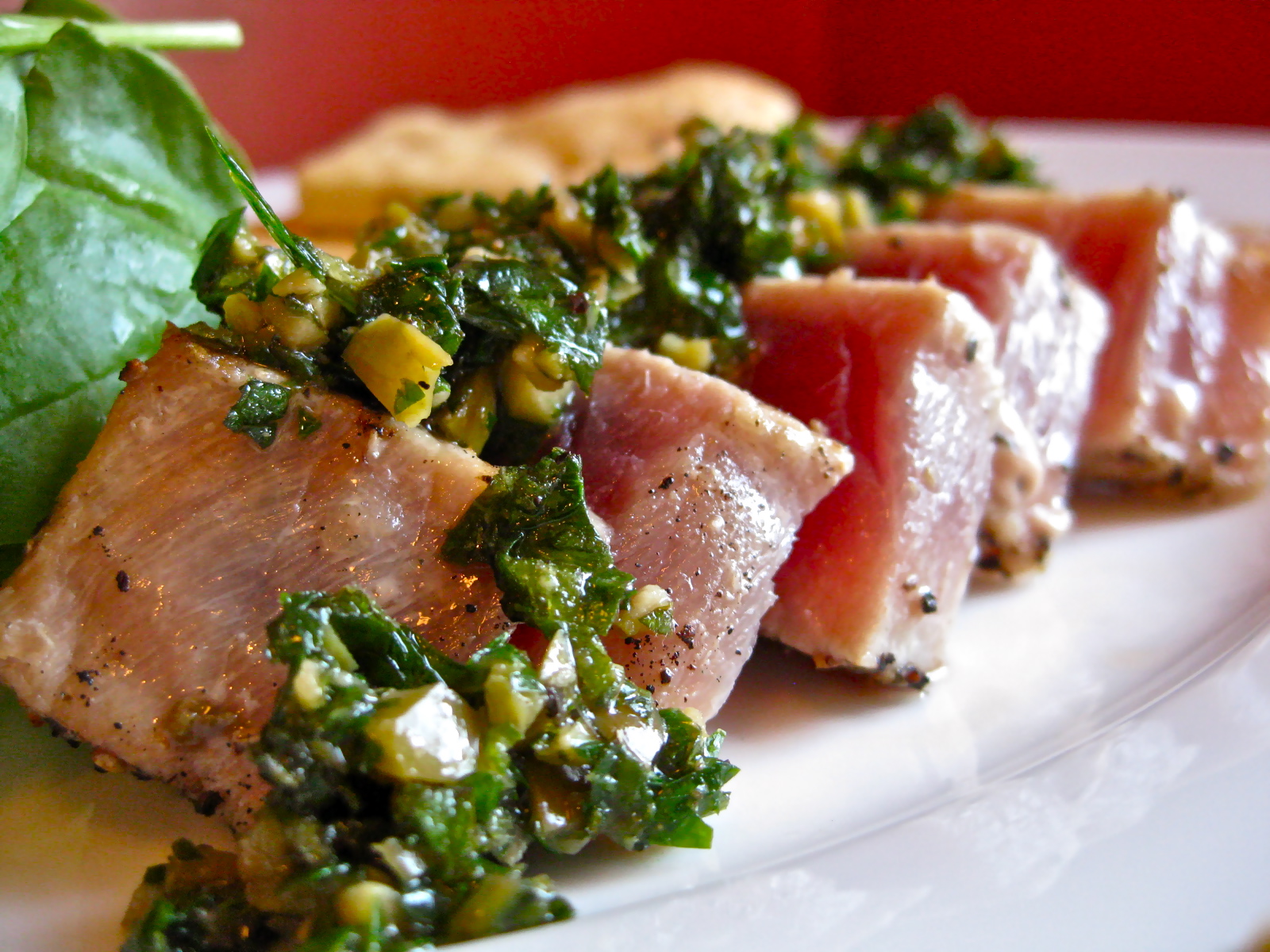
Seared Tuna Steaks with Salsa Verde

4 tuna steaks, rinsed then patted dry

olive oil, for brushing

freshly ground black pepper

sea salt

Very lightly brush each tuna steak with olive oil, then generously salt and pepper both sides.  On a well-oiled, very hot grill or grill pan, sear tuna steaks for about 1 minute on each side.  Grill should be hot enough to make an audible sizzling noise when tuna steaks are laid on the hot grill.  If you desire a more heavily cooked tuna steak, sear it for up to 1 ½ minutes, but be cautious to not overcook your fish.  It gets dry and rubbery very quickly.

Salsa Verde

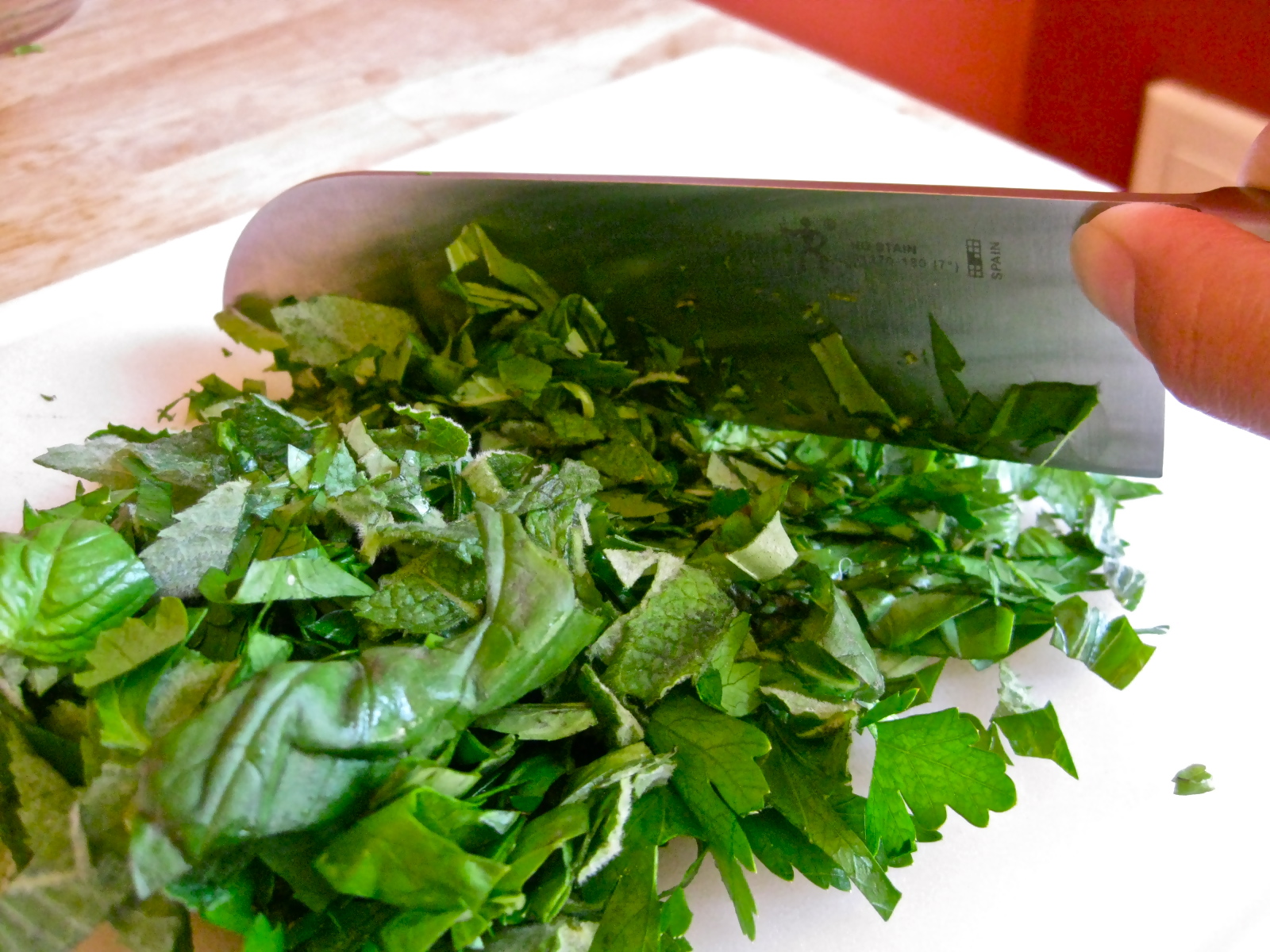
½ cup chopped fresh herbs (about 2 ½ large handfuls of whole herbs—I used basil, parsley, and mint)

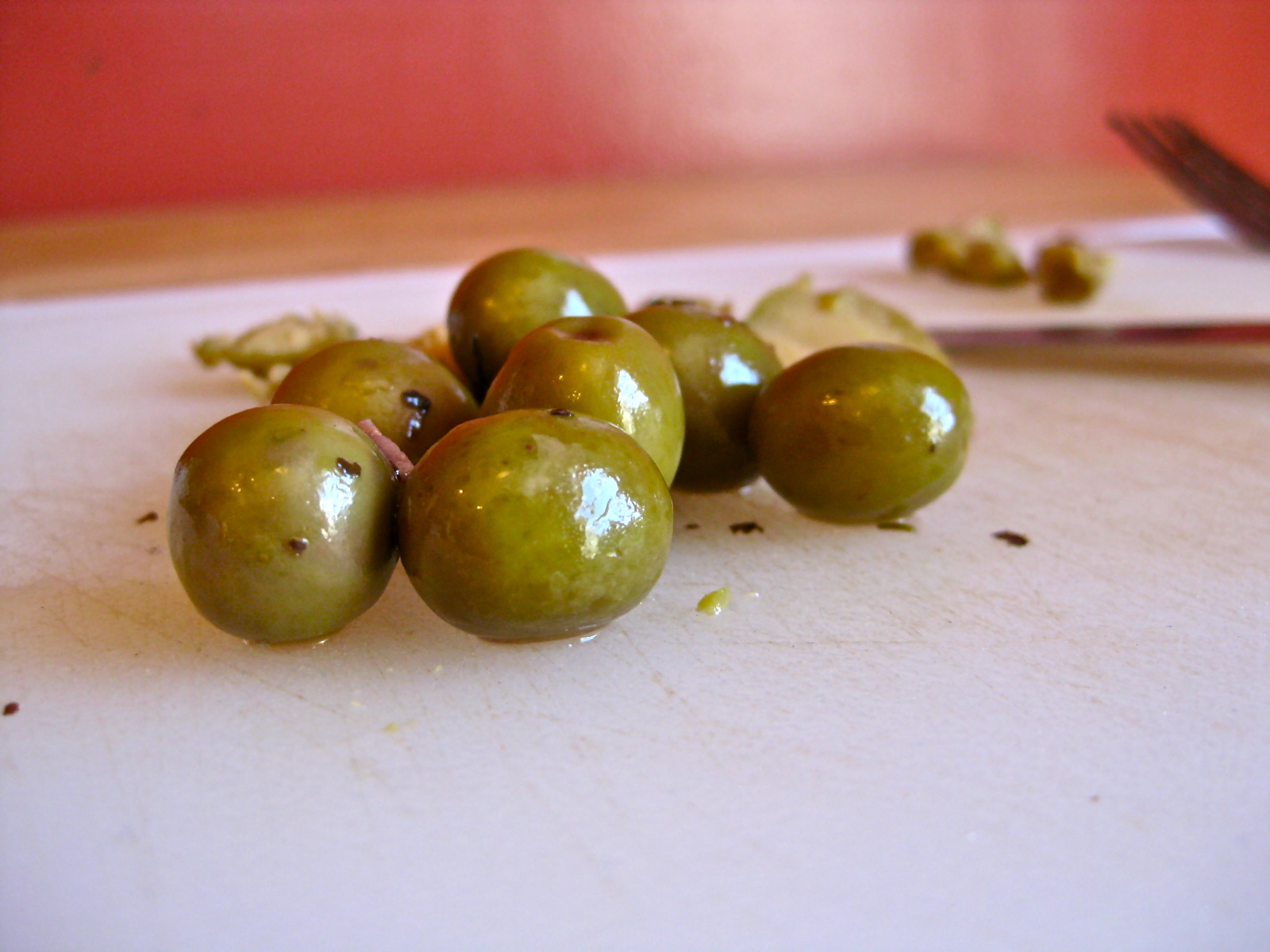
¼ cup pitted chopped green olives

3 tablespoons extra virgin olive oil

1 tablespoon red wine vinegar

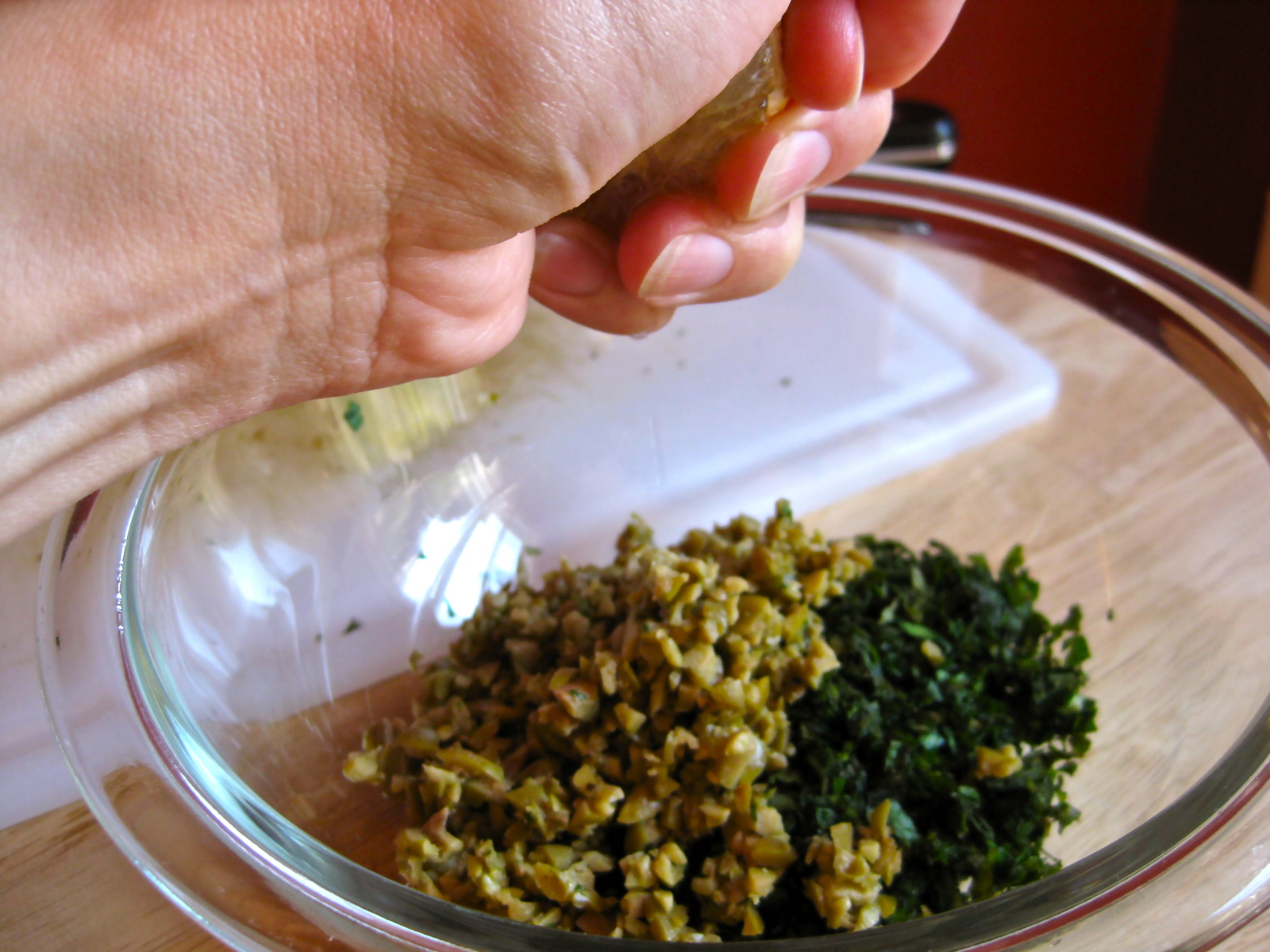
1 tablespoon freshly squeezed lemon juice

freshly ground black pepper

salt (optional)

To make salsa, combine all ingredients in a small bowl, and toss to combine.  If your olives are particularly salty, you will not need to add much, if any, additional salt to the mix.

To serve tuna, cut each steak, against the grain of the meat, into thin slices.  Top with salsa verde.

Serves 4

Pecan-Bourbon Bundt Cake

1 Sep

There are cakes for children, and there are cakes for adults.  Cakes for children more often than not involve some sort of chocolate, and are frequently adorned with sprinkles or, well, more chocolate.  They are simple affairs, lacking in surprise, as per the preferences of children when it comes to their food, but nearly always enjoyable.

Cakes for adults are not simple.  They can share similarities with cakes for children, mind you, oftentimes also involving chocolate, but they might also involve things that children tend to greet with wrinkled noses and tightly shut mouths.  Things like coconut, glazes, nuts, soaking syrups, creams, custards, fruits, or booze.  Whereas cakes for children are generally seen as favorable by adults, cakes for adults are most often shunned by children.

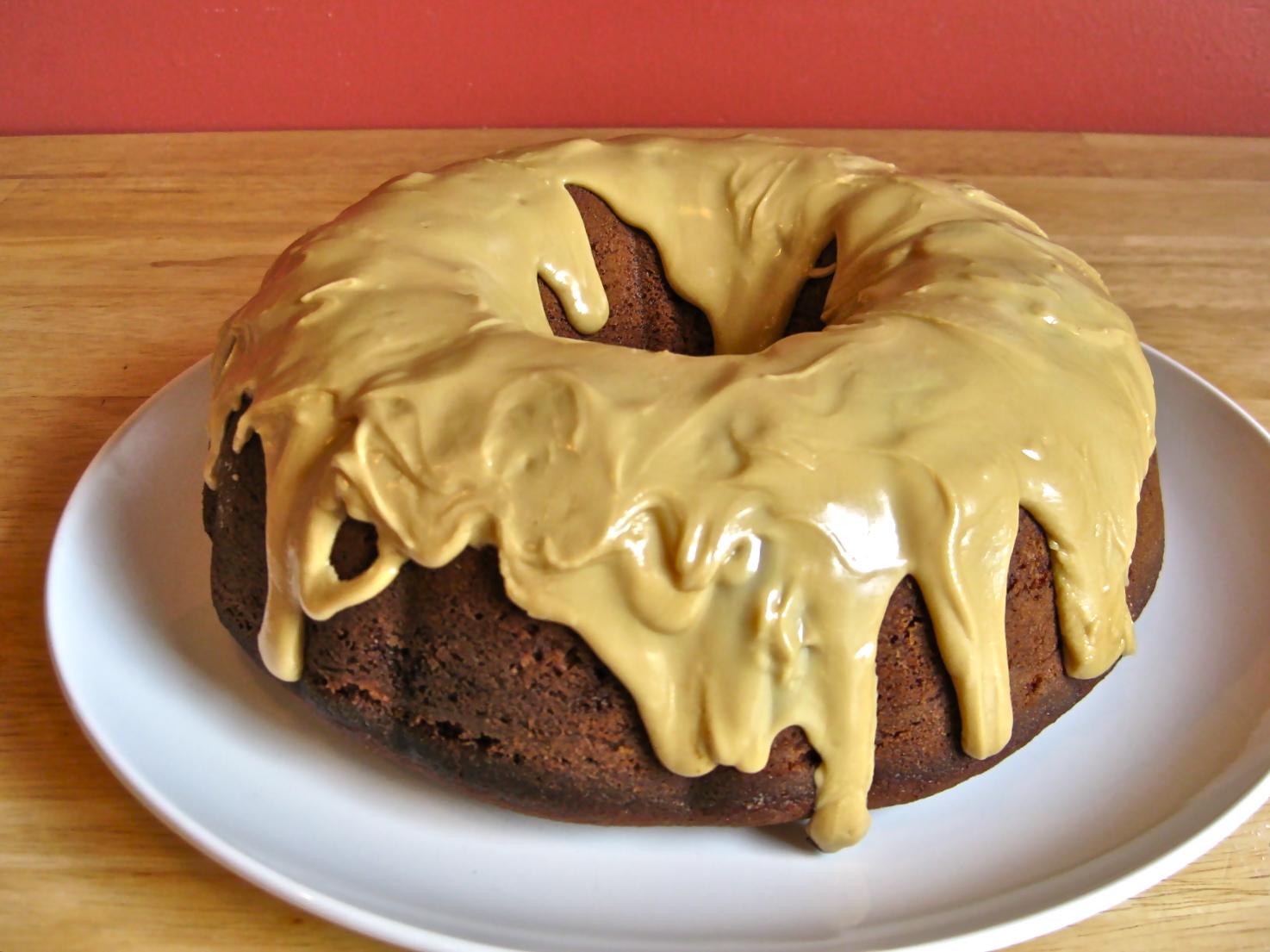
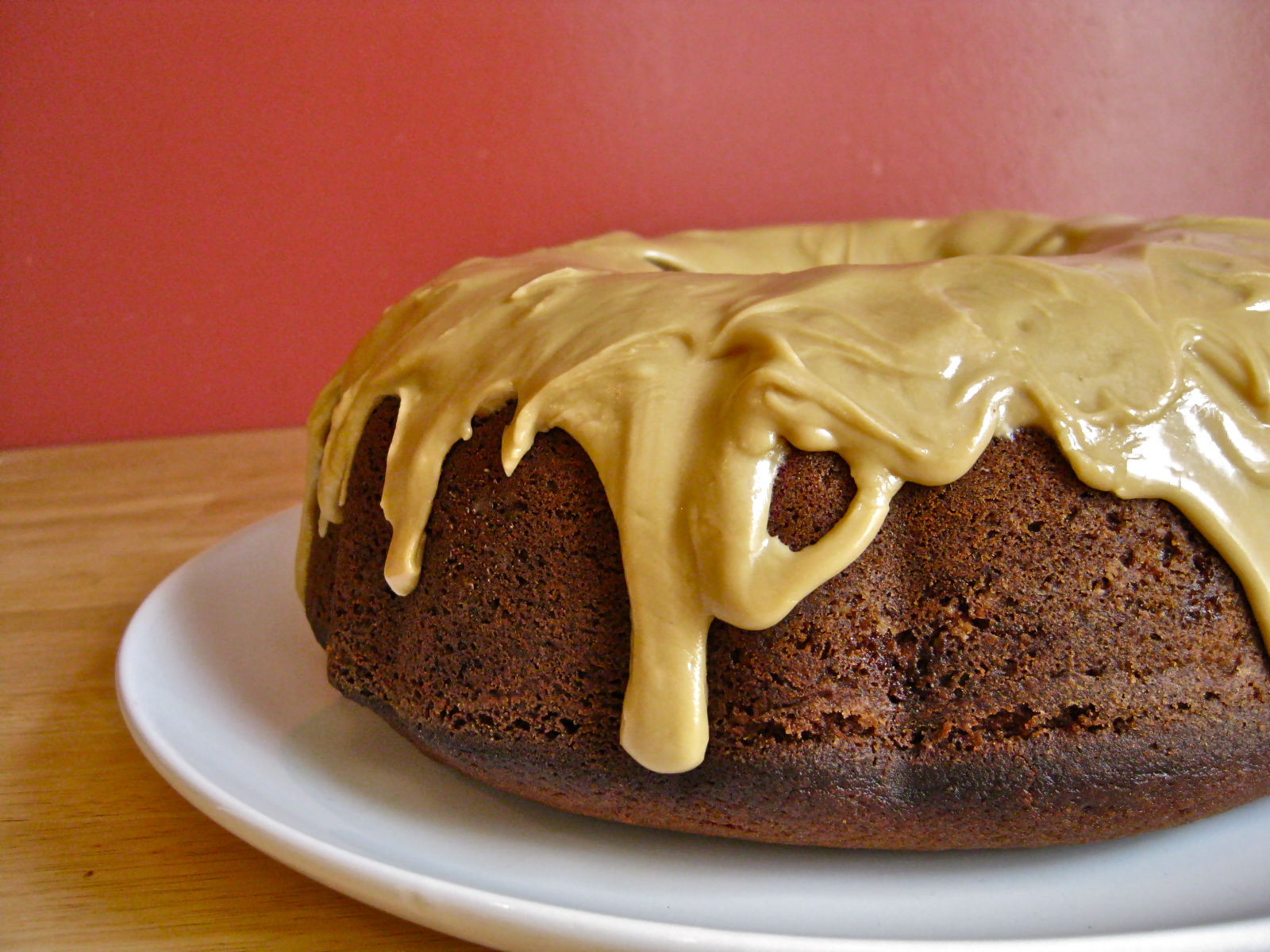
This is a cake for adults.  Made to celebrate a friend’s birthday, the cake was decided upon as a primarily adult-centric treat, being as though it features not only bourbon and chopped nuts, but also a hefty does of bittersweet and child-repellant molasses.  Rich and moist, this is a cake that is best eaten in small, thin slices, it being not only incredibly buttery and indulgent, but also highly satisfying.  You can, of course, eat more than one slice—you can eat as many slices as you please, this being a cake for adults, and adults, as we all know, are perfectly capable of knowing their own limitations, am I right?—but I would be lying if I told you that I, unofficial president of the Cake Appreciators Coalition, was able to take in more than one slice of this decadent wonder.

It’s like a self-policing dessert, really.  Its sheer level of deliciousness and fulfillment, heightened by the sweet and crunchy layer of nuts nestled within each slice, and taken nearly over the top by the thick and intense bourbon and molasses glaze on top, is exactly what makes you unable—though not unwilling—to tackle more than once slice at a time.

But not more than once slice total, mind you.  For if you miraculously have any of this cake leftover from its initial presentation, a day’s digestion will certainly facilitate your ability to greet it once more with great welcome.

Pecan-Bourbon Bundt Cake

An absolutely perfect recipe from The America’s Test Kitchen Family Baking Book

In reality, this cake was actually enjoyed by several children who did not have to be at all coerced into eating it.  However, since the thick glaze on this cake contains bourbon (as does the cake itself, but since the cake is baked, the alcohol content in the bourbon is evaporated), I recommend removing the glaze from each slice of cake before it gets served to a child.  While it is true that the small amount of bourbon included in the glaze most likely won’t have any ill effects on a child, I like to err on the side of caution.

Nut Filling

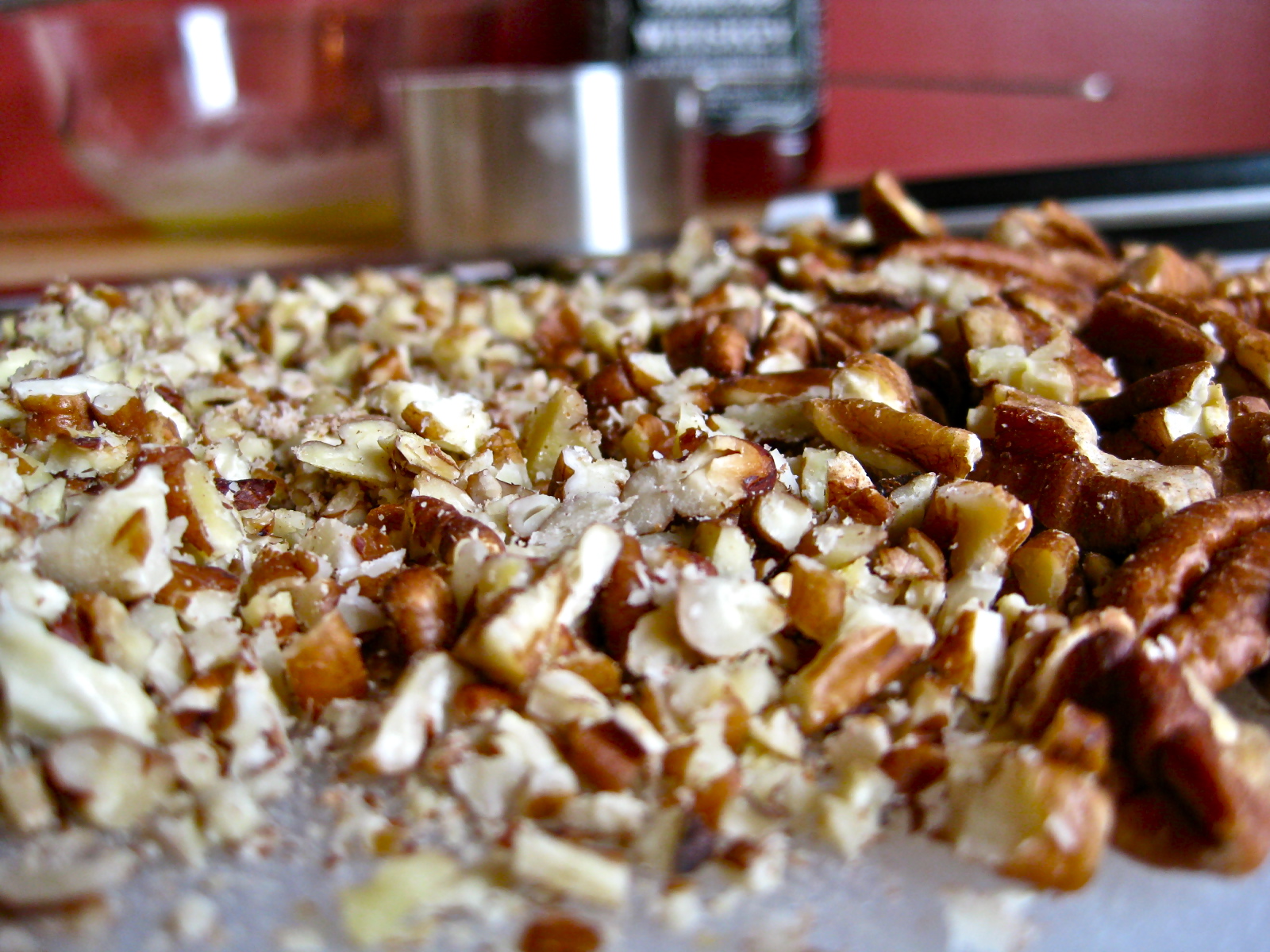
1 cup (4 ounces) pecans, toasted and chopped fine

½ cup packed (3 ½ ounces) light brown sugar

2 tablespoons unsalted butter, melted and cooled

Cake

3 cups (15 ounces) all-purpose flour

1 teaspoon salt

1 teaspoon baking powder

½ teaspoon baking soda

½ cup buttermilk, room temperature

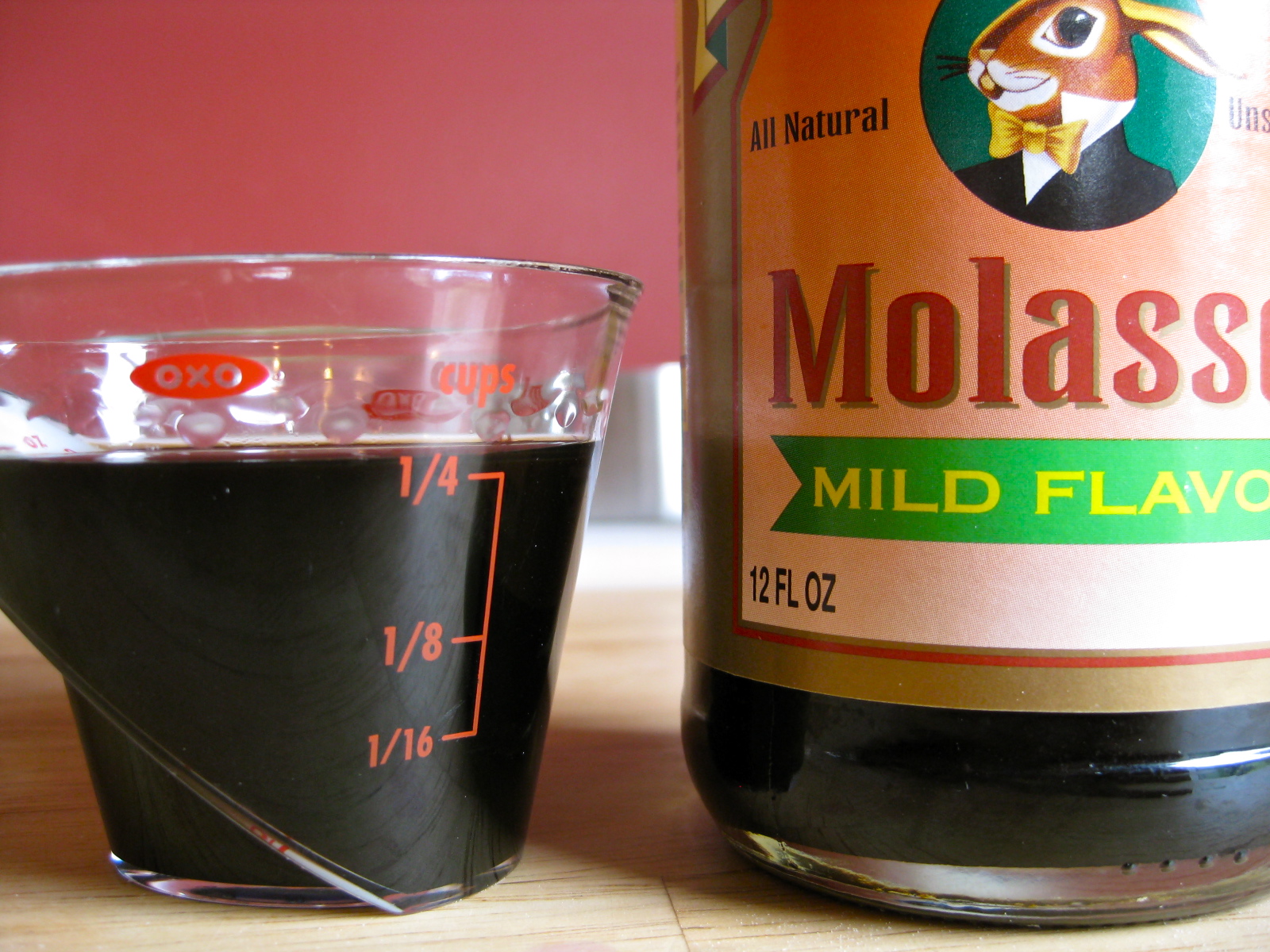
¼ cup light molasses

¼ cup bourbon (I used whiskey this time, and it was perfectly delicious)

1 tablespoon vanilla extract

2 ¼ sticks unsalted butter, cut into chunks and softened

1 ¾ cups (12 ¼ ounces) granulated sugar

3 large eggs, room temperature

1 large egg yolk, room temperature

Bourbon Glaze

1 ¾ cups (7 ounces) confectioners’ sugar

2 tablespoons bourbon

1 tablespoon light molasses

1 tablespoon water

pinch salt

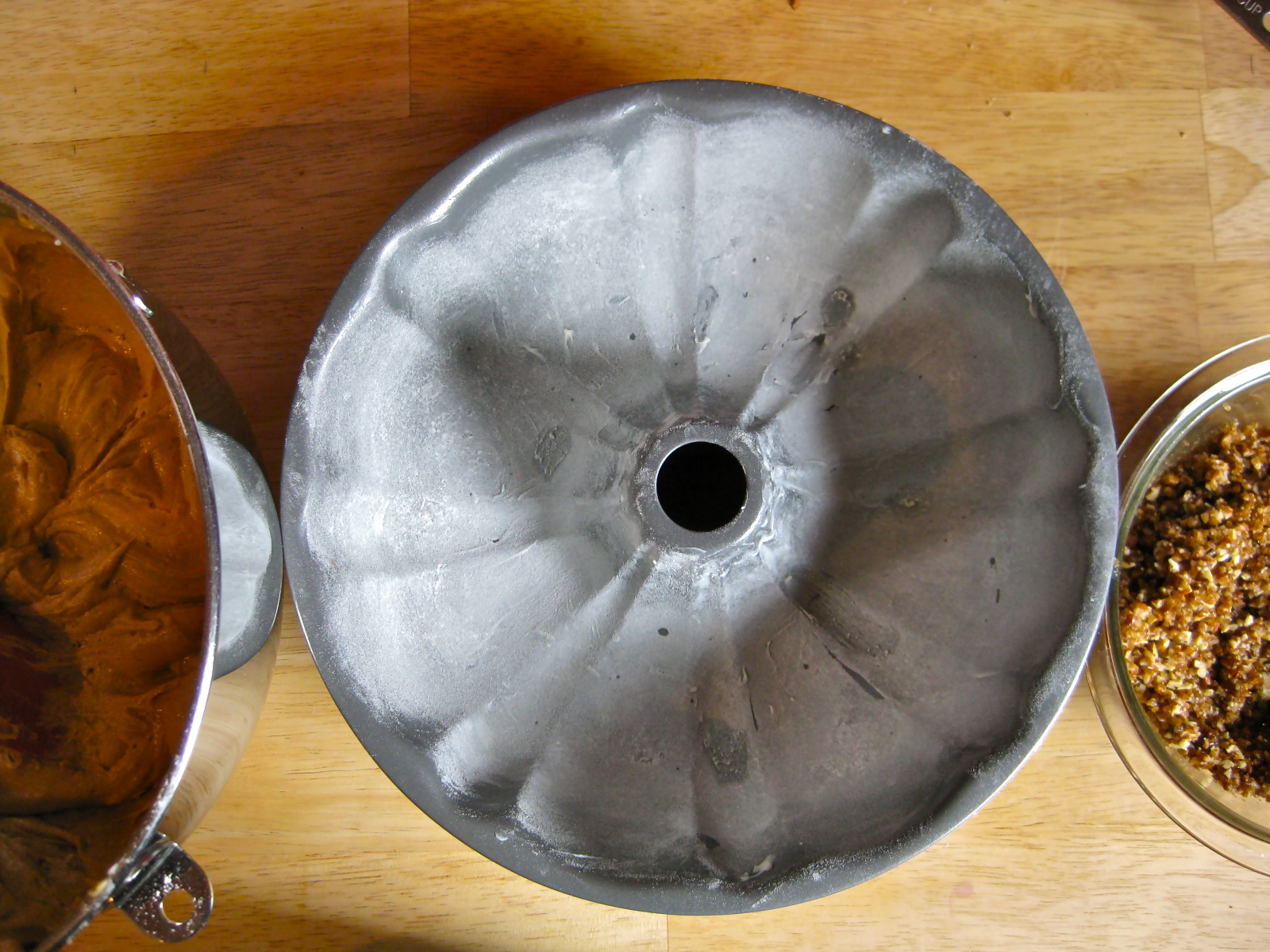
Adjust an oven rack to the lower-middle position and heat the oven to 350 degrees Fahrenheit.  Thoroughly butter and flour a 12-cup bundt pan.

In a small bowl, toss together all of the ingredients for the nut filling, then set aside.

In a medium bowl, whisk together the flour, salt, baking powder, baking soda.  In a small bowl, whisk together the buttermilk, molasses, bourbon, and vanilla.

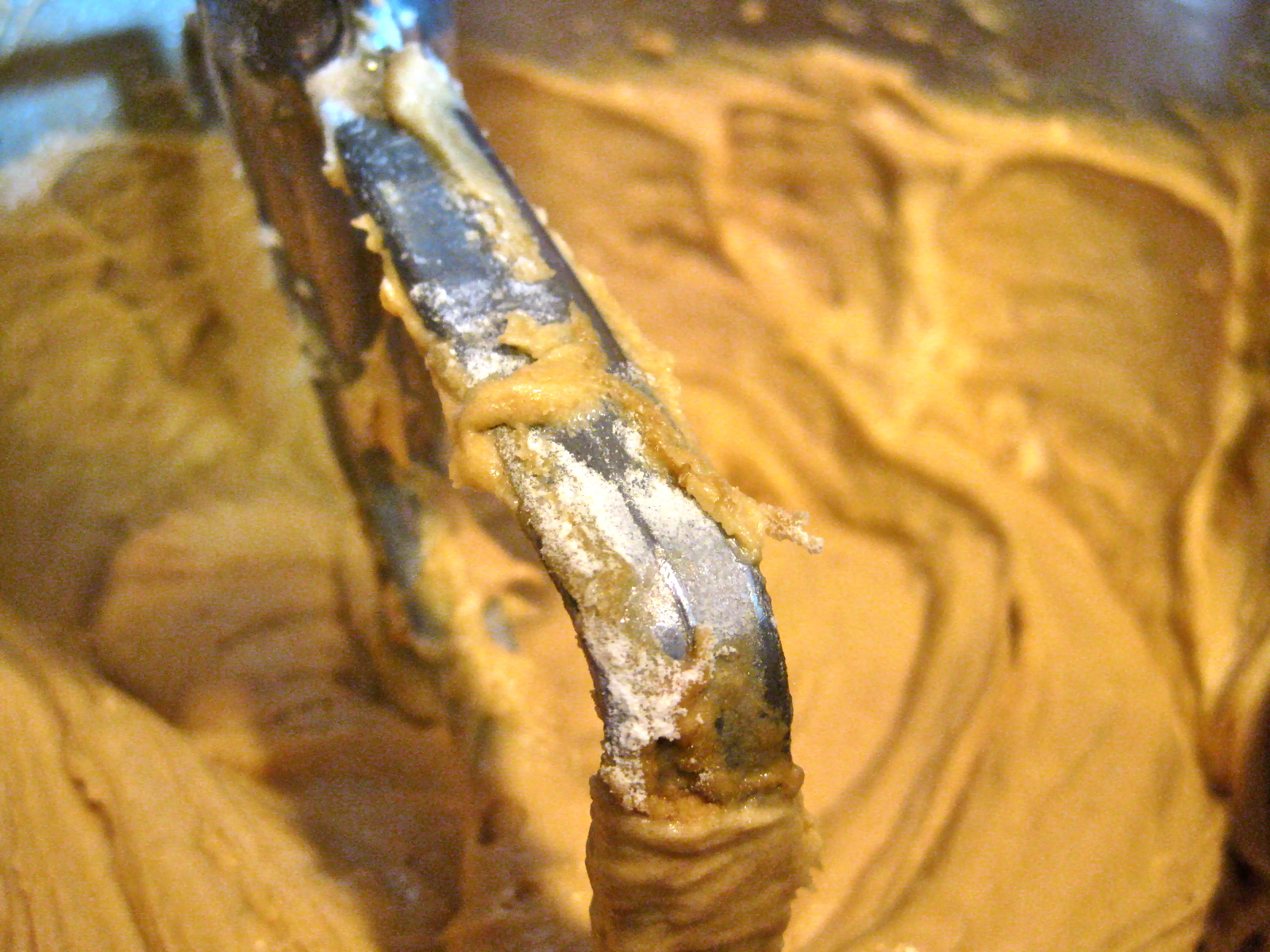
In a large bowl, beat together the butter and granulated sugar on medium speed until light and fluffy, about 3-6 minutes.  One at a time, beat in the eggs and the egg yolk.  Beat until combined, about 1 minute.

Reduce the mixer speed to low, and beat in one-third of the flour mixture, followed by half of the buttermilk mixture.  Repeat with remaining half of the flour mixture, followed by the remainder of the buttermilk mixture.  Scrape down the sides of the bowl as needed, then add the last of the flour mixture and beat until just incorporated.

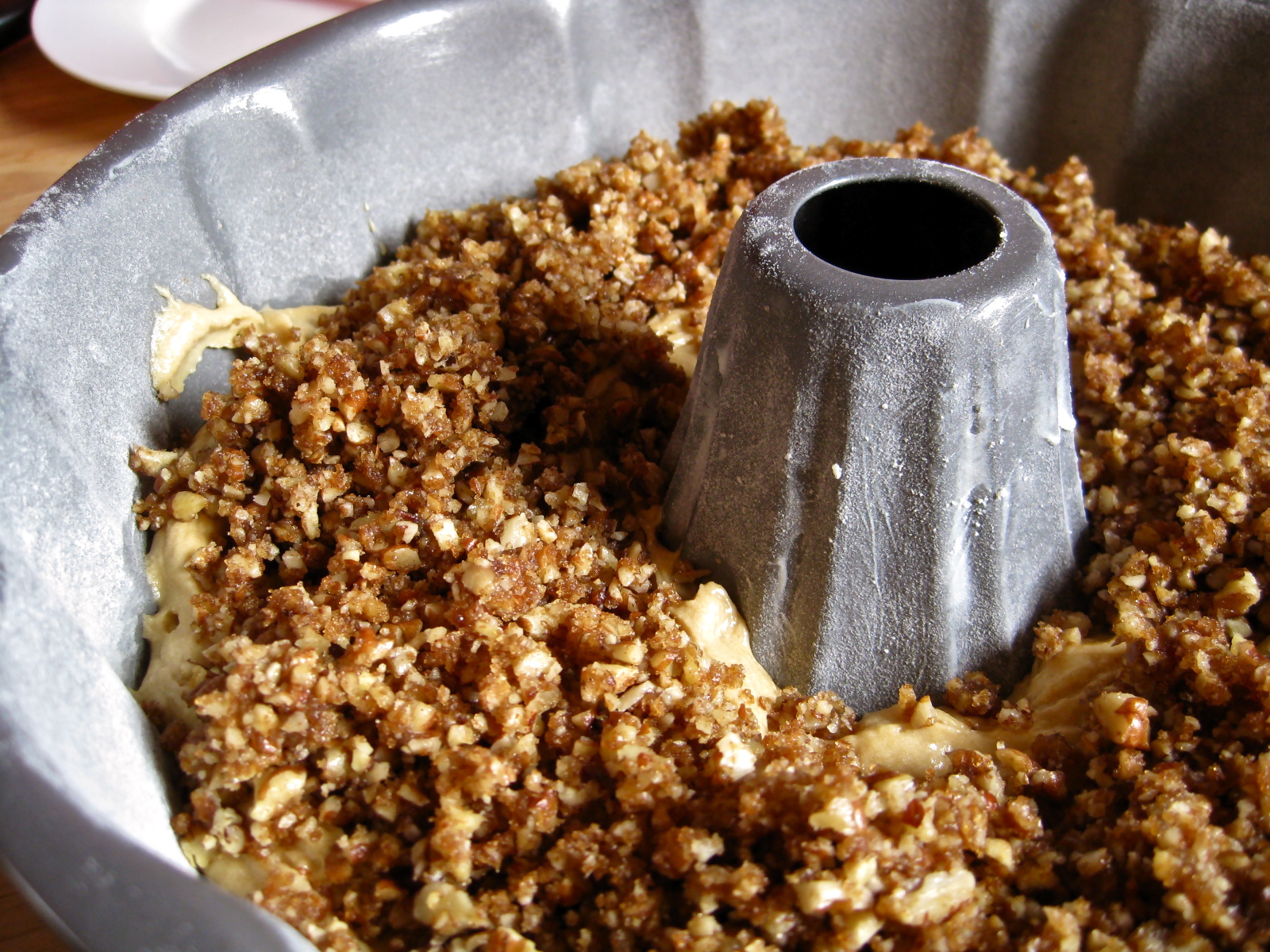
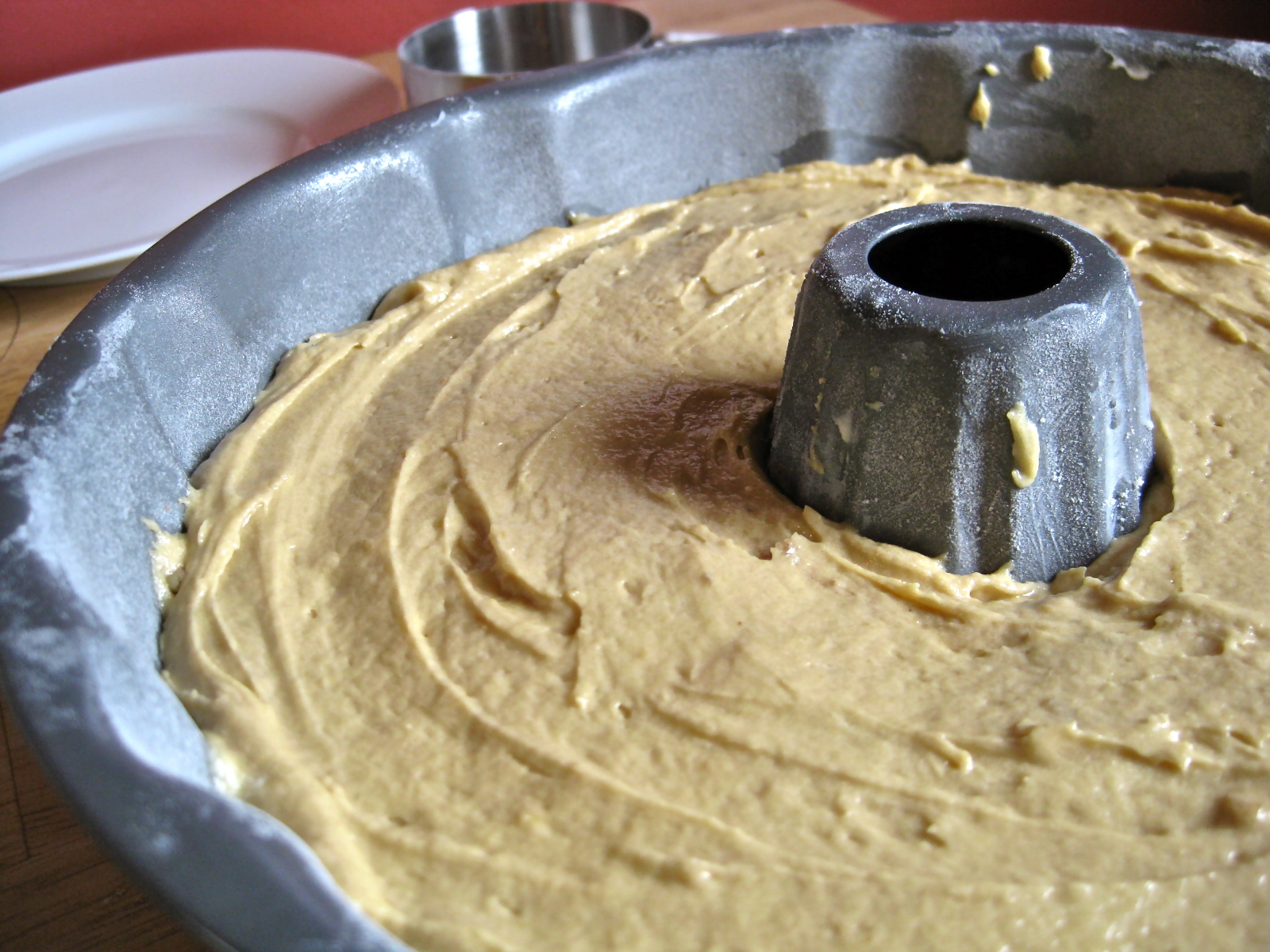
Scrape half of the batter into the prepared bundt pan, smooth the top, then sprinkle evenly with the pecan filling.  Scrap the remaining batter over the pecans and smooth the top.  Gently tap the bundt pan on the counter to settle the batter.

Bake cake on the lower-middle rack of the oven for 50-60 minutes, rotating the pan halfway through cooking.  The cake will be done when a wooden skewer inserted in the center comes out with only a few moist crumbs attached.

Allow the cake to cool in the pan for 10 minutes, then flip it out onto a wire rack.  Let the cake cool completely, at least 2 hours, until applying the glaze.

Once the cake has almost completely cooled, make the glaze by whisking all of the glaze ingredients together until smooth.  Allow the glaze to sit until thickened, about 25 minutes.  Drizzle the glaze over the top and sides of the cake, then allow the glaze to set before serving, at least 25 minutes.