Tag Archives: recipe

How to Make Homemade Croutons

26 Apr

Among the many food items that are not only easy to make at home, but also always, always better when made at home rather than purchased from a store, I’d have to place croutons in the top 5.  It’s not that I eat a lot of croutons, but when I see someone buying a huge bag of dried bread that has been dusted with strange laboratory-conceived flavorings, I just want to stop that person, place a hand on his or her shoulder, and say, “Drop the bag.  There’s a better way.”
I know, I know.  You don’t have a lot of time.  You work a lot, and when you get home, you don’t want to spend a lot of time crouton-ing it up when you would rather be…I don’t even know what to put here, because making croutons at home is just about as effortless as it gets.  Most of the time spent on these croutons is taken up by baking time, and during that baking time you can make a salad to accompany your croutons, slice up a bunch of stuff to pile into a fantastic panzanella with these croutons, or beat together a few eggs and other fillings to fold over these croutons and cook into a frittata.

You can take leftover croutons to work to make a bowl of microwaved soup into something truly special.  If you’re looking for a semi-fancy snack, nibble on some of these croutons, paired with apple slices, and ditch your regular mid-day work snack of over-salted packaged nuts with off-brand M&Ms.  Or just alternate bites of crouton with bites of grape tomato and pretend that you are eating  outside in a Mediterranean garden (instead of inside, under fluorescent lights, while the never ending pitter-pat of keyboard typing plays the soundtrack to your life).  25 minutes, start to finish, and these croutons, with any number of pairings, can be yours.

Last Year: Indian Chicken Kebabs (this is one of my favorite dishes, and it contains one of my favorite stories about being in India)

Big and Crunchy Herb and Chèvre Croutons Recipe

8 ounces rustic bread, cut into large 1-inch cubes

2 tablespoons unsalted butter

1 tablespoon olive oil

1 large clove of garlic, finely diced and mashed into a paste

4 ounces chèvre

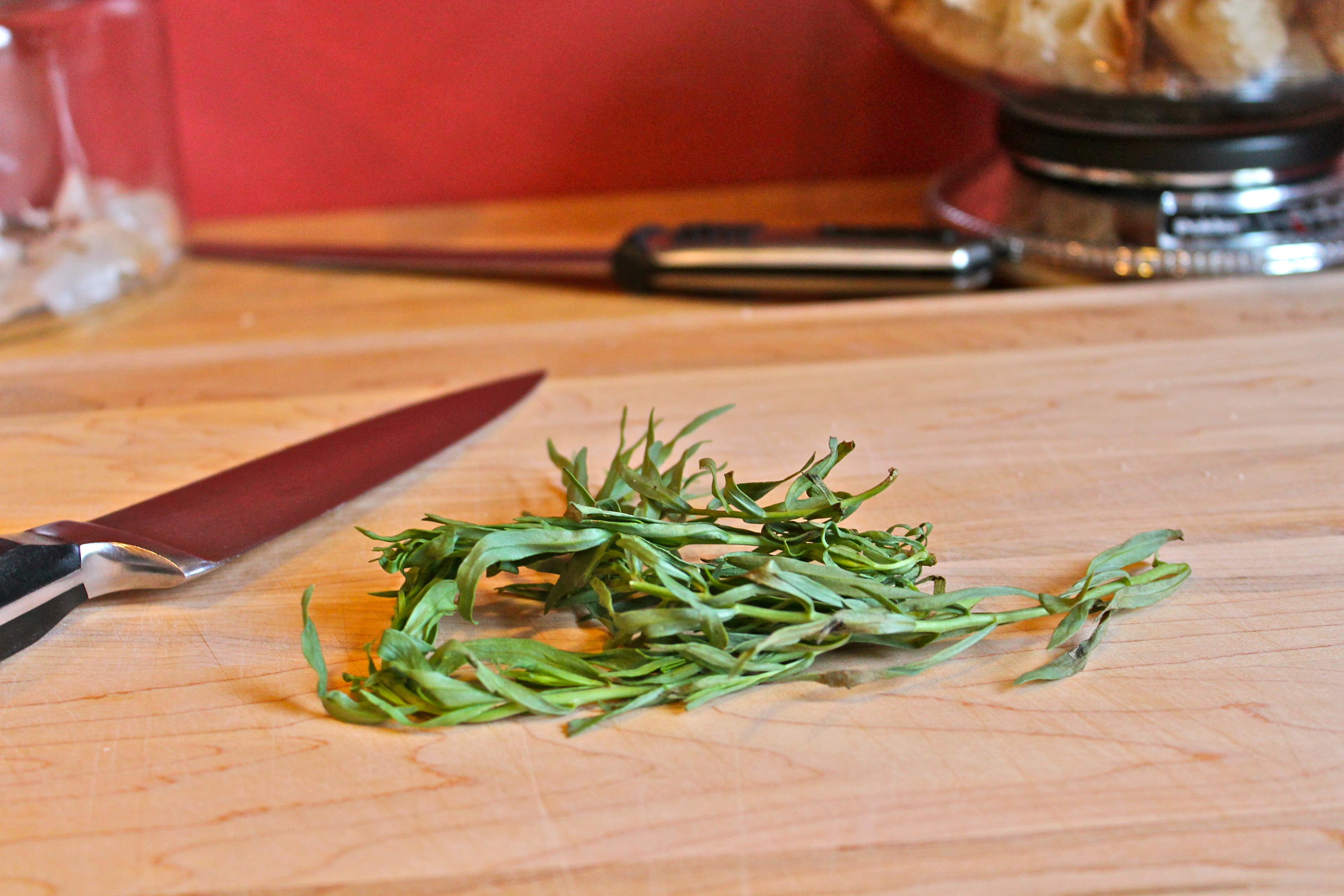
1 heaping tablespoon chopped fresh herb of your choice (rosemary, thyme, or tarragon would work well here—I used tarragon and it was divine)

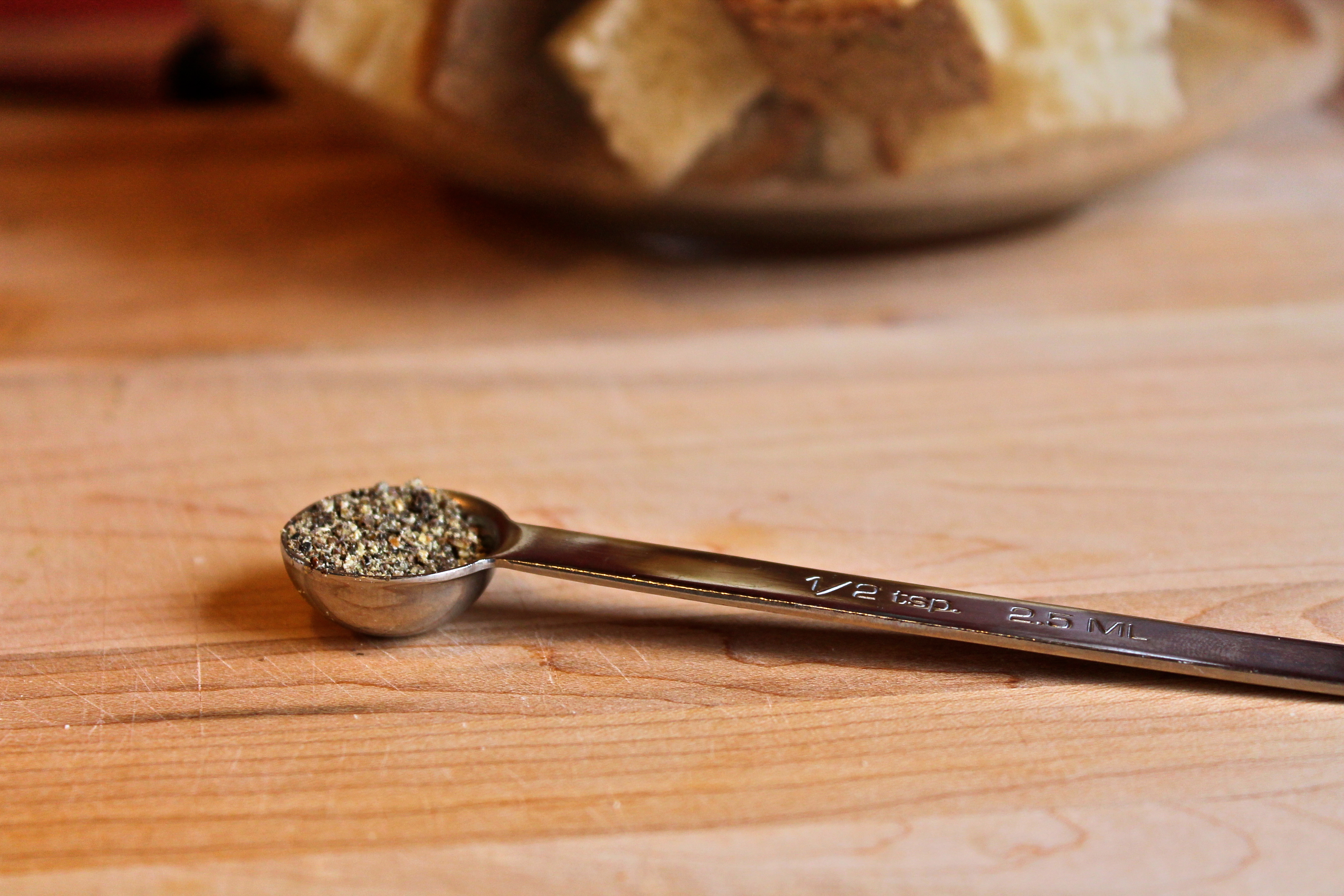
½ teaspoon freshly ground black pepper

salt to taste

Preheat oven to 350 degrees Fahrenheit.  Spray or brush a large baking sheet with a bit of olive oil, then set aside.

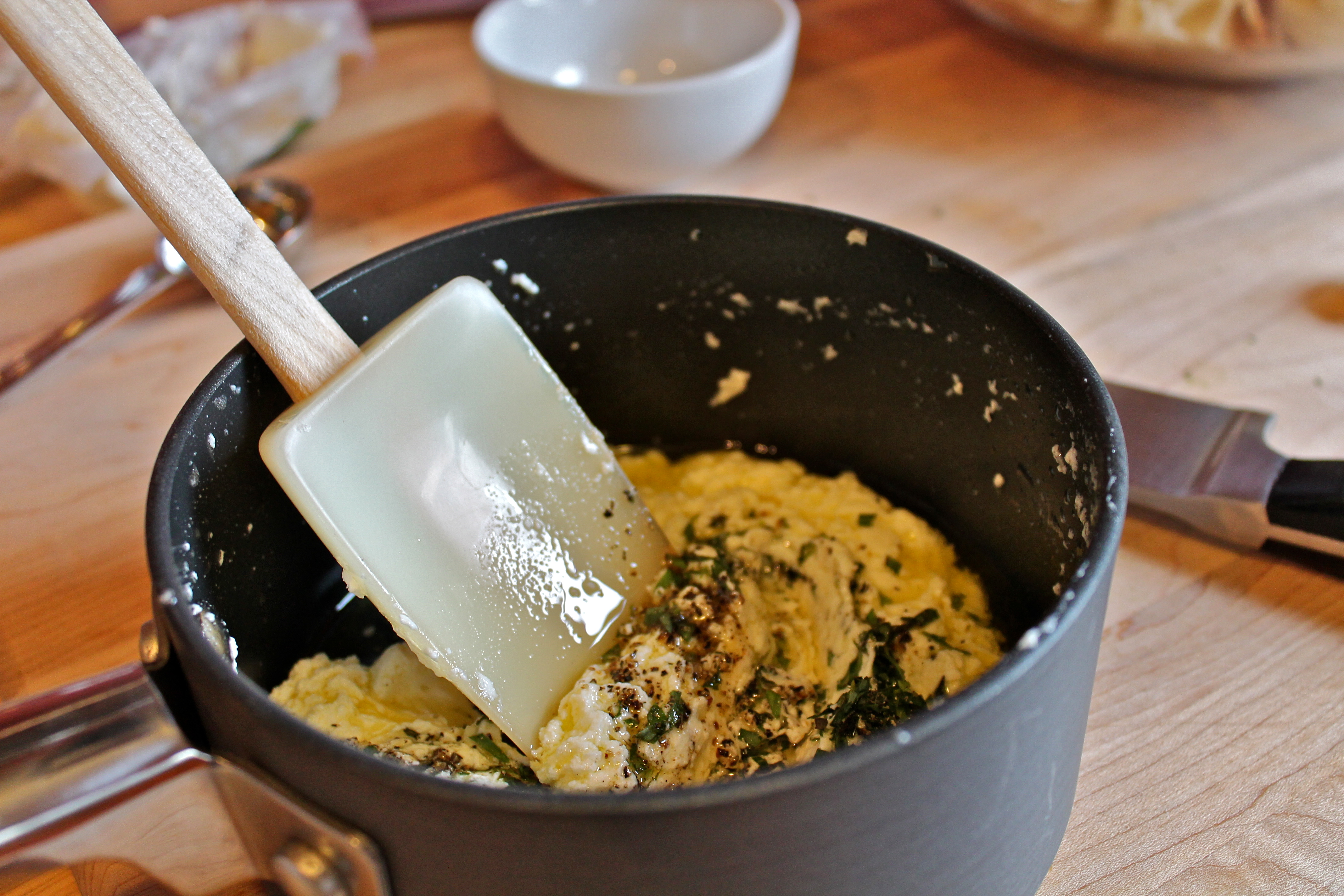
Place bread cubes in a large bowl.  In a small saucepan, melt butter with olive oil over medium heat.  Add garlic, and allow to cook only slightly, until the garlic becomes fragrant (about 20 seconds).  Remove from heat, then stir in chèvre, herbs, black pepper, and salt.  Stir until the ingredients are combined and the cheese has melted.

Pour the cheese mixture over the bread cubes, and toss to combine evenly, until all the bread is coated.  Place bread cubes in a single layer on prepared baking sheet.  Bake in center of oven for 18-20 minutes, until the croutons are golden brown and crisp.

Eat on a salad, fold into a frittata, make into panzanella, or place on top of soup.  Never buy croutons again.

Lemon, Almond, and Cornmeal Cake

23 Apr

For a while there, we were eating a lot of cake.  I brought this up a few weeks ago, but it bears repeating because, after I brought it up the first time, we continued to eat cake, and lots of it.  It’s not like we were just sitting around while stuffing cake in our mouths (at least, we mostly weren’t doing that).  There were dinner parties and birthdays and then, um, Cake Tuesdays, which is not a real thing but now that I’ve mentioned it right here, I sort of want to make it a real thing.  The point is, a lot of cake was made, and a lot of cake was enjoyed.

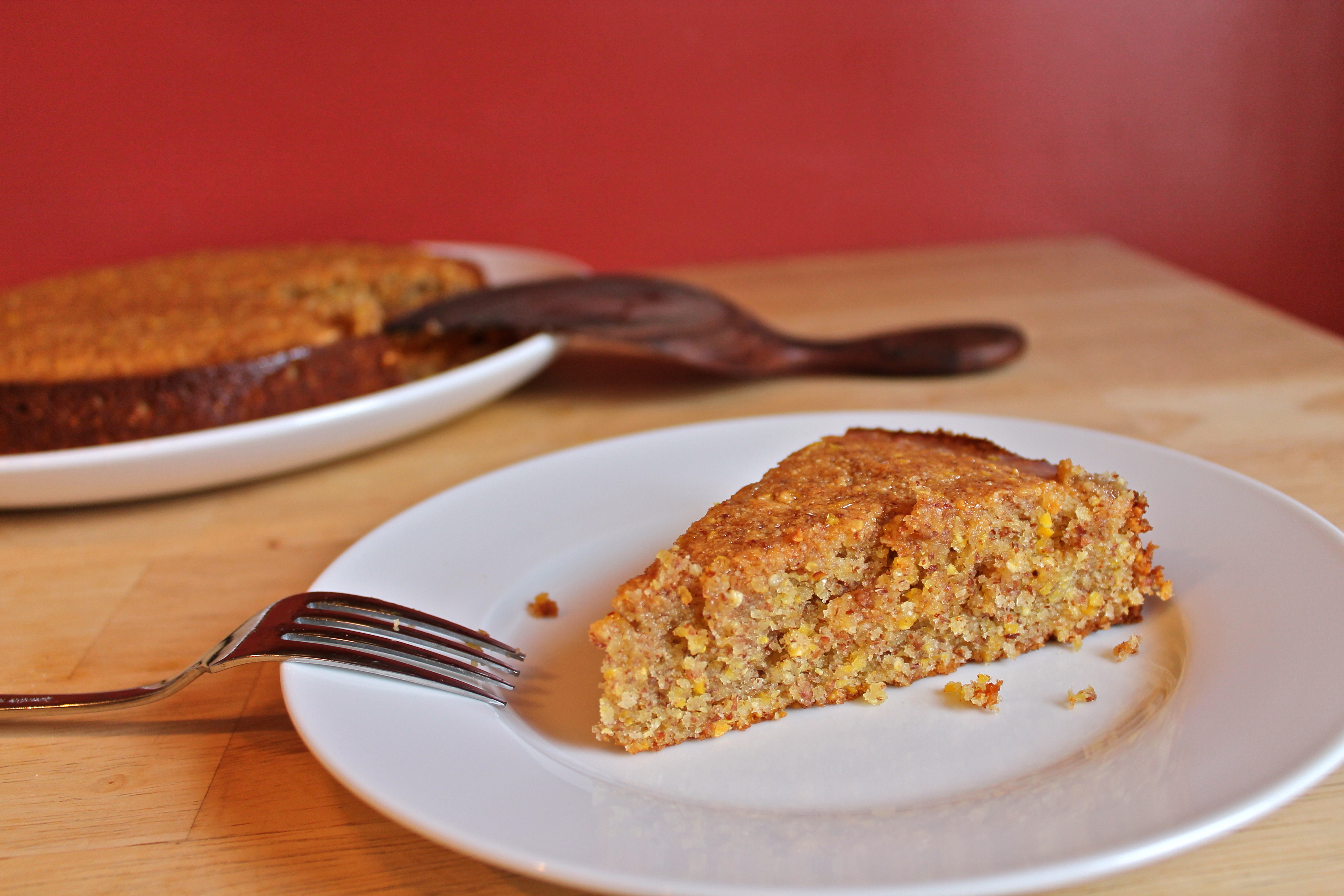
Most of the cakes I made over the past few weeks were old favorites.  This dark chocolate zucchini cake and this butter cake made appearances (the butter cake is an old standby of mine, but that blood orange curd was a new addition and, boy howdy, was it a fantastic one), as did a newly conceived cupcake.  Another new addition to my baking repertoire was this lovely number from Nigella Lawson and, though I hesitate to play favorites when it comes to cake, I think I might have found a new best friend.  Not Lawson (lovely as she is).  The cake.

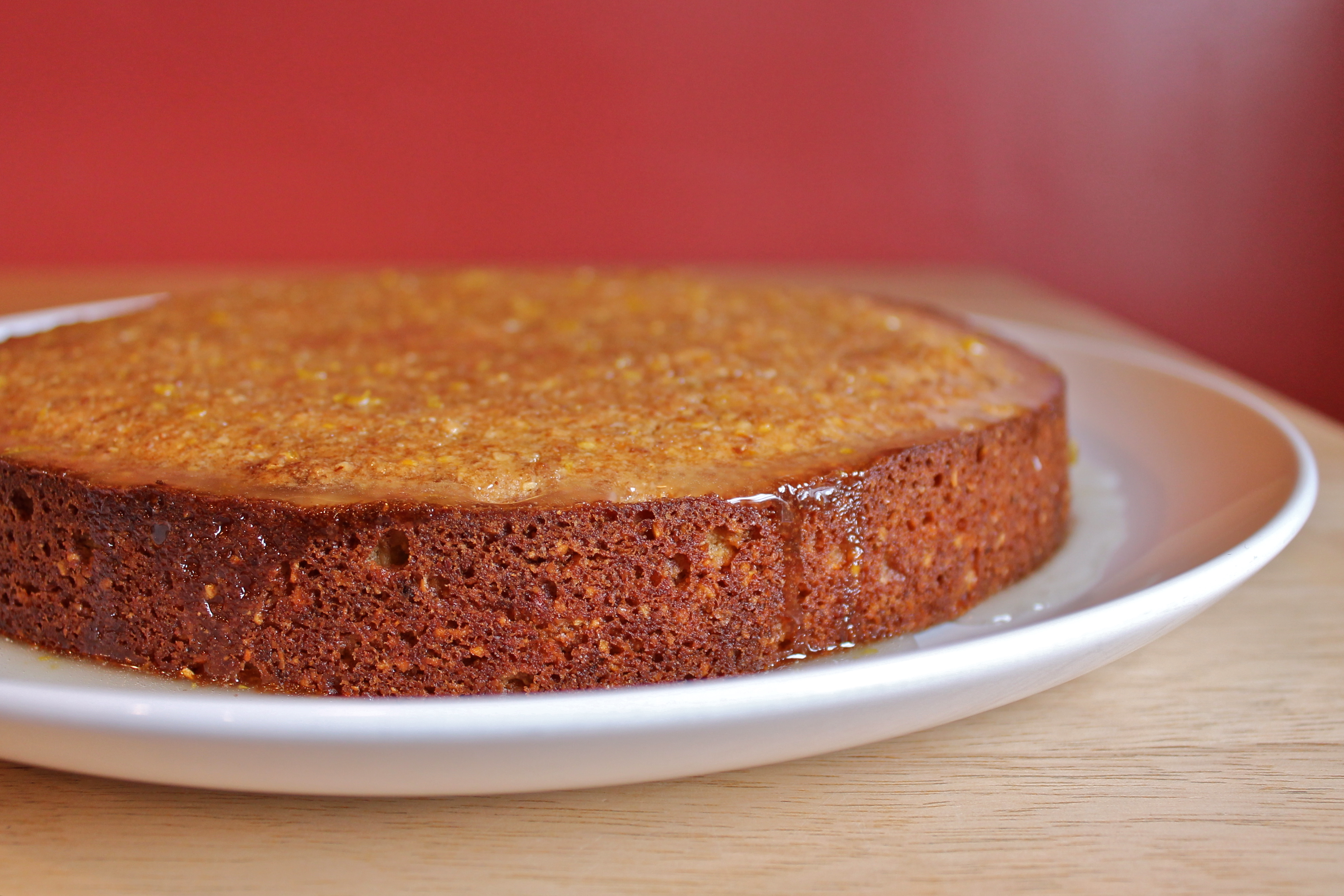
With a base of both almond meal and cornmeal, this cake’s structure is just a delight.  It’s crumbly but moist, and the slight bite of the cornmeal adds a little something special.  Once the entire thing is soaked, whilst still warm, with an intensely lemony syrup, that little something special magically becomes a whole lot of something special, and I’d be lying if I told you that I wasn’t totally consumed by this cake (while I simultaneously consumed it, as it were).  Like I said, I don’t want to hurt any other cake’s feelings by declaring favorites, but this is a cake you definitely want to get to know.  Perhaps with a few friends, a pot of coffee, and a lazy afternoon of chit chat, because if you truly love your friends, you’re going to want to get them in on this cake as well.

Last year: Yeasted Buttermilk Biscuits

Lemon, Almond, and Cornmeal Cake Recipe

Adapted from Nigella Kitchen, by Nigella Lawson

I’ve made a few changes to this cake in both ingredients and process, mostly notably in the form of reducing the sugar in both the cake and the syrup. By reducing the sugar in the syrup topping, but not reducing the lemon juice (and then adding a bit of zest to the mix), you get a clearer, brisker lemon topping that just makes this cake a total showstopper. There are a couple more tweaks here and there, but I’d still say this cake is definitely Nigella Lawson’s and not mine.

2/3 cup granulated sugar

zest of 2 large lemons

1 ¾ sticks (14 tablespoons) unsalted butter, at room temperature (plus a tad more for greasing the pan)

2 cups almond meal or almond flour

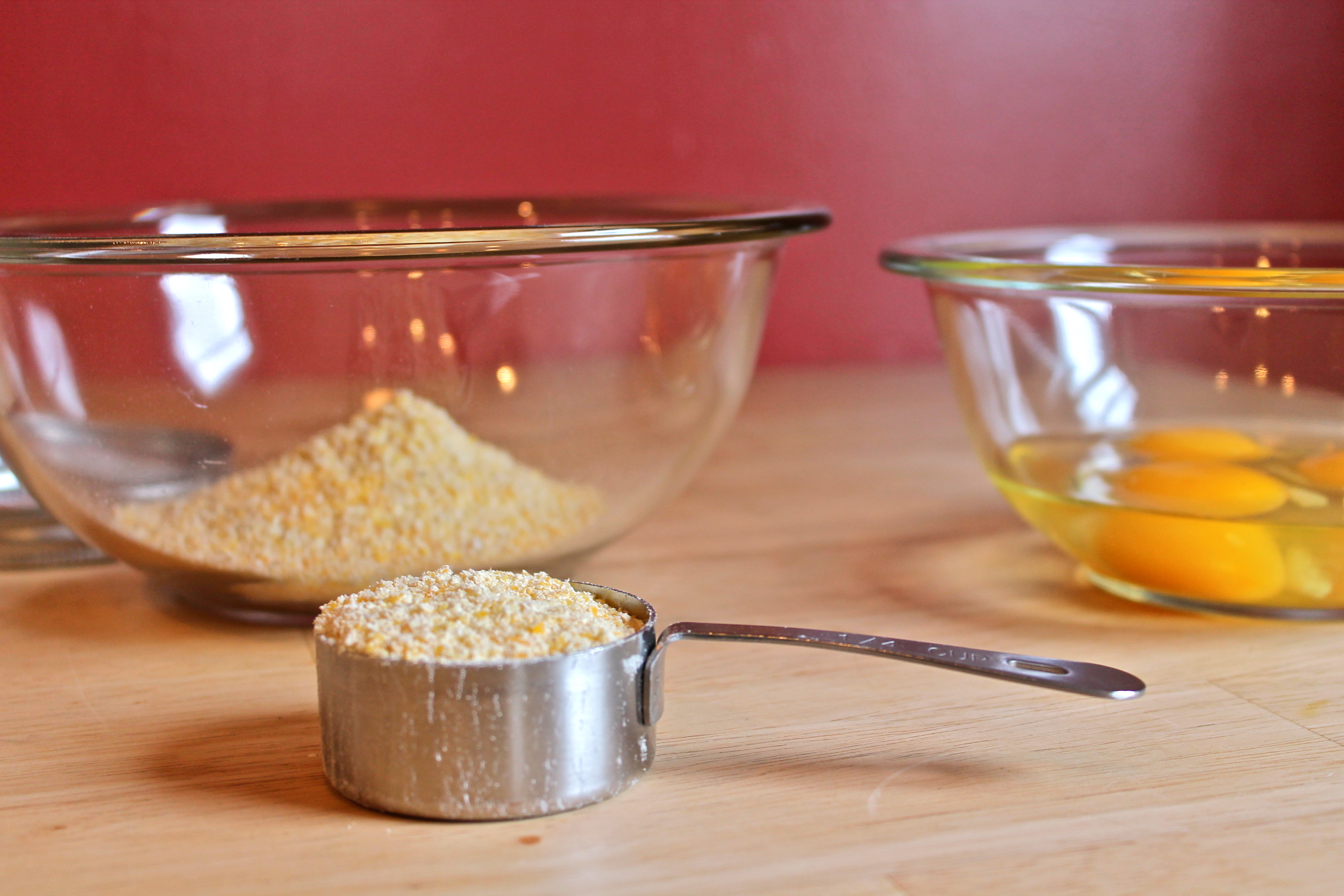
¾ cup finely ground cornmeal

1 ½ teaspoons baking powder

3 large eggs, at room temperature

For the Syrup:

Juice of 2 lemons

1 teaspoon finely grated lemon zest

2/3 cup confectioner’s sugar

Preheat oven to 350 degrees Fahrenheit.  Lightly grease the bottom and sides of a 9-inch springform pan, then line the bottom with a round of parchment paper.

In the bowl of a food processor, combine the sugar and lemon zest and process until the sugar is finely ground and the lemon zest is incorporated.

In the bowl of a stand mixer, or in a large bowl using a hand mixer, combine the sugar and lemon zest with the butter.  Beat together until pale and whipped.

In a medium bowl, combine the almond meal, cornmeal, and baking powder.  With the mixer still mixing, add 1/3 of the almond mixture to the butter, followed by 1 egg.  Continue beating in the remaining almond mixture and eggs in this fashion, adding one after the other.  When the last egg has been added, beat the batter until everything is fully incorporated, scraping down the sides and bottom of the bowl as needed.

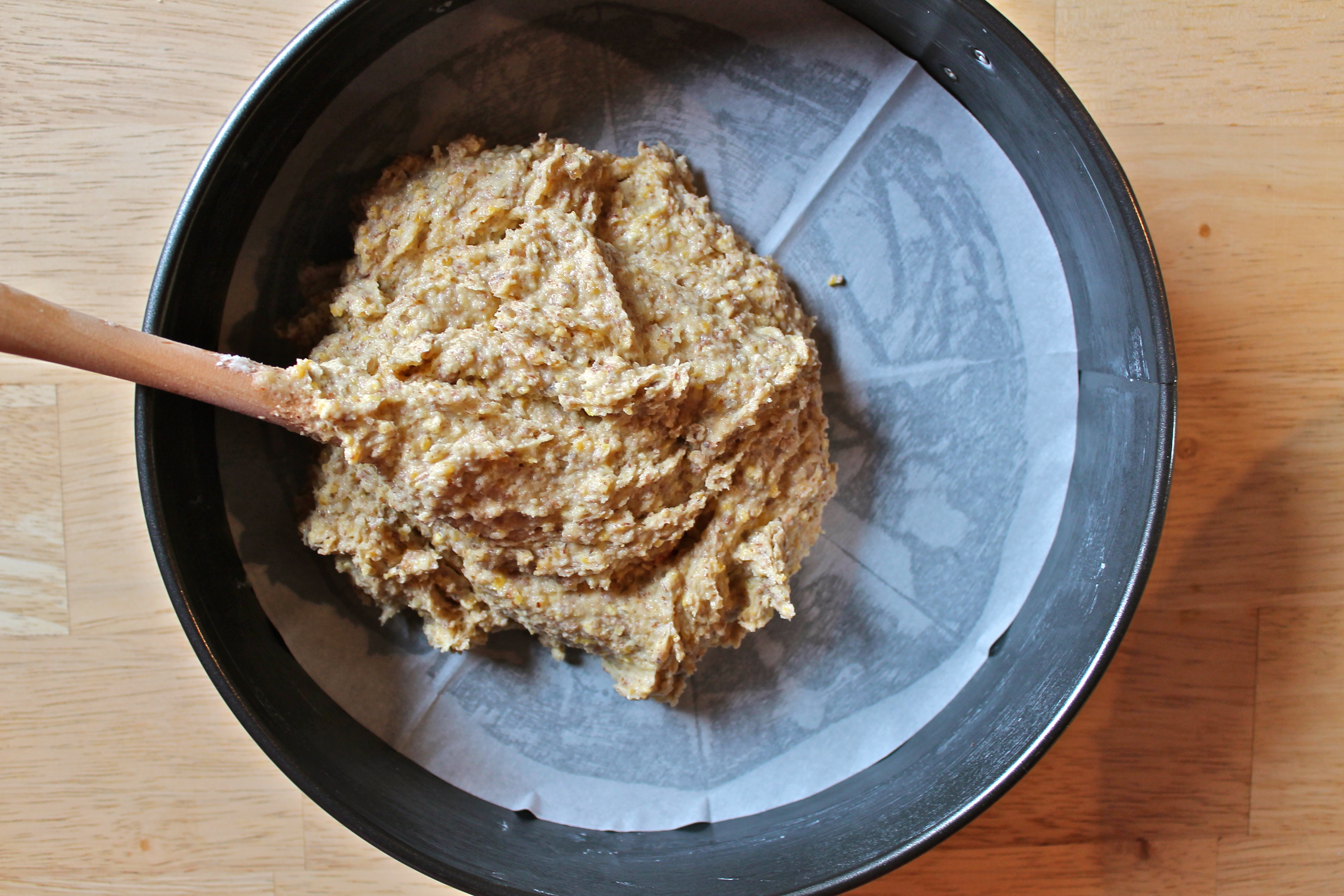
Scrape the batter into the prepared pan and bake for 40 minutes.  The cake will be done when the edges begin to shrink away from the sides of the pan.  The middle of the cake will appear a bit underdone, but a cake tester inserted into the middle should come out marginally clean with several moist crumbs still attached.  Remove the cake from the oven and place on a wire rack to cool, leaving the cake in the pan.

To make the syrup, gently boil together the lemon juice, lemon zest, confectioner’s sugar, stirring all the while, until the sugar has completely dissolved into the juice.  Prick the top of the still-warm cake all over with a toothpick or cake tester, then spoon the warm syrup all over the cake.  Allow the cake to cool almost completely before taking it out of its pan.  (Lawson recommends allowing the cake to cool completely, but I found this cake to be even more fabulous when served just barely warm.  You definitely don’t want to serve this cake while it is hot, but anything just a few degrees warmer than room temperature is perfect, I think.)

Vegetable Pakoras

19 Apr

Do you partake in spring cleaning?  Does the sight of sunshine, albeit weak and passing, compel you to bust out dusting cloths and cleaning supplies?  Or perhaps you lean in a different direction when it comes to satisfying the urge to clean things out and start anew.  That direction, in this case, being the refrigerator.

It’s no secret that I like to hoard leftover bits of this and that in the refrigerator, but it should be pointed out that I definitely have my limits when it comes to how long something sits in my fridge.  The Kitchn recently ran a good article about a helpful way to manage your refrigerator leftovers  by utilizing the 2:4 rule, dictating that food left out at room temperature for 2 hours is still good to pack up and save, and food left in the refrigerator for 4 days is still good to eat.  Some might find these rules of thumb a little strict (I have been known to leave leftovers in the refrigerator for much, much longer than that and suffer no ill effects after subsequently eating them), and instead err on the side of this train of thought examined a couple of years ago on NPR, which proposes that refrigerated food, regardless of when you might be told it will expire, lasts much, much longer than most people think it will.

Still, it is not difficult to tell when most foods are nearing the end of their lives.  Just seeing the weak and slumping appearance of a container filled with abandoned chicken is enough to give me the chills.  And if you’ve ever been unfortunate enough to pour a lump of expired milk into your hotly anticipated first cup of morning coffee, well, I feel your pain.

Over the years I have become quite adept at last minute ideas for utilizing foods that seem to be hobbling about on their last legs (though it bears mentioning that if you do actually happen to see your old and haggard refrigerator contents literally move on their own, it would, of course, be in everyone’s best interest that you just dispose of said items immediately).  While it’s rare for me to meet a frittata or quiche I don’t like, I have to admit that my all time favorite way to rid my crisper drawer of errant vegetables is by whipping up a batch of pakoras.

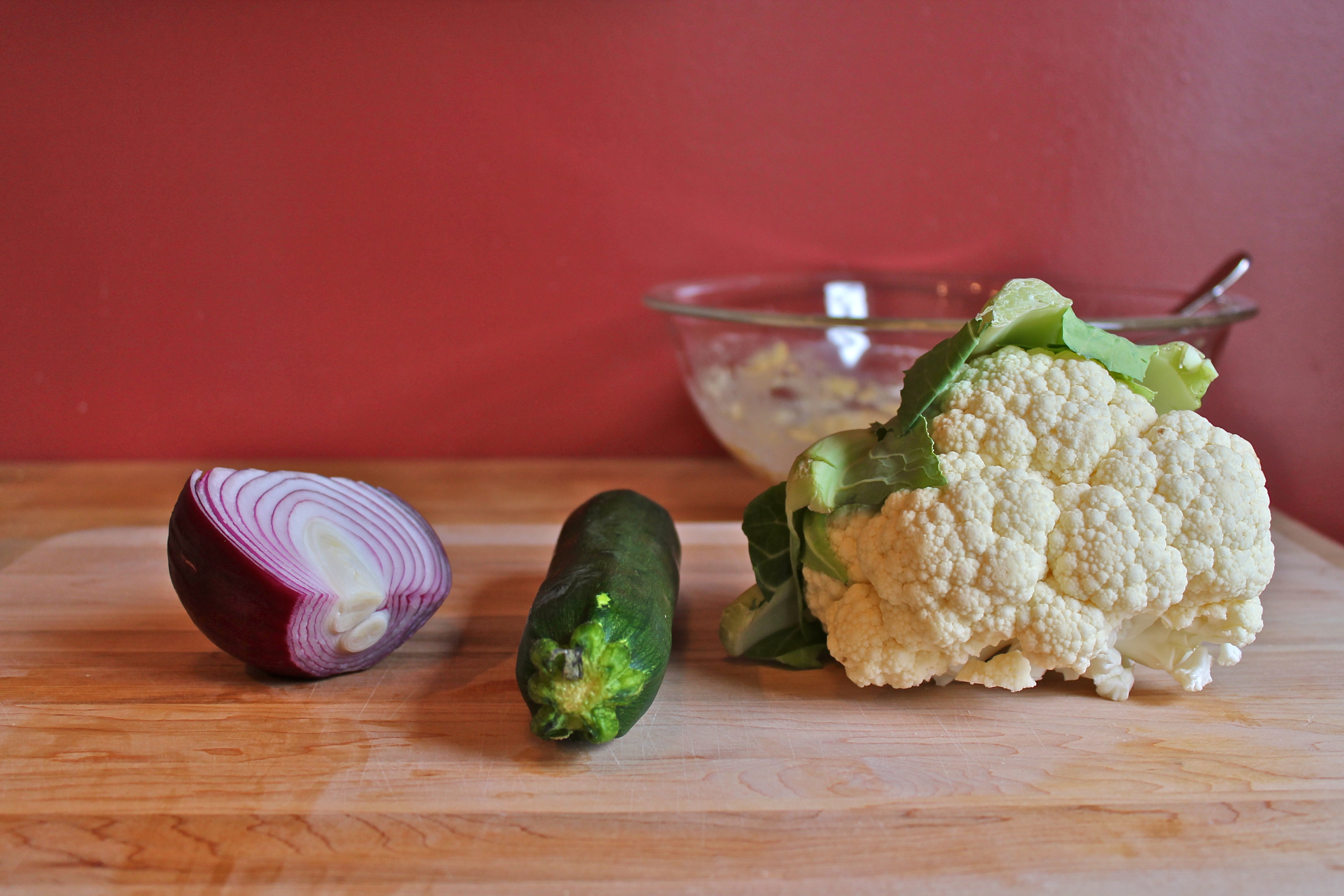
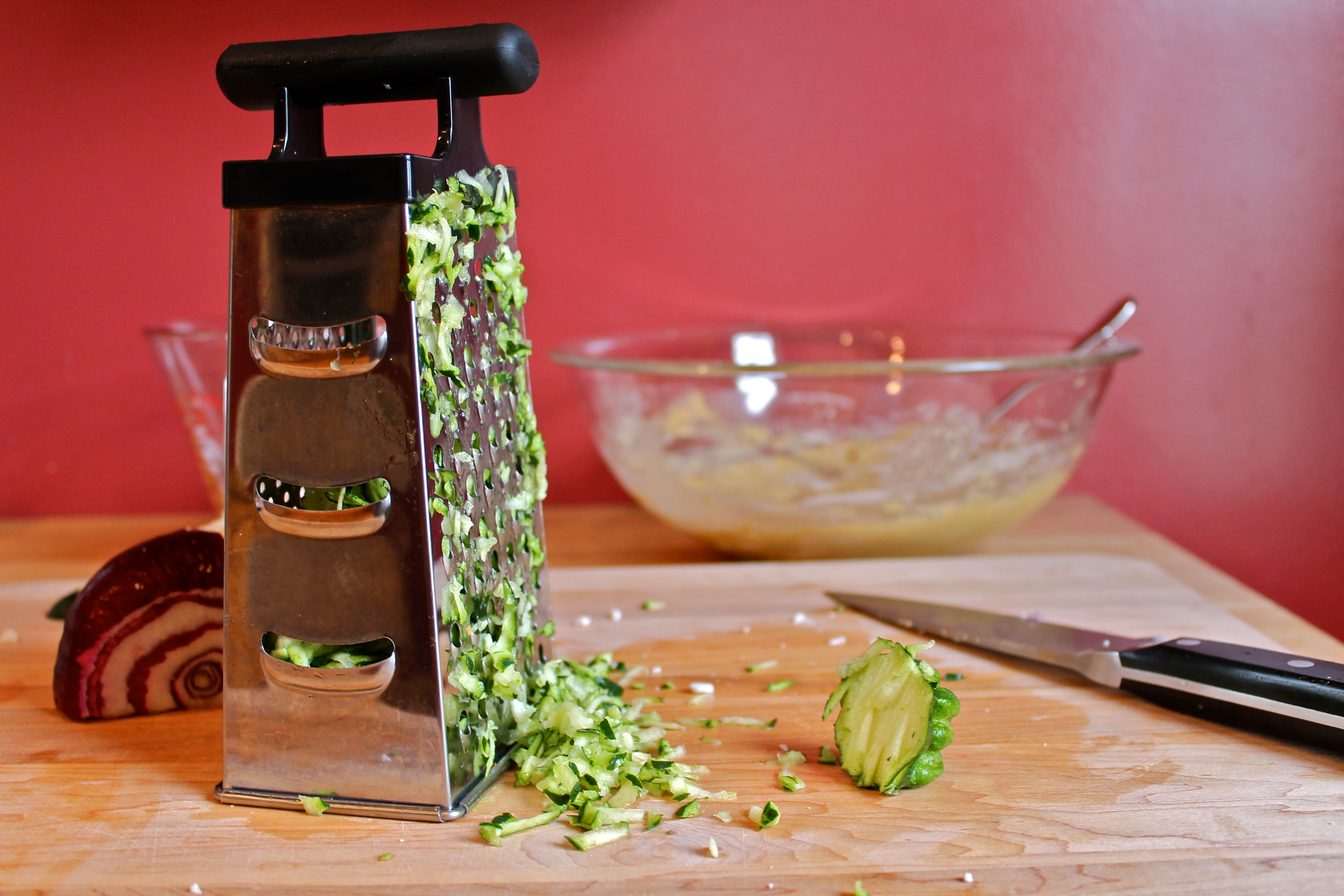
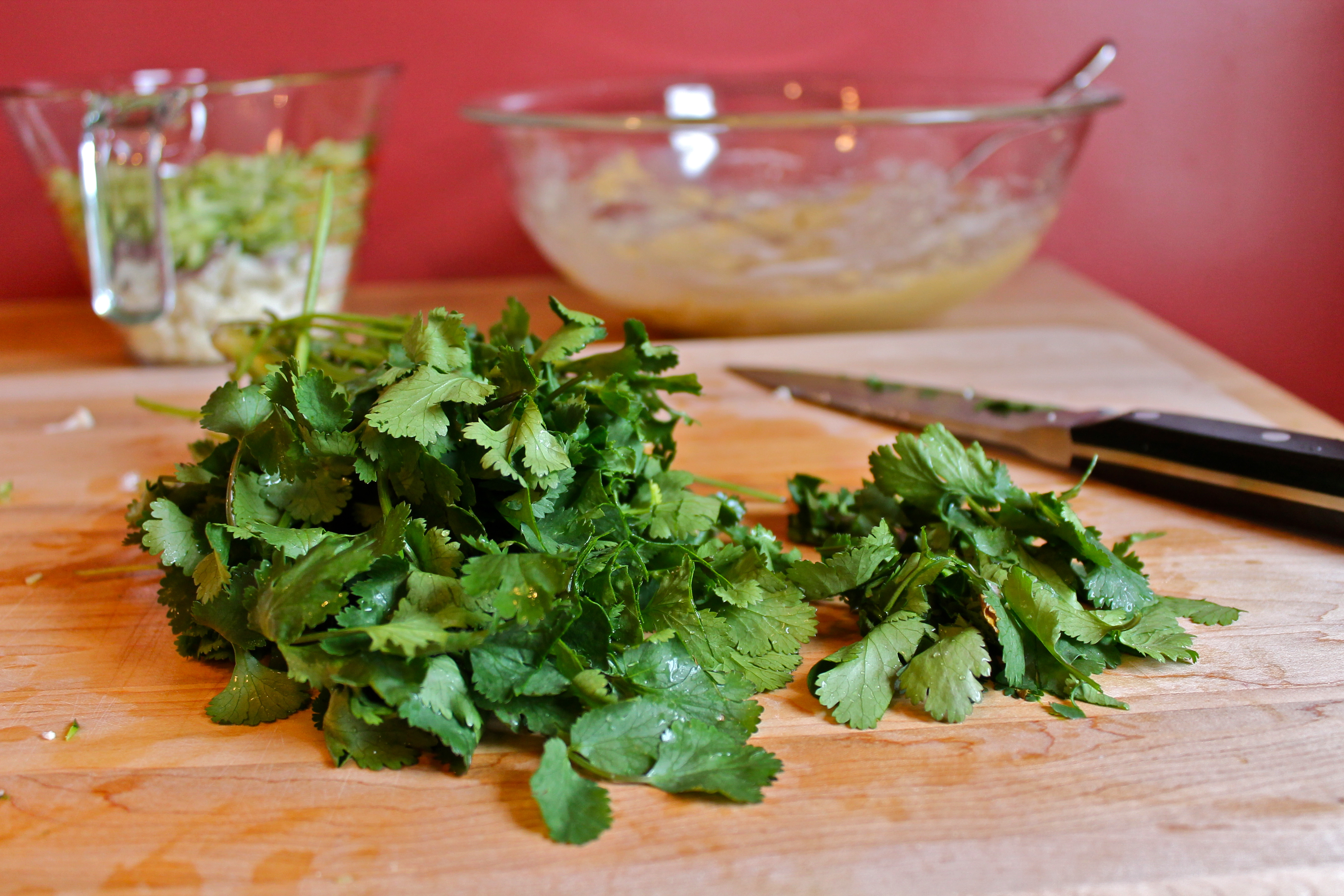
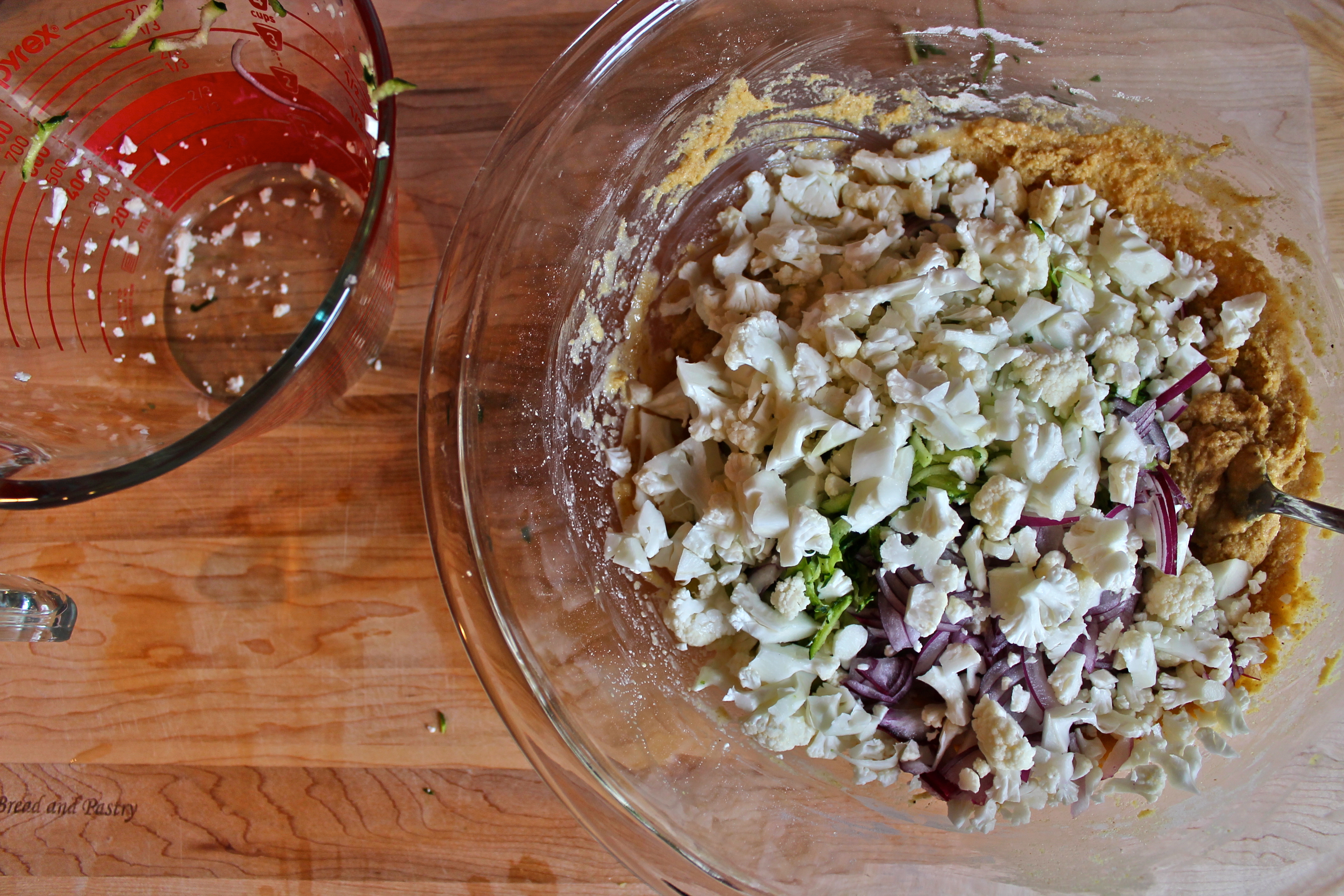
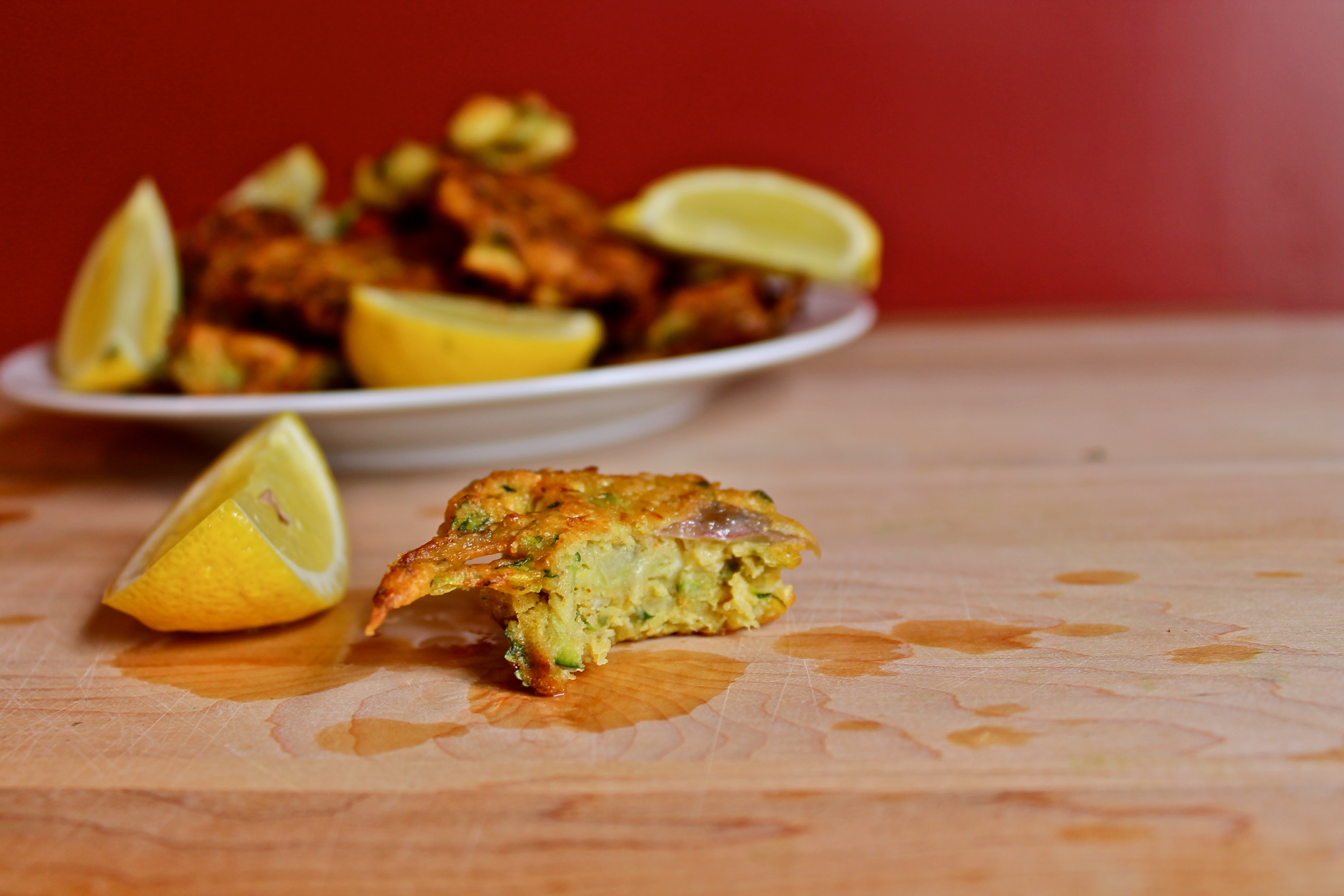
Cauliflower, zucchini, potatoes, spinach, peas, root vegetables, leeks, onions—you can make pakoras out of nearly everything and they will taste absolutely wonderful.  The mélange of spices that perk up the savory besan batter have the ability to meld with pretty much anything you throw at them, and then everything comes together into one heavenly bite, you’ll be hard pressed to recall that, just a few moments ago, the very vegetables that made up your pakora were sitting untouched in your fridge and looking borderline scary. My latest batch included shredded zucchini, finely chopped cauliflower, and thin slices of red onion.  I threw in a handful of leftover cilantro for good measure, and everything came together beautifully.  Later on I discovered a lonely little jalapeno pepper hiding at the bottom of the crisper, and I cursed myself for not finding it earlier.  Thinly sliced into crisp ribs and folded in amongst the milder vegetables, it would have made my pakoras just that much more punchy and exciting.  Not that I had any trouble finishing off these pakoras without them.  Needless to say, there were absolutely no leftovers of my leftovers.

Check the archives for more Indian dishes.

Also, time machine! I’ve been doing this for a year now. Check this post from exactly one year ago today: Cinnamon Raisin Swirl Bread.

Vegetable Pakoras Recipe

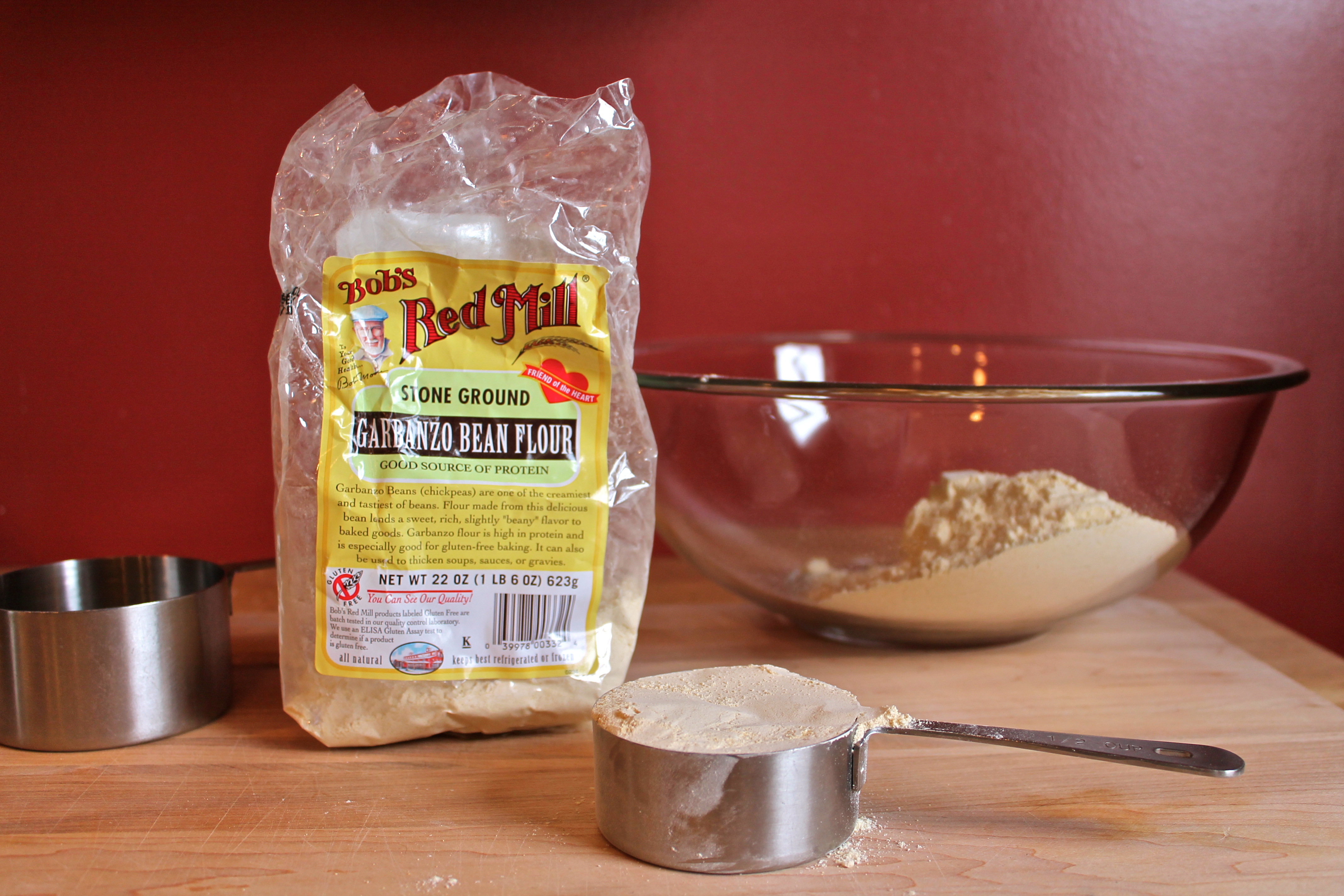
1 ½ cups besan (chickpea flour)

1 teaspoon ground coriander

¼ teaspoon turmeric

¼ teaspoon ground cumin

¼ to ½ teaspoon cayenne pepper, depending on how spicy you like things

½ teaspoon garam masala

½ teaspoon salt

1 teaspoon freshly grated ginger

1 teaspoon vegetable oil

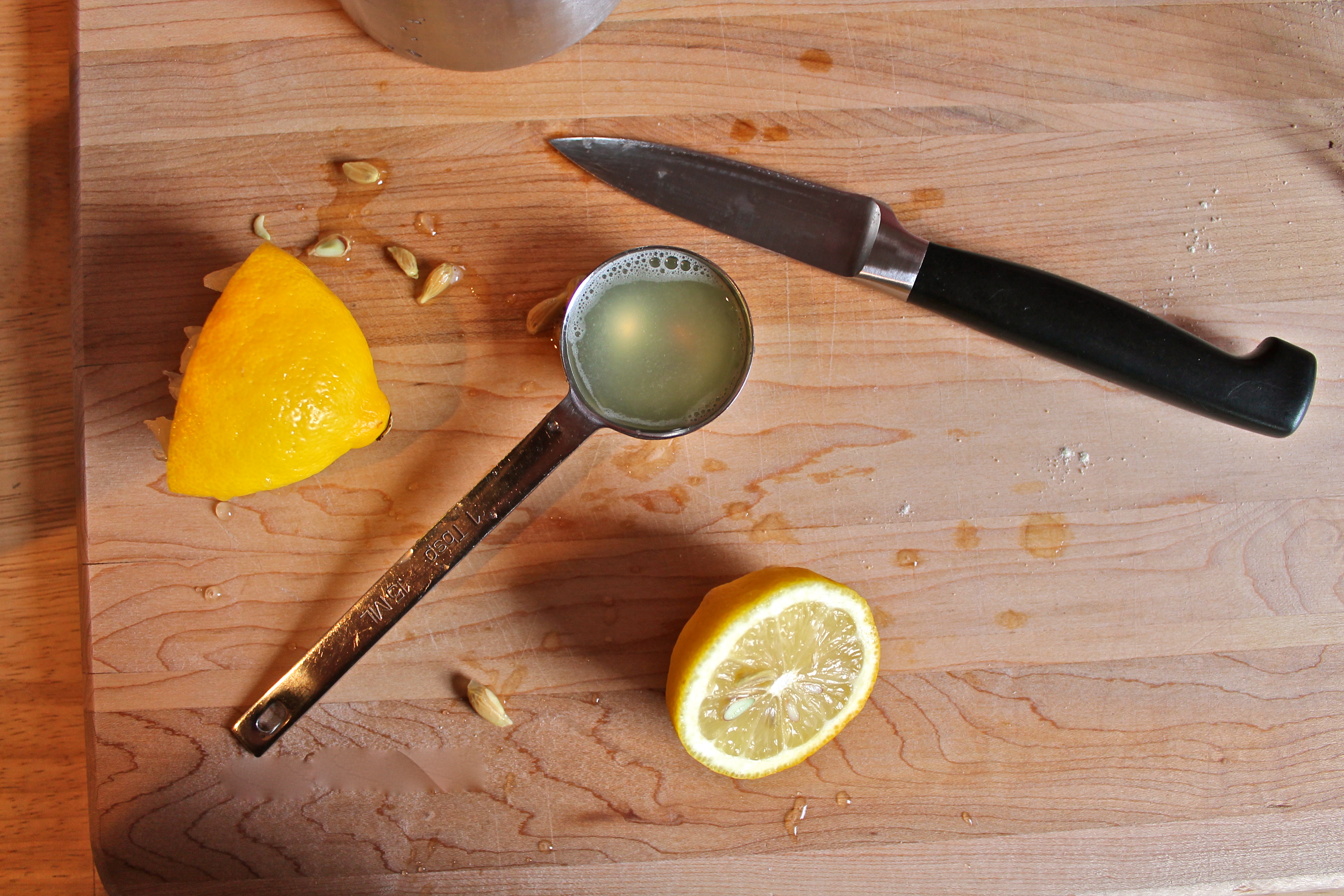
1 tablespoon lemon juice

2/3 cup cold water

2 tablespoons chopped fresh cilantro

4 cups finely chopped or grated vegetables (cauliflower, potatoes, zucchini, spinach, onions, etc.)

lemon slices, for serving

optional: pinch of baking powder

In a large bowl, whisk together chickpea flour, spices, salt, and ginger.  If you like puffier pakoras, now would be the time to add in the optional pinch of baking powder. Using a fork, slowly mix in the vegetable oil, lemon juice, and cold water.  Mix until the batter is thick, but not stiff (if the batter is unreasonably stiff at this point, mix in another 2 tablespoons of water to loosen it up).  Set batter aside while you prep the vegetables.

Fold the chopped vegetables into the batter, coating all the vegetables as best as you can without overworking the batter or bruising the vegetables.

In a large skillet, heat ¼ to ½ cup of vegetable oil (how much will depend on the size of your skillet, a larger skillet will need more oil, and vice versa) over medium heat until it just begins to shimmer and a pinch of the batter dropped into the oil sizzles immediately.

Carefully place 1 heaping tablespoon of batter at a time into the hot oil.  The pakoras should sizzle nicely, but not violently (if the oil is too hot, the pakoras will cook too fast on the outside and remain raw in the middle).  Cook four or five pakoras at a time, taking care not to crowd the pan.  Cook for roughly 3 minutes on each side, until the outsides are dark golden brown and the middles are cooked.  Drain pakoras on a layer of paper towels set upon a wire cooling rack (this will keep the pakoras from getting soggy).

Serve warm, with fresh lemon slices for squeezing over the pakoras.

Makes about 3 dozen pakoras, depending on how heaping your tablespoons are.