Tag Archives: recipe

Gingerbread Cake with Poached Pears and Mascarpone Cream

14 Feb

IMG_8448

When you know a person who likes to make cakes as much as I do, and I offer to make you a birthday cake, your choice of cake can sometimes require a bit more intense concentration and debate than ever thought logical or necessary.
IMG_8433

IMG_8436

IMG_8431

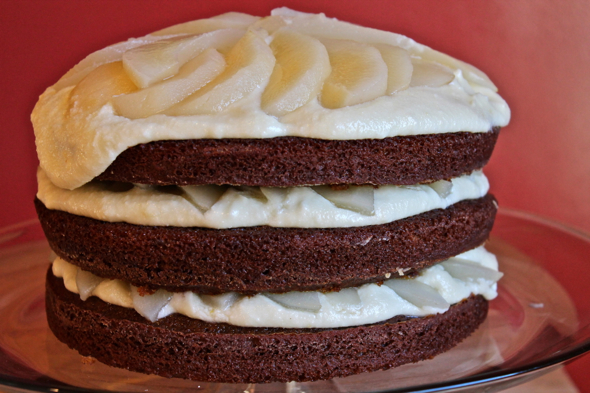
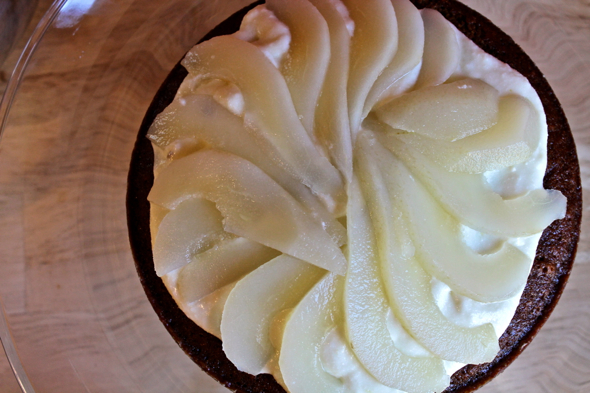
If you can’t decide on a cake and tell me to decide for you, you may end up here: spicy dark gingerbread, layered with smooth mascarpone cream, and studded with juicy poached pears. Just fancy enough to satisfy my desire to make a spectacular cake for a special birthday, but also bursting with classic, humble flavors that provide the cake with a bit of comfortable familiarity. This cake may look like a big burst of song and dance, but it tastes like a giant, loving hug. Which makes for a very happy birthday for anyone.
IMG_8440

Last Year: Crisp and Hearty Homemade Granola Bars

Gingerbread Cake with Poached Pears and Mascarpone Cream

Gingerbread Cake

Adapted from Epicurious

1 cup Guinness extra stout or dark beer

1 cup mild-colored (light) molasses

1 1/2 teaspoons baking soda

2 cups all purpose flour

2 tablespoons ground ginger

1 1/2 teaspoons baking powder

3/4 teaspoon ground cinnamon

1/4 teaspoon ground nutmeg

1/8 teaspoon ground cardamom

3 large eggs, at room temperature

1/3 cup sugar

1/3 cup (packed) dark brown sugar

3/4 cup vegetable oil

1 tablespoon minced peeled fresh ginger

Preheat oven to 350°F. Butter and flour three 8-inch-diameter cake pans. Bring stout and molasses to boil in heavy medium saucepan over high heat. Remove from heat; stir in baking soda (mixture will foam up, so be prepared to move pan to the sink if the foam threatens to escape over the sides of the pan). Let stand 1 hour to cool completely.

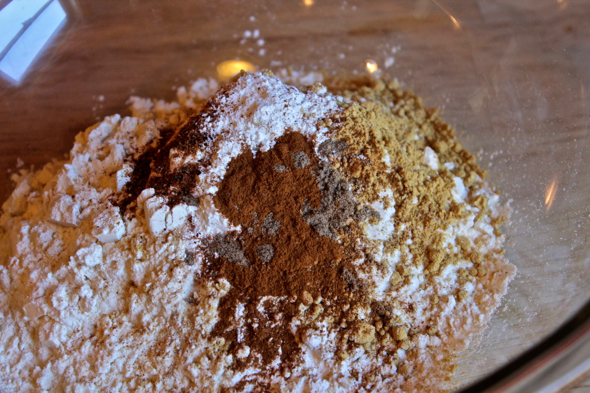
Whisk flour and next 5 ingredients in large bowl to blend. In a separate medium bowl, whisk eggs and both sugars to blend. Whisk in oil, then stout mixture. Gradually whisk stout-egg mixture into flour mixture. Stir in fresh ginger.

Divide batter among prepared pans. Bake until tester inserted into centers of cakes comes out clean, about 25 minutes. Cool cakes in pans 15 minutes. Invert cakes onto racks; cool. (Can be made 1 day ahead. Wrap each cake separately in plastic and keep at room temperature.)

Poached Pears

4 cups water

¼ cup sugar

juice from 1 lemon

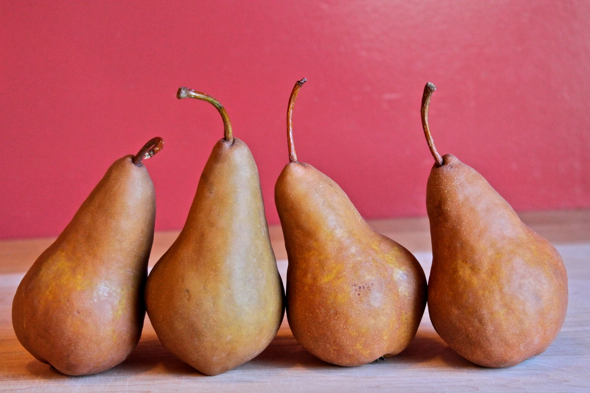
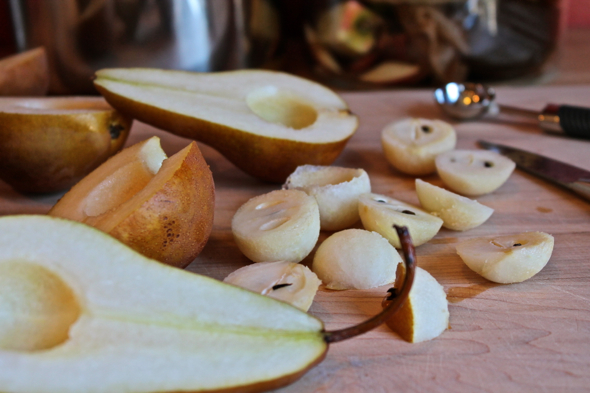
3 medium-size firm but ripe Bosc pears, peeled, sliced in half, core and stems removed

Bring water, sugar, and lemon juice to boil in large saucepan over medium-high heat, stirring until sugar dissolves. Add pears. Reduce heat to medium and simmer until pears are very tender, turning occasionally, about 20 minutes. Cool pears in syrup. You can poach the pears up to a day ahead if you like, then store the pears, still in their poaching liquid, covered in the refrigerator.

When you are ready to use the pears, drain them thoroughly in a colander or strainer, discarding the liquid. Slice the pears lengthwise into thin strips that can be fanned out in a circle on top of the cake layers.

Mascarpone Cream

8 ounces mascarpone cheese

4 ounces cream cheese, at room temperature

4 tablespoons (1/2 stick) unsalted butter, at room temperature

1 ½ cups powdered sugar

½ teaspoon pure vanilla extract

pinch of salt

In a large bowl, or in the bowl of a standing mixer fitted with the paddle attachment, combine mascarpone, cream cheese, and butter. Beat on high speed until light and creamy, about 3 to 5 minutes. Slowly add in powdered sugar, ½ cup at a time, beating until combined. Add the vanilla and salt and beat on high speed for about 3 minutes, until everything is smooth, creamy, and fully combined.

To assemble cake, Place one cake layer on a large platter. Spread on 1/3 of the mascarpone cream, leaving clear about a ½-inch edge. Cover the cream with a concentric circle of pear slices. Place another layer of cake on top, cover with half of remaining cream, then cover with another circle of pear slices. Repeat for final cake layer.

Because the mascarpone cream and poached pears do not provide the most stable structure, it is a good idea to stabilize the cake with a few wooden dowels (or trimmed wooden chopsticks, or trimmed wooden skewers). Simply clip 3 dowels or skewers to the proper height, then place them in a circle in roughly the middle 2/3 of the cake. This will keep your cake layers from sliding off of one another. When you are cutting and serving the cake, simply remove each skewer as you get to it.

Roasted Parsnip and Potato Hash

6 Feb

IMG_8239

IMG_8224

IMG_8225

IMG_8228

IMG_8257

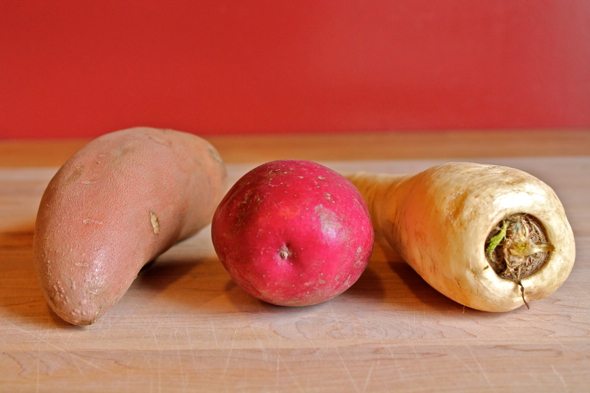
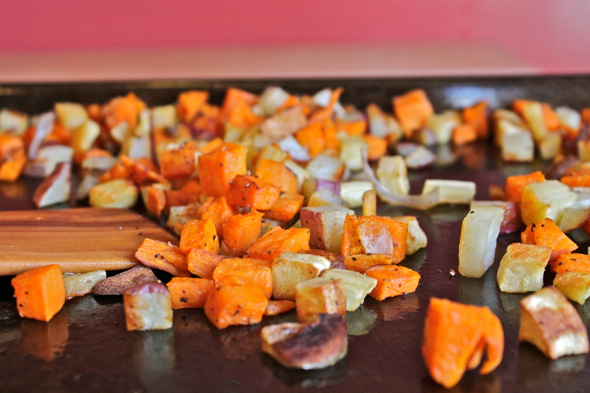
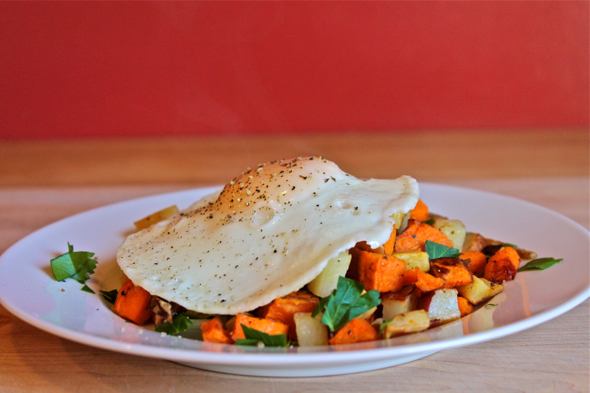
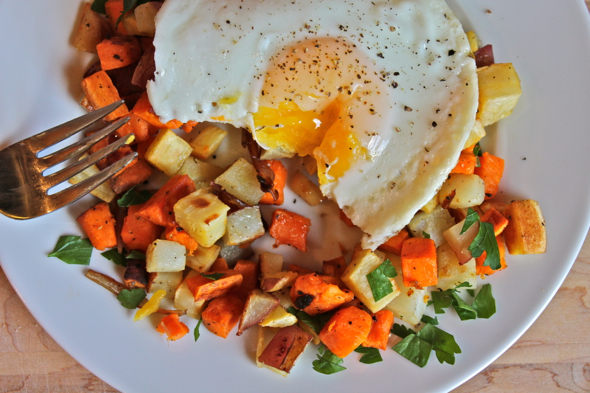
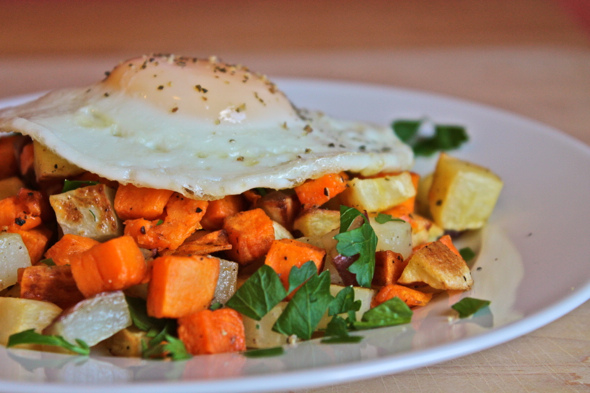
I just made this great vegetable hash out of three different types of root vegetables, and the whole time I was making it I was wondering how many other root vegetables I could throw into the mix and still achieve the same comforting, savory bite. The answer is, of course, that I could throw in all the root vegetables and always end up with a fantastic combination. Here I have parsnips, sweet potatoes, and red potatoes, but I could easily throw in a diced carrot, a turnip, or even a golden beet and effortlessly end up with a lovely, delicious platter of food.

IMG_8231

IMG_8242

Last Year: Gingerbread Waffles and Caramel Cream Sandwich Cookies

Roasted Parsnip and Potato Hash Recipe

1 large parsnip, peeled if the skin is tough

1 medium orange-fleshed sweet potato, peeled if the skin is tough

1 large red potato

3 large cloves of garlic

1 large shallot

2 tablespoons olive oil

salt and pepper to taste

handful of chopped Italian parsley

Preheat oven to 400 degrees Fahrenheit. Arrange a rack in the second-lowest position.

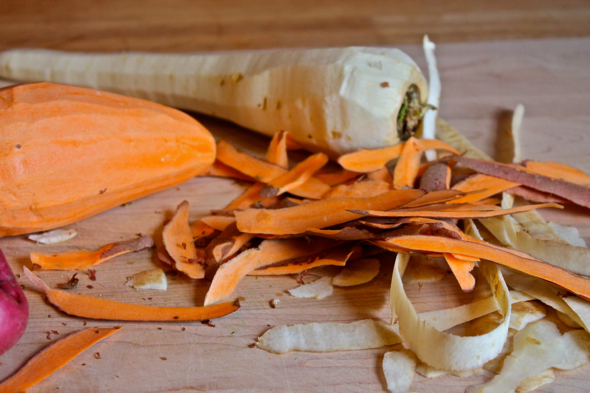
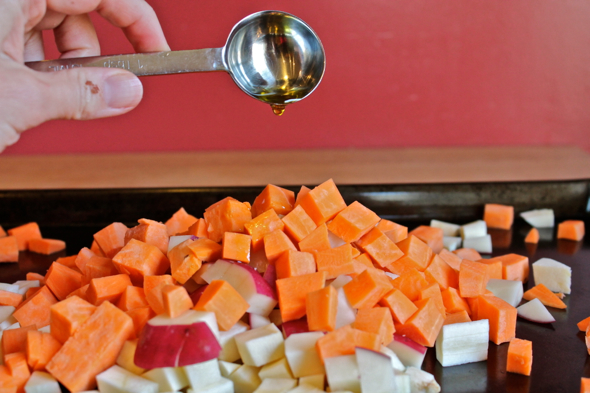
Dice the parsnip and potatoes into very small ¼-inch chunks. Very coarsely chop the garlic into rough quarters. Slice the shallot in half lengthwise, then into medium ribs. Combine parsnip, potatoes, garlic, and shallot on a large, heavy baking sheet. Drizzle with olive oil, sprinkle with salt and pepper, then toss everything together to combine.

Roast on second-lowest oven rack for 20 minutes, until the bottoms of the root vegetables are nicely browned. Toss the vegetables around a bit, turning them over as much as possible, then continue to roast them for another 5 minutes, until the edges are crisp and golden.

Sprinkle with chopped fresh Italian parsley, then serve with softly fried or poached eggs.

Serves 2 to 4 people, depending on how generous you make the servings.

Lemon Coconut Cake

30 Jan

IMG_8276

IMG_8230

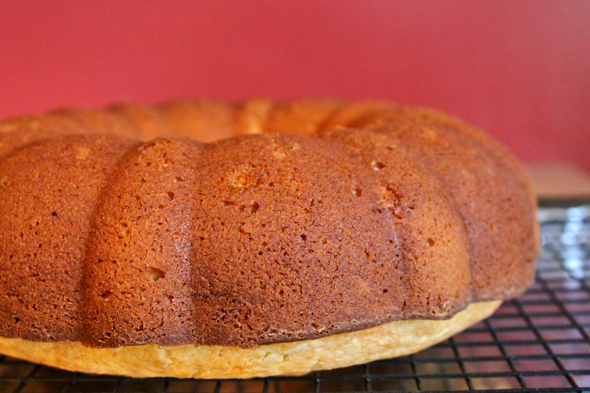
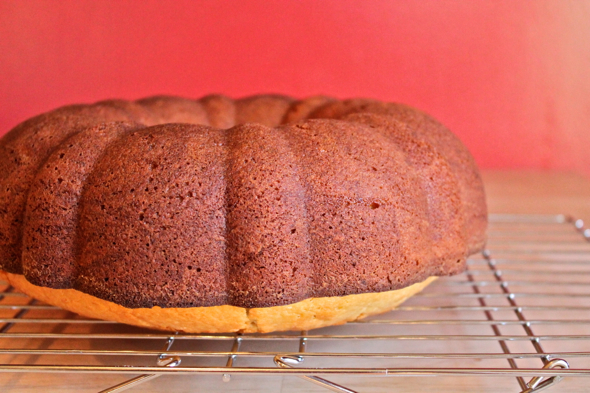
Because, as we know, I like making cakes, I tend to have a lot of documentation of many, many cakes. After a while, however, though the cakes I make are mostly new affairs that I test out in the name of promised deliciousness, I have noticed that many of the cakes I make tend to look fairly indistinguishable from one another. Observe:

This ginger cardamom cake:

cardc

looks a lot like this rum cake:

rumc1

which looks pretty much identical to our current lemon coconut cake:

IMG_8269

The cakes may look the same, but their tastes are anything but the same.

IMG_8259

IMG_8261

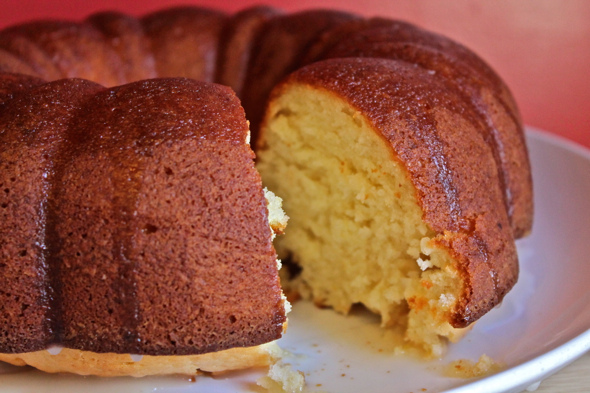
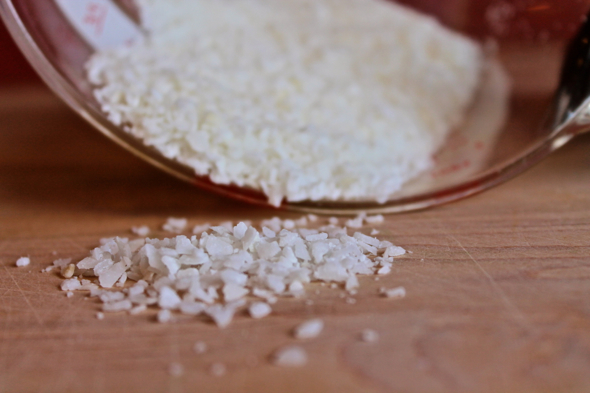
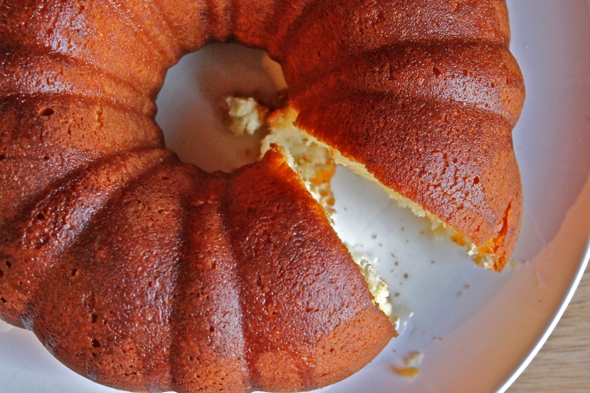
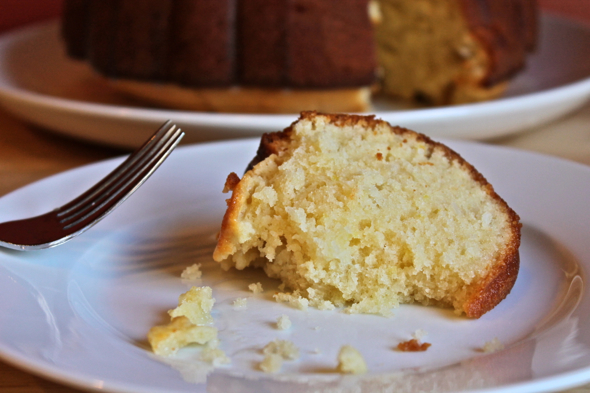
With coconut milk taking the place of regular milk, an added hit of shredded coconut, and a double burst of both lemon zest and fresh lemon juice, this cake is a burst of brightness. The coconut shines through like a tropical dream, and the punch of lemon, plumped up just a tad by the addition of a light lemon glaze, makes for a perfect pairing. Though not a traditional pound cake in the sense that the ratios of flour, butter, eggs and sugar do not line up equally, the crumb of this cake is very much in the realm of a pound cake, with a dense, moist crumb, and the unmistakable flavor undertone of rich butter. It may look like a plain, innocent bundt cake, but don’t be fooled.

IMG_8281

IMG_8279

Last Year: Apple Cinnamon Crumb Bread (this may be called a bread, but, come on, it’s a cake in a bread tin) and Grilled Lemongrass Chicken

Lemon Coconut Cake

2 2/3 cups unbleached all-purpose flour

2 ¼ teaspoons baking powder

½ teaspoon salt

1 cup (2 sticks) unsalted butter, softened at room temperature

1 1/3 cups granulated sugar

4 large eggs, at room temperature

1 teaspoon pure vanilla extract

2 teaspoons freshly grated lemon zest

½ cup unsweetened shredded coconut

¼ cup freshly squeezed lemon juice

1 cup coconut milk

Lemon Glaze:

1/3 cup powdered sugar

2 tablespoons freshly squeezed lemon juice

drop of pure vanilla extract

pinch of sea salt

Preheat oven to 350 degrees Fahrenheit. Generously grease and flour a 10 or 12-cup bundt pan.

Into a medium bowl, sift together flour, baking powder, and salt. Set aside.

In a large bowl, or in the bowl of a stand mixer, cream butter on medium-high speed until soft and fluffy. Grandually add in sugar and continue to beat on medium high speed until mixture is fluffy and light. Reduce mixer speed to medium, and add in eggs one at a time, scraping down the sides and bottom of bowl in between each egg. Beat in vanilla. Beat in lemon zest, shredded coconut, and lemon juice, and mix until just combined.

Scrape down the sides and bottom of bowl, then add in 1/3 of the flour mixture, followed by ½ of the coconut milk. Mix until barely combined, then add in ½ of remaining flour mixture, barely mixing to combine, then rest of coconut milk. Add in remaining flour, beating until just combined. Scrape down the sides and bottom of bowl one last time, and gently fold the batter two or three times, just to incorporate any unmixed bits of flour.

Pour batter into prepared bundt pan, then bake in center of oven for 50 to 55 minutes, until a cake tester inserted into the cake emerges with just a few moist crumbs attached. Cool cake in pan for 10 minutes, then invert onto a wire rack to continue cooling.

While cake is cooling, prepare glaze. In a small bowl, combine all glaze ingredients and whisk to combine thoroughly. Whisk for 2 to 3 minutes, until powdered sugar has lost some of its graininess.

While the cake is still warm, gently brush on glaze, covering as much of the surface of the cake as possible.