Archive | February, 2011

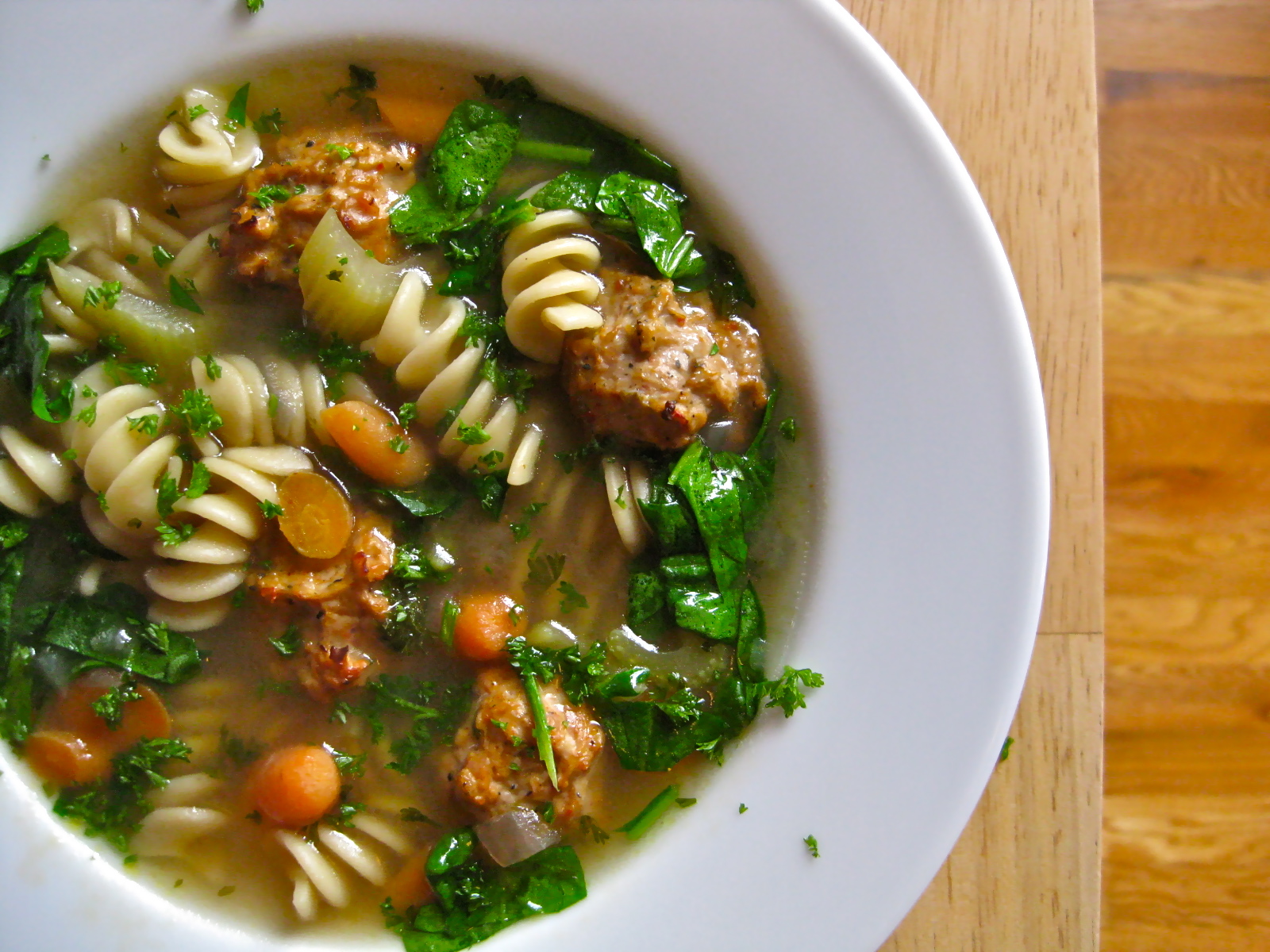
Italian Wedding Soup

28 Feb

In a household where one person is usually found doing the bulk of the cooking, there can often be a tad bit of confusion involved when the non-cooking sector of the household announces the intention to start taking on regular cooking duties.  This confusion, it should be noted, is not on the part of the cook being given a break, but rather on the part of the new cook who is often times unsure about the differences between foods and ingredients that share a similar profile.

Such was the case when my husband, who has announced that he will now be cooking dinner one night a week, raised the question about the difference between chicken stock and chicken broth.  It was a good question, but one that was tough for me to explain, save for the single qualifier I could think up that described chicken stock as being the more “chickeny” of the two liquids.  Searching for a more detailed answer, we decided to consult with that tried and true tome of all things food: Joy of Cooking.

As it turns out, my description was not far off.  Chicken stock (as with any meat-based stock) is made with a higher bone-to-meat ratio than chicken broth, and thus results in a thicker, more intense product.  Stock also takes twice as long to produce, and one is required to take on a lot more butchering of the chicken in order to portion out the most desirable stock components (back, neck, bones).

It was then, envisioning an entire morning and afternoon spent tending to a stewing chicken skeleton, that my husband opted to take his first plunge into soup-making by way of tenderly poaching a whole chicken and producing what turned out to be an entire stock pot full of chicken broth.

The broth, while delicious, was also abundant, and it managed to stick around through two separate rounds of chicken soup (four rounds, really, if you account for the fact that on both occasions we were made to assemble a separate, non-vegetable, version of the soup for our preschool-aged child) without showing any signs of fatigue.

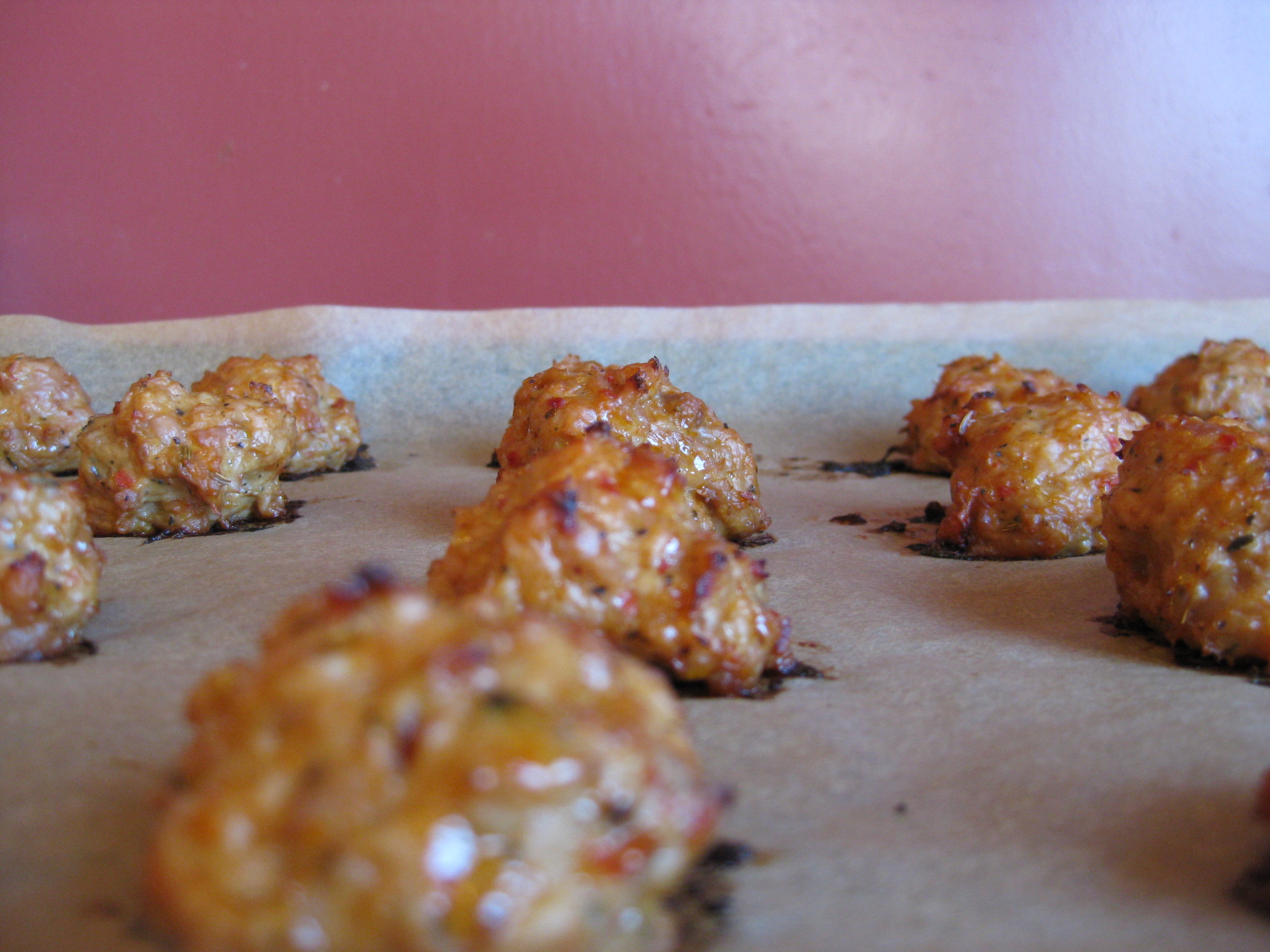
Which is not to say that our taste buds were not more than a little fatigued, leading to the desire for a more complex and dressed-up pot of soup.  Desiring more vegetables (sorry, son), more textures, and more spice, I was drawn to the idea of plumping up the soup into something a bit busier.  By adding tiny meatballs of Italian chicken sausage, the soup was instantly given a bit more heft.
Fresh carrots and celery sautéed with onions gave the flavor of the soup more depth, and a bit of fresh ginger added a much-needed hit of brightness.
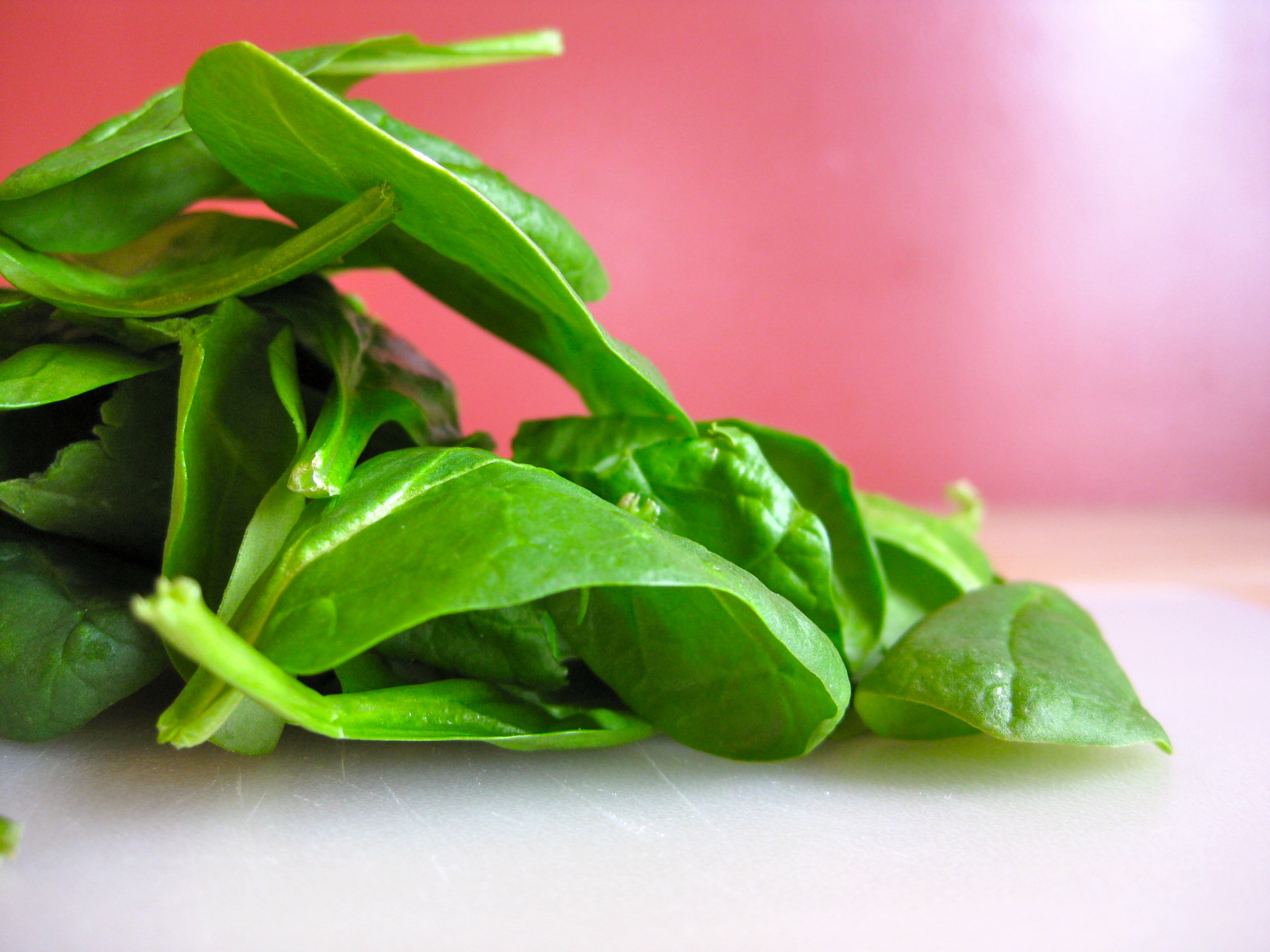
After adding a handful of pasta and then deciding to serve the soup over a bed of fresh spinach, it soon became clear to me that by doctoring up my husband’s chicken broth, I had created a melting pot of colors and flavors known as Italian wedding soup, which, though neither of us is Italian, seemed quite fitting for a dish made by a marrying of both minds and meals.

Italian Wedding Soup

2.5 quarts (10 cups) chicken broth

1 pound bulk Italian chicken sausage

3 tablespoons olive oil

1 medium red onion, finely minced

1 cup diced carrots

1 cup diced celery

1 heaping cup dry pasta (we used rotini)

1 heaping tablespoon freshly grated ginger

salt and pepper to taste

8 oz spinach leaves, washed and coarsely chopped

1/4 cup chopped Italian parsley

Preheat oven to 350 degrees F.  Using a teaspoon, portion out the Italian chicken sausage into 1 inch meatballs, dropping each one onto a baking sheet lined with parchment paper.  Bake meatballs for 20-25 minutes, or until cooked through and just slightly beginning to caramelize on the outside.

While the meatballs are baking, heat the olive oil in a large stock pot over medium heat.  Add the onions, carrots, and celery, then saute, stirring occasionally, until the vegetables are softened but the carrots still retain their bright color, about 5-8 minutes.  Add the chicken broth and bring to a boil.  Add the pasta to the simmering soup, and cook until tender, about 5-8 minutes.  Add the baked meatballs and cook for an additional minute.  Add in the fresh ginger, chopped parsley, and salt and pepper to taste, then stir to combine.  Taste, then adjust seasonings as you see fit.

To serve soup, place a handful of chopped fresh spinach in the bottom of each bowl.  Ladle soup directly over spinach, then top with a sprinkling of additional parsley, if desired.

Honey Nut Granola

18 Feb

It’s easy be a fan of granola, what with its crunchy bite and hearty toasted flavor.  The bad thing is, along with that pleasing mixture of satisfaction and fullness that granola provides, what you are also getting when you tuck into a big bowl of granola is sugar.  Lots and lots of sugar.  Now, clearly I am no opponent of sugar (see here), but if I am going to eat a sweet breakfast, I am not going to attempt to conceal that fact under an attempted guise of healthfulness.  A cinnamon roll is a cinnamon roll, and granola should just be granola.  You’ve got to know what you’re getting into.

Sacrificing sugar and oil (another common granola ingredient found in unexpectedly large quantities) in a batch of homemade granola does not mean you will be left wanting for taste.  As with most things in the kitchen, when you remove something you must then add something, and in the case of this granola, you’ll actually be adding two somethings: apple cider and honey.

Combined with a generous helping of nuts and what seems like an unrealistic amount of cinnamon, this granola exits the oven smelling like tray of freshly baked of cookies, but in reality it boasts the sort of healthfulness that is ordinarily associated only with the likes of, well, granola.

I imagine that most people will get to the final portion of this recipe and immediately walk away, eyes rolling.  Two hours in the oven?  And you have to stir the stuff every 15 minutes?  It’s true that this granola needs to be moderately babysat while toasting in the oven, but if you break down those 15 minute intervals, you realize that many activities already cater to a repeated 15 (or 20, if you want to stretch it, which, honestly, does no harm) minute break.  How much television do you watch in one evening?  Does a commercial come on just about every 15 minutes?  Yes, it does.  Are you spending a leisurely Saturday afternoon at home with some reading?  Wouldn’t you enjoy getting up every 15 minutes to stretch your legs?  Oftentimes I start assembling this granola (which takes all of 5 minutes) while I am beginning dinner preparations.  By the time we have eaten dinner, cleaned up, and bathed the kid, the granola comes out of the oven just before we get settled in to read bedtime stories.  Setting aside a few seconds every 15 minutes to stir the granola isn’t even noticeable, and when we go to bed we know that we’ll be waking up in the morning to the lingering scent of apples, cinnamon, and nutty toasted oats.  If that’s my reward for stirring something a mere 8 times, I’ll gladly take it.


Honey Nut Granola

6 cups rolled oats

1/3 cup sliced or slivered almonds

1/3 cup roughly chopped walnuts

1/3 cup roughly chopped pecans

1/4 cup wheat germ (optional)

3 tablespoons cinnamon

1/2 cup fresh pressed or unfiltered apple cider

1/3 -1/2 cup honey, depending on how sweet you like your granola (I find that 1/3 cup is perfectly, not overly, sweet)

1 tablespoon vanilla extract

1/2 – 3/4 cup raisins

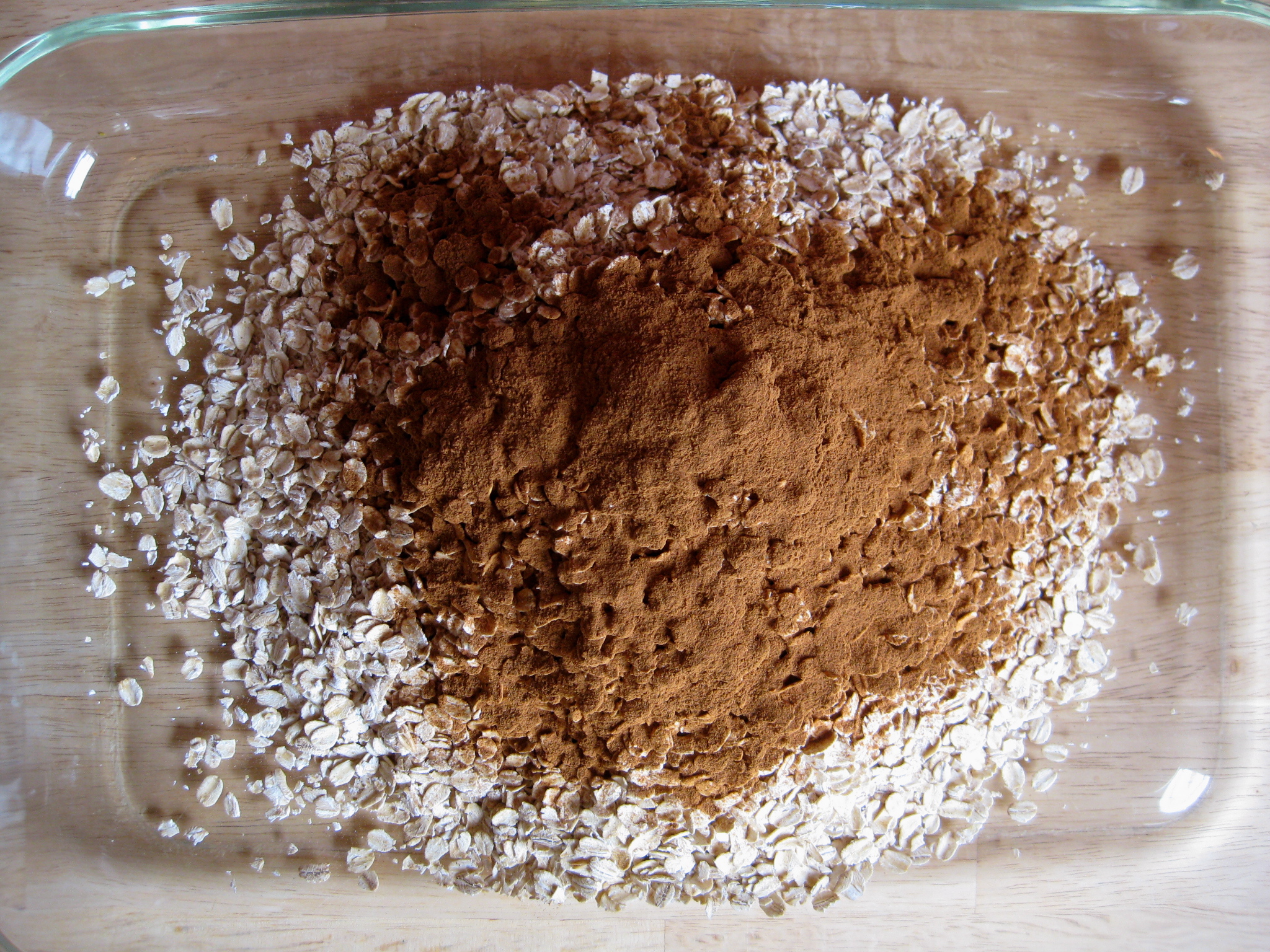
Preheat oven to 250 degrees.  In a large rectangular baking dish, toss together the oats, nuts, wheat germ (if using), and cinnamon.  In a separate bowl, thoroughly whisk together the apple cider, vanilla extract, and honey.  Pour the apple cider mixture over the oat mixture and toss to coat evenly.  When done tossing, make sure to spread the oats out evenly.

Bake uncovered for about 2 hours, stirring every 15 minutes, until the mixture is dry.  Remove from oven and stir in the raisins while the granola is still hot.  Cool granola to room temperature before storing in a tightly covered container at room temperature.

Flourless Chocolate Mousse Cloud Cake, the Cake of Plenty

16 Feb

Some people prefer birthday cake, some birthday pie.  I once knew a fellow who, in lieu of a birthday cake, asked for nothing more than a bowl of birthday cake frosting.  My favorite birthday dessert, were I forced to choose, would be the birthday combo-pack, wherein one gets to have a dessert that is very conveniently comprised of several different desserts, like a cornucopia, only filled with baked goods instead of the fruits of one’s harvest.  When I recently offered to make someone a birthday cake of his choice and was informed of his decision (carrot cake with cream cheese frosting), my first response was, “Really?  Just carrot cake?  What about a chocolate marble cake, because it has two kinds of cake in one?  Or a black bottom cake, because it’s a cake with a cheesecake filling?  Or how about two cakes?  Wouldn’t you like to have two cakes for your birthday?”

To most people, this unstoppable desire to make more work for oneself would be viewed as nothing less than ludicrous.  While I can’t argue with that assessment, I can at least justify my actions a little bit by explaining that when I am done making whatever cake or pie that someone has requested for a birthday celebration, I am, most of the time, also invited to eat whatever I have made, and therefore benefiting from our dessert negotiations more than one might initially realize.

So when it came time to prepare a birthday dessert for a beloved auntie who made the very simple request of having something that contained both chocolate and whipped cream, how could I resist the urge to fulfill her birthday cake wish many times over?

It started with the chocolate cloud cake from Nigella Lawson’s Nigella Bites.  The chocolate cloud is a flourless cake, made sturdy with stiffly whipped egg whites gently folded into a rich and chocolaty batter.

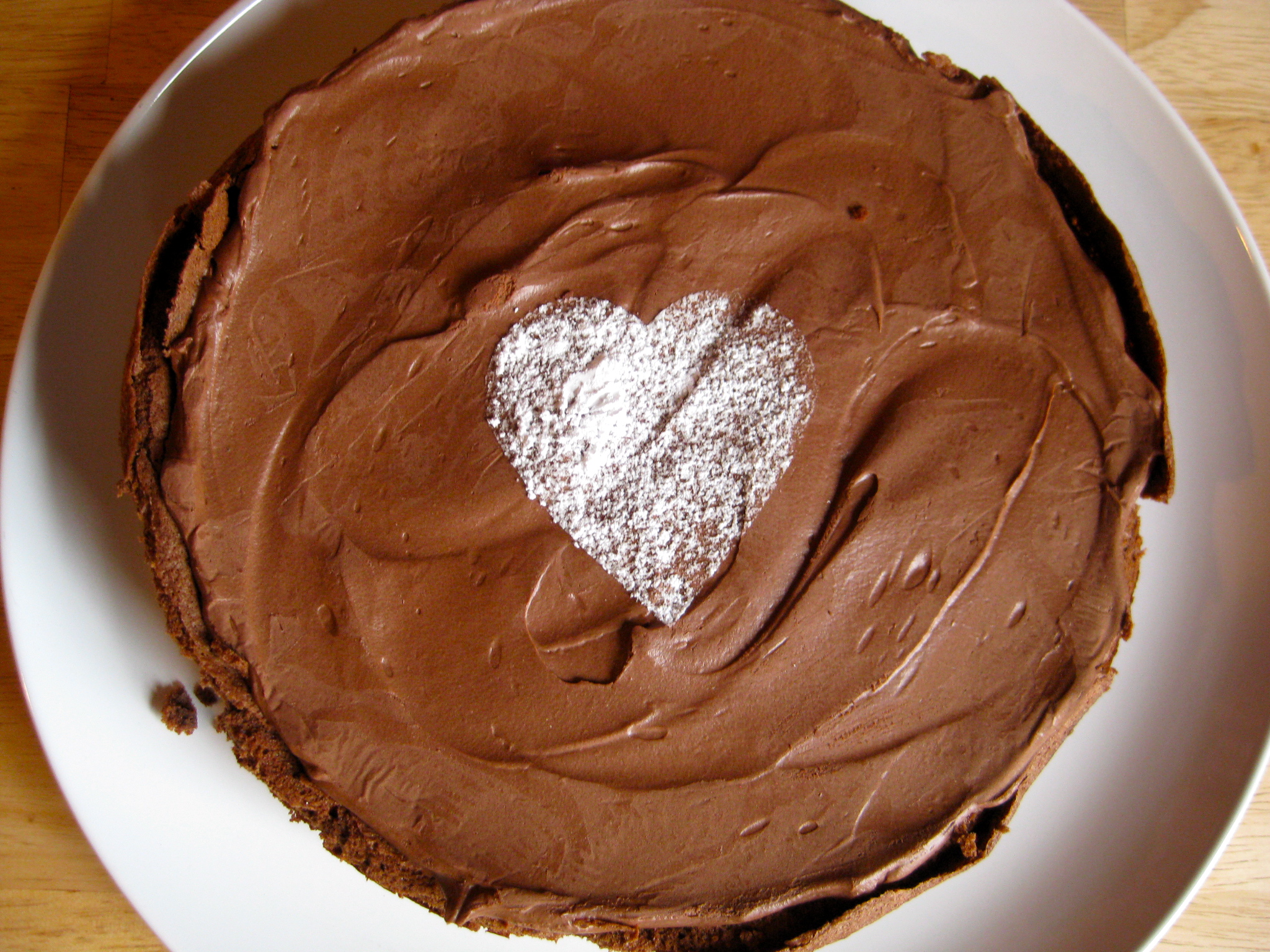
The cake rises wonderfully in the oven, then delicately deflates as it cools, leaving a perfect indentation on top in which to place whatever one chooses.  In this case, a creamy, bittersweet chocolate mousse is smoothed into the crater.


A simple dollop of whipped cream would, of course, accompany this cake very nicely, but, at this point, why limit the cake to one type of whipped cream?  With just a few more ingredients and in almost no time at all, three flavors of whipped cream can be coaxed into soft peaks and then piled high into individual bowls, inviting the cake to be interpreted three different ways.

The whipped cream variations that made company with this particular cake were flavored with espresso, peppermint, and classic vanilla, and, while they were perfectly acceptable accompaniments, I see no reason to stop at those flavors.  I almost tried out a ginger whipped cream, but the peppermint won out at the last minute.  If you have any Frangelico on hand, a little glug into the chilled cream, pre-whipping, would produce a fantastic hazelnut whipped cream (the same goes for adding a bit of Framboise to make a raspberry whipped cream, or just adding a bit of bourbon if you’re looking for a great kick of flavor with a bit less sweetness).

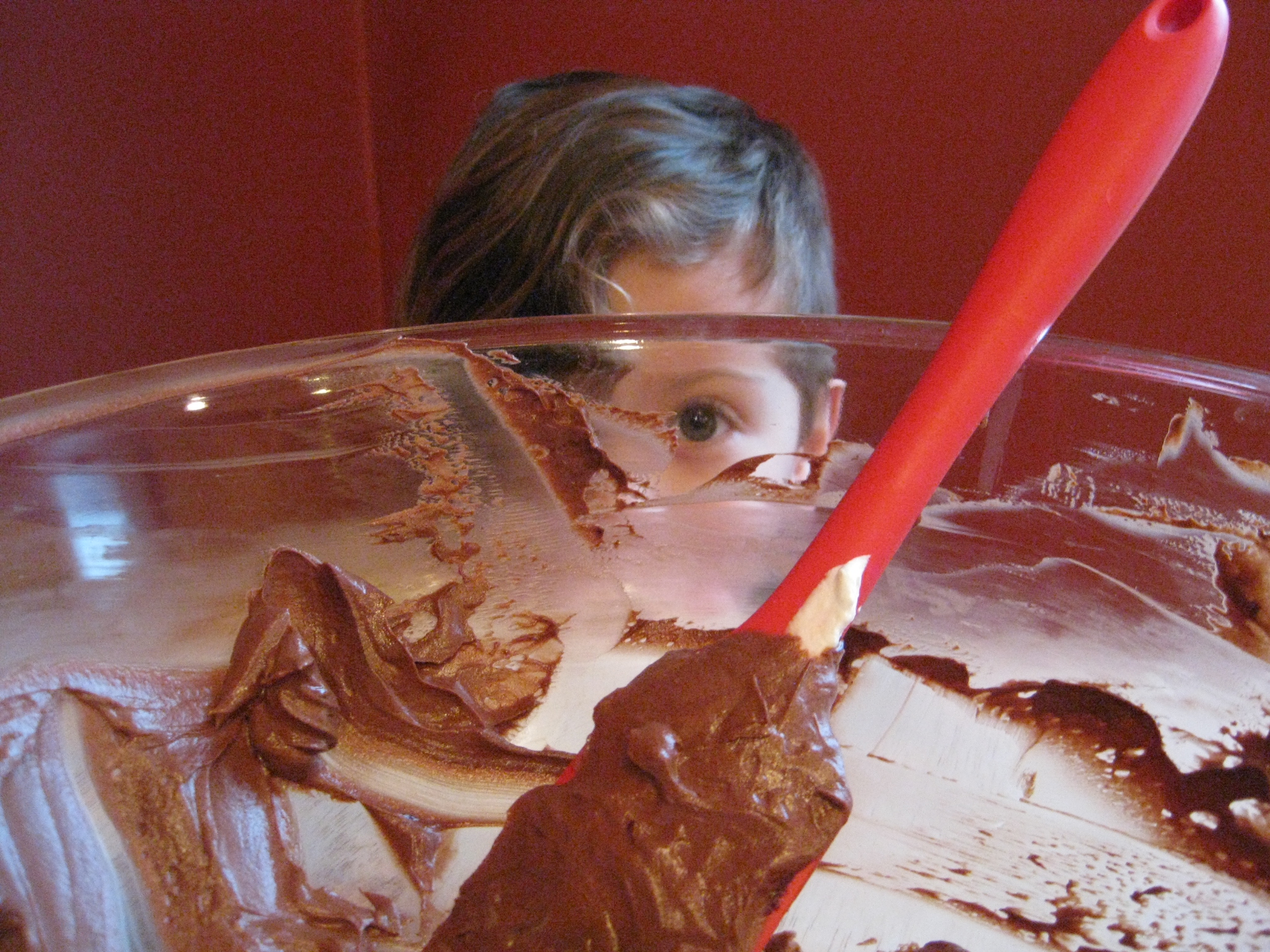
Perhaps the most enjoyable aspect of this dessert, however, comes not in its final form.  When you’re cooking with such vast quantities of chocolate, including a simple mousse that skips the standard addition of raw eggs, you are left with several cooking tools that are amenable to being cleaned off with the help of others, and not necessarily by way of the sink.  In particular, when it comes to cleaning chocolate anything off of mostly anything, in my house at least, you don’t have to go far to find yourself an assistant who is willing to help out in any way he can.

Chocolate Cloud Cake

From Nigella Bites

9 0z bittersweet chocolate

1/2 cup unsalted butter, softened

6 eggs: 2 whole, 4 separated

1/2 cup plus 1 tablespoon of sugar

9-inch springform cake pan

Preheat oven to 350 degrees F.  Line the bottom of the cake pan with baking parchment.

Melt the chocolate in either a double boiler or in the microwave, and then let the butter melt in the warm chocolate.

Beat the 2 whole eggs and 4 egg yolks with 1/3 cup of the sugar, then gently add in the chocolate/butter mixture.

In another bowl, whisk the 4 egg whites until foamy, then gradually add the remaining sugar and whisk until the whites hold their shape but are not too stiff.  Lighten the chocolate mixture with a dollop of egg whites, and then fold in the rest of the whites.  Pour into the prepared pan and bake for 35-40 minutes, or until the cake is risen and cracked and the center is no longer wobbly.  Cool the cake in its pan on a wire rack.  The middle will sink as it cools.

Chocolate Mousse

Adapted from The America’s Test Kitchen Family Baking Book

1 teaspoon cornstarch

1 & 1/4 cups heavy cream, chilled

2 tablespoons sugar

2 tablespoons Dutch-processed cocoa powder

2 teaspoons vanilla extract

1 teaspoon instant espresso powder

pinch salt

8 ounces bittersweet chocolate, melted and cooled

In a small saucepan, slowly whisk together the cornstarch and 1/4 cup of heavy cream over very low heat.  When the cornstarch has mostly dissolved (this should take under 1 minute), slowly whisk in another 1/4 cup of cream, the sugar, cocoa, vanilla extract, espresso, and salt.  Stir constantly until the sugar dissolves (about 1 minute).

Transfer the mixture to a medium bowl and stir in the melted chocolate.  Place the bowl in the refrigerator or freezer, stirring every minute or so, until the filling cools to room temperature and is slightly thickened, about 5 minutes.

Whip the remaining 3/4 cup of cream with an electric mixer on medium low speed until frothy, about 1 minute.  Increase the mixer speed to high and continue to whip until the cream forms soft peaks, 1 to 3 minutes.  Gently fold the whipped cream into the cooled chocolate filling until just combined.

Assembling the Cake

When the cake has cooled, gently pour the chocolate mousse into the crater that has formed in the center of the cake.  Smooth the mousse as much as possible, then set chocolate mousse cake in the refrigerator until the entire thing has set, anywhere from 2-3 hours (the cake can, of course, be left in the refrigerator overnight, though after the top of the mousse has set it would be a good idea to cover the top of the cake with a sheet of plastic wrap).

Before serving, run a thin knife around the edge of the cake, gently separating it from the sides of the springform pan.  If, when unlocking and removing the springform’s sides, the cake loses a few crumbs and appears a bit crackly, do not despair.  One of the many charms of this cake is its rustic appearance, as it belies the incredible smoothness held within.

Top cake with whipped cream of your choice, by the slice or in the cake’s entirety.

You can make all three of the following whipped creams by buying one pint of heavy whipping cream and dividing it into thirds.

Vanilla Whipped Cream

2/3 cup heavy cream

scant 1 teaspoon vanilla extraxt

2 tablespoons confectioners’ cugar

Mocha Whipped Cream

2/3 cup heavy cream

2 teaspoons espresso powder

2 tablespoons confectioner’s sugar

2 teaspoons unsweetened cocoa powder

Peppermint Whipped Cream

2/3 cup heavy cream

2 tablespoons confectioners sugar

1/4 teaspoon peppermint extract

Whip cream in a mixing bowl with an electric mixer or whisk until cream begins to thicken.  Add the sugar and flavorings and continue to whip until stiff peaks just begin to form.