Archive | Bread RSS feed for this section

Cheddar Apple Cornmeal Bread

24 Sep

Sometimes I just want to bake something. It doesn’t matter what, really. There are days when, faced with an open stretch of an hour or so, I just want to root around in the pantry, see what jumps out at me, then bust out the flour and create something that I can put in the oven. Maybe it’s the comfort that baking suggests, what with the emanating warmth of a heated oven and the lingering scent of something slowly baking and waiting to greet you. Or maybe it’s just that I have so little free time these days, when I have an open moment, my brain automatically commands: MAKE SOMETHING.

Unromantic as that last notion may be, I am glad to have whatever urge it may be that compels me to create new foods. It keeps my creativity sharp, sure, but it also brings me so much joy to be measuring, mixing, and anticipating what new thing I have just thrown together. Because sometimes that is exactly what happens: I find things, I put them together, and I wait to see what emerges. My efforts are not always successful (remind me to not tell you about the time I put dried pears in a batch of cookies and ended up with cookies that tasted as though they were studded with chunks of fibrous cardboard), but, as with this bread, when they are successful, it certainly makes my day feel that much more complete.

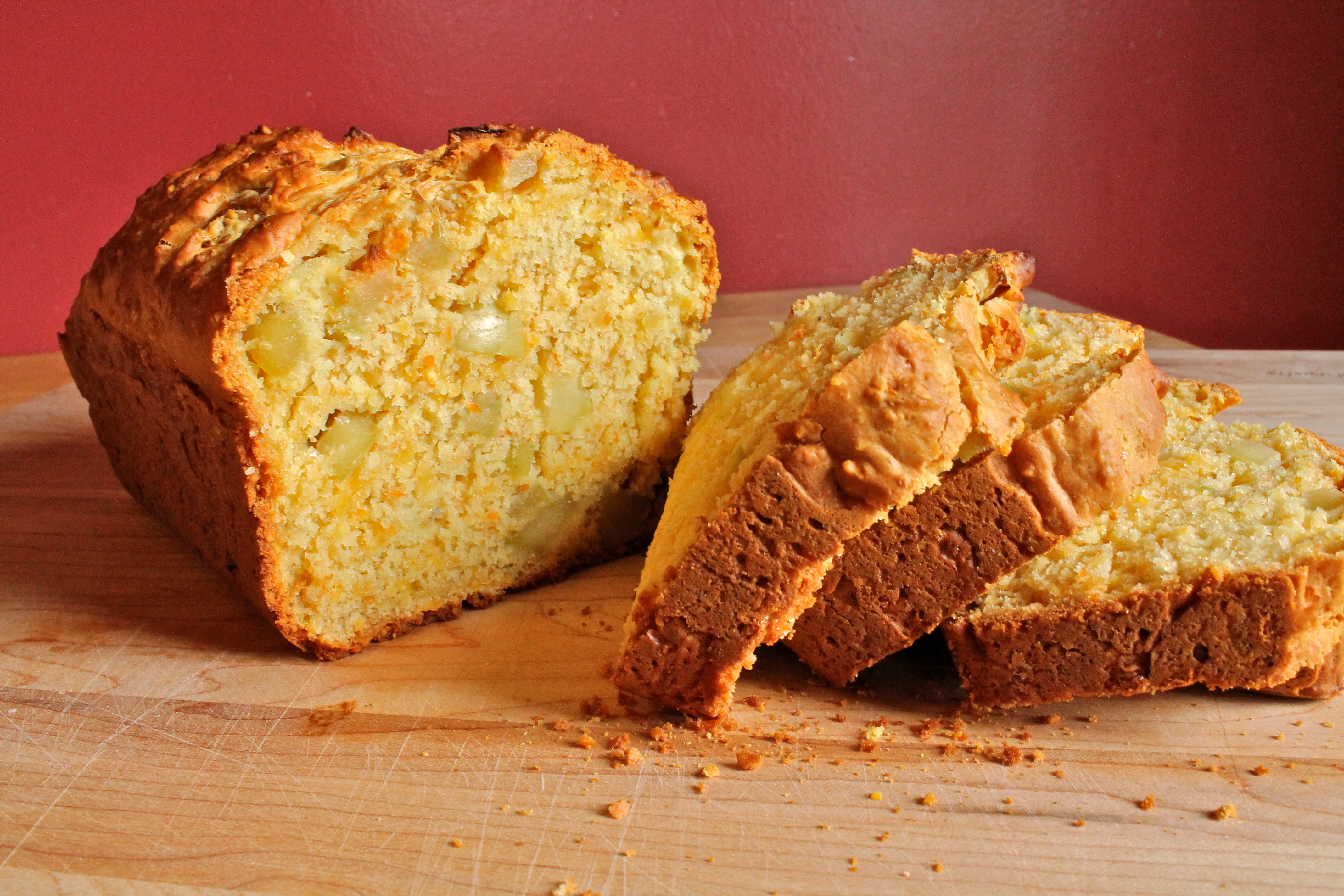
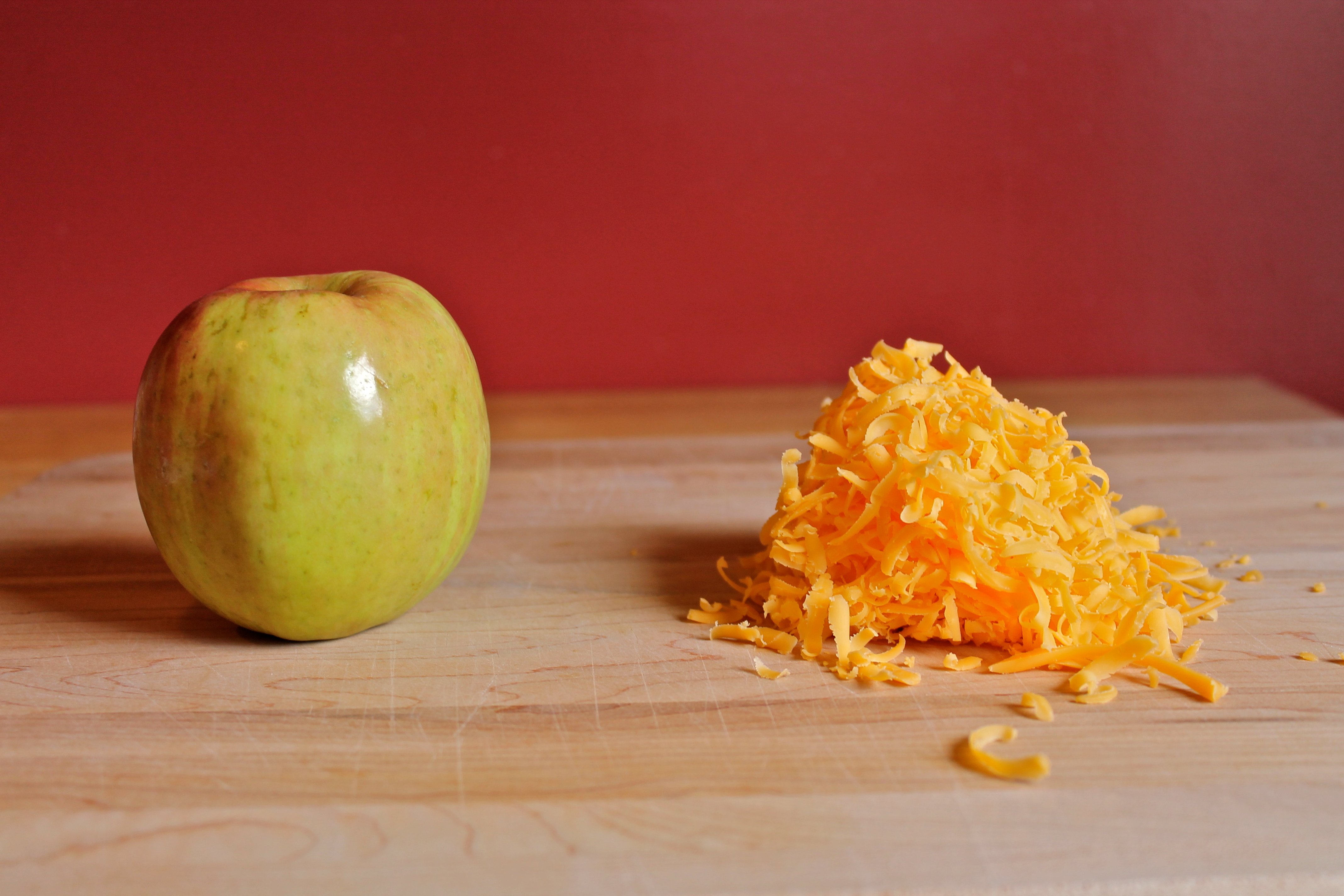
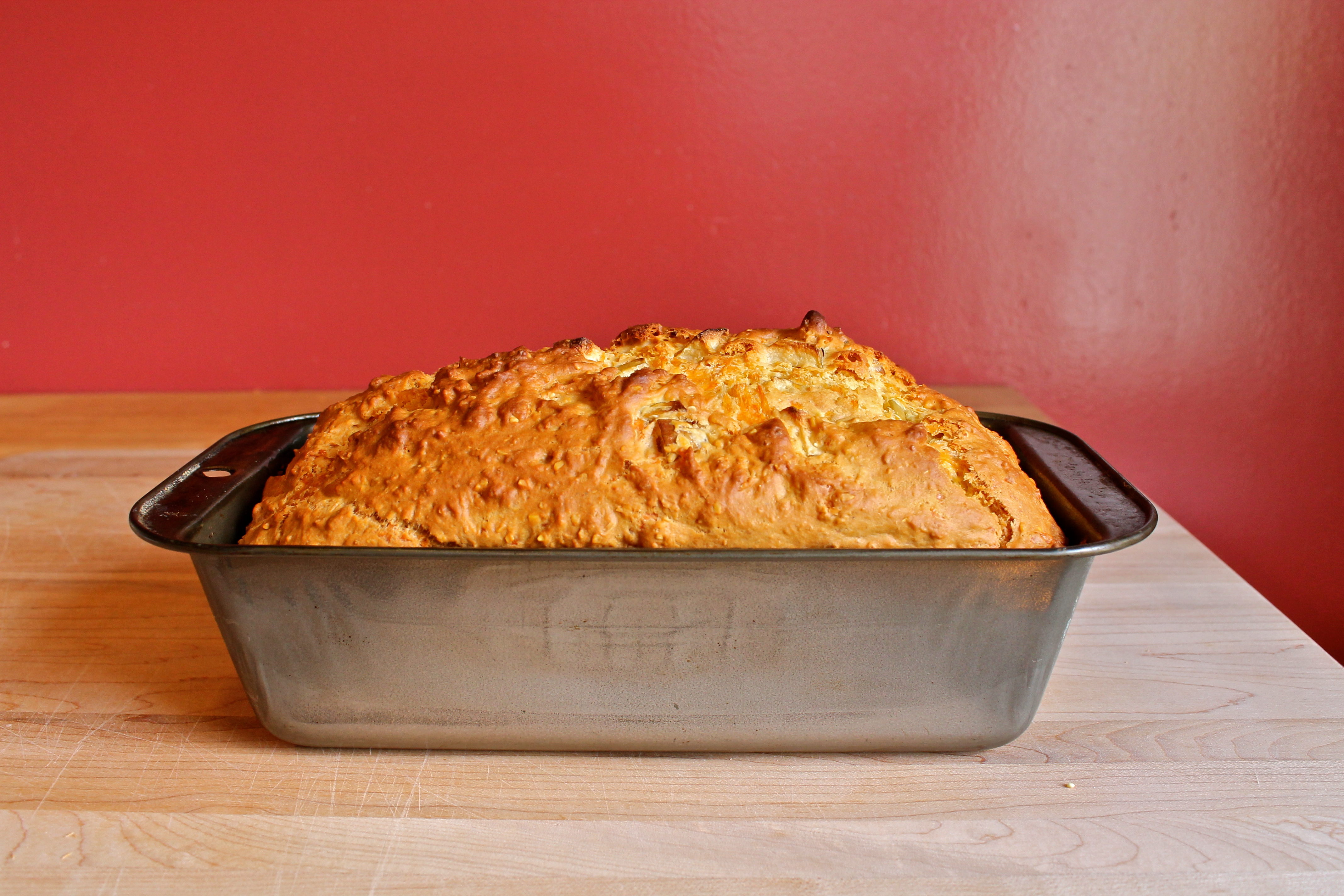
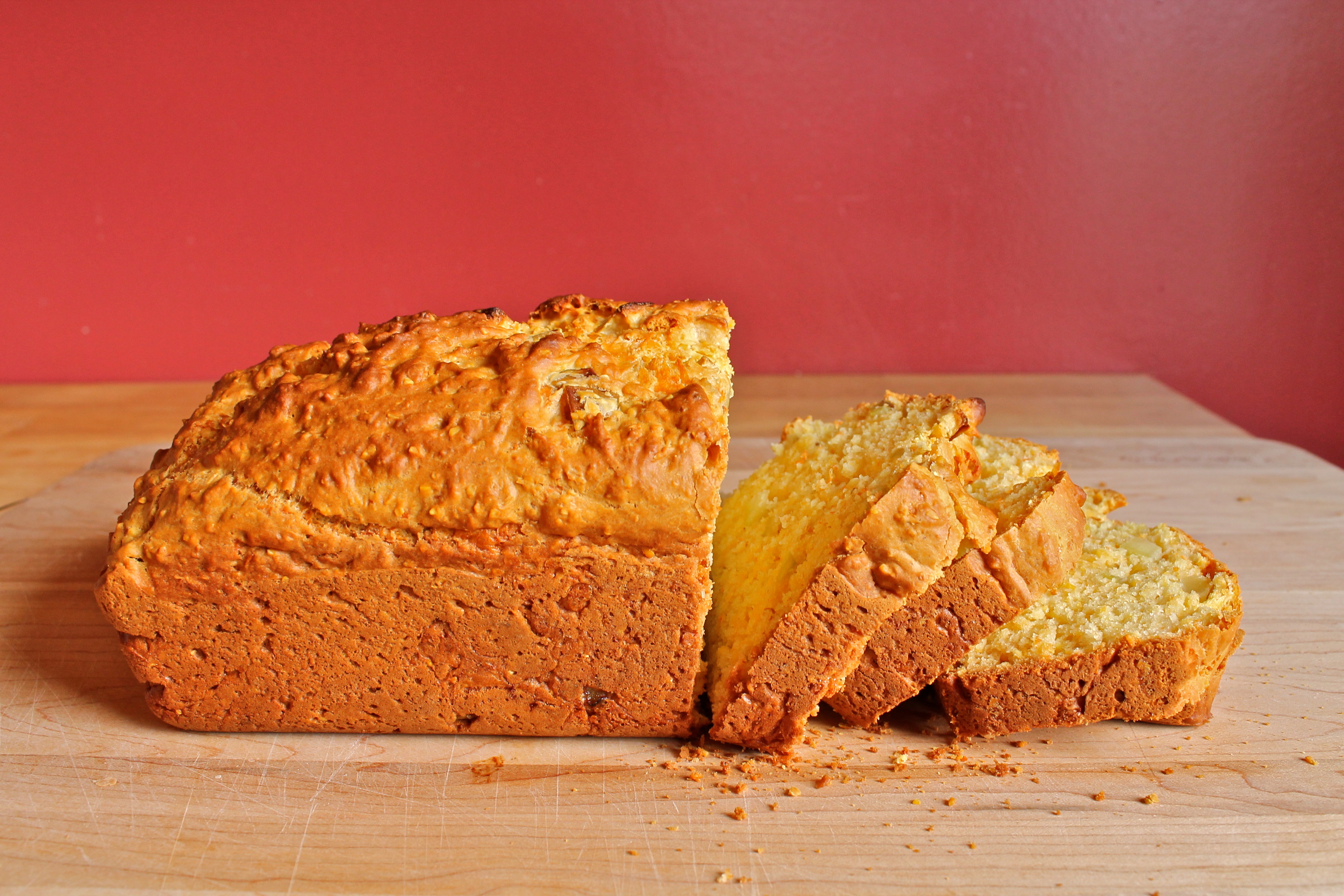
So: the bread. I had an apple, I had some cheese, and I wanted to bake something. A tour of the pantry lead me to some cornmeal, and, with the knowledge that I had only a single egg left in the refrigerator, I decided that some sort of batter bread was in order. Heavy on textural variation, this bread is not a cornbread, per se, but neither is it a standard batter bread. Chunks of apple and streaks of sharp cheddar cheese lend the bread a comforting flavor, and, along with the cornmeal, they add a sunny brightness to the appearance that I did not anticipate. Added along with the fine crumb, wonderful toothsome bite, and delicately savory/sweet flavor, it was the final element of a pleasingly successful afternoon experiment, and one I certainly plan on revisiting in the months to come.

Last Year: Lime Coconut Tart and Everything Flatbread

Cheddar Apple Cornmeal Bread Recipe

1 cup shredded sharp cheddar cheese

1 medium apple, peeled, cored, and diced into ¼-inch chunks (about 1 cup apple chunks total)

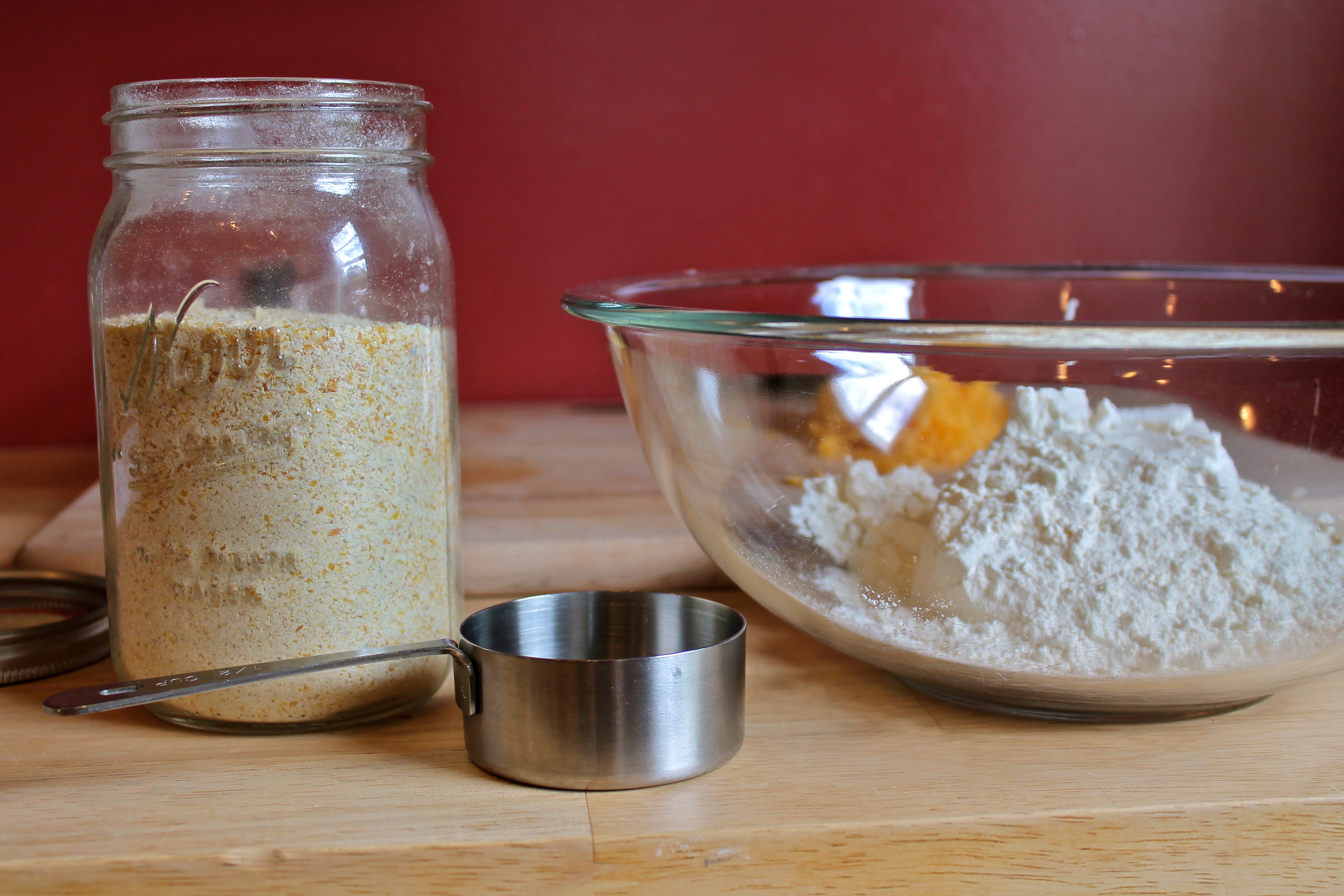
2 cups unbleached all-purpose flour

½ cup cornmeal (finely-ground, not polenta)

1 ½ teaspoons baking powder

1 teaspoon baking soda

½ teaspoon salt

1 ¼ cups buttermilk or sour milk

1 large egg

4 tablespoons melted butter, cooled slightly

Preheat oven to 400 degrees Fahrenheit. Generously grease an 8 ½” by 4 ½” loaf pan.

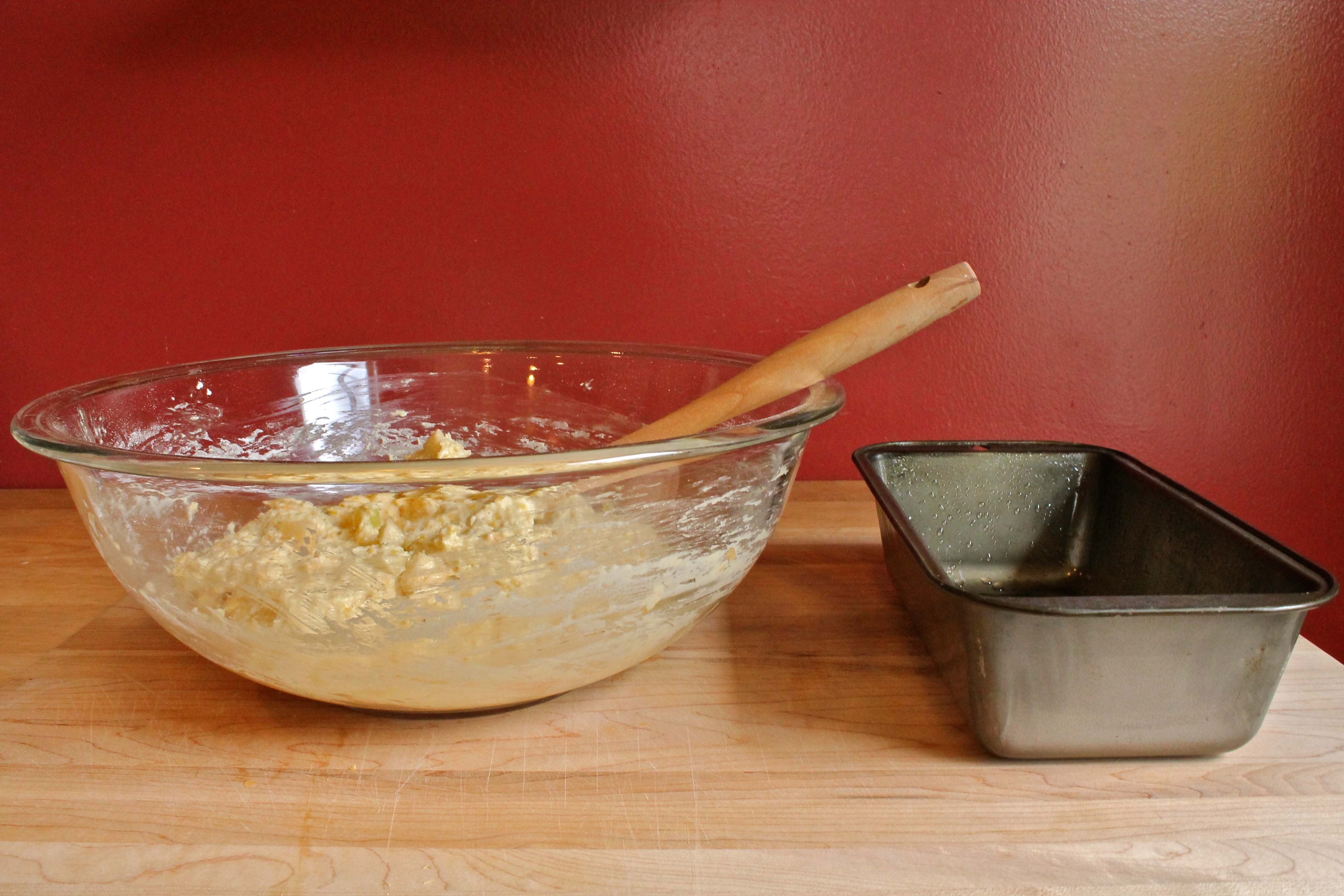
In a large bowl, combine the flour, cornmeal, baking powder, baking soda, and salt, then whisk to combine. In a medium bowl, whisk together the buttermilk or sour milk, egg, and melted butter. Pour the wet ingredients into the dry ingredients, and, with a spatula or wooden spoon, stir just to combine.

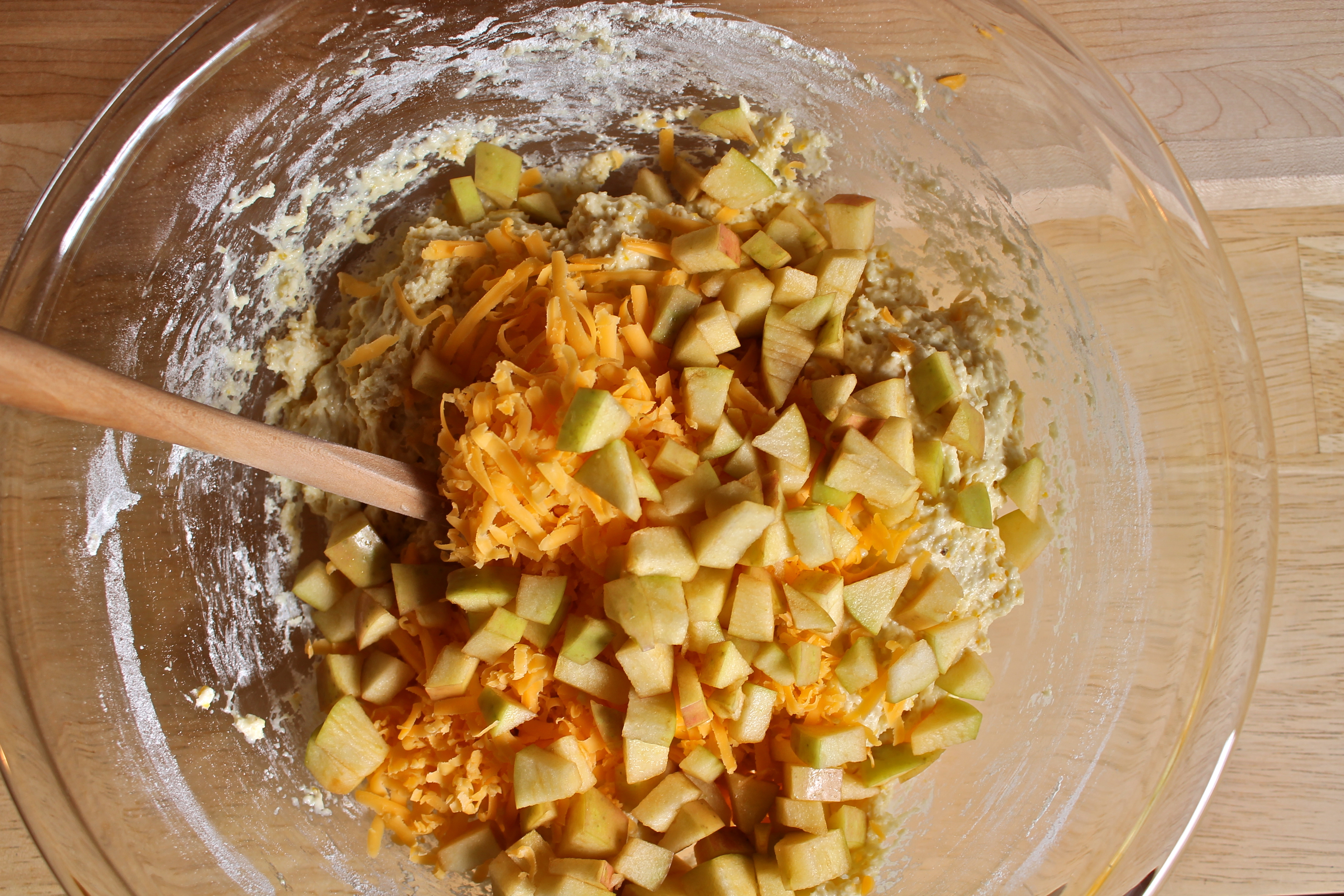
Fold the shredded cheese and diced apples into the batter until they are fully incorporated, being careful not to overmix the batter as you fold.

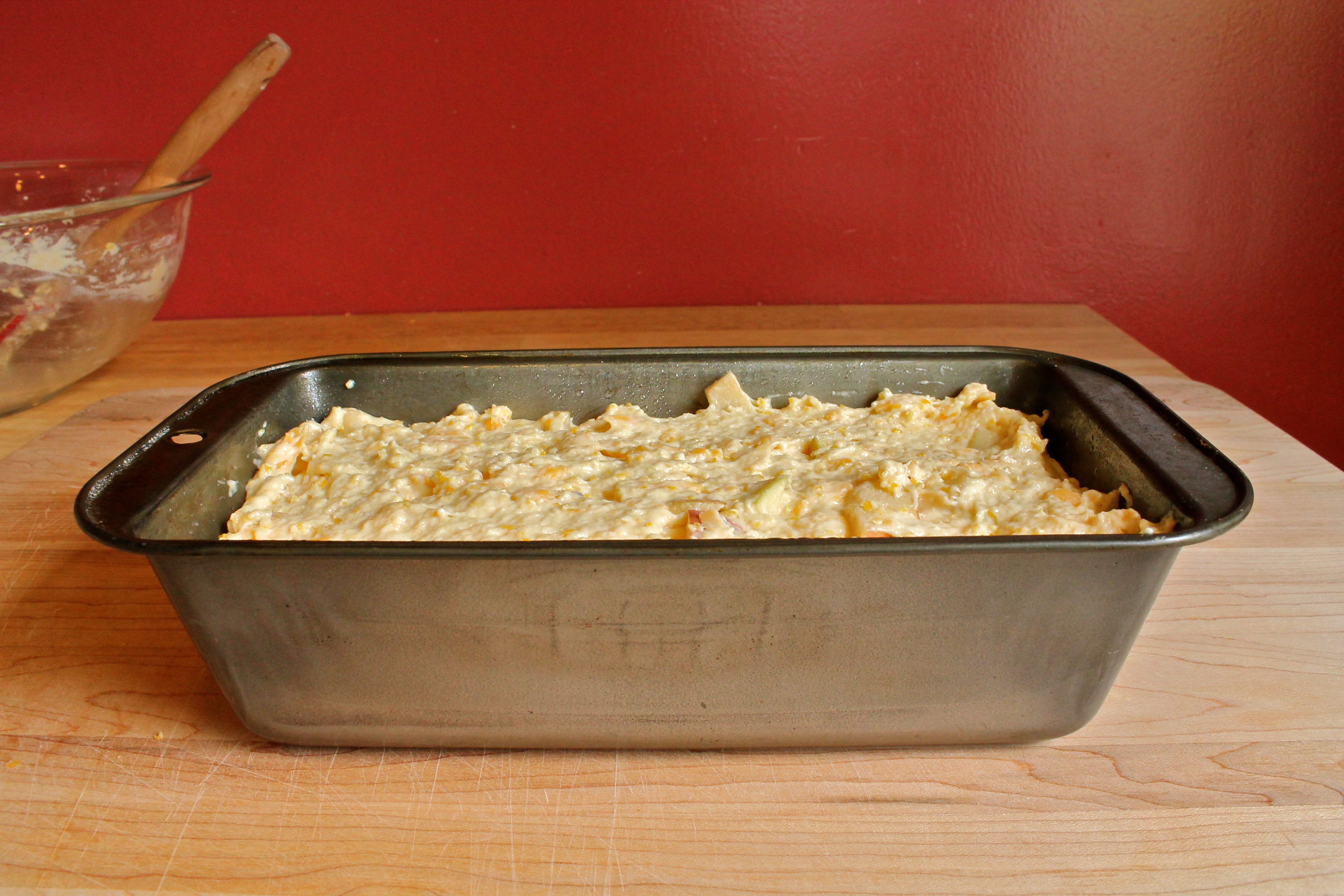
Pour the batter into the prepared loaf pan, then smooth the top as much as possible.  Bake in the center of the oven for 40 to 50 minutes, rotating halfway through. The bread will be done when the top is tall and golden brown and a toothpick or cake tester inserted into the bread emerges with just a small amount of moist crumbs attached.

Cool the bread in its pan for 5 minutes, then turn out onto a wire rack to finish cooling. Bread is best when served ever-so-slightly warm, or at room temperature.

Tzatziki Biscuits with Caramelized Shallot Butter

6 Sep

September is an odd time for cooking. Summer is still clinging on for dear life, and in Portland we often get more warm days in September than we do in June. On the other hand, the warmth we feel in the air is always undercut with a cool, crisp feeling, a sign that no matter how many days we get to experience the glory of 90 degrees in September, autumn is, in fact, on its way. September really may be Portland’s prettiest month, offering sunshine, late summer flowers, warm days, and crisp nights. As I mentioned before, however, with weather like this, what’s a person to cook?

You see, part of me wants to stretch out summer as long as possible, grilling things, eating outside, and comprising meals of light, flavorful bites, as is befitting of summer. Another part of me, craving the comforts of autumn food, wants to turn on the oven, roast things, bake things, and take advantage of the season’s newest crops of apples and pears. For as much as I love summer food, I might actually like autumn food more, what with its ability to straddle the line between fresh and light (tomatoes, berries, grilled corn), and soothing comfort (apples, roasted anything).

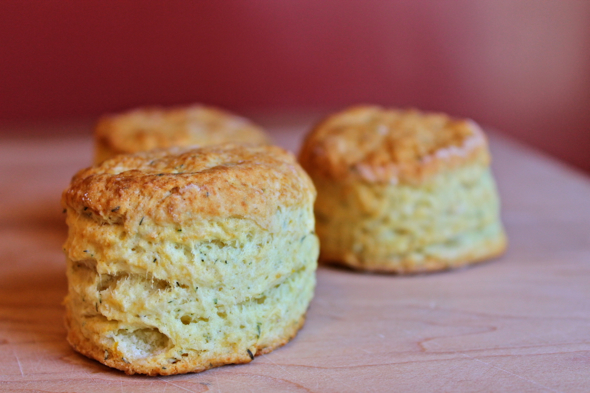
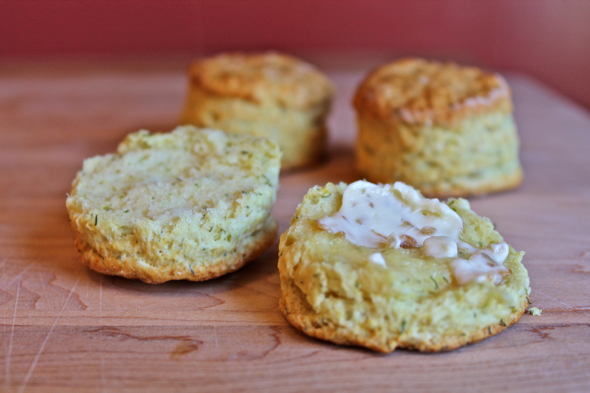
To bridge the gap between the two seasons, I often find myself coming up with meals that can celebrate the best of both summer and autumn. These lovely, light biscuits manage to do just that. With a nod to cool and refreshing tzatziki, the biscuits are punched up with dill, olive oil, creamy yogurt, and a nice dose of lemon zest. Paired with an utterly autumn-inspired caramelized shallot butter, you’ve got a great combination of flavors. To bring this pairing home even more, slip a thick slice of cucumber into a biscuit and crunch down into the companionable world of summer freshness melting into crisp autumn.

Tzatziki Biscuits with Caramelized Shallot Butter Recipe

Tzatziki Biscuits

Preheat oven to 450 degrees Fahrenheit. Line a baking sheet with parchment paper and set aside.

2 ¼ cups unbleached all-purpose flour

1 tablespoon baking powder

1 teaspoon baking soda

1 teaspoon dried dill

½ teaspoon sea salt

½ cup plain yogurt

½ cup milk

1 teaspoon finely grated lemon zest

1 large clove of garlic, peeled and mashed or grated into a fine paste

2 tablespoons olive oil

4 tablespoons unsalted butter, cut into 1-inch chunks

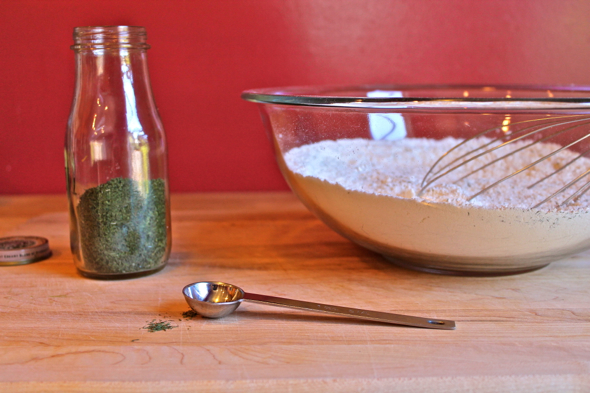
In a large bowl, whisk together 2 cups plus 2 tablespoons of the flour, baking powder, baking soda, dill, and sea salt.

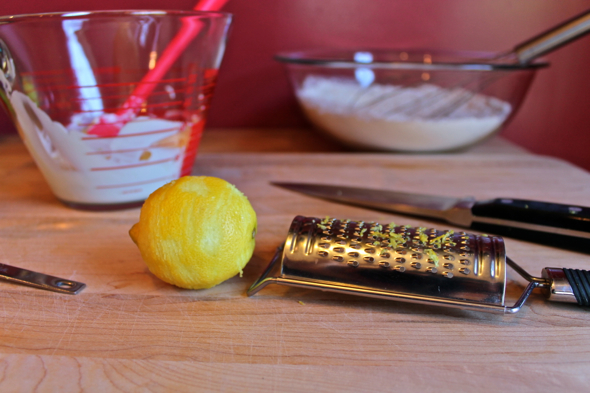
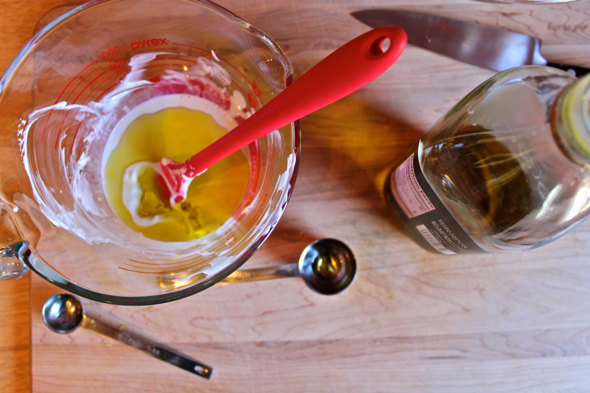
In a small bowl, whisk together the yogurt, milk, lemon zest, garlic, and olive oil.

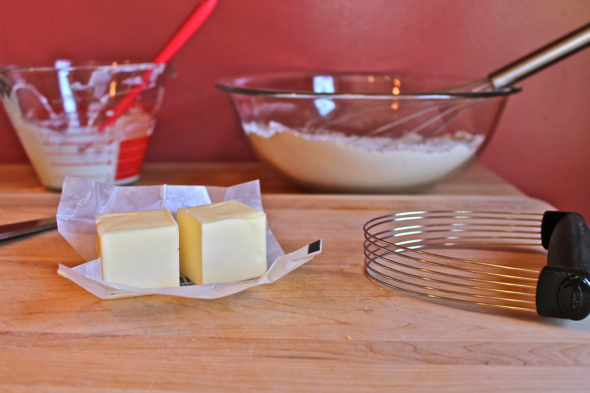
Add the cold butter to the flour mixture and, using a pastry cutter, cut the butter into the flour until the mixture resembles coarse crumbs with a few pea-sized chunks of butter strewn throughout. Pour the yogurt mixture into the flour and butter, and use the pastry cutter to mix the liquid ingredients into the dry. Mix just until the ingredients come together and form a somewhat shaggy mass. If the mixture is unbearably sticky, add in the remaining flour, 1 tablespoon at a time, mixing with the pastry cutter until everything comes together in a workable mass.

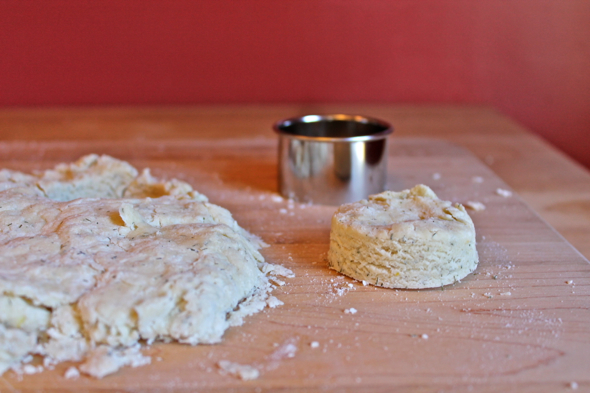
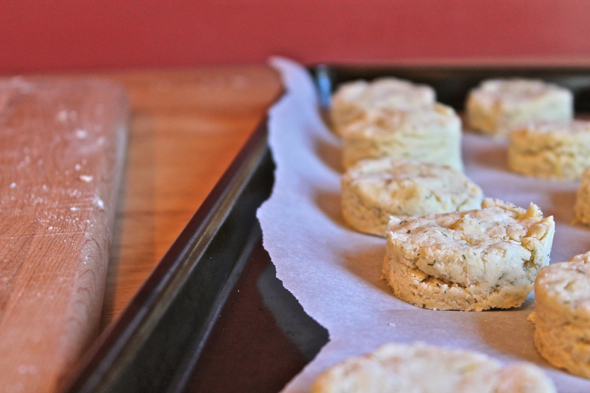
Turn the dough out onto a floured surface. Gently flatten out the dough a bit, then fold it over on itself and pat down to adhere the dough together. Gently flatten out the dough again, fold it over again, then gently flatten and fold once more. Pat the dough into a rough 10-inch oval then, using a 1-inch biscuit cutter, cut out rounds of dough, placing each one on the prepared baking sheet. Cut the rounds as close together as possible, ensuring that you are using as much of the dough as possible during this first cutting. Piece and pat together any remaining scraps, then cut out the remaining biscuits. The less you handle the dough, the lighter your biscuits will be, so be judicious with your cutting.

Bake the biscuits in the center of the oven for 12-14 minutes, until the bottoms are dark brown and the tops are a deep golden color. Remove from baking sheet to cool slightly before eating. Eat while still warm.

Makes about 20 biscuits.

Caramelized Shallot Butter

1 teaspoon olive oil

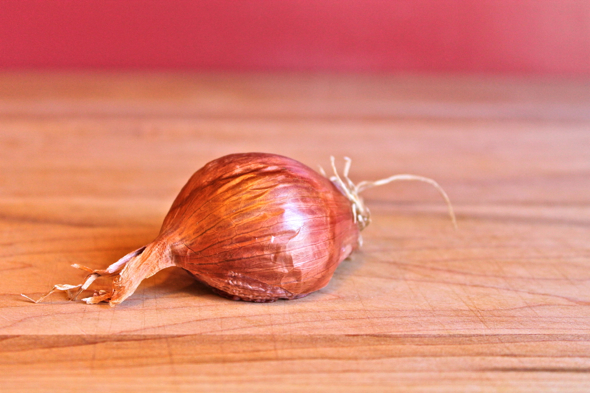
1 large shallot, sliced into medium-thin rings

pinch of sea salt

4 tablespoons unsalted, room temperature butter

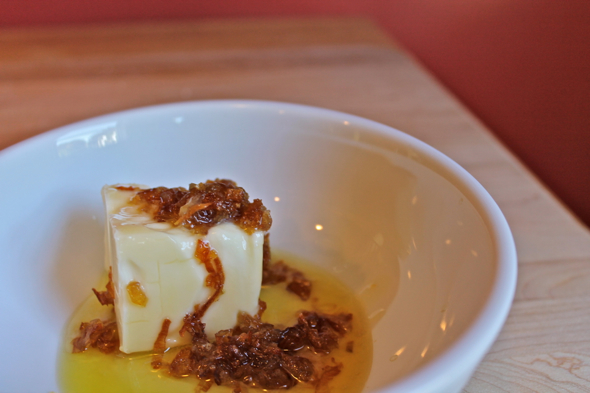
In a small pan, heat the olive oil over medium heat. Add the sliced shallots and allow to sizzle gently for a couple of minutes, then add the sea salt and reduce heat to low. Cook over low heat, stirring occasionally, until shallots are deeply browned and very limp, about 15 to 20 minutes. Remove from heat and allow to cool for 10 minutes or so, until it reaches room temperature.

In a small bowl, pour the shallots and any remaining olive oil over the butter. Mash the shallots into the butter, then, using a fork, whip the butter up a bit until it has lightened just a tad.

Pane Coi Santi, Bread of Saints

4 Sep

Sometimes it still confounds me that for many years I was hesitant to attempt making any yeast-based breads that extended beyond a basic pizza crust. I contribute this lack of confidence to a spotty history of using my purchased yeast in a timely manner (thus rendering it dead and unusable). To boot, there is also my rather sad history of trying to make whole wheat bread 15 years ago in what can only be called The World’s Coldest Apartment, where the lack of heat (we’re talking steam from my breath being visible inside the house here, folks) inhibited my bread dough from rising. To add insult to my bread-baking confidence’s injury, I still ate the squat, leaden loaves that I ended up baking. If I was too poor to pay for heat, you’d better believe I was also too poor to throw out food, unpalatable as it may have been.
Now, having worked with yeast-based breads for many years, I find the process of making bread to be a soothing respite from my generally busy day-to-day schedule. Proofing bread involves a lot of waiting, so when making bread I am not only involved in the process of physically making the bread, but also waiting around while the bread slowly proofs, coming to leisurely life before my eyes. Some people might find this maddening, but I rather enjoy it. Truth be told, however, I usually use my bread proofing time to conquer all manner of mundane tasks like cleaning the kitchen or, you know, working. Because I am no fun at all.
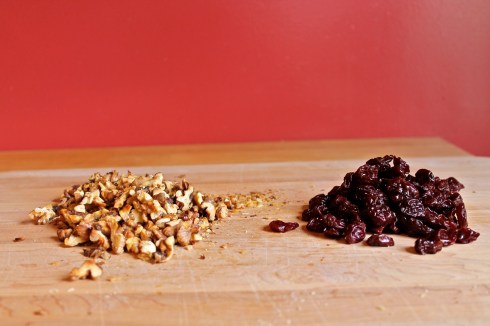
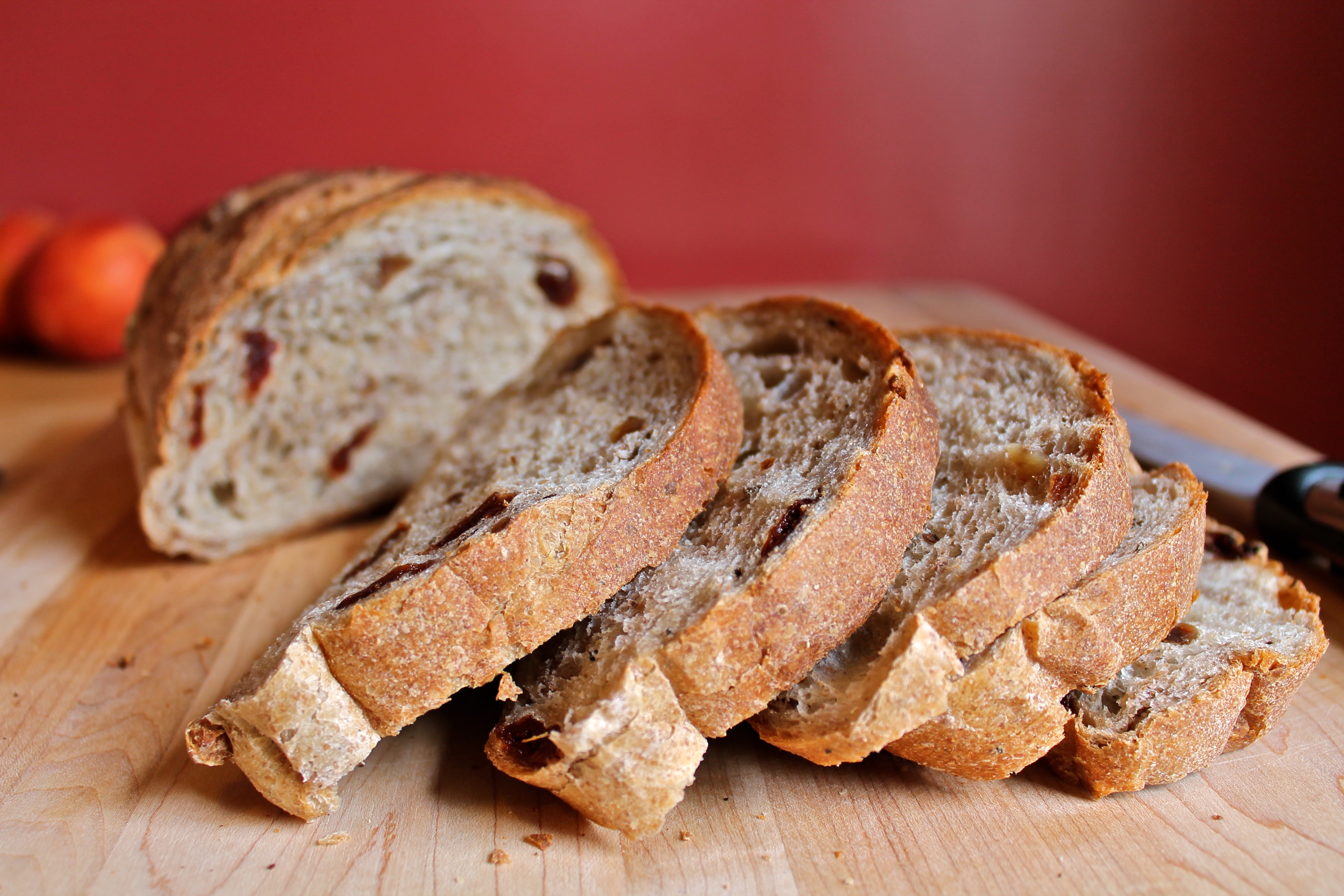
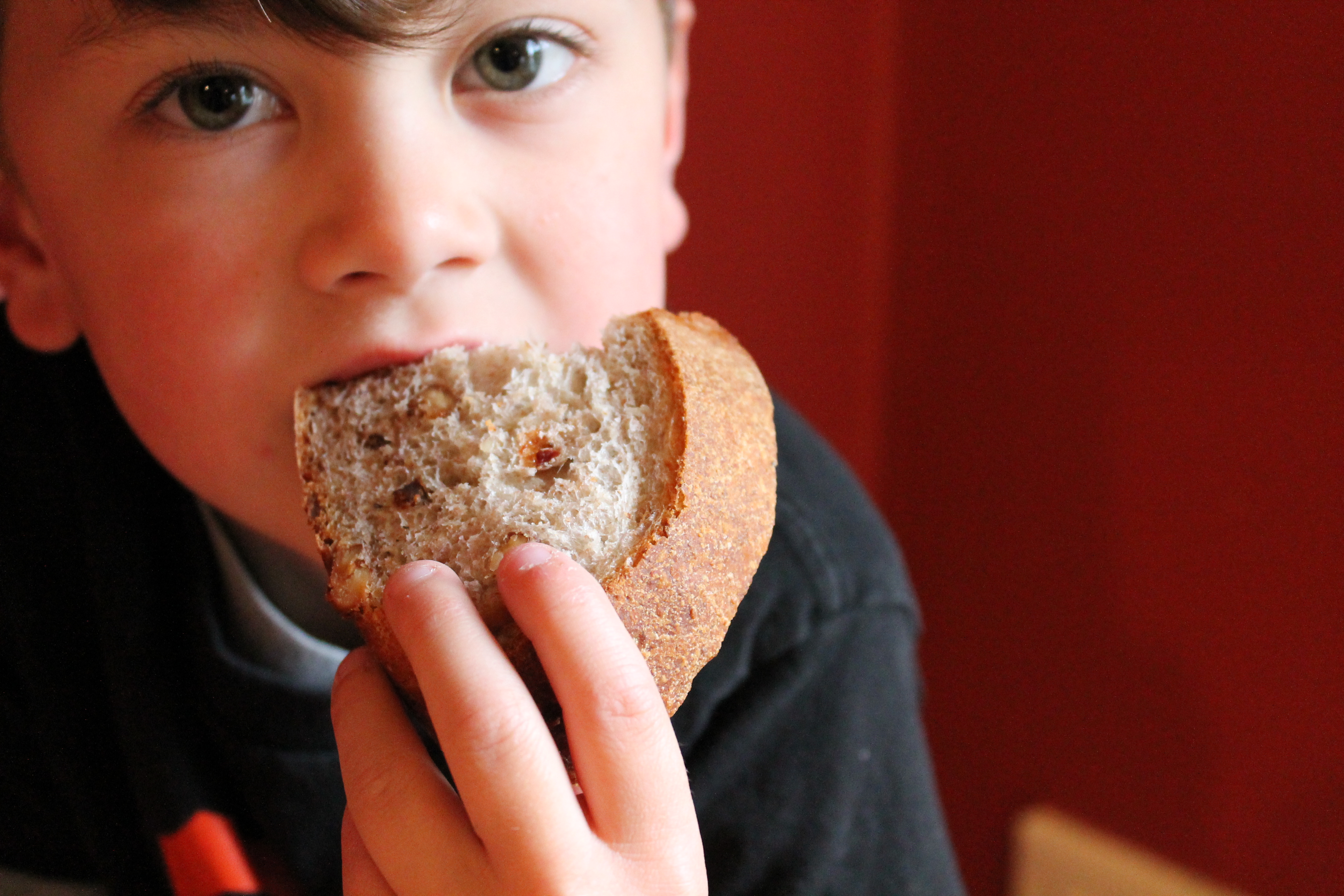
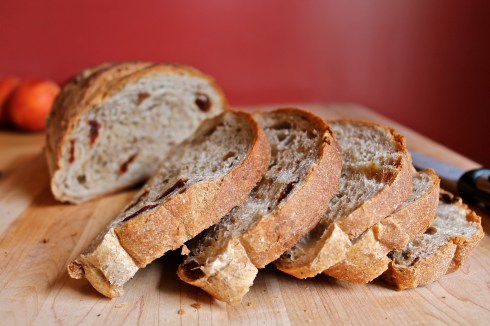
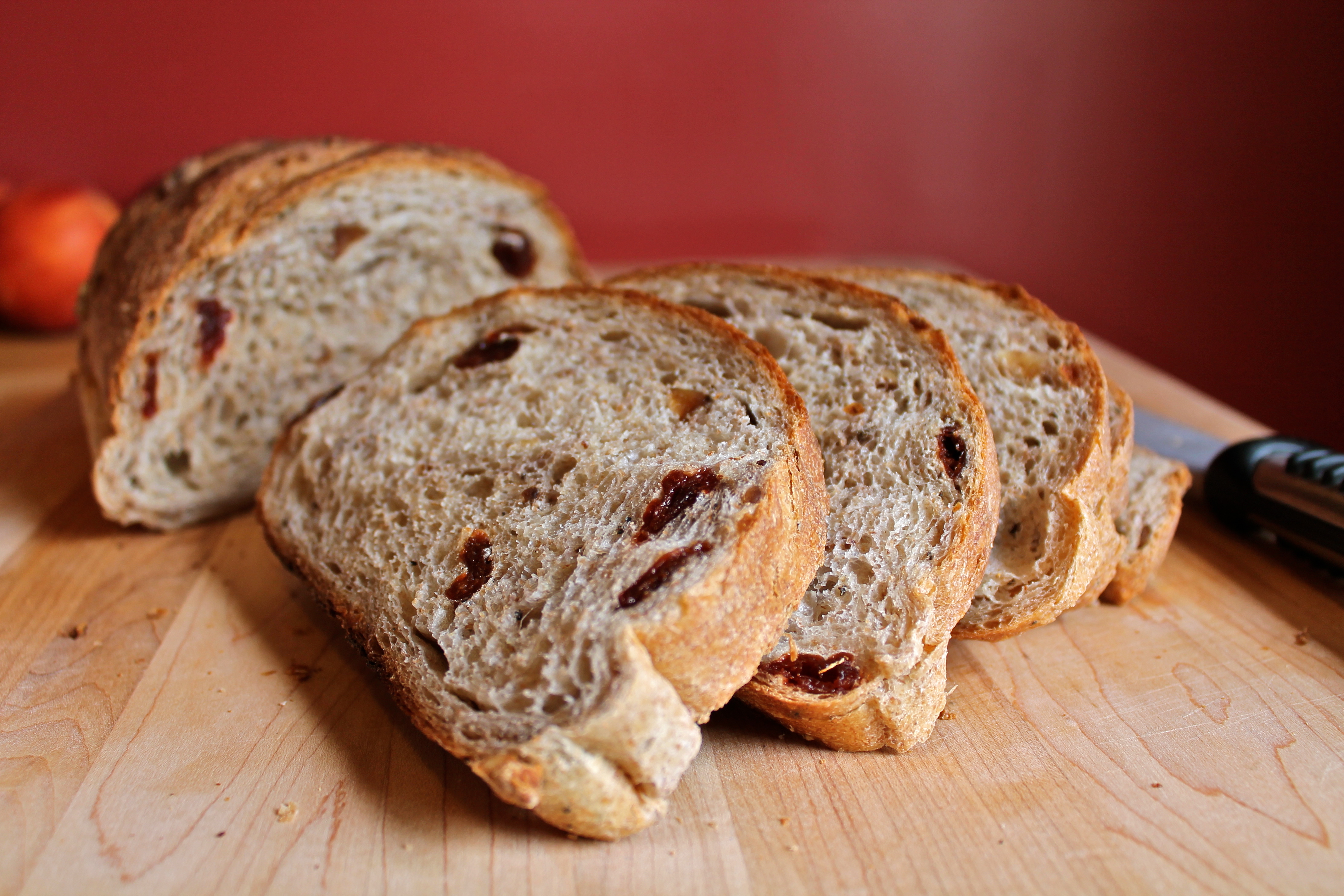
This is one of my favorite breads. I generally buy a loaf of it from Pearl Bakery, a wonderful little bakery downtown that turns out a fantastic selection of breads and pastries. The Pearl Bakery’s pane coi santi, a traditional Tuscan bread that is dotted with dried fruit, toasted nuts, and a varying selection of seasonings, is a slightly different animal than the version I make. Theirs is made with a levain, a natural sourdough starter with a mild and pleasantly sour tang that gives the bread a good, hearty body. My version has a softer crumb, with a lightly chewy crust and a body that is decidedly less dense. Both versions are tasty, but, not having the gumption to start my own levain (perhaps this will be my next step in bread baking), I instead start my bread with a sponge of rye and wheat flours left to sit overnight and develop a slightly tangy and complex flavor. I also use dried sour cherries in my version in lieu of the Pearl’s golden raisins, and I think the swap is a good one. The sour/sweet note of cherries adds a nice touch to the heat of the black pepper that lingers in the bread, nicely bridging the two flavors together.
Even if you are not a bread baker by nature, I think you should take a stab at this bread. In reality, the preparation is not at all difficult, and, if nothing else, you’ll be giving yourself a bit of time to sit around and wait on your bread, perhaps while reading a book, catching up on email, or, if you’re as insufferably over-focused as some people around here, cleaning or working. Really, though? I think you should go with reading.
Last Year: Seared Tuna Steaks with Salsa Verde

Pane Coi Santi Recipe

Part of the base of this recipe hails from the basic country bread recipe in The America’s Test Kitchen Family Baking Book, but the tweaks and additions added to it that transform it into pane coi santi are mine.

Sponge

1 cup warm water

1 cup whole wheat flour
½ cup medium rye flour

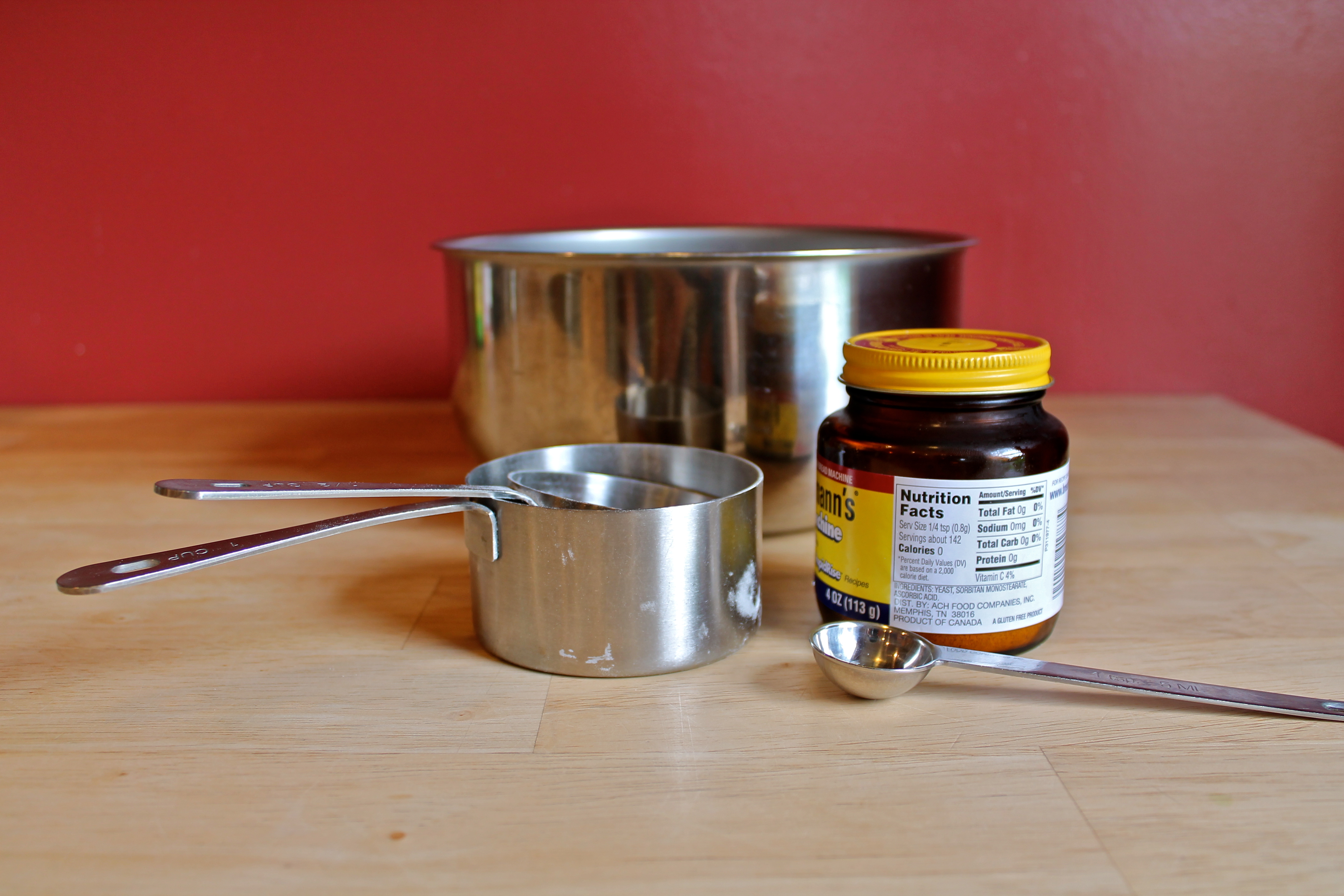
½ teaspoon instant or rapid-rise yeast

Bread Dough

3 ½ to 3 ¾ cups bread flour

2 tablespoons honey

1 teaspoon instant or rapid-rise yeast

1 1/3 cups warm water

1 teaspoon sea salt

2 teaspoons freshly ground black pepper

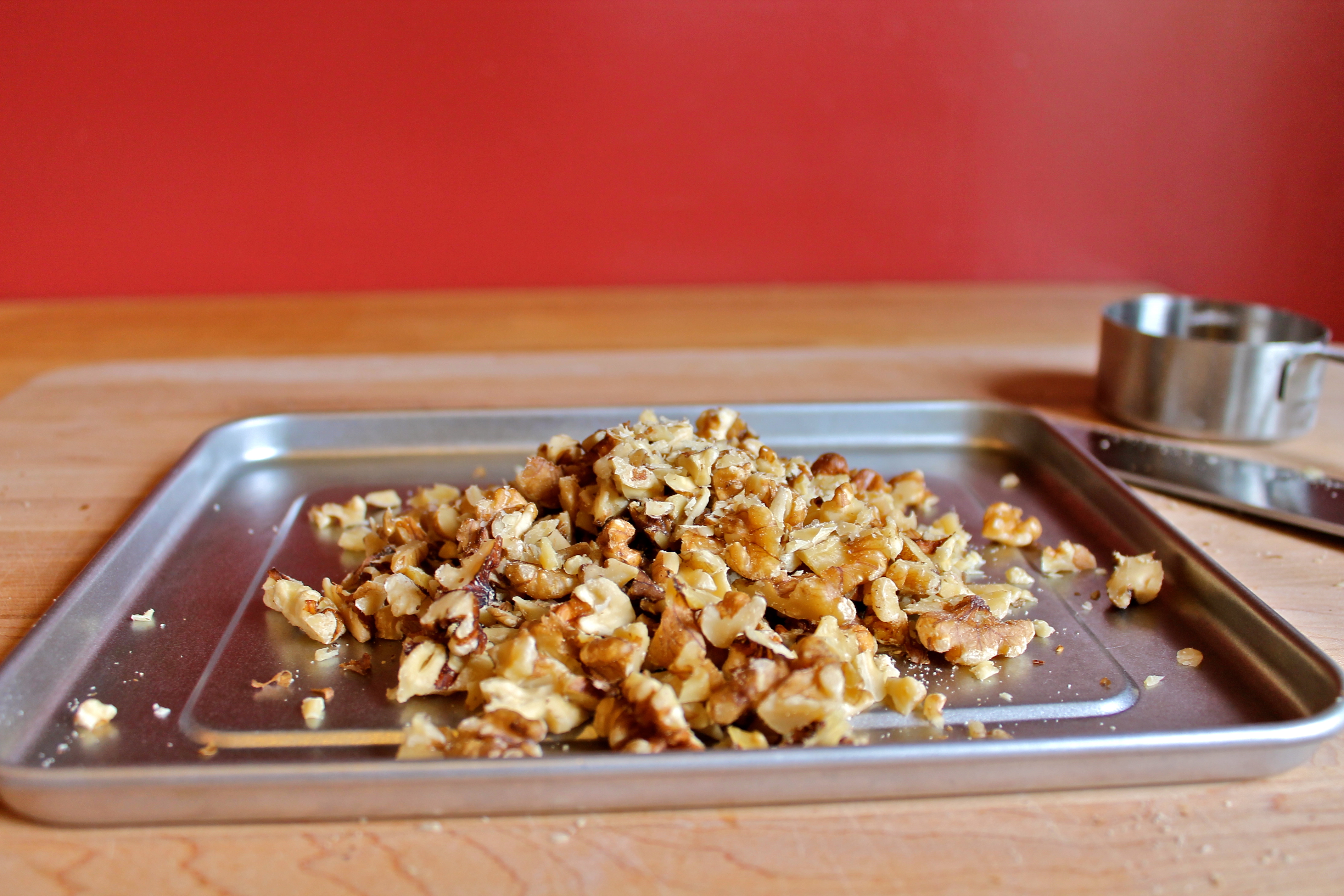
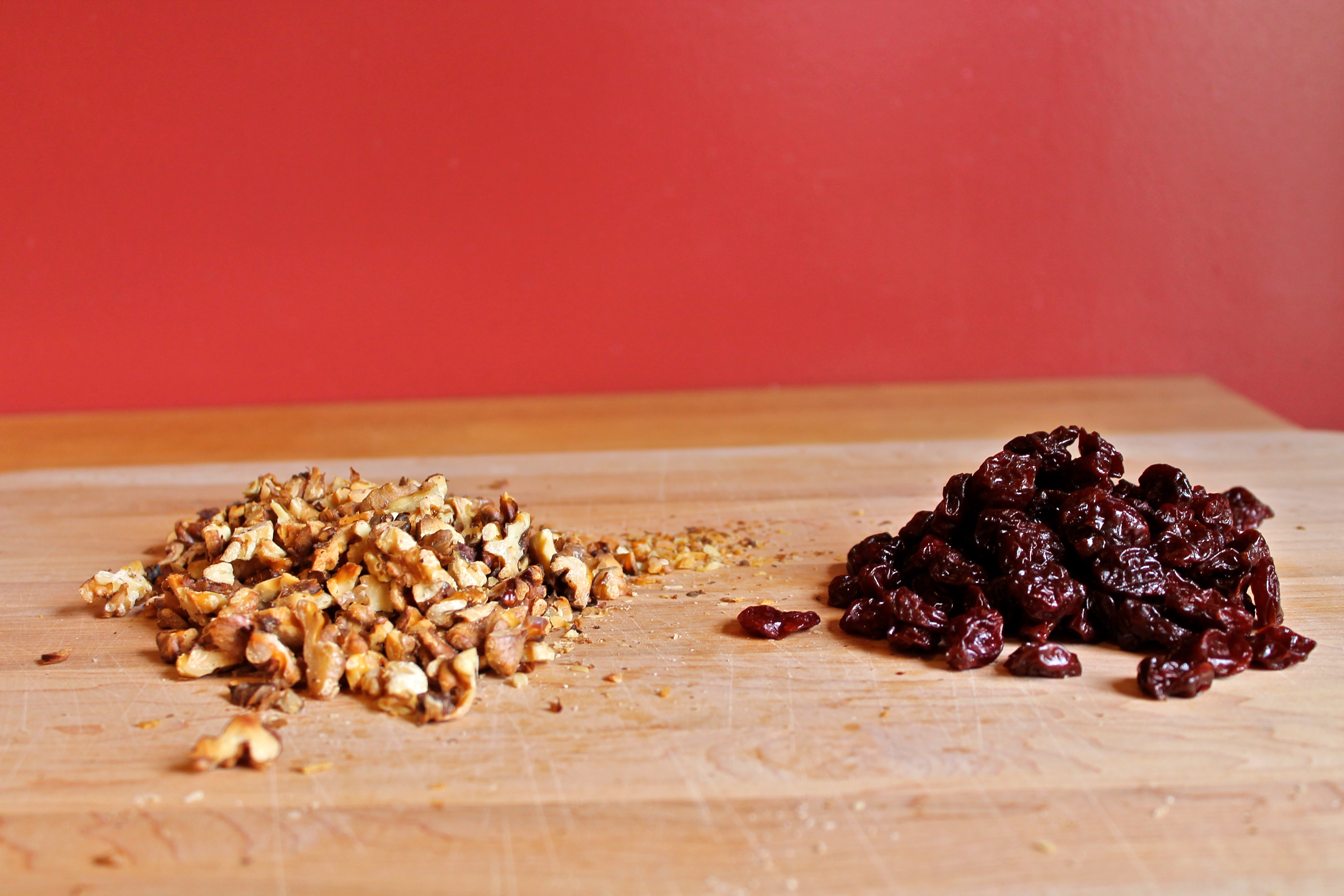
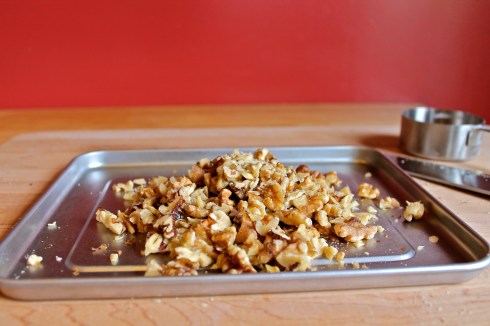
1 cup coarsely chopped, lightly toasted walnuts

1 cup dried sour cherries

To make the sponge:

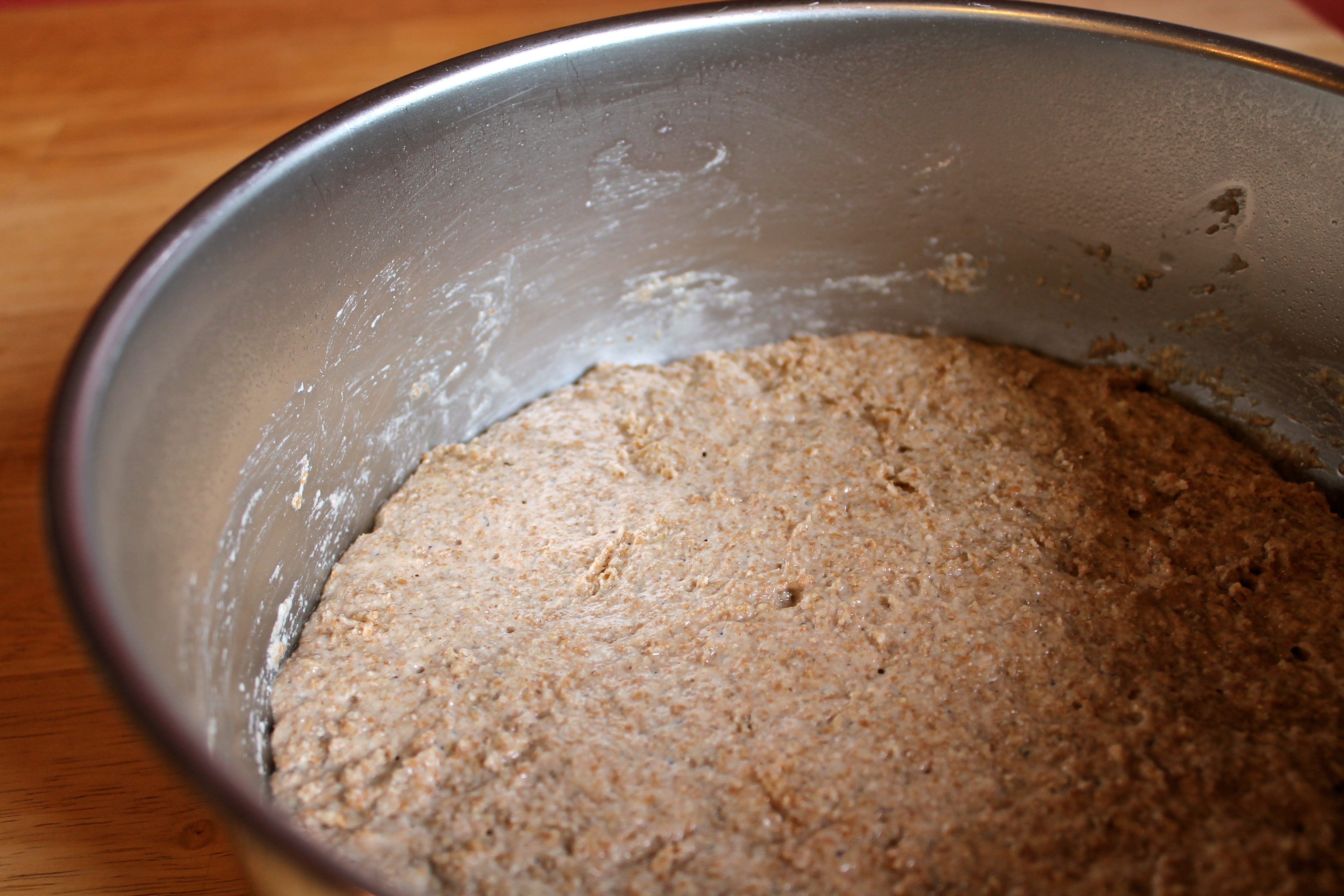
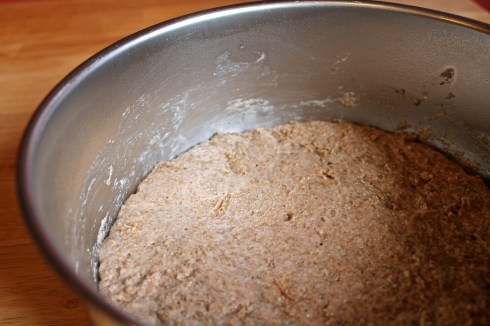
Combine all of the ingredients in a medium bowl, then stir until completely incorporated. The mixture will be sticky and somewhat shaggy. Cover with plastic wrap and let sit at room temperature for 6 to 24 hours, until the sponge has risen and fallen. I find it best to mix the sponge in the evening, then allow it to sit overnight.

To make the bread:

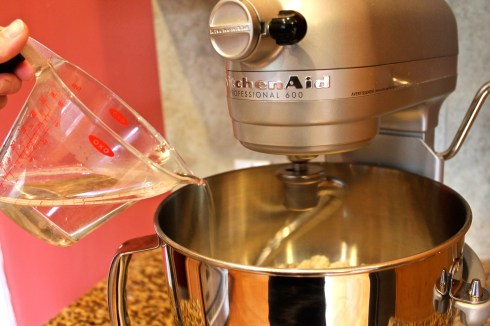
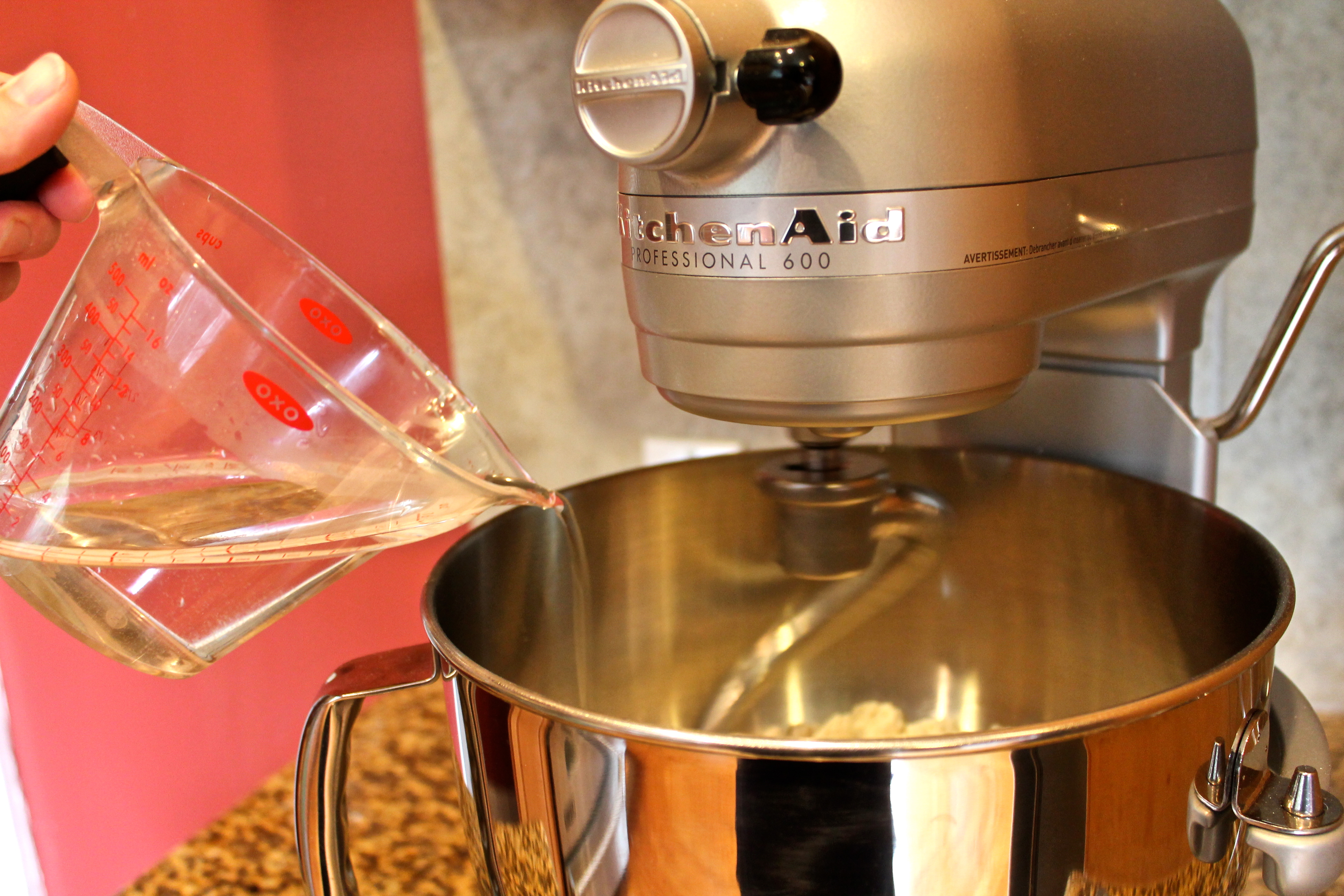
In a large bowl, or in the bowl of a stand mixer fitted with the dough hook, combine 3 ½ cups of bread flour, honey, and yeast. With the mixer on low speed, or, if mixing by hand, while stirring with a sturdy wooden spoon, add the water and mix until the dough comes together, 1 to 2 minutes. When the dough comes together, stop mixing, then cover with plastic wrap and allow to rest for 20 minutes

After 20 minutes, remove the plastic wrap and add the sponge, sea salt and black pepper. Knead the dough on medium-low speed if using a stand mixer, or knead the dough by hand while it is still in the bowl. If you are kneading the dough by hand, you will need to add in a bit more flour, 1 tablespoon at a time, until the dough ceases to become a sticky mess. Mind you, the dough will be very sticky no matter what you do, so a reasonable amount of stickiness is to be expected. The same advice applies to mixing the dough in a stand mixer: if the dough is unrelentingly sticky, add in more flour, 1 tablespoon at a time, until the dough clears the sides of the bowl. Knead until the dough is smooth and elastic, anywhere from 8 to 10 minutes. Add the walnuts and dried cherries during the last minute of kneading.

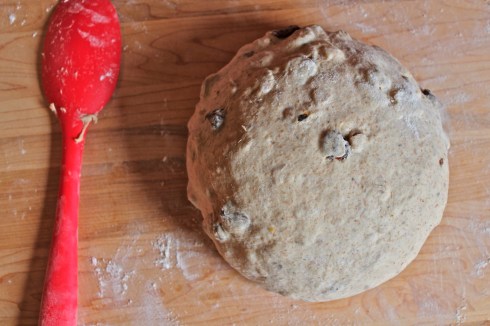
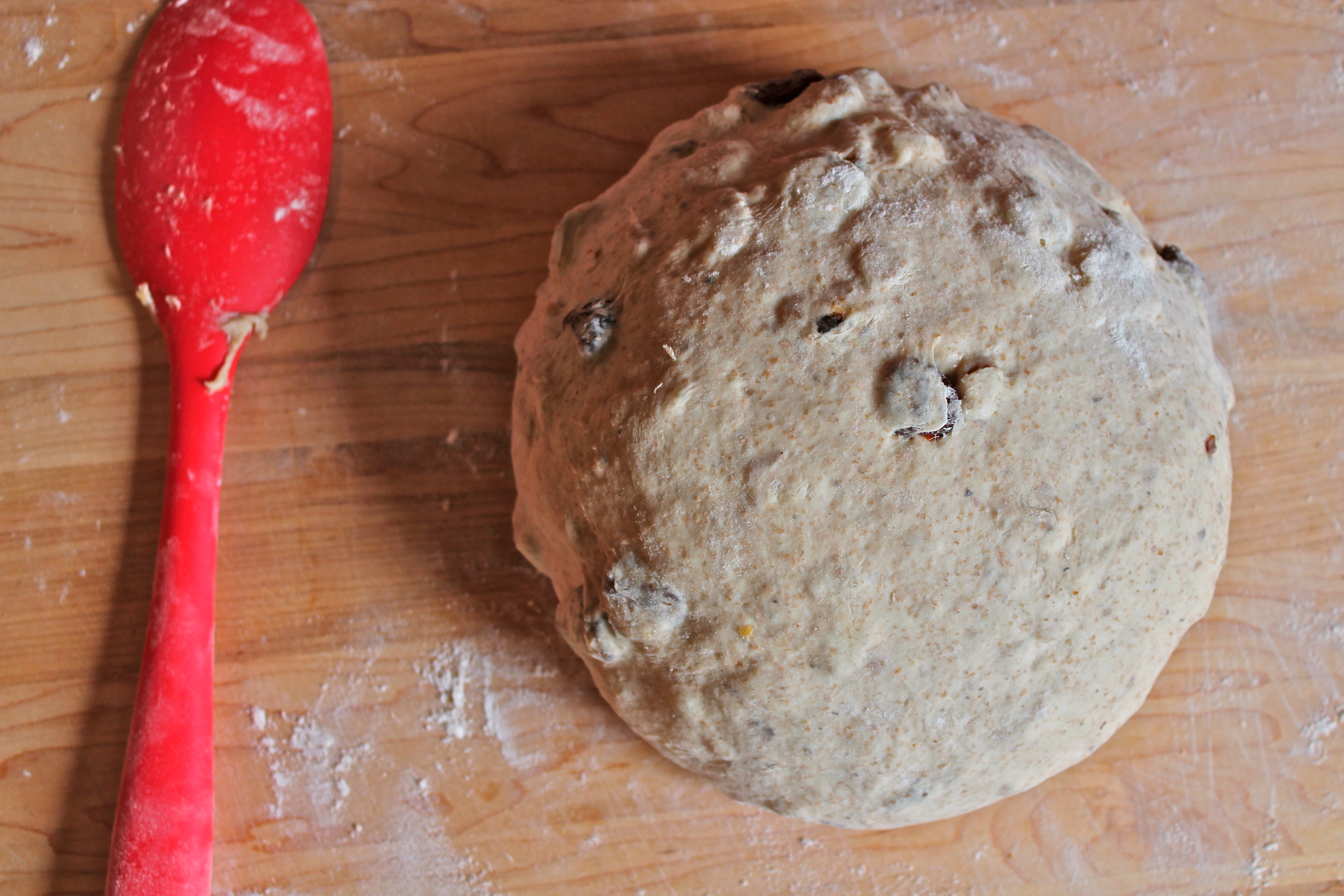
Turn the dough out onto a lightly floured surface and knead by hand to form a smooth, tight ball. Place the dough in a large, lightly oiled bowl. Cover with plastic wrap and allow the dough to rise in a warm place until doubled in size, 1 to 1 ½ hours.

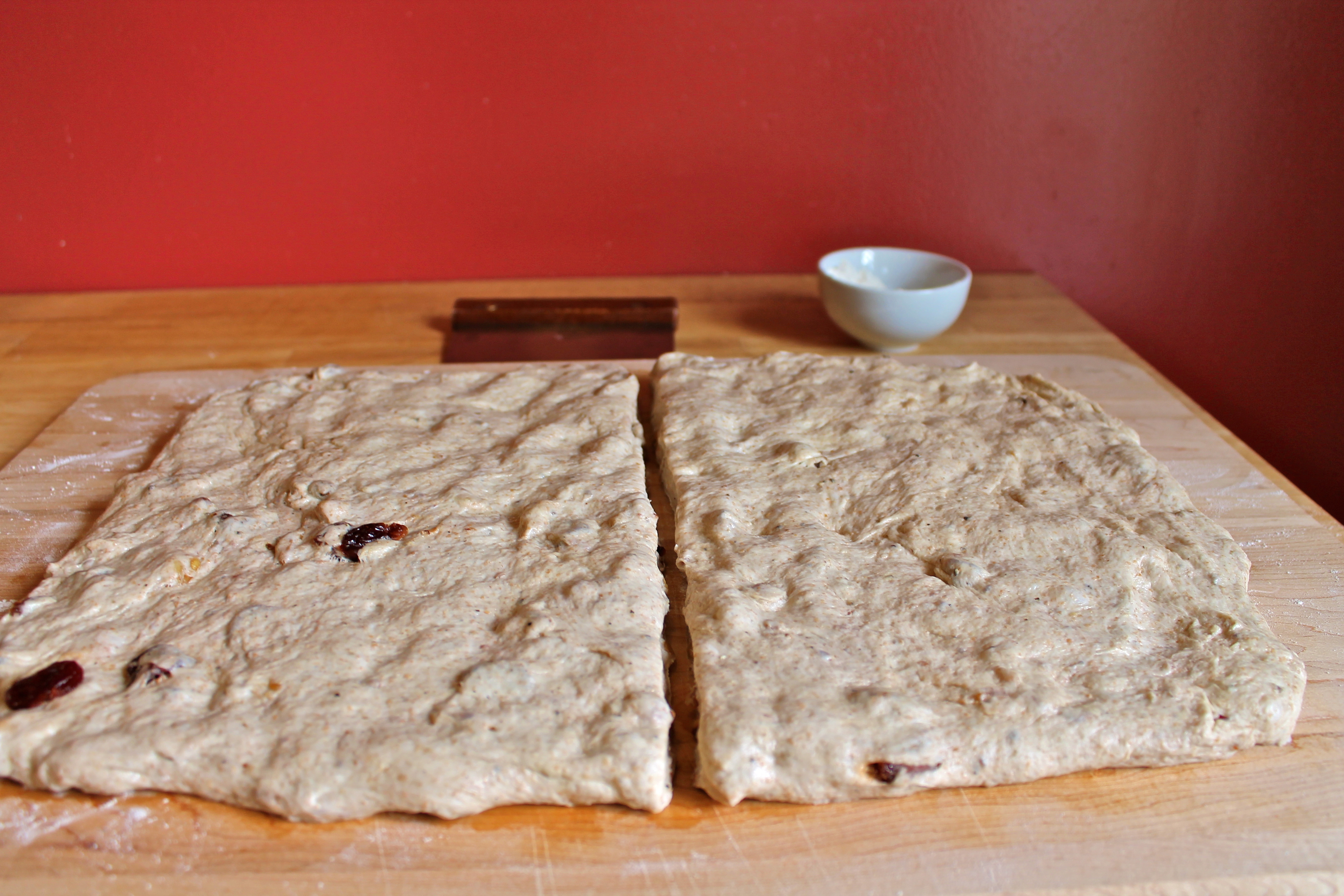
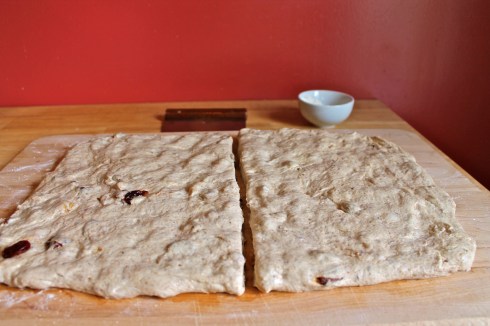
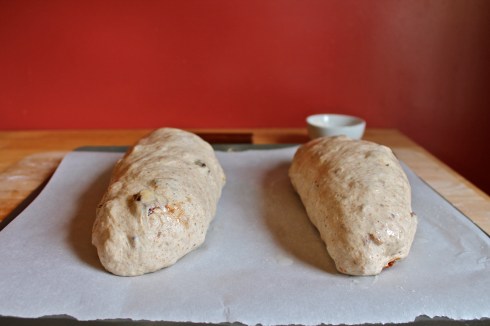
Turn the dough out onto a well-floured surface. Using your fingers, gently deflate the dough. Gently stretching and pulling, shape the dough into a 12-inch by 16-inch rectangle, with the long side facing you. Using a sharp knife or a bench scraper, divide the dough into two 12-inch by 8-inch rectangles. Roll each rectangle into a tight log by folding the top two corners towards the middle of the rectangle, then tightly rolling the dough, tucking as you roll, into a loaf. Pinch the end seam closed.

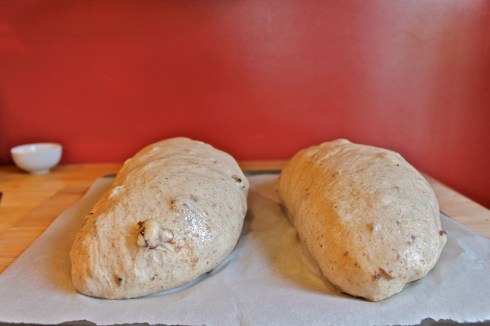
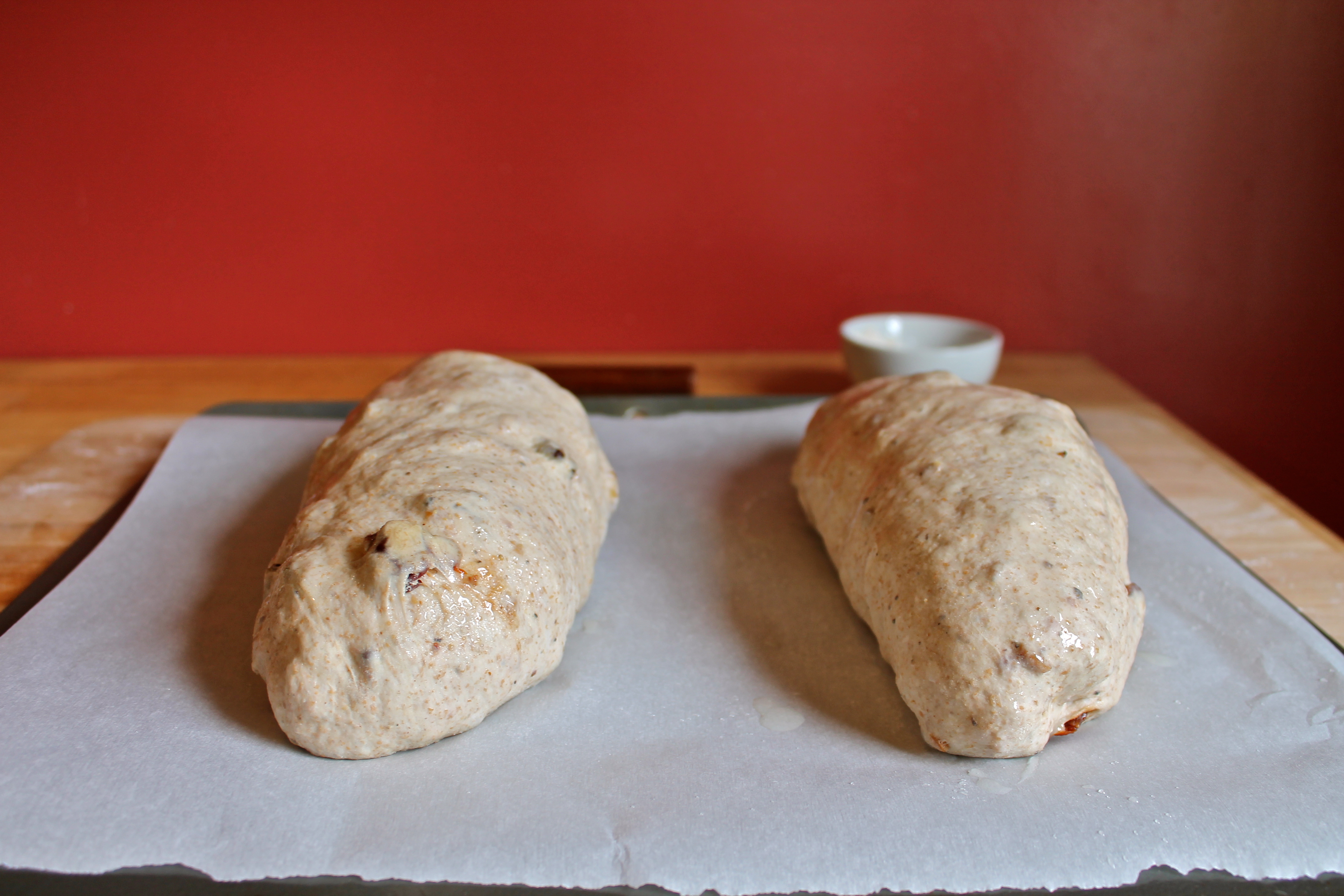
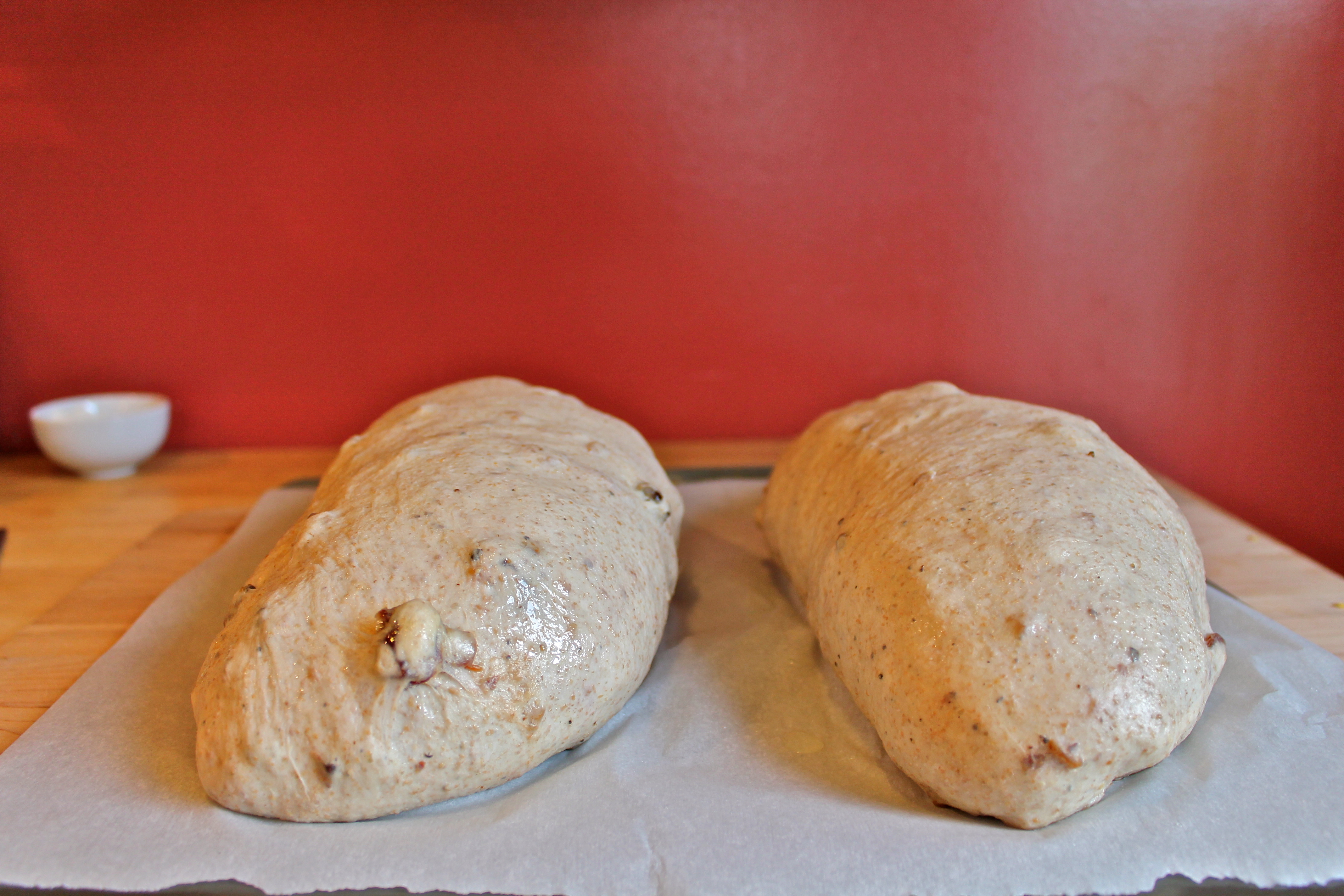
Line a large overturned or rimless baking sheet with a sheet of parchment paper. Place the two loaves on the parchment paper, spray or brush lightly with oil, then cover with plastic wrap and allow to rise until doubled in size, about 1 to 1 ½ hours.

Half and hour before the dough is done rising, adjust an oven rack to the lower middle position and preheat the oven to 500 degrees Fahrenheit. Place a heavy baking sheet or  baking stone on the lower middle oven rack and allow to heat up for 20 to 30 minutes.

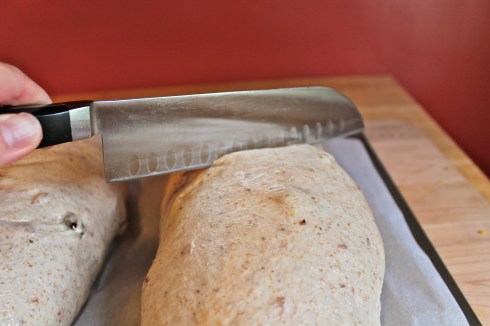
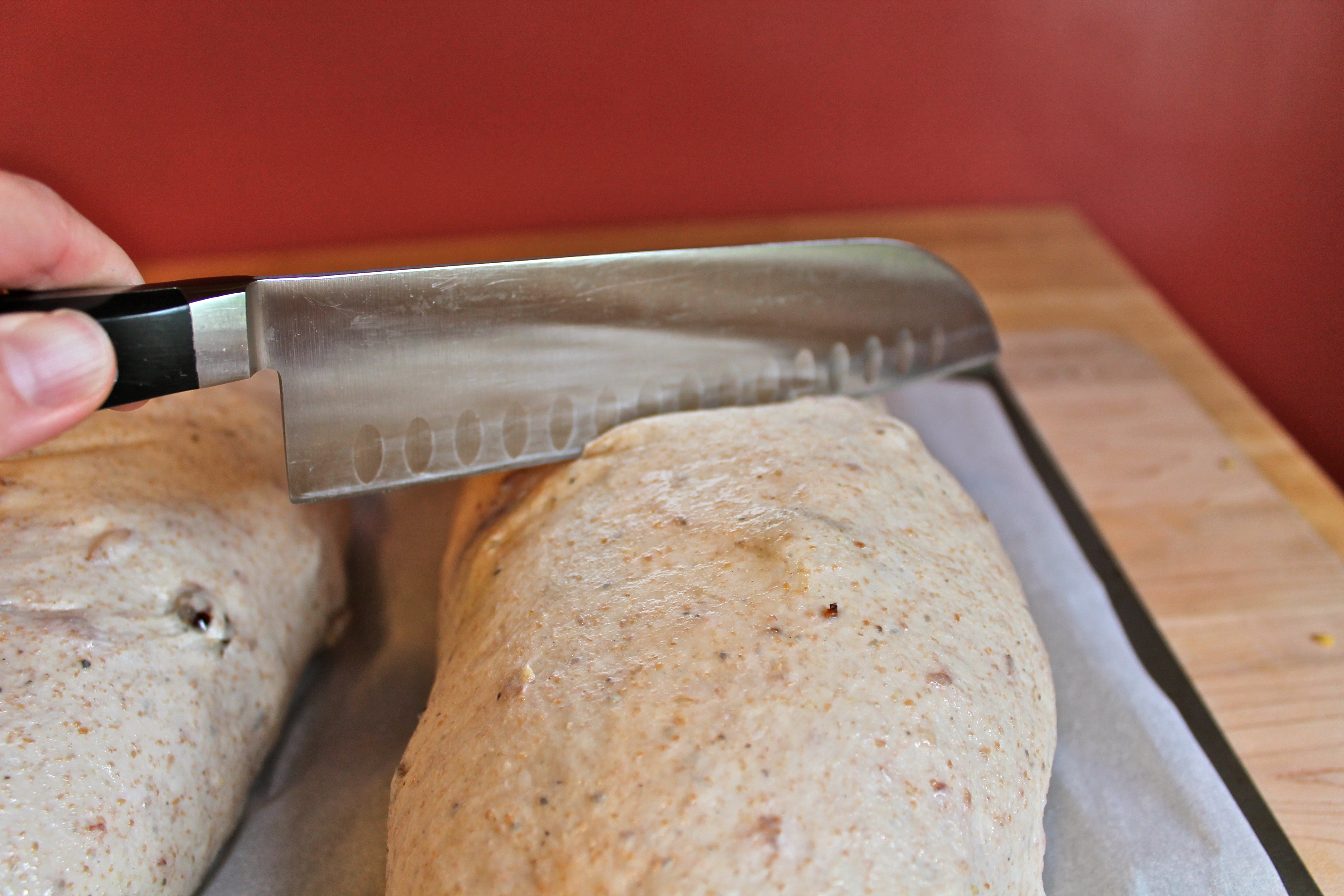
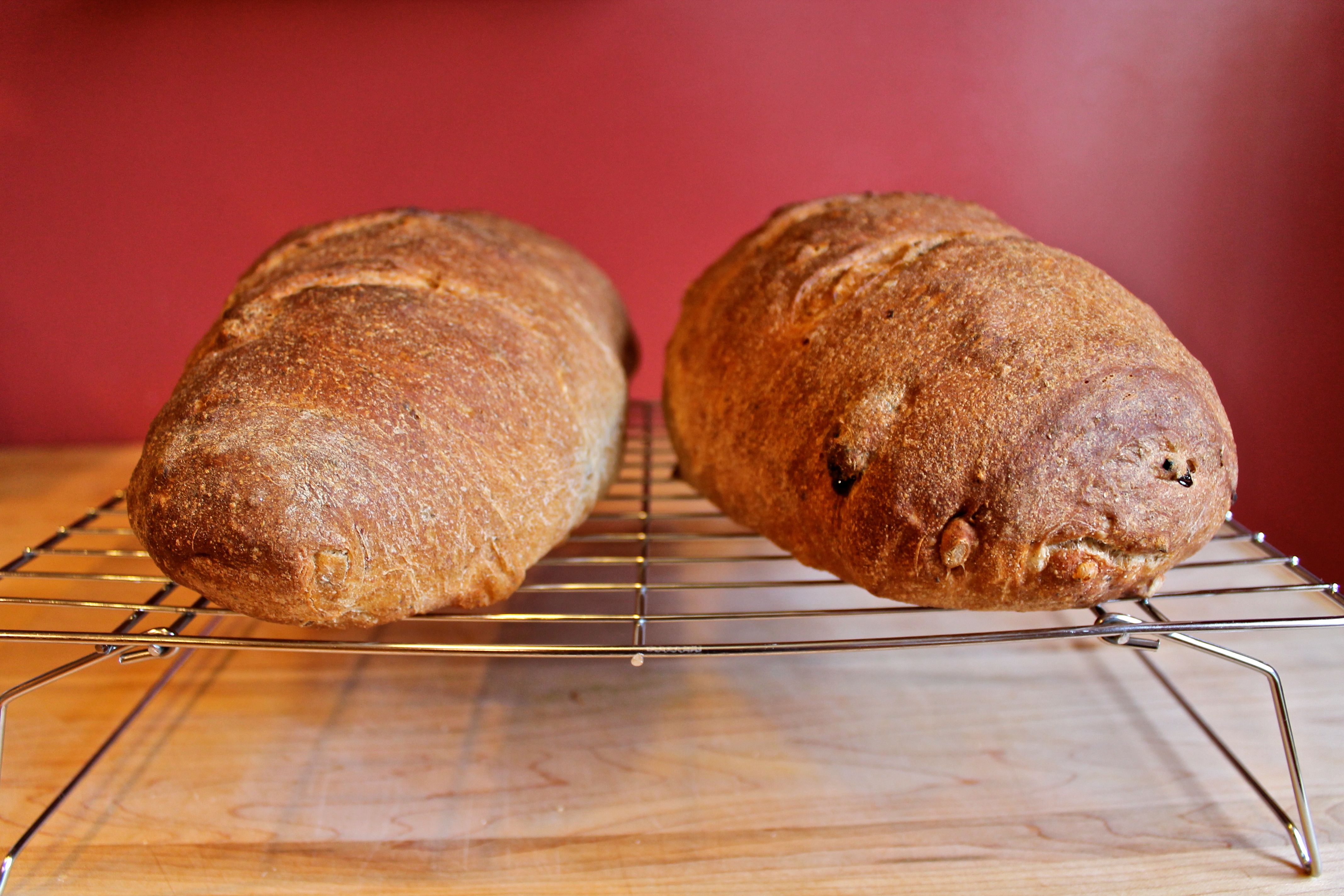
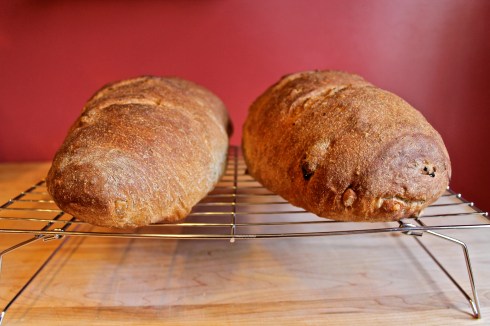
When the dough is done rising, remove the plastic wrap and, using a very sharp knife, slash the tops of each loaf with three diagonal cuts. Lightly spray the tops of the loaves with water. Carefully slide the loaves, still on the parchment paper, onto the heated baking sheet or baking stone in the oven. Immediately reduce the oven temperature to 425 degrees. Bake the loaves, rotating halfway through baking, until they are dark golden brown and an instant read thermometer inserted into the center of a loaf registers 210 degrees, about 35 to 40 minutes.

Remove loaves to a wire rack to cool for at least 1 hour.

Makes two large loaves.