Archive | Citrus RSS feed for this section

Coconut Lime Frozen Yogurt and Chewy Ginger Cookie Sandwiches

10 May

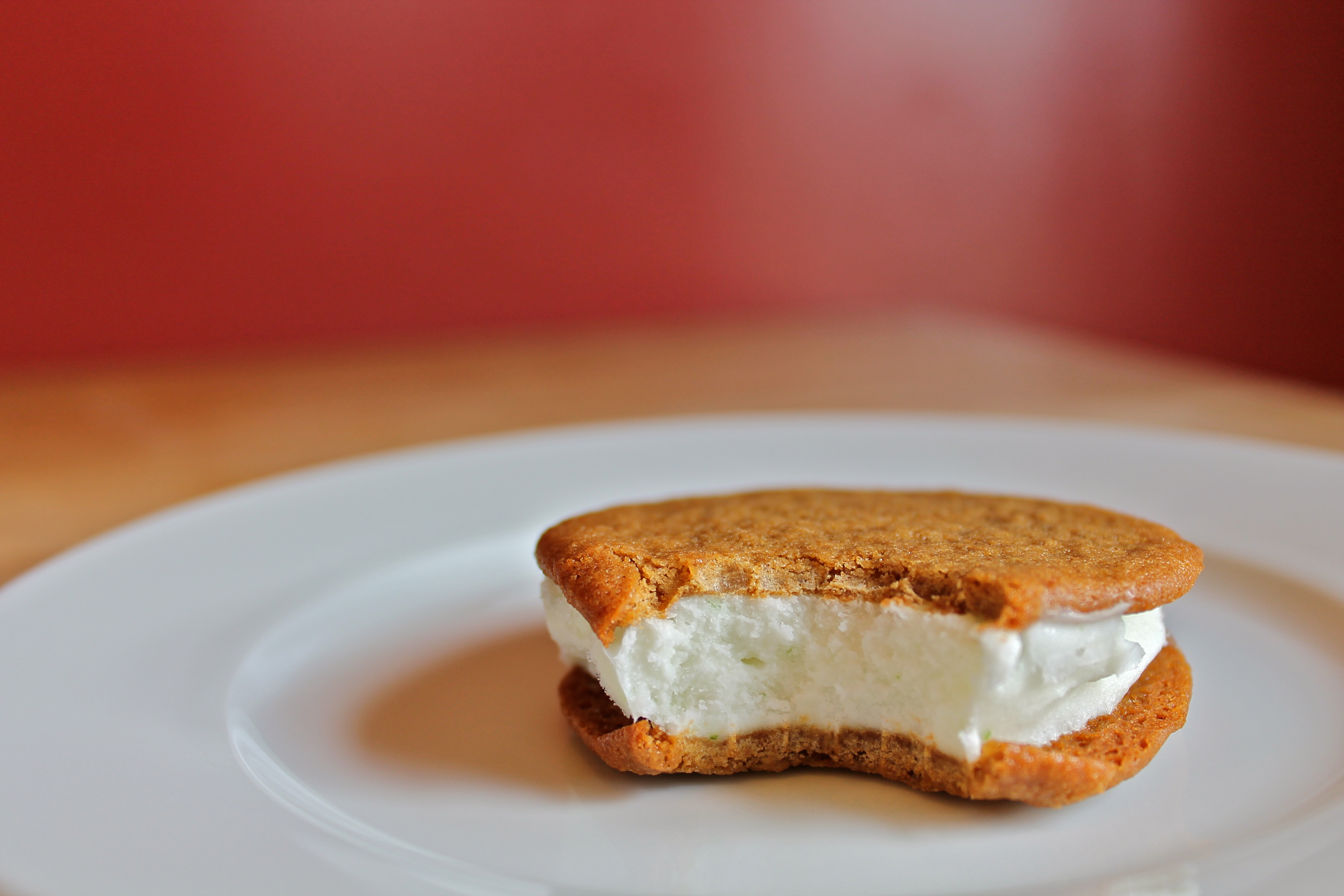
As tough as it was for me to find a name for these astonishingly delicious treats (that title is almost more of a mouthful than the actual cookie sandwich), the path from idea to reality was a surprisingly simple one.  As often as I have ideas about dishes and flavor combinations I think would be great, only to have them never really work out in the end, no matter my efforts (there might be an entire article I can write about this phenomenon, which I may dub “Foods that Never Were”), it is always a great boon to my cooking inclinations when I can manage to make something work itself out on the first go around.  These frozen yogurt sandwiches came into being at just the right time.
It doesn’t take much to make the people of Portland move from cold weather doldrums to sheer, unadulterated excitement over the promise of a warm, sunny day.  All I have to do is hear someone casually mention that it might not rain for a few days and my brain wanders over to thoughts of picnics, hammocks, and tall, ice-filled glasses, their sides mottled by drops of condensation.  If it seems the warm weather might take a trip north of 70 degrees, I start to hover around the cabinet where I keep the ice cream maker, waiting in earnest for a cue—any cue—that will allow me to unearth my old friend and start welcoming the cold treats we so crave on warm days.

Striking the perfect balance of cool and creamy against chewy and crunchy, I can’t think of a better invitation to celebrate summer than having a batch of these ice cream sandwiches sitting in your freezer, waiting for the perfect moment to accompany you in a lounge chair or on a picnic blanket.  The tropical notes of the lime and coconut yogurt make fast friends with the wonderful ginger bite of the cookies that envelop it, making this an ice cream sandwich for the ages.  As an added bonus, and as any fellow fan of the frozen sandwich will hear and, no doubt, applaud, the wonderfully chewy ginger cookies that hold this sandwich together are sturdy enough to keep their shape throughout the entire life of the sandwich, but never do they impede one’s efforts to bite through the sandwich.  Crisp, yet with gentle give, they are the perfect bookends to an equally perfect treat.
Last Year: New Potato and Caramelized Leek Tart in an Olive Oil Crust

Coconut Lime Frozen Yogurt and Chewy Ginger Cookie Sandwiches Recipe

Some of you may remember these ginger cookies from a post a few months ago.  That’s how I remembered them, and that’s how I came to conclude that, with their fantastic chewiness and great ginger flavor, they’d be the perfect match for this ice cream treat.  The recipe for the cookies is the same here, only the size of each cookie is obviously larger, and the baking time adjusted accordingly.

A note on the yogurt choice: you’ve got to go Greek yogurt on this one.  The creaminess and texture of Greek yogurt are unparalleled here, and really make the frozen yogurt that much more luxurious.  If you’re afraid of the fat content in Greek yogurt (which is fine, it’s a perfectly reasonable concern), I’ll have you know that I accidentally ended up with non-fat Greek yogurt when I was making this (did you even know that there was such a thing as non-fat Greek yogurt? I had no idea), and I never even suspected it was fat-free until I was pitching the yogurt cups in the recycling bin later on in the day and noticed the designation on the label.  The taste gave nothing away.  So, Greek yogurt is a must, and full or non-fat are both fine.

Coconut Lime Frozen Yogurt

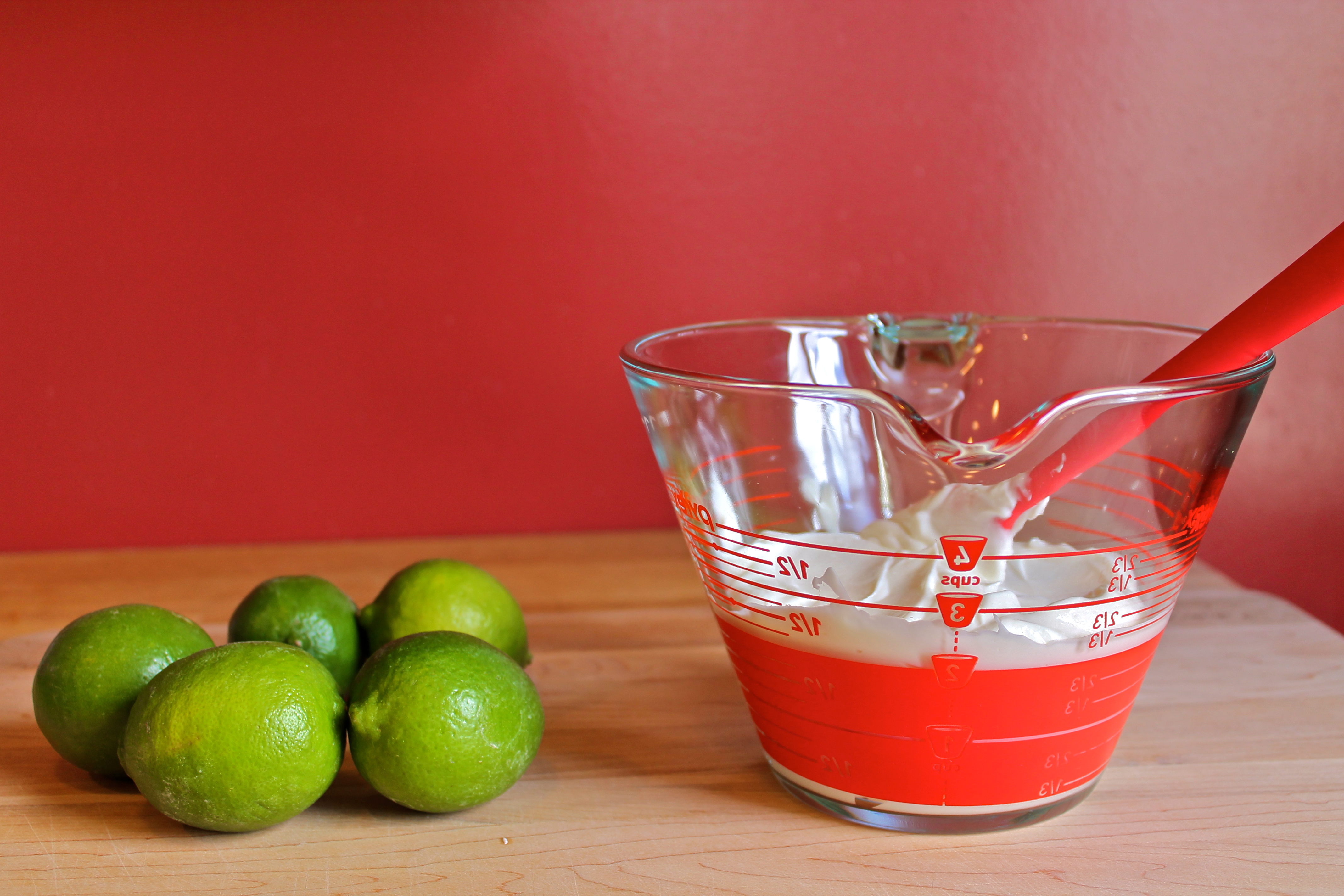
18 ounces (just a tad north of 2 cups) plain Greek yogurt

1 heaping tablespoon finely grated fresh lime zest

½ cup unsweetened coconut milk

2/3 cup granulated sugar

In a large bowl, or in a large measuring cup, combine all ingredients.  Whisk vigorously together for 1 minute, thoroughly combining.  Allow the mixture to rest for about 5 minutes to really let the sugar dissolve, then vigorously whisk once more for at least a minute, making sure that everything is fully incorporated.

Freeze in ice cream maker according to manufacturer’s directions.  When yogurt has frozen, remove from ice cream maker and pack into a freezer-safe tub.  Place frozen yogurt in freezer for at least an hour to allow it to firm up just a bit more before assembling ice cream sandwiches.

Chewy Ginger Thin Cookies

¾ cup unsalted butter

1 cup dark brown sugar

1 beaten egg

¼ cup molasses (dark or light are both fine)

1 ½ cups sifted unbleached all-purpose flour

¼ teaspoon salt

½ teaspoon baking soda

½ teaspoon ground cinnamon

½ teaspoon ground powdered ginger

pinch nutmeg

1 teaspoon grated fresh ginger

Preheat oven to 325 degrees Fahrenheit.  Line two baking sheets with parchment paper and set aside.

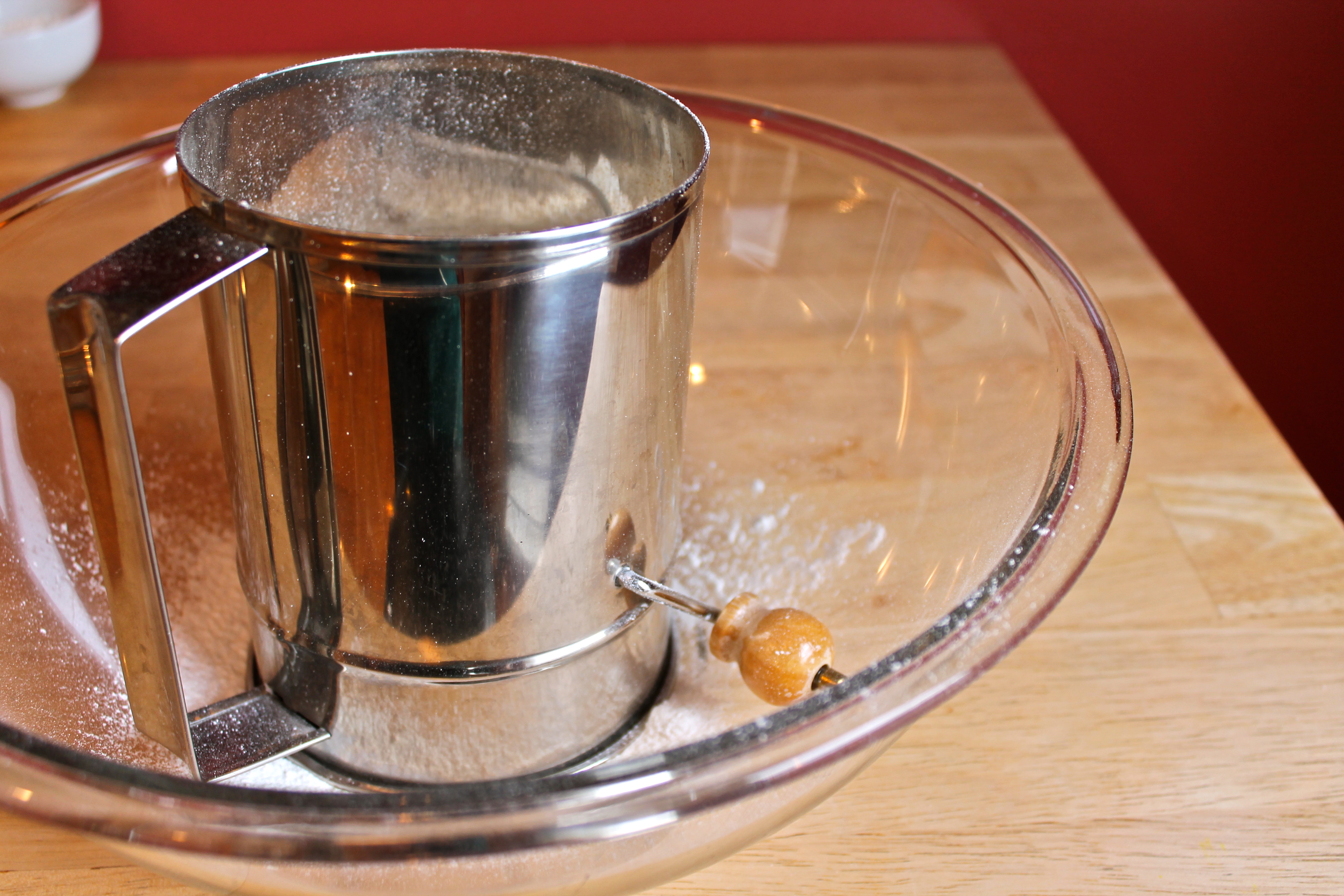
In a large bowl, cream together the butter, brown sugar, egg, and molasses.  Combine the flour, salt, baking soda, cinnamon, powdered ginger, and nutmeg, and sift together directly onto the butter mixture.  Stir until smooth.  Add the fresh ginger, then mix to combine.

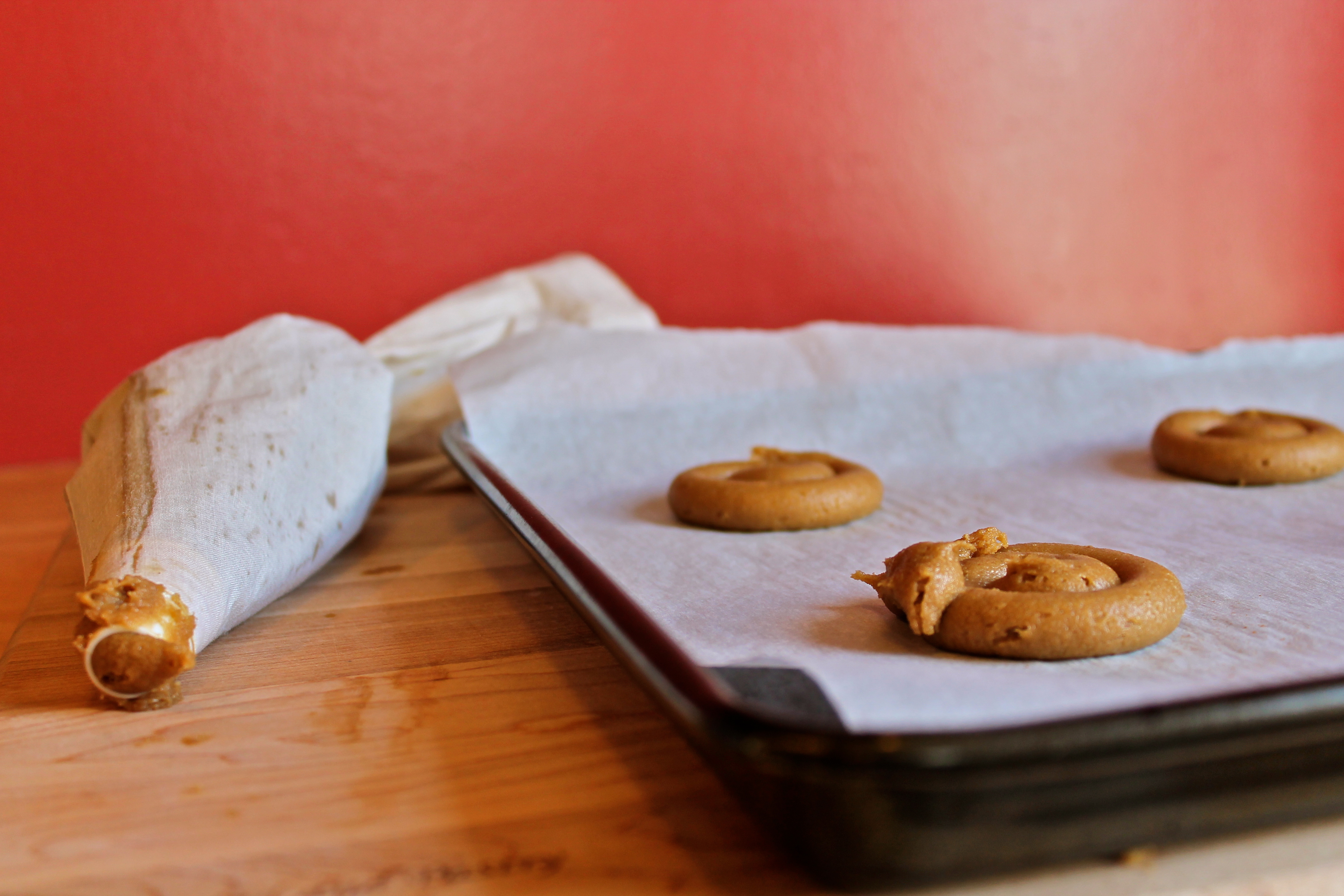
Using a pastry bag or a Ziploc bag with a bottom corner cut off (the dough is extremely sticky, so trying to portion it out with a spoon won’t work well at all), pipe or squeeze out cookies into circles roughly 3 inches across onto a parchment-lined baking sheet.  Place each cookie about 1 inch apart, lest they stick together as they spread during baking.

Bake cookies on the center rack of the oven for 8 to 9 minutes, until the edges of the cookies have just begun to appear slightly darkened and dry.  While the cookies are baking, pipe another batch of cookies onto your second prepared baking sheet.

Cool baked cookies on their parchment sheet placed on a wire rack.  When cookies have cooled on a rack for about 5 minutes are and no longer gooey, you can slip the cookies right off of the parchment and reuse the parchment for another batch of cookies.

The desired consistency for these cookies is super chewy but ever-so-slightly firm (they will be very bendy when they come out of the oven, and will become soft-firm when cooled).  If you find your cookies are persistently floppy even after having sufficiently cooled, increase the baking time of subsequent batches by 1 minute.

To Assemble and Wrap Frozen Yogurt Sandwiches:

Allow cookies to cool completely.  Place a cookie on a piece of plastic wrap.  Scoop desired amount of frozen yogurt on top of cookie, leaving a bit of open space around the edges of each cookie to allow for settling.  Place another cookie on top of the frozen yogurt, and gently press down until the frozen yogurt settles a bit and the top cookie starts to adhere.  Wrap the plastic wrap around the sandwich and place in the freezer to allow to firm up a bit, ideally for a couple of hours.  There is, of course, nothing stopping you from eating a frozen yogurt sandwich as soon as you assemble it, but allowing the sandwiches to rest in the freezer for a bit really does help them keep their shape while you eat them.

Assemble all sandwiches until yogurt is gone.  You will have cookies left over, but this is a good thing.

Makes 12-15 sandwiches, depending on how much yogurt you desire to put in between the cookies.

Lemon, Almond, and Cornmeal Cake

23 Apr

For a while there, we were eating a lot of cake.  I brought this up a few weeks ago, but it bears repeating because, after I brought it up the first time, we continued to eat cake, and lots of it.  It’s not like we were just sitting around while stuffing cake in our mouths (at least, we mostly weren’t doing that).  There were dinner parties and birthdays and then, um, Cake Tuesdays, which is not a real thing but now that I’ve mentioned it right here, I sort of want to make it a real thing.  The point is, a lot of cake was made, and a lot of cake was enjoyed.

Most of the cakes I made over the past few weeks were old favorites.  This dark chocolate zucchini cake and this butter cake made appearances (the butter cake is an old standby of mine, but that blood orange curd was a new addition and, boy howdy, was it a fantastic one), as did a newly conceived cupcake.  Another new addition to my baking repertoire was this lovely number from Nigella Lawson and, though I hesitate to play favorites when it comes to cake, I think I might have found a new best friend.  Not Lawson (lovely as she is).  The cake.

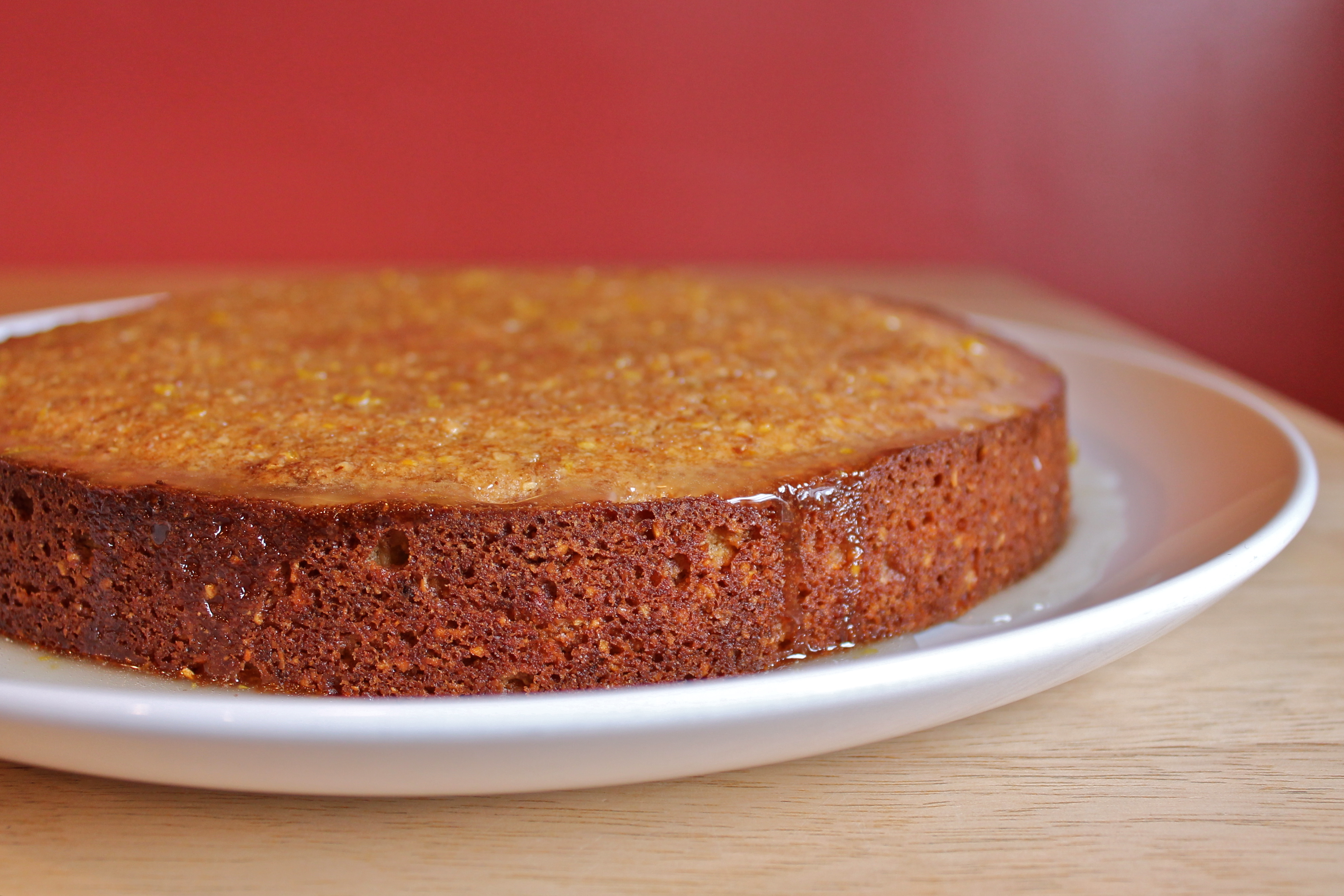
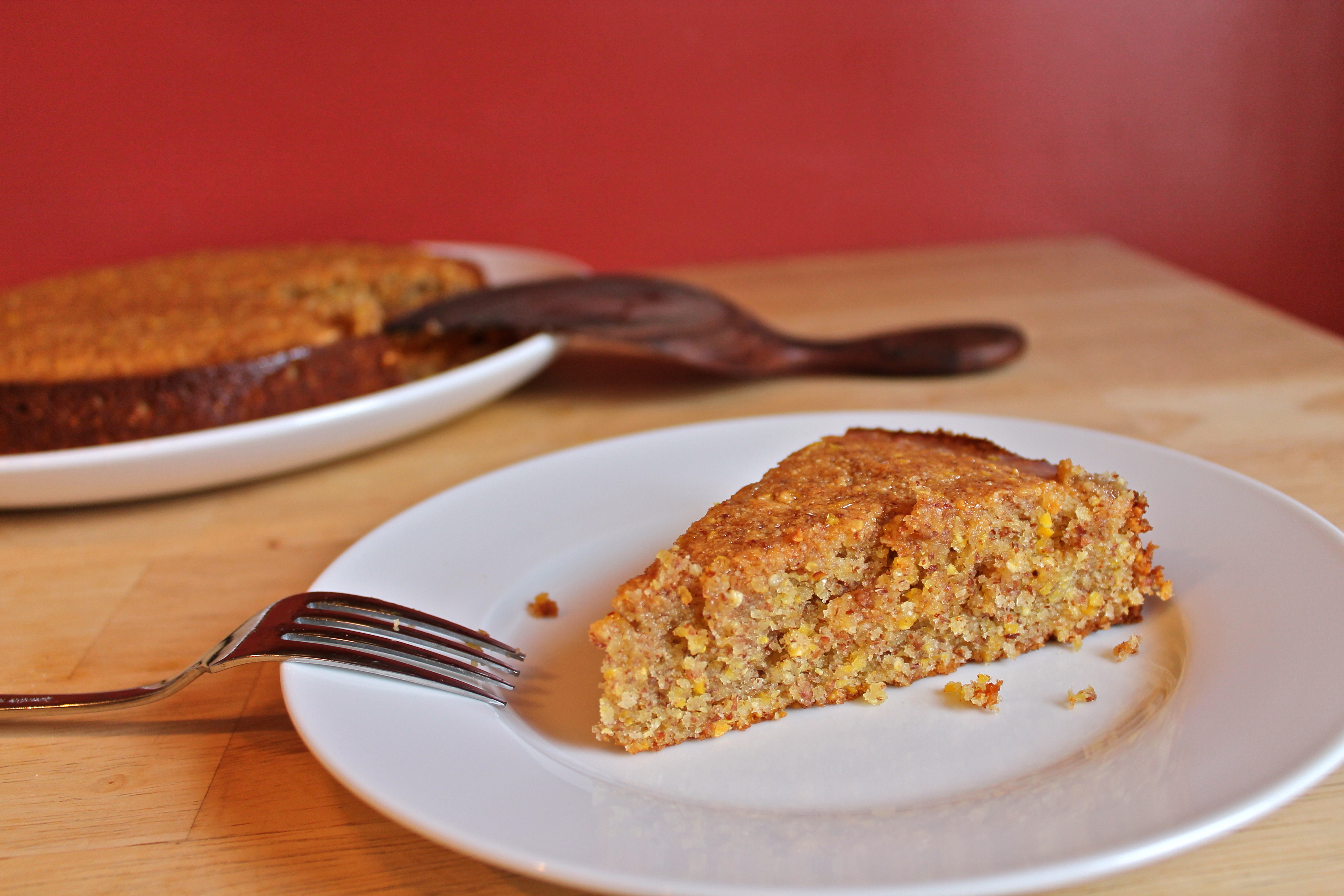
With a base of both almond meal and cornmeal, this cake’s structure is just a delight.  It’s crumbly but moist, and the slight bite of the cornmeal adds a little something special.  Once the entire thing is soaked, whilst still warm, with an intensely lemony syrup, that little something special magically becomes a whole lot of something special, and I’d be lying if I told you that I wasn’t totally consumed by this cake (while I simultaneously consumed it, as it were).  Like I said, I don’t want to hurt any other cake’s feelings by declaring favorites, but this is a cake you definitely want to get to know.  Perhaps with a few friends, a pot of coffee, and a lazy afternoon of chit chat, because if you truly love your friends, you’re going to want to get them in on this cake as well.

Last year: Yeasted Buttermilk Biscuits

Lemon, Almond, and Cornmeal Cake Recipe

Adapted from Nigella Kitchen, by Nigella Lawson

I’ve made a few changes to this cake in both ingredients and process, mostly notably in the form of reducing the sugar in both the cake and the syrup. By reducing the sugar in the syrup topping, but not reducing the lemon juice (and then adding a bit of zest to the mix), you get a clearer, brisker lemon topping that just makes this cake a total showstopper. There are a couple more tweaks here and there, but I’d still say this cake is definitely Nigella Lawson’s and not mine.

2/3 cup granulated sugar

zest of 2 large lemons

1 ¾ sticks (14 tablespoons) unsalted butter, at room temperature (plus a tad more for greasing the pan)

2 cups almond meal or almond flour

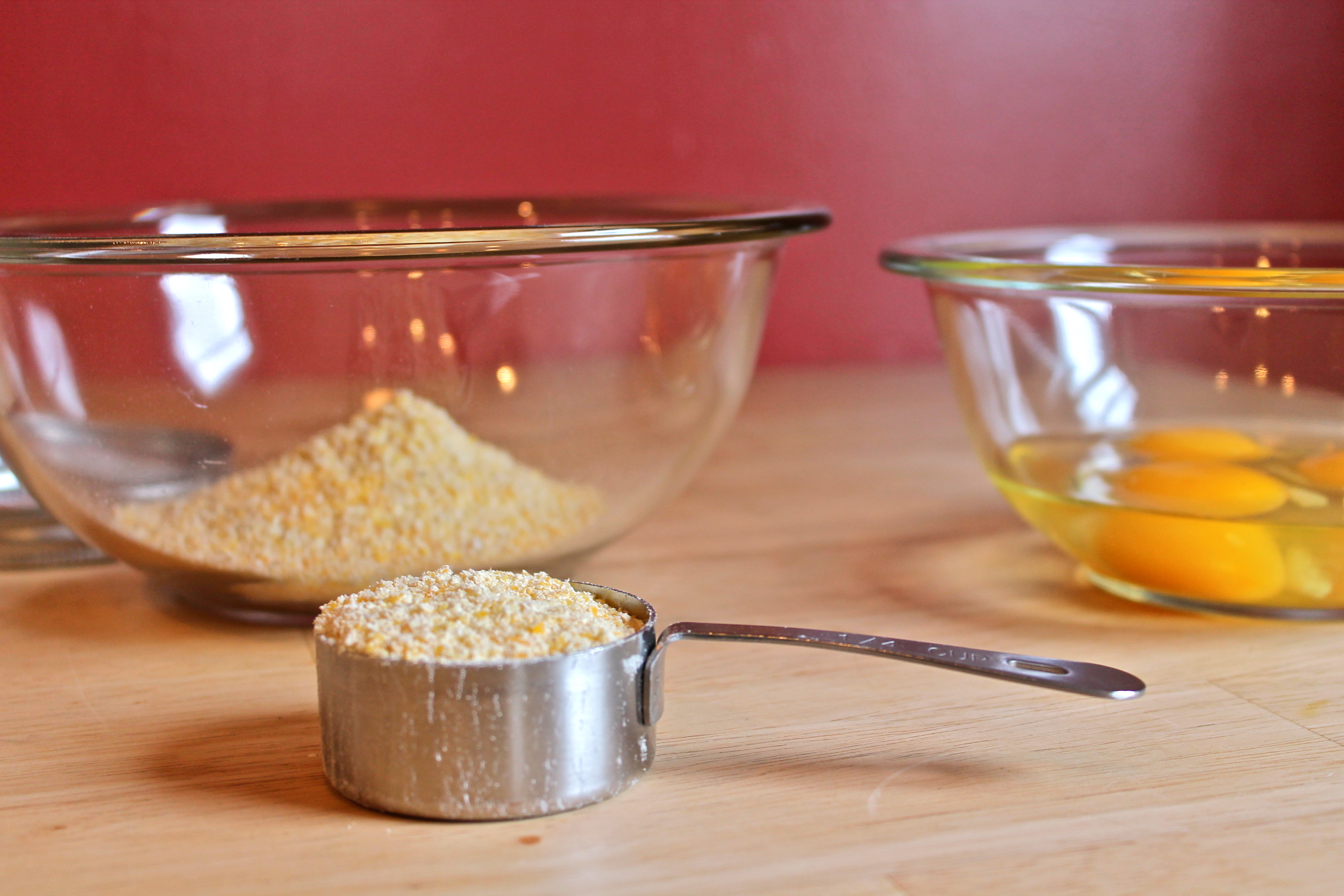
¾ cup finely ground cornmeal

1 ½ teaspoons baking powder

3 large eggs, at room temperature

For the Syrup:

Juice of 2 lemons

1 teaspoon finely grated lemon zest

2/3 cup confectioner’s sugar

Preheat oven to 350 degrees Fahrenheit.  Lightly grease the bottom and sides of a 9-inch springform pan, then line the bottom with a round of parchment paper.

In the bowl of a food processor, combine the sugar and lemon zest and process until the sugar is finely ground and the lemon zest is incorporated.

In the bowl of a stand mixer, or in a large bowl using a hand mixer, combine the sugar and lemon zest with the butter.  Beat together until pale and whipped.

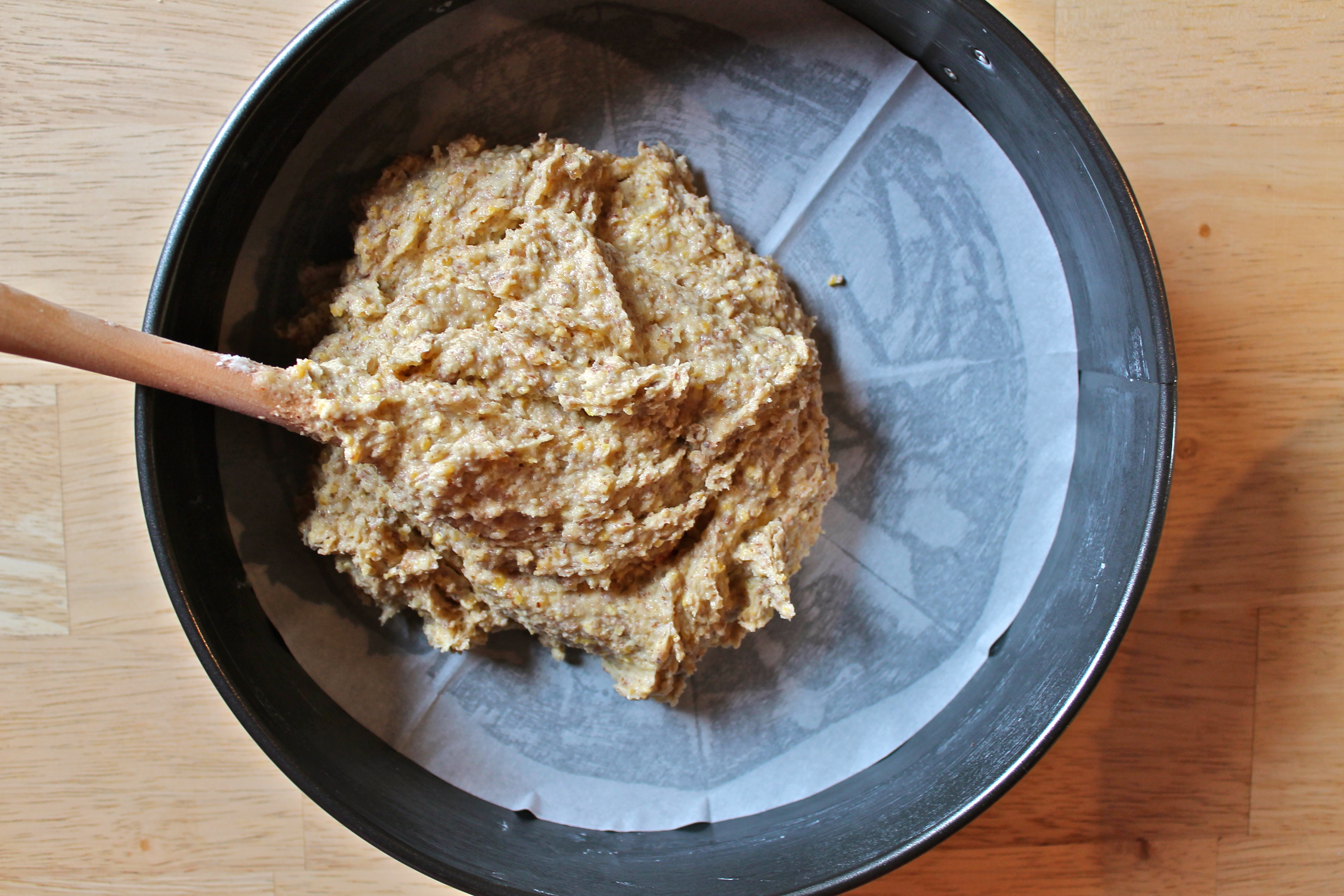
In a medium bowl, combine the almond meal, cornmeal, and baking powder.  With the mixer still mixing, add 1/3 of the almond mixture to the butter, followed by 1 egg.  Continue beating in the remaining almond mixture and eggs in this fashion, adding one after the other.  When the last egg has been added, beat the batter until everything is fully incorporated, scraping down the sides and bottom of the bowl as needed.

Scrape the batter into the prepared pan and bake for 40 minutes.  The cake will be done when the edges begin to shrink away from the sides of the pan.  The middle of the cake will appear a bit underdone, but a cake tester inserted into the middle should come out marginally clean with several moist crumbs still attached.  Remove the cake from the oven and place on a wire rack to cool, leaving the cake in the pan.

To make the syrup, gently boil together the lemon juice, lemon zest, confectioner’s sugar, stirring all the while, until the sugar has completely dissolved into the juice.  Prick the top of the still-warm cake all over with a toothpick or cake tester, then spoon the warm syrup all over the cake.  Allow the cake to cool almost completely before taking it out of its pan.  (Lawson recommends allowing the cake to cool completely, but I found this cake to be even more fabulous when served just barely warm.  You definitely don’t want to serve this cake while it is hot, but anything just a few degrees warmer than room temperature is perfect, I think.)

Butter Cake with Blood Orange Curd

20 Feb

There has been a lot of cake-making around these parts lately.  Over the holidays, I made several cakes for a Kickstarter campaign, and then came the holidays themselves, a time when all things cake flour and butter-laden are welcomed with open arms.  Since then, birthdays have come and gone, and, as per usual, there was cake-making involved.  So far I have already made four cakes during the month of February, and the month is only two-thirds over.

It’s a good thing I like making cakes.

It is also a good thing there is an abundance of citrus available at the market right now, since there are few things I enjoy as much as a nice, tart citrus fruit.  As luck would have it, this month’s most recent cake was a freestyle sort of affair, meaning that after I was recruited to make the cake, I was then told that I could make whatever sort of cake I pleased, so long as it somehow incorporated citrus and cream.  Well, ladies and gentlemen, done and done.

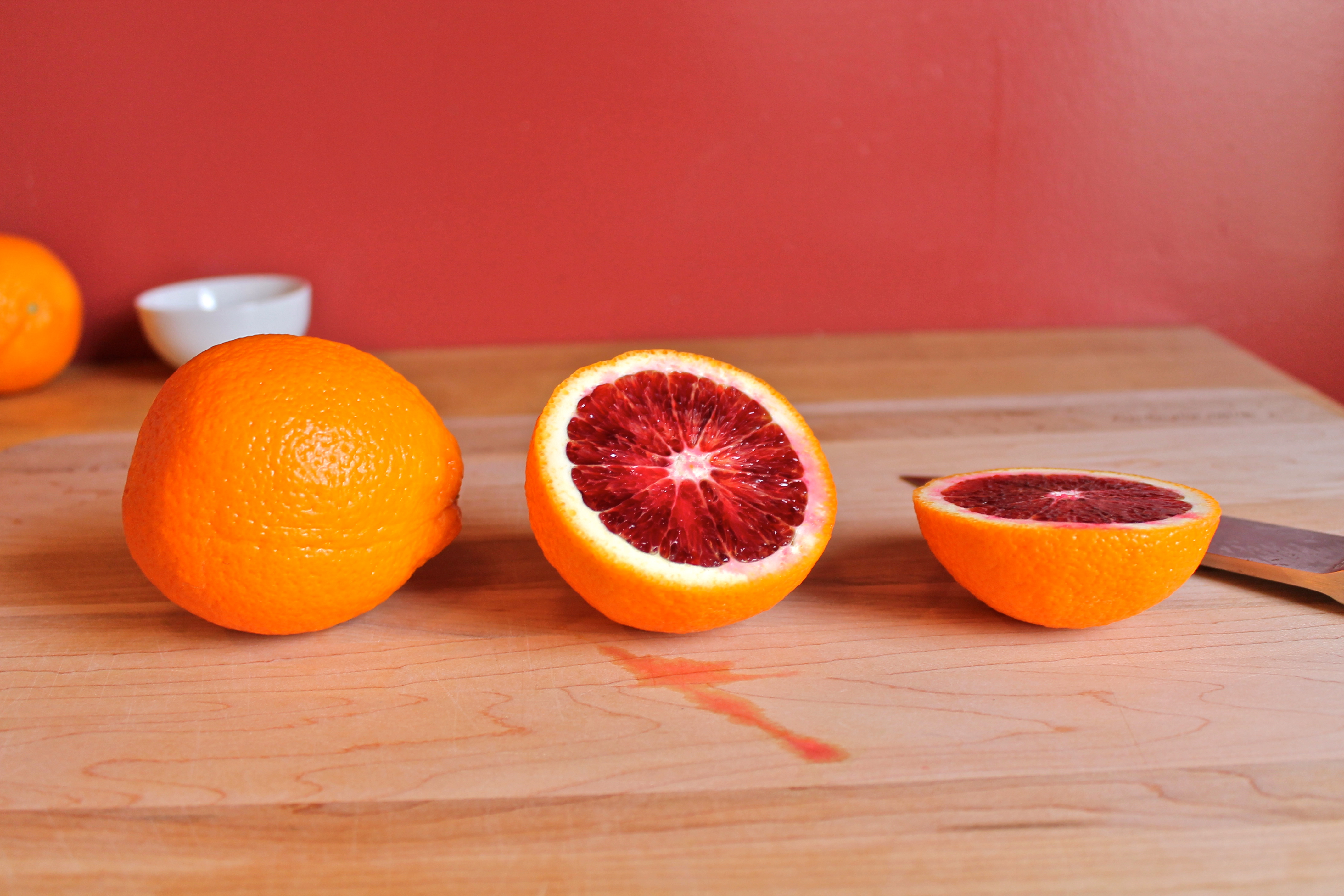
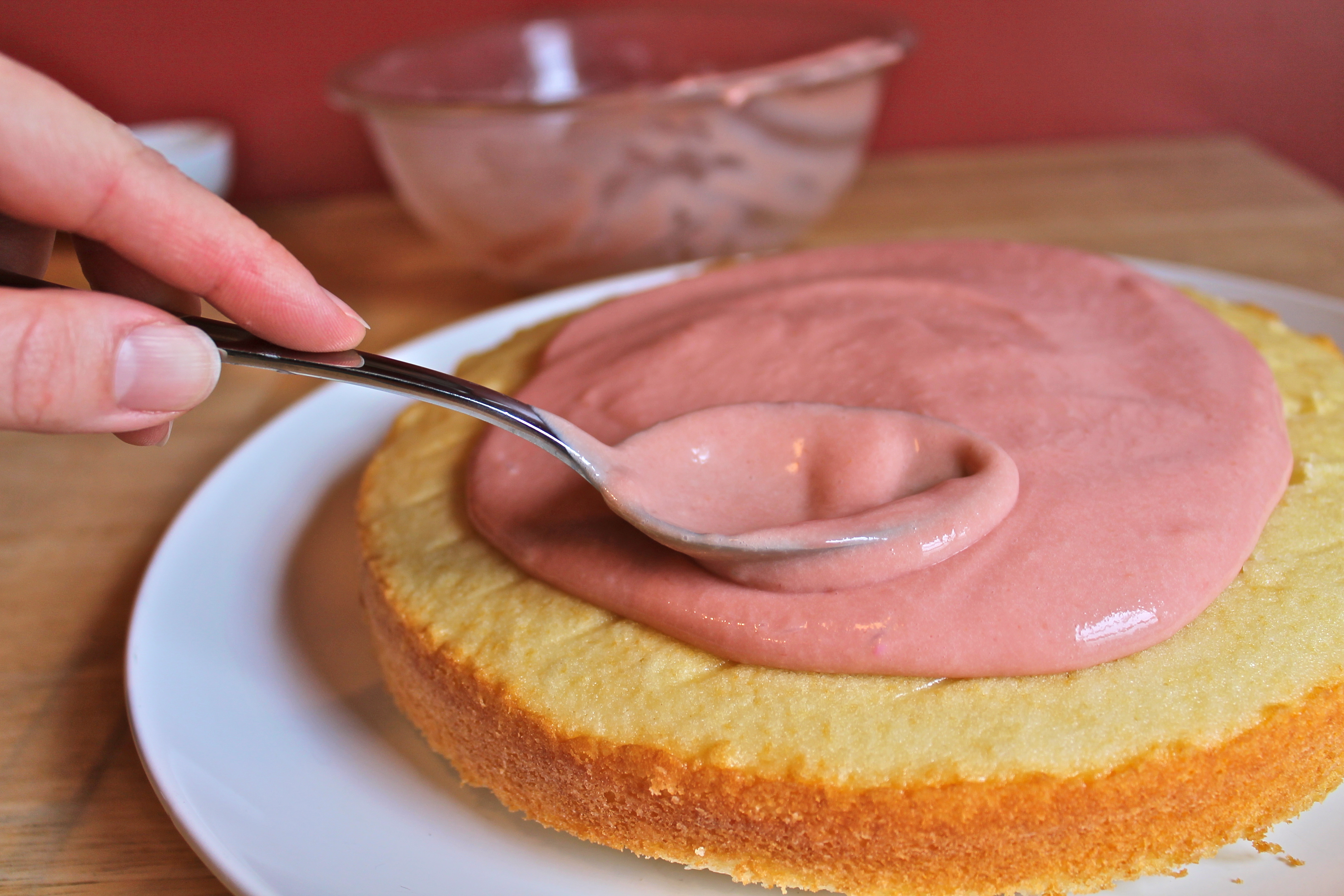
A fortuitous discovery of this great recipe for orange curd via The Kitchn made me all the more excited to dress up this cake of choice.  The fact that blood oranges are so wonderfully in season made me giddy with anticipation.  In my mind, I was envisioning a bright orangey-red filling, a sweet and tart balance to the rich and buttery layers of cake nestled above and below.  As you can see, my vision was not entirely fulfilled.  Yes, the blood orange curd was delicious—as tart and creamy as I could ever hope for—but, clearly, what you see before you is not so much bright or intense in hue, but rather what I can only brand as being “Barbie-worthy.”  Entirely by accident, I managed to construct a pink princess cake.  Pardon me, a delicious pink princess cake.

I am, of course, perfectly fine with this.  In fact, I now feel as though, if ever called upon to make a birthday cake for a small child who favors princesses—or perhaps even an adult who is a proponent of pink—I will have a top-notch cake in my arsenal of offerings.

Butter Cake with Blood Orange Curd

Adapted from the long-departed Caprial’s Restaurant

This cake recipe defies all cake-making logic by having you beat the batter extremely well as you add in the dry and liquid ingredients. Your cake-making instincts may tell you to only mix this batter lightly until things start to come together, but ignore those instincts and just keep beating things together really well until the batter is smooth and mostly lump-free. I know it might feel wrong, but just do it. The smooth texture of the batter really works wonders in this cake, strange as it may seem.

1 cup unsalted butter, softened

1 ½ cups granulated sugar

4 large eggs

2 teaspoons pure vanilla extract

¾ teaspoon salt

1 tablespoon baking powder

3 cups cake flour

1 cup whole milk

Preheat oven to 350 degrees Fahrenheit. Grease two 9-inch cake pans and line the bottoms with rounds of parchment paper.

Place the butter and sugar in a large bowl, or the bowl of a stand mixer fitted with the paddle attachment.  Beat together on high speed, scraping down the sides of the bowl often, until the butter and sugar are light and fluffy, about 5 minutes. Turn the mixer speed down to low and add the eggs one at a time, scraping down the sides of the bowl and mixing well after each addition.  Add the vanilla and mix well, again scraping down the sides of the bowl.

Sift together the salt, baking powder, and cake flour.

Add about one half of the dry ingredients to the butter mixture, then beat on low speed until well blended.  Add about one half of the milk and beat well.  Add the rest of the flour mixture and beat until mixed well.  Add the rest of the milk and continue to beat well until the mixture is completely combined.

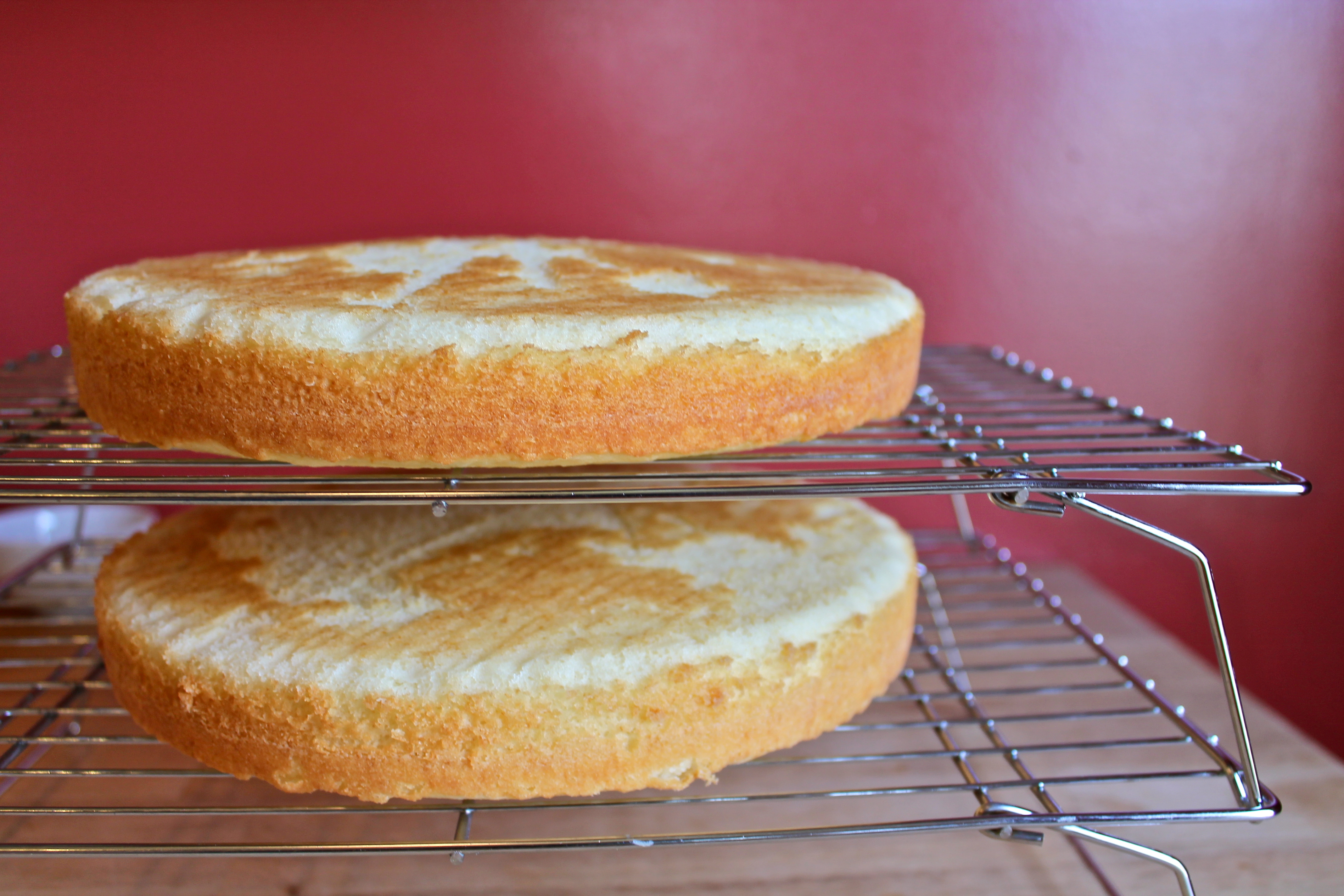
Divide the matter between the prepared pans and bake until the cakes spring back when touched lightly in the center, 25 to 35 minutes. Allow cake to cool in pans for 10 minutes before inverting onto cooling racks to continue to cool completely.

Blood Orange Curd

Adapted from The Kitchn

1/2 to 3/4 cups orange juice from 2 blood oranges

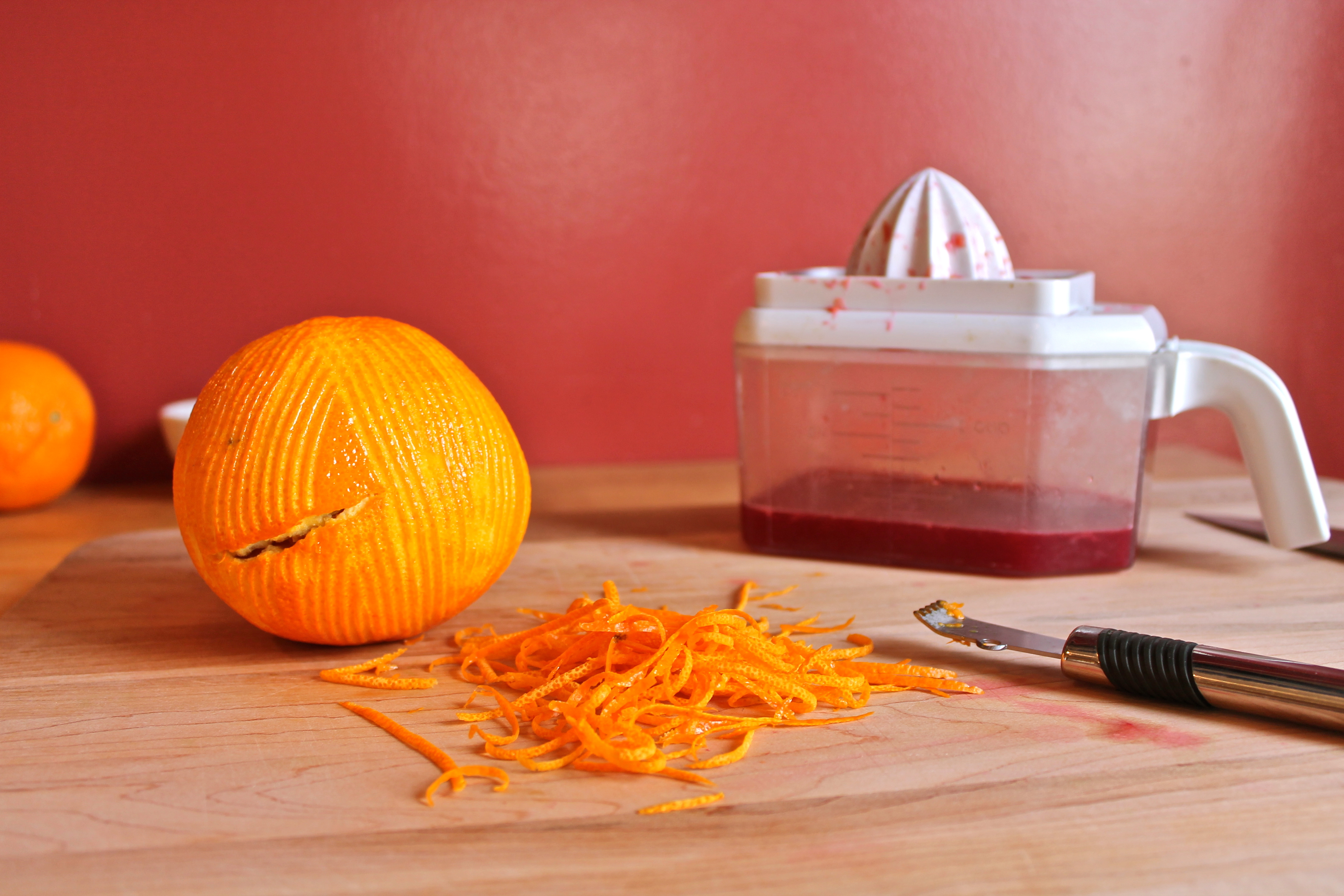
zest from one orange

1 tablespoon lemon juice

1 large egg

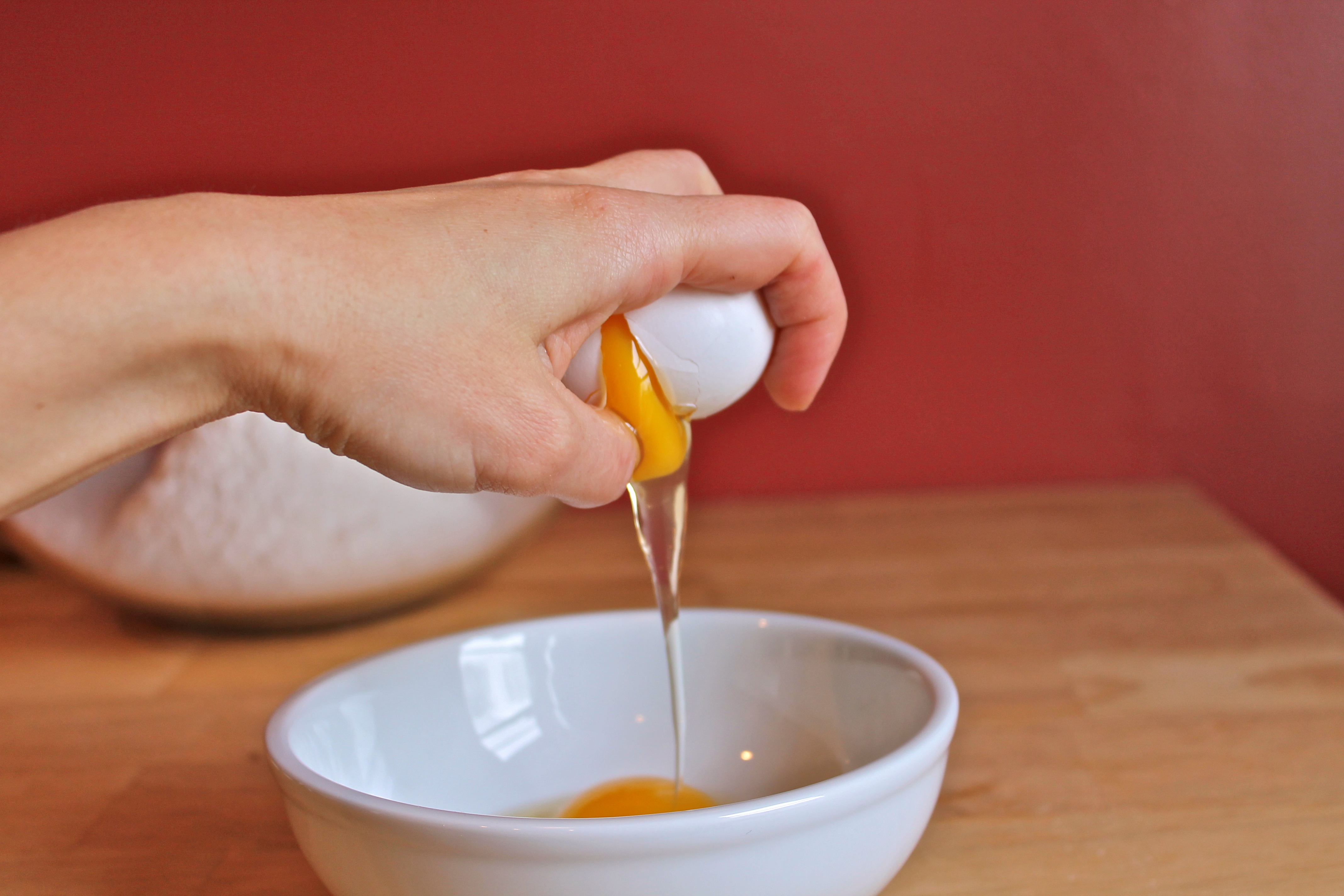
2 large egg yolks

1/4 cup granulated sugar

4 tablespoons unsalted butter, cut into chunks and softened

pinch of salt

Pour the orange juice into a small saucepan over medium-high heat. Bring the juice to a rapid simmer and let it reduce down to approximately 1/4 cup. This should take 2 to 4 minutes.

Transfer the orange juice to a bowl or cup to cool. Stir in the zest and lemon juice.

In a separate bowl, whisk together the egg, yolks, and sugar. When the orange juice has cooled to room temperature, whisk it into the egg mixture in a steady stream.

Place a clean bowl with a strainer over the top next to the stove.

Pour the egg and juice mixture back into your small sauce pan and set it over medium-low heat. Stir slowly but constantly until the mixture has thickened to a pudding-like consistency, about 4-6 minutes or until the mixture is just under 180 degrees F.

Immediately remove from heat and strain the mixture into the clean bowl to remove the zest and any bits of cooked egg. (Alternatively, you can leave the zest in the curd for a chunkier texture.) Whisk in the butter and the pinch of salt while the curd is still warm. Continue to whisk until mixture is completely smooth.

Remove orange curd to a small bowl. Lay a sheet of plastic wrap over the surface of the curd (to prevent a skin from forming), and refrigerate until cool, at least one hour.

Makes roughly 1 cup of orange curd.

To assemble the cake:

When the cakes have fully cooled, brush off any loose crumbs and lay 1 cake on a large plate. Spoon all of the orange curd in the center of the cake then, using a spoon or a small offset spatula, gently spread the curd on top of the cake, leaving a 1 to 1 ½-inch border around the edge. Lay the second cake layer on top of the lemon curd, pressing down very lightly to ease the curd over the perimeter of the bottom layer. The lemon curd will eventually drip down the edges very artfully. Just go with it.

Top with a generous layer of whipped cream.

Note: The orange curd does not supply the most stable of bases for the top cake layer, so I suggest you shore up the cake’s structure by sinking two or three skewers, cut to just higher than the height of the assembled cake, into the cake to keep it from sliding apart.