Archive | Dessert RSS feed for this section

Sour Cherry Pie

28 Jul

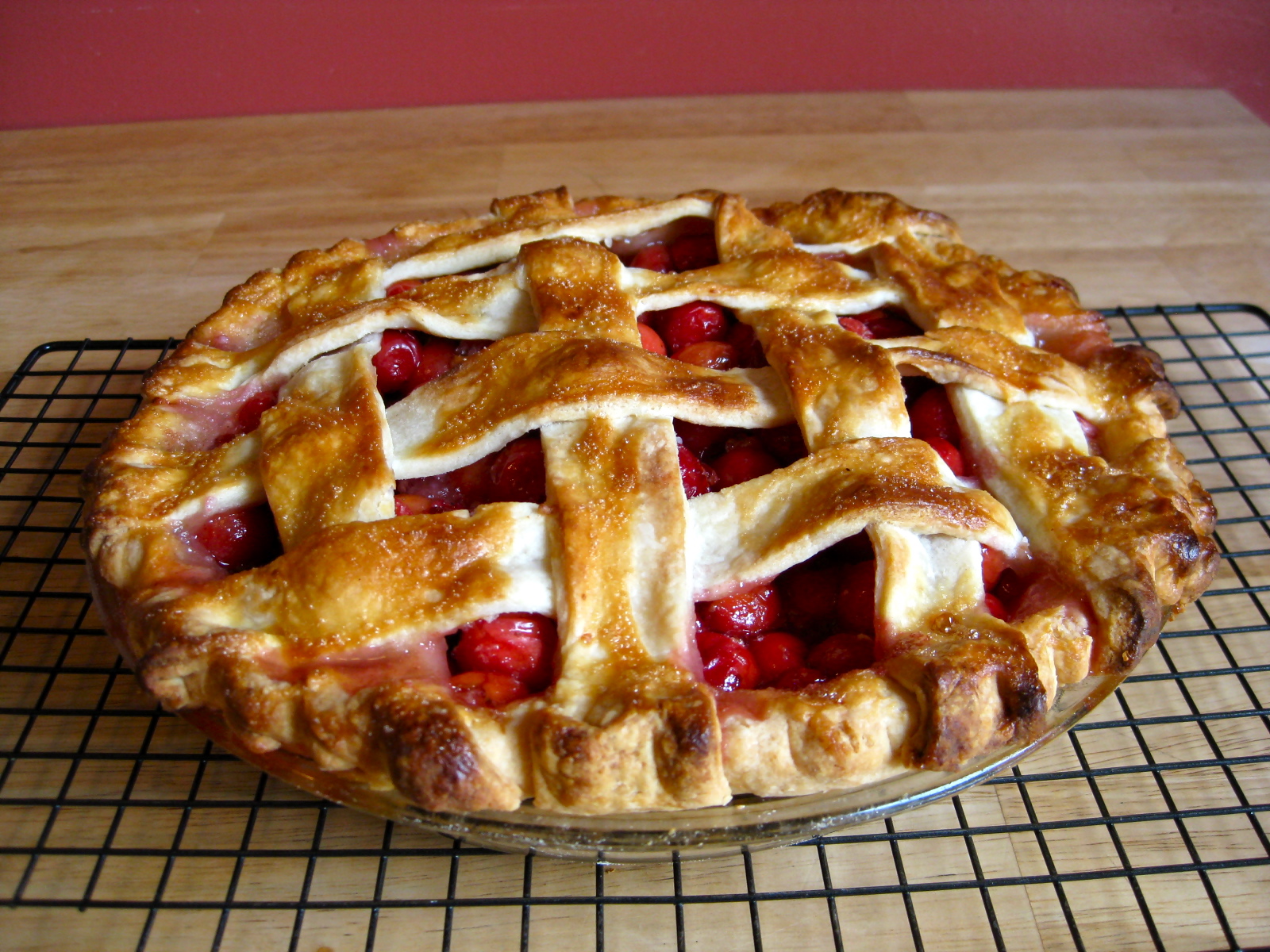
Is it your birthday?  Would you like me to bake you a pie?  What kind of pie?  Is it autumn?  Well, let’s make it an apple pie.  Winter?  Then how about something festive–coconut cream or chocolate, perhaps  Spring?  Well, clearly I should make you a strawberry pie.  But if it’s summertime, I am afraid you will have no choice in the matter.  If it’s summertime, I am going to make you a sour cherry pie.  Not just any cherry, mind you.  Sour cherry.  The best pie cherry in the entire world.
This is not the first time I have written about my dedication to sour cherries.  It is, however, the first time I have admitted publicly that when I make my best friend a sour cherry pie for her birthday every July, the joy I get from working with the cherries is as great as the joy my best friend gets from eating the cherries.
Sound implausible?  Think about it for a minute.  You know how birdwatchers get all giddy and flushed when they witness a rarely-seen bird?  Or how antique aficionados can be rendered breathless when faced with a mint condition Arts and Crafts Roycroft chair?  That’s how I feel about sour cherries.  Sour cherries, so fleeting in their availability, are, to me, akin to rare birds.  Their brief and glorious appearance occurs but once a year and is so short-lived that as soon as you hesitate to appreciate them, they are long gone.
Though I am aware of how over the top this comparison may seem, I am also aware of the fact that, as someone who spends an inordinately large amount of time in the kitchen, my senses and perceptions of time, seasons, and memory tend to lean towards the food-based.  And that means that when July rolls around, I can look forward to hot weather, evenings in the garden, my best friend’s birthday, and sour cherry pie.

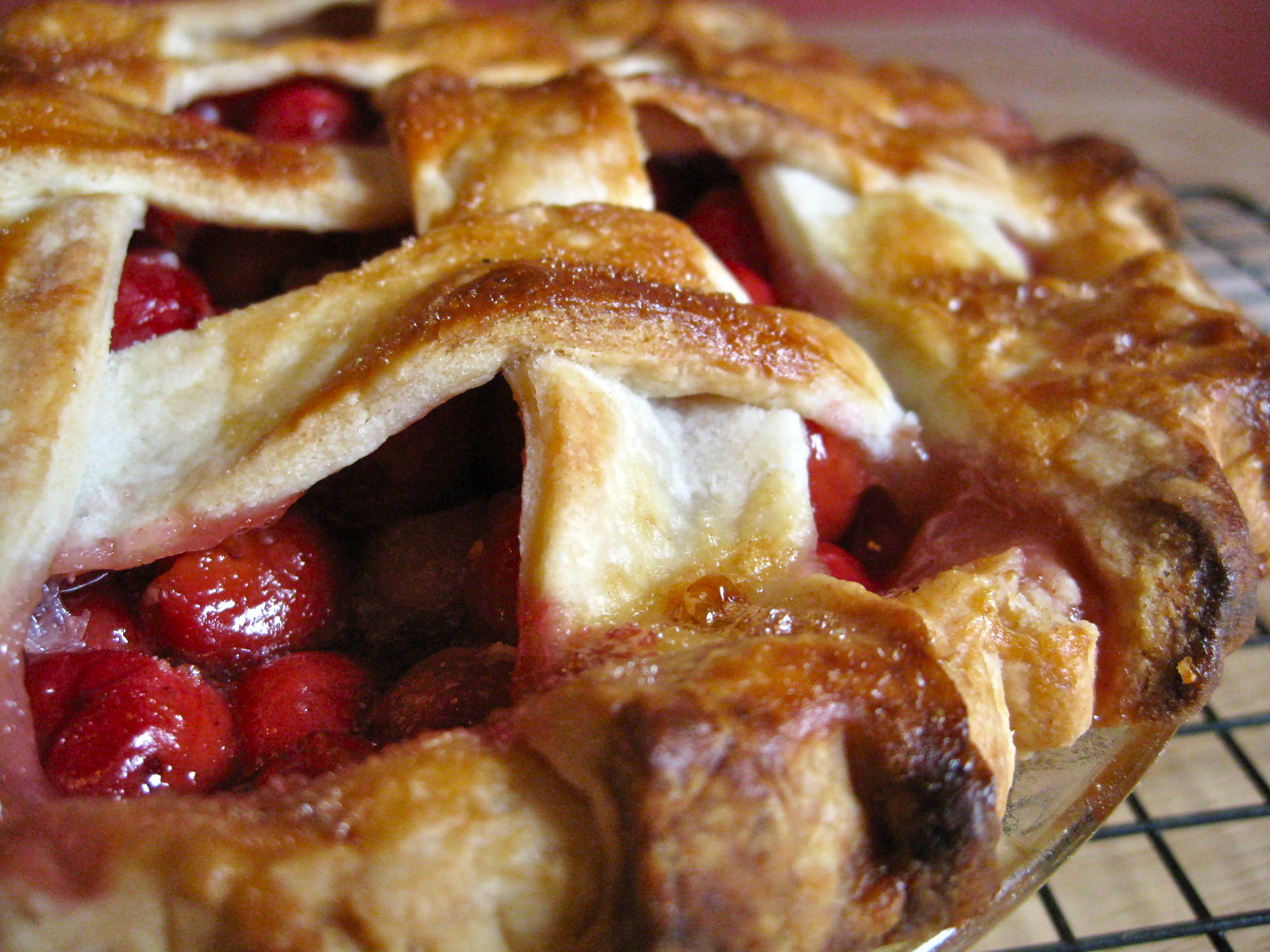
Sour Cherry Pie

Filling ingredients and baking method adapted from The America’s Test Kitchen Family Baking Book

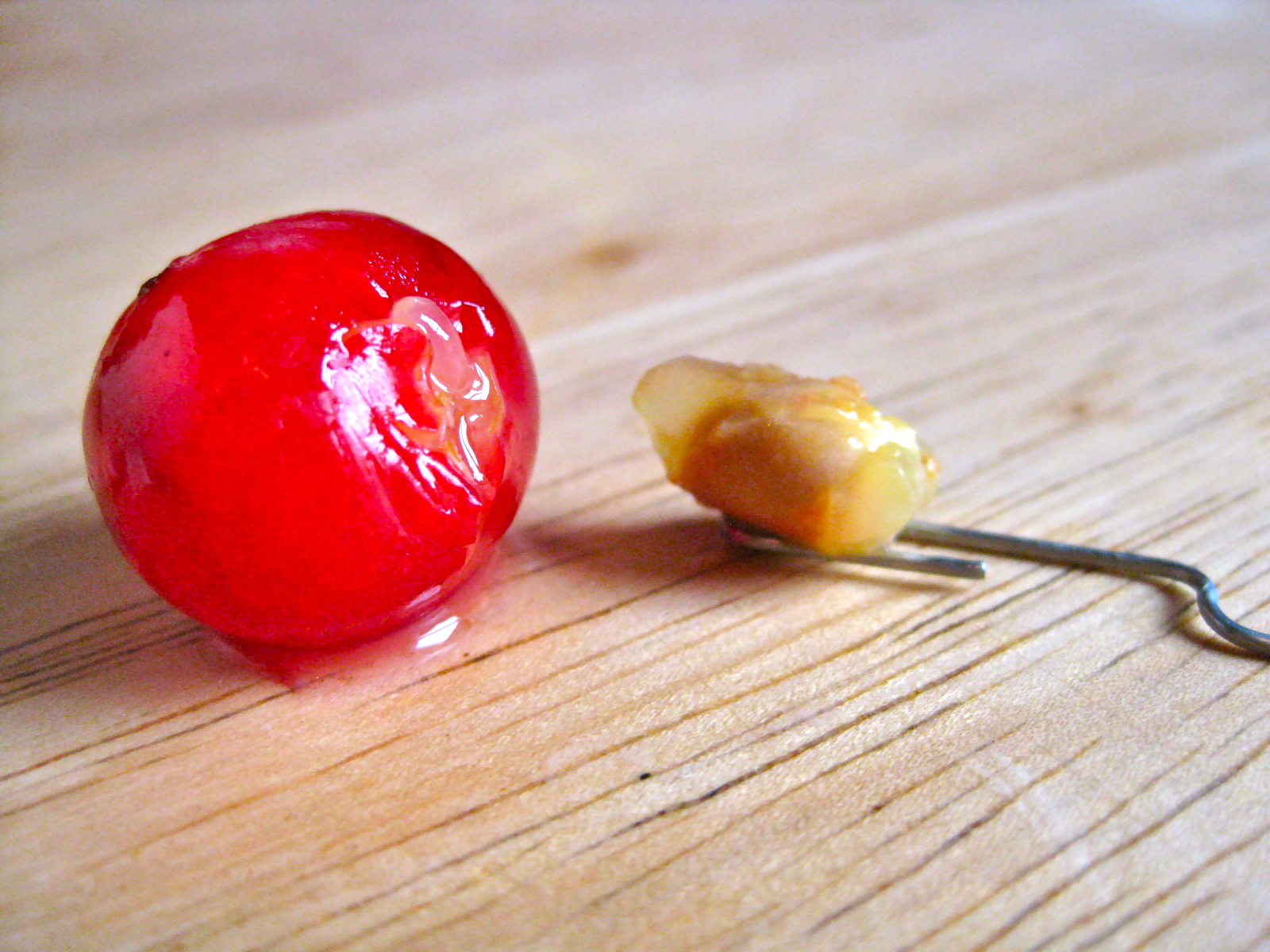
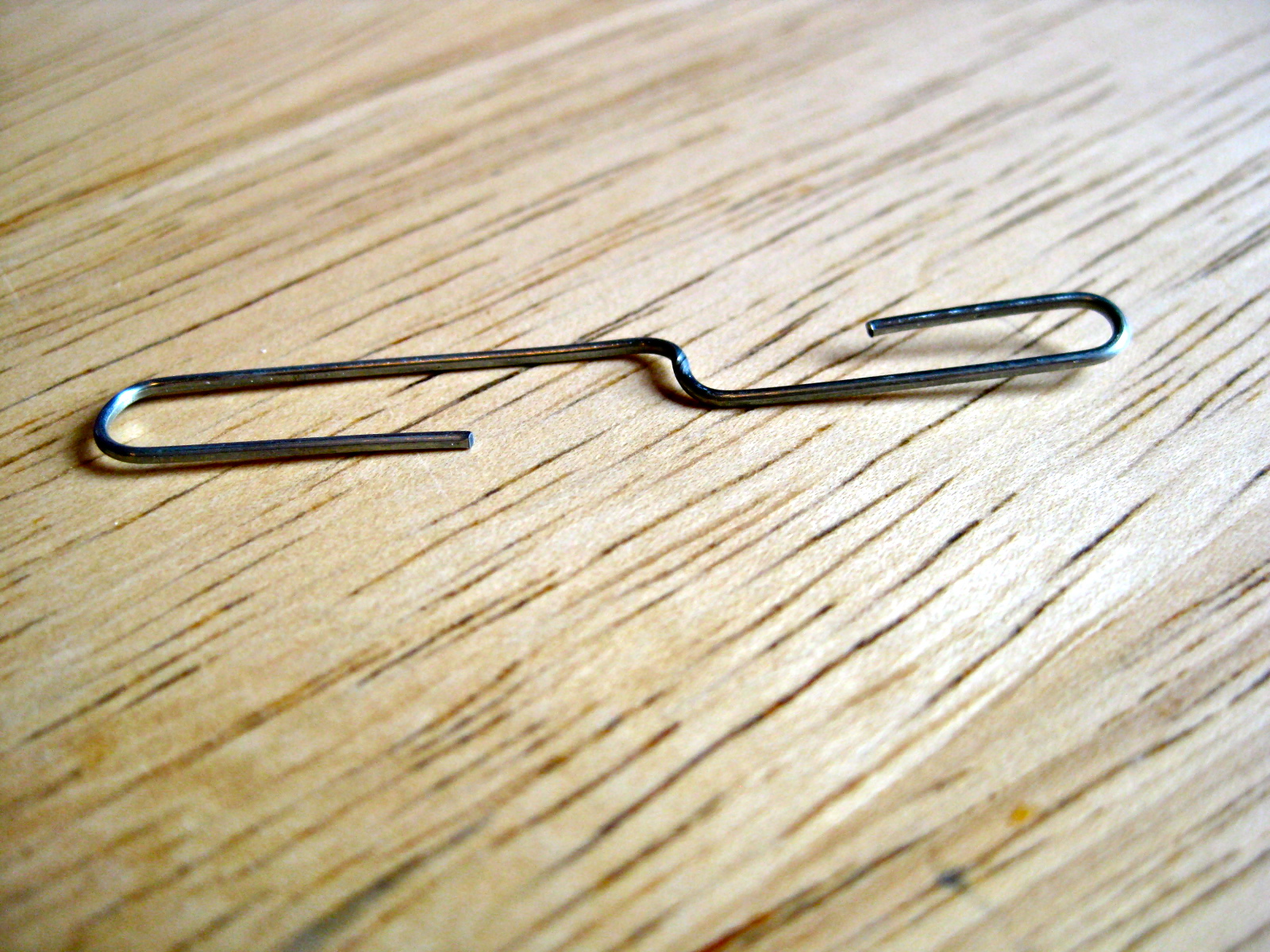
As noted in the photos above, I like to pit sour cherries using an unfurled paper clip. My sister-in-law taught me that trick, and I’ve found no better way to remove pits from sour cherries (which are a very soft and juicy type of cherry).  The paper clip removal is very simple: you hold a cherry in one hand, and with the other hand you just insert one u-shaped end of an open paper clip into the stem hole of a cherry, flip the paper clip up, and the pit pops right out (it only looks like I accomplish the action one-handed in the picture above because I needed my other, non-paper-clip-holding hand to hold the camera).  The cherry is never smashed, and the flesh remains intact.  If you have a cherry pitter, by all means, feel free to use it.  If you don’t, however, I really recommend the paper clip method.

Pie crust for 1 double crust pie.

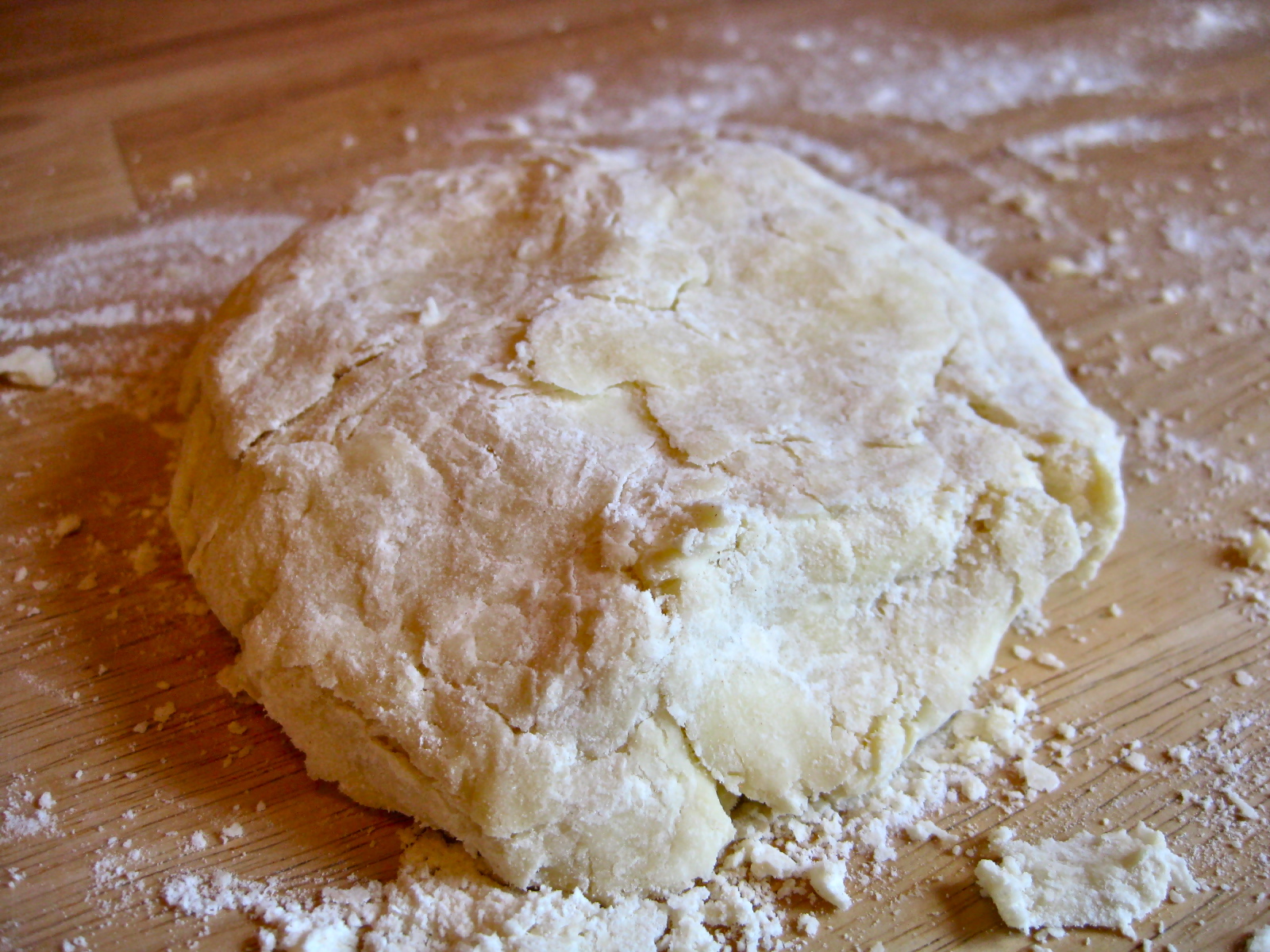
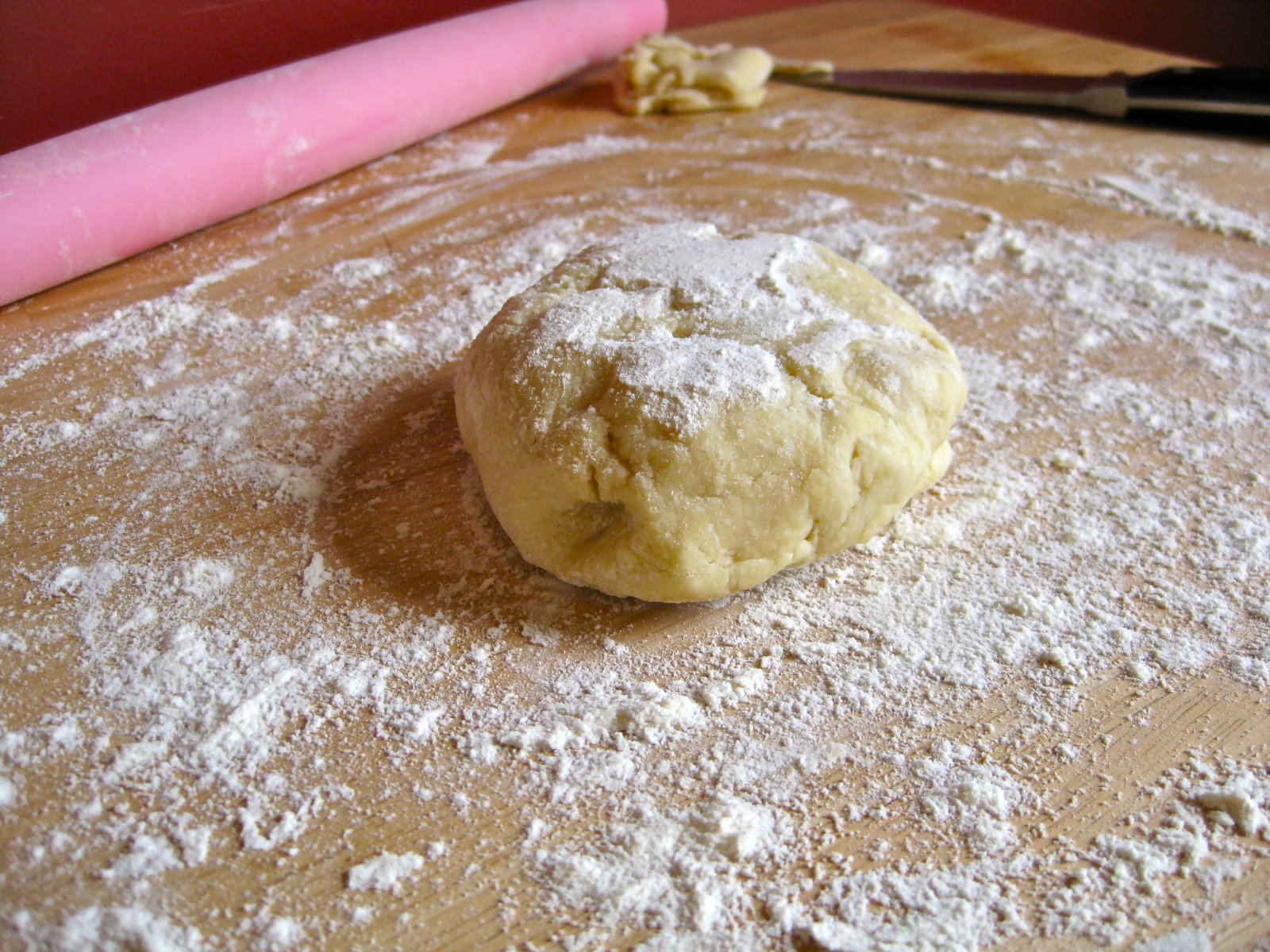
This is my favorite pie crust recipe.  Since the recipe makes only enough dough for a single crust pie, all the ingredients will need to be doubled.  When the dough has been mixed together, divide it in half, form each half into disks, wrap each disk in plastic wrap, and refrigerate for at least 30 minutes.)

6 cups pitted sour cherries (fresh, not canned)

1 cup sugar

3 tablespoons quick cooking tapioca

¼ teaspoon cinnamon

¼ teaspoon almond extract

pinch salt

1 egg white, lightly beaten

On a lightly floured surface, roll out 1 disk of pie dough into a 12-inch circle.  Fit the dough into a 9-inch pie plate, allowing the edges of the dough to hang over the sides of the pie plate.  Place in refrigerator while you prepare the other half of the dough.

One a lightly floured surface, roll the other disk of dough into a rectangle roughly 12 by 10 inches long.  Cut the rectangle lengthwise into 8 strips that are 12 inches long.  Place strips of dough on a baking sheet and refrigerate while you prepare the pie filling.

In a large bowl, combine cherries and sugar.  Gently toss together, then set aside for 20 minutes to allow the cherries to release some of their juices.

Adjust an oven rack to its lowest level, then preheat the oven to 425 degrees Fahrenheit.  Line a baking sheet with a piece of aluminum foil, then place the foil-lined baking sheet on the adjusted rack while the oven preheats.

Reserve ¼ cup of juice from the bowl of cherries, then drain cherries thoroughly through a colander.  Return the cherries to the same bowl, then add the reserved juice, tapioca, cinnamon, almond extract, and salt.  Toss together until combined.

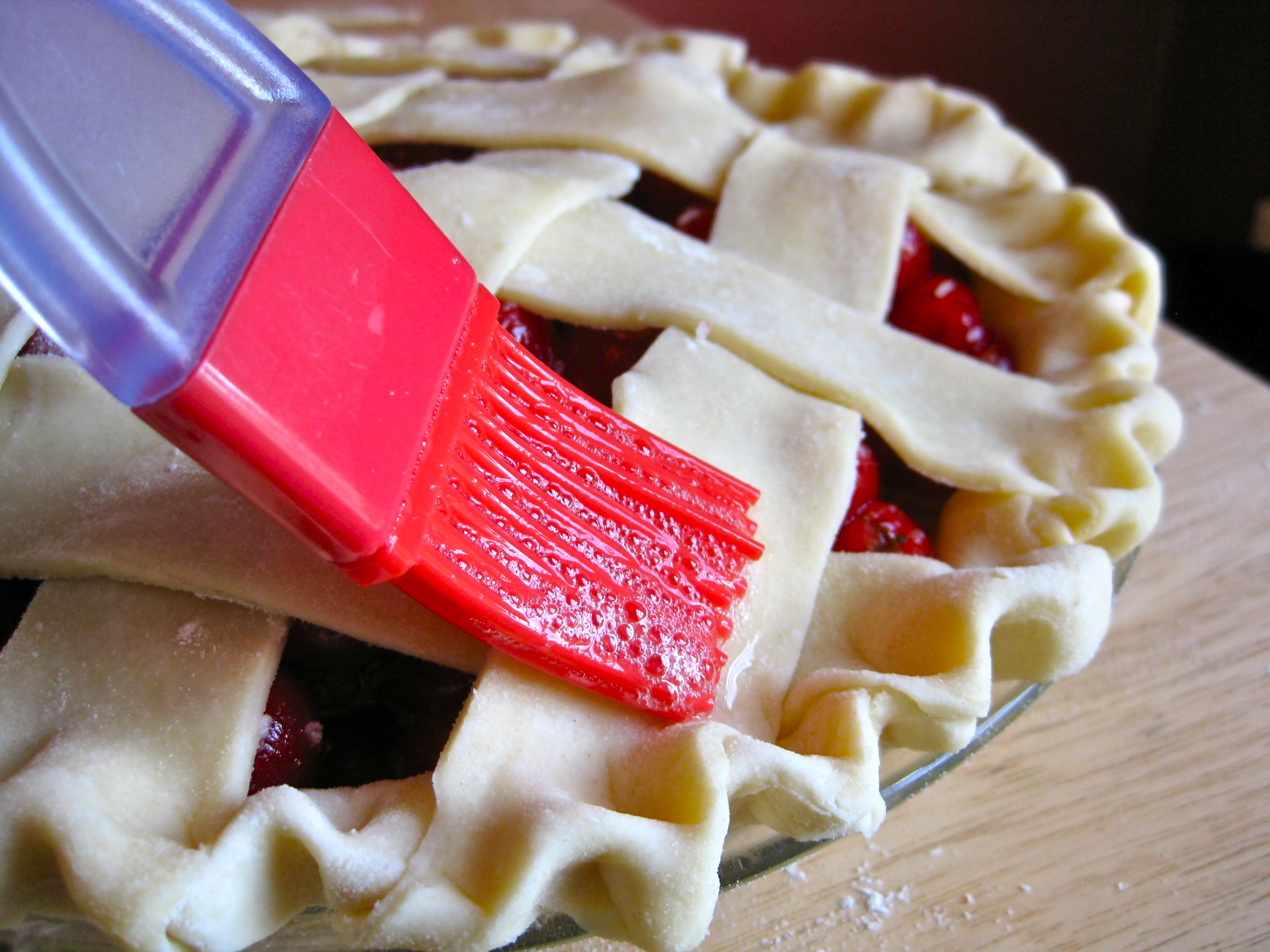
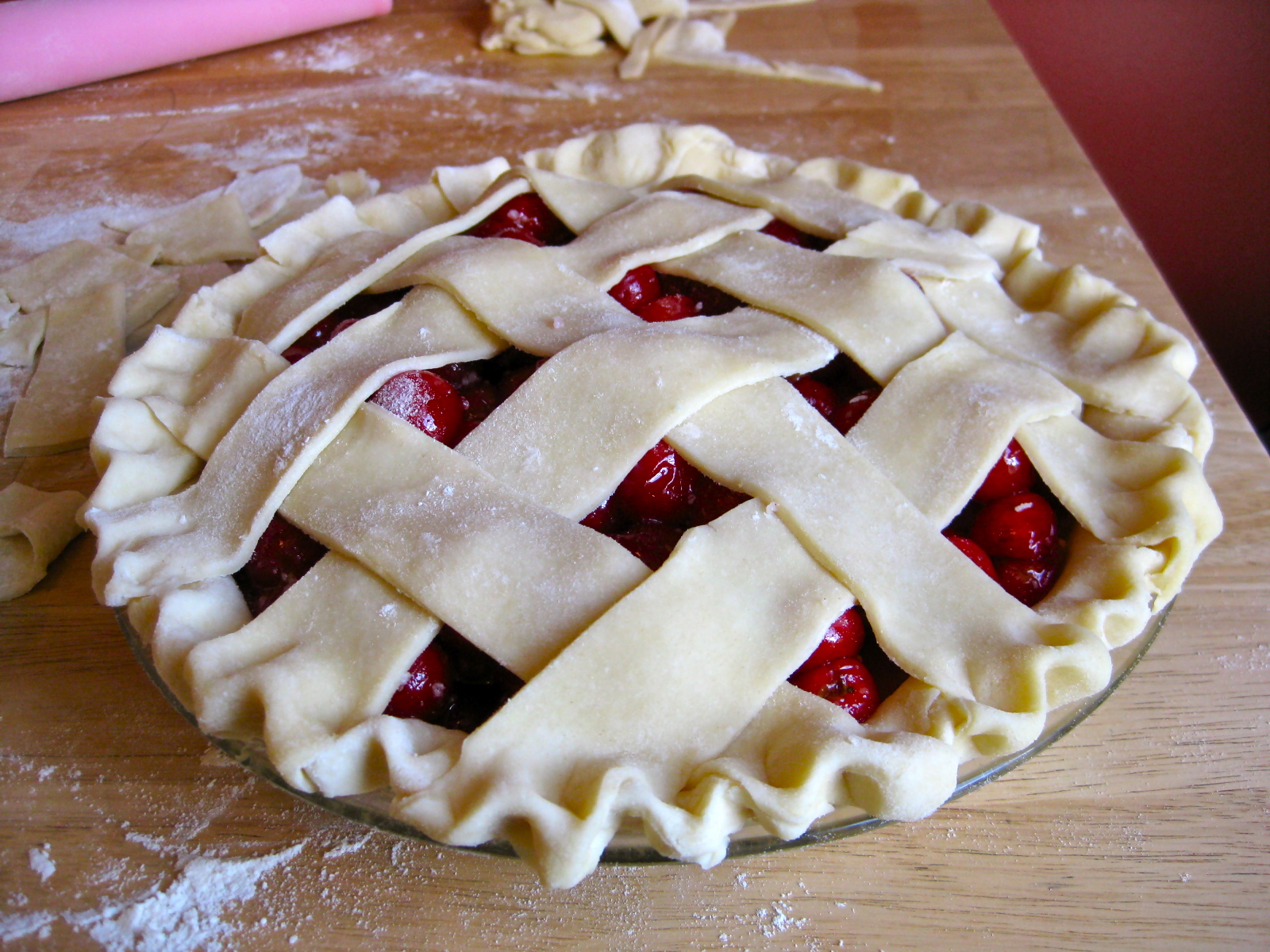
Pour the cherries into the dough-lined pie plate and weave the long strips of dough over the top in a lattice pattern.  (There is a good tutorial on how to do this here, but keep in mind that you will, obviously, be using fewer strips of dough.)  Trim the edges of the lattice even with the overhang of the lower crust, then fold up the edges and crimp into place using your fingers.  Brush the top crust of the pie with the beaten egg white.

Place the pie on the heated, foil-lined baking sheet and bake until the top crust has started to turn golden, about 25 minutes.  Reduce the oven temperature to 375 degrees, rotate the baking sheet, and continue cooking the pie until the juices are bubbling and the crust has turned uniformly dark golden brown, about 25 to 35 minutes longer.

Allow the pie to cool on a wire rack for at least 2 hours, until the filling has set.

No Bake Fresh Peach Pie

25 Jul

When I was a teenager, I worked at a now long departed restaurant and bakery.  The food at the restaurant was, as these things are wont to turn out, middling, but the goods that emerged from the bakery were absolutely spot on.  Imagine platter-sized cinnamon rolls, pecan sticky buns drenched in sticky caramelized brown sugar and spices, and pies—oh, lord, the pies.

Every day, the bakery churned out dozens of different types of pie.  Cream pies, baked fruit pies, chocolate pies, cream AND fruit in the same pie, and, when the summer months appeared, so would the crowning achievement of the bakery’s efforts: fresh fruit pies.  Hundreds of flats of peaches and strawberries were blazed through in order to turn out the incredible fresh fruit pies, and, though my duties at the restaurant were normally dedicated to the front of the house, when summer hit and the demand for fresh fruit pies hit fever pitch, I was inevitably recruited to head to the back of the restaurant and make said pies.

The assembly of the pies was fairly simple: a buttery baked crust is topped with fresh fruit, then covered with a light glaze to give the fruit a bit of extra sweetness and shine.  The pies were a genius invention in their simplicity, and every day that I spent making pies, I was allowed to take a pie home with me as an added bonus.  This was, at the time, the greatest bonus I could ever imagine.  I was making $4.75 an hour, but I was totally able to be bought out by the promise of a free pie every day.  I’d call it naïvete, but let’s face it—the list of things I would do even today for the promise of a free daily pie is embarrassingly long and intricate.  My love of pie knows no bounds (nor shame).

My love of that restaurant’s fresh fruit pies, however, did have a definite stopping point.  The end came for me when another grunt worker at the restaurant was enlisted to make fresh fruit pies for the day, and he accidentally spilled a tub of fruit glaze onto the floor.  Instructed to simply squeegee the glaze into the floor drain and then carry on with his work, he did just that, until, about an hour later, the entire drainage system beneath the restaurant became inexplicably backed up.  A plumber was called, the situation was assessed, and the culprit was named.  It was the fruit glaze.  The glaze, after  gurgling down the drain, almost immediately began to congeal, then half-harden into an impassable goo that blocked every single thing attempting to flush its way past.  It took five hours and two Roto Rooter trucks to clear the drains of the hardened glaze, and you’d better believe that after seeing what that pie glaze was capable of doing to some drain pipes, I never let it go anywhere near my belly again. The fresh fruit pies and I were done.

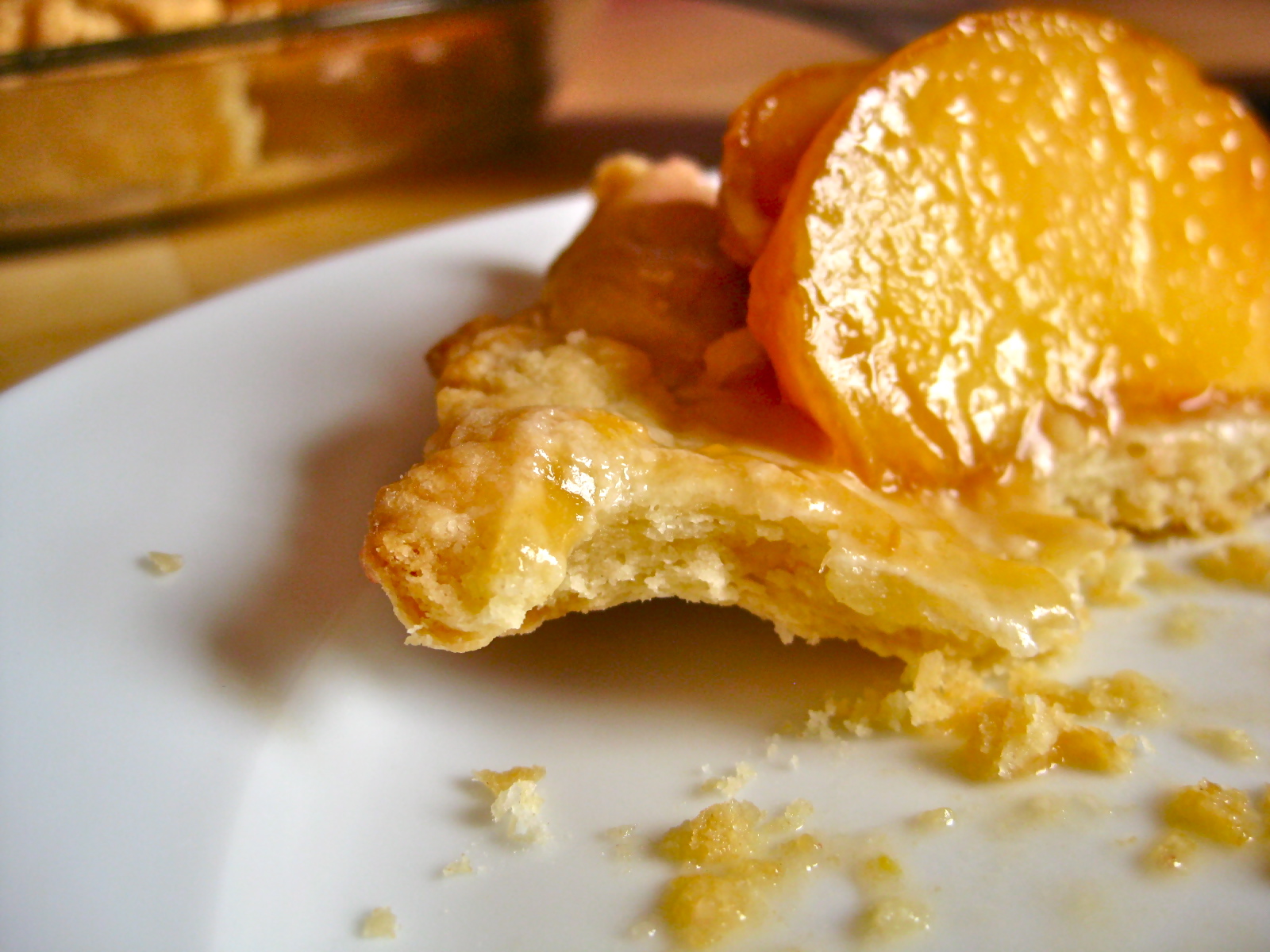
Which is not to say I did not miss the pies terribly.  I did, but I valued my health more than I valued my taste for fresh fruit pie.  Many years later, in the midst of a fierce craving, I decided it was high time I made up my own method of making fresh fruit pie.  Thankfully, the process remained delightfully straightforward.  You bake a crust, you skin and slice the fruit (peaches), or de-stem the fruit (strawberries), you make a light glaze, then you assemble.  The fact that you are not required to bake the pie makes it the perfect summertime dessert, and the presentation—fresh fruit piled high and plump—is a total showstopper.  Though I admit the name of this pie is a bit of a misnomer—you still have to bake the bottom crust—I can’t stress enough that the effort is hardly a burden when your reward is this gorgeous, delicious, all natural pie.  Though I’d never go so far as to call a pie healthy, the fact that the bulk of this dessert is comprised of fresh peaches brushed with a barely-sweetened glaze makes it decidedly less guilt-inducing than one might think.

Unless topped with a hearty dollop of some of this, of course:

To which, I am afraid, I admit nothing.

No Bake Fresh Peach Pie

The peaches in this pie, while beautiful and delicious, will start to lose their blush very quickly as soon their flesh is exposed to air.  Fortunately, the slight browning of the fruit will not alter the fruit’s flavor in any way.

Single Crust Pie Dough

The lemon juice in this dough works wonders for keeping the crust tender.  The acid in the lemon juice inhibits the formation of the gluten in the flour, keeping the dough from getting tough throughout repeated handling.

1 ¼ cups all-purpose flour

½ teaspoon salt

1 teaspoon sugar

1 stick (8 tablespoons) of butter, cut into small chunks and then left in the freezer for 15 minutes

1 tablespoon lemon juice

3 to 5 tablespoons ice water

In a medium bowl, combine the flour, salt, and sugar.  Place the semi-frozen chunks of butter on top of the flour mixture.  Using a pastry blender (for a single crust pie, I prefer to use a pastry cutter in lieu of the food processor, as I feel as though I have more control over the cutting in of the butter into such a small batch of dough), work the semi-frozen chunks of butter into the flour until the butter is uniformly distributed and the chunks have been worked into the size of very small peas.

Sprinkle the lemon juice over the mixture, followed by 3 tablespoons of water.  Using a rubber or silicon spatula, gently stir and fold the dough until it begins to come together.  If the dough is absolutely not coming together, add more ice water, 1 tablespoon at a time, until the dough clings together into a ball.  Use your hands to gently knead the dough 2 or 3 times into a cohesive ball.

Place the dough on a sheet of plastic wrap, shape into a disc, wrap it tightly, and refrigerate for at least 30 minutes.

To bake your pie crust, preheat oven to 375 degrees Fahrenheit.

Remove disk of dough from plastic wrap, and place on a lightly floured surface.  Lightly sprinkle the top of the disk with flour.  Using a rolling pin, gently but firmly roll the dough into a 12-inch circle.  Roll from the middle towards the edges, rotating the dough as you roll.

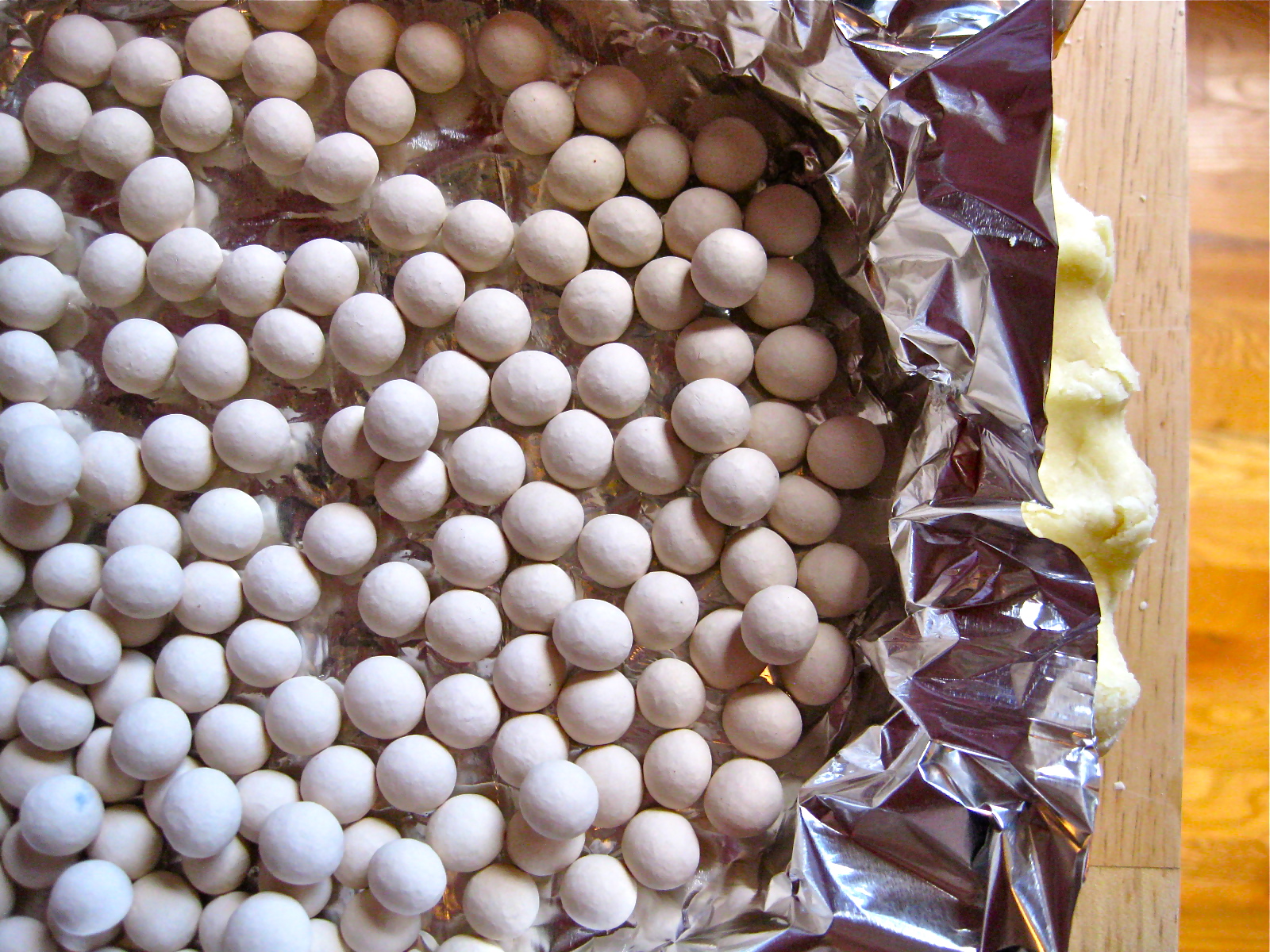
Place the circle of dough in a 9-inch pie plate, lightly pressing the dough against the sides of the plate.  Trim any overhanging edges of the dough, then crimp the outer edges.  Cover the dough with a piece of aluminum foil, and fill the foil with pie weights or a large handful of pennies.  Bake the pie crust for 20 minutes, then remove the foil and weights and continue to bake for another 10 minutes, until the edges of the crust have turned golden brown.  Set aside to cool.

Peach Filling

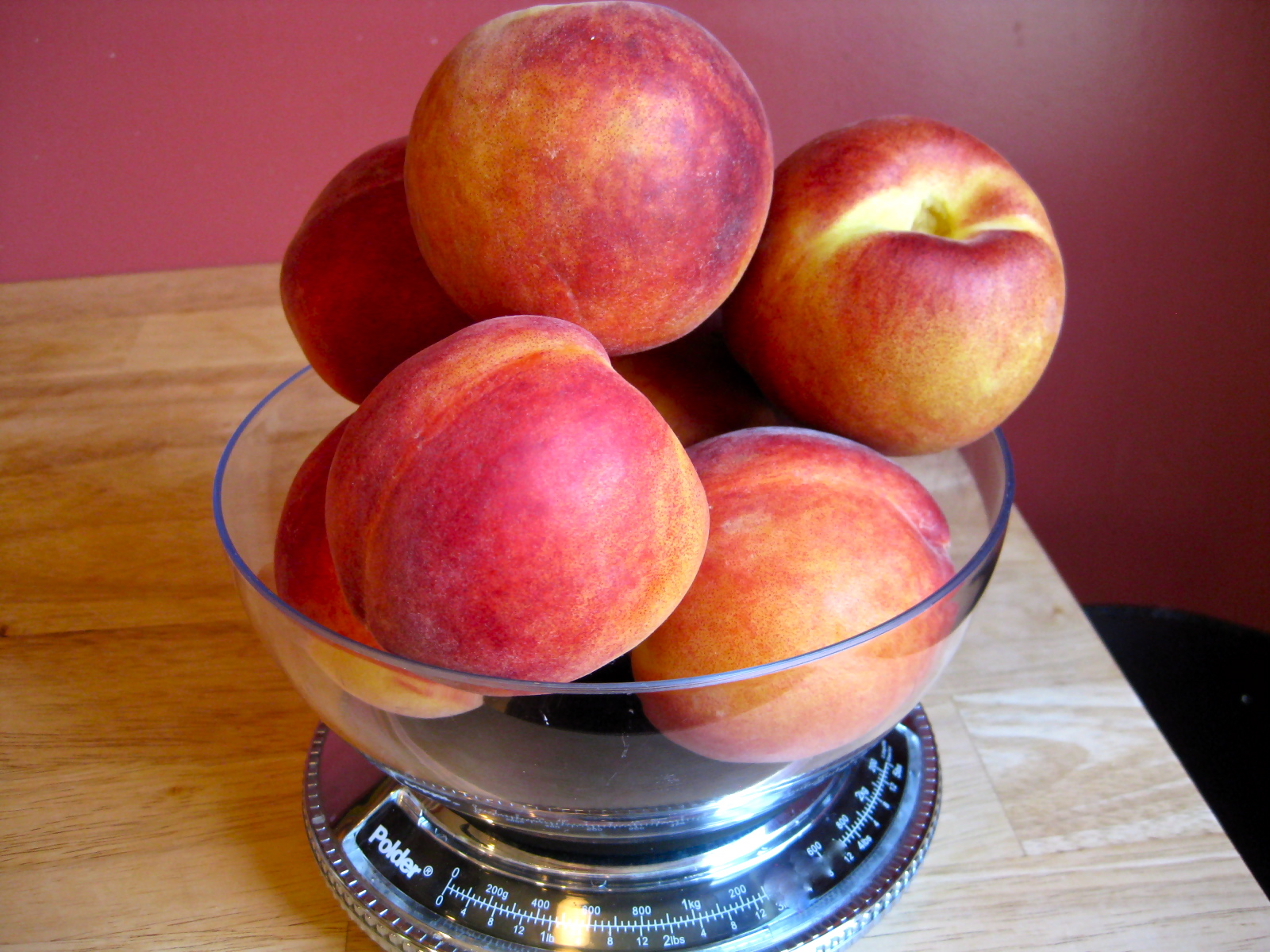
5 pounds ripe peaches

¼ cup  water

½ teaspoon cornstarch

½ teaspoon lemon juice

1 tablespoon sugar

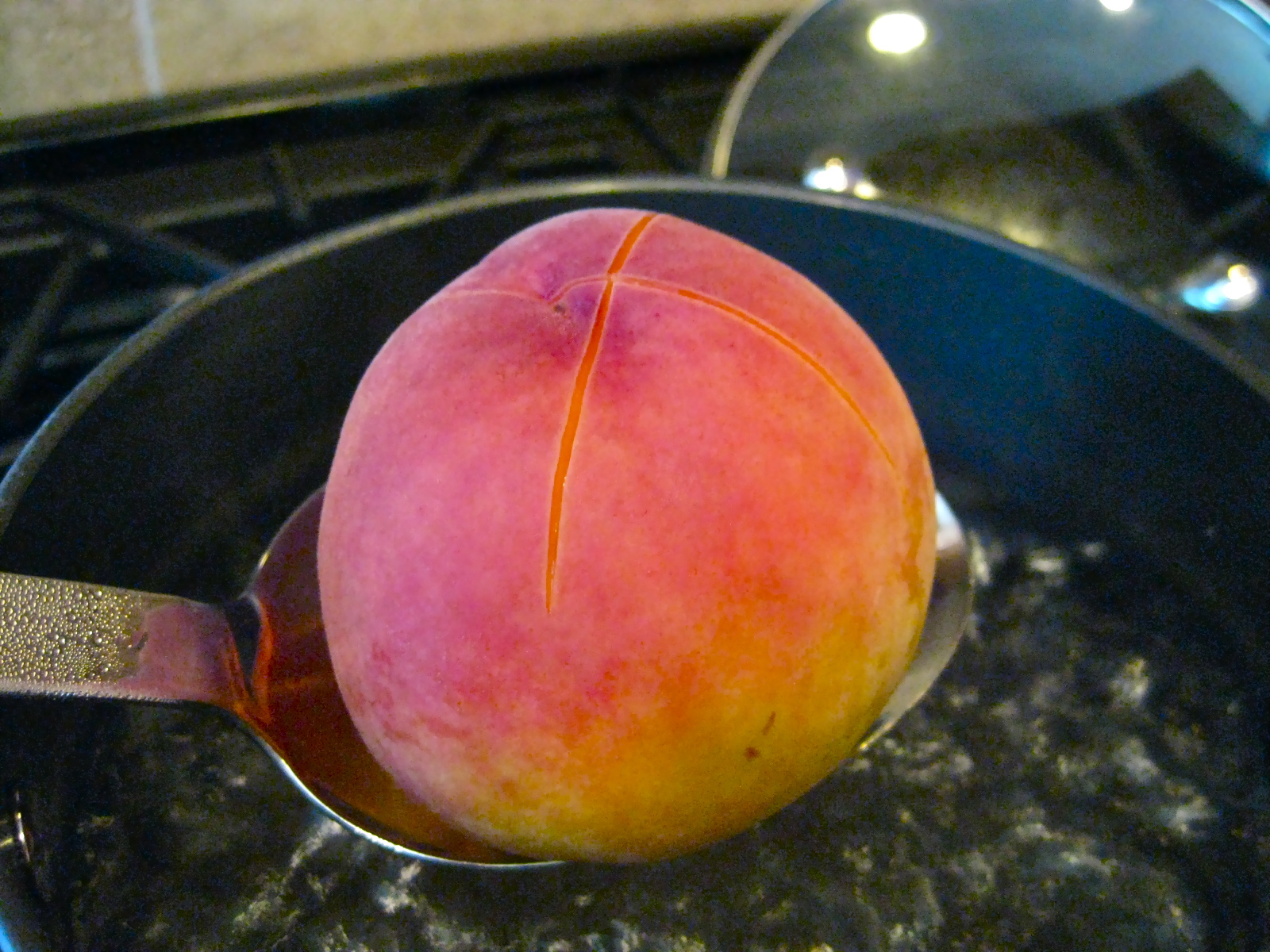
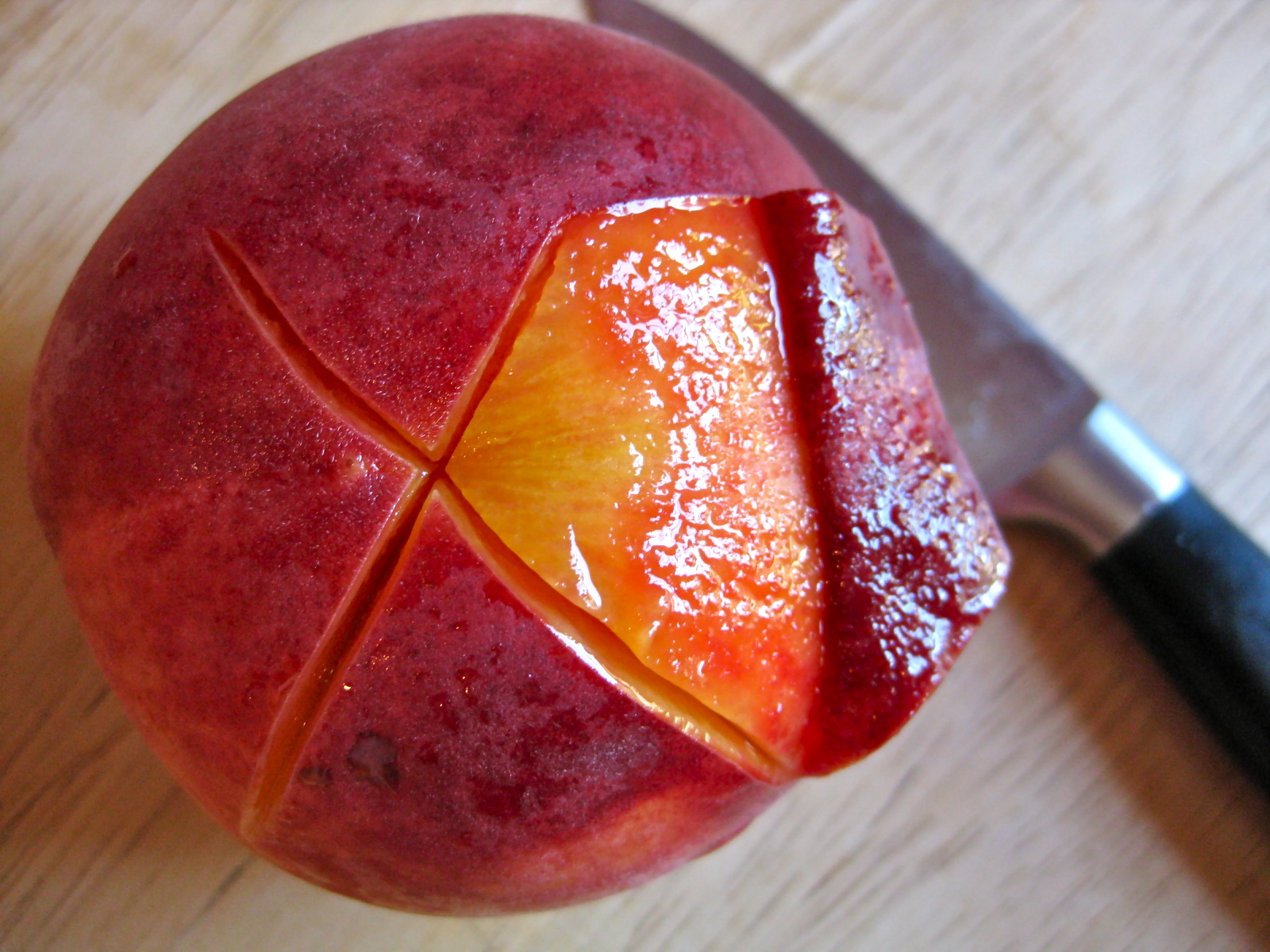
To peel peaches, cut a small x in the bottom of each peach, then blanch in boiling water for 15-20 seconds.  Immediately remove each peach and plunge into ice water to prevent it from cooking.  Drain the peaches.  After all the peaches have been blanched, use a knife to cut each peach in half from top to bottom, then carefully separate each peach into 2 halves and remove pit.

Peel the skin off of 2 peach halves using a small knife, or, if the skin is particularly loose, simply use your fingers to peel off the skin.  Place the 2 peach halves in a blender or food processor, puree until smooth, then set aside.  In a small saucepan set over medium low heat, whisk together water and cornstarch until cornstarch has dissolved.  Whisk in pureed peaches.  Whisk in lemon juice and sugar.  When the peach mixture begins to simmer, turn heat down to low.  Simmer for 5 minutes, whisking frequently, until mixture thickens and has the consistency of a thin peach jam.  Pour peach mixture into a small bowl and immediately refrigerate.

Peel the remainder of the peaches.  Slice each peach half, end to end, into 6 slices.  To assemble the pie, place each sliced peach half, cut side down, onto the baked pie crust. Depending on the size of your peaches, you should be able to lay 5 or 6 peach halves around the perimeter of the pie plate, and 1 half in the middle.  In the same manner, lay the remainder of the sliced peach halves on top of the first layer, filling in any large gaps as you go.

Generously brush the peaches with the cooled peach puree, drizzling the puree into any large gaps in between the peaches.  Serve immediately, or refrigerate until ready to serve.  Refrigerate any leftover pie.

Cherry Almond Strudel

18 Jul

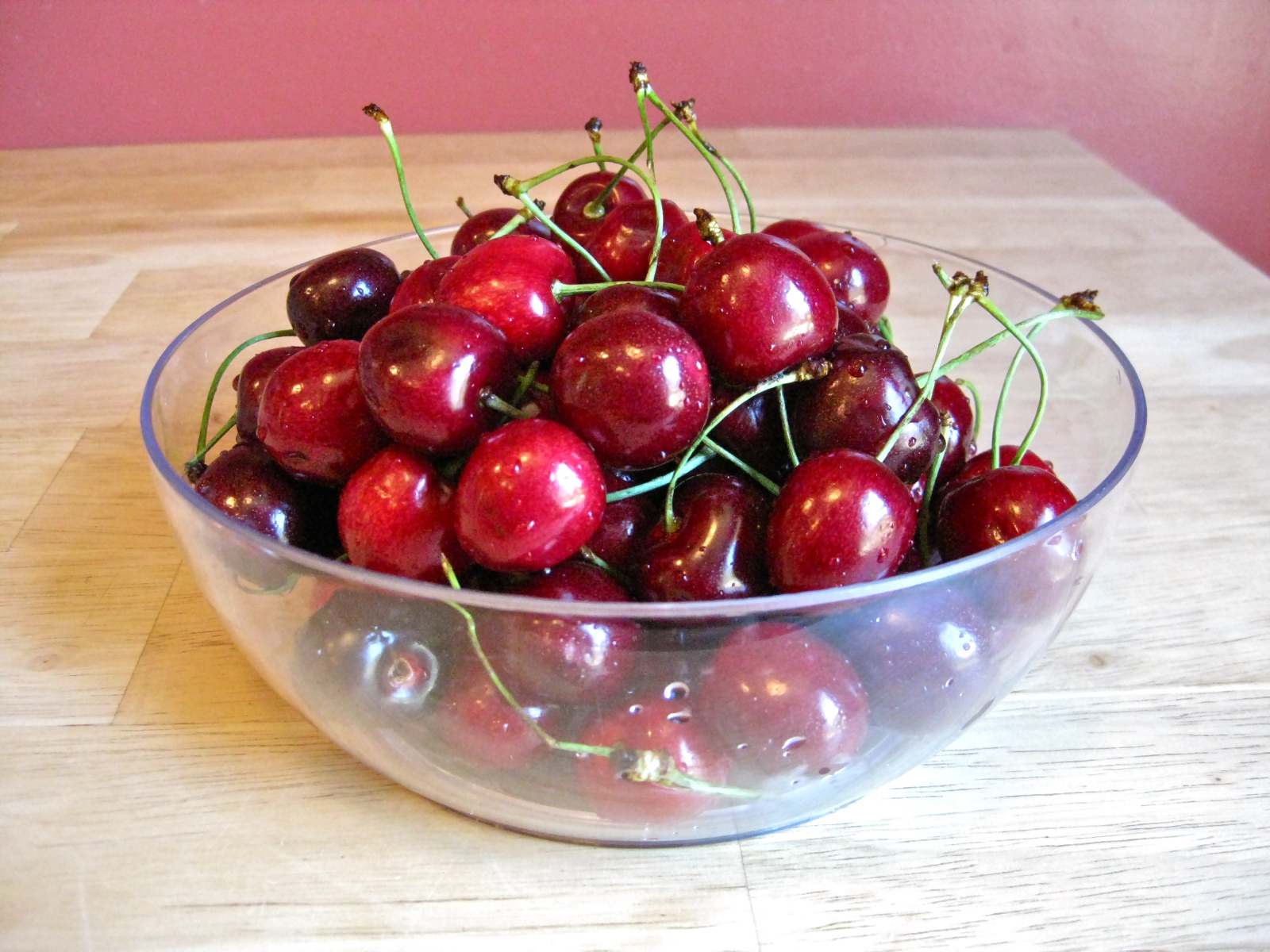
Do you enjoy seemingly infinite layers of shatteringly crisp phyllo?  What are your feelings concerning rich, dark cherries?  How about a dash of almond in each bite playing off of the lingering almond scent of cherry pits?  You approve?  Great!  You want to make this.

But then there’s the other side of the equation.  Pitting a pound and a half of cherries.  Layering each sheet of phyllo, brushing it with butter, and then sprinkling it with a dusting of ground almonds and spices.  Repeating that process many, many times.  Maybe you don’t want to make this.

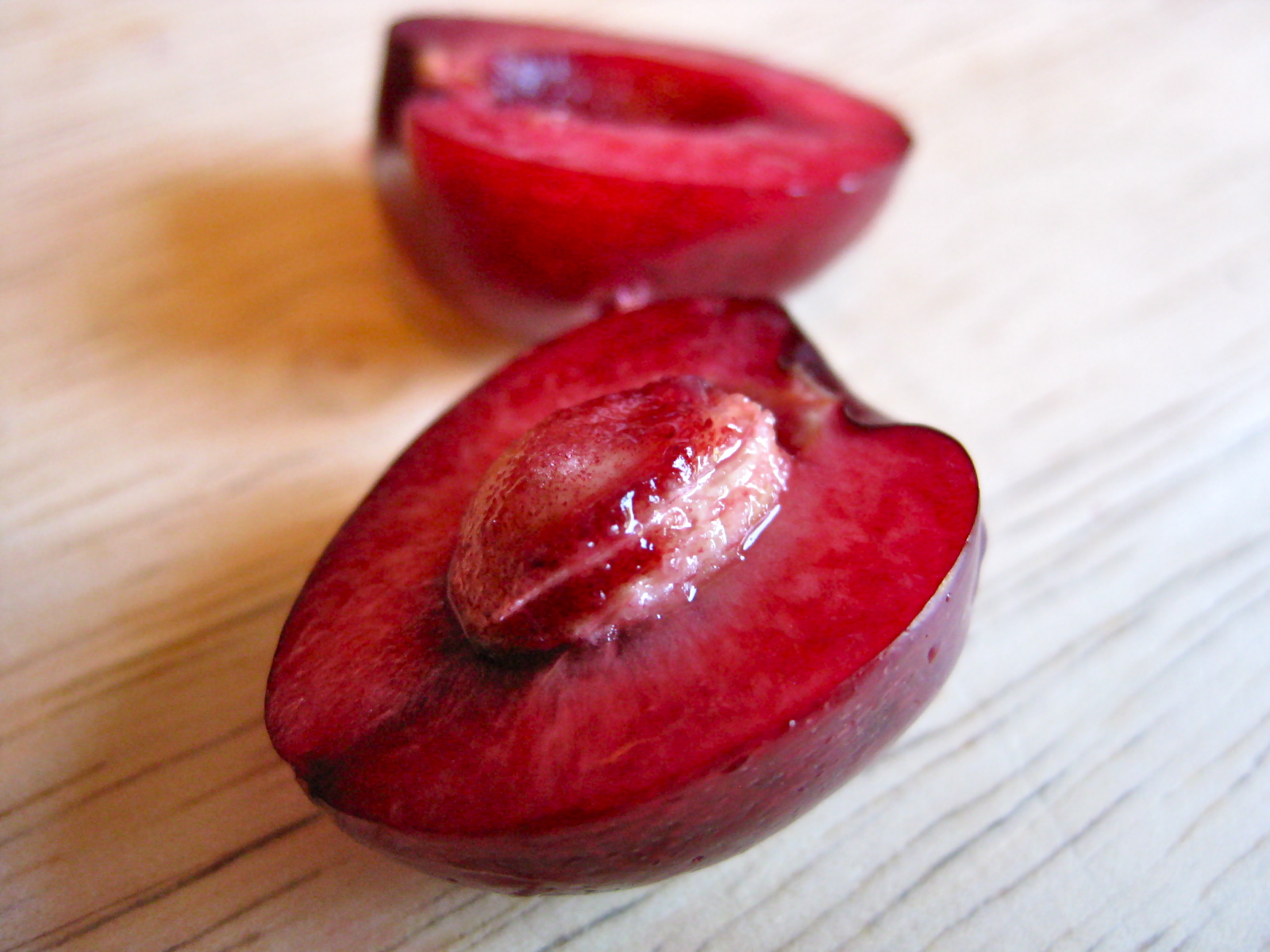
But, wait!  You do!  I know this strudel might look like something only a person who is really into self punishment might attempt, but I swear to you that, start to finish, it’s really not all that time consuming or difficult.  Yes, I pitted a pound and a half of cherries by cutting each cherry in half and removing the pit by hand, one by one, but the entire operation only took me, start to finish, fifteen minutes.  And, true, layering the sheets of phyllo and then brushing and sprinkling each one can seem like a monumental task, but, in reality, it’s not the type of activity that one needs a graduate degree in Food Science to complete.

Again, it’s a process that will take you fifteen minutes, tops, and you certainly won’t be any worse off having taken a stab at it.  In fact, at the risk of sounding like a complete loon, I actually enjoy the process of methodically layering phyllo.  Perhaps it is the repetitive nature of a rather short task that produces immediately, visible results, but I find the motions rather soothing.

But forget all of that.  Whether or not you fear the task of making this strudel, I can assure you of one sure thing: you will definitely, without a doubt, immensely enjoy eating this strudel.  Again, flakey layers of crisp phyllo.  Plump and perfect cherries.  Sweet, syrupy juice mingling with a hint of almond.  No, really. You want to make this.

Cherry Almond Strudel

½ pound of phyllo sheets, defrosted if frozen

4 tablespoons melted butter

½ cup finely ground almonds or almond meal

½ teaspoon cinnamon

½  cup dark brown sugar, divided

1 ½ pounds cherries, cut in half and pitted

2 tablespoons quick-cooking tapioca

1 tablespoon freshly squeezed lemon juice

1/8 tsp almond extract

pinch of salt

Preheat oven to 400 degrees Fahrenheit.  Line a baking sheet with parchment paper and set aside.

In a large bowl, combine ¼ cup dark brown sugar, pitted cherries, tapioca, lemon juice, almond extract, and pinch of salt. Toss to combine thoroughly, then set aside.

In a small bowl, combine ground almonds, cinnamon, and remaining ¼ cup dark brown sugar.  Reserve 1 tablespoon of mixture and set aside.

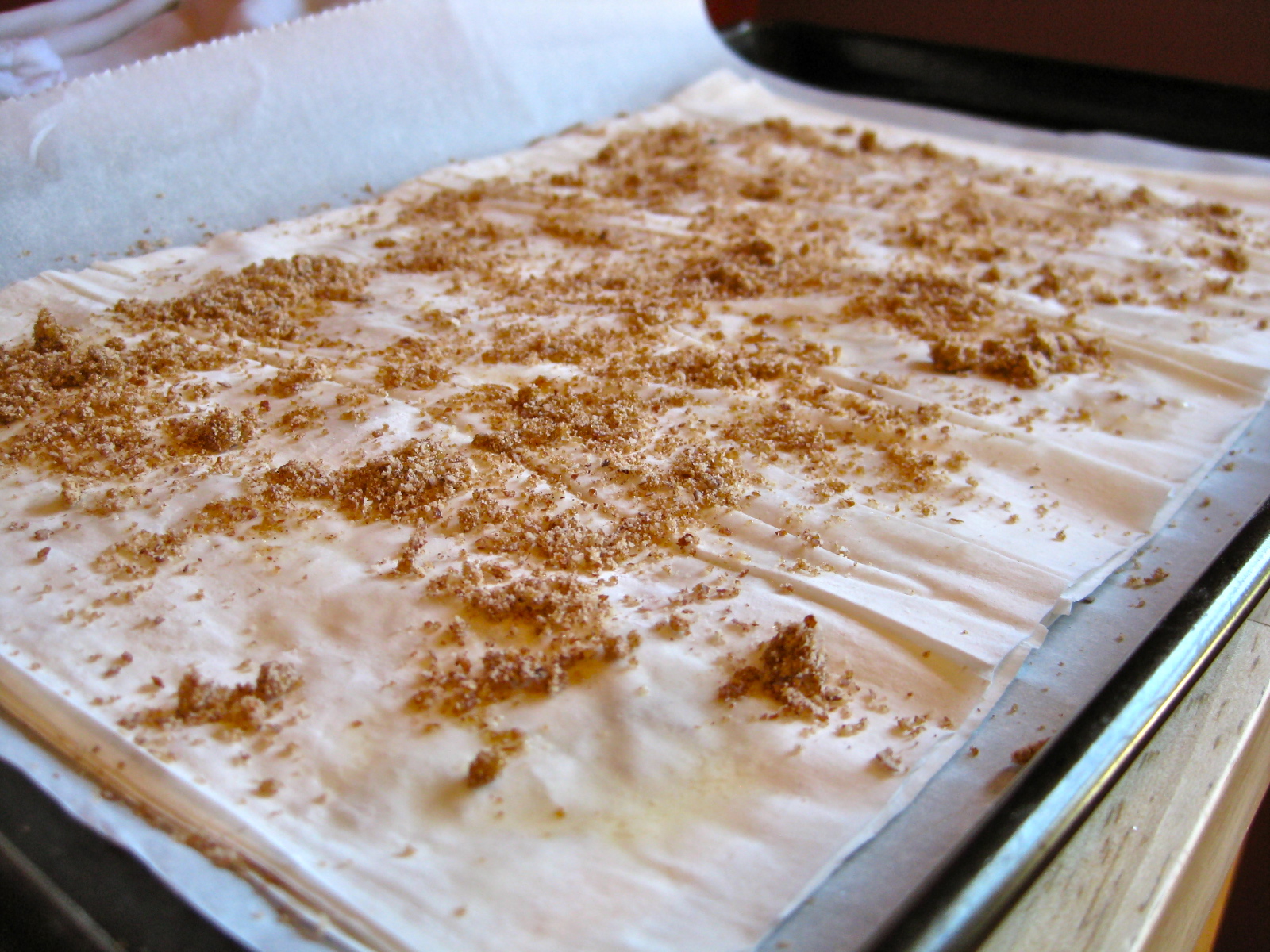
Cover unrolled phyllo stack with a lightly dampened kitchen towel (this will keep the phyllo from drying out as you work).  Take two phyllo sheets from stack and lay them down on your parchment-lined baking sheet with a long side nearest you (keeping remaining sheets covered as you work) and brush lightly with butter.  Evenly sprinkle surface of buttered phyllo with a heaping tablespoon of ground almond mixture.  Continue layering, buttering, and sprinkling in this fashion until all of the phyllo sheets have been used.  The number of layers you will have will depend largely on the size of your phyllo sheets.

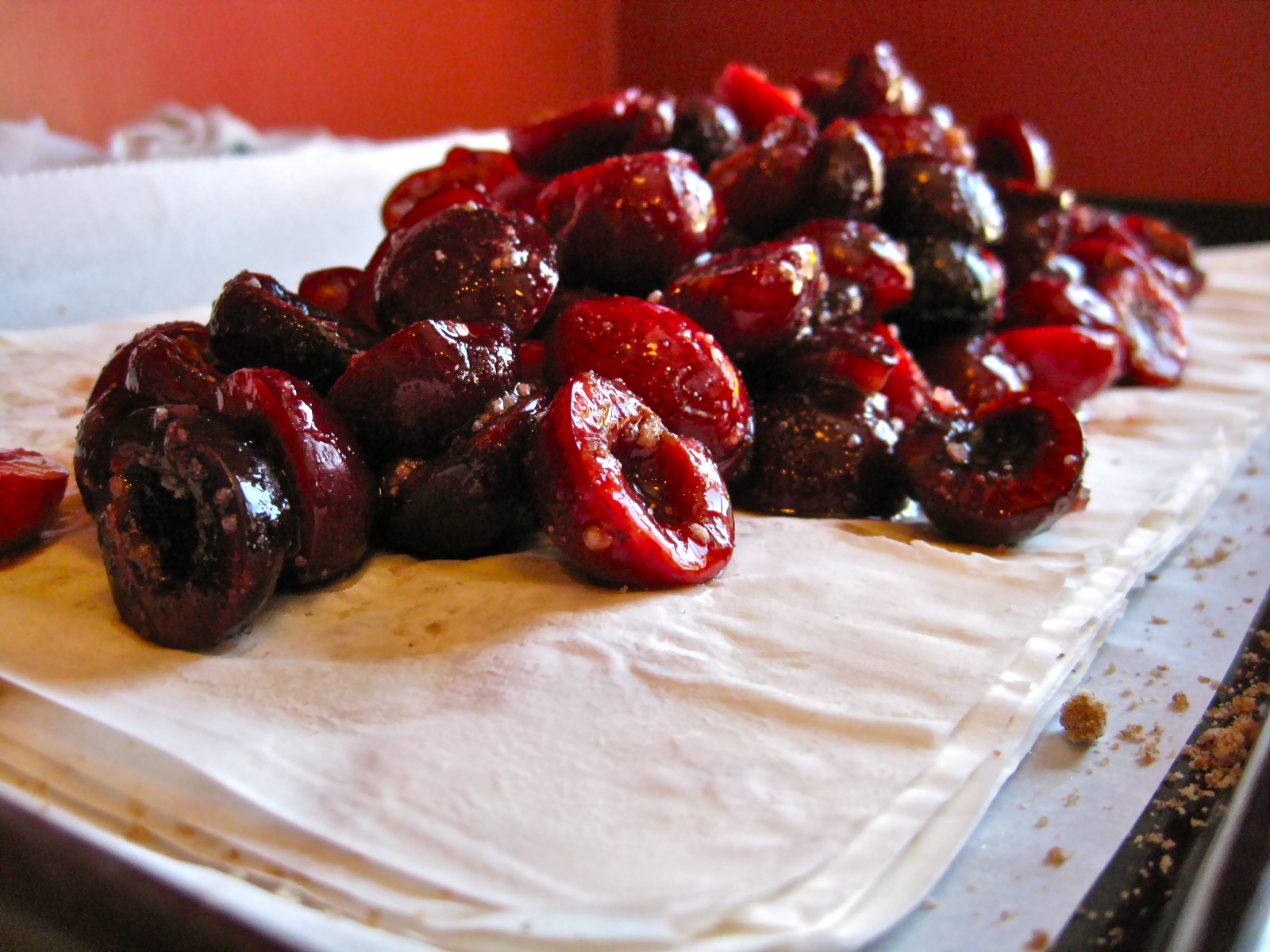
When all of the phyllo has been layered and prepared, spoon the cherry mixture on top of the phyllo stack, doing your best to arrange most of the cherries on the long half of the phyllo that is closest to you.  Carefully roll the cherry-topped phyllo sheets into a large log, tucking in the short ends as you go.  Arrange the roll seam side down.

Brush the top of the strudel with the last drops of melted butter, then sprinkle with reserved tablespoon of almond mixture.  Using a sharp knife, cut two or three steam vents along the top of the strudel.

Bake strudel in center rack of oven for 30-40 minutes, until cherry mixture is bubbling and the strudel is a deep golden brown.  Cool strudel on baking sheet for at least 30 minutes before attempting to cut and serve.