Archive | Tarts and Pies RSS feed for this section

Tomato Tartlets with Rosemary

19 Sep

Things are rather tomato-heavy around these parts, but I could not be happier.  As mentioned once or a million times previously, we wait a long time for garden tomatoes in these parts, so when the tomatoes start to ripen, the tomato recipes come out in full force.  One of the most attractive tomatoes we grew this year is an heirloom variety called a pineapple tomato.  This is a tomato that does not mess around.  It is hearty, it is flavorful, and it is massive.  This fellow in particular weighed in at just over a pound, and it was the smallest pineapple tomato we’ve harvested so far this year.

Alas, our garden’s output not always so impressive.  Last year was so cold and wet, so lacking in any sort of sustained stretches of warm sun, none of our tomatoes ripened.  Actually, that’s not entirely true.  We ended the season with perhaps half a dozen ripe tomatoes, when but you’ve taken the time to plant and subsequently care for five different types of tomato plants, facing a yield of six tomatoes total does not, in my mind, count as a true harvest.  We ate a lot of fried green tomatoes last year, which, to be quite honest, is not the worst fate one can suffer.
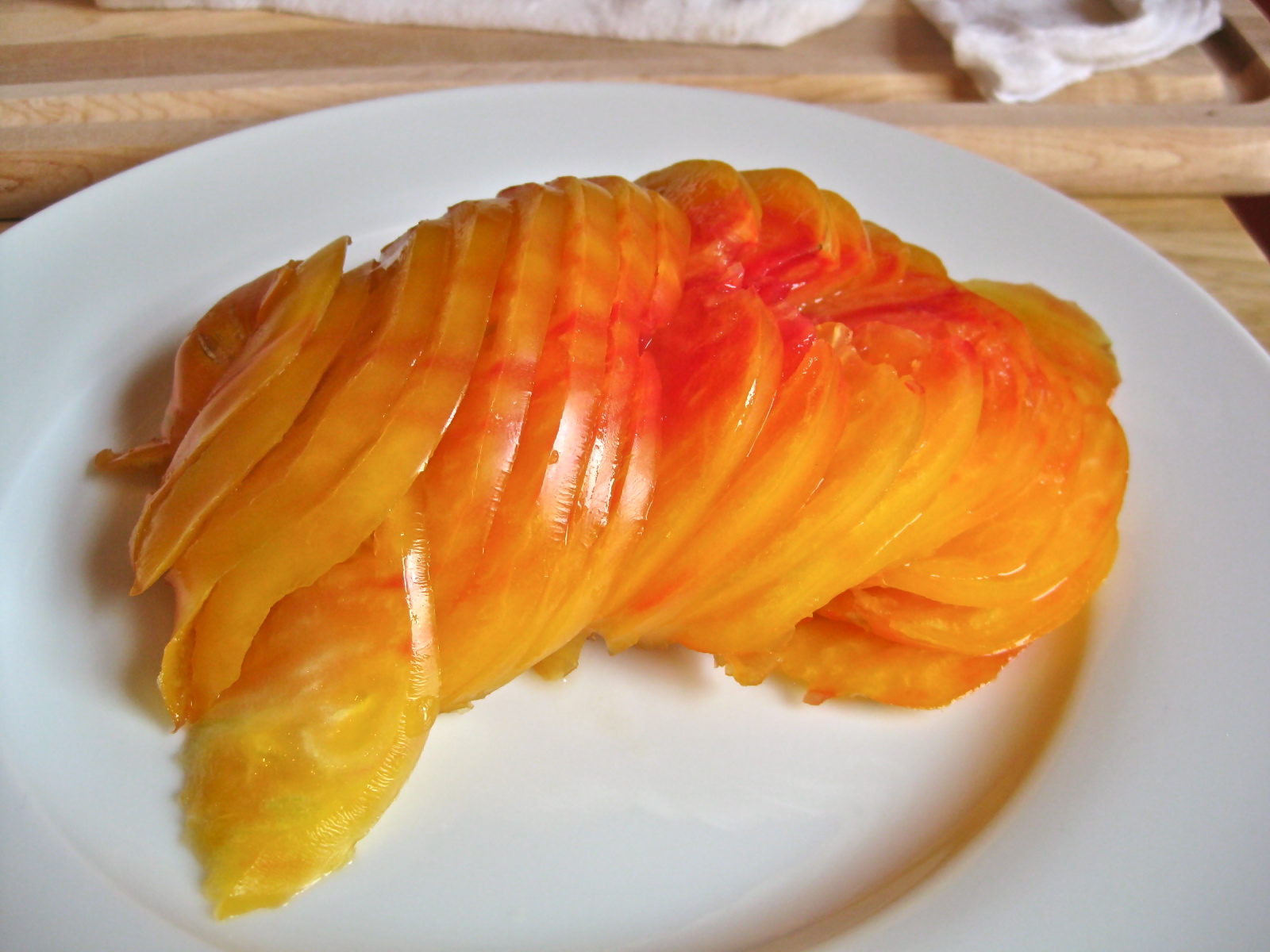
The tomatoes of 2011, thankfully, are doing a lot better.  My favorite way to eat these luscious pineapple tomatoes is raw, piled high on a sandwich of any type.  Sometimes I don’t even go full sandwich, and just eat slices of pineapple tomato on a big hunk of bread.  Sometimes I don’t even bother with the bread.  The tomatoes are that good.
Never one to shy away from a tart of any type, however, when I spotted this tomato-centric recipe in Deborah Madison’s Vegetarian Cooking For Everyone, I knew I had to give it a whirl.  The yeasted crust looked like a nice change from a standard tart crust, and the simple ingredients in the tart seemed like a great combination of elements that would allow the freshness of the tomatoes to really shine through.

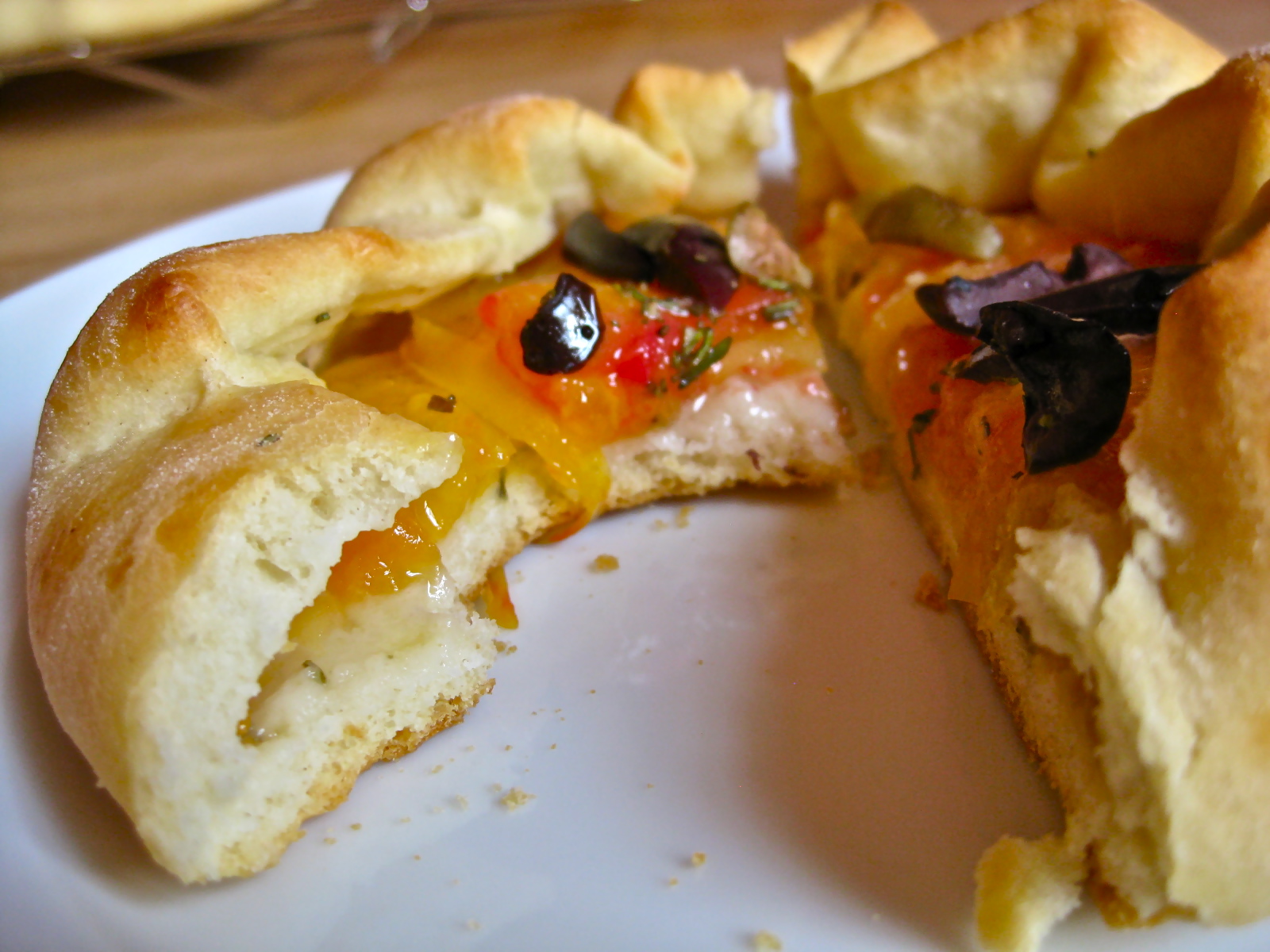
Not surprisingly, this recipe totally delivered.  Made in miniature gallette form, the tartlets are a modest, yet absolutely delicious, presentation for fresh garden tomatoes.  In a surprising variation from my ordinary routine, while making these tarts I found that I was compelled to change very little in either the recipe for the crust or the filling.  They are perfect as is.  Allow me to suggest that you do yourself a favor and become closely acquainted with both.

Tomato Tartlets with Rosemary

From Deborah Madison’s Vegetarian Cooking for Everyone 

Yeasted Tart Dough with Butter

2 teaspoons active dry yeast

½ teaspoon sugar

½ cup warm milk or water

1 egg, at room temperature

¼ teaspoon salt

2 cups flour

4 tablespoons soft butter

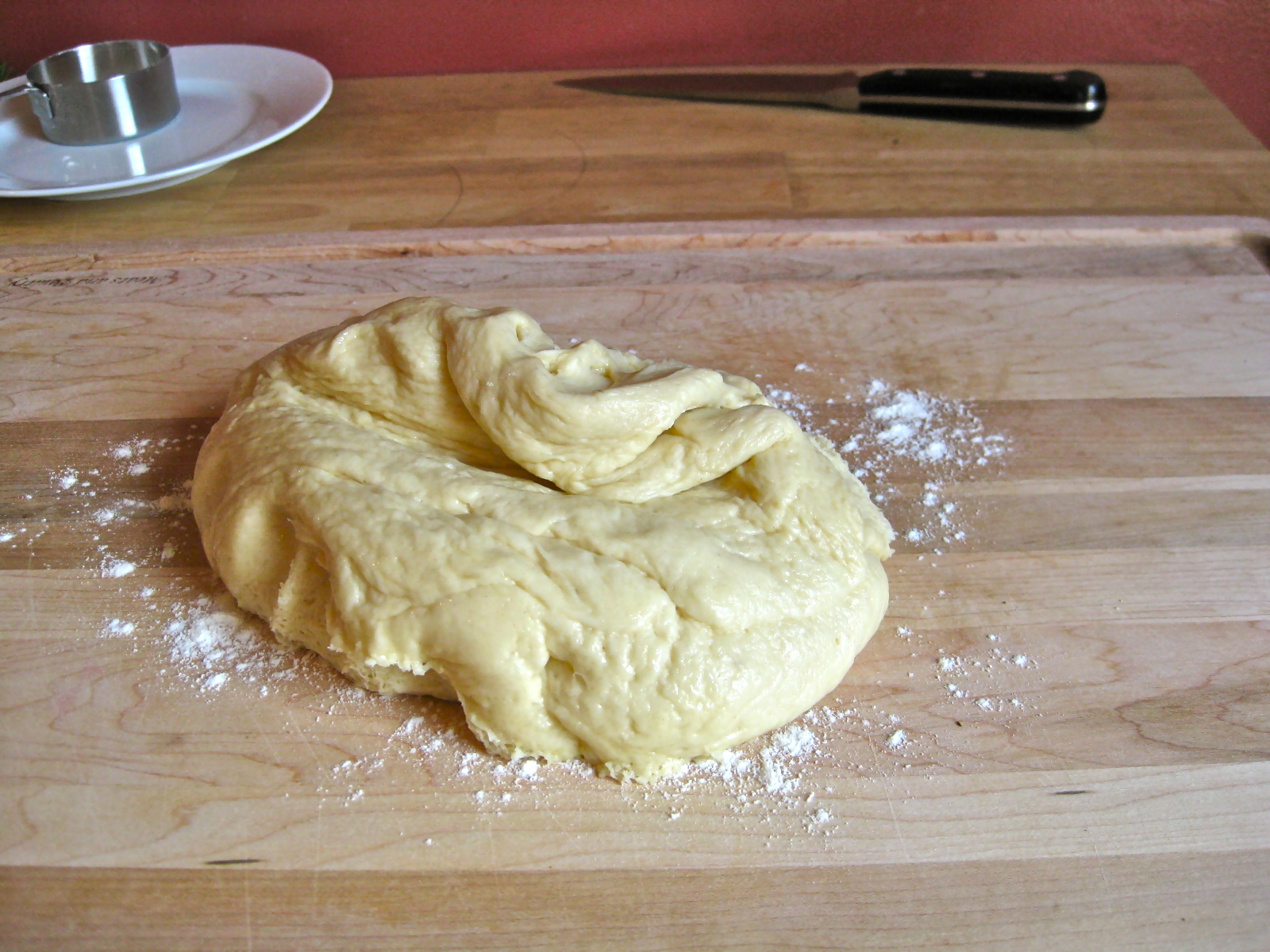
In a large bowl, dissolve the yeast and sugar in the milk (or water), and allow to stand until it begins to bubble, about 10 minutes.  Stir in the egg and salt, then start to add the flour, ½ a cup at a time.  After 1 cup of flour has been added, beat in the butter.  Continue adding the flour until the dough begins to pull away from the sides of the bowl.  Turn the dough out onto a well-floured counter (this dough is VERY sticky), and knead until dough is smooth and supple, anywhere from 3-5 minutes.  If dough is still very sticky and will not release from the counter, add a bit more flour as you knead.  (You are, of course, welcome to mix and knead this dough in a standing mixer.  The instructions remain the same, though you will most likely only need to knead the dough for 3 minutes rather than 5.)

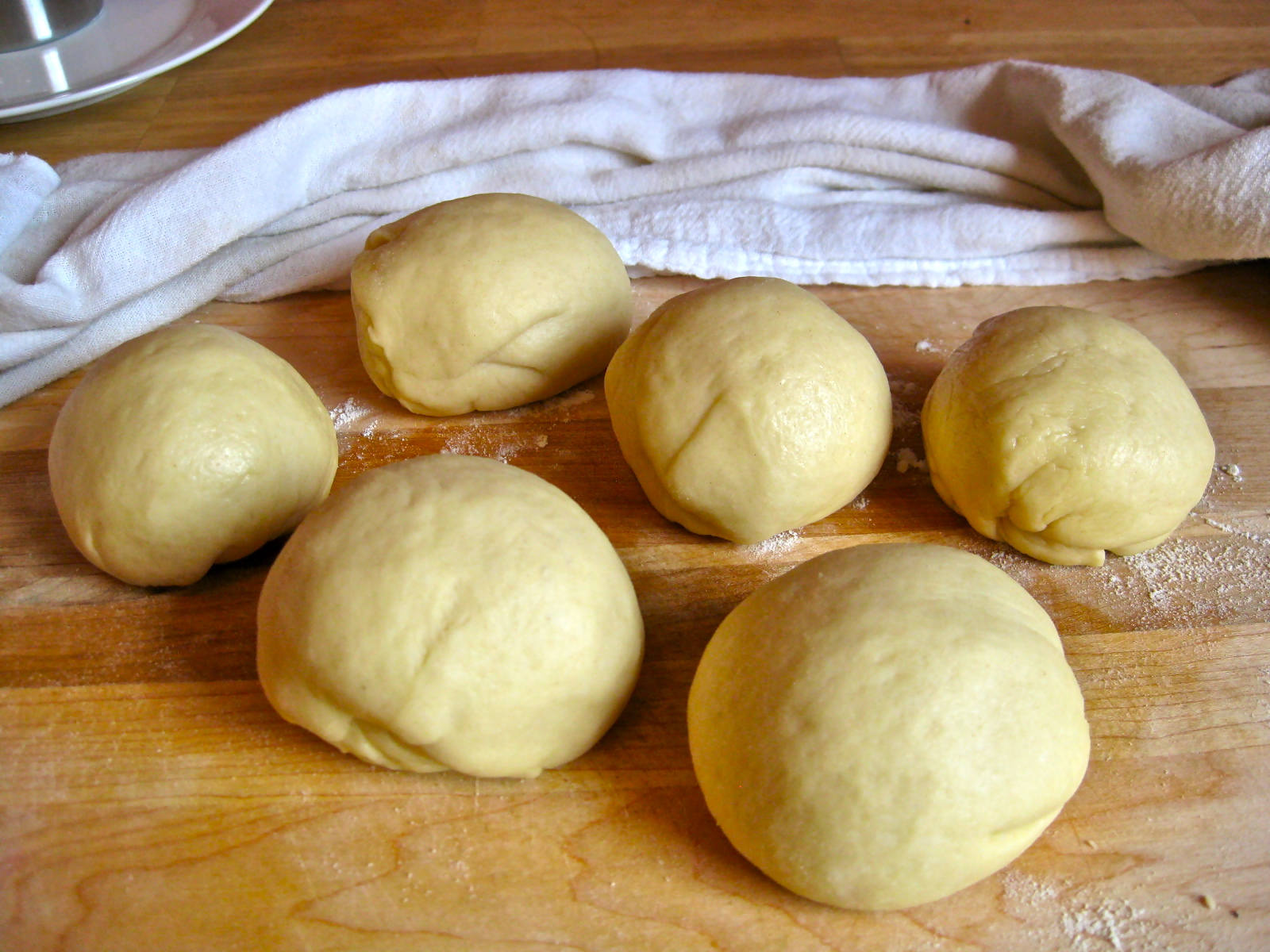
Place the dough in a well-oiled bowl, then cover with plastic wrap, a towel, or a fitted lid.  Allow to rise until doubled in size, about 45 minutes.  Turn the dough out onto a well-floured surface.  Divide the dough into 6 equal pieces, shape each piece into a ball, then allow the dough balls to rest under a towel for 15 minutes.

Tomato and Rosemary Filling

Preheat oven to 425 degrees Fahrenheit.  Line a baking sheet with parchment paper.

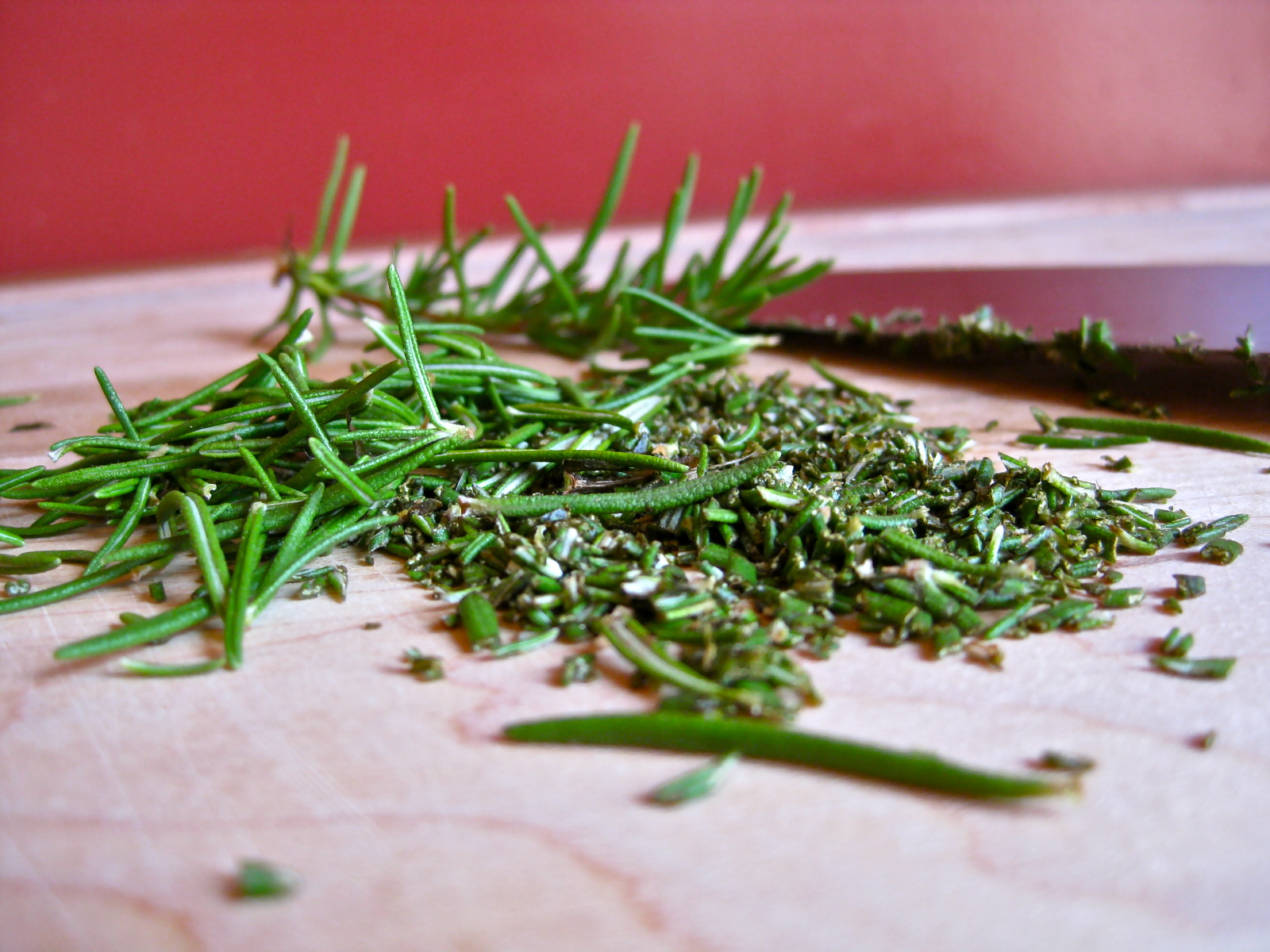
2 tablespoons finely chopped fresh rosemary

1 pound of tomatoes, sliced very thin (thick slices of tomato will cause your tartlets to become soggy)

18 Nicoise olives (I used a mix of Kalamata olives and green olives instead), pitted and halved

extra virgin olive oil

salt and freshly ground pepper

Roll each ball of dough into a circle about 1/8 inch thick (rolling the dough thicker will make the dough turn out a bit too bready).  Sprinkle ½ teaspoon rosemary over each circle, then gently press the rosemary into the dough.  Overlap 4 or 5 thin slices of tomato on each round, leaving a 1-inch border around the edge.  Tuck in the olives amongst the tomato slices, sprinkle with a bit more rosemary, drizzle with a tiny splash of olive oil, then season with salt and pepper.  Fold the edges of the dough over the tomatoes, creasing and tucking as you go. Gently cup your hands around the tarts and press lightly to make the dough form a tight seal around the tomatoes.

Bake on prepared baking sheet for 20 to 25 minutes, until the crust is golden.  Serve hot, warm, or at room temperature.

Makes 6 tartlets.

What to Do with Leftover Scraps of Pie Dough

1 Aug

Things have been a bit pie heavy over here lately, but I think I’d be selling you all short if I moved on from all this talk of pie without first sharing with you one of my favorite pie tips.  Why?  Because this tip does not just involve pies, it involves tiny pies.

High on my list of borderline fanatical food preoccupations (there must always be lemons in the house, we must never buy pre-salted nuts) is my insistence on never, ever letting food go to waste.  I cannot claim to be 100% successful in this endeavor (though I try), but my efforts rarely wane, no matter what I happen to be making.  One of the easiest—and most delicious—food salvaging operations I have come up with is this, a solution for what to do with all those little leftover bits and pieces of pie dough that one is faced with after diligently rolling, cutting, trimming, and preparing a pie.

A delicious pie, with dough scraps aplenty 

In the winter time, when sitting down with a hot cup of coffee and a warm cookie seems like the best thing in the world, I tend to shape leftover pie scraps into cookies.  Sprinkled with a little cinnamon sugar and left out as a cozy treat, it’s a tough act to beat.  In the summer time, however, when you’ve relented to having the oven on for the shortest amount of time possible, and you’re not so into the idea of hot beverages and warm cookies, you can’t go wrong with these tiny little fresh fruit pies.

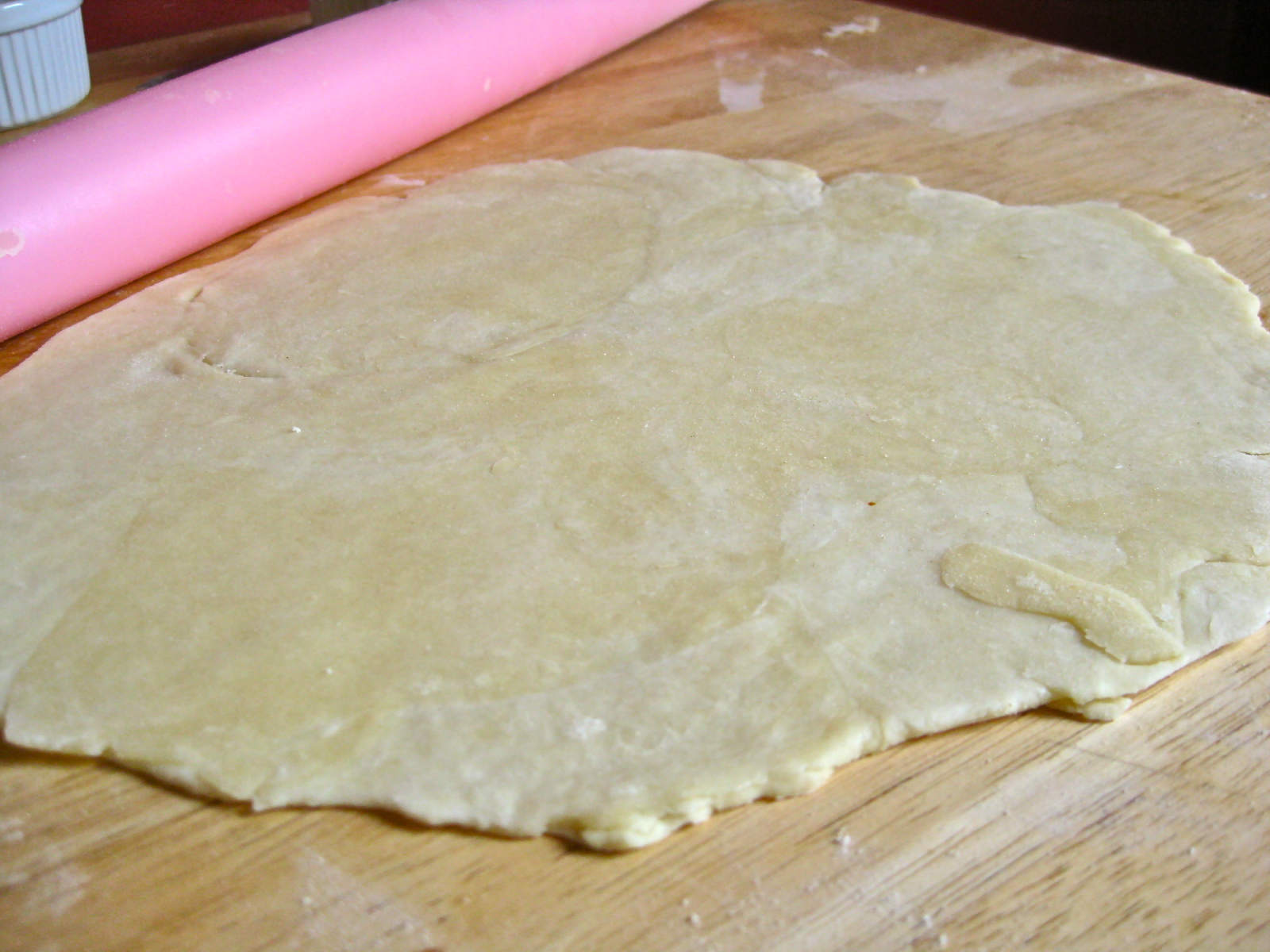
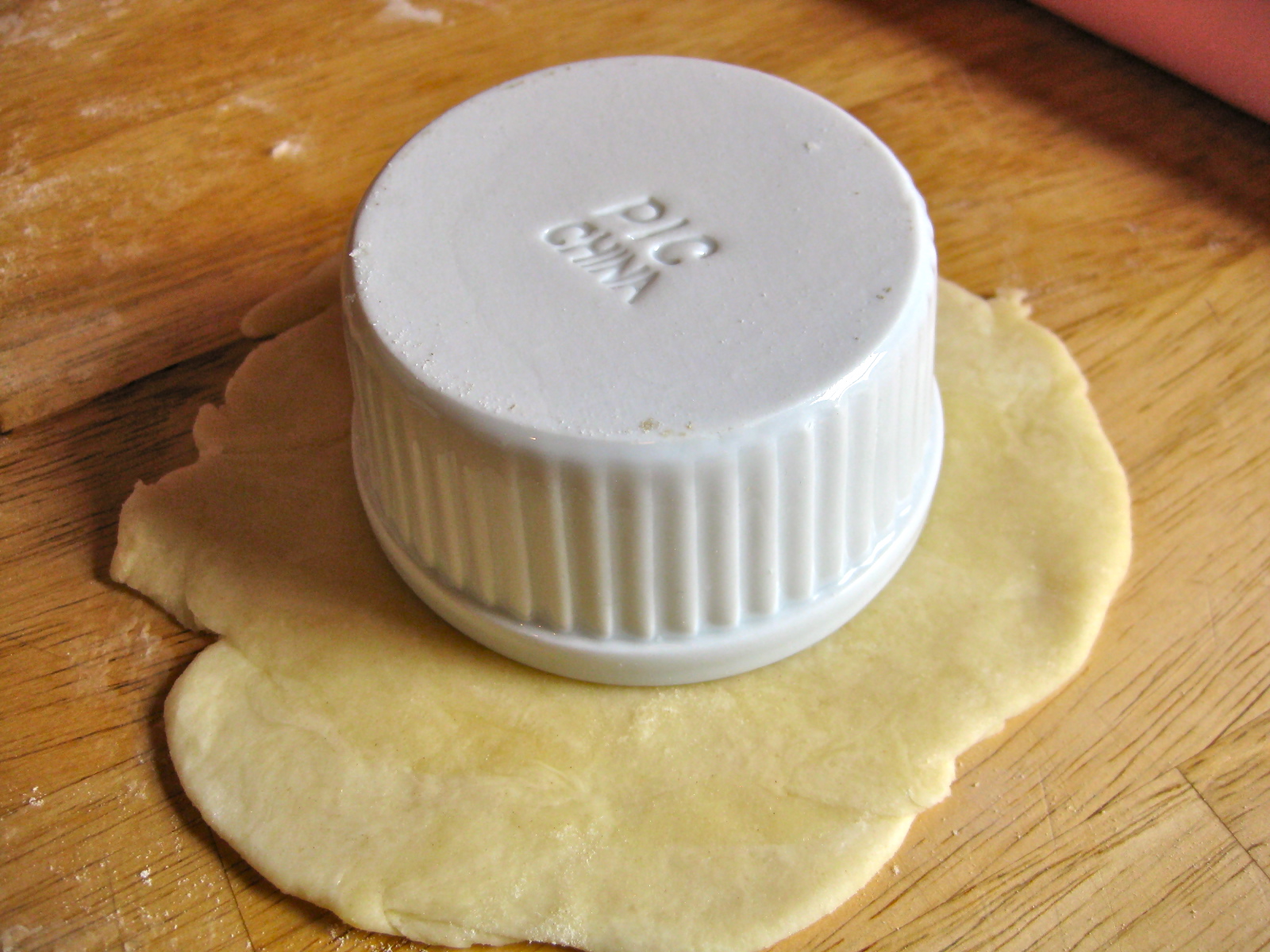
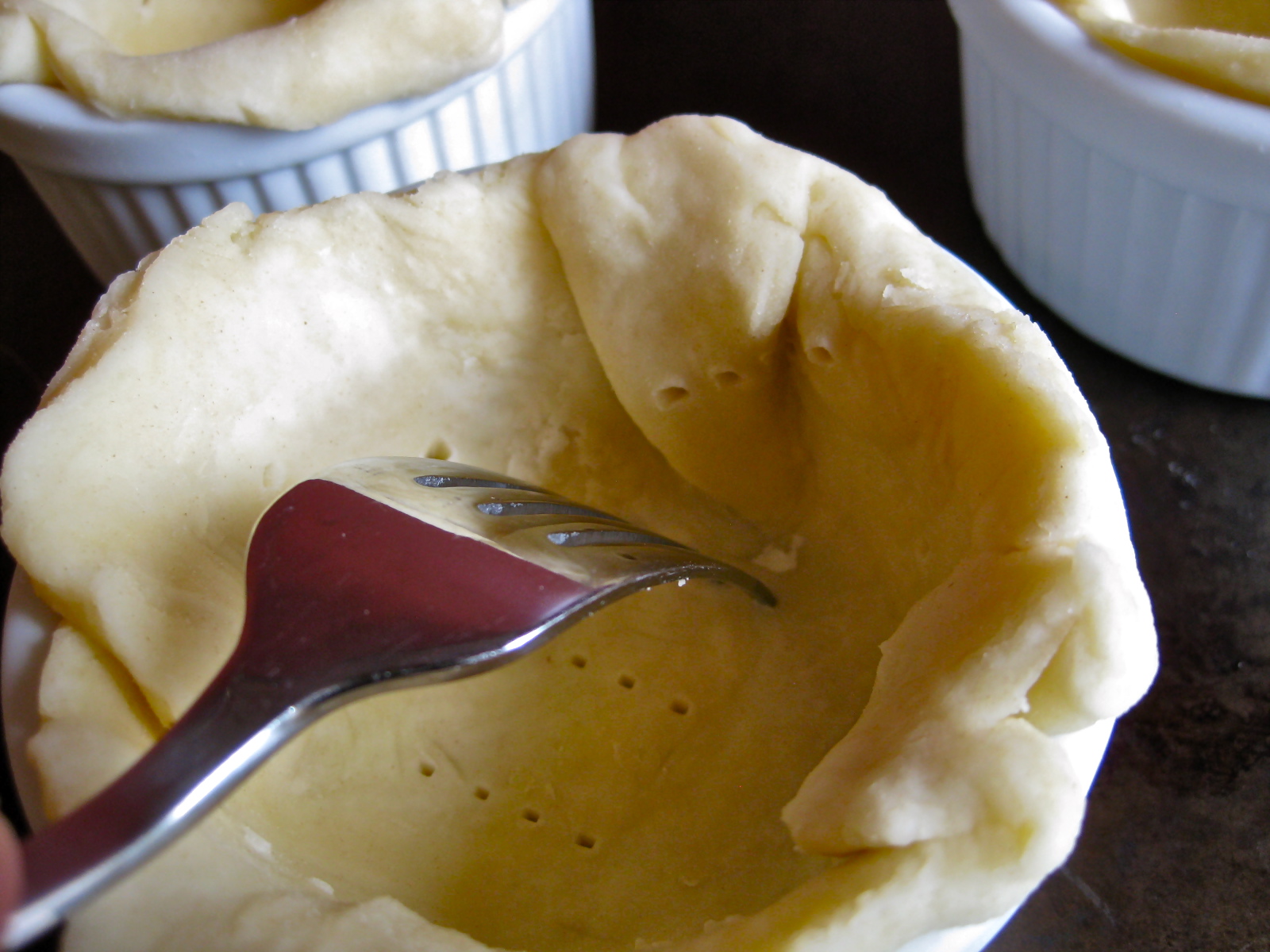
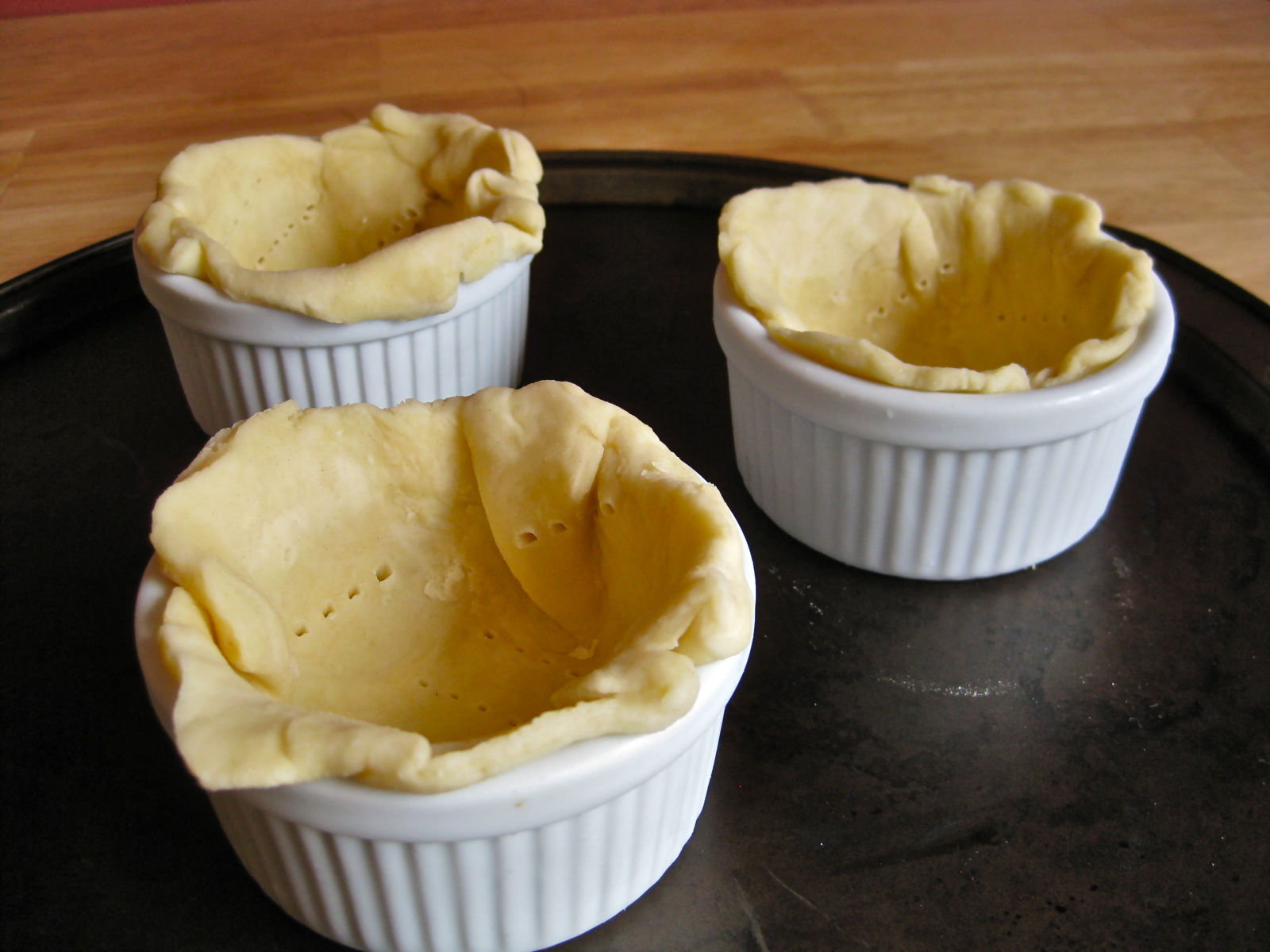
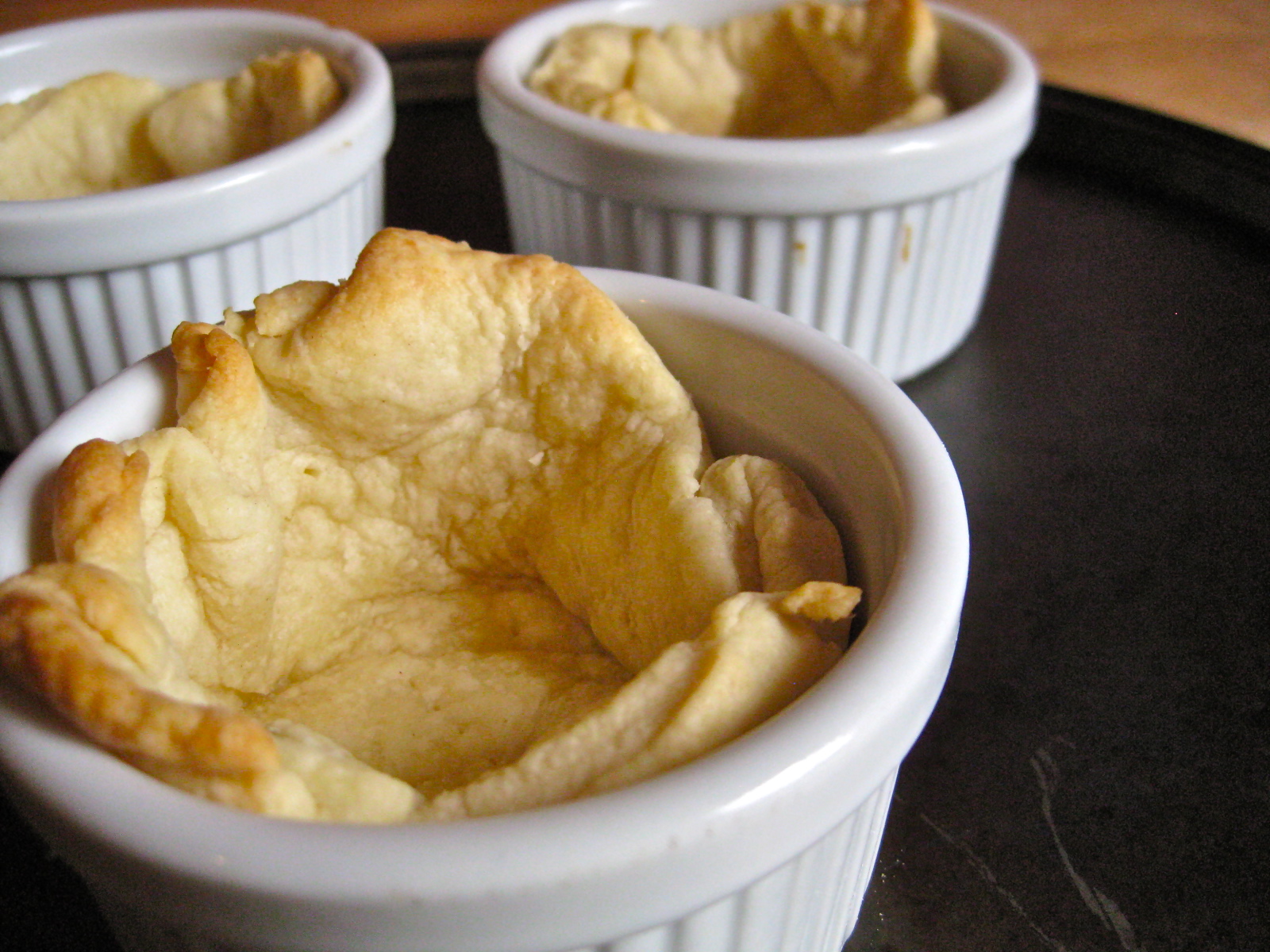
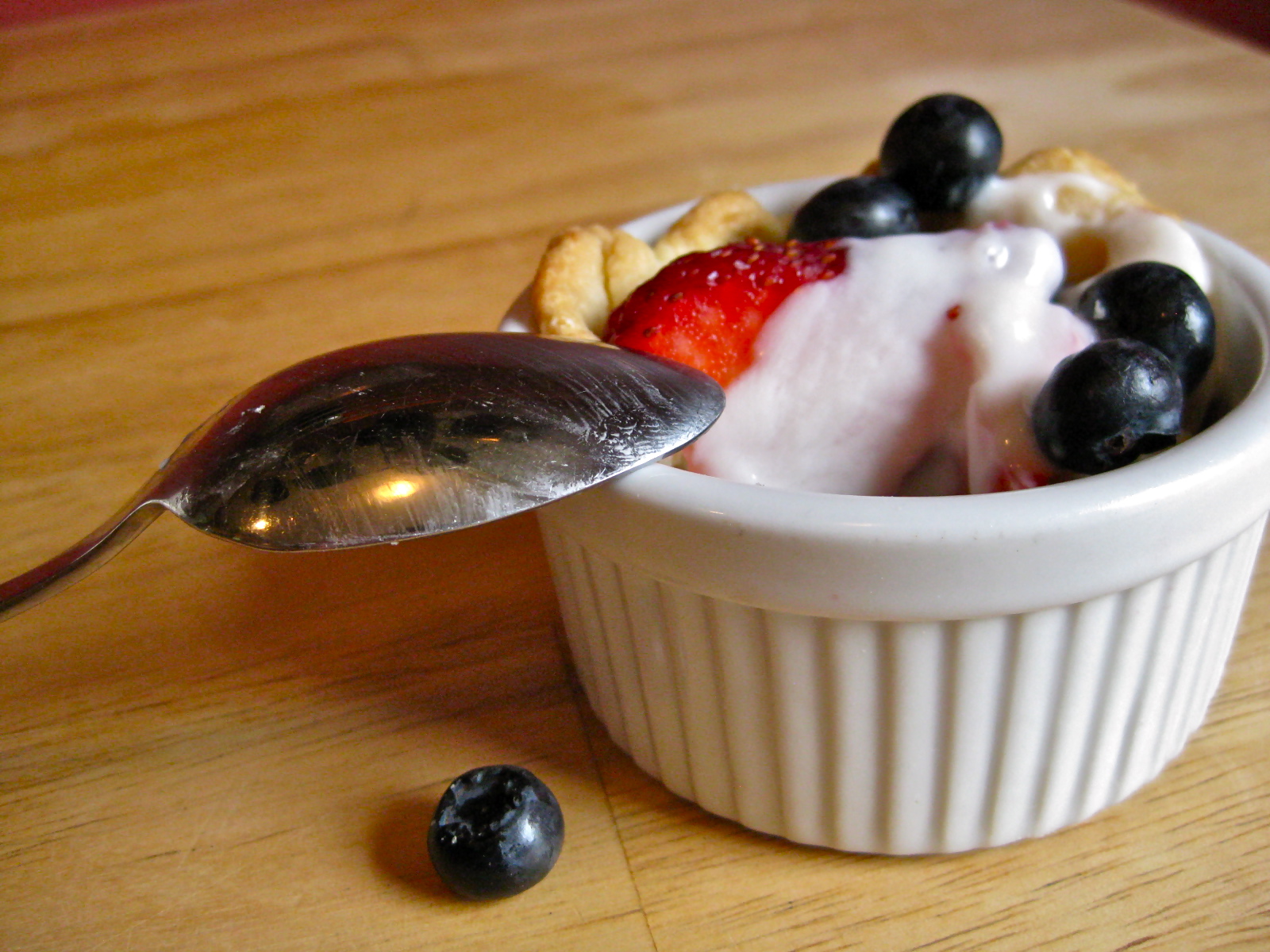
The process could not be simpler.  When making a pie, set aside all your errant scraps of pie dough.  After you set your pie in the oven to bake, gather together all of your dough scraps and roll them out into a rough circle.  Take whatever tiny cup or bowl you would like to use as a little pie plate (here I am using tiny little 4-ounce ramekins), then cut a circle about 2 inches outside the perimeter of the makeshift pie plate.  Tuck the circle of dough into your container, gently pressing the dough against the sides and bottom, then use a fork to poke steam holes into the bottom and sides of the dough.  Re-roll and re-cut dough until you’ve used up as much of the scraps as humanly possible.  It’s up to you if you want to freeze the tiny pie plates at this point (freezing the dough for 30 minutes or so before baking it will prevent a bit of the shrinking that will go on once the dough starts to bake in your hot oven, but it won’t eliminate all of the shrinkage, so I often don’t bother with this step).

Once all of your pie plates have been prepared, set them in the oven to bake alongside your pie (or, if you want to bake the tiny pie crusts on a baking sheet, set them one shelf below your pie where there is room enough to accommodate an additional baking sheet).  The tiny pie crusts, being tiny and all, will bake much faster than an entire pie, so watch them diligently to prevent burning.  These three pie crusts took about 25 minutes to bake.

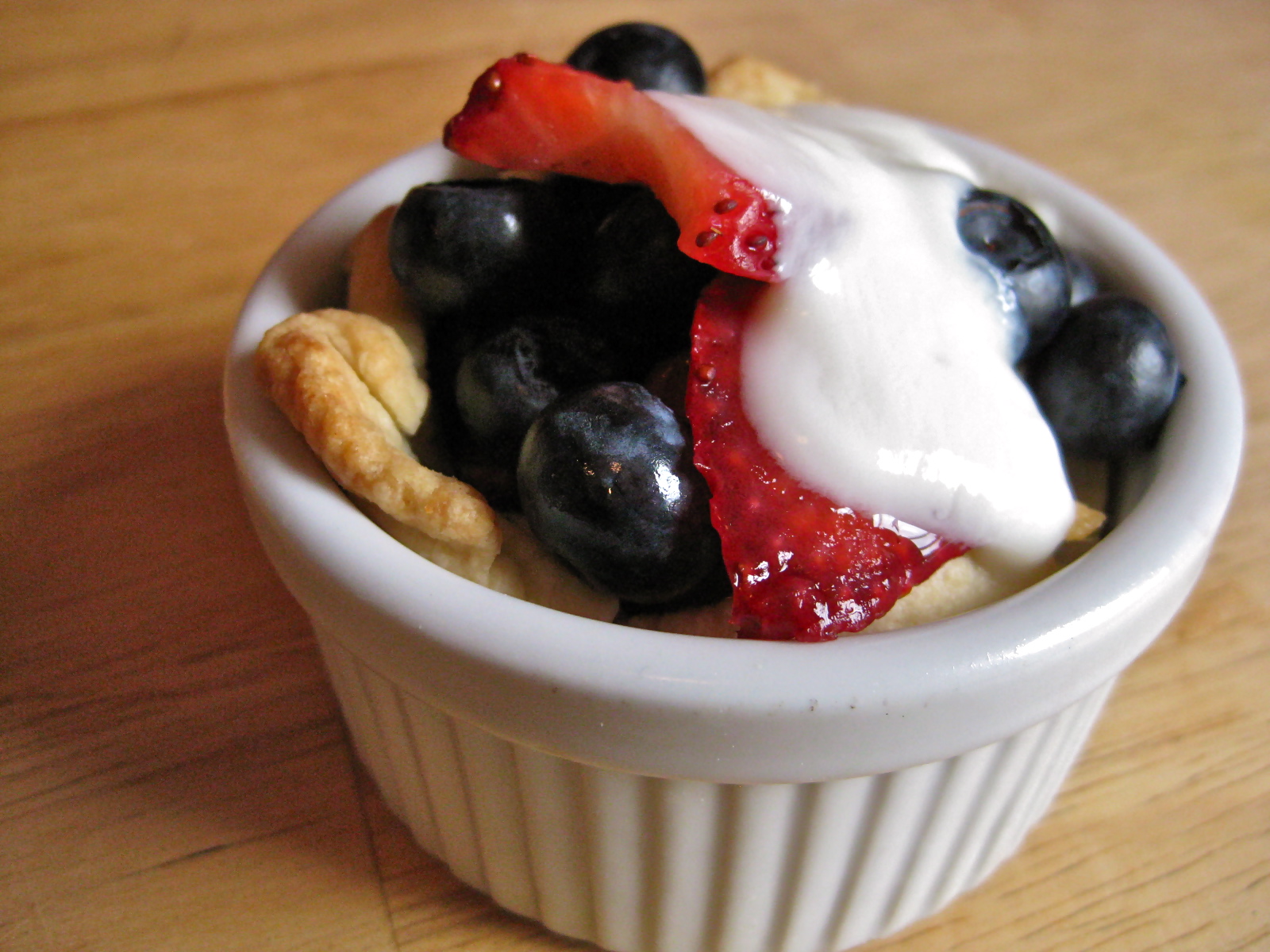
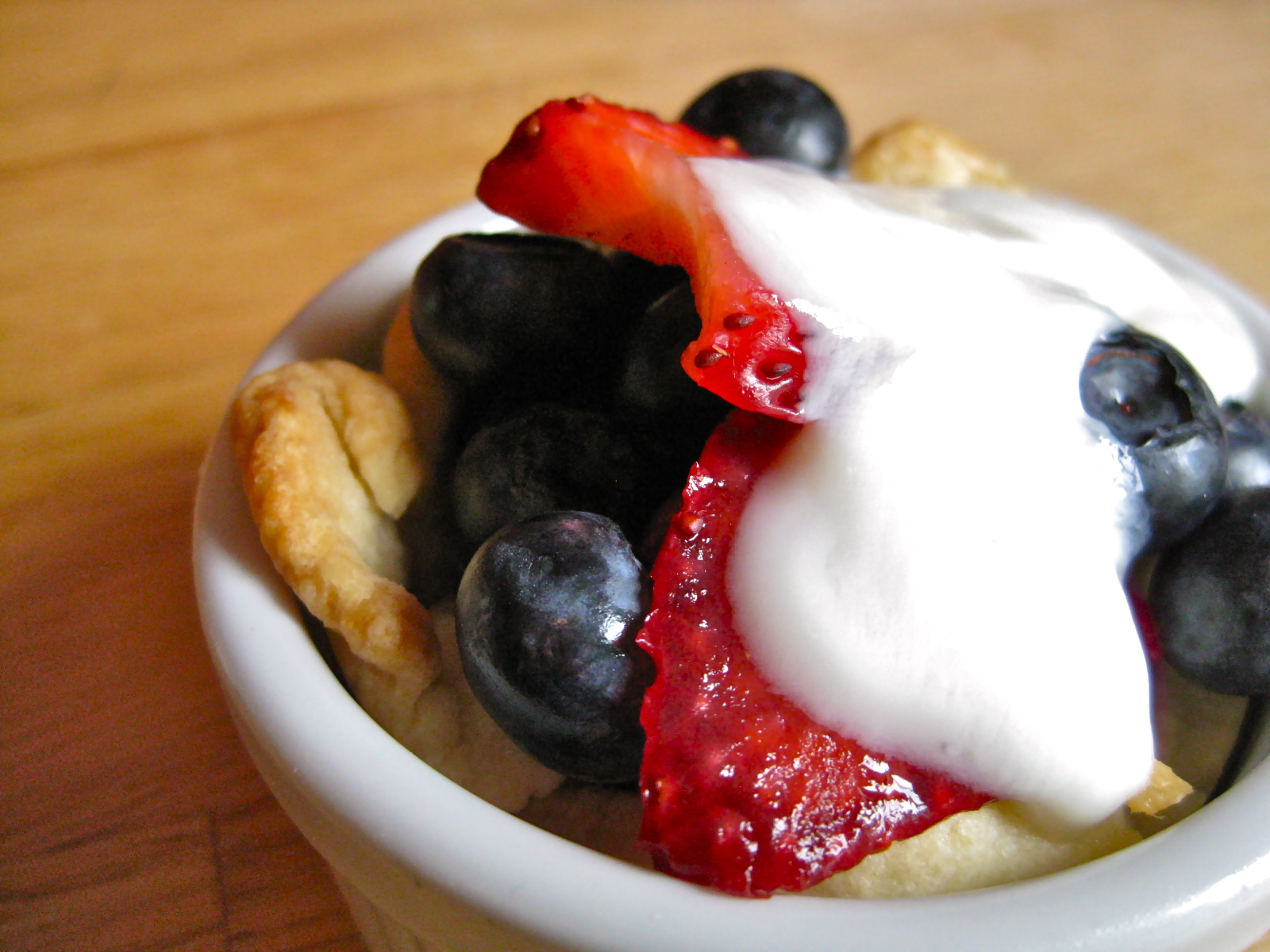
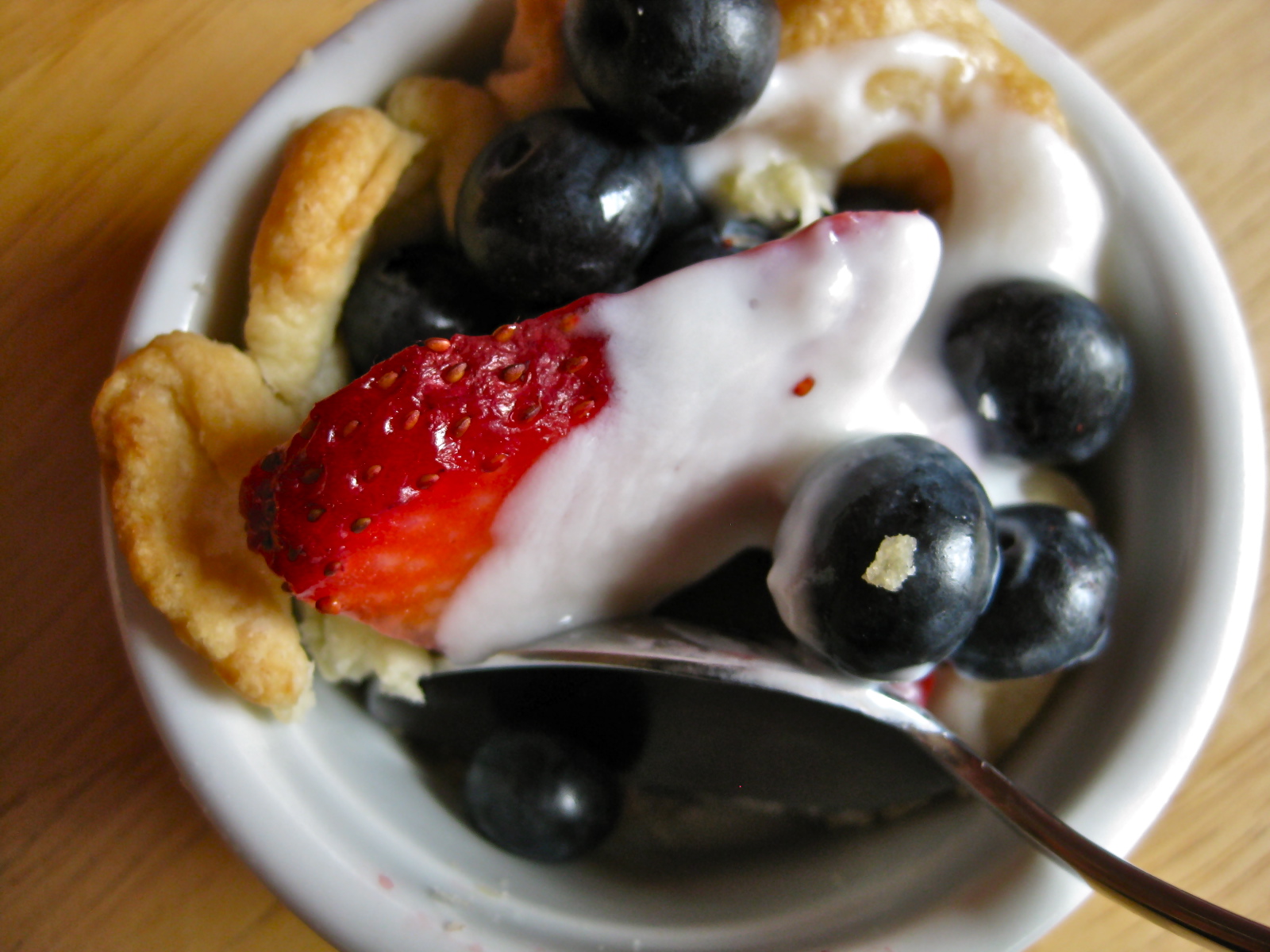
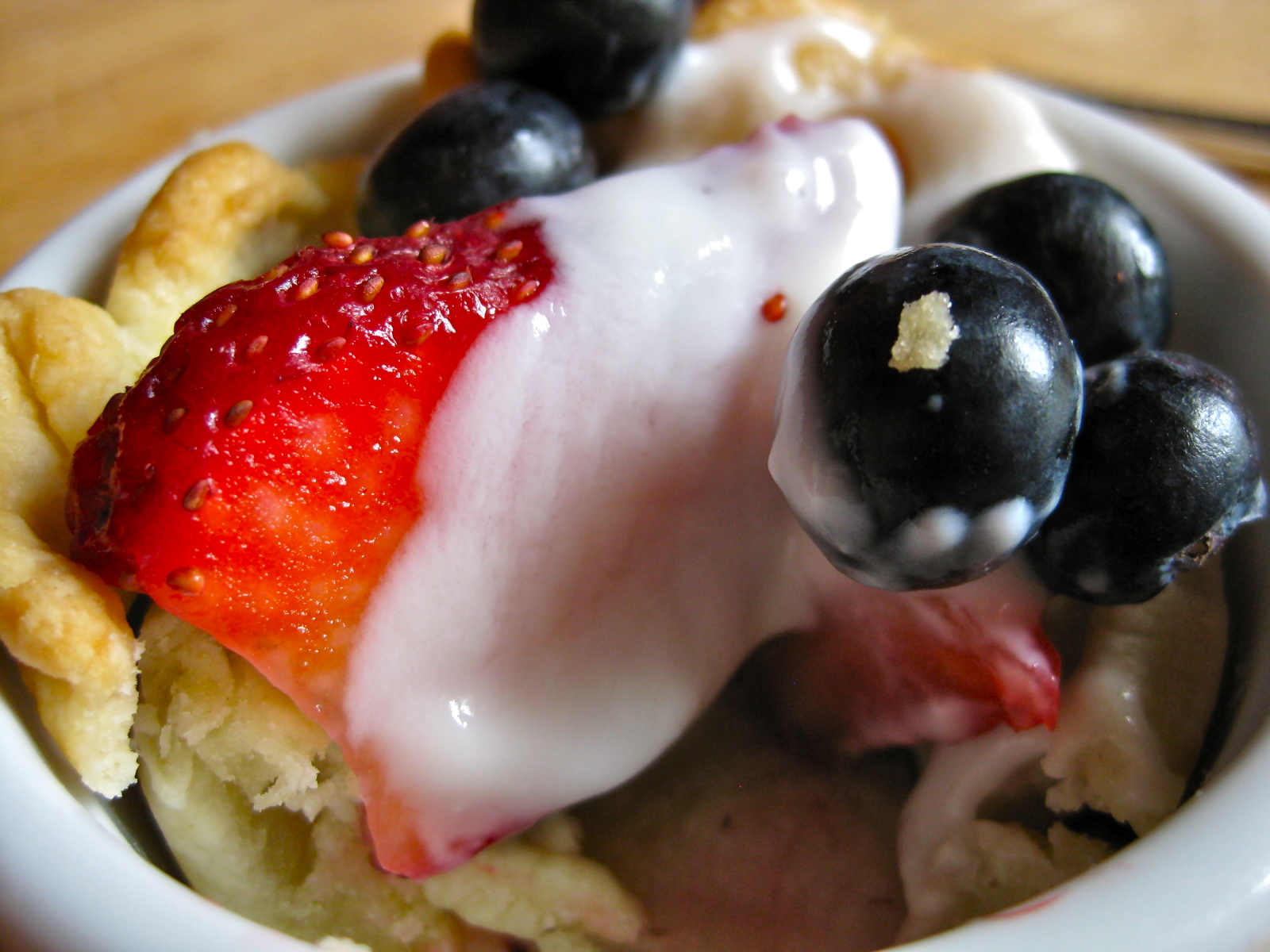
After your crusts have cooled, you can then fill them with pretty much anything you want.  Here I have adorned my tiny pie crusts with garden fresh strawberries and blueberries, topped with a bit of vanilla yogurt.  This is a heavenly combination, but I imagine pretty much any combination of fruity-plus-creamy would be fantastic.  Raspberries topped with a dollop of crème fraiche.  Nectarines dotted with whipped cream.  Blackberries and custard.  Really.  There is no way to make this not taste good.

Bonus information!

Don’t want to eat a tiny pie right now?  Prepare your tiny crusts in their tiny vessels, then cover them with foil and pop them into the freezer.  When you are in the mood for a tiny pie, bake the frozen pie crusts at 400 degrees Fahrenheit for 25-30 minutes (until the edges have turned a dark golden brown), then cool and fill as desired.  Frozen, unbaked pie crusts will keep in the freezer for up to 1 month.

Sour Cherry Pie

28 Jul

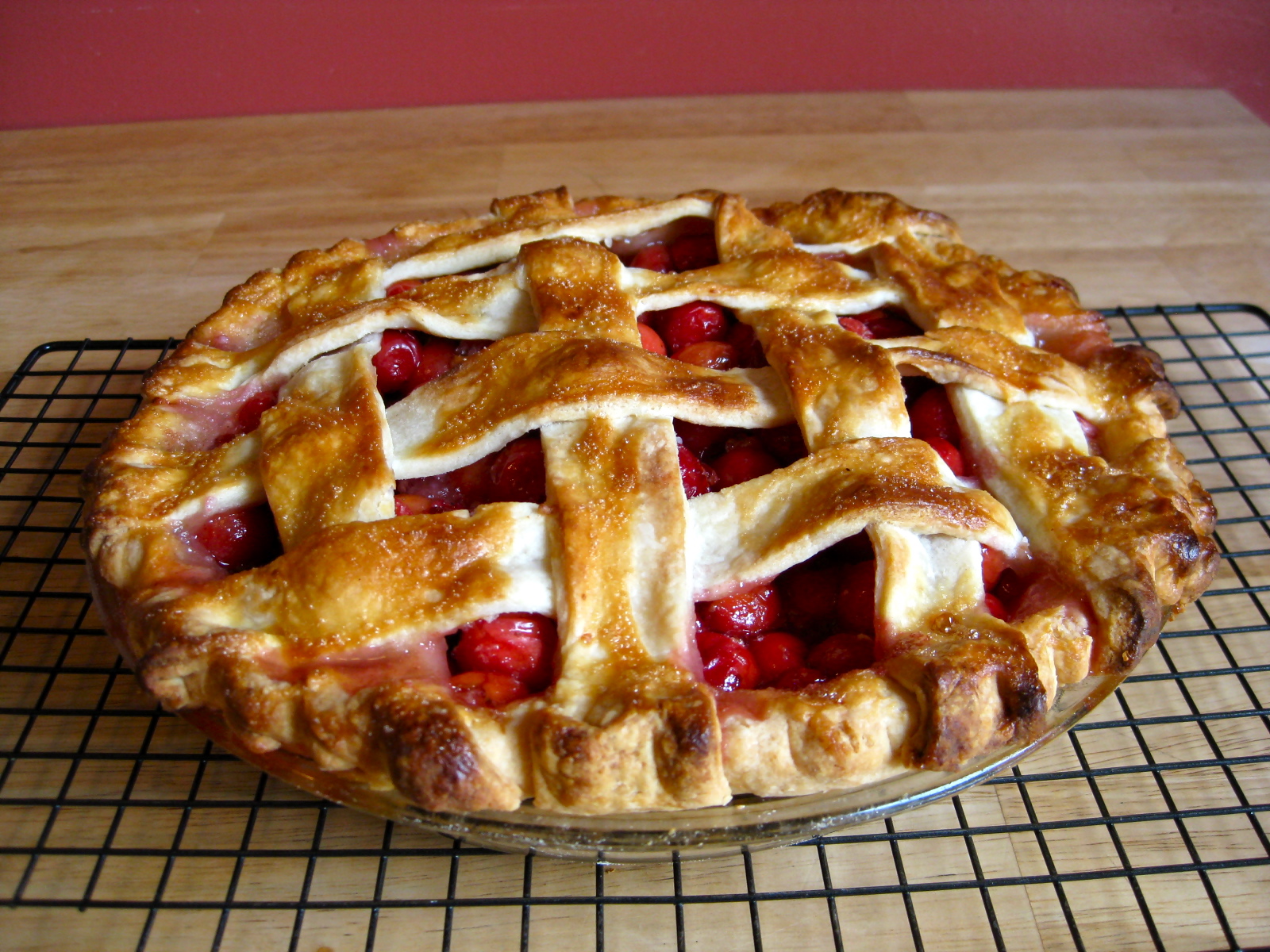
Is it your birthday?  Would you like me to bake you a pie?  What kind of pie?  Is it autumn?  Well, let’s make it an apple pie.  Winter?  Then how about something festive–coconut cream or chocolate, perhaps  Spring?  Well, clearly I should make you a strawberry pie.  But if it’s summertime, I am afraid you will have no choice in the matter.  If it’s summertime, I am going to make you a sour cherry pie.  Not just any cherry, mind you.  Sour cherry.  The best pie cherry in the entire world.

This is not the first time I have written about my dedication to sour cherries.  It is, however, the first time I have admitted publicly that when I make my best friend a sour cherry pie for her birthday every July, the joy I get from working with the cherries is as great as the joy my best friend gets from eating the cherries.

Sound implausible?  Think about it for a minute.  You know how birdwatchers get all giddy and flushed when they witness a rarely-seen bird?  Or how antique aficionados can be rendered breathless when faced with a mint condition Arts and Crafts Roycroft chair?  That’s how I feel about sour cherries.  Sour cherries, so fleeting in their availability, are, to me, akin to rare birds.  Their brief and glorious appearance occurs but once a year and is so short-lived that as soon as you hesitate to appreciate them, they are long gone.

Though I am aware of how over the top this comparison may seem, I am also aware of the fact that, as someone who spends an inordinately large amount of time in the kitchen, my senses and perceptions of time, seasons, and memory tend to lean towards the food-based.  And that means that when July rolls around, I can look forward to hot weather, evenings in the garden, my best friend’s birthday, and sour cherry pie.

Sour Cherry Pie

Filling ingredients and baking method adapted from The America’s Test Kitchen Family Baking Book

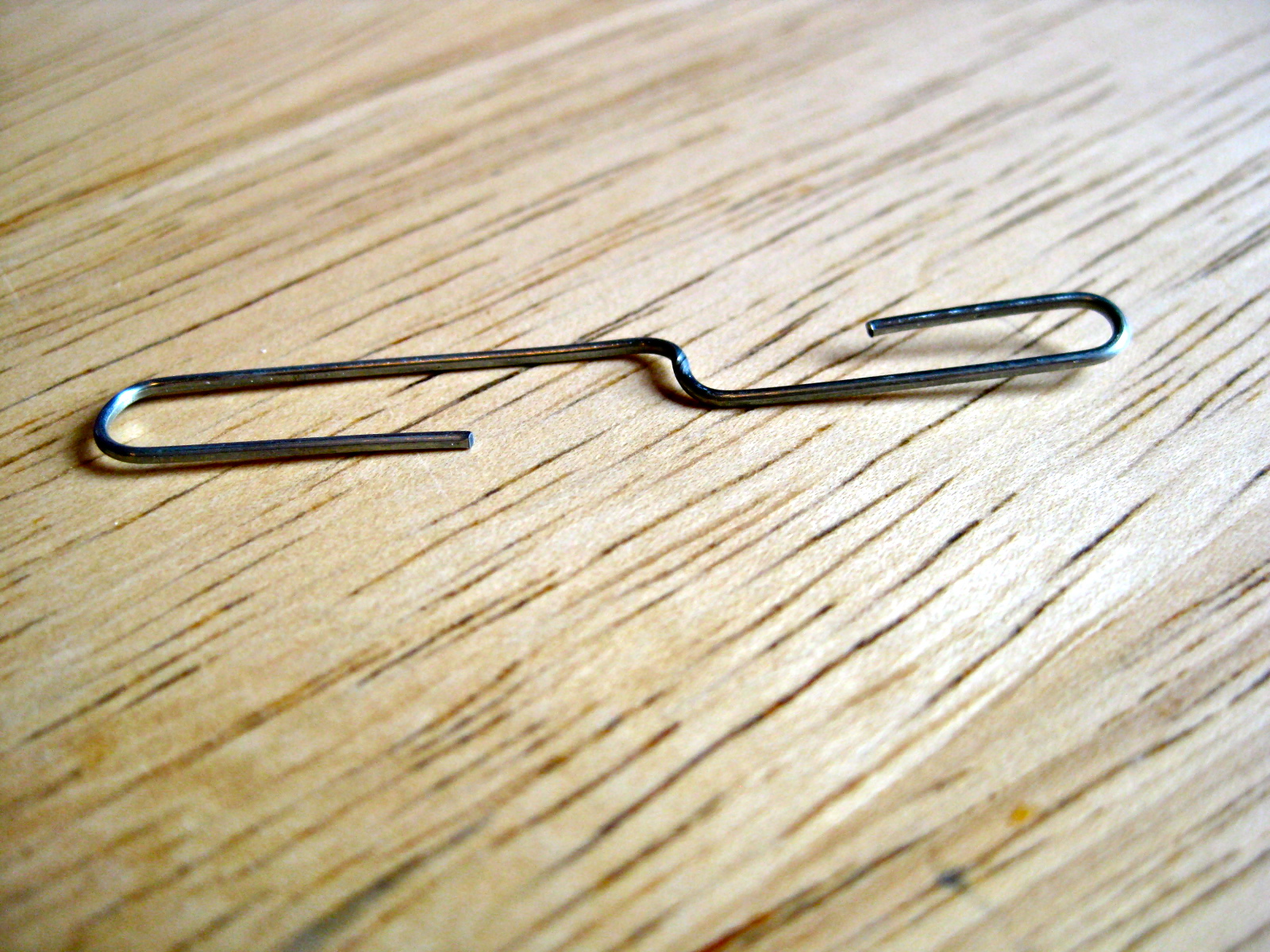
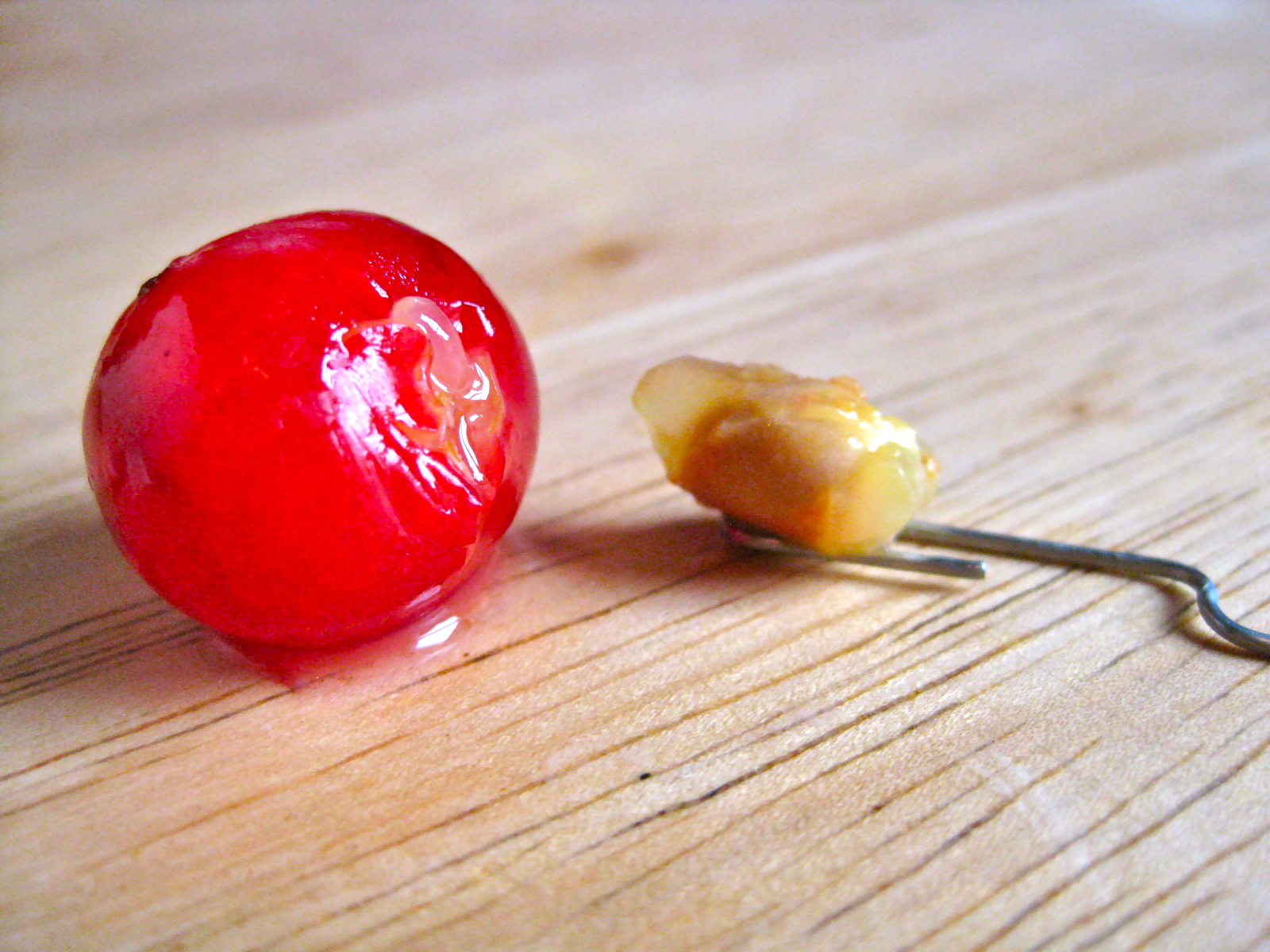
As noted in the photos above, I like to pit sour cherries using an unfurled paper clip. My sister-in-law taught me that trick, and I’ve found no better way to remove pits from sour cherries (which are a very soft and juicy type of cherry).  The paper clip removal is very simple: you hold a cherry in one hand, and with the other hand you just insert one u-shaped end of an open paper clip into the stem hole of a cherry, flip the paper clip up, and the pit pops right out (it only looks like I accomplish the action one-handed in the picture above because I needed my other, non-paper-clip-holding hand to hold the camera).  The cherry is never smashed, and the flesh remains intact.  If you have a cherry pitter, by all means, feel free to use it.  If you don’t, however, I really recommend the paper clip method.

Pie crust for 1 double crust pie.

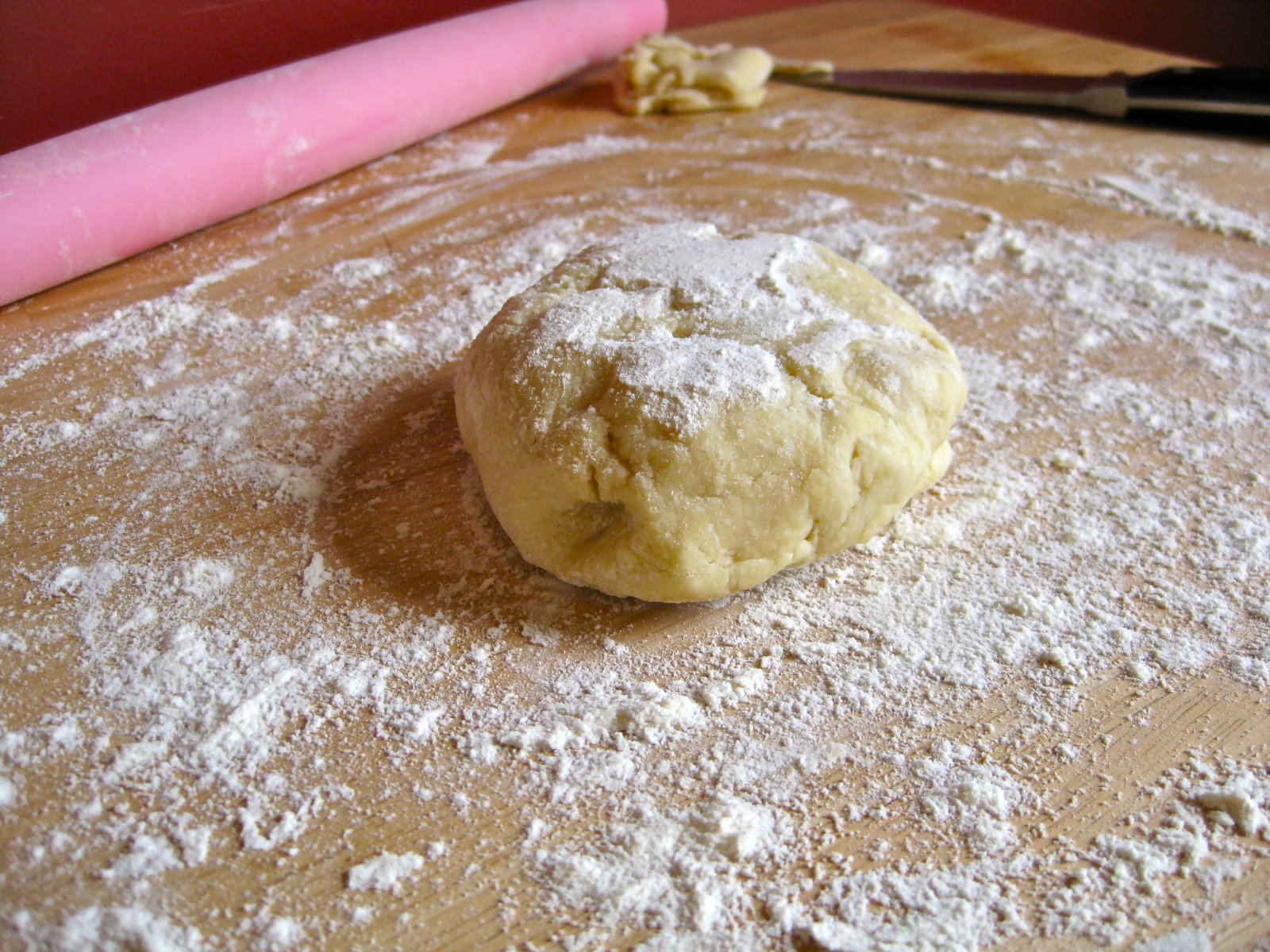
This is my favorite pie crust recipe.  Since the recipe makes only enough dough for a single crust pie, all the ingredients will need to be doubled.  When the dough has been mixed together, divide it in half, form each half into disks, wrap each disk in plastic wrap, and refrigerate for at least 30 minutes.)

6 cups pitted sour cherries (fresh, not canned)

1 cup sugar

3 tablespoons quick cooking tapioca

¼ teaspoon cinnamon

¼ teaspoon almond extract

pinch salt

1 egg white, lightly beaten

On a lightly floured surface, roll out 1 disk of pie dough into a 12-inch circle.  Fit the dough into a 9-inch pie plate, allowing the edges of the dough to hang over the sides of the pie plate.  Place in refrigerator while you prepare the other half of the dough.

One a lightly floured surface, roll the other disk of dough into a rectangle roughly 12 by 10 inches long.  Cut the rectangle lengthwise into 8 strips that are 12 inches long.  Place strips of dough on a baking sheet and refrigerate while you prepare the pie filling.

In a large bowl, combine cherries and sugar.  Gently toss together, then set aside for 20 minutes to allow the cherries to release some of their juices.

Adjust an oven rack to its lowest level, then preheat the oven to 425 degrees Fahrenheit.  Line a baking sheet with a piece of aluminum foil, then place the foil-lined baking sheet on the adjusted rack while the oven preheats.

Reserve ¼ cup of juice from the bowl of cherries, then drain cherries thoroughly through a colander.  Return the cherries to the same bowl, then add the reserved juice, tapioca, cinnamon, almond extract, and salt.  Toss together until combined.

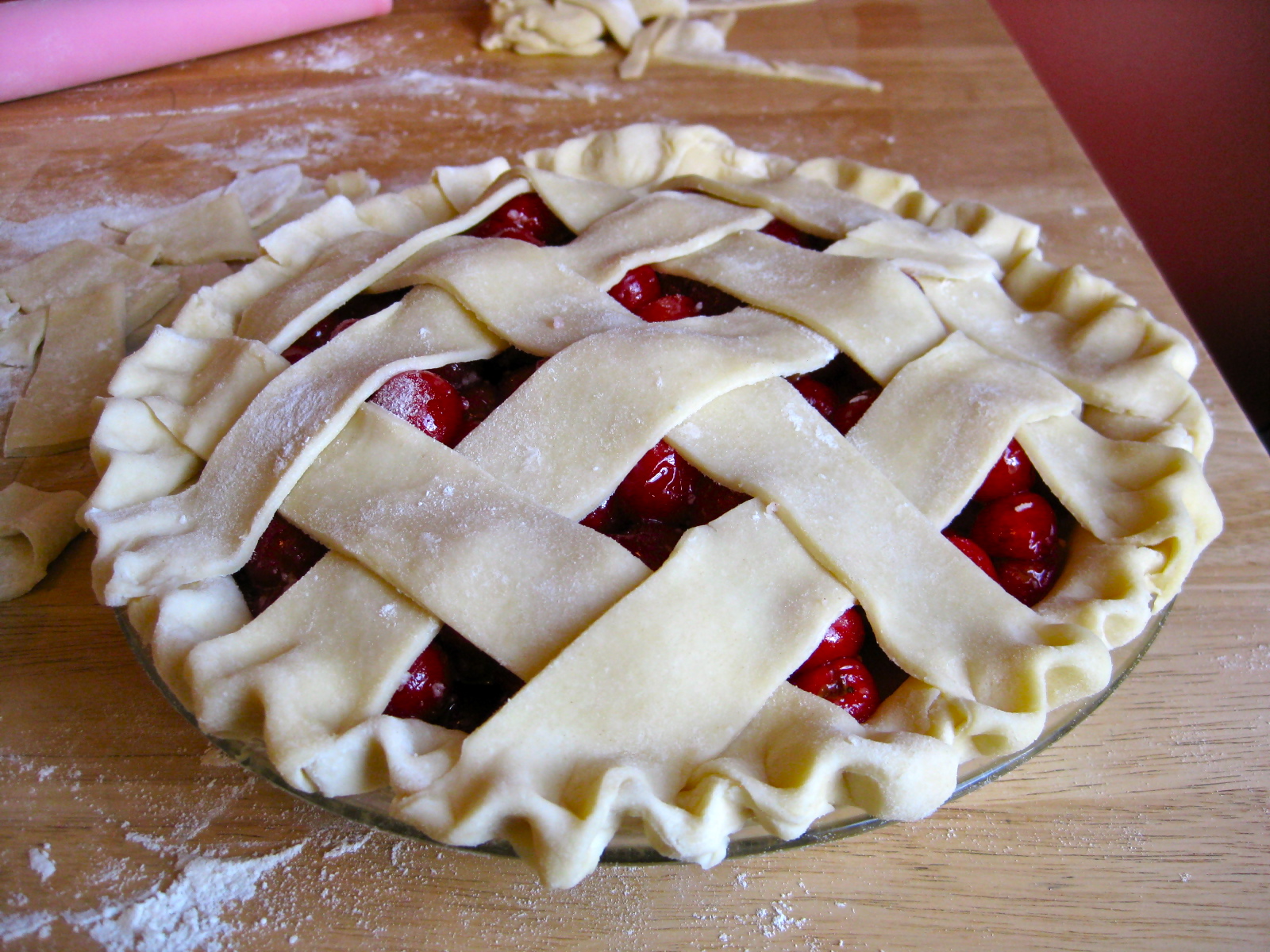
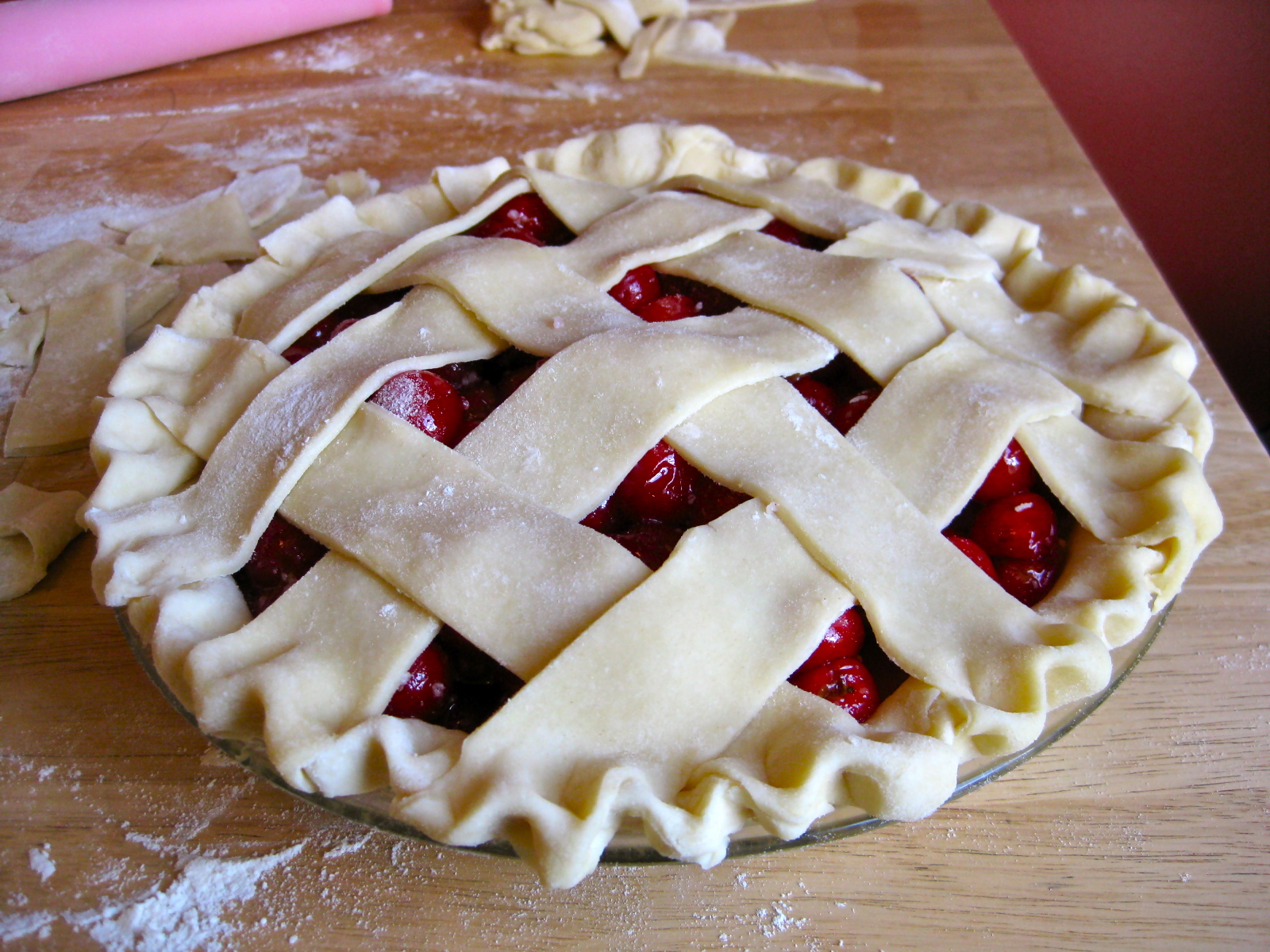
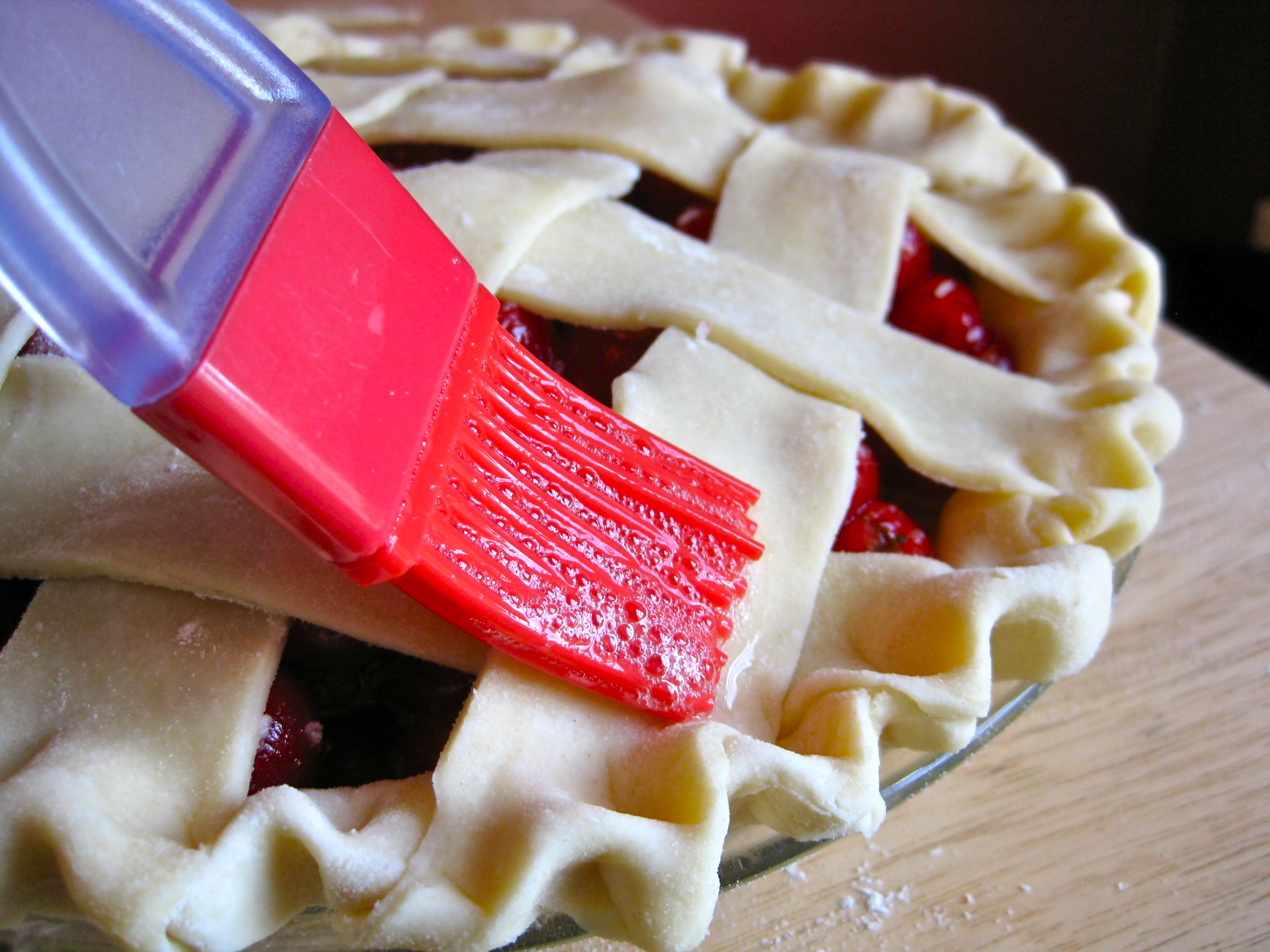
Pour the cherries into the dough-lined pie plate and weave the long strips of dough over the top in a lattice pattern.  (There is a good tutorial on how to do this here, but keep in mind that you will, obviously, be using fewer strips of dough.)  Trim the edges of the lattice even with the overhang of the lower crust, then fold up the edges and crimp into place using your fingers.  Brush the top crust of the pie with the beaten egg white.

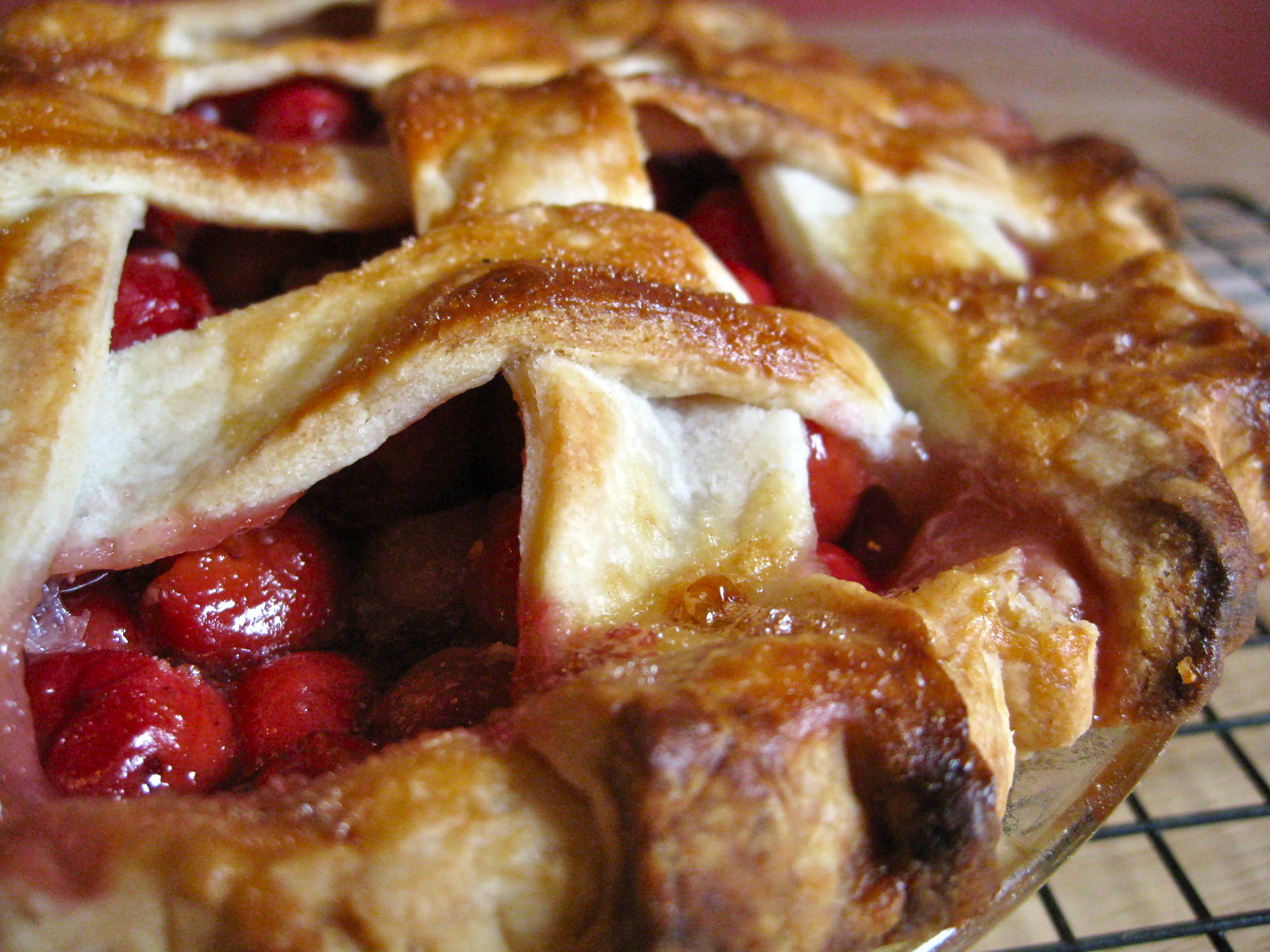
Place the pie on the heated, foil-lined baking sheet and bake until the top crust has started to turn golden, about 25 minutes.  Reduce the oven temperature to 375 degrees, rotate the baking sheet, and continue cooking the pie until the juices are bubbling and the crust has turned uniformly dark golden brown, about 25 to 35 minutes longer.

Allow the pie to cool on a wire rack for at least 2 hours, until the filling has set.