Archive | Vegetarian RSS feed for this section

Deep Dish German Pancake

4 Aug

Before becoming deeply entrenched in my 30s, it seemed as though I was able to eat many a breakfast comprised of an innumerable amount things, in mildly shocking quantities, that now make me feel like I am on the verge of suffering some type of major medical emergency.  A rare treat of pancakes is now paired up with something protein heavy, so as to avoid making my pancreas revolt and team up with my kidneys to enact some sort of diabolical punishment.  French toast is served with fruit, sans syrup, and probably arrives in a singular number with a nice egg or soy sausage (don’t judge) on the side.  In short, I no longer have the ability to eat like a teenage girl at a sleepover party, which makes sense, considering the fact that I am well out of my teen years and I haven’t been able to stay up past midnight since I was about 28.  So.

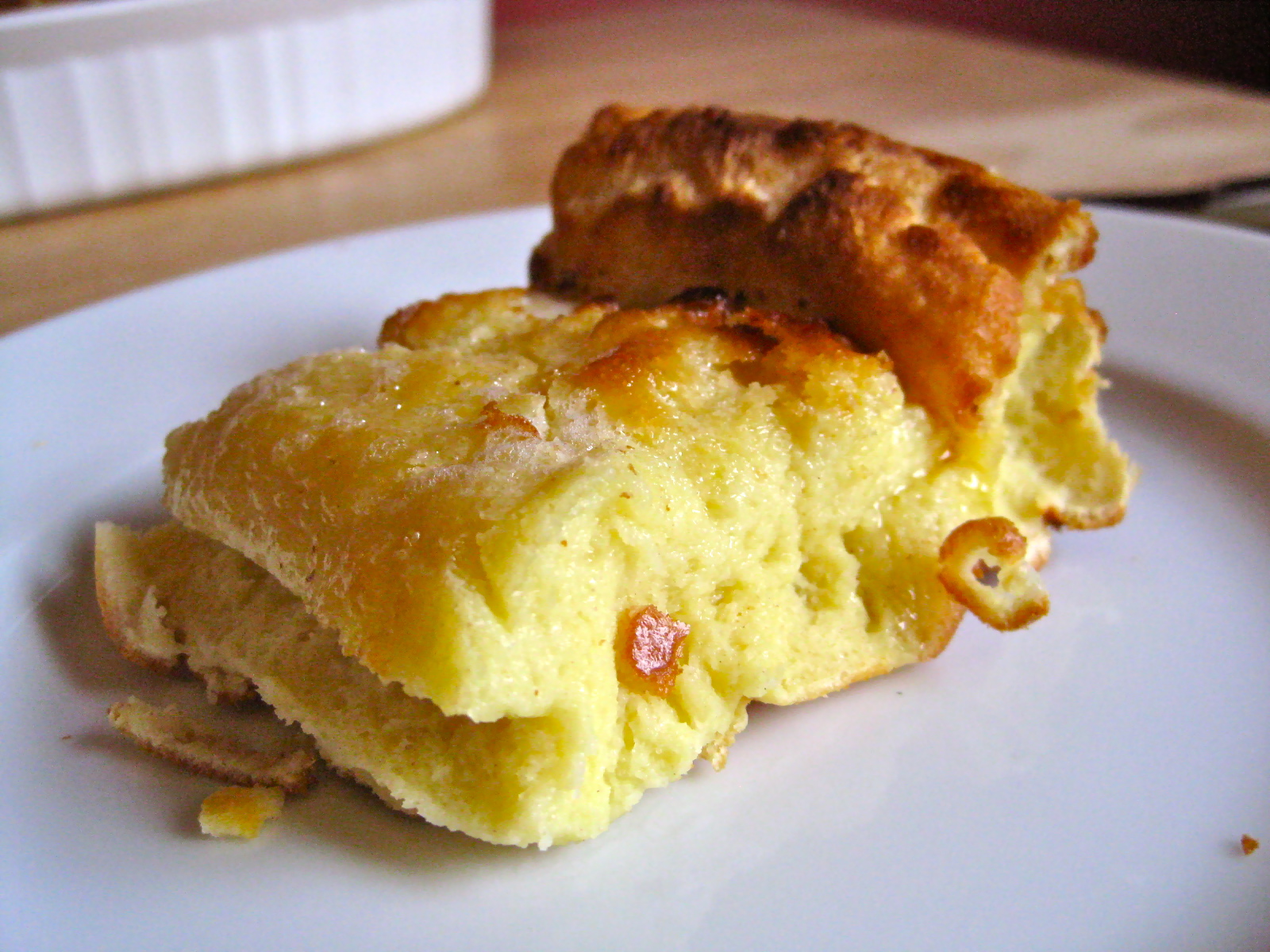
Rather than mourn the loss of sugary breakfasts of my past, I have found life to take a much more pleasant turn by simply amending former decadence into something a bit more appropriate for a person in her mid-30s.  While still certainly remaining a breakfast treat, a tall and delightfully puffed up German pancake, piled with fresh fruit, spritzed with lemon, and, if you wish, dotted with just a light sprinkling of powdered sugar, never seems to have the same after effects as downing a pool of maple syrup.
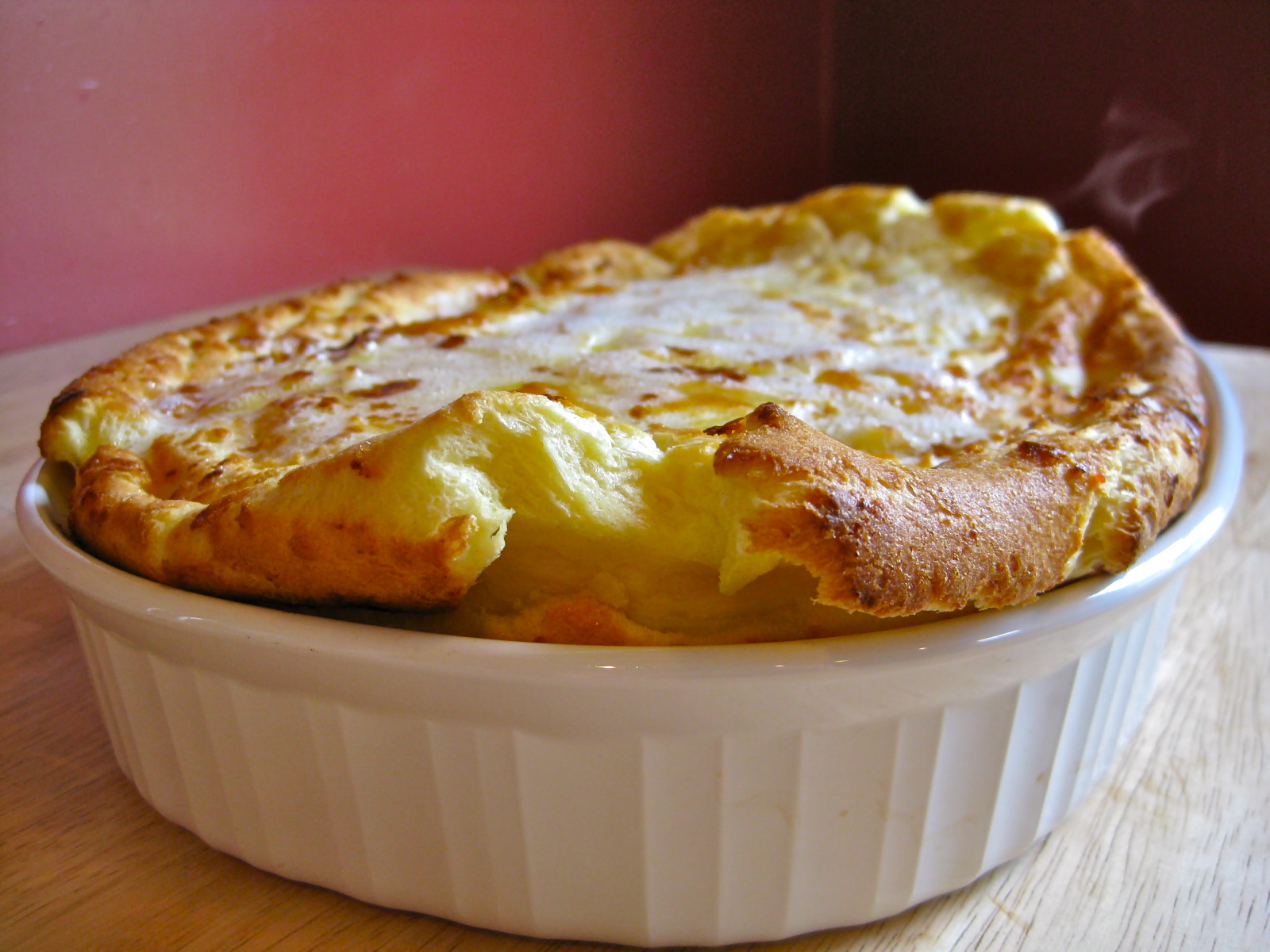
Sure, you’re still eating white flour and butter when you eat this pancake, but this delivery system arrives a bit more gently, and has the added benefit of providing a nice sense of fullness without an accompanying side of impending doom.

In what I am sure is some sort of German pancake heresy, I have also, over many years of making German pancakes, discovered that I much prefer a thick and custardy German pancake to a thin and delicate one.  Making a thicker German pancake involves nothing more than baking the pancake in a dish that is smaller than one might think appropriate for a pancake of this sort.  The tighter the quarters in the baking dish, the thicker the pancake, and the thicker the pancake, the more delightfully gratified you feel when you eat it.  It’s enough to convince the former you that the current you still knows how to indulge.
Deep Dish German Pancake

German pancake, Dutch baby, or pannekoek, this breakfast treat goes by as many names as it has specific recipes.  This particular recipe, designed to be doubled, tripled, and multiplied into infinity, is low on butter and completely devoid of refined sugar.  Not that you’d ever miss it.  This is still a delicious breakfast treat that is as lovely to look at as it is enjoyable to eat.

This is a base recipe for 1 serving.  The recipe is meant to be multiplied by the number of people you will be feeding.  If making a small serving, you will obviously need to bake this in a smaller dish.  For the large German pancake pictured above, I multiplied the recipe by 5 and used a 2.5-inch deep, 10-inch by 7-inch dish.

¼ cup flour

¼ cup milk

1 egg

1 teaspoon butter

pinch salt

Preheat oven to 475 degrees Fahrenheit.

When the oven has preheated, place butter in baking dish and place dish in the oven.

Combine all ingredients in a food processor or blender. Blend until just smooth.

When butter has melted, remove the baking dish from the oven, pour in the pancake batter, and return dish to the oven.  Bake for 12 to 18 minutes, depending on the size of your pancake, until pancake has puffed up, turned golden, and the center appears just firm.  Pancake will begin to deflate almost immediately after being removed from the oven, so serve as soon as possible.

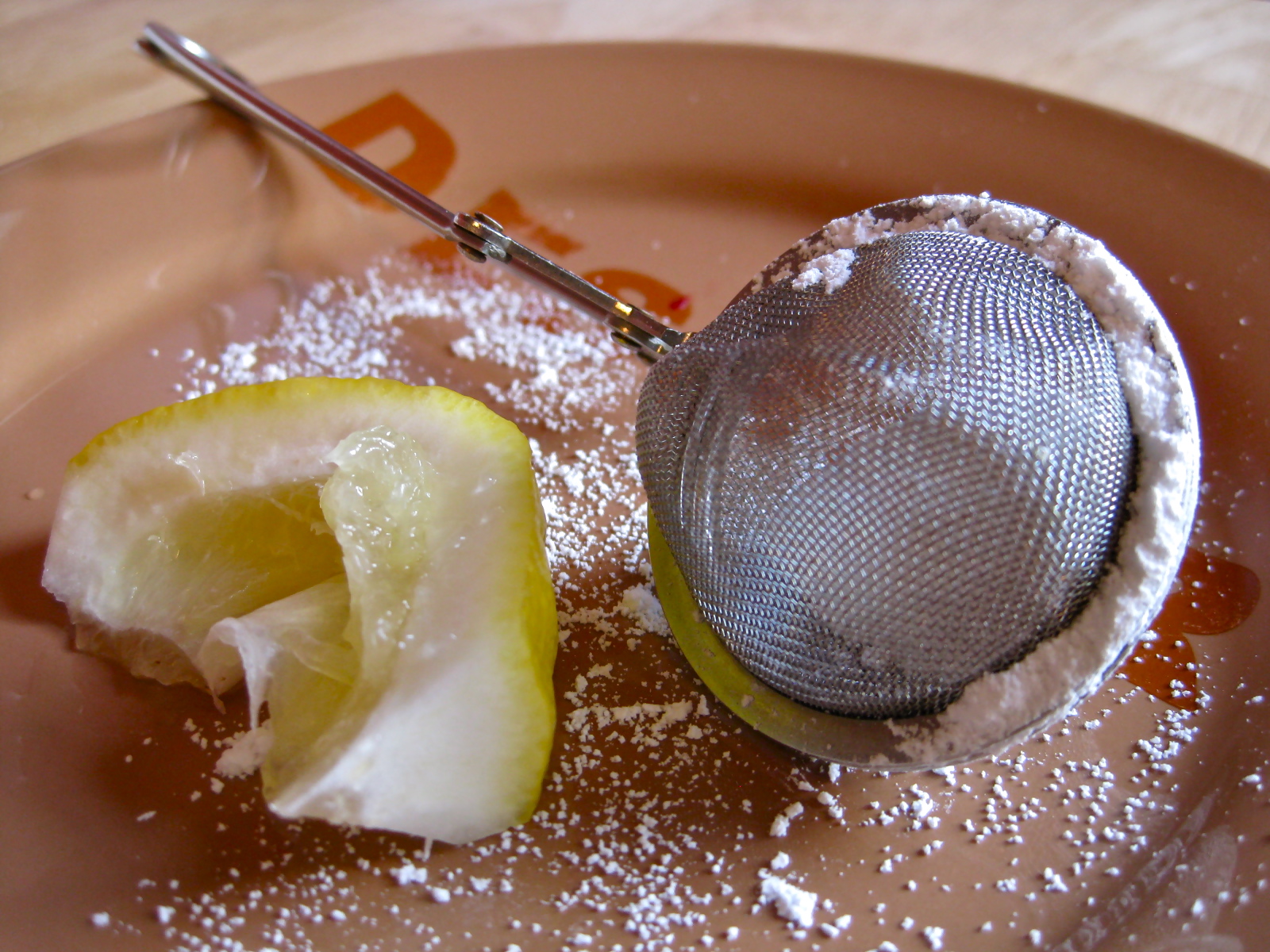
Top with freshly squeezed lemon juice, a light sprinkling of powdered sugar, and fresh fruit.

Grilled Peaches and Sausages with Almond Herb Bulgur

21 Jul

There is a fierce debate amongst people concerning whether or not sweet and savory foods belong together.  I imagine this debate is much like the fracas surrounding the polarizing opinions people have about cilantro (It tastes like soap!  No, it’s delightful!), and, to be completely honest, I totally understand why.

Up until a few years ago, I, too, was not a fan of mixing my sweet foods with my savory or salty foods.  Oh, sure, I was amenable to a nibbling of sweet and salty roasted nuts, but, really, who isn’t?  My aversion to sweet foods that mingled with savory foods was more an issue of one component of the meal taking precedent over every other flavor aspect.  Salted caramels were always too salty, and sprinkling brown sugar or maple syrup on winter squash always seemed like a bit much to me.  If you tried to talk to me about pairing fried chicken with waffles and maple syrup, you could be sure that I would shut you down immediately.  No.  Don’t even talk about it

Then, right around the end of 2005, newly pregnant and completely and wholly averse to all foods everywhere, something happened to my taste buds.  At first I was repelled by food, unable to glimpse any food at all without feeling like my stomach was going to violently force itself out of my body.  Then, after 100 solid days of nausea, I emerged from my unintentional fast as a timid and cautious eater.  Cut to around six months in, my taste buds all out of whack and not craving certain foods so much as certain sensations, and suddenly I could be found standing in the middle of the kitchen, spicy grilled chicken breast in once hand, bowl of vanilla yogurt in the other, dipping meat into what was essentially tart vanilla pudding and imploring people to try this new concoction of mine because, oh, man, it was so mind blowingly good, you just couldn’t believe it.  Sad to admit, I ended up enjoying that particular combination of foods on more than one occasion.

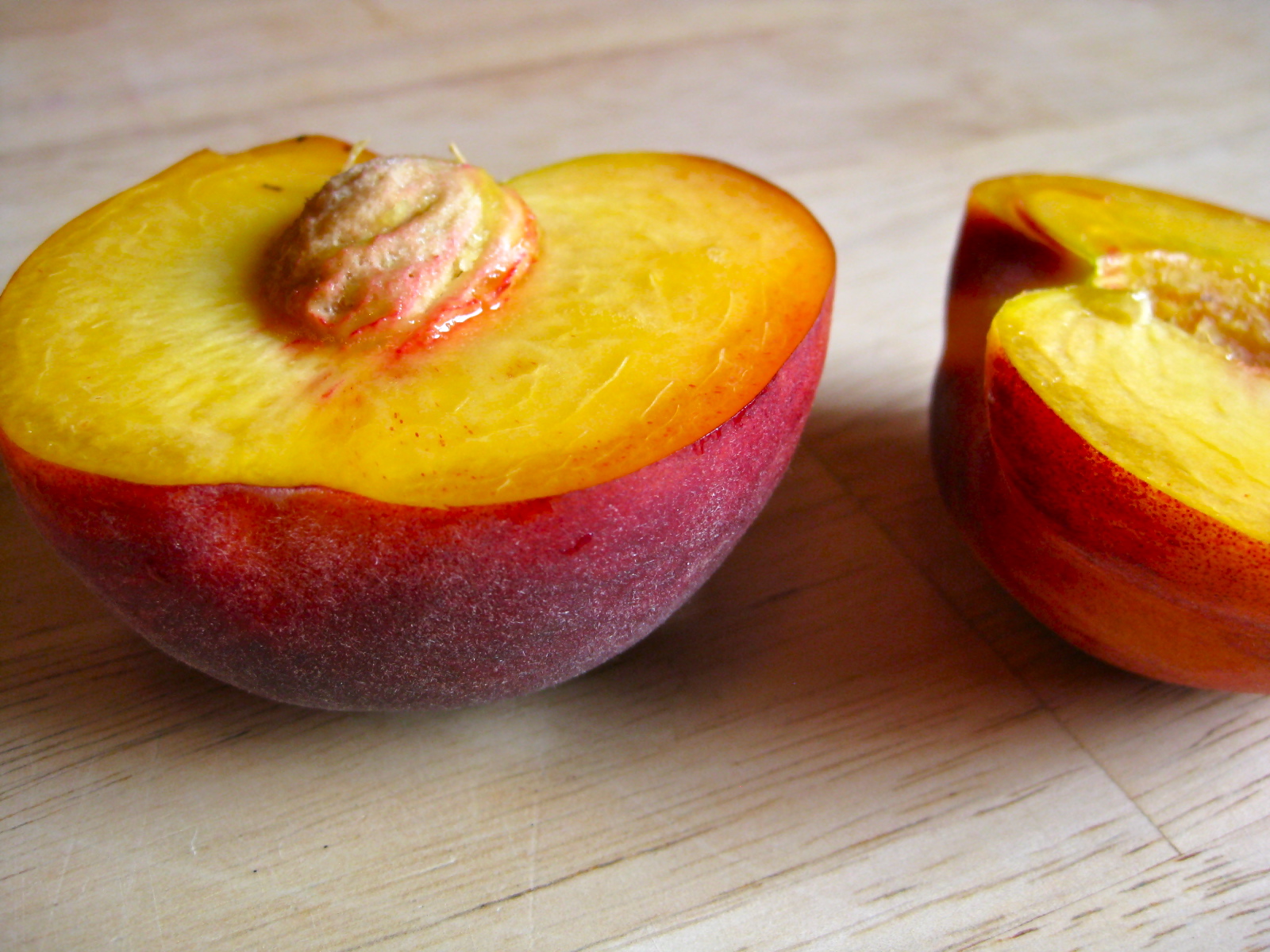
Five-plus years later, I’ve now developed quite an affinity for the savory and the sweet combined together, though in much subtler form.  Though I still don’t see the point of sweetening up a nice, innocent winter squash, I definitely see nothing wrong with letting the sweet mellowness of fruit sit alongside a piece of grilled meat.  Peaches, in particular, with their affinity for being grilled, are a perfect companion for savory grilled sausages, and, when sharing a plate with a light and herby side dish, it’s tough to imagine a more perfect combination of savory, salty, and sweet.  Well, unless you choose to eat this, of course.  Or this.

Grilled Peaches and Sausages with Almond Herb Bulgur

2 peaches, cut in half and the pits removed

4 link sausages (I used chicken fontina sausage, which was fantastic)

1 cup fine bulgur

2 ½ cups boiling water

½ cup gently packed fresh herbs of your choice (I used parsley, mint, and basil), finely chopped

¼ cup whole almonds, coarsely chopped

½ tablespoon butter

salt and pepper to taste

In a medium bowl, combine bulgur with boiling water.  Stir to combine, then cover tightly and allow to stand for 30 minutes.

Heat an outdoor grill or a grill pan on top of the stove to medium high heat.  Brush the surface of the grill with vegetable oil.  Place peaches on the grill, cut side down.  Place sausages on the grill.  After 3 minutes of grilling, gently turn over one peach to see if grill marks have formed.  If grill marks are visible, turn over the remaining peaches, and continue to grill for another 3-4 minutes, until peaches appear juicy  and soft.  Remove peaches from grill, and continue to grill sausages, turning occasionally, until they are cooked through.  After being cooked, both peaches and sausages should be removed to a plate and covered.

When bulgur has soaked for 30 minutes, fluff with a fork and taste for doneness.  Bulgur should be soft and fluffy in consistency.  Drain bulgur in a fine mesh sieve to remove any remaining water, then return to the bowl in which is soaked.  In a small pan, heat butter over medium low heat.  When butter has melted, add chopped almonds and gently fry in butter, stirring occasionally, until almonds have started to brown, about 3 to 5 minutes.  Add almonds to bulgur.  Add chopped herbs to bulgur.  Add salt and pepper to taste, and toss to combine.

To serve, slice each sausage on the diagonal into oval coins.  Slice each peach half into fifths.  Serve peaches and sausages on top of bulgur, pouring over any juices that collected on the bottom of the plate on which the peaches and sausages were resting.

Serves 4.

Roasted Asparagus and Lemon Chevre Galette

14 Jul

When the sun comes out, it’s time for a picnic.  Unless, that is, the sun has come out after three or four days of intermittent—and yet, somehow, also very much persistent—rain showers, in which case you might want to wait a couple more days before you lay out your picnic blanket and unpack your meal, lest the wet ground provide an unexpectedly damp element to your outdoor eating enjoyment.  Or, if you are the clever type, you could always just pack a waterproof tarp along with your picnic, which would allow you to sit on the ground anywhere you wished without running the risk of making your pants look like they suffered an unfortunate accident.

This, of course, is something I learned only recently.  I don’t know why it never occurred to me to pack a waterproof tarp as a picnic blanket, but I can only presume that my ignorance was derived solely from my insistence on pretending that it is always going to be warmer here than it actually is.  So this is how it came to be that last month (June, which is never never warm here, and I know that, I really do), during my son’s preschool end-of-the-year picnic, when it rained cats and dogs all day long, I found myself sitting beneath a very large tree, propped upon a narrow exposed root that was miraculously free from moisture, and eating what I could only think of as the most perfect picnic food in the world, during the most imperfect picnic weather imaginable.

As evidenced by recent events on this website (and here, where I also regularly share recipes and excitement about food), I have a thing about galettes.  (I also have a thing about tarts and pies, but I am sure you will hear more about that as time goes on.)  Galettes, much like tarts and pies, have the capability of being either sweet or savory, but there is just something a bit more casual about them.

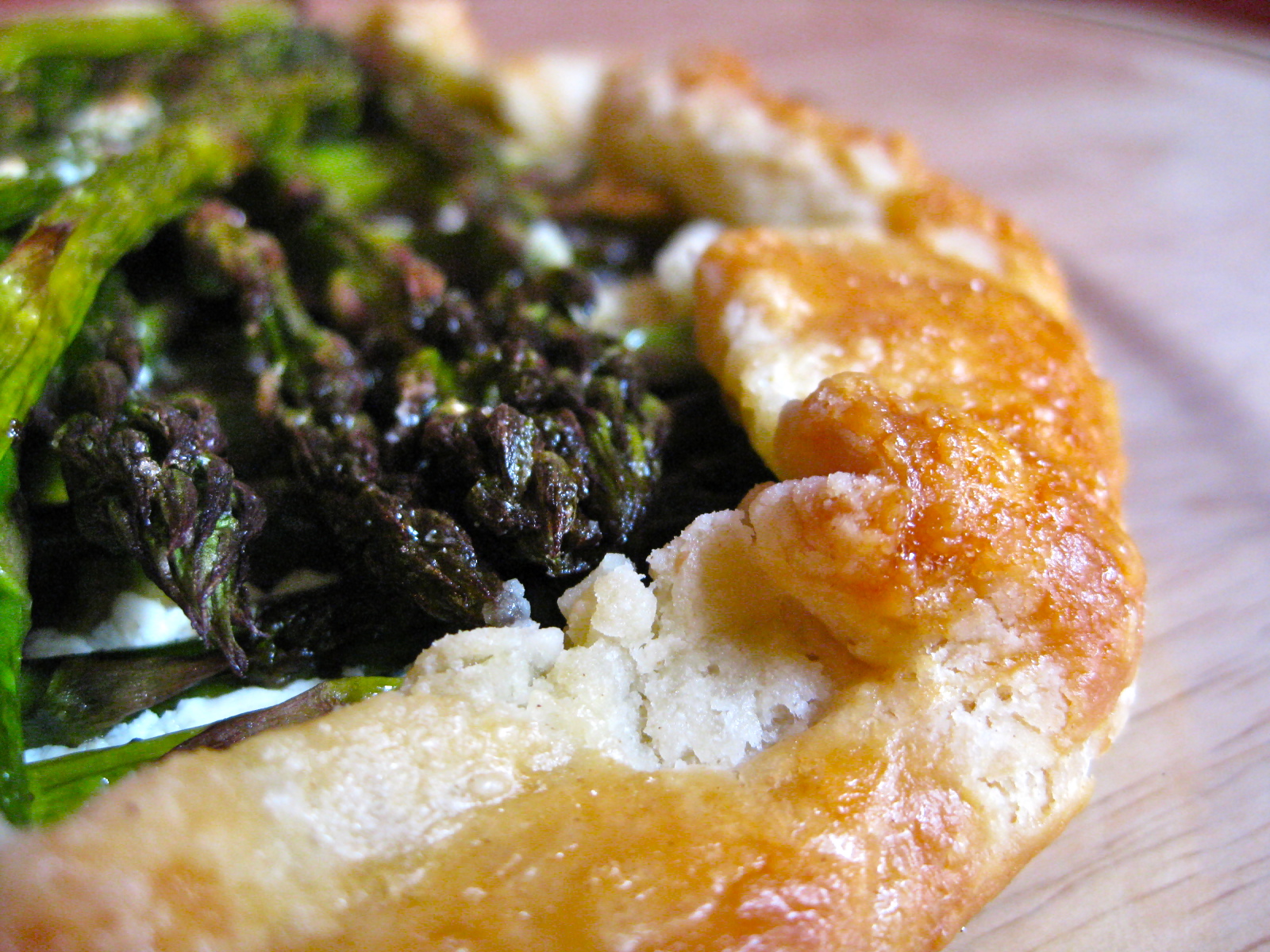
Perhaps it is the lack of special equipment required to make them, as one is not required to own any specific type of pan or plate in order to whip one together, or maybe it is the rustic presentation that defines them (you just roll out the dough, place whatever you desire in the middle, then fold everything up), but lately, when I think of buttery crusts and dreamy fillings, my mind immediately wanders over to galettes.  Call it the laziness of summer (if we ever, ahem, actually experience summer this year), but a galette just seems so laid back, so willing to be eaten without the aid of silverware.  Or a plate.  In fact, the only thing you need to enjoy this galette is a set of taste buds to appreciate the light, flakey crust and the creamy lemon chevre that serves as a base for tender roasted asparagus.  You’ll be so blissfully satisfied, you won’t even notice that right now it’s mid-July, 60 degrees, and raining.  Okay, maybe you’ll still notice, but I swear this delicious galette will make you just a tiny bit less upset about it.

Roasted Asparagus and Lemon Chevre Galette

Galette dough:

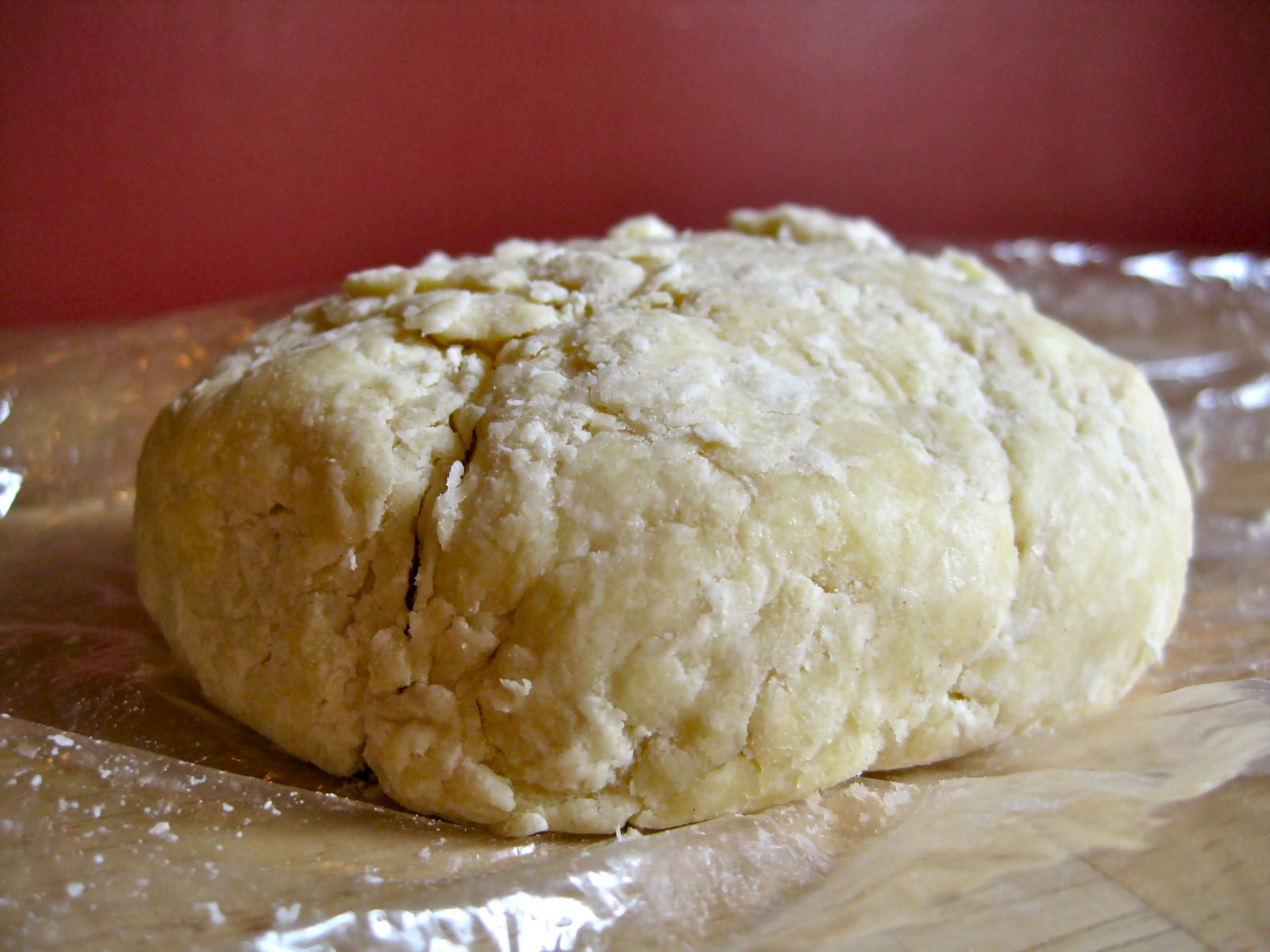
This method of grating butter into dry ingredients is a nearly foolproof method of achieving super flakey dough. Grating the butter while frozen makes it almost impossible to overwork and toughen the dough while incorporating the butter, and, when you add your ice water to moisten the ingredients, you’ll find that things adhere together nicely without ever becoming gummy and running the risk of making your dough tough.

1 cup all-purpose flour

¼ teaspoon salt

¼ teaspoon sugar

6 tablespoons butter (¾ of a stick), frozen as a stick and NOT cubed or sliced

3-4 tablespoons ice water

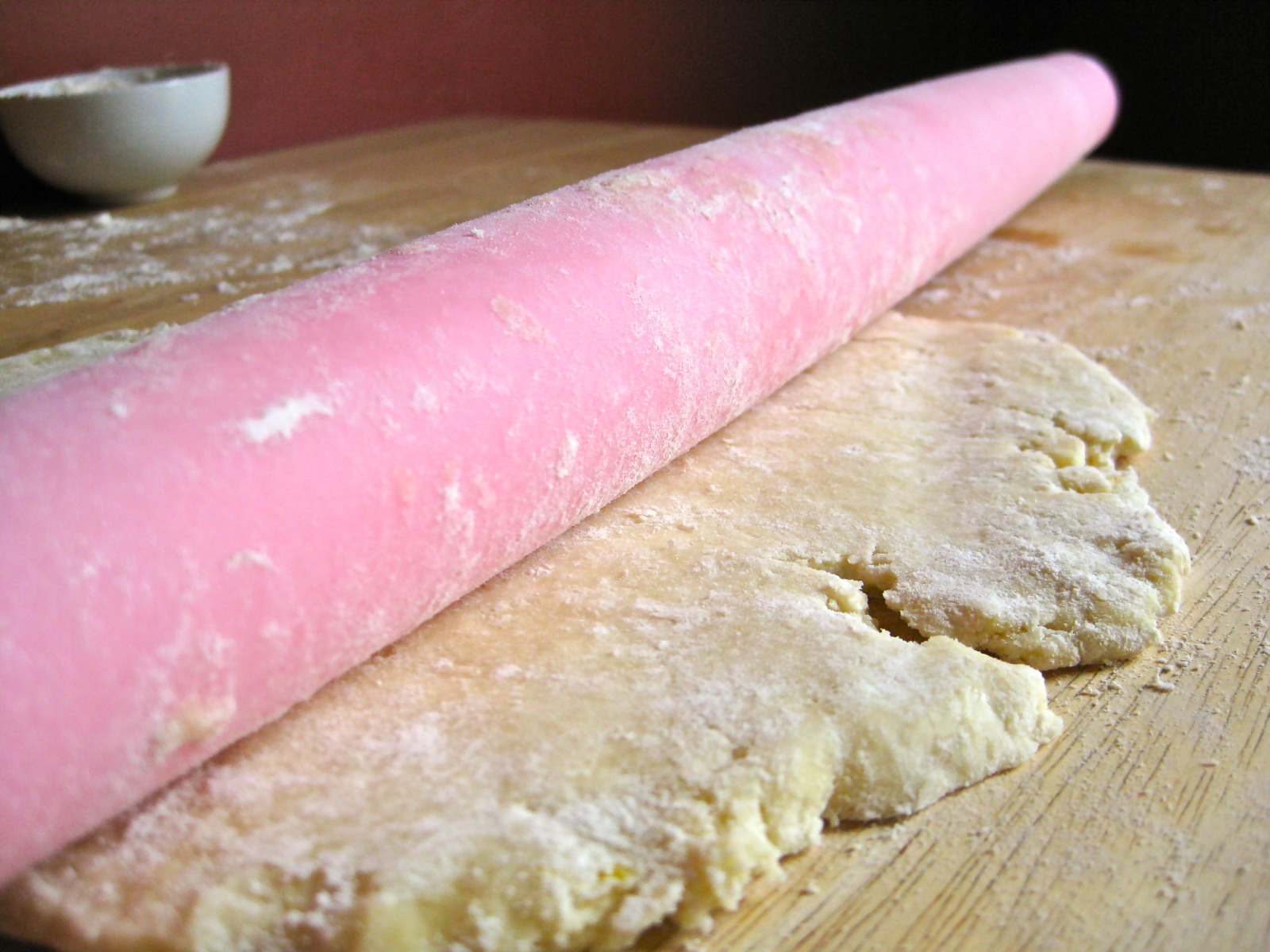
In a medium bowl, whisk together the flour, salt, and sugar. Using the large holes on a box grater, grate the frozen butter over the flour mixture, covering as much of the surface of the flour as possible (meaning, try not to let the butter pile up too high in one place). Using your hands, quickly toss the butter and flour together to distribute the butter through out the bowl. 1 tablespoon at a time, add 3 tablespoons of ice water while gently turning and mixing the dough with your hands. If the dough is not coming together, add the last tablespoon while continuing to mix the dough. When the dough forms a rough ball, turn the dough out onto a large piece of plastic wrap. Form the dough into a round disc, tightly wrap it in plastic wrap, then refrigerate for at least 1 hour.

Filling:

4 ounces softened goat cheese

1 tsp freshly grated or chopped lemon zest

1/8 teaspoon fresh thyme leaves

1 pound asparagus, tough ends trimmed off

2 tablespoons olive oil

juice of half a lemon

salt and pepper

Preheat oven to 400 degrees F.  Line a baking sheet with parchment paper.

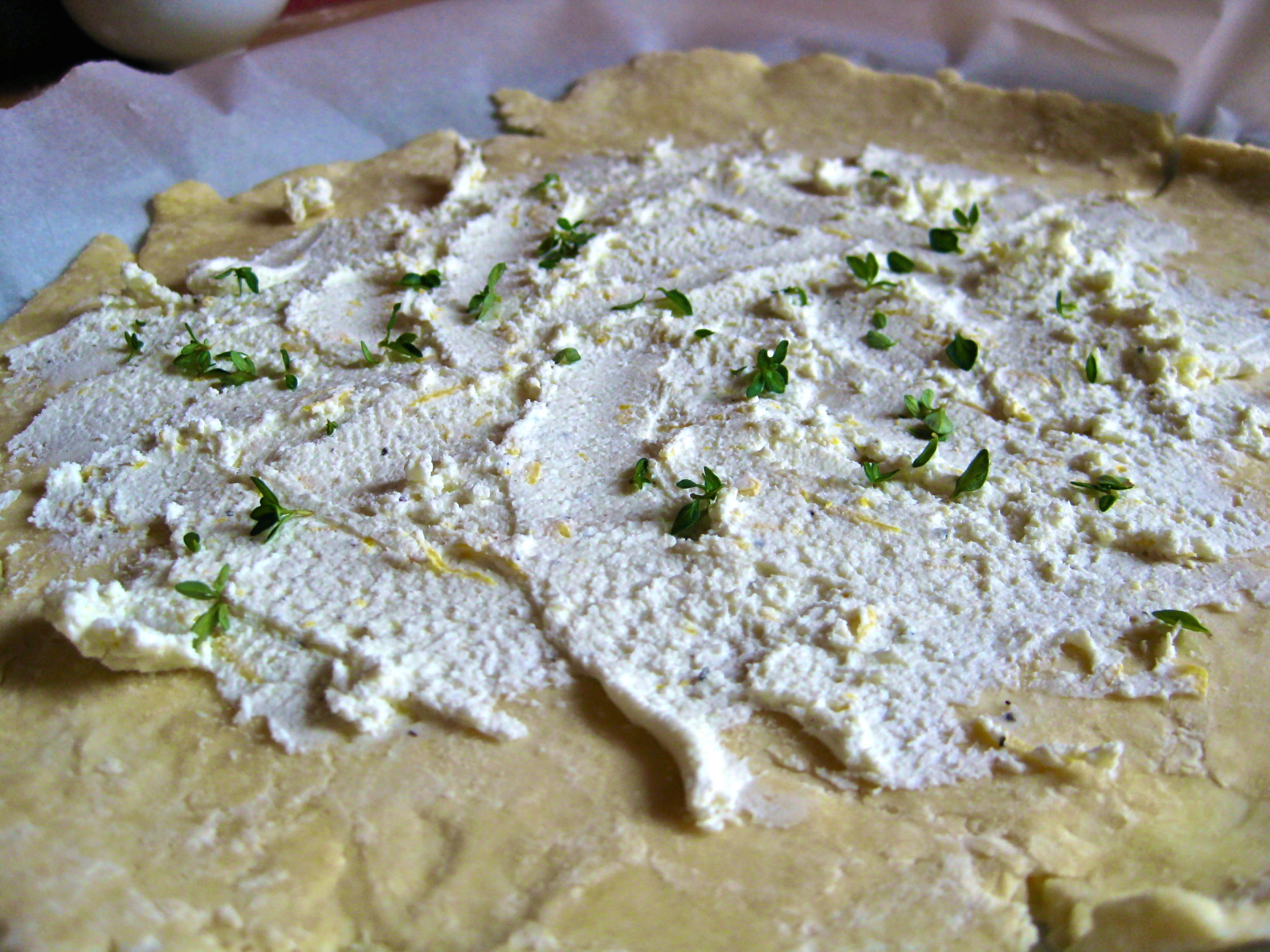
In a small bowl, combine goat cheese, lemon zest, thyme, and salt and pepper to taste.  Mix together and set aside.

In a medium bowl, combine asparagus, olive oil, lemon juice, and salt and pepper to taste.  Gently toss asparagus until it is evenly coated with the liquid.

Roll the disc of galette dough into a 12-inch round.  Transfer the dough to the parchment-lined baking sheet.  Spread the chevre mixture over the surface of the galette dough, leaving a 1 1/2 to 2-inch border at the edges.  Arrange the asparagus over the top of the chevre, alternating the placement of tips and ends as best you can, and leaving uncovered the border at the edge.  Rotating the galette, fold the border up over the filling, pinching and crimping shut at regular intervals.

Bake the galette in the center of the oven for 30-40 minutes, until the asparagus is browned and roasted and the dough edges have browned.

Can be served warm, cold, or at room temperature.