Vegetable Pakoras

19 Apr

Do you partake in spring cleaning?  Does the sight of sunshine, albeit weak and passing, compel you to bust out dusting cloths and cleaning supplies?  Or perhaps you lean in a different direction when it comes to satisfying the urge to clean things out and start anew.  That direction, in this case, being the refrigerator.
It’s no secret that I like to hoard leftover bits of this and that in the refrigerator, but it should be pointed out that I definitely have my limits when it comes to how long something sits in my fridge.  The Kitchn recently ran a good article about a helpful way to manage your refrigerator leftovers  by utilizing the 2:4 rule, dictating that food left out at room temperature for 2 hours is still good to pack up and save, and food left in the refrigerator for 4 days is still good to eat.  Some might find these rules of thumb a little strict (I have been known to leave leftovers in the refrigerator for much, much longer than that and suffer no ill effects after subsequently eating them), and instead err on the side of this train of thought examined a couple of years ago on NPR, which proposes that refrigerated food, regardless of when you might be told it will expire, lasts much, much longer than most people think it will.
Still, it is not difficult to tell when most foods are nearing the end of their lives.  Just seeing the weak and slumping appearance of a container filled with abandoned chicken is enough to give me the chills.  And if you’ve ever been unfortunate enough to pour a lump of expired milk into your hotly anticipated first cup of morning coffee, well, I feel your pain.

Over the years I have become quite adept at last minute ideas for utilizing foods that seem to be hobbling about on their last legs (though it bears mentioning that if you do actually happen to see your old and haggard refrigerator contents literally move on their own, it would, of course, be in everyone’s best interest that you just dispose of said items immediately).  While it’s rare for me to meet a frittata or quiche I don’t like, I have to admit that my all time favorite way to rid my crisper drawer of errant vegetables is by whipping up a batch of pakoras.
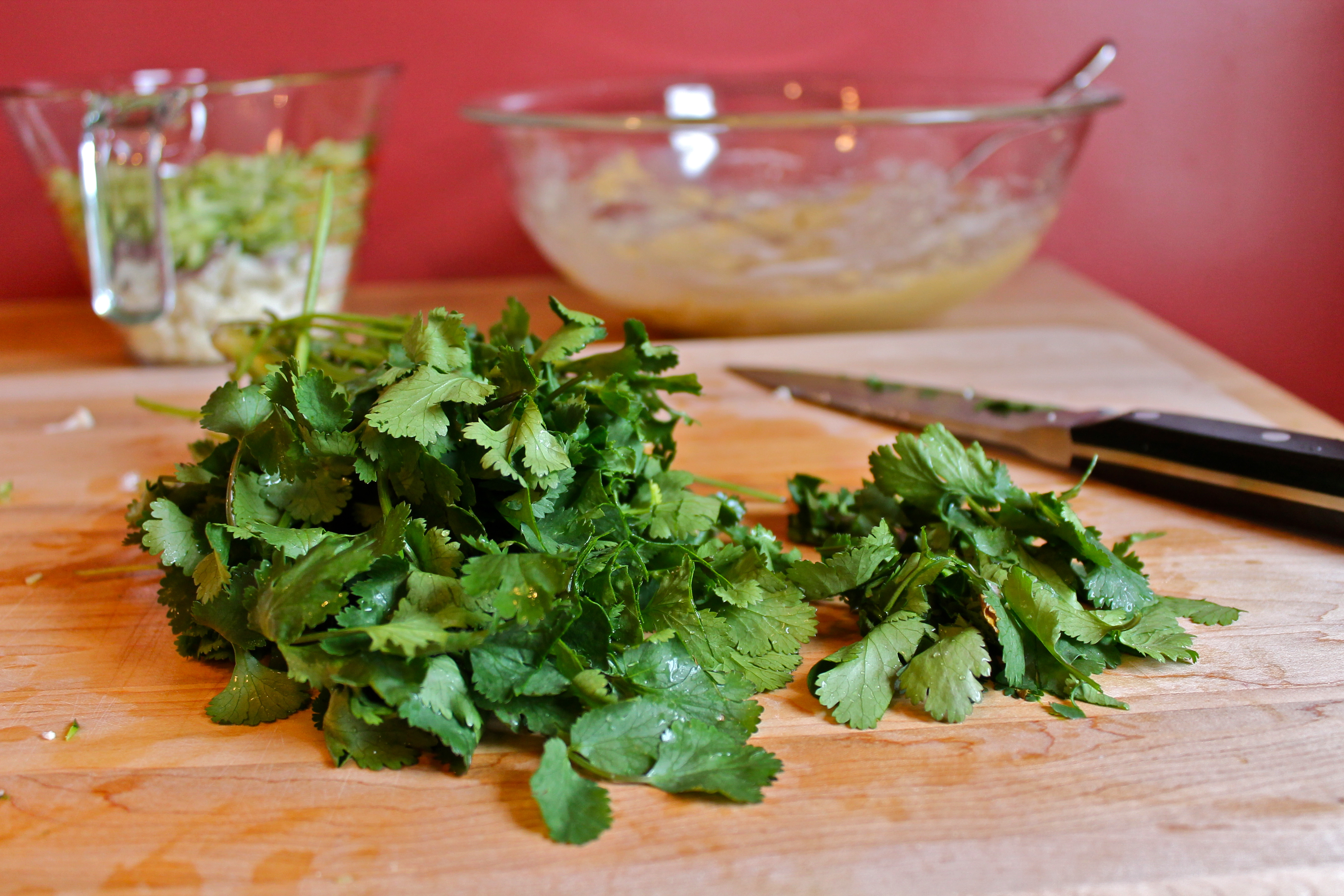
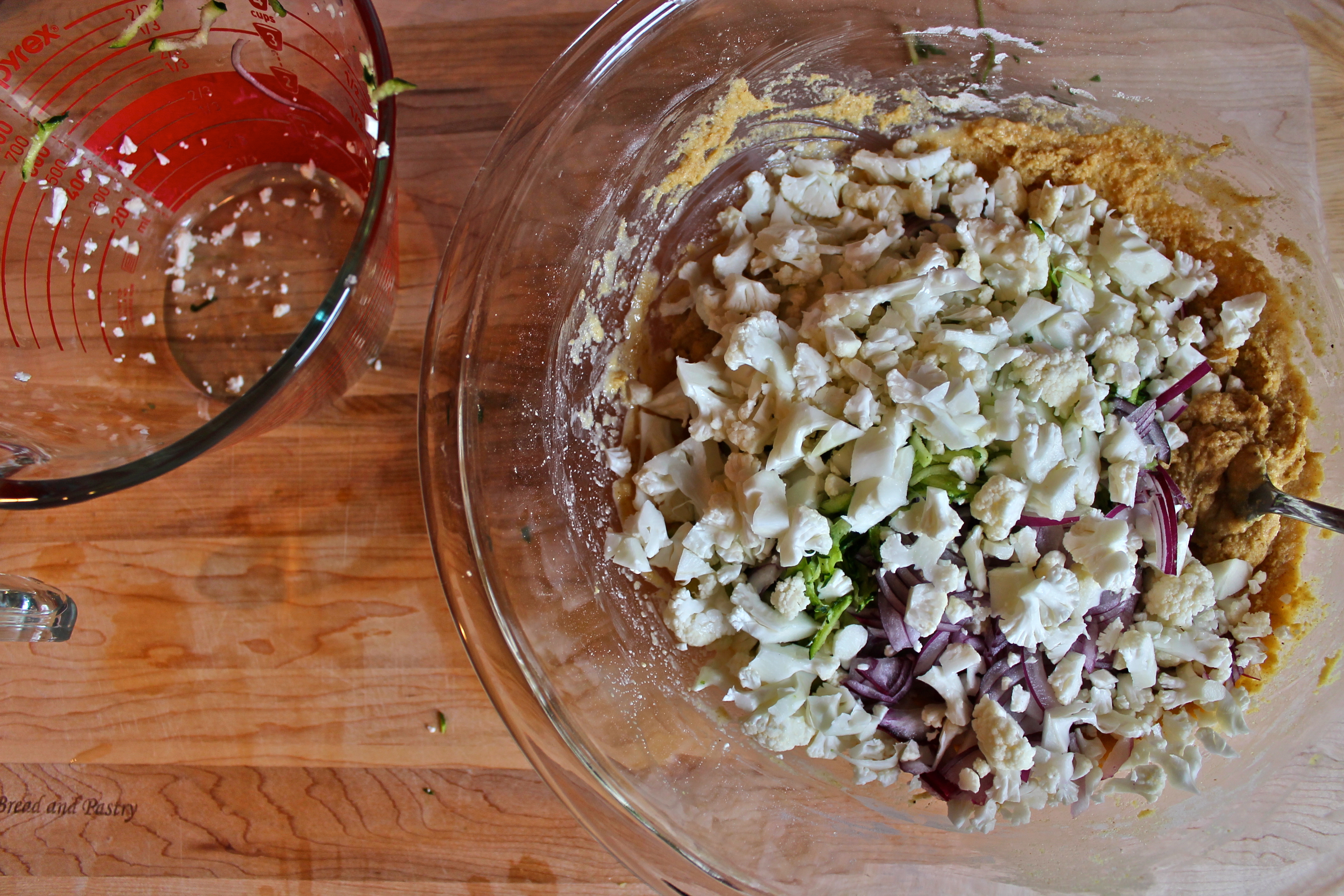
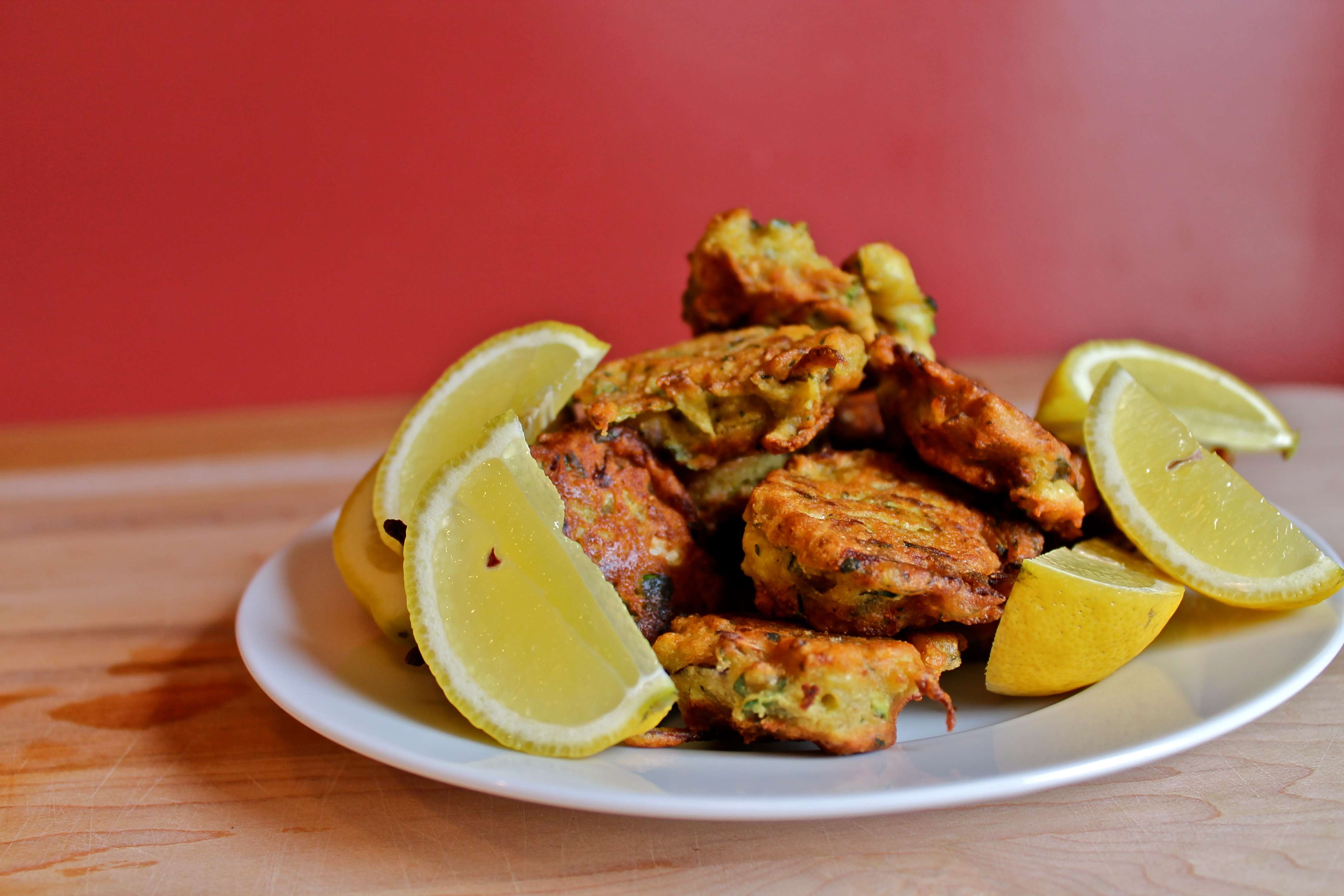
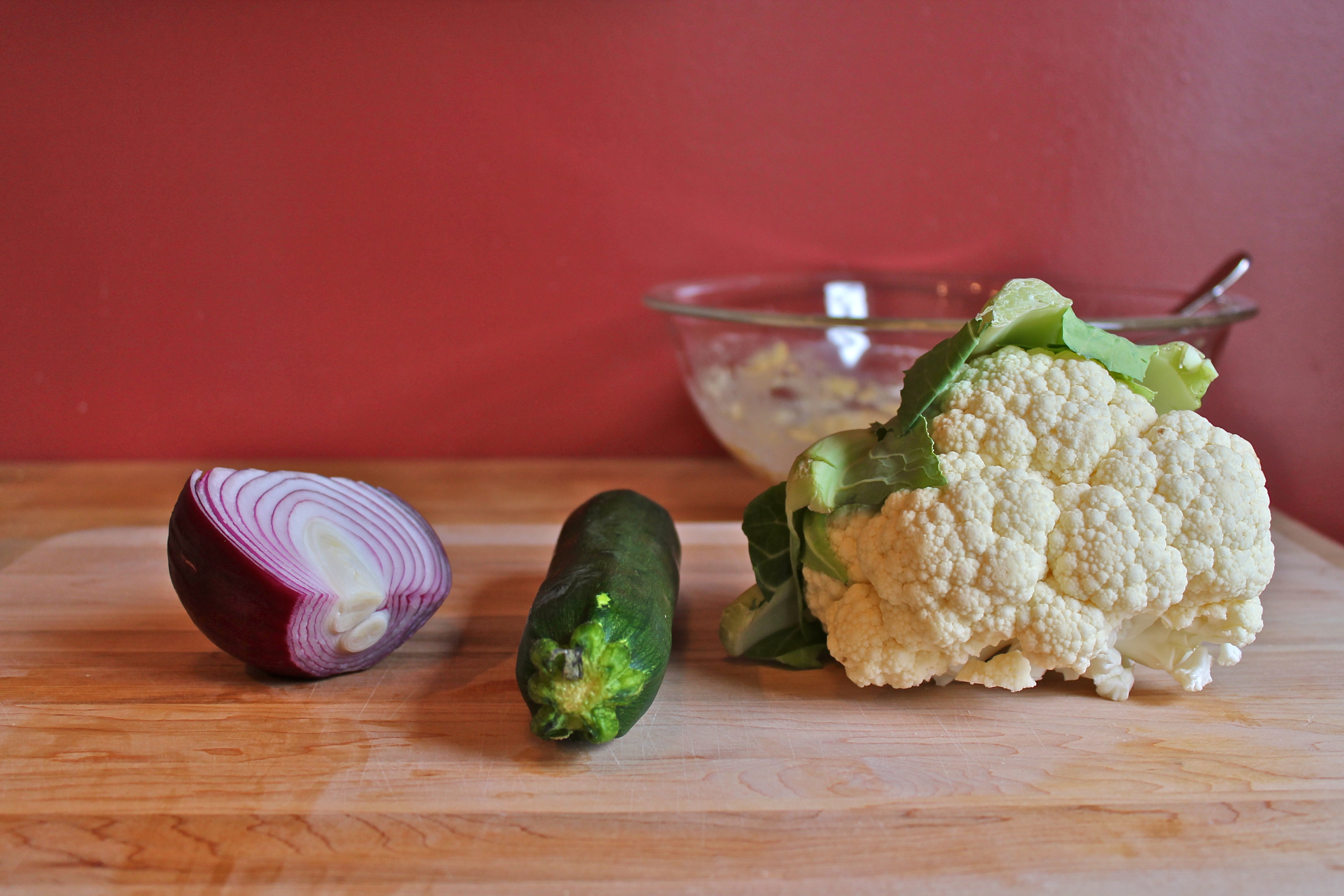
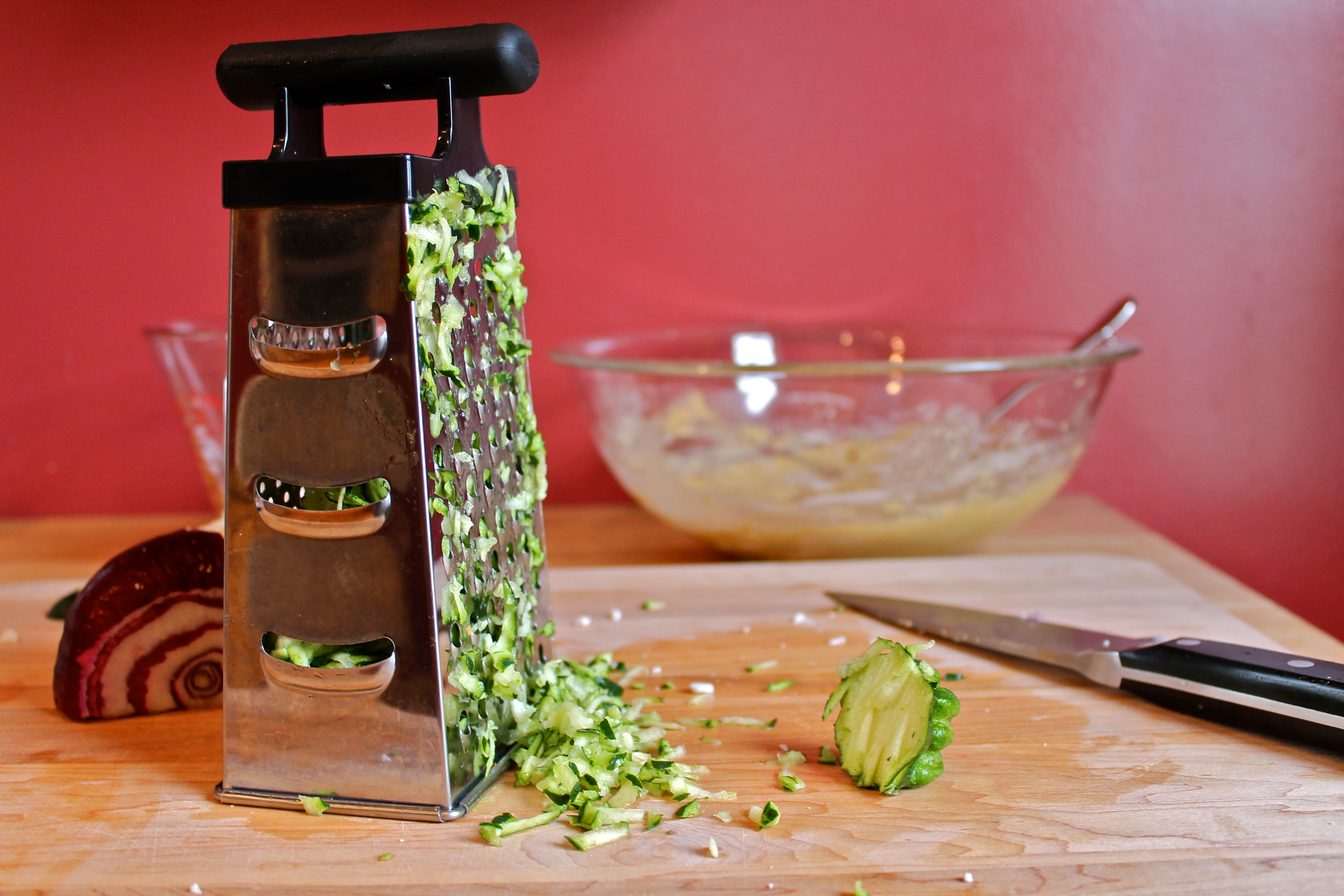
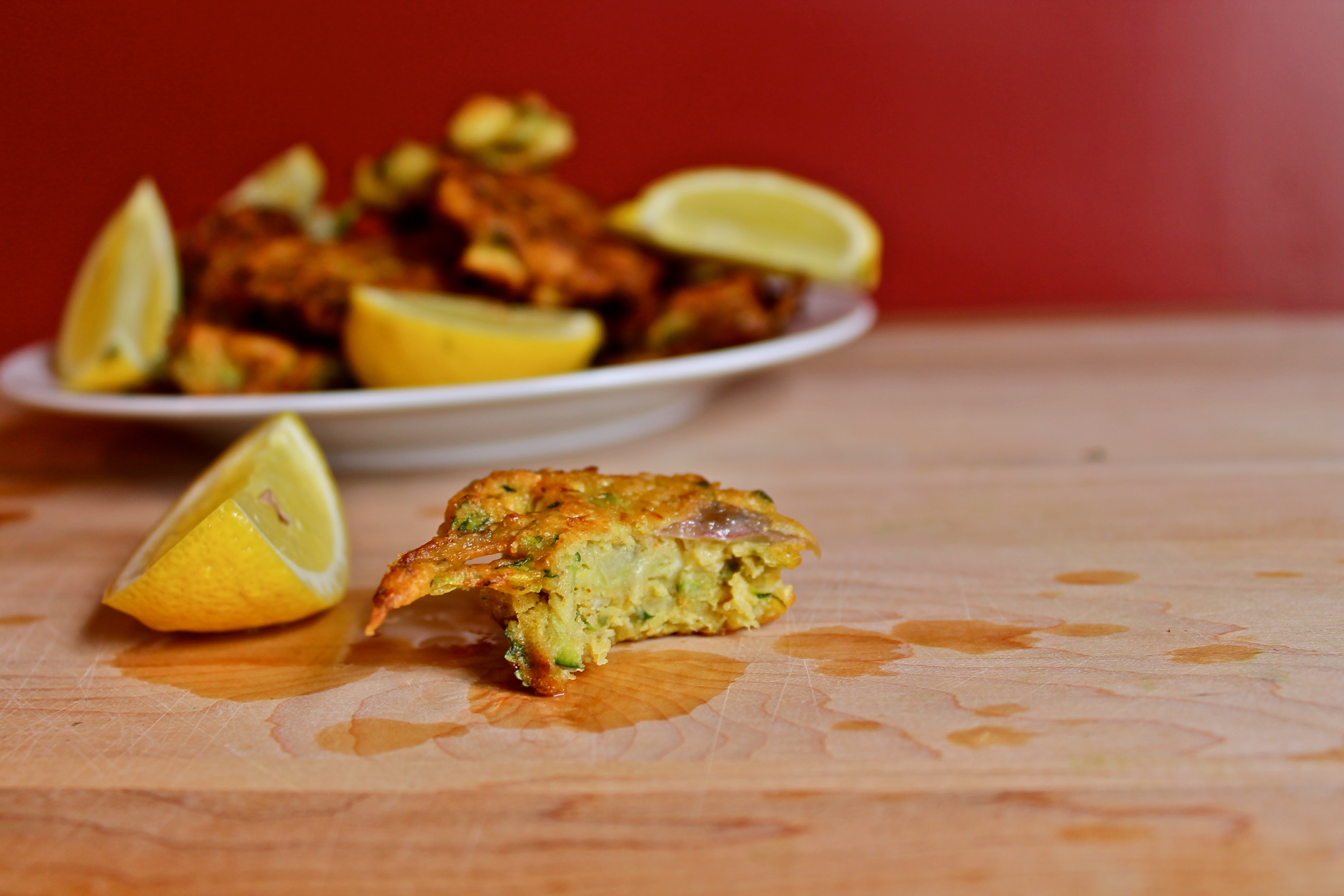
Cauliflower, zucchini, potatoes, spinach, peas, root vegetables, leeks, onions—you can make pakoras out of nearly everything and they will taste absolutely wonderful.  The mélange of spices that perk up the savory besan batter have the ability to meld with pretty much anything you throw at them, and then everything comes together into one heavenly bite, you’ll be hard pressed to recall that, just a few moments ago, the very vegetables that made up your pakora were sitting untouched in your fridge and looking borderline scary. My latest batch included shredded zucchini, finely chopped cauliflower, and thin slices of red onion.  I threw in a handful of leftover cilantro for good measure, and everything came together beautifully.  Later on I discovered a lonely little jalapeno pepper hiding at the bottom of the crisper, and I cursed myself for not finding it earlier.  Thinly sliced into crisp ribs and folded in amongst the milder vegetables, it would have made my pakoras just that much more punchy and exciting.  Not that I had any trouble finishing off these pakoras without them.  Needless to say, there were absolutely no leftovers of my leftovers.
Check the archives for more Indian dishes.

Also, time machine! I’ve been doing this for a year now. Check this post from exactly one year ago today: Cinnamon Raisin Swirl Bread.

Vegetable Pakoras Recipe

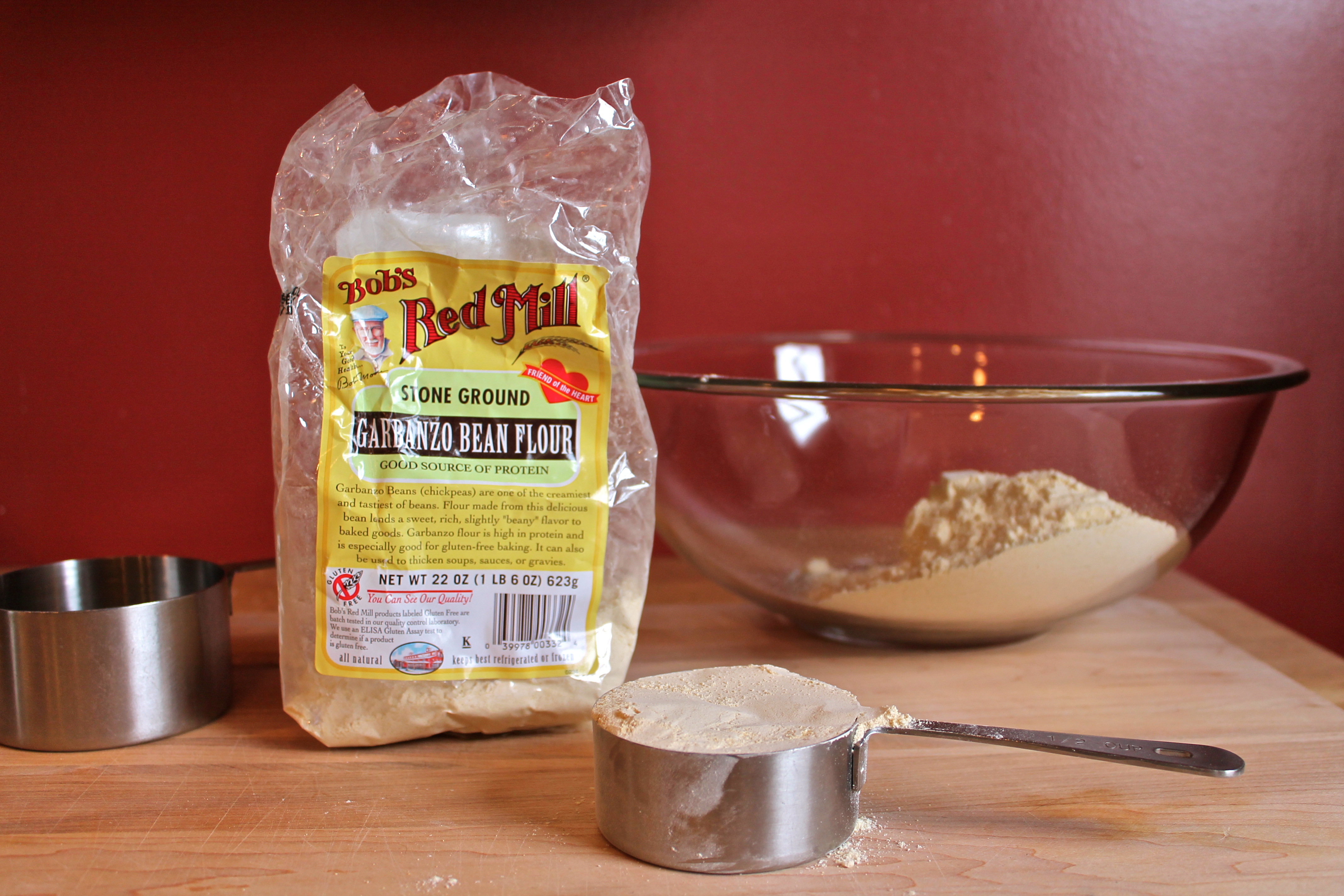
1 ½ cups besan (chickpea flour)

1 teaspoon ground coriander

¼ teaspoon turmeric

¼ teaspoon ground cumin

¼ to ½ teaspoon cayenne pepper, depending on how spicy you like things

½ teaspoon garam masala

½ teaspoon salt

1 teaspoon freshly grated ginger

1 teaspoon vegetable oil

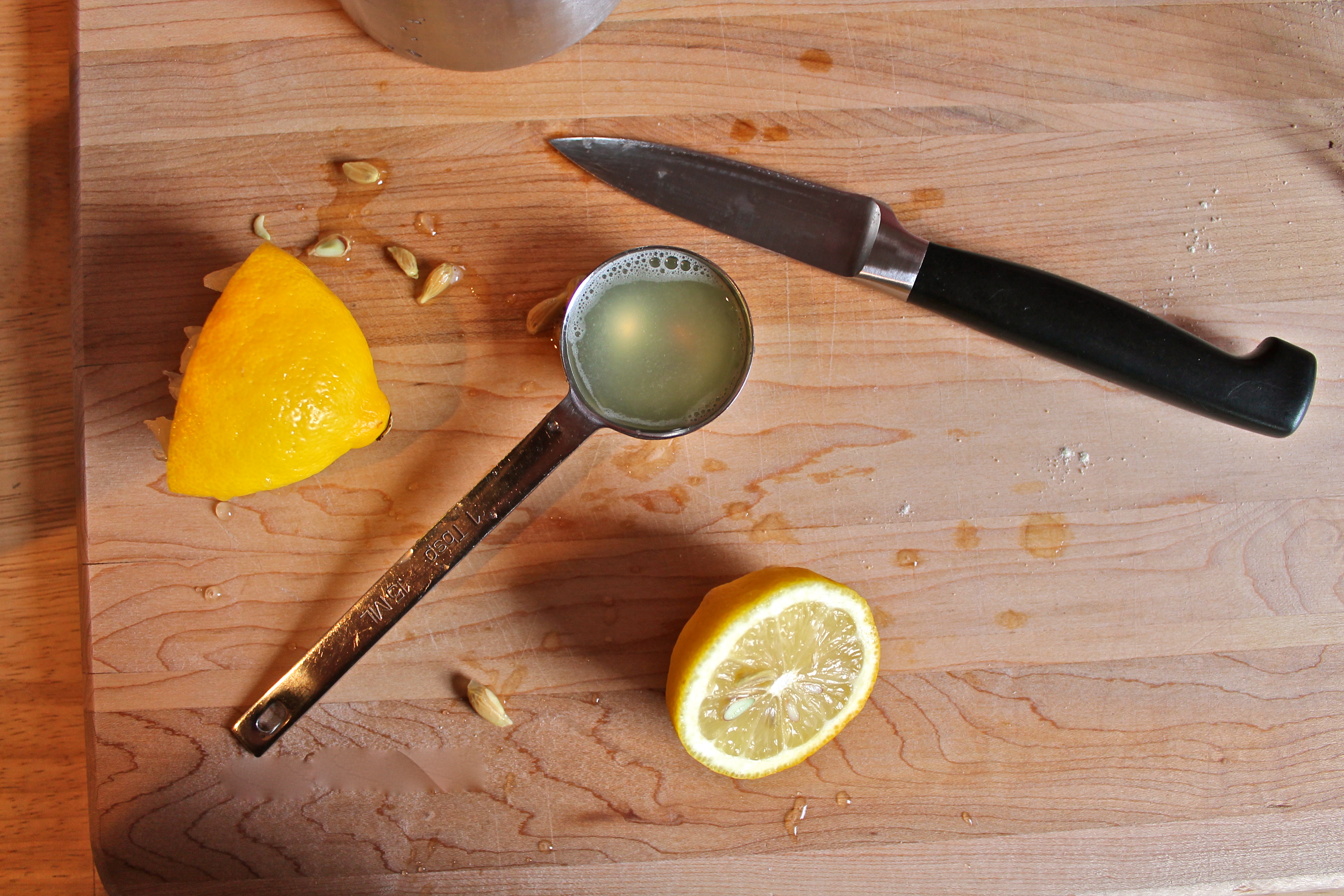
1 tablespoon lemon juice

2/3 cup cold water

2 tablespoons chopped fresh cilantro

4 cups finely chopped or grated vegetables (cauliflower, potatoes, zucchini, spinach, onions, etc.)

lemon slices, for serving

optional: pinch of baking powder

In a large bowl, whisk together chickpea flour, spices, salt, and ginger.  If you like puffier pakoras, now would be the time to add in the optional pinch of baking powder. Using a fork, slowly mix in the vegetable oil, lemon juice, and cold water.  Mix until the batter is thick, but not stiff (if the batter is unreasonably stiff at this point, mix in another 2 tablespoons of water to loosen it up).  Set batter aside while you prep the vegetables.

Fold the chopped vegetables into the batter, coating all the vegetables as best as you can without overworking the batter or bruising the vegetables.

In a large skillet, heat ¼ to ½ cup of vegetable oil (how much will depend on the size of your skillet, a larger skillet will need more oil, and vice versa) over medium heat until it just begins to shimmer and a pinch of the batter dropped into the oil sizzles immediately.

Carefully place 1 heaping tablespoon of batter at a time into the hot oil.  The pakoras should sizzle nicely, but not violently (if the oil is too hot, the pakoras will cook too fast on the outside and remain raw in the middle).  Cook four or five pakoras at a time, taking care not to crowd the pan.  Cook for roughly 3 minutes on each side, until the outsides are dark golden brown and the middles are cooked.  Drain pakoras on a layer of paper towels set upon a wire cooling rack (this will keep the pakoras from getting soggy).

Serve warm, with fresh lemon slices for squeezing over the pakoras.

Makes about 3 dozen pakoras, depending on how heaping your tablespoons are.

Honey Cream, Strawberry, and Chocolate Pizza

16 Apr

Perhaps it is not entirely honest to refer to this as a pizza, since, barring the fact that it is pizza-shaped and utilizes a crust that is quite fitting for savory pizza applications, it is quite clear that if something contains strawberries, cream, and chocolate, it’s probably not really a pizza, per se.

But, in yet another example of how I like to turn non-dessert foods into dessert, when I had a leftover pizza crust laying around last week, it just seemed wrong to let it live out the last of its days as something not sweet.  Plus, I had leftover strawberries sitting around.  And leftover cream.  And chocolate.  And also, I am not actually trying to justify what I have done, and I hope I am making that painfully obvious right now.

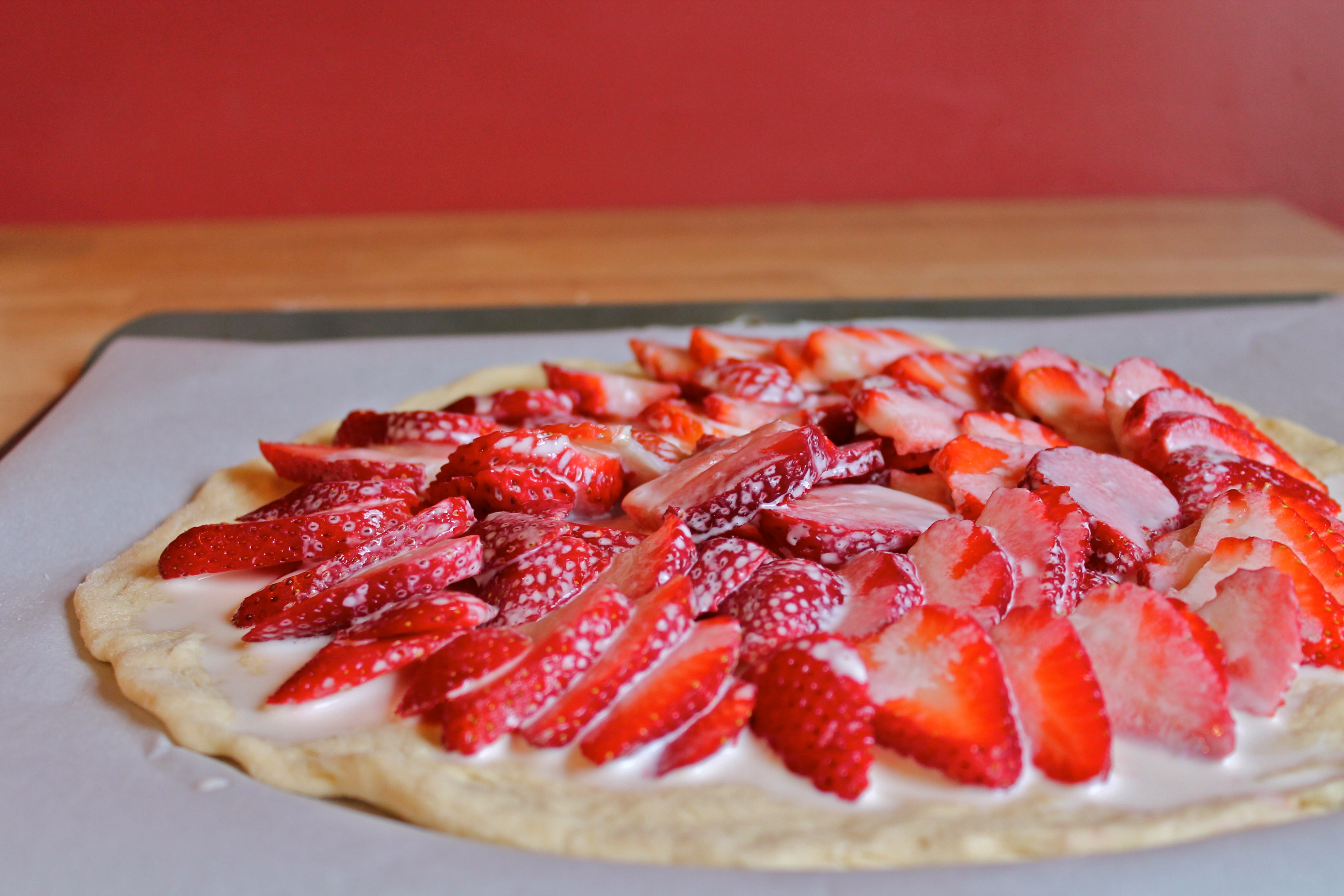
For something so simple to make, this dessert is a real showstopper.  Not only do the honey cream and strawberries go together like, well, strawberries and cream, but the light drizzle of chocolate at the end provides a finish that is as delicious as it is easy on the eyes.  If you want to be really cheeky, you can serve this pizza as a dessert on pizza night, whipping up this pizza dough the night before, allowing it to rest overnight in the refrigerator, then using 2/3 of the dough for dinner pizzas, the last 1/3 for this dessert pizza.  Resting the dough in the refrigerator overnight is not a necessity, but in my years of pizza making (the last year being the most intensive and experimental), I have discovered that a long-rested dough develops an unbeatable flavor and texture that is difficult to approximate with a dough that has rested at room temperature for a couple of hours.  You’ll have to plan ahead a bit, but it is so worth it.

Plenty more recipes for pizza can be found here.  Also, last year on Indie Fixx I published one of my most favorite pizza recipes, which can be found here.

Last Year: A Trio of Flavored Butters

Honey Cream, Strawberry, and Chocolate Pizza Recipe

Pizza dough for 1 pizza, or 1/3 of this dough, rested in the refrigerator overnight for maximum flavor

¼ cup heavy cream

2 tablespoons honey

12 ounces of strawberries, de-stemmed and sliced

2 ounces bittersweet chocolate, roughly chopped

Preheat oven to 500 degrees Fahrenheit.  Place a baking stone or a heavy sheet pan on the second to lowest shelf in the oven.  Line a rimless baking sheet or an overturned sheet pan with parchment paper, and set aside.

On a lightly floured surface, stretch and push the pizza dough with your hands, coaxing, poking, and punching it until it forms a roughly 12-inch circle.  Place the dough on the parchment-lined baking sheet.

In a small bowl, whisk together the cream and honey until the honey has dissolved.  Brush ¾ of the cream mixture over the pizza dough.  Arrange the strawberries over the cream, trying your best to lay them in concentric circles.  Brush the remaining ¼ of the cream mixture over the tops of the strawberries.

Gently slide the pizza—still on its parchment paper—onto the preheated baking stone or sheet pan.  Bake pizza for 10 to 12 minutes, until the edges of the pizza are dark golden brown and bubbly.

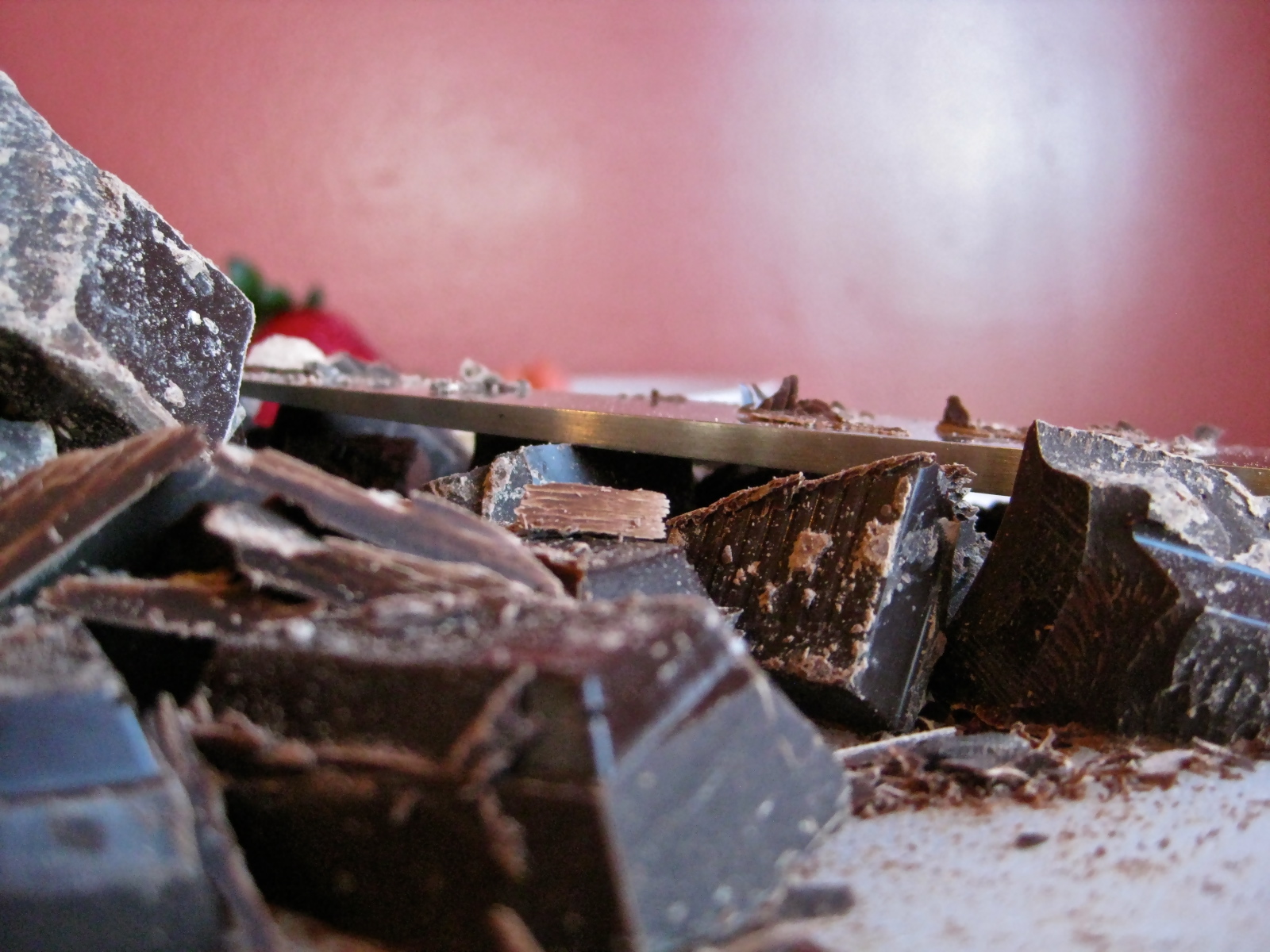
Remove pizza to a rack to cool a bit.  While the pizza is cooling, melt the chopped chocolate in a double boiler or in the microwave on low heat, stirring frequently in both cases.  Melt the chocolate just until it still has come visible chunks, then remove from the heat and stir until the chunks have melted and the chocolate is glossy and smooth.

Drizzle the chocolate over the cooling pizza.  You can eat it while both the pizza and the chocolate are still warm, or you can allow both the pizza and chocolate to cool and firm up before eating.  Either way, it’s delicious.

Roasted Fingerling Sweet Potatoes with Lemon Tarragon Aioli

12 Apr

Not too long ago, after admitting that I had a wee bit of a problem keeping up with the New Yorker, I noticed that, next to my bedside, there sat a leaning tower of old New Yorker issues just waiting to topple over in the middle of the night and trigger a bad dream about thunderstorms or exploding bombs (apparently I am very susceptible to sounds invading my dreams, because just last night I was awoken from a dream about being trapped in a horrible hurricane, only to realize that, oh, no! There really was a hurricane happening right at that moment, only to then realize that, nope, there was no hurricane, there was only my husband, wheezing/snoring in his sleep just inches from my face and giving me nightmares, but I digress).  Knowing that my dusty magazine pile was bordering on unreasonable, I began to stack the old New Yorker issues in my arms and take them to the recycling bin.

As I walked down the stairs, I noticed that several of the magazines were marked in the beginning few pages with a dogeared fold.  One issue sporting this feature would not be notable, but half a dozen?  Against my better judgment—I was, remember, supposed to be getting rid of these magazines—I fished a couple of magazines out of the pile and opened them up to their folded pages.  All of the pages, it turned out, were marked at the same place: the Tables for Two column, the short restaurant review that appears in the first few pages of the magazine, and, some of you might remember, the inspiration for this recipe.  As I soon recalled, for months I had been noting tasty-sounding dishes that were mentioned in the column, with the intention that I would someday gather together the elements in each recipe and then create them in my own way.  Hazelnut orange pesto?  That sounds delicious!  And now this, fingerling sweet potatoes with tarragon?  Sign me up.

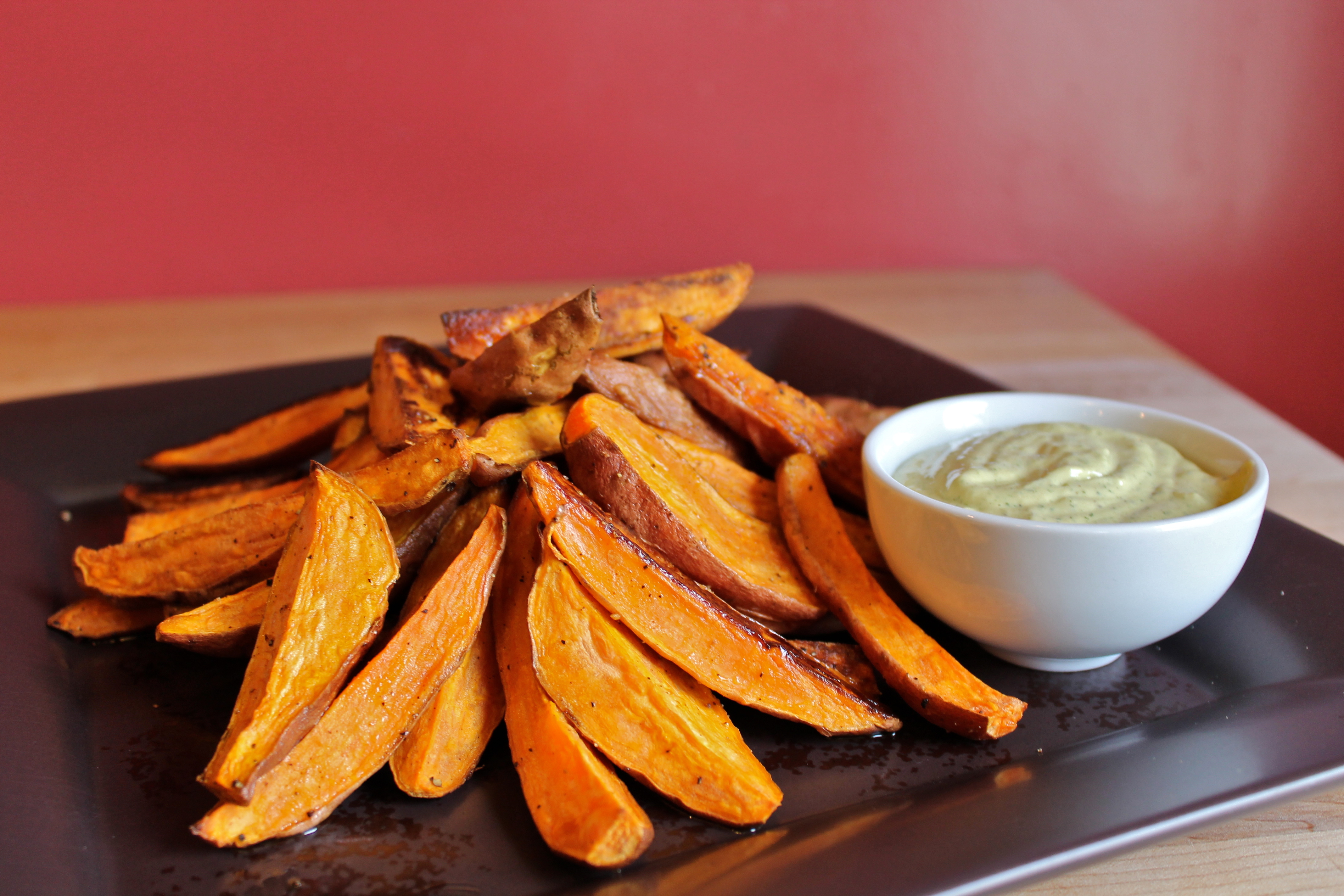
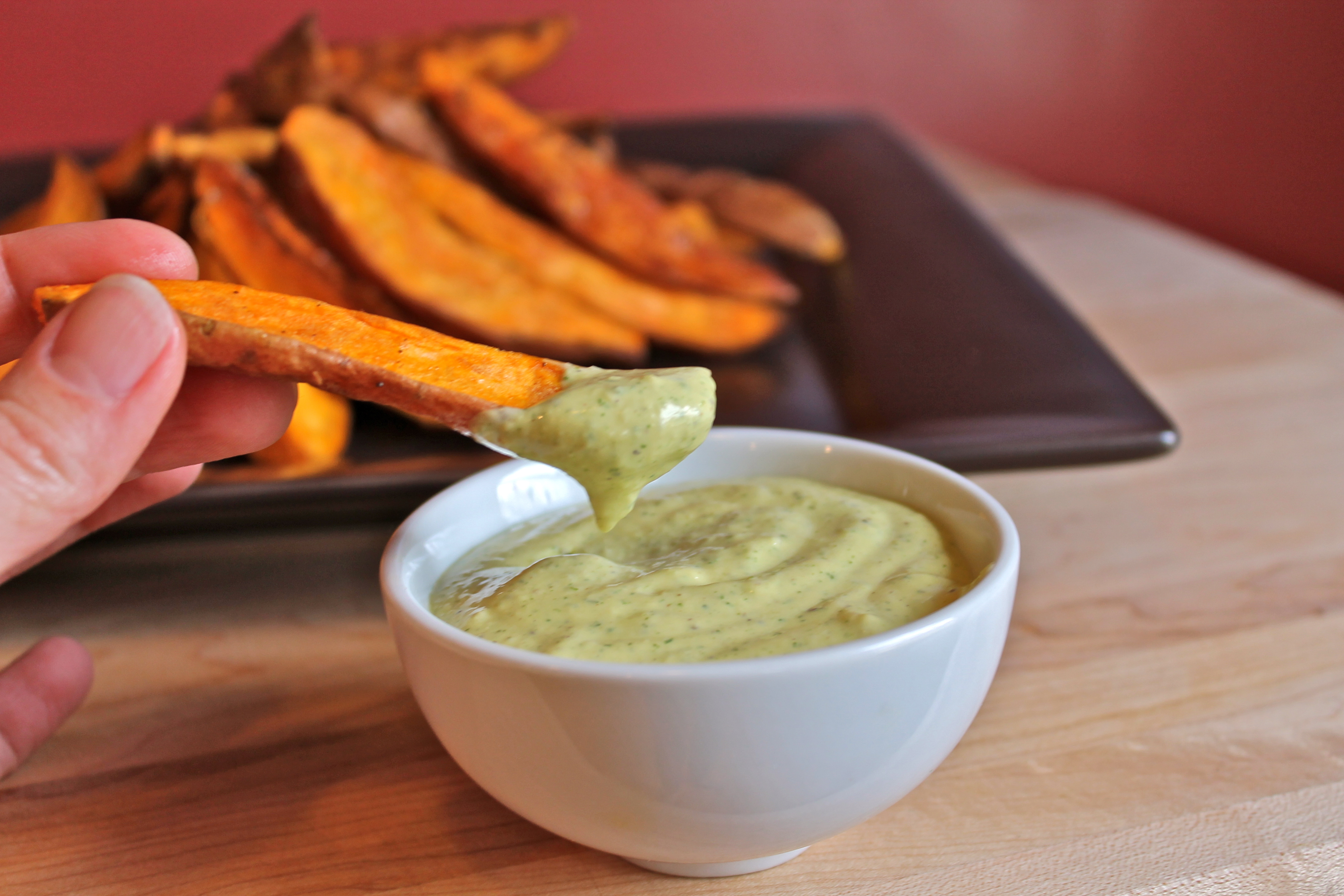
Though I can’t remember the name of the restaurant that offered the inspiration for this dish, the thought of combining fingerling sweet potatoes with tarragon stuck in my brain and refused to budge.  Not knowing anything more about the presentation, other than the main ingredient and its accompanying herb, I thought of the way I’d like to see these two things come together.  Petite sweet potatoes roasted in olive oil until soft and crisp and paired up with a wonderfully garlicky, herby aioli sounded just right.

And it was.  The sweet, caramelized potatoes are a natural match with the creamy, forward flavor of the tarragon aioli.  If I am recalling things correctly, the restaurant was favorably reviewed in the New Yorker, and this little sample of a flavor pairing from the restaurant makes it clear why.  So, in what might turn out to be an ingenious excuse for having all those old issues of the New Yorker sitting around, I have decided to create a new category here on Savory Salty Sweet.  The category will be called, fittingly, Tables for Two, and it will feature dishes that I read about in the New Yorker column of the same name and felt inspired to make.  I don’t know how many recipes I will actually be able to create from this endeavor, but I am excited to find out.

Last year: Carrot Muffins

Roasted Fingerling Sweet Potatoes with Lemon Tarragon Aioli Recipe

If you can’t find fingerling sweet potatoes, just use the tiniest sweet potatoes you can find.  I have found that the tinier the potato, the more delicate its flesh, and that’s a real virtue in this recipe.  When you roast the potatoes, you want them to become pillowy soft and creamy with just tiny hits of crispness here and there on each slice.

2 pounds of fingerling sweet potatoes, sliced in half or in quarters in order to make all the potato slices a standard size (having them a uniform size will allow them to all roast at the same rate)

2 tablespoons extra virgin olive oil

salt and pepper to taste

Preheat oven to 400 degrees Fahrenheit.  Place sliced sweet potatoes on a large baking sheet, then drizzle with olive oil and sprinkle with salt and pepper.  Toss everything together, then arrange potatoes in a single layer.  Roast potatoes for 30 minutes, until the potatoes are soft and their edges have started to turn crisp.

Lemon Tarragon Aioli

2 tablespoons freshly squeezed lemon juice

1 tablespoon Dijon mustard

3 cloves of garlic, chopped

1 large egg yolk

2 tablespoons fresh tarragon, roughly chopped

7 tablespoons extra virgin olive oil

salt and pepper to taste

To make aioli, combine lemon juice, mustard, garlic, egg yolk, and tarragon in a food processor or blender.  Process or blend until smooth, then, with the food processor still running, slowly add the olive oil until the mixture becomes smooth and thick.  Remove the lid, stir the mixture with a spatula or spoon to mix in any errant bits trapped on the sides or bottom of the bowl, then add salt and pepper to taste and process for a few more seconds to ensure that everything is smoothly combined.

Serve potatoes warm, with aioli drizzled on top, or in a small bowl on the side.