Caramel Cream Sandwich Cookies

6 Feb

In a move that surprised no one more than me, over the weekend I went to a Superbowl party.  Me, the lady who, while dedicated to the sport of baseball as though it were the holiest of religions, does not care for football at all—not even a little.  I have friends who love football, Midwestern friends, for whom football exists on a plane similar to that of baseball in my life.  This particular party, in fact, was teeming with Midwesterners, people I have known for going on two decades, and who have tried, with no success whatsoever, to get me interested in football.

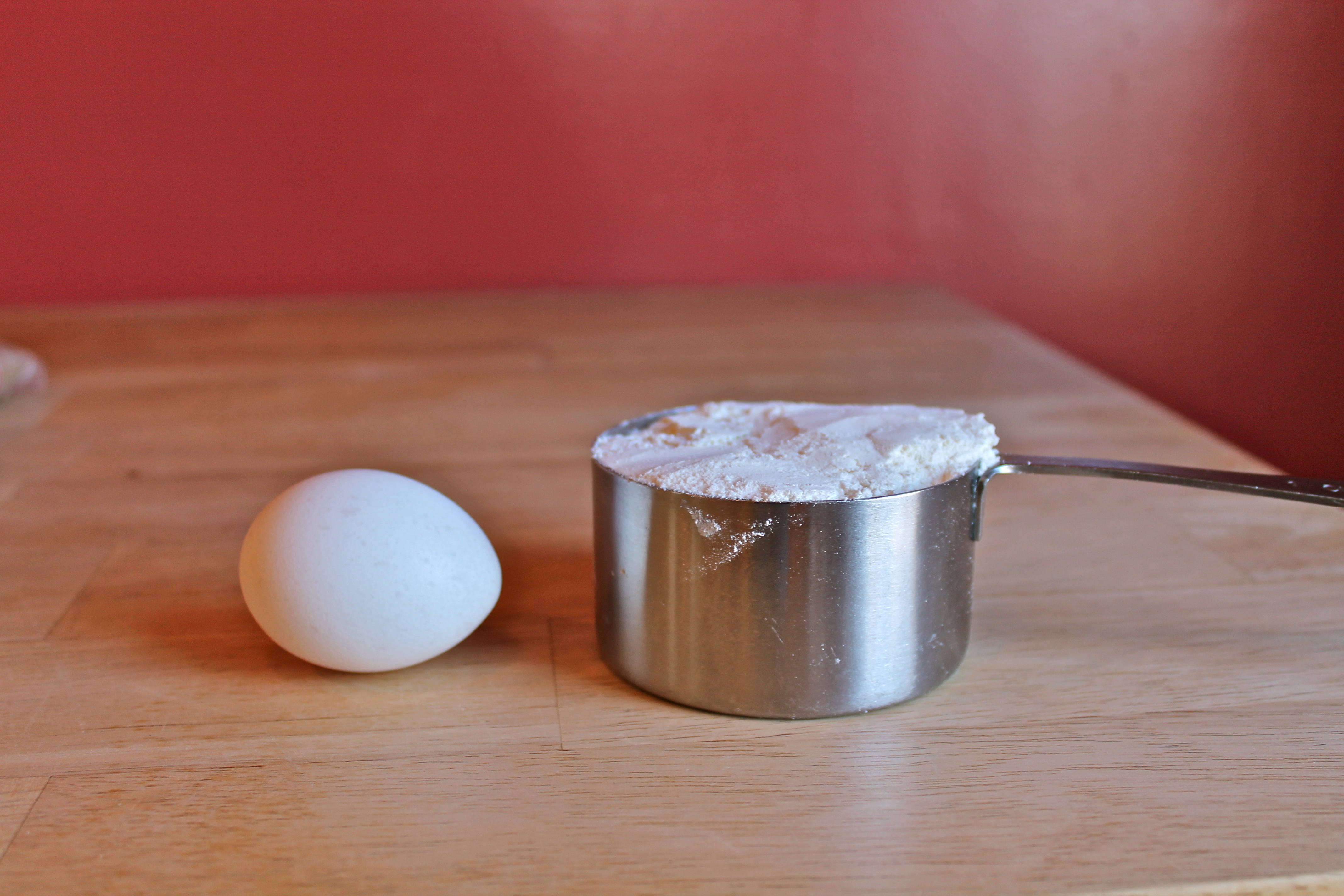
I’ll tell you what I am interested in, however: food.  And chatting.  And friends.  And to my absolute delight, did you know that Superbowl parties, rather than being an afternoon once a year when people get together and solemnly watch a sporting event on television while mentally screaming obscenities, verbally bemoaning the state of one’s life as a sports fan, and trying really hard not to throw stuff across the room (which, yes, is the way I watch baseball games, and this should come as no surprise to anyone: see here for further explanation), are actually an opportunity for friends to get together, eat a lot of food, and chat about stuff?  As noted before, those are my interests.  Thus, I can only deduce that, while not interested in the Superbowl, I am apparently very interested in Superbowl parties.  I have decided that I am very okay with this development and will henceforth duly note the date of all future Superbowls and start planning my food contribution immediately.

This year, not quite knowing what to expect from a football-centric get together, I opted to make cookies for the party.  There was a moment of extreme over analysis on my part that almost resulted in the making of something more “footbally,” e.g. chili, or perhaps…beef?  Like I said, I am new at this, and thus prone to bouts of extreme ignorance.
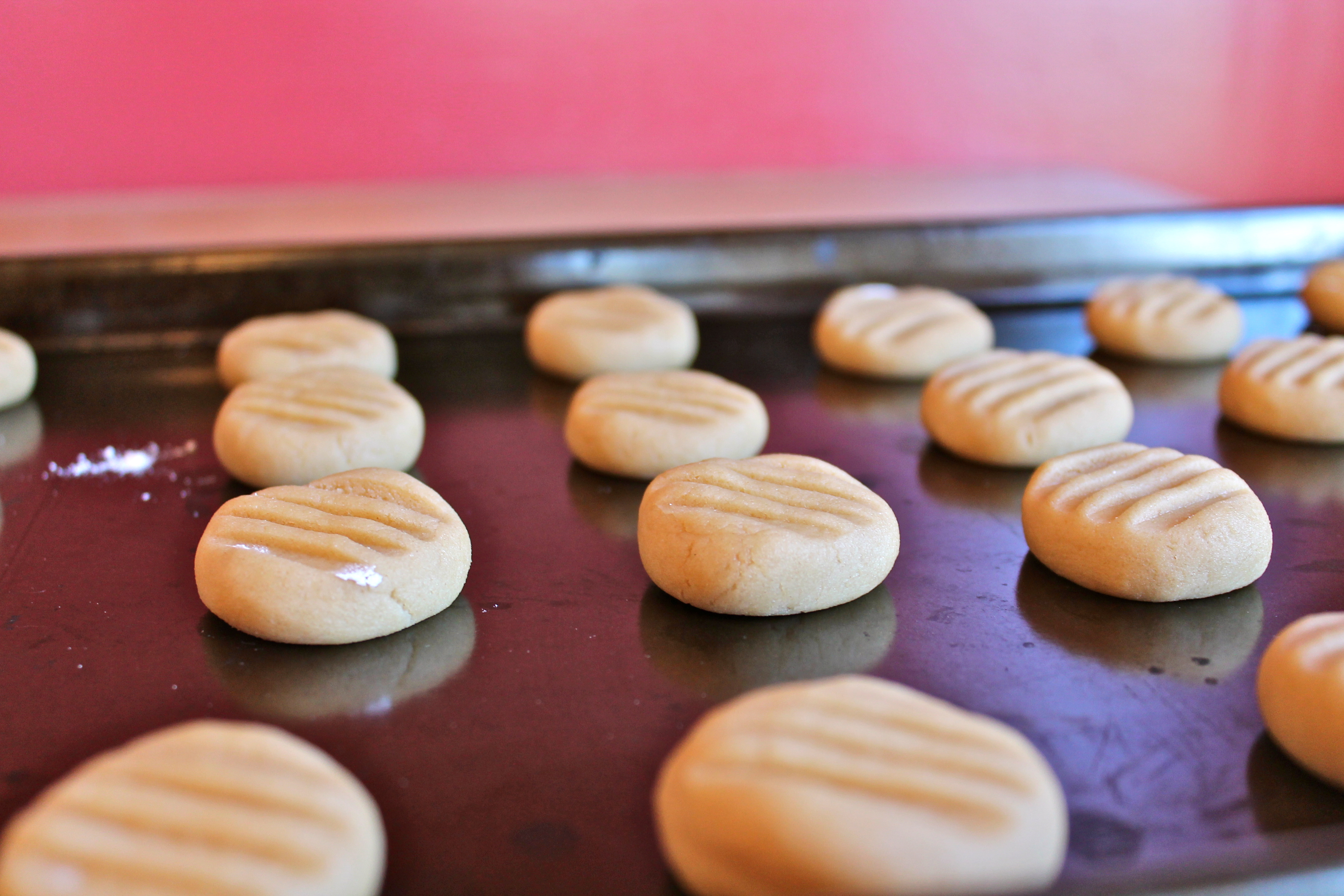
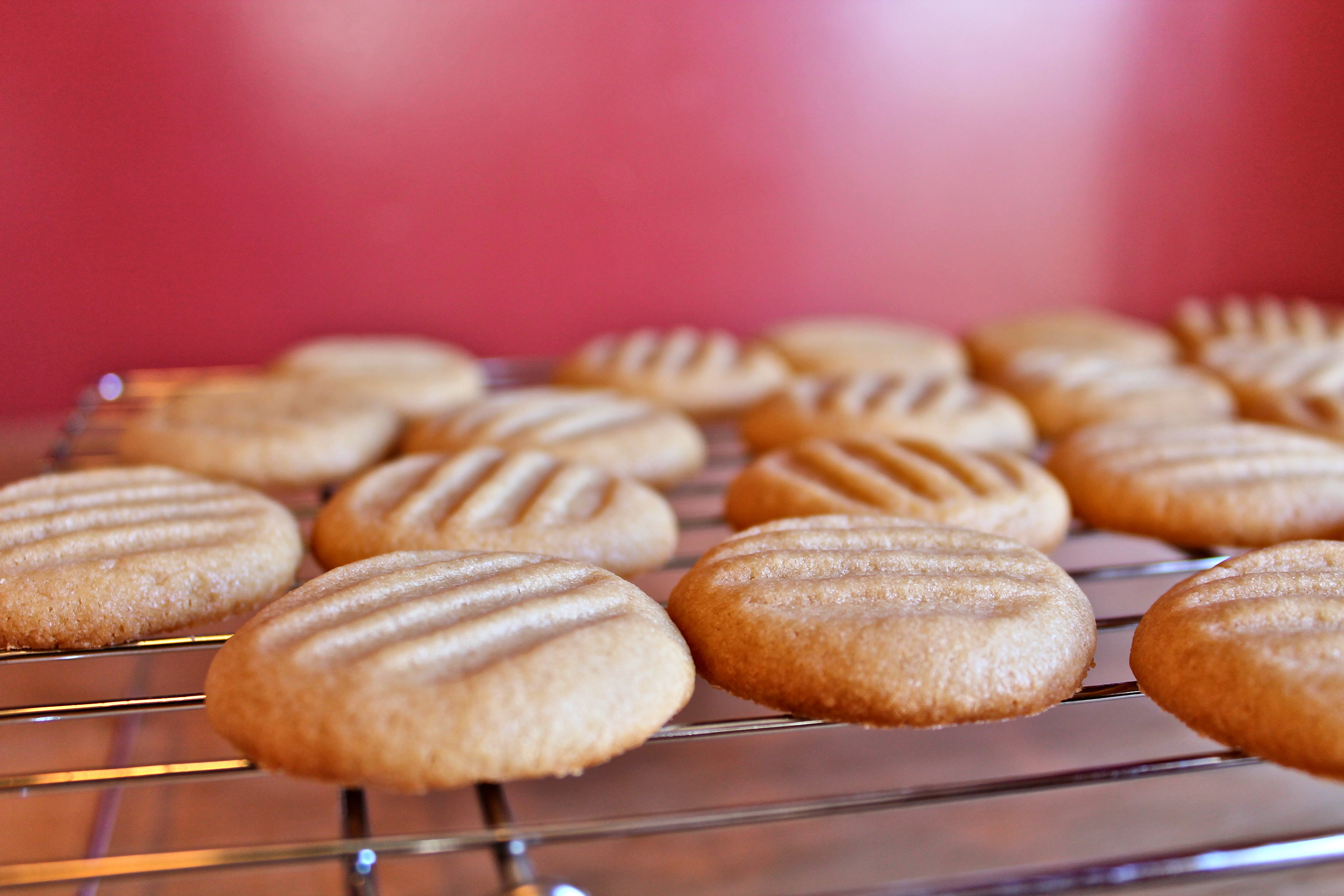
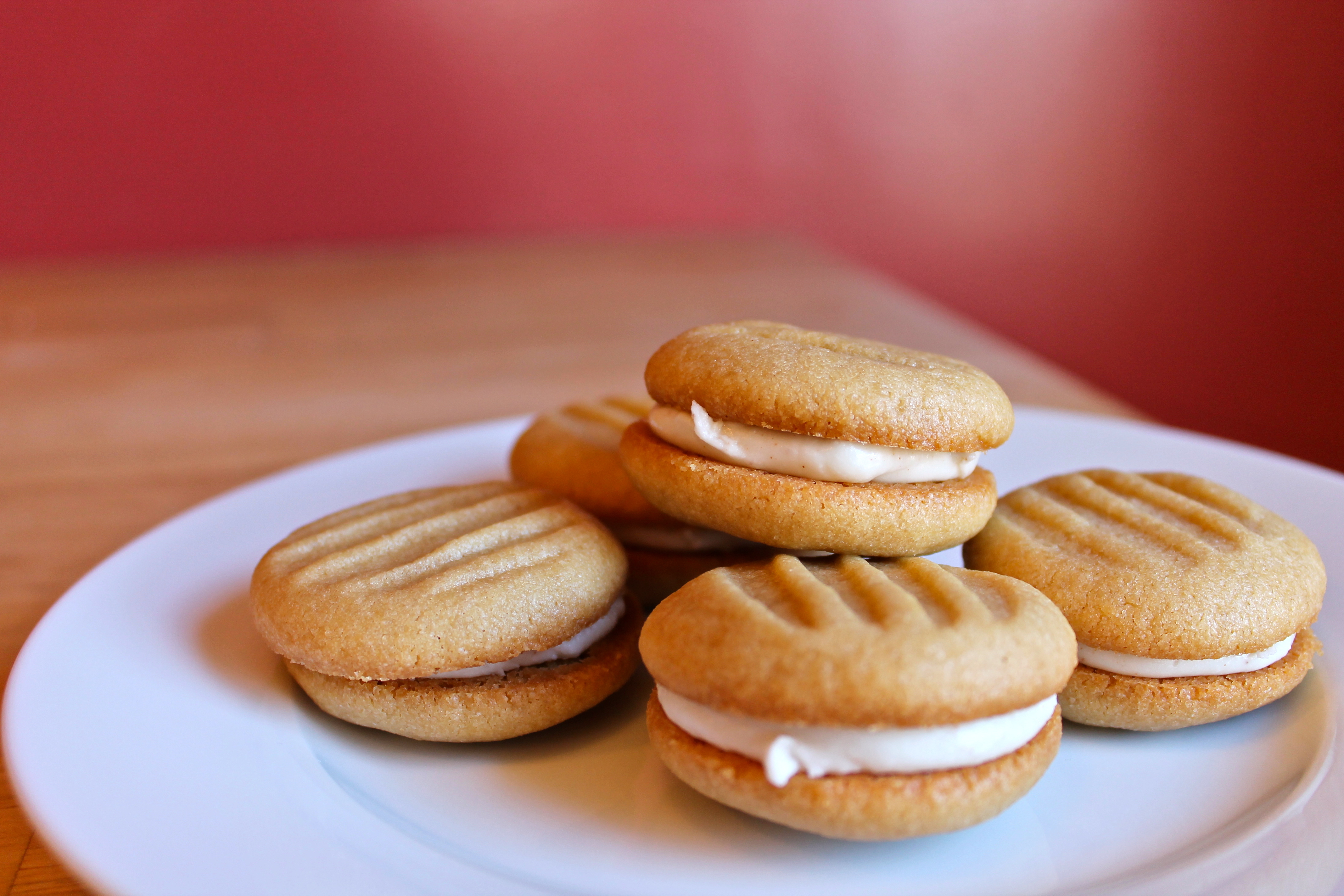
So, cookies.  And not just any cookies, but sandwich cookies.  Caramel-tinged and buttery, with a slip of brown butter-flecked cream encased in the middle, these might be my new favorite cookie for any time at all, sports or no sports.  A little drop of red food coloring in the cream filling would make these a quaint Valentine’s Day cookie, and I suspect that upping the pinch of sea salt in the filling to a full ¼ teaspoon would result in a fantastic salted brown butter cream that would send these cookies straight into the cookie hall of fame.  That said, as they stand now they are certainly close to legendary, so making them as-is will still earn rave reviews from friends, family, and sports fans alike

Caramel Cream Sandwich Cookies

Adapted from Pillsbury Best Cookies Cookbook

Cookies

1/2 cup firmly packed brown sugar

1 cup unsalted butter, softened

1 egg yolk

2 cups unbleached all-purpose flour

¼ teaspoon sea salt

Cream Filling

2 tablespoons unsalted butter

1 ¼ to 1 1/3 cups powdered sugar

½ teaspoon pure vanilla extract

2 tablespoons milk

pinch of sea salt

Preheat oven to 325 degrees Fahrenheit.

In a large bowl, combine brown sugar and 1 cup butter.  Beat until light and fluffy, then add egg yolk and blend well.  Scrape down the sides of the bowl, add the flour and salt, and mix well.

Shape roughly 1 heaping teaspoon of dough into 1-inch balls, rolling the dough in between your hands.  Place dough 1 ½ to 2 inches apart on an ungreased cookie sheet.  With a fork dipped in flour, flatten each dough ball into a 1 ½-inch round.

Bake on center rack of oven for 10 to 14 minutes, or until the edges of the cookies just begin to turn golden brown.  Cool cookies for 1 minute on baking sheet, then remove cookies to a wire rack to continue cooling completely, about 15 or 20 minutes.  I baked the cookies in two batches, with 24 cookies per sheet.

To make cream filling, in a small saucepan, heat 2 tablespoons of butter over medium heat until the butter begins to brown (first the butter will foam, then bubble, then you will see the milk solids in the butter begin to turn into little brown flecks on the bottom of the pan).  When the butter is dark golden, remove it from the heat and pour it into a medium bowl.  Stir in remaining filling ingredients, adding 1¼ cups of powdered sugar at first, then adding more if you desire a firmer cream filling.  Blend until smooth.

When cookies have cooled, spread a generous ½ teaspoon of filling between 2 cookies.  I allowed my filling to sit for about 10 minutes, which allowed me more control over patting the filling evenly between the cookies.  You may not be so fastidious.

Makes 24 sandwich cookies.

Gingerbread Waffles

2 Feb

Last Christmas I was gifted a wonderfully dog-eared and loved copy of The Joy of Cooking from 1936.  The pages, delicate as pressed flowers, are filled with treasures from the previous owner—cooking notes written in delicate cursive script, tiny strips of newspaper recipes taped onto the margins, enormous fold-out newspaper articles on roasting a whole turkey or making the best sugar cookies, and, my favorite, specific care instructions for what were obviously very special cooking tools purchased by the cookbook’s owner (egg poacher, Household Institute sauce pans).

As an avid appreciator of old cookbooks, I am always eager to see what long-forgotten dishes I might be able to ogle and puzzle over while flipping through a collection of aging recipes.  You can imagine my delight upon receiving this cookbook, I am sure, but then imagine my shock at discovering how surprisingly tame its recipes happened to be.  There are no instructions on how to make roasted raccoon or squirrel stew, no vague recollections of having once made some biscuits that are then passed off as an actual recipe.  Sure, this book boasts some truly horrifying recipes for things like a dip made out of mayonnaise, chopped pecans, olives, and hard boiled eggs, but that’s not so much culturally interesting as it is just plain revolting.  For the most part, the recipes in this edition (the fourth edition of the legendary tome) are actually quite charming, and often times even tantalizing.  When idling flipping through the book after I had first opened it, the pages, as if by magic, opened straight away to the breakfast section and, front and center, there before me sat a recipe for gingerbread waffles that seemed to be calling out my name.  Sensing danger, I quickly closed the book, abruptly silencing the siren song of the waffles.

Why so hasty to retreat from the waffles?  Because, not so long ago, I stopped eating maple syrup (or, as spelled in the 1936 edition of The Joy of Cooking, sirup).  This act was not so much a calculated decision, but more of a realization that whenever I ate something that was drenched in syrup, there soon followed a nearly immediate need to lie down and take a nap.  While I can confess to liking naps as much as the next person, it is not always convenient to fall into a near coma shortly after the start of the day.  In an effort to keep myself from doing a Rip Van Winkle impersonation after every weekend breakfast, in lieu of maple syrup I began to top my waffles, french toast, or pancakes with yogurt, sometimes lemon yogurt if I am feeling frisky.  Though this trick of mine works exceptionally well with standard, buttery waffles, would the magic be lost on a waffle with a completely different flavor?  As luck would have it, no.  These gingerbread waffles, so warm and spicy, pair up wonderfully with lemon yogurt, so much so that it almost seems as though they were made to go together.  Syrup danger averted!

Even if I was still able to handle a nice long pour of maple syrup, I doubt I’d get the bottle near these waffles.  The dark spices might play well with the syrup, but when paired with a scoop of cool lemon yogurt, everything really seems to come together in a more interesting and contrasting way.  Also, because I am now apparently one of those people, I drastically reduced the sugar in these waffles, but you’d never be able to tell with their comforting scent of molasses and brown sugar.  These waffles are a treat of the best sort, the type to start your day off right, sans fear of extended napping (unless, of course, your plans for the day already include a generous nap allowance, in which case I salute you and also, can I come over?).

Gingerbread Waffles

Adapted from The Joy of Cooking, 1936

As a former copyeditor, it behooves me to point out that I refer to this book as “The Joy of Cooking” here, but it other posts reference it as simply “Joy of Cooking.”  This is because, in later editions, the book drops the “The” from the title, and I would be betraying the persnickety editor in me if I chose to add “The” to the title on my own accord.  Is anyone actually reading this explanation?  Because I am slightly embarrassed (okay, not really, which is, itself, slightly embarrassing) to be writing it, though that has apparently not stopped me from actually forging on with it.

1 ½ cups unbleached all-purpose flour

1 teaspoon ground powdered ginger

¼ teaspoon cinnamon

½ teaspoon salt

1 teaspoon baking soda

1 teaspoon baking powder

3 large eggs, yolks and whites separated

2 tablespoons dark brown sugar

1/3 cup molasses

1 cup buttermilk or sour milk

1/3 cup (roughly 5 ½ tablespoons) melted butter

In a large bowl, sift together the flour, ginger, cinnamon, salt, baking soda, and baking powder.  In a medium bowl, combine the egg yolks, sugar, molasses, milk, and melted butter, and beat until well combined.  In a separate bowl, beat the egg whites until they form stiff peaks.  Add the egg yolk mixture to the flour mixture, and stir just to combine.  Add the egg whites to this mixture, gently folding until the whites are incorporated and the batter is light and airy.

Pour batter onto a greased, heated waffle iron and cook according to waffle iron’s instructions.  Makes 6-8 waffles, depending on how large your waffle iron is, and how much batter each waffle will necessitate.

Top with lemon yogurt.

Grilled Lemongrass Chicken

29 Jan

Keen observers may have noticed by this point that I tend to go on extended benders when I become interested in making particular types of food.  Over the summer I made more tarts and galettes than any rational human should consider consuming in the span of a mere 3 months, and not long after that I became enamored with all things related to Mexican food.  A short glance at the most recent archives will more than give away the fact that my heart currently resides on the continent of Asia, bringing us food from India, Japan, and undetermined (but it sure tasted good).

A couple of those recipes are courtesy of Naomi Duguid and Jeffrey Alford, a formerly-married couple from Canada (and now Canada and Thailand) who make their living traveling around (mostly through Asia) with their children and researching recipes.  They have written numerous cookbooks (including two books on baking and one book entirely about rice), and I can only imagine that, given their track record of producing incredible recipes and cooking techniques, time will only bring us more of their wonderful work.

This recipe for lemongrass chicken is taken from one of Duguid and Alford’s books with a focus on the cuisines of Southeast Asia, from Myanmar (Burma) to Vietnam.  As is often the case, I was reading this cookbook as I would read a non-cookbook, sitting down and flipping through it page by page, reading everything in detail before moving on.  My best friend once revealed to me that sometimes she liked to sit in bed and read a cookbook before falling asleep, as one might read a novel or a magazine, and I could not stop nodding my head in agreement (needless to say, there is a reason we are best friends).

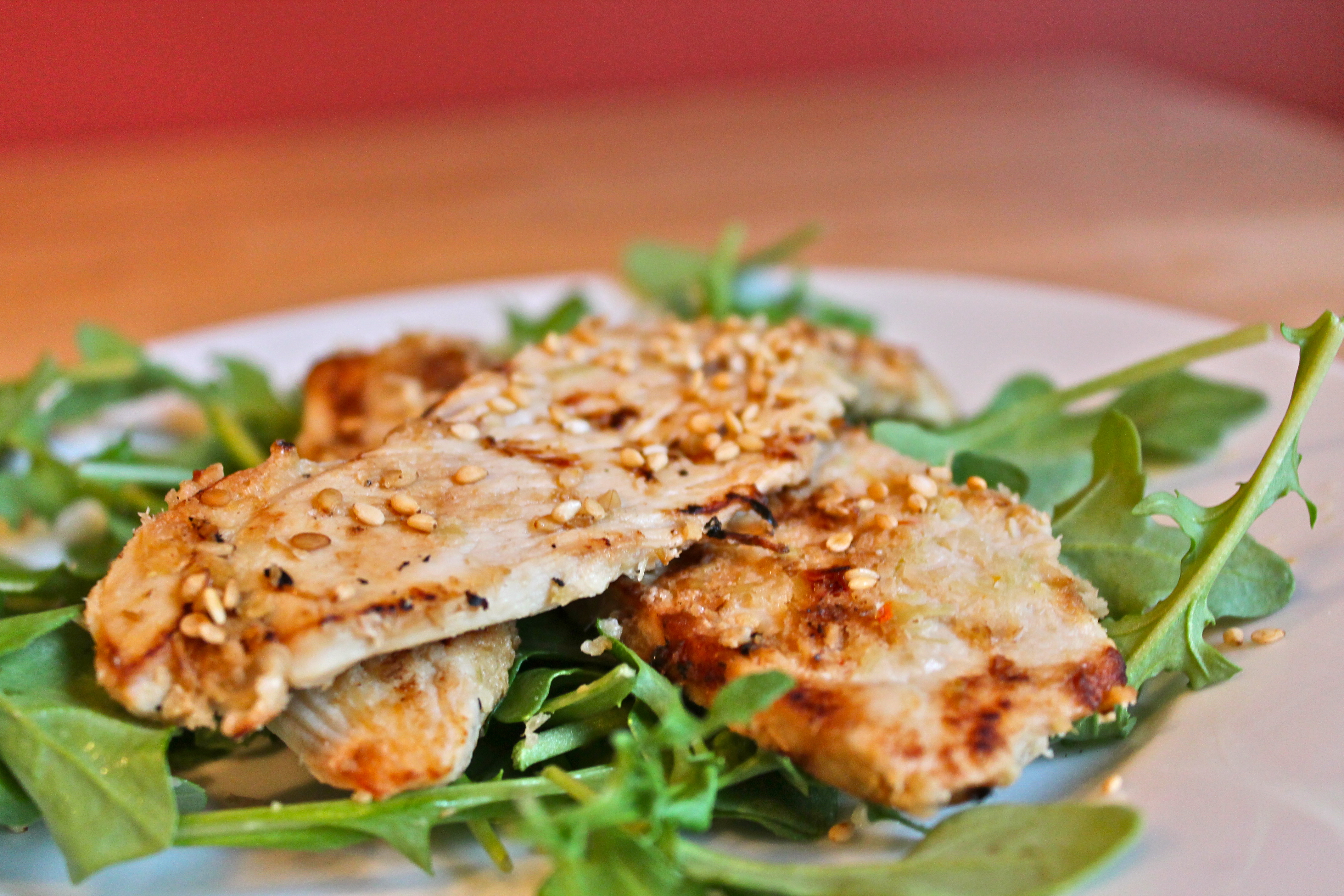
The recipe originally calls for beef, but I, recent indiscretions aside, am not the biggest fan of beef, so I swapped it out from some chicken breasts.  Say what you want to about everyone’s favorite meat to belittle, but boneless, skinless chicken breasts really work well in this application, subtly sitting in the background so the lemongrass marinade can receive all the glory.  For a dish so simple, it is a huge winner in our household.  We eat it over steamed rice, over thin rice noodles sprinkled with herbs, or sometimes over a pile of fresh and snappy arugula.  I can’t say that I’ll ever possess the gumption to cook an everyday meal like Duguid and Alford are prone to doing (I recall an article in the New Yorker that detailed the couple making a casual meal of homemade crackers, hand-rolled noodles, and roasted wild boar), but with inspiration culled from time spent with many a cookbook, I am at least hoping that, little by little, I’ll be able to take these little bursts of global cooking and transform the bulk of them into regular staples on our table.  This recipe is a good place to start.

Grilled Lemongrass Chicken

From Hot, Sour, Salty, Sweet, by Jeffrey Alford and Naomi Duguid

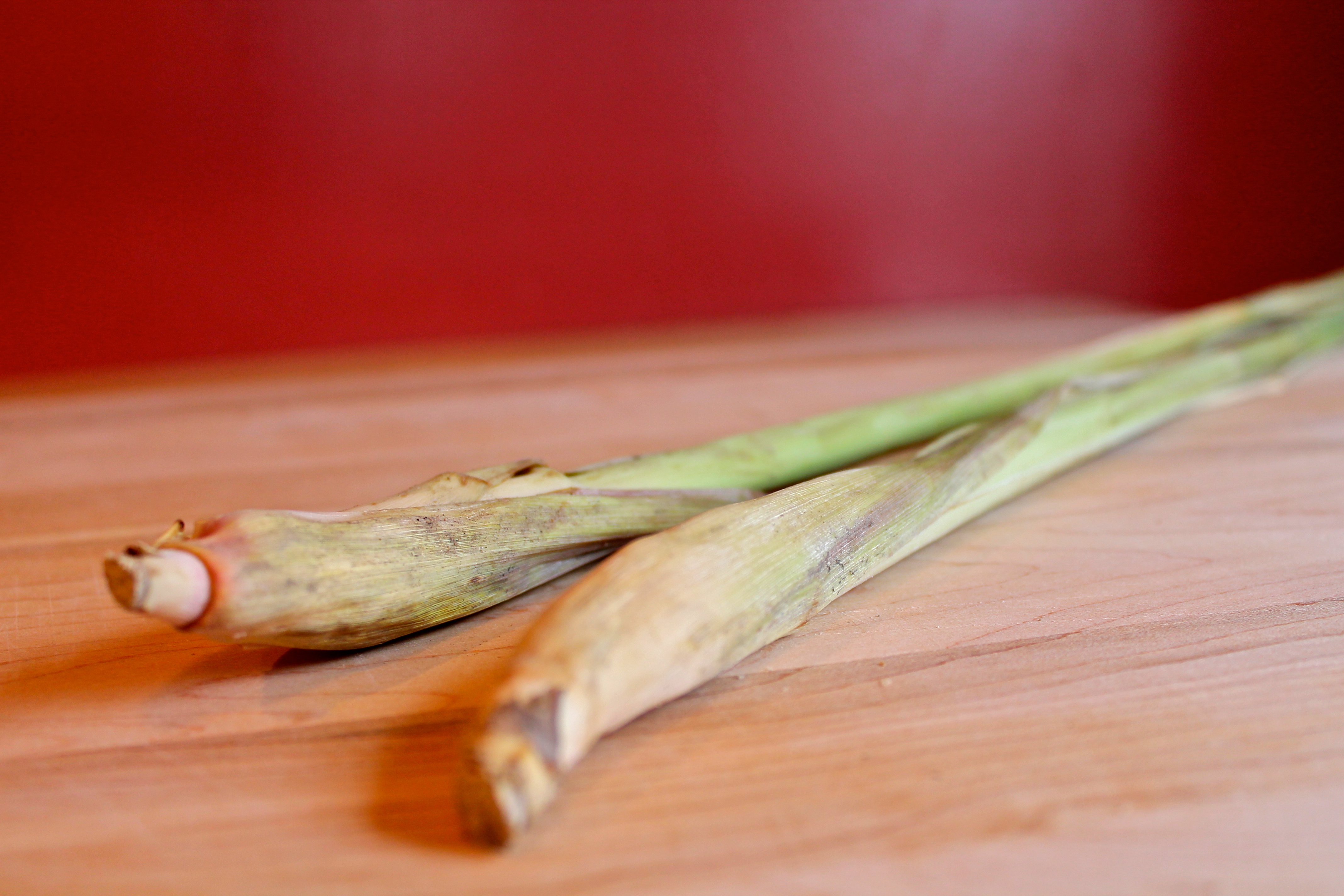
2 stalks lemongrass, trimmed and minced

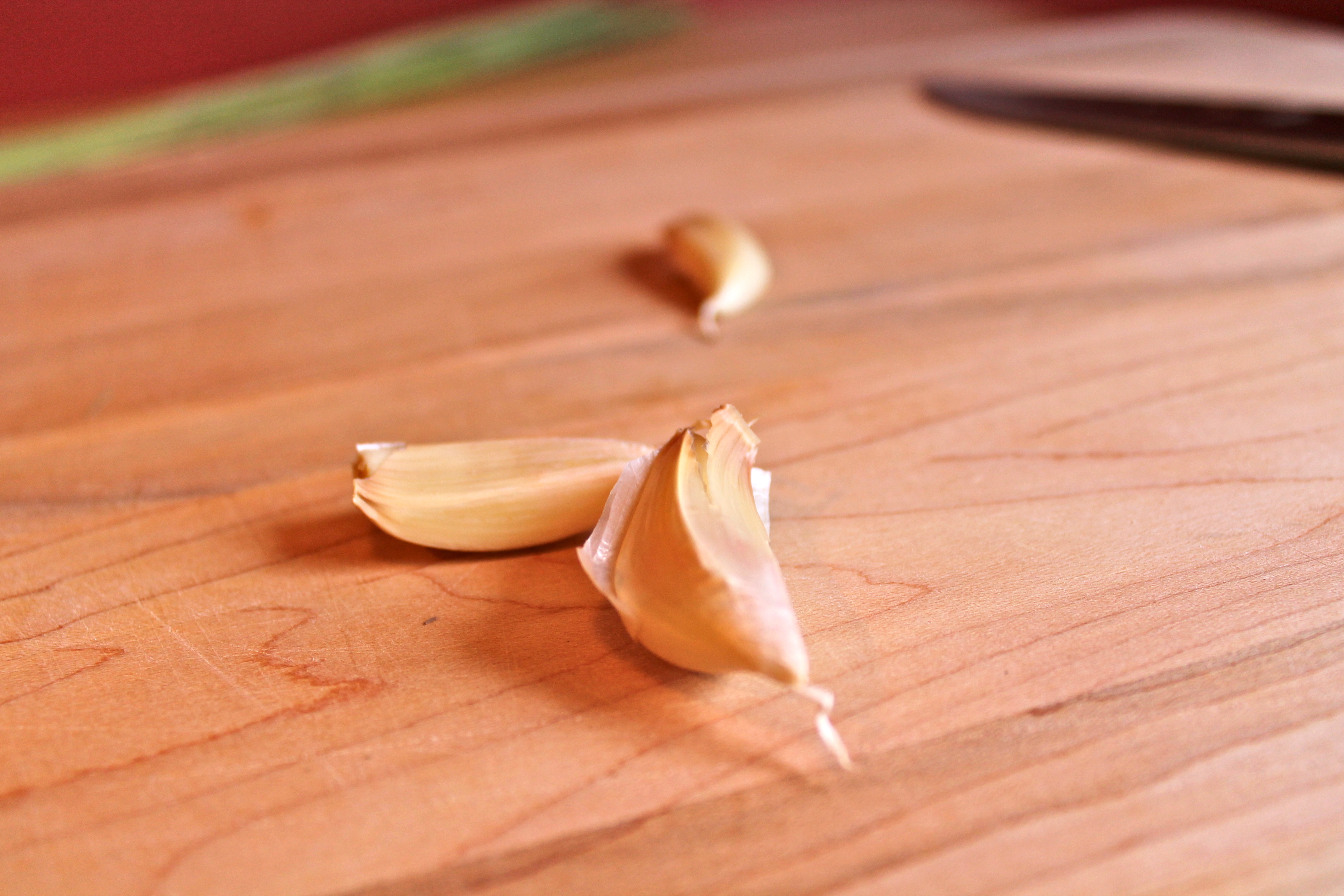
2 to 3 cloves of garlic, peeled and chopped

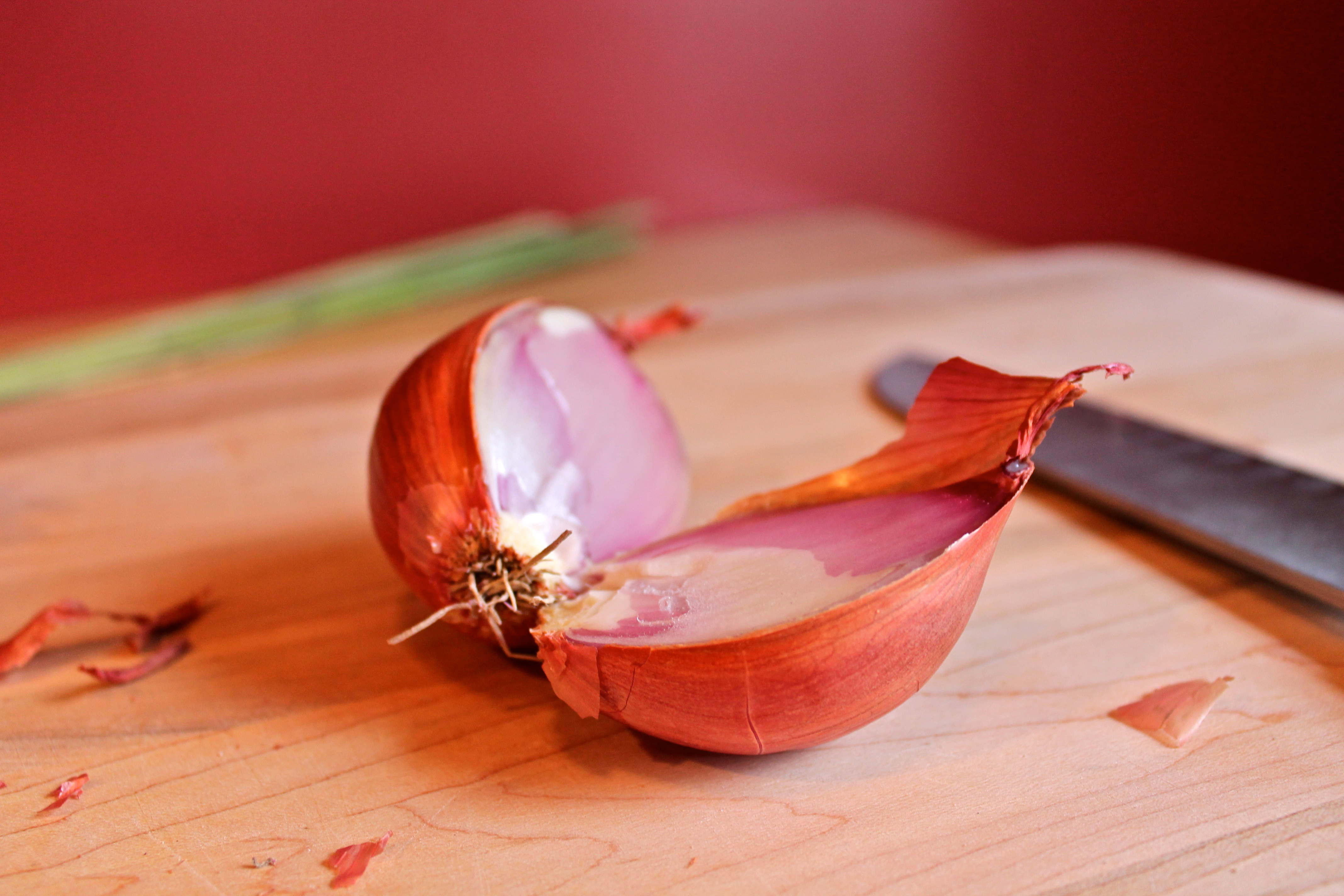
2 shallots, peeled and chopped

1 bird or Serrano chile, finely chopped

2 teaspoons Vietnamese or Thai fish sauce

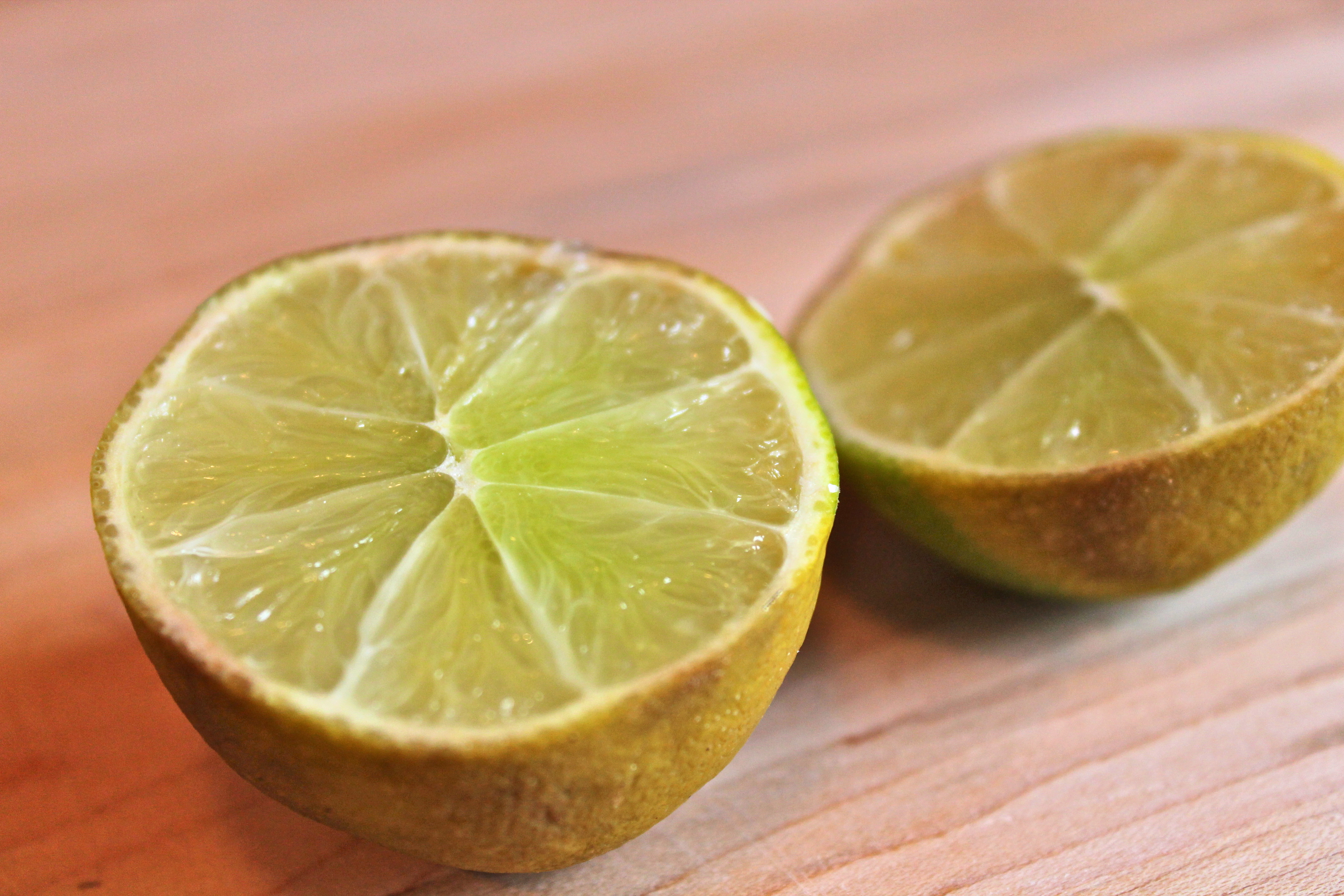
1 tablespoon fresh lime juice

1 tablespoon water

1 tablespoon roasted sesame oil

1 pound boneless, skinless chicken breasts

2 tablespoons roasted sesame seeds

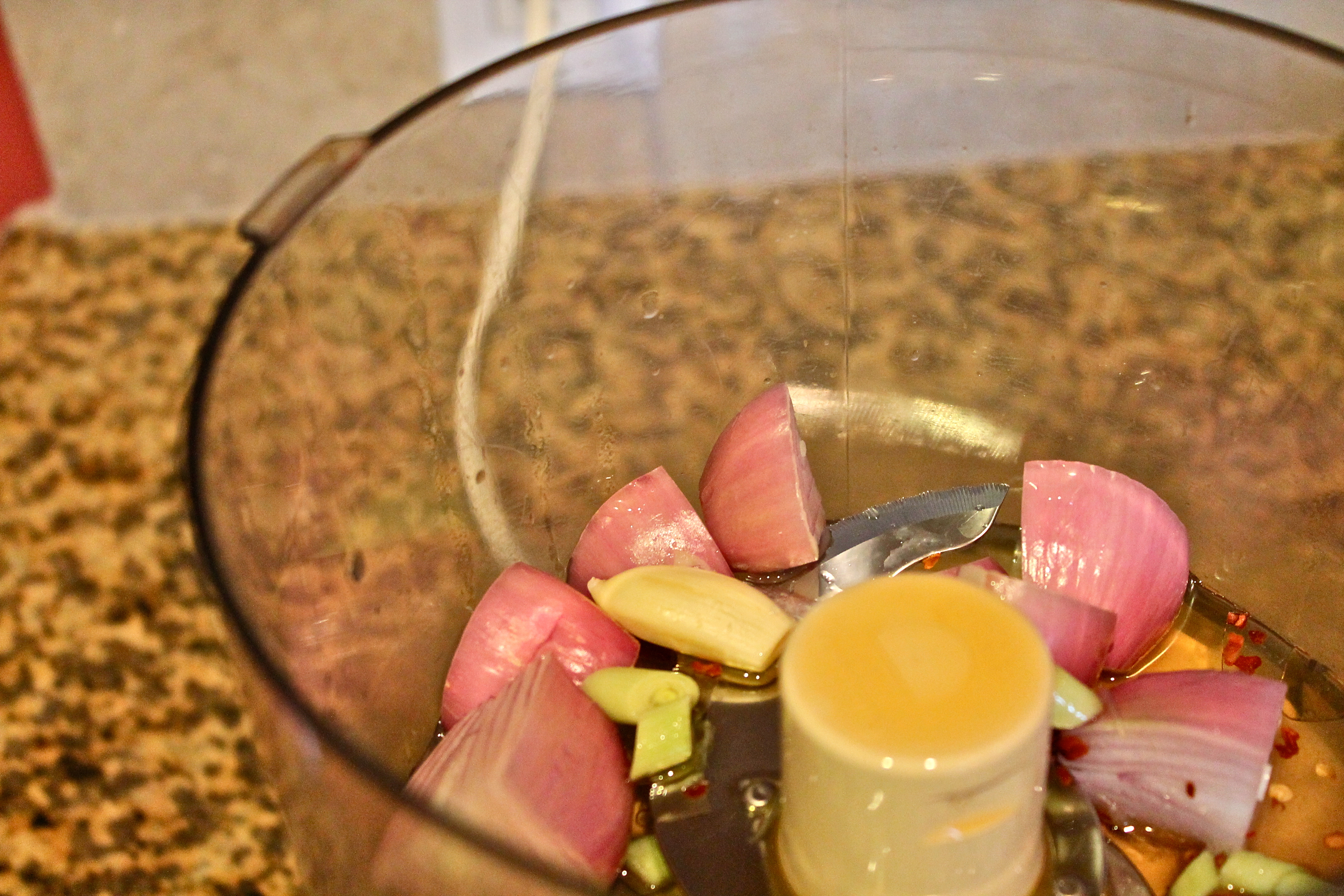
To prepare the marinade, combine lemongrass, garlic, shallots, and chile in a mortar and pestle or a food processor and pound or blend to a paste (adding just a little water if necessary to make a paste).   Transfer the paste to a bowl, add the fish sauce, lime juice, and water and blend well.  Add sesame oil and stir well.  Set aside.

Cut the meat into very thin slices (less than 1/8-inch) against the grain (this is much easier if the meat is cold).  Duguid recommends you then cut the slices into 1 1/2 –inch lengths, but I kept our slices longer and was quite fond of them that way.  Place the meat in a shallow bowl, add the marinade, and mix well, making sure that the meat is well coated.  Cover and marinate in the refrigerator for at least 1 hour, or up to 8 hours.

Prepare a grill, grill pan, or broiler on medium high heat.  Sprinkle the meat with sesame seeds, then grill or broil until cooked through, about 2 minutes for the first side and 1 minute for the second side, depending on how hot your grill or broiler is and how fast the chicken is cooking through.

Serves 4 as part of a meal, more as an appetizer.