Roasted Asparagus and Lemon Chevre Galette

14 Jul

When the sun comes out, it’s time for a picnic.  Unless, that is, the sun has come out after three or four days of intermittent—and yet, somehow, also very much persistent—rain showers, in which case you might want to wait a couple more days before you lay out your picnic blanket and unpack your meal, lest the wet ground provide an unexpectedly damp element to your outdoor eating enjoyment.  Or, if you are the clever type, you could always just pack a waterproof tarp along with your picnic, which would allow you to sit on the ground anywhere you wished without running the risk of making your pants look like they suffered an unfortunate accident.

This, of course, is something I learned only recently.  I don’t know why it never occurred to me to pack a waterproof tarp as a picnic blanket, but I can only presume that my ignorance was derived solely from my insistence on pretending that it is always going to be warmer here than it actually is.  So this is how it came to be that last month (June, which is never never warm here, and I know that, I really do), during my son’s preschool end-of-the-year picnic, when it rained cats and dogs all day long, I found myself sitting beneath a very large tree, propped upon a narrow exposed root that was miraculously free from moisture, and eating what I could only think of as the most perfect picnic food in the world, during the most imperfect picnic weather imaginable.
As evidenced by recent events on this website (and here, where I also regularly share recipes and excitement about food), I have a thing about galettes.  (I also have a thing about tarts and pies, but I am sure you will hear more about that as time goes on.)  Galettes, much like tarts and pies, have the capability of being either sweet or savory, but there is just something a bit more casual about them.
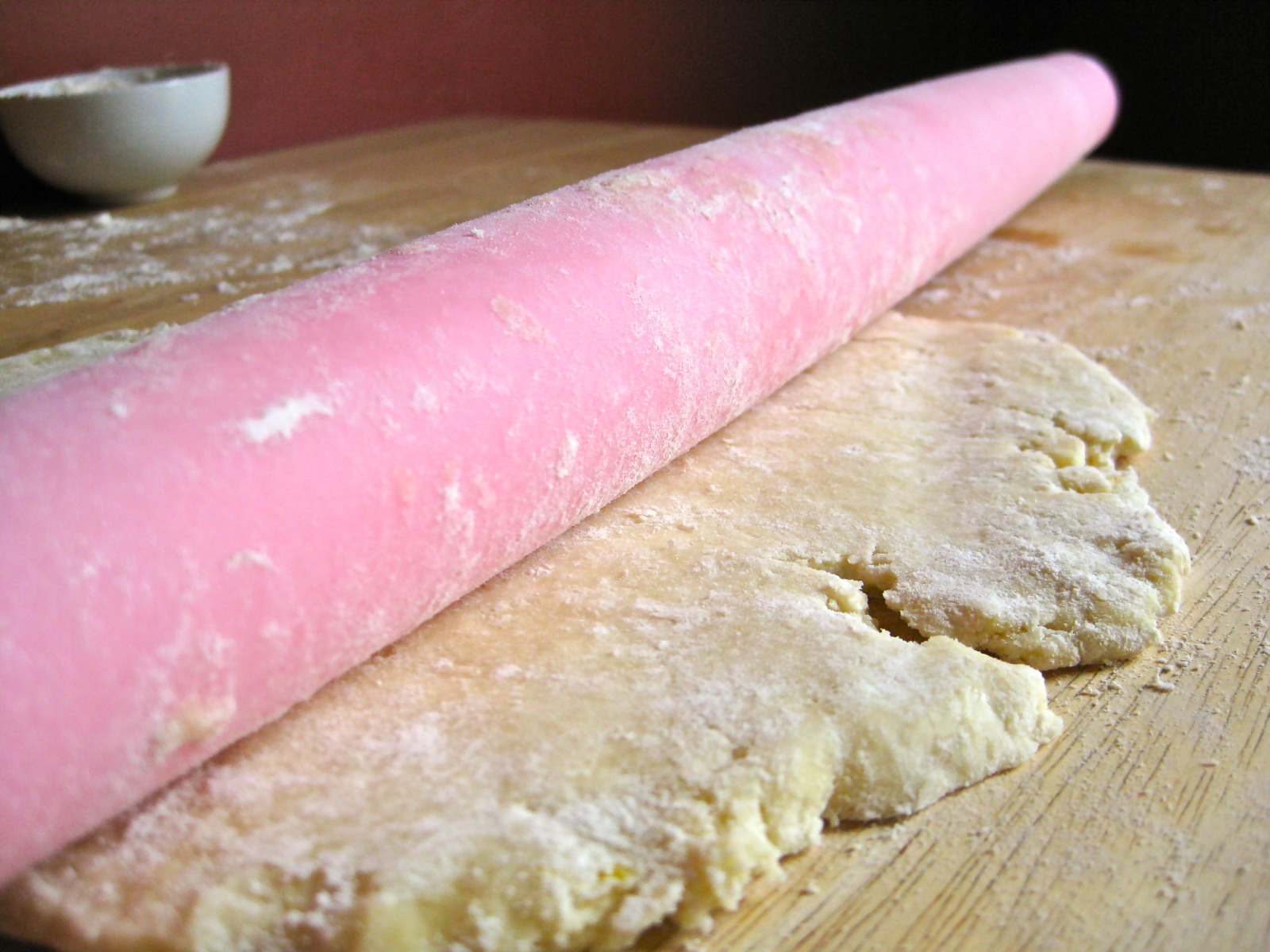
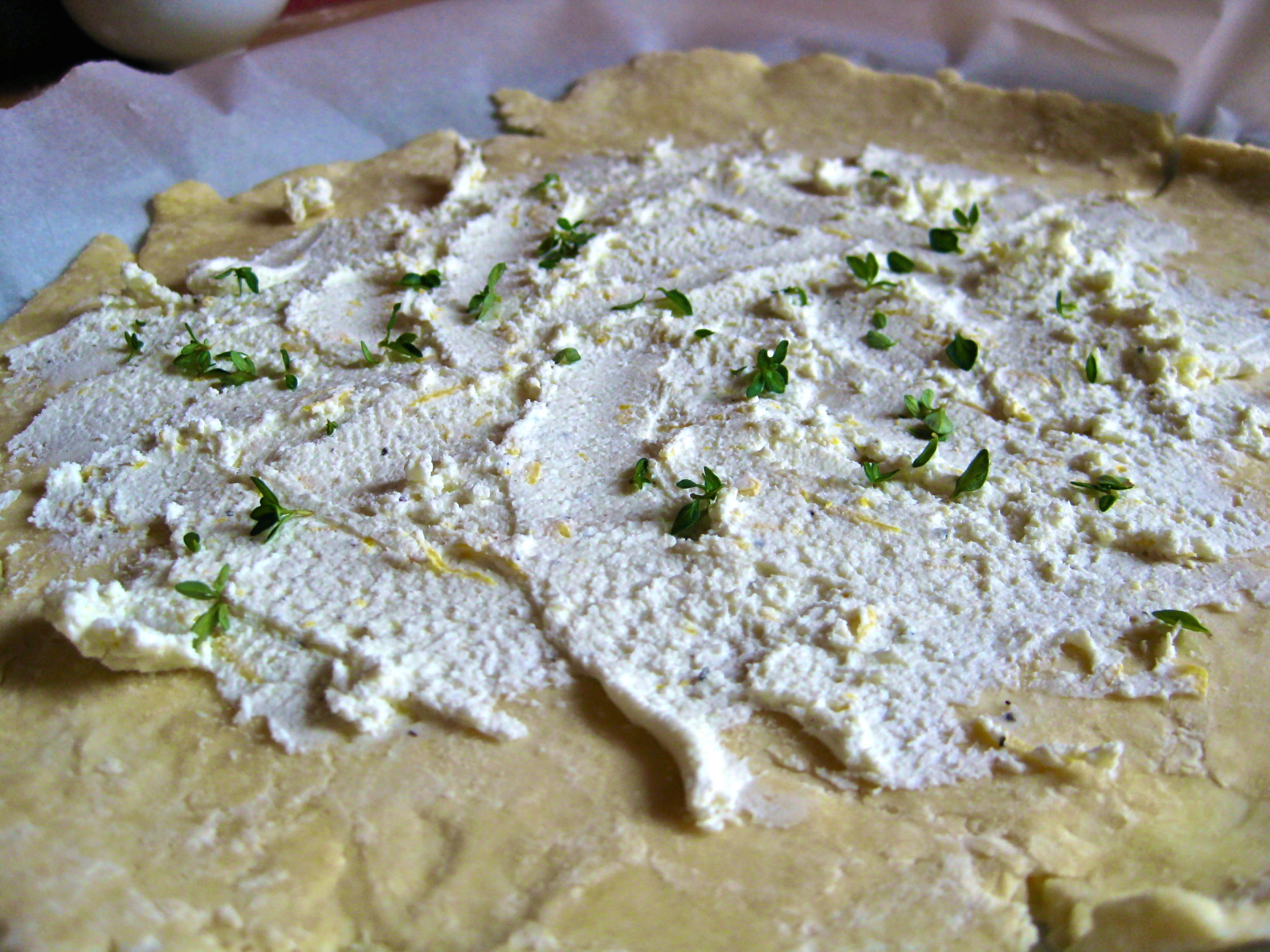
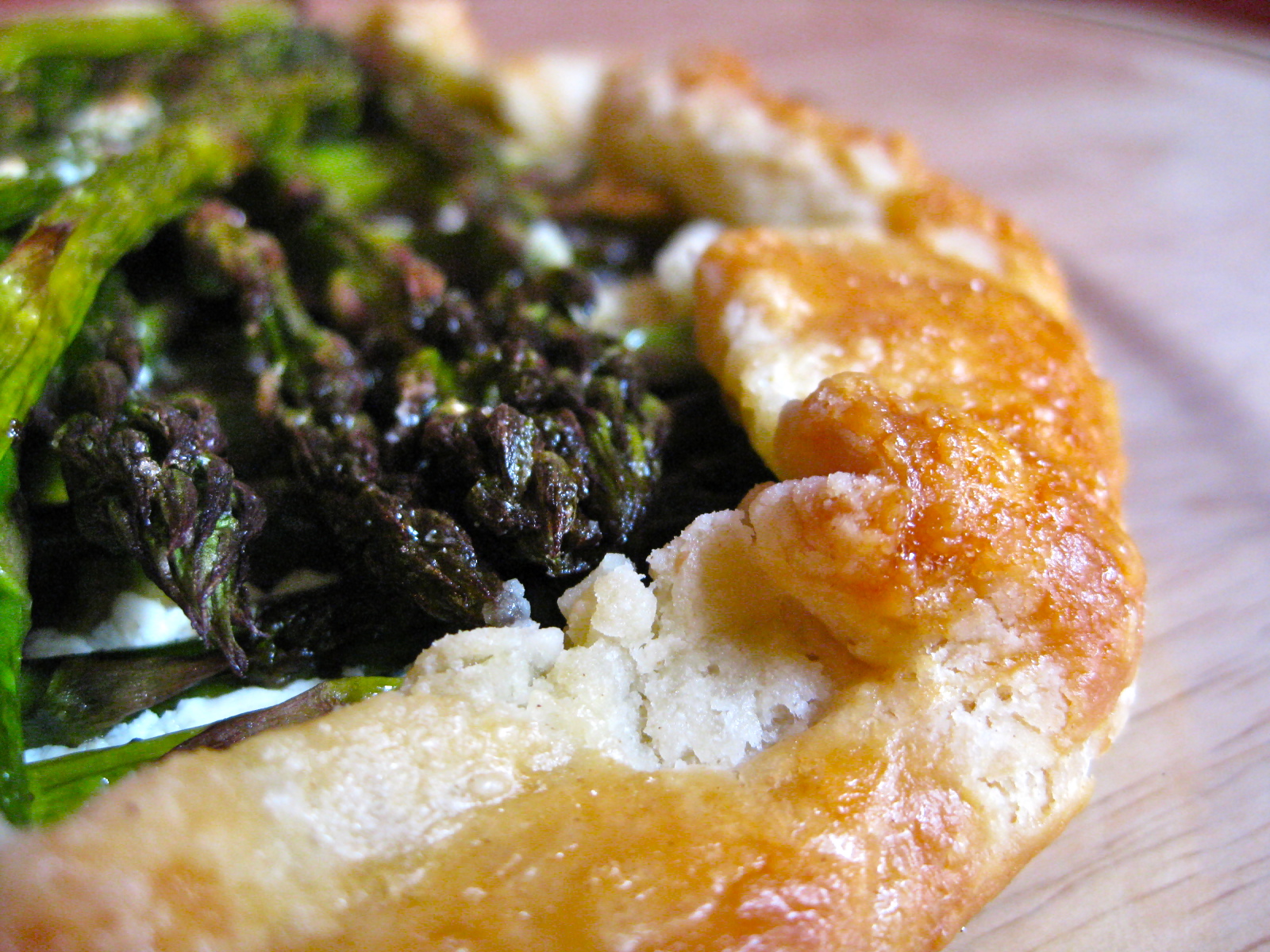
Perhaps it is the lack of special equipment required to make them, as one is not required to own any specific type of pan or plate in order to whip one together, or maybe it is the rustic presentation that defines them (you just roll out the dough, place whatever you desire in the middle, then fold everything up), but lately, when I think of buttery crusts and dreamy fillings, my mind immediately wanders over to galettes.  Call it the laziness of summer (if we ever, ahem, actually experience summer this year), but a galette just seems so laid back, so willing to be eaten without the aid of silverware.  Or a plate.  In fact, the only thing you need to enjoy this galette is a set of taste buds to appreciate the light, flakey crust and the creamy lemon chevre that serves as a base for tender roasted asparagus.  You’ll be so blissfully satisfied, you won’t even notice that right now it’s mid-July, 60 degrees, and raining.  Okay, maybe you’ll still notice, but I swear this delicious galette will make you just a tiny bit less upset about it.

Roasted Asparagus and Lemon Chevre Galette

Galette dough:

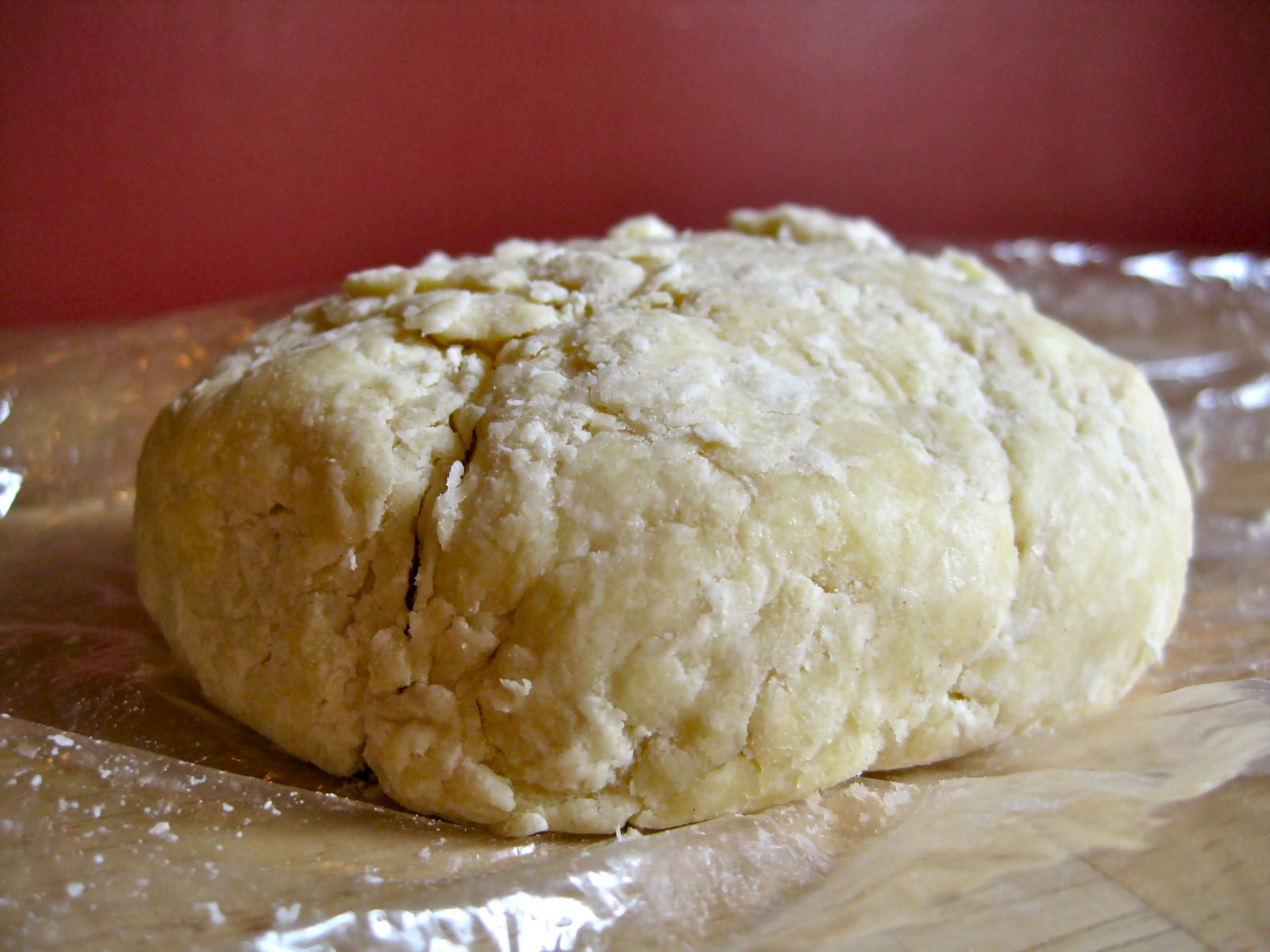
This method of grating butter into dry ingredients is a nearly foolproof method of achieving super flakey dough. Grating the butter while frozen makes it almost impossible to overwork and toughen the dough while incorporating the butter, and, when you add your ice water to moisten the ingredients, you’ll find that things adhere together nicely without ever becoming gummy and running the risk of making your dough tough.

1 cup all-purpose flour

¼ teaspoon salt

¼ teaspoon sugar

6 tablespoons butter (¾ of a stick), frozen as a stick and NOT cubed or sliced

3-4 tablespoons ice water

In a medium bowl, whisk together the flour, salt, and sugar. Using the large holes on a box grater, grate the frozen butter over the flour mixture, covering as much of the surface of the flour as possible (meaning, try not to let the butter pile up too high in one place). Using your hands, quickly toss the butter and flour together to distribute the butter through out the bowl. 1 tablespoon at a time, add 3 tablespoons of ice water while gently turning and mixing the dough with your hands. If the dough is not coming together, add the last tablespoon while continuing to mix the dough. When the dough forms a rough ball, turn the dough out onto a large piece of plastic wrap. Form the dough into a round disc, tightly wrap it in plastic wrap, then refrigerate for at least 1 hour.

Filling:

4 ounces softened goat cheese

1 tsp freshly grated or chopped lemon zest

1/8 teaspoon fresh thyme leaves

1 pound asparagus, tough ends trimmed off

2 tablespoons olive oil

juice of half a lemon

salt and pepper

Preheat oven to 400 degrees F.  Line a baking sheet with parchment paper.

In a small bowl, combine goat cheese, lemon zest, thyme, and salt and pepper to taste.  Mix together and set aside.

In a medium bowl, combine asparagus, olive oil, lemon juice, and salt and pepper to taste.  Gently toss asparagus until it is evenly coated with the liquid.

Roll the disc of galette dough into a 12-inch round.  Transfer the dough to the parchment-lined baking sheet.  Spread the chevre mixture over the surface of the galette dough, leaving a 1 1/2 to 2-inch border at the edges.  Arrange the asparagus over the top of the chevre, alternating the placement of tips and ends as best you can, and leaving uncovered the border at the edge.  Rotating the galette, fold the border up over the filling, pinching and crimping shut at regular intervals.

Bake the galette in the center of the oven for 30-40 minutes, until the asparagus is browned and roasted and the dough edges have browned.

Can be served warm, cold, or at room temperature.

Nectarine and Raspberry Galette in a Cornmeal Crust

11 Jul

Supposedly, hot weather makes people less likely to pine for baked goods than cold weather.  Or so I hear.  I can only assume that it is the act of turning on and, thusly, heating an oven that makes baking more of a welcome winter affair than a summer one, because, and this should come as absolutely no surprise whatsoever, I’ve never known a season that was unfit for baking.

Summer baking is, of course, different from winter baking, but really only by virtue of what you choose to be the star of your recipe.  Winter definitely makes me feel more inclined to fuss over things that fall into the category of being rich and chocolatey, but the main attraction of my favorite summertime desserts almost always lean towards being fresh and fruit-filled.  Sure, fall is a haven of fruity desserts as well—with pears and apples galore just begging to be caramelized or topped with a crispy and nutty blanket—but summer fruits differ from autumn fruits in that the choice of baking them will always be up to the dessert maker’s whim.

Cream tarts and trifles (and a wonderful pie that I will be sharing with you soon) are a great way to showcase uncooked fruit in a dessert that shares the spotlight with several different elements (lemon cream, semolina cake, whipped cream, lemon-scented yogurt and cream cheese, etc.), but one should never be discouraged from taking a stab at baking the plethora of summertime fruit that is available and ready to be found and adorned with such ease.

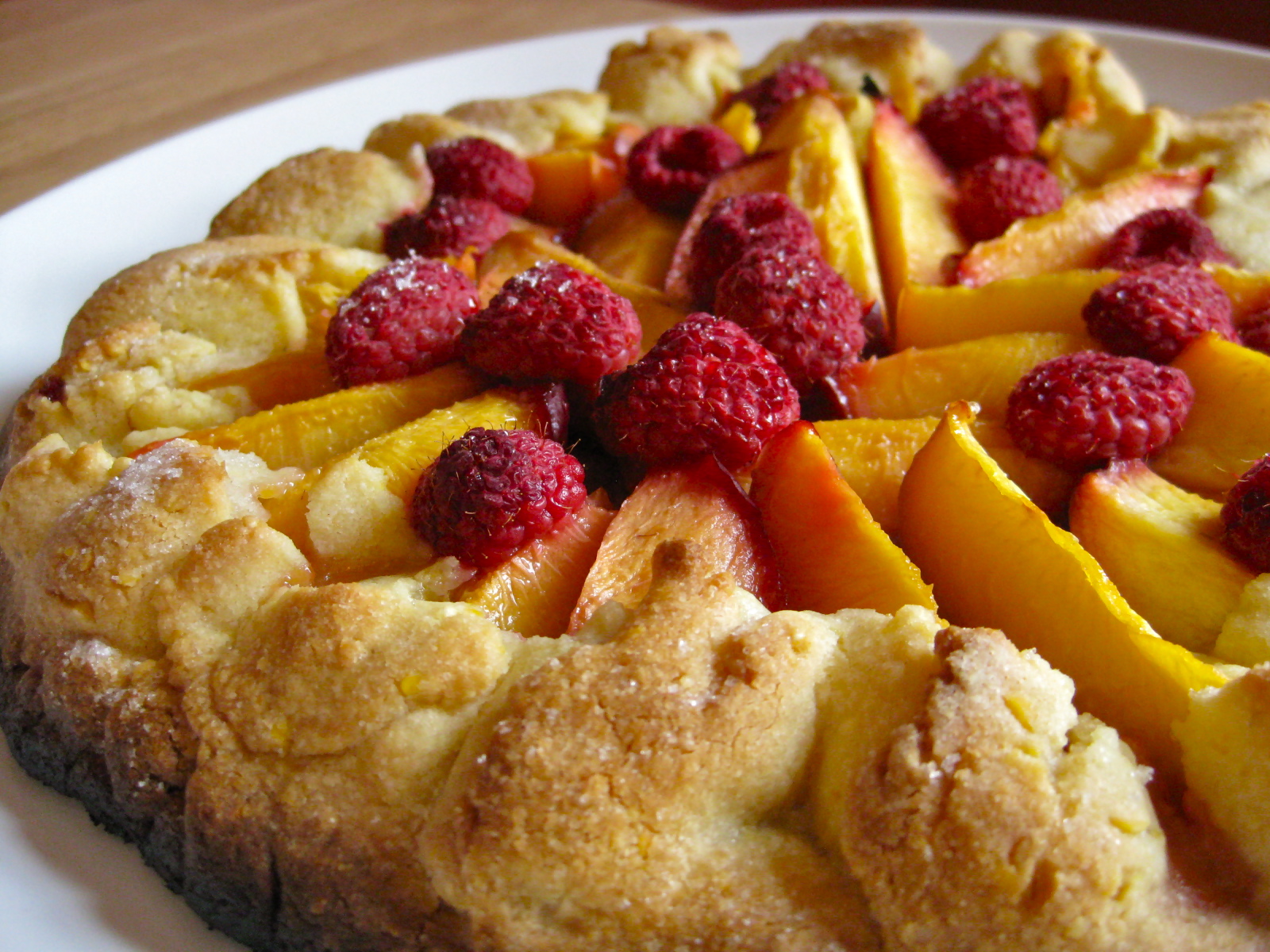
This galette, featuring heavenly scented nectarines and plump raspberries, is a great place to start investigating the benefits of summertime baking.  The fruit, barely sweetened, gets enveloped in a fantastically crunchy and buttery cornmeal crust that provides a perfectly crisp, almost cookie-like contrast to the fruit.  Beneath the fruit lies a light and surprising dusting of ground almonds that contributes a slight sturdiness to the dessert without leaving any trace of heaviness.  Eaten alone, or with a generous dollop of very lightly sweetened whipped cream, it’s a fantastic introduction to summertime baking, and, I hope, an encouragement to never shy away from baking, no matter the season.

Nectarine and Raspberry Galette in a Cornmeal Crust

Cornmeal Dough

This wonderful dough recipe was adapted from The Italian Baker, by Carol Field, by way of Alice Waters’ Chez Panisse Fruit

10 tablespoons (1 stick plus 2 tablespoons) unsalted butter, room temperature

¾ cup sugar

3 egg yolks

1 ½ cups unbleached, all-purpose flour

½ cup yellow cornmeal

¾ teaspoon salt

½ teaspoon vanilla extract

Filling

1 pound nectarines

4 ounces fresh raspberries

2 tablespoons ground almonds or almond meal

3 teaspoons sugar, divided

1 tablespoon flour

Make the dough:

In a large mixing bowl, cream together the butter and sugar.  Add the egg yolks one at a time, mixing thoroughly after each addition.  Sift the flour, cornmeal, and salt directly into the mixture.  Add the vanilla and stir until the dough is thoroughly mixed.  Divide the dough in half and gather into 2 balls.  Wrap the balls in plastic, press them into discs, and refrigerate for at least 30 minutes.  Since you will need only 1 disc of dough for this recipe, feel free to freeze or refrigerate the other disc until you are ready to use it.  The wrapped dough will keep in the refrigerator for up to 2 weeks, or in the freezer for up to 2 months.

Assemble the galette:

Preheat the oven to 400 degrees Fahrenheit.

To roll out the dough, cut out a 14-inch square piece of parchment paper.  Dust the parchment paper with flour.  Take a disc of dough out of the refrigerator, unwrap it from the plastic wrap, and place on the flour parchment.  Lightly flour the dough then place the plastic wrap on top of the disc of dough.  Rolling on top of the plastic wrap, roll out the disc into a 13-inch circle.

Remove the plastic wrap from the top of the circle of dough.  Place the rolled-out dough, still on the parchment paper, on a baking sheet and refrigerate while you prepare the filling ingredients.

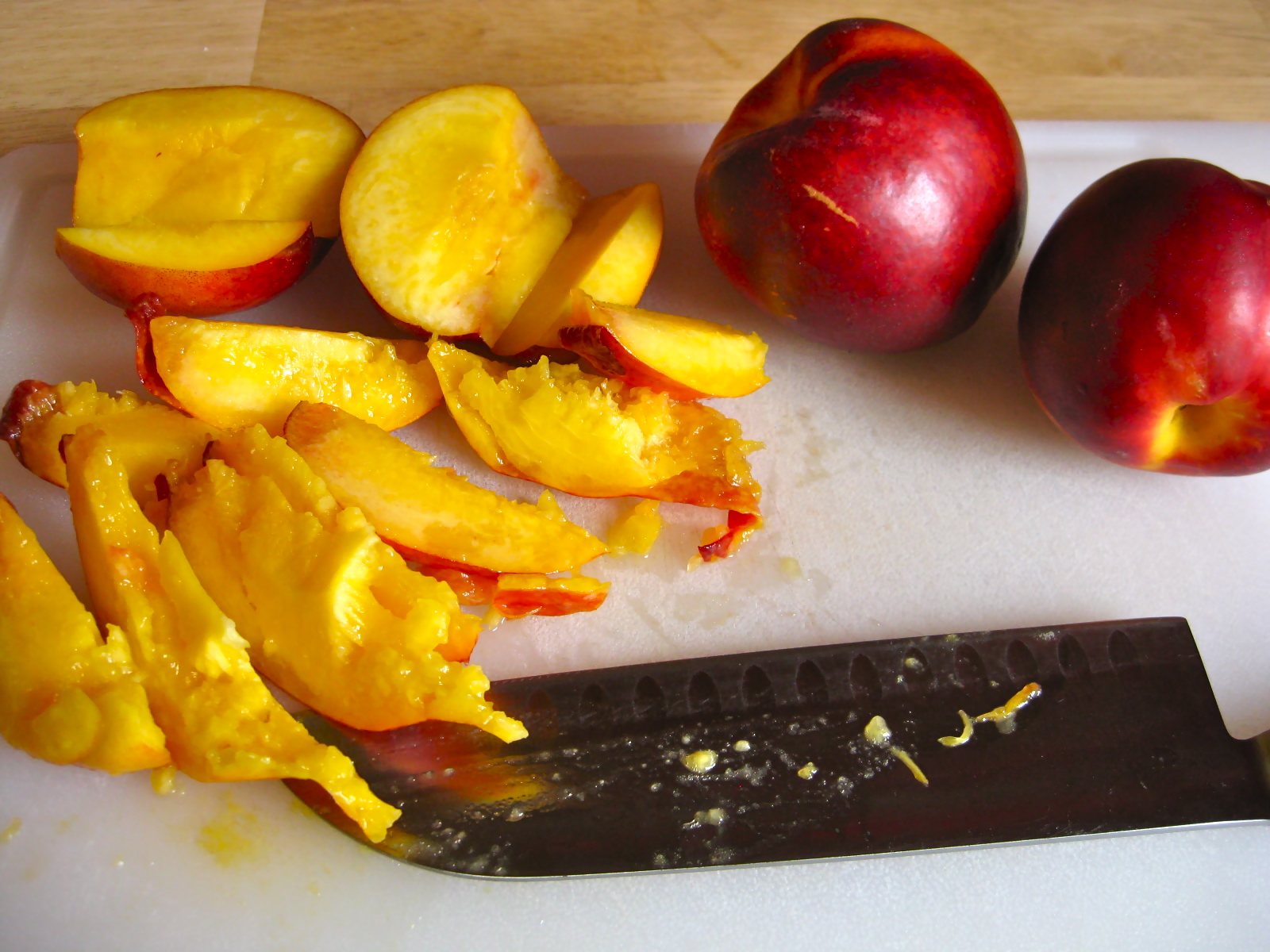
Cut each nectarine in half, remove the pit, and each half cut into 4 wedges.

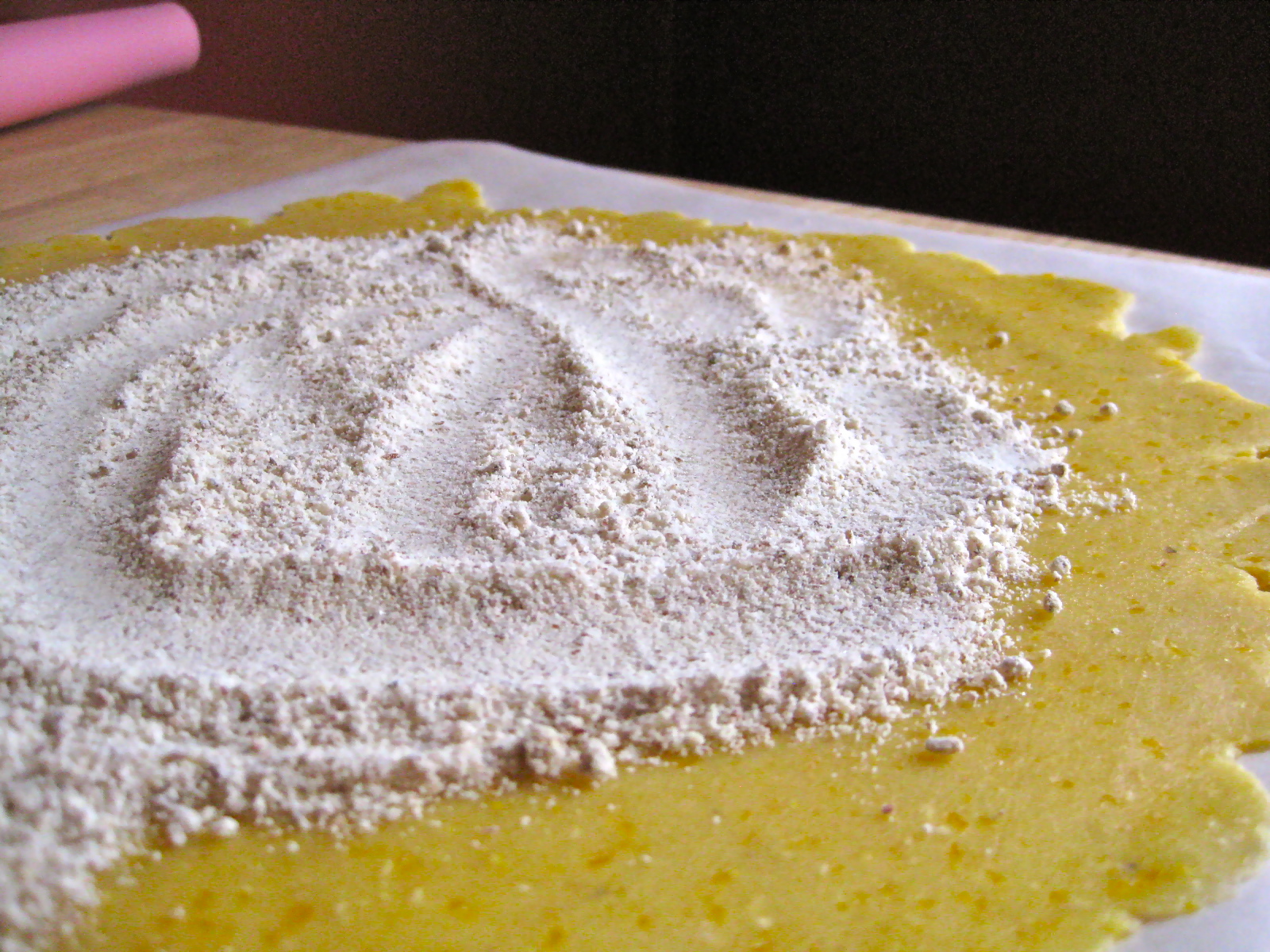
In a small bowl, combine ground almonds, 2 teaspoons of the sugar, and flour.

Remove the chilled, rolled-out dough from the refrigerator.  Sprinkle the almond mixture over the top of the dough, leaving uncoated a 1 ½ inch border at the edges.  Place nectarines, skin side down, in a single layer on top of the almond mixture, still leaving empty the uncoated edges.  Place raspberries on top of the nectarines, nestling the berries into any open crevices in between the nectarines.

While rotating the tart, fold the border of exposed dough up and over itself at regular intervals, crimping and pushing it up against the fruit. Pinch closed any breaks or cracks in the dough.  Sprinkle the remaining 1 teaspoon of sugar over the top of both the fruit and the folded-over edges of dough.

Bake on the center rack of the oven for 30 minutes, or until the crust is golden brown and the edges of the fruit have started to caramelize.

Cool for at least 20 minutes before eating, so as to allow the hot fruit juices to stabilize a bit.

Indian Spiced Smoked Spareribs

7 Jul

A few days ago, I picked up a book about slow barbecuing.  The book had been sitting on a dining room bookshelf for quite some time, having been brought home by my husband, a man with a deep interest in all varieties of meat preparation and consumption.  After glancing at the cover of the book for several weeks, I finally became curious as to what this book might offer in the way of secret insider barbecuing information, and sat down with the book with the intention of studying it.

Side note: Many years ago, I was convinced that every single book I started, I also had to finish.  No matter if I was enjoying the book or not, I felt, for reasons I am still unable to explain, compelled to slog through even the most boring and intolerable of books.  This went on for ages, until a coworker of mine happened to one day recommend to me a novel that involved cross-country travel on a bicycle, something in which I was, and still happen to be, interested.  So I started the book.  To get to the gist of what happened, I am going to edit out the slow and torturous ordeal of reading this book, and just tell you that, after all those years of practice of finishing books I did not enjoy, this particular book was so awful, so condescending in tone, and so ridiculous in character, that I, for the first time, was driven to not finish a book.  In fact, I not only didn’t finish that book, but I believe I may have, at one point, released an unpleasant and hearty groan as I chucked the book across the room and away from the earnest and somewhat tedious insistence of my prying eyes to keep chipping away at the book.

Aside from the part about rocketing the book away from my body, my reaction to that novel was pretty much a precursor to the reaction I had to reading the barbecuing book.

Why?  Why must people insist on making cooking into something that is inaccessible?  Why must cookbook writers look down upon their readers, and insist that their way, the intense, unbending way, is the only way?  Shouldn’t cooking be something that invites readers to share in a recipe?  Shouldn’t cooking be inspiring instead of belittling?  If you tell people, Mr. Barbecue Author, that the only way to make “real” barbecue is to buy a special smoker, only use lump charcoal, and never never use a gas grill while trying to make delicious barbecue, do you really think you are going to ignite a fire under people to go out and attempt your recipes?  And do you really think that I am going to read that, bend to your will, and forgo the 8 years of service that my gas grill has duly provided, just so I can tell people that I made barbecue the “right” way?

As you may have surmised, no, I did not follow the barking orders of Mr. Barbecue and his insufferable tome.  Instead, when hit by the urge to make smoked ribs for a small Independence Day celebration, I consulted with three different books about barbecuing that offered guidance and helpful tips, developed my own recipe based on flavors I thought would be interesting, then utilized a number of different barbecuing ideas that I thought would be a good fit.  And guess what?

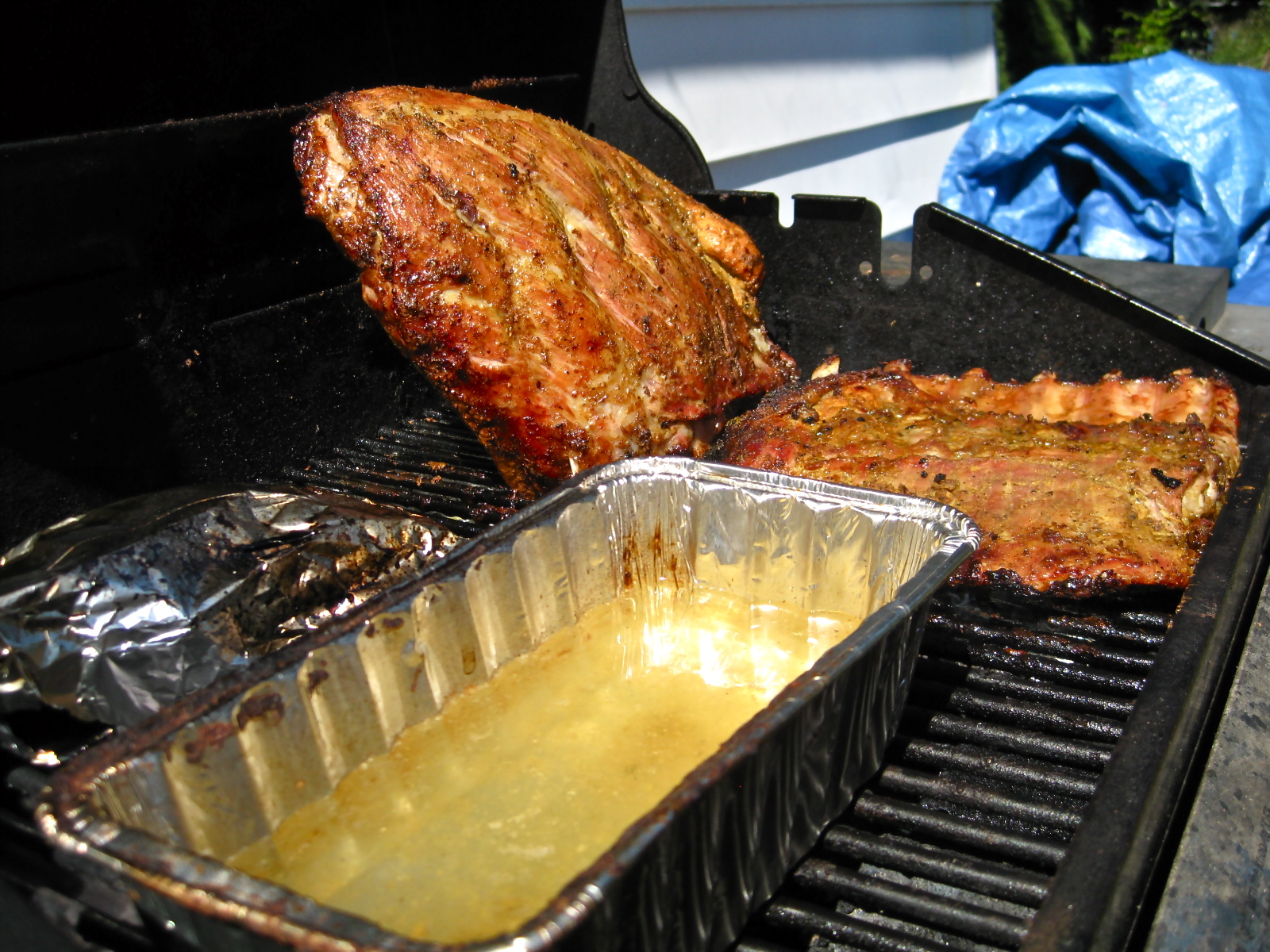
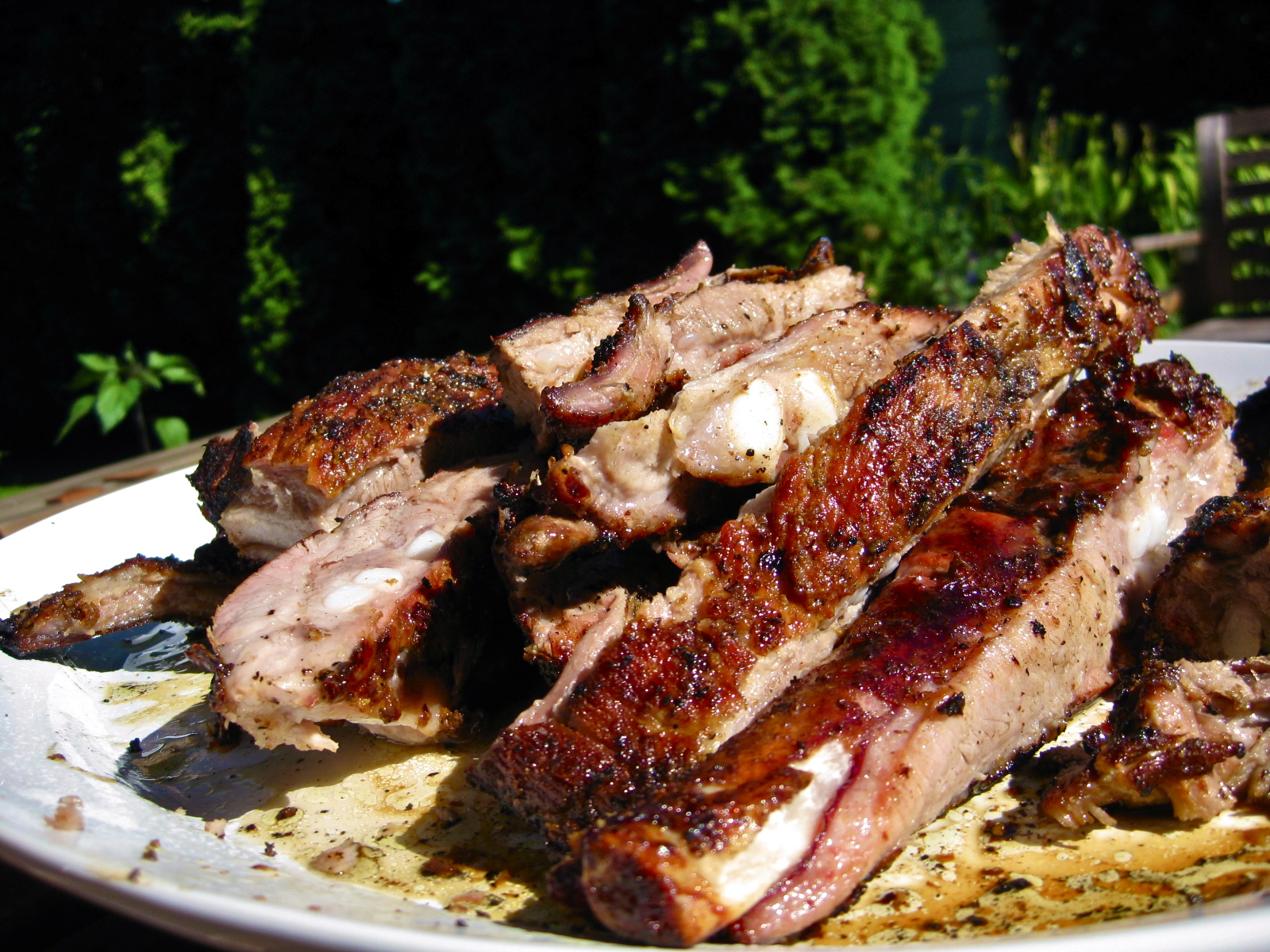
The ribs, after four hours of smoking on a gas grill, with wood chips left to smolder in both a small smoking box and a makeshift smoking pouch made of aluminum foil, and helmed by a person with absolutely zero previous experience dealing with ribs or rub, came out beautifully caramelized and tender.  The flavor of the rub, while subtle, provided an unexpected undertone to the smoky taste of the ribs, and, even though I broke every single rule that was dutifully laid out for me by the world’s most detestable barbecuing guide, my gas grill-smoked ribs still triumphantly emerged lightly tinged with a telltale pink smoke ring on the outside edges.

And so can yours!  Gas grill, charcoal grill, or even no grill (as featured in this New York Times Magazine tutorial about smoking ribs in your home oven), you can totally tackle your own smoked ribs, no matter what equipment you do or don’t have.  See?  See how encouraging I am being?  Are you listening Mr. Barbecue Tyrant?  (And, no, I won’t link to the book, because though I won’t tell you that in order to barbecue you will need special equipment, I will definitely tell you that in order to barbecue you most certainly do not need that book.)

Indian Spiced Smoked Spareribs

1 teaspoon mustard seeds

1/8 teaspoon fenugreek seeds

1 tablespoon ground cumin

1 tablespoon ground ginger

1 tablespoon ground coriander

2 teaspoons kosher salt

1 teaspoon black pepper

1 teaspoon onion powder

1 teaspoon garlic powder

½ teaspoon ground turmeric

¼ teaspoon cayenne pepper

¼ teaspoon ground cinnamon

5 pounds spareribs, cut into slabs that will comfortably fit into your grill (I cut this particular rib rack into two large slabs)

¼ cup yellow mustard

2 to 3 cups wood chips, soaked in water for 1 hour, then drained

1/3 cup apple cider (optional)

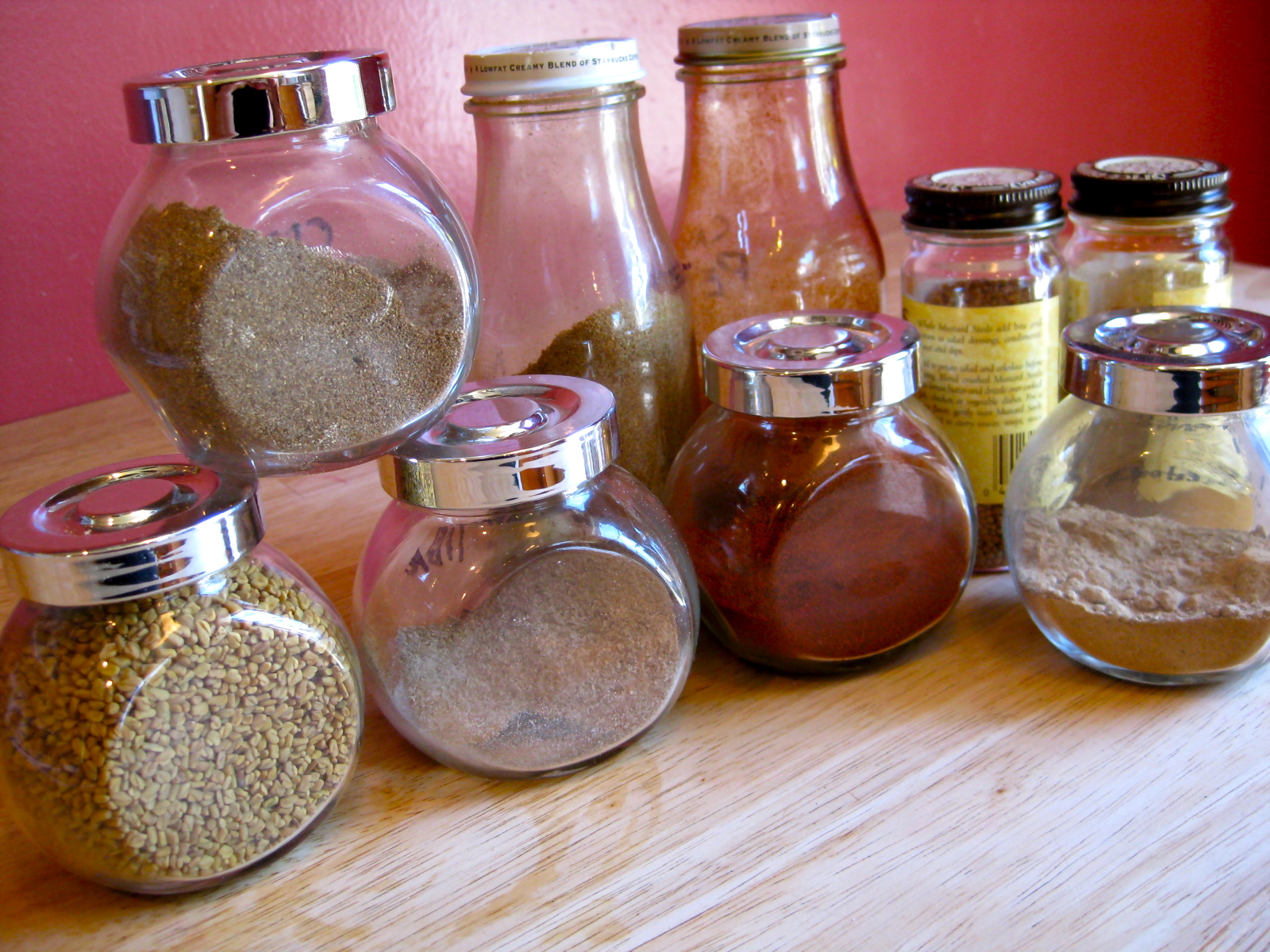
Combine mustard seeds and fenugreek seeds in a spice grinder or mortal and pestle and grind until a fine powder has been formed.

In a small bowl, combine ground mustard seeds and ground fenugreek seeds with other spices.  Mix to combine.

Rinse ribs, then pat dry.  Place ribs in a large, flat dish, or on a baking sheet that will fit into your refrigerator.  Brush both sides of your ribs with a light layer of yellow mustard (this will help your spice rub adhere to the ribs, and will also aid in the formation of a nice crust on the meat).  Sprinkle spice mixture over both sides of rubs, very gently patting into the meat (try not to pat too hard, however, or the rub will just stick onto your hands and pull off of the meat).  Place spiced ribs in the refrigerator to rest for at least 4 hours, preferably overnight.

At least 30 minutes before you are ready to cook your ribs, remove them from the refrigerator and allow them to come to room temperature.  Set up your grill for indirect grilling.  If you have a two burner gas grill, this will mean setting one burner on medium low heat and leaving the other burner off.  If you have a three burner gas grill, it will mean setting two burners on medium low heat and leaving the third burner off.  If you have a charcoal grill, you will be raking your hot coals into two piles on opposite sides of the grill, leaving an empty space in between.  After preparing whichever grill you have, place a drip pan in the portion of the grill that is not lit or covered with hot coals. Note: you can read more about direct vs. indirect grilling here.

Toss the pre-soaked wood chips onto hot coals (if using a charcoal grill), or, if using a gas grill, place wood chips in a smoker box made specifically for gas grills (such as this one), or wrap your wood chips in a tight pouch of aluminum foil with holes punched in the top (as demonstrated here), then place the box or pouch of wood chips under the grill grate, directly on top of a burner.  I ended up using both a smoker box placed under a grill grate and a foil pouch smoker placed on top of the grill grate.

Place a small pan of water, filled ¾ full, on the heated side of the grill.

Pour apple cider into a small spray bottle.

Place the ribs, meaty side up, on the hot grate, over the drip pan that has been placed away from the heat.  If your ribs do not fit flat on the grill, as ours did not, place one slab flat, and the other on its end, propped up on the wall of the grill, if necessary.  Lightly spray ribs with apple cider.  Close lid of grill and allow ribs to smoke for at least 3 to 4 hours on medium low heat (if you have a grill thermometer, the temperature will read somewhere between 200 degrees Fahrenheit and 250 degrees Fahrenheit, though do not rely entirely on your grill’s thermometer, since many things can influence an incorrect temperature reading—our grill was sitting in a sunny place and the temperature read between 350 and 400 degrees the whole time, which was obviously incorrect).  Every 30 minutes, open the grill, turn your ribs over, spritz them with apple cider, then close the lid of the grill.  If the water in the pan has reduced a great deal, replenish the water about ¾ of the way full.

You will know your meat is done with the meat has started to shrink back about ¼ of an inch from the ends of the rib bones, and a fork is able to easily penetrate the meat.  We smoked a heavy five pounds of meat and, with repeated spritzings of apple cider, the ribs took just shy of 4 hours to cook.