New Potato and Caramelized Leek Tart in an Olive Oil Crust

11 May

While I’ll admit to the occasional dinner that was not so much “cooked” as it was “spotted at the cheese counter and then paired up with a baguette and consumed with great enthusiasm,” there are, in fact, more instances than I can count during which I decided to make a dinner that was based on a bag of discounted vegetables at the green market.
Sounds suspect, you say?  Not if you saw the types of goods the green market offers on their discount shelf, all of which are sold in bulk for a mere $1.  Bags of red and orange peppers combined with a dozen tomatillos?  Yes.  Ten perfectly ripe avocados that need to be eaten as soon as you get home, but, hey, that’s okay because who doesn’t love avocados?  Definitely.  Half a dozen habanero chilies, two yellow onions, four plump tomatoes, and a handful of green beans?  That right there is homemade salsa, plus a crisp snack to munch while you make the salsa.

Last week, however, the $1 shelf outdid itself.  As if it somehow managed to read my mind, the green market had decided to off load a pile of new potatoes and spring leeks, both of which, though generally associated with heartier winter fare, had been on my mind lately (perhaps because of the preponderance of chilly weather we’ve been subjected to for what seems like an eternity).  The cold in my bones was thinking soup, but a brief peek of sunlight through the clouds brightened my mood enough to encourage me to begin thinking of something a little lighter and more spring-ish.
While not everyone might think of a tart as being spring fare, I have to disagree.  A vegetable tart, made with this exceptionally savory and flavorful olive oil crust, can be a perfect warm weather meal.  Eaten on a bed of fresh spinach or baby greens, it is light, yet filling, and the abundance of greens evidenced in the meal is always a welcome sight.  Well, to me, at least.  But, as previously discussed, I also get excited about a $1 bag of cast-off vegetables, so perhaps I should just say that you shouldn’t take my word that this tart is a welcome and delicious spring meal, you should instead simply make the tart and discover its deliciousness for yourself.

New Potato and Caramelized Leek Tart in an Olive Oil Crust

Olive Oil Crust

1 ½ cups all purpose flour

½ teaspoon salt

1/3 cup olive oil

3 tablespoons milk

Preheat oven to 425 degrees Fahrenheit.

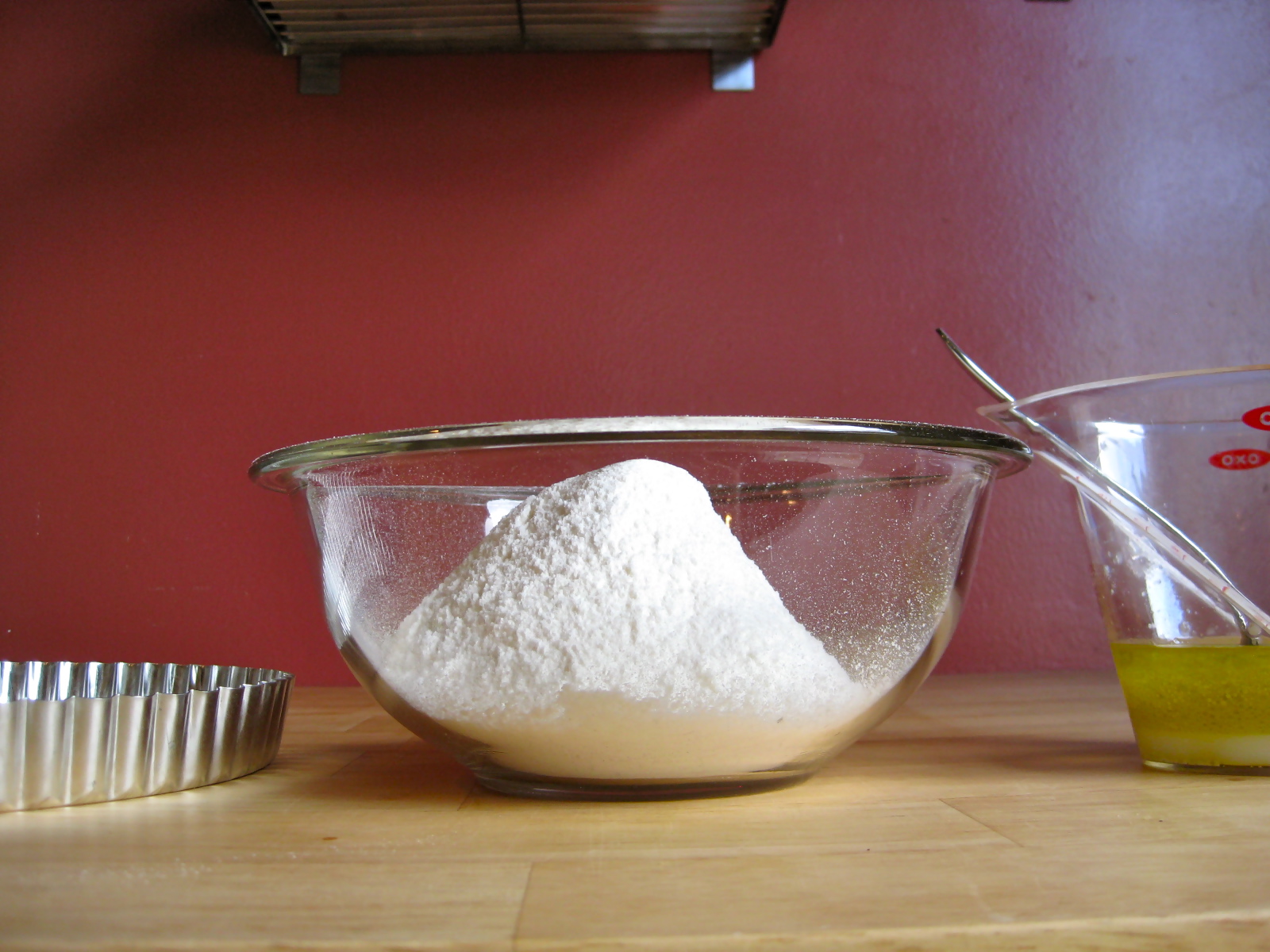
In a medium bowl, sift together flour and salt.  In a small bowl, combine olive oil and milk and whisk together until integrated.  Add milk and oil mixture to flour mixture and, using a fork, combine the mixture until fully incorporated.

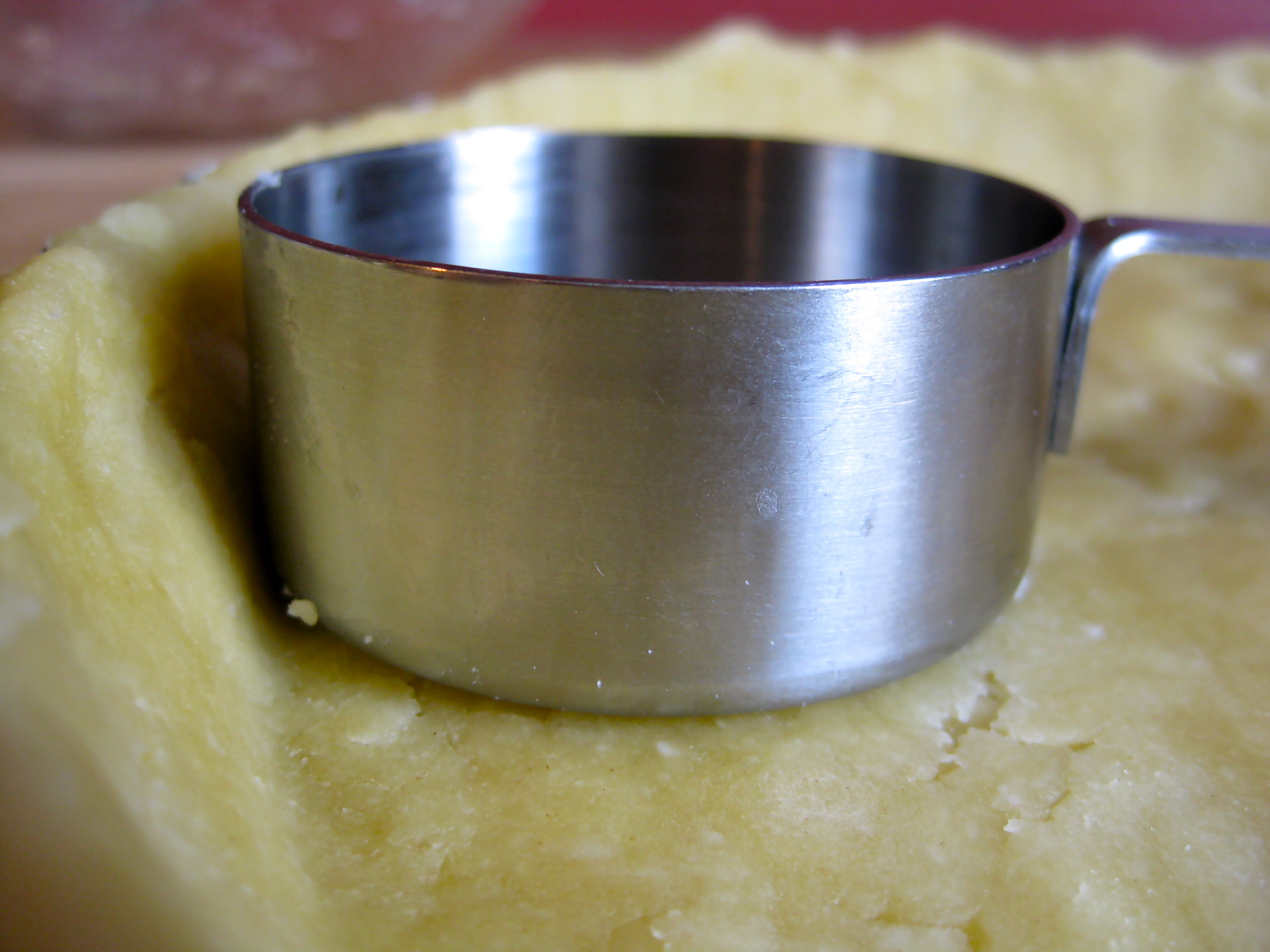
Gather the dough together and knead it into a ball.  Press it evenly into the bottom and sides of a 9-inch tart pan with a removable bottom (I use a small measuring cup to smooth everything into place and it works wonders).  Pierce crust on sides and bottom with a fork, and parbake in the preheated oven until only very slightly browned on the edges, 10-12 minutes.

Remove tart crust from oven and lower oven temperature to 375 degrees F.

New Potato and Caramelized Leek Filling

3 large leeks, fully rinsed and trimmed of their dark tops

1 tablespoon butter

1 tablespoon olive oil

1 large sprig fresh thyme

salt and pepper to taste

12 ounces new potatoes (or red or Yukon gold, or any other small, creamy potato) scrubbed and then sliced about ¼-inch thick

½ cup milk

2 eggs

1/3 cup grated parmesan cheese

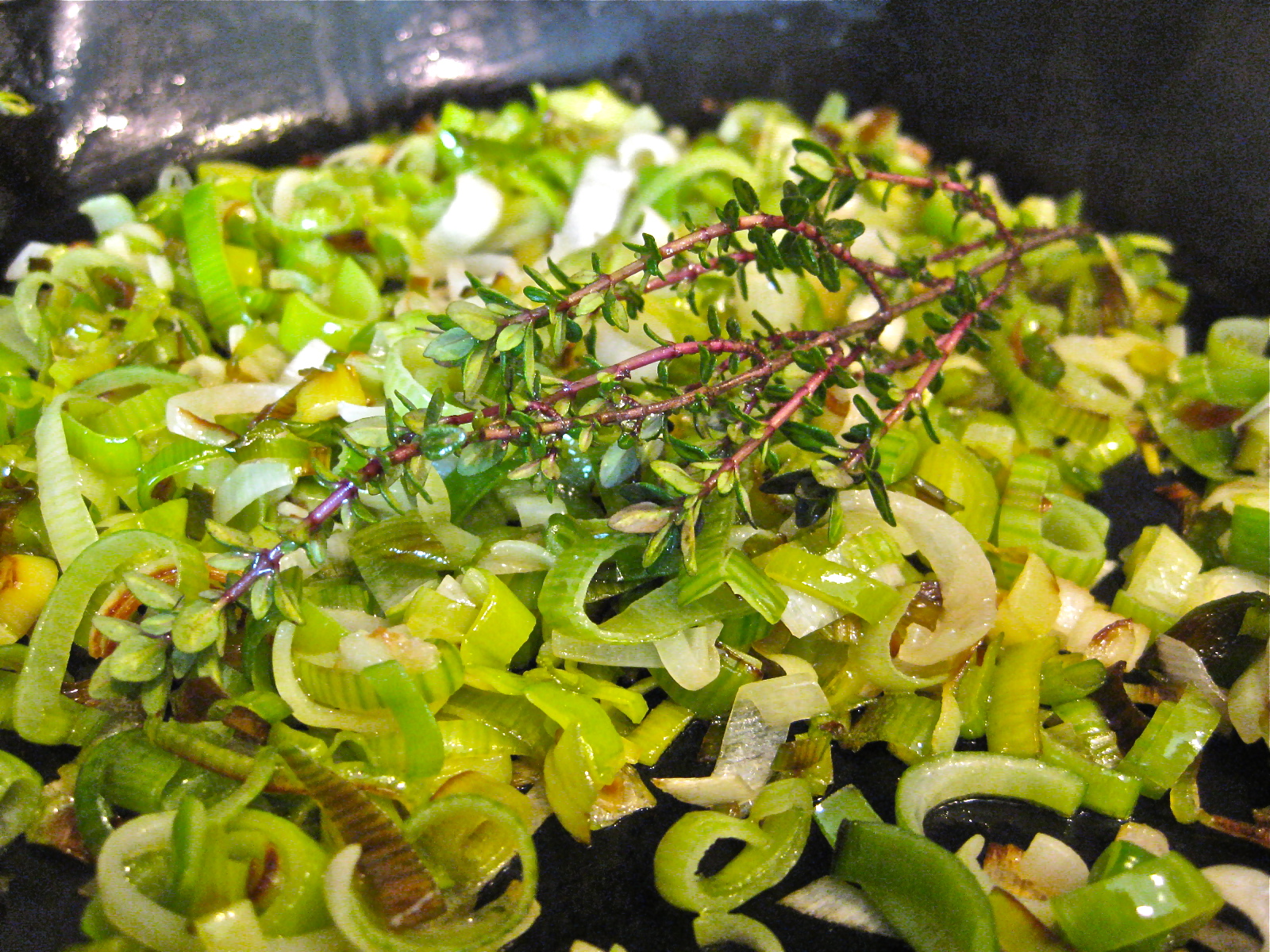
Slice rinsed and trimmed leeks in half lengthwise, then slice the white and light green parts about ¼-inch thick.  On medium low heat, combine butter and olive oil and heat until butter is almost completely melted and just begins to foam.  Add leeks and thyme, stir to coat leeks with butter and olive oil, then reduce heat to low. Cook, stirring frequently, over low heat until leeks are softened and gently caramelized to a light brown color, about 25 minutes.  Remove from heat, add salt and pepper to taste, and set aside.

While leeks are cooking, boil the potato slices in lightly salted water until crisp tender, about 7-10 minutes.  Drain potato slices and set aside.

In a small bowl, combine eggs and milk and beat to combine well.  Add in parmesan cheese and continue to mix until combined.  Add cooled, caramelized leeks to the egg mixture, making sure to remove the sprig of thyme, then mix well to combine.

Arrange the potato slices in the parbaked tart shell, overlapping them in a concentric circle.  Pour egg and leek mixture over the potatoes.

Bake for 35-45 minutes, until the middle of the tart is set and no longer wet.  The leeks exposed on top of the tart will turn dark brown and continue to caramelize even further, which is fantastic.  However, if, partway through baking, you see your leeks starting to turn brown to the point of blackening and burning, loosely cover the tart with a sheet of foil for the remainder of the baking time.

Serve warm or at room temperature.

Quick and Easy Citrus Crepes with Berry Sauce

6 May

While I am no stranger to the concept of tackling a recipe that may require what seems to some people a ridiculous or unreasonable amount of wait time (although I will defend to the death the argument that granola really does taste best when baked at a low heat for two hours, and that the flavor of bread really does rocket to a whole new level of tasty when started with a sponge), there are times when even I look at a recipe and think, “You want me to set this batter aside for 6 hours before I use it?  Are you kidding me?”

Such was my reaction when trying to hunt down a simple and satisfying recipe for crepes one weekend morning.  Logic may dictate that the more intelligent thing to do would have been to look for an appropriate recipe the evening before (when resting crepe batter in the fridge coincides with resting yourself in bed), but, and I am sure I am not alone when I say this, I didn’t know I wanted crepes for breakfast when I went to bed.  Since, however, I certainly knew I wanted crepes for breakfast right then, I quickly hit our cookbook shelves and started the process of rapidly finding and rejecting recipes.

Alice Waters wanted me to add beer to my batter and let it rest overnight.  Deborah Madison wanted the batter to rest for at least two hours.  Another recipe chided the reader to never—EVER—make a crepe with regular flour, because only buckwheat flour would produce a worthy and authentic crepe.  All of the recipes implored the potential crepe-maker to cook their crepes in a special crepe pan or, at the very least, in a nonstick skillet, neither of which I happen to own.

That’s right.  No nonstick cookware.  I won’t bore you with the reasons why, but about three or four years ago we retired our last nonstick pan and it’s a decision we’ve never regretted.  We have two cast iron skillets (one of which is enameled) and one stainless steel-clad sauté pan and we have yet to find the need for anything else.  But moving on.

Eventually, my crepe saving grace was found in the pages of Joy of Cooking.  Another admission: I have two copies of Joy of Cooking, one from 1985 and one from 1999.  Why, you ask?  Well, because between the years 1985 and 1999, ideas in cooking underwent a huge change, as they are wont to do in any given 14 year period.  The two version of what are seemingly the same cookbook are fantastically different, and there are recipes in both copies that are unique to those particular editions.  Not surprisingly, the crepe recipe in the 1985 version was decidedly less fussy than the one in the 1999 version so, in the end, that’s where I found the winner.

Which is not to say I didn’t still feel the need to do a bit of tweaking.  The recipe you see below is a super simplified version of the one I eventually decided to use as inspiration.  It produces crepes that are light, delicious, and infinitely adaptable.  We ate the crepes with a simple sauce made from a mix of frozen berries unearthed from our freezer, but I would imagine there is no bad way to dress these fellows up—lemon curd, lightly sweetened mascarpone cheese, unadulterated fresh berries, cinnamon sugar, the list of possibilities is nearly endless.  All that time you won’t spend waiting for your crepe batter to rest, you can instead spend thinking up any number of wonderful ways to fill and dress your next special breakfast, which might perhaps happen to fall this Sunday for a certain lady in your life who goes by the name Mom.

Quick and Easy Citrus Crepes with Berry Sauce

Partially adapted from Joy of Cooking 

Crepes

3/4 cup all-purpose flour

1/2 teaspoon salt

1 teaspoon baking powder

2 tablespoons powdered sugar

2 eggs, beaten

2/3 cup milk

1/3 cup water

1/2 to 1 teaspoon finely grated lemon or orange zest

Vegetable oil, for brushing the skillet

Place flour in the bowl of a food processor and pulse half a dozen time to aerate the flour.  Add salt, baking powder, and powdered sugar to the food processor and pulse half a dozen more times to combine.

In a medium bowl, add beaten eggs, milk, water, and lemon zest, and mix to combine.  With the food processor running, slowly pour the milk and egg mixture into the flour mixture.  Allow the mixture to process until combined, about 5 to 10 seconds total.  If you spot a few lumps, don’t worry.  Don’t try to keep processing the batter in order to eliminate all lumps–that will just make the batter tough.

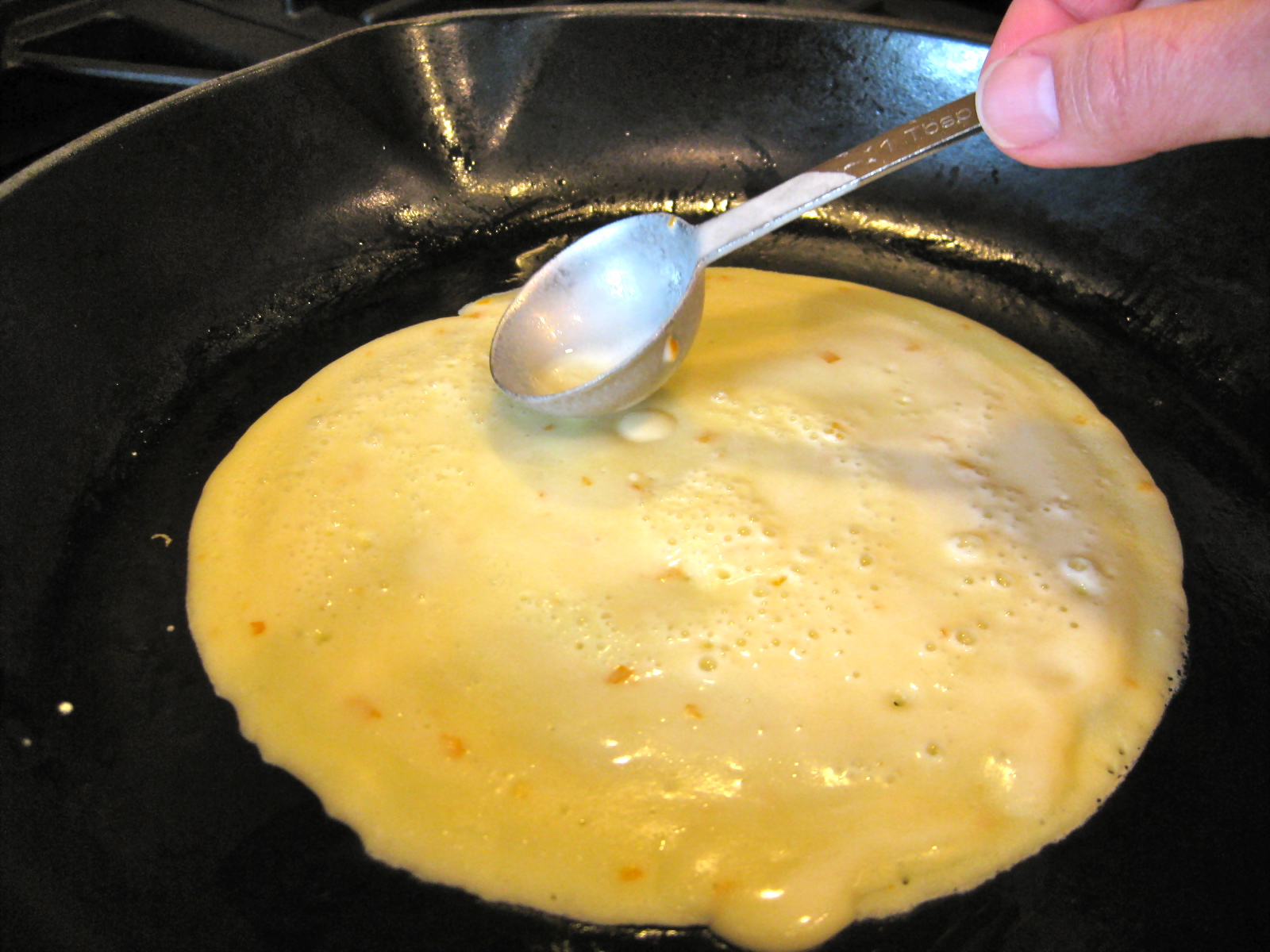
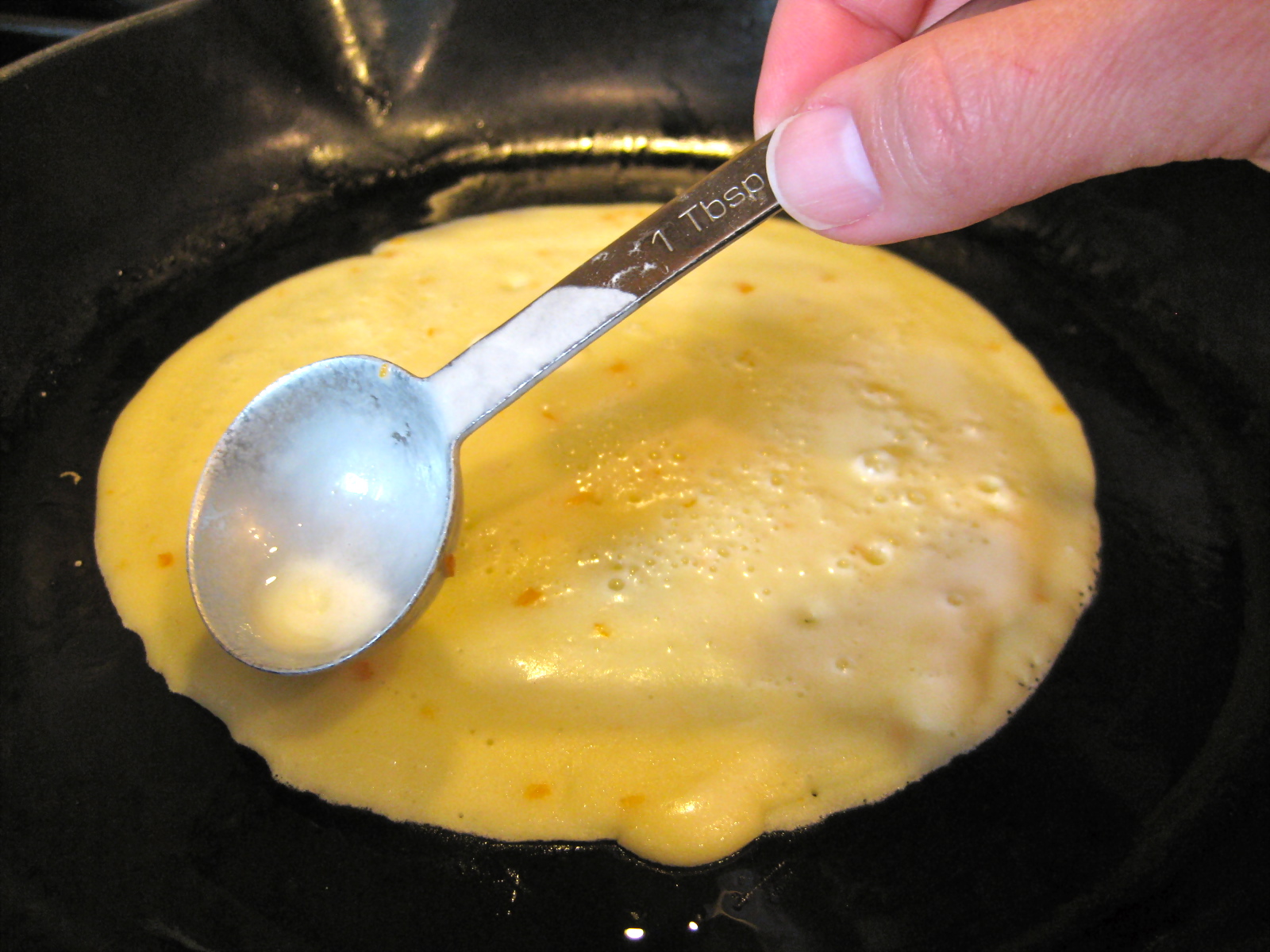
Thoroughly heat a small or medium skillet over medium-low heat.  Lightly brush the pan with a small amount of vegetable oil.  Add a small amount of batter (about 3 tablespoons), pouring it directly from the bowl of the food processor.  Tip the skillet and let the batter spread over the bottom, or use a spoon to very gently coax the batter out into a wide circle.  Cook the crepe until tiny bubbles begin to form and pop on the surface of the crepe.  Flip crepe and cook until underside is lightly browned.

Repeat process with remaining batter, making sure to lightly brush the pan with oil before cooking each crepe.  Crepes can be stacked and set aside, covered lightly with foil, while the whole batch cooks.

Berry Sauce

3 cups mixed berries, fresh or frozen (we used a mixture of strawberries, blueberries, and raspberries)

3 tablespoons sugar

1/4 cup freshly squeezed orange juice

2 tablespoons freshly squeezed lemon juice

Combine all ingredients in a saucepan and place over medium heat.  Cook, stirring constantly, until the fruit just begins to fall apart, roughly five minutes.  Transfer mixture to a blender or food processor and puree until about half of the mixture is blended into a liquid and the other half remains slightly chunky.  If you are not a fan of textured sauce, feel free to puree the sauce until it is completely smooth, or until your desired texture has been reached.

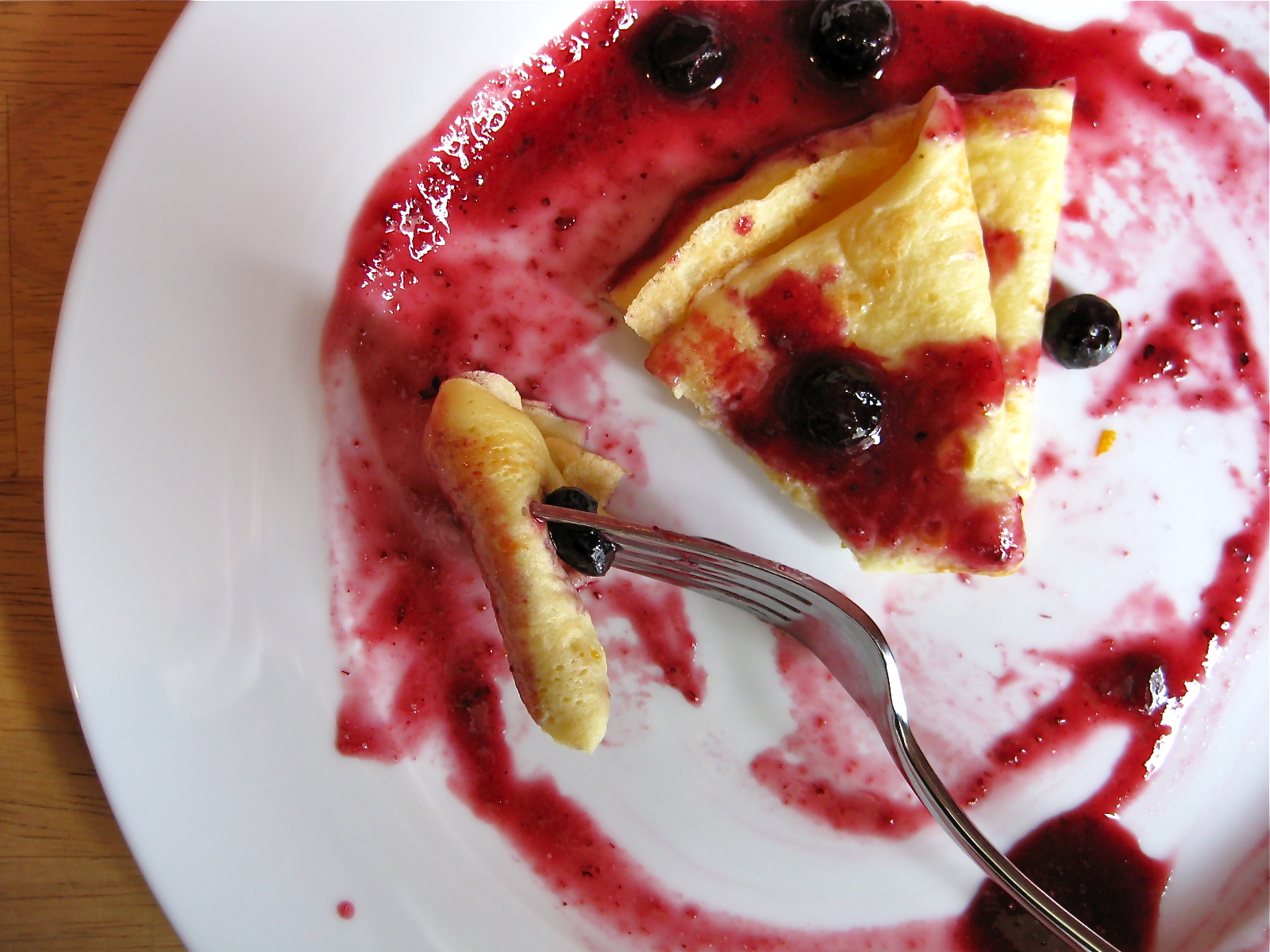
To serve crepes as shown, lightly butter each crepe (we used these orange and mint butters), then fold twice into quarters.  Arrange crepes on a plate and drizzle with berry sauce.

Ya Hala’s Hummus

2 May

Up until last week, I had never made hummus.  This may not seem strange to you, but to me, a person who has been known to make a loaf of bread from scratch for the sole purpose of turning that bread into croutons as an accompaniment for salad (I didn’t say it was a smart thing to do, I am just pointing out that I did it), it seemed downright puzzling.

But I have a reason for my avoidance.  It’s not that I thought making hummus would be too difficult or time consuming, and it’s not as though I thought that prepackaged hummus tasted good enough to permanently sit in for an attempt at making a home made batch.  Embarrassingly, my hesitating was the result of something far less rational, and it went a little something like this:

If I am going to make hummus, it is going to have to taste as good as the hummus at Ya Hala.

That might not sound very reasonable at first mention, but hear me out.  I know the basic components of hummus (chickpeas, tahini, lemon juice, garlic), and I know that I could have just retrieved those ingredients, thrown them in the food processor, and come up with an end result that was tasty and entirely edible, but that’s the basic end result that I get when I buy a pint of hummus from Trader Joe’s, and making something that tastes like it came from Trader Joe’s is not high on my list of worthy accomplishments.  If I was going to make hummus, it had to be thick, but not impassably so.  It had to be creamy, but not runny.  It had to be garlicky enough to have a kick, but not so garlicky that my tongue felt scorched after one bite.  In short, it had to be the delicious and dreamy hummus that, heretofore, I had only had the pleasure of eating at one of my favorite local Middle Eastern restaurants.

Then, as if by magic, my prayers to the hummus gods were answered.  Flipping through an errant pile of papers on a dining room bookshelf, I found a newspaper profile of the family that runs a trifecta of fantastic Lebanese restaurants in Portland: Hoda’s, Nicholas, and the aforementioned Ya Hala.  The article told of the family’s sojourn from Lebanon, their unlikely journey to becoming restaurateurs, and, what’s this?  The article includes family recipes?  For flatbread, kebabs and (this is when the clouds parted and an unearthly beam of light shined down from the heavens upon the newspaper before me) hummus?

This story would have a much tidier ending if I told you that I immediately dropped everything I was doing and headed straight to the kitchen to whip up a batch of this mythical hummus, but that’s not quite how things turned out.  First of all, it was to my extreme consternation that I discovered the date on the newspaper read 2009, meaning that I had held onto this recipe for two full years without remembering so (note that I didn’t say I did not know I had the recipe, because what I almost instantly realized when I saw the recipe was that, oh, yeah, I remember reading this article and then saving it to try the recipes later and then, yes, completely and totally forgetting all about it).  Secondly, it took at least another week before I could attempt the hummus, as often happens when life interferes with one’s greatest recipe intentions.  But, oh, when I finally made the hummus, in all its creamy, tangy, and thick glory, it was, without a doubt completely worth the wait.  If only the end of my wait hadn’t spent the last two years sitting a mere couple of feet from where I sit at the dining room table every single day of the week.

Ya Hala’s Hummus

From Mirna Attar, via the Oregonian

According to the article, and as evidenced by my repeated tastings, baking soda is the key to silky smooth hummus.  Baking soda helps soften the beans so they cook quickly and break down easily when blended.  According to the recipe, this hummus can be prepared up to 2 days ahead and stored in an airtight container in the refrigerator until ready to use (but we ate this hummus for a whole week and it was just divine).  Additionally, I find that the hummus tastes best when allowed to rest for a few hours in the fridge before eating.  Resting seems to allow the flavors to combine more smoothly and intensely.  Straight from the food processor the flavor was good, but after spending a few hours in the refrigerator the flavor of the hummus became infinitely more silky and fantastic.

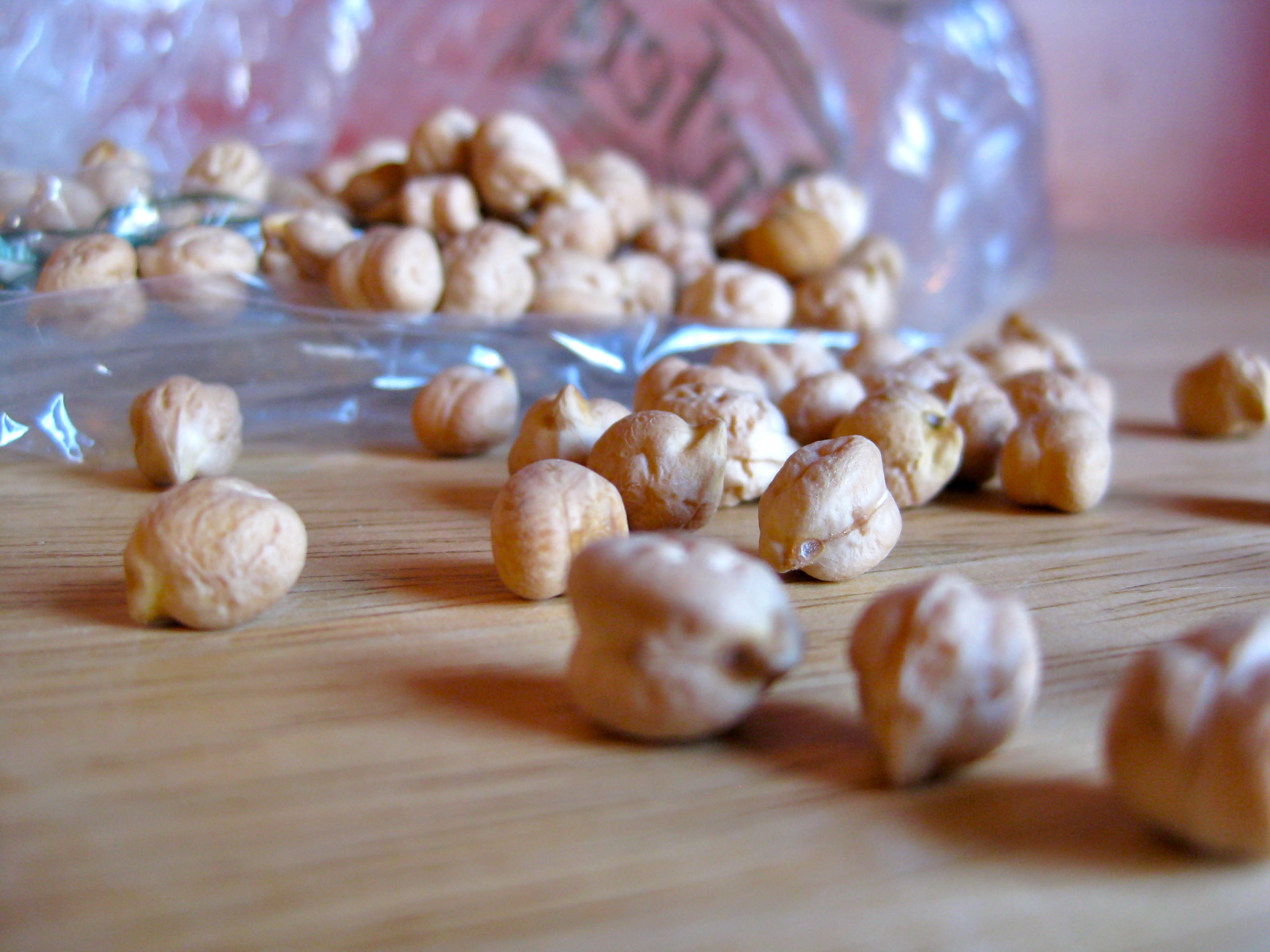
1 cup dry garbanzo beans

7 cups water (for cooking beans)

1 teaspoon baking soda

1 1/2 teaspoons salt

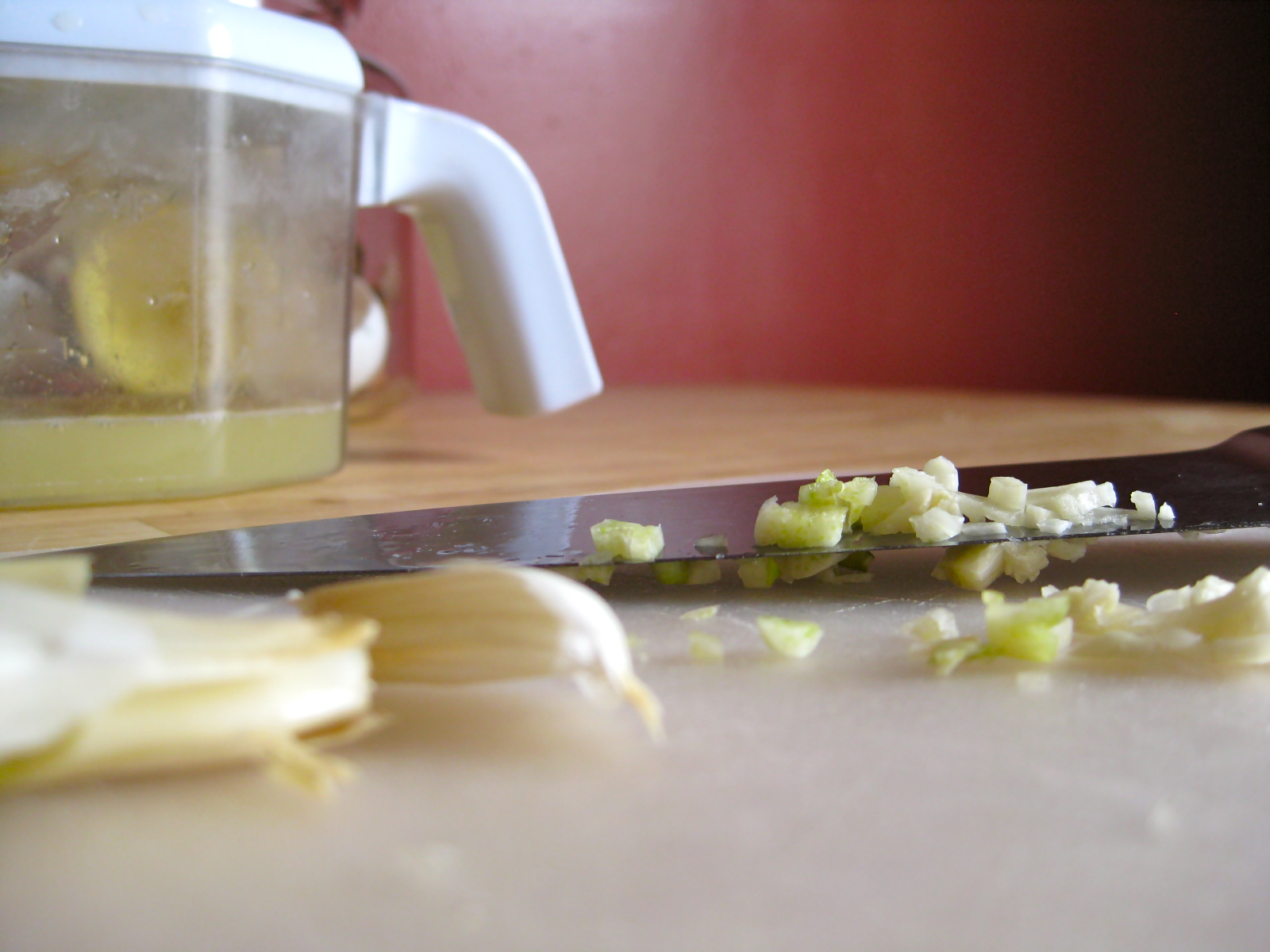
1/2 heaping teaspoon minced garlic

1/4 cup tahini

1/2 cup freshly squeezed lemon juice

Rinse the garbanzo beans, drain and cover with water to cover by 3 inches.  Soak beans for 4 to 6 hours. Drain in a colander and rinse thoroughly.  In a large pot combine soaked beans, the 7 cups water, and the baking soda.  Bring to a boil, reduce heat, and simmer until the beans are falling apart, about 1 hour.  Stir any foam that comes to the surface back into the beans while they cook.  Pour beans and any remaining cooking liquid into a large bowl and cool to room temperature in the refrigerator.

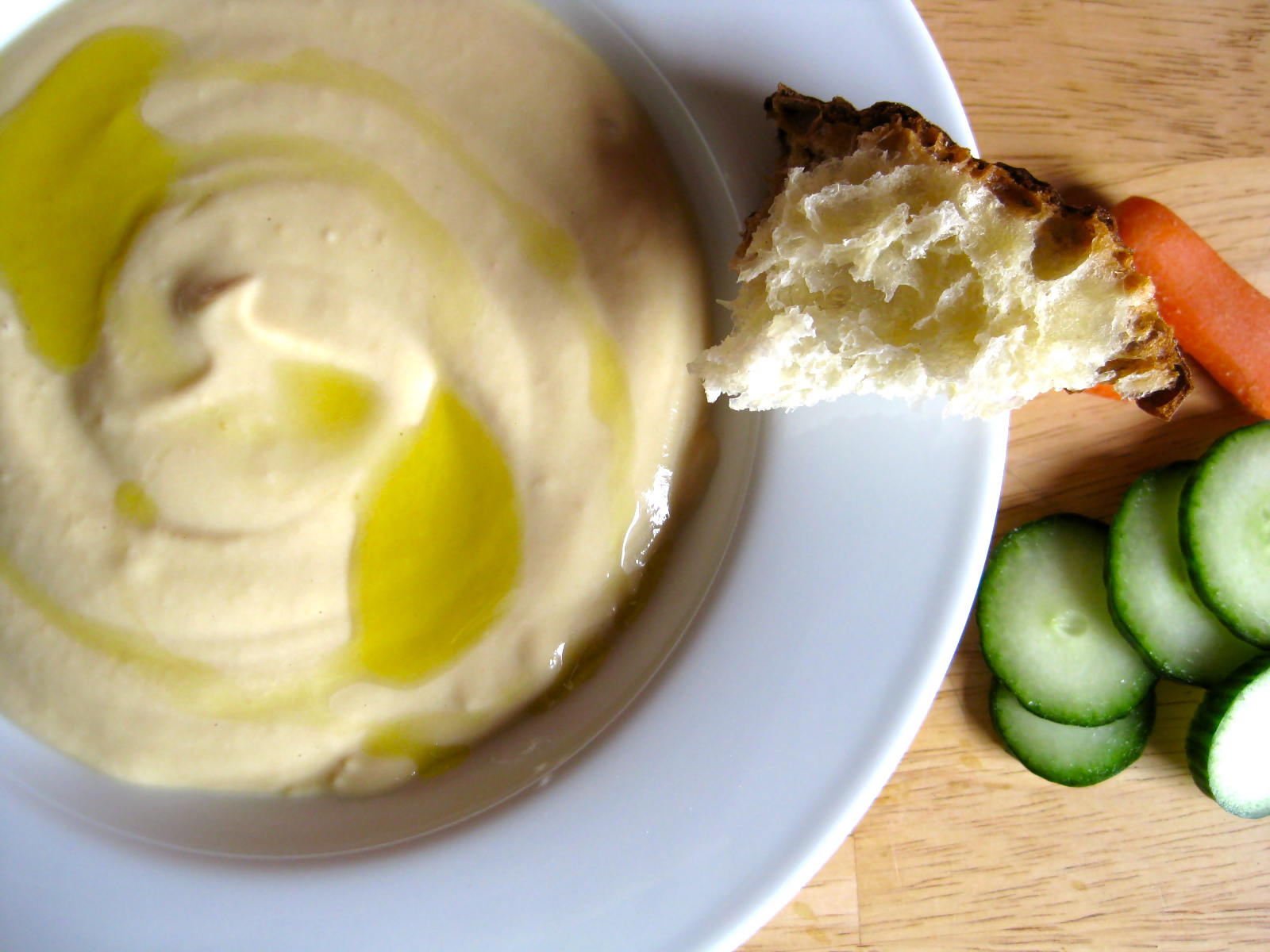
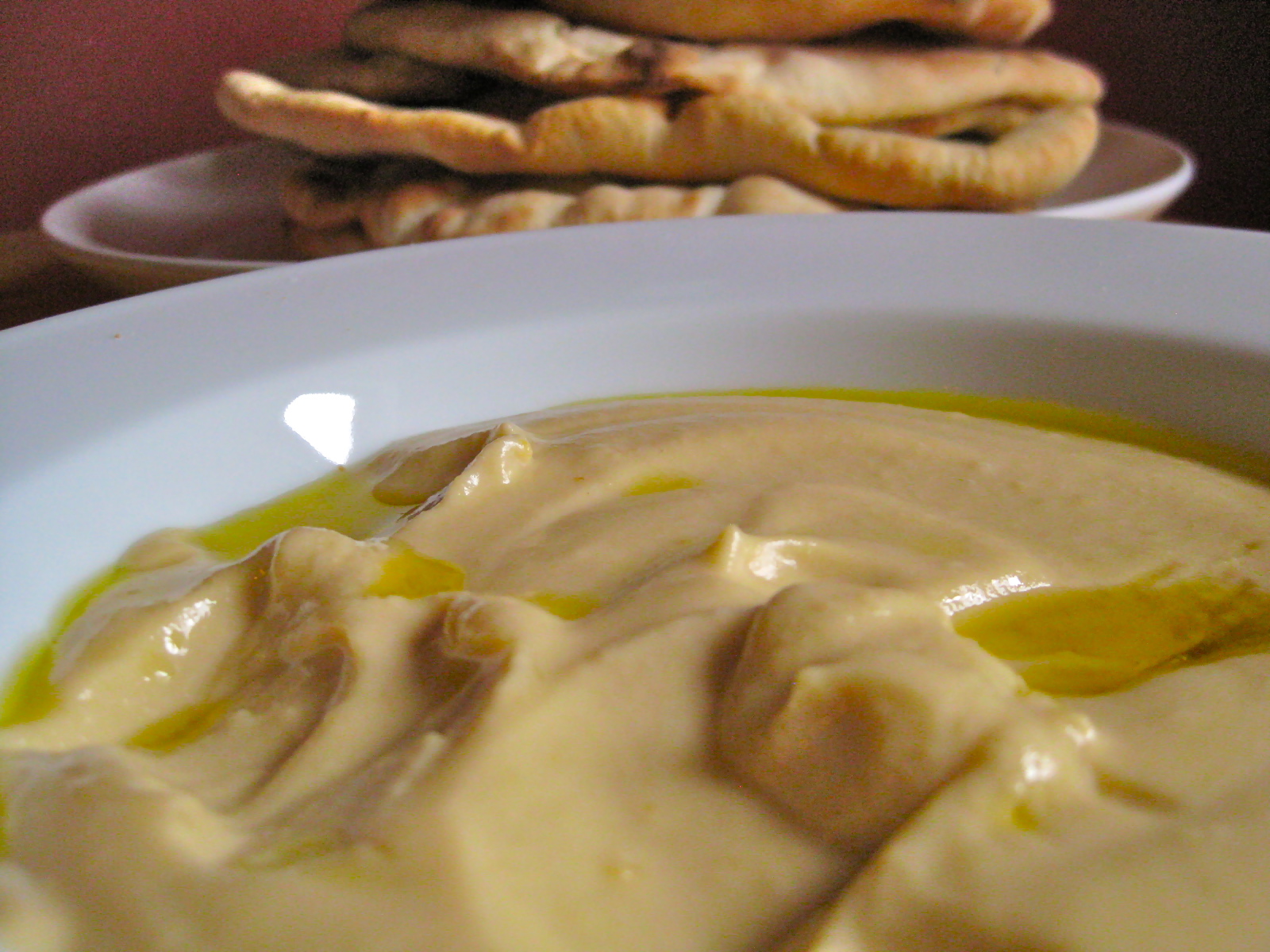
Transfer beans and liquid to a food processor.  Add the salt, garlic, tahini, and lemon juice and process until smooth.  If the mixture is too thick (it should be the consistency of very thick cream), add water 1 tablespoon at a time until the hummus is smooth.  Transfer to a medium serving bowl and allow to rest in the refrigerator for at least 1 hour.  If desired, drizzle with olive oil before serving.

Makes roughly 2 1/2 cups hummus.