Archive | Asian RSS feed for this section

Vegetable Pakoras

19 Apr

Do you partake in spring cleaning?  Does the sight of sunshine, albeit weak and passing, compel you to bust out dusting cloths and cleaning supplies?  Or perhaps you lean in a different direction when it comes to satisfying the urge to clean things out and start anew.  That direction, in this case, being the refrigerator.
It’s no secret that I like to hoard leftover bits of this and that in the refrigerator, but it should be pointed out that I definitely have my limits when it comes to how long something sits in my fridge.  The Kitchn recently ran a good article about a helpful way to manage your refrigerator leftovers  by utilizing the 2:4 rule, dictating that food left out at room temperature for 2 hours is still good to pack up and save, and food left in the refrigerator for 4 days is still good to eat.  Some might find these rules of thumb a little strict (I have been known to leave leftovers in the refrigerator for much, much longer than that and suffer no ill effects after subsequently eating them), and instead err on the side of this train of thought examined a couple of years ago on NPR, which proposes that refrigerated food, regardless of when you might be told it will expire, lasts much, much longer than most people think it will.
Still, it is not difficult to tell when most foods are nearing the end of their lives.  Just seeing the weak and slumping appearance of a container filled with abandoned chicken is enough to give me the chills.  And if you’ve ever been unfortunate enough to pour a lump of expired milk into your hotly anticipated first cup of morning coffee, well, I feel your pain.

Over the years I have become quite adept at last minute ideas for utilizing foods that seem to be hobbling about on their last legs (though it bears mentioning that if you do actually happen to see your old and haggard refrigerator contents literally move on their own, it would, of course, be in everyone’s best interest that you just dispose of said items immediately).  While it’s rare for me to meet a frittata or quiche I don’t like, I have to admit that my all time favorite way to rid my crisper drawer of errant vegetables is by whipping up a batch of pakoras.
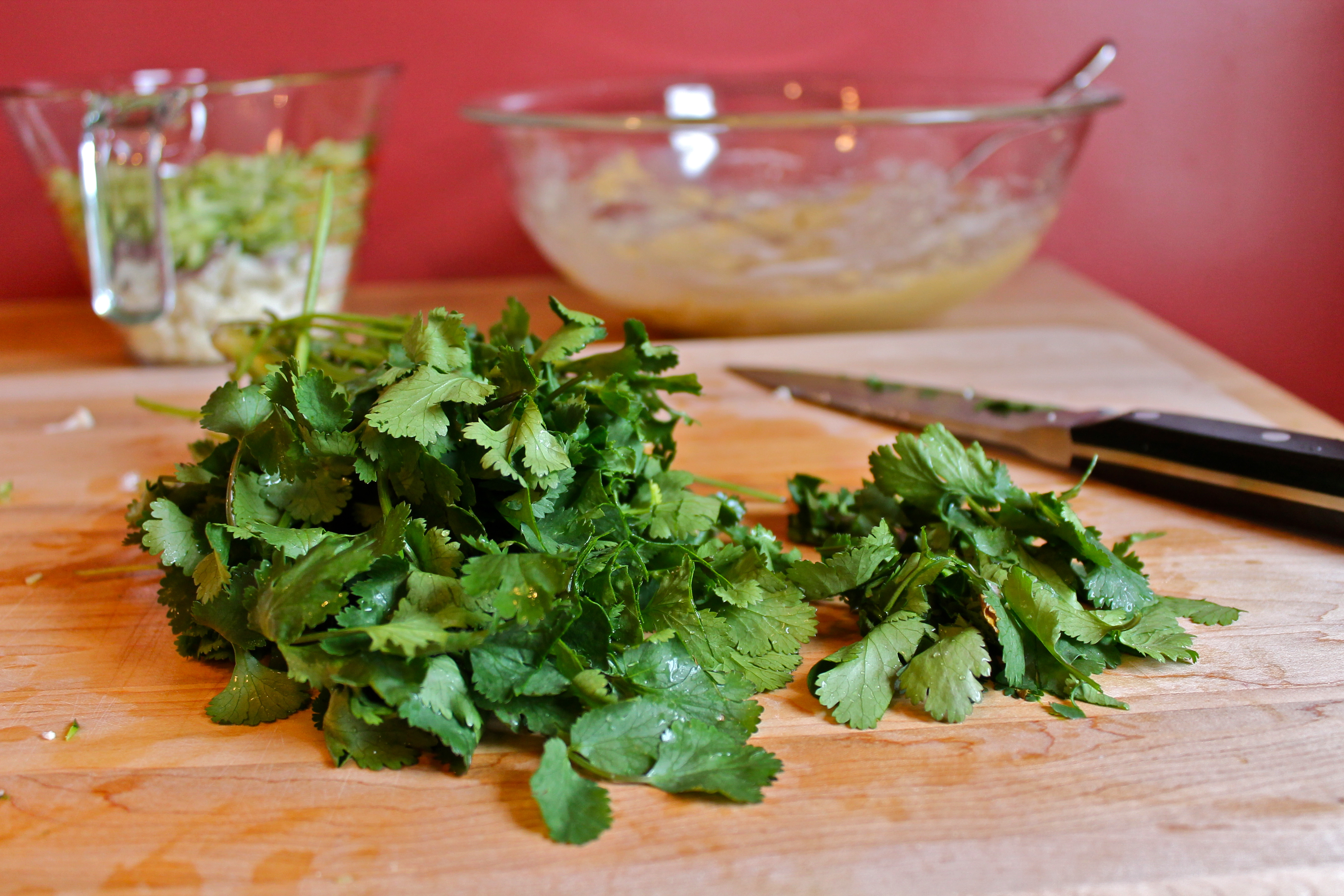
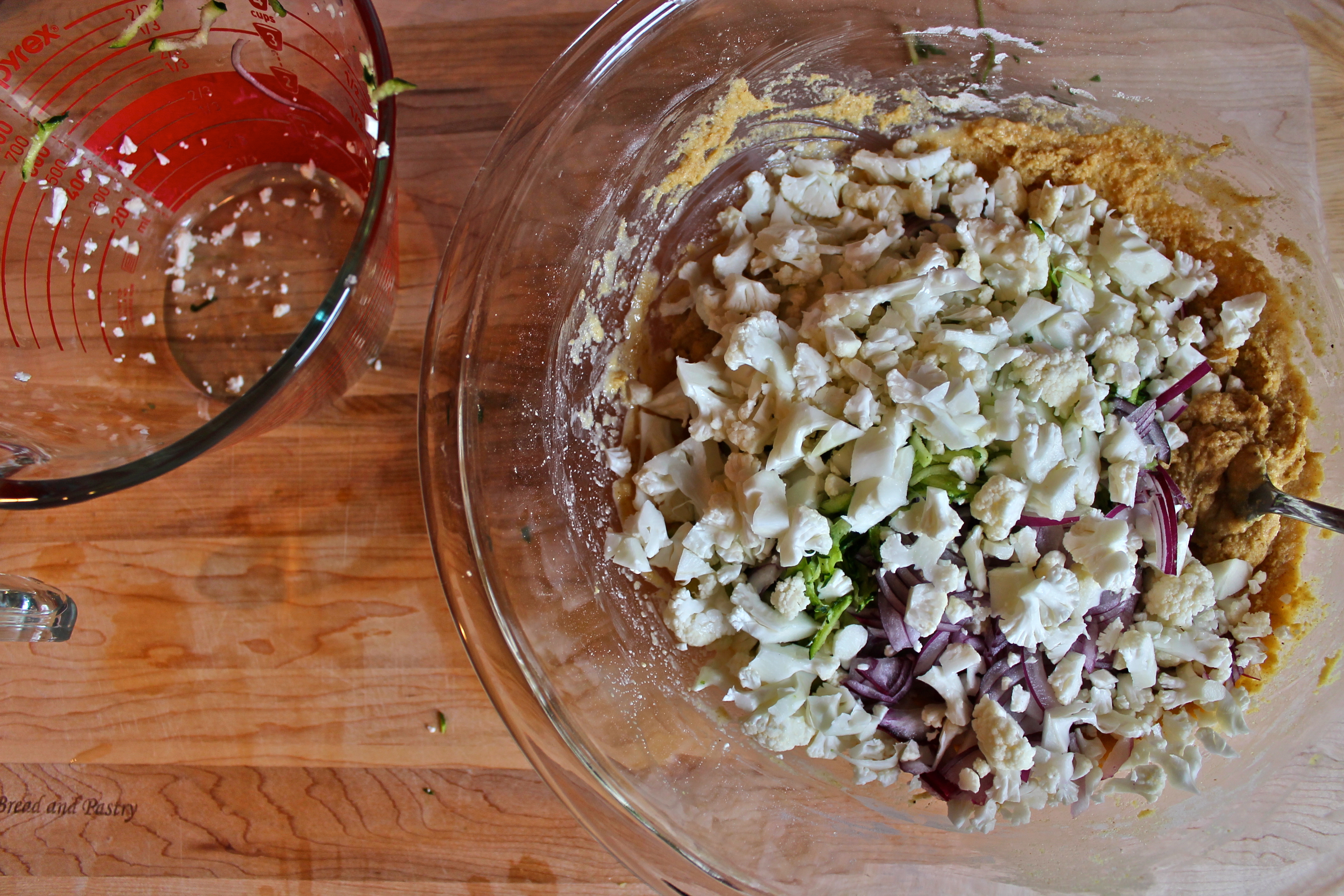
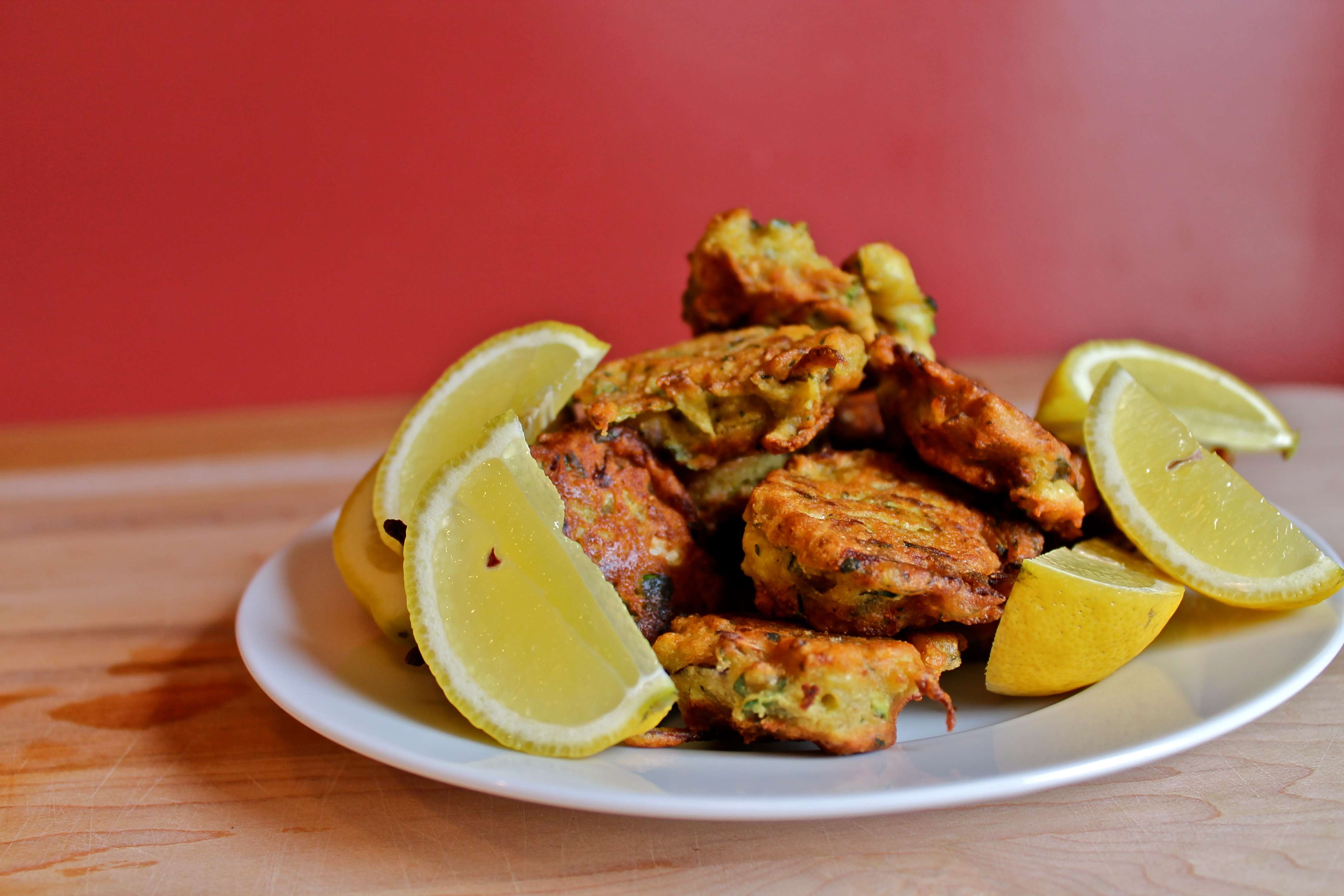
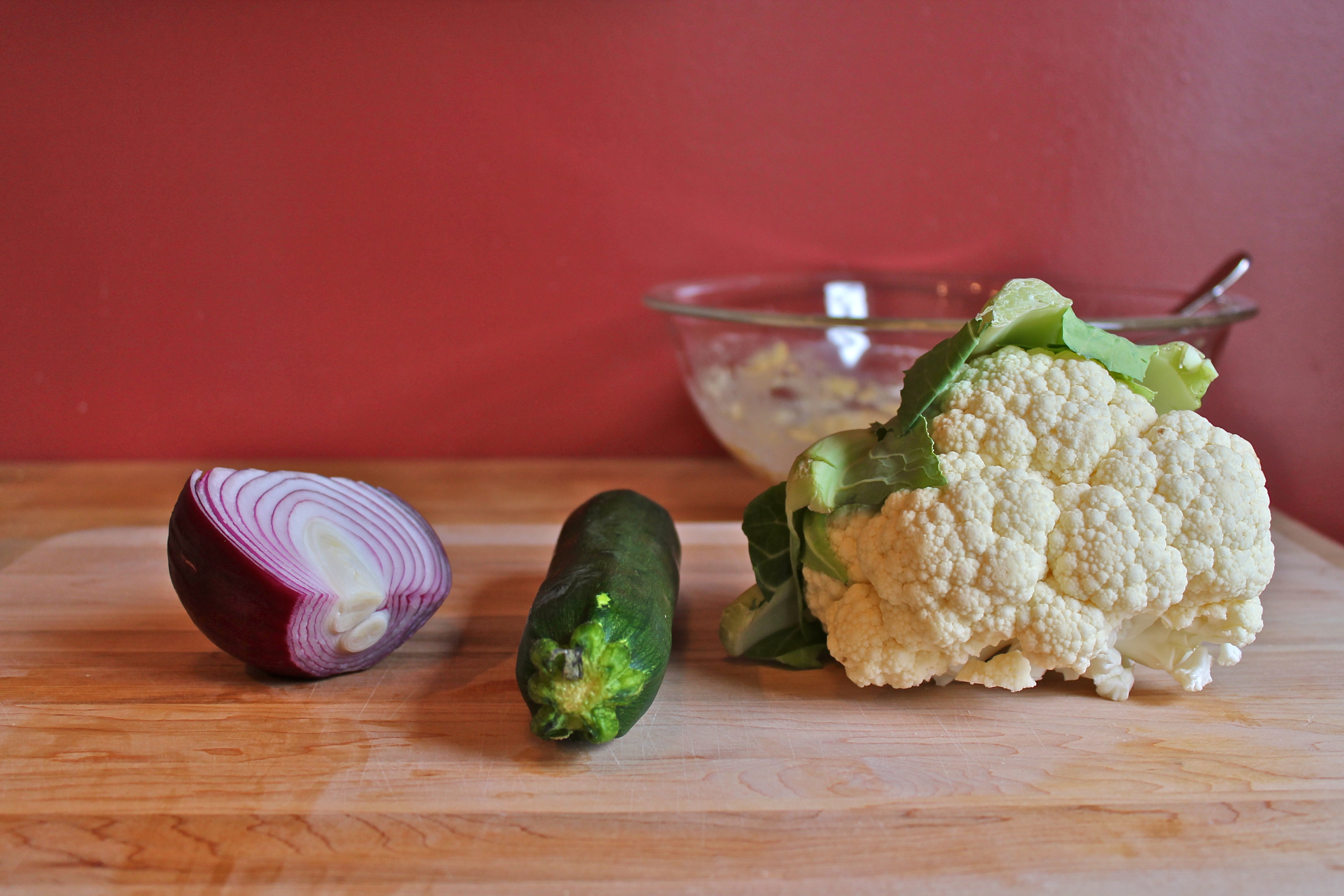
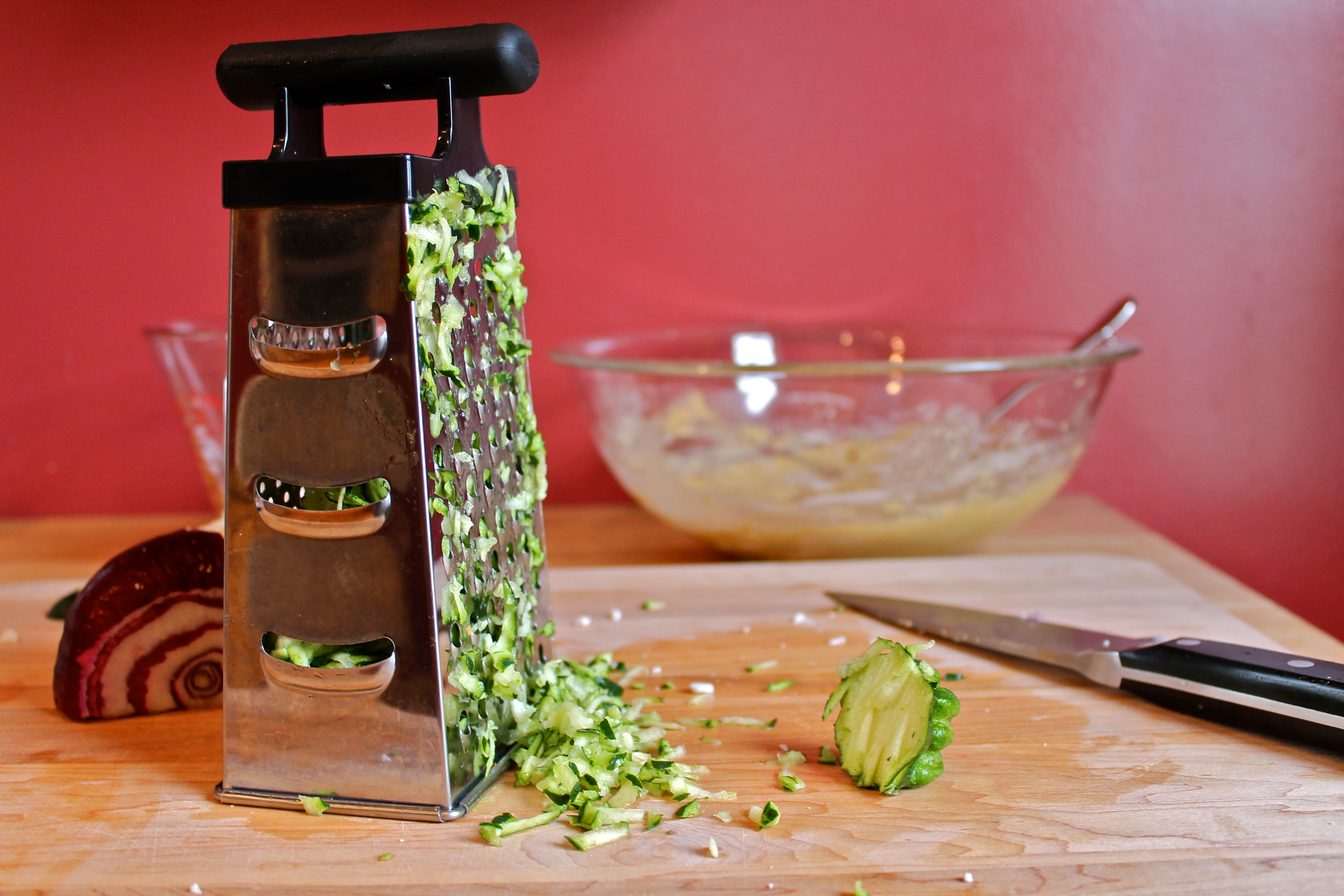
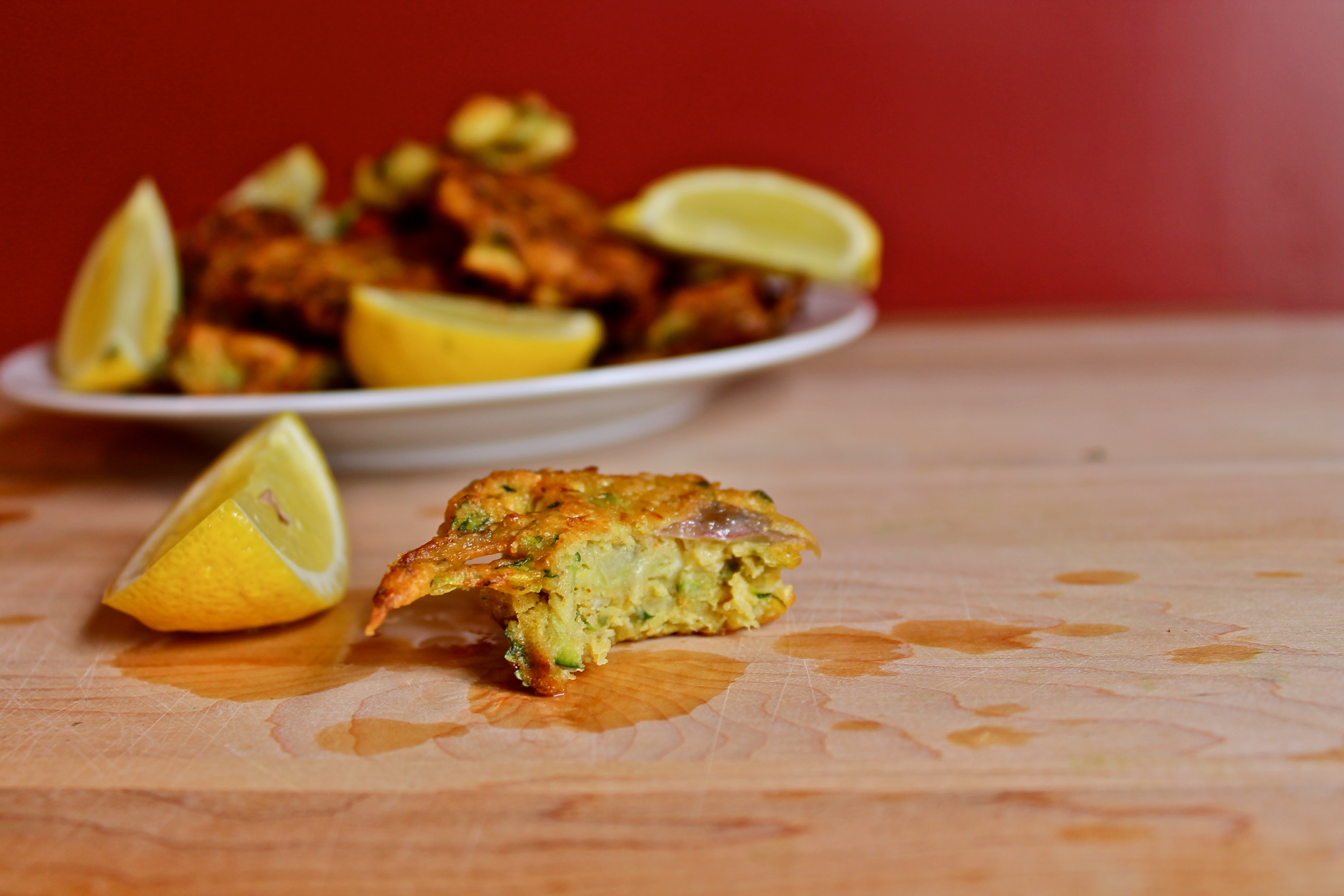
Cauliflower, zucchini, potatoes, spinach, peas, root vegetables, leeks, onions—you can make pakoras out of nearly everything and they will taste absolutely wonderful.  The mélange of spices that perk up the savory besan batter have the ability to meld with pretty much anything you throw at them, and then everything comes together into one heavenly bite, you’ll be hard pressed to recall that, just a few moments ago, the very vegetables that made up your pakora were sitting untouched in your fridge and looking borderline scary. My latest batch included shredded zucchini, finely chopped cauliflower, and thin slices of red onion.  I threw in a handful of leftover cilantro for good measure, and everything came together beautifully.  Later on I discovered a lonely little jalapeno pepper hiding at the bottom of the crisper, and I cursed myself for not finding it earlier.  Thinly sliced into crisp ribs and folded in amongst the milder vegetables, it would have made my pakoras just that much more punchy and exciting.  Not that I had any trouble finishing off these pakoras without them.  Needless to say, there were absolutely no leftovers of my leftovers.
Check the archives for more Indian dishes.

Also, time machine! I’ve been doing this for a year now. Check this post from exactly one year ago today: Cinnamon Raisin Swirl Bread.

Vegetable Pakoras Recipe

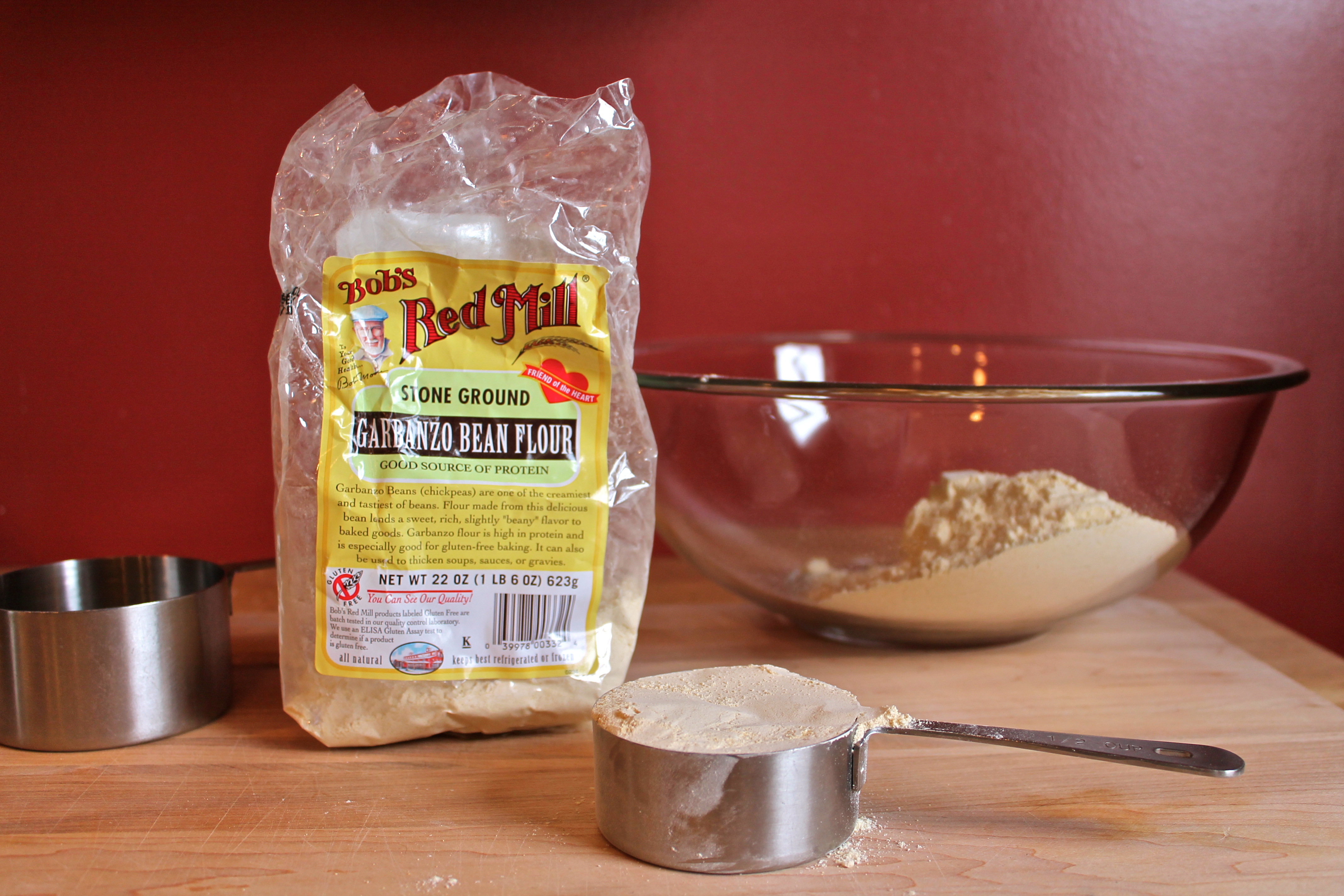
1 ½ cups besan (chickpea flour)

1 teaspoon ground coriander

¼ teaspoon turmeric

¼ teaspoon ground cumin

¼ to ½ teaspoon cayenne pepper, depending on how spicy you like things

½ teaspoon garam masala

½ teaspoon salt

1 teaspoon freshly grated ginger

1 teaspoon vegetable oil

1 tablespoon lemon juice

2/3 cup cold water

2 tablespoons chopped fresh cilantro

4 cups finely chopped or grated vegetables (cauliflower, potatoes, zucchini, spinach, onions, etc.)

lemon slices, for serving

optional: pinch of baking powder

In a large bowl, whisk together chickpea flour, spices, salt, and ginger.  If you like puffier pakoras, now would be the time to add in the optional pinch of baking powder. Using a fork, slowly mix in the vegetable oil, lemon juice, and cold water.  Mix until the batter is thick, but not stiff (if the batter is unreasonably stiff at this point, mix in another 2 tablespoons of water to loosen it up).  Set batter aside while you prep the vegetables.

Fold the chopped vegetables into the batter, coating all the vegetables as best as you can without overworking the batter or bruising the vegetables.

In a large skillet, heat ¼ to ½ cup of vegetable oil (how much will depend on the size of your skillet, a larger skillet will need more oil, and vice versa) over medium heat until it just begins to shimmer and a pinch of the batter dropped into the oil sizzles immediately.

Carefully place 1 heaping tablespoon of batter at a time into the hot oil.  The pakoras should sizzle nicely, but not violently (if the oil is too hot, the pakoras will cook too fast on the outside and remain raw in the middle).  Cook four or five pakoras at a time, taking care not to crowd the pan.  Cook for roughly 3 minutes on each side, until the outsides are dark golden brown and the middles are cooked.  Drain pakoras on a layer of paper towels set upon a wire cooling rack (this will keep the pakoras from getting soggy).

Serve warm, with fresh lemon slices for squeezing over the pakoras.

Makes about 3 dozen pakoras, depending on how heaping your tablespoons are.

Recipe Roundup

15 Mar

I could not be happier that March has replaced February, the frosty mornings seem to have drawn to a close, and Spring Training is in full swing (no pun intended).  Portland Farmers Market will be starting up their regular season in just a few short days, and that means I’ll once more be creating seasonal, affordable recipes for them every month of the market’s run.  Until that revs up, you can read my newest piece on the Portland Farmers Market website, wherein I admit that if I had one last meal to eat in my life, it would not be a fancy one.

I am also getting back into the swing of things over at Indie Fixx.  Here are my most recent articles and recipes for Indie Fixx, where you can find my regular food column, Melting Pot.

Indian-Spiced Rolls

Carrots Two Ways

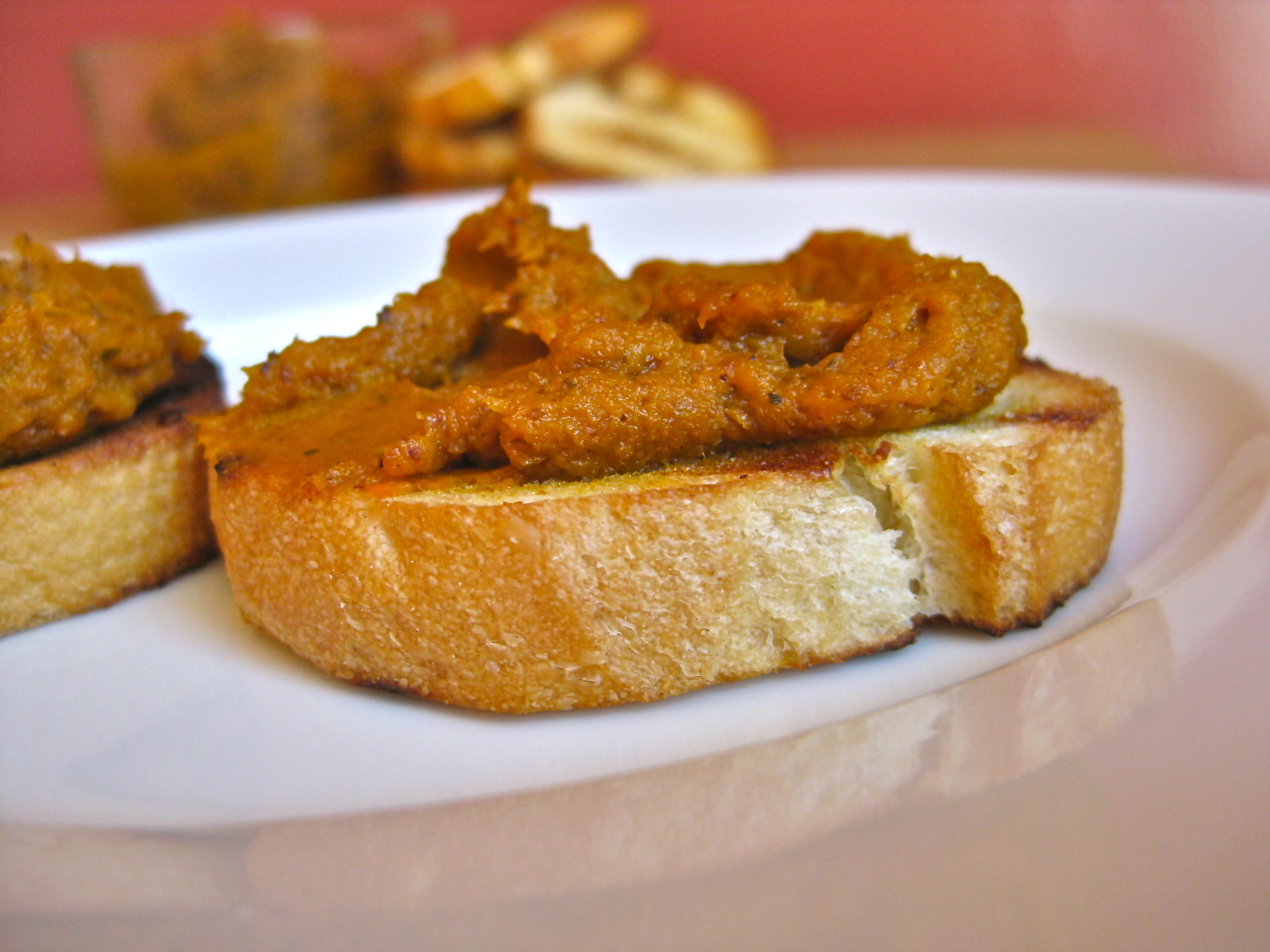
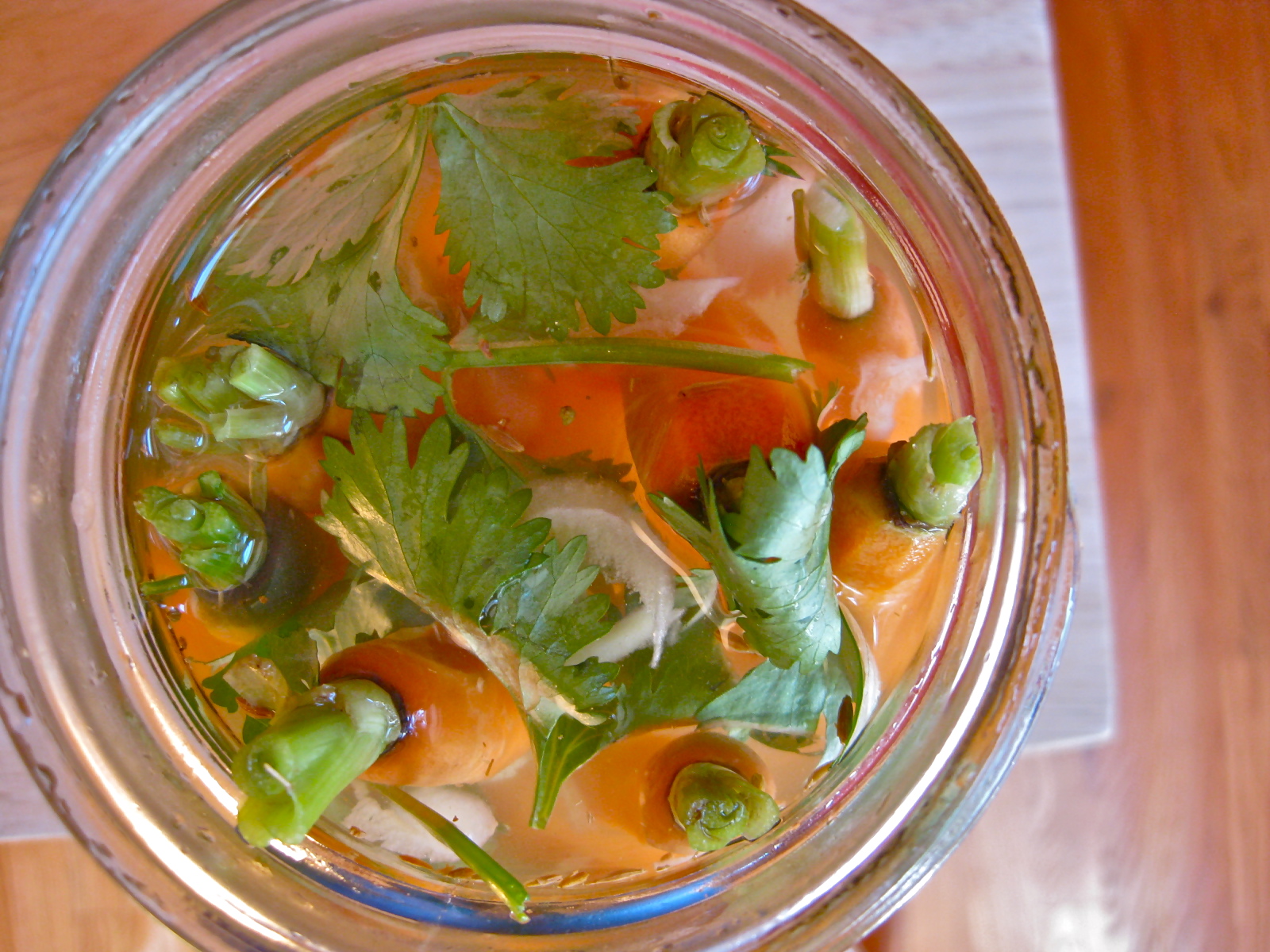
An ode to carrots, plus a great recipe for roasted carrot and garlic spread, and quick pickled Indian carrots (which, by the way, were so good, I had to hide them in the back of the refrigerator so I’d stop eating them for breakfast).

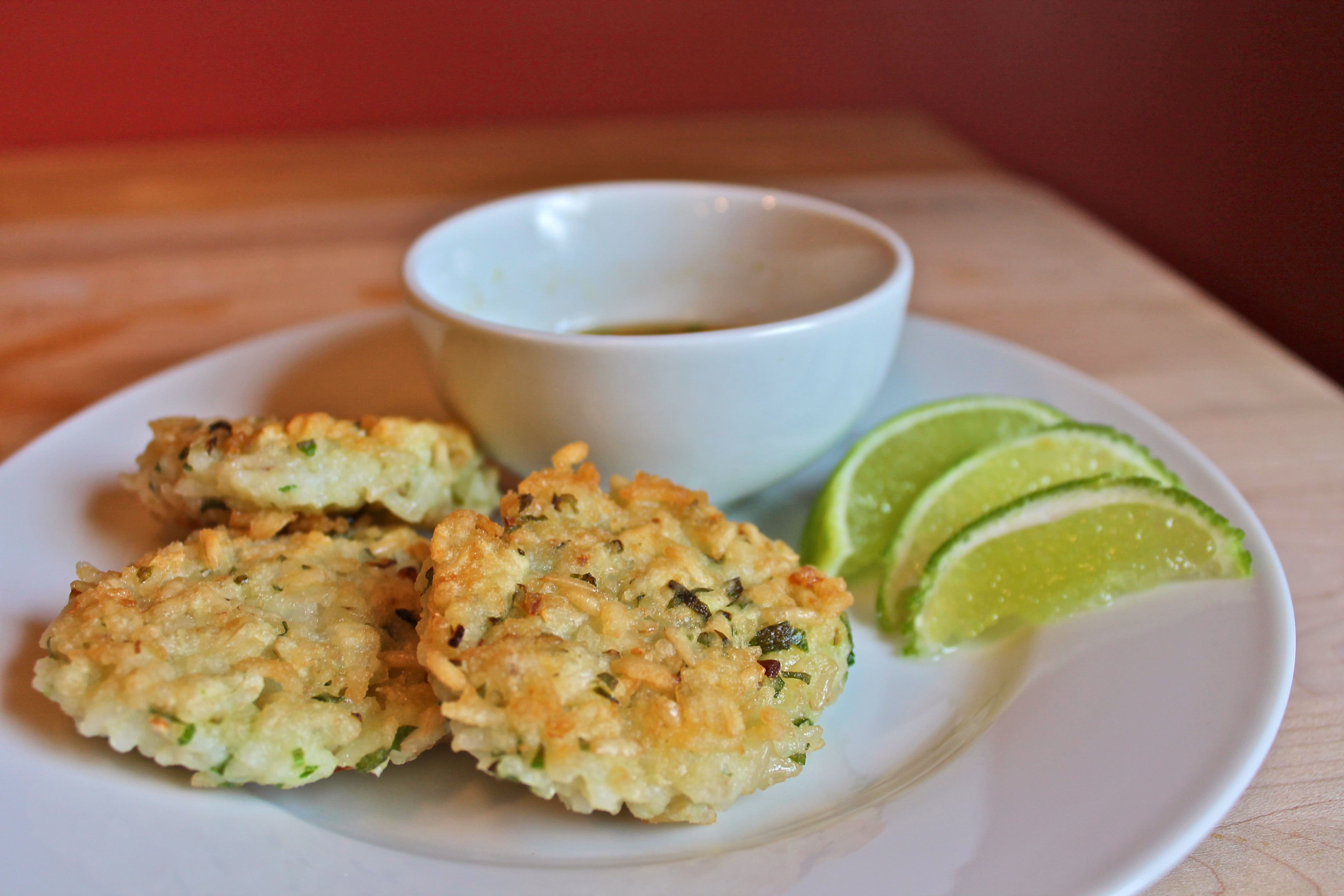
Lemongrass Rice Patties with Honey-Lime Dipping Sauce

Also, a couple of weeks ago I tested out my 1/3 less sugar routine on the legendary America’s Test Kitchen chocolate chip cookie recipe.  This is not by any means a new recipe, so I’ll leave it up to you to partake in some simple Google searching to find the recipe (in case you end up finding more than once ATK chocolate chip cookie recipe, it’s the one with the browned butter and the brilliant stir-and-wait-and-stir mixing method).

In addition to cutting the total sugar content by 1/3, I also used 3/4 whole wheat pastry flour and 1/4 unbleached all-purpose flour.  While the missing sugar was never detected, the texture of the cookies was slightly altered due to the flour swap.  My father, a chocolate chip cookie aficionado if ever there was one, spent a fair amount of time analyzing the cookies, and his determination was that the reducing of the sugar got a definite thumbs-up, but the whole wheat flour was a no-go, due to the fact that the heartier flour altered the texture of the cookie in a way that took it from chewy to densely cake-like.  My taste experience with the cookies was pretty much the same, so, if you’re going to alter the recipe in any way, I would suggest cutting the sugar by 1/3 but leaving the flour as is.  Also, add walnuts, because walnuts are delicious.

Dal with Coconut Milk

16 Feb

When I was in India, I ate lentils everyday.  Actually, that’s not true.  At first I ate lentils everyday, but towards the end of my trip I started to revolt against the lentils.  I don’t know if it was the fact that eating dal at every meal—breakfast, lunch, and dinner—was starting to make me crazy, or the fact that by that point I hadn’t had a decent cup of coffee in a month and, pleasant attributes of tea aside, when you are a coffee fan who is deprived of coffee for weeks at a time, life starts to fray around the edges a little.

Now, back in America for many years, I can’t seem to get enough of dal.  We don’t eat Indian food in our house as much as I would like to (see: five year-old child who can’t handle spicy food), but when we do, I like to make the meal a real occasion by not just making a standard main dish and side dish, but also making naan or parathas, a few condiments, some pickles, and, most of the time, a different dal, depending on my mood.  Madhur Jaffrey has several fantastic dal variations that involve yellow split peas, sautéed cabbage, and sometimes just a few chiles and a bit of garlic oil, and for years I faithfully made any one of those dals whenever I was in the mood for some pulses to accompany my Indian meals.

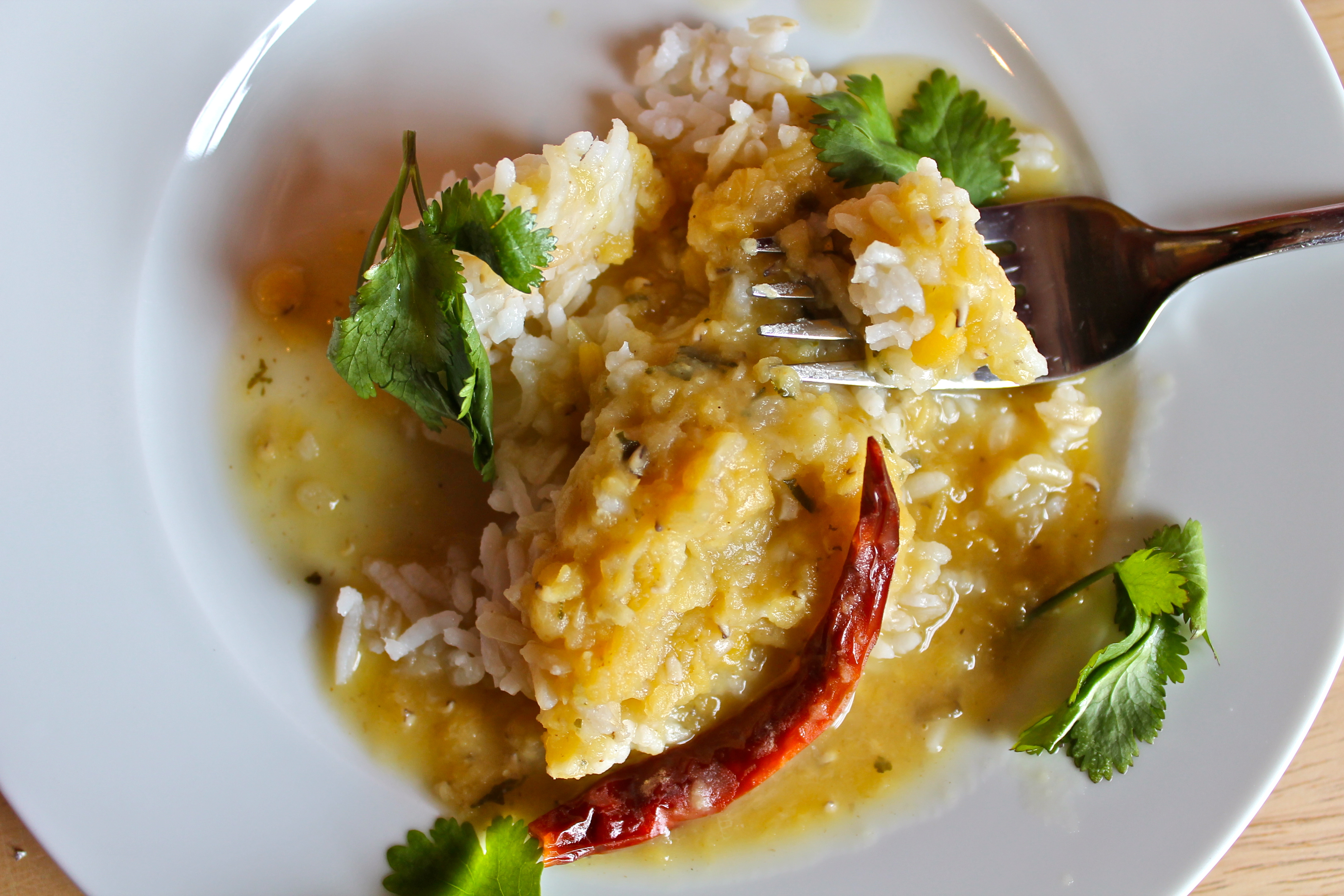
Changing up the game, however, comes this coconut milk dal from Naomi Duguid and Jeffrey Alford.  As simple as can be, it is, once again, a perfect dish from two people who really seem to have a rock solid grasp of flavors and spices, and how one can highlight the best of both by using ingredients that nudge one another towards a grand conclusion.  The coconut milk is an unexpected treat here, and not something I usually see in dal.  Duguid credits this dish as being more prominent in Southern India—it is actually something she remembers eating quite a bit in a Tamil restaurant—which makes sense, considering the common appearance of coconut and coconut milk in the dishes of Southern India, but not so much in the cuisine found in Northern India (where my family is from).   No matter its origin, this dal is a fantastic addition to any Indian meal, large or small, elaborate or simple.  I’ve taken to eating it with this new favorite cauliflower dish, and I think it would be a wonderful pairing with this delightful chicken biryani.  Really, you could just eat it over plain old basmati rice and it would be a staggeringly good meal.  I suggest you get right on it.

Dal with Coconut Milk

From Mangoes and Curry Leaves, by Naomi Duguid and Jeffrey Alford

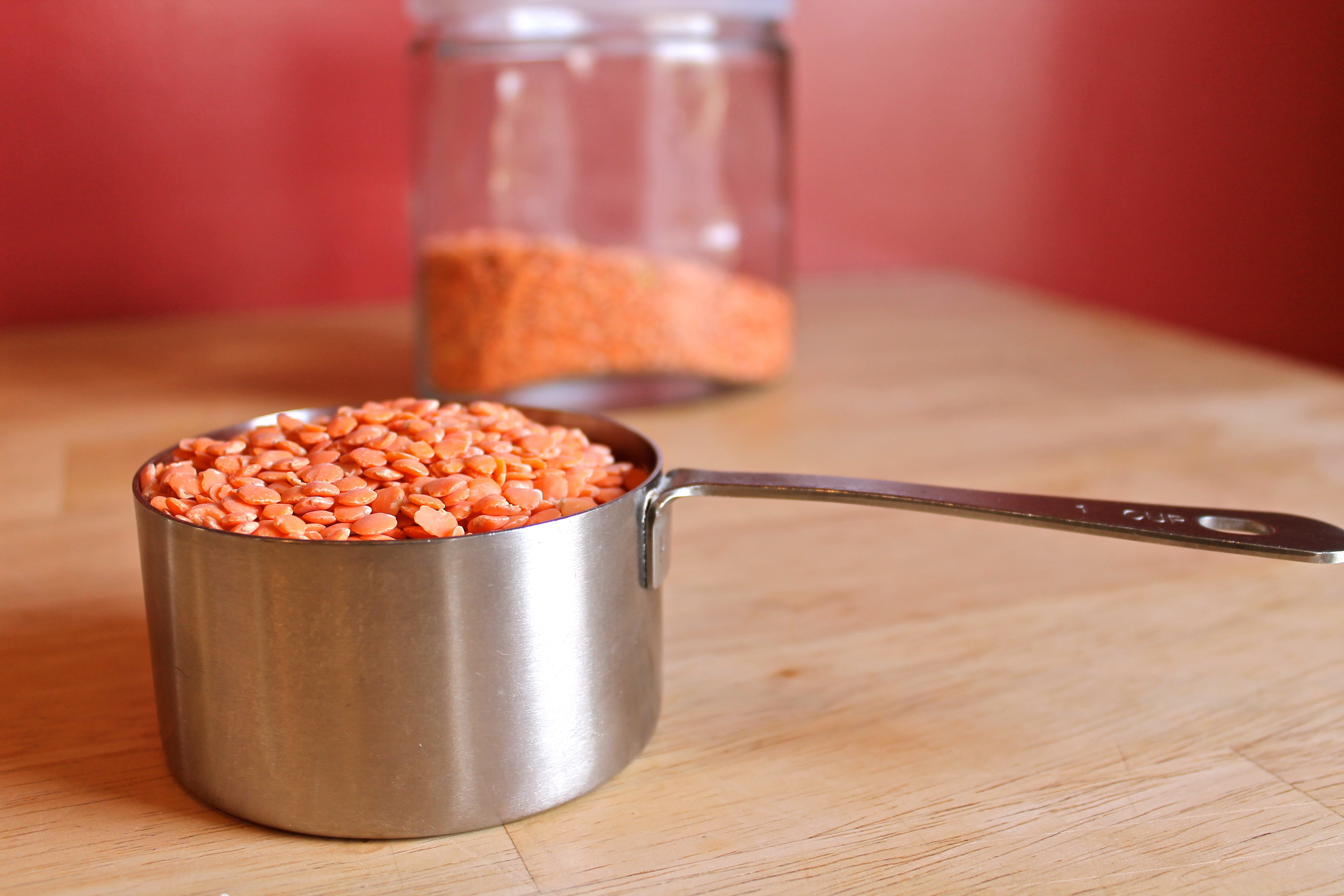
1 cup masoor dal (red lentils)

5 cups water

1 tablespoon vegetable oil

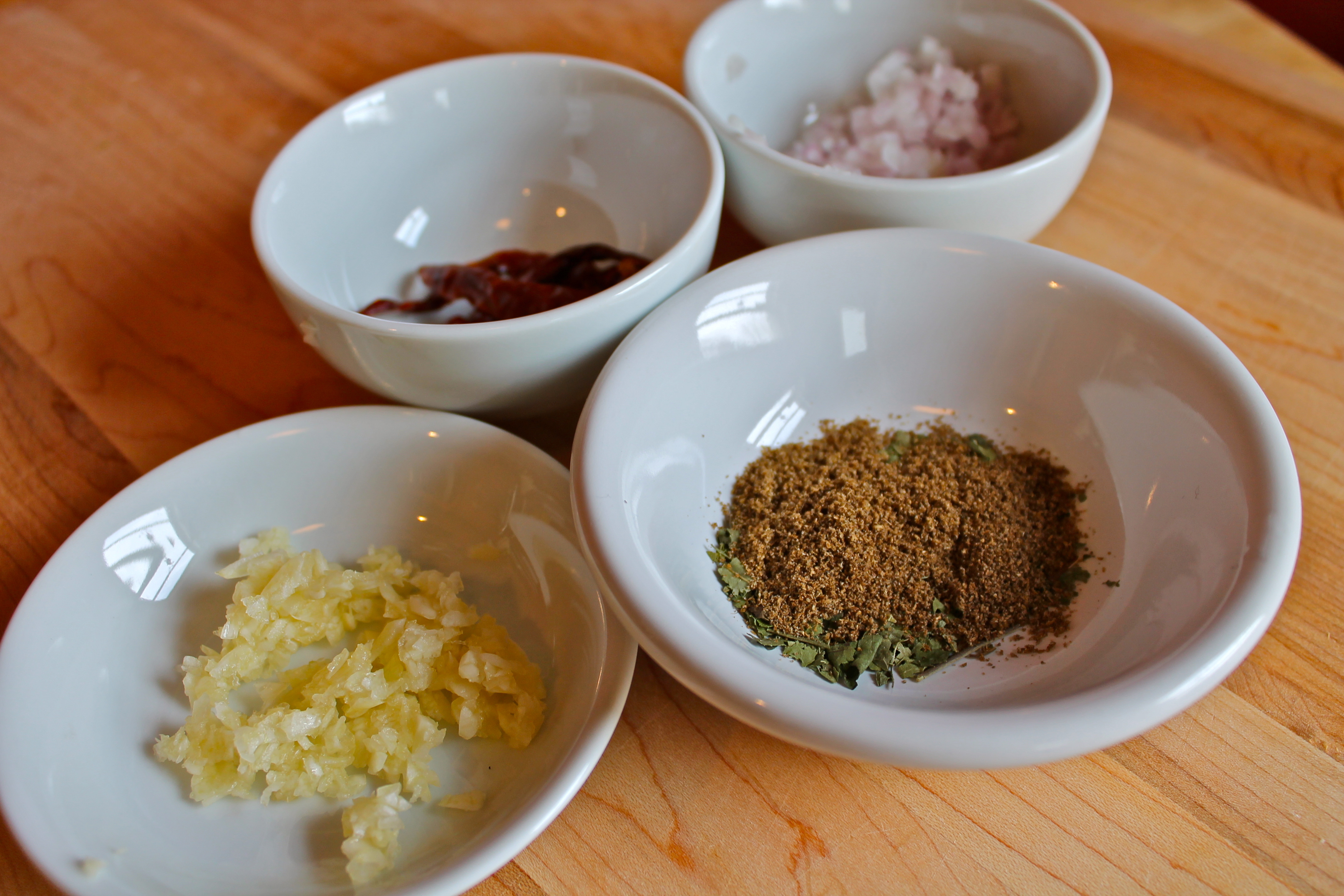
1 tablespoon of minced garlic, mashed to a paste

2 tablespoons minced shallots

6 or 8 fresh or frozen curry leaves (my Asian market was all out of whole curry leaves, so I used 1 heaping teaspoon of crushed dried curry leaves instead)

2 or 3 dried red chiles

1 teaspoon ground coriander

1 teaspoon salt

1 cup canned or fresh coconut milk

Put the dal in a medium pot with the water.  Bring to a boil, reduce the heat to a low simmer, then cook for 20 minutes.  Keep warm over low heat.

Heat a wok or a heavy skillet over medium-high heat, then add the oil.  Toss in the garlic and shallots and stir fry for 2 minutes.  Add the curry leaves, chiles, and ground coriander.  Mix well and cook for another 2 minutes.  Stir in the salt and coconut milk, then lower the heat and simmer for 5 minutes.

Add the coconut milk mixture to the hot dal and simmer for a few minutes to blend the flavors.  The longer you cook the mixture, the thicker it will get.  Serve hot.