Archive | Dessert RSS feed for this section

Chocolate Swirled Bread

19 Mar

Not to sound too dramatic about this, but I have a slight confession to make.  You know those deliciously sweet cakes and treats I’ve been sharing with you over the past few weeks?  Like this cake and these waffles and these cookies?  Purely out of curiosity, I made all of those treats with at least 1/3 less sugar (in some cases, even less) than each recipe called for.  And then I served those treats to people without telling them what I had done.  And not one person noticed.  Not one.  Not even I noticed, and, believe me, I tried.  Eyes squinted in concentration, methodically chewing my food and analyzing each bite as though I were a culinary Columbo, I failed to detect even a hint of missing sweetness.  In some cases, even though I had removed a good chunk of a recipe’s sugar, I still thought that a case could be made to take out even more of the sugar.  I know, right?  It just can’t be possible.
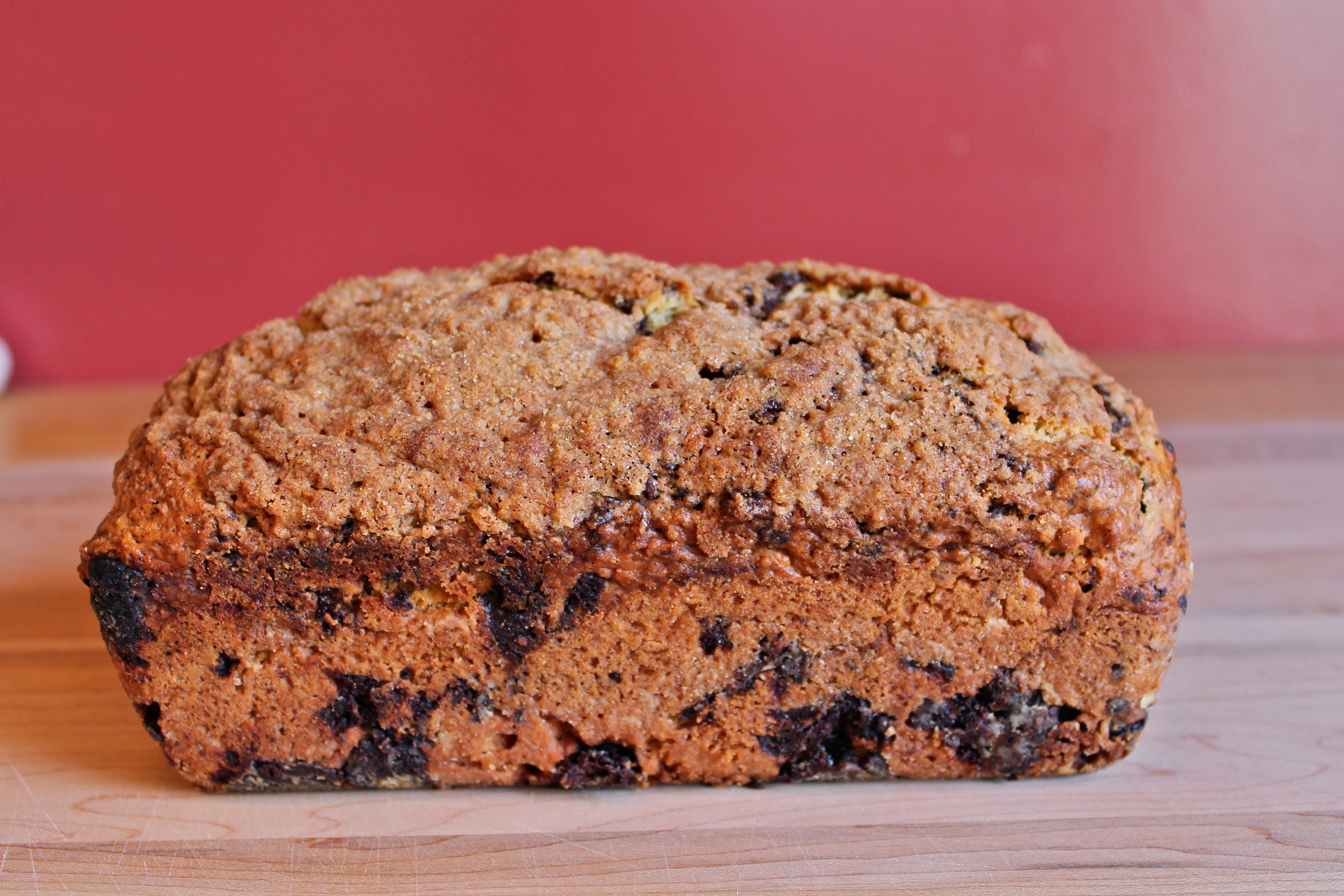
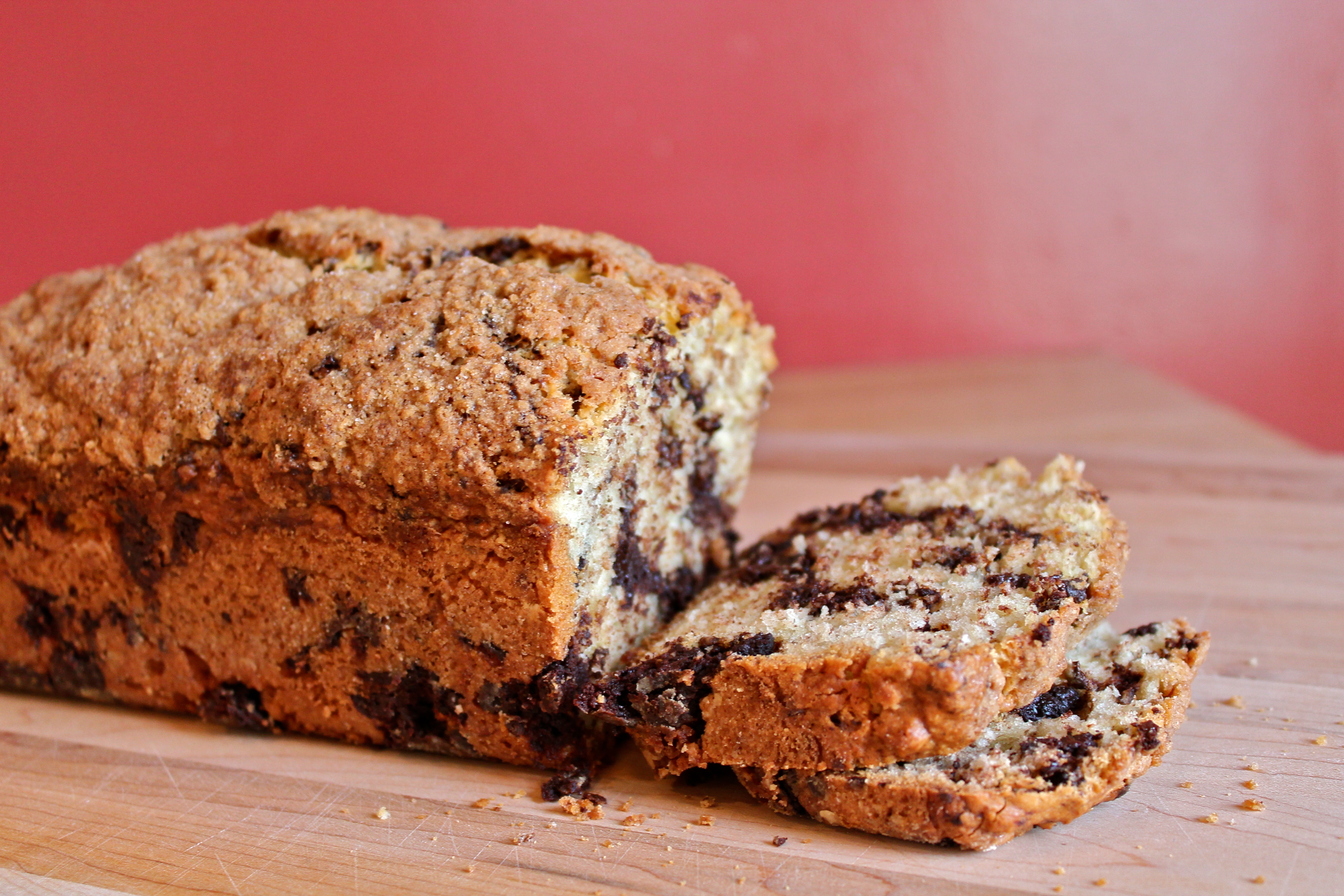
But it is, and there is no better example of this experiment, I believe, than this bread.  Yet another bread in only name (due to the fact that it delightfully toes the line between living as a bread and living as a cake), this is an absolutely wonderful treat with its chunks of bittersweet chocolate, hints of cinnamon, and delicate crumb.  Everything in this bread, from top to bottom, is perfectly sweetened.  A lid of light streusel topping is the perfect antidote to the moist bread beneath, and, with 1/3 of the sugar removed from both the bread and the topping, the crunchy streusel never propels the taste experience from “Oh, this is so delicious,” to “Ouch, call the dentist.”

I am telling you, I’ve totally been converted.  1/3 less sugar.  Do it.  Last week I made reduced sugar chocolate chip cookies and then gave them out to people and, I am telling you, not a single soul knew my secret.  The week before that I made a vegan dark chocolate zucchini cake with 1/3 less sugar and, again, no one was the wiser about the cake’s triple punch of secrets.  I almost feel as though I am getting away with something sinister, only, in reality, I think the opposite is actually true.  If no one misses the sugar, why not keep up with my experiment?  What’s the harm?  And, more importantly, if I am eating 1/3 less sugar with each slice of cake, does that logically mean that I am then able to nibble off a 1/3 more cake and suffer no ill effects?  These are important questions, and I intend to do my best to get to the bottom of them, 1/3 more dessert at a time.

Chocolate Swirled Bread

Adapted from Moosewood Restaurant Book of Desserts

2 large eggs

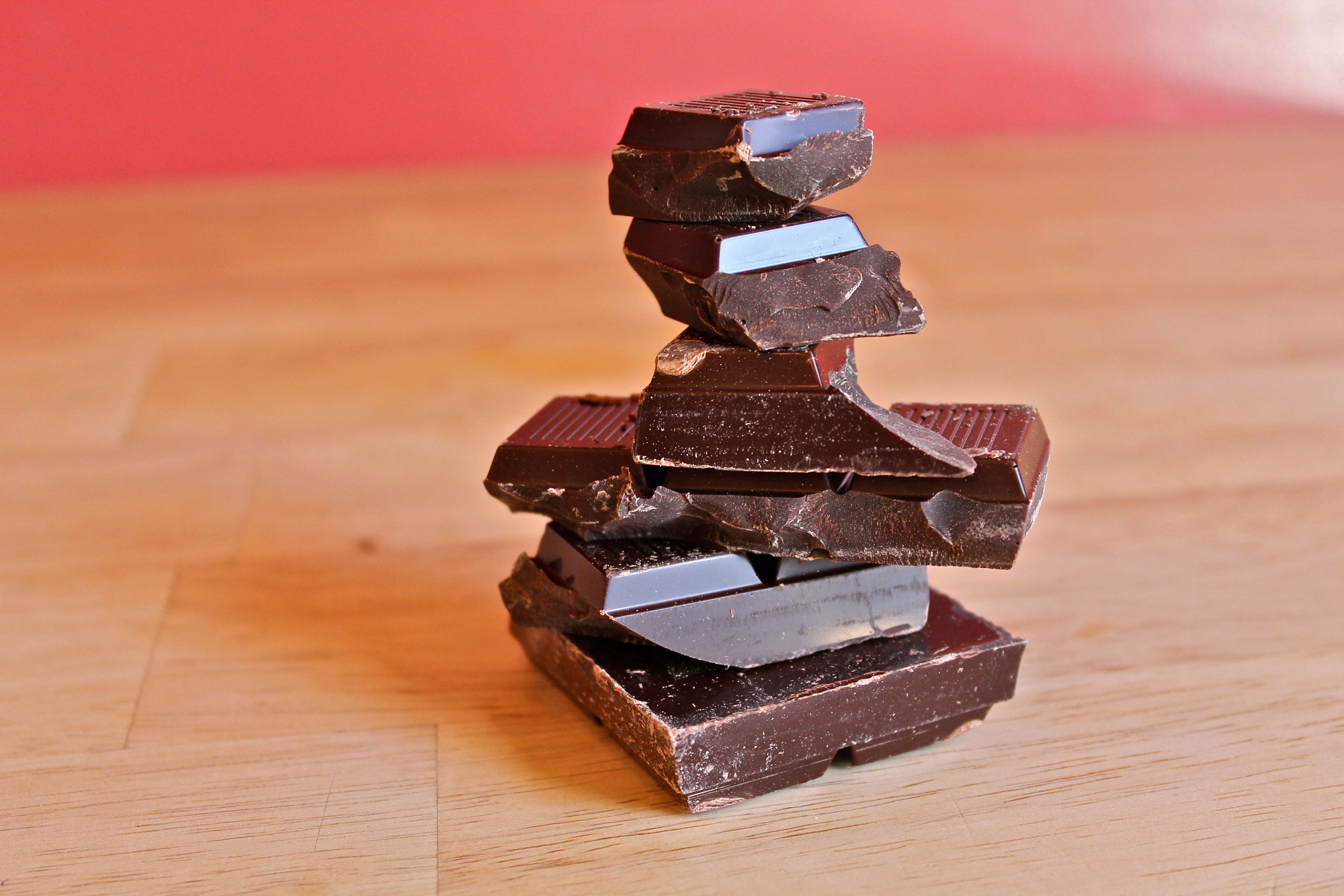
5 ounces bittersweet chocolate, coarsely chopped into pea-sized and smaller pieces

2/3 cup buttermilk or sour milk

¼ cup vegetable oil

1 teaspoon pure vanilla extract

2 cups unbleached all-purpose flour

1 teaspoon baking powder

½ teaspoon baking soda

¼ teaspoon salt

1/3 cup sugar

¼ teaspoon ground cinnamon

Streusel

2 tablespoons unbleached all-purpose flour

2 tablespoons butter

1 tablespoon granulated sugar

1 tablespoon light brown sugar

¼ teaspoon ground cinnamon

Preheat oven to 350  degrees Fahrenheit.  Grease and flour an 8 ½” by 4 ½” loaf pan (Moosewood notes that a 9” by 5” loaf pan would also be all right, so I can only assume that it’s true).

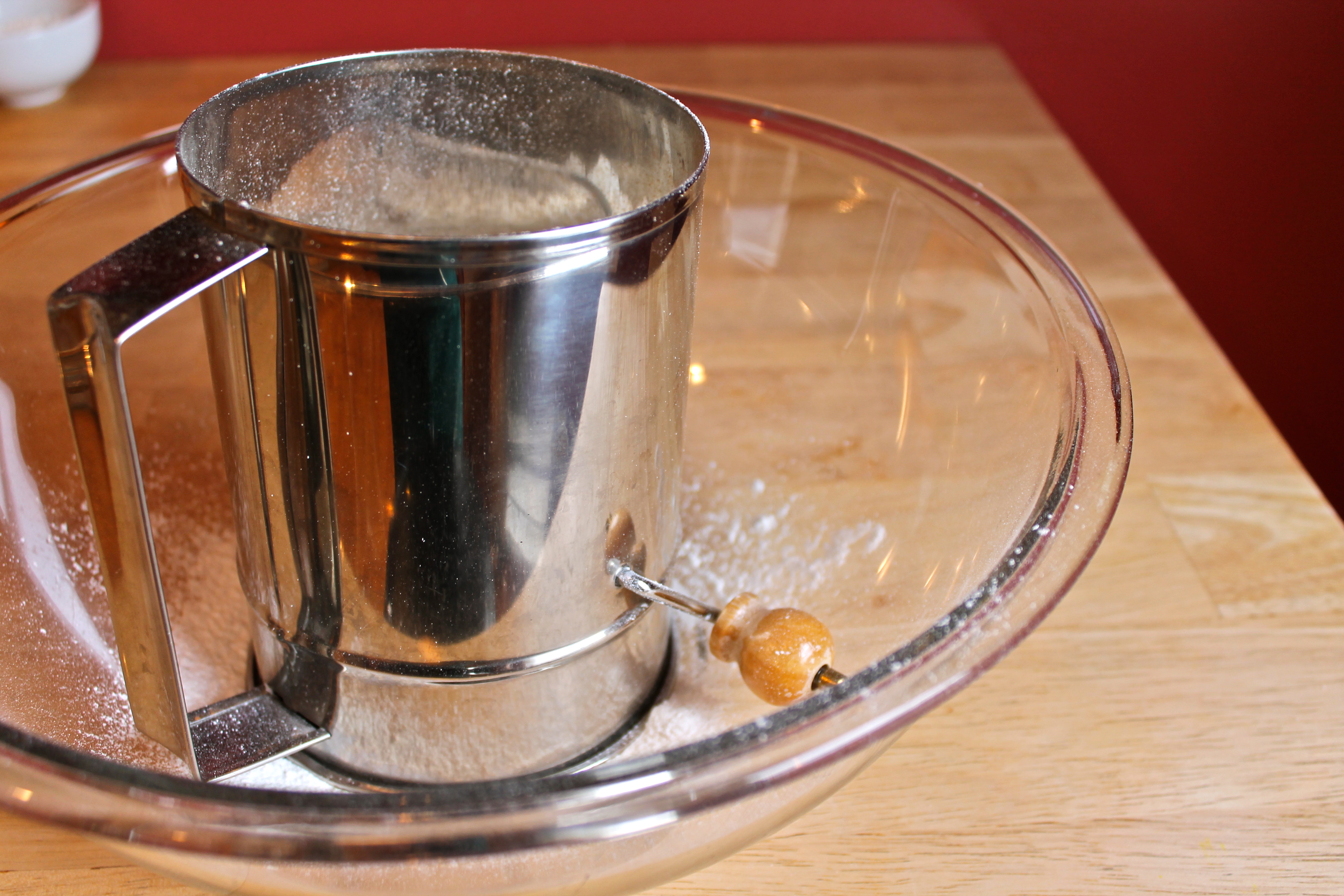
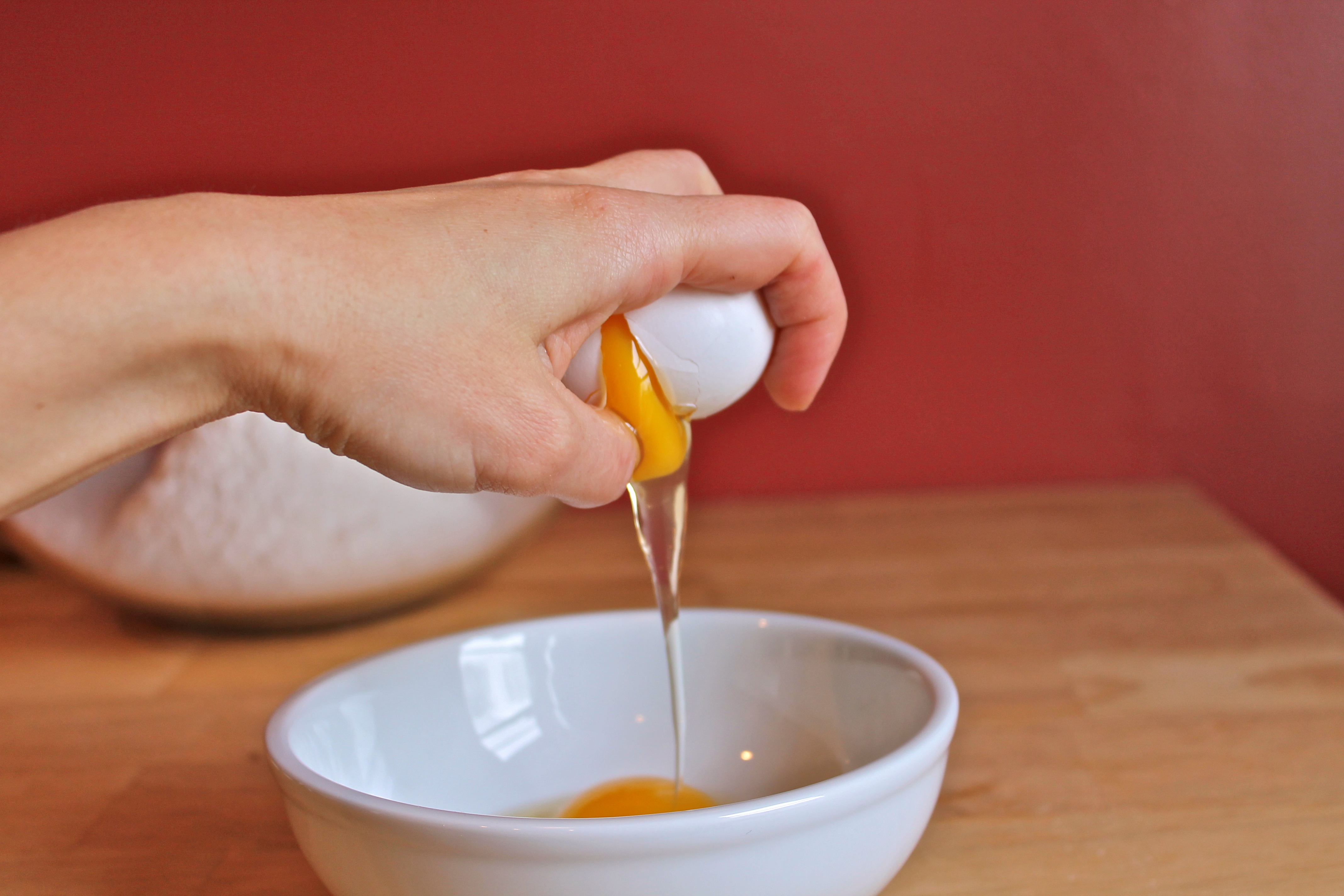
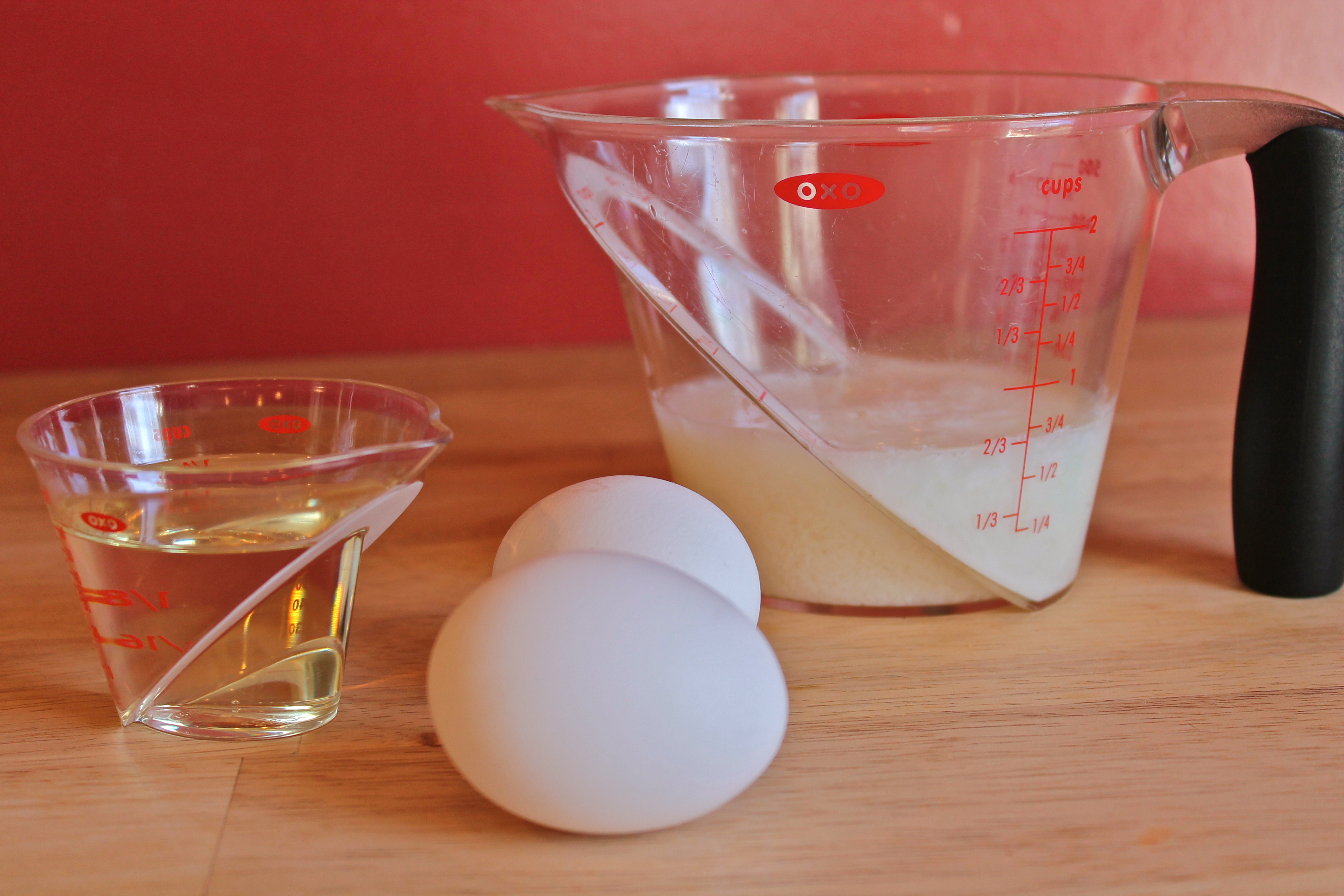
Separate one of the eggs, placing the yolk in a large bowl and the white in a smaller bowl.  Add the chopped chocolate to the bowl with the egg white, mix to combine, then set aside.  To the bowl with the egg yolk, add the second egg, buttermilk, oil and vanilla.  Beat with a fork for at least 1 minute, until well blended.  In a separate bowl, sift together the dry ingredients and set aside.

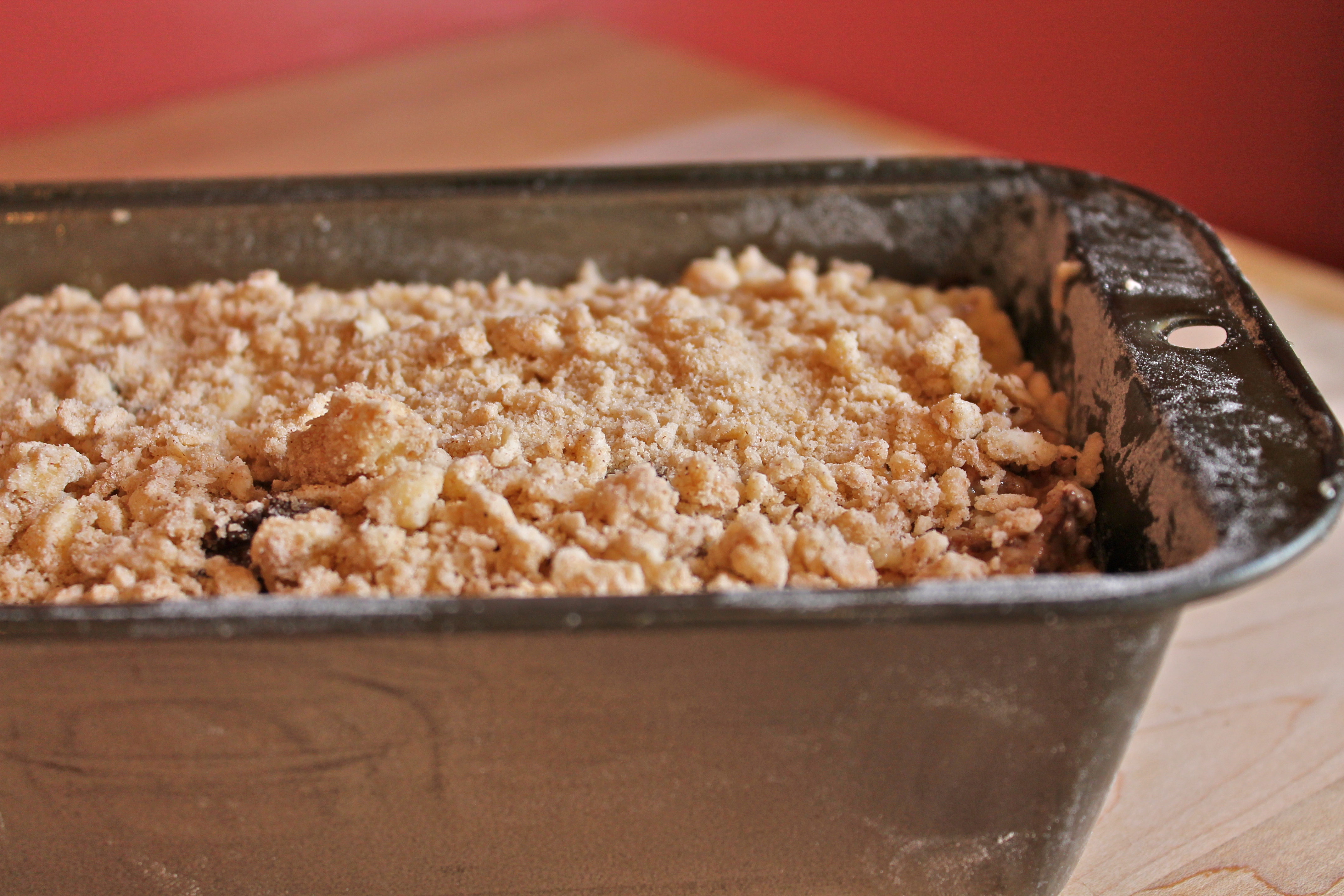
In a medium bowl, combine all streusel ingredients.  Using a pastry blender or two knives, cut the butter into the other ingredients until the mixture turns crumbly, but not too finely textured.  Spread 1/3 of the streusel mixture over the bottom of the prepared loaf pan.  Combine the buttermilk mixture with the sifted dry ingredients and mix until just blended.  Fold the chocolate and egg white into the batter, being careful not to overmix everything and ruin the marbling effect of the chocolate.

Pour the batter into the loaf pan and top with the remaining streusel.  Bake for 50 to 60 minutes, until the bread is firm and pulls away slightly from the sides of the pan.  Allow the bread to cool before removing from the pan.

Recipe Roundup

15 Mar

I could not be happier that March has replaced February, the frosty mornings seem to have drawn to a close, and Spring Training is in full swing (no pun intended).  Portland Farmers Market will be starting up their regular season in just a few short days, and that means I’ll once more be creating seasonal, affordable recipes for them every month of the market’s run.  Until that revs up, you can read my newest piece on the Portland Farmers Market website, wherein I admit that if I had one last meal to eat in my life, it would not be a fancy one.

I am also getting back into the swing of things over at Indie Fixx.  Here are my most recent articles and recipes for Indie Fixx, where you can find my regular food column, Melting Pot.

Indian-Spiced Rolls

Carrots Two Ways

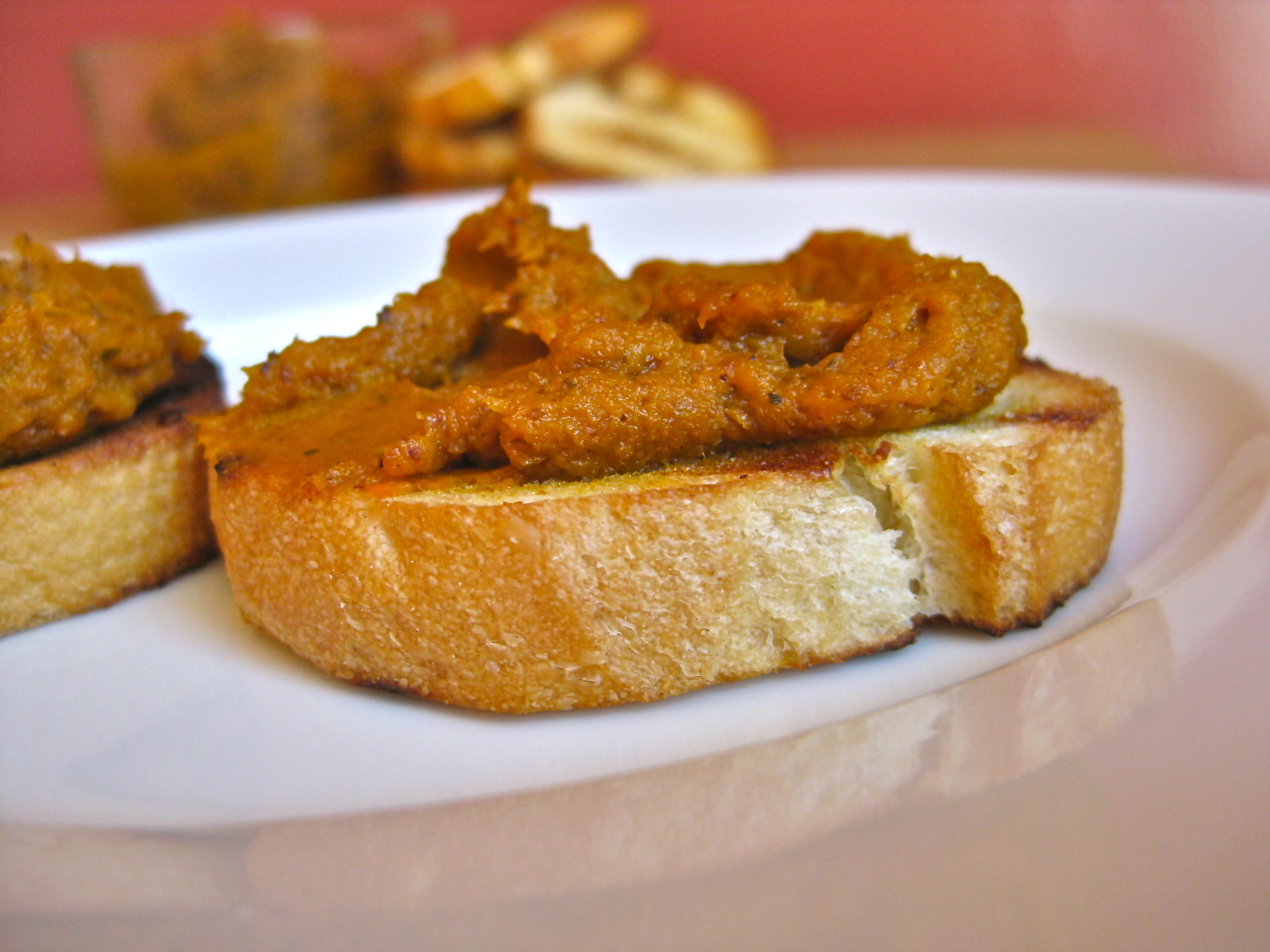
An ode to carrots, plus a great recipe for roasted carrot and garlic spread, and quick pickled Indian carrots (which, by the way, were so good, I had to hide them in the back of the refrigerator so I’d stop eating them for breakfast).

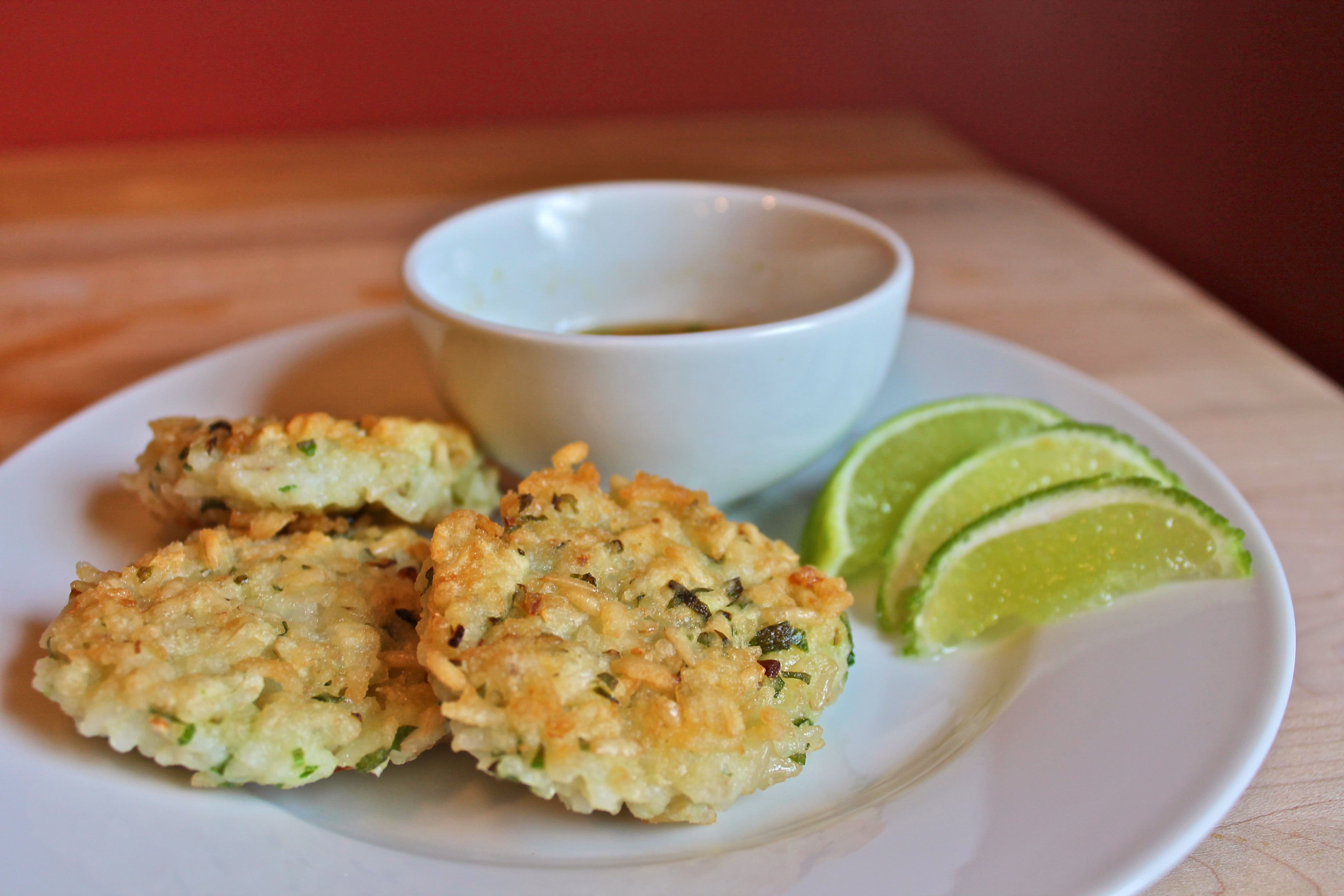
Lemongrass Rice Patties with Honey-Lime Dipping Sauce

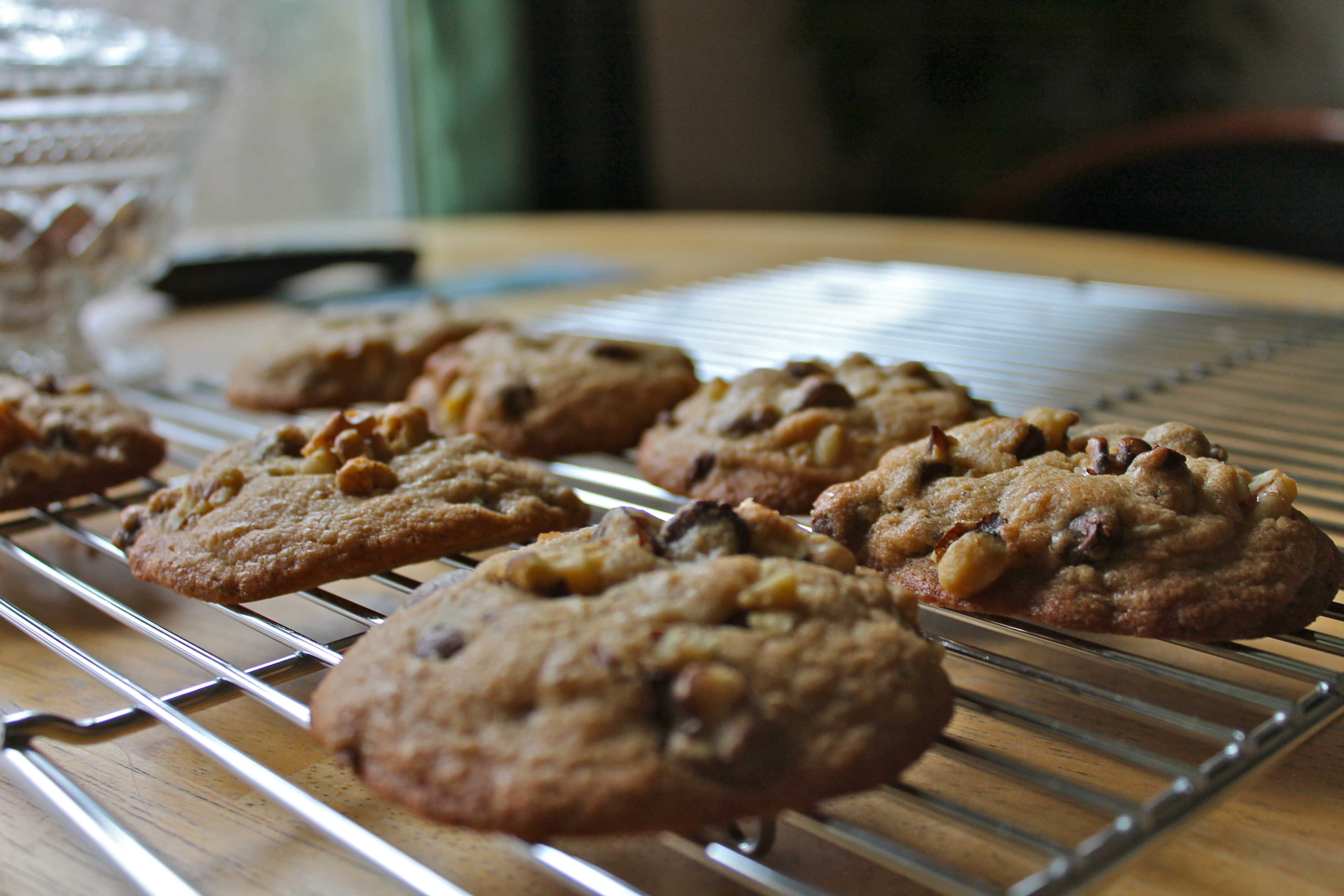
Also, a couple of weeks ago I tested out my 1/3 less sugar routine on the legendary America’s Test Kitchen chocolate chip cookie recipe.  This is not by any means a new recipe, so I’ll leave it up to you to partake in some simple Google searching to find the recipe (in case you end up finding more than once ATK chocolate chip cookie recipe, it’s the one with the browned butter and the brilliant stir-and-wait-and-stir mixing method).

In addition to cutting the total sugar content by 1/3, I also used 3/4 whole wheat pastry flour and 1/4 unbleached all-purpose flour.  While the missing sugar was never detected, the texture of the cookies was slightly altered due to the flour swap.  My father, a chocolate chip cookie aficionado if ever there was one, spent a fair amount of time analyzing the cookies, and his determination was that the reducing of the sugar got a definite thumbs-up, but the whole wheat flour was a no-go, due to the fact that the heartier flour altered the texture of the cookie in a way that took it from chewy to densely cake-like.  My taste experience with the cookies was pretty much the same, so, if you’re going to alter the recipe in any way, I would suggest cutting the sugar by 1/3 but leaving the flour as is.  Also, add walnuts, because walnuts are delicious.

Butter Cake with Blood Orange Curd

20 Feb

There has been a lot of cake-making around these parts lately.  Over the holidays, I made several cakes for a Kickstarter campaign, and then came the holidays themselves, a time when all things cake flour and butter-laden are welcomed with open arms.  Since then, birthdays have come and gone, and, as per usual, there was cake-making involved.  So far I have already made four cakes during the month of February, and the month is only two-thirds over.

It’s a good thing I like making cakes.

It is also a good thing there is an abundance of citrus available at the market right now, since there are few things I enjoy as much as a nice, tart citrus fruit.  As luck would have it, this month’s most recent cake was a freestyle sort of affair, meaning that after I was recruited to make the cake, I was then told that I could make whatever sort of cake I pleased, so long as it somehow incorporated citrus and cream.  Well, ladies and gentlemen, done and done.

A fortuitous discovery of this great recipe for orange curd via The Kitchn made me all the more excited to dress up this cake of choice.  The fact that blood oranges are so wonderfully in season made me giddy with anticipation.  In my mind, I was envisioning a bright orangey-red filling, a sweet and tart balance to the rich and buttery layers of cake nestled above and below.  As you can see, my vision was not entirely fulfilled.  Yes, the blood orange curd was delicious—as tart and creamy as I could ever hope for—but, clearly, what you see before you is not so much bright or intense in hue, but rather what I can only brand as being “Barbie-worthy.”  Entirely by accident, I managed to construct a pink princess cake.  Pardon me, a delicious pink princess cake.

I am, of course, perfectly fine with this.  In fact, I now feel as though, if ever called upon to make a birthday cake for a small child who favors princesses—or perhaps even an adult who is a proponent of pink—I will have a top-notch cake in my arsenal of offerings.

Butter Cake with Blood Orange Curd

Adapted from the long-departed Caprial’s Restaurant

This cake recipe defies all cake-making logic by having you beat the batter extremely well as you add in the dry and liquid ingredients. Your cake-making instincts may tell you to only mix this batter lightly until things start to come together, but ignore those instincts and just keep beating things together really well until the batter is smooth and mostly lump-free. I know it might feel wrong, but just do it. The smooth texture of the batter really works wonders in this cake, strange as it may seem.

1 cup unsalted butter, softened

1 ½ cups granulated sugar

4 large eggs

2 teaspoons pure vanilla extract

¾ teaspoon salt

1 tablespoon baking powder

3 cups cake flour

1 cup whole milk

Preheat oven to 350 degrees Fahrenheit. Grease two 9-inch cake pans and line the bottoms with rounds of parchment paper.

Place the butter and sugar in a large bowl, or the bowl of a stand mixer fitted with the paddle attachment.  Beat together on high speed, scraping down the sides of the bowl often, until the butter and sugar are light and fluffy, about 5 minutes. Turn the mixer speed down to low and add the eggs one at a time, scraping down the sides of the bowl and mixing well after each addition.  Add the vanilla and mix well, again scraping down the sides of the bowl.

Sift together the salt, baking powder, and cake flour.

Add about one half of the dry ingredients to the butter mixture, then beat on low speed until well blended.  Add about one half of the milk and beat well.  Add the rest of the flour mixture and beat until mixed well.  Add the rest of the milk and continue to beat well until the mixture is completely combined.

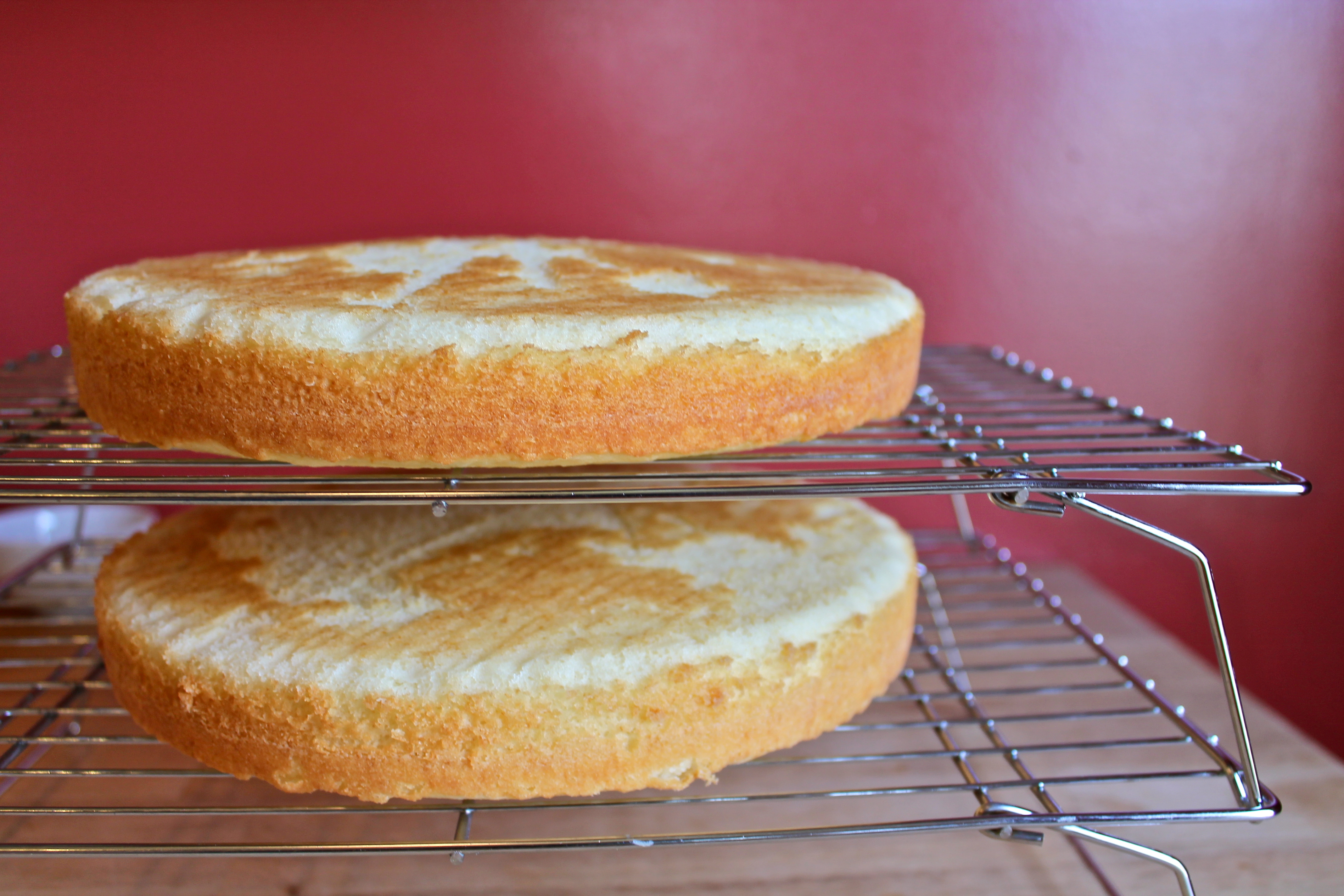
Divide the matter between the prepared pans and bake until the cakes spring back when touched lightly in the center, 25 to 35 minutes. Allow cake to cool in pans for 10 minutes before inverting onto cooling racks to continue to cool completely.

Blood Orange Curd

Adapted from The Kitchn

1/2 to 3/4 cups orange juice from 2 blood oranges

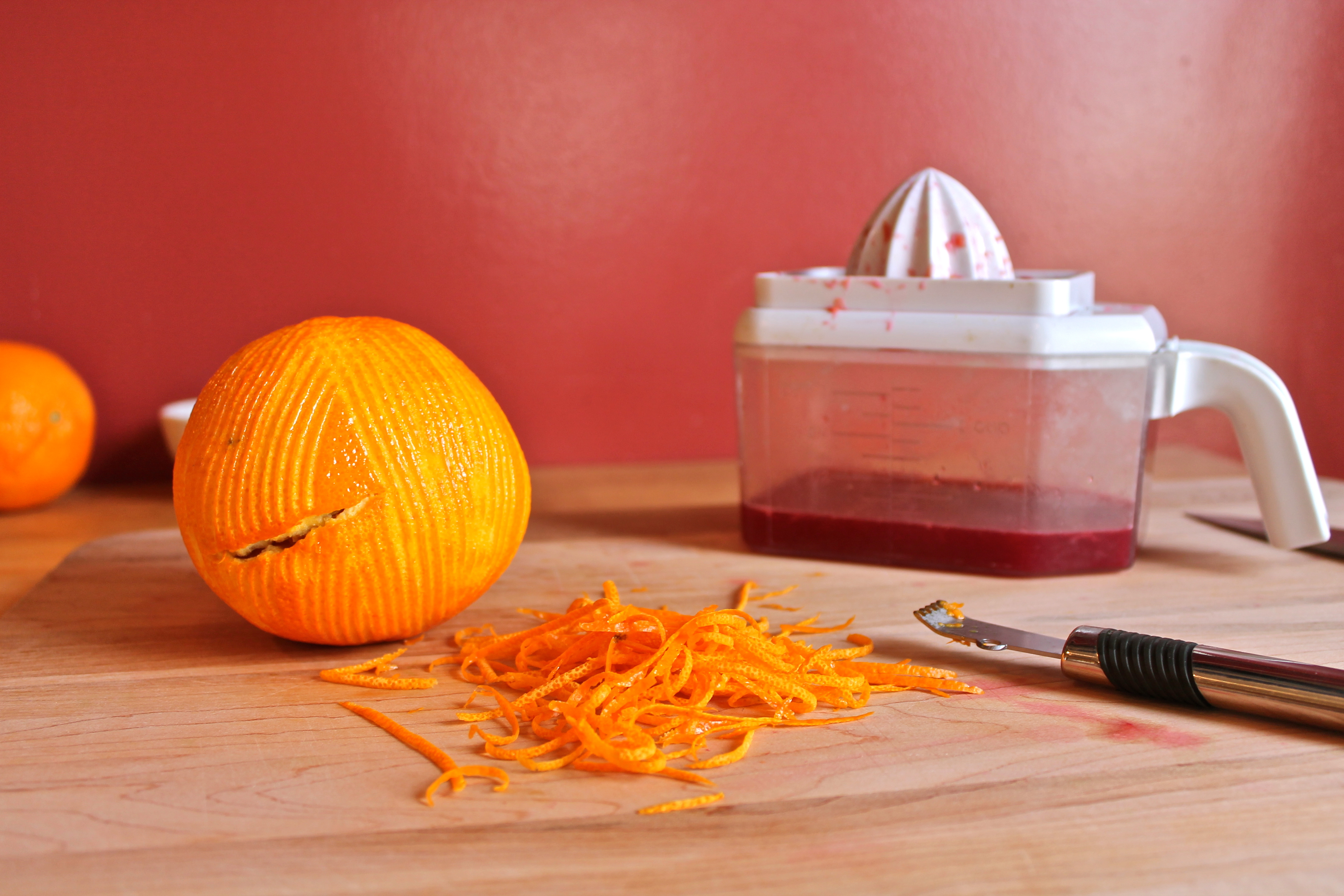
zest from one orange

1 tablespoon lemon juice

1 large egg

2 large egg yolks

1/4 cup granulated sugar

4 tablespoons unsalted butter, cut into chunks and softened

pinch of salt

Pour the orange juice into a small saucepan over medium-high heat. Bring the juice to a rapid simmer and let it reduce down to approximately 1/4 cup. This should take 2 to 4 minutes.

Transfer the orange juice to a bowl or cup to cool. Stir in the zest and lemon juice.

In a separate bowl, whisk together the egg, yolks, and sugar. When the orange juice has cooled to room temperature, whisk it into the egg mixture in a steady stream.

Place a clean bowl with a strainer over the top next to the stove.

Pour the egg and juice mixture back into your small sauce pan and set it over medium-low heat. Stir slowly but constantly until the mixture has thickened to a pudding-like consistency, about 4-6 minutes or until the mixture is just under 180 degrees F.

Immediately remove from heat and strain the mixture into the clean bowl to remove the zest and any bits of cooked egg. (Alternatively, you can leave the zest in the curd for a chunkier texture.) Whisk in the butter and the pinch of salt while the curd is still warm. Continue to whisk until mixture is completely smooth.

Remove orange curd to a small bowl. Lay a sheet of plastic wrap over the surface of the curd (to prevent a skin from forming), and refrigerate until cool, at least one hour.

Makes roughly 1 cup of orange curd.

To assemble the cake:

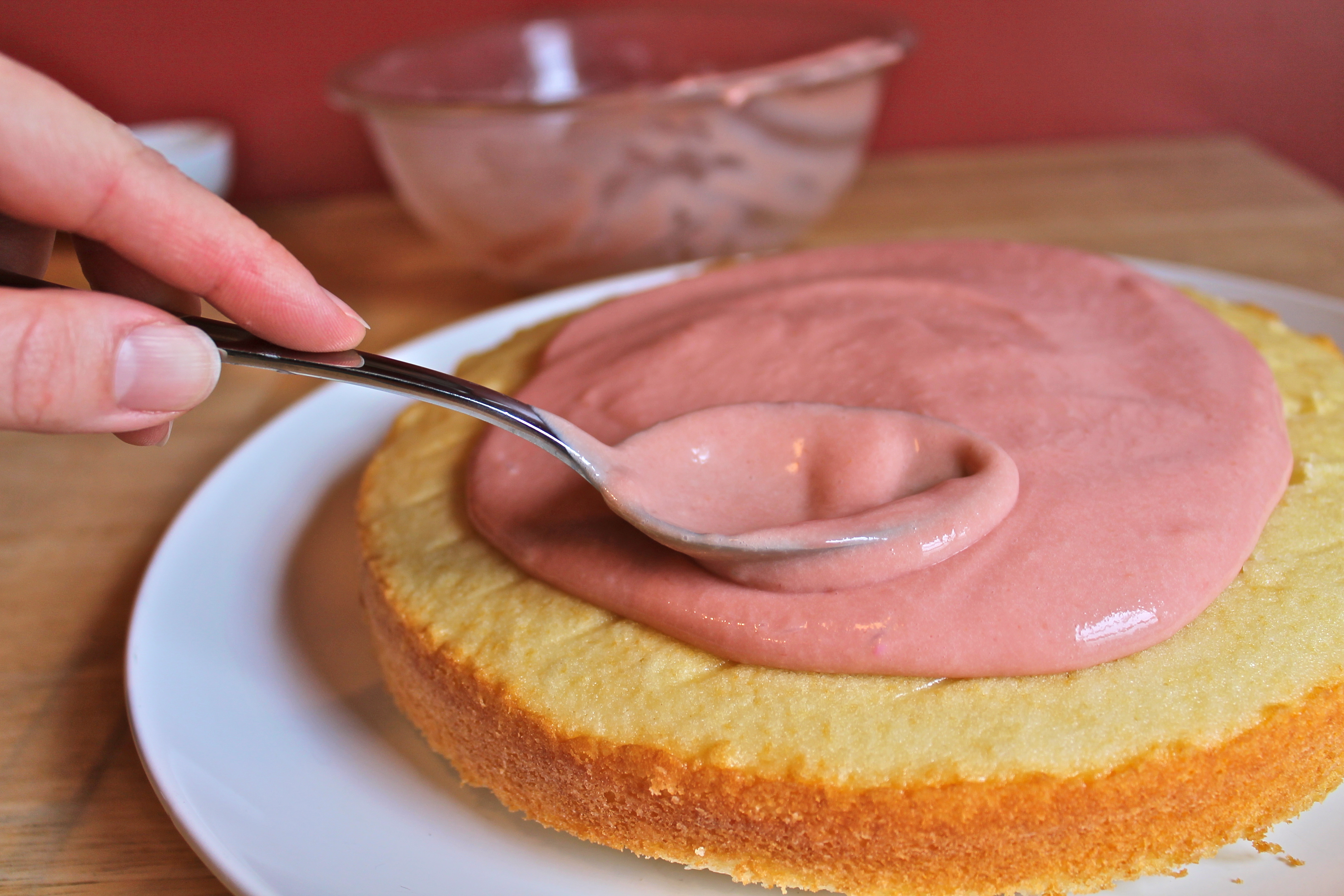
When the cakes have fully cooled, brush off any loose crumbs and lay 1 cake on a large plate. Spoon all of the orange curd in the center of the cake then, using a spoon or a small offset spatula, gently spread the curd on top of the cake, leaving a 1 to 1 ½-inch border around the edge. Lay the second cake layer on top of the lemon curd, pressing down very lightly to ease the curd over the perimeter of the bottom layer. The lemon curd will eventually drip down the edges very artfully. Just go with it.

Top with a generous layer of whipped cream.

Note: The orange curd does not supply the most stable of bases for the top cake layer, so I suggest you shore up the cake’s structure by sinking two or three skewers, cut to just higher than the height of the assembled cake, into the cake to keep it from sliding apart.