Savory Olive Oil and Walnut Sables

27 Feb

My friend Corinna once confessed to me that when her child was a mere toddler, she developed the habit of calling all crackers “ccokies.”  It’s not like her toddler knew the difference between a cookie and a cracker at that point, having never been served a cookie at that point in his life, so I, of course, thought her plan was pure, platinum genius.

When you really think about what makes a cookie a cookie, I suppose there is not a lot, besides sugar, that really separates a cookie from a cracker.  There is a similar correlation, I feel, between what makes a muffin a muffin and not a tiny little cake (because, really, in most cases there is very little that separates a muffin from a cake, save for serving size and variations in toppings and/or frosting).  Both crackers and cookies begin with some sort of flour, followed by some sort of fat to provide texture and flavor.  After those two building blocks come flavorings and leavening agents, both of which will then veer you off in the direction of either cookie or cracker.

But what happens when you start thinking of how to join the two elements?  Is it possible to make a cookie that is more like a cracker, or a cracker that is suspiciously like a cookie?  Perhaps more importantly, why would someone want to accomplish such a thing?
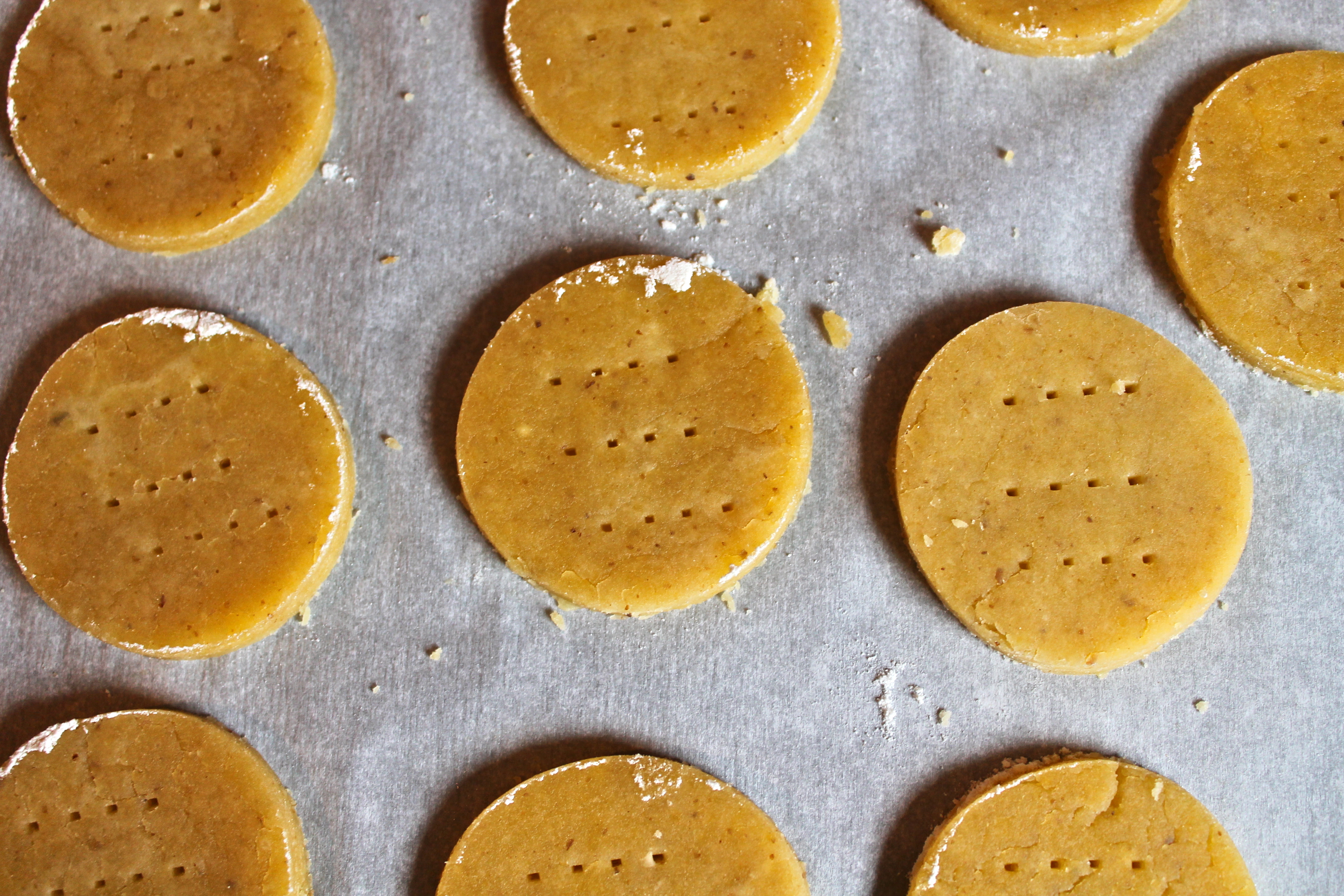
The answer to all those questions, I give you this:

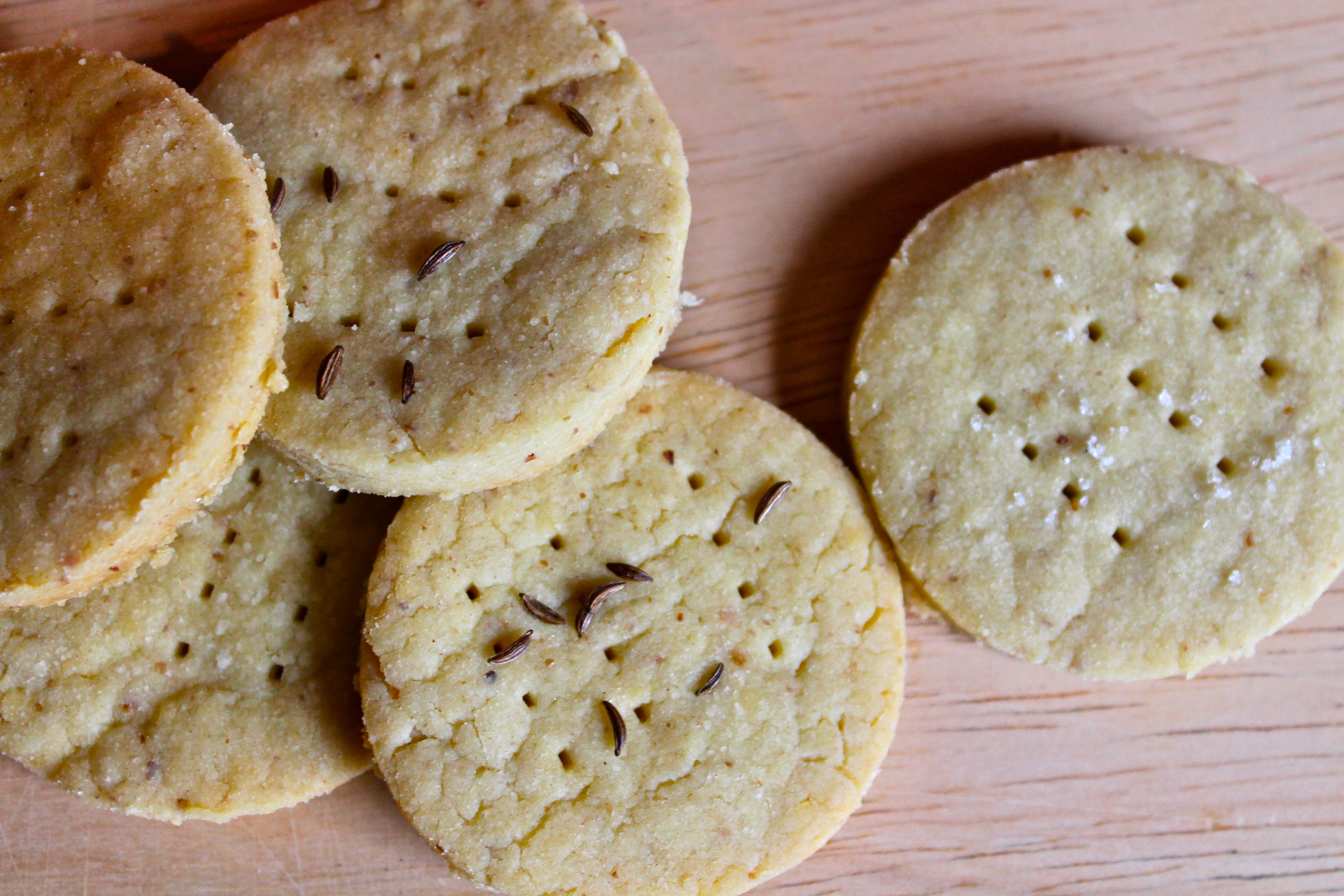
Melt-in-your-mouth sables that have the delicate, shattering texture of a cookie, but are speckled with fine bits of walnuts and a sprinkling of savory spices.  This is why you merge a cookie and a cracker.  Because there is nothing finer to nibble while having a glass of wine at the end of the day.  Because sometimes when you want a bit of a snack, you don’t really want any sugar to go along with it.  Because these, my friends, may be the most delicious experiment I have ever dreamed up on a whim, and I think you’d be missing out terribly if you didn’t try them out for yourself.
Savory Olive Oil and Walnut Sables

¼ cup walnut pieces

1 ¼ cups unbleached all-purpose flour

¼ teaspoon sea salt

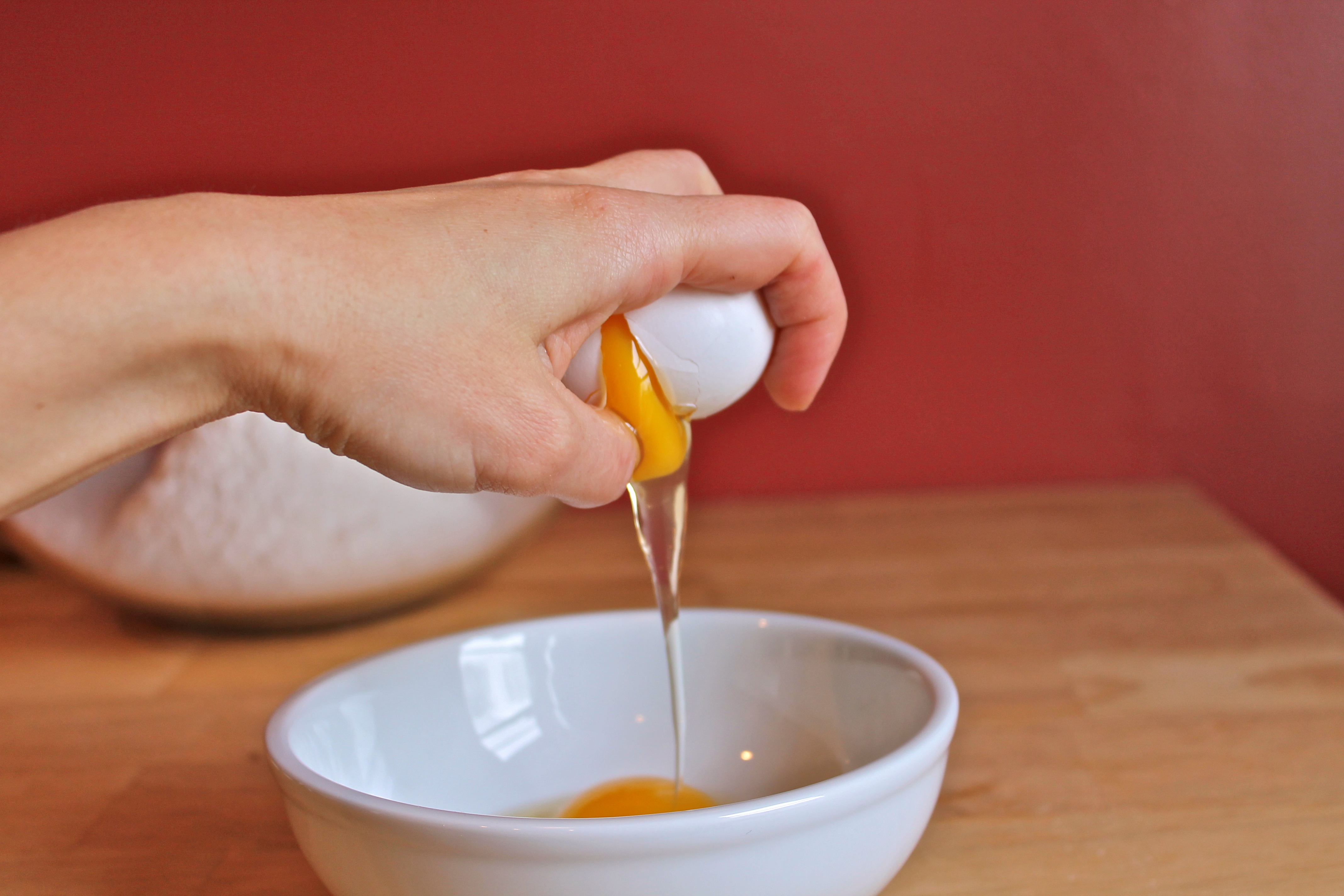
1 egg yolk

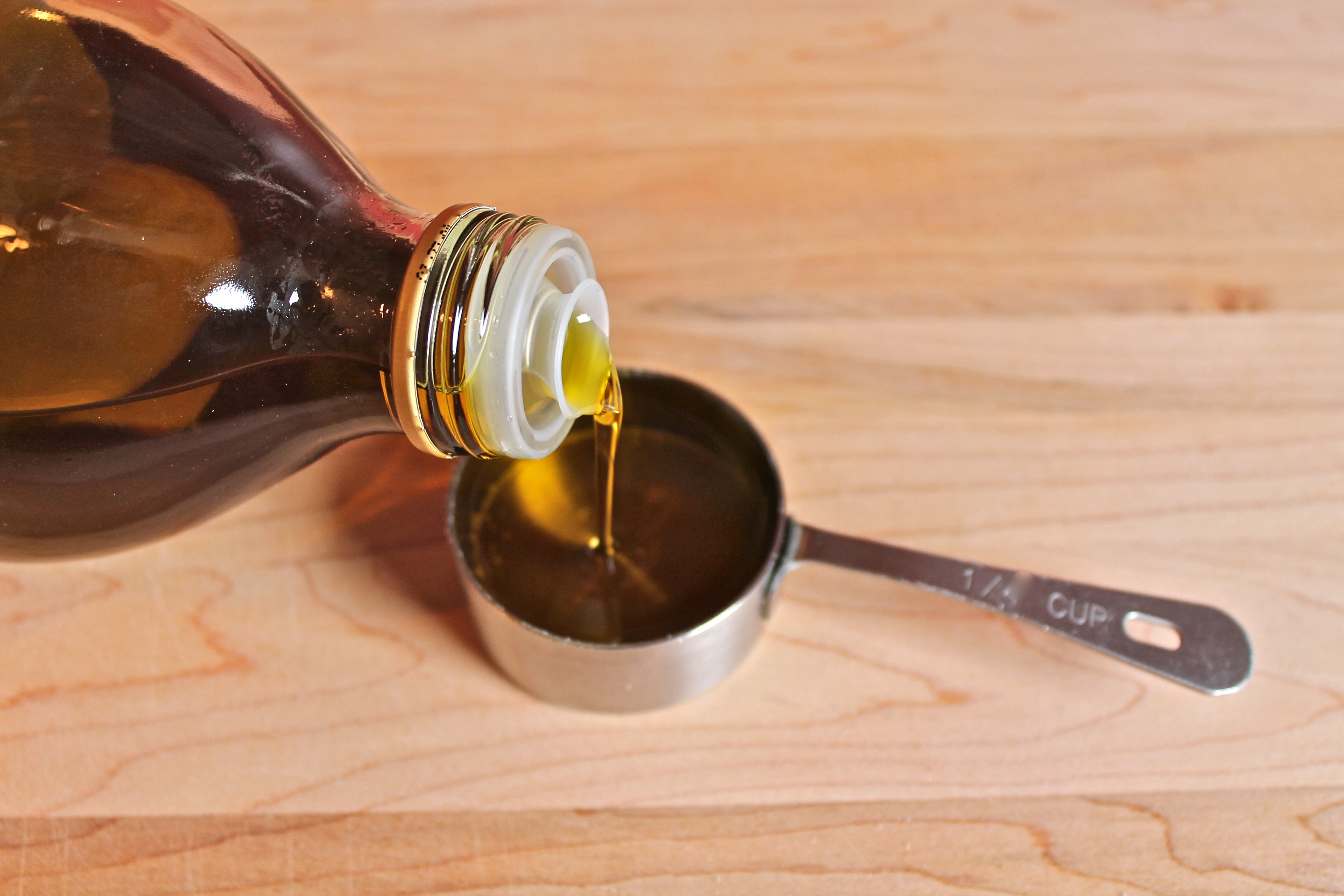
6 tablespoons extra-virgin olive oil

2 tablespoons water

Optional toppings: caraway seeds, truffle salt, poppy seeds

In the bowl of a food processor, pulse walnut pieces 5 or 6 times until they are ground medium-fine, with a few small chunks of walnut remaining.  Add flour and salt to walnuts and pulse to combine.  Add the egg yolk and pulse 2 or 3 more times to combine.

With the food processor running, pour in the olive oil in a slow stream, allowing the mixture to become uniformly combined.  With the food processor still running, drizzle in the water, then allow the dough to just start to clump together.

Shape the dough into a disc, then wrap in plastic and allow to rest in the refrigerator for 30 minutes.

Preheat oven to 375 degrees Fahrenheit.  Line a baking sheet with parchment paper and set aside.

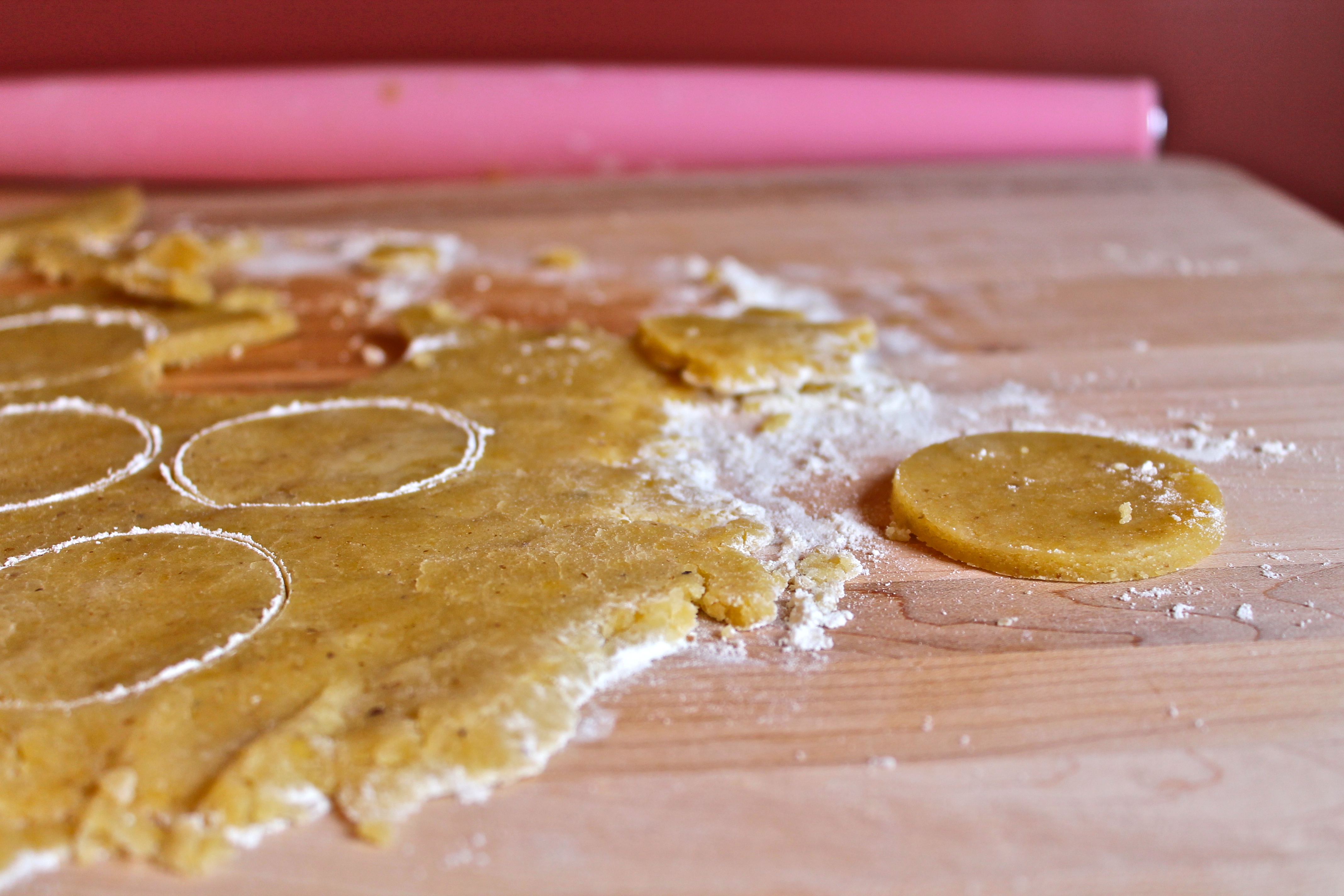
Turn the rested dough out onto a well-floured work surface.  Roll out the dough until it is very thin, somewhere between ¼” and 1/8”.  The dough will be a bit crumbly, so roll with care.  Using a floured 2-inch biscuit cutter or cookie cutter, cut out rounds of dough and place on parchment lined baking sheet.  Reshape and reroll the dough as needed.  Using a fork or the tip of a small, sharp knife, poke several holes on top of each cracker.  If adding toppings, sprinkle each cracker with just a pinch of whatever toppings you choose.

Bake the crackers on the center rack of the oven for 10 to 12 minutes, until the edges are golden and the tops just beginning to develop color.  Cool on the sheet pan for 1 minute, then remove to a wire rack to cool completely.  Crackers will be extremely delicate when hot, so transfer them with care.

Makes roughly 2 dozen sables.

Marinated Goat Cheese

23 Feb

Is there anything better than a plate of fresh bread and an assortment of cheeses?  Maybe a plate of fresh bread, an assortment of cheeses, and some spiced nuts, but, still, it tough to go wrong with the basic building blocks of cheese and bread.  It may not be the healthiest, most complete meal I could ever choose, but it is definitely a meal I find myself leaning towards whenever I am offered an opportunity to pick whatever I want to eat for a special occasion (or just, you know, for dinner on a Tuesday).

The good news about my love of bread and cheese is that spring and summer, however slowly, are surely working their way towards us.  Summer around here means a lot of time spent outdoors, whether it be riding bikes, playing baseball, or heading downtown for a waterfront picnic (a trip most likely taken on a bike…after playing a game of baseball).  Picnics, I believe I’ve mentioned before, are one of my most favorite things in the entire world.  In fact, second only to my love of picnics would be the act of choosing what to take on a picnic, a task I find endlessly pleasing and—dare I admit it—exciting.

At this point I feel as though I’ve got picnic packing down to a science.  Picnics are best eaten sans silverware, though we have been known to pack a vinegary potato salad or herby pasta dish from time to time.  For the most part, however, our picnics are strictly finger food affairs, and are comprised of nuts, fruits, sometimes small slivers of meats, and, of course, bread and cheese.  The bread is nearly always a baguette, but the cheese varies according to whatever we have on hand, or whatever I’ve spotted in the cheese case at the market and fallen in love with (because, yeah, I really really like cheese).  While last summer’s picnic cheeses seemed to lean more towards the category of being firm and sliceable, I have a feeling that the upcoming summer’s picnic cheese will be a strictly spreadable affair.  That is, the cheese in question will be this marinated goat cheese, because it is my most favorite cheese at the moment and I don’t see any signs of it budging from its position in the top spot.

Making this marinated cheese could not be simpler.  It also could not be more adaptable, and, as the seasons change, I imagine I will be changing up the formula quite a bit, just to see what happens.  My most recent version, the one seen here, involves toasted spices, a bit of heat, and a generous bunch of rosemary.  It is utterly fantastic, and I have spent the better part of a week spreading it on bread, folding it into eggs, and scooping it onto crackers.  I imagine it would also be great crumbled onto a tomato salad, and as the weather warms I plan on doing just that, as well as changing up the composition of the marinade to include some tarragon instead of rosemary, shallots in addition to the garlic, maybe a slip of lemon zest, and perhaps even some balsamic vinegar to accompany the olive oil.  Until the warm weather arrives, I’ll be experimenting with this recipe and preparing for as many picnics as I can.

Marinated Goat Cheese

This cheese marinates in olive oil while in the refrigerator, which causes the olive oil to harden as it cools.  It may look odd, but it poses no threat to the olive oil or the cheese.  To bring the oil back to room temperature, simply run the jar under hot water for 15 to 20 seconds.  The olive oil will almost immediately turn back into a liquid.

1 teaspoon fennel seeds

1 teaspoon whole peppercorns, preferably a mix of colors and flavors (I used green, black, and pink)

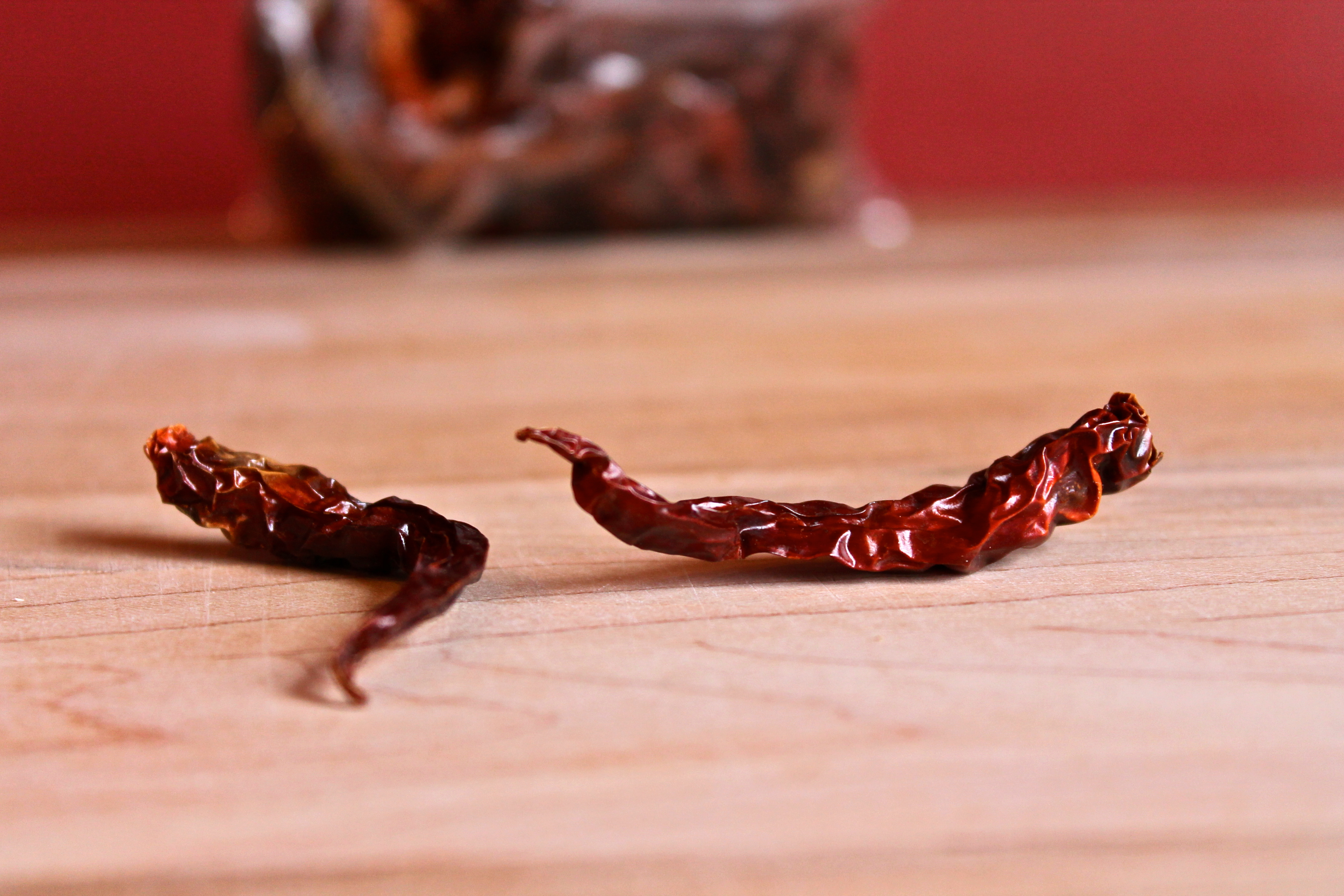
2 dried red chiles

8 ounces goat cheese

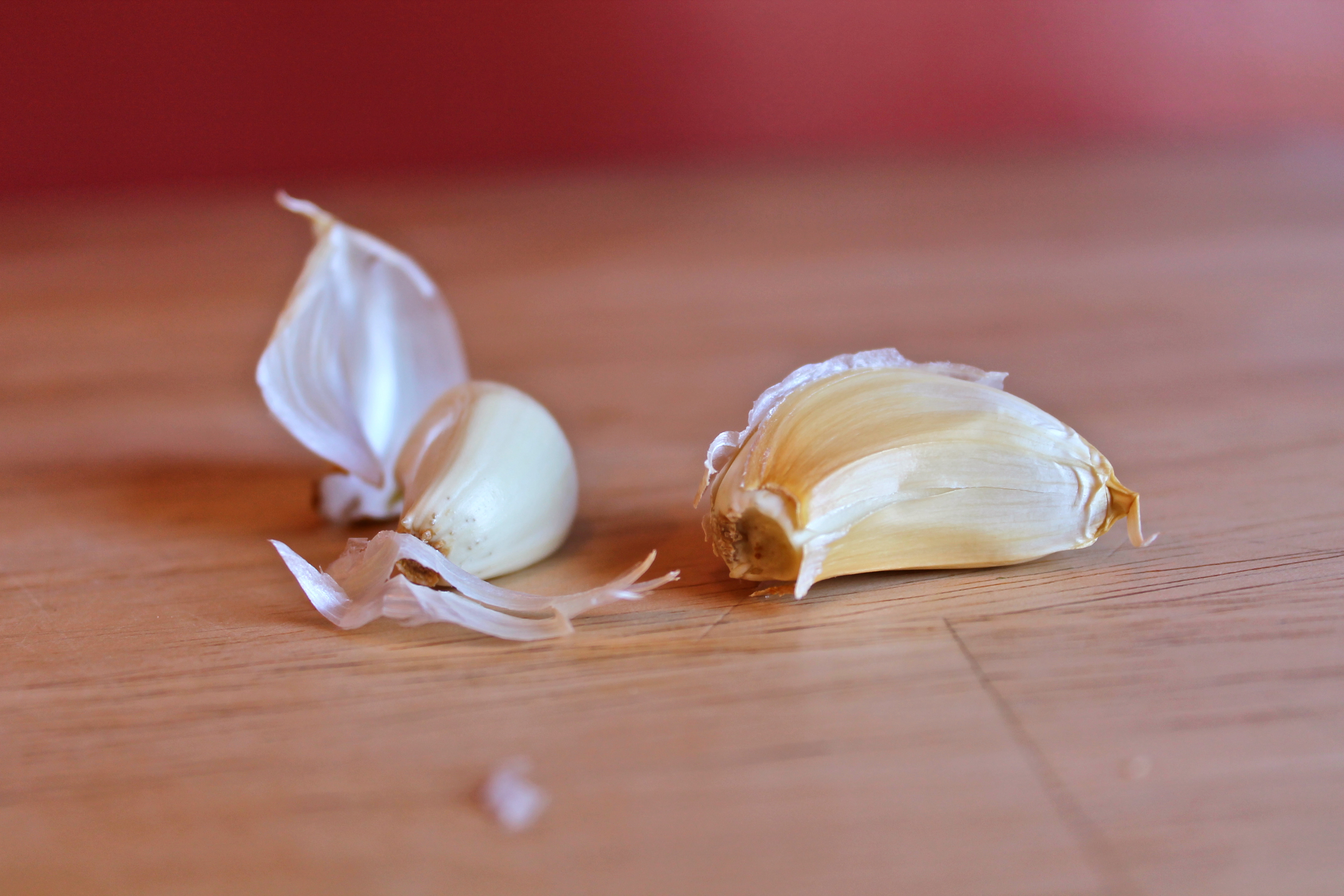
2 large cloves of garlic, peeled but left whole

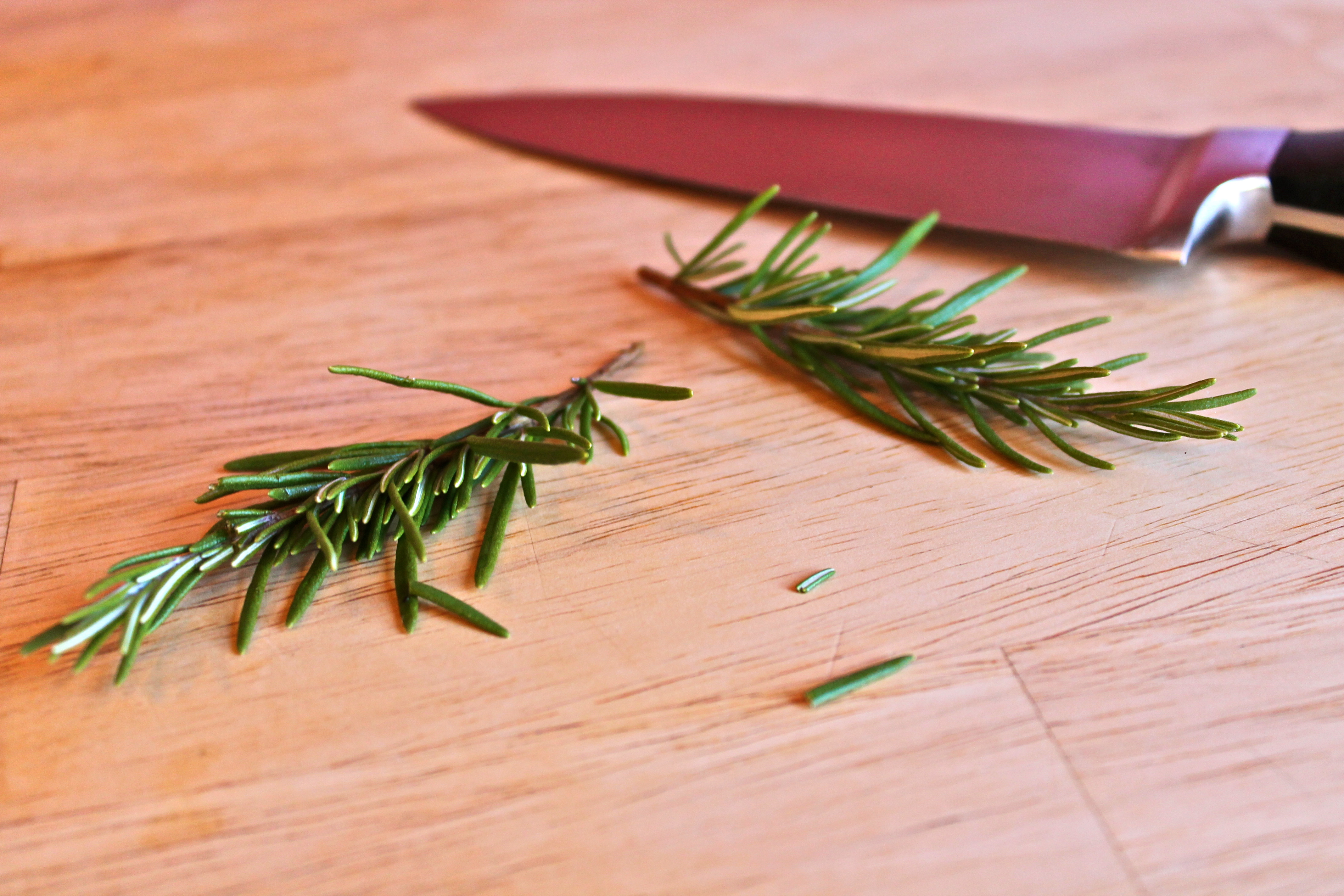
2 large sprigs fresh rosemary

2 bay leaves

extra-virgin olive oil

In a small saucepan set over medium-high heat, heat the fennel seeds, peppercorns, and dried chiles until they just begin to pop and their aroma begins to release.  Remove spices to a plate or bowl and set aside to cool.

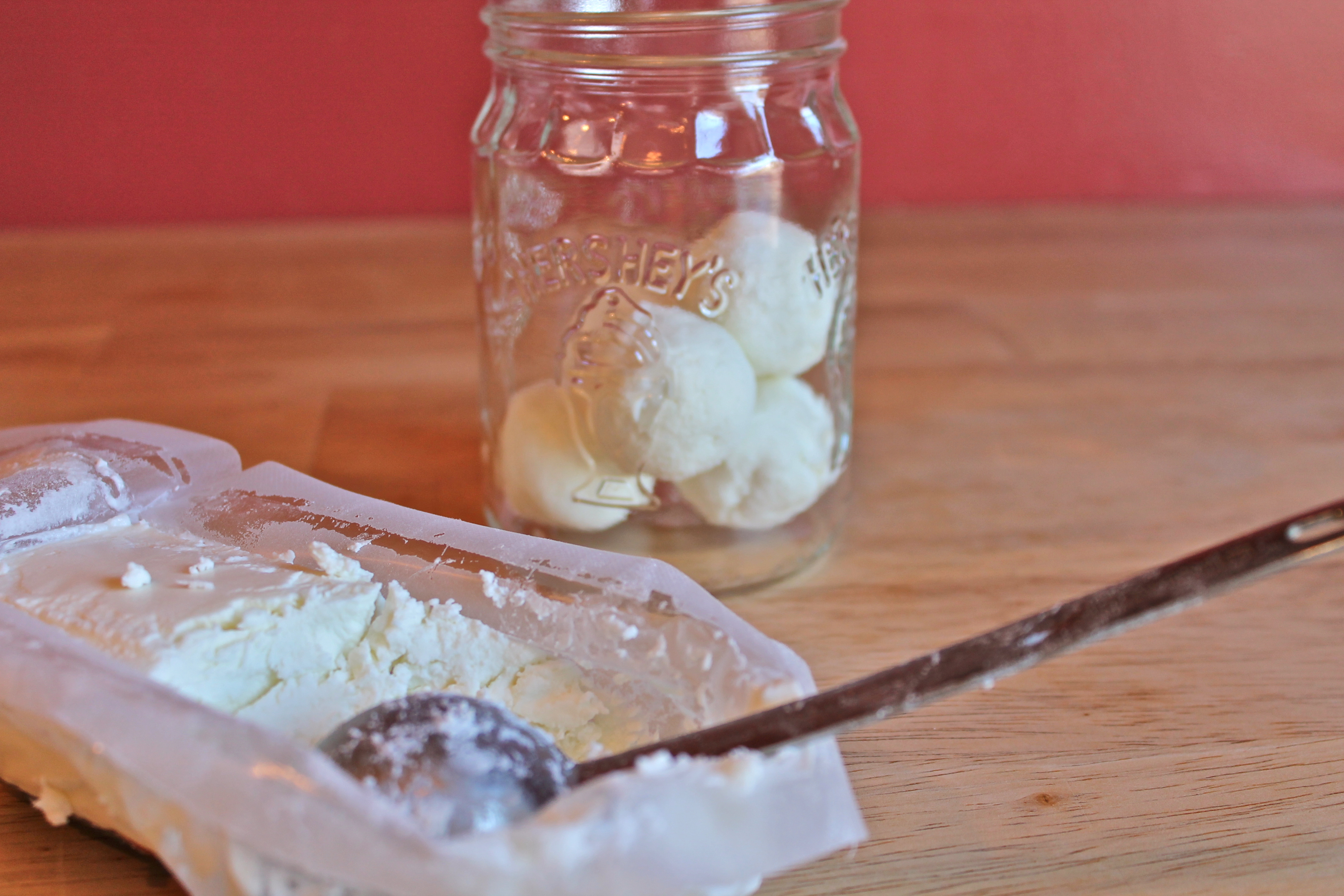
Roll the goat cheese, 1 tablespoon at a time, into small balls.  Place balls of cheese in a jar that will allow room for all the cheese, plus flavorings (I used a 14-ounce jar and it was a nearly perfect, albeit slightly tight, fit).  To the jar, add the cooled peppercorns, fennel, and chiles.  Add the garlic cloves.  Very slightly twist the rosemary sprigs in your hands to bruise them and release some of their oils, then add them to the jar, along with the bay leaves.  Fill the jar with olive oil to cover everything.

Cover the jar tightly, then allow to marinate in the refrigerator for 2 to 3 days before eating.  Cheese will keep for 1 week, in the refrigerator, tightly covered.

Butter Cake with Blood Orange Curd

20 Feb

There has been a lot of cake-making around these parts lately.  Over the holidays, I made several cakes for a Kickstarter campaign, and then came the holidays themselves, a time when all things cake flour and butter-laden are welcomed with open arms.  Since then, birthdays have come and gone, and, as per usual, there was cake-making involved.  So far I have already made four cakes during the month of February, and the month is only two-thirds over.

It’s a good thing I like making cakes.

It is also a good thing there is an abundance of citrus available at the market right now, since there are few things I enjoy as much as a nice, tart citrus fruit.  As luck would have it, this month’s most recent cake was a freestyle sort of affair, meaning that after I was recruited to make the cake, I was then told that I could make whatever sort of cake I pleased, so long as it somehow incorporated citrus and cream.  Well, ladies and gentlemen, done and done.

A fortuitous discovery of this great recipe for orange curd via The Kitchn made me all the more excited to dress up this cake of choice.  The fact that blood oranges are so wonderfully in season made me giddy with anticipation.  In my mind, I was envisioning a bright orangey-red filling, a sweet and tart balance to the rich and buttery layers of cake nestled above and below.  As you can see, my vision was not entirely fulfilled.  Yes, the blood orange curd was delicious—as tart and creamy as I could ever hope for—but, clearly, what you see before you is not so much bright or intense in hue, but rather what I can only brand as being “Barbie-worthy.”  Entirely by accident, I managed to construct a pink princess cake.  Pardon me, a delicious pink princess cake.

I am, of course, perfectly fine with this.  In fact, I now feel as though, if ever called upon to make a birthday cake for a small child who favors princesses—or perhaps even an adult who is a proponent of pink—I will have a top-notch cake in my arsenal of offerings.

Butter Cake with Blood Orange Curd

Adapted from the long-departed Caprial’s Restaurant

This cake recipe defies all cake-making logic by having you beat the batter extremely well as you add in the dry and liquid ingredients. Your cake-making instincts may tell you to only mix this batter lightly until things start to come together, but ignore those instincts and just keep beating things together really well until the batter is smooth and mostly lump-free. I know it might feel wrong, but just do it. The smooth texture of the batter really works wonders in this cake, strange as it may seem.

1 cup unsalted butter, softened

1 ½ cups granulated sugar

4 large eggs

2 teaspoons pure vanilla extract

¾ teaspoon salt

1 tablespoon baking powder

3 cups cake flour

1 cup whole milk

Preheat oven to 350 degrees Fahrenheit. Grease two 9-inch cake pans and line the bottoms with rounds of parchment paper.

Place the butter and sugar in a large bowl, or the bowl of a stand mixer fitted with the paddle attachment.  Beat together on high speed, scraping down the sides of the bowl often, until the butter and sugar are light and fluffy, about 5 minutes. Turn the mixer speed down to low and add the eggs one at a time, scraping down the sides of the bowl and mixing well after each addition.  Add the vanilla and mix well, again scraping down the sides of the bowl.

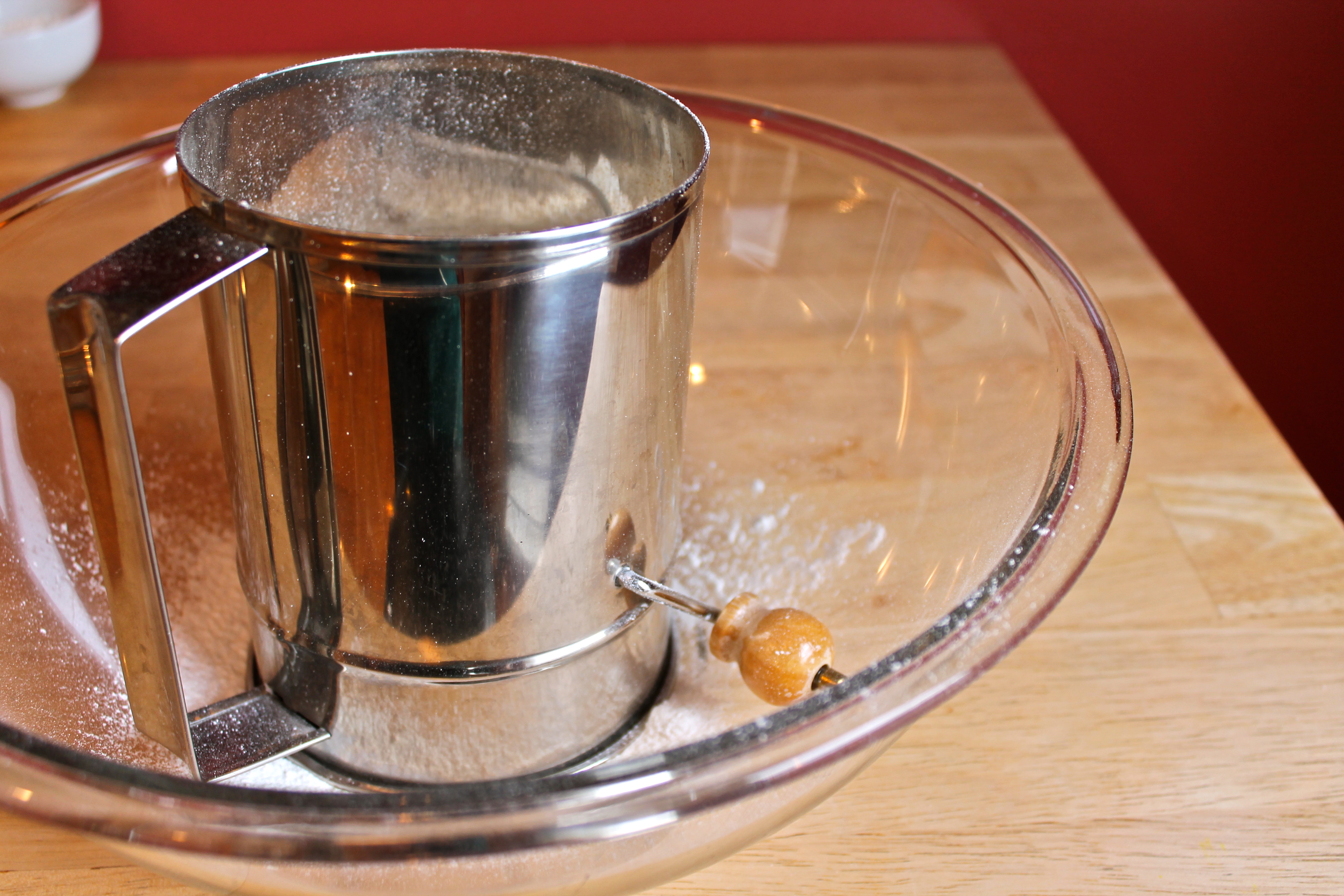
Sift together the salt, baking powder, and cake flour.

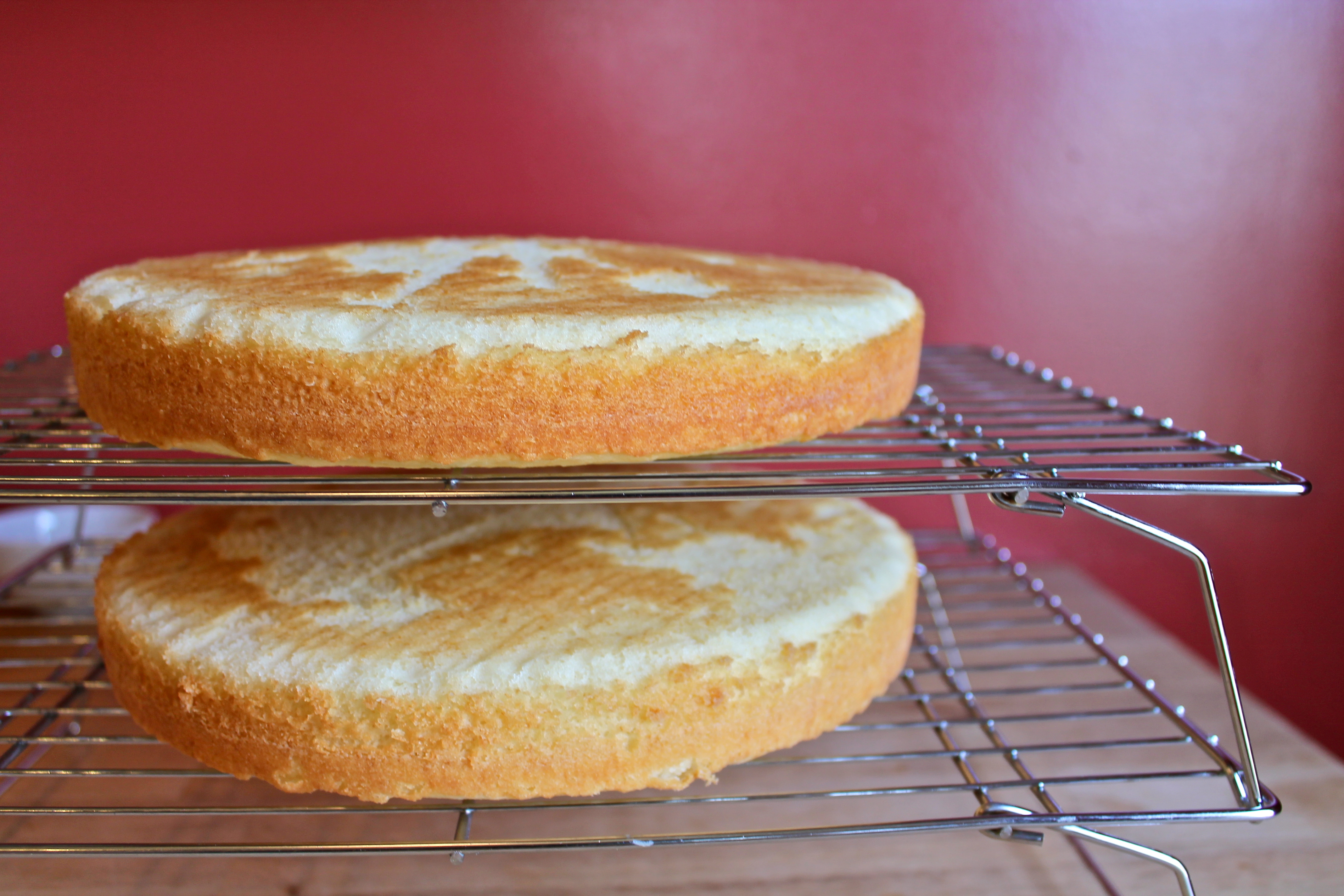
Add about one half of the dry ingredients to the butter mixture, then beat on low speed until well blended.  Add about one half of the milk and beat well.  Add the rest of the flour mixture and beat until mixed well.  Add the rest of the milk and continue to beat well until the mixture is completely combined.

Divide the matter between the prepared pans and bake until the cakes spring back when touched lightly in the center, 25 to 35 minutes. Allow cake to cool in pans for 10 minutes before inverting onto cooling racks to continue to cool completely.

Blood Orange Curd

Adapted from The Kitchn

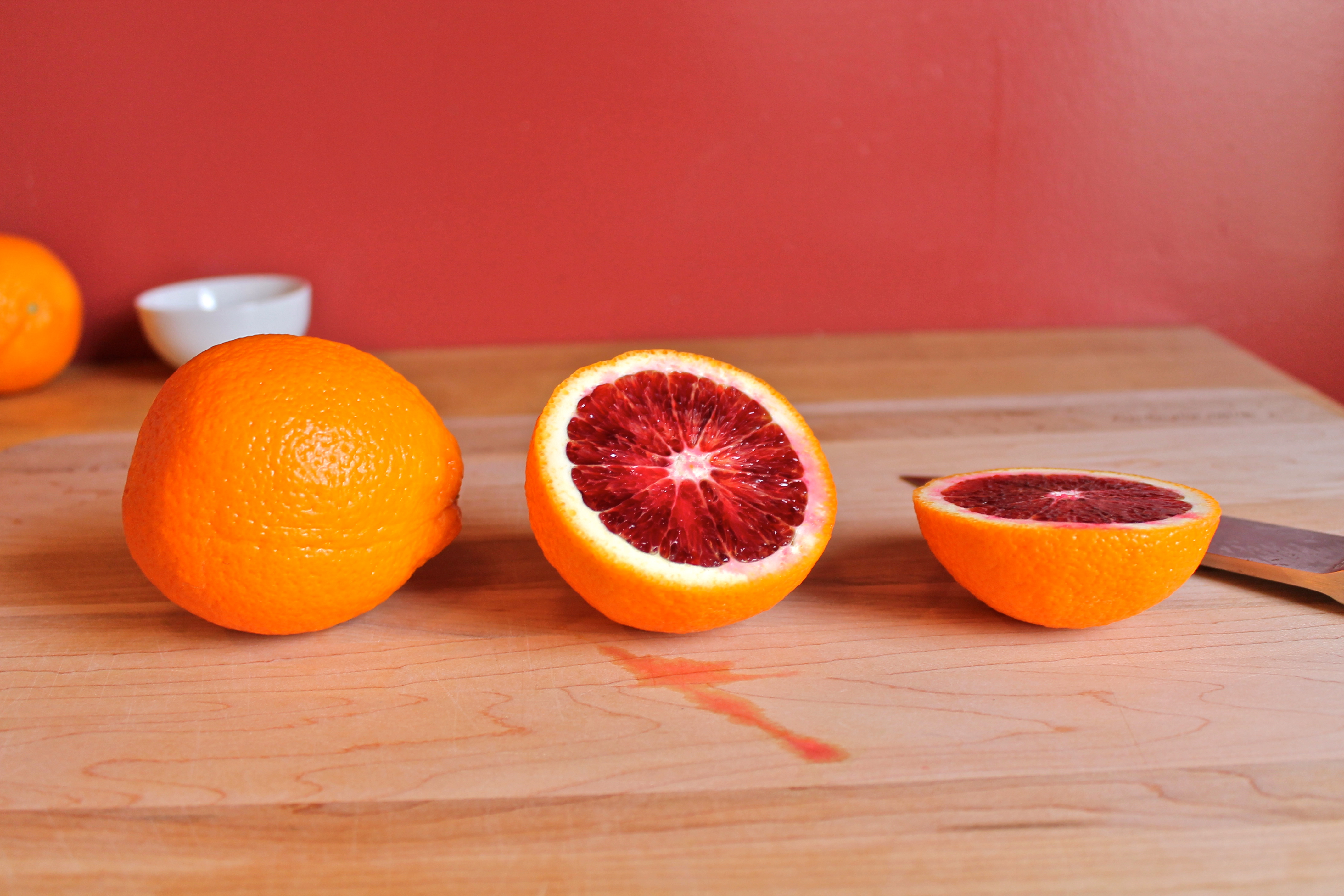
1/2 to 3/4 cups orange juice from 2 blood oranges

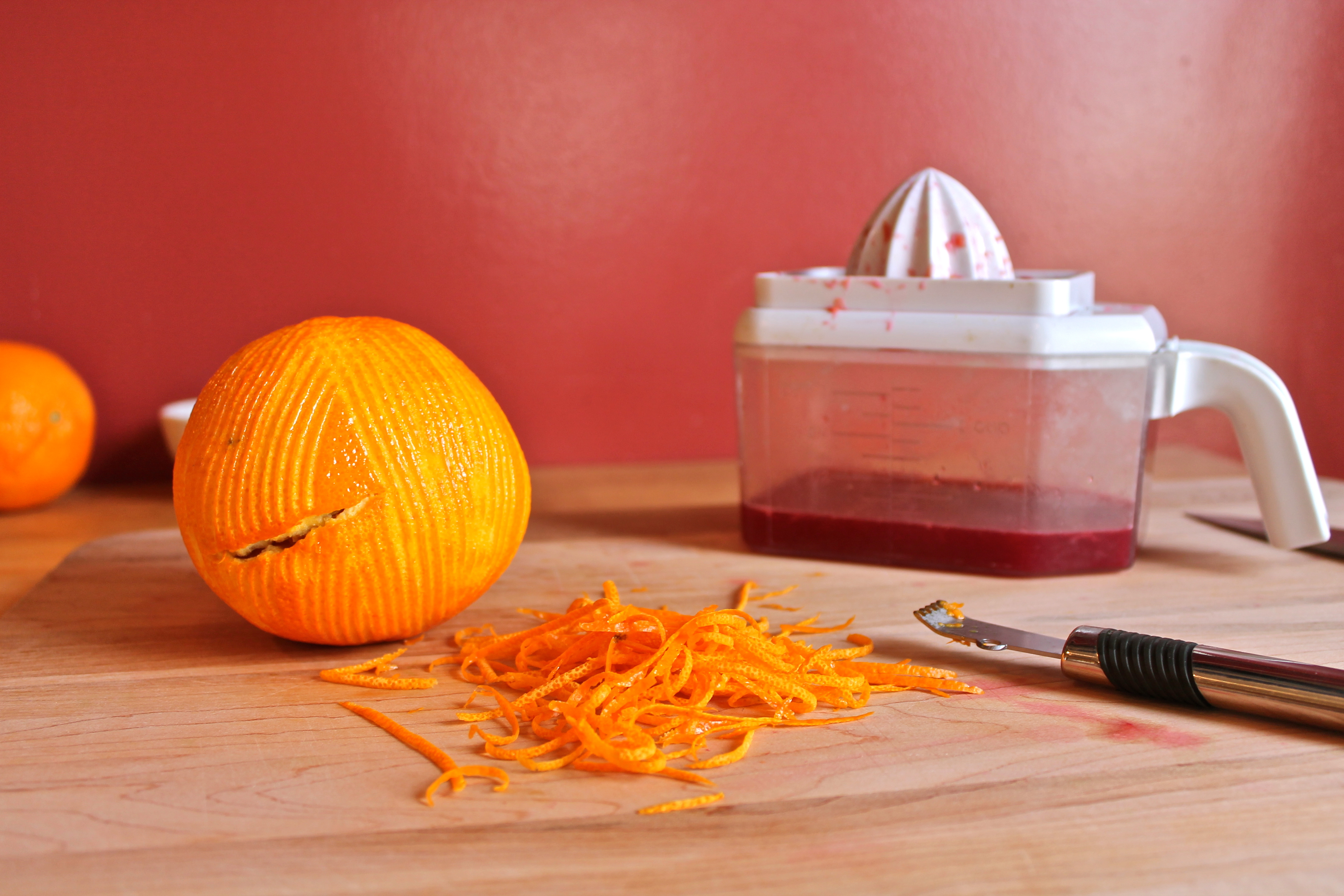
zest from one orange

1 tablespoon lemon juice

1 large egg

2 large egg yolks

1/4 cup granulated sugar

4 tablespoons unsalted butter, cut into chunks and softened

pinch of salt

Pour the orange juice into a small saucepan over medium-high heat. Bring the juice to a rapid simmer and let it reduce down to approximately 1/4 cup. This should take 2 to 4 minutes.

Transfer the orange juice to a bowl or cup to cool. Stir in the zest and lemon juice.

In a separate bowl, whisk together the egg, yolks, and sugar. When the orange juice has cooled to room temperature, whisk it into the egg mixture in a steady stream.

Place a clean bowl with a strainer over the top next to the stove.

Pour the egg and juice mixture back into your small sauce pan and set it over medium-low heat. Stir slowly but constantly until the mixture has thickened to a pudding-like consistency, about 4-6 minutes or until the mixture is just under 180 degrees F.

Immediately remove from heat and strain the mixture into the clean bowl to remove the zest and any bits of cooked egg. (Alternatively, you can leave the zest in the curd for a chunkier texture.) Whisk in the butter and the pinch of salt while the curd is still warm. Continue to whisk until mixture is completely smooth.

Remove orange curd to a small bowl. Lay a sheet of plastic wrap over the surface of the curd (to prevent a skin from forming), and refrigerate until cool, at least one hour.

Makes roughly 1 cup of orange curd.

To assemble the cake:

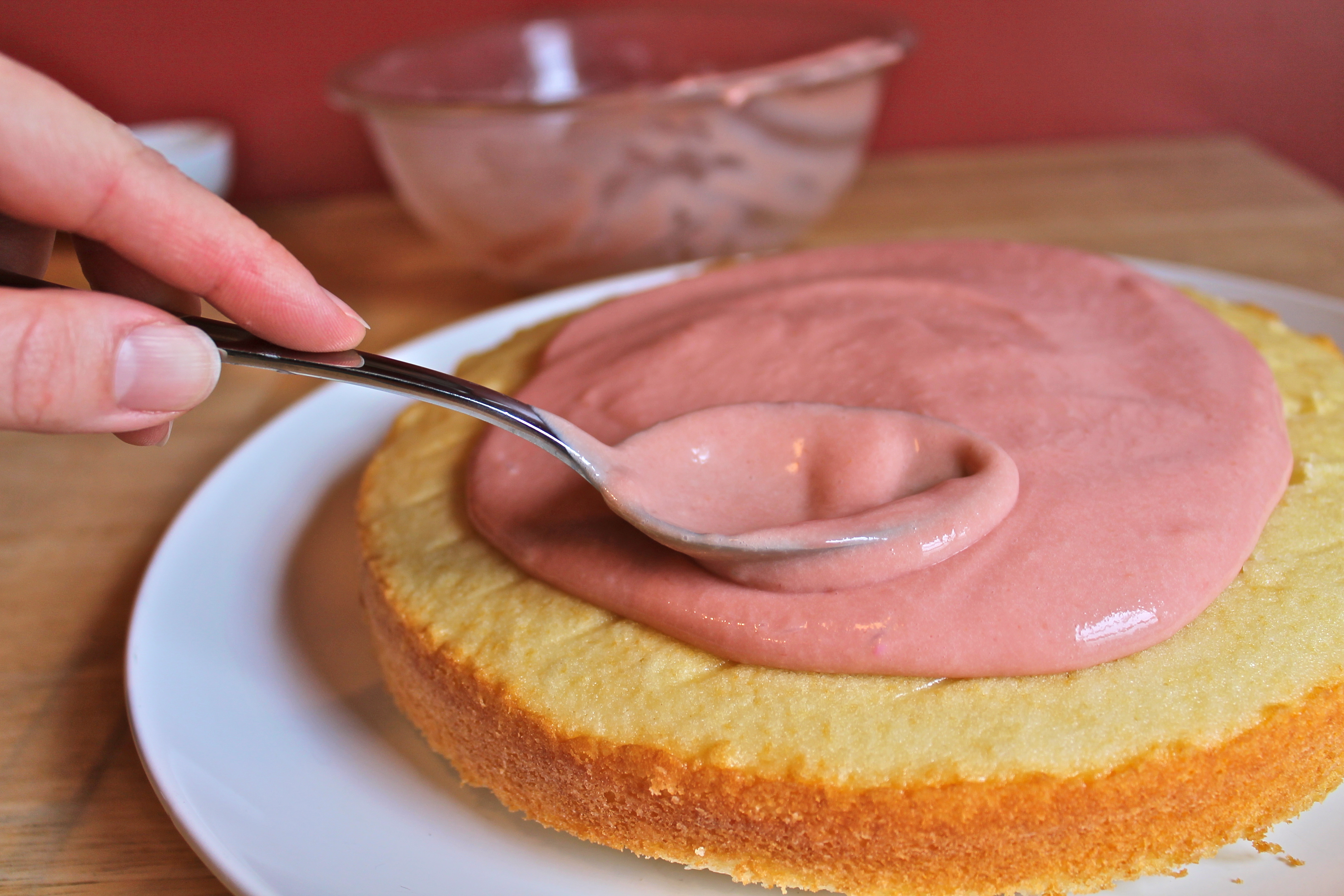
When the cakes have fully cooled, brush off any loose crumbs and lay 1 cake on a large plate. Spoon all of the orange curd in the center of the cake then, using a spoon or a small offset spatula, gently spread the curd on top of the cake, leaving a 1 to 1 ½-inch border around the edge. Lay the second cake layer on top of the lemon curd, pressing down very lightly to ease the curd over the perimeter of the bottom layer. The lemon curd will eventually drip down the edges very artfully. Just go with it.

Top with a generous layer of whipped cream.

Note: The orange curd does not supply the most stable of bases for the top cake layer, so I suggest you shore up the cake’s structure by sinking two or three skewers, cut to just higher than the height of the assembled cake, into the cake to keep it from sliding apart.