Tag Archives: food

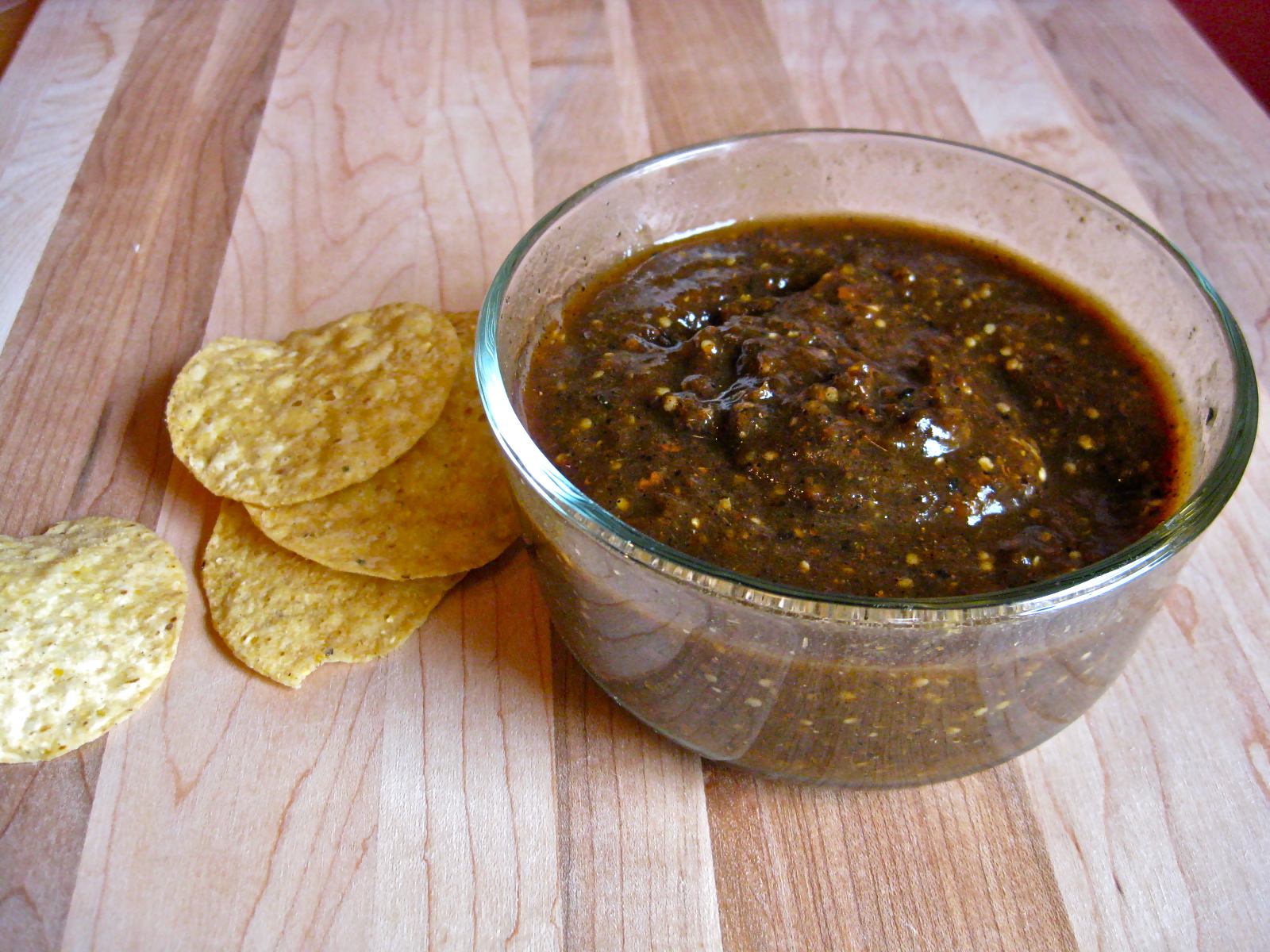
Salsa Roja

17 Nov

Do you ever get into a cooking rhythm that leads you in one direction, and one direction only?  Like, say, south, to Mexico?  And all you want to cook are luscious sauces, flavorful side dishes, and a variety of salsas?  Yeah, I’ve been there.  I am there.  All I want to eat is Mexican food, all the time, every single day.  And with a couple of incredible Mexican food cookbooks at my disposal, this little habit of mine could go on for quite some time
This salsa is a direct recipe from Rick Bayless, he of the encyclopedic knowledge of all things related to the cuisines of Mexico.  So embroiled in the specifics of the foods is Bayless, I admit that I am actually somewhat intimidated by a large chunk of his recipes.  I have to roast that thing for how long?  And then find fat from what animal?  And do WHAT with it?  That’s the part where I close the book and walk away, wondering for the tenth time that week if it’s possible to actually hurt yourself by eating too many corn tortillas.

Now that I have thoroughly scared you away from Mr. Bayless, allow me to attempt to reel you back in.  Not all the recipes in his books are head-spinningly complex.  Bayless, though unfailing in his ability to bring authentic Mexican foods to the American masses, is also a great source for recipes that are simple, straightforward, and utterly delicious.  His salsa roja (red chile and tomatillo salsa) is one of my favorite basic salsa recipes, and it’s a great addition to anyone’s Mexican cooking repertoire.  Last year I used this salsa to flavor some flank steak for my husband’s birthday dinner, and it was a mighty fine success.  Paired with some slices of crisp red peppers and cool, creamy avocado, it made tacos that were deemed some of the best to ever cross one’s plate.
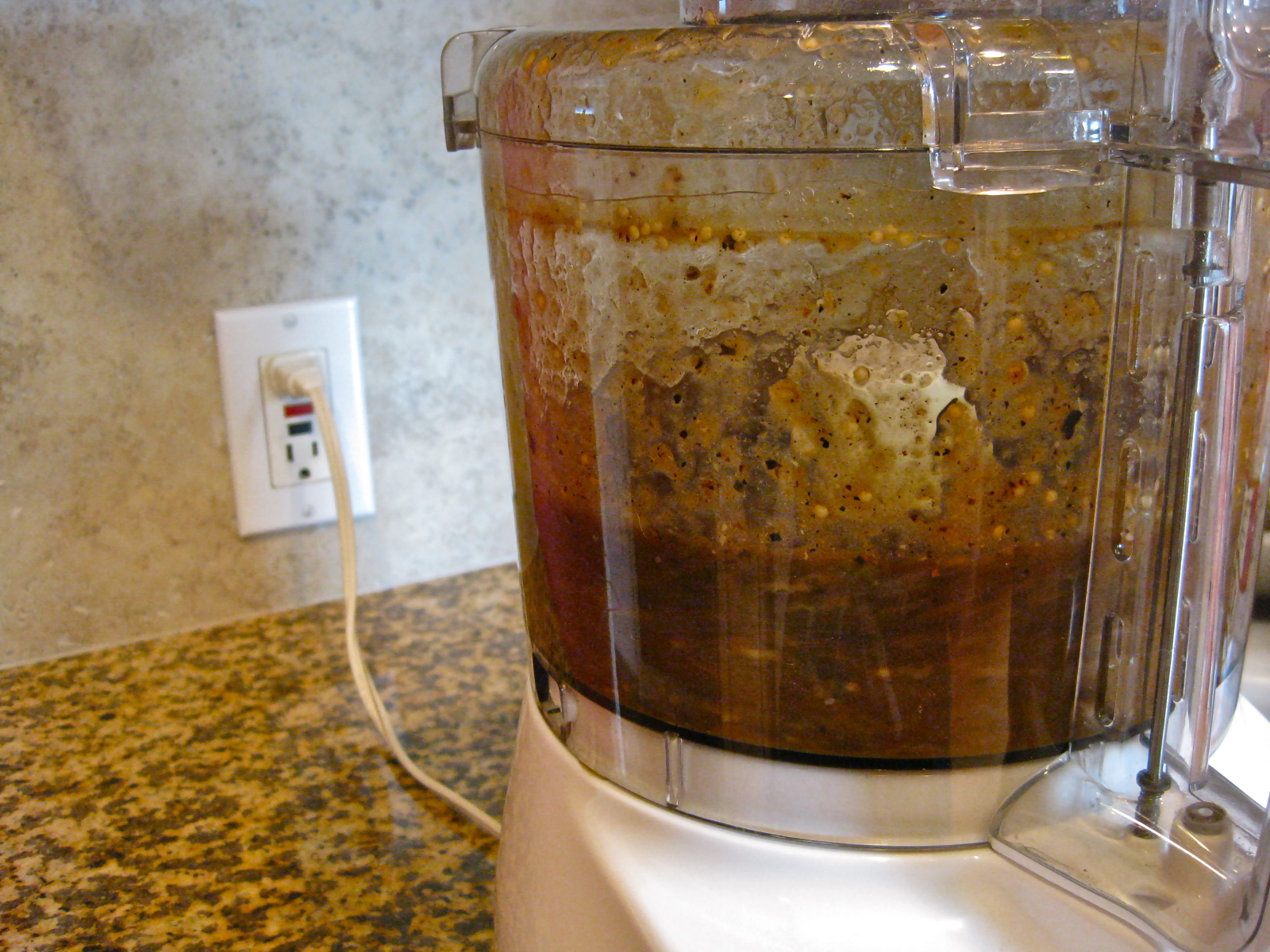
Slowly and steadily, with this salsa as my entry point, I plan on tackling more of Bayless’ catalog.  Perhaps I’ll baby-step my way there, sitting calmly at my dining room table while I peruse some books and eat this salsa.
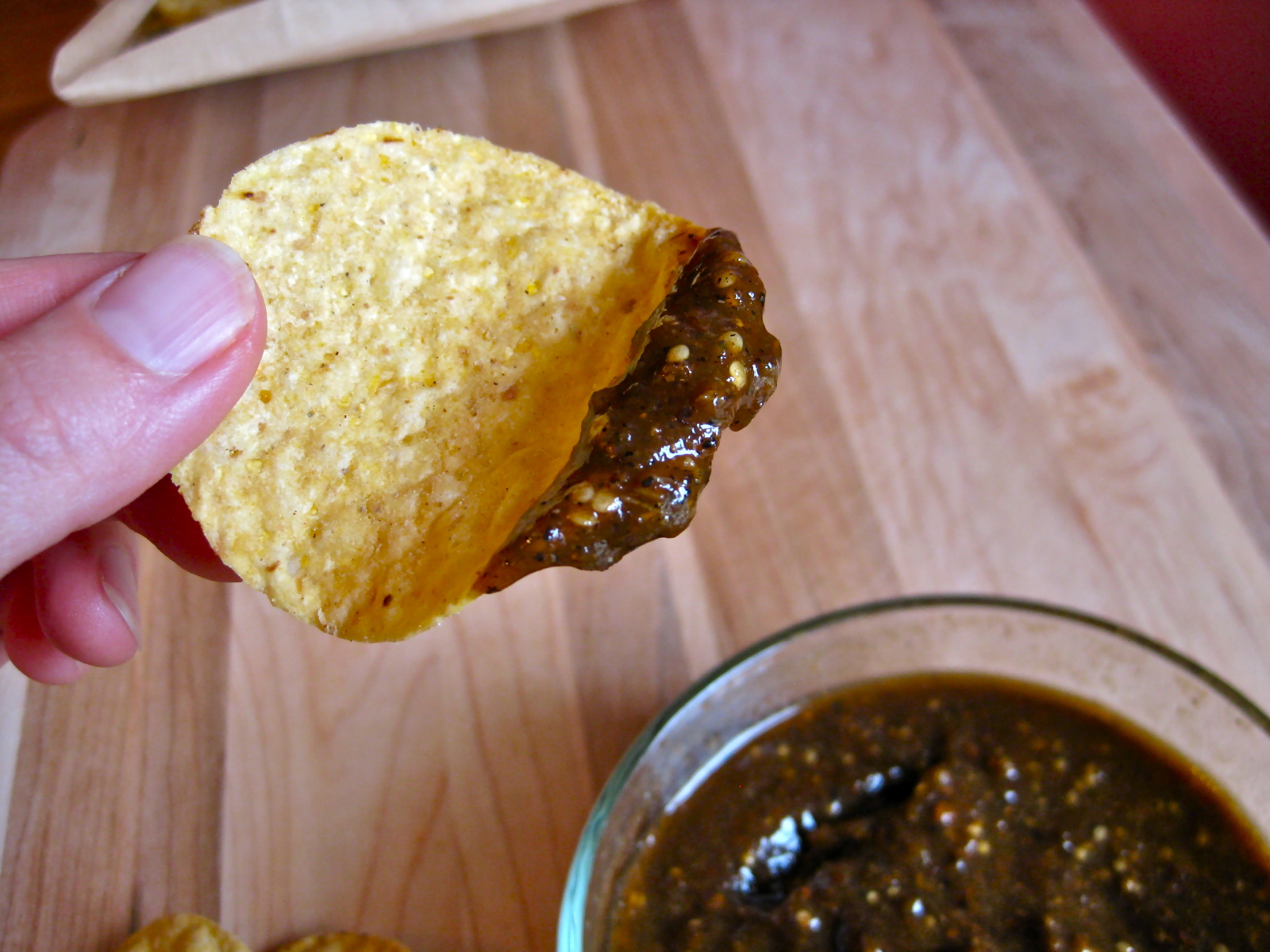
Salsa Roja (Red Chile and Tomatillo Salsa)

From Mexico One Plate at a Time, by Rick Bayless

You can use any variety of small hot dried chile in the recipe.  I used dried chipotle peppers, since I happened to have some on hand.  Bayless specifies that you can also use cascabel, arbol, piquin, and many others.  If you don’t have a kitchen scale, Bayless helpfully mentions that ½ ounce of dried chiles corresponds to 6 red chipotles, 4 tan chipotles, 16 arbols, 3 cascabels, or ¼ cup piquin.

½ ounce small hot dried chiles, stemmed

6 large garlic cloves, unpeeled

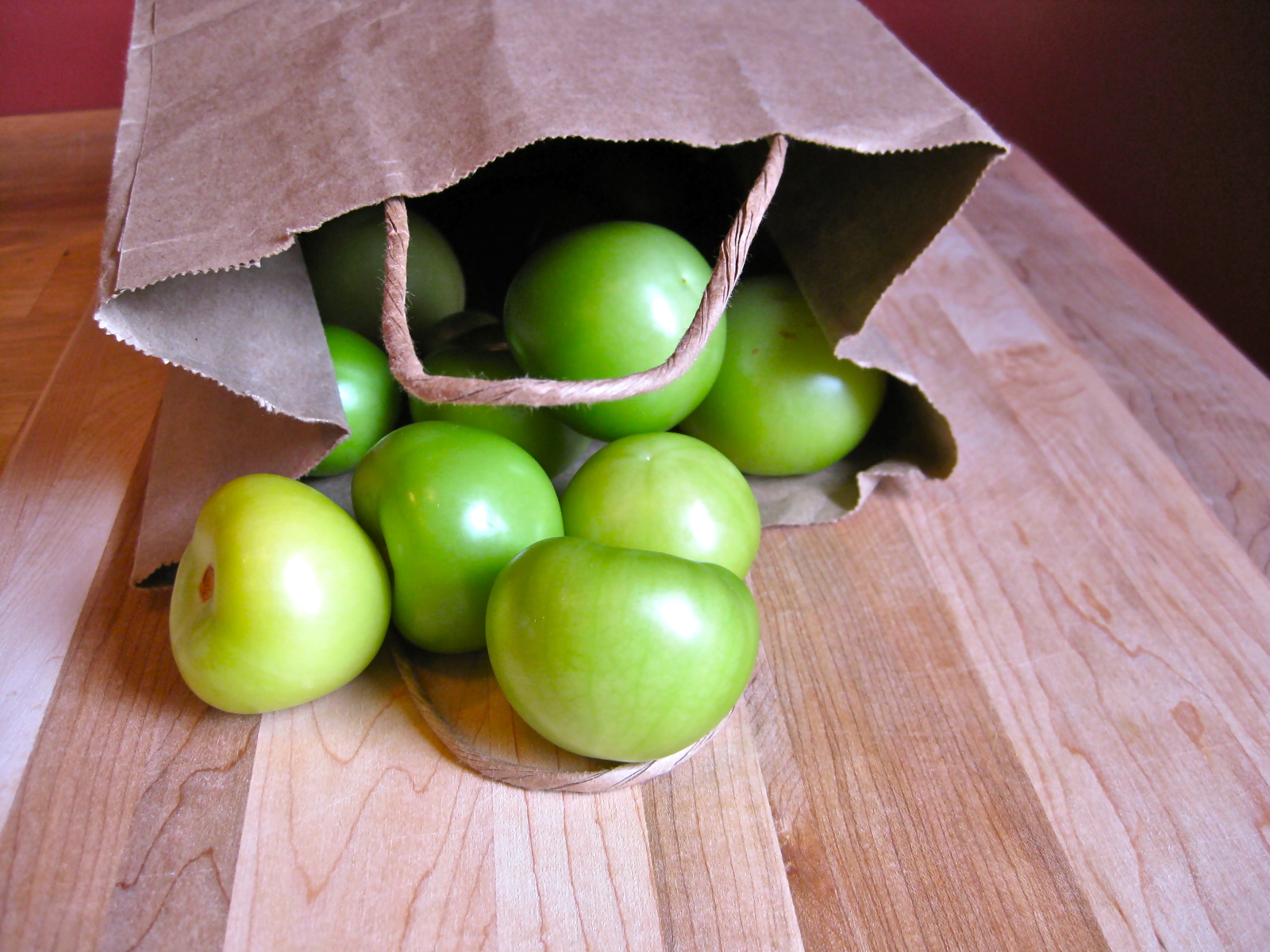
1 pound tomatillos (about 10-12 medium), husked and rinsed

½ to 1 teaspoon salt

about ½ teaspoon sugar (optional)

In an ungreased skillet set over medium heat, toast the chiles, stirring for a minute until they are aromatic and start to develop little darkened spots on them.  Transfer to a bowl, cover with very hot water, and rehydrate the chiles for 30 minutes.

In the same skillet, roast the garlic, turning frequently, until soft and blackened in places, about 15 minutes.  Allow to cool slightly, then remove the papery skins.

Roast the tomatillos on a baking sheet set 4 inches below a very hot broiler.  Roast until the tomatillos are soft and slightly blackened, about 5 minutes on each side.  Cool the tomatillos, then transfer them, along with any juices that were released during the roasting process, into a blender or food processor.

Drain the chiles and add them to the tomatillos, along with the garlic.  Puree, then pour into a serving dish.  Stir in enough hot water to give the salsa a spoonable consistency, about ¼ cup.  Add salt to taste, then, if desired, add in a small amount of sugar (I never add the sugar, but I like the tartness of tomatillos).

Salsa will keep in the refrigerator for several days.

Makes about 1 ¾ cups.

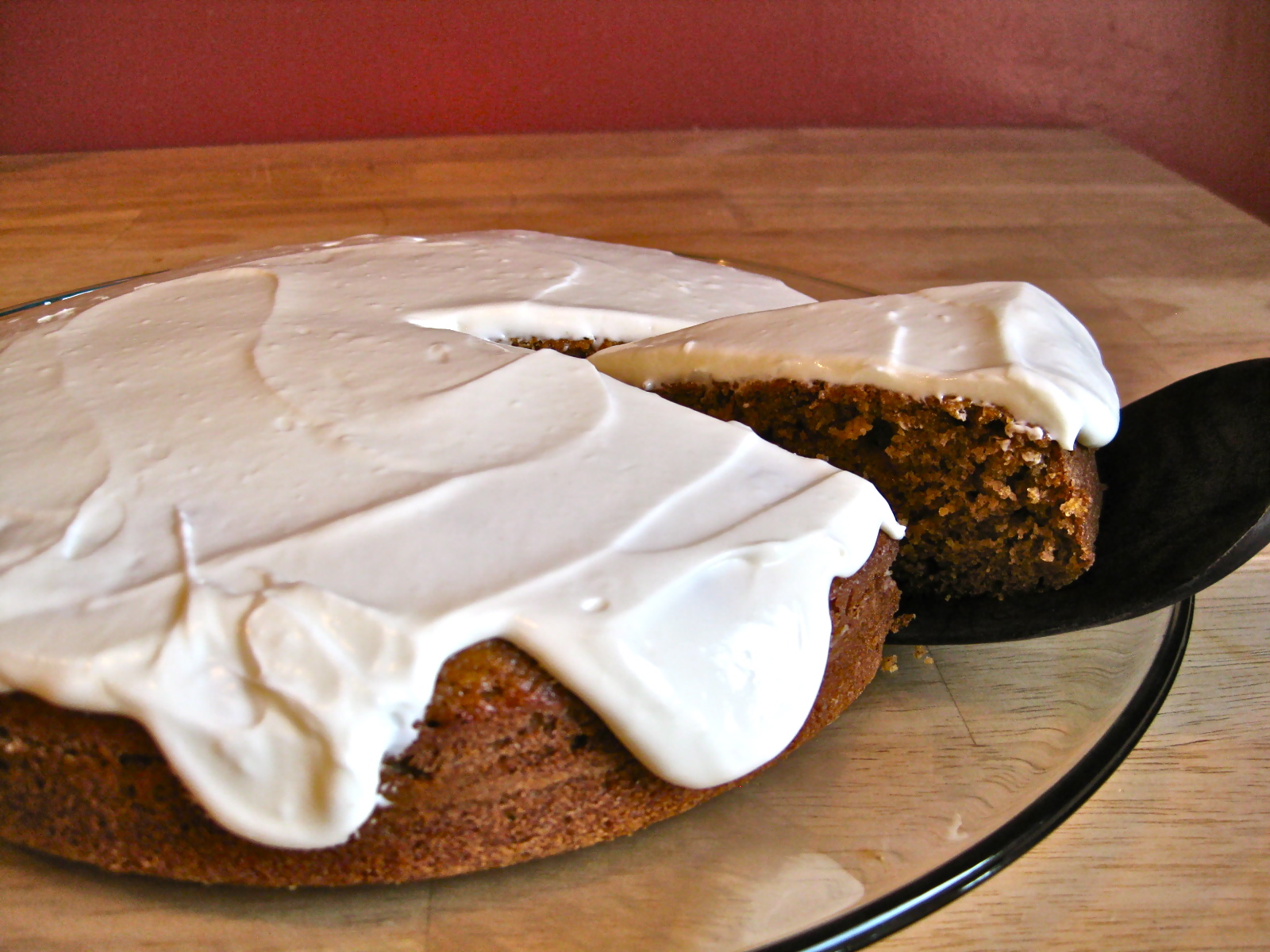
Butternut Squash Cake with Ginger Cream Cheese Frosting

14 Nov

Isn’t it fantastic how some foods just seem to match a certain season?  Though I would be loathe to turn down a slice of spice cake when it was hot and sunny outside, somehow that very same spice cake ends up feeling so much more right if offered up on a chilly fall afternoon.  Perhaps it is because we have been trained since birth to accept the familiarity of certain foods and flavors during specific seasons and holidays, developing the unwavering sense that gingerbread eaten during the summer is somehow less fitting than gingerbread eaten during the cold and wet months of fall and winter.

I have a different theory, though.  I think our predilection for eating certain types of foods during certain types of the year is based not on seasonal availability or a lifelong development of preference, but rather on something more obvious: color.

Just as the crimson fire of a ripe strawberry signals summer, the mellow orange of a squash speaks of autumn leaves turning and the sun setting low in the sky.  It’s ingrained within us, I think.  When the weather turns cold and the colors around us transform into amber and rust, we reach for ripened apples, golden pears, and the saffron-colored flesh of autumn squash.  Dark clouds call for deeply chocolaty cakes and spicy gingerbread.  The coolness of snow makes us crave a dollop of whipped cream on top of a cup of rich, warm cocoa.  Is it possible that nature is telling us what to eat?  Would nature ever really tell us to eat whipped cream?  I should hope so.

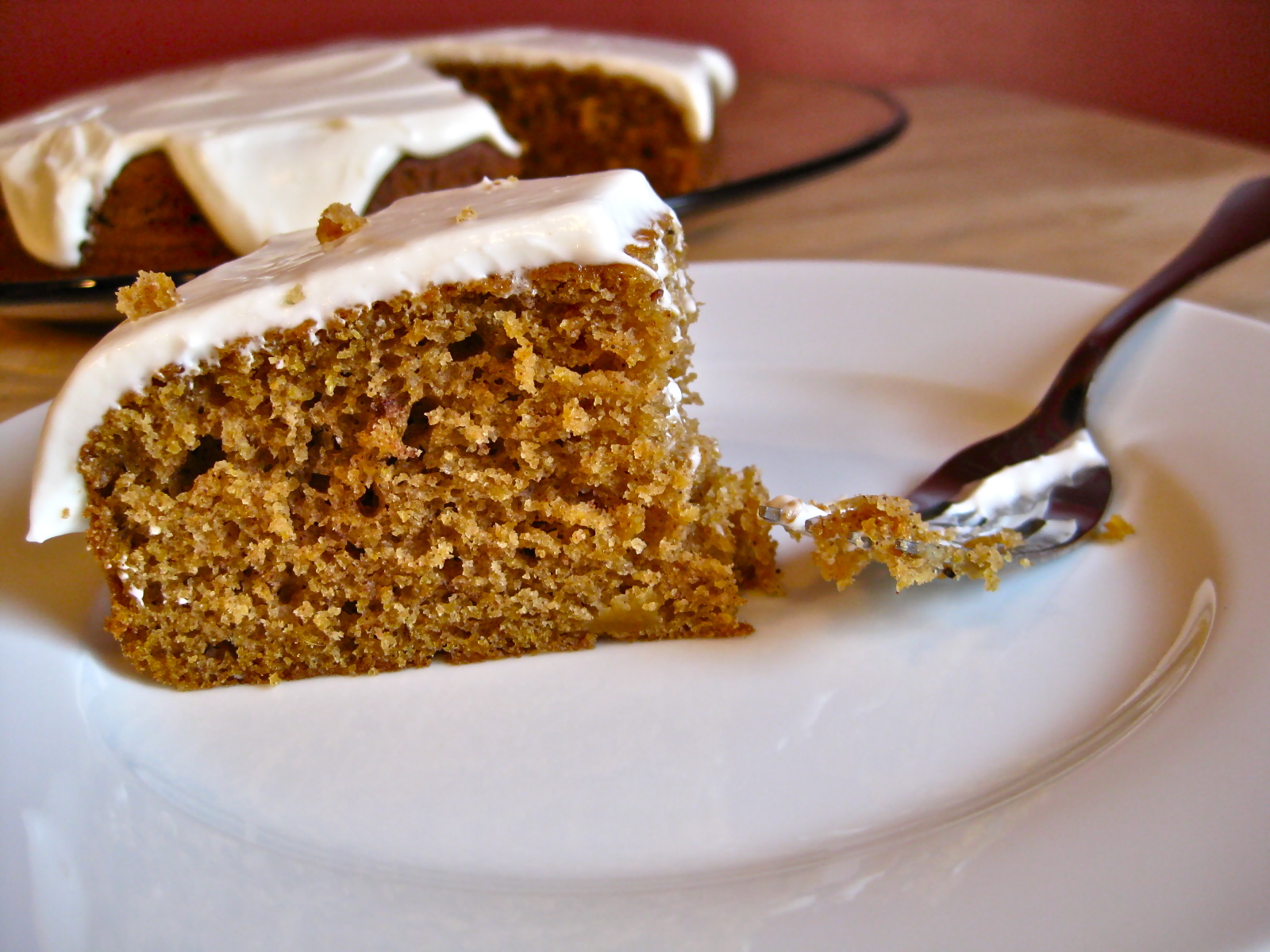
In keeping with my theory of seasonal color eating, I was struck last week by the desire to make a very autumnal cake.  Though most people would think to make a cake of pumpkin when looking for a perfect fall dessert, it just so happened that I had a bit of leftover butternut squash sitting in my refrigerator, courtesy of this dalliance with butternut squash for Portland Farmers Market.  Butternut squash and pumpkin are remarkably similar, and I had a hunch that, spiced up and sweetened, they would behave in a very similar manner.

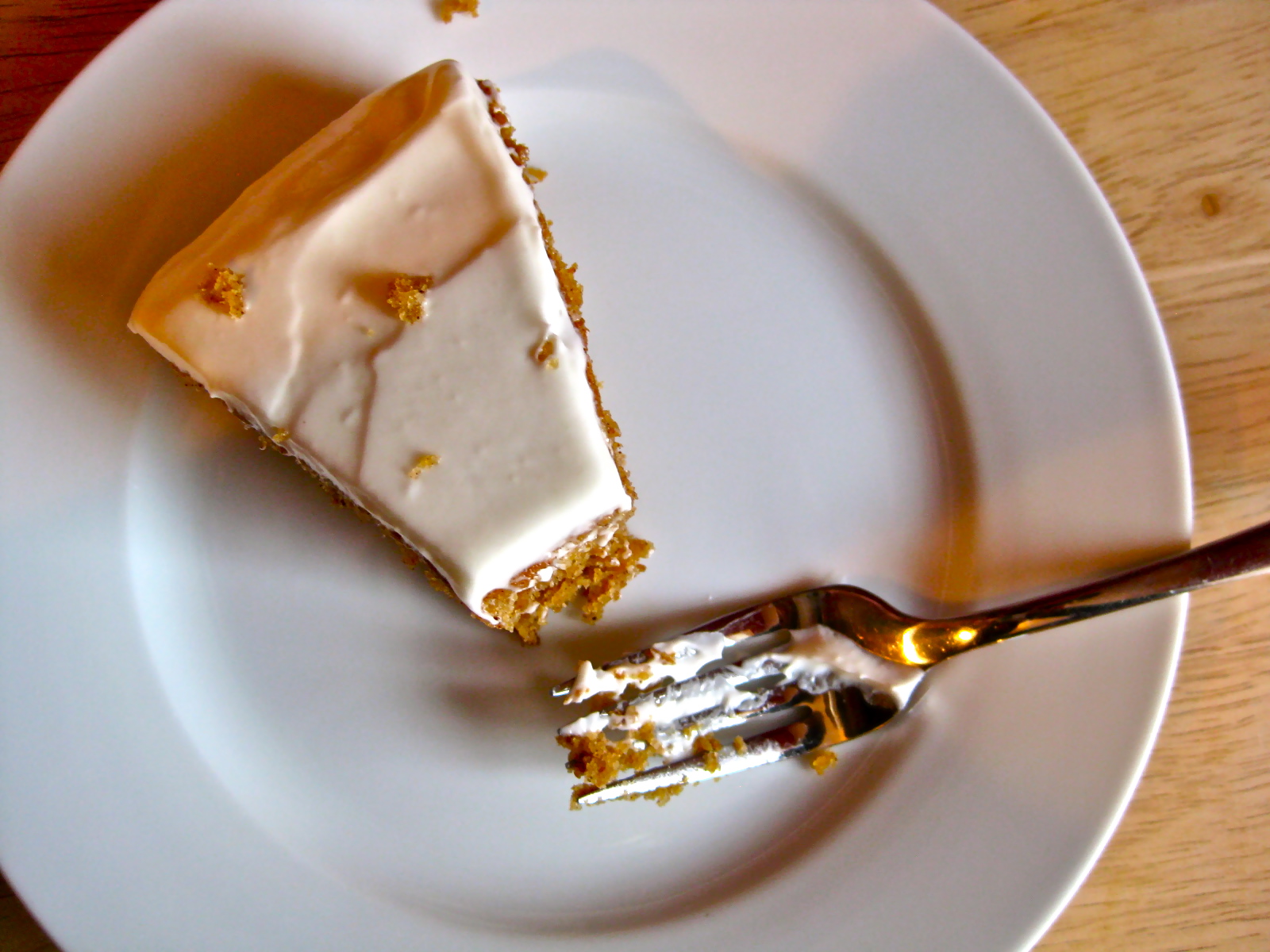
As it turned out, I think butternut squash turns out even better in a cake than pumpkin, more well-rounded somehow, and with a fuller texture.  Lightly spread with this unbelievably creamy, gently gingery frosting, it’s a fitting dessert for any fall day, as evidenced (in keeping with my theory) not only by its color, but also (somewhat unrelated to my theory, but equally as important), by the fact that it lasted approximately two days in our house before we managed to eat the whole thing.  (We shared a little.  Emphasis on little.)

Butternut Squash Cake with Ginger Cream Cheese Frosting

Butternut Squash Cake

1 ½ cups cake flour

1 teaspoon baking soda

¼ teaspoon baking powder

1 teaspoon salt

1 ½ teaspoons ground cinnamon

1 teaspoon ground powdered ginger

½ teaspoon ground nutmeg

1/3 cup buttermilk or soured milk

½ teaspoon pure vanilla extract

6 tablespoons unsalted butter, at room temperature

2/3 cup white sugar

1/3 cup dark brown sugar

2 large eggs, at room temperature

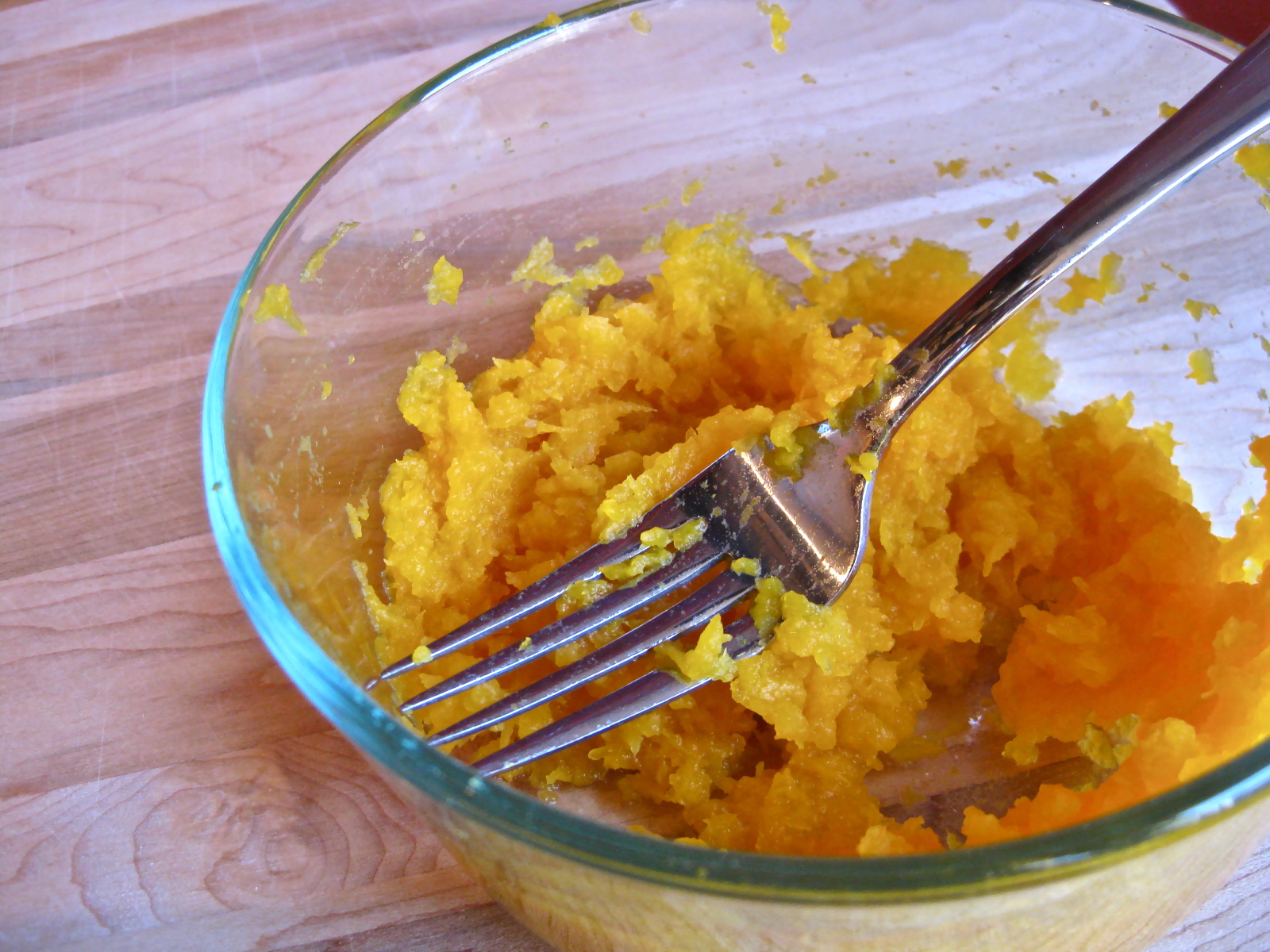
1 cup butternut squash puree (here I have outlined a shortcut to cooking butternut squash in the microwave)

Preheat oven to 350 degrees Fahrenheit.  Grease and flour the bottoms and sides of a 9-inch round cake pan.  Line the bottom of the pan with a round of parchment paper.

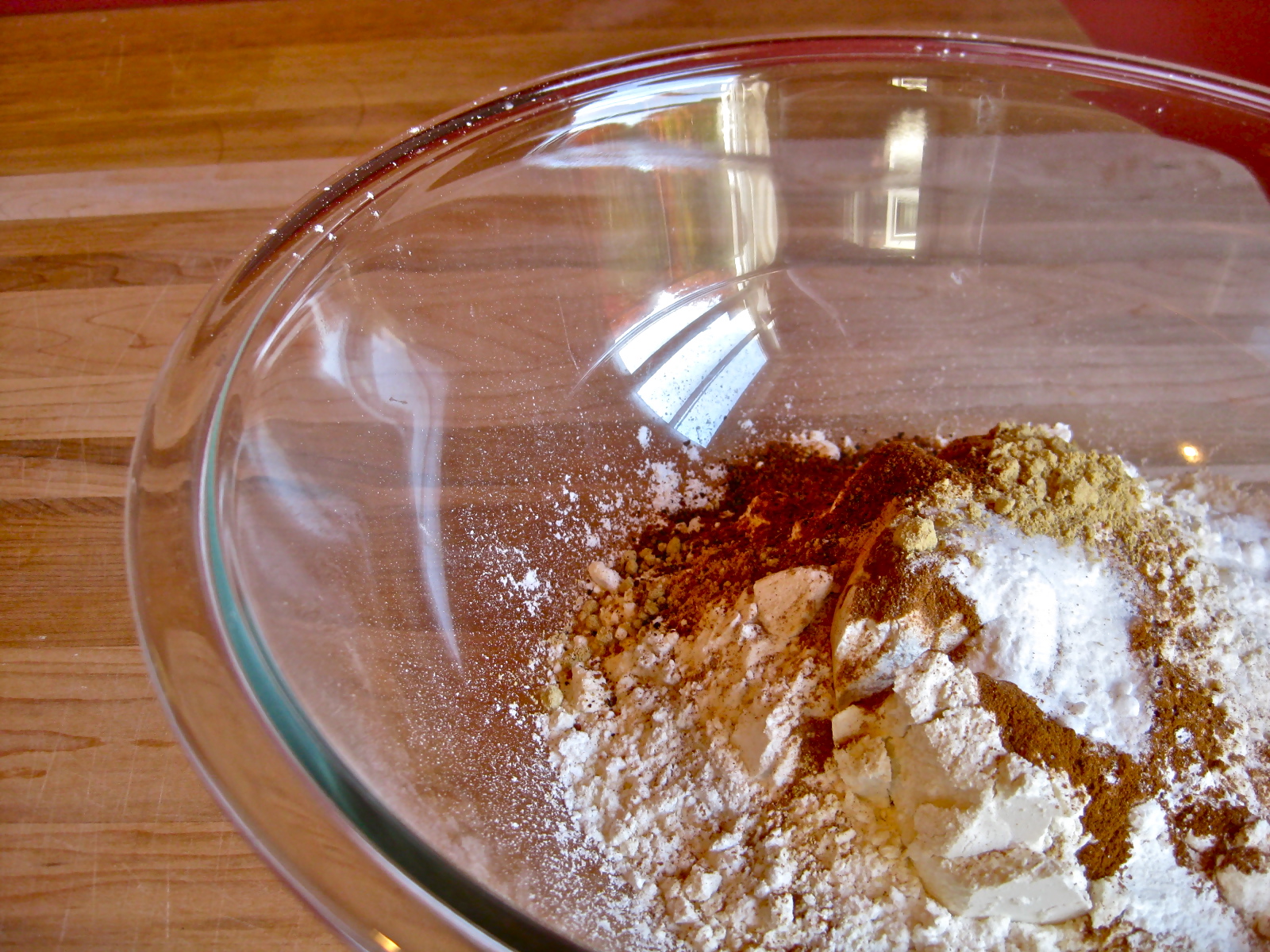
In a medium bowl, combine the cake flour, baking soda, baking powder, salt, cinnamon, ginger, and nutmeg.  Whisk to combine, then set aside.

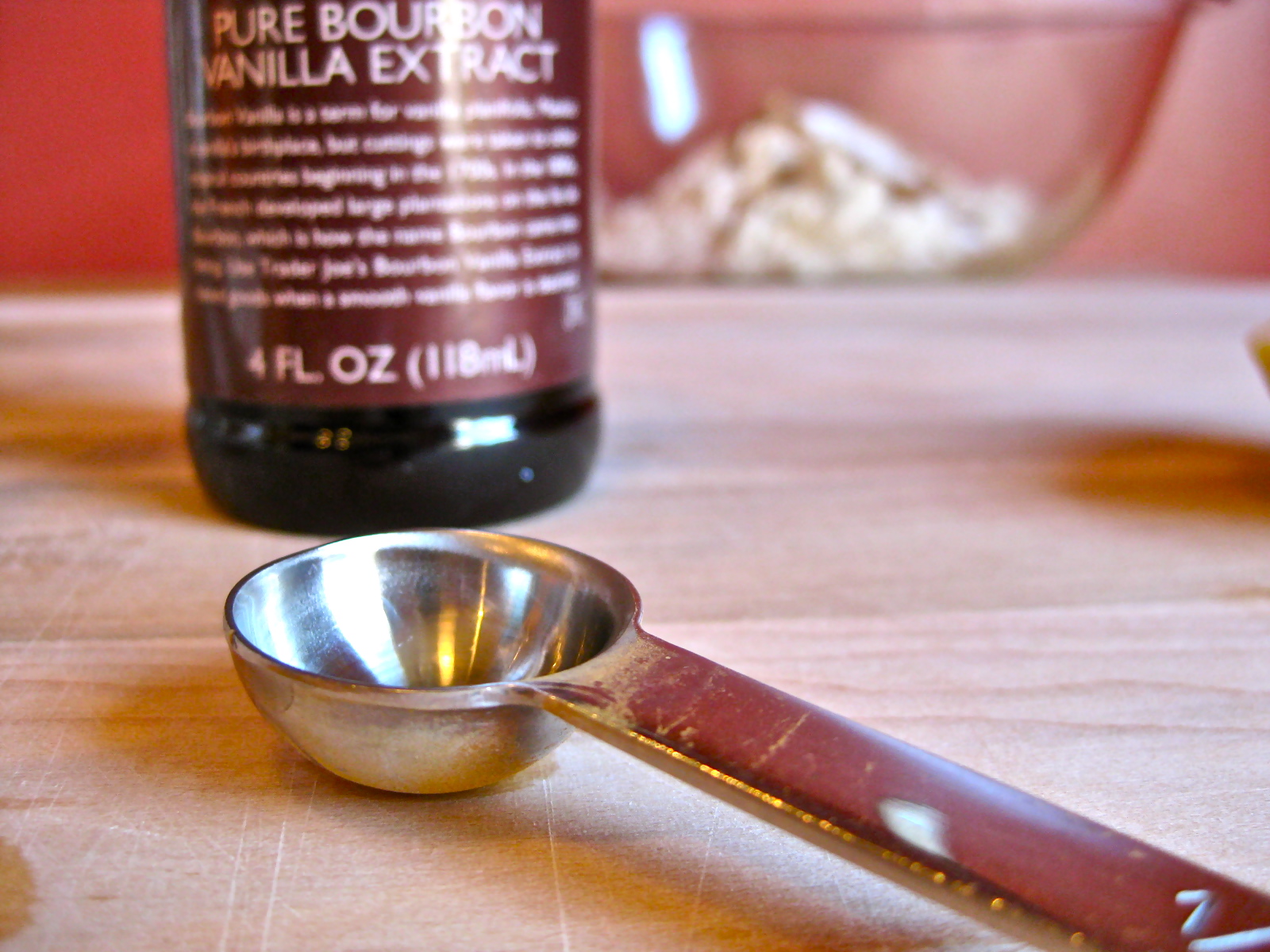
In a small bowl or measuring cup, combine buttermilk or soured milk with the vanilla.  Mix to combine, and set aside.

In a large bowl, or in the bowl of a stand mixer, beat the butter until creamy, about 30-60 seconds.  Gradually add in both the white sugar and dark brown sugar, beating at high speed until the mixture is light and fluffy, about 3-4 minutes.  One at a time, beat in the eggs, mixing well after each addition.  Reduce the mixer speed to low, and add in the butternut squash puree.

Scrape down the sides and bottom of the bowl.  With the mixer on low speed, add in 1/3 of the flour mixture to the butter mixture, mixing until just combined.  Add in ½ of the milk mixture, and mix until just combined.  Continue adding the flour, then milk, in this manner, mixing after each addition until just combined.

Gently stir the batter one last time by hand, making sure to stir in the contents at the very bottom of the bowl.  Pour the batter into the prepared cake pan.  Bake in the center of the oven for 30-35 minutes, until a cake tester inserted into the middle of the cake comes out clean, with just a few moist crumbs attached.

Cool the cake in its pan for 5 minutes, then invert onto a cooling rack to continue cooling completely.

Ginger Cream Cheese Frosting

3 ounces cream cheese (about 4 tablespoons), at room temperature

6 tablespoons powdered sugar

2 teaspoons freshly squeezed lemon juice

3 tablespoons milk or heavy cream

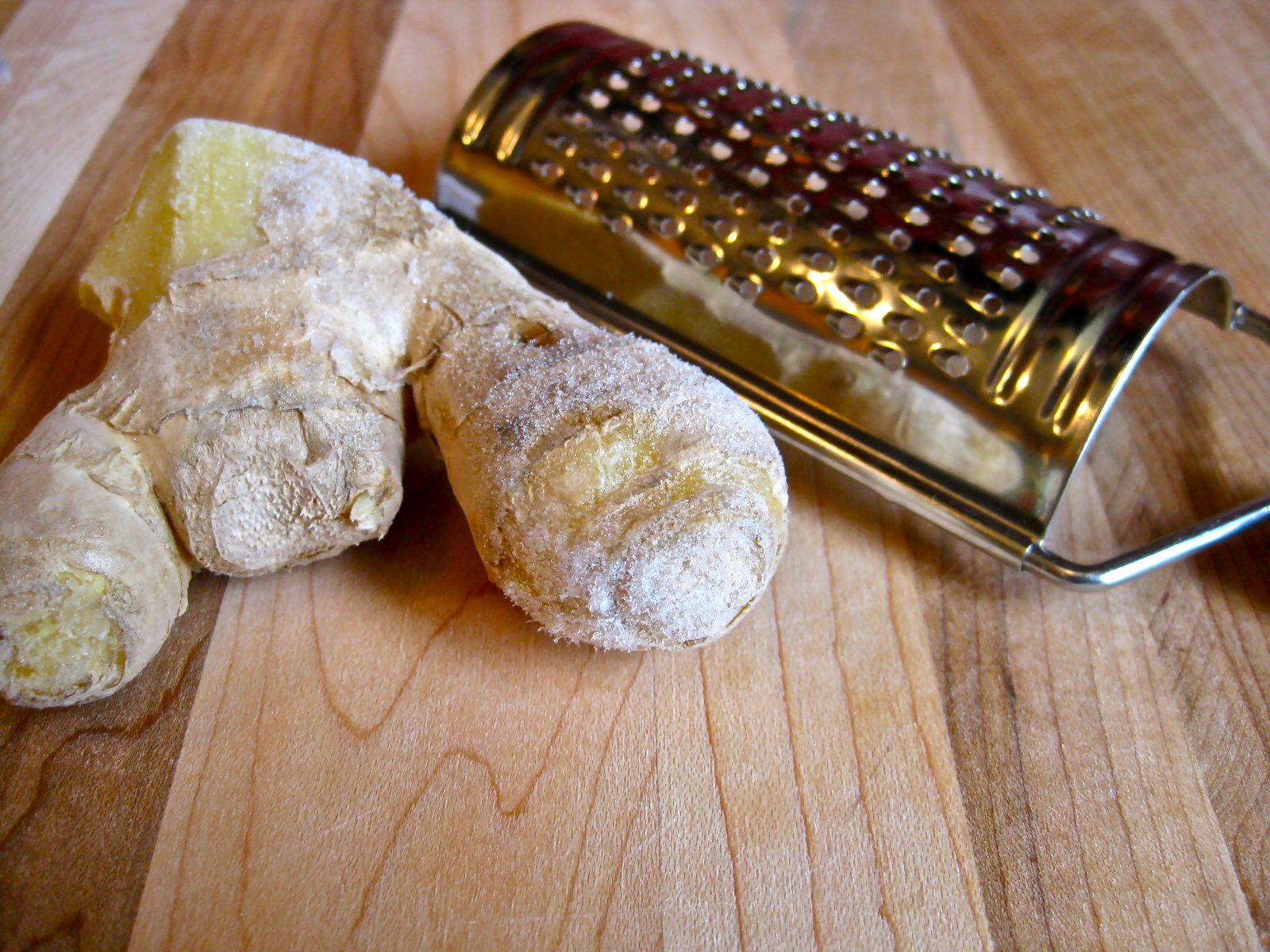
¼ teaspoon grated fresh ginger

pinch of salt

In a small bowl, whisk together the cream cheese, powdered sugar, lemon juice, and milk or heavy cream.  Whisk continually, until the mixture is smooth and creamy, about 2 minutes.  Add in the fresh ginger and pinch of salt, then continue whisking until incorporated, about 30 seconds.

When cake has cooled completely, spread frosting over the top of the cake, coaxing the frosting ever-so-slightly down the sides of the cake.

Recipe Roundup

10 Nov

When compiling and sorting these articles and recipes, it took me a moment to realize that, though I will be sharing five links below, those links actually contain a total of nine separate recipes.  I’m crediting Portland Farmers Market for that unexpected burst of recipes, as the very nature of my writing relationship with them dictates that I will attempt to make as much food as possible with the smallest amount of funds required (note: all six of my recipes for them came in at well under $20–that’s for all six recipes combined.  You want frugal?  I can give you frugal.)

As an added bonus, these dishes would all fit in nicely atop your Thanksgiving table, especially if you are looking for recipe ideas that fall well outside the basic realm of turkey and potatoes.

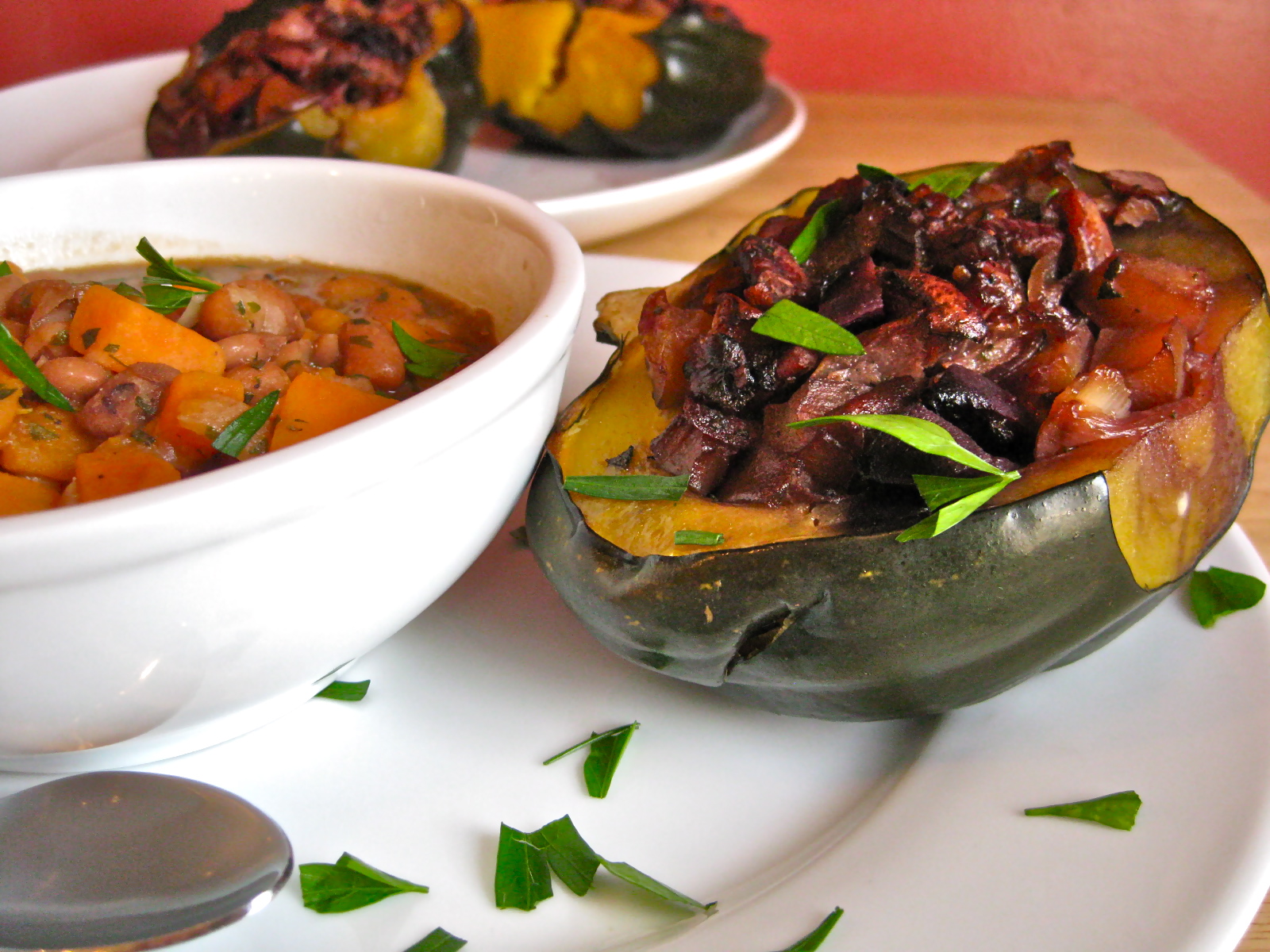
Pear-Stuffed Acorn Squash; Kidney Bean and Sweet Potato Soup

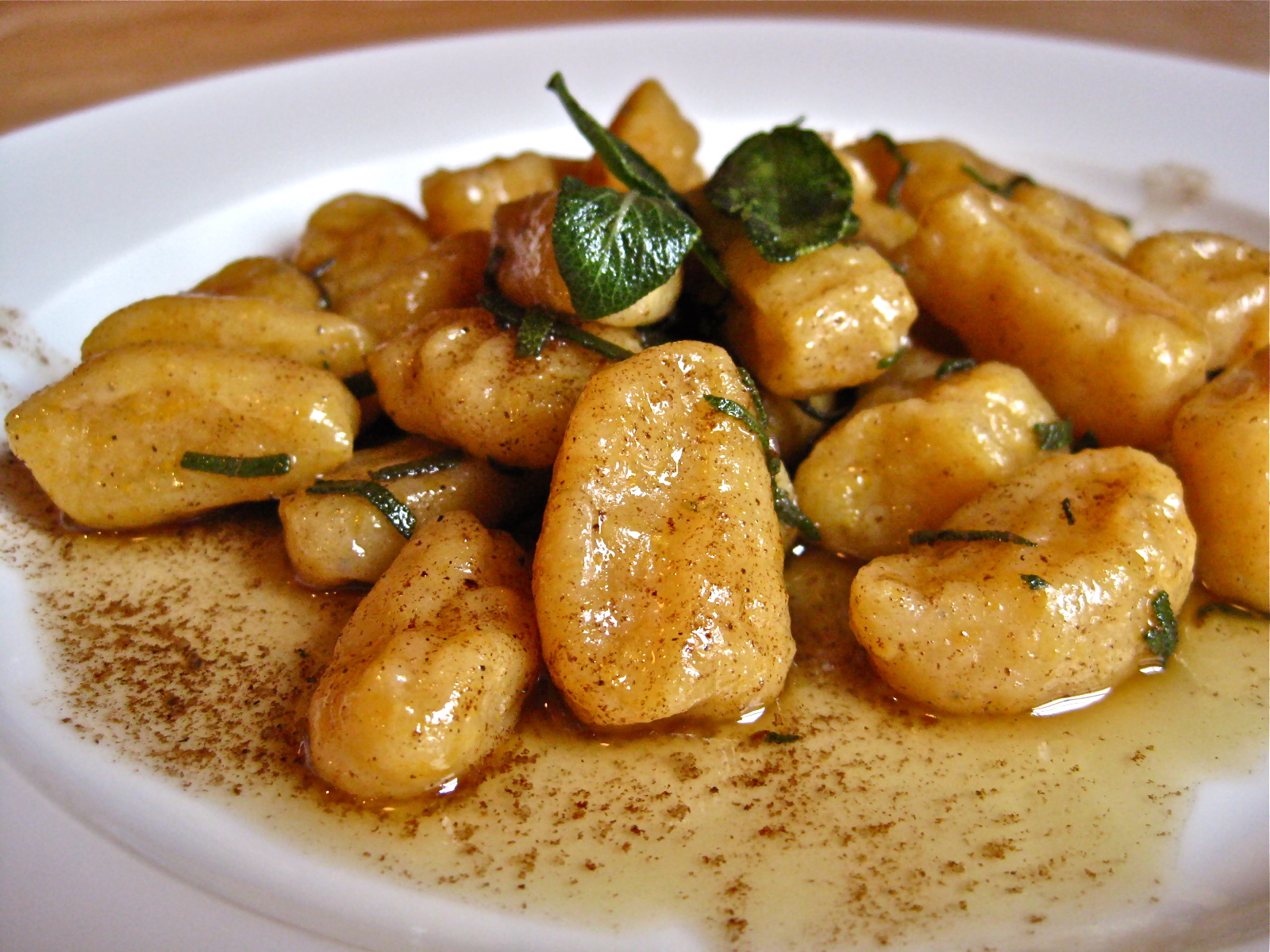
Butternut Squash Gnocchi with Three Sauces (Sage Brown Butter, Caramelized Shallots and Thyme, and Garlic Chips with Sauteed Spinach)

This sage brown butter sauce was so good that I ate it until I felt a profound sense of discomfort.

Indie Fixx continues to provide Savory Salty Sweet with a great place to share more recipes with more people. These three recipes are my most recent contributions, and they happen to be some of my favorites.  That dark chocolate zucchini cake is absolutely magical.  It’s rich, complex-tasting without being complicated to make, and it just so happens to be vegan (and secretly stuffed with a vegetable, which you’d never, ever be able to tell by eating it).

Linguine with Slow Roasted Tomatoes and Garlic

Dark Chocolate Zucchini Cake

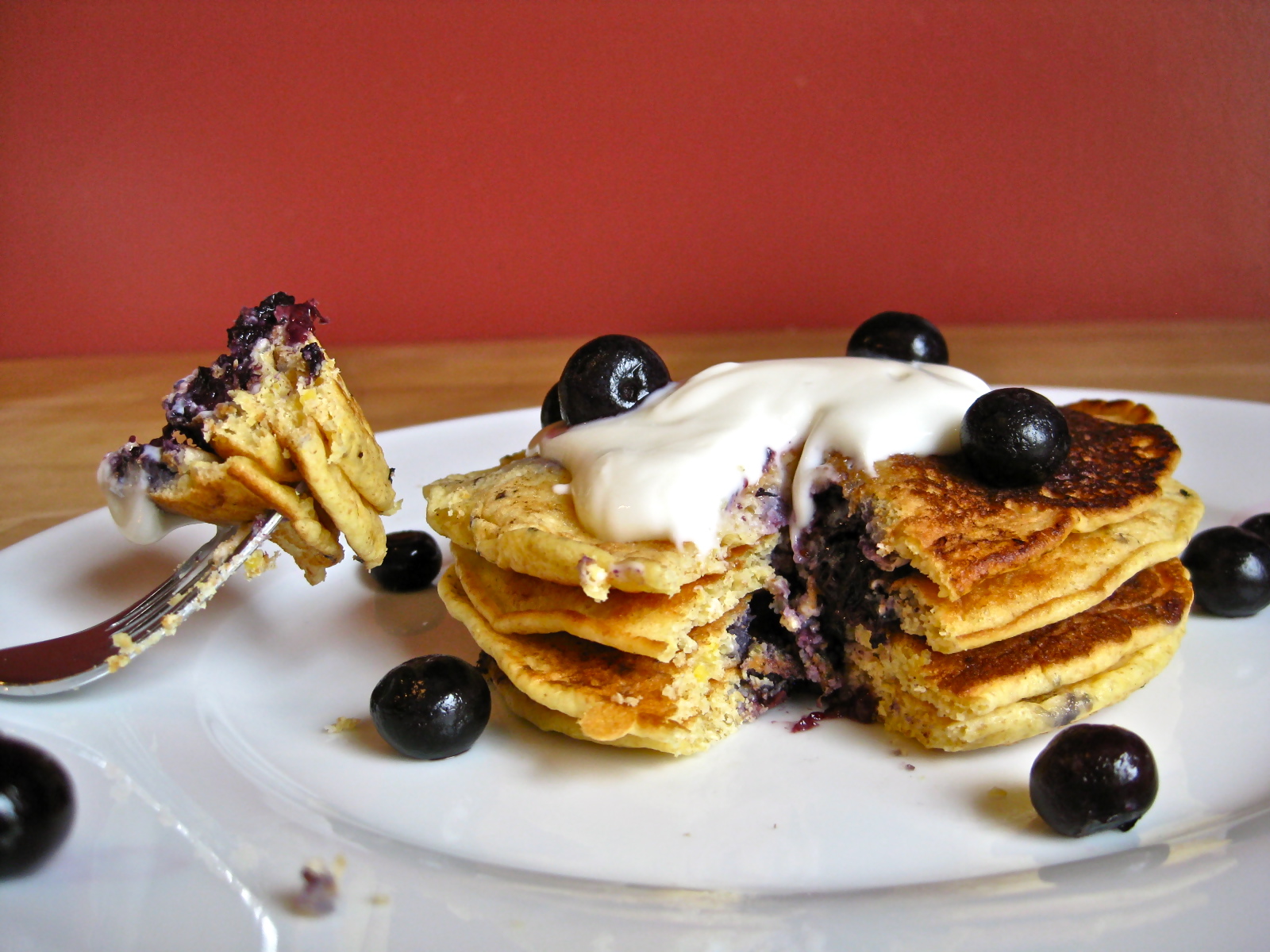
Blueberry, Orange, and Cornmeal Pancakes

On an unrelated note, a couple of months ago I made zucchini muffins with some fantastically fresh zucchini, straight from our garden.  As I was scooping the batter into the muffins tins, I noticed that things were looking a little firmer and more robust than they normally should.  Undaunted, I moved on, baking the muffins anyway.  It was only after the muffins had been removed from their tins and cooled that I realized why the muffins looked rather unusual.  I forgot to add the sugar.

Surprisingly, I actually sort of liked the muffins without sugar.  They were still very moist, but they were definitely sturdier, without the fine crumb usually found in a muffin.  They actually tasted more like a bread, less like a muffin, and closer to what I prefer these days when I gravitate towards a snack.  I am debating whether or not to share the recipe.  I am not sure if these muffins would be anyone else’s cup of tea, since I happened to be the only person in the house who ended up eating them (and I live with a carb-loving child and the Perfect Eating Machine, so that’s saying something).

Still, I am sort of fond of them in all their sugar-free, cinnamon-filled glory.

Jeez, that looks healthful.  Like some sort of nutrition nugget that zoologists develop as a snack for panda bears.