Tag Archives: food

Tiny Party Sandwiches

9 Aug

Let’s say you are in charge of providing snacks and treats for a party.  The party is not a dinner affair, nor a lunchtime soiree, but rather something that falls in between.  It’s a casual backyard get together, and you are expecting 30-40 people to join you.  Though those people will certainly not be expecting you to provide them a meal, it is, of course, assumed that you will be laying out a selection of light bites to hold people over until their next meal, which should helpfully supply some sort of absorbent landing pad for the selection of beer and wine that are also very likely to be consumed.
You’ll, of course, want to make something that isn’t terribly time consuming to begin with, but you’ll also help yourself immensely by making something that is capable of being replenished quickly and with minimal fuss.

Do you know what you want to do?  You want to make your lovely guests some sandwiches.
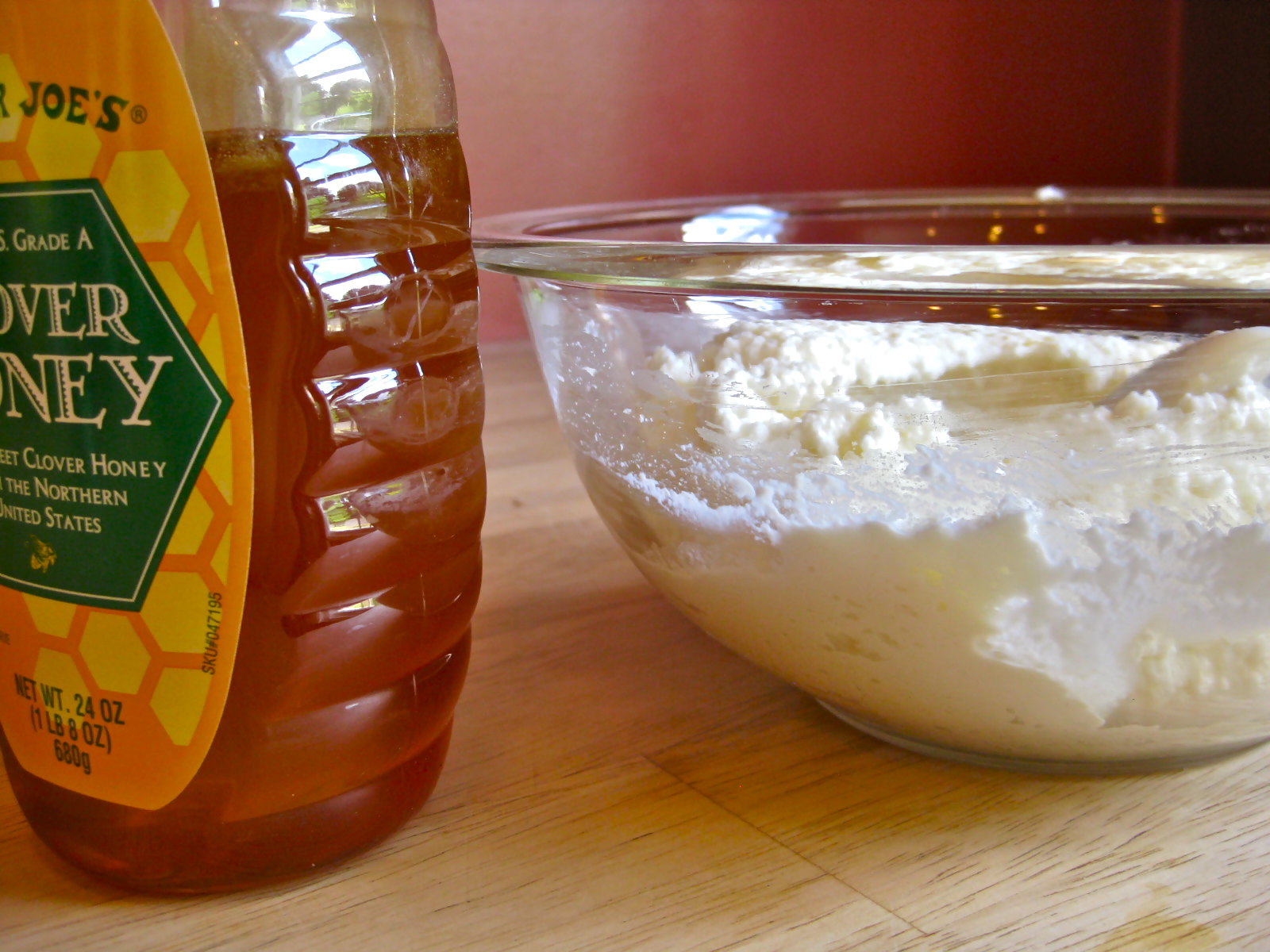
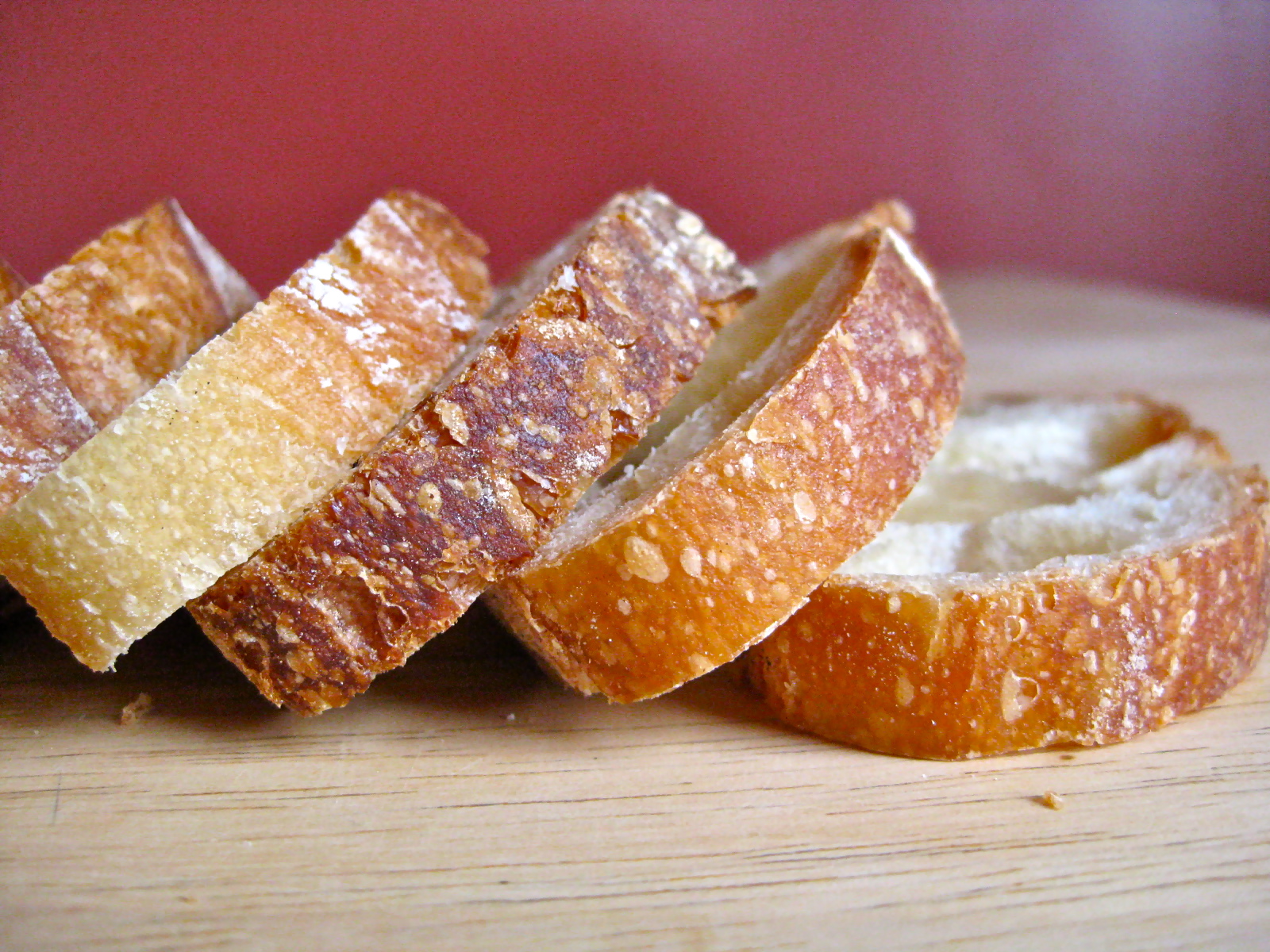
Now, hear me out on this one.  I am not advocating that you bust out the deli ham and mustard (though, to clarify, there is, of course, nothing wrong with serving such a thing to your guests).  What I am talking about in this instance is a selection of spreads and toppings laid atop tiny slices of baguette.  It’s not quite crostini, and not really bruschetta, but more of a cross between an open-faced sandwich and an appetizer.
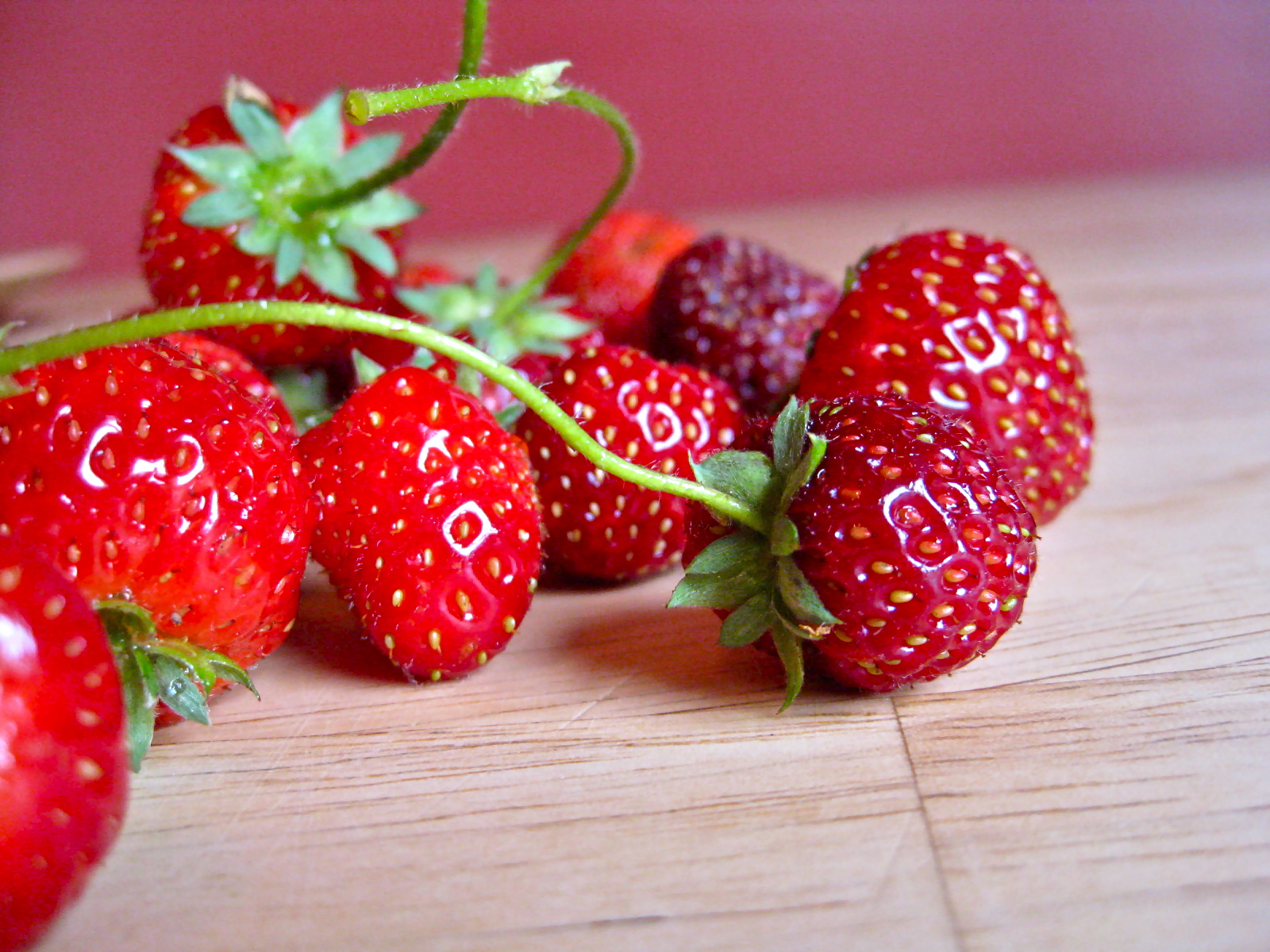
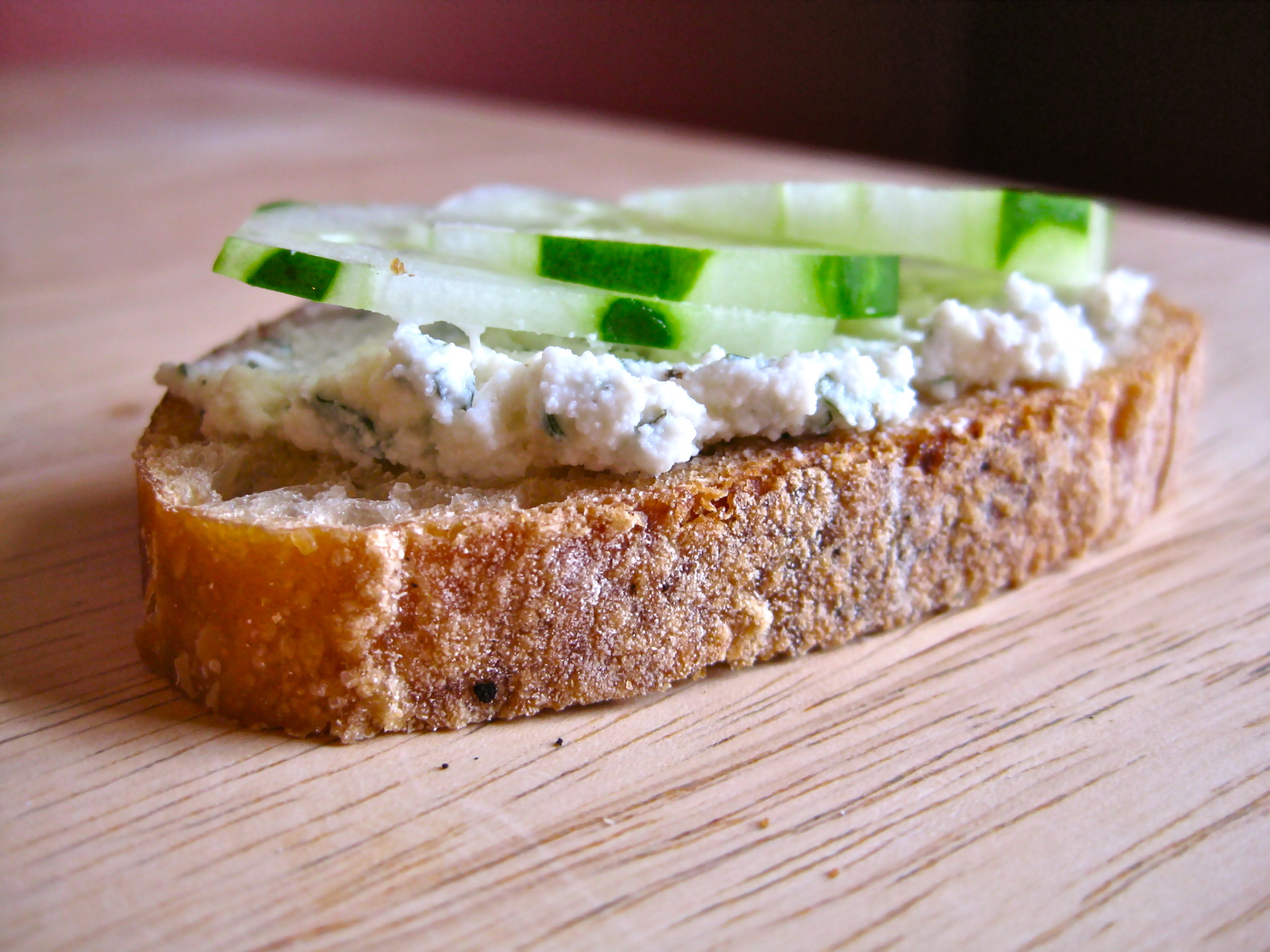
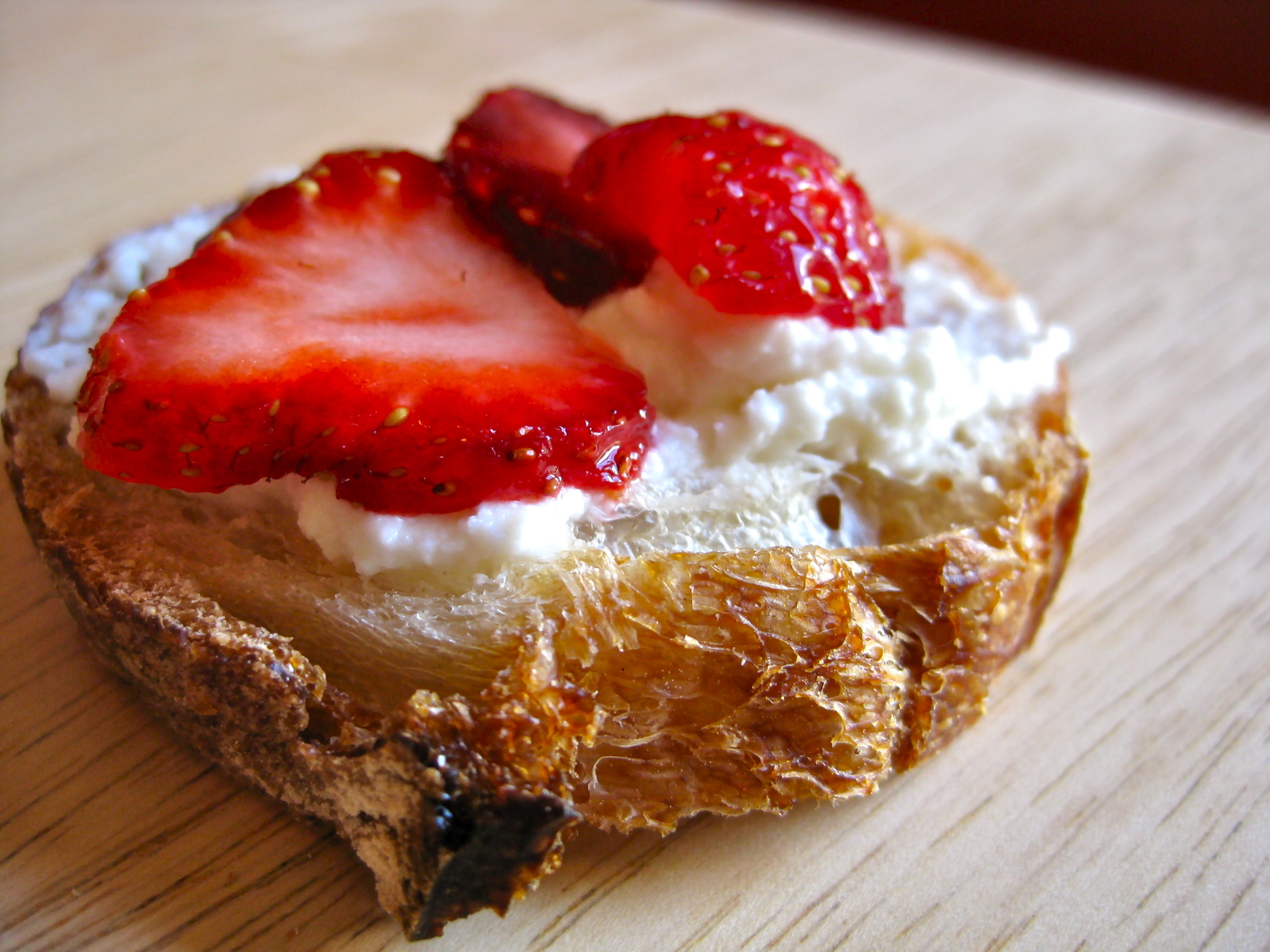
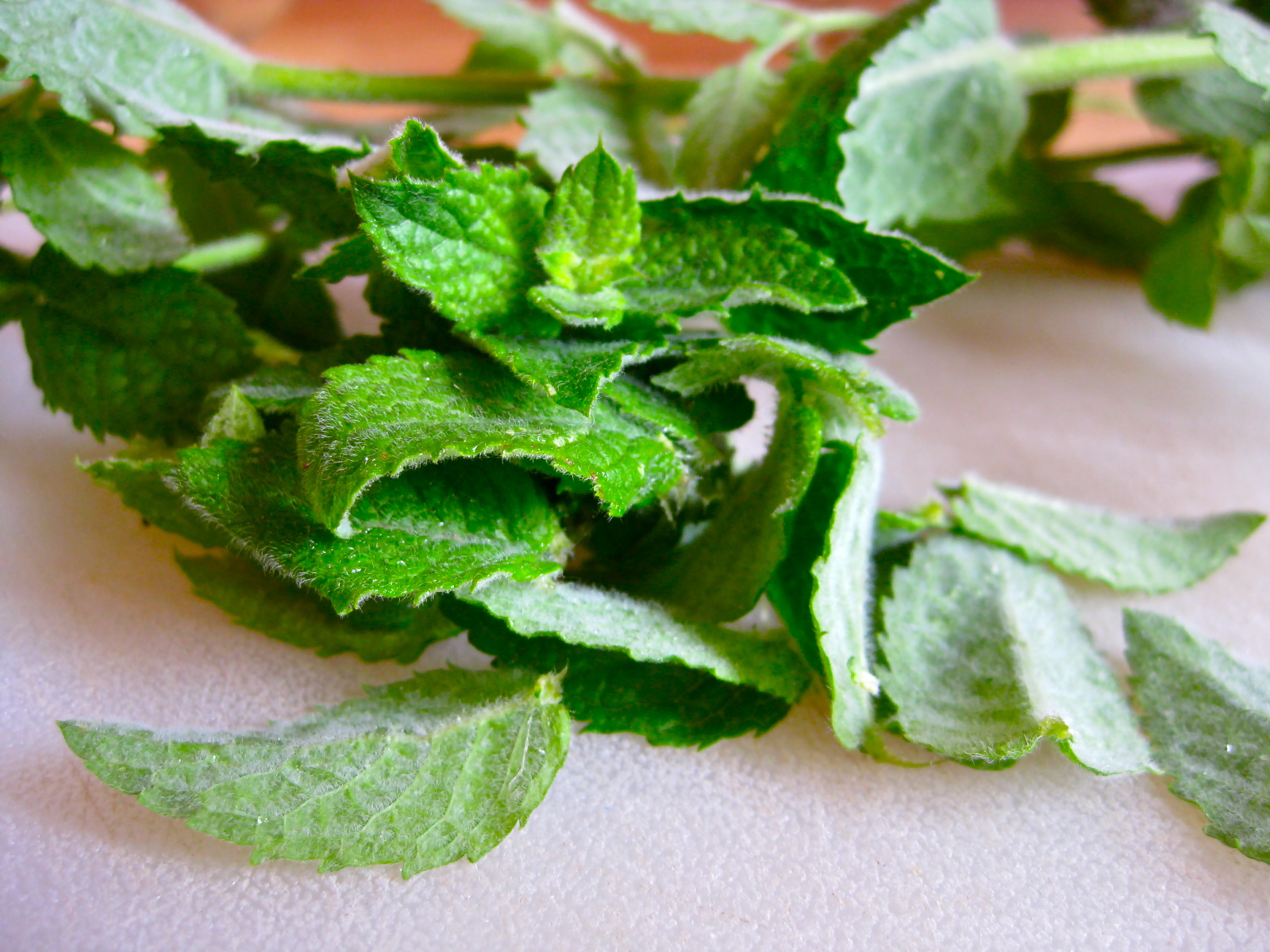
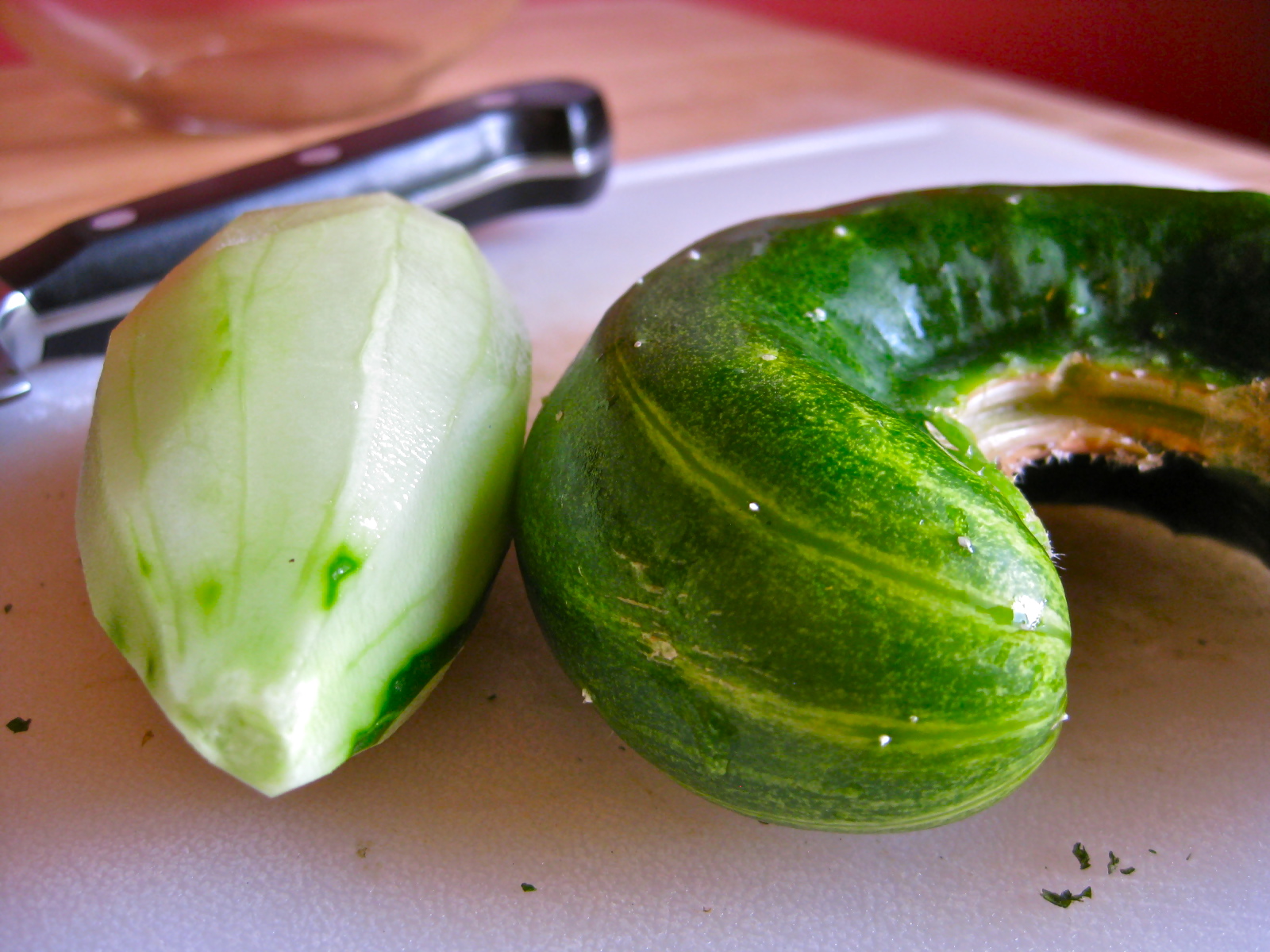
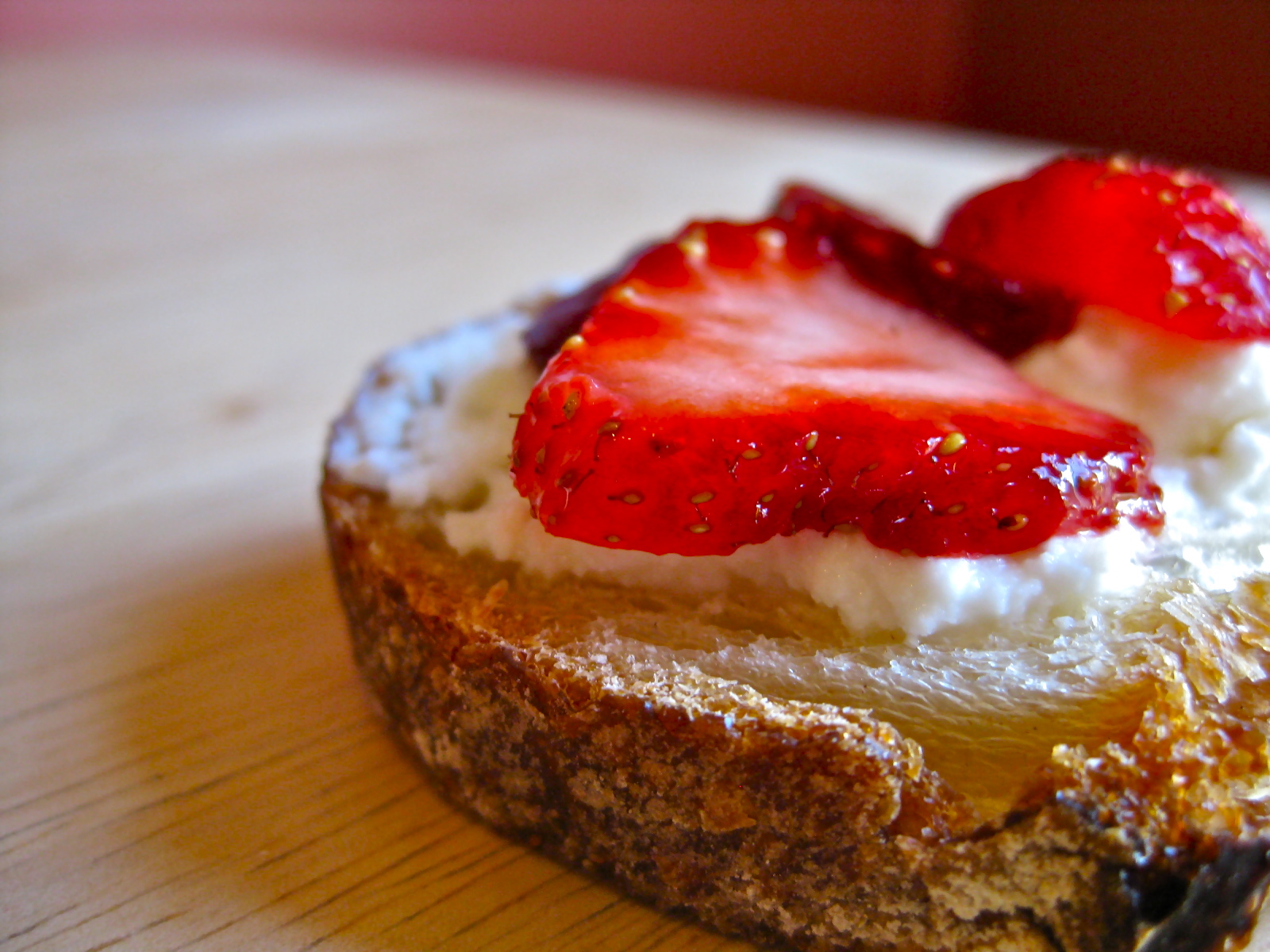
The components are simple, but pleasing.  Light and creamy ricotta cheese is folded together with a sprinkle of herbs, honey, or spices.  The ricotta is generously spread on top of a small piece of crusty bread, then topped with a vegetable or fruit of your choosing.  One sandwich pictured here features a cool mint and ricotta spread topped with fresh cucumbers.  The other, which happens to be pleasing to both children and adults, is a lightly honey-sweetened ricotta topped with ripe strawberries, then drizzled with just a thread more honey.  That’s it.  You’re done.  Two baguettes later, your guests are pleased, your tummy is pleased, and you’ve discovered the secret to a delicious party snack that is light, fresh, and delicious, but also delightfully uncomplicated.
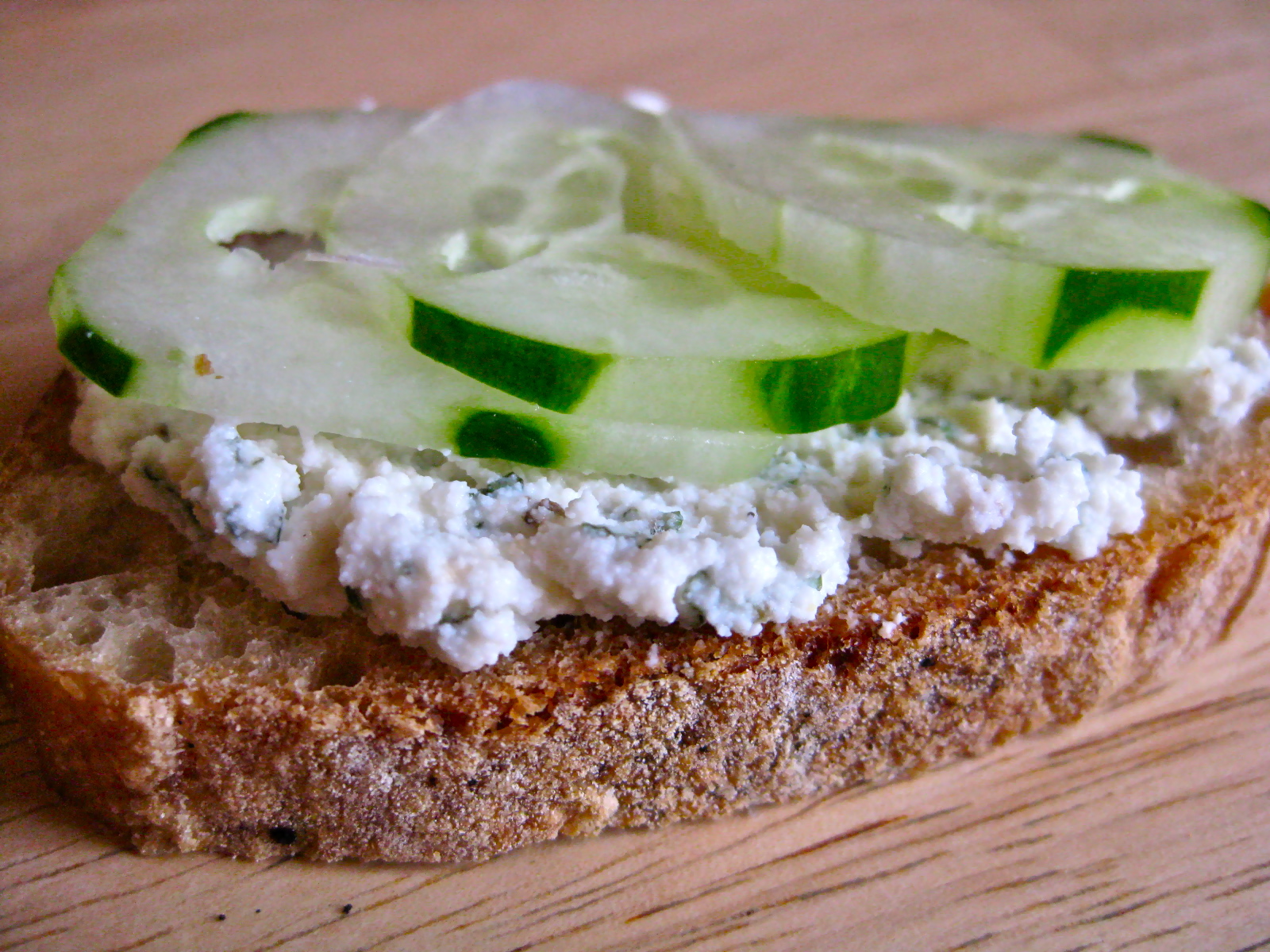
Leaving you all the more time to actually enjoy your own party while you simultaneously enjoy your sandwiches.
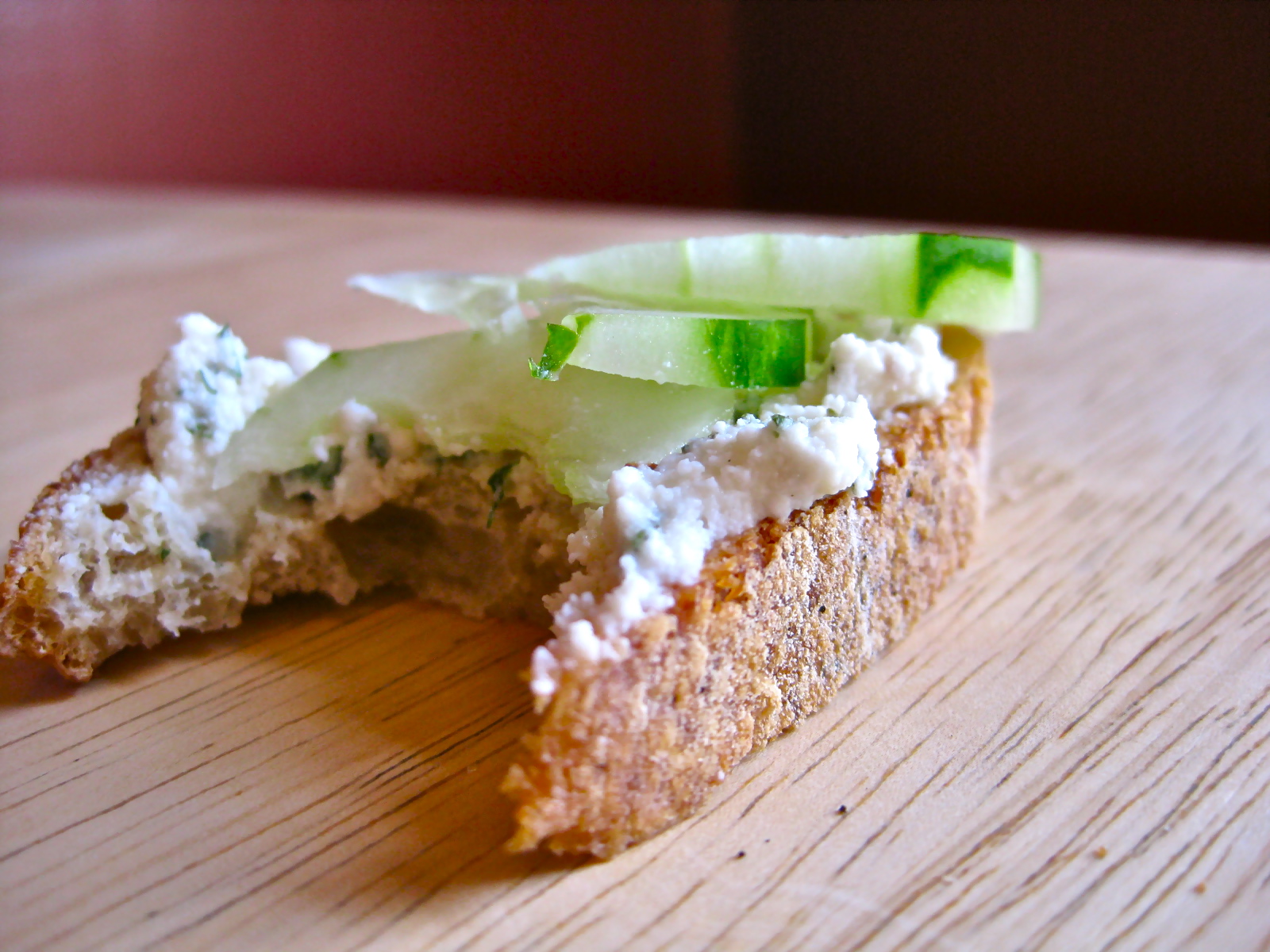
Mint Ricotta and Cucumber Sandwiches

2 cups ricotta cheese

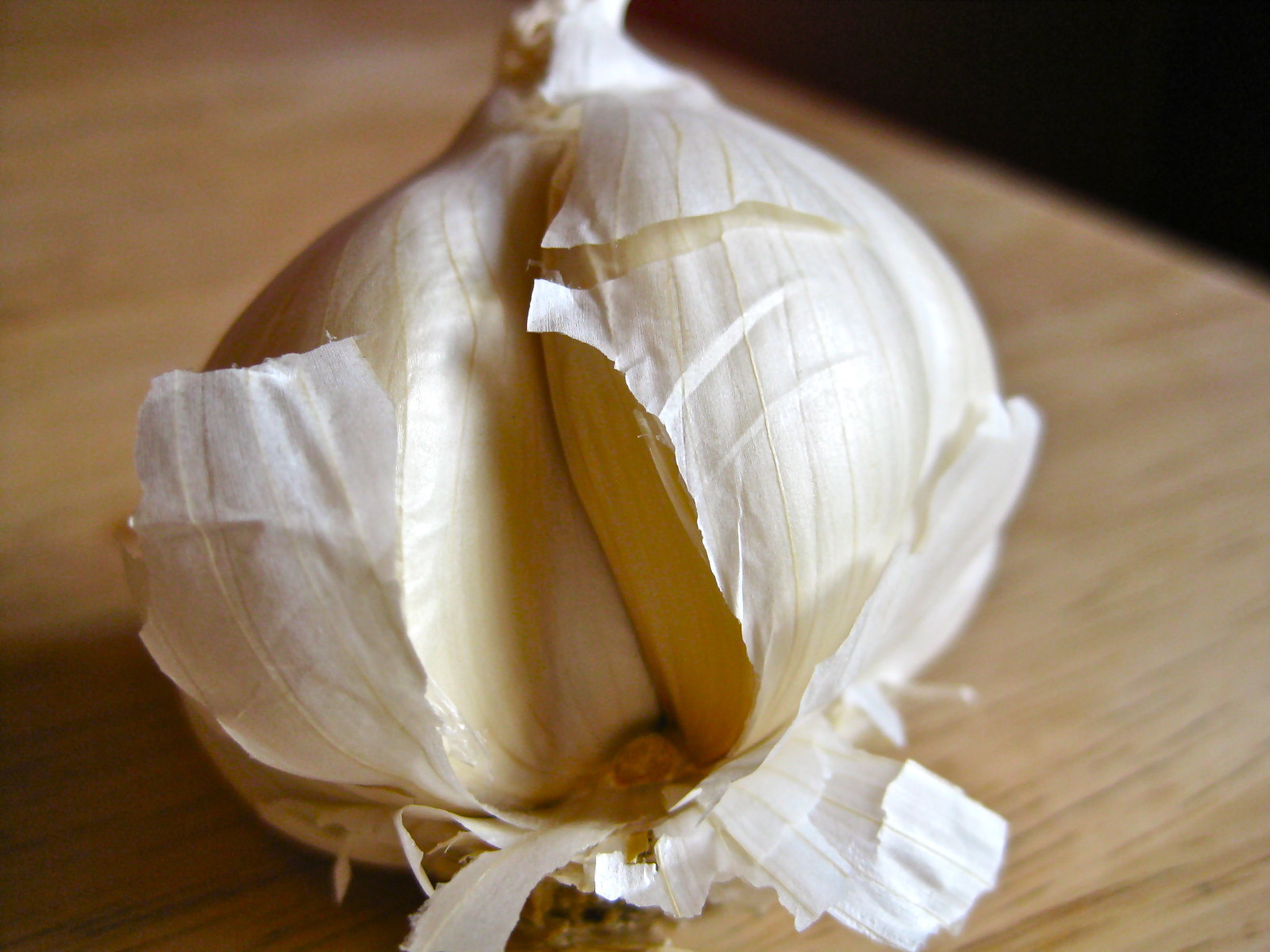
1/2 small garlic clove, smashed and finely chopped

1/3 cup finely chopped fresh mint

1 tablespoon extra virgin olive oil

salt and pepper to taste

2 medium cucumbers, peeled and thinly sliced

1 large baguette, sliced into 1/2-inch thick slices

In a medium bowl, combine ricotta, garlic, mint, and olive oil.  Mix well and add salt and pepper to taste.

Top each slice of baguette with 1 tablespoon of ricotta mixture, then top ricotta with thin slices of cucumber.

Honey Ricotta and Strawberry Sandwiches

2 cups ricotta cheese

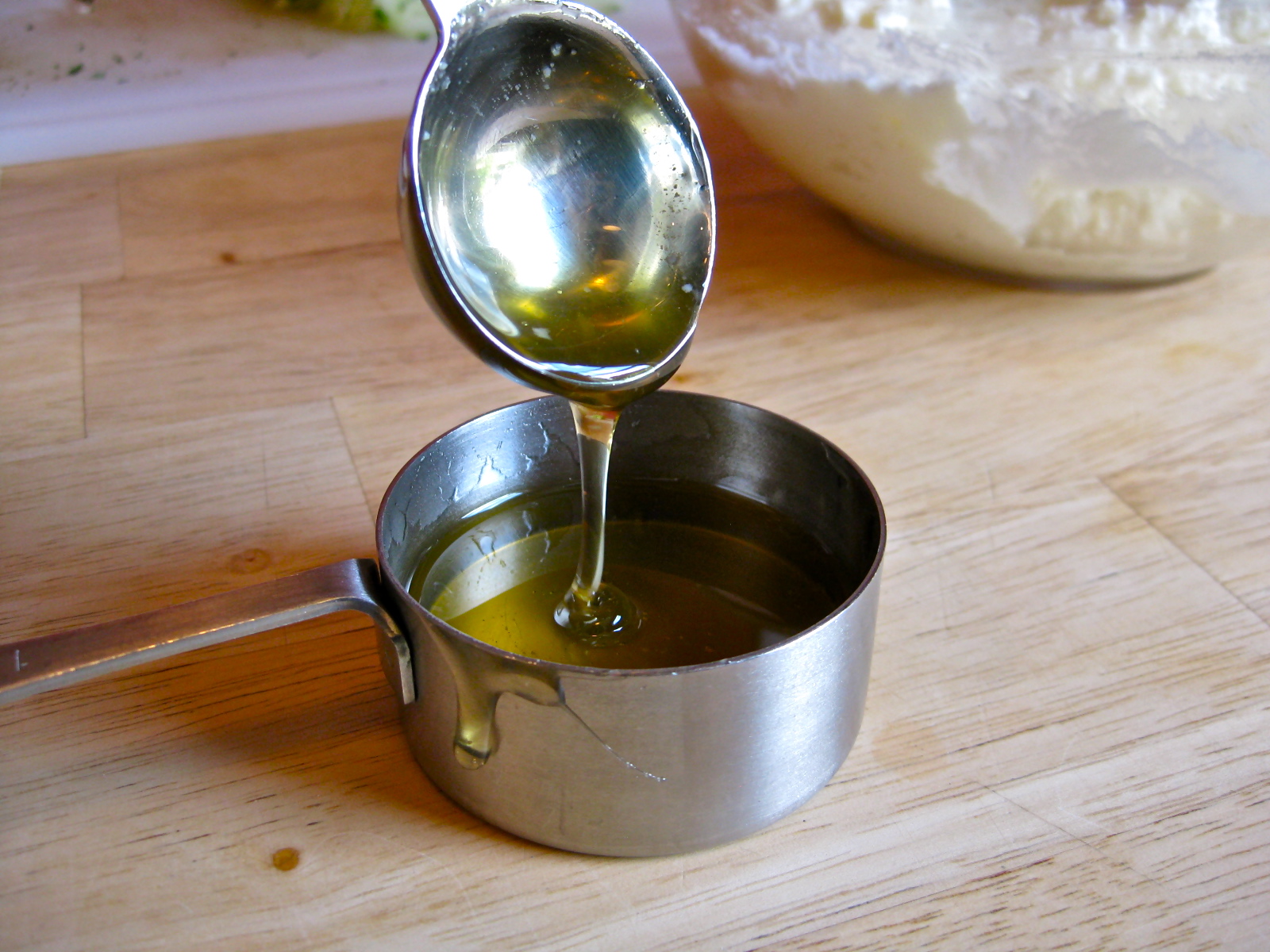
6 tablespoons honey, divided

pinch of salt

1 pound of ripe strawberries, hulled and thinly sliced

1 large baguette, sliced into 1/2-inch thick slices

In a small bowl, combine ricotta cheese with 4 tablespoons of honey.  Add pinch of salt and mix to combine.

Top each slice of baguette with 1 tablespoon of ricotta mixture, then top ricotta with 3 or 4 thin slices of strawberry.

When you have topped all of the slices of baguette, thinly and lightly drizzle remaining 2 tablespoons of honey over the tops of the assembled sandwiches.

Deep Dish German Pancake

4 Aug

Before becoming deeply entrenched in my 30s, it seemed as though I was able to eat many a breakfast comprised of an innumerable amount things, in mildly shocking quantities, that now make me feel like I am on the verge of suffering some type of major medical emergency.  A rare treat of pancakes is now paired up with something protein heavy, so as to avoid making my pancreas revolt and team up with my kidneys to enact some sort of diabolical punishment.  French toast is served with fruit, sans syrup, and probably arrives in a singular number with a nice egg or soy sausage (don’t judge) on the side.  In short, I no longer have the ability to eat like a teenage girl at a sleepover party, which makes sense, considering the fact that I am well out of my teen years and I haven’t been able to stay up past midnight since I was about 28.  So.

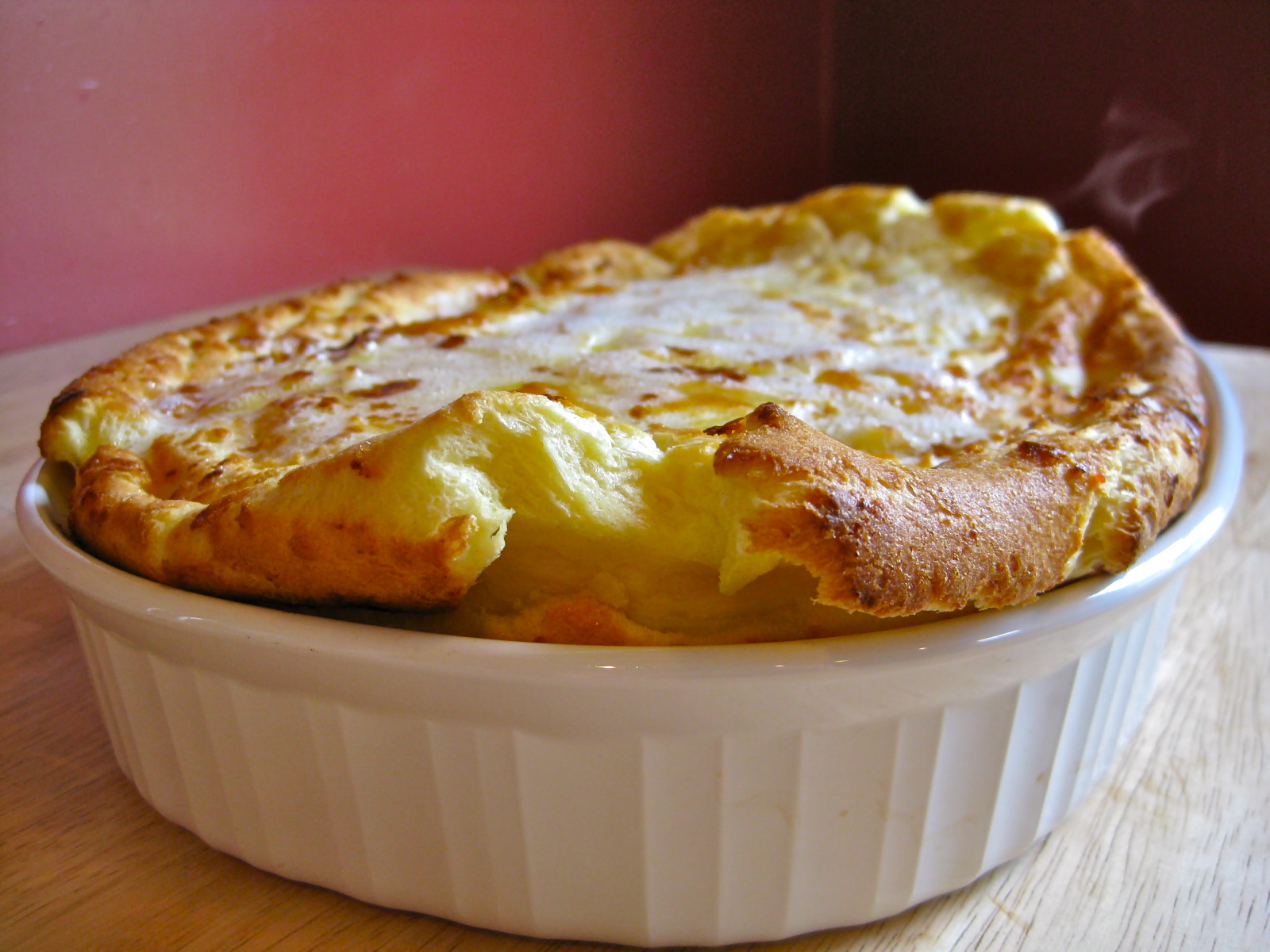
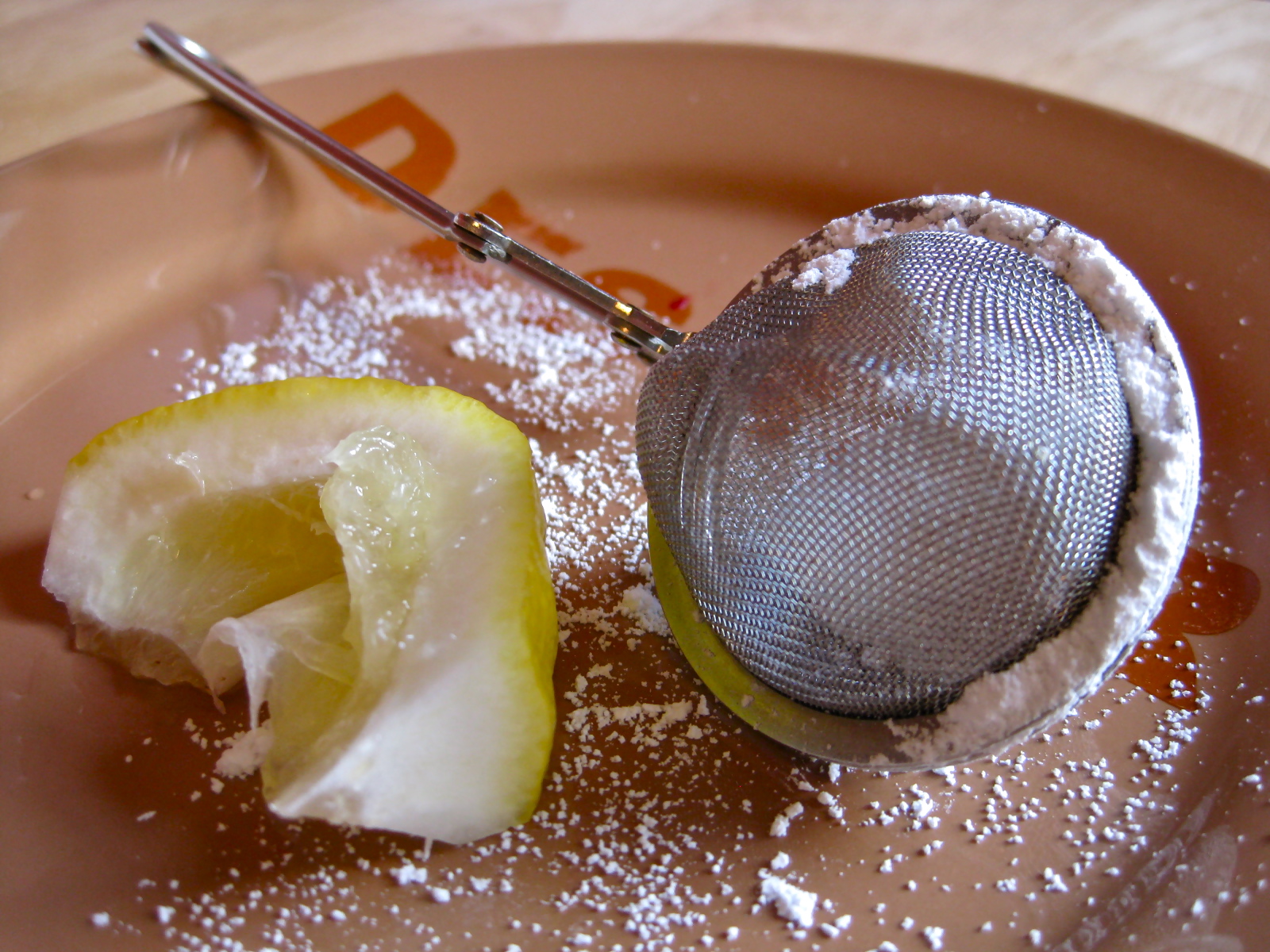
Rather than mourn the loss of sugary breakfasts of my past, I have found life to take a much more pleasant turn by simply amending former decadence into something a bit more appropriate for a person in her mid-30s.  While still certainly remaining a breakfast treat, a tall and delightfully puffed up German pancake, piled with fresh fruit, spritzed with lemon, and, if you wish, dotted with just a light sprinkling of powdered sugar, never seems to have the same after effects as downing a pool of maple syrup.

Sure, you’re still eating white flour and butter when you eat this pancake, but this delivery system arrives a bit more gently, and has the added benefit of providing a nice sense of fullness without an accompanying side of impending doom.

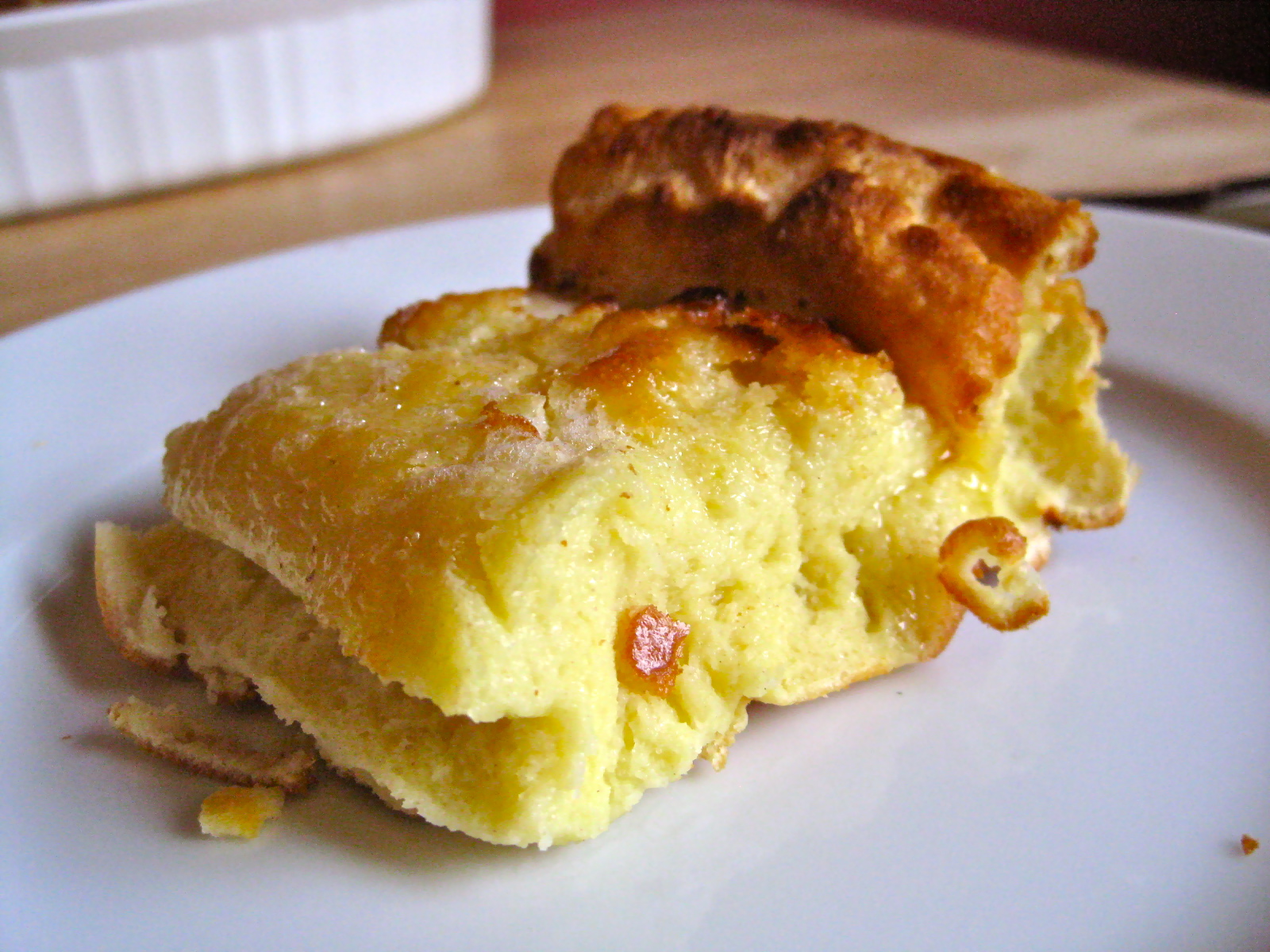
In what I am sure is some sort of German pancake heresy, I have also, over many years of making German pancakes, discovered that I much prefer a thick and custardy German pancake to a thin and delicate one.  Making a thicker German pancake involves nothing more than baking the pancake in a dish that is smaller than one might think appropriate for a pancake of this sort.  The tighter the quarters in the baking dish, the thicker the pancake, and the thicker the pancake, the more delightfully gratified you feel when you eat it.  It’s enough to convince the former you that the current you still knows how to indulge.

Deep Dish German Pancake

German pancake, Dutch baby, or pannekoek, this breakfast treat goes by as many names as it has specific recipes.  This particular recipe, designed to be doubled, tripled, and multiplied into infinity, is low on butter and completely devoid of refined sugar.  Not that you’d ever miss it.  This is still a delicious breakfast treat that is as lovely to look at as it is enjoyable to eat.

This is a base recipe for 1 serving.  The recipe is meant to be multiplied by the number of people you will be feeding.  If making a small serving, you will obviously need to bake this in a smaller dish.  For the large German pancake pictured above, I multiplied the recipe by 5 and used a 2.5-inch deep, 10-inch by 7-inch dish.

¼ cup flour

¼ cup milk

1 egg

1 teaspoon butter

pinch salt

Preheat oven to 475 degrees Fahrenheit.

When the oven has preheated, place butter in baking dish and place dish in the oven.

Combine all ingredients in a food processor or blender. Blend until just smooth.

When butter has melted, remove the baking dish from the oven, pour in the pancake batter, and return dish to the oven.  Bake for 12 to 18 minutes, depending on the size of your pancake, until pancake has puffed up, turned golden, and the center appears just firm.  Pancake will begin to deflate almost immediately after being removed from the oven, so serve as soon as possible.

Top with freshly squeezed lemon juice, a light sprinkling of powdered sugar, and fresh fruit.

What to Do with Leftover Scraps of Pie Dough

1 Aug

Things have been a bit pie heavy over here lately, but I think I’d be selling you all short if I moved on from all this talk of pie without first sharing with you one of my favorite pie tips.  Why?  Because this tip does not just involve pies, it involves tiny pies.

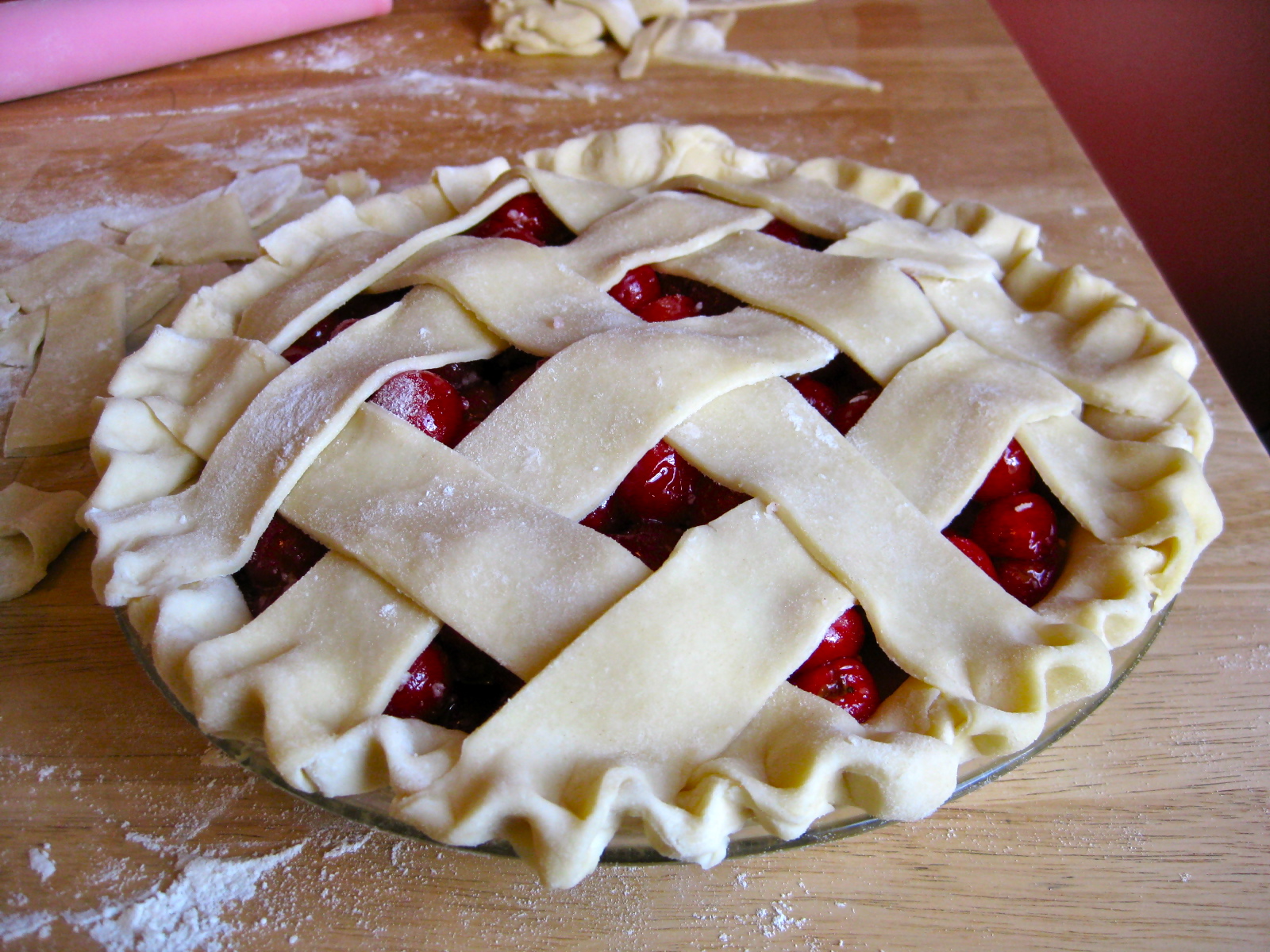
High on my list of borderline fanatical food preoccupations (there must always be lemons in the house, we must never buy pre-salted nuts) is my insistence on never, ever letting food go to waste.  I cannot claim to be 100% successful in this endeavor (though I try), but my efforts rarely wane, no matter what I happen to be making.  One of the easiest—and most delicious—food salvaging operations I have come up with is this, a solution for what to do with all those little leftover bits and pieces of pie dough that one is faced with after diligently rolling, cutting, trimming, and preparing a pie.

A delicious pie, with dough scraps aplenty 

In the winter time, when sitting down with a hot cup of coffee and a warm cookie seems like the best thing in the world, I tend to shape leftover pie scraps into cookies.  Sprinkled with a little cinnamon sugar and left out as a cozy treat, it’s a tough act to beat.  In the summer time, however, when you’ve relented to having the oven on for the shortest amount of time possible, and you’re not so into the idea of hot beverages and warm cookies, you can’t go wrong with these tiny little fresh fruit pies.

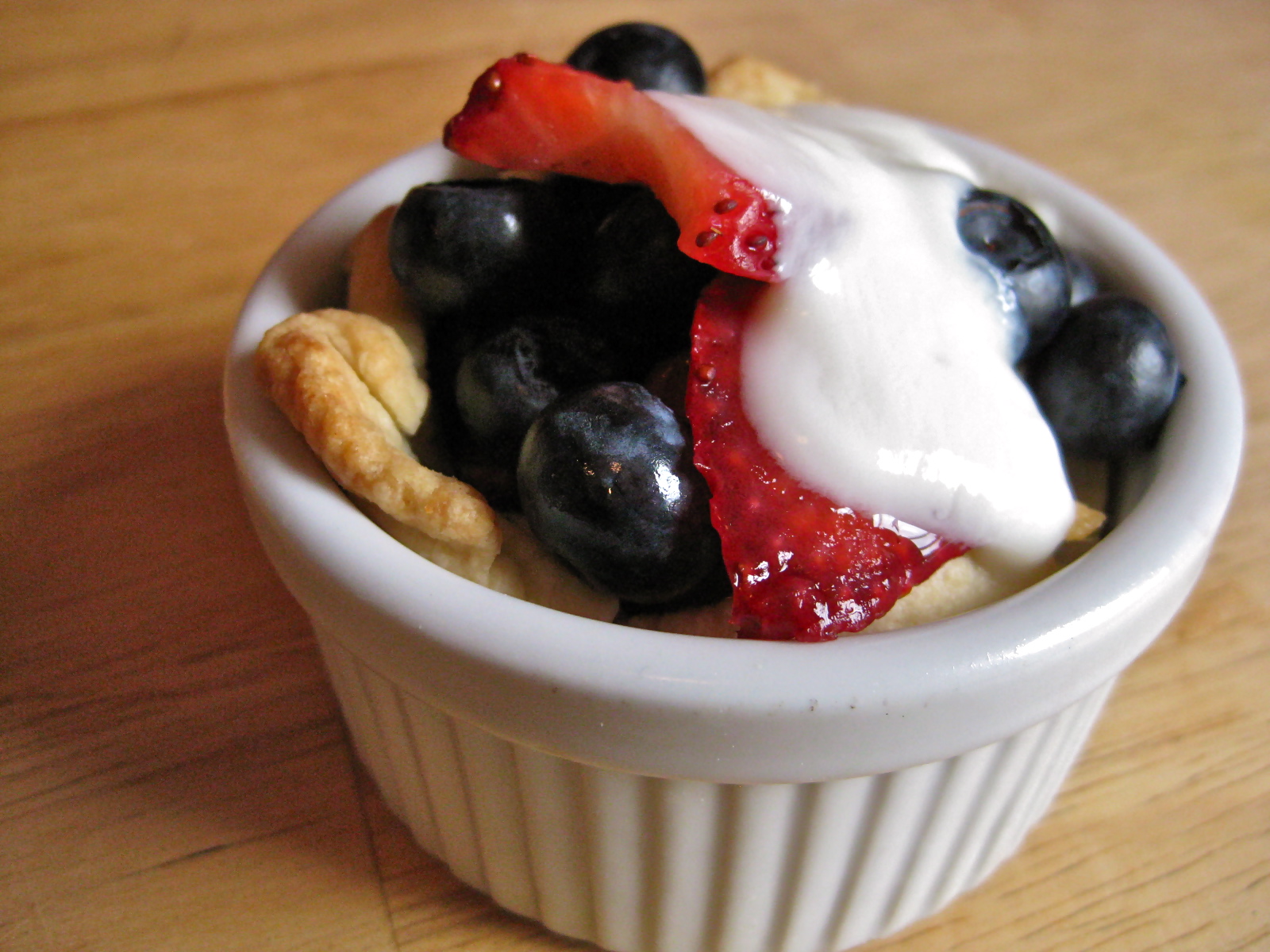
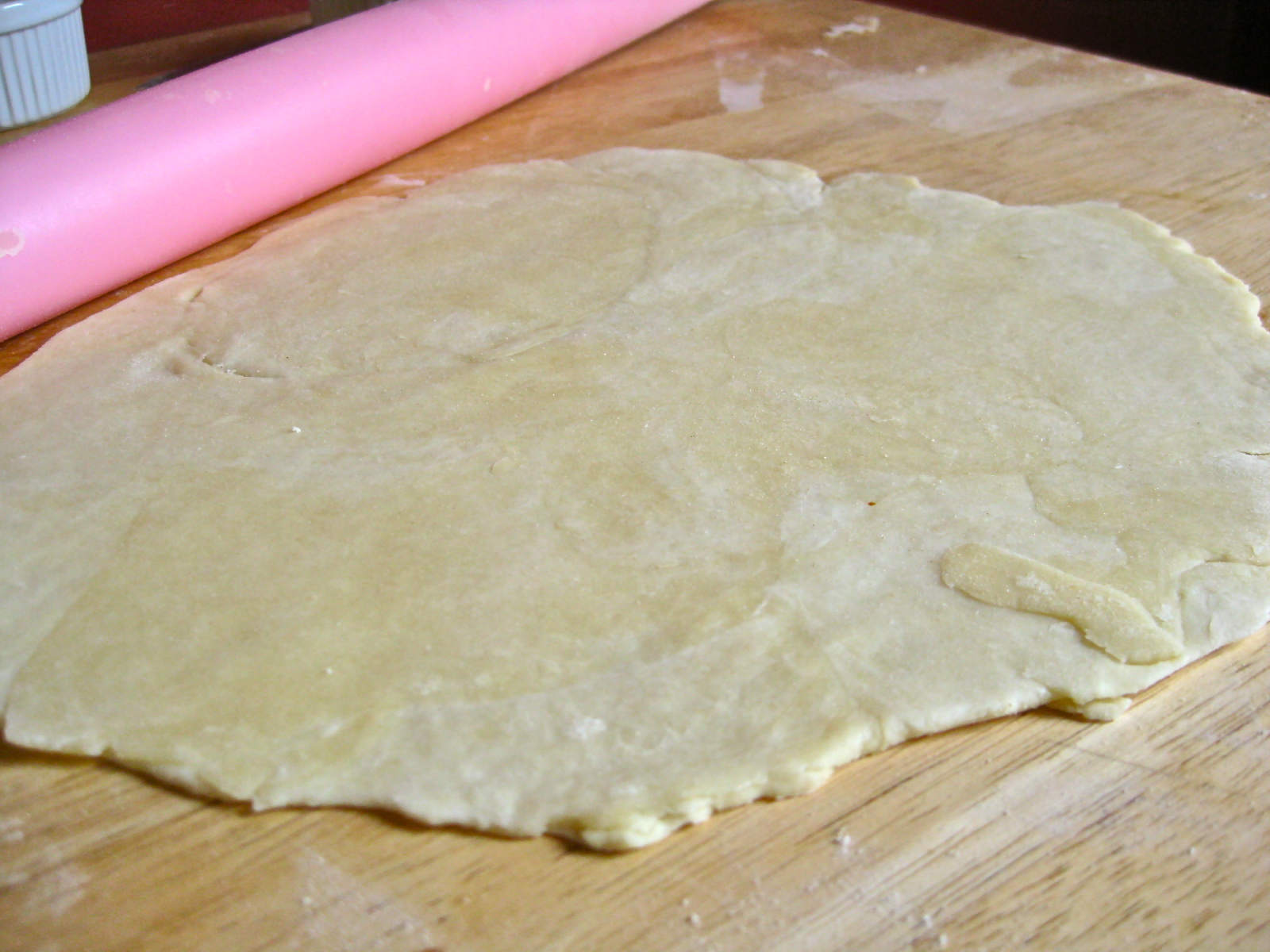
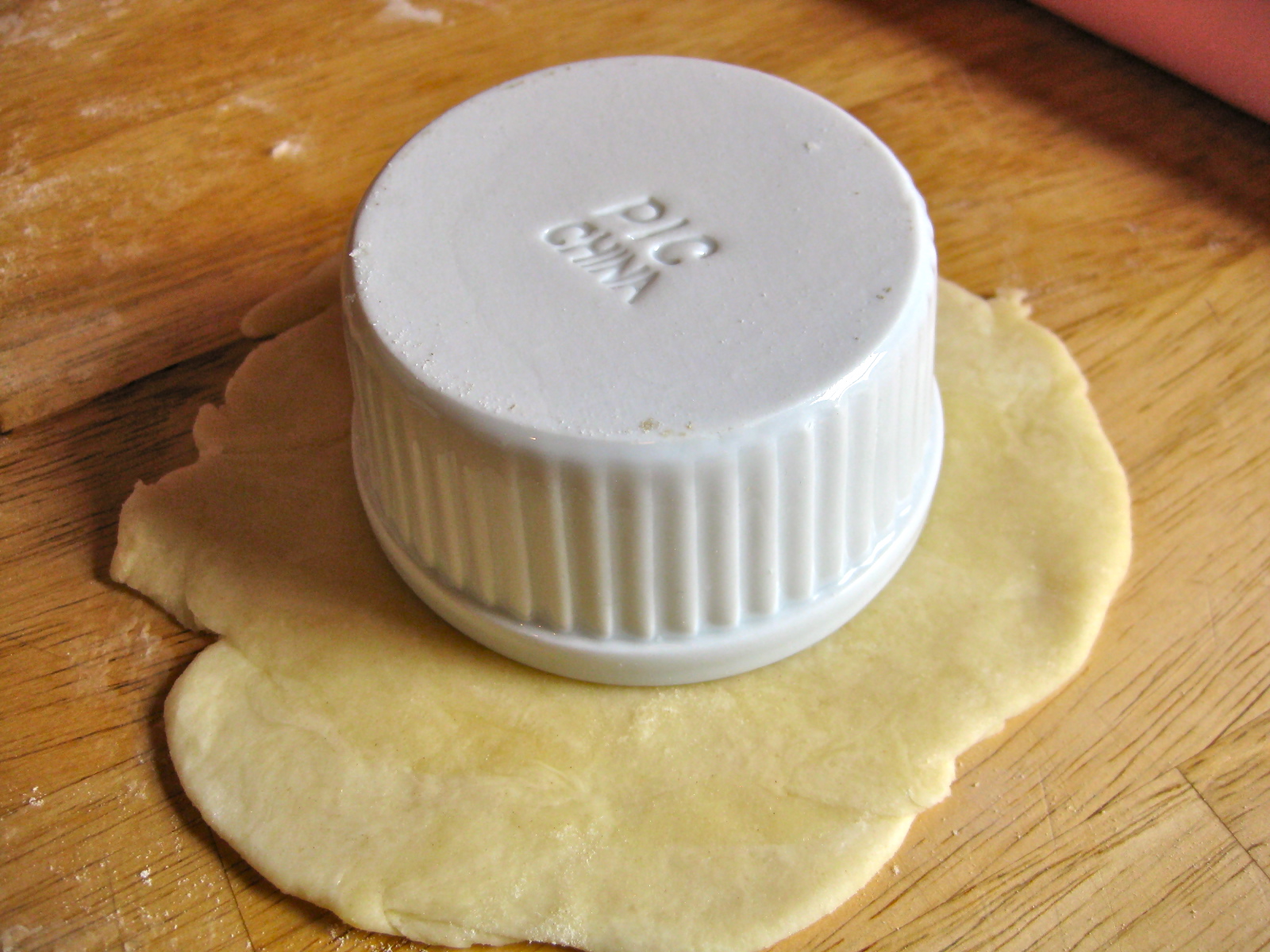
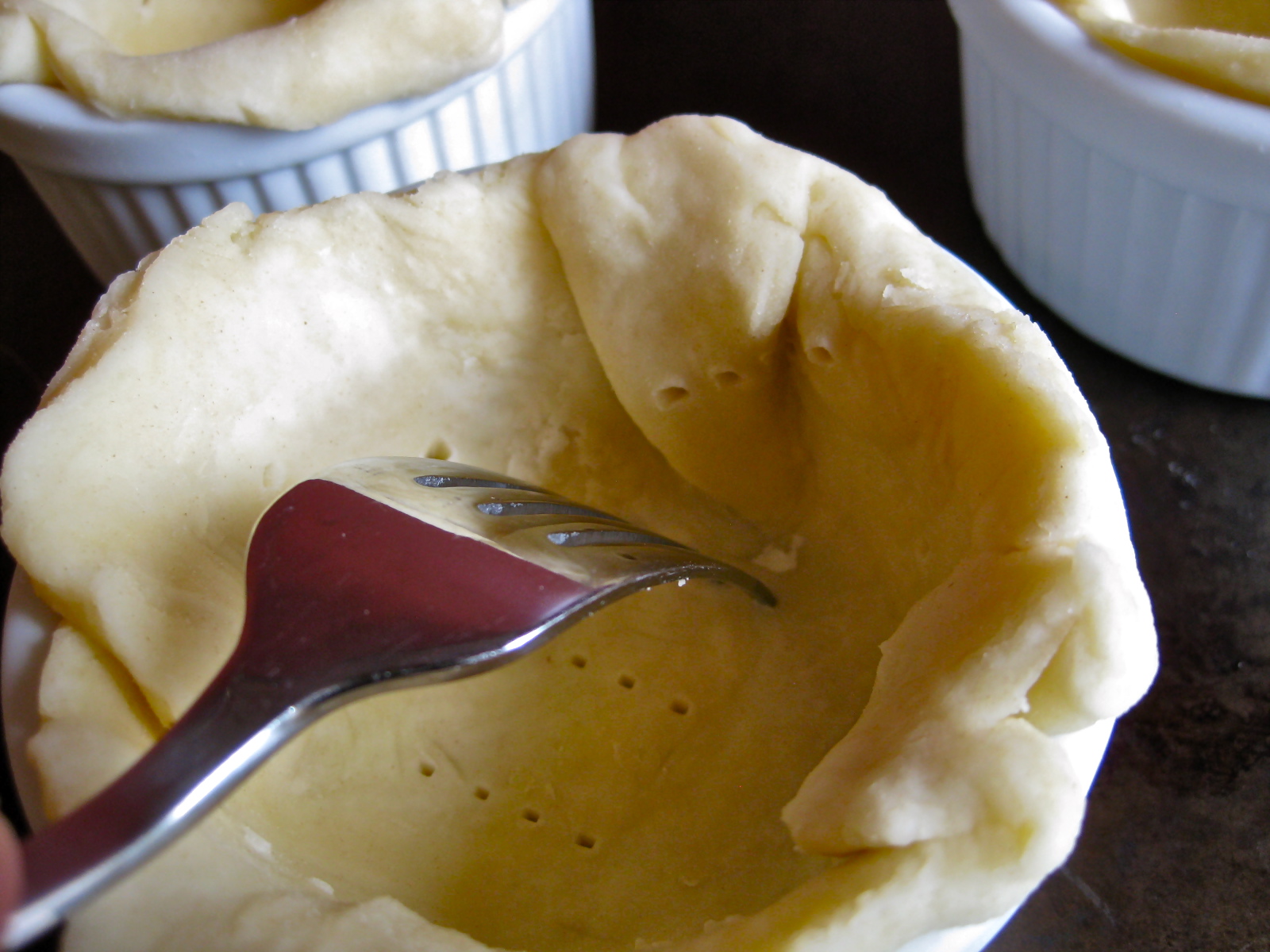
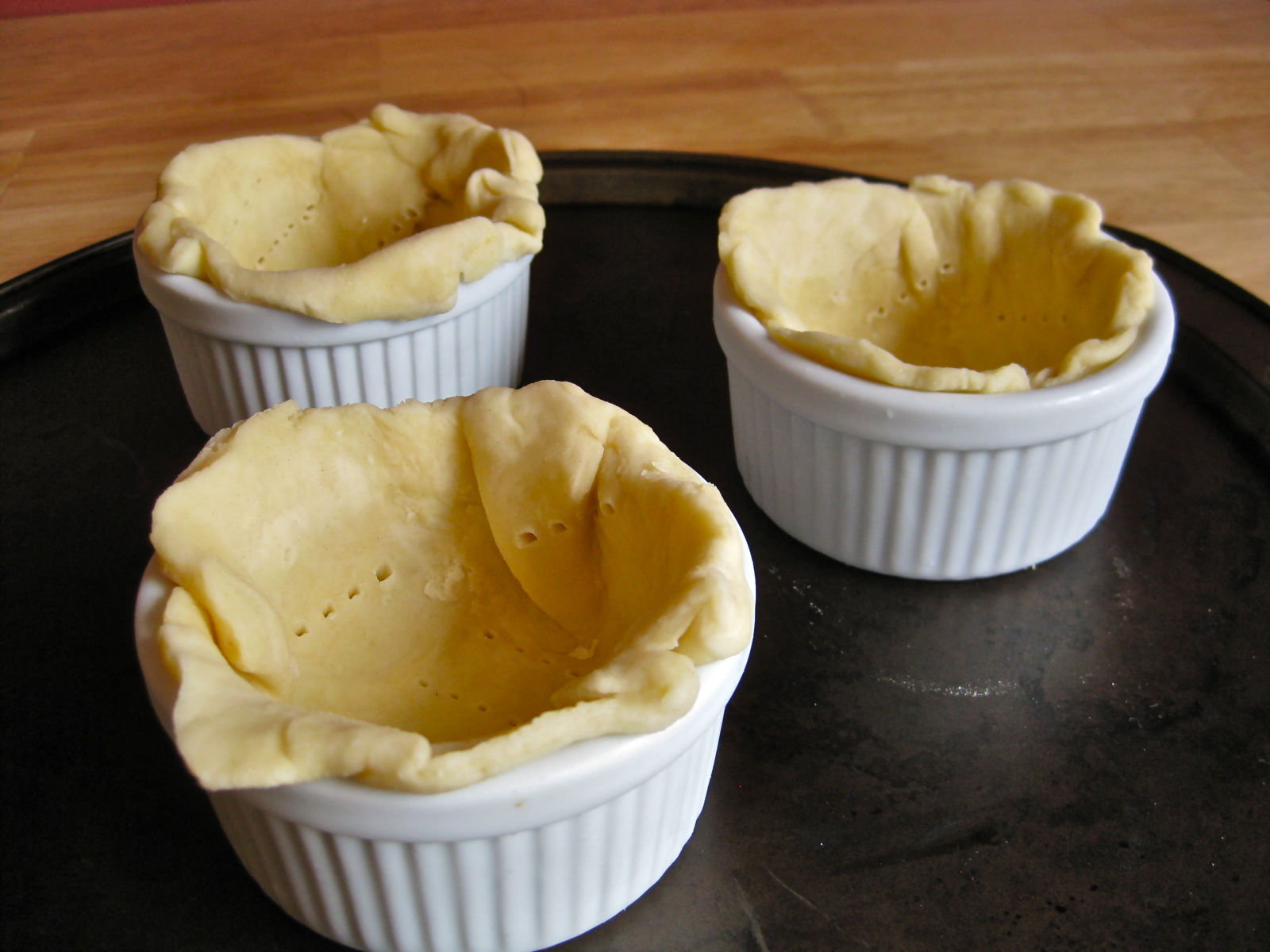
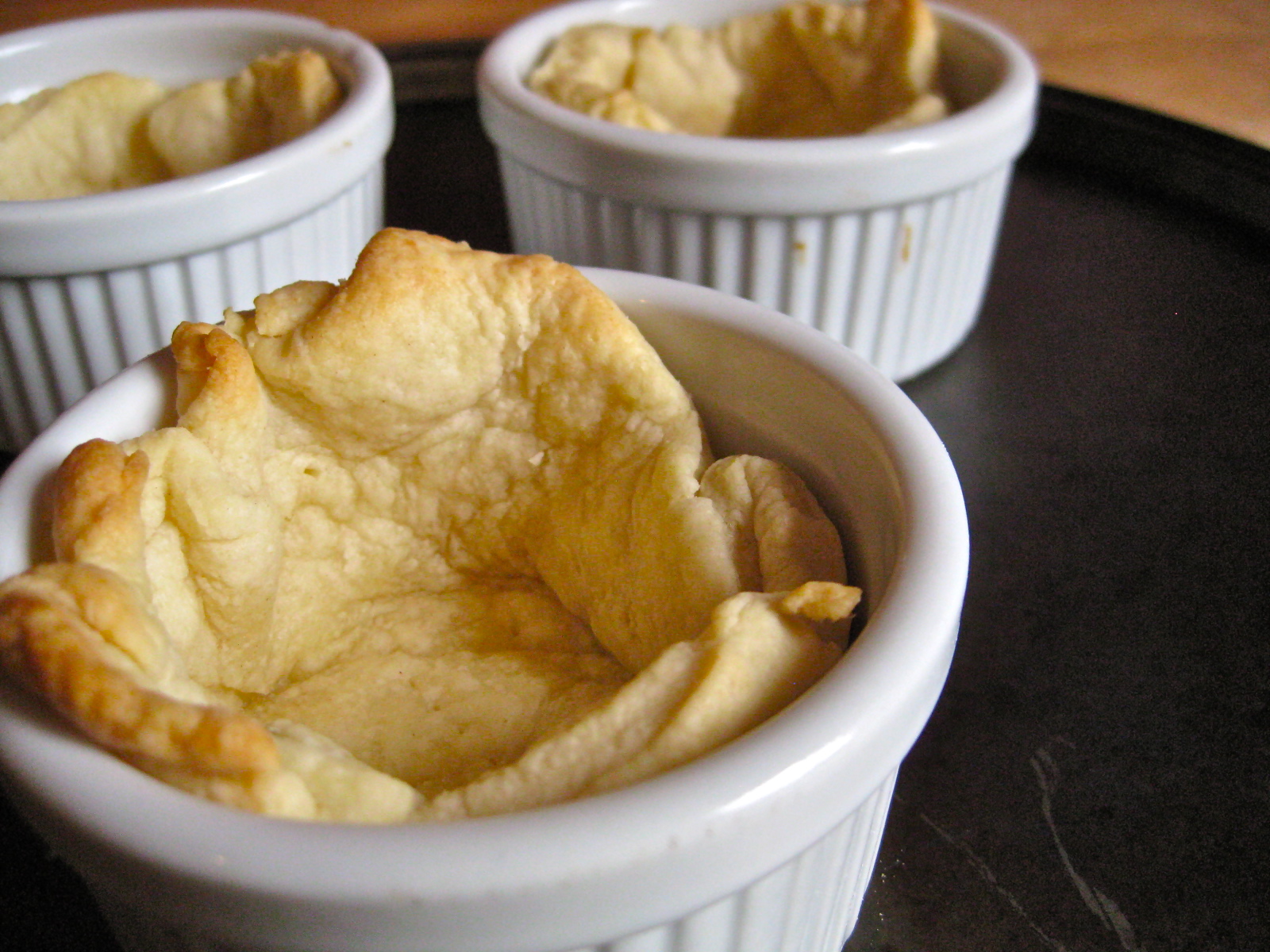
The process could not be simpler.  When making a pie, set aside all your errant scraps of pie dough.  After you set your pie in the oven to bake, gather together all of your dough scraps and roll them out into a rough circle.  Take whatever tiny cup or bowl you would like to use as a little pie plate (here I am using tiny little 4-ounce ramekins), then cut a circle about 2 inches outside the perimeter of the makeshift pie plate.  Tuck the circle of dough into your container, gently pressing the dough against the sides and bottom, then use a fork to poke steam holes into the bottom and sides of the dough.  Re-roll and re-cut dough until you’ve used up as much of the scraps as humanly possible.  It’s up to you if you want to freeze the tiny pie plates at this point (freezing the dough for 30 minutes or so before baking it will prevent a bit of the shrinking that will go on once the dough starts to bake in your hot oven, but it won’t eliminate all of the shrinkage, so I often don’t bother with this step).

Once all of your pie plates have been prepared, set them in the oven to bake alongside your pie (or, if you want to bake the tiny pie crusts on a baking sheet, set them one shelf below your pie where there is room enough to accommodate an additional baking sheet).  The tiny pie crusts, being tiny and all, will bake much faster than an entire pie, so watch them diligently to prevent burning.  These three pie crusts took about 25 minutes to bake.

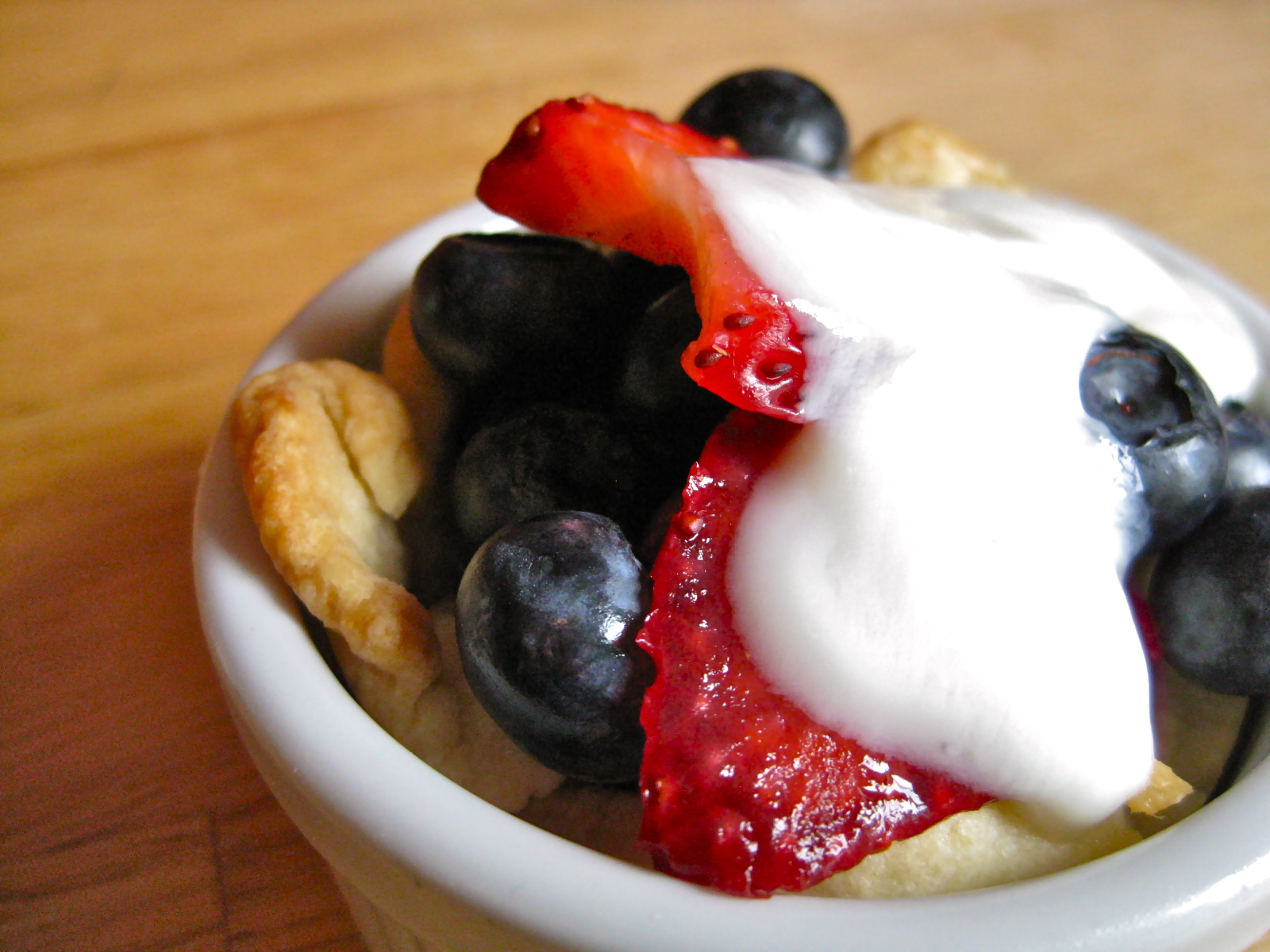
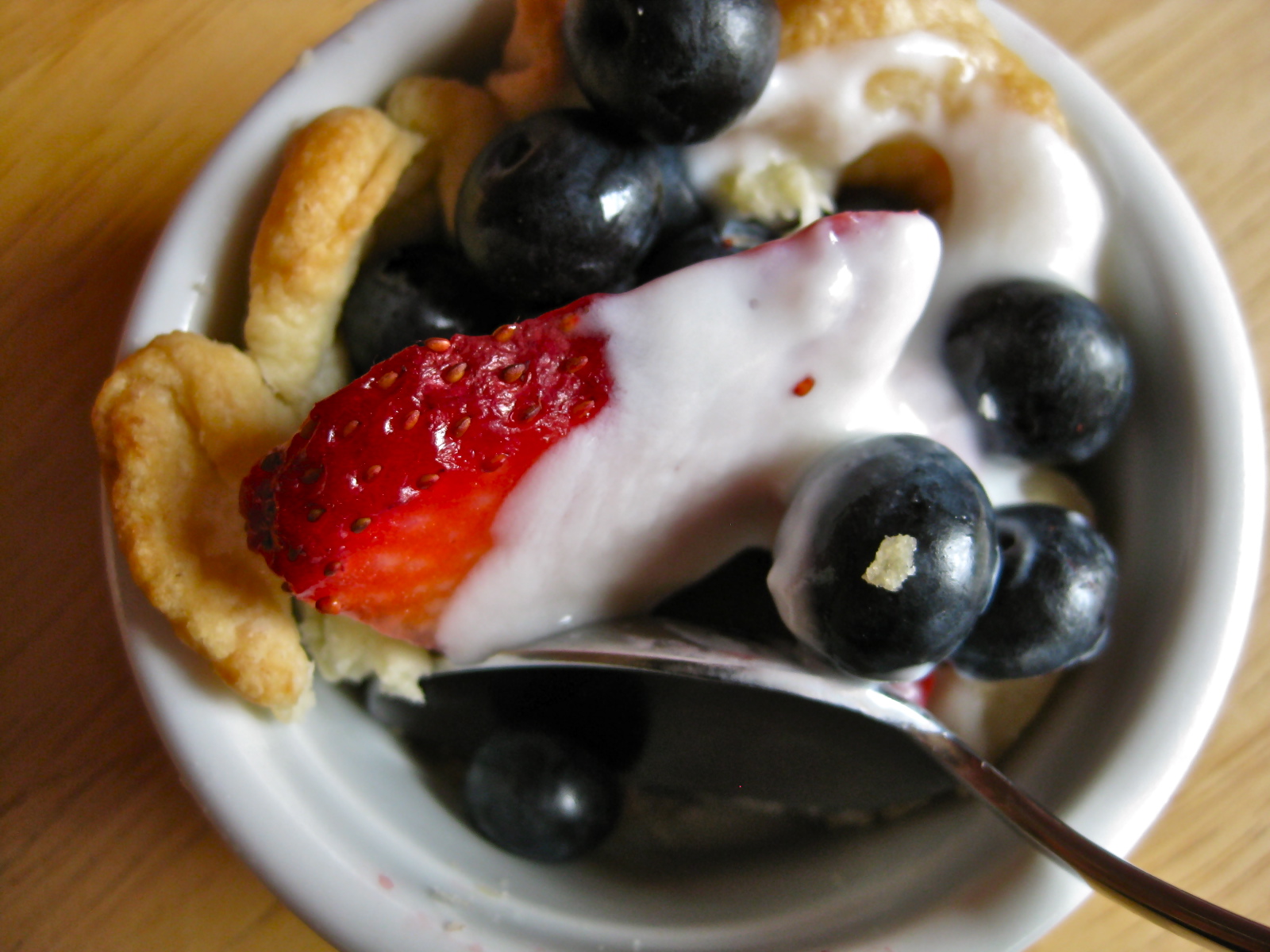
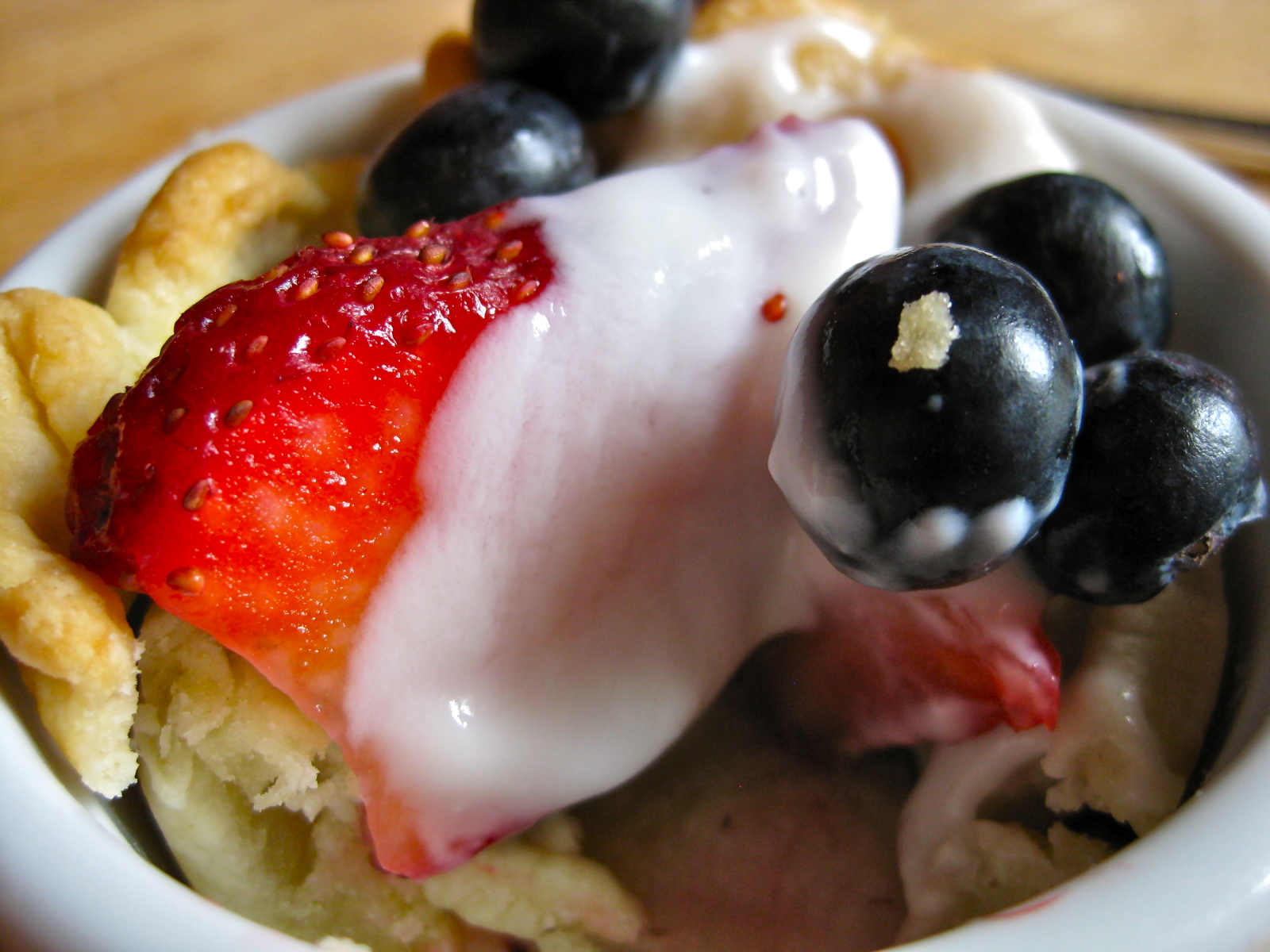
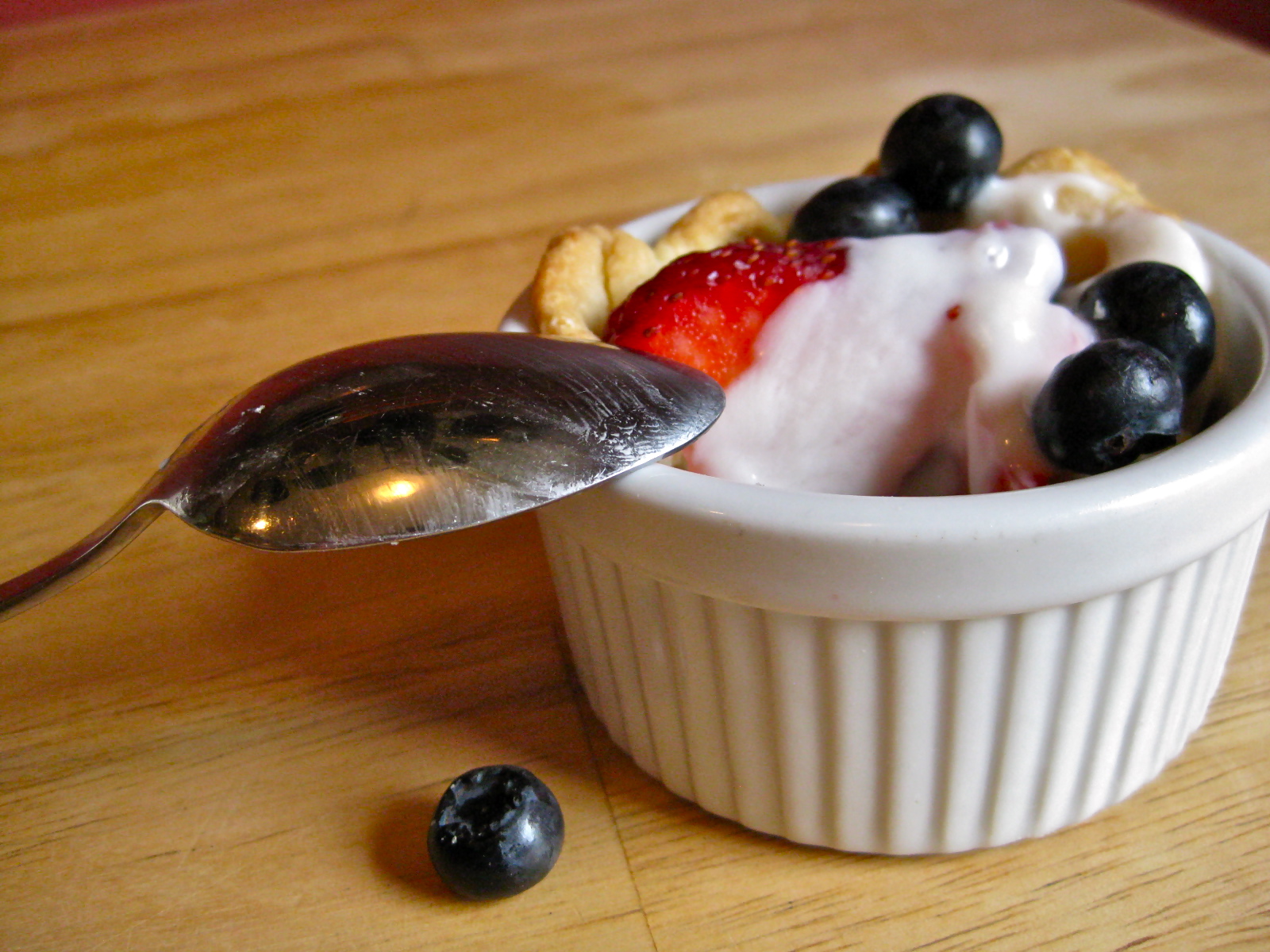
After your crusts have cooled, you can then fill them with pretty much anything you want.  Here I have adorned my tiny pie crusts with garden fresh strawberries and blueberries, topped with a bit of vanilla yogurt.  This is a heavenly combination, but I imagine pretty much any combination of fruity-plus-creamy would be fantastic.  Raspberries topped with a dollop of crème fraiche.  Nectarines dotted with whipped cream.  Blackberries and custard.  Really.  There is no way to make this not taste good.

Bonus information!

Don’t want to eat a tiny pie right now?  Prepare your tiny crusts in their tiny vessels, then cover them with foil and pop them into the freezer.  When you are in the mood for a tiny pie, bake the frozen pie crusts at 400 degrees Fahrenheit for 25-30 minutes (until the edges have turned a dark golden brown), then cool and fill as desired.  Frozen, unbaked pie crusts will keep in the freezer for up to 1 month.