Tag Archives: lemon

Garden Spaghetti in a Lemon Butter Sauce

25 Mar

There are only three people who live in my house, but all three of us have vastly different preferences when it comes to food.  One of us is a former nearly life-long vegetarian who has only conceded to eating meat if it a) hails from the sea, or b) does not in any way resemble something that was once attached to an animal (this means no bones, no skin, and no “chewy bits”).  Another one is a human food depository with the metabolic rate of a hummingbird, a person who, if pressed, will only list one single food that falls into the realm of being not entirely favorable (this food is water chestnuts and, really, it’s not that they are regarded as inedible so much as they are simply relegated to the bottom of the list of preferred foods).  The third person is a child, and this generally means that the foods most highly regarded by his palette fall into the category of being carbohydrates: bread, pasta, rice, crackers, and fruit.

So what’s a person to do, other than try and conjure up a dish that will be eaten—and, in hope, enjoyed—by all three people?  And how does one go about building such a dish?  I’ll give you a hint: the first step is pasta.

The second step is butter.
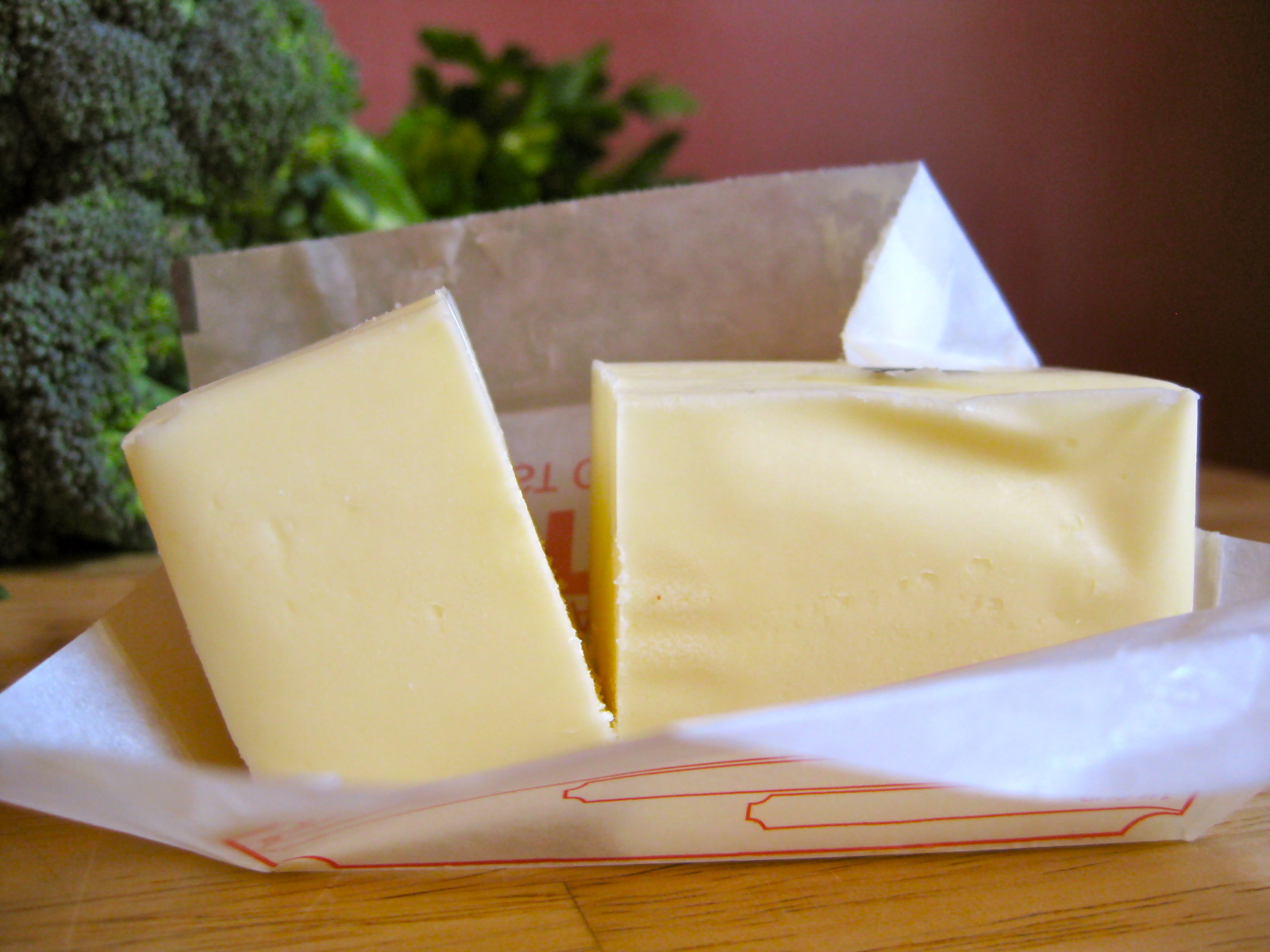
You’d be hard pressed to find a person who doesn’t enjoy the simple pleasures of a basic pasta tossed with a bit of butter, oil, and sharp parmesan cheese.  The best thing about pasta bianco (or bianca, depending on who you ask and how much he or she wants to show off a perceived prowess for Italian pronunciation) is that it’s like a building block for any number of dishes one might like to construct.

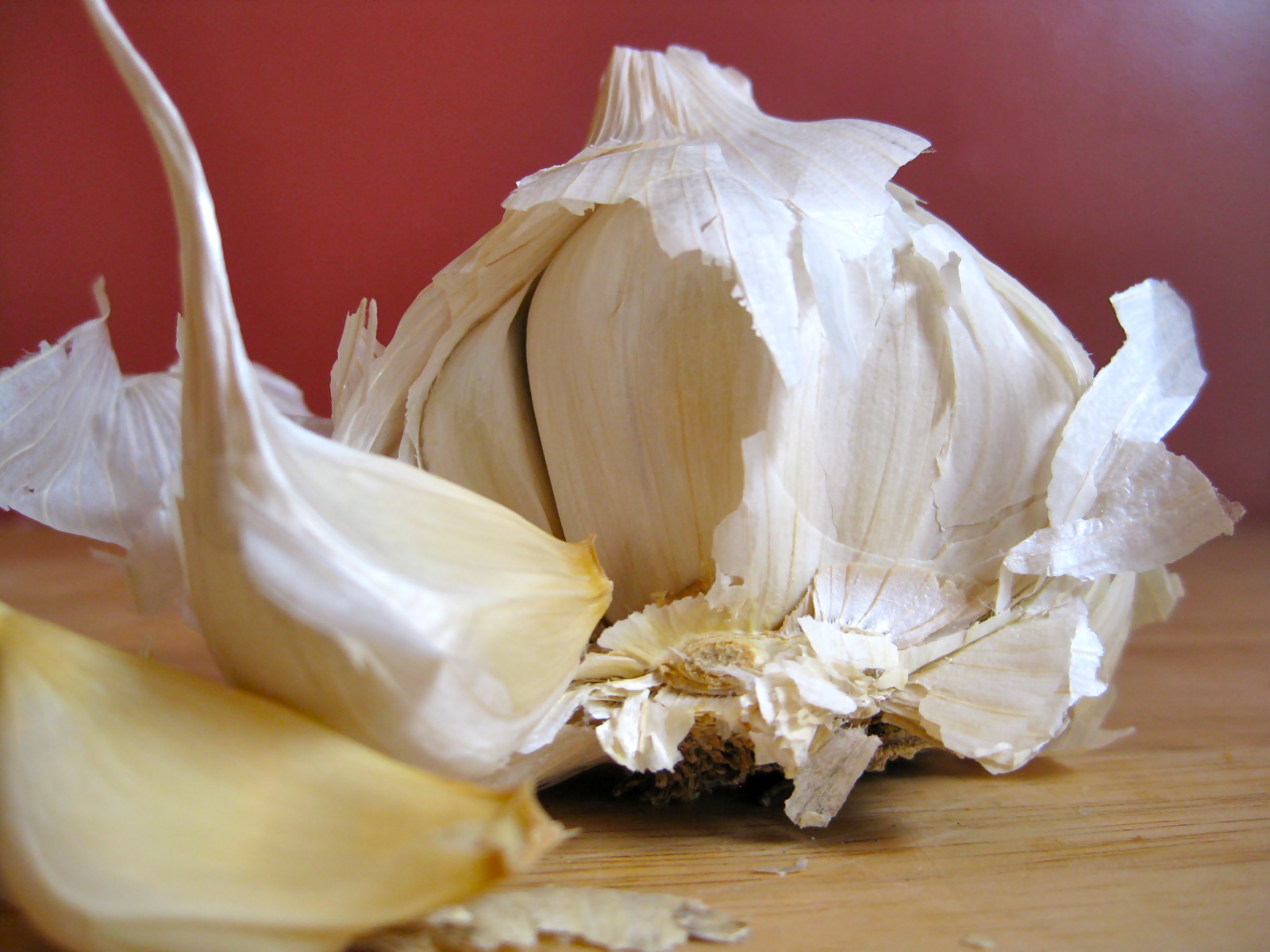
You start with pasta, cooked al dente with a little bit of the pasta water held off to the side.  The sauce starts as gently heated butter or olive oil (or both), perhaps with a bit of garlic and red pepper flakes thrown in.
You can stop there, tossing the pasta with the butter and oil and then adding a satisfying handful of parmesan cheese to the mix, or you can move on, adding flavors and bulking up the dish to see how far you can take things before you meet that good middle ground of having a dish that is still primarily made of pasta (child’s preference), but also bursting with fresh vegetables and crunchy textures (slightly meat-o-phobic former vegetarian’s preference).

The third person, of course, will most likely be happy no matter what, seeing as the dish is plentiful and, you know, made of food, therefore satisfying his basic list of requirements as related to meals and consumption.  The best part about this pasta, however, is the fact that it is highly delicious, which is arguably the most important element of any dish, no matter who is eating it.
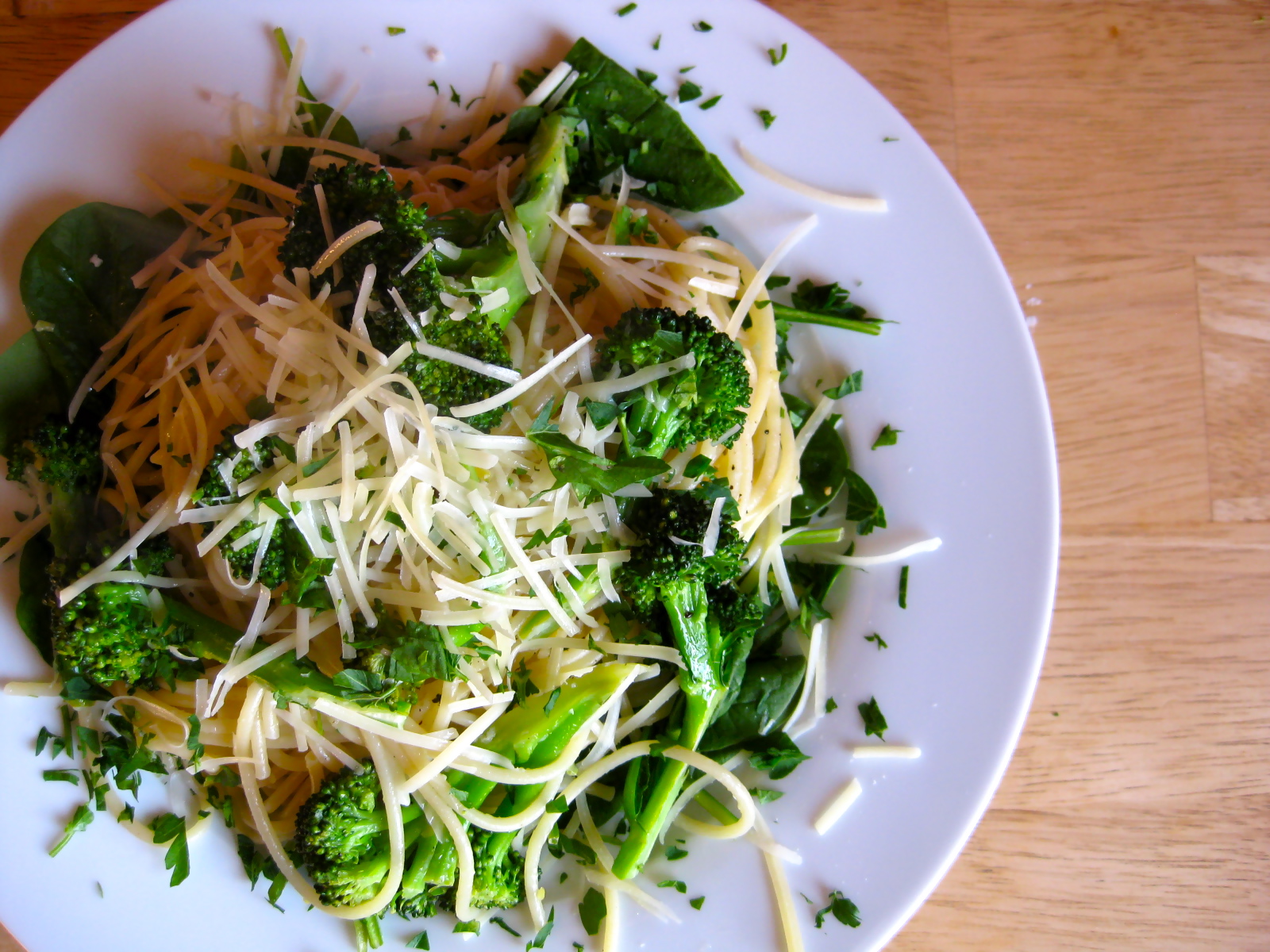
 

Garden Spaghetti in a Lemon Butter Sauce

1 lb dried pasta (spaghetti, linguine, or another long variety)

1 lb broccoli, washed and trimmed into long-stemmed florets

1 tablespoon olive oil

3-4 tablespoons butter

2 cloves garlic, smashed and very finely minced

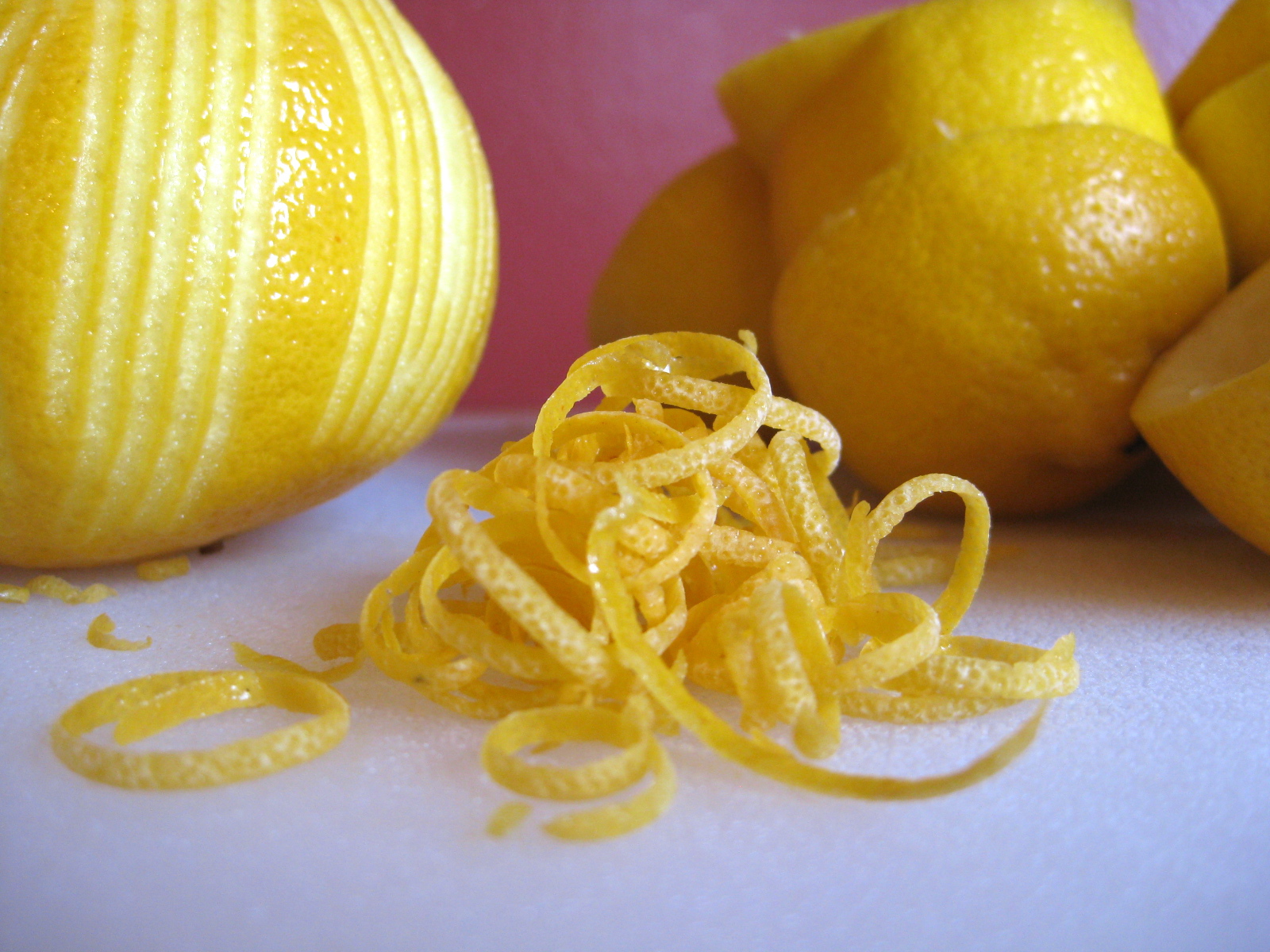
2 lemons, juiced and zested, the zest finely grated or chopped

optional: 1/4 teaspoon red pepper flakes

salt and pepper to taste

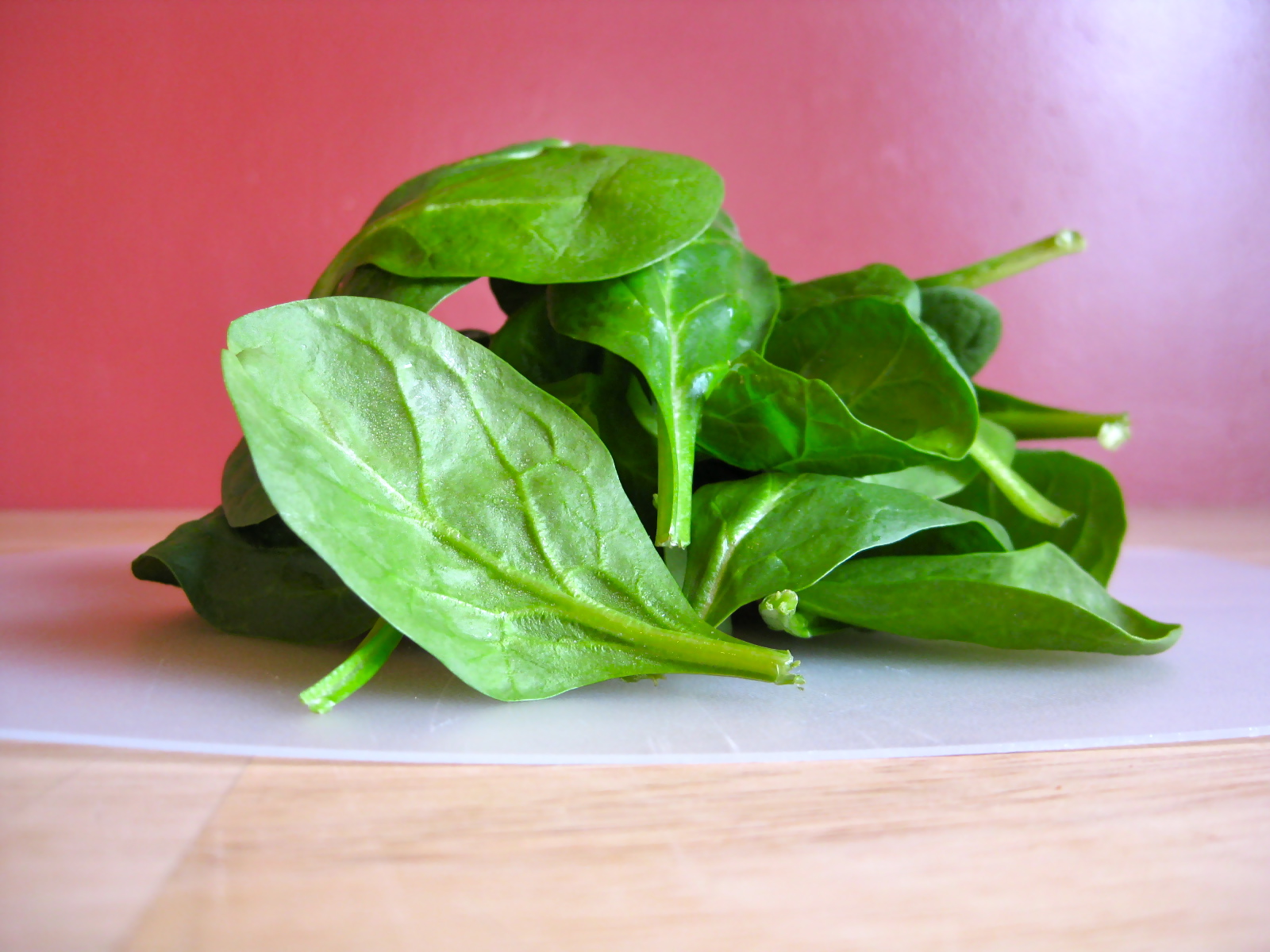
6-8 oz fresh spinach, washed and trimmed

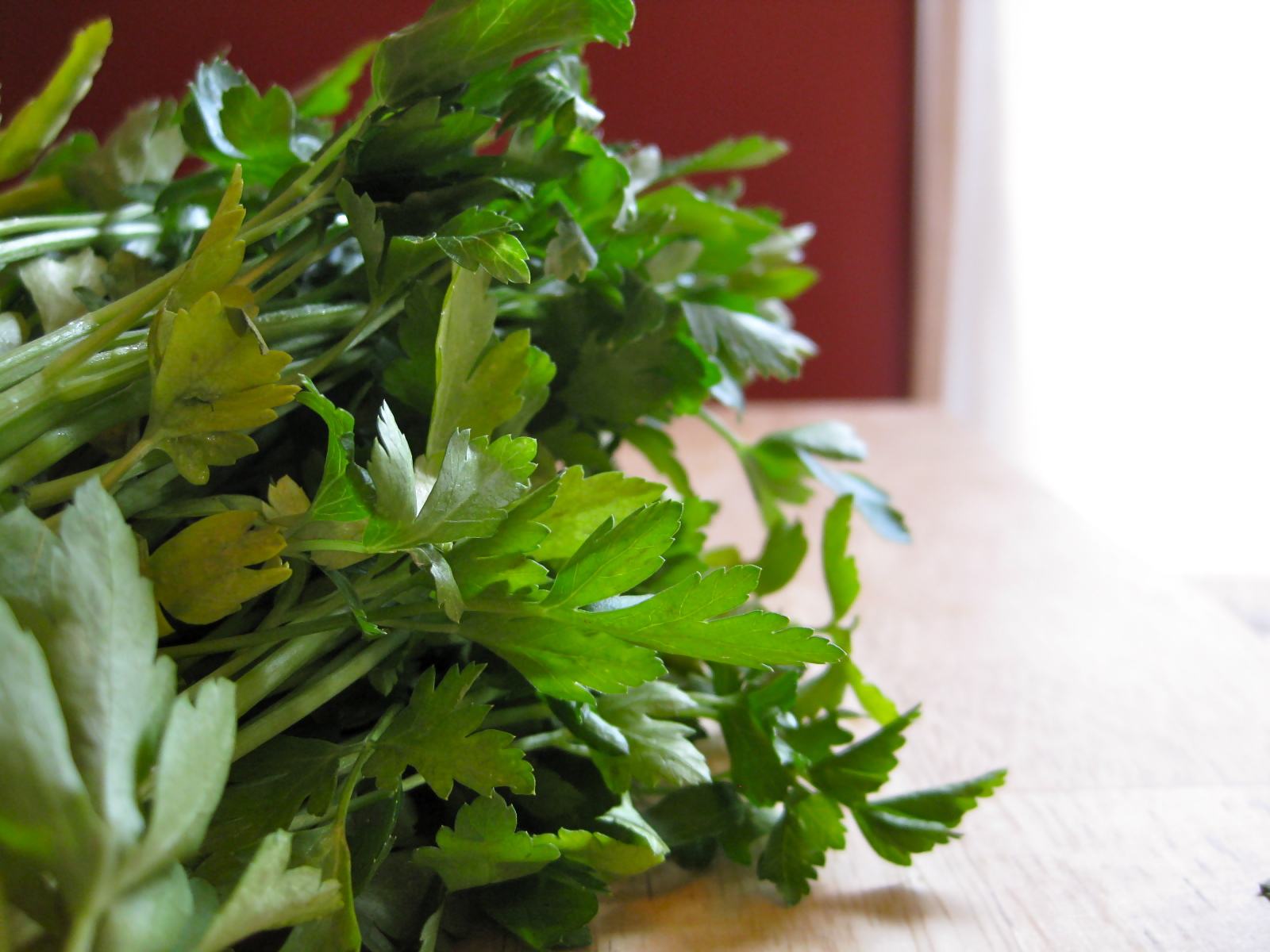
1 large handful Italian parsley, trimmed and coarsely chopped

parmesan cheese, for sprinkling

Bring a pot of salted water to a boil, then cook pasta according to package directions.  During the last minute of cooking, drop in broccoli florets and briefly swirl around to allow for even distribution and cooking.  Drain pasta and broccoli, setting aside 1 cup of pasta cooking water.  Return pasta to cooking pot, toss with 1 tablespoon of olive oil to prevent sticking, and set aside.

While the pasta is cooking, melt butter in a small saucepan set over low heat.  When butter has melted, add in minced garlic and gently simmer for about one minute, allowing the garlic to release a lovely smell, but being careful not to let it brown.  Add in lemon juice and lemon zest, and, if using, red pepper flakes.  Carefully simmer for another minute, then remove from heat.  Carefully stir in reserved cup of pasta water.

Pour lemon and butter mixture over pasta and broccoli.  Toss well to mix.  Add salt and pepper to taste.

To serve, place a handful of spinach on a plate, place pasta over spinach, then sprinkle pasta with parmesan cheese and chopped Italian parsley.

This should make 6 large servings for 6 normal people.  In my house it serves one adult, one preschooler, and one Perfect Eating Machine, with a modest bit remaining for leftovers.

Lemon Bergamot Bars

7 Mar

I will never claim to be a fan of big surprises or intense fanfare.  Preferring to live a life that is relatively free of drama or explosive displays of showiness (all I have to do is hear of people getting engaged via a line of skywriting or announcing their pregnancy by hiding a positive pregnancy test in someone’s birthday present and I start to feel all sweaty and embarrassed) might explain why I am so fond of foods that contain a bit of the unexpected.  A rich brownie with a subtle undercurrent of cardamom and chipotle.  A complicated Thai curry with a kick of lime that comes in at the end and smoothes out its blend of coconut and spice.  And now, what currently stands as my favorite example of a sneaky flavor, a hint of bergamot concealed within a batch of brightly tart lemon bars.

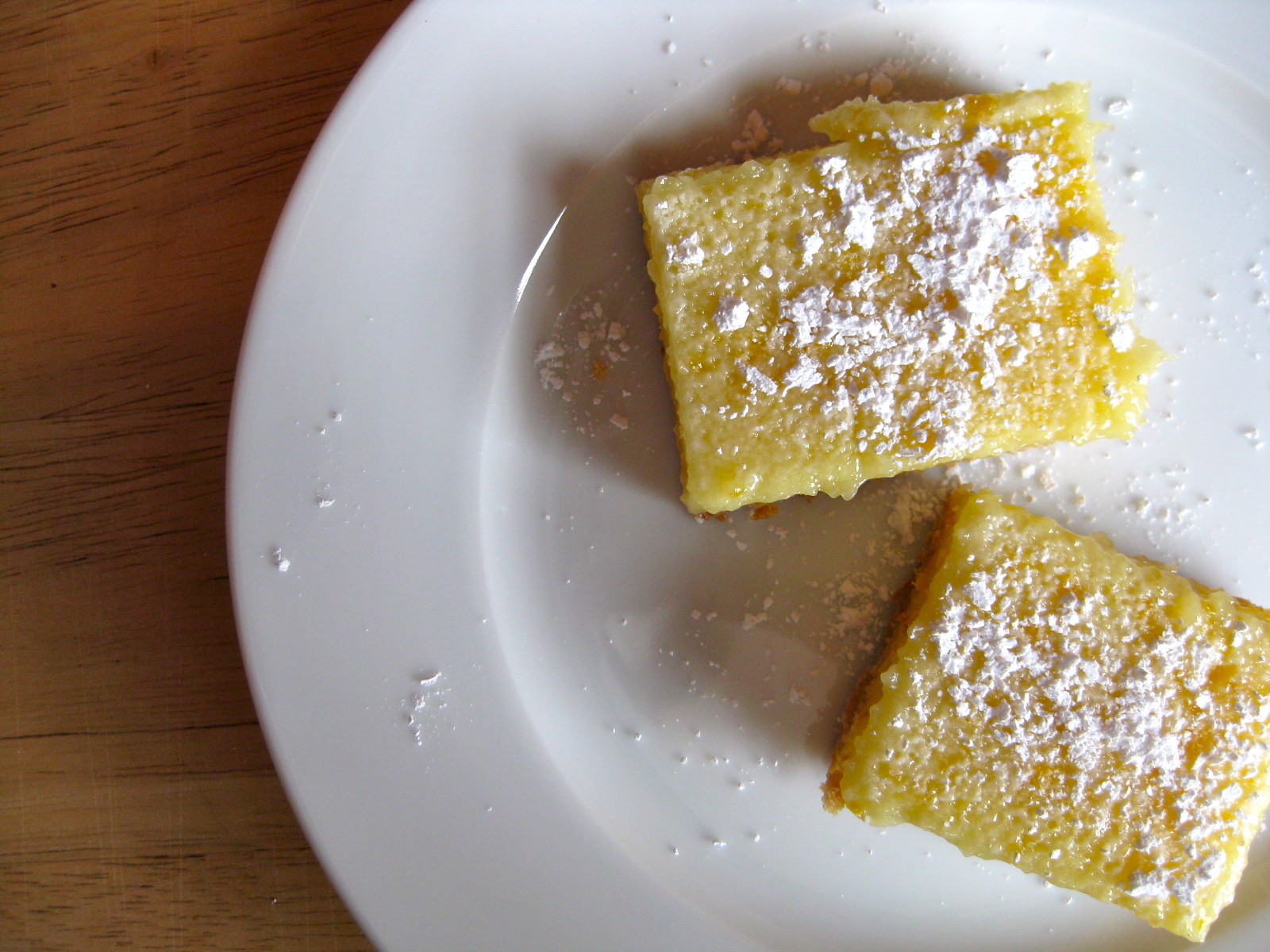
Hailing from Tartine, the inaugural cookbook from the incredible San Francisco bakery of the same name, this is a lemon bar that pulls no punches when it comes to flavors.  The meltingly delicious shortbread base is baked to a deep golden brown, giving it the taste of mellow, nutty brown butter.

The thick lemon custard that rests on top is fresh and tart, and does not make the mistake of masking its lemony sourness under a cloying sweetness.  The bergamot (an addition made optional in the cookbook, but now considered by me to be an utter necessity) cuts through the clean taste of the lemon, dotting each bite with the pleasant sensation of subtly bitter orange.  (Bergamot oranges, a hybrid citrus fruit that contain elements of both Mediterranean lemons and Seville oranges, provide the distinctive citrus undertone found in Earl Grey tea, and it creates a similarly aromatic and companionable effect here.)

I may not be one for surprises, but I can’t say I have ever shied away from the pleasures of variety.  Eating one square of this lovely pastry is like taking a taste tour of a pastry case (brown butter shortbread cookies!  Lemon custard!  Candied orange!), providing your taste buds with thrills aplenty, minus even the slightest possibility of social discomfort.

Lemon Bergamot Bars

From Tartine

Crust

1/2 cup confectioners’ sugar

1 1/2 cups all-purpose flour

3/4 cup unsalted butter, at room temperature

Filling

1/2 cup all-purpose flour

2 1/4 cups sugar

1 cup plus 2 tablespoons lemon juice

zest from 1 small bergamot orange, grated or finely chopped

6 large whole eggs

1 large egg yolk

pinch of salt

confectioners’ sugar (optional)

Preheat oven to 350 degrees F.  Butter a 9×13 inch baking pan.

To make the crust, sift the confectioners’ sugar into the bowl of a standing mixer fitted with the paddle attachment.  Add the flour and stir to mix.  Add the butter and beat on low speed just until a smooth dough forms.  Transfer dough to the prepared pan and press evenly into the bottom and 1/2 inch up the sides of the pan.  It should be about 1/4 inch thick.  To help even out the crust, use the flat bottom of any type of cup, pressing down firmly.  Line the crust with parchment paper and fill with pie weights (dry beans or about a cup’s worth of pennies will provide the same effect as pie weights).  Bake the crust until it colors evenly to a deep golden brown, 25-35 minutes.  Rotate the pan 180 degrees is the crust appears to be baking unevenly.

While the crust is baking, make the filling: Sift the flour into a mixing bowl.  Add the sugar and whisk until blended.  Add the lemon juice and bergamot orange zest and stir to dissolve the sugar.  In a separate mixing bowl, whisk the whole eggs and egg yolk with the salt.  Add the eggs to the lemon juice mixture and whisk until well mixed.

When the crust is ready, pull out the oven rack holding the crust, remove the parchment paper and pie weights, and pour the filling directly into the hot pan.  (It is easiest to pour the custard into the pan if the pan is in the oven.)  If the crust has come out of the oven and cooled before you have finished making the filling, put it back in for a few minutes so that it is hot when the custard is poured into it.  Reduce the oven temperature to 300 degrees F and bake just until the center of the custard is no longer wobbly, 30-40 minutes.

Let cool completely on a wire rack, then cover and chill well before cutting.  If you like, dust the tops of the squares with confectioners’ sugar.  They will keep well in an airtight container or well covered in the baking dish in the refrigerator for up to 4 days.