Archive | June, 2011

Other Places, Other Foods

18 Jun

In addition to happily publishing recipes and kitchen information on this site, I can also be found spreading the joys of cooking and eating via two additional outlets for whom I am a regular writer, Indie Fixx and Portland Farmers Market.

Indie Fixx, the great lifestyle and design website run by Jen Wallace, is a veritable cornucopia of information and inspiration.  My regular column on Indie Fixx is called Melting Pot, and it appears twice a month, on every other Friday.  Curious about some of the recipes I’ve created for that site?  Well, allow me to share some of the bounty with you (click the links to get to the full articles and recipes on Indie Fixx).

Fruit and Nut Granola Bars

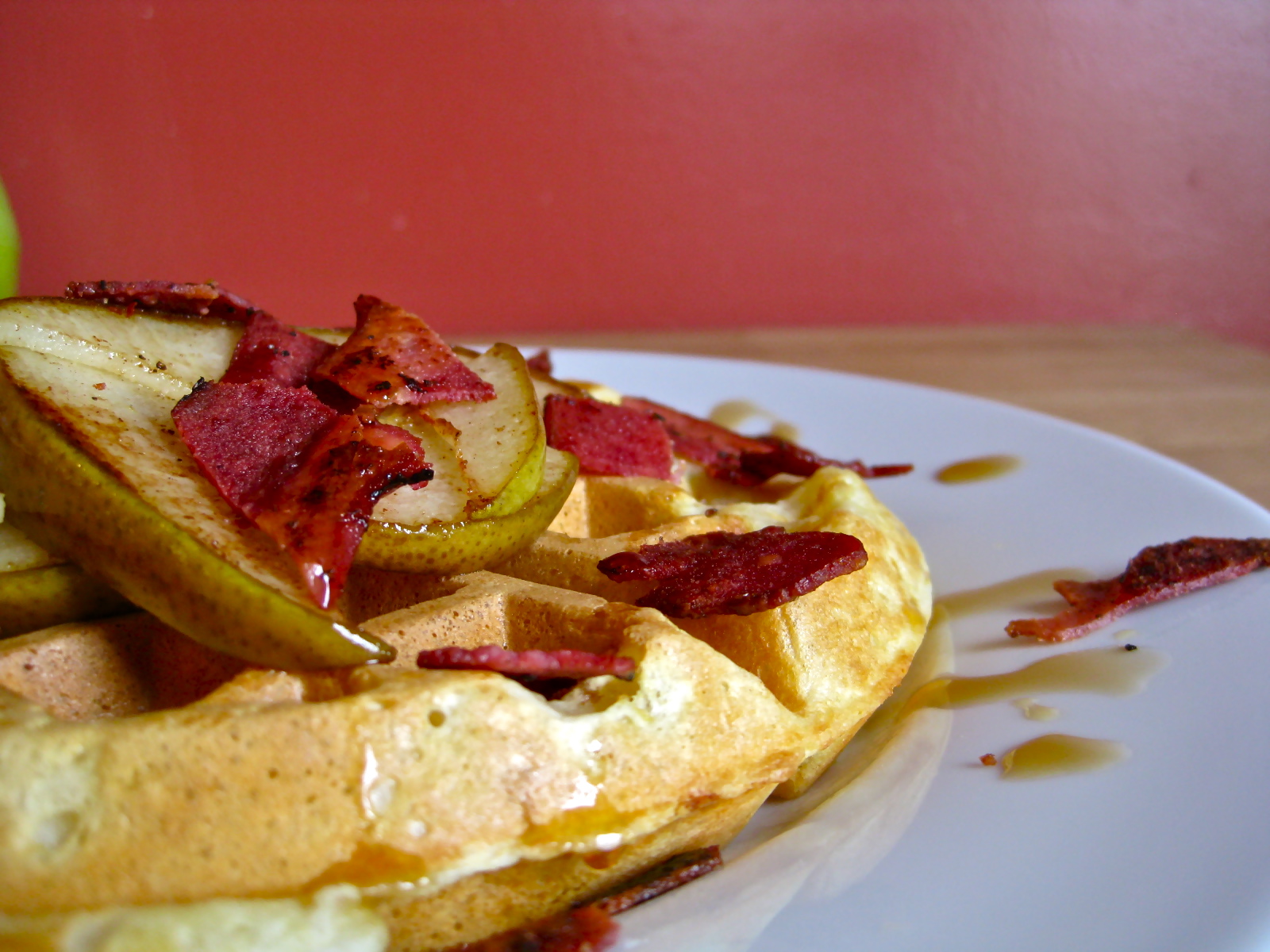
Buttermilk Waffles with Bacon and Caramelized Pears 

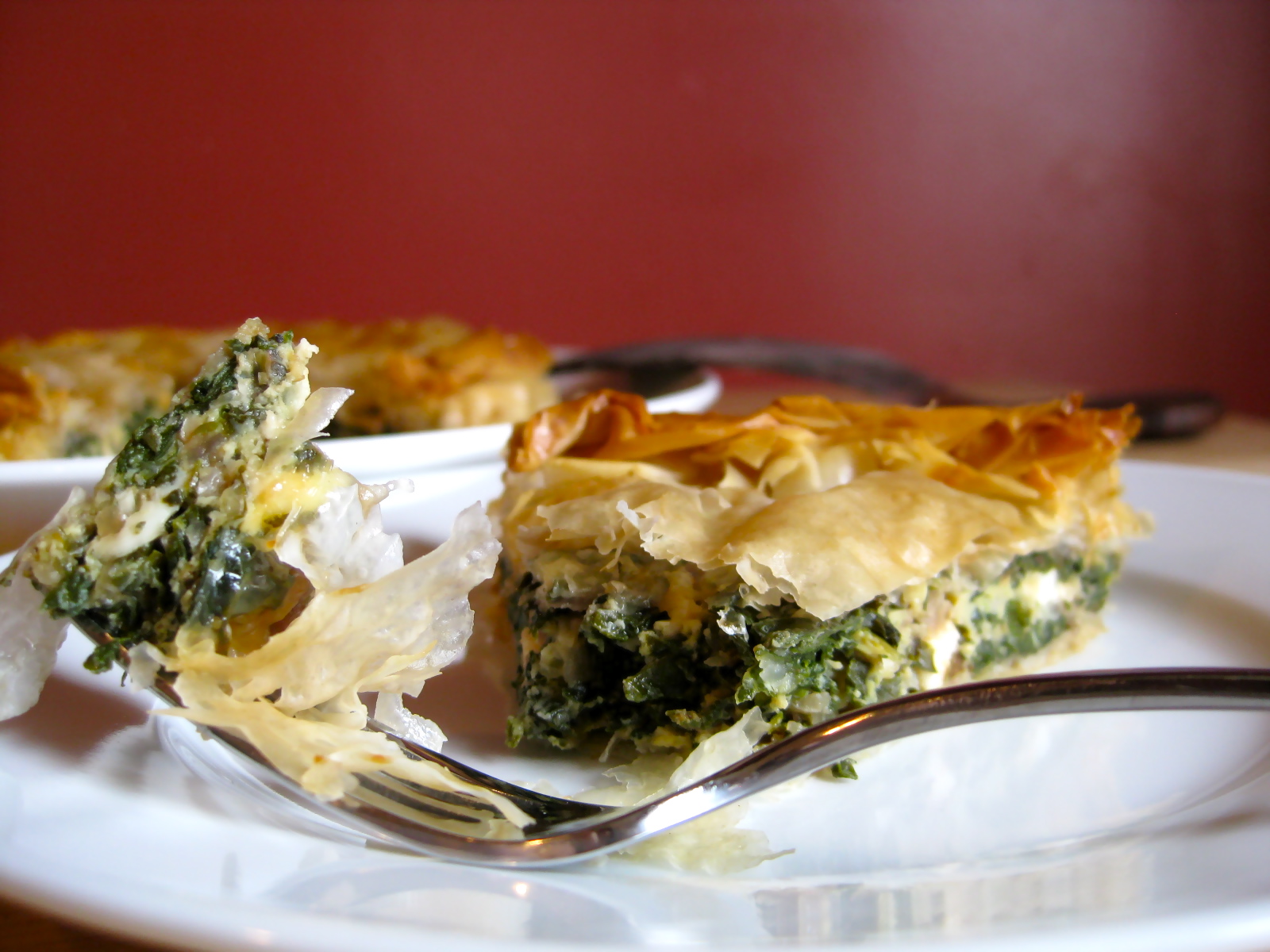
Greens, Feta, and Phyllo Tart 

Orange Semolina Cake with Raspberry Coulis 

Pear, Ginger, and Brown Butter Scones 

Thai Mango and Chicken Salad 

For the Portland Farmers Market, I write a regular column that focuses on buying and cooking affordable, delicious food with seasonal ingredients that come directly from the farmers market.  Twice a month I head to the farmers market with $10 in my pocket, and my goal is to find enough food for that price that will allow me to make an entire meal for 2-4 people.  I know people often times think of farmers markets as being overpriced havens for out of touch food obsessives, but my column aims to change that perception. So far I’ve developed three meals, $10 and under, for the farmers market.  The most recent one, an Indian feast made from exactly $10 worth of produce, yielded enough food to last us through several heavenly days of leftovers.  It was like a farmers market magic trick.

The most enjoyable aspect of developing recipes for the farmers market is the fact that every market features different produce every week.  You really learn to eat with the seasons when you follow what’s fresh and available from local farms, so every visit ends up being a pleasant and inspiring challenge.  Below are my three most recent $10 meals for the Portland Farmers Market (again, click on the links to make your way to the complete articles and recipes).

Pea Shoot and Roasted Beet Salad with Sauteed Beet Greens and Breaded Chevre 

Roasted Fennel and Parsnips with Lemon Basil Bruschetta

An Indian Feast of Zucchini Pakoras (Indian Zucchini Fritters), Aloo Gobi (Indian Potatoes and Cauliflower), and Kachumber (Tomato, Cucumber, and Onion Salad)

Visit the recipes.  Try them out.  Tell me what you think.  Keep checking in and discovering what is new here, at Melting Pot, and at the Portland Farmers Market.  The recipes never stop coming.

How to Make Smoked Salmon at Home

16 Jun

Meat and I, we have a complicated relationship.  The enjoyment I derive from testing out new meat-centric recipes and learning about various techniques and processes in regard to cooking meat tends to oftentimes far outweigh any desire I might have to actually eat what I am making.  Last winter I had a great time braising short ribs for four hours in a red wine and balsamic reduction, but when it came to actually eating the short ribs, I have to admit that I was decidedly lacking in enthusiasm.  Slow roasting a salt-crusted pork tenderloin on the grill is a fascinating operation, so long as I will not be made to actually eat the pork when I am done fussing with it.  Meats get stuffed, marinated, and rolled, and then I foist them on my husband.  Not that he minds.  More realistically, I do not foist them upon him so much as I generously heap them upon his willing plate.
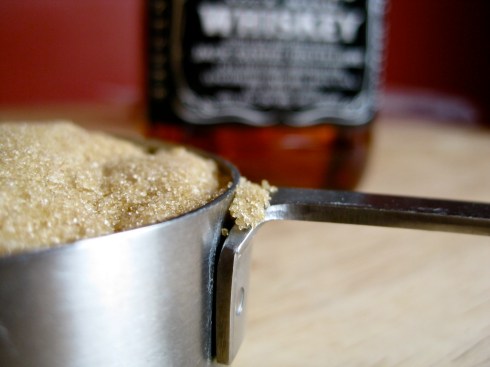
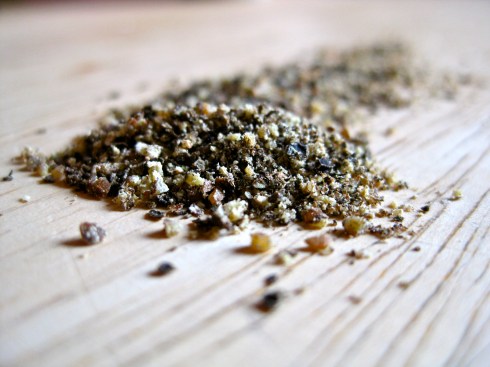
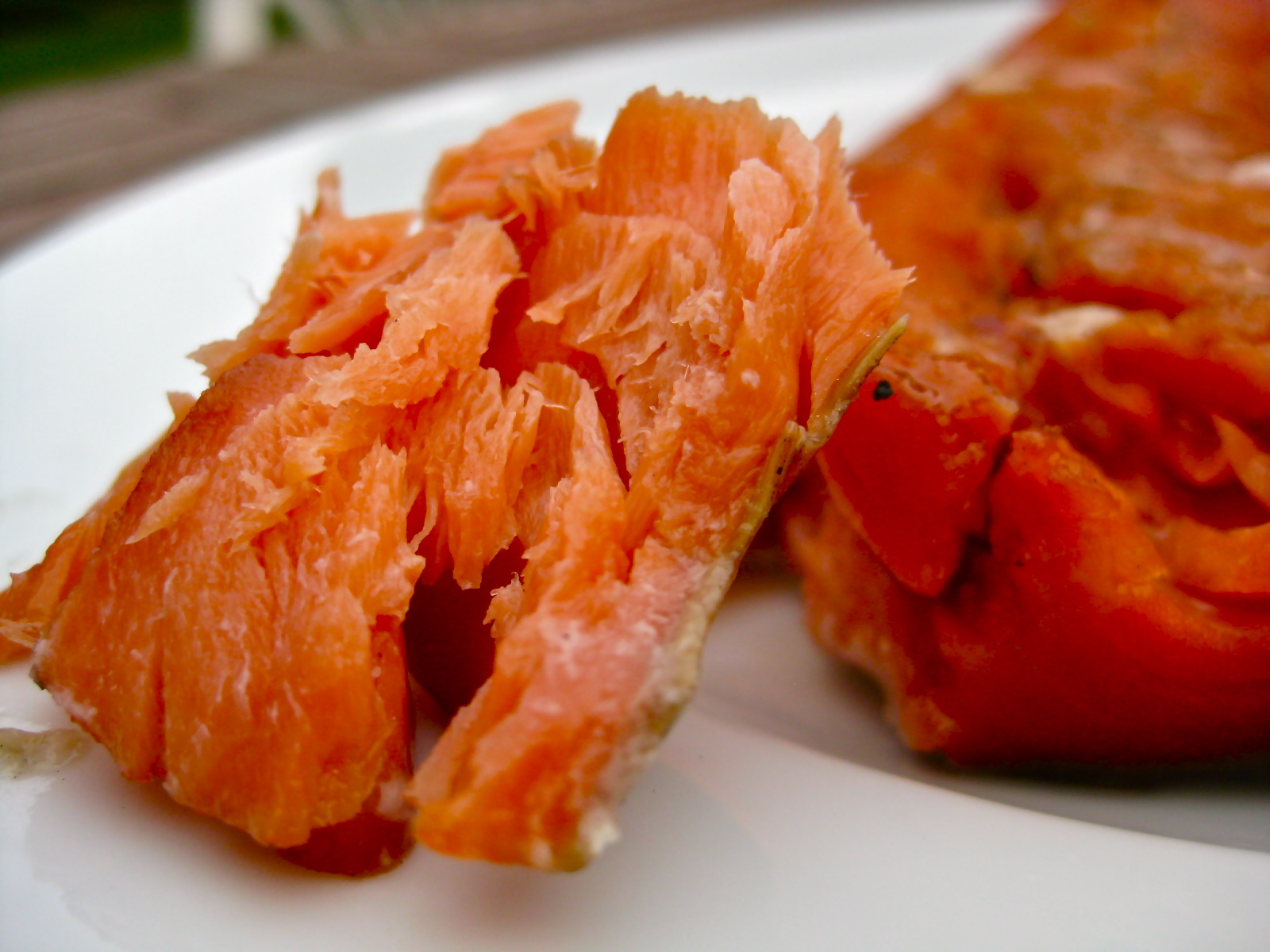
This trend, however, might have just come to an end.  Please, everyone, let me introduce you all to my new best friend: whiskey soaked applewood smoked salmon.

First of all, allow me to admit that, up until last year, I was not aware of the fact that making smoked salmon at home was even a possibility.  I thought that smoking meats involved special canisters or barrels, or perhaps some sort of high-tech equipment that only very dedicated meat-eating people knew how to find.  Not surprisingly, I was dead wrong.  To smoke salmon at home, you need little more than an outdoor grill, some wood chips, salt, and sugar.  That’s it.
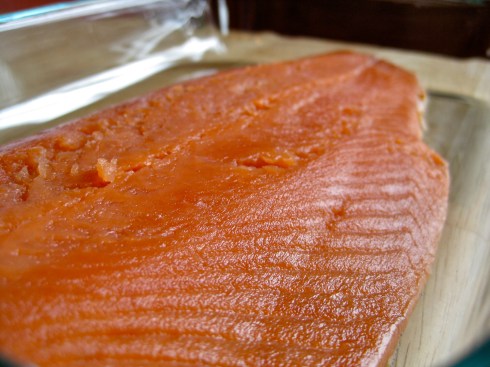
If you want to get a little fancier, you can briefly marinate your salmon in a bit of whiskey or bourbon, like we did here, or perhaps a bit of rum, if you’d prefer your salmon to be a bit sweeter.  No matter which you choose, after 4 hours of curing the salmon to draw out the liquid, it takes only 20 short minutes to smoke this salmon to a delicious and robust finish.
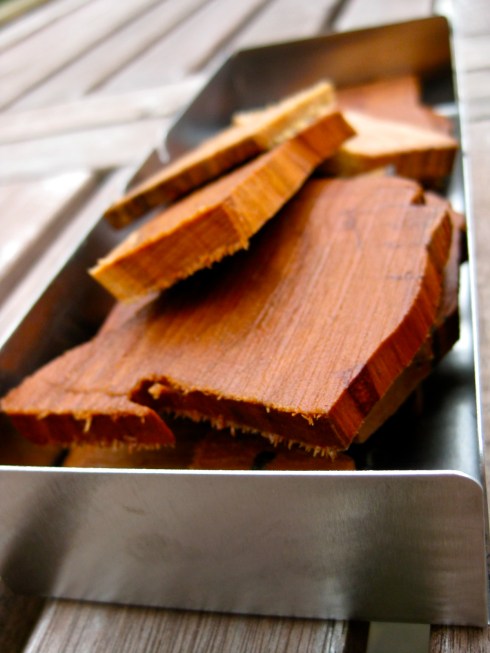
You can eat this smoked salmon on a salad, you can pile it on top of a bagel, or you can flake it into some pasta.  There is no wrong way to eat this, and the only known way to stop enjoying it is to eat it until it is gone.  You might want to immediately make more, but that’s all right.  If nothing else, you can just use my excuse, and tell people that you are making up for meats long ago left unenjoyed.
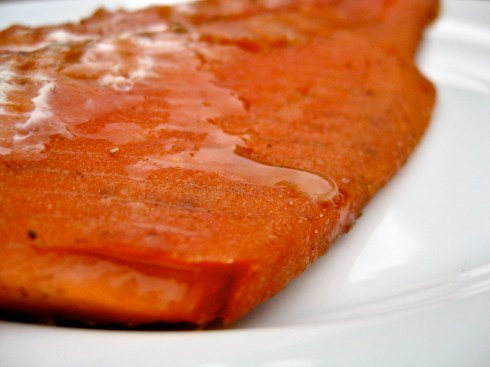
Whiskey Soaked Applewood Smoked Salmon

Adapted only slightly from Steven Raichlen’s How to Grill

1 salmon fillet, about 1 pound

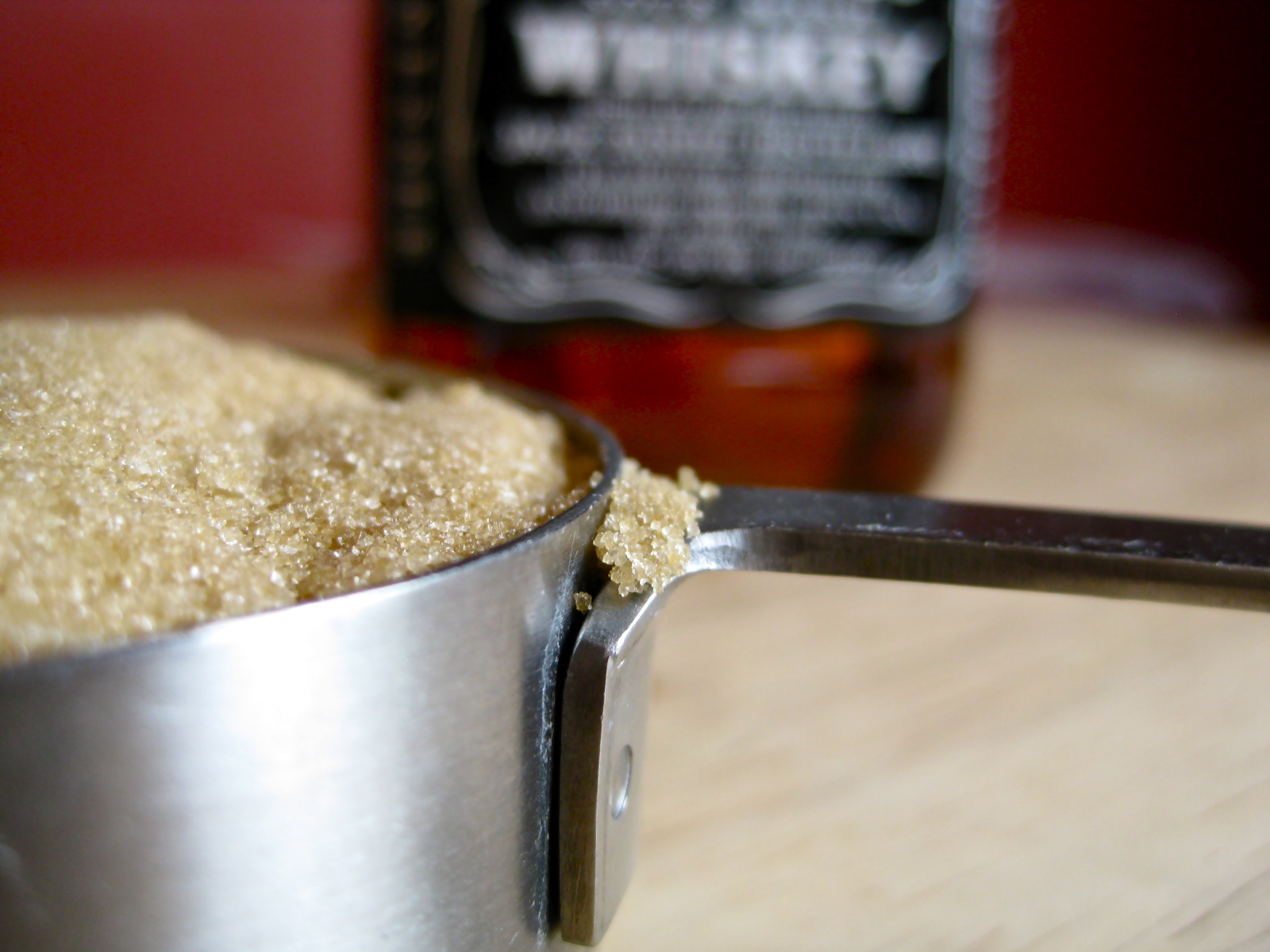
½ cup whiskey, bourbon, or rum

½ cup firmly packed brown sugar

¼ cup coarse salt*

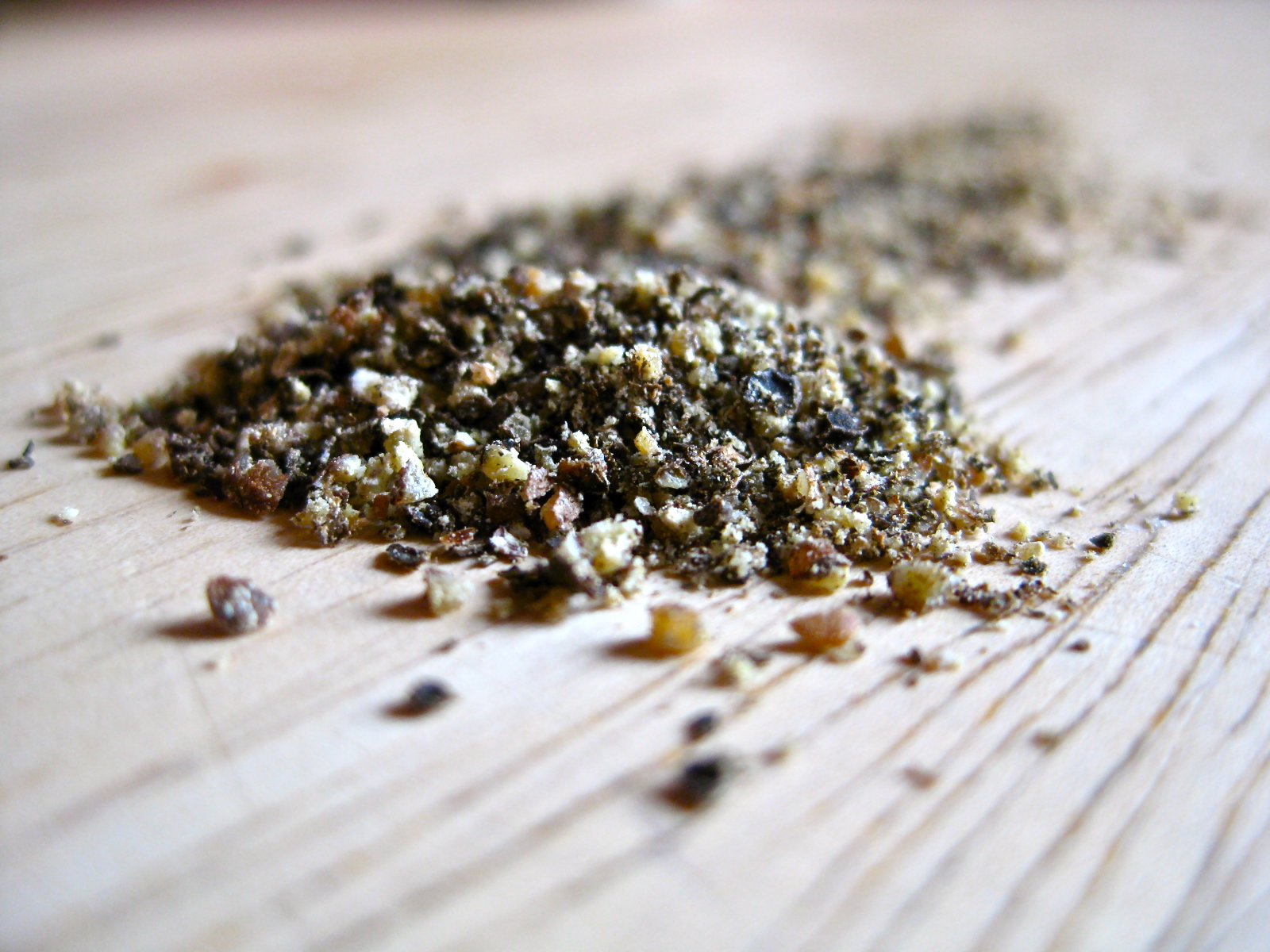
2 teaspoons freshly ground black pepper

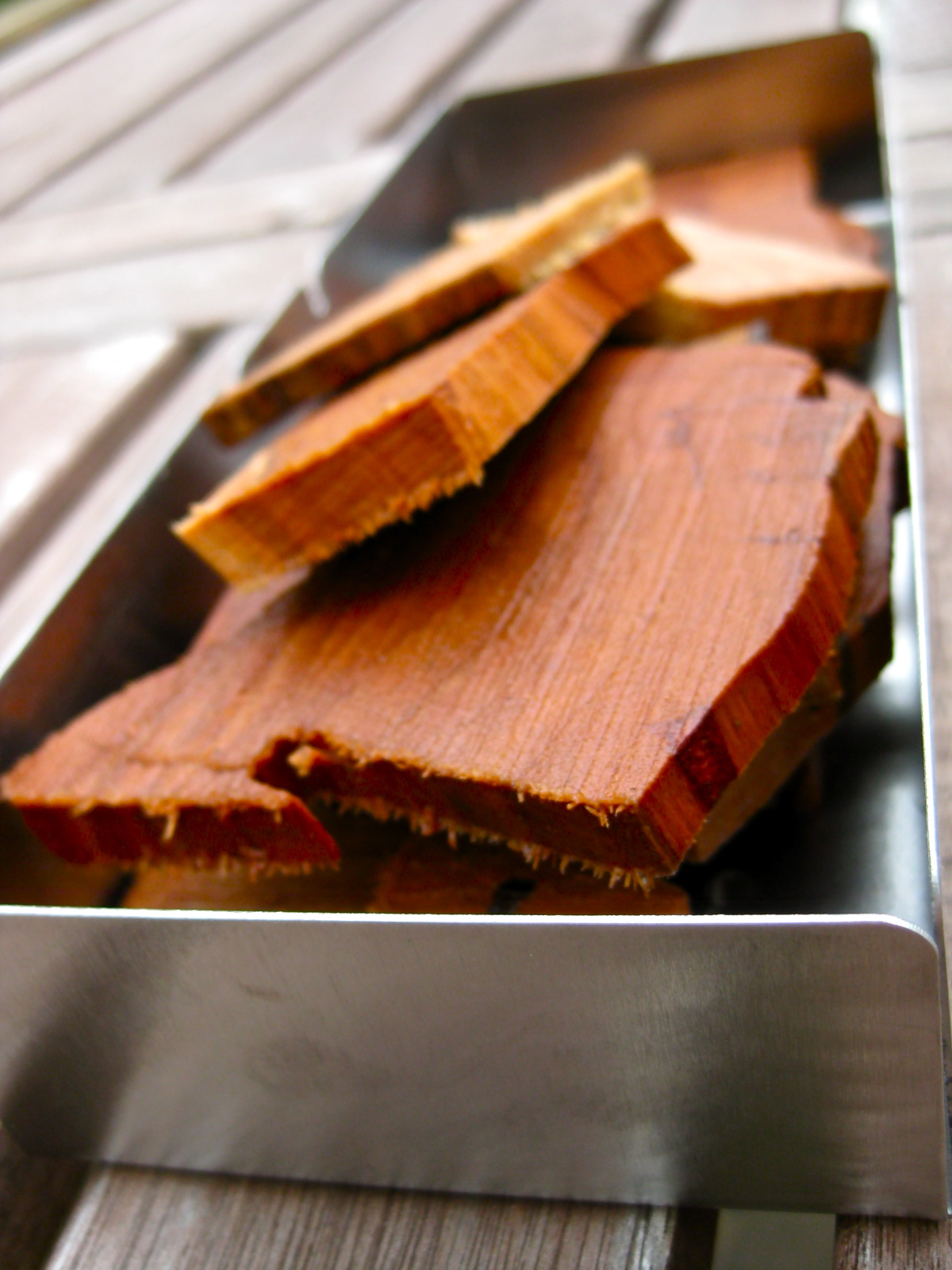
2 cups wood chips, soaked in cold water for 1 hour, then drained (Raichlen recommends using alder wood chips, but we used apple wood because we had easy access to it, courtesy of a recently-felled apple tree and, man, don’t we sound all self sufficient and rustic right now?)

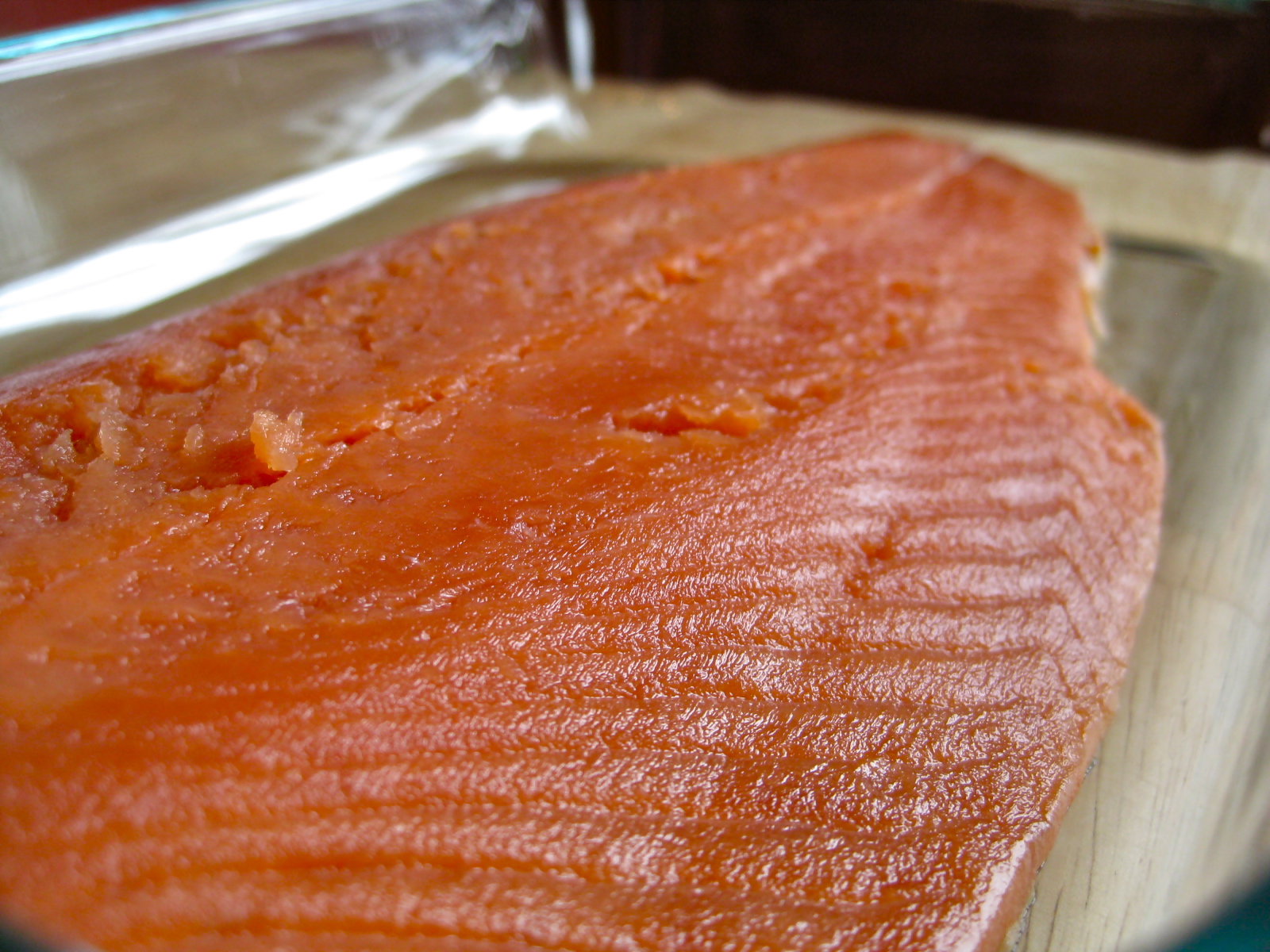
Skin the salmon fillet and remove any bones.  Rinse the salmon under cold running water, then blot dry.  Place the salmon in a baking dish just large enough to hold it, and pour the whiskey, bourbon, or rum over it.  Allow to marinate for 15 minutes, then drain the salmon and blot dry once more.  Wipe out the baking dish.

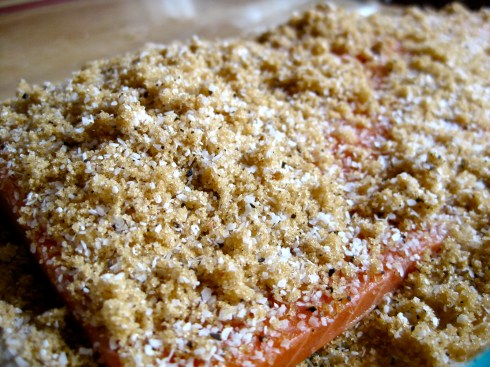
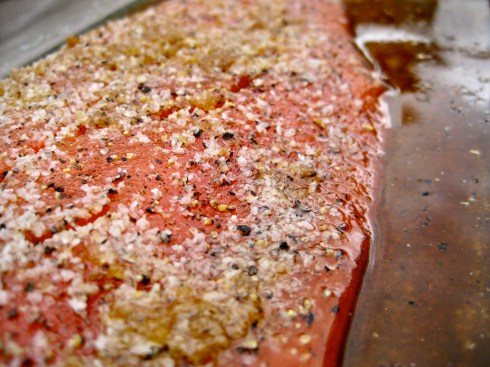
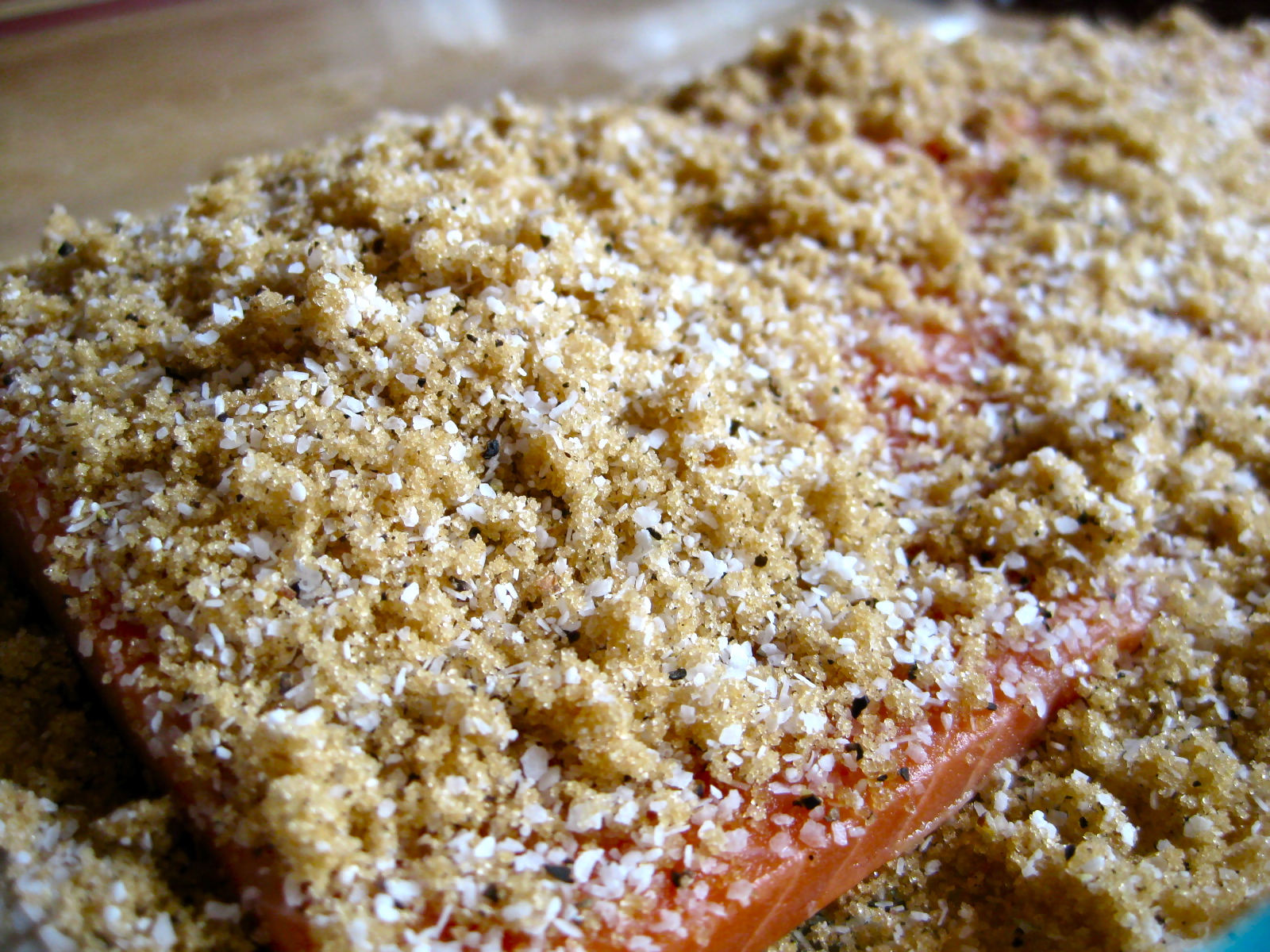
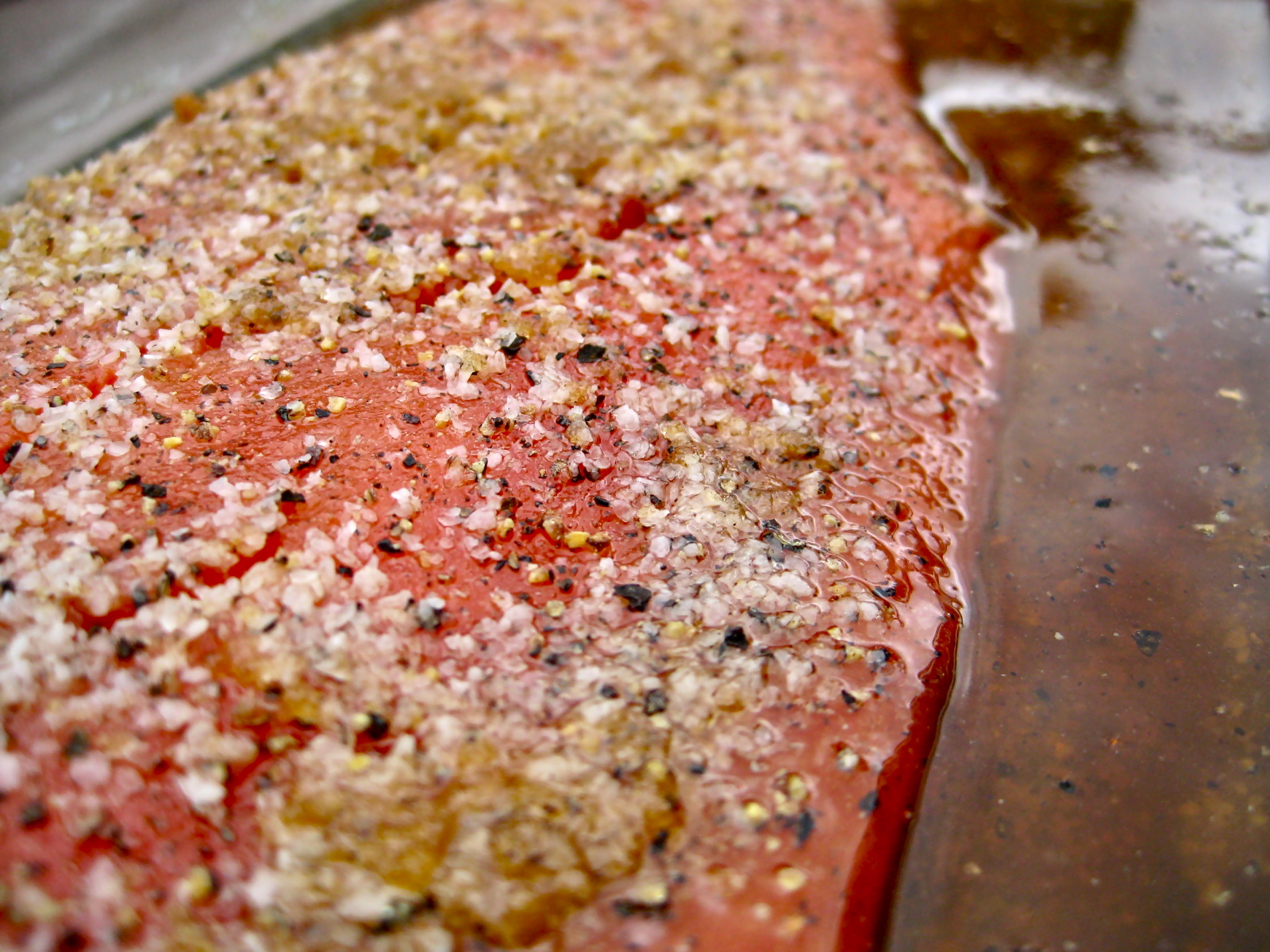
Combine the brown sugar, salt, and pepper in a mixing bowl and mix well with your fingers.  Spread 1/3 of the mixture over the bottom of the baking dish.  Lay the salmon on top of the mixture, skinned-side down.  Cover salmon with remaining 2/3 of brown sugar mixture, patting it onto the fish with your fingertips.  Cover the salmon with plastic wrap and allow to cure in the refrigerator for 4 hours.  The salt in the cure will draw out the moisture in the salmon.

Set up your grill for indirect grilling.  If you have a two burner gas grill, this will mean setting one burner on medium high heat and leaving the other burner off.  If you have a three burner gas grill, it will mean setting the two outermost burners on medium high heat and leaving the middle burner off.  If you have a charcoal grill, you will be raking your hot coals into two piles on opposite sides of the grill, leaving an empty space in between.  After preparing whichever grill you have, place a drip pan in the portion of the grill that is not lit or covered with hot coals.

Thoroughly rinse the brown sugar mixture off of the salmon with cold running water, then blot dry once more.  Discard liquid that has been extracted from the salmon.

Toss the pre-soaked wood chips onto hot coals (if using a charcoal grill), or, if using a gas grill, place wood chips in a smoker box made specifically for gas grills (such as this one), or wrap your wood chips in a tight pouch of aluminum foil with holes punched in the top (as demonstrated here), then place the box or pouch of wood chips under the grill grate, directly on top of a burner.

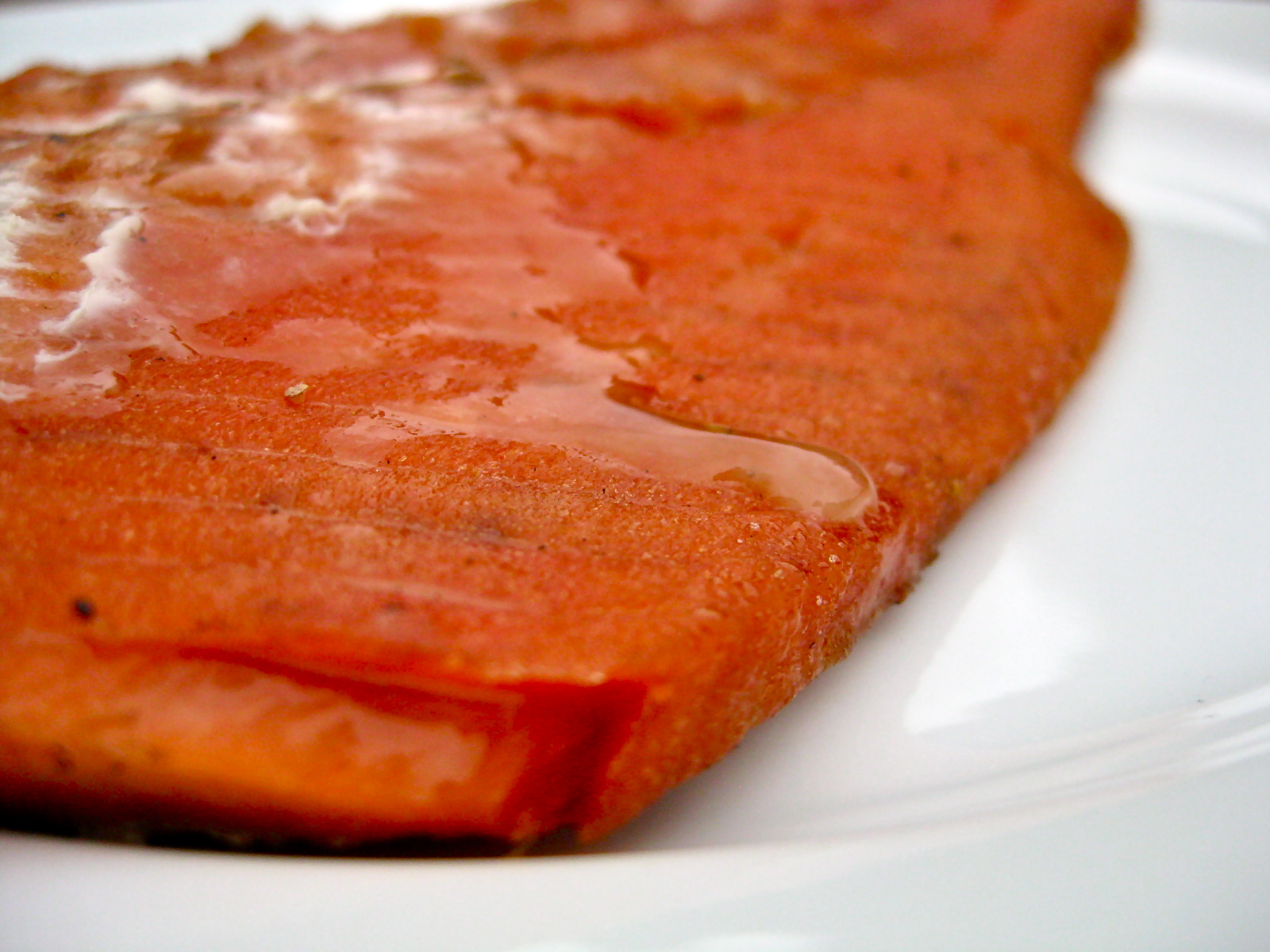
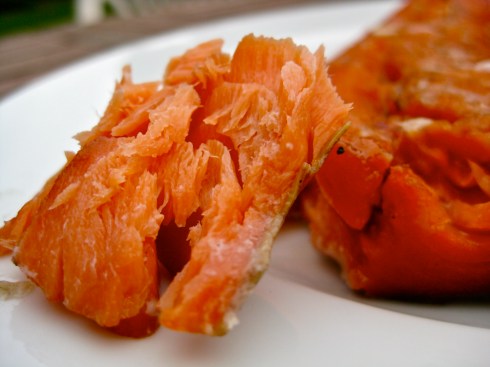
Brush and oil grill grate.  Place the salmon in the center of the hot grate, over the drip pan that has been placed away from the heat.  Completely close the lid of the grill.  Smoke the fish until cooked through, about 20 minutes.  To test for doneness, press the top of the salmon with your finger and test for firmness.  The salmon should feel firm and break into clean flakes.

Cool the salmon, then wrap it in aluminum foil and refrigerate until cold.  Serve warm or at room temperature.  Tightly wrapped, the smoked salmon will keep in the refrigerator for 3-5 days.

*A note about coarse salt:  Coarse salt, which is often found in the form of kosher salt, comes in varying degrees of saltiness.  The two most widely found brands of kosher salt, Morton and Diamond, are no exception.  Morton kosher salt is known for being exceedingly salty, while Diamond kosher salt is decidedly less salty.  If using Diamond kosher salt, I recommend you go ahead and use the full amount of salt called for.  If you are using Morton kosher salt, reduce the amount of salt by one heaping tablespoon, then proceed with the recipe as usual.

Pear and Mascarpone Pizza

13 Jun

There is pretty much no end to the dedication I will show in order to cobble together a dessert.  If I can make this dessert by mining the depths of my refrigerator, even better.  There is satisfaction to be found in saving food from eminent disposal, sure, but one can definitely intensify the delight of that satisfaction by churning out a dessert so unexpectedly fantastic, so effortlessly decadent, you might just have trouble believing that this delicious thing you just Frankenstein-ed into existence is a hodgepodge of leftover bits and pieces from other meals.

While it’s true that this recipe is based on using up a bit of leftover pizza dough (and by based, I mean that both literally and figuratively, since the pizza dough provides a crispy base for the pears and mascarpone, but also serves as a nice method for utilizing the last third of a batch of this dough), it by no means tastes like a second rate dessert.  That a very simple combination of ingredients can be joined together to make something this incredible seems almost unfathomable.

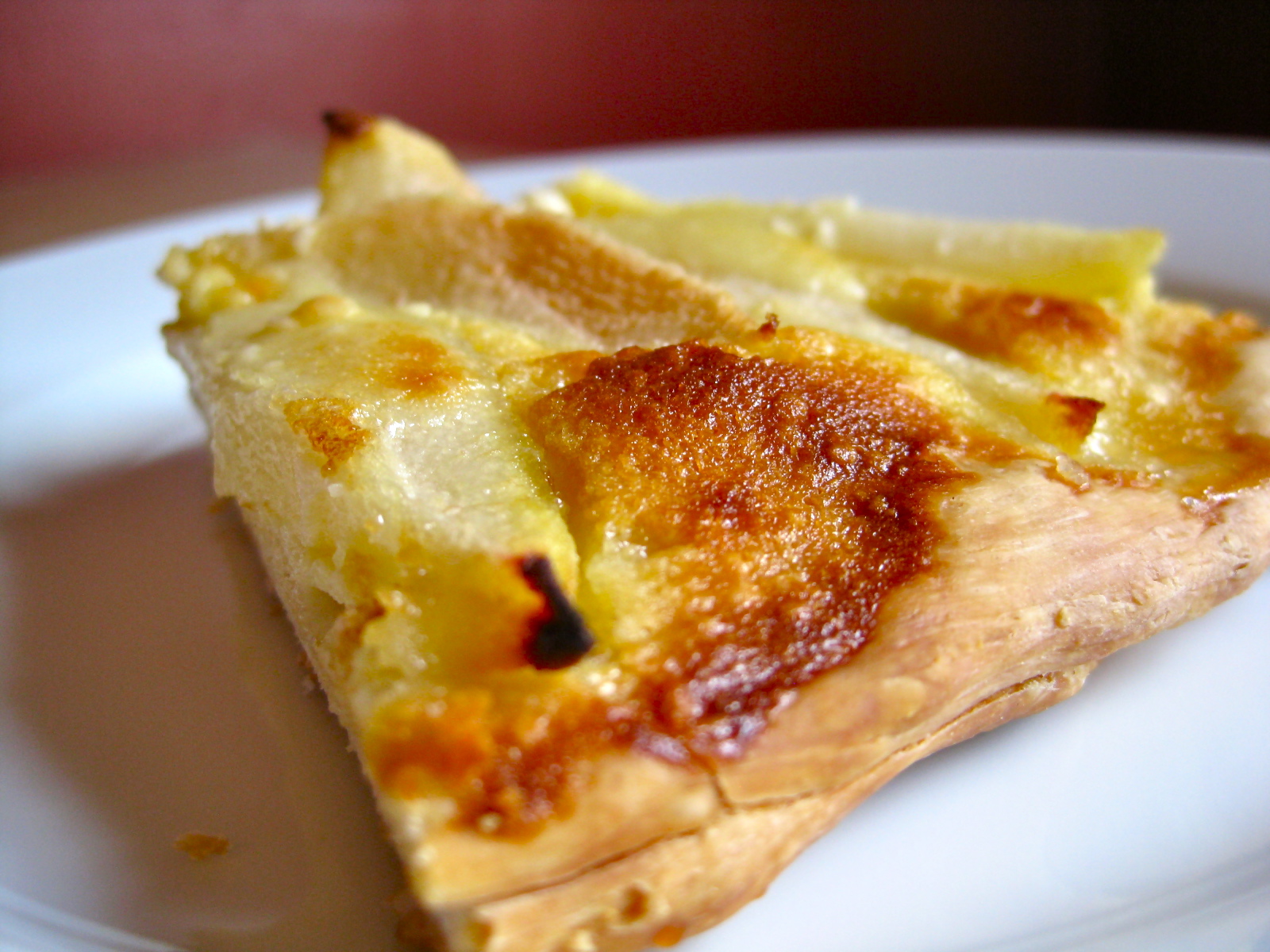
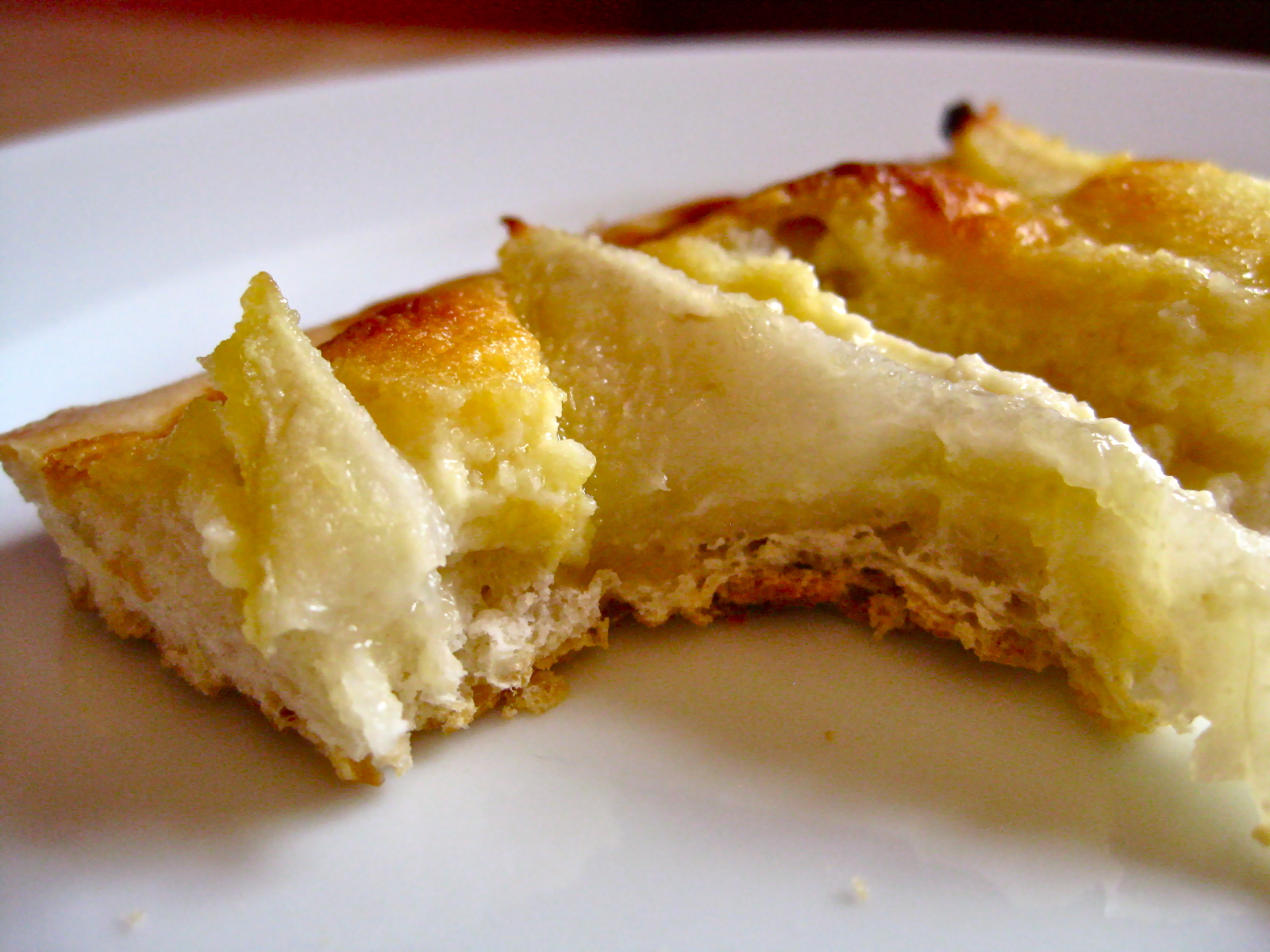
Softly sweet mascarpone cheese is baked into a deep, caramelized custard while it sits atop a bed of simple, fresh pears.  The humble pizza dough base, previously left to rest in the refrigerator for several days, transforms into a flaky, crispy pastry that achieves all the flavor of a Danish pastry dough, only with none of the work involved.  To top off the list of this dessert’s nearly unbelievable attributes, the entire thing, luscious and toothsome as it is, is made with a total of only three tablespoons of sugar.

Truthfully, I am finding it exceptionally difficult to do anything other than gush about this luxurious pastry concoction, because, to be quite honest, I had no idea it would turn out this good.  When I took a bite of it, I actually froze a little and thought, “What IS this?”  Even though I knew exactly what it was, since I had just taken the time to make it.  Now, one week later, having worked my way through several bites, I feel a bit more prepared to answer my own question.  What is this?  It is simple, it is delightful, and it is not to be missed.

Interested in more ways to use up refrigerator leftovers?  Here is another scavenger recipe of mine that was posted on Indie Fixx, where I write a regular food and cooking column called Melting Pot.

Pear and Mascarpone Pizza

If I were to make one very important suggestion about this dessert, it would be that you use a very well-rested pizza dough that has had time to ripen in the refrigerator.  What do I mean by ripen?  Well, the longer you let your dough rest in the refrigerator, the more time you are giving the enzymes in the flour to convert to sugar.  This extra bit of natural sweetness in the dough not only gives it a great flavor, but it also allows the dough to caramelize a bit while baking in the oven, giving the dessert base a much more intense flavor and pronounced crispness without the need for added butter or sugar.

Pizza dough (preferably aged in the refrigerator for 2-3 days) for 1 pizza

2 pears, peeled, cored, and cut into thin slices

1 tablespoon turbinado or raw sugar

4 ounces mascarpone cheese

1 large egg

2 tablespoons white sugar

1 tablespoon freshly squeezed lemon juice

1 teaspoon pure vanilla extract

Preheat oven to 400 degrees F.

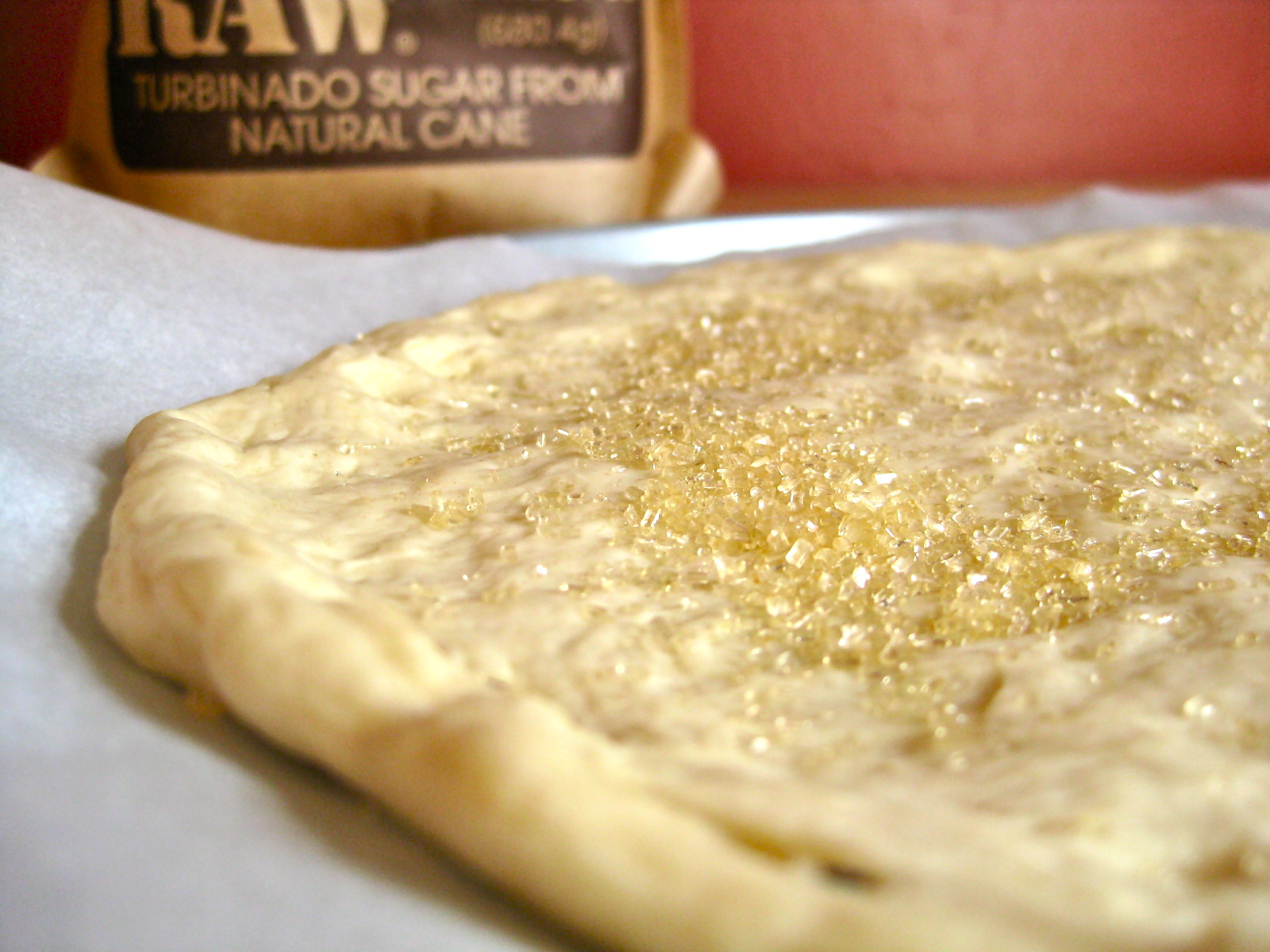
Hand stretch dough into a 12-14 inch round.  Place dough on a parchment-lined baking sheet.  Sprinkle half a tablespoon of turbinado sugar over the surface of the dough.  Reserve the remaining half tablespoon of turbinado sugar and set aside.

Arrange the sliced pears over the top of the sugar-sprinkled dough.  I found it very easy to fit all the slices neatly on the round by arranging them in concentric circles, but you may arrange the pears however you want.

Combine the mascarpone cheese, egg, white sugar, lemon juice, and vanilla.  Whisk thoroughly to combine.

Drizzle the mascarpone mixture evenly over the pears, covering as much of the surface as possible, but leaving a 1/2 inch of dough uncovered at the edges.  Sprinkle the pears and cheese with the remaining half tablespoon of turbinado sugar.

Bake pizza for 25-30 minutes, until the cheese has caramelized in places and the edges of the dough have turned golden.  Cool slightly before eating.